Middlesex County, Massachusetts
Street maps, historic prints and keepsakes for 54 Middlesex County towns.
The oldest is Medford, established 1630. The largest by population is Cambridge (118,403).
| Town | Established | Population |
|---|---|---|
| Acton | 1735 | 24,021 |
| Arlington | 1807 | 46,308 |
| Ashby | 1767 | 3,193 |
| Ashland | 1846 | 18,832 |
| Ayer | 1871 | 8,479 |
| Bedford | 1729 | 14,383 |
| Belmont | 1859 | 27,295 |
| Billerica | 1655 | 42,119 |
| Boxborough | 1783 | 5,506 |
| Burlington | 1799 | 26,377 |
| Cambridge | 1636 | 118,403 |
| Carlisle | 1805 | 5,237 |
| Chelmsford | 1655 | 36,392 |
| Concord | 1635 | 18,491 |
| Dracut | 1701 | 32,617 |
| Dunstable | 1673 | 3,358 |
| Everett | 1870 | 49,075 |
| Framingham | 1700 | 72,362 |
| Groton | 1655 | 11,315 |
| Holliston | 1724 | 14,996 |
| Hopkinton | 1715 | 18,758 |
| Hudson | 1866 | 20,092 |
| Lexington | 1713 | 34,454 |
| Lincoln | 1754 | 7,014 |
| Littleton | 1715 | 10,141 |
| Lowell | 1826 | 109,945 |
| Malden | 1649 | 66,263 |
| Marlborough | 1660 | 41,793 |
| Maynard | 1871 | 10,746 |
| Medford | 1630 | 59,659 |
| Melrose | 1850 | 29,817 |
| Natick | 1781 | 37,006 |
| Newton | 1681 | 88,923 |
| North Reading | 1853 | 15,554 |
| Pepperell | 1775 | 11,604 |
| Reading | – | 25,518 |
| Sherborn | 1674 | 4,401 |
| Shirley | 1753 | 7,431 |
| Somerville | 1842 | 81,045 |
| Stoneham | 1725 | 23,244 |
| Stow | 1683 | 7,174 |
| Sudbury | 1639 | 18,934 |
| Tewksbury | 1734 | 31,342 |
| Townsend | 1732 | 9,127 |
| Tyngsborough | 1809 | 12,380 |
| Wakefield | 1812 | 27,090 |
| Waltham | 1738 | 65,218 |
| Watertown | 1630 | 35,329 |
| Wayland | 1780 | 13,943 |
| Westford | 1729 | 24,643 |
| Weston | 1713 | 11,851 |
| Wilmington | 1730 | 23,349 |
| Winchester | 1850 | 22,970 |
| Woburn | 1642 | 40,876 |
About these towns
Acton: Acton's history reflects the history of Massachusetts, New England, and the United States. It was first settled by Native Americans who used the Assabet, Sudbury and Concord rivers for transportation and the fields for farming seasonal crops.
Arlington: European colonists settled the Town of Arlington in 1635 as a village within the boundaries of Cambridge, Massachusetts, under the name Menotomy, an Algonquian word considered by some to mean "swift running water", though linguistic anthropologists dispute that translation.
Ashby: Ashby was first settled in 1676 and was officially incorporated in 1767. The town was formed from portions of Townsend, Lunenburg, Fitchburg, and Dorchester-Canada (a portion of Ashburnham).
Ashland: The area now known as Ashland was settled in the early 18th century and inhabited prior to that by the Megunko Native Americans, to which Megunko Hill owes its name.
Ayer: Ayer was originally inhabited by the Nashaway, a Nipmuc people that inhabited the lands along the Nashua River and its tributaries. A small settlement was located along the banks of the Nonacoicus Brook, located in the western part of the town.
Bedford: The following compilation comes from Ellen Abrams (1999) based on information from Abram English Brown's History of the Town of Bedford (1891), as well as other sources such as The Bedford Sampler Bicentennial Edition containing Daisy Pickman Oakley's articles, Bedford Vital Records, New England Historical and Genealogical Register, Town Directories, and other publications from the Bedford Historical Society.
Belmont: Belmont was established on March 18, 1859, by former citizens of, and on land from the bordering towns of, Watertown, to the south; Waltham, to the west; and Arlington, then known as West Cambridge, to the north.
Billerica: In the early 1630s, a Praying Indian village named Shawshin was at the current site of Billerica, commonly spelled Shawsheen today, as in the Shawsheen River.
Boxborough: The area which became the town of Boxborough was first inhabited by the Native Americans of the Nipmuc and Pennacook tribes. It was probably visited by colonists as early as the mid seventeenth century, before the neighboring towns of Stow (1683) and Acton (1735) were founded.
Burlington: It is believed that Burlington takes its name from the English town of Bridlington, Yorkshire, but this has never been confirmed. It was first settled in 1641, and was officially incorporated on February 28, 1799; several of the early homesteads are still standing, such as the Francis Wyman House, dating from 1666.
Cambridge: Native Americans inhabited the Charles River basin for thousands of years prior to European colonization of the Americas, as confirmed by archaeological remains in neighboring Watertown and Boston.
Carlisle: the town of Carlisle in 1651 on parcels of land of the neighboring towns of Acton, Billerica, Chelmsford and Concord. Carlisle became a district of Concord in 1780 and was incorporated as a town by an act of the legislature in 1805.
Chelmsford: The Pennacook inhabited the area for thousands of years prior to European colonization. Settler-colonizers from the adjacent communities of Woburn and Concord founded Chelmsford in 1652.
Concord: The area which became the town of Concord was originally known as "Musketaquid", situated at the confluence of the Sudbury and Assabet rivers.
Dracut: Before Europeans arrived in the mid-17th century, Dracut and the surrounding area were known as Augumtoocooke. Important Pennacook Native American settlements were served by fishing at Pawtucket Falls on the Merrimack River and abundant game in the surrounding marsh areas.
Dunstable: Dunstable was first settled by Europeans in 1656 and was officially incorporated in 1673. It is likely named after the town of Dunstable in Bedfordshire, England, home of Edward Tyng, the town's first settler.
Everett: Everett was originally part of Charlestown, and later Malden. It separated from Malden in 1870. The community was named after Edward Everett, who served as U.S.
Framingham: Prior to English settlement, the region around Framingham was inhabited by the indigenous Nipmuc. They lived in encampments established alongside the Washakamaug ("eel fishing place") or what is today called Farm Pond.
Groton: The area surrounding modern-day Groton has, for thousands of years, been the territory of various cultures of indigenous peoples. They settled along the rivers, which they used for domestic tasks, fishing and transportation.
Holliston: At the time of the earliest European settlements, where Holliston exists now was part of the territory of the Awassamog family of Natick (the first Nipmuc praying town), who also held authority over land near Waushakum Pond at Framingham and land near Annamasset at Mendon.
Hopkinton: The Town of Hopkinton was incorporated on December 13, 1715. Hopkinton was named for an early colonist of Connecticut, Edward Hopkins, who left a large sum of money to be invested in land in New England, the proceeds of which were to be used for the benefit of Harvard University.
Hudson: Indigenous people lived in what became central Massachusetts for thousands of years prior to European settlement. Indigenous oral histories, archaeological evidence, and European settler documents attest to historic settlements of the Nipmuc people in present-day Hudson and the surrounding area.
Lexington: Native Americans inhabited the area that would become Lexington for thousands of years prior to European colonization of the Americas, as attested by a woodland-era archaeological site near Loring Hill south of the town center.
Lincoln: Lincoln was settled by Europeans in 1654, as a part of Concord. The majority of Lincoln was formed by splitting off a substantial piece of southeast Concord and incorporated as a separate town in 1754.
Littleton: Littleton was the site of the sixth Praying Indian village established by John Eliot in 1645 consisting of mainly Native Americans of the Massachusett tribes.
Lowell: The Pawtucket Falls, which provided the hydropower for Lowell's industry in the 1800s, also served as an important seasonal fishing site for native people at the time of European colonization in the 1600s.
Malden: Malden is a hilly woodland area north of the Mystic River that was settled by Puritans in 1640 on land purchased in 1629 from the Mystic tribe of the Pawtucket Confederation, with a further grant in 1639 by the Squaw Sachem of Mistick and her husband Webcowet.
Marlborough: In 1656, several families from Sudbury, Massachusetts, led by Edmund Rice, John Howe, John Ruddock, and John Bent, petitioned the Massachusetts General Court to create a new town.
Maynard: Maynard, located on the Assabet River, was first settled as a farming community by Puritan colonists in the 1600s who acquired the land comprising modern-day Maynard from local Native American tribe members who referred to the area as Pompositicut or Assabet.
Medford: Native Americans inhabited the area that would become Medford for thousands of years prior to European colonization of the Americas. At the time of European contact and exploration, Medford was the winter home of the Naumkeag people, who farmed corn and created fishing weirs at multiple sites along the Mystic River.
Melrose: Melrose was originally called "Ponde Fielde" for its abundance of ponds and streams or "Mystic Side" because of its location in a valley north of the Mystic River.
Natick: Natick was settled in 1651 by John Eliot, a Puritan missionary born in Widford, England, who received a commission and funds from England's Long Parliament to settle the Massachusett Indians called Praying Indians on both sides of the Charles River, on land deeded from the settlement at Dedham.
Newton: Newton was originally part of "the newe towne", which was settled in 1630 and renamed Cambridge in 1638. The first English settlement of what is now Newton began in 1639.
North Reading: Original grants of large farmsteads along the river during the mid-17th century brought six families to the settlement before 1680. The economy of the town in the 17th and 18th century was based on subsistence farming with limited hop production.
Pepperell: Pepperell was first settled in 1720 as a part of Groton, and was officially incorporated as its own town in 1775. The founders named it after Sir William Pepperrell, a Massachusetts colonial soldier who led the Siege of Louisbourg during the French and Indian War.
Reading: In 1639, some citizens of Lynn petitioned the government of the colony for a "place for an inland plantation". They were initially granted six square miles, followed by an additional four.
Sherborn: Located in Boston's MetroWest region, the community is within area code 508 and has the ZIP Code 01770.
Shirley: The inhabitants at the time of European encounter were Nipmuc (or Pennacook) Indians, who called the area Catacunemaug. Once part of "The Plantation of Groton," Shirley was first settled by English pioneers about 1720.
Somerville: The area that would become Somerville was inhabited for thousands of years prior to European colonization, with multiple archaeological sites indicating habitation in the Mystic River watershed as early as the beginning of the Archaic Period (8000–1000 BCE).
Stoneham: The earliest documented mention of the territory now called Stoneham dates to 1632 when, on February 7, Governor Winthrop and his party came upon this area.
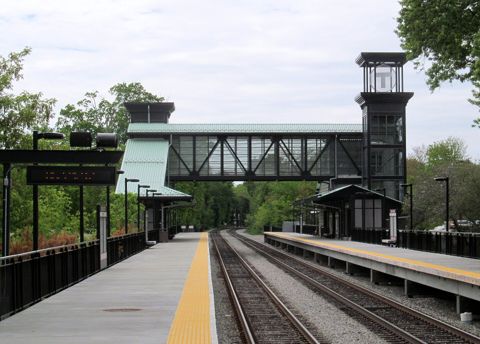 ActonMassachusetts · Est. 1735
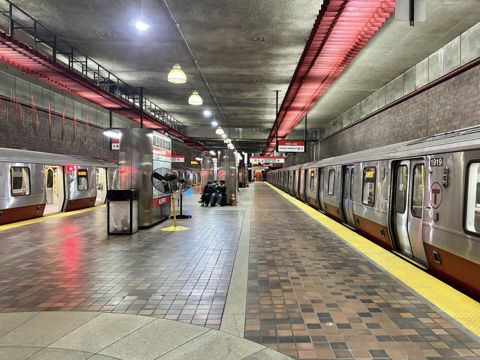 ArlingtonMassachusetts · Est. 1807
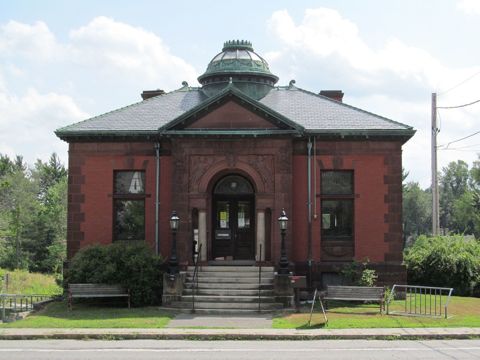 AshbyMassachusetts · Est. 1767
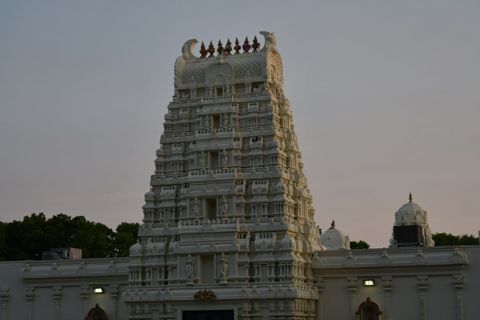 AshlandMassachusetts · Est. 1846
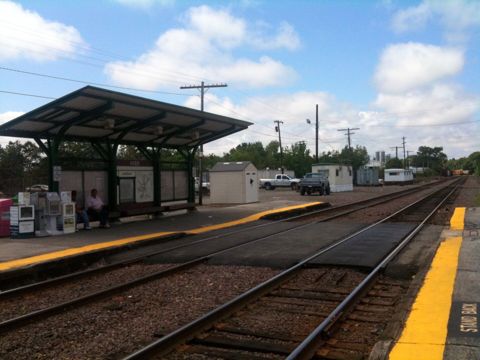 AyerMassachusetts · Est. 1871
 BedfordMassachusetts · Est. 1729
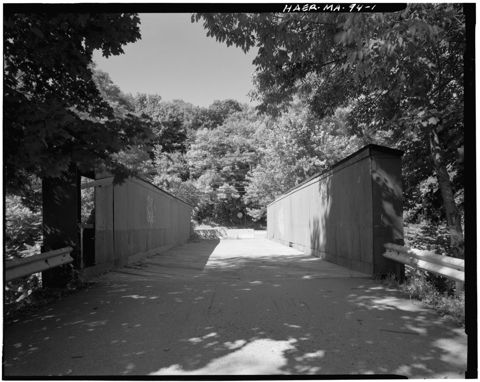 BelmontMassachusetts · Est. 1859
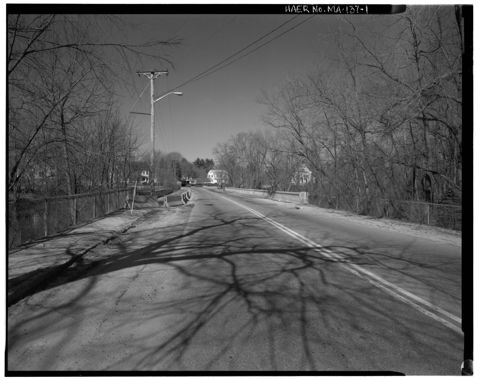 BillericaMassachusetts · Est. 1655
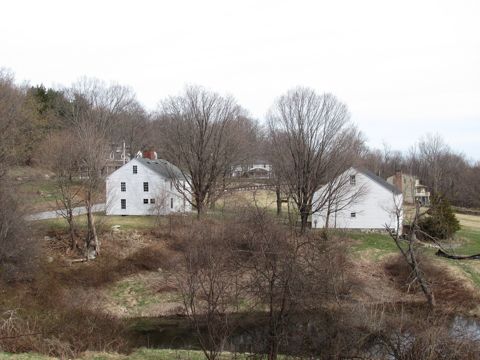 BoxboroughMassachusetts · Est. 1783
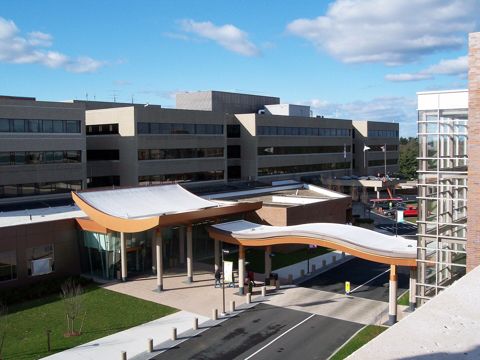 BurlingtonMassachusetts · Est. 1799
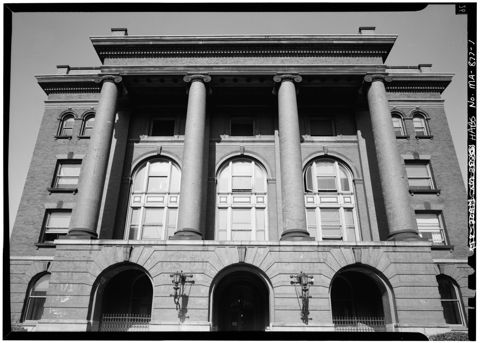 CambridgeMassachusetts · Est. 1636
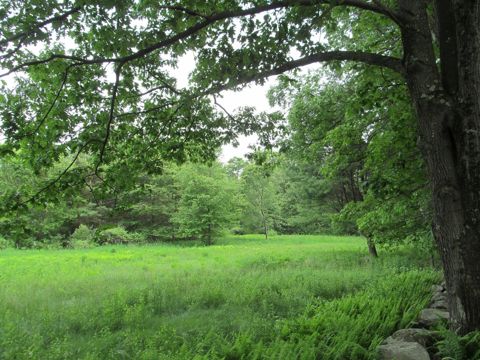 CarlisleMassachusetts · Est. 1805
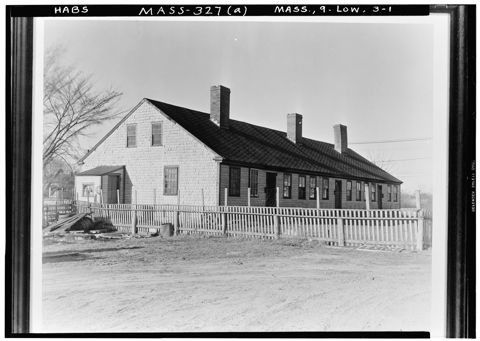 ChelmsfordMassachusetts · Est. 1655
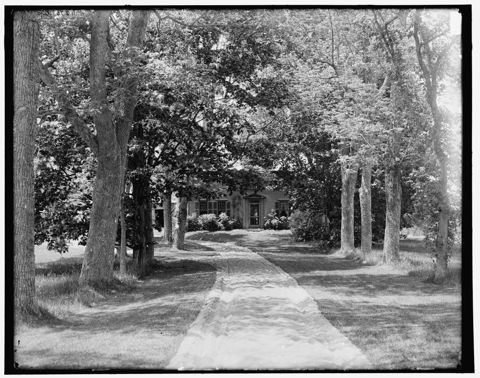 ConcordMassachusetts · Est. 1635
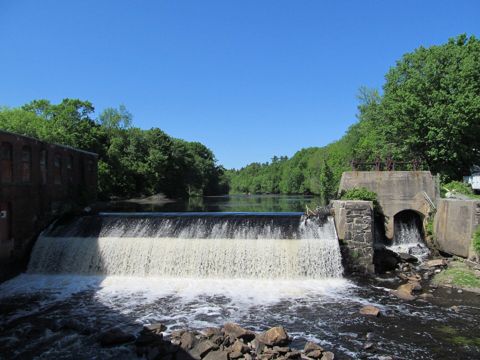 DracutMassachusetts · Est. 1701
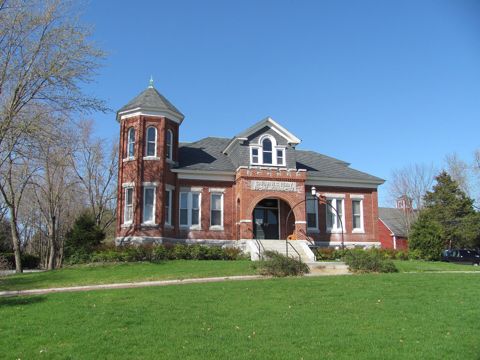 DunstableMassachusetts · Est. 1673
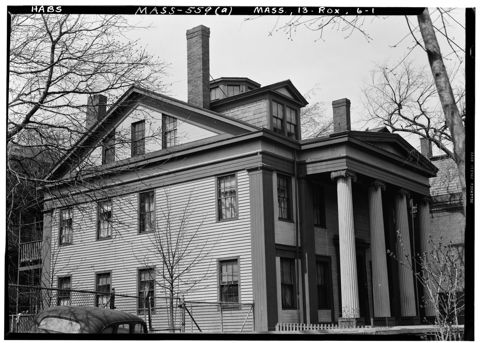 EverettMassachusetts · Est. 1870
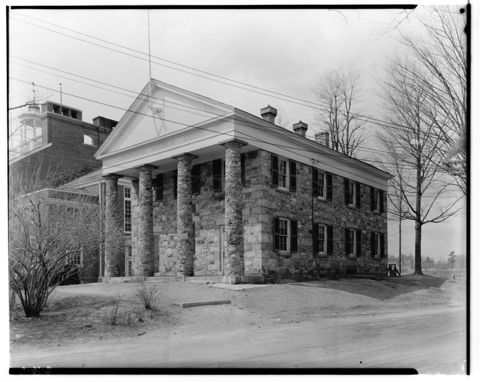 FraminghamMassachusetts · Est. 1700
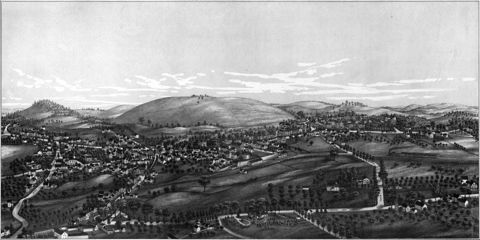 GrotonMassachusetts · Est. 1655
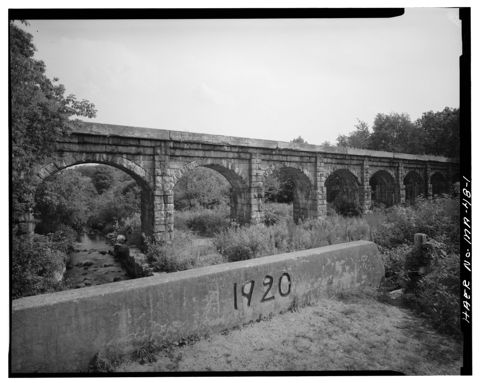 HollistonMassachusetts · Est. 1724
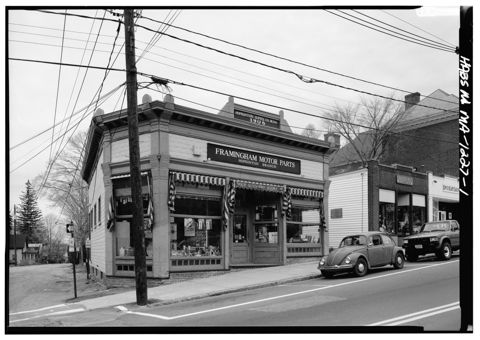 HopkintonMassachusetts · Est. 1715
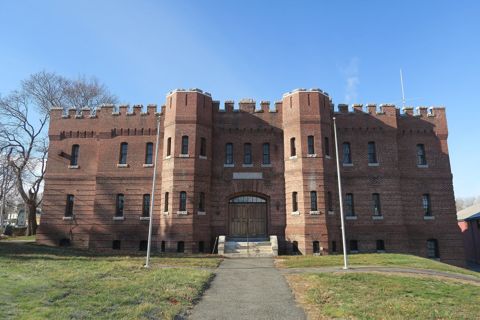 HudsonMassachusetts · Est. 1866
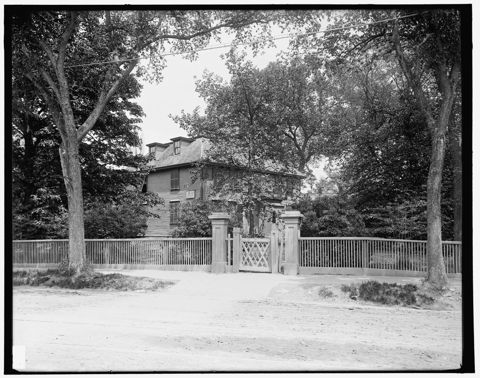 LexingtonMassachusetts · Est. 1713
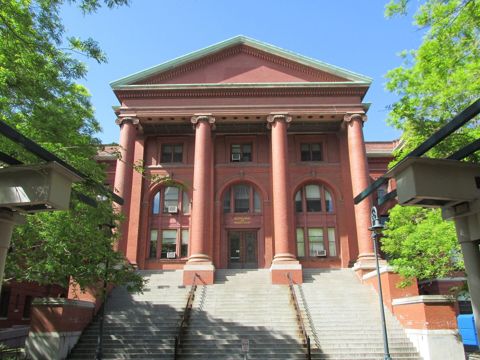 LincolnMassachusetts · Est. 1754
Founding years, populations and town notes come from each town's Wikipedia and Wikidata entries. All Massachusetts towns.