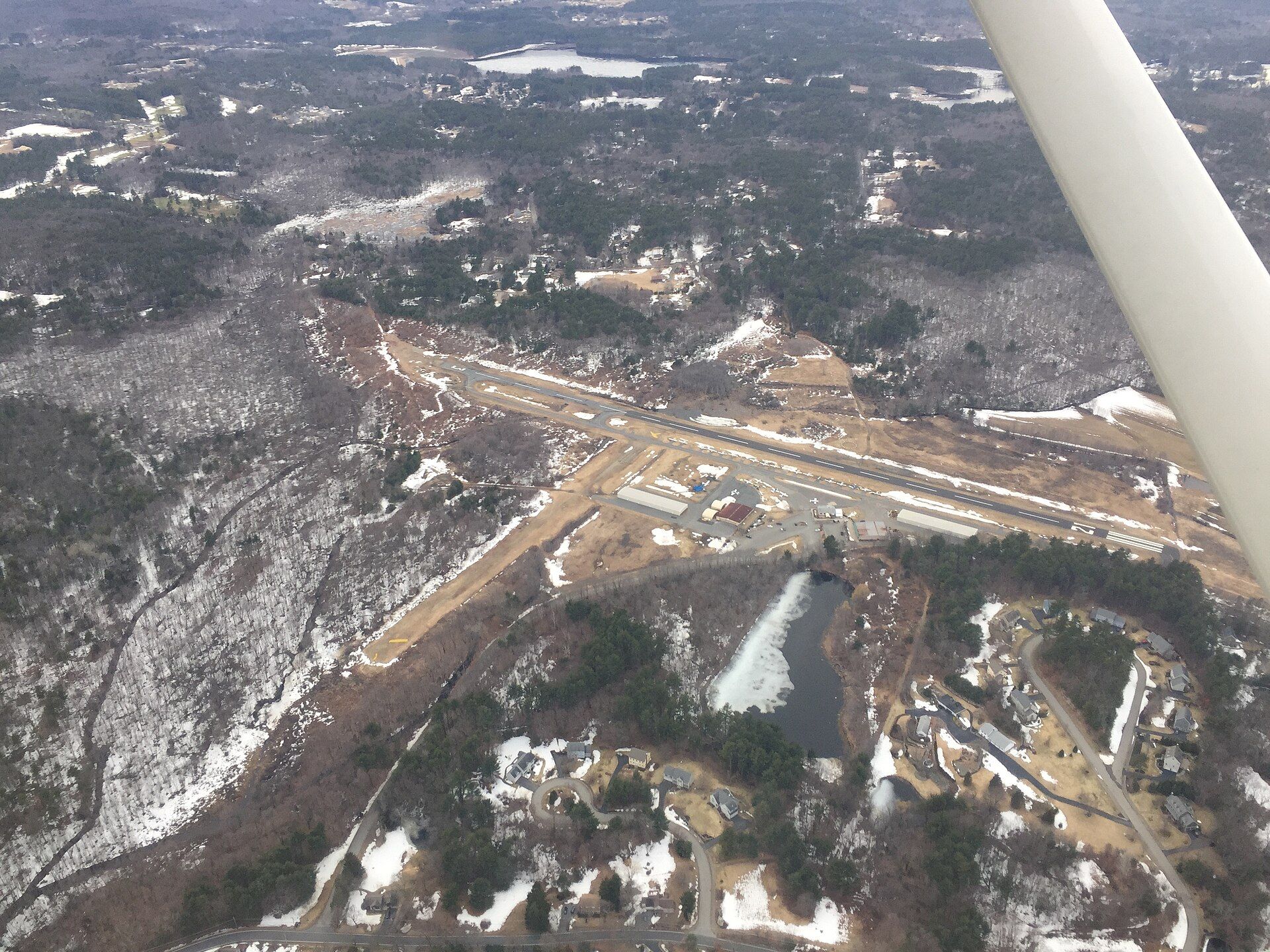
Stow was officially incorporated in 1683 with an area of approximately 40 square miles. Landmarks include Minute Man Air Field, Randall Library and American Heritage Museum. Stow is the birthplace of Clive Weeden, american/Australian basketball player.
Every piece is drawn from Stow's own map data and historic archives, then printed and shipped from the USA when you order. No two towns look alike.
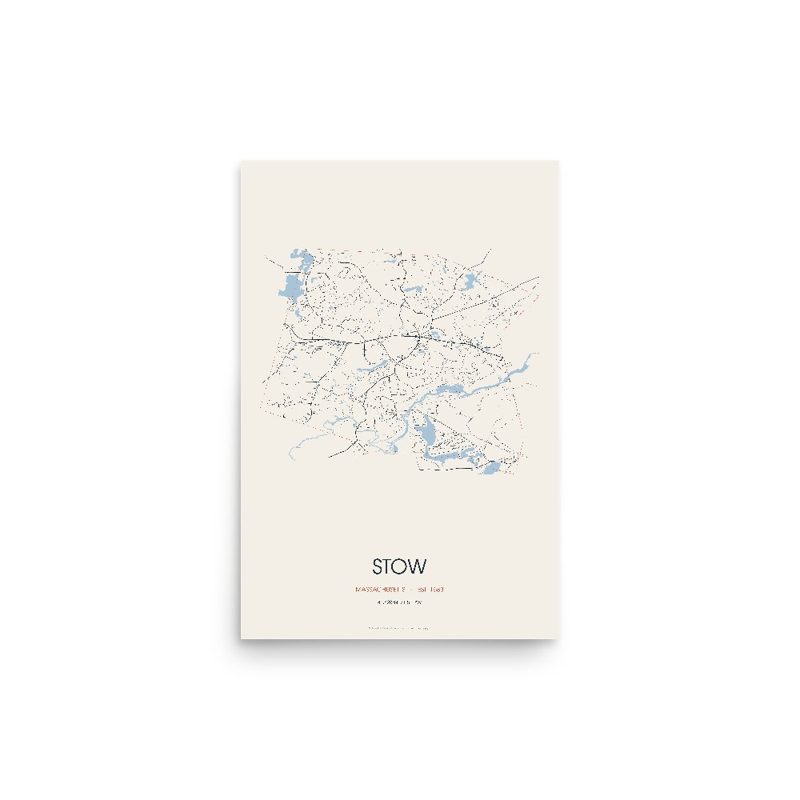
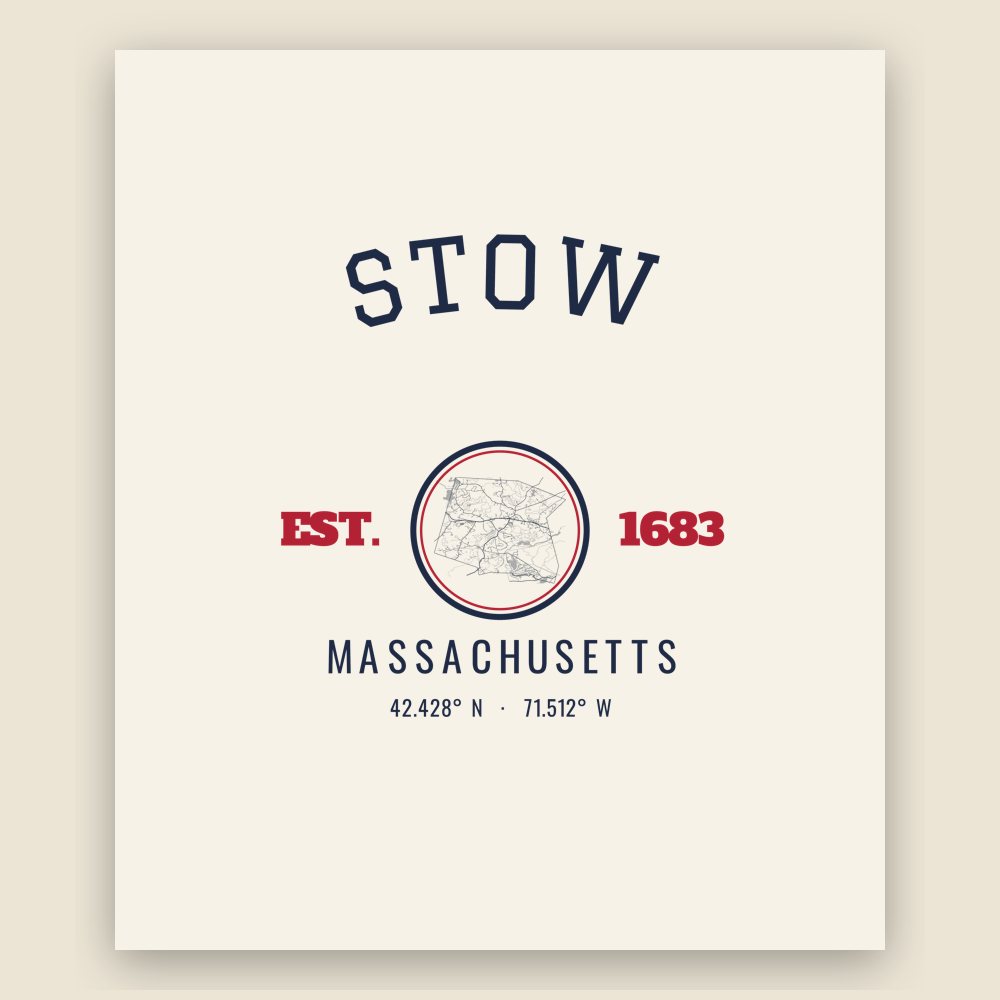
Every road in town, on archival matte paper
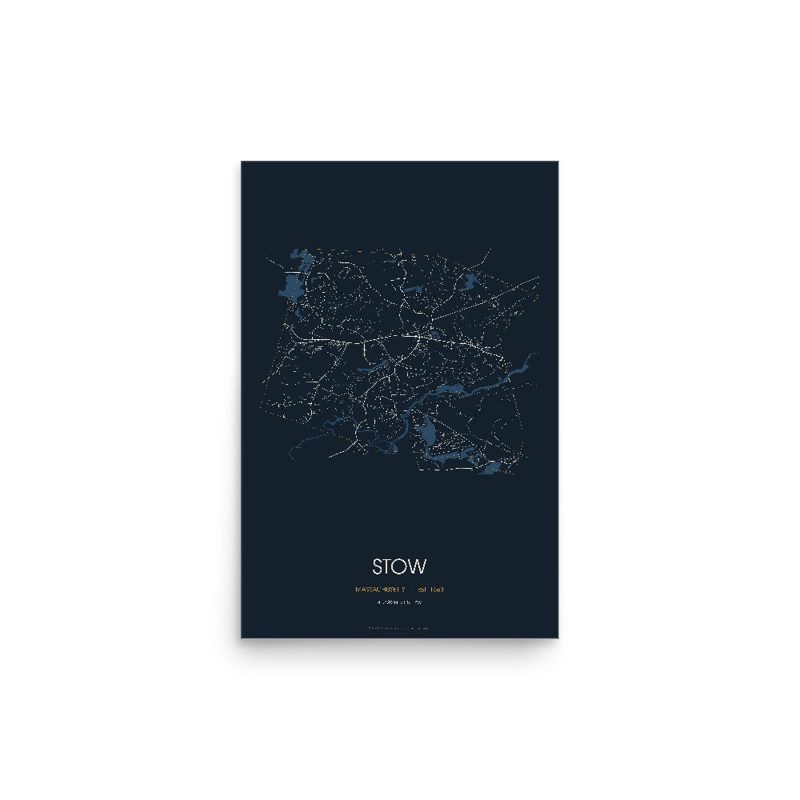
The same map, in navy and silver
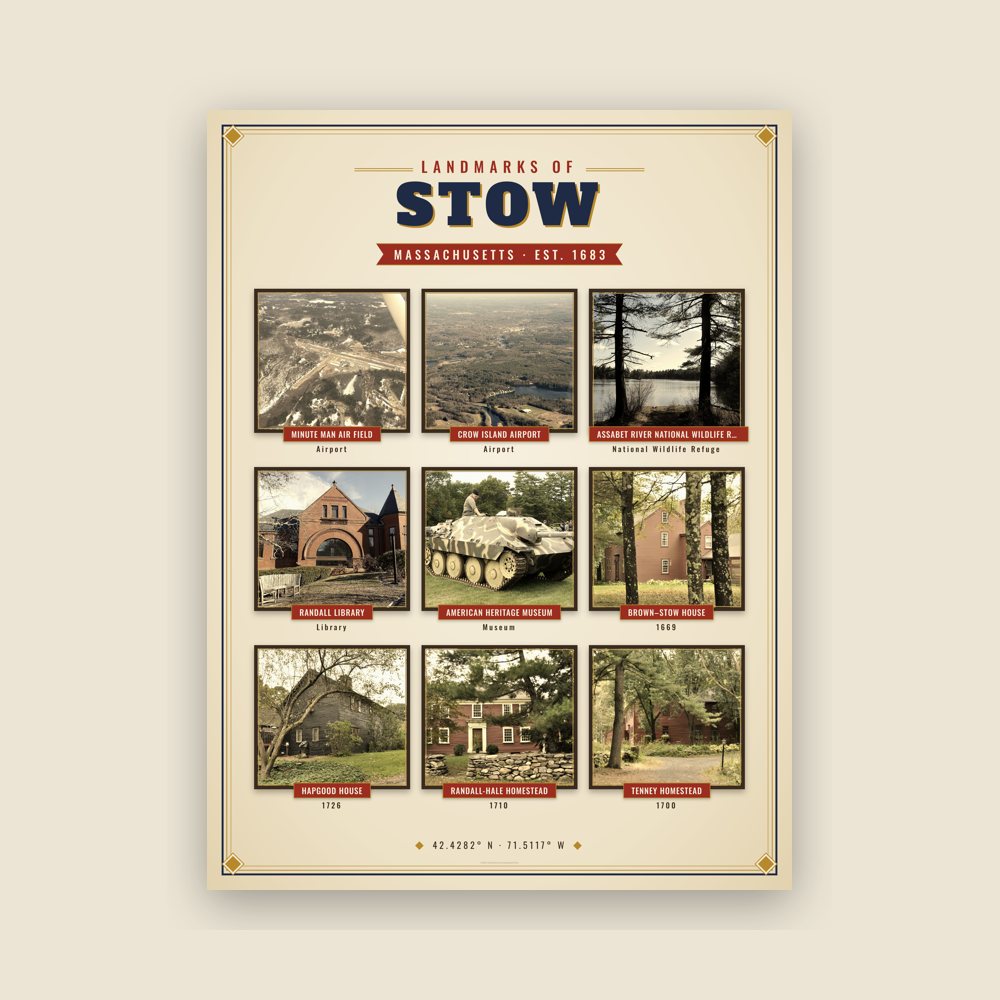
Nine local landmarks, archival matte
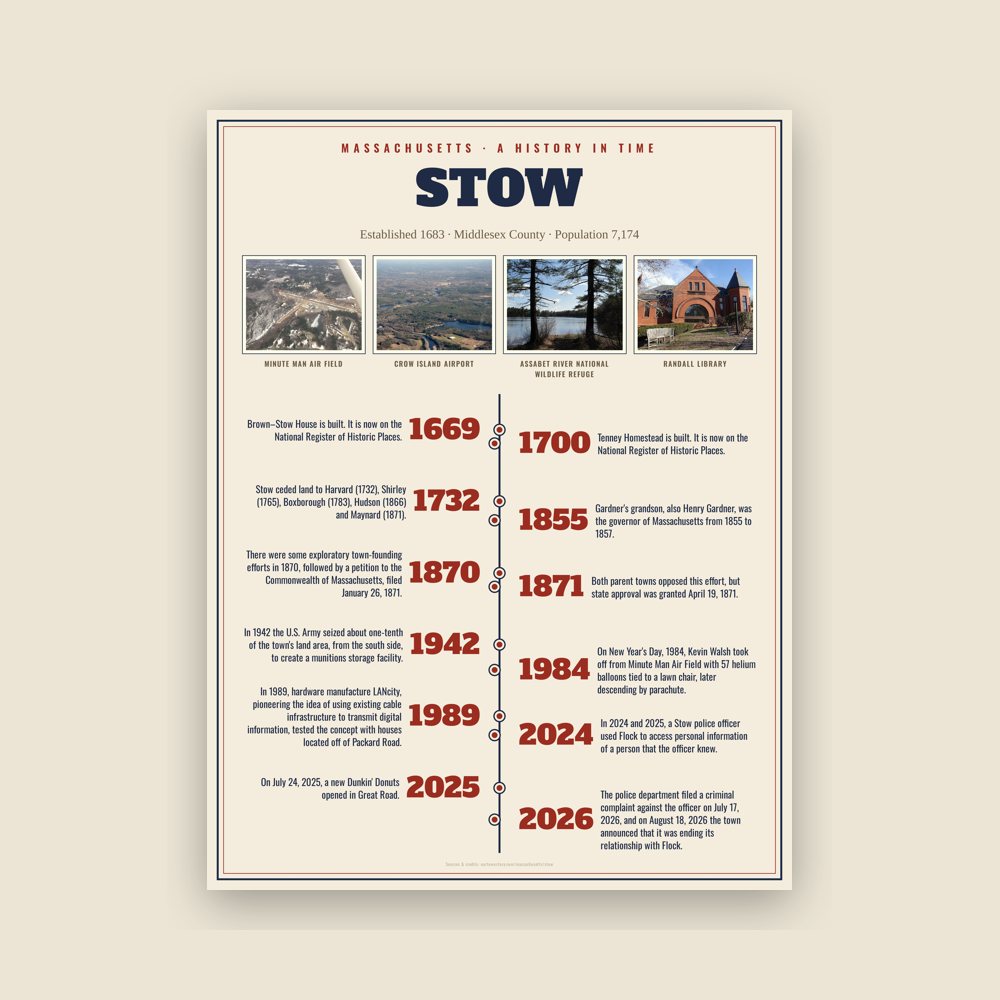
The town's story in dates, from its own records, for home or classroom
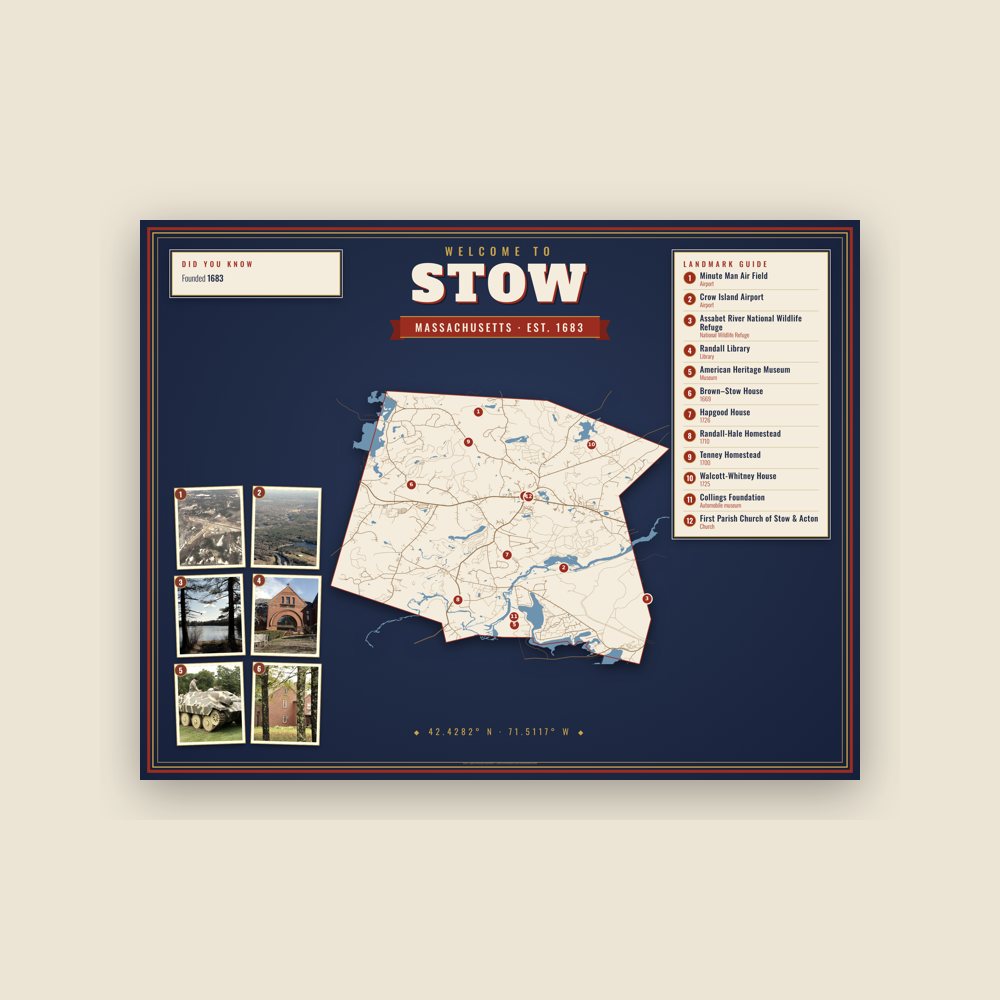
Map of local landmarks, washable fabric
Heavy-blend fleece, street map printed on the back
Soft Bella+Canvas jersey
Glossy ceramic, dishwasher safe
Ceramic keepsake, gold ribbon
Weatherproof, for the front walk
24″×16″, printed coir-look fibers, rubber back
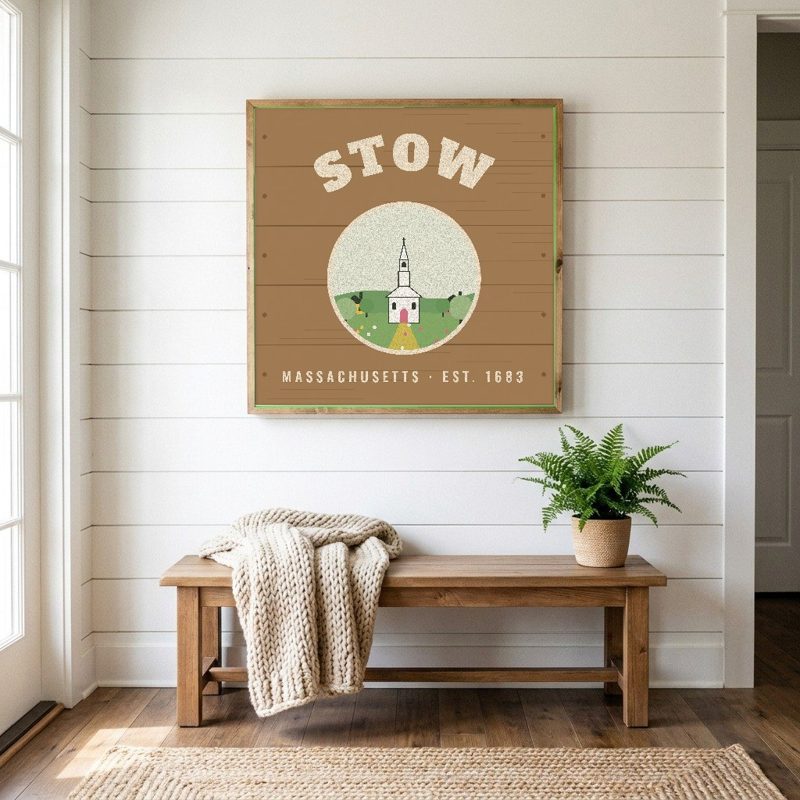
12″×12″ printed wood, ready to hang
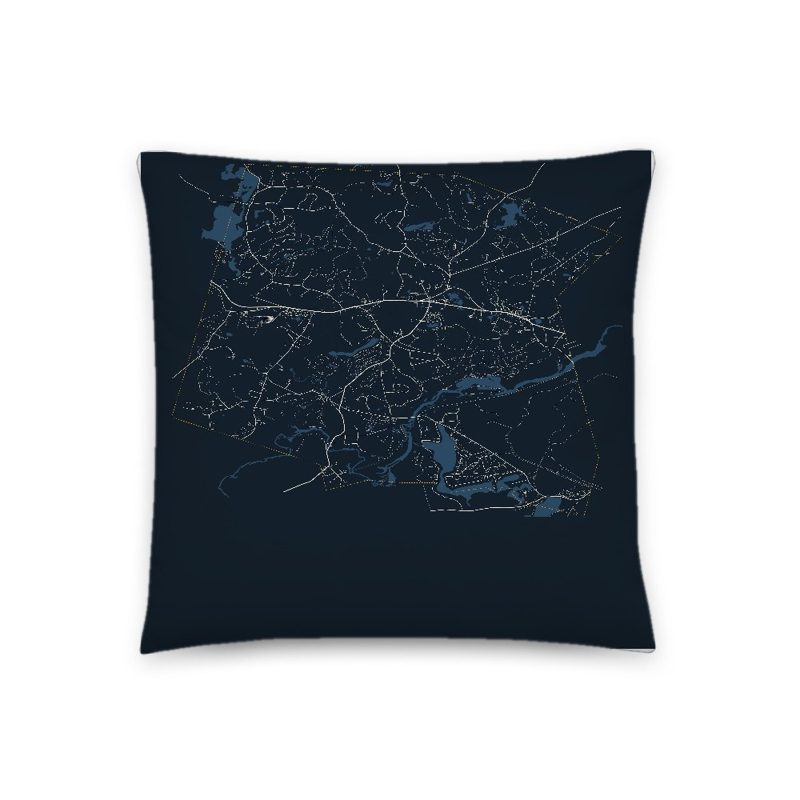
Soft-touch, zip cover
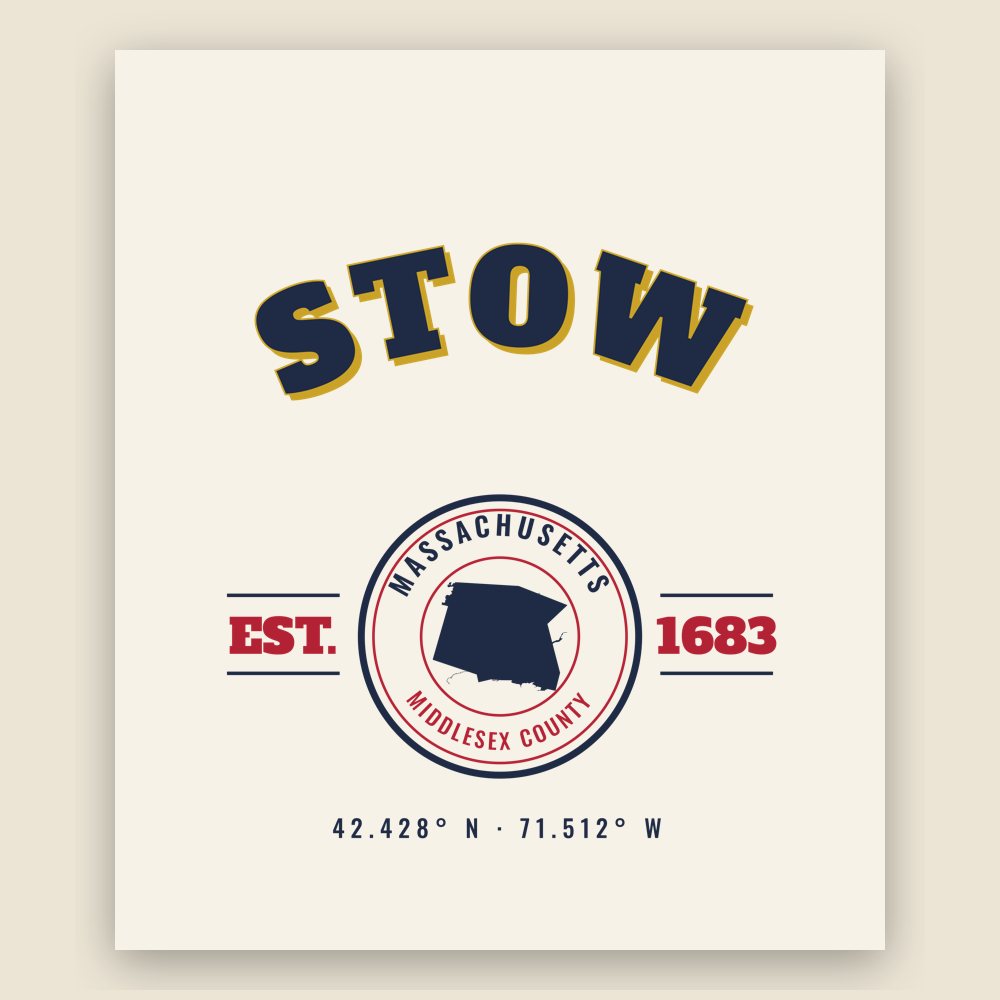
Sturdy all-over-print tote
Glossy top, cork back
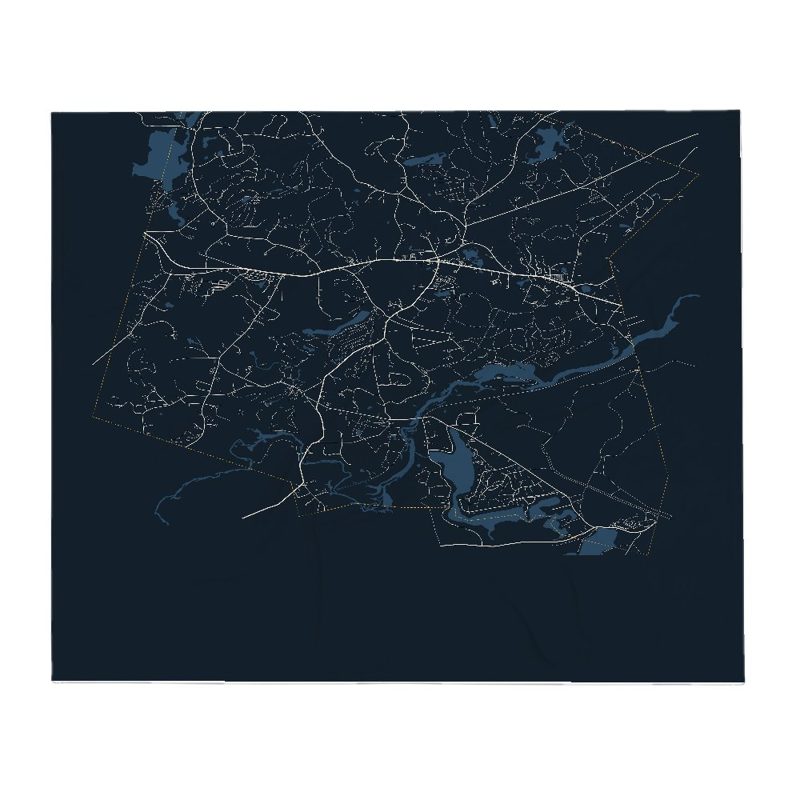
Soft fleece, 50″×60″
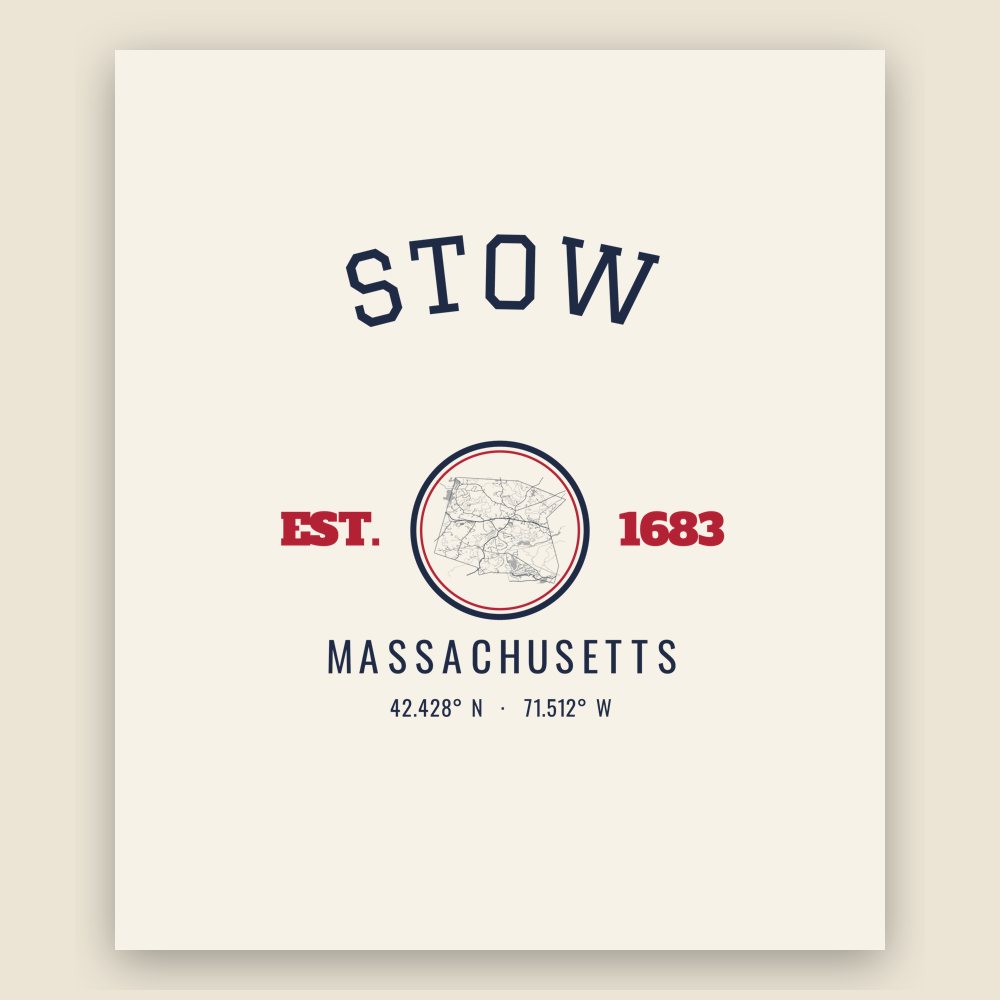
20 oz, double-wall stainless

Archival matte print of a local landmark, credited to its photographer
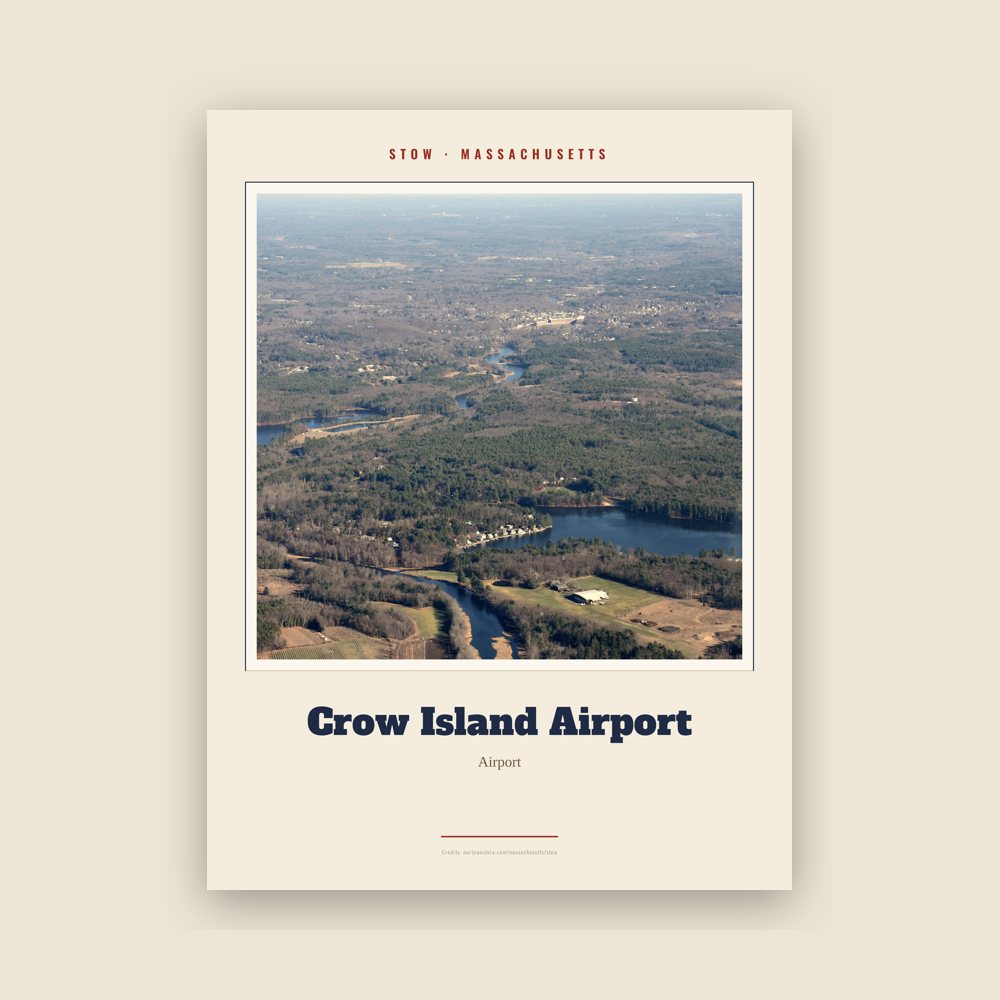
Archival matte print of a local landmark, credited to its photographer
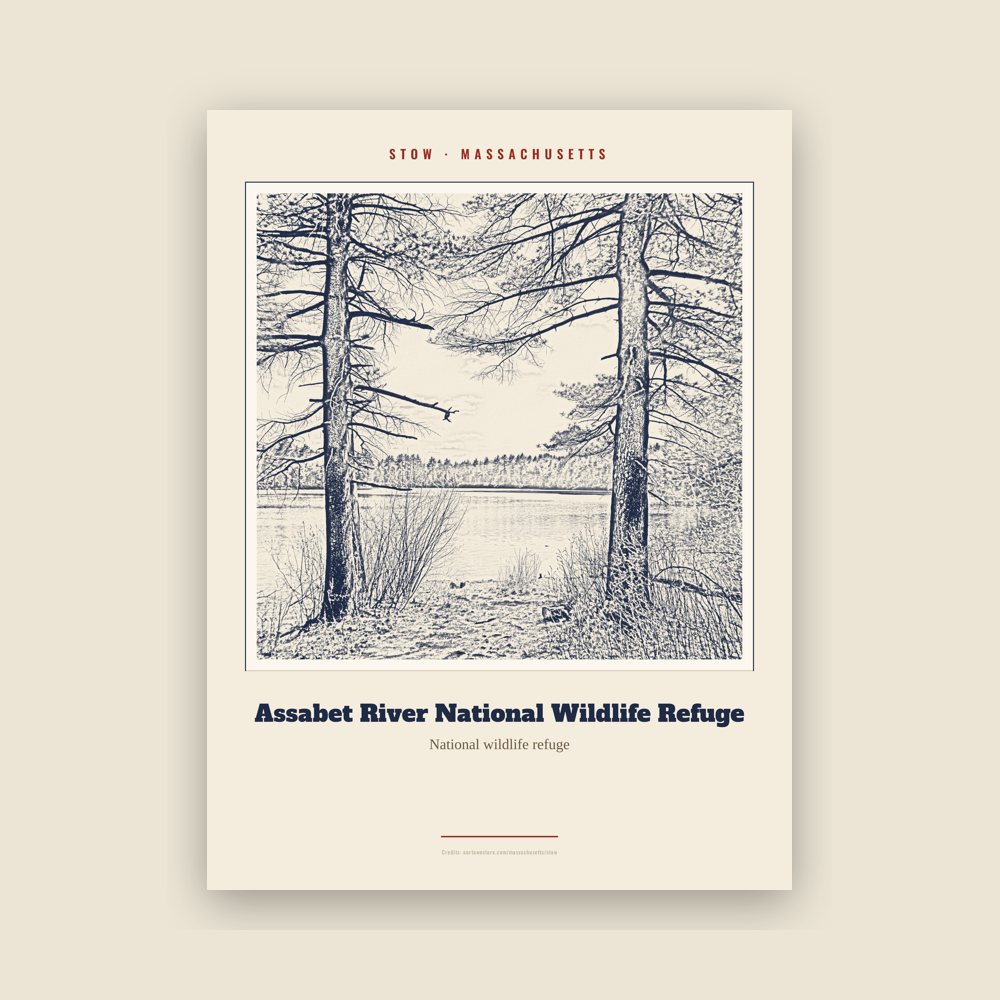
Archival matte print of a local landmark, credited to its photographer

Archival matte print of a local landmark, credited to its photographer
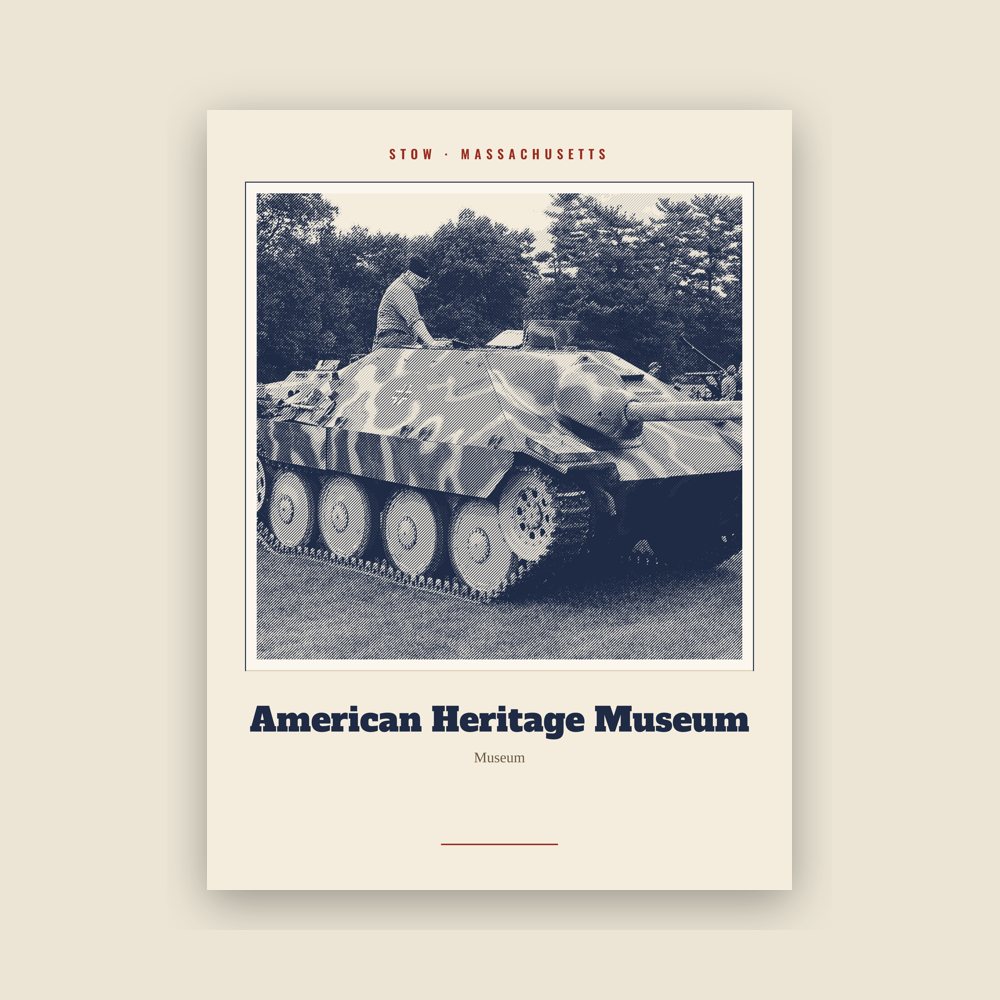
Archival matte print of a local landmark, credited to its photographer
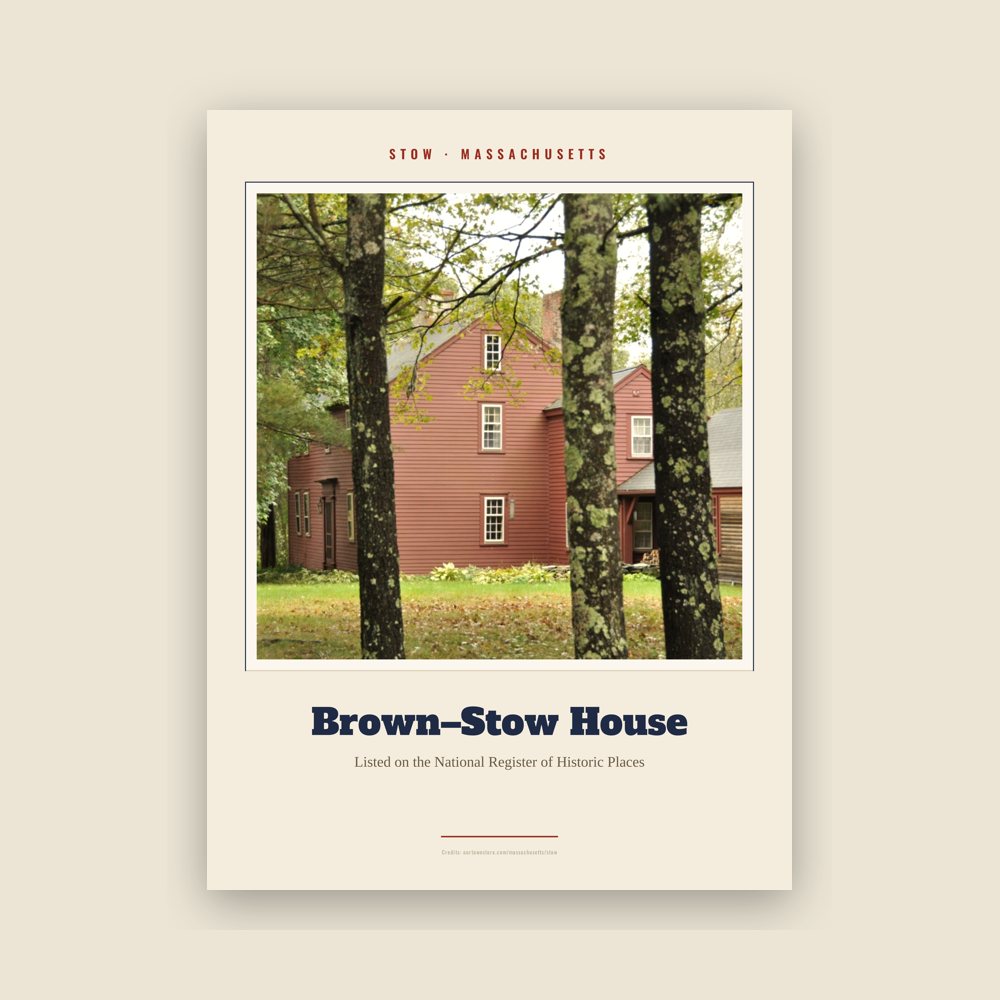
Archival matte print of a local landmark, credited to its photographer

6″×4″ postcard, glossy front
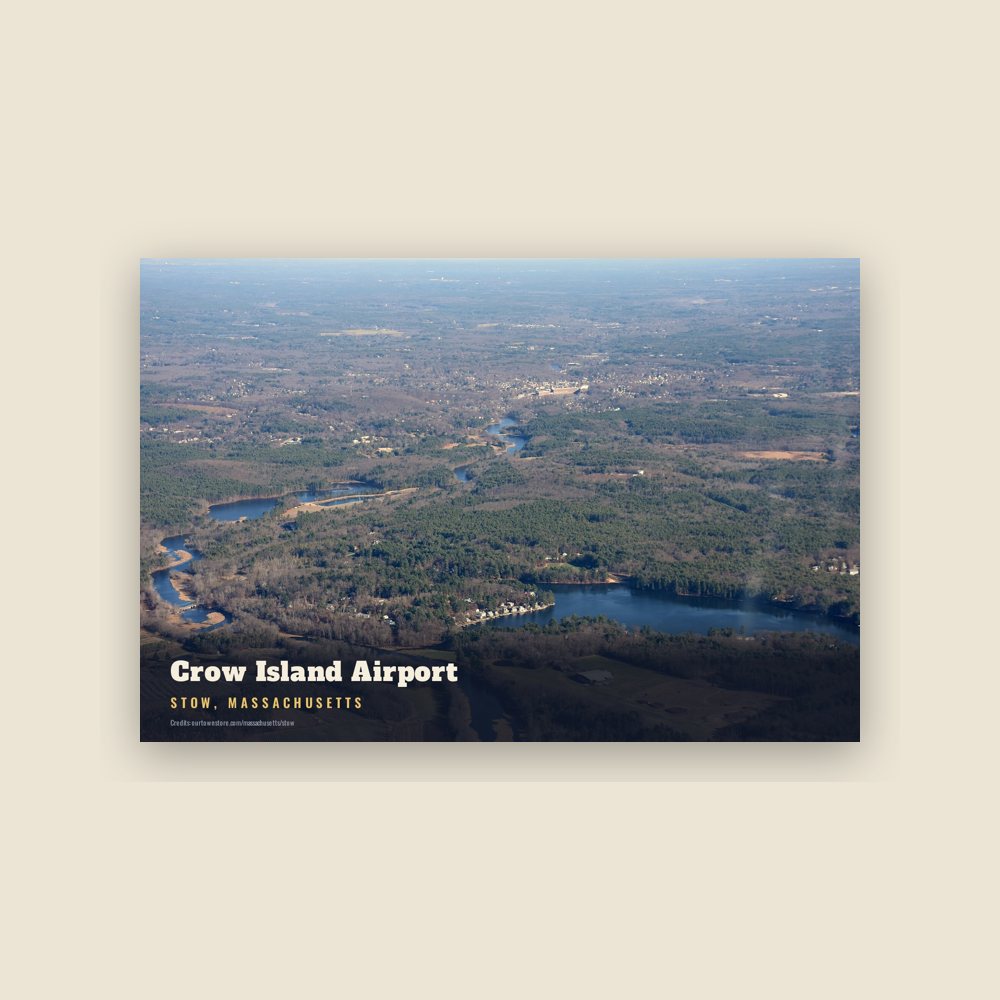
6″×4″ postcard, glossy front
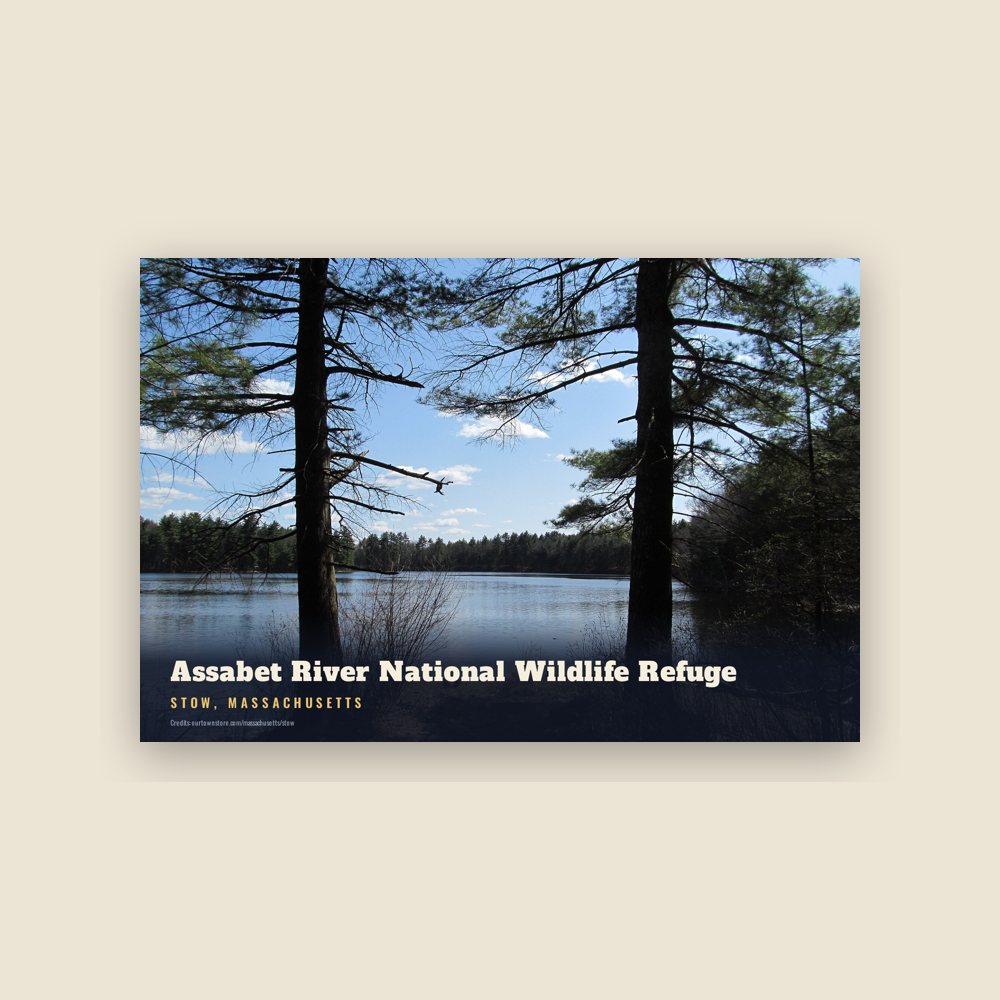
6″×4″ postcard, glossy front

6″×4″ postcard, glossy front
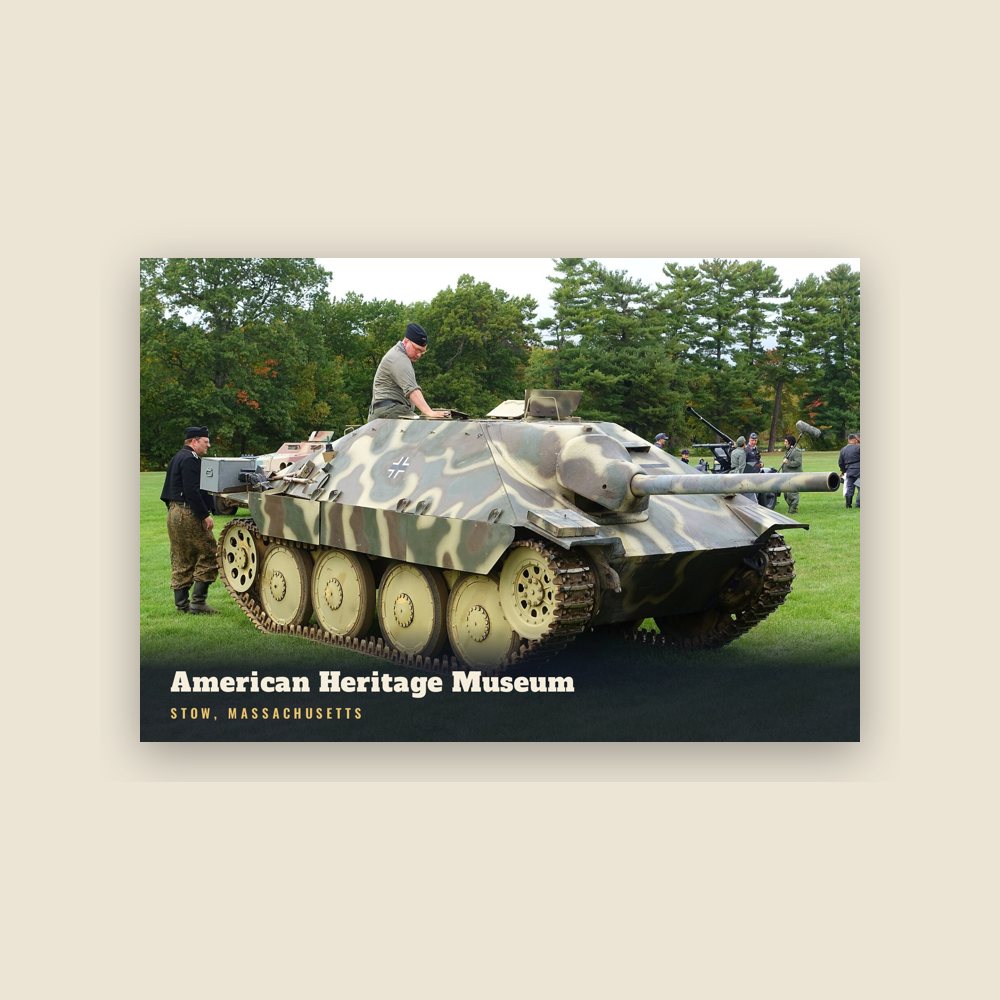
6″×4″ postcard, glossy front
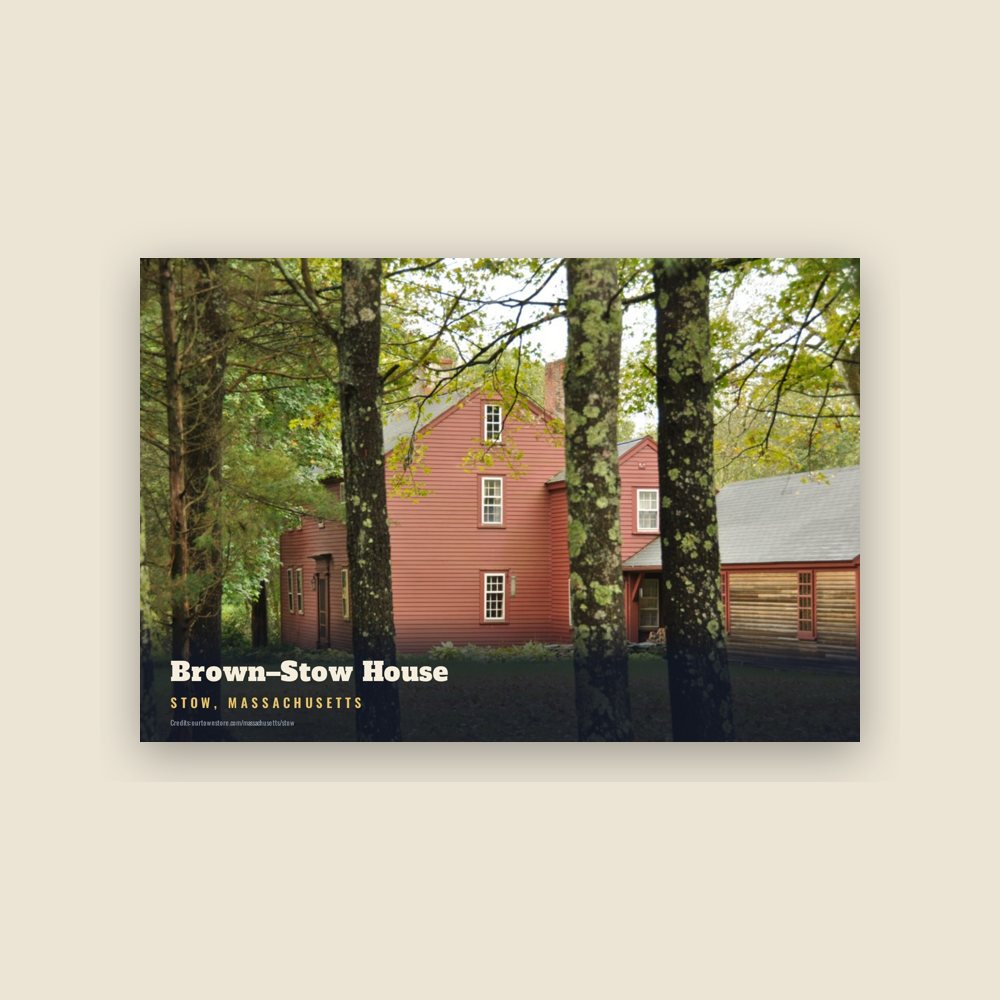
6″×4″ postcard, glossy front
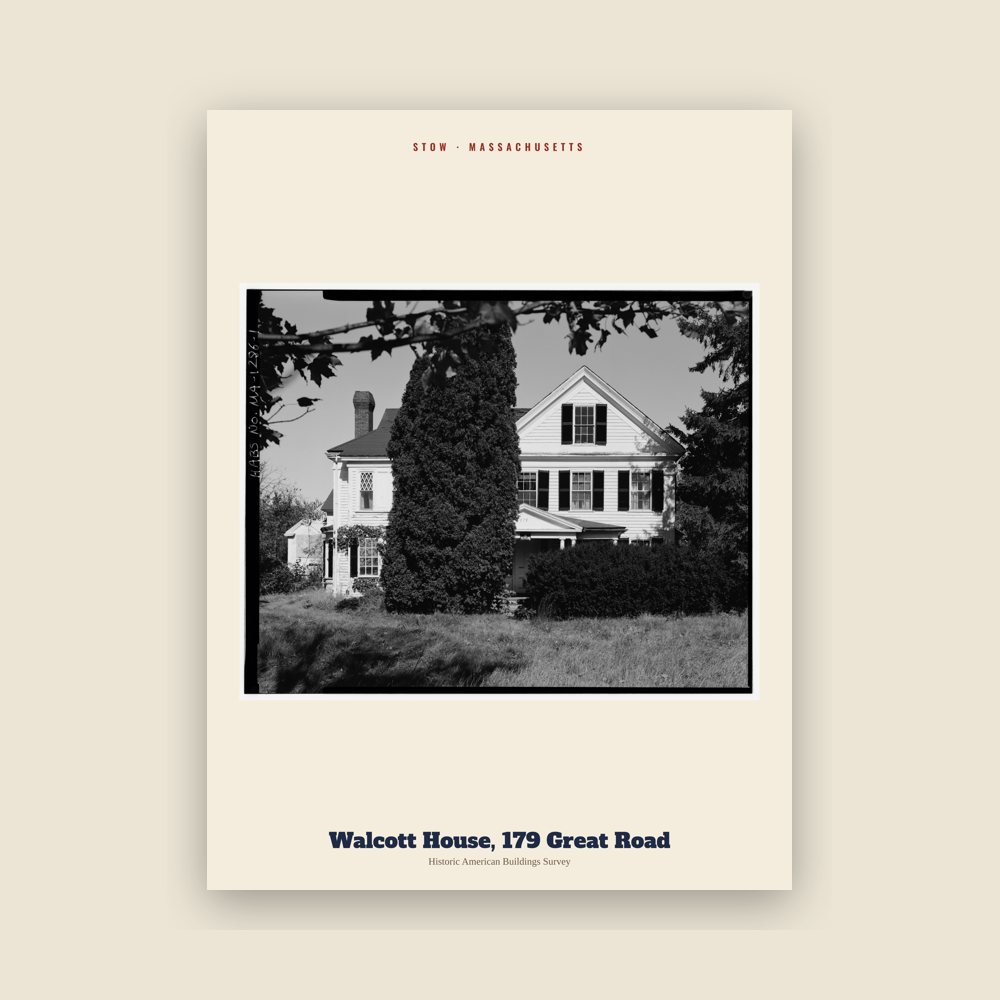
From the Library of Congress collections: a historic survey drawing or photograph of the town
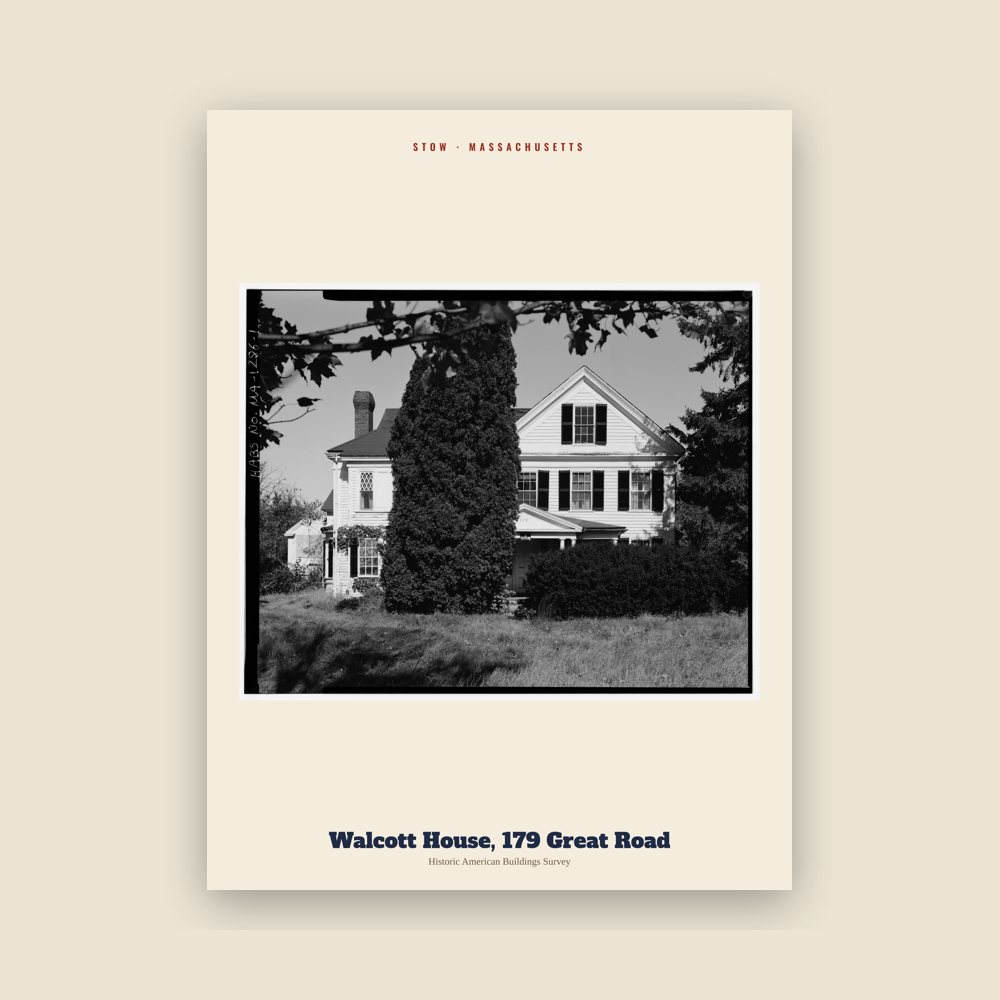
From the Library of Congress collections: a historic survey drawing or photograph of the town
Population 2010: 6,590 → 2020: 7,174
From Wikidata (CC0).
Previous to its incorporation in 1683, Stow was called Pompositticut Plantation. Stow was officially incorporated in 1683. The earliest Colonial settlers, c. 1660, were Matthew Boon and John Kettell, who settled the land of Tantamous (Jethro), a Native American, whose land was called "Pompocitticut." Boon settled by a pond (later bearing his name: Lake Boon) with a vast tract of land surrounding him. It is said that he traded all this for a single jackknife. A monument bearing his name is located on the plot of land where he formerly resided. John Kettell took up residence in a portion of land in the southwestern corner of Stow where another monument marks the alleged site of his farm. Both families were affected by King Philip's War, an attempt by Native Americans to drive out colonists. Boon and Kettell were killed. Their families had been moved to other locations, and survived. The area that was to become Stow was not resettled by colonists for several years.
The original development of Stow—a mile east of the current center, became known as Lower Village after a meeting hall, and later, churches, were built to the west. The old cemetery on Route 117/62 is officially Lower Village Cemetery. On October 28, 1774, Henry Gardner, a Stow resident, was elected Receiver-General of the Massachusetts Provincial Congress, the government of Massachusetts during the American Revolution. After the war, Gardner served as state treasurer. Gardner's grandson, also Henry Gardner, was the governor of Massachusetts from 1855 to 1857.
As with many colonial-era Massachusetts towns, Stow started with a large area and gave up land as newer, smaller towns were created. Stow ceded land to Harvard (1732), Shirley (1765), Boxborough (1783), Hudson (1866) and Maynard (1871). Stow lost 1300 acres (5.3 km2) and close to half its population to the creation of Maynard. Prior to that, what became Maynard was known as "Assabet Village" but was legally still part of the towns of Stow and Sudbury. There were some exploratory town-founding efforts in 1870, followed by a petition to the Commonwealth of Massachusetts, filed January 26, 1871. Both parent towns opposed this effort, but state approval was granted April 19, 1871. The population of the newly formed town—at 1,820—was larger than either of its parent towns. In return, the new town paid Sudbury and Stow about $23,600 and $8,000 respectively. Sudbury received more money because it owned shares in the railroad, the wool and paper mills were in Sudbury, and more land came from Sudbury.
In 1942 the U.S. Army seized about one-tenth of the town's land area, from the south side, to create a munitions storage facility. Land owners were evicted. The land remained military property for years. In 2005 it became part of the Assabet River National Wildlife Refuge.
The modern butternut squash was developed by Charles Leggett in Stow in 1944; the Leggett Woodlands in the town are named after his family, after his wife donated the land. The squash was developed in a field across from the woodland.
On New Year's Day, 1984, Kevin Walsh took off from Minute Man Air Field with 57 helium balloons tied to a lawn chair, later descending by parachute. He was cited with four violations of FAA regulations and fined $4,000 ($10,922.66 adjusted for inflation to 2022). He reached an altitude of 9,000 feet (2,700 m).
Stow is the town where cable modem technology was first tested. In 1989, hardware manufacture LANcity, pioneering the idea of using existing cable infrastructure to transmit digital information, tested the concept with houses located off of Packard Road.
From 2022 until 2025, Stow was one of the only municipalities in Massachusetts to not have a Dunkin' Donuts, after the two in town closed down that year, for which the town received attention on social media. On July 24, 2025, a new Dunkin' Donuts opened in Great Road. On the same day, the town was temporarily renamed to Dunkin' in commemoration of the event, following a unanimous vote from the Stow Select Board.
In 2024 and 2025, a Stow police officer used Flock to access personal information of a person that the officer knew. The police department filed a criminal complaint against the officer on July 17, 2026, and on August 18, 2026 the town announced that it was ending its relationship with Flock.
Adapted (trimmed) from the Wikipedia article Stow, Massachusetts, revision 1380580182 by its contributors, licensed CC BY-SA 4.0.
We share a part of every Stow sale with local partners, and we'd love to print from your collection. Old photographs, maps and postcards make the best keepsakes.
Partner with us