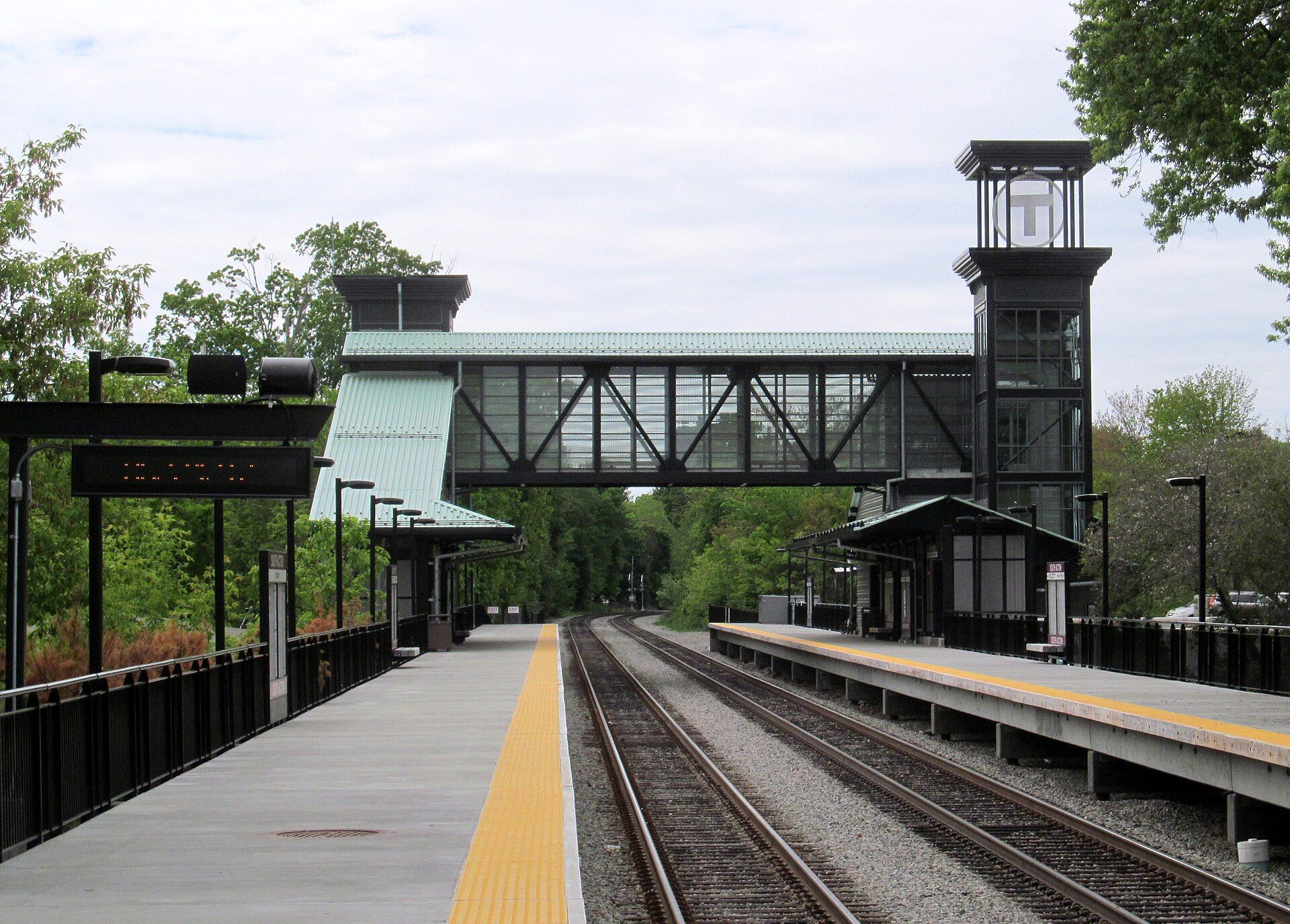
Acton became an incorporated town in 1735. Landmarks include South Acton station, Acton Memorial Library and Faulkner House. Acton is the birthplace of Drew Houston, internet entrepreneur.
Every piece is drawn from Acton's own map data and historic archives, then printed and shipped from the USA when you order. No two towns look alike.
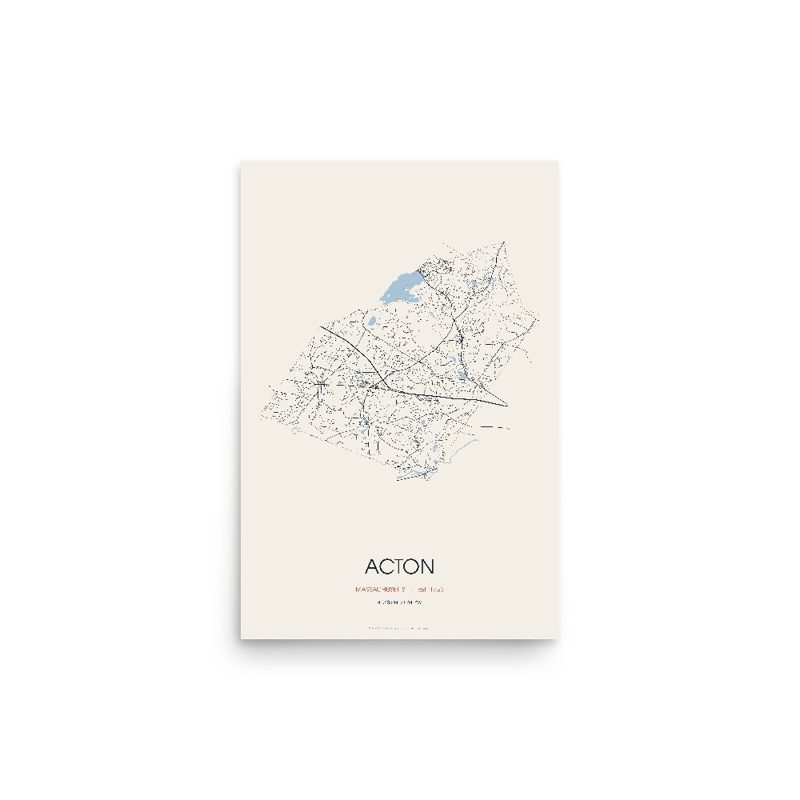
Every road in town, on archival matte paper
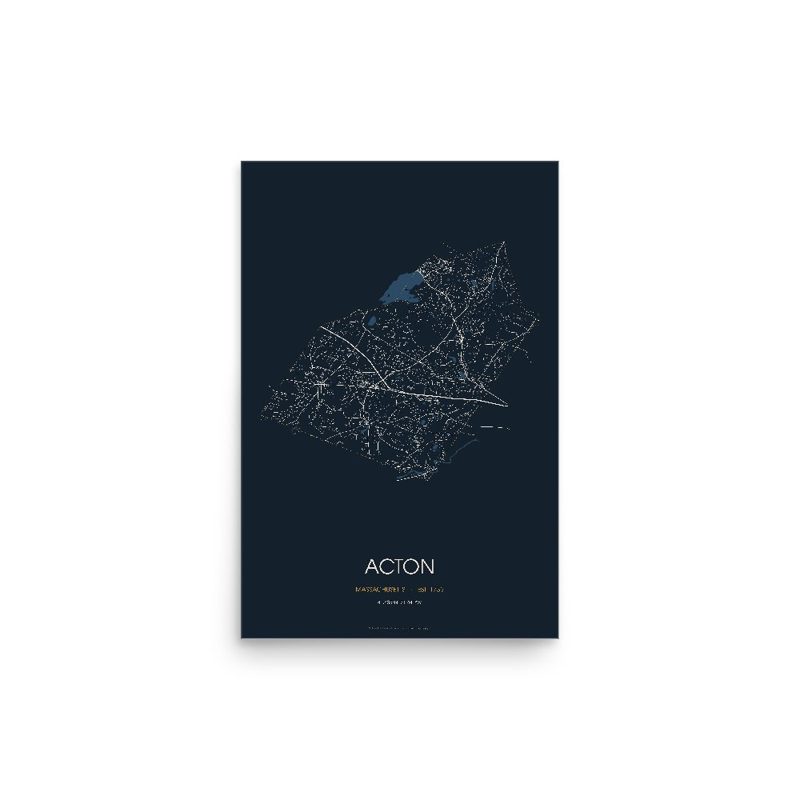
The same map, in navy and silver
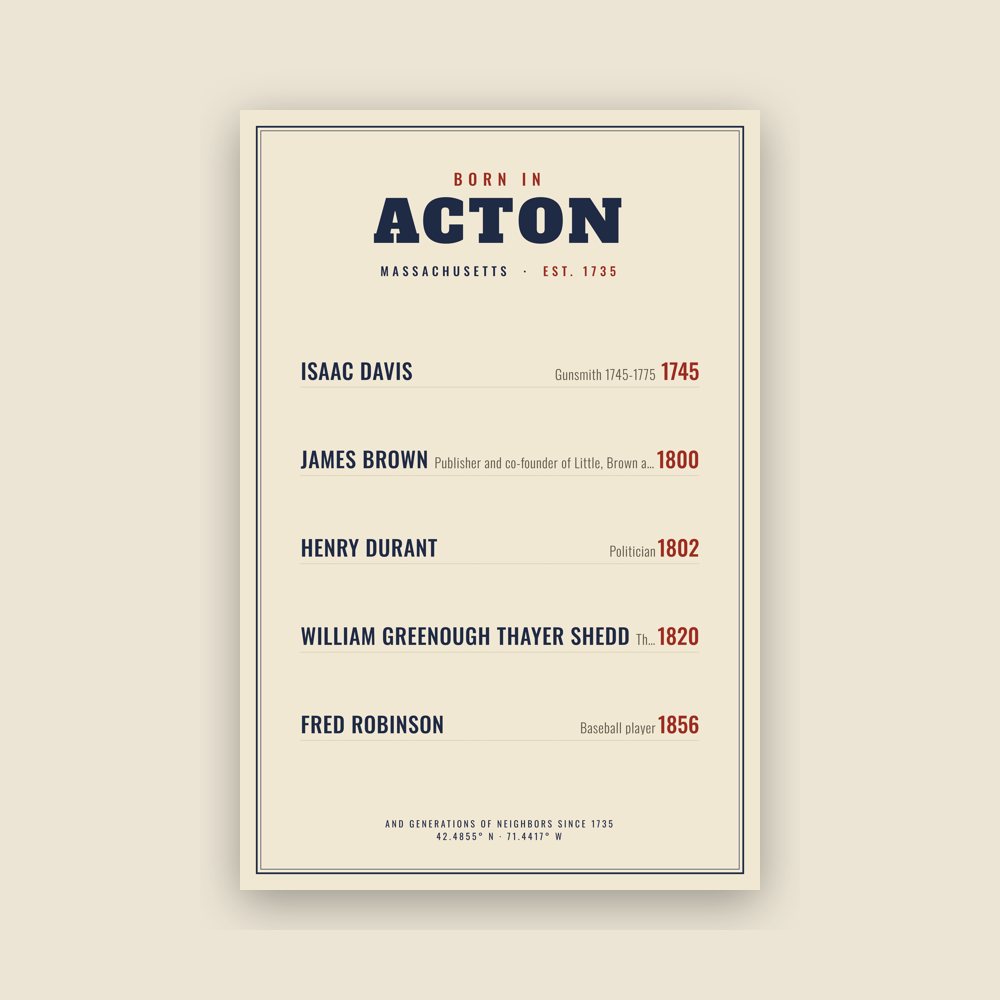
Famous natives, by birth year
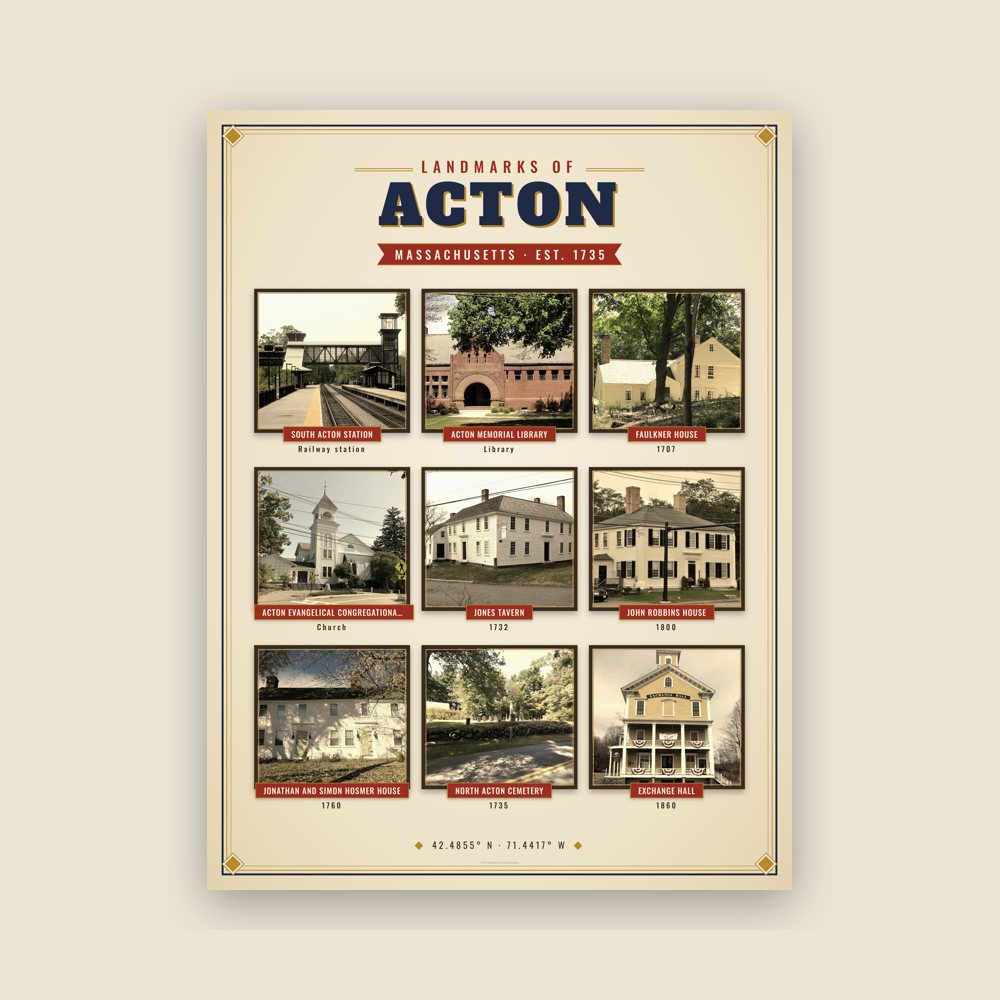
Nine local landmarks, archival matte
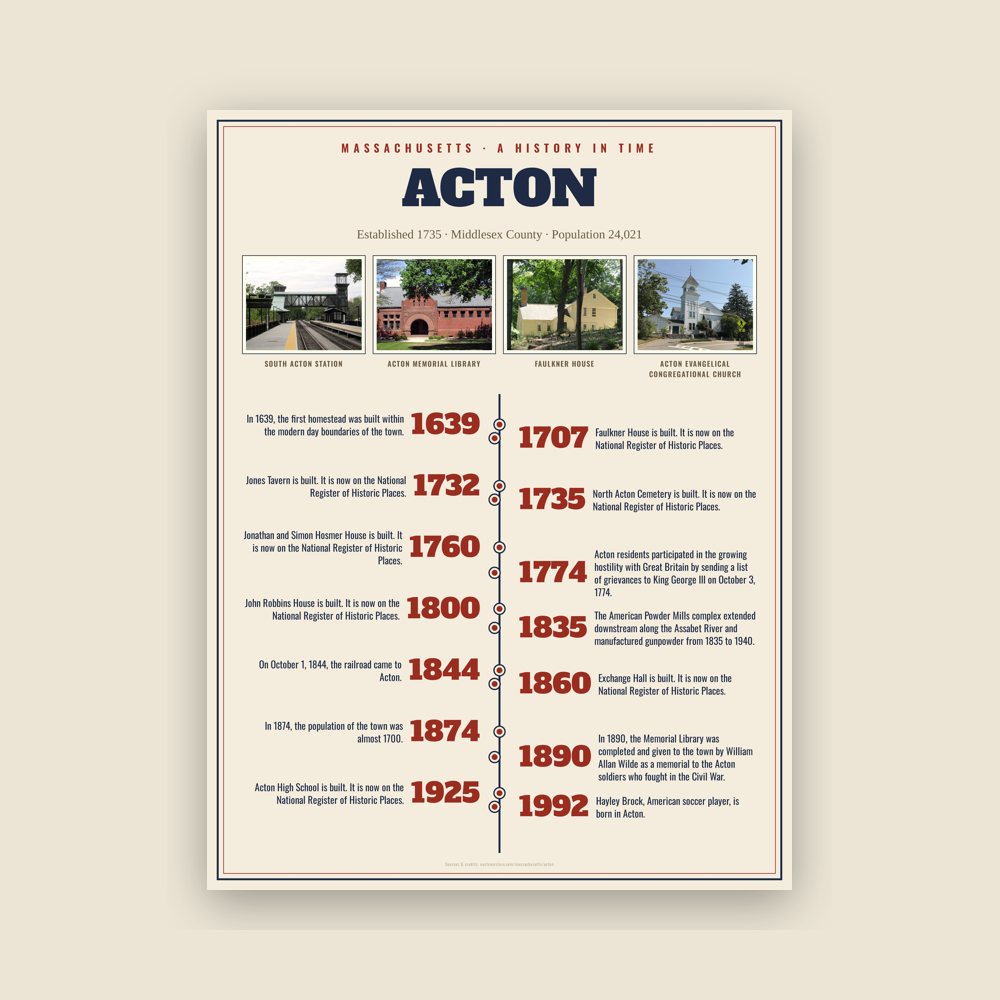
The town's story in dates, from its own records, for home or classroom
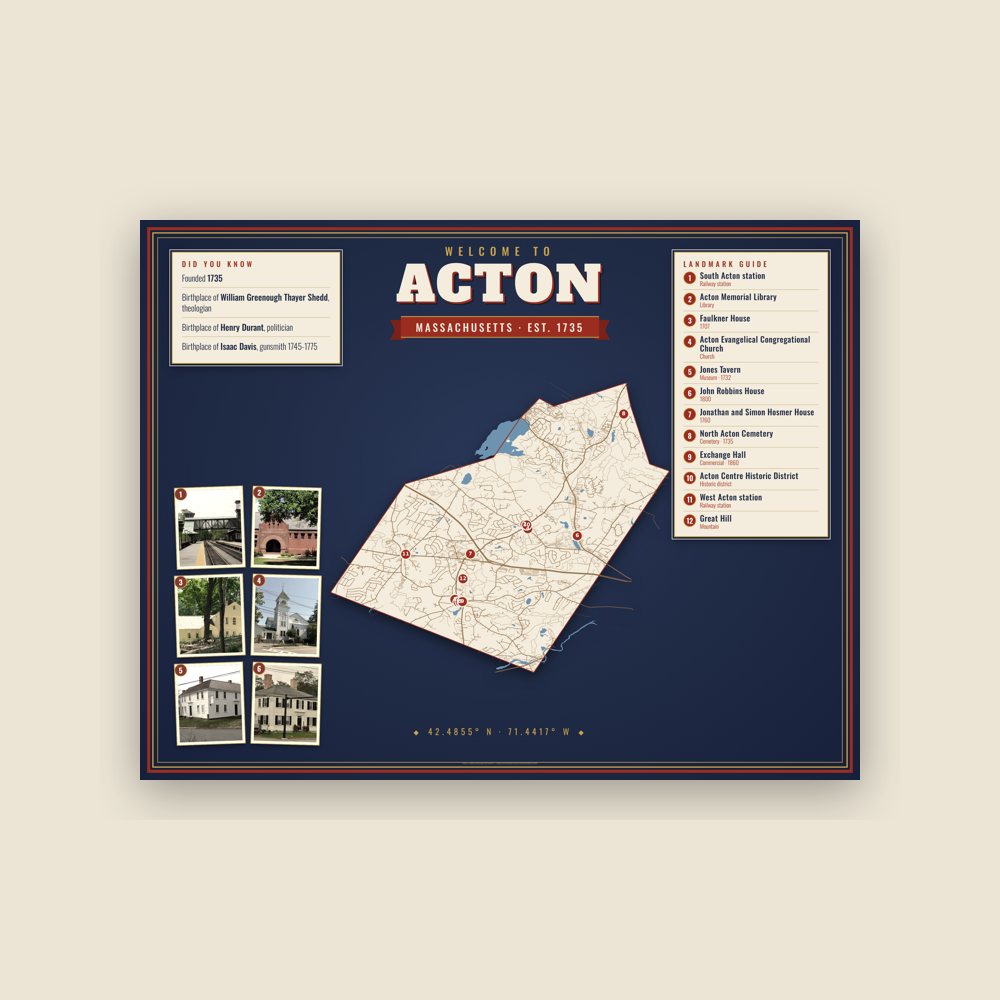
Map of local landmarks, washable fabric
Heavy-blend fleece, street map printed on the back
Soft Bella+Canvas jersey
Glossy ceramic, dishwasher safe
Ceramic keepsake, gold ribbon
Weatherproof, for the front walk
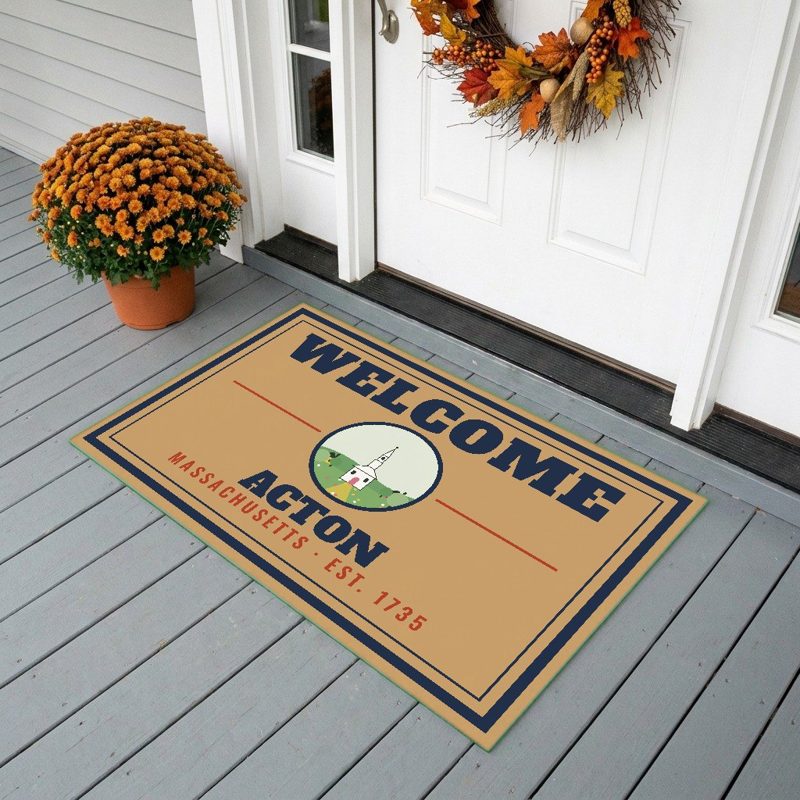
24″×16″, printed coir-look fibers, rubber back
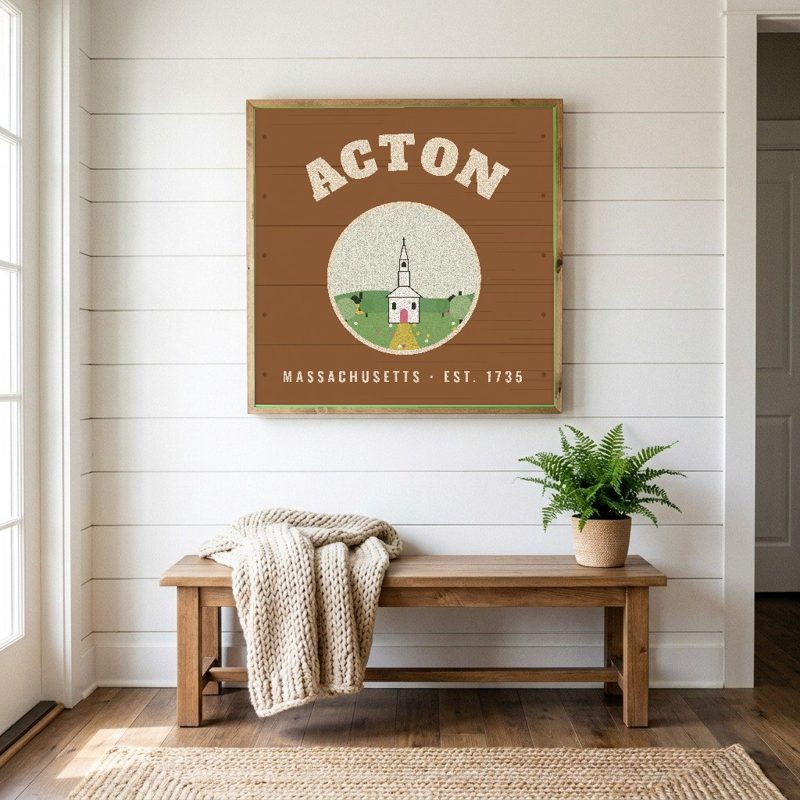
12″×12″ printed wood, ready to hang
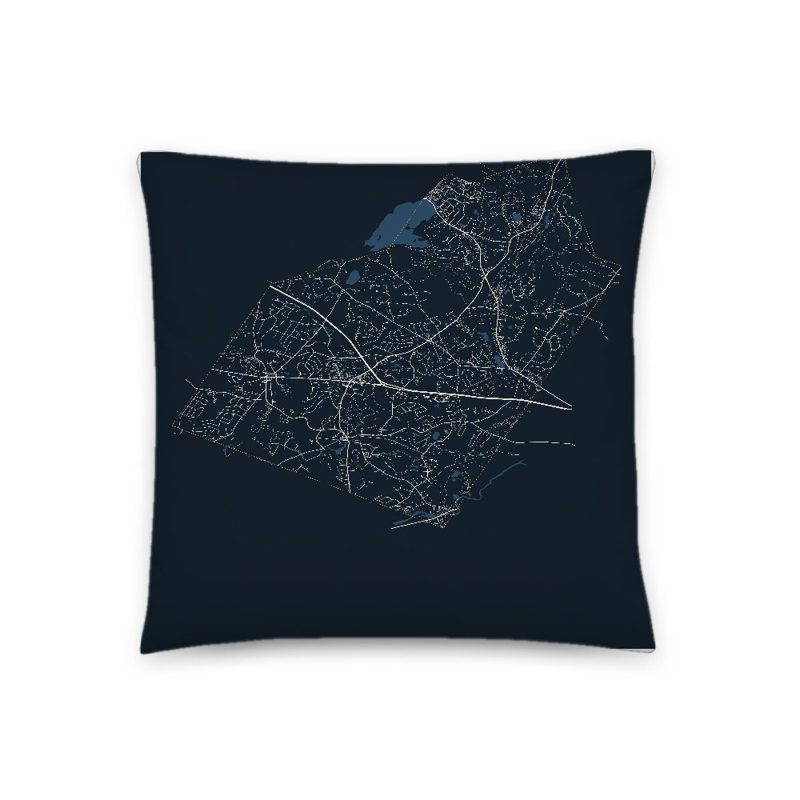
Soft-touch, zip cover
Sturdy all-over-print tote
Glossy top, cork back
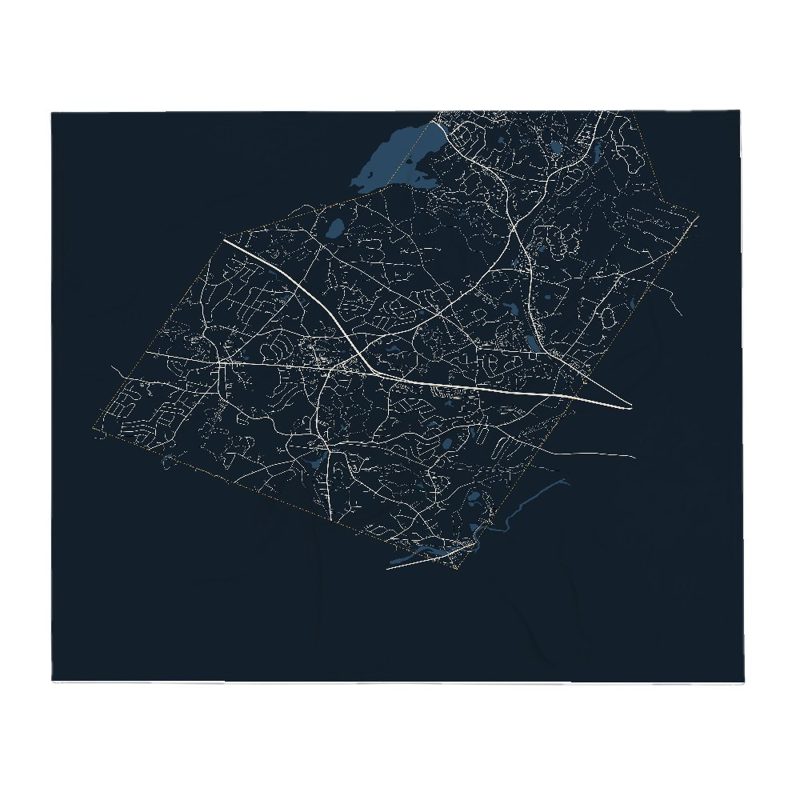
Soft fleece, 50″×60″
20 oz, double-wall stainless
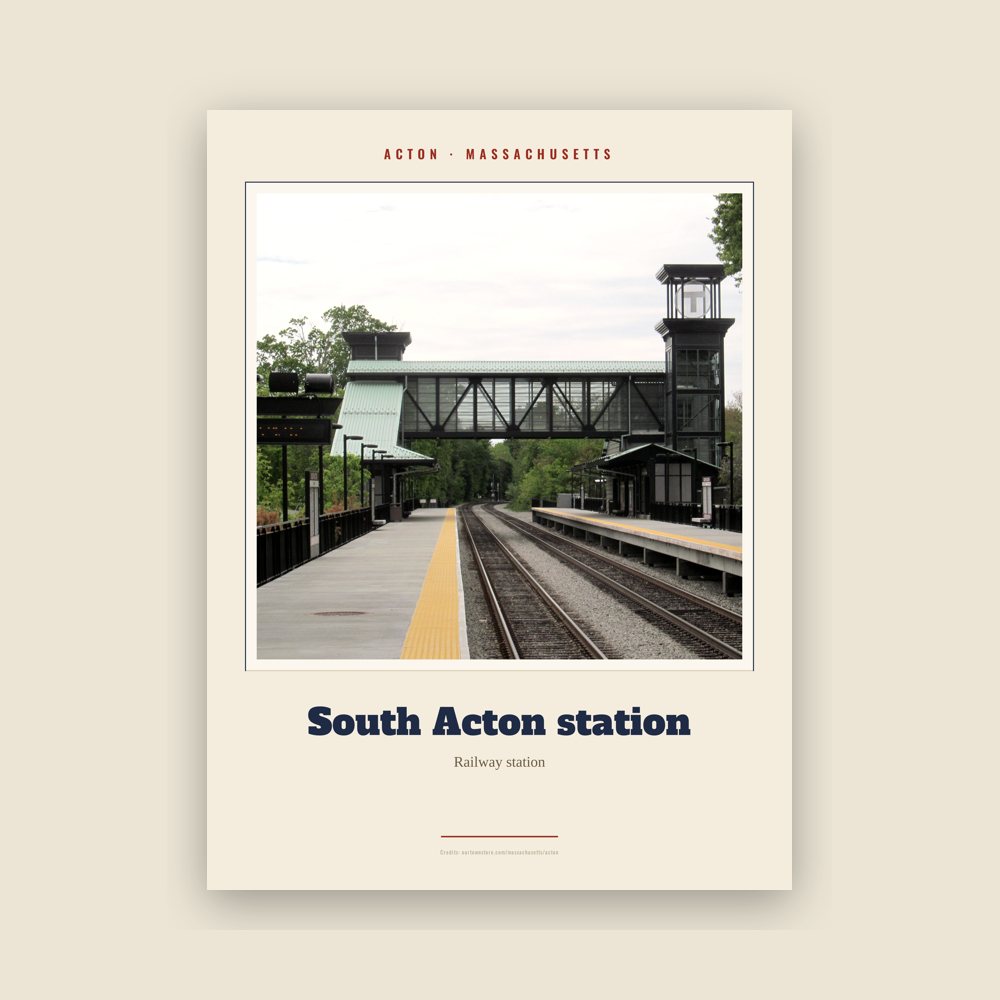
Archival matte print of a local landmark, credited to its photographer
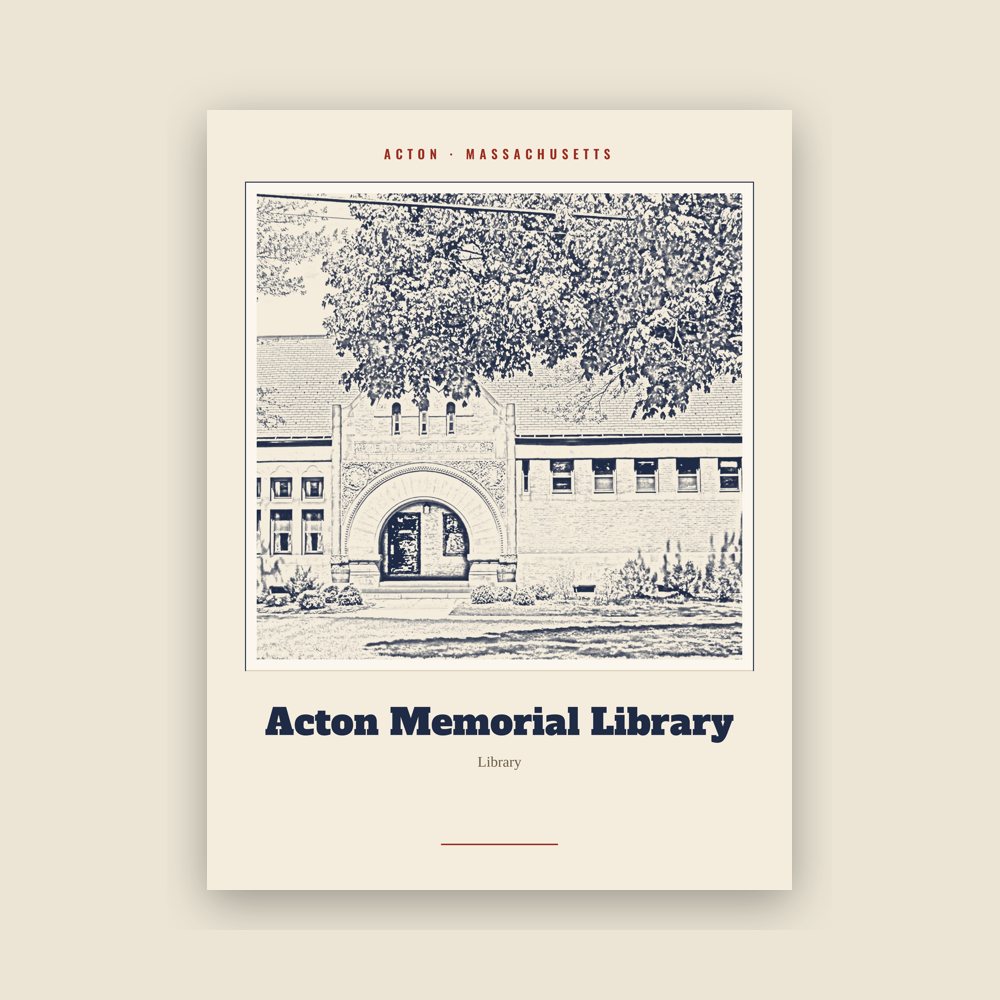
Archival matte print of a local landmark, credited to its photographer
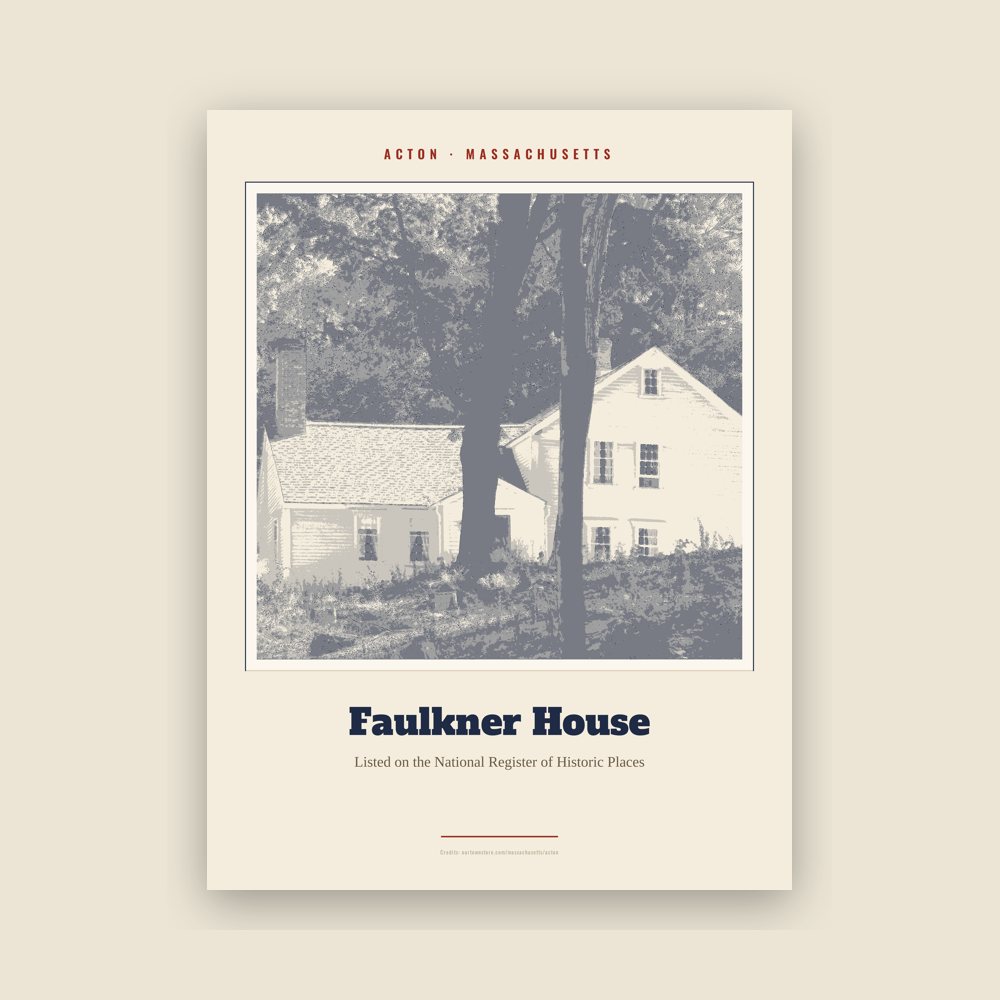
Archival matte print of a local landmark, credited to its photographer
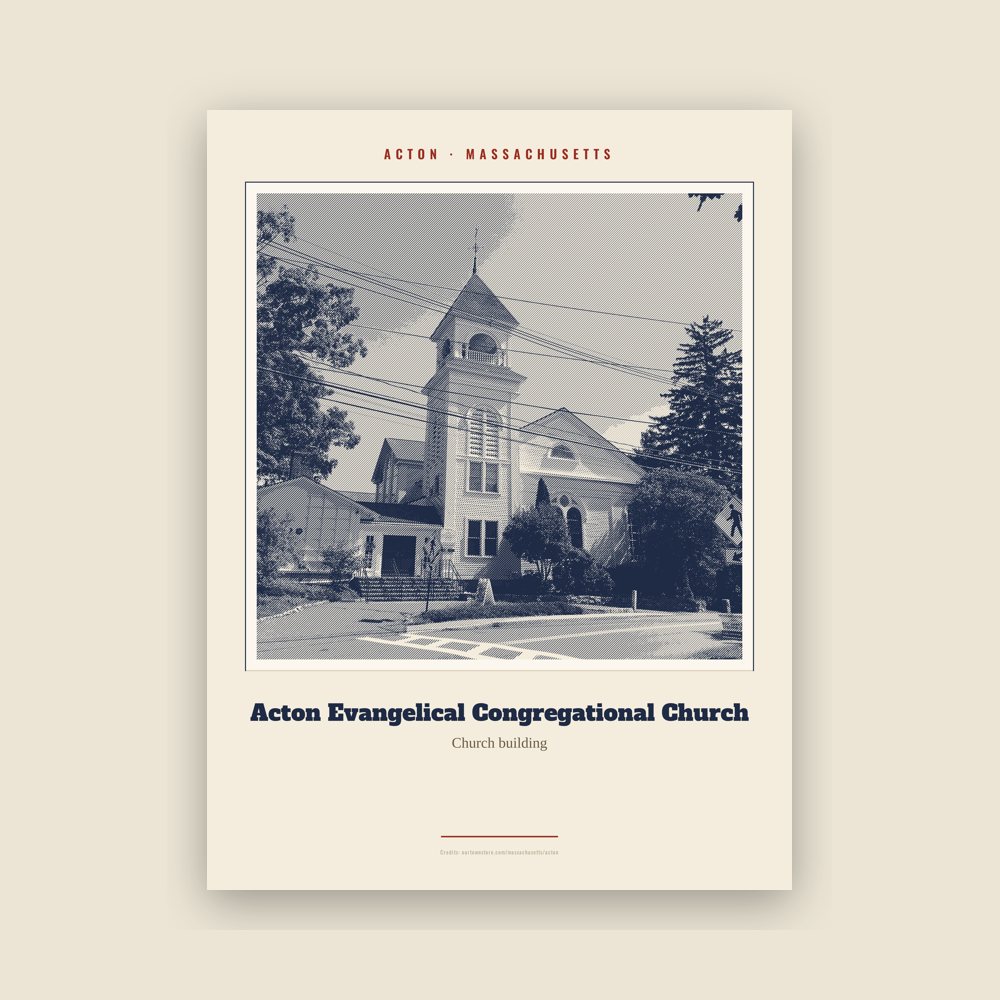
Archival matte print of a local landmark, credited to its photographer
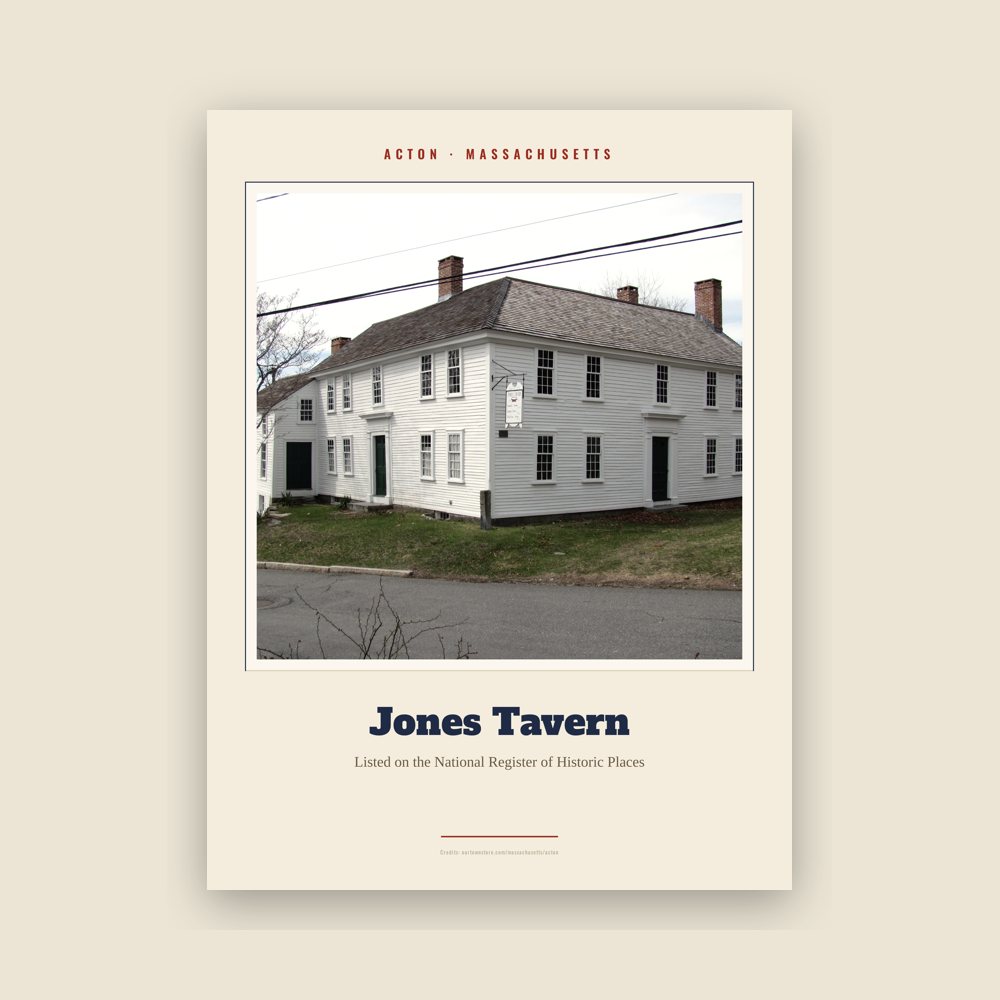
Archival matte print of a local landmark, credited to its photographer
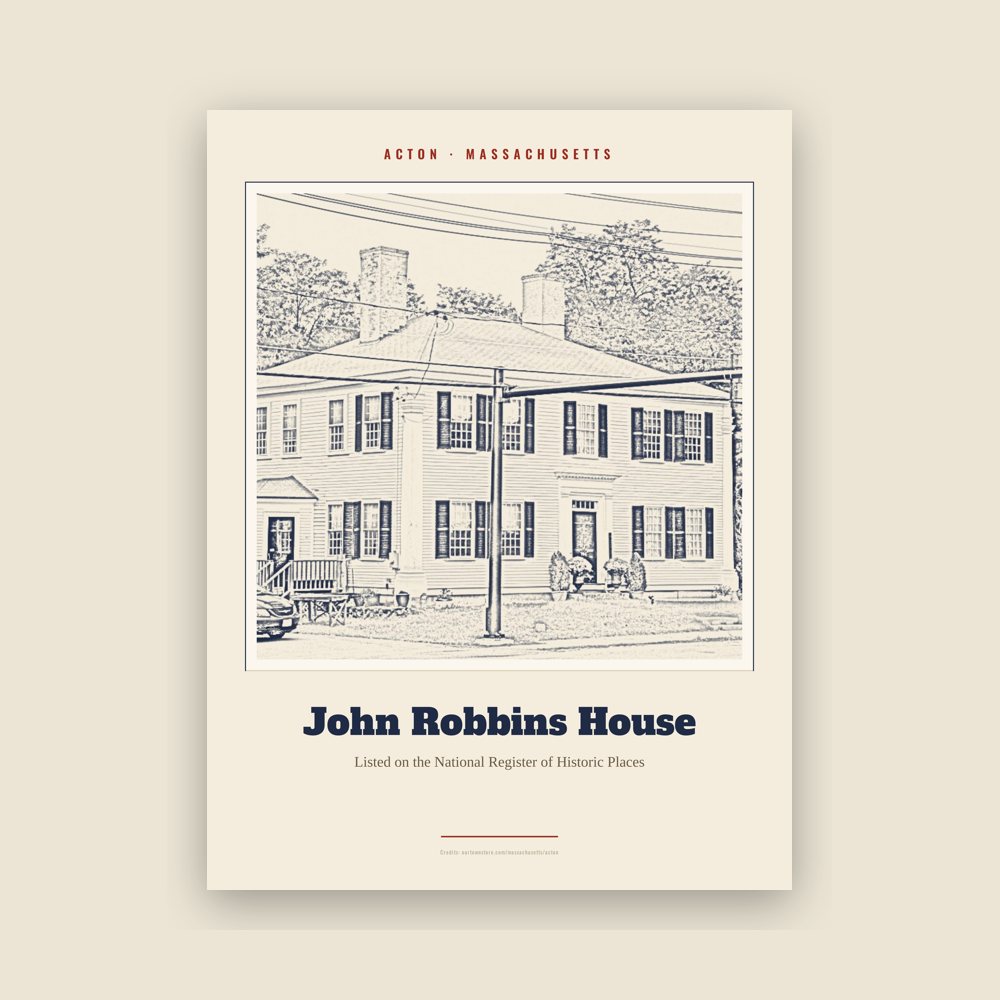
Archival matte print of a local landmark, credited to its photographer
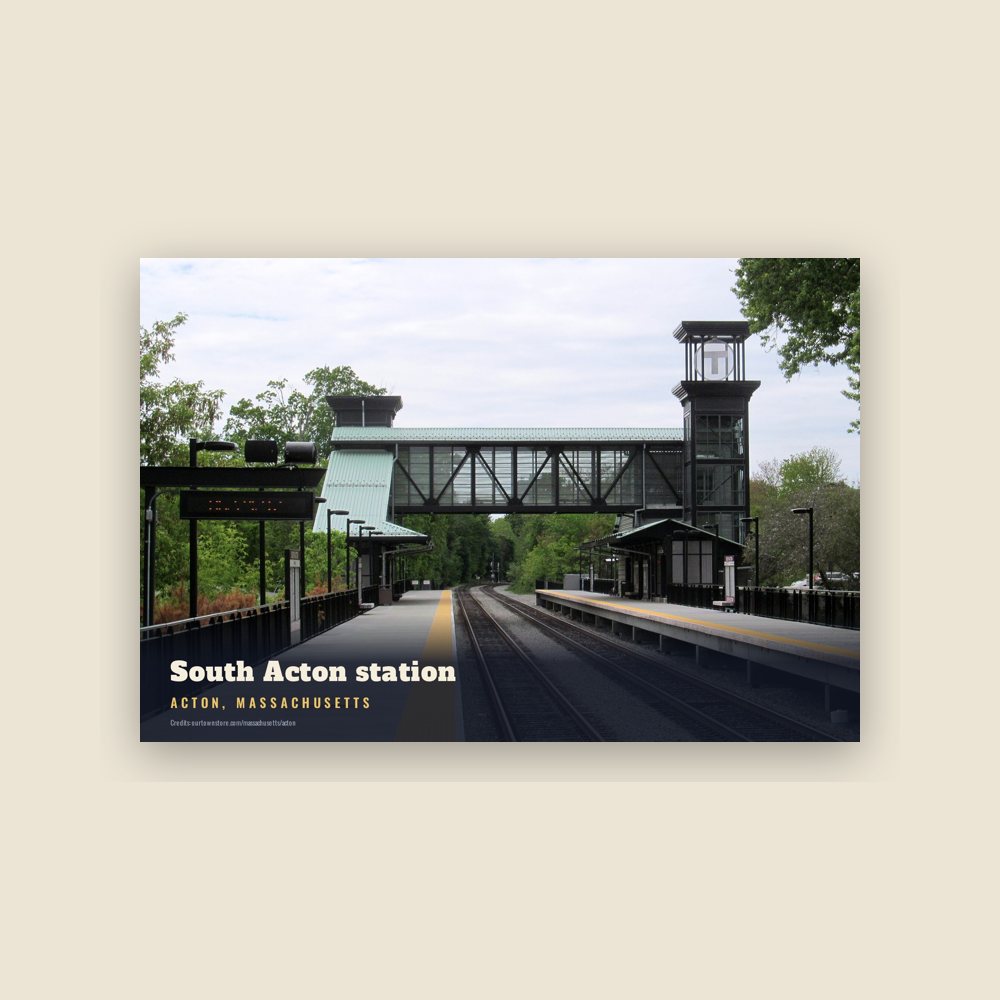
6″×4″ postcard, glossy front
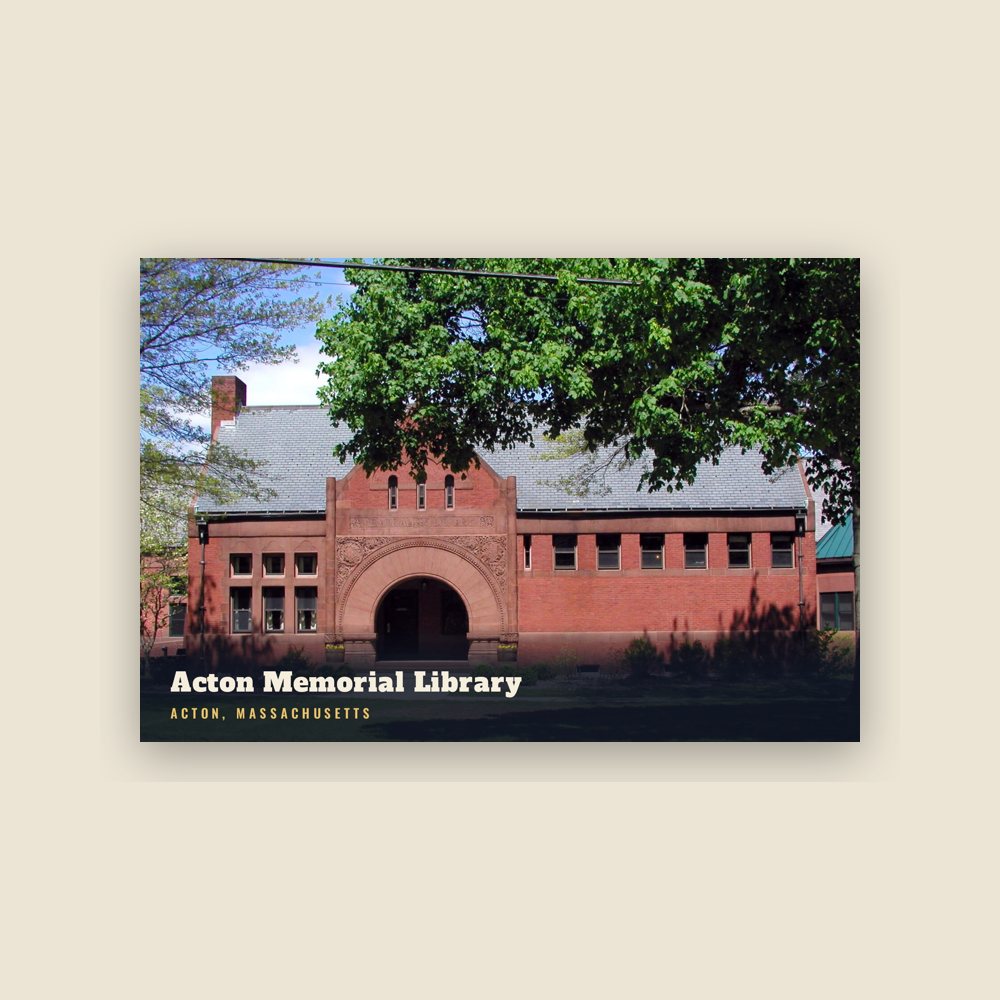
6″×4″ postcard, glossy front
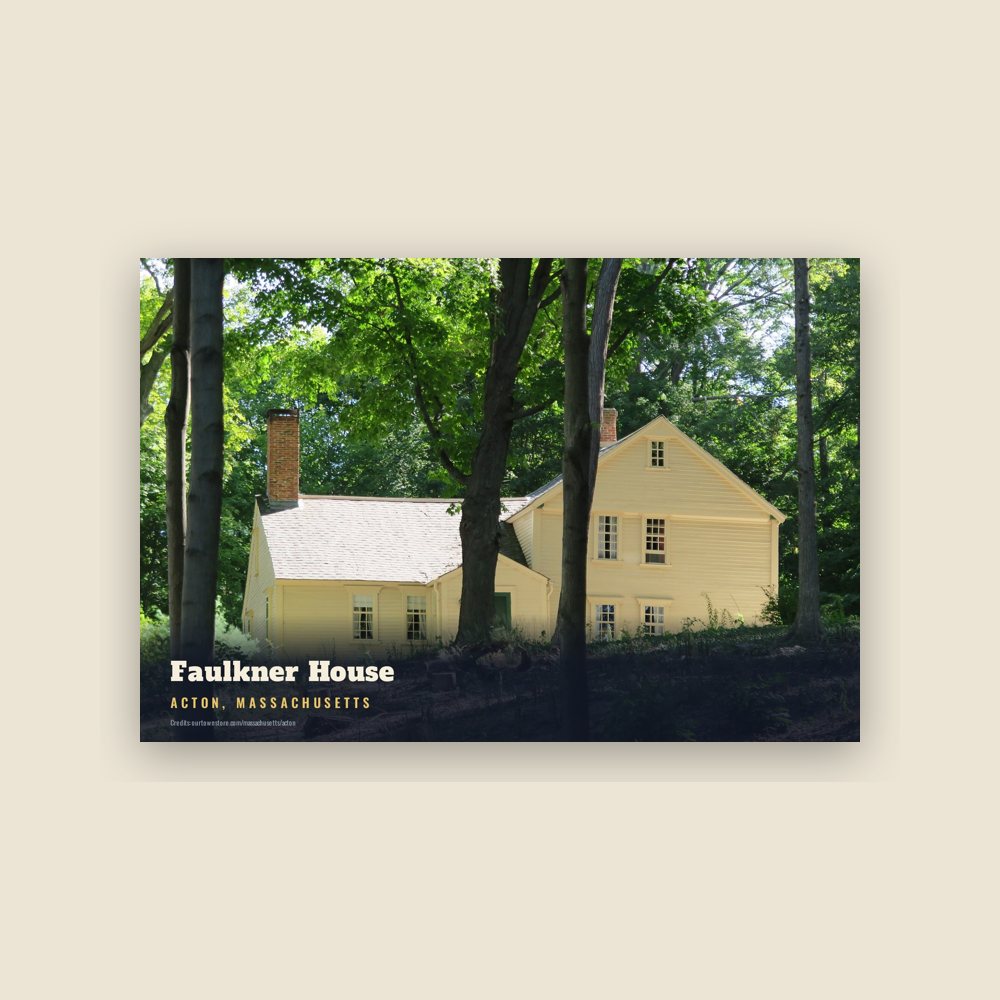
6″×4″ postcard, glossy front

6″×4″ postcard, glossy front
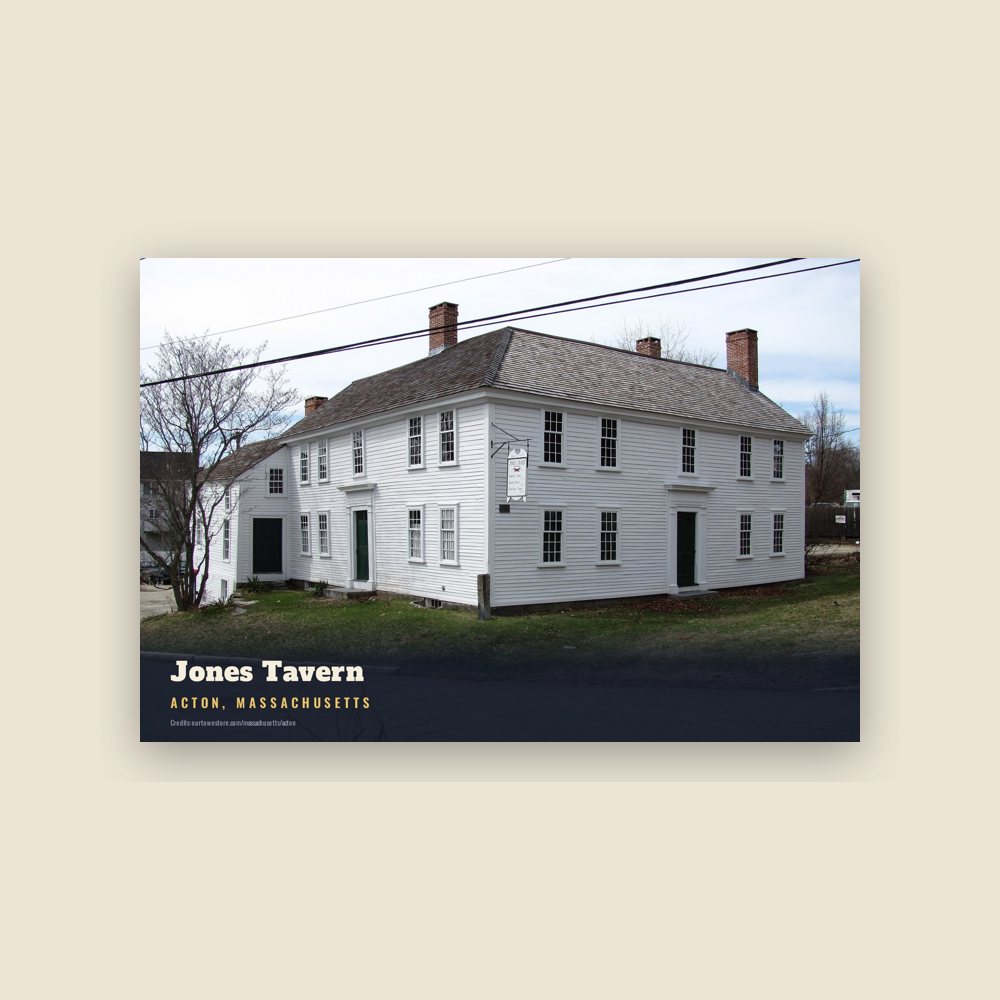
6″×4″ postcard, glossy front
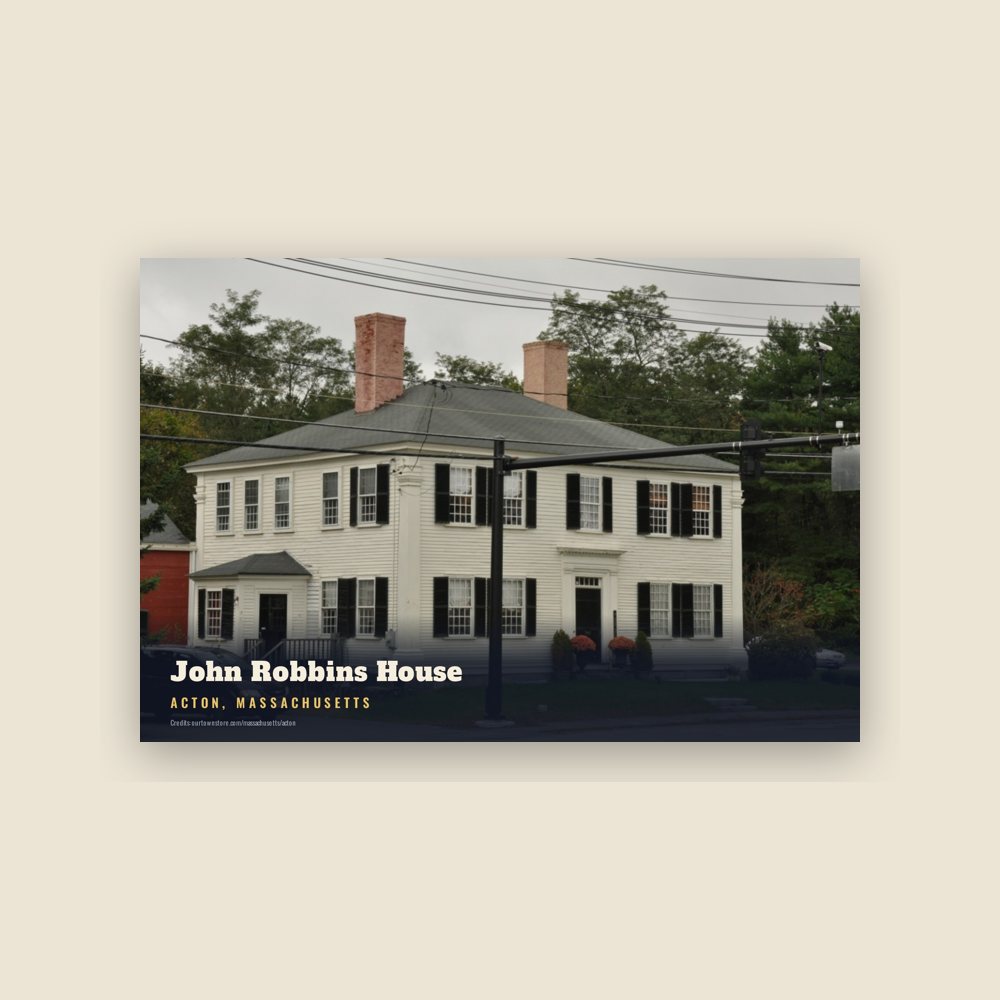
6″×4″ postcard, glossy front
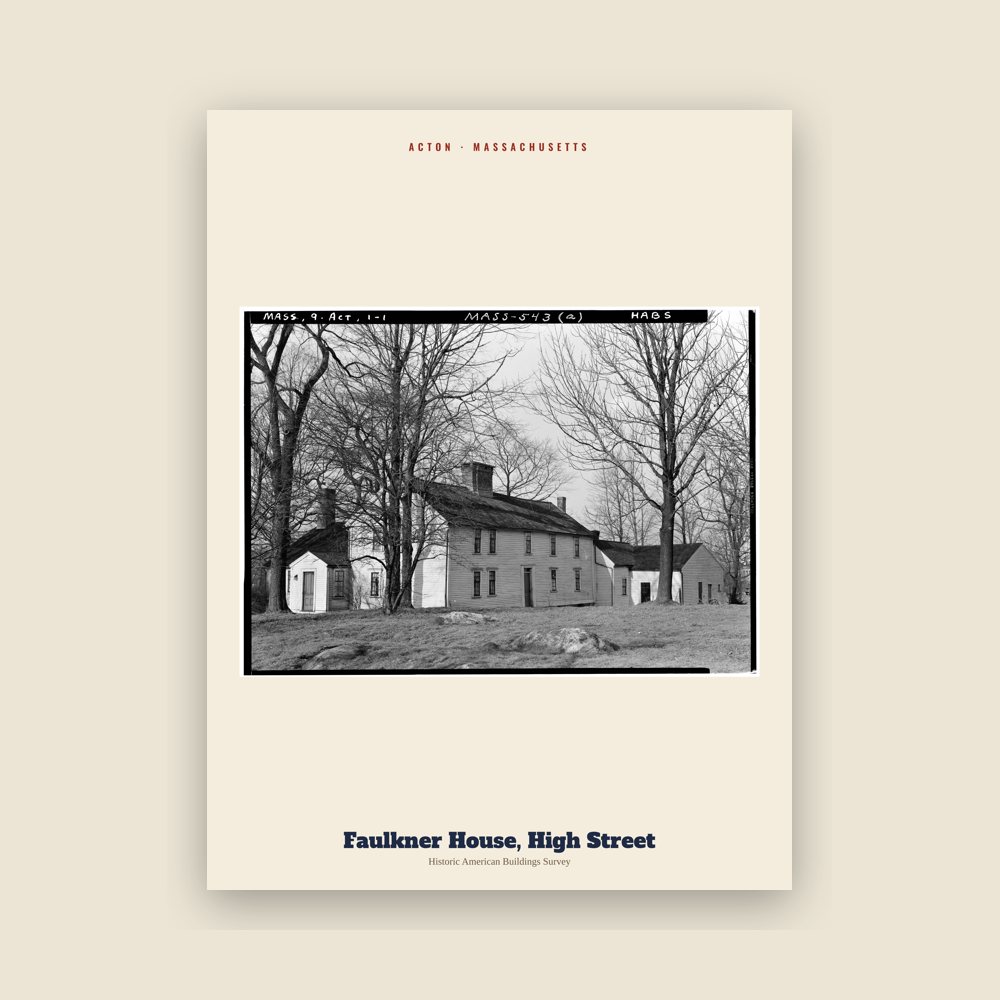
From the Library of Congress collections: a historic survey drawing or photograph of the town
Population 2010: 21,924 → 2010: 21,929 → 2020: 24,021
From Wikidata (CC0).
Acton's history reflects the history of Massachusetts, New England, and the United States. It was first settled by Native Americans who used the Assabet, Sudbury and Concord rivers for transportation and the fields for farming seasonal crops. There is evidence of Native American settlements in Acton which go back 7,000 years. When the colonists arrived in this area, the Native American population dropped dramatically due to European diseases for which they had no immunity.
Concord was the first inland colonial town established in the Massachusetts Bay Colony. The original boundaries of Concord included all of Acton and residents used the Acton land as grazing fields for their animals. In 1639, the first homestead was built within the modern day boundaries of the town.
Acton was established as an independent town on July 3, 1735. Acton has held annual town meetings since 1735, the records of which are held at Acton's Memorial Library.
Acton residents participated in the growing hostility with Great Britain by sending a list of grievances to King George III on October 3, 1774. The anniversary of this day is celebrated in Acton as Crown Resistance Day.
On April 19, 1775, during the Revolutionary War's start, a company of minutemen from Acton responded to the call to arms initiated by Paul Revere (who rode with other riders, William Dawes and Samuel Prescott, with Prescott the only one of the three who was able reach Acton itself) and fought at the North Bridge in Concord as part of the Battle of Lexington and Concord. The Acton minutemen were led by Captain Isaac Davis. When a company was needed to lead the advance on the bridge which was defended by the British regulars, Captain Davis was heard to reply, "I haven't a man who is afraid to go." It has been said that the Acton men led because they alone were equipped with bayonets.
The colonists advanced on the bridge; in the exchange of musket fire that followed, Captain Isaac Davis and Private Abner Hosmer of Acton were killed. Davis was the first officer to die in the American Revolutionary War. In local terms, the events of the day were characterized as "the battle of Lexington, fought in Concord, by men of Acton".
During the 19th century, Acton participated in the growing Industrial Revolution. By the mid-19th century, Acton was an industrial center for the production of barrels (cooperage). There were also a powder mill, three gristmills and four sawmills in town. The American Powder Mills complex extended downstream along the Assabet River and manufactured gunpowder from 1835 to 1940.
On October 1, 1844, the railroad came to Acton. The Fitchburg Railroad was routed through South and West Acton so that it could serve the mills. South Acton became a busy rail center and was the division point for the Marlborough Branch Railroad. With the railroad came increasing development in those areas. In addition to the Fitchburg Railroad, two others crossed the town: the Nashua and Acton, and the Framingham and Lowell. These two railroads shared a double track right-of-way that ran from West Concord (aka Concord Junction) through East Acton and then splitting in North Acton in the vicinity of Route 27 and Ledge Rock Way.
In 1874, the population of the town was almost 1700. The town established its first newspaper, The Acton Patriot, and the residents of West Acton formed the first library, The Citizen's Library. In 1890, the Memorial Library was completed and given to the town by William Allan Wilde as a memorial to the Acton soldiers who fought in the Civil War.
Adapted (trimmed) from the Wikipedia article Acton, Massachusetts, revision 1374960762 by its contributors, licensed CC BY-SA 4.0.
We share a part of every Acton sale with local partners, and we'd love to print from your collection. Old photographs, maps and postcards make the best keepsakes.
Partner with us