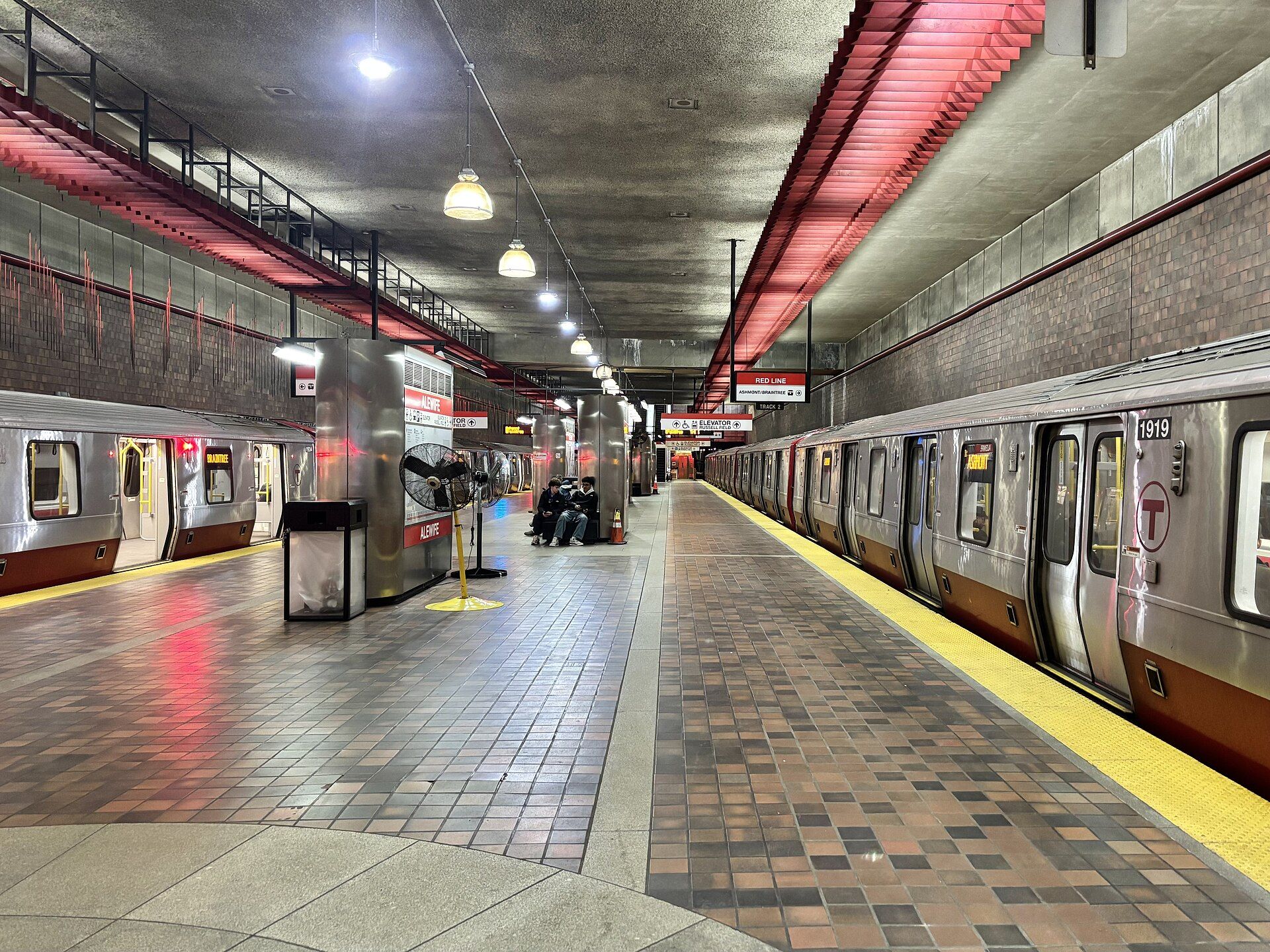
A stream called Mill Brook flows through the town, which historically figured largely into Arlington's economy. Landmarks include Boston Massachusetts Temple, Alewife station and Old Schwamb Mill. Arlington is the birthplace of Miles Robinson, soccer player.
Every piece is drawn from Arlington's own map data and historic archives, then printed and shipped from the USA when you order. No two towns look alike.
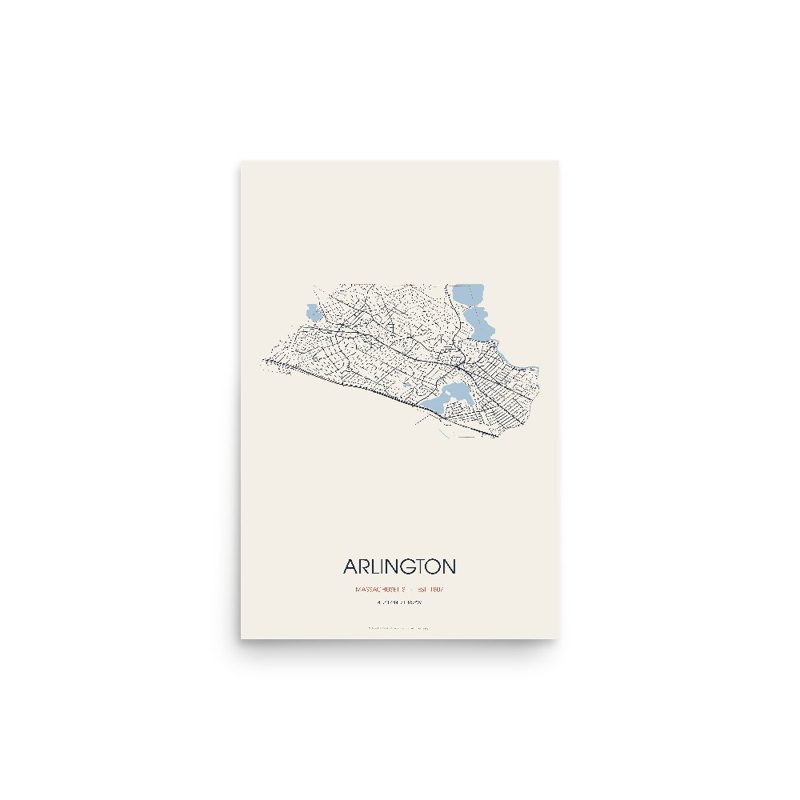
Every road in town, on archival matte paper
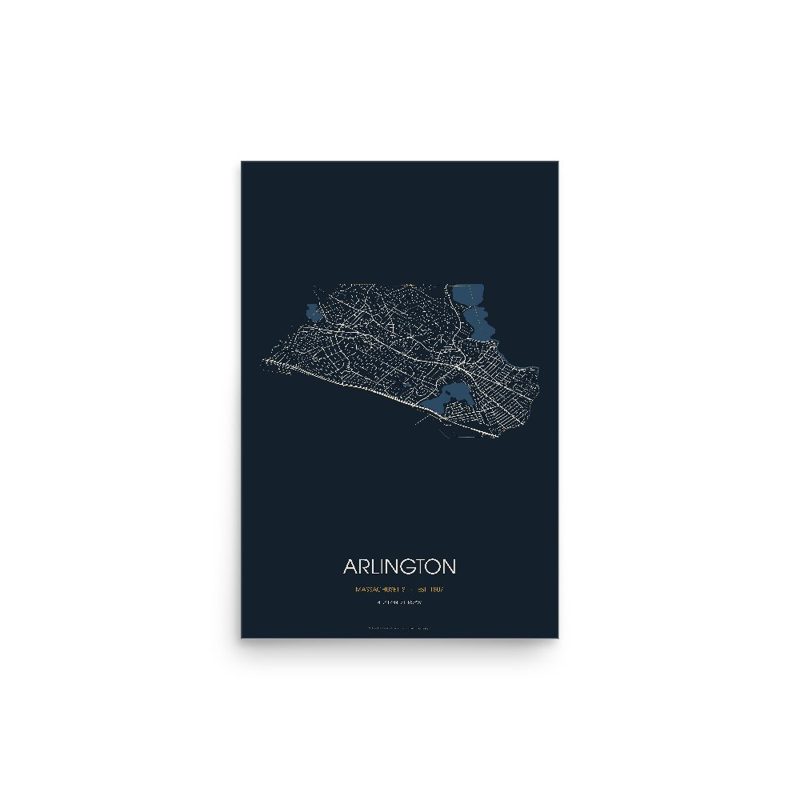
The same map, in navy and silver
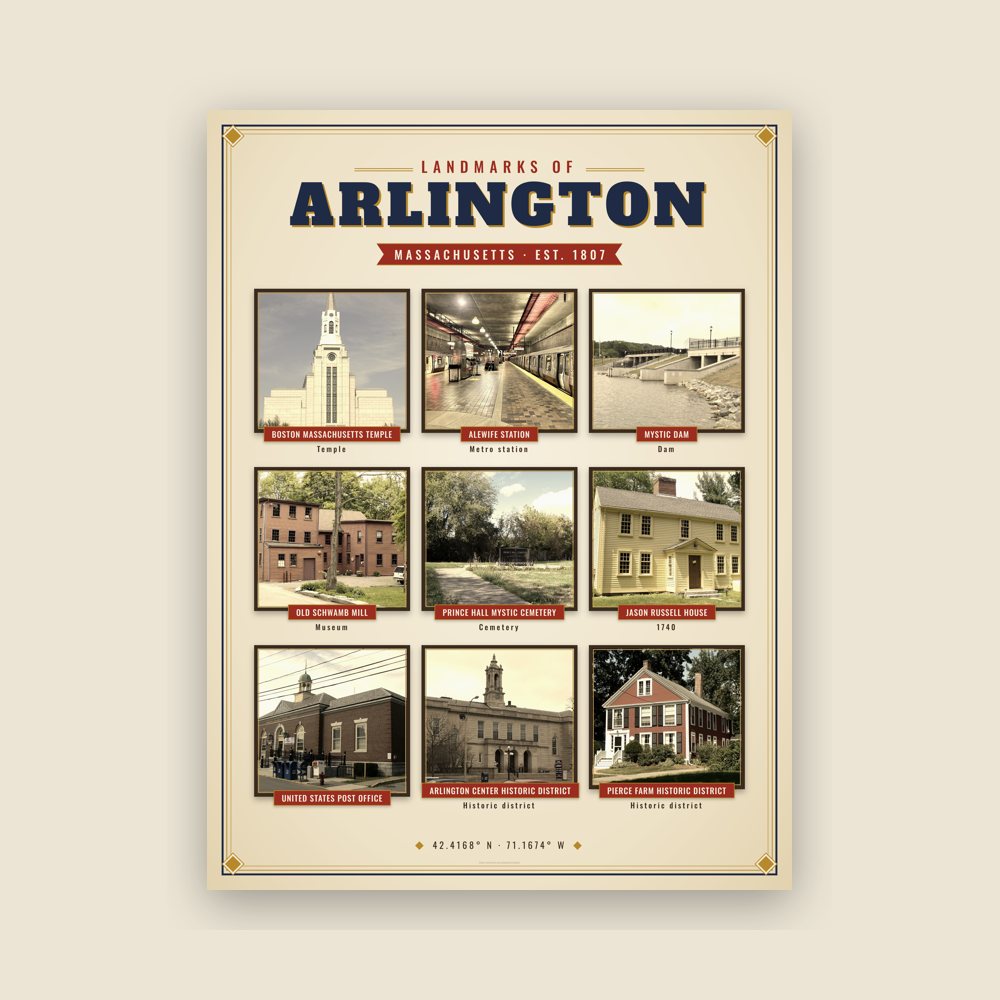
Nine local landmarks, archival matte
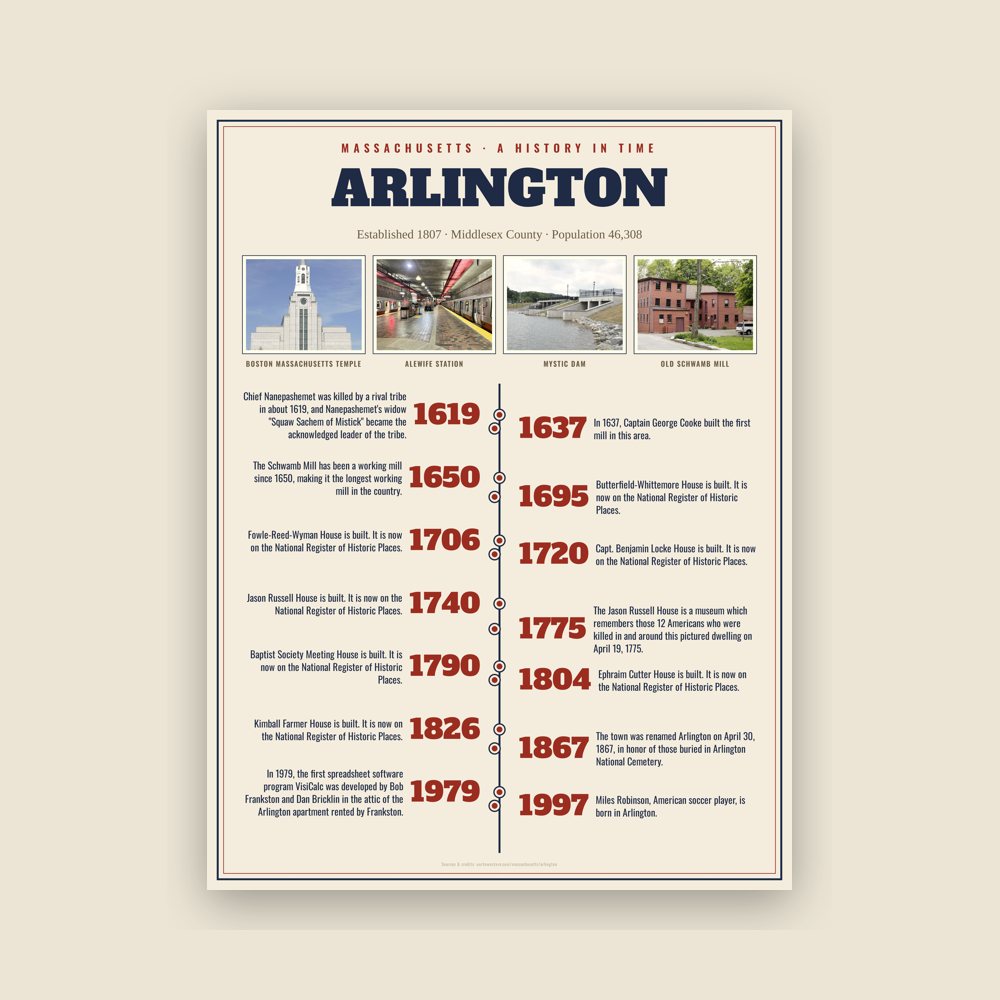
The town's story in dates, from its own records, for home or classroom
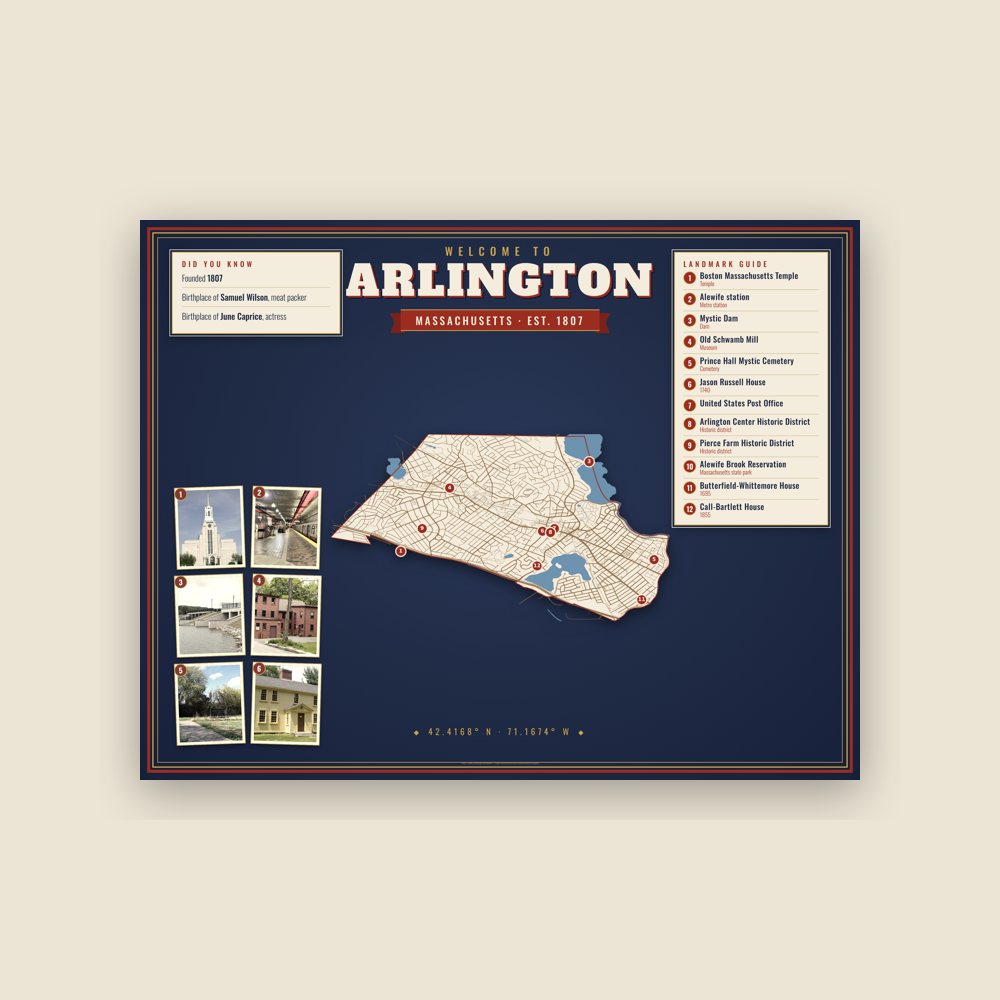
Map of local landmarks, washable fabric
Heavy-blend fleece, street map printed on the back
Soft Bella+Canvas jersey
Glossy ceramic, dishwasher safe
Ceramic keepsake, gold ribbon
Weatherproof, for the front walk
24″×16″, printed coir-look fibers, rubber back
12″×12″ printed wood, ready to hang
Soft-touch, zip cover
Sturdy all-over-print tote
Glossy top, cork back
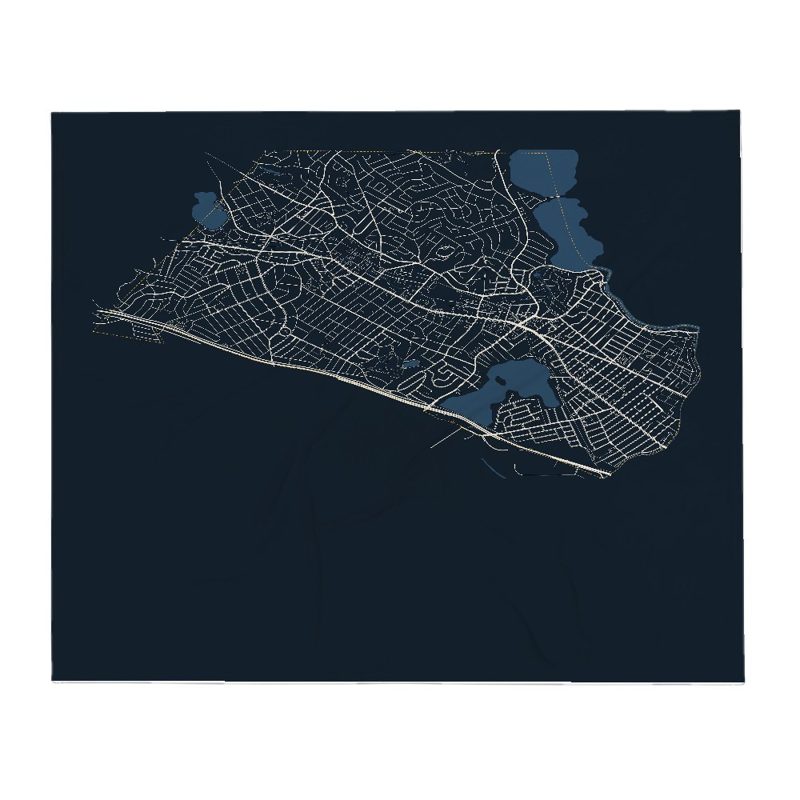
Soft fleece, 50″×60″
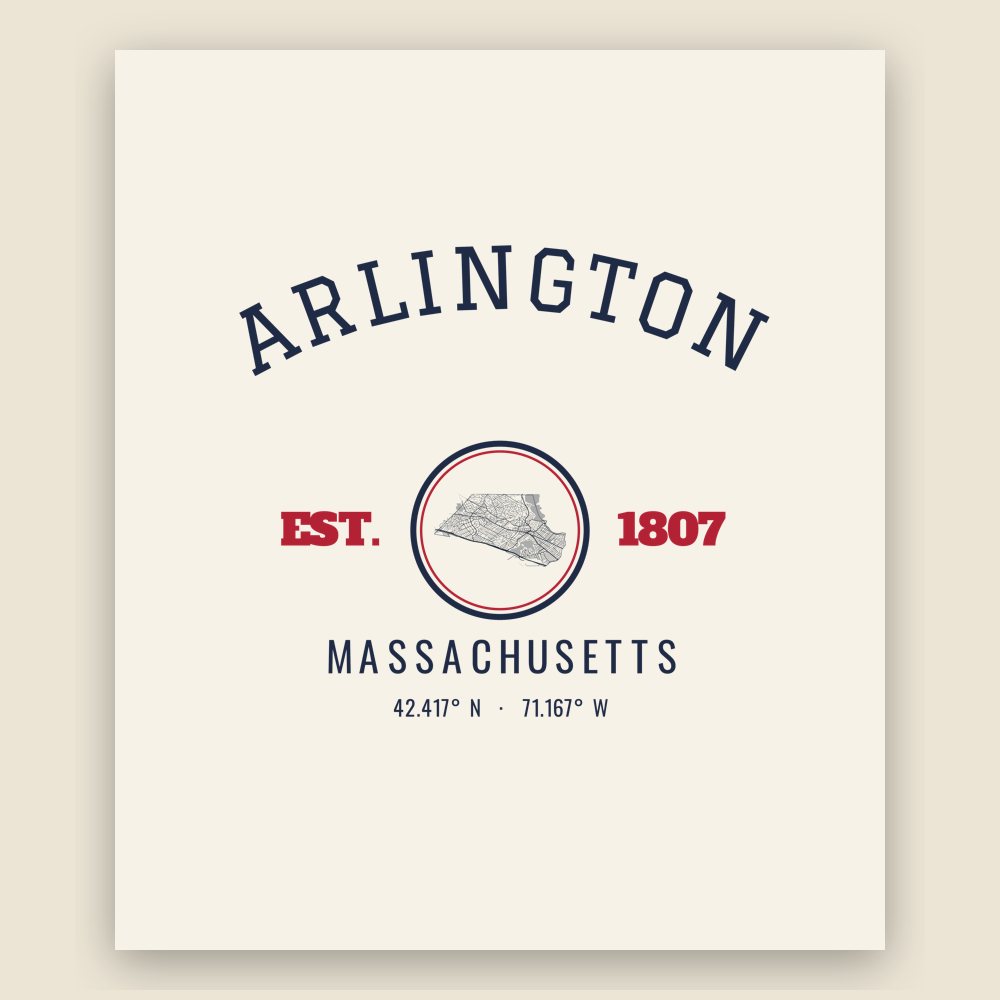
20 oz, double-wall stainless
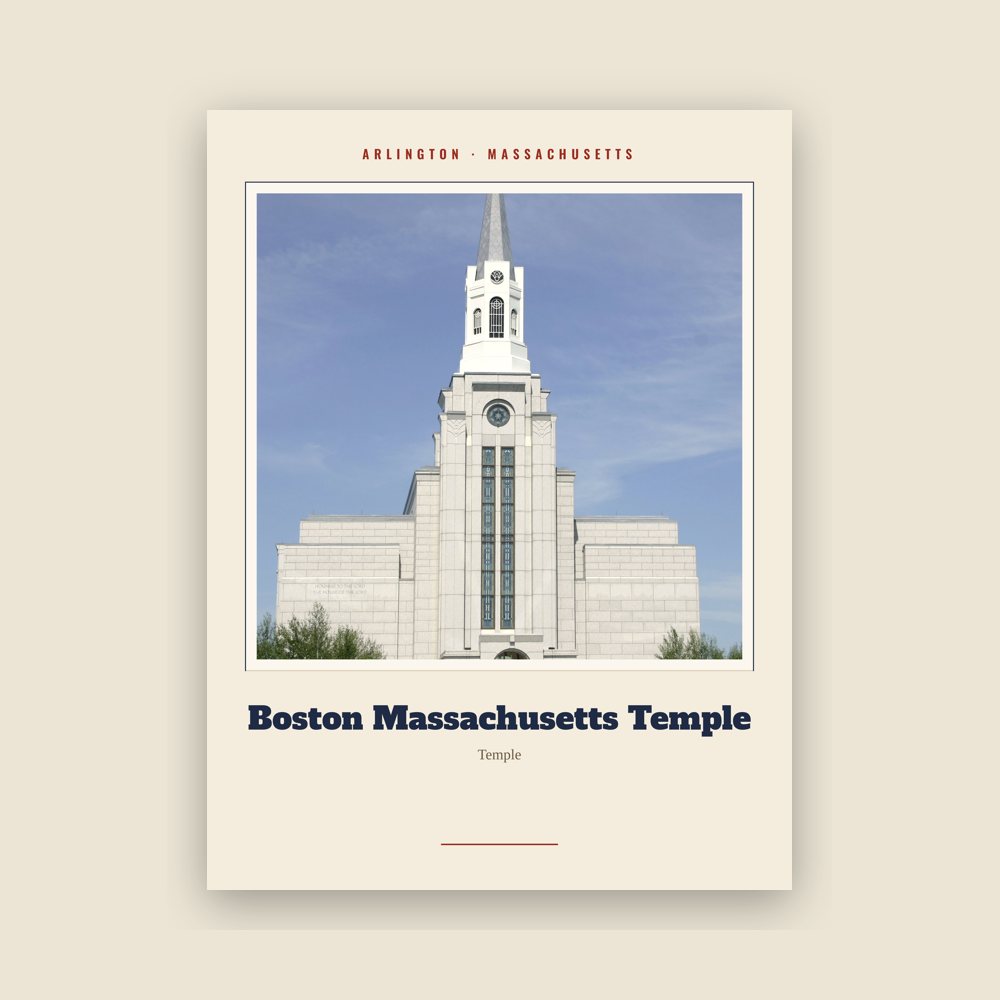
Archival matte print of a local landmark, credited to its photographer
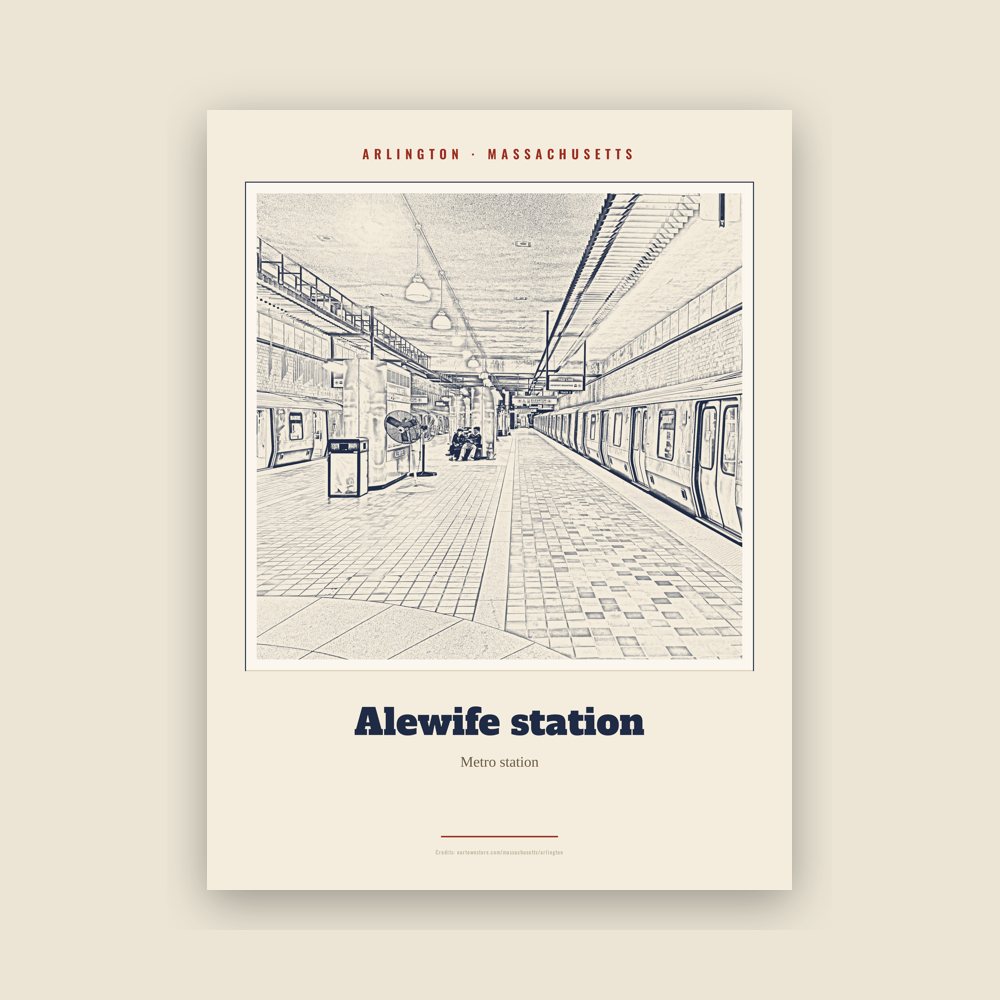
Archival matte print of a local landmark, credited to its photographer
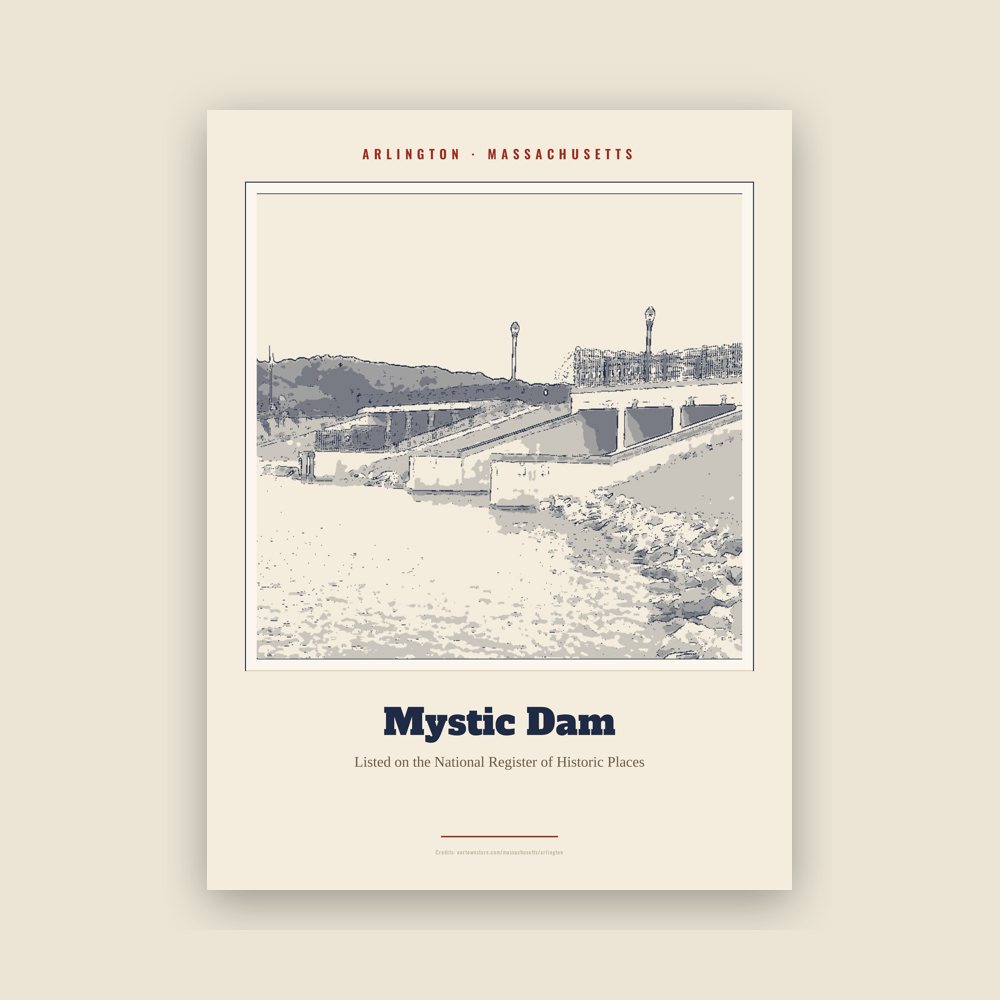
Archival matte print of a local landmark, credited to its photographer
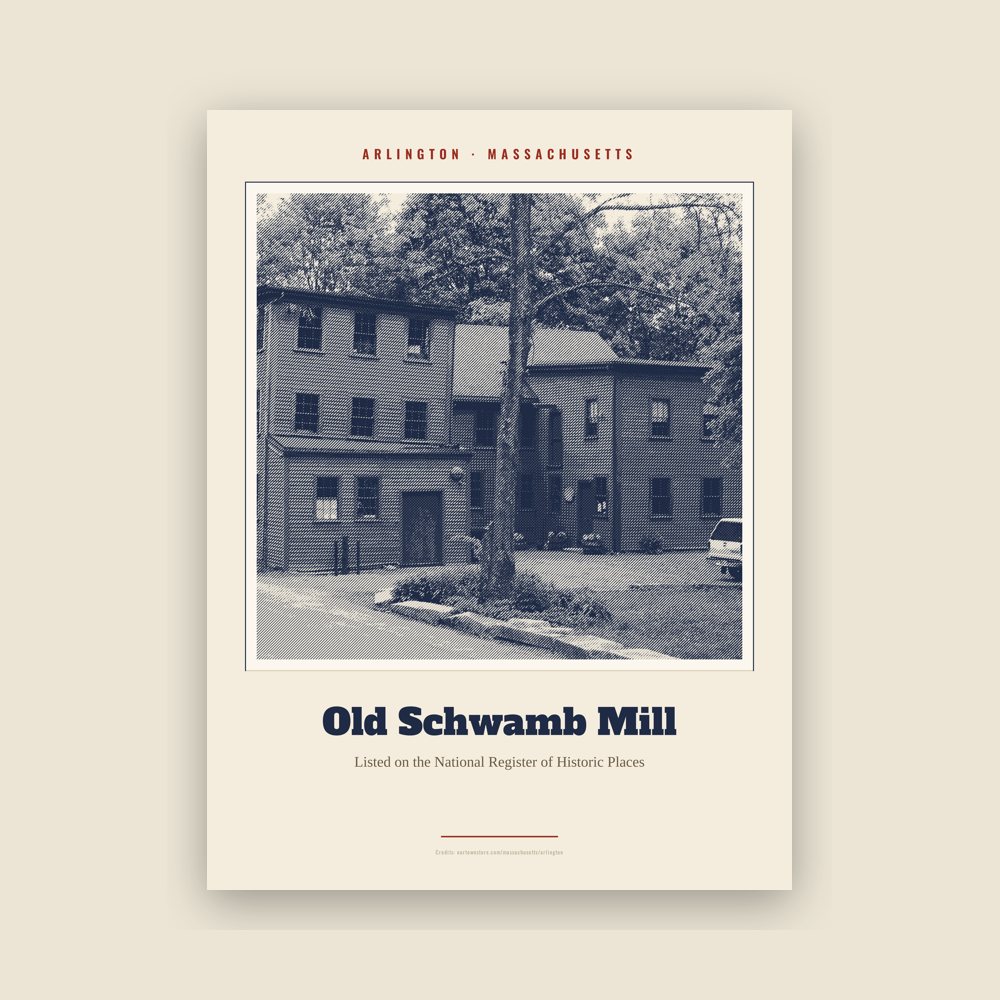
Archival matte print of a local landmark, credited to its photographer
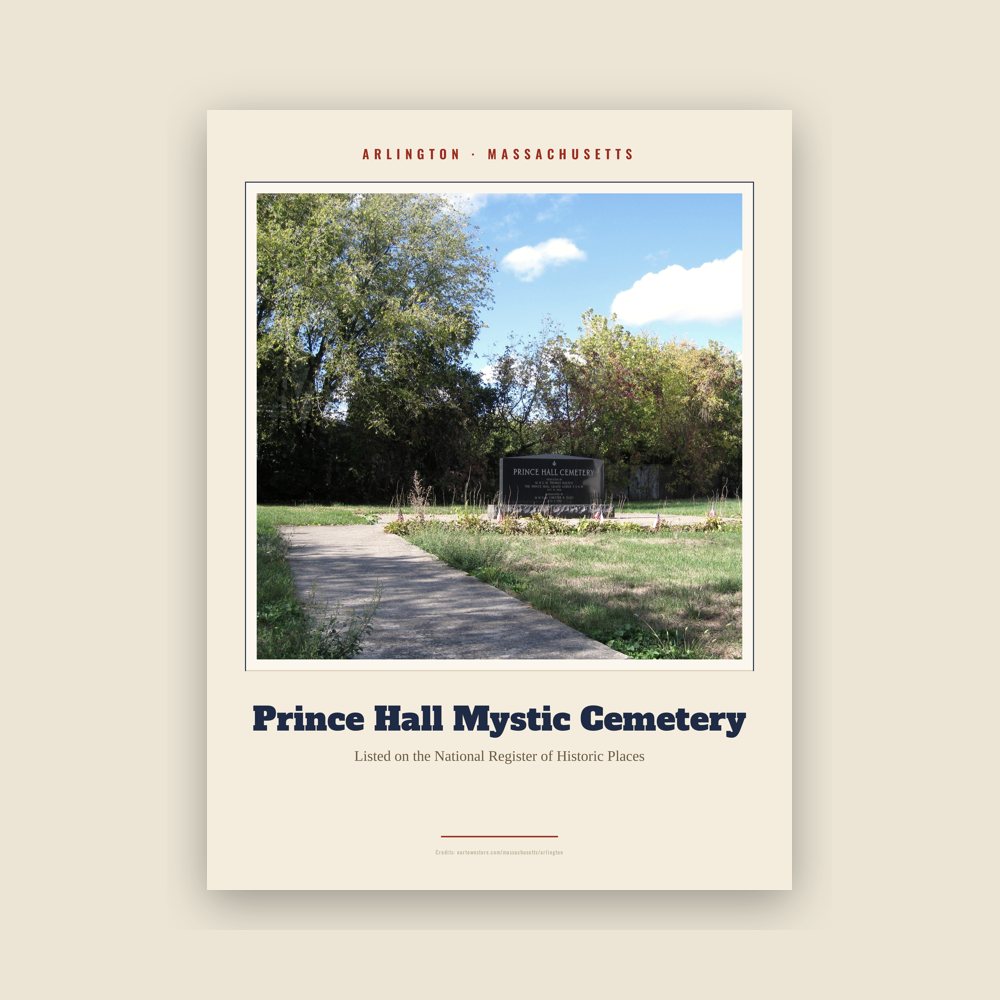
Archival matte print of a local landmark, credited to its photographer
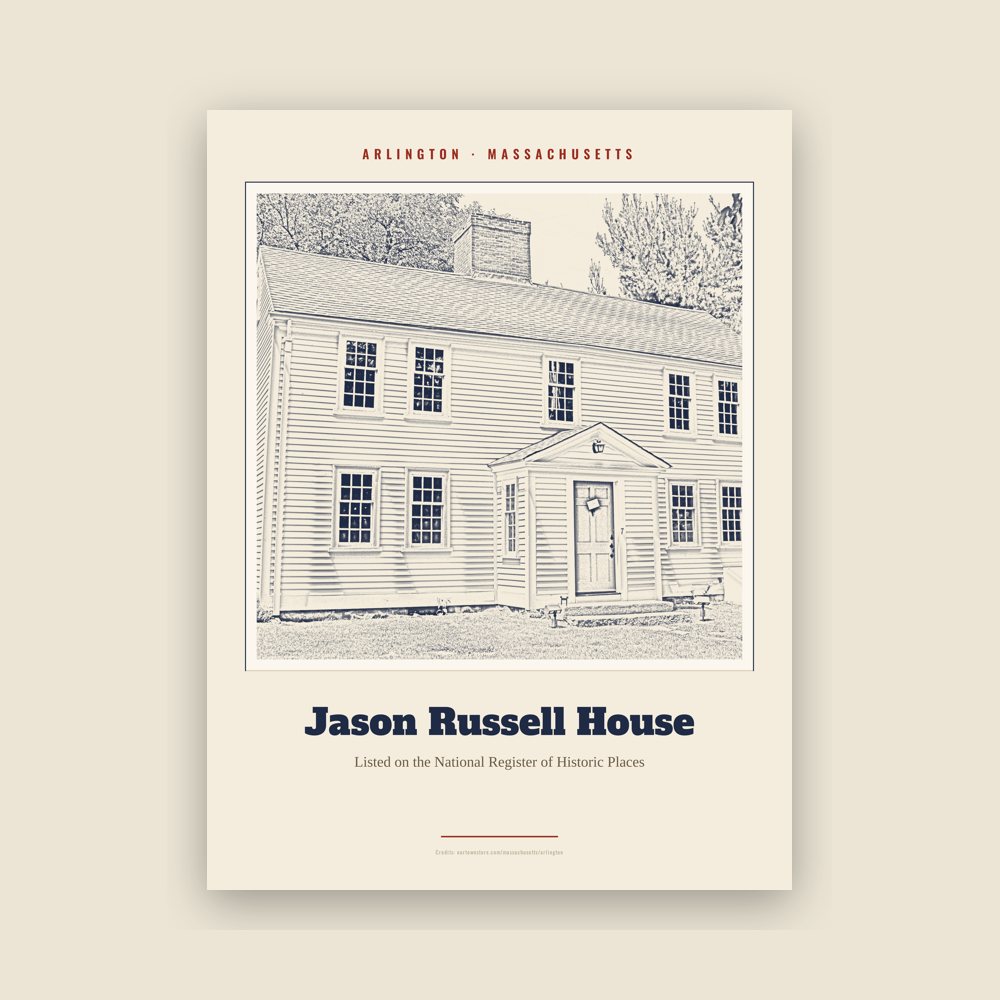
Archival matte print of a local landmark, credited to its photographer
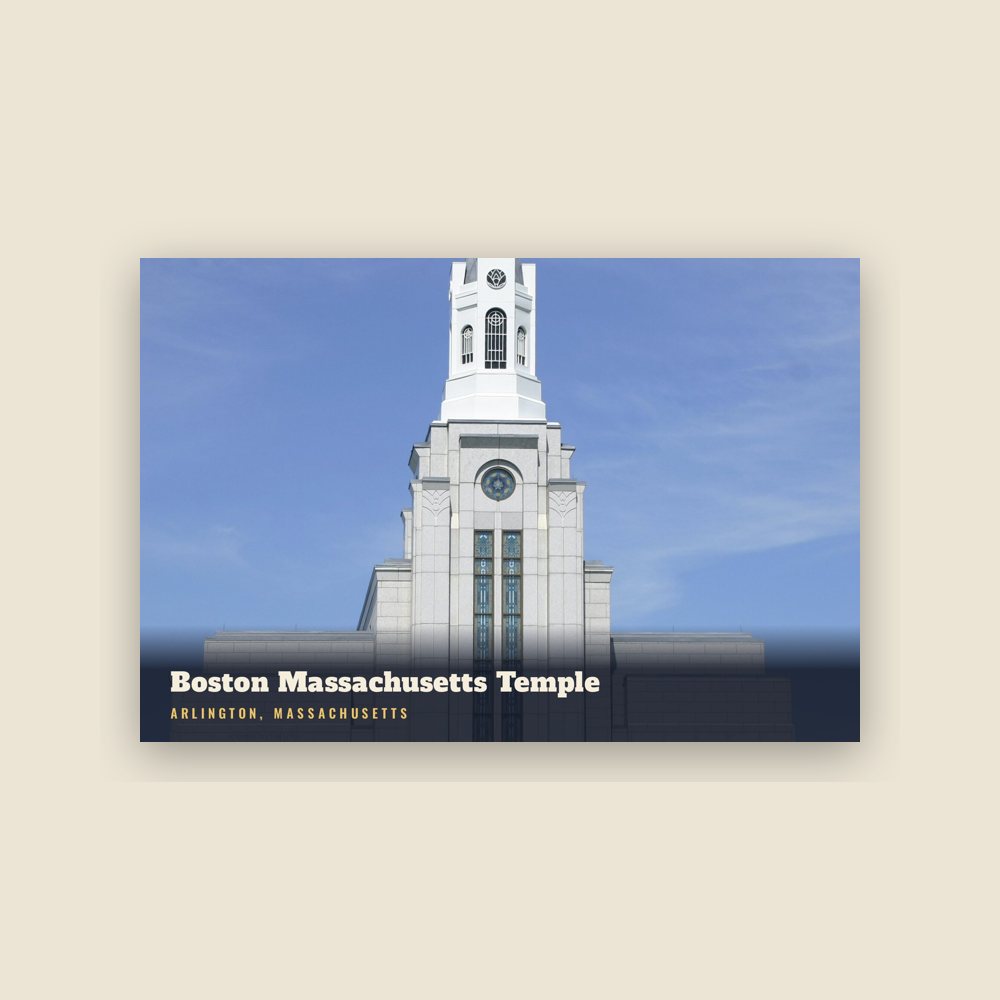
6″×4″ postcard, glossy front
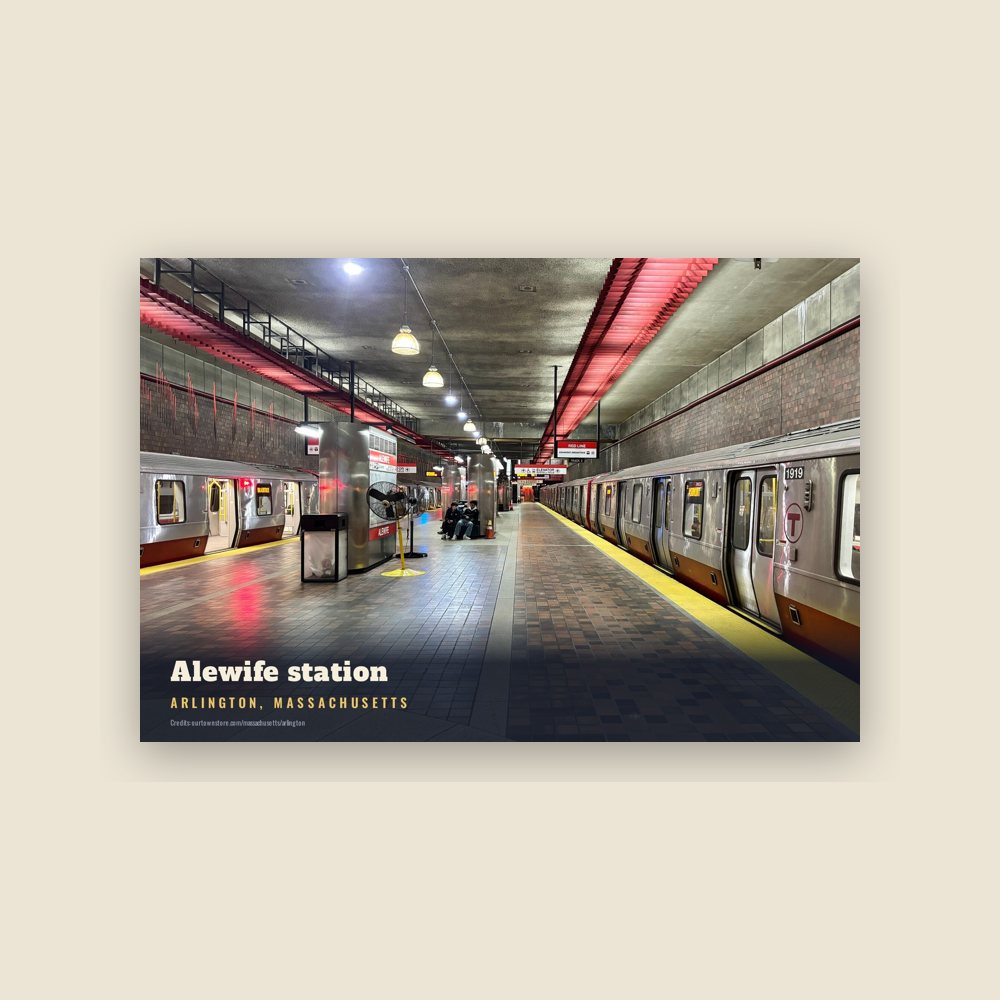
6″×4″ postcard, glossy front
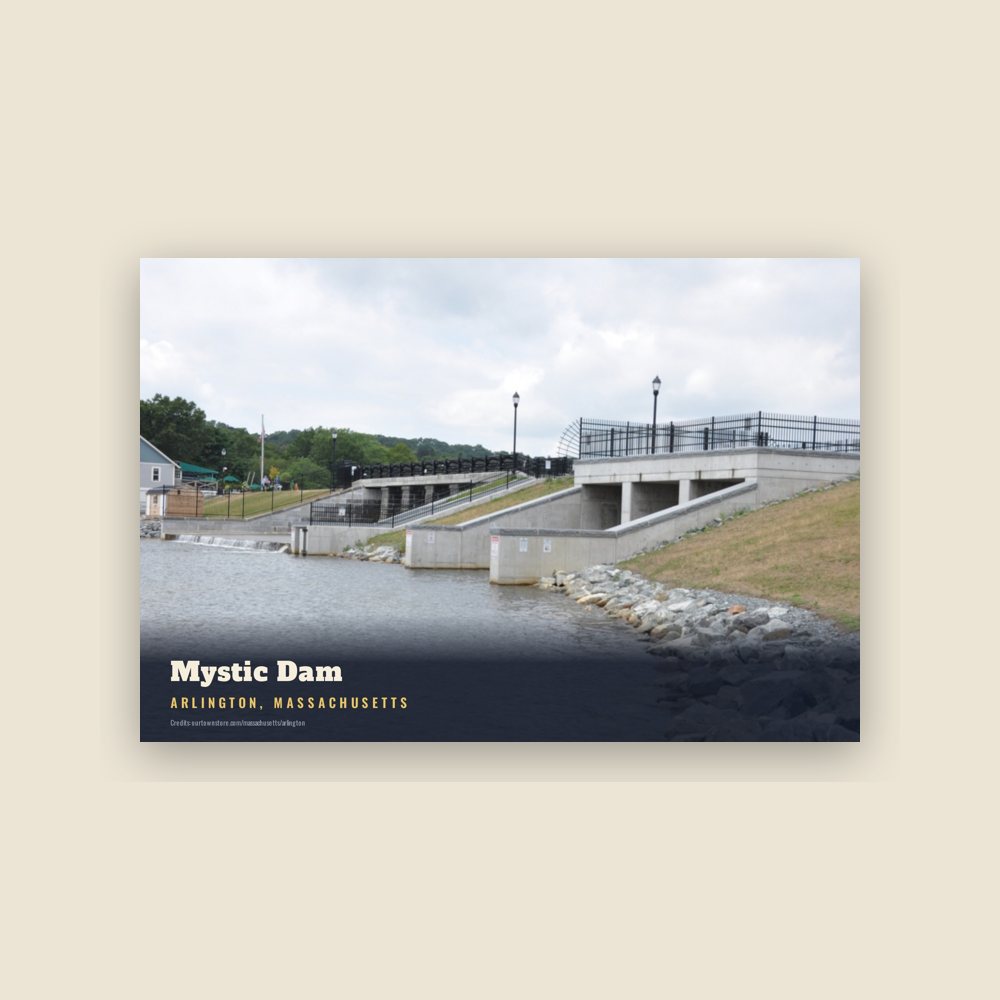
6″×4″ postcard, glossy front
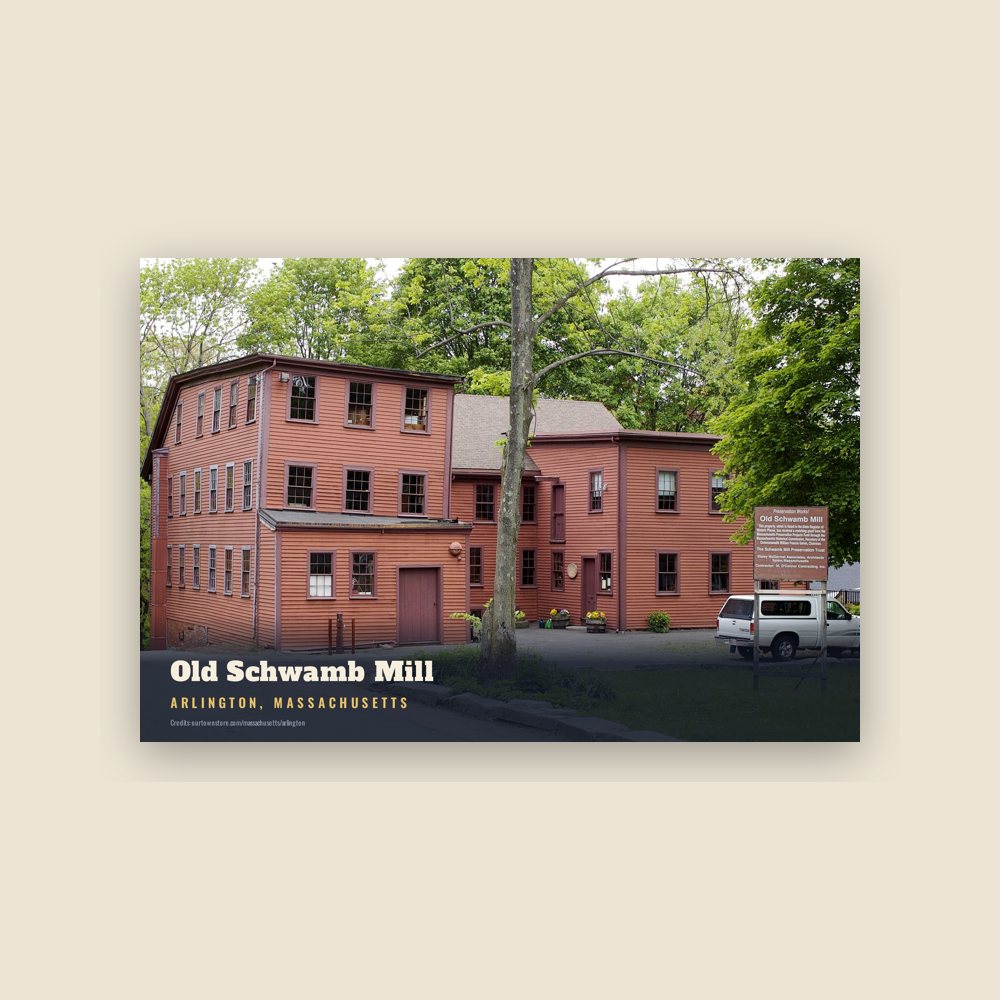
6″×4″ postcard, glossy front
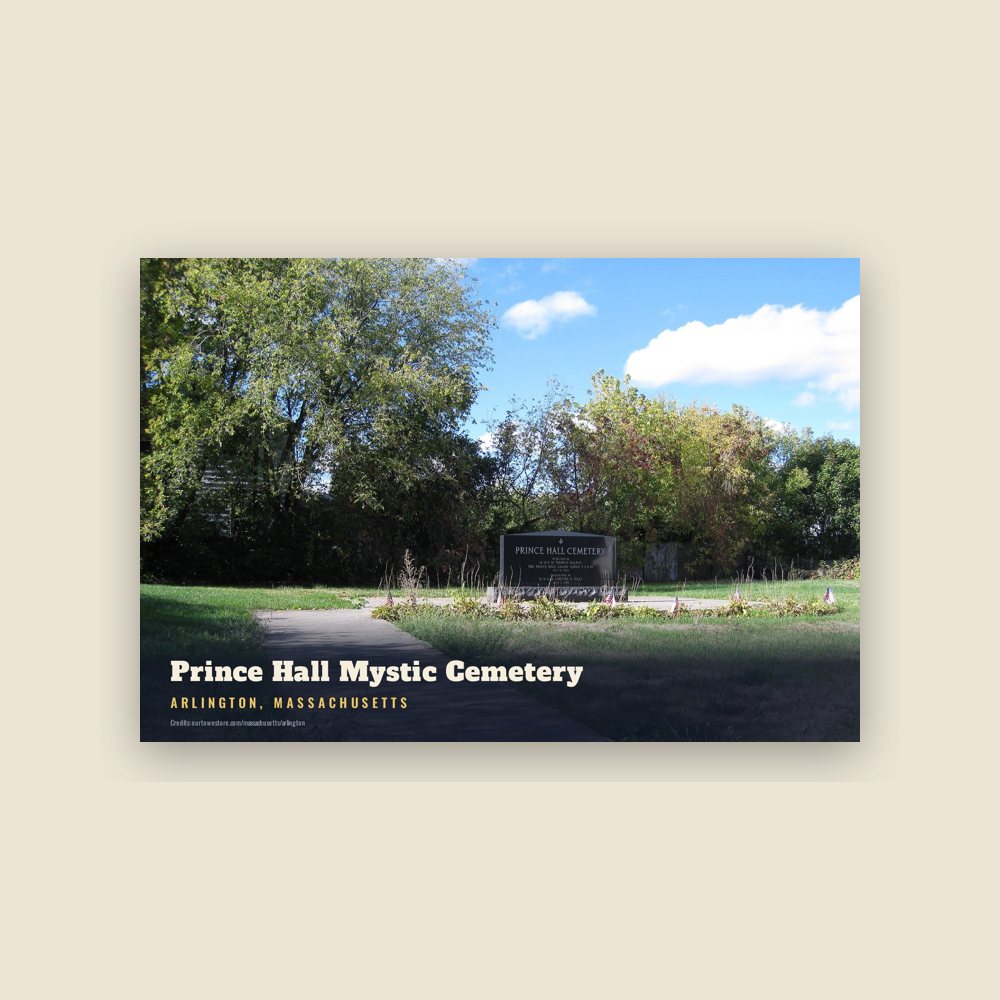
6″×4″ postcard, glossy front
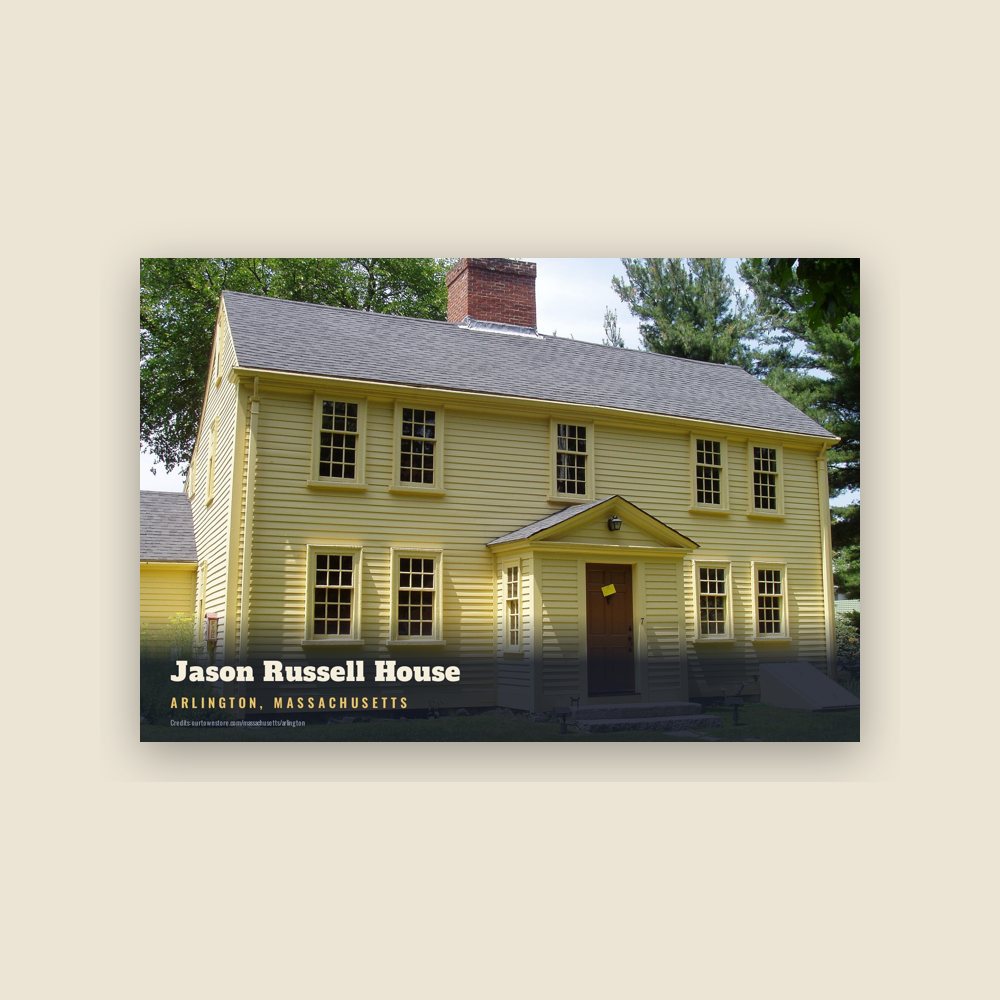
6″×4″ postcard, glossy front
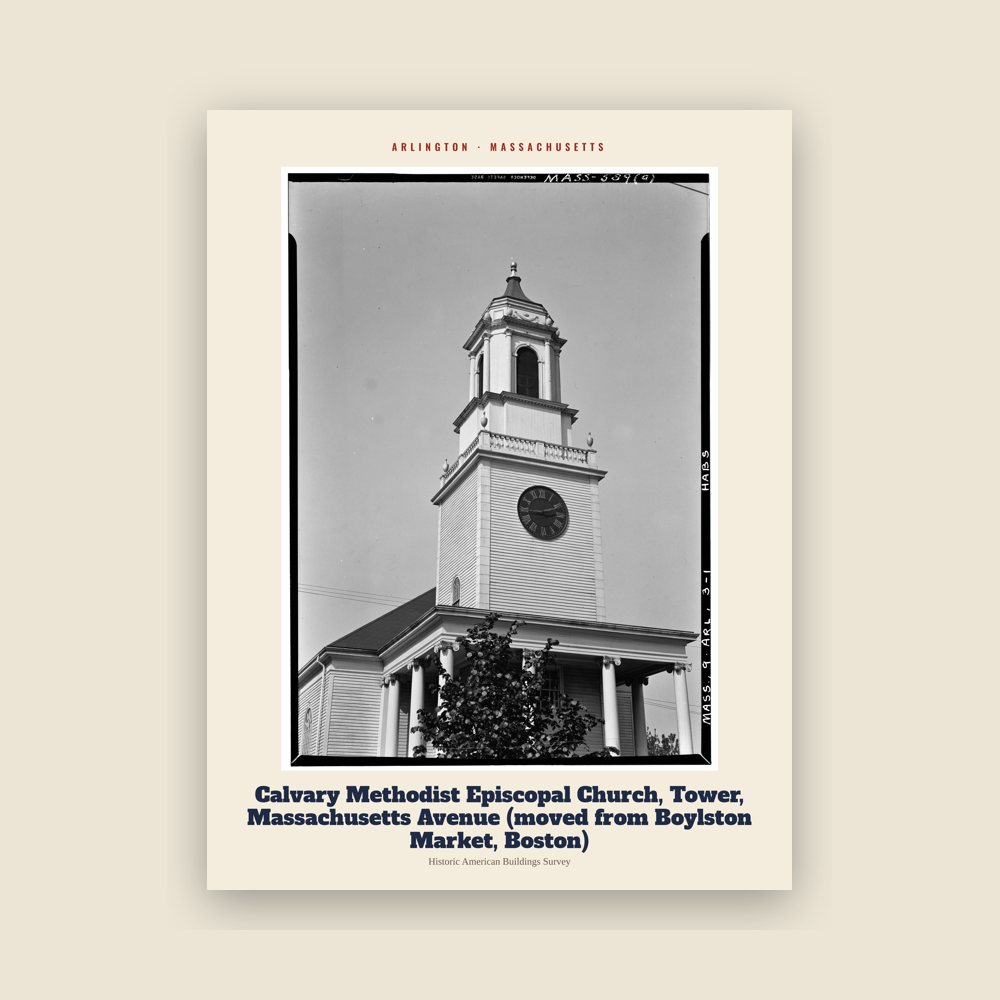
From the Library of Congress collections: a historic survey drawing or photograph of the town
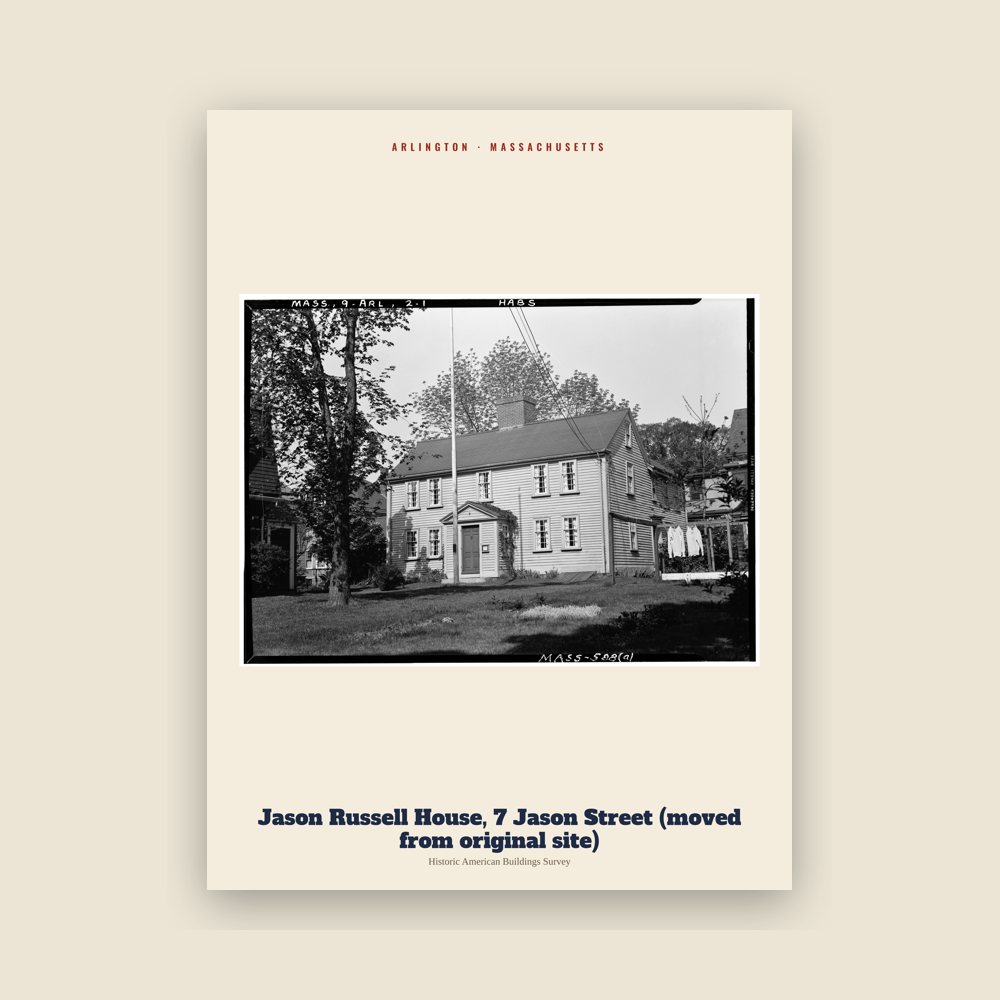
From the Library of Congress collections: a historic survey drawing or photograph of the town
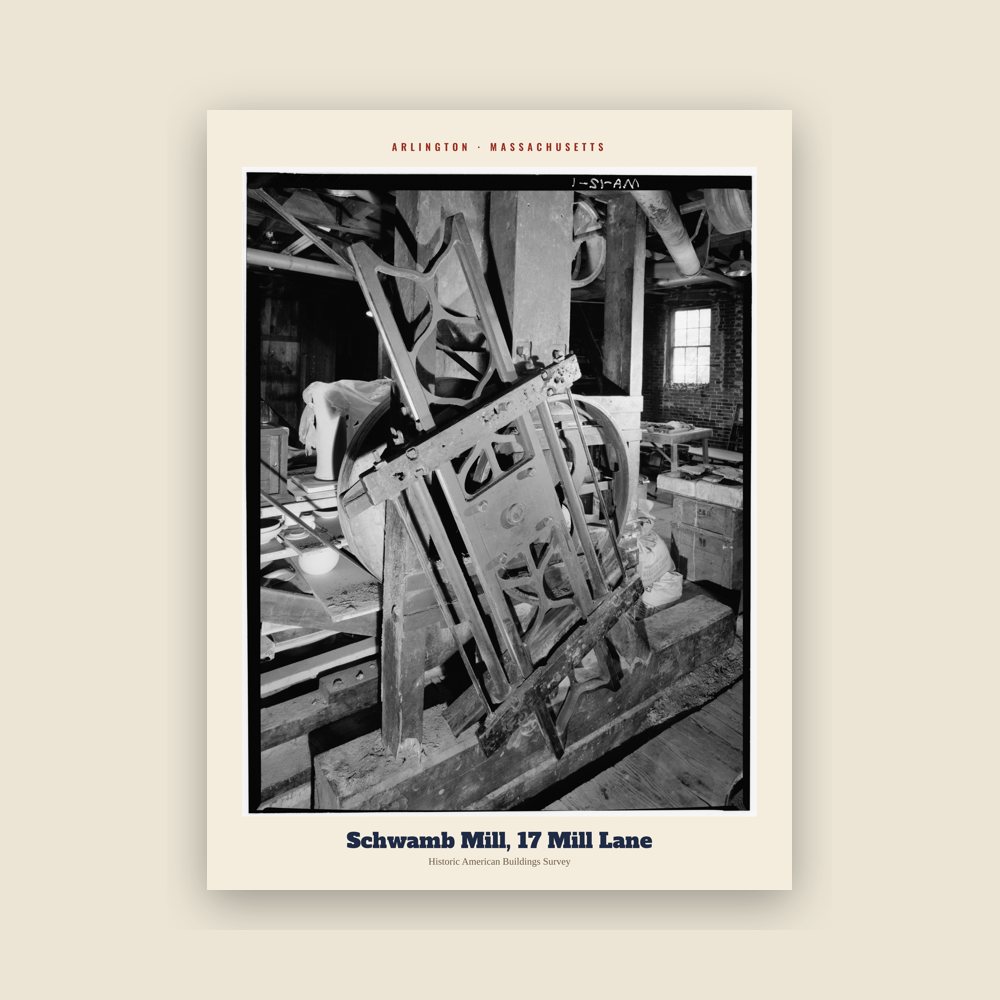
From the Library of Congress collections: a historic survey drawing or photograph of the town
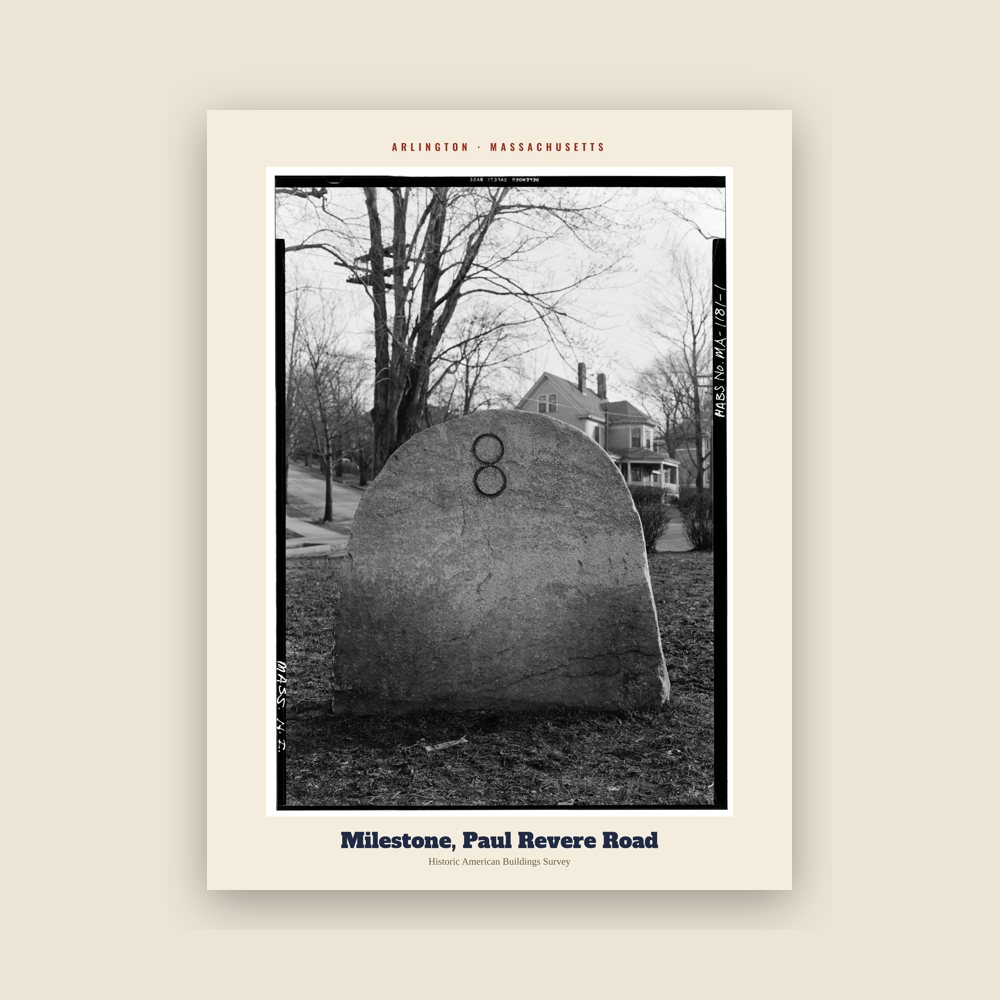
From the Library of Congress collections: a historic survey drawing or photograph of the town
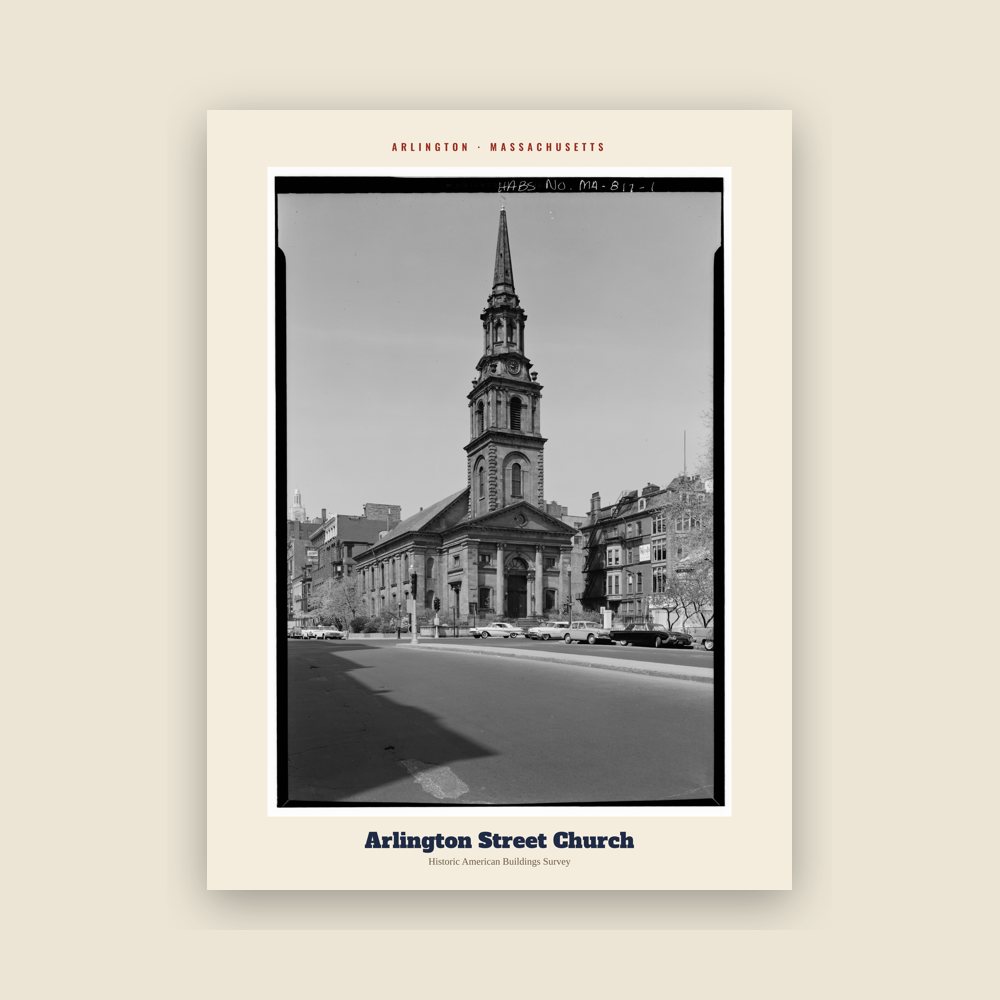
From the Library of Congress collections: a historic survey drawing or photograph of the town
Population 2010: 42,844 → 2020: 46,308
From Wikidata (CC0).
European colonists settled the Town of Arlington in 1635 as a village within the boundaries of Cambridge, Massachusetts, under the name Menotomy, an Algonquian word considered by some to mean "swift running water", though linguistic anthropologists dispute that translation. A larger area was incorporated on February 27, 1807, as West Cambridge, replacing Menotomy. This includes the town of Belmont, and outwards to the shore of the Mystic River, which had previously been part of Charlestown. The town was renamed Arlington on April 30, 1867, in honor of those buried in Arlington National Cemetery.
The Massachusett tribe lived around the Mystic Lakes, the Mystic River, and Alewife Brook. Chief Nanepashemet was killed by a rival tribe in about 1619, and Nanepashemet's widow "Squaw Sachem of Mistick" became the acknowledged leader of the tribe. In 1639, she deeded the land of what was then Cambridge and Watertown to the colonists. She lived her last years on the west side of the Mystic Lakes near Medford, where she died sometime between 1650 and 1667.
A stream called Mill Brook flows through the town, which historically figured largely into Arlington's economy. In 1637, Captain George Cooke built the first mill in this area. Subsequently, seven mills were built along the stream, including the Old Schwamb Mill, which still survives. The Schwamb Mill has been a working mill since 1650, making it the longest working mill in the country.
Paul Revere's midnight ride to alert colonists took him through Menotomy, now known as Arlington. Later on that first day of the American Revolution, more blood was shed in Menotomy than in the battles of Lexington and Concord combined. Minutemen from surrounding towns converged on Menotomy to ambush the British on their retreat from Concord and Lexington. Twenty-five Americans were killed in Menotomy, half of all Americans killed in the day's battles, as well as 40 British troops (more than half their fatalities). Arlington resident Cyrus Dallin would later create an iconic sculpture of the midnight rider; a version can be seen at the town's Cyrus Dallin Art Museum.
The Jason Russell House is a museum which remembers those 12 Americans who were killed in and around this pictured dwelling on April 19, 1775. Bullet holes are visible in the interior walls to this day.
In its early years, Arlington was a thriving farming community and had its own lettuce that was quite popular. Arlington had a large ice industry on Spy Pond from the mid-19th century until the last ice house burned down in 1930; much of its ice was sent to the Caribbean and India by "Ice King" Frederic Tudor.
Arlington's population grew by over 90 percent during the 1920s. In 1979, the first spreadsheet software program VisiCalc was developed by Bob Frankston and Dan Bricklin in the attic of the Arlington apartment rented by Frankston.
Adapted (trimmed) from the Wikipedia article Arlington, Massachusetts, revision 1373988290 by its contributors, licensed CC BY-SA 4.0.
We share a part of every Arlington sale with local partners, and we'd love to print from your collection. Old photographs, maps and postcards make the best keepsakes.
Partner with us