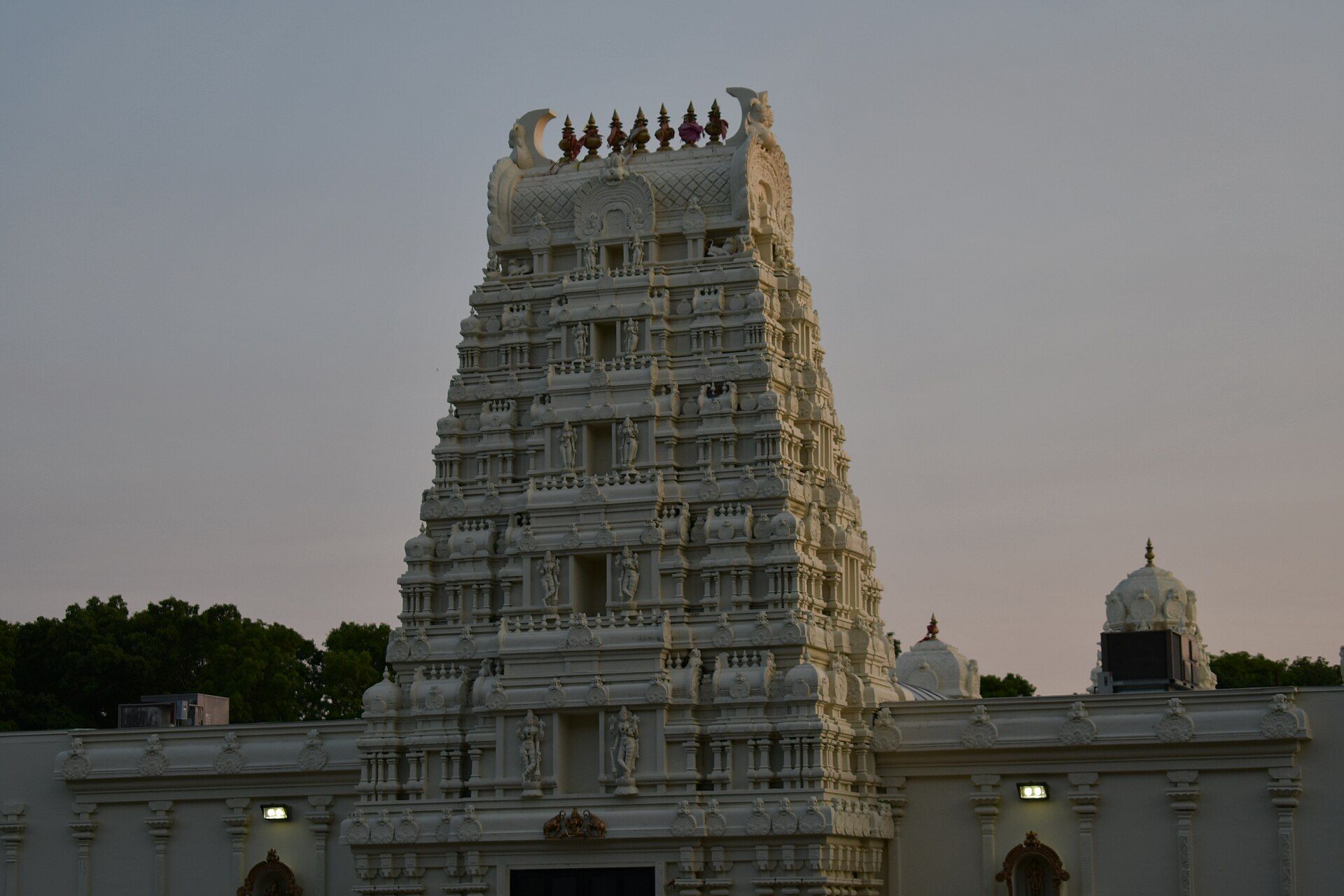
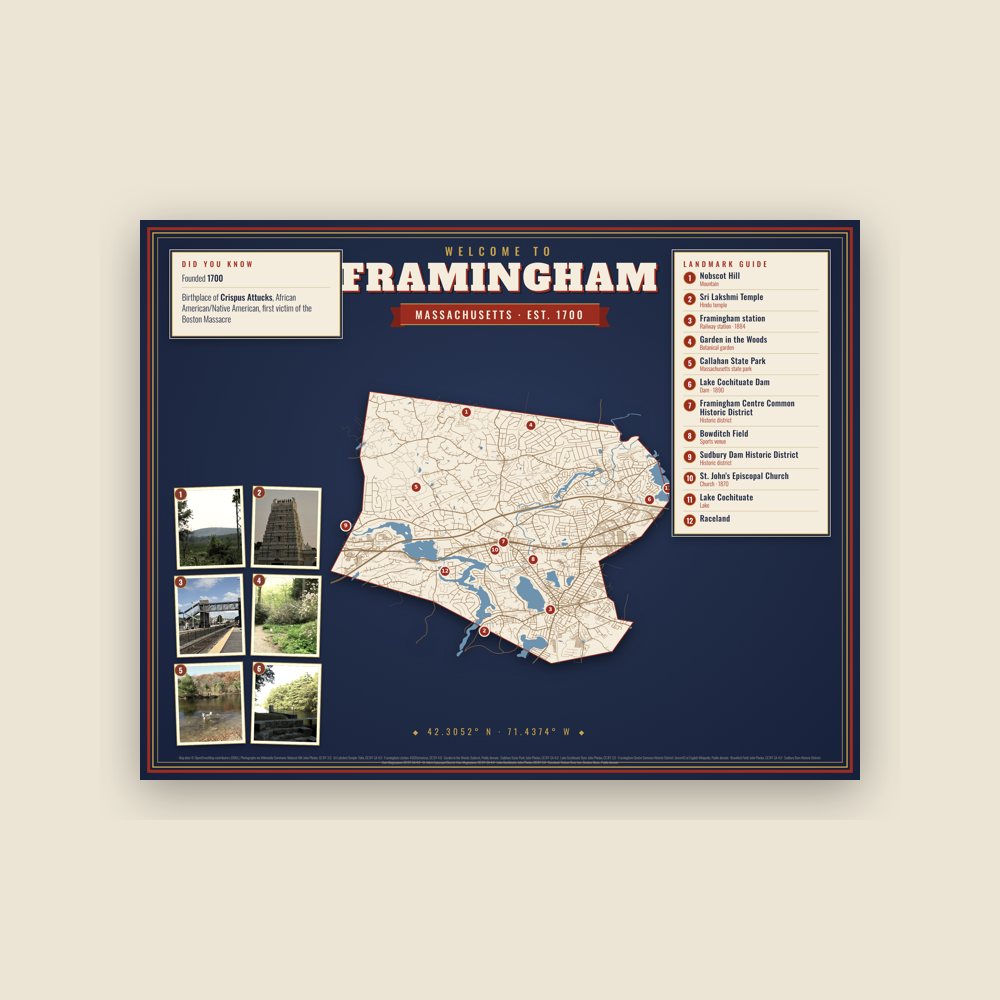
Prior to English settlement, the region around Framingham was inhabited by the indigenous Nipmuc. Landmarks include Sri Lakshmi Temple, Framingham station and Garden in the Woods. Framingham is the birthplace of Adam Schiff, politician.
Every piece is drawn from Framingham's own map data and historic archives, then printed and shipped from the USA when you order. No two towns look alike.
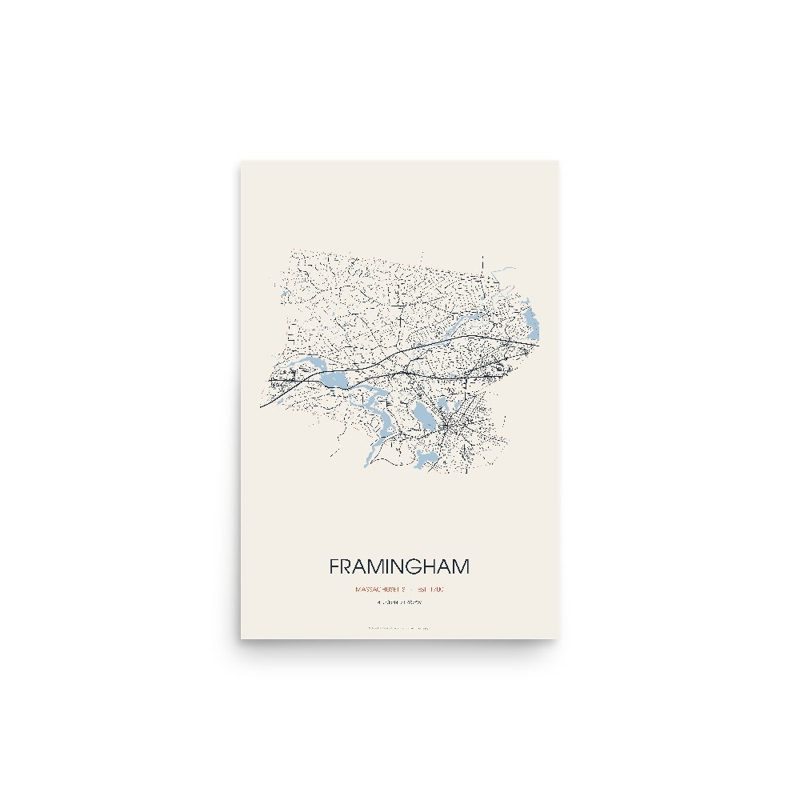
Every road in town, on archival matte paper
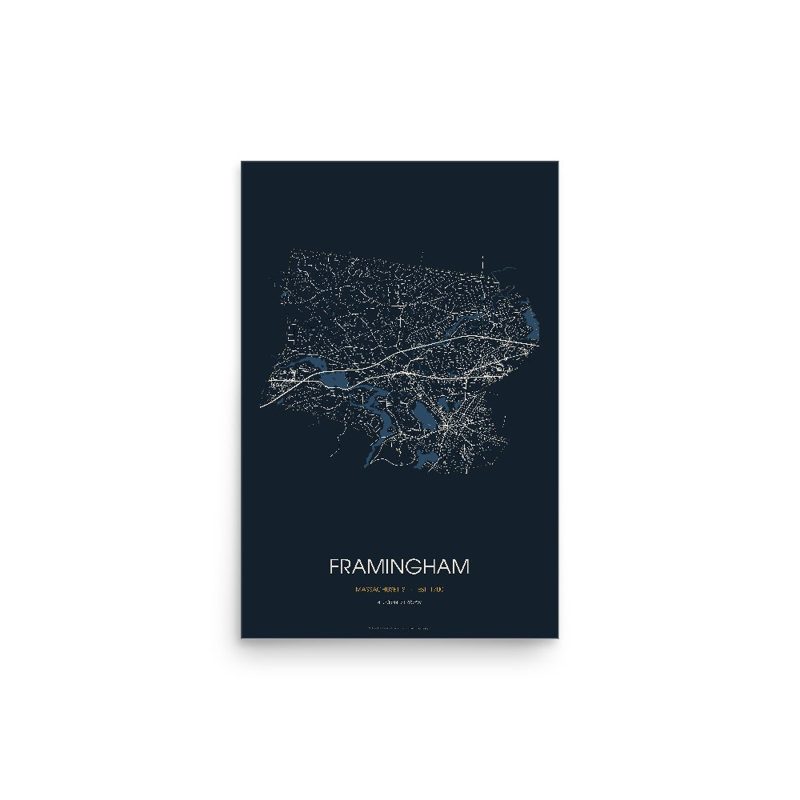
The same map, in navy and silver
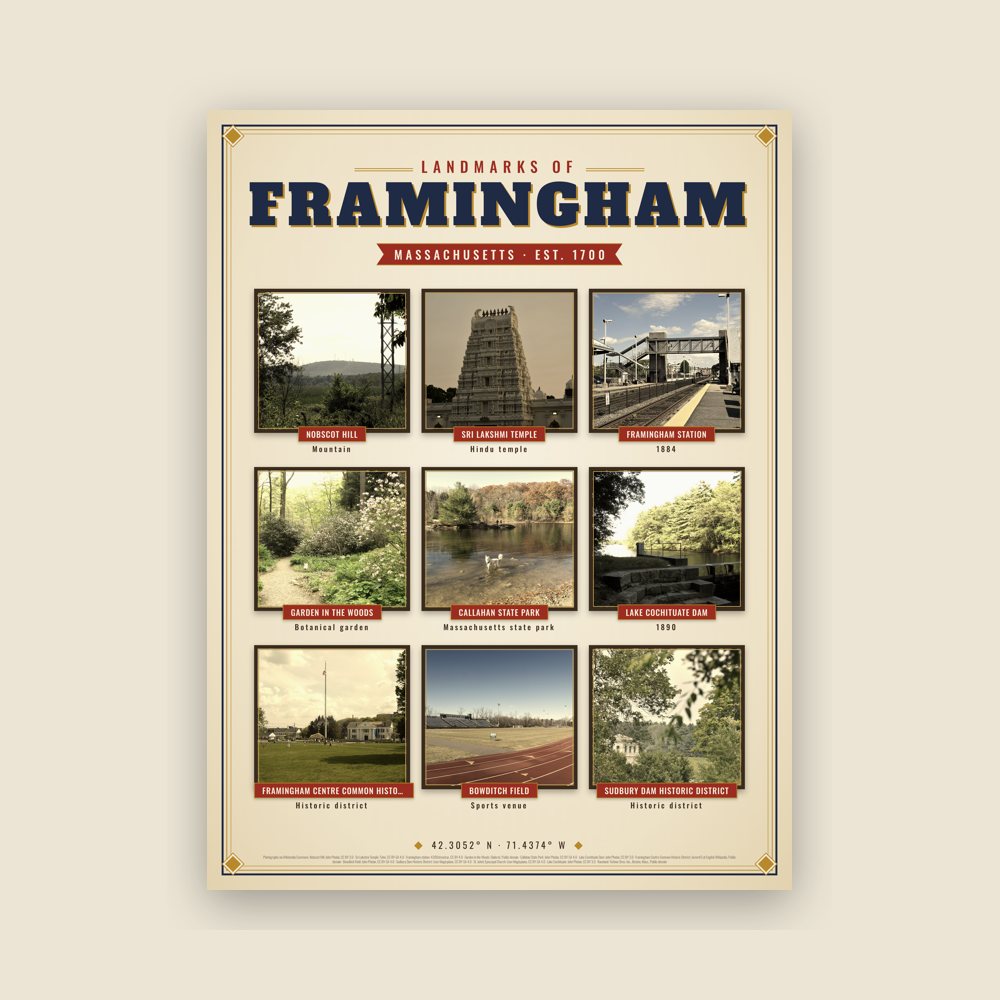
Nine local landmarks, archival matte
Map of local landmarks, washable fabric
Heavy-blend fleece, street map printed on the back
Soft Bella+Canvas jersey
Glossy ceramic, dishwasher safe
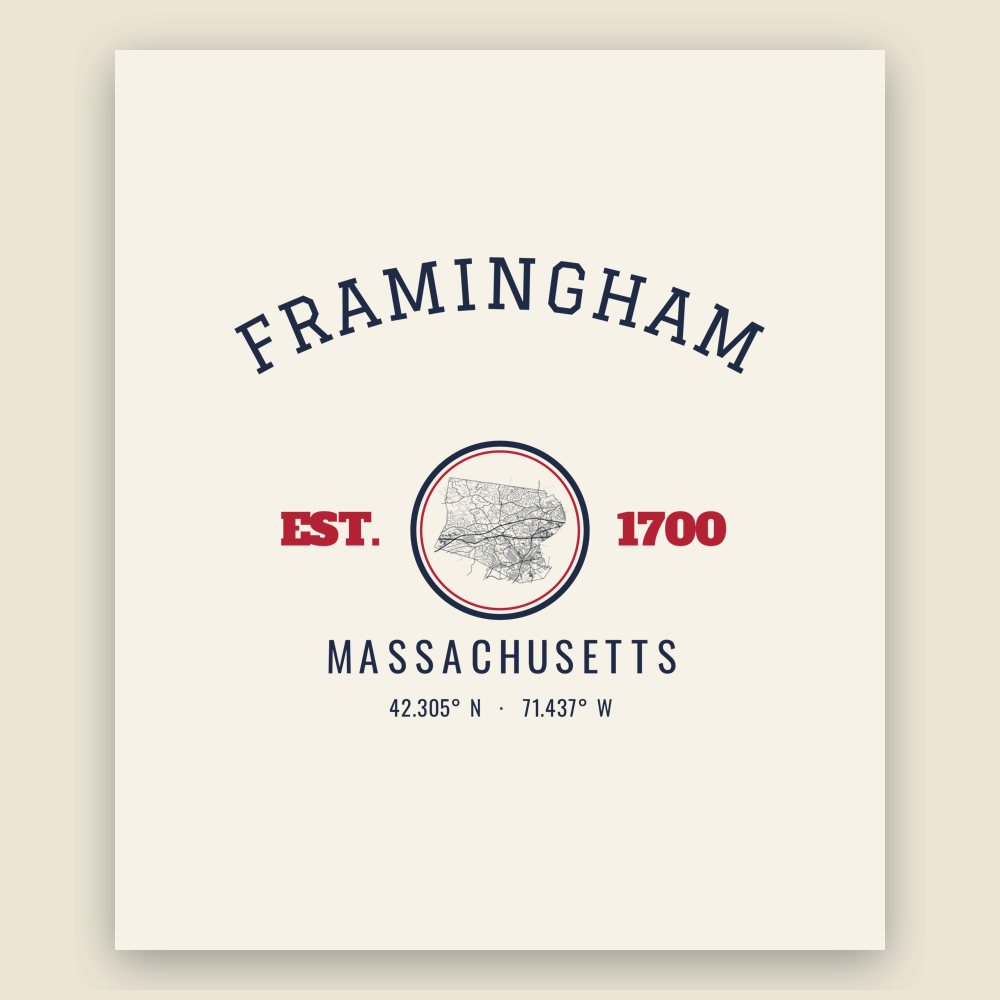
Ceramic keepsake, gold ribbon
Weatherproof, for the front walk
24″×16″, printed coir-look fibers, rubber back
12″×12″ printed wood, ready to hang
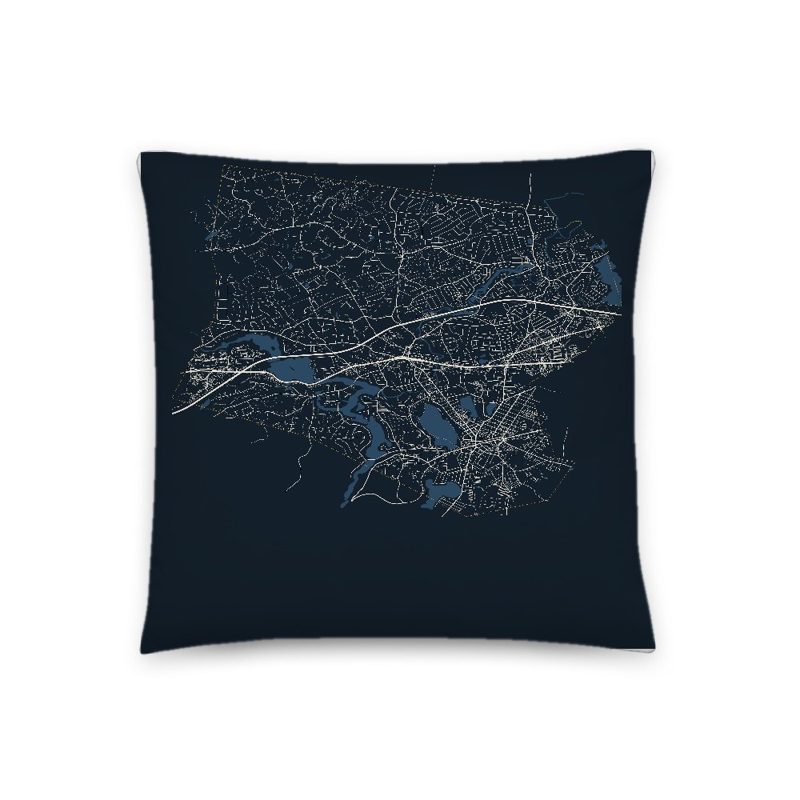
Soft-touch, zip cover
Sturdy all-over-print tote
Glossy top, cork back
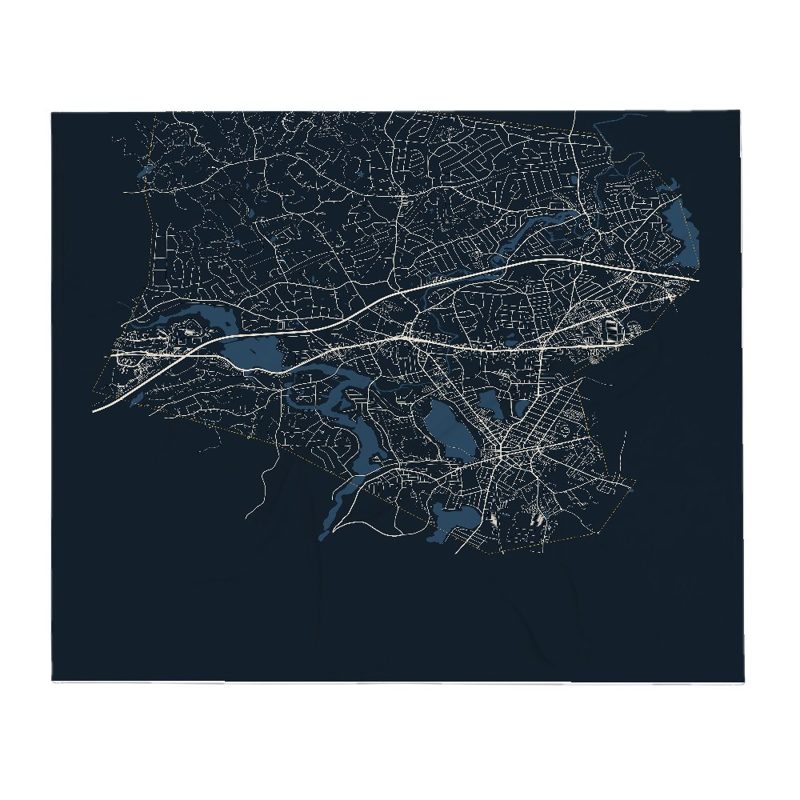
Soft fleece, 50″×60″
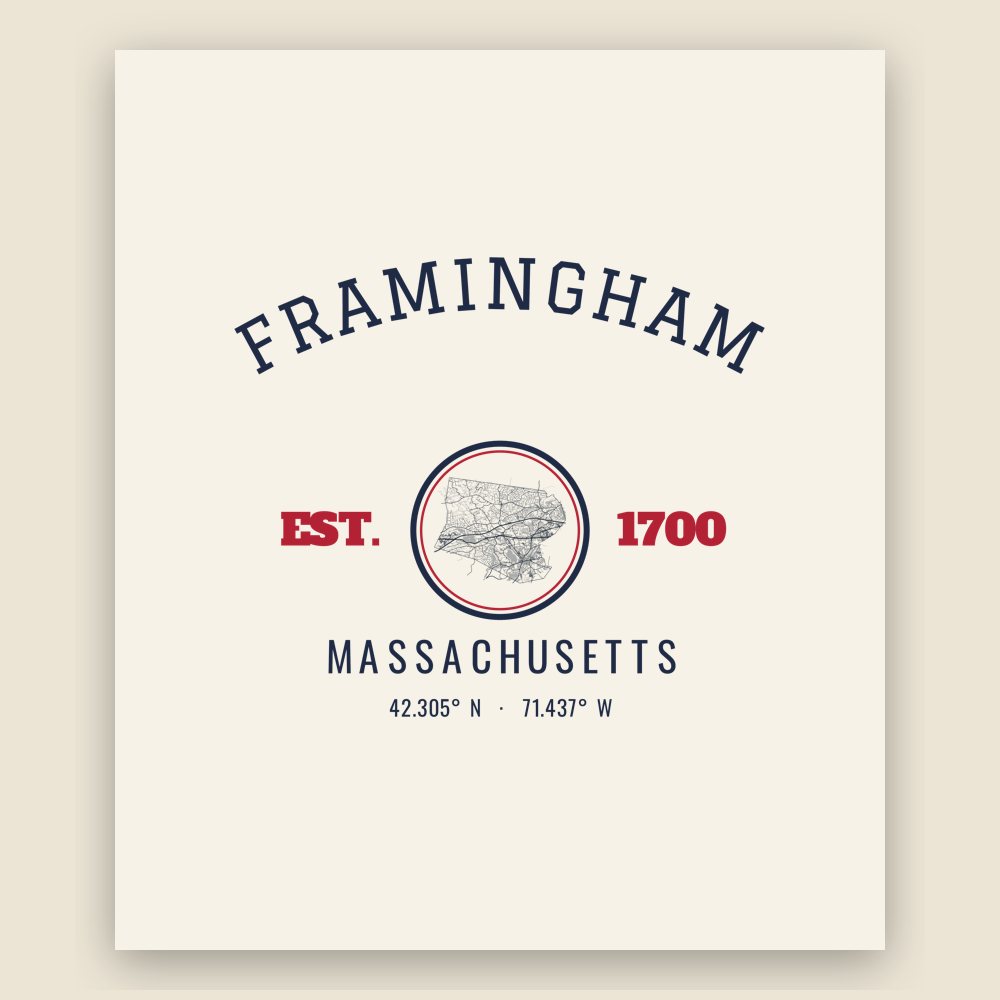
20 oz, double-wall stainless
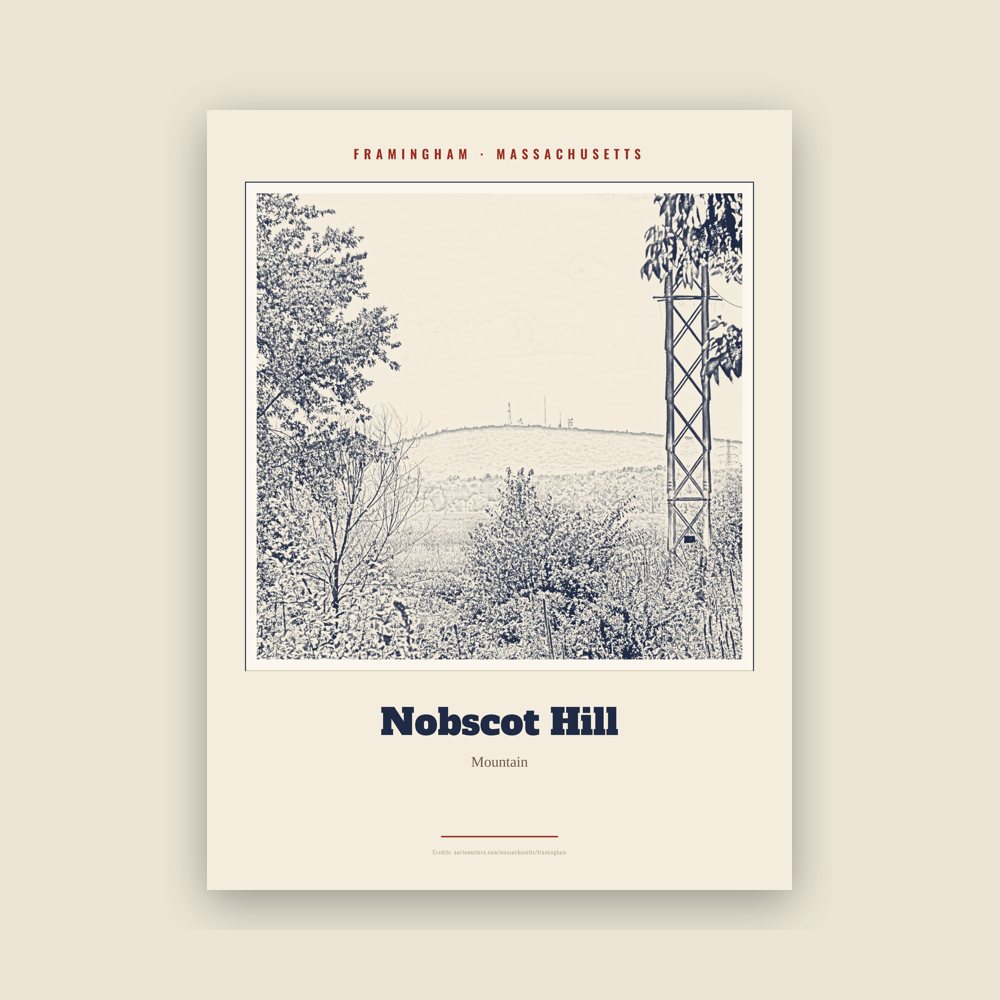
Archival matte print of a local landmark, credited to its photographer
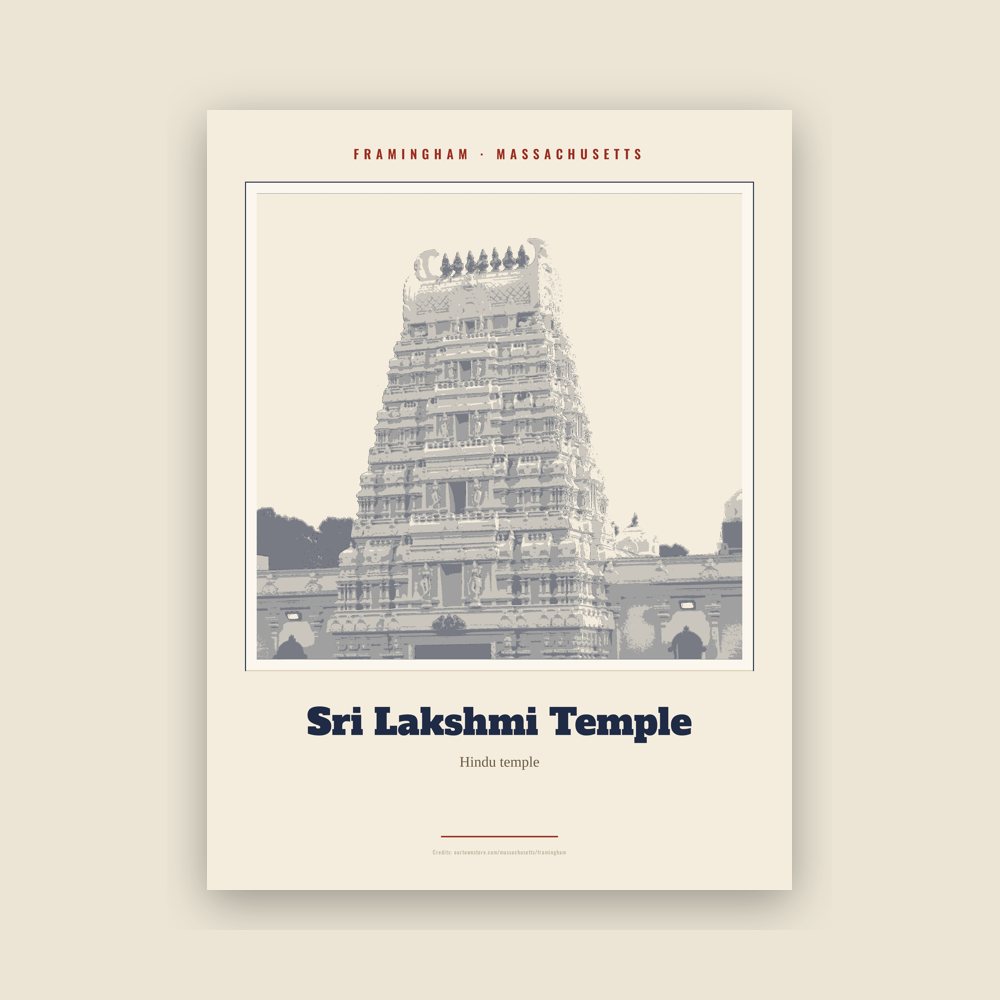
Archival matte print of a local landmark, credited to its photographer
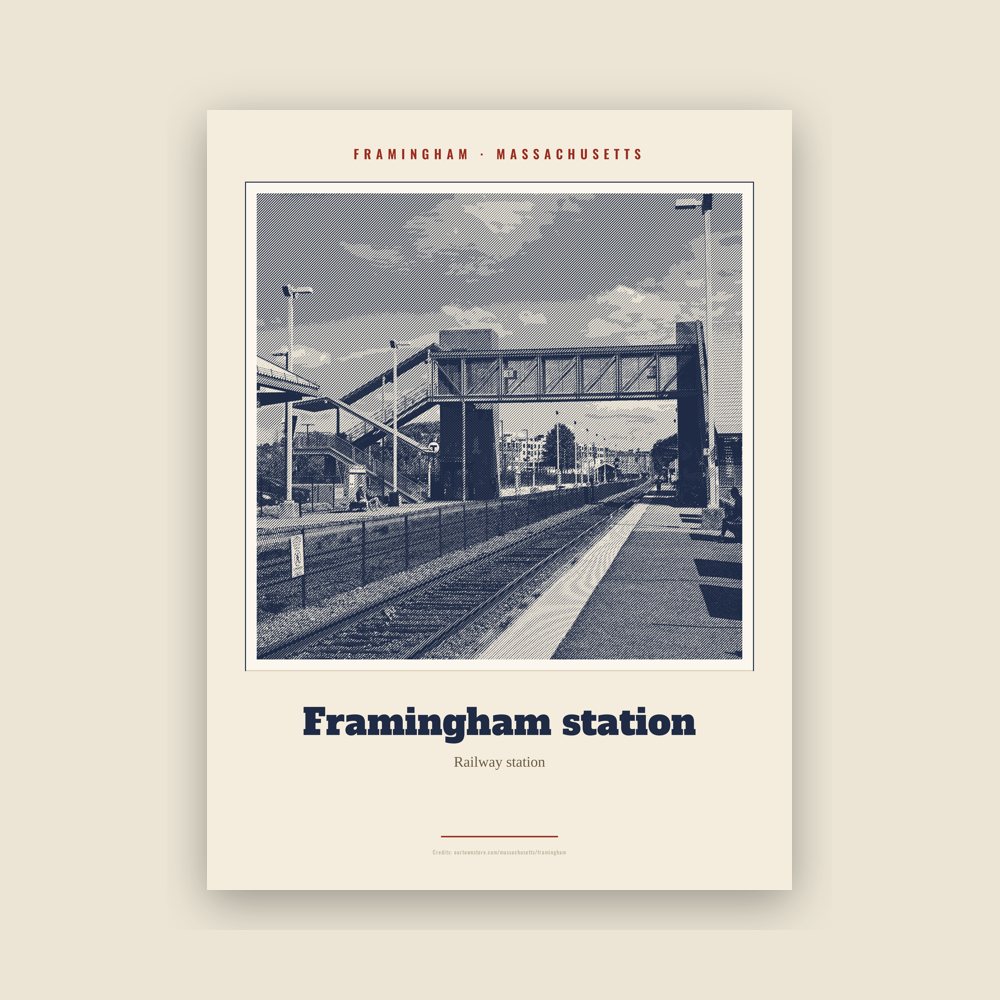
Archival matte print of a local landmark, credited to its photographer
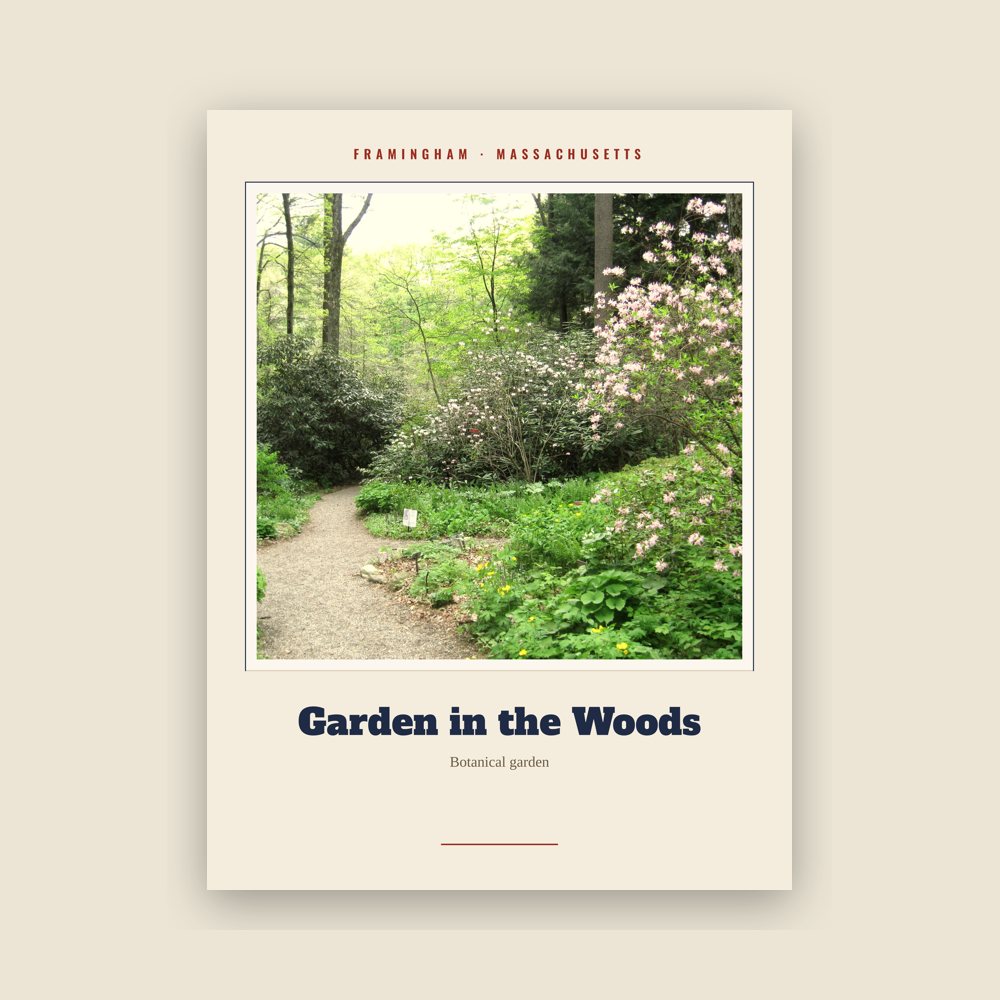
Archival matte print of a local landmark, credited to its photographer
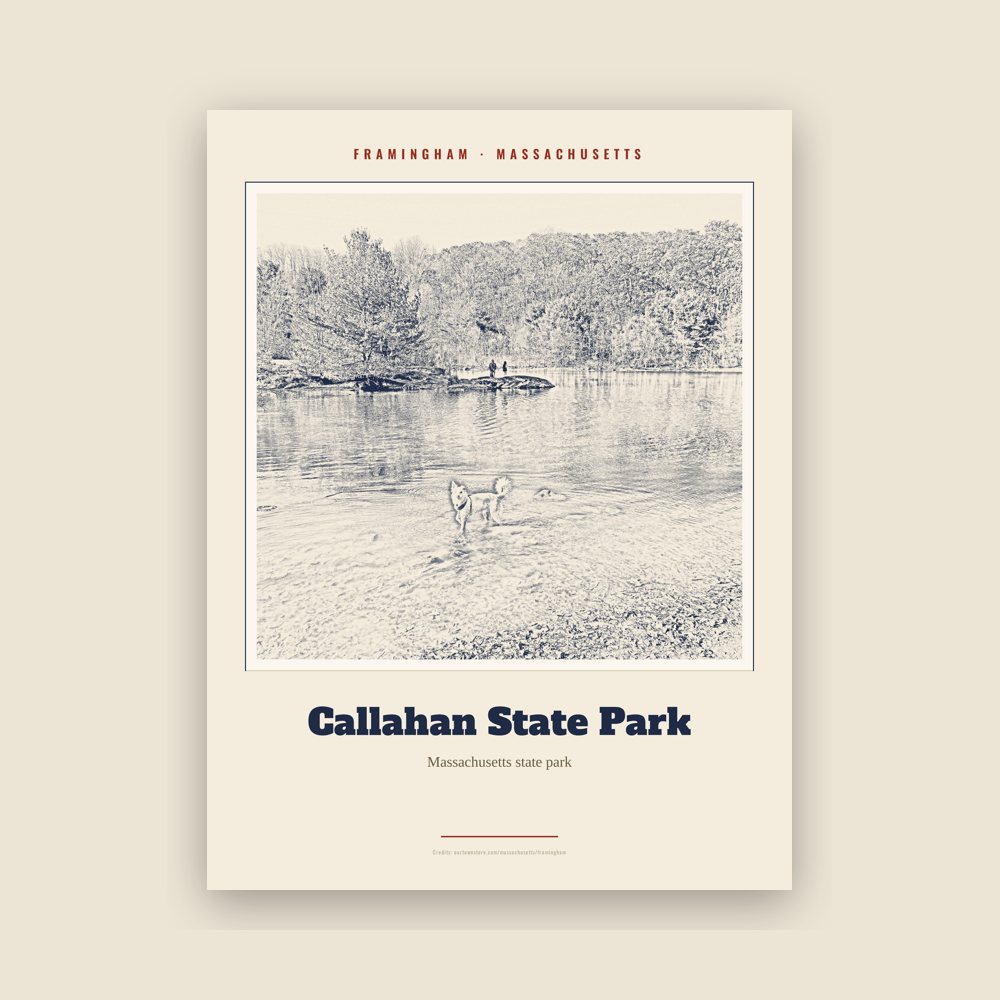
Archival matte print of a local landmark, credited to its photographer
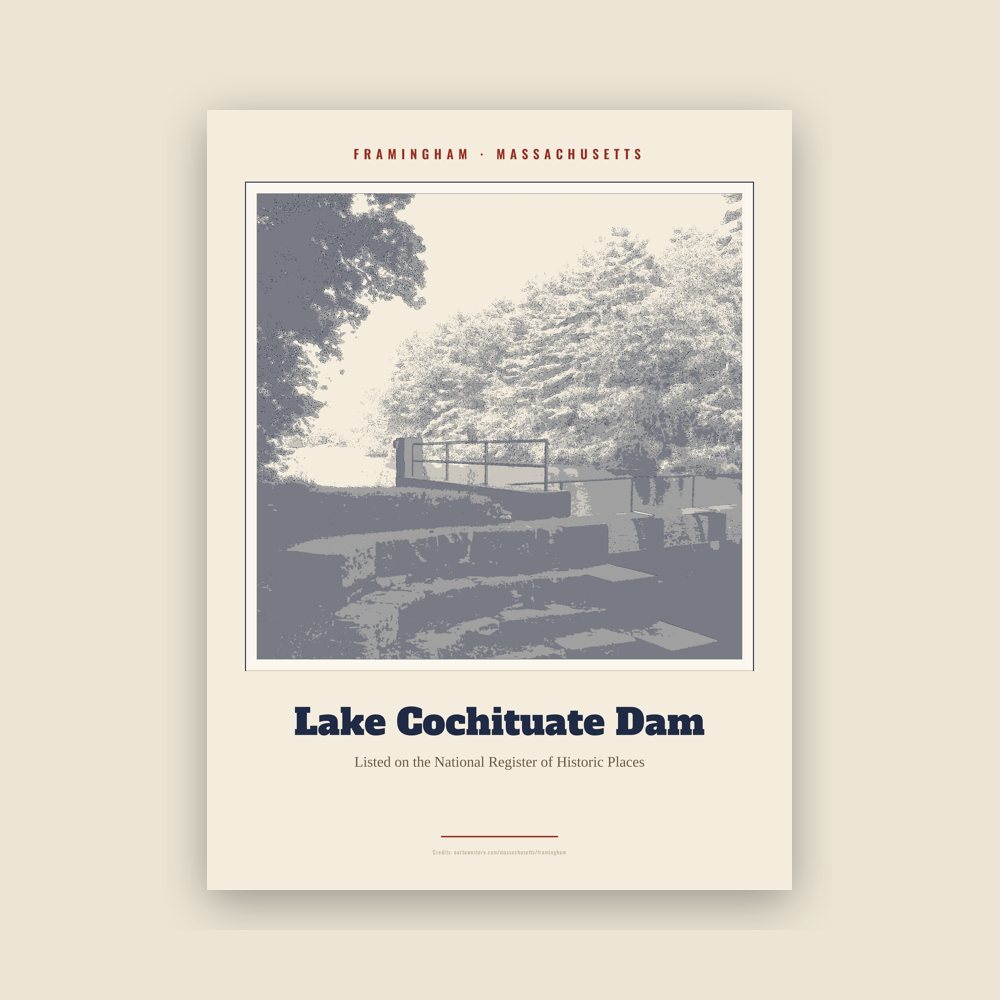
Archival matte print of a local landmark, credited to its photographer
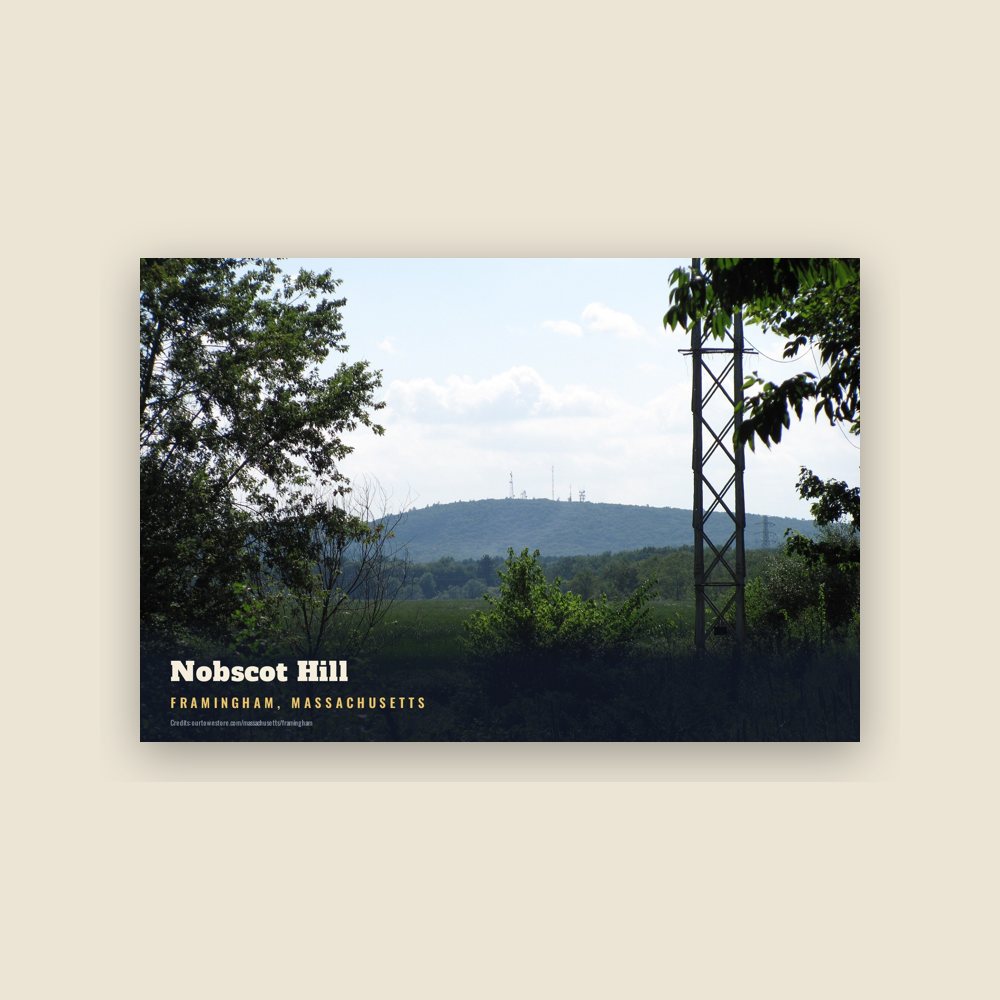
6″×4″ postcard, glossy front
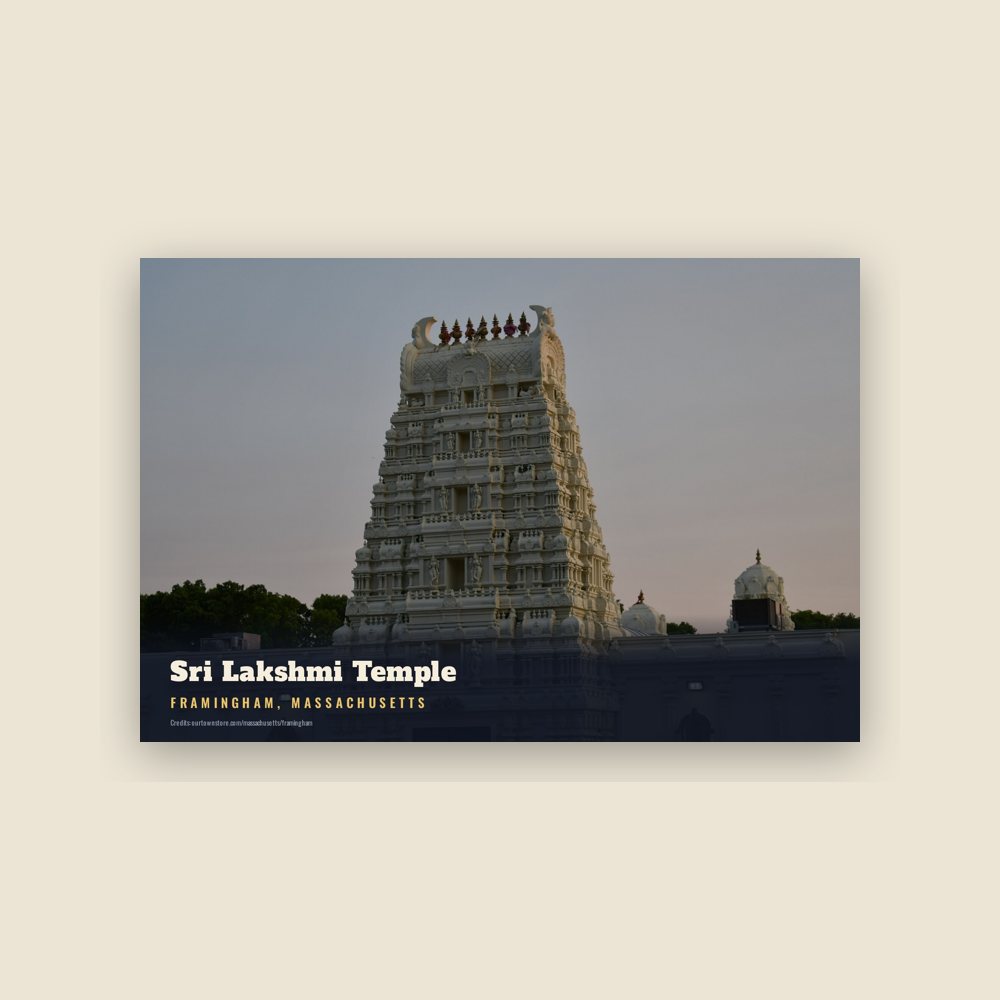
6″×4″ postcard, glossy front
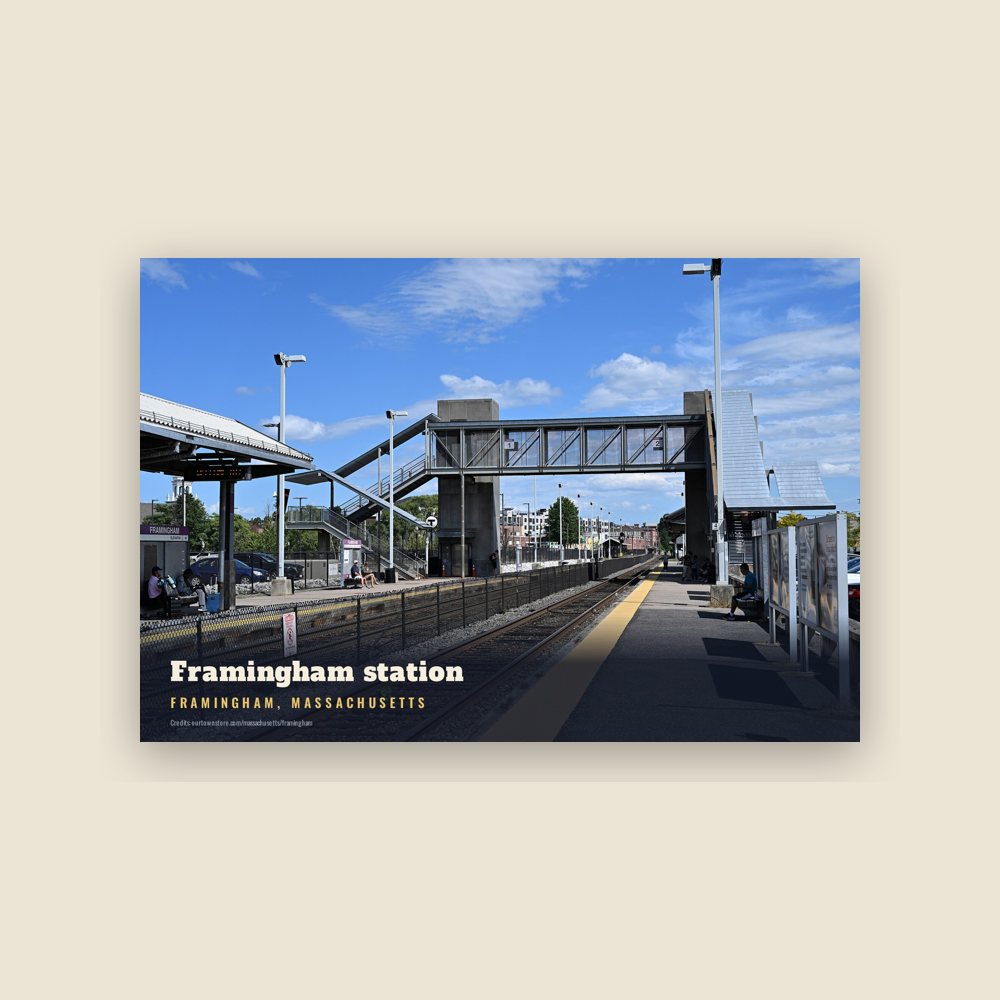
6″×4″ postcard, glossy front
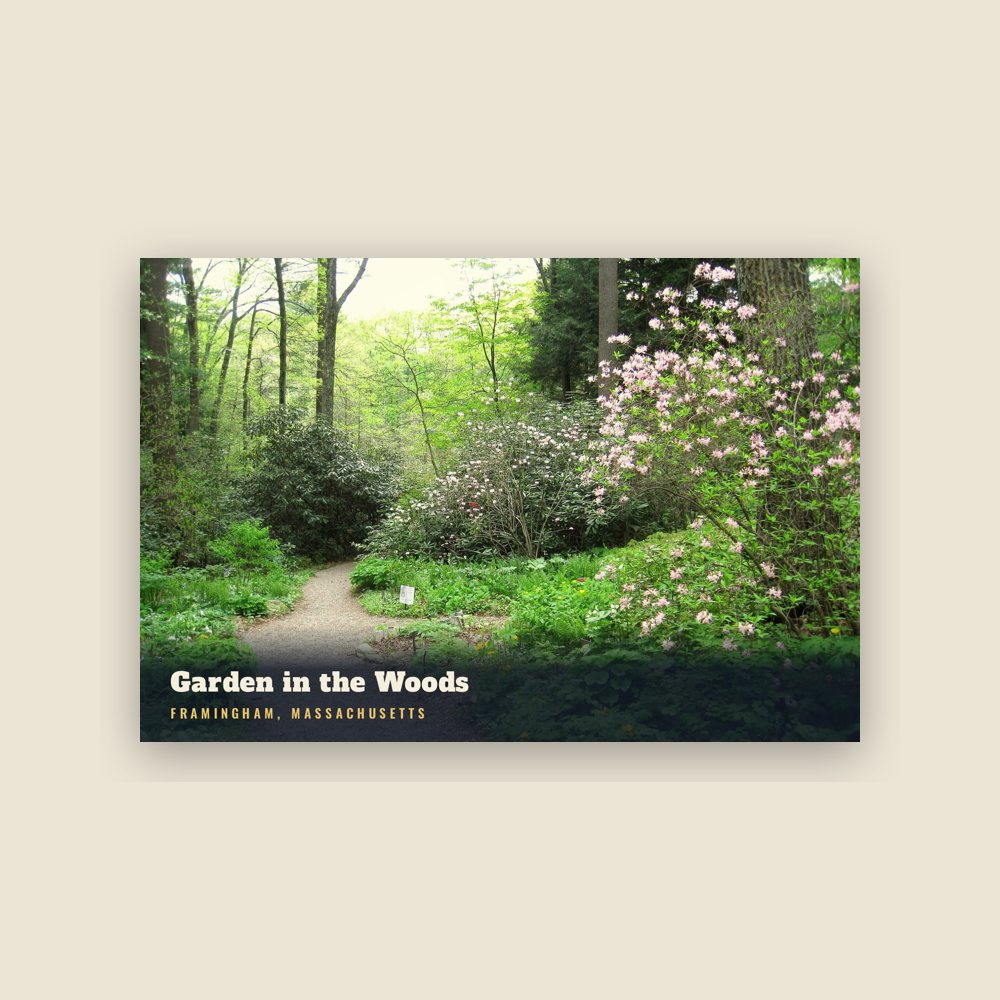
6″×4″ postcard, glossy front
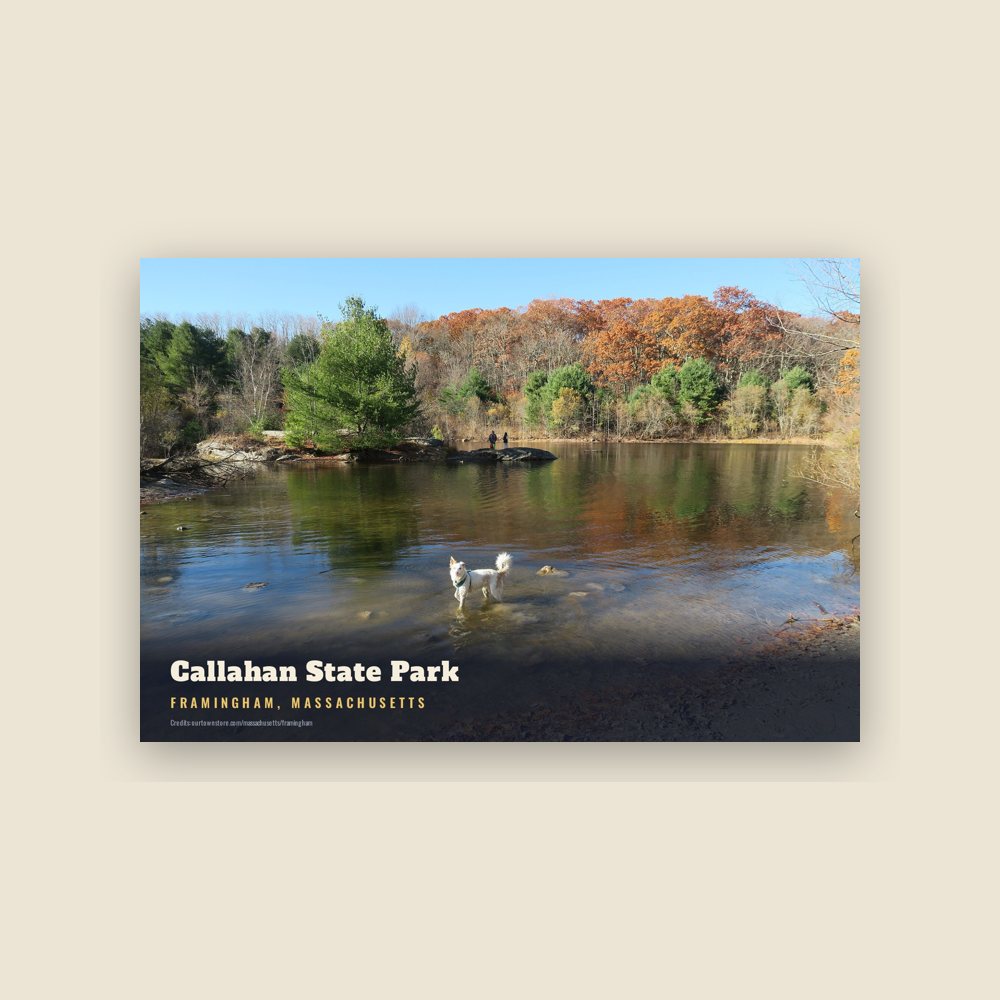
6″×4″ postcard, glossy front
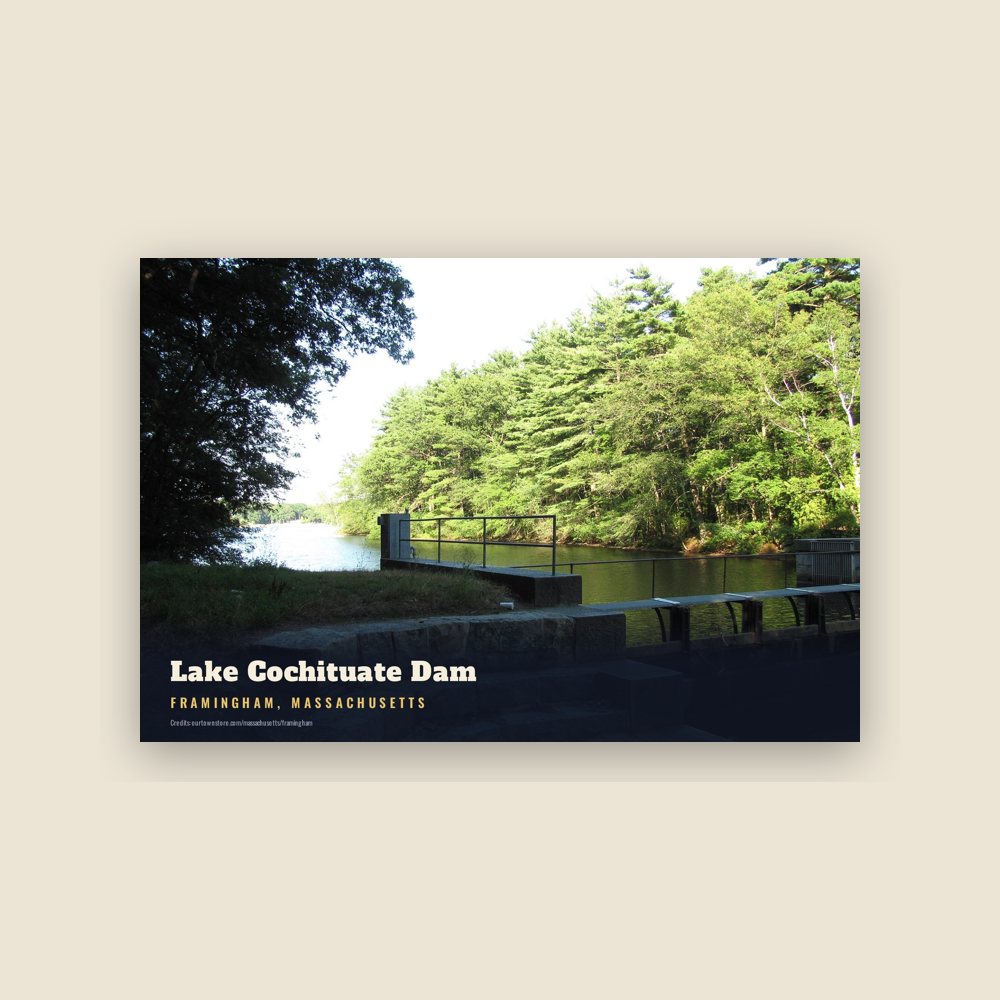
6″×4″ postcard, glossy front
Population 2010: 68,318 → 2020: 72,362
From Wikidata (CC0).
Prior to English settlement, the region around Framingham was inhabited by the indigenous Nipmuc. They lived in encampments established alongside the Washakamaug ("eel fishing place") or what is today called Farm Pond. The Nipmuc Indians used game management techniques through the hunting of deer and beaver, fishing in ponds and streams, as well as established growing areas for the Three Sisters (squash, corn, beans) in the nearby hills. The ancient Indian trail later known as the Old Connecticut Path also ran through this area. During the initial period of colonization of the region by Puritan settlers, the Nipmuc suffered a rapid decline in population due to the introduction of foreign infectious diseases to which they had no immunity and violence related to their raiding settlements. Many of the Nipmuc people were forced into praying towns including nearby Natick.
The first European settler in the area was John Stone who established a farm on the west bank of the Sudbury River in 1647. In 1660, Thomas Danforth, an official of the Bay Colony received a grant of land at "Danforth's Farms" and began to accumulate over 15,000 acres (100 km2).
Between 1675 and 1676, King Philip's War created great tensions between English settlers and the Nipmuc people in the area. During this time, Nipmuc leader Tantamous, who lived on Nobscot Hill and who resisted Christianization by the English, was arrested with his family members and other Nipmuc men by the colonial government in 1676 for what the colony deemed treason and they were incarcerated on Deer Island. He would escape, be recaptured, and later hanged on Boston Common. In January 1676, a group of Nipmuc men went to the Eames family homestead to demand that they return a supposedly stolen corn harvest. Although the historical record is unclear as to the exact details, this would result in an outbreak of violence between the Nipmuc men and the Eames family, where Mary Eames and five children were killed.
As more settlers moved to the town, it would be named Framlingham after Thomas Danforth's hometown in England. Over time, Thomas Danforth strenuously resisted petitions for incorporation of the town, which was officially incorporated in 1700, following his death the previous year. Why the "L" was dropped from the new town's name is not known. The first church was organized in 1701, the first teacher was hired in 1706, and the first permanent schoolhouse was built in 1716.
On February 22, 1775, the British general Thomas Gage sent two officers and an enlisted man out of Boston to survey the route to Worcester, Massachusetts. In Framingham, those spies stopped at Buckminster's Tavern. They watched the town militia muster outside the building, impressed with the men's numbers but not their discipline. Though "the whole company" came into the tavern after their drill, the officers remained undetected and continued on their mission the next day. Gage did not order a march along that route, instead ordering troops to Concord, Massachusetts, on April 18–19. Framingham sent two militia companies totaling about 130 men into the Battles of Lexington and Concord that followed; one of those men was wounded.
In the years before the American Civil War, Framingham was an annual gathering-spot for members of the abolitionist movement. Each Independence Day from 1854 to 1865, the Massachusetts Anti-Slavery Society held a rally in a picnic area called Harmony Grove on Farm Pond near what is now downtown Framingham. At the 1854 rally, William Lloyd Garrison burned copies of the Fugitive Slave Law of 1850, judicial decisions enforcing it, and the United States Constitution. Other prominent abolitionists present that day included William Cooper Nell, Sojourner Truth, Wendell Phillips, Lucy Stone, and Henry David Thoreau.
In July 1906, the Amsden Building collapse, which occurred on Concord Street, claimed 12 lives (a 13th person died two years later, after being severely injured in the collapse). Following World War II, Framingham, like many other suburban areas, experienced a large increase in population and housing during the mid-20th-century baby boom. Much of the housing constructed during that time consisted of split-level houses and ranch-style houses.
Framingham is known for the Framingham Heart Study, as well as for the Dennison Manufacturing Company, which was founded in 1844 as a jewelry and watch box manufacturing company by Aaron Lufkin Dennison, who became the pioneer of the American System of Watch Manufacturing at the nearby Waltham Watch Company. His brother Eliphalet Whorf Dennison developed the company into a sizable industrial complex which merged in 1990 into Avery Dennison, with headquarters in Pasadena, California, and active corporate offices in the town.
In 2000, Framingham celebrated its tercentennial. Framingham soon rose to become the largest town in Massachusetts, commonly referred to by the people of Framingham as "The largest town in the country." Framingham had attempted to become a city on three prior occasions 1993, 1997, and 2013, all of which were rejected by the people of Framingham. However, on January 1, 2018, Framingham became a city and Yvonne M. Spicer was inaugurated as its first mayor, thus becoming the first popularly elected African-American female mayor in Massachusetts.
Adapted (trimmed) from the Wikipedia article Framingham, Massachusetts, revision 1376577331 by its contributors, licensed CC BY-SA 4.0.
We share a part of every Framingham sale with local partners, and we'd love to print from your collection. Old photographs, maps and postcards make the best keepsakes.
Partner with us