Grafton County, New Hampshire
Street maps, historic prints and keepsakes for 40 Grafton County towns.
The oldest is Canaan, established 1761. The largest by population is Lebanon (14,282).
| Town | Established | Population |
|---|---|---|
| Alexandria | 1782 | 1,776 |
| Ashland | 1868 | 1,938 |
| Bath | – | 1,077 |
| Benton | 1764 | 374 |
| Bethlehem | 1799 | 2,484 |
| Bridgewater | 1788 | 1,160 |
| Bristol | 1819 | 3,244 |
| Campton | 1767 | 3,343 |
| Canaan | 1761 | 3,794 |
| Deerfield | 1766 | 4,855 |
| Dorchester | 1772 | 339 |
| Easton | 1876 | 292 |
| Ellsworth | 1769 | 93 |
| Enfield | 1761 | 4,465 |
| Franconia | 1764 | 1,083 |
| Grafton | 1778 | 1,385 |
| Groton | 1761 | 569 |
| Hanover | 1761 | 11,870 |
| Haverhill | 1763 | 4,585 |
| Hebron | 1792 | 632 |
| Holderness | 1761 | 2,004 |
| Landaff | 1774 | 446 |
| Lebanon | 1761 | 14,282 |
| Lincoln | 1764 | 1,631 |
| Lisbon | 1763 | 1,621 |
| Littleton | 1784 | 6,005 |
| Lyman | 1761 | 585 |
| Lyme | 1761 | 1,745 |
| Monroe | 1854 | 864 |
| Orange | 1790 | 277 |
| Orford | 1761 | 1,237 |
| Piermont | 1764 | 769 |
| Plymouth | 1763 | 6,682 |
| Rumney | 1767 | 1,498 |
| Sugar Hill | 1962 | 647 |
| Thornton | 1763 | 2,708 |
| Warren | 1763 | 825 |
| Waterville Valley | 1829 | 508 |
| Wentworth | 1766 | 845 |
| Woodstock | – | 1,434 |
About these towns
Alexandria: Granted in 1753 by the Masonian Proprietors, the town was named for Alexandria, Virginia, location of a 1755 conference of governors early in the French and Indian War.
Ashland: Ashland was once the southwestern corner of Holderness, chartered in 1751 by colonial Governor Benning Wentworth. However, hostilities during the French and Indian War delayed settlement, and in 1761, it was regranted as "New Holderness" (although "New" would be dropped in 1816).
Bath: The town was granted to the Rev. Andrew Gardner and 61 others on September 10, 1761, by Governor Benning Wentworth, who named it for the politician William Pulteney, 1st Earl of Bath.
Benton: The town was granted by Governor Benning Wentworth on January 31, 1764, to Theophilus Fitch and others. It was named "Coventry" after Coventry, Connecticut, hometown to many of the settlers, who arrived shortly after the beginning of the Revolution.
Bethlehem: Granted as "Lloyd's Hills" in 1774 by colonial Governor John Wentworth, the town was named for James Lloyd of Boston. It was the last of the provincial grants in New Hampshire.
Bridgewater: The land comprising Bridgewater was originally part of a town known as "New Chester", which was separated into Bridgewater, Bristol, Hill, Danbury, and Wilmot.
Bristol: Extensive deposits of fine sand or clay similar to the "Bristol Sand" used in Bristol, England, to make fine china and pottery gave the town its name.
Campton: Both Campton and adjacent Rumney were granted by Governor Benning Wentworth in 1761 to Jabez Spencer of East Haddam, Connecticut, then settled about 1765.
Canaan: Chartered in 1761 by Governor Benning Wentworth, the town was named after the hometown of many early settlers, Canaan, Connecticut, which had been named by Puritans for the biblical land of Canaan.
Deerfield: Deerfield was originally part of Nottingham. In 1756, residents petitioned for organization of a separate parish, but were denied. In 1765, while a second petition was pending, two local hunters presented colonial governor Benning Wentworth with a deer.
Dorchester: Originally granted by Governor Benning Wentworth in 1761, Dorchester was named for Dorchester in Dorset, England. When the recipients failed to take up the grant, it was regranted in 1766, but also without success.
Easton: Formed from a part of Landaff known as East Landaff, Easton was incorporated in 1876. Kinsman Mountain, the Kinsman Range, and Kinsman Notch are named for Nathaniel Kinsman, one of the original settlers.
Ellsworth: The town was originally known as "Trecothick", after Barlow Trecothick, a Bostonian who moved to London. He was an alderman, a Member of Parliament (MP), and a Lord Mayor of the City of London.
Enfield: The town was incorporated in 1761 by colonial Governor Benning Wentworth. First named "Enfield" by settlers from Enfield, Connecticut, the town was renamed "Relhan" in 1766 to honor Dr.
Franconia: Town status was first granted in 1764 by colonial Governor Benning Wentworth as "Franconia", a name widely applied to the region by 1760 due to the terrain's resemblance to the Franconian Switzerland in Upper Franconia, Bavaria, Germany.
Grafton: Originally granted in 1761, and re-granted in 1769, Grafton, like its county, takes its name from Augustus FitzRoy, 3rd Duke of Grafton, a relative of colonial governor Benning Wentworth.
Groton: It was originally named "Cockermouth" in honor of Charles Wyndham, Baron Cockermouth and Earl of Egremont, who was Great Britain's Secretary of State for the Southern Department from 1761 to 1763.
Hanover: Hanover was chartered by Governor Benning Wentworth on July 4, 1761, and in 1765–1766 its first European inhabitants arrived, the majority from Connecticut.
Haverhill: Settled by citizens from Haverhill, Massachusetts, the town was first known as "Lower Cohos". This Lower Cohos name is derived from the original Abenaki people who had a base for agriculture here.
Hebron: First settled in 1765, Hebron was incorporated in 1792 from a portion of the extinct township of Cockermouth (now Groton), combined with a portion of what was then called West Plymouth.
Holderness: The Squam Lakes were a trade route for the Abenaki and early European settlers, who traveled the Squam River to the Pemigewasset River, then to the Merrimack River and seacoast.
Landaff: The name on the town charter is "Llandaff", after the Bishop of Llandaff, chaplain to England's King George III. Originally, however, the land was granted as "Whitcherville" to James Avery and 60 others on January 31, 1764.
Lebanon: Lebanon was chartered as a town by colonial governor Benning Wentworth on July 4, 1761, one of 16 along the Connecticut River.
Lincoln: In 1764, colonial Governor Benning Wentworth granted 32,456 acres (131.34 km2) to a group of approximately 70 land investors from Connecticut. Lincoln was named after Henry Fiennes Pelham-Clinton, 2nd Duke of Newcastle, 9th Earl of Lincoln – a cousin of the Wentworth governors.
Lisbon: Lisbon was first granted in 1763 by colonial Governor Benning Wentworth as "Concord". In 1764 the town was renamed "Chiswick", after the Duke of Devonshire's castle, while Rumford in central New Hampshire took the name "Concord" in 1765.
Littleton: Called "Chiswick" (Saxon for "Cheese Farm") in 1764, the area was settled in 1769. The town was part of Lisbon until 1770, when it was granted as "Apthorp" in honor of George Apthorp, head of one of the wealthiest mercantile establishments in Boston, Massachusetts.
Lyman: Lyman, along with Grantham, Lisbon, and eleven Vermont towns, was granted as compensation to General Phineas Lyman, a commander in the French and Indian War.
Lyme: This was once a home to Abenaki Indians, including a band of Sokokis near Post Pond at a place they called Ordanakis.
Monroe: In 1762, colonial Governor John Wentworth issued a grant ("Number 11") to 64 persons obligated to clear, farm and settle one tenth of each of their parcels or forfeit the grant.
Orange: Orange was granted in 1769 and incorporated in 1790. It was originally named "Cardigan", after George Brudenell, fourth Earl of Cardigan. The Cardigan name lives on with Mount Cardigan and Cardigan Mountain State Park.
Orford: First called "Number Seven" in a line of Connecticut River fort towns, Orford was incorporated in 1761 by Governor Benning Wentworth and named for Robert Walpole, Earl of Orford, who was the first prime minister of Great Britain.
Piermont: Aaron Lane, who grew up in Piermont, was the first permanent settler in the Mojave Desert area now known as Victorville, California.
Plymouth: Plymouth was originally the site of an Abenaki village that was burned to the ground by Captain Thomas Baker in 1712. This was just one of the many British raids on American Indian settlements during Queen Anne's War.
Rumney: Rumney was named after Robert Marsham, 2nd Baron Romney (pronounced Rumney). The town was originally granted in 1761 by Governor Benning Wentworth to settlers from Colchester and East Haddam, Connecticut.
Sugar Hill: Incorporated in 1962 out of the town of Lisbon after considerable litigation, Sugar Hill is the most recently incorporated town in the state.
Warren: Warren was granted in 1763 by Governor Benning Wentworth, and incorporated in 1770 by Governor John Wentworth. The town takes its name from Admiral Sir Peter Warren.
Waterville Valley: Waterville Valley is a New England town in Grafton County, New Hampshire, United States.
Wentworth: The town was granted by Governor Benning Wentworth on November 1, 1766, to John Page as well as 60 others. Named for the governor himself, Wentworth was settled and incorporated within the same year.
Woodstock: First granted in 1763, colonial Governor Benning Wentworth named the town "Peeling" after an English town. Many of the first colonists were originally from Lebanon, Connecticut.
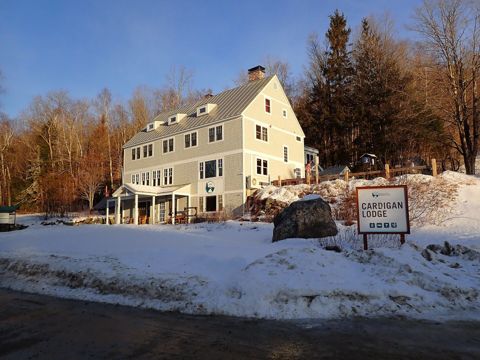 AlexandriaNew Hampshire · Est. 1782
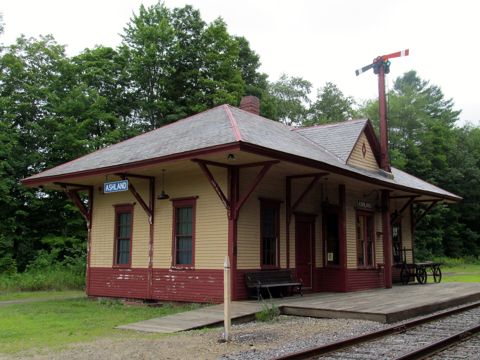 AshlandNew Hampshire · Est. 1868
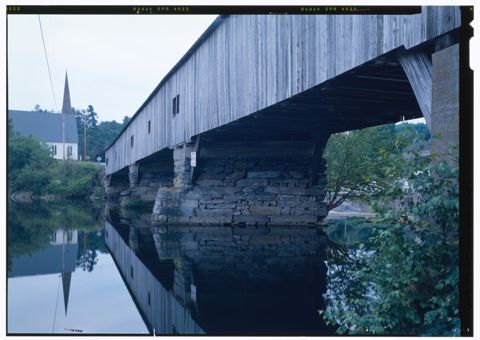 BathNew Hampshire
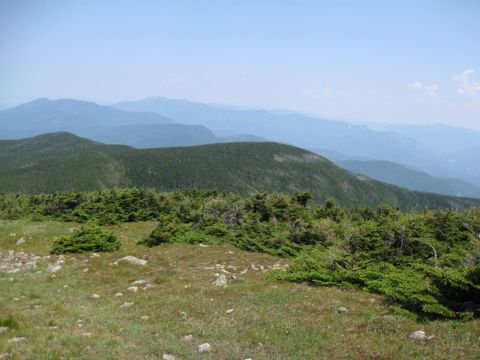 BentonNew Hampshire · Est. 1764
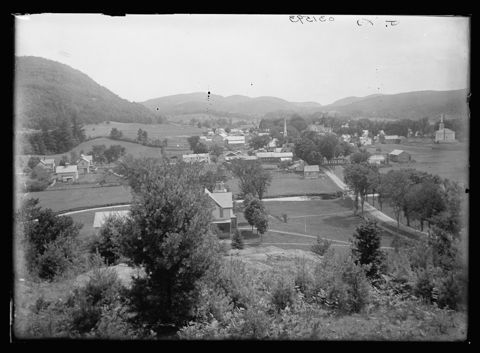 BethlehemNew Hampshire · Est. 1799
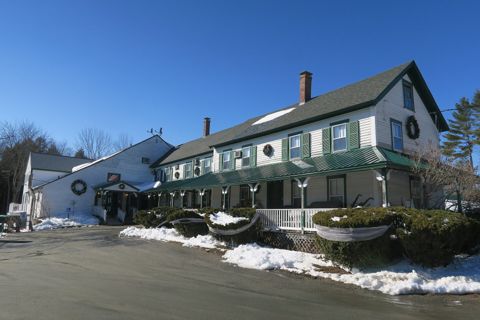 BridgewaterNew Hampshire · Est. 1788
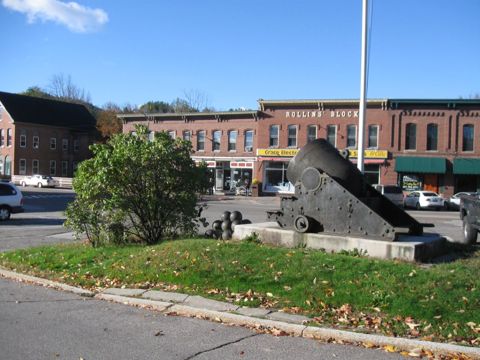 BristolNew Hampshire · Est. 1819
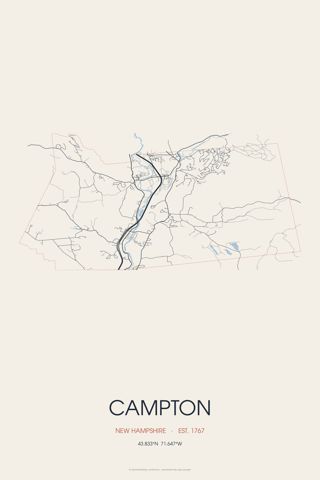 CamptonNew Hampshire · Est. 1767
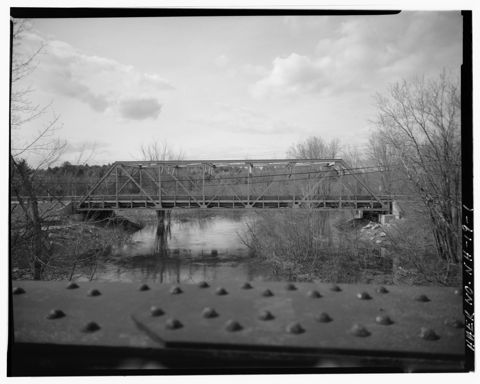 CanaanNew Hampshire · Est. 1761
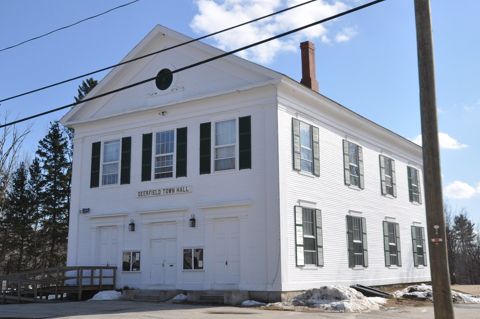 DeerfieldNew Hampshire · Est. 1766
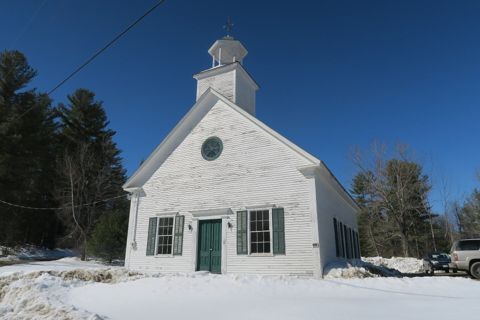 DorchesterNew Hampshire · Est. 1772
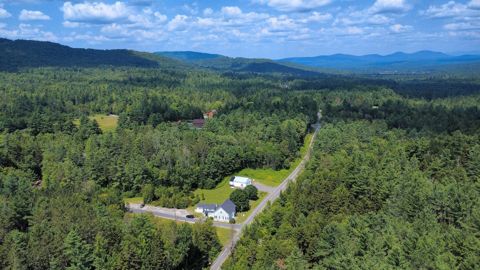 EastonNew Hampshire · Est. 1876
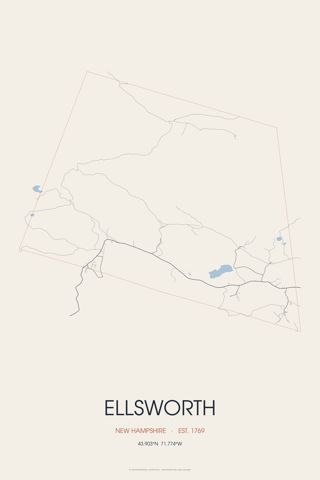 EllsworthNew Hampshire · Est. 1769
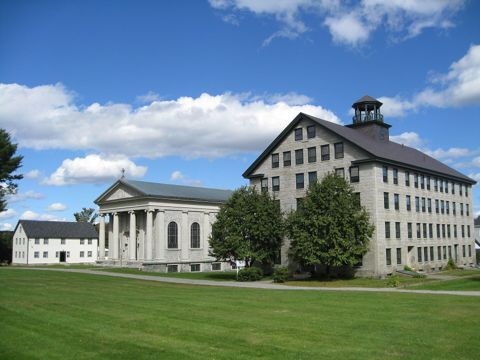 EnfieldNew Hampshire · Est. 1761
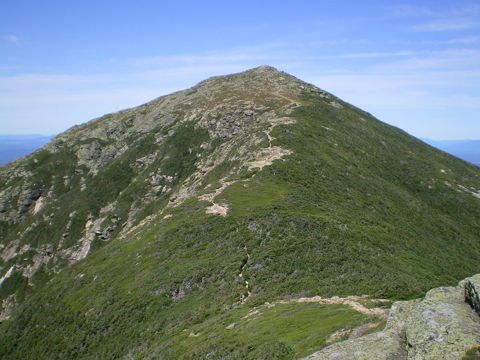 FranconiaNew Hampshire · Est. 1764
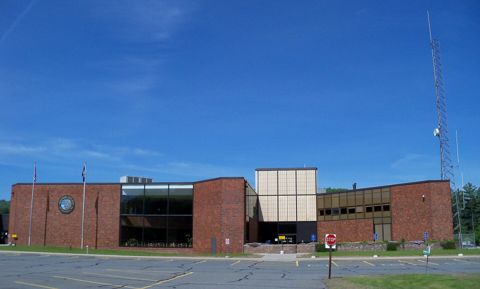 GraftonNew Hampshire · Est. 1778
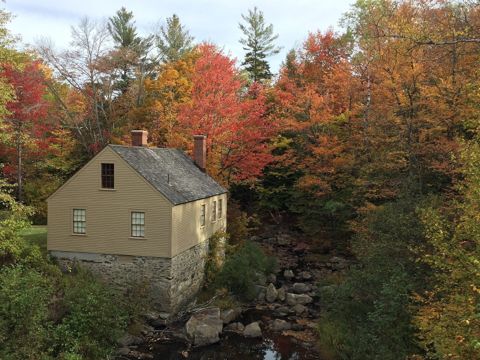 GrotonNew Hampshire · Est. 1761
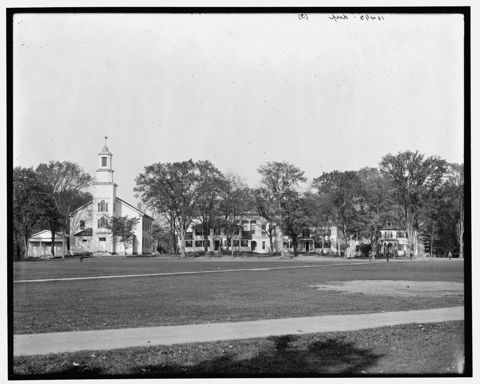 HanoverNew Hampshire · Est. 1761
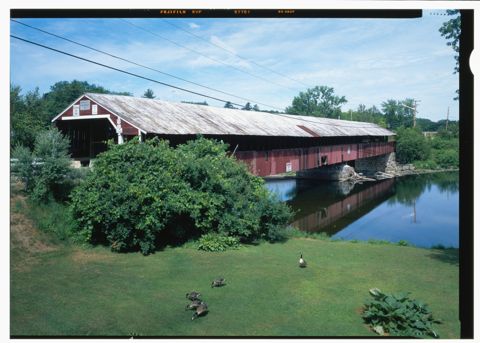 HaverhillNew Hampshire · Est. 1763
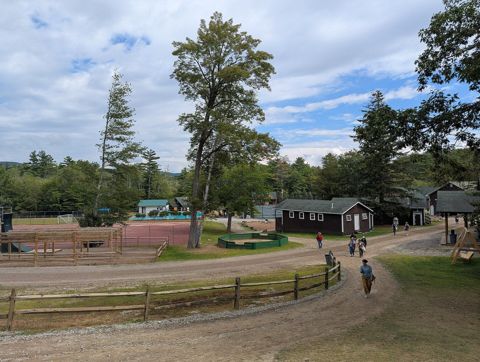 HebronNew Hampshire · Est. 1792
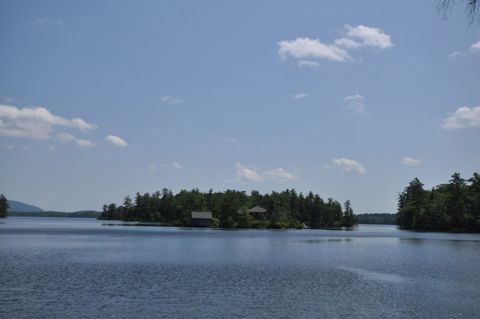 HoldernessNew Hampshire · Est. 1761
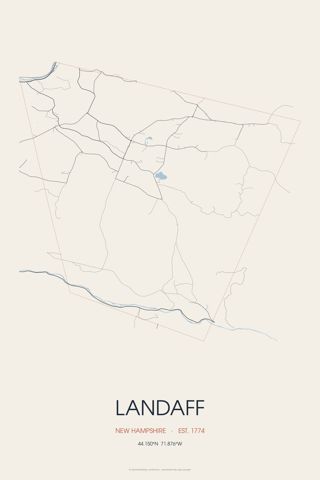 LandaffNew Hampshire · Est. 1774
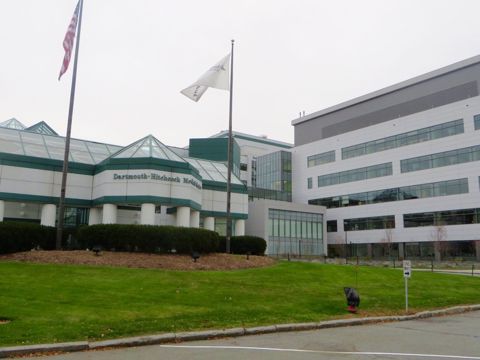 LebanonNew Hampshire · Est. 1761
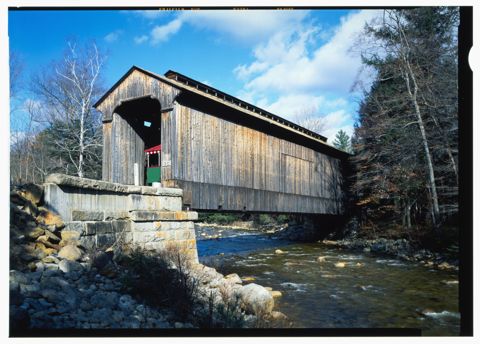 LincolnNew Hampshire · Est. 1764
Founding years, populations and town notes come from each town's Wikipedia and Wikidata entries. All New Hampshire towns.