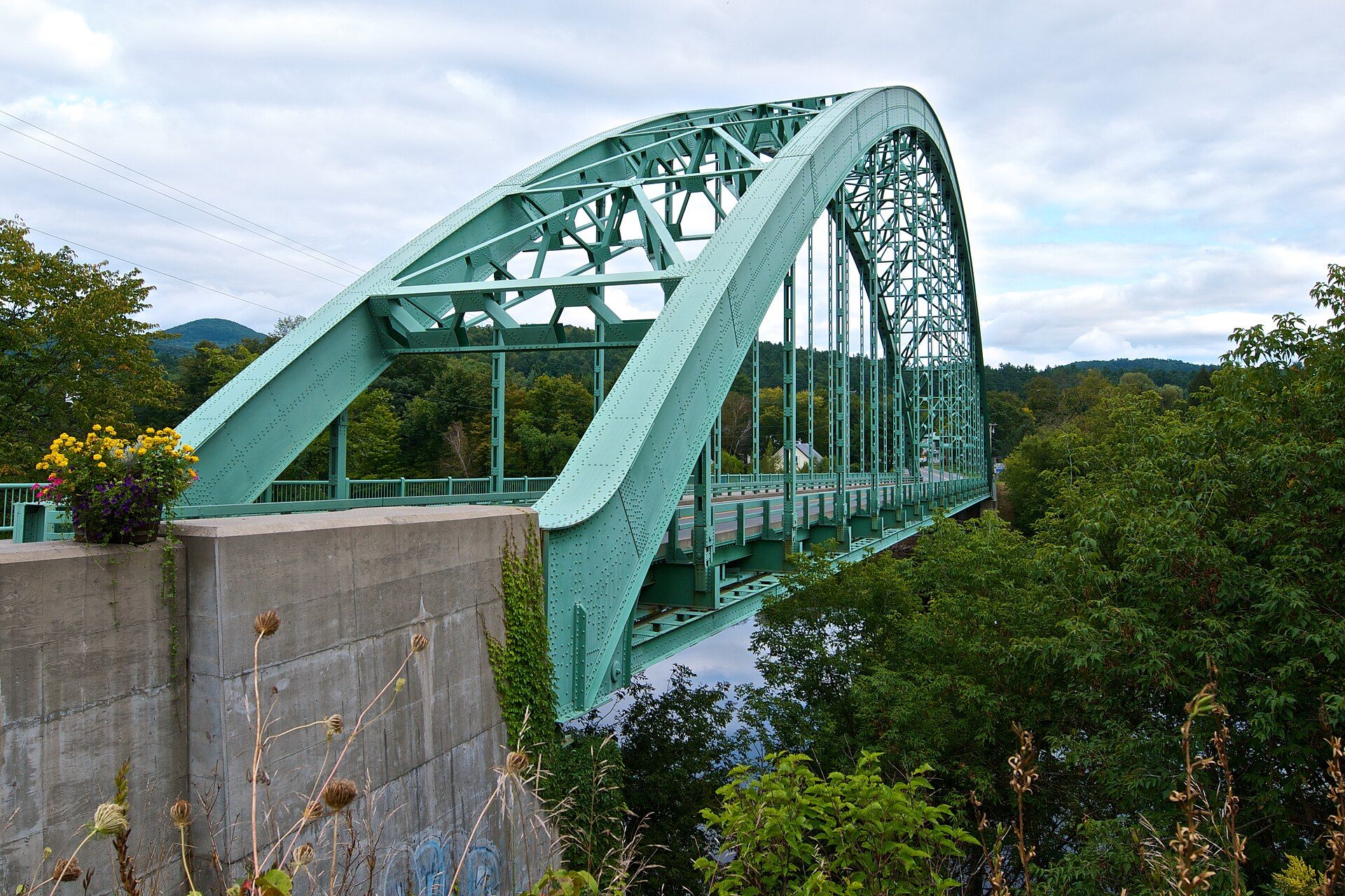
First called "Number Seven" in a line of Connecticut River fort towns, Orford was incorporated in 1761 by Governor Benning Wentworth and named for Robert Walpole, Earl of Orford, who was the first prime minister of Great Britain. Landmarks include Orford Street Historic District, Morey Memorial Bridge and Moses Kent House. Orford is the birthplace of Gilman Marston, Union United States Army general, politician.
Every piece is drawn from Orford's own map data and historic archives, then printed and shipped from the USA when you order. No two towns look alike.
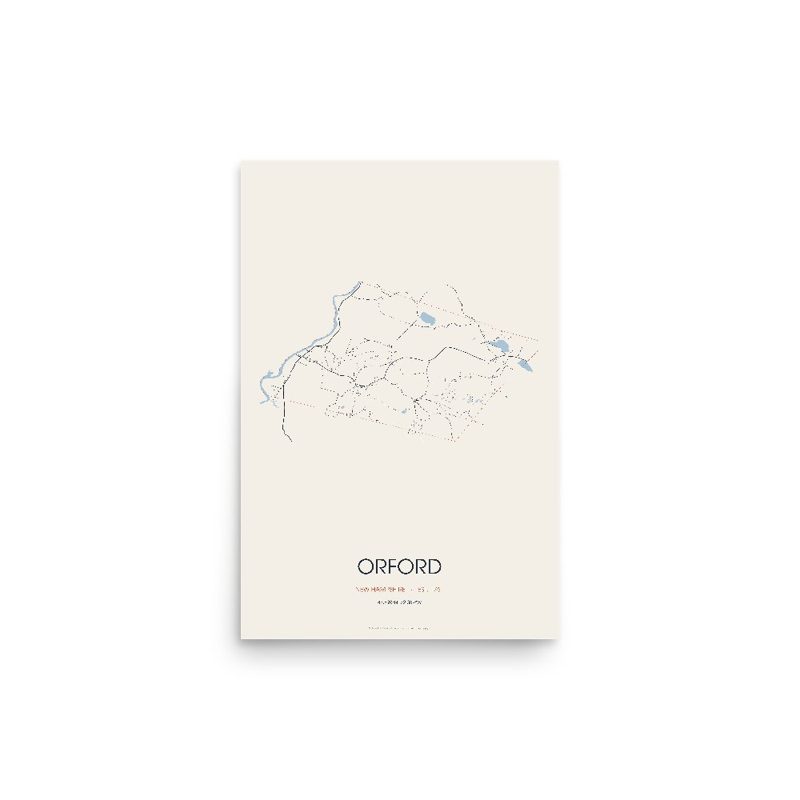
Every road in town, on archival matte paper

The same map, in navy and silver
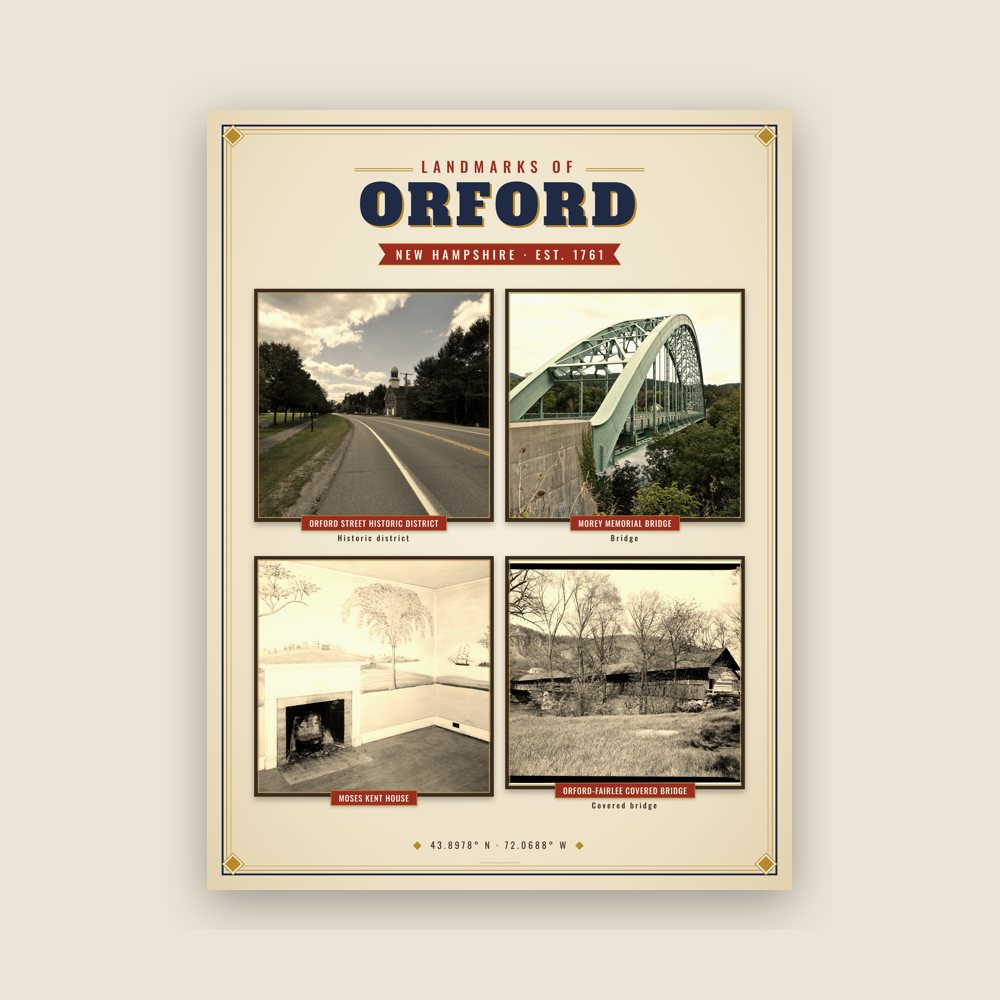
Nine local landmarks, archival matte
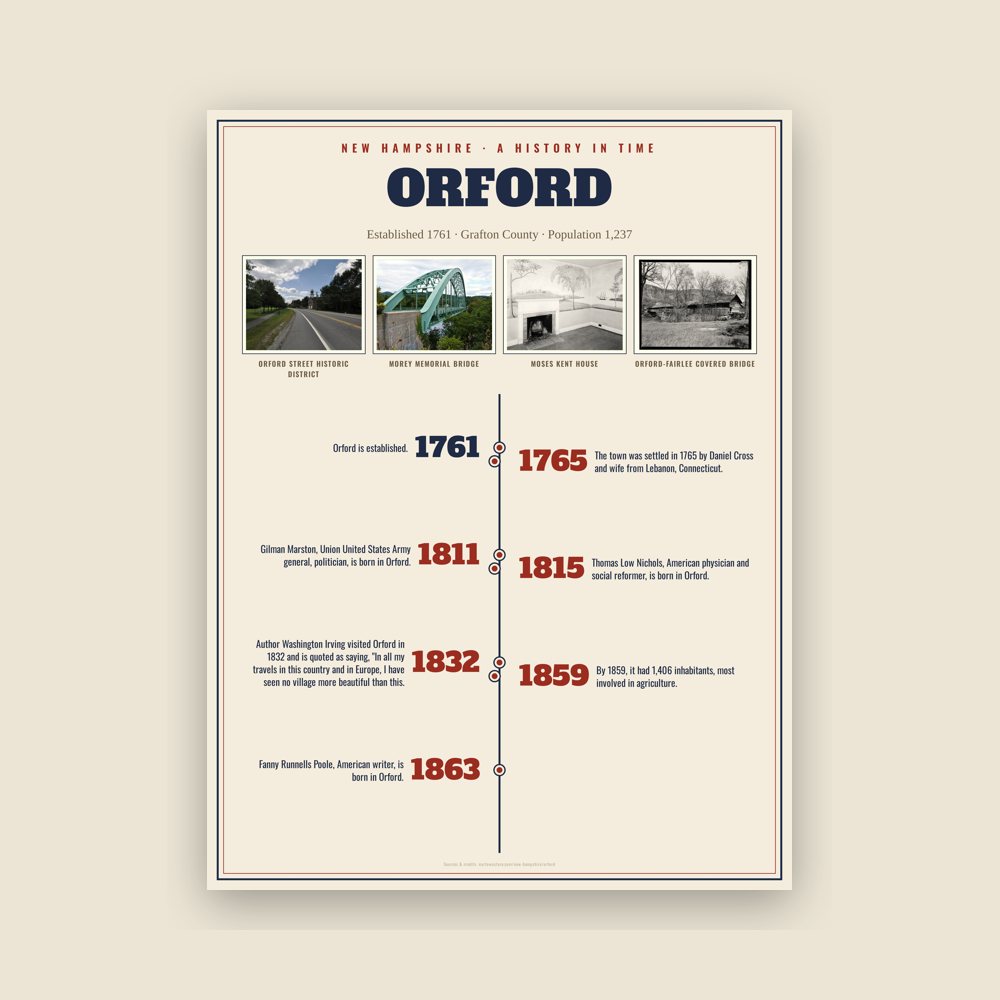
The town's story in dates, from its own records, for home or classroom
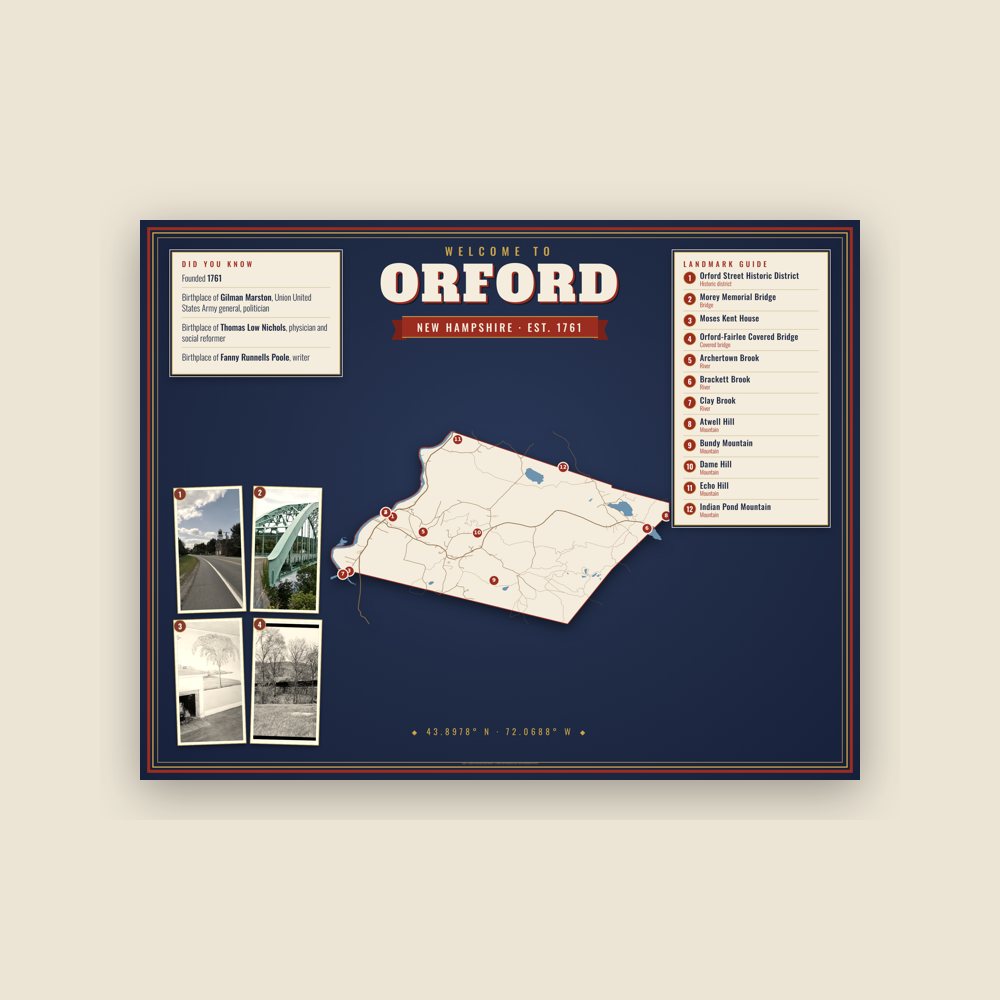
Map of local landmarks, washable fabric
Heavy-blend fleece, street map printed on the back
Soft Bella+Canvas jersey
Glossy ceramic, dishwasher safe
Ceramic keepsake, gold ribbon
Weatherproof, for the front walk
24″×16″, printed coir-look fibers, rubber back

12″×12″ printed wood, ready to hang
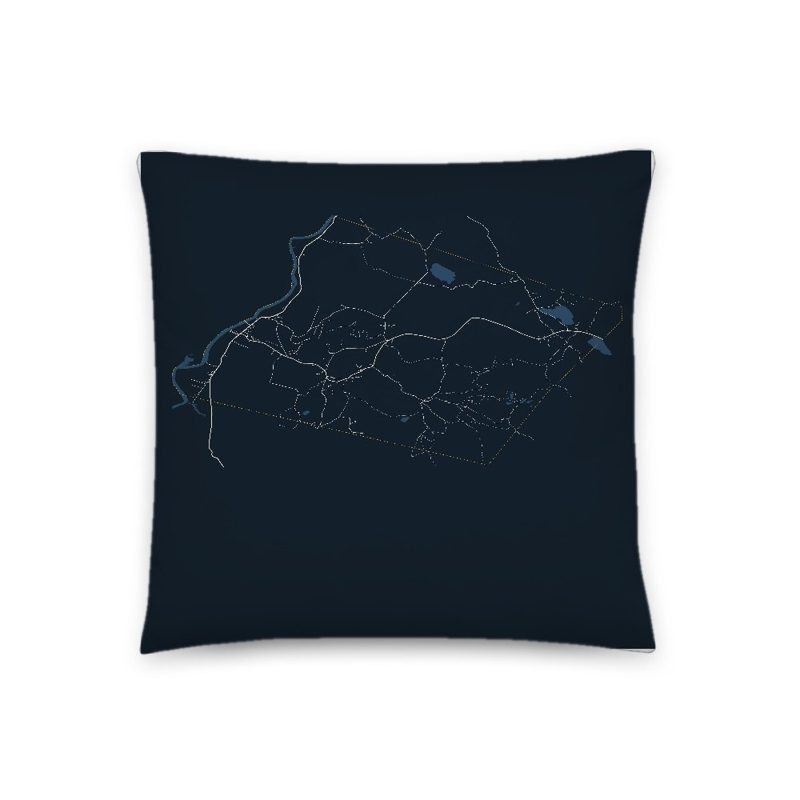
Soft-touch, zip cover
Sturdy all-over-print tote
Glossy top, cork back
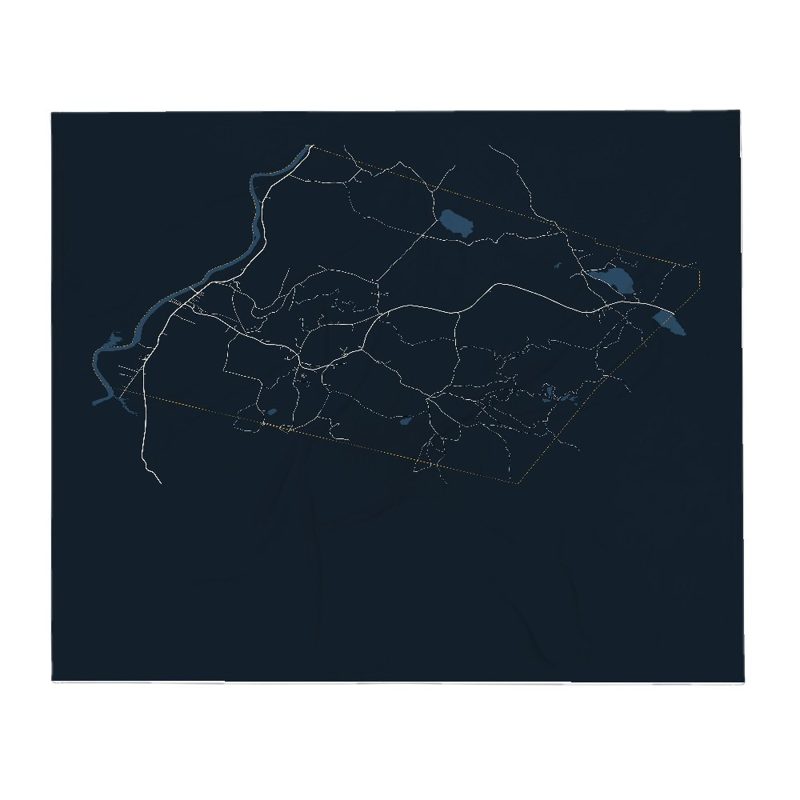
Soft fleece, 50″×60″
20 oz, double-wall stainless
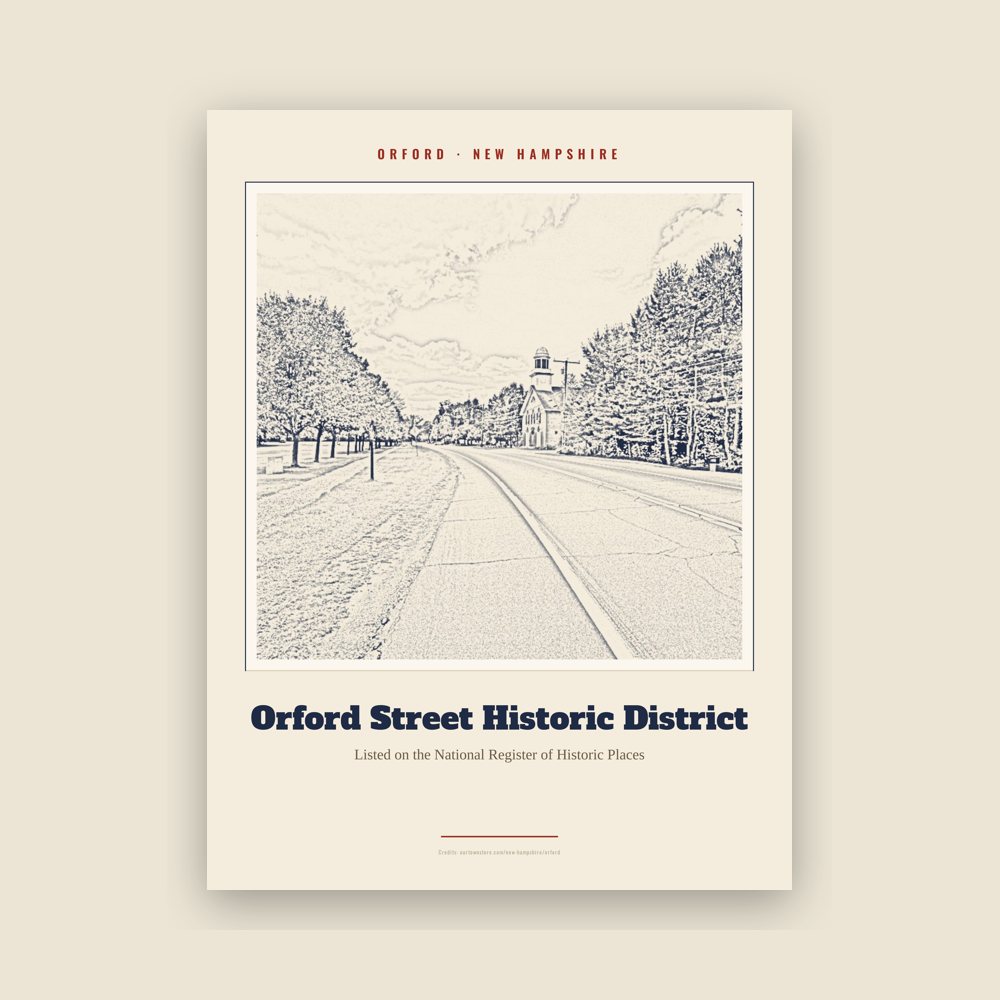
Archival matte print of a local landmark, credited to its photographer
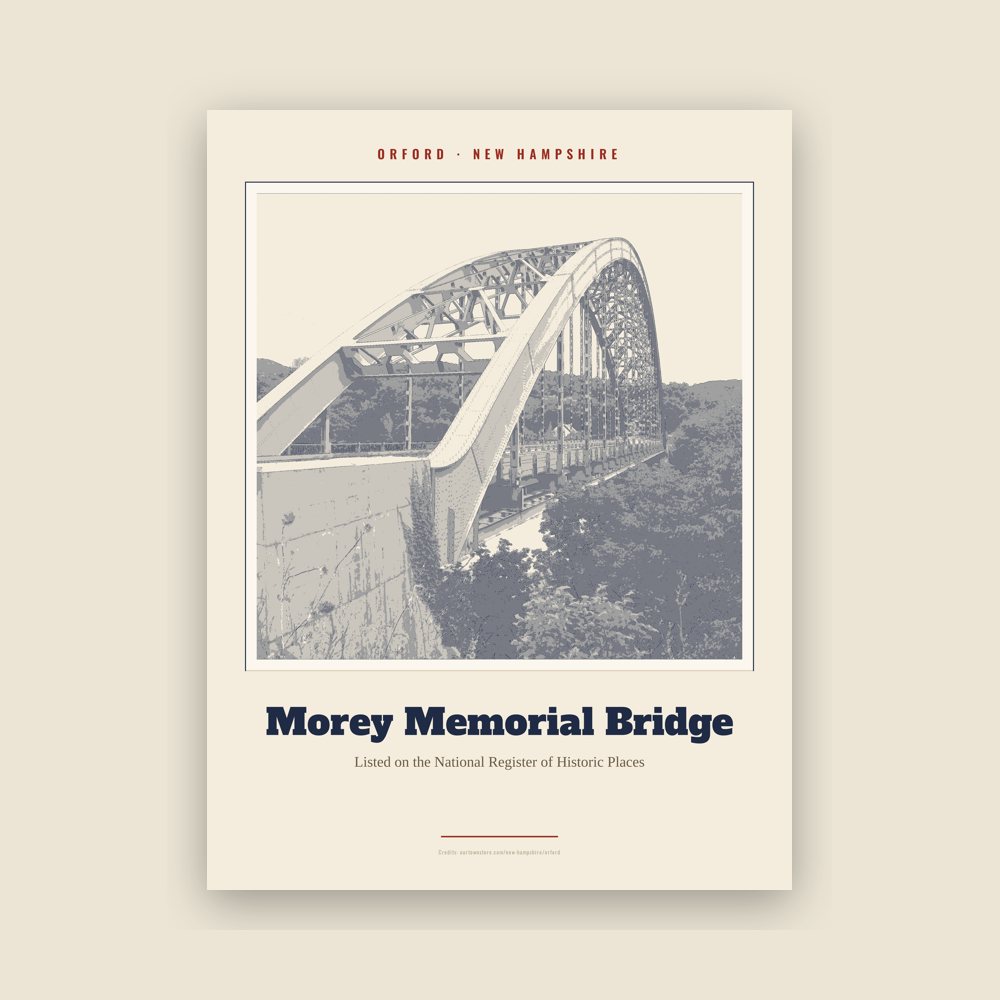
Archival matte print of a local landmark, credited to its photographer
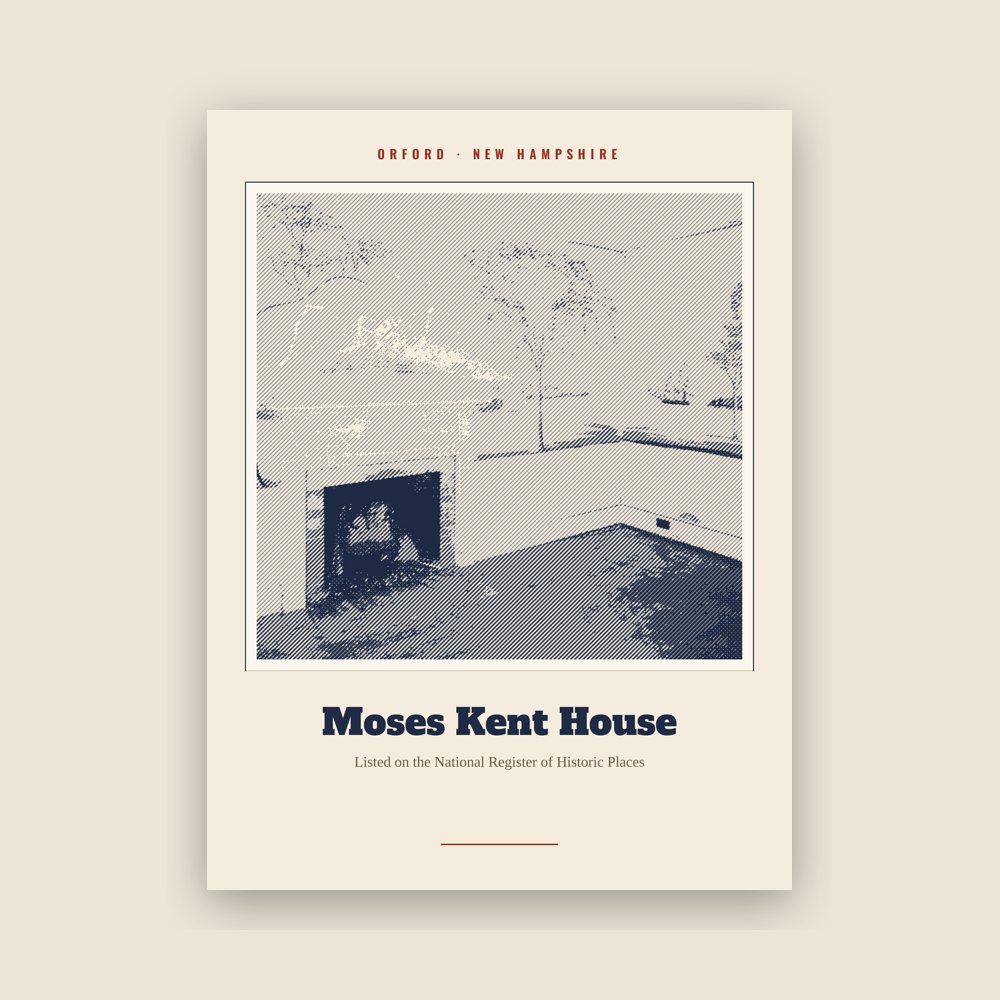
Archival matte print of a local landmark, credited to its photographer

Archival matte print of a local landmark, credited to its photographer
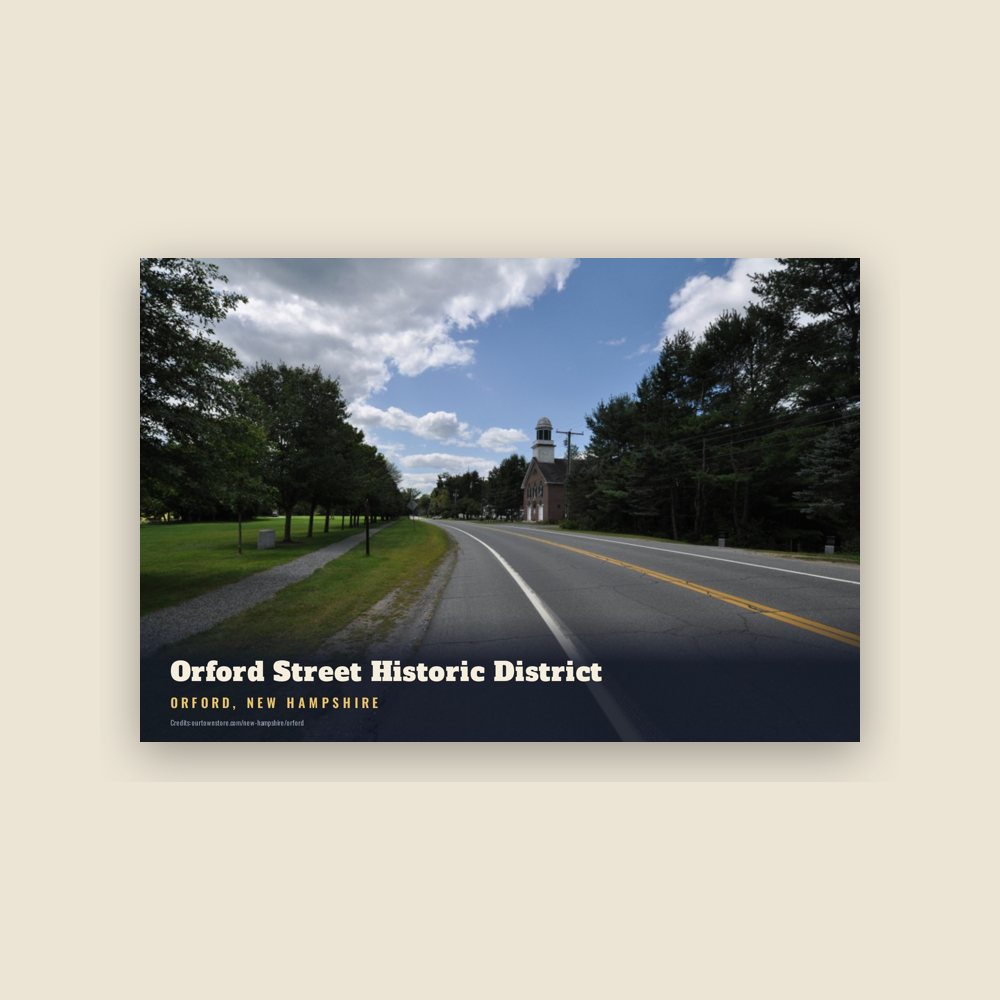
6″×4″ postcard, glossy front
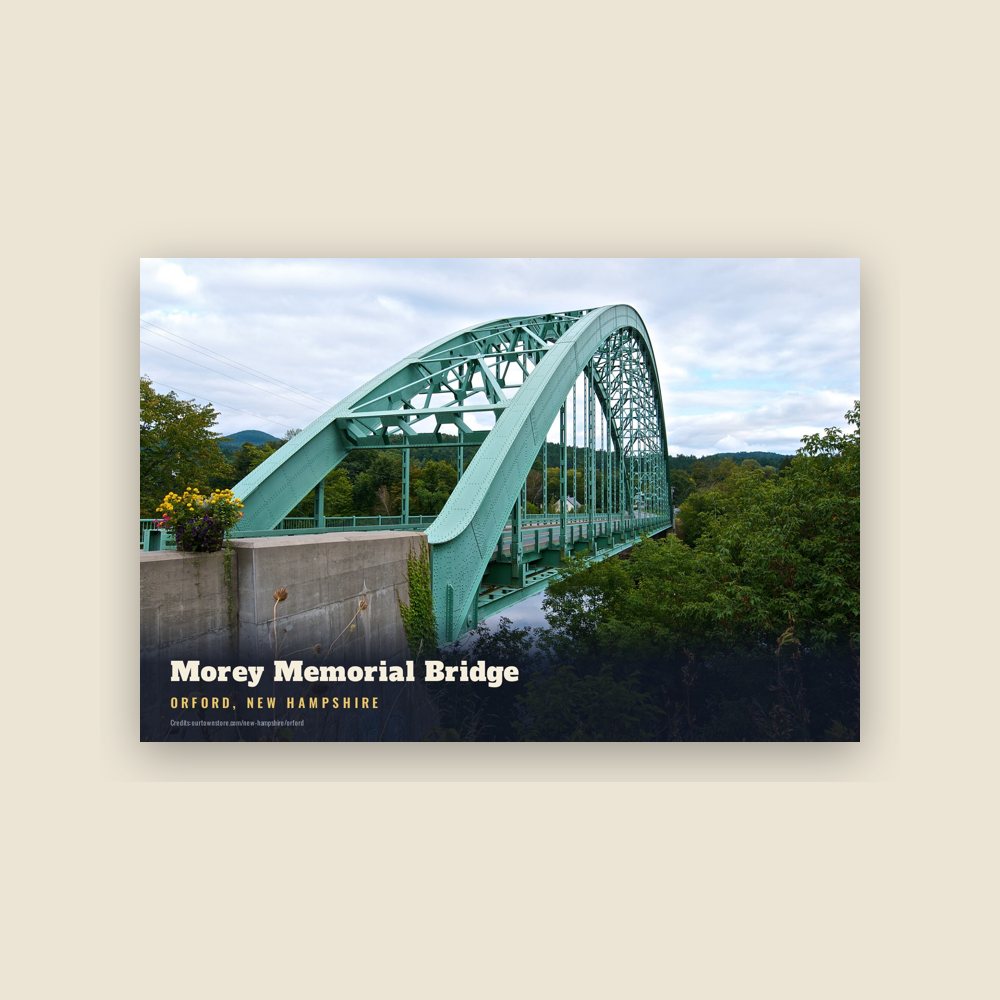
6″×4″ postcard, glossy front
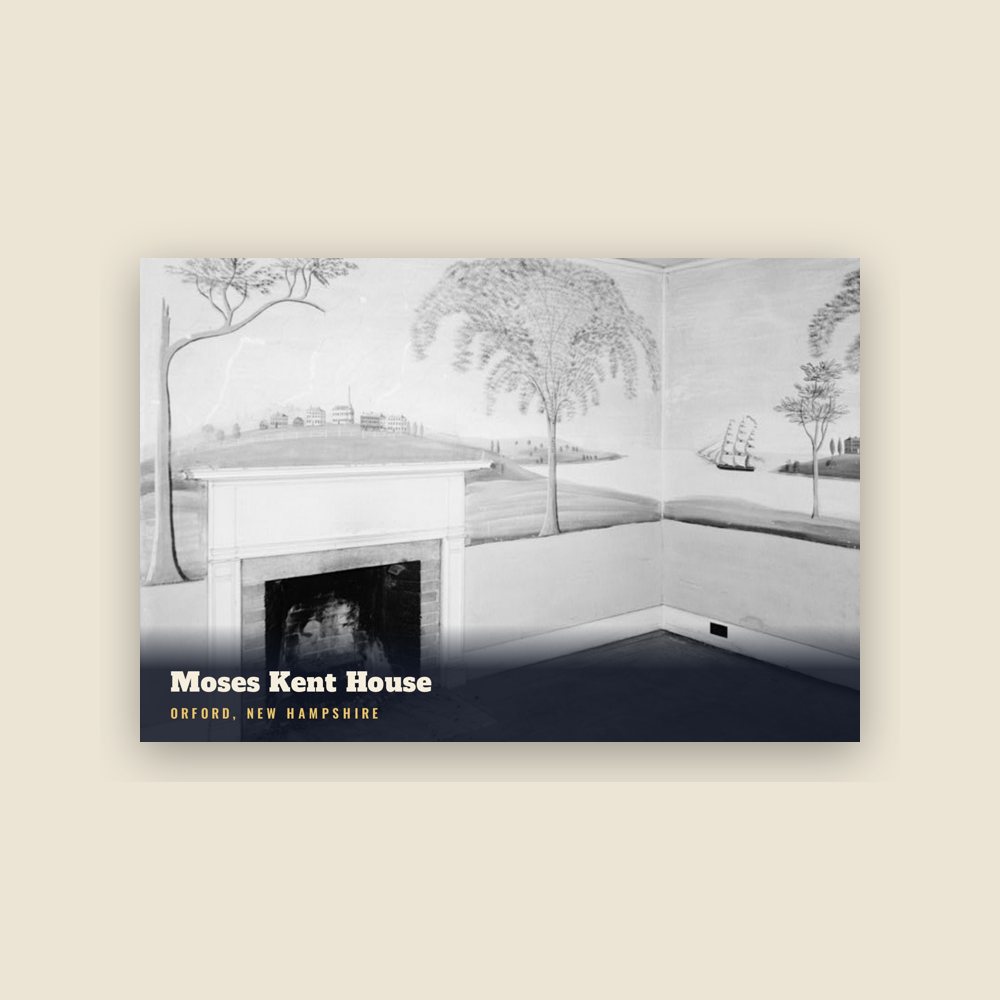
6″×4″ postcard, glossy front
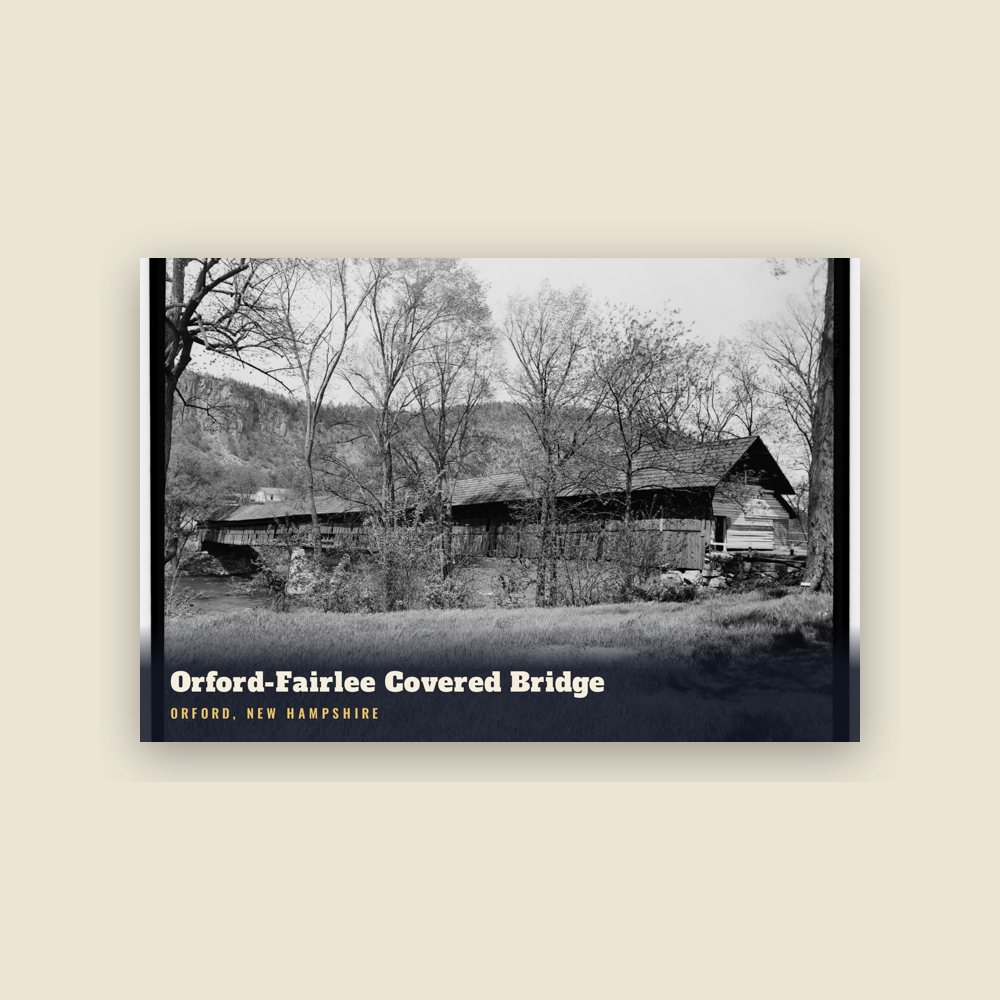
6″×4″ postcard, glossy front
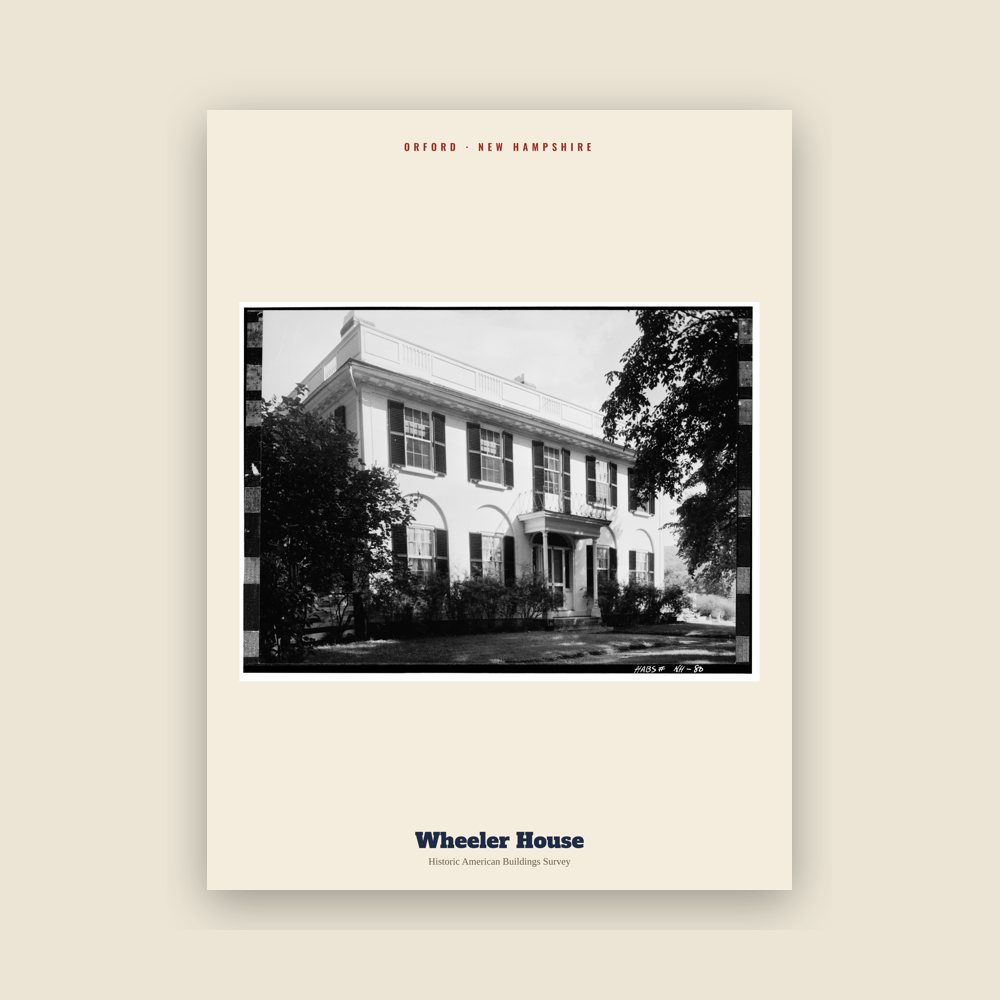
From the Library of Congress collections: a historic survey drawing or photograph of the town
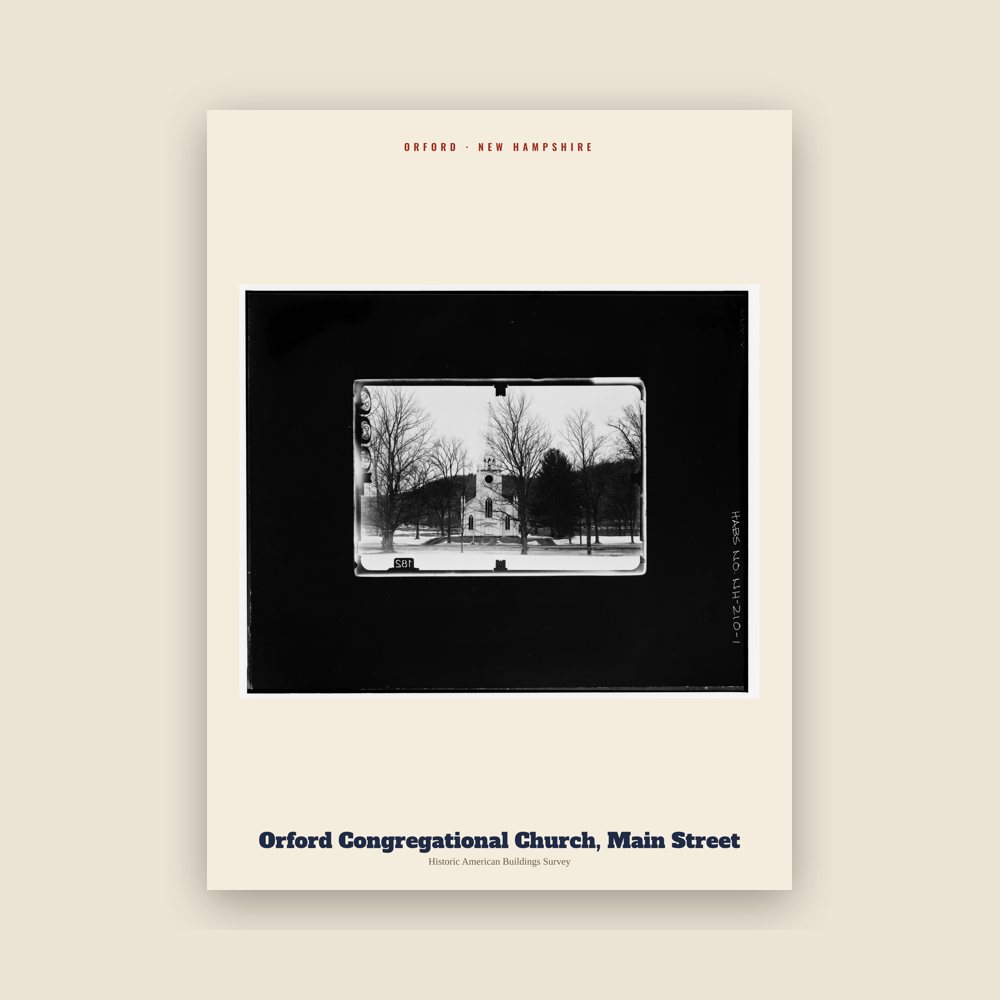
From the Library of Congress collections: a historic survey drawing or photograph of the town

From the Library of Congress collections: a historic survey drawing or photograph of the town
Population 2010: 1,237 → 2020: 1,237
From Wikidata (CC0).
First called "Number Seven" in a line of Connecticut River fort towns, Orford was incorporated in 1761 by Governor Benning Wentworth and named for Robert Walpole, Earl of Orford, who was the first prime minister of Great Britain. The town was settled in 1765 by Daniel Cross and wife from Lebanon, Connecticut. By 1859, it had 1,406 inhabitants, most involved in agriculture. There was a large tannery, a chair factory, ten sawmills, a starch factory, a gristmill, a sash, blind and door factory, and two boot and shoe factories.
An original grantee was General Israel Morey, whose son Samuel Morey discovered a way to separate hydrogen from oxygen in water, making possible the first marine steam engine. He recognized the potential of steam power after working at his father's ferry. In 1793, on the river at Orford, he was first to demonstrate the use of a paddlewheel to propel a steam boat.
Author Washington Irving visited Orford in 1832 and is quoted as saying, "In all my travels in this country and in Europe, I have seen no village more beautiful than this. It is a charming place—nature has done her utmost here." Of the famous sequence of seven early homes built on The Ridge, Dartmouth Professor of Architecture Hugh Morrison said, "As a row and counting the setting, this is the finest group of Federal-style houses in the United States." Built between 1773 and 1839, the dwellings show the influence of architect Asher Benjamin.
Adapted (trimmed) from the Wikipedia article Orford, New Hampshire, revision 1378604231 by its contributors, licensed CC BY-SA 4.0.
We share a part of every Orford sale with local partners, and we'd love to print from your collection. Old photographs, maps and postcards make the best keepsakes.
Partner with us