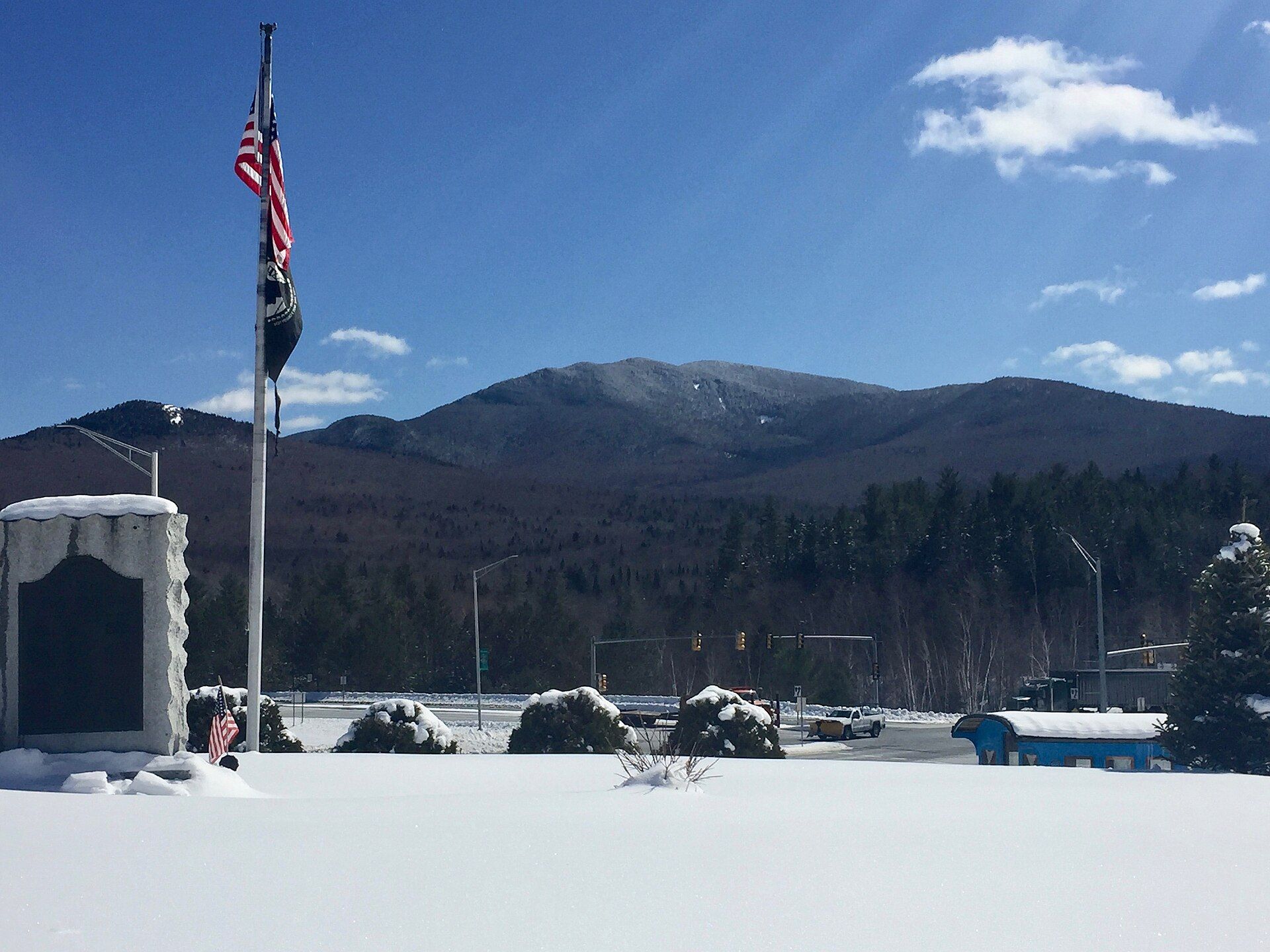
Bethlehem is a hillside town in Grafton County, New Hampshire, United States. Landmarks include Bretton Woods system, Colonial Theatre and Rocks Estate.
Every piece is drawn from Bethlehem's own map data and historic archives, then printed and shipped from the USA when you order. No two towns look alike.
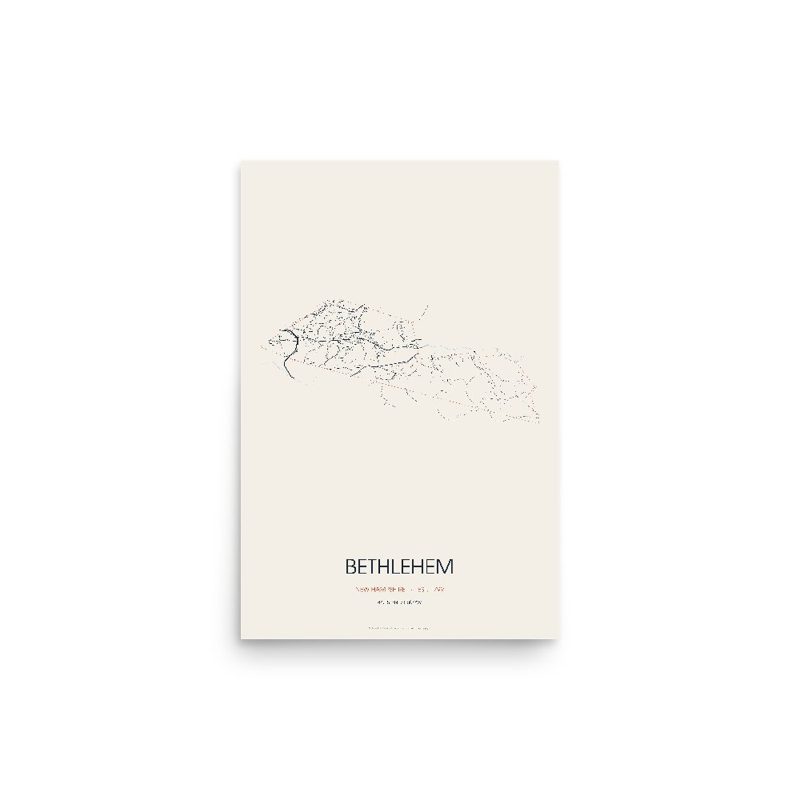
Every road in town, on archival matte paper

The same map, in navy and silver
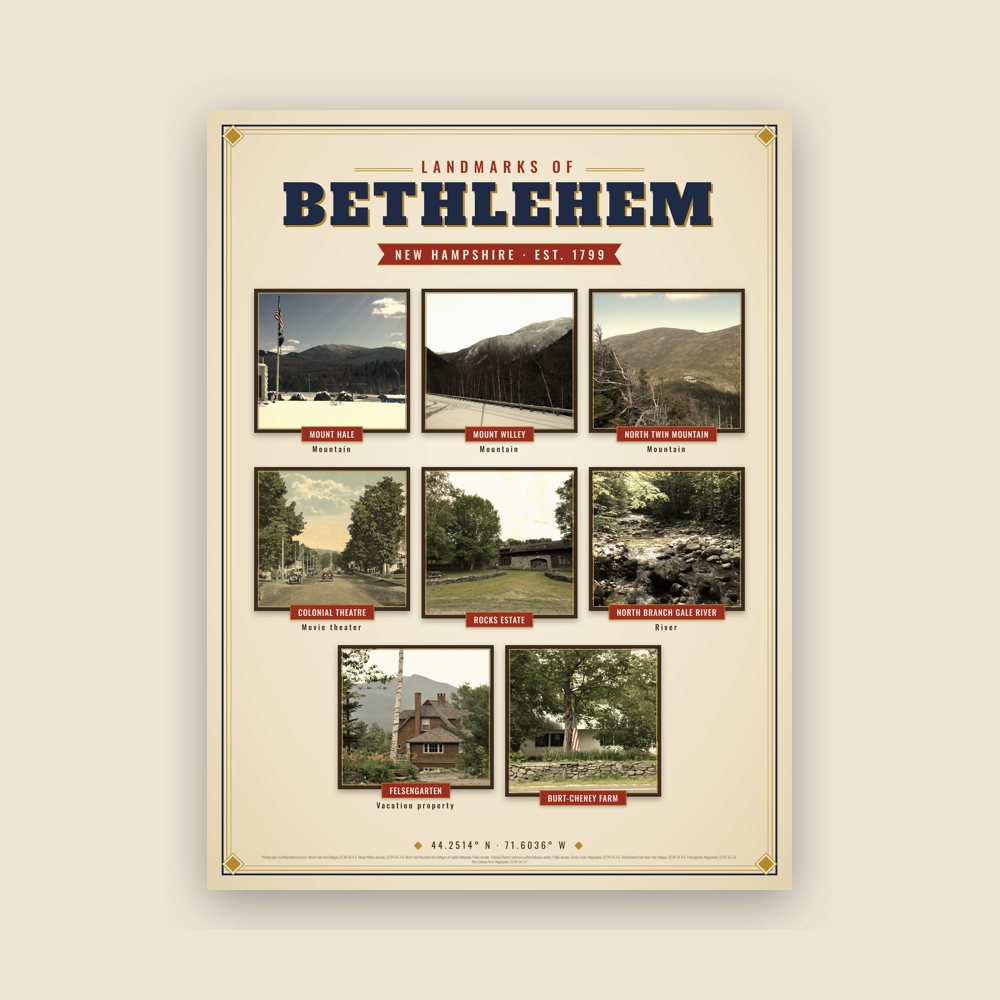
Nine local landmarks, archival matte
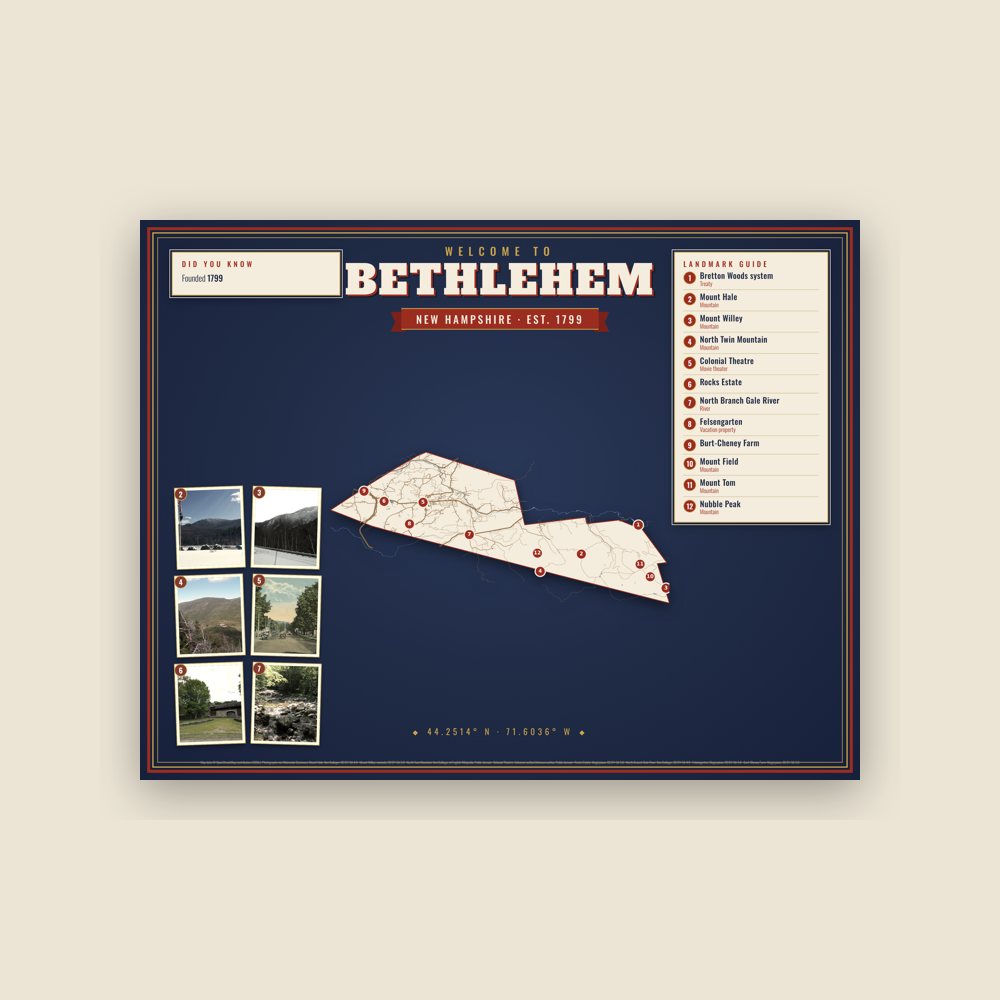
Map of local landmarks, washable fabric
Heavy-blend fleece, street map printed on the back
Soft Bella+Canvas jersey
Glossy ceramic, dishwasher safe
Ceramic keepsake, gold ribbon
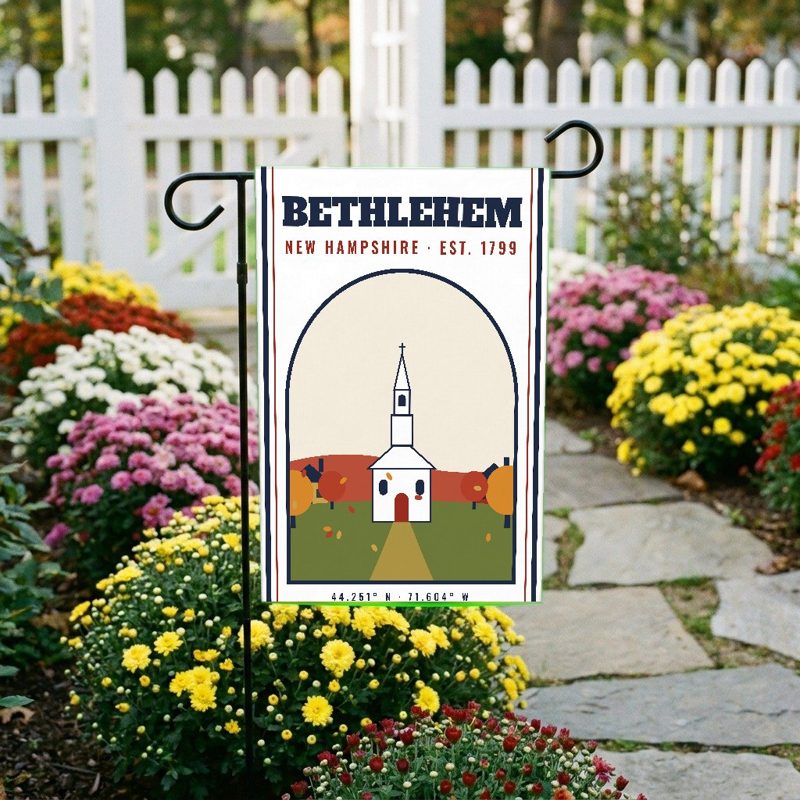
Weatherproof, for the front walk
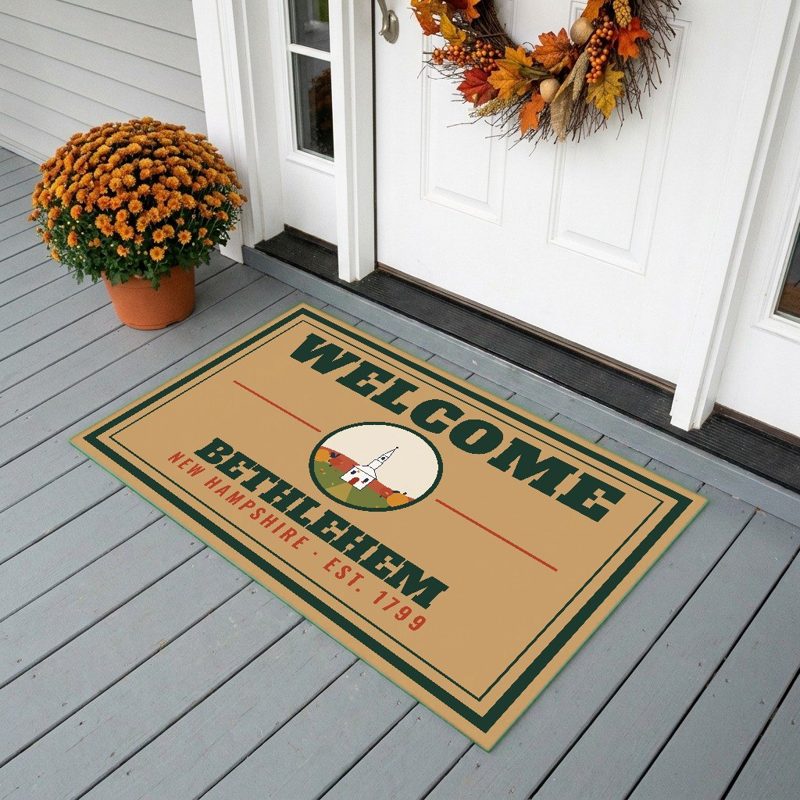
24″×16″, printed coir-look fibers, rubber back
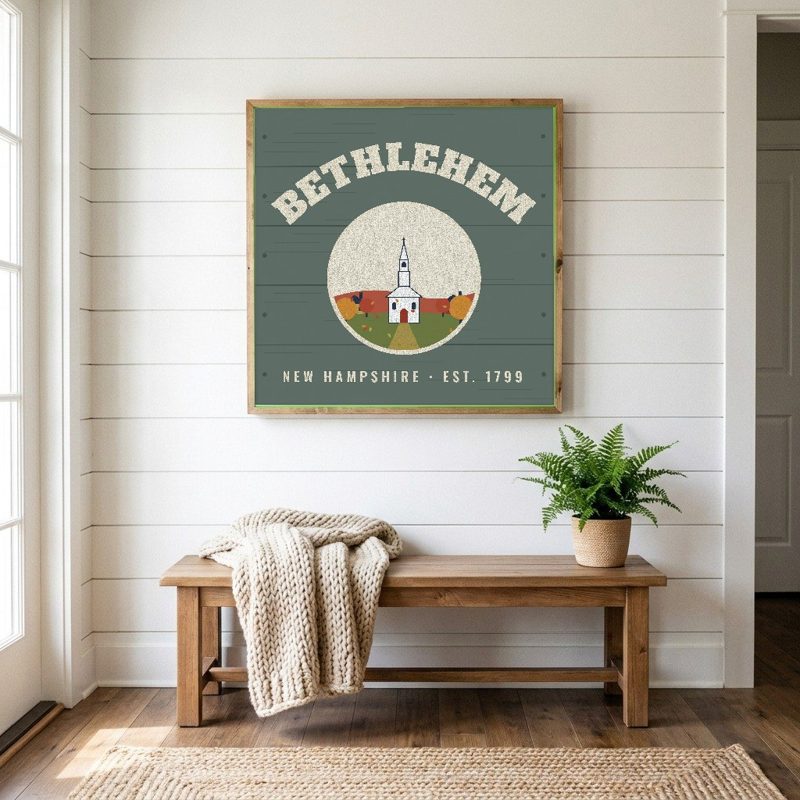
12″×12″ printed wood, ready to hang
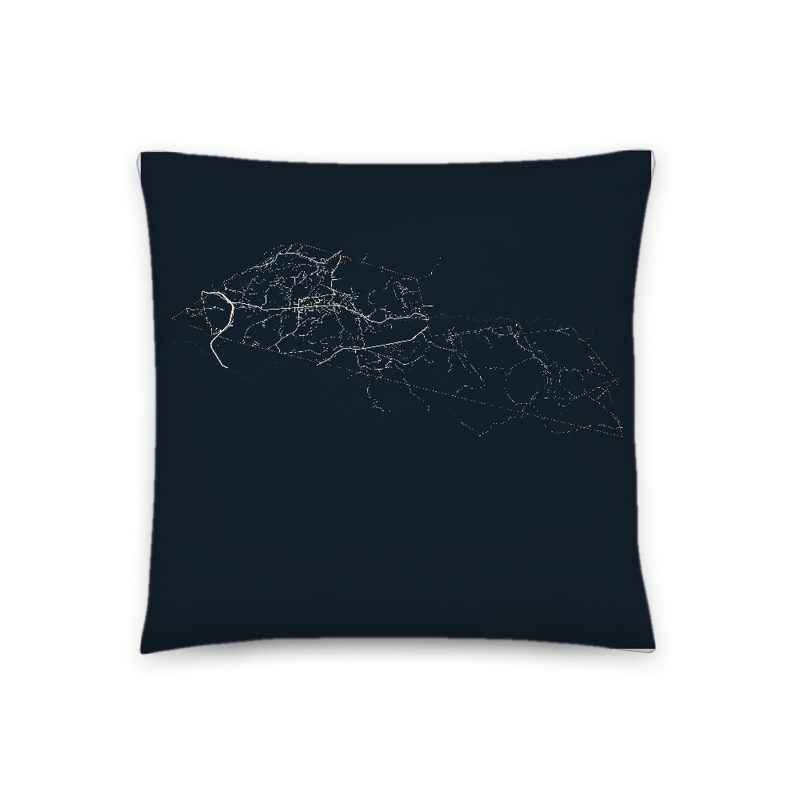
Soft-touch, zip cover
Sturdy all-over-print tote
Glossy top, cork back
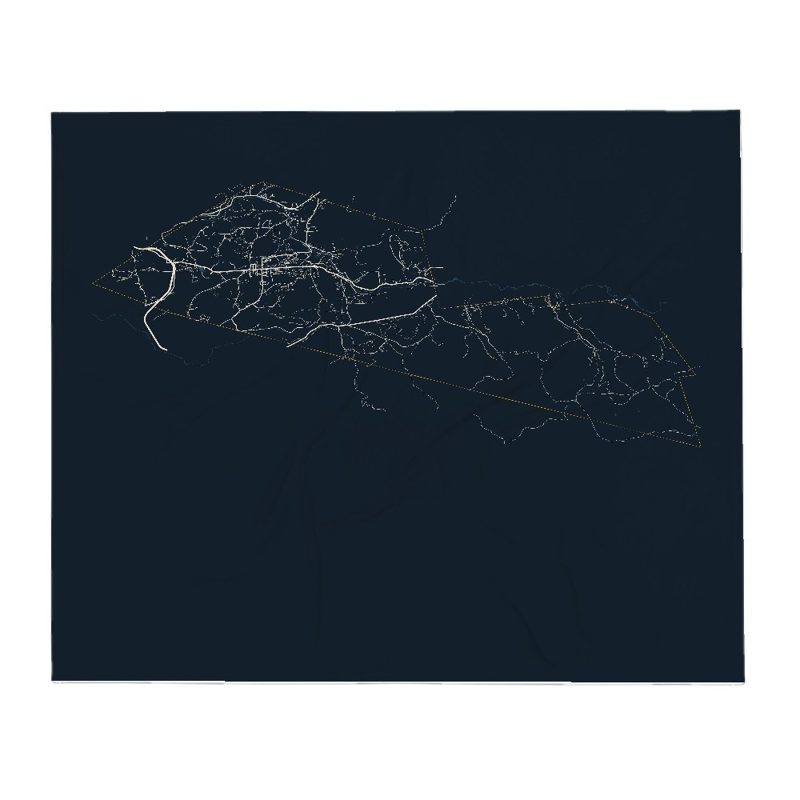
Soft fleece, 50″×60″
20 oz, double-wall stainless
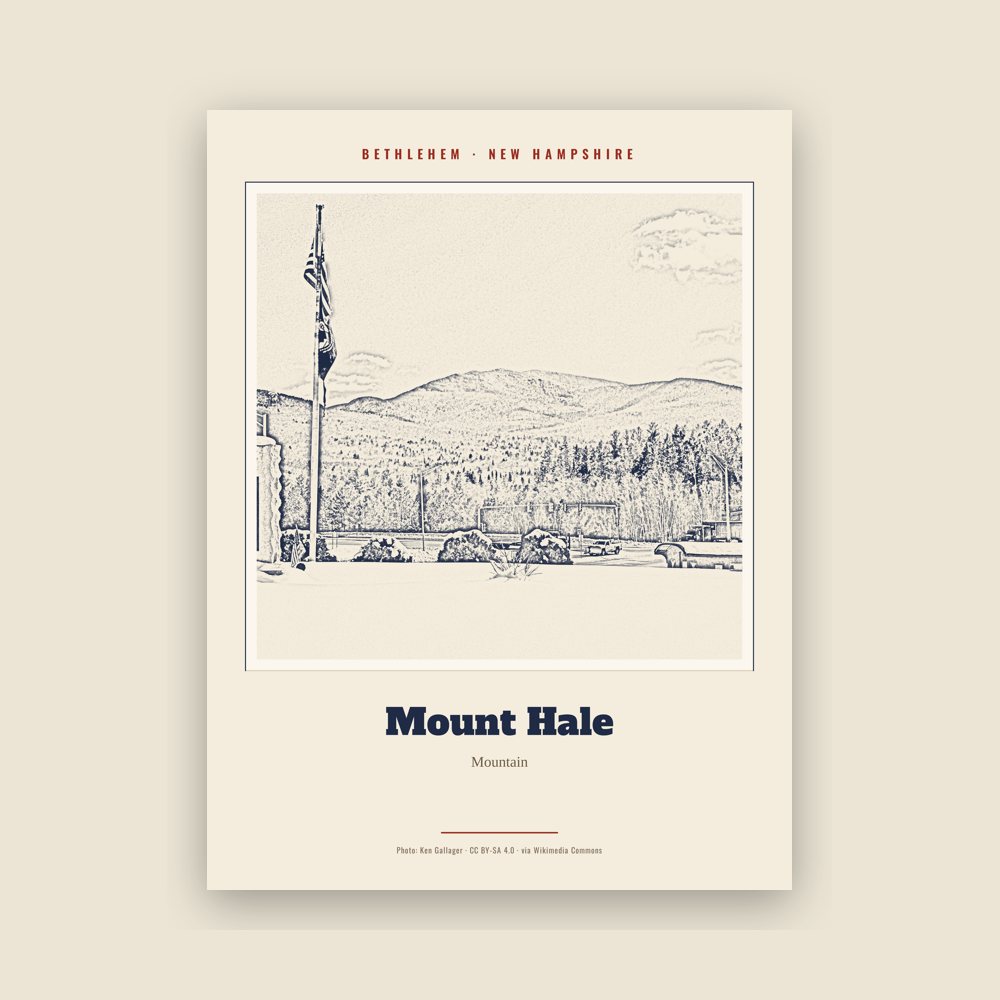
Archival matte print of a local landmark, credited to its photographer
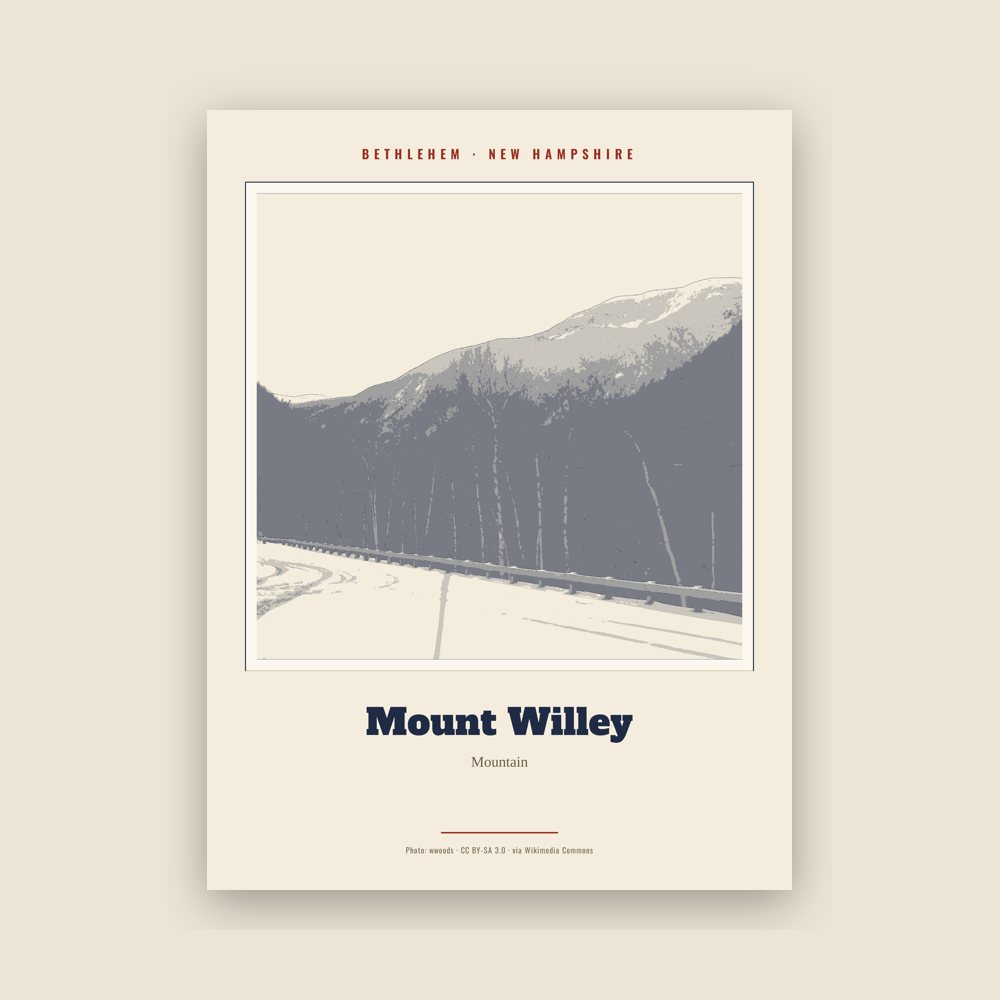
Archival matte print of a local landmark, credited to its photographer
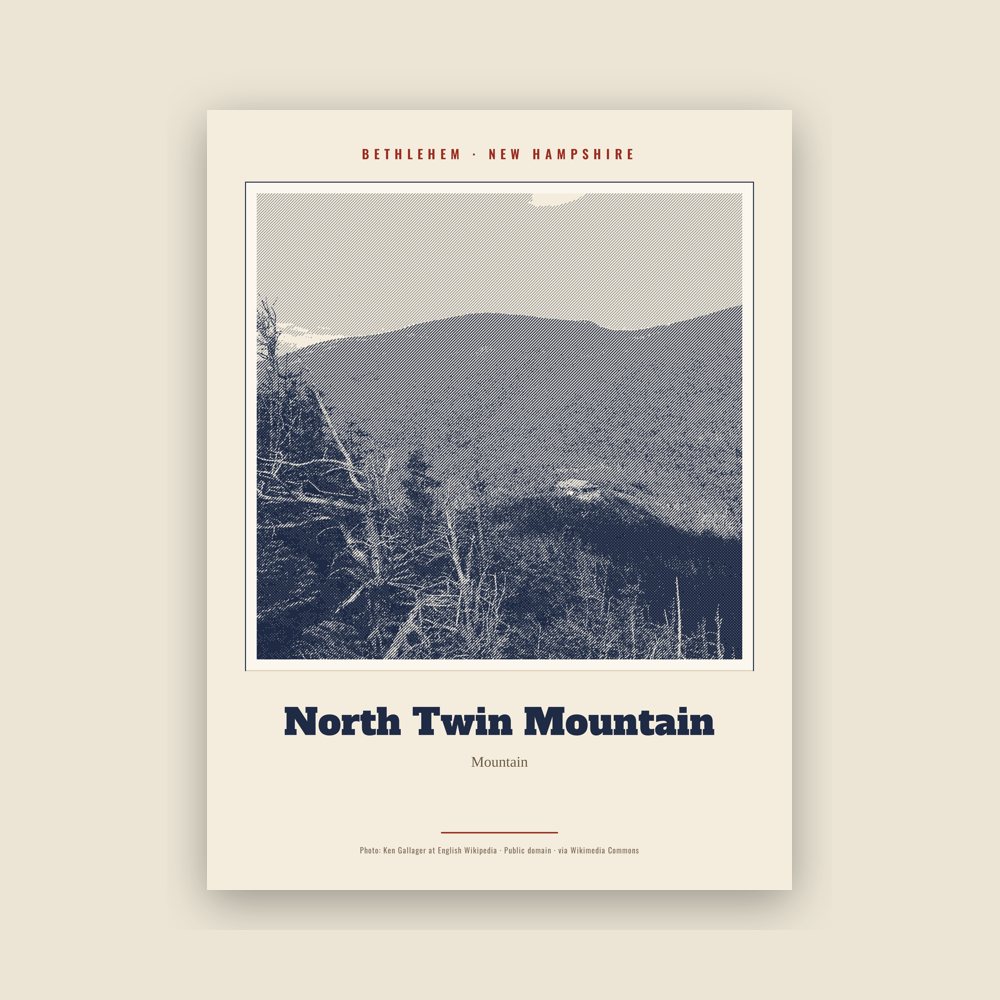
Archival matte print of a local landmark, credited to its photographer
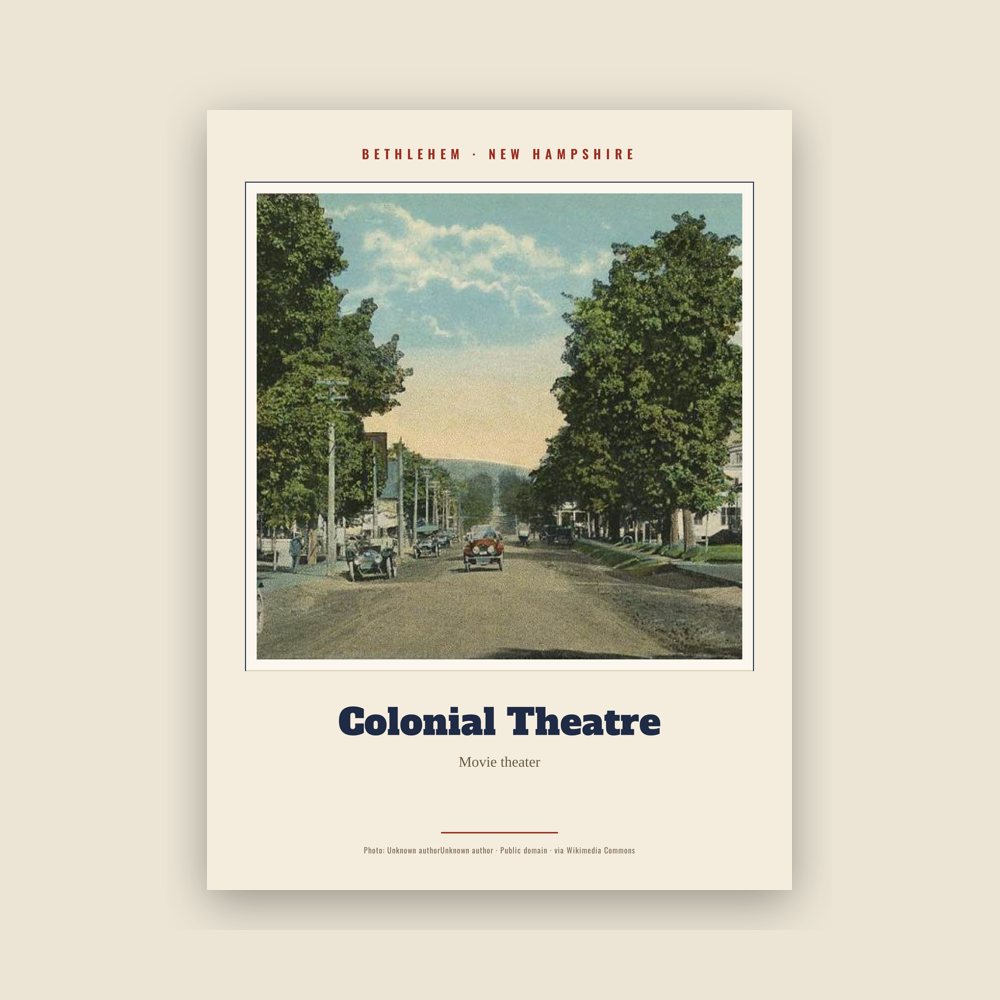
Archival matte print of a local landmark, credited to its photographer
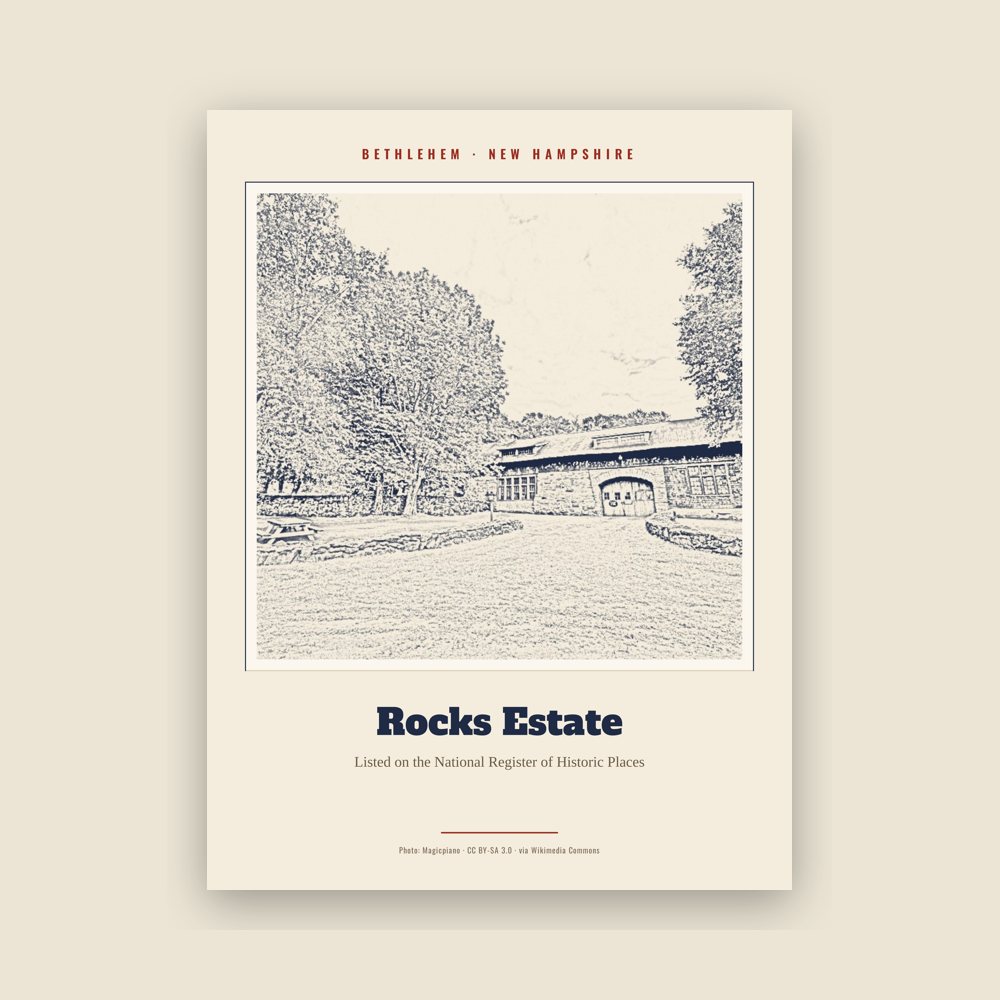
Archival matte print of a local landmark, credited to its photographer
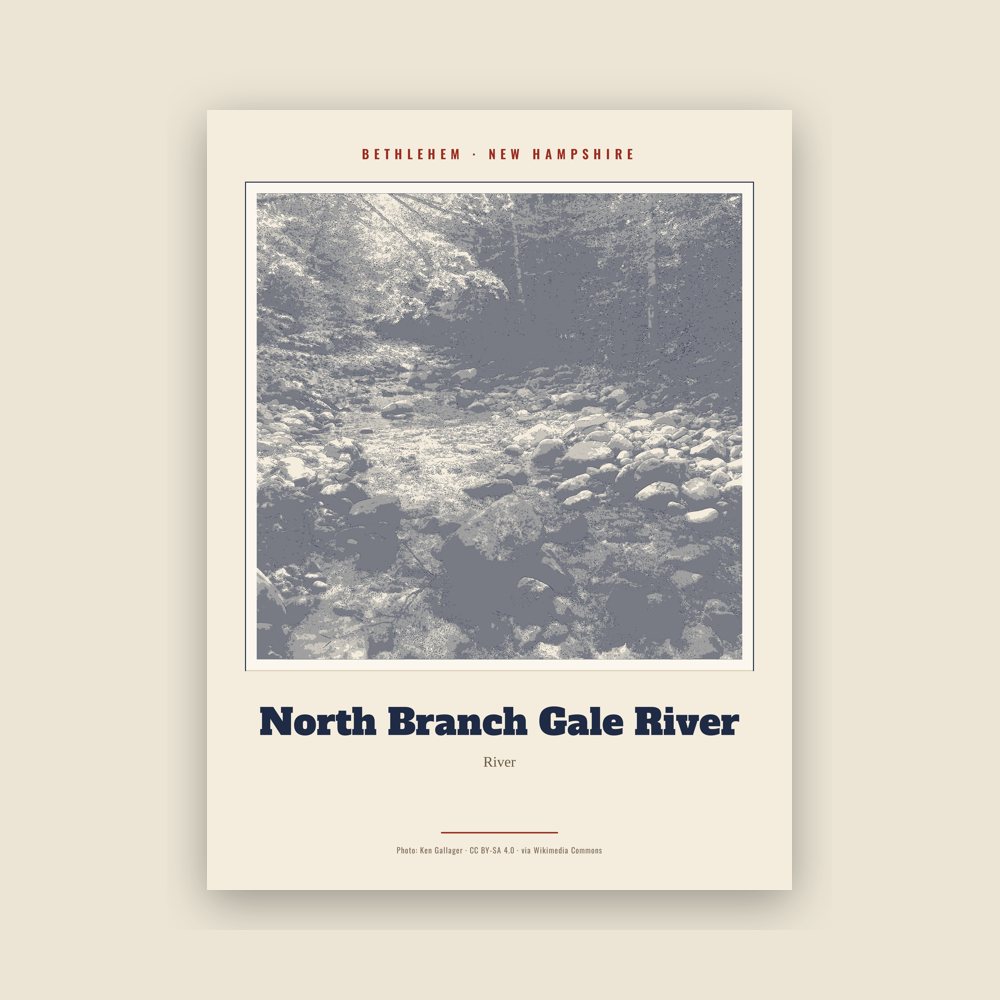
Archival matte print of a local landmark, credited to its photographer
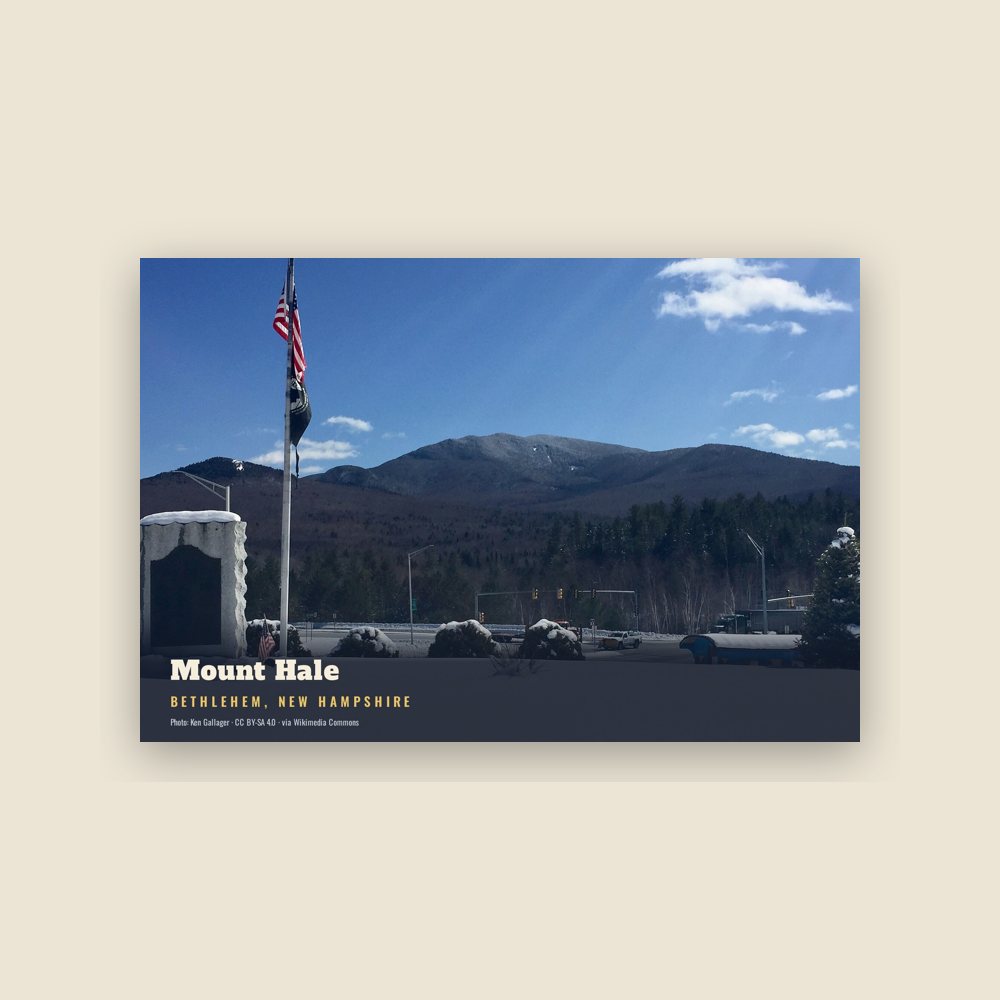
6″×4″ postcard, glossy front
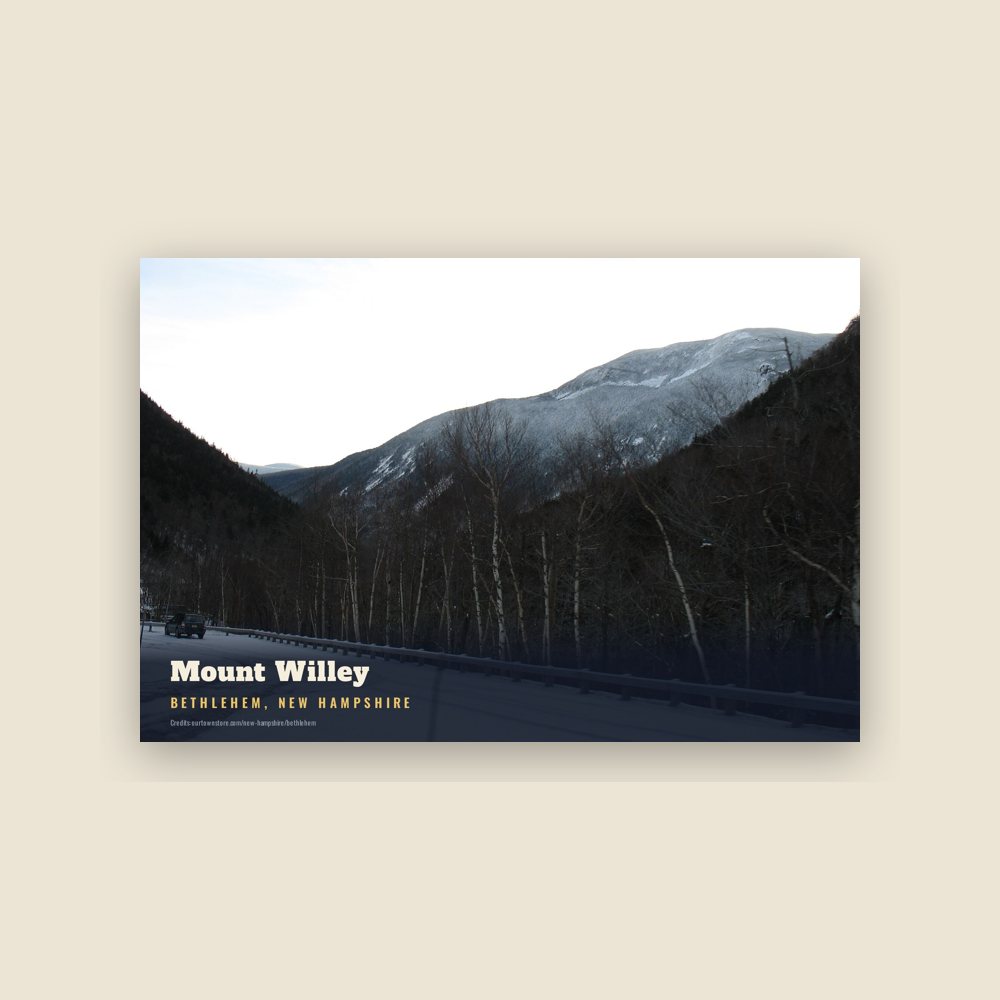
6″×4″ postcard, glossy front
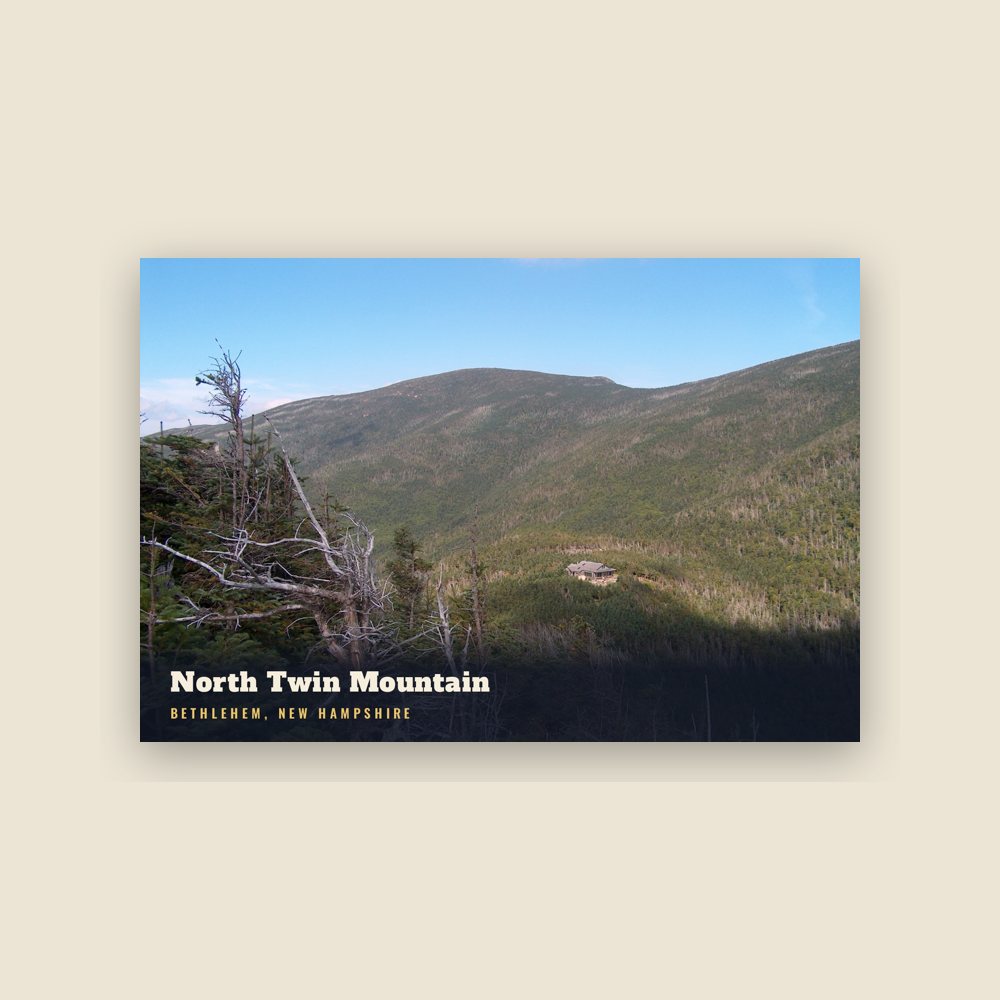
6″×4″ postcard, glossy front
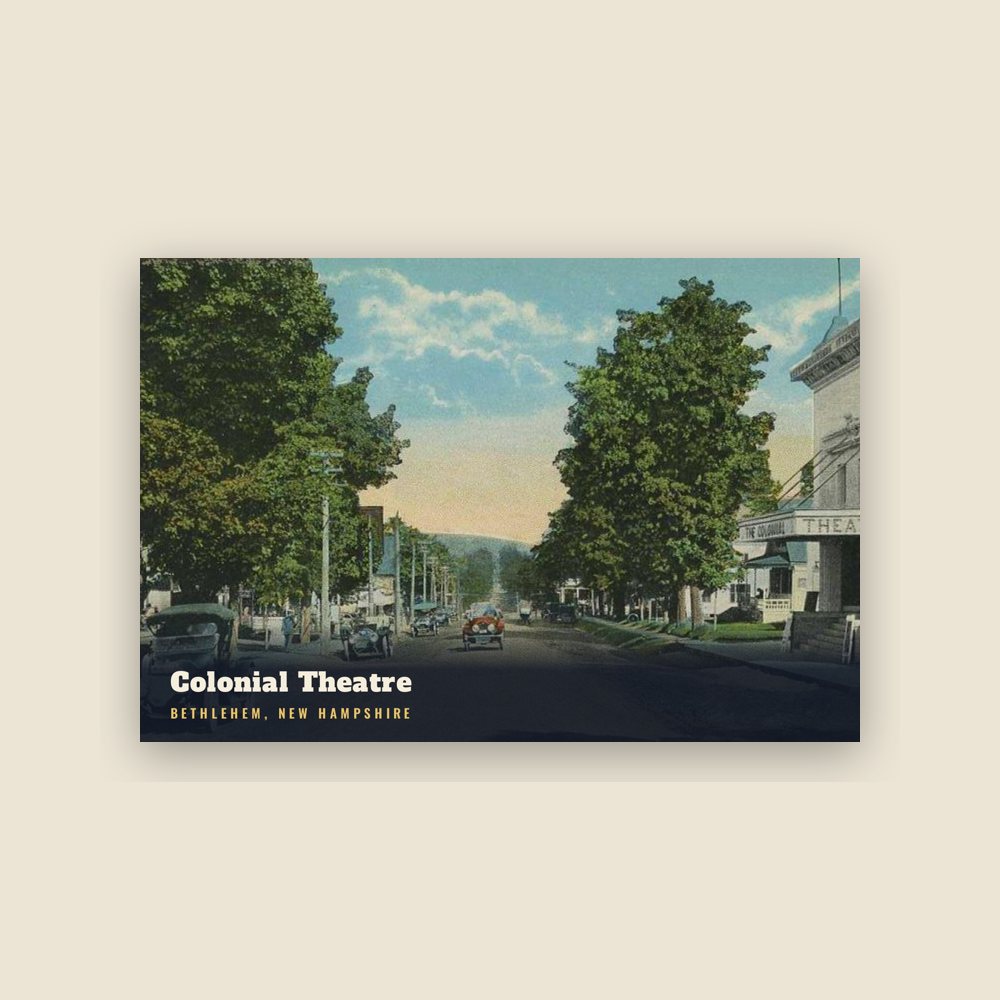
6″×4″ postcard, glossy front
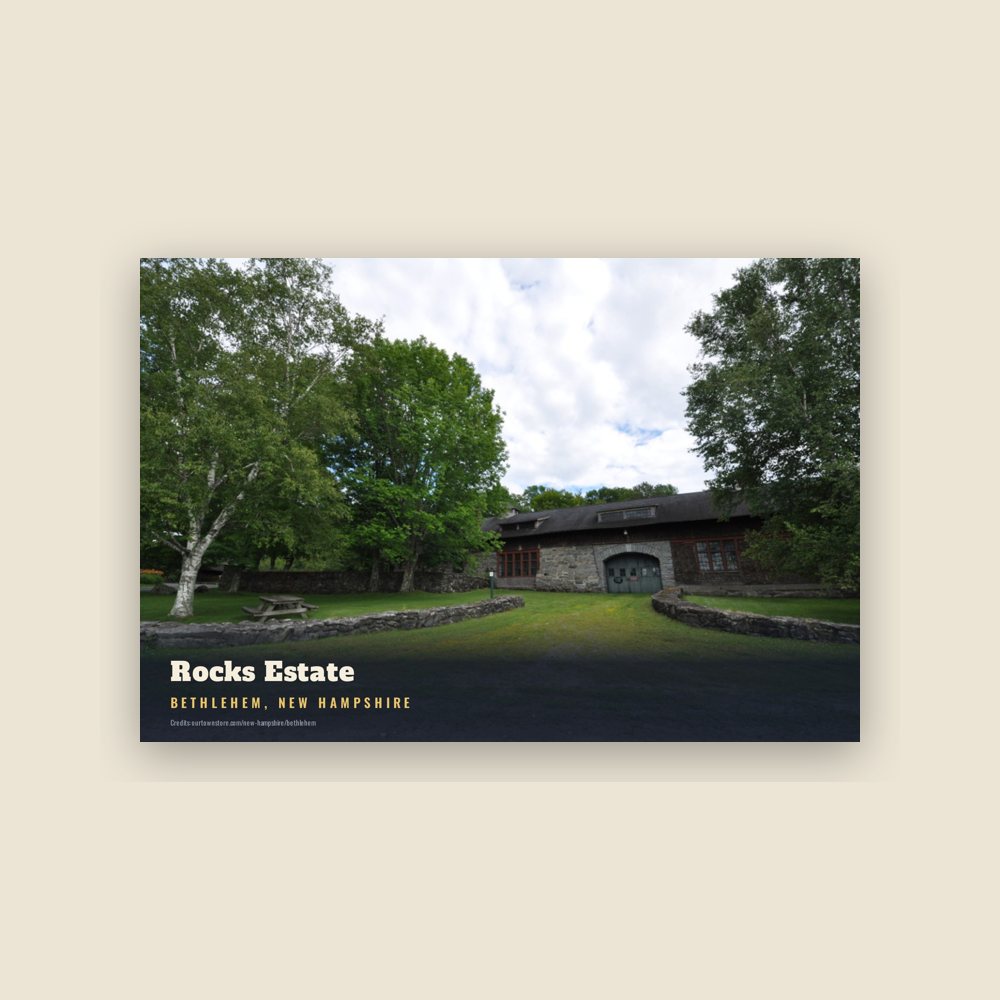
6″×4″ postcard, glossy front
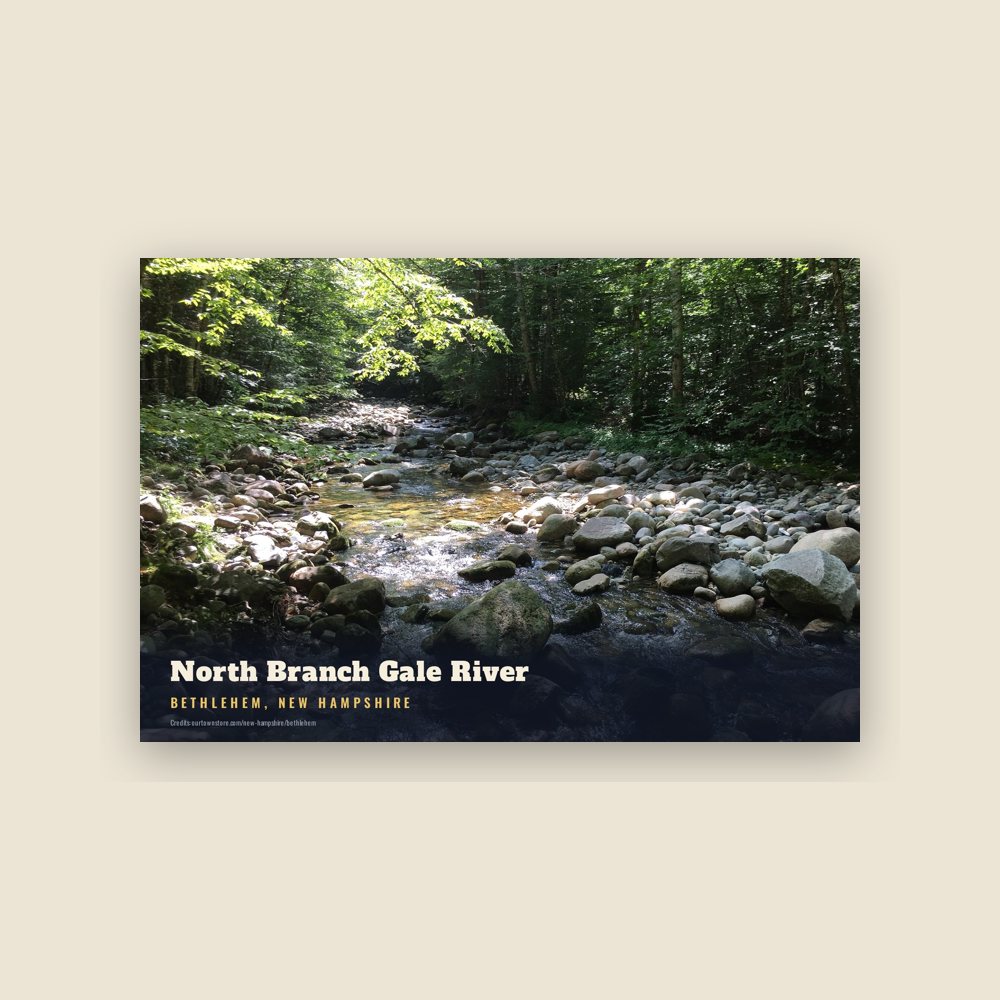
6″×4″ postcard, glossy front
Population 2010: 2,526 → 2020: 2,484
From Wikidata (CC0).
Granted as "Lloyd's Hills" in 1774 by colonial Governor John Wentworth, the town was named for James Lloyd of Boston. It was the last of the provincial grants in New Hampshire. In the aftermath of the Revolutionary War, the original grant could not be found. Lack of documentation deterred settlement until 1787, when the first permanent houses were built. Dropping its homage to Lloyd, a Loyalist, the town was incorporated as "Bethlehem" on December 27, 1799, the name having been selected on Christmas Day. There were just 33 families, with agriculture the only industry.
By 1850, the population had grown to 950, and the town contained a gristmill, five large sawmills, and two starch factories. In 1867, the railroad came to Bethlehem Junction. With it traveled tourists from Boston, New York and elsewhere, many to avoid respiratory ailments in the low pollen count environment of "the highest town in New Hampshire" (as claimed on a present-day sign in the village). Others were attracted by the paintings of the White Mountain artists. Conveniently located near Mount Washington and other attractions of the White Mountains, Bethlehem developed into a Gilded Age resort for the rich and famous.
In 1873, at the beginning of a building boom, Governor Henry Howard of Rhode Island built Howard House. Eventually, over 30 hotels would line Bethlehem's streets. Seven trains arrived daily, some direct from Grand Central Terminal, stopping at Bethlehem's five depots. Patrons included Presidents Grant, Hayes, Roosevelt, Taft and Harding, as well as author Thornton Burgess and poet Robert Frost. Entertainments included strolling Main Street on a two and a half mile raised boardwalk, carriage rides in the countryside, croquet games, or simply lounging about the hotels' sweeping piazzas.
On the hills and thoroughfares were built large summer "cottages", including that of the Woolworth family. Beginning in 1887, an annual Coaching Parade was held, with prizes awarded for lavishly decorated horse-drawn carriages. Ornamentations cost as much as $5,000, prompting visitor Phineas T. Barnum to proclaim it "the Second Greatest Show on Earth."
But the rise of the automobile would bring the decline of grand hotels. Tourists could now explore regions beyond the limits of rail service. Beginning about 1916, Jewish families began arriving in town, often seeking relief from hay fever symptoms. In fact, an organization named the Hebrew Hay Fever Relief Association, which was organized in the 1920s, existed in Bethlehem for many years. For a town in northern New Hampshire, contemporary Bethlehem has a sizeable Jewish community (and a number of synagogues), a legacy of its hay-fever-relief experience.
It was at Bethlehem that the National Hay Fever Relief Association was founded. World War II gave the hotels a second life, as tourists avoided war-ravaged Europe and stayed closer to home. By the 1950s, however, hotel attendance had dwindled. Many would close and be demolished. Today, the town is known for its special Christmas postal cancellation stamp. Every year, people from all over the world send Christmas cards to the Bethlehem post office to have them postmarked. In 2000, it handled 56,000 Christmas cards.
Bethlehem has experienced a continuing controversy, beginning in the 1980s. Casella Waste Systems of Rutland, Vermont, through its subsidiary North Country Environmental Services, purchased the town dump and created a landfill. The company has made efforts to expand the landfill. Town residents have tried to terminate the landfill, but Casella has repeatedly challenged the residents in court.
Adapted (trimmed) from the Wikipedia article Bethlehem, New Hampshire, revision 1378494813 by its contributors, licensed CC BY-SA 4.0.
We share a part of every Bethlehem sale with local partners, and we'd love to print from your collection. Old photographs, maps and postcards make the best keepsakes.
Partner with us