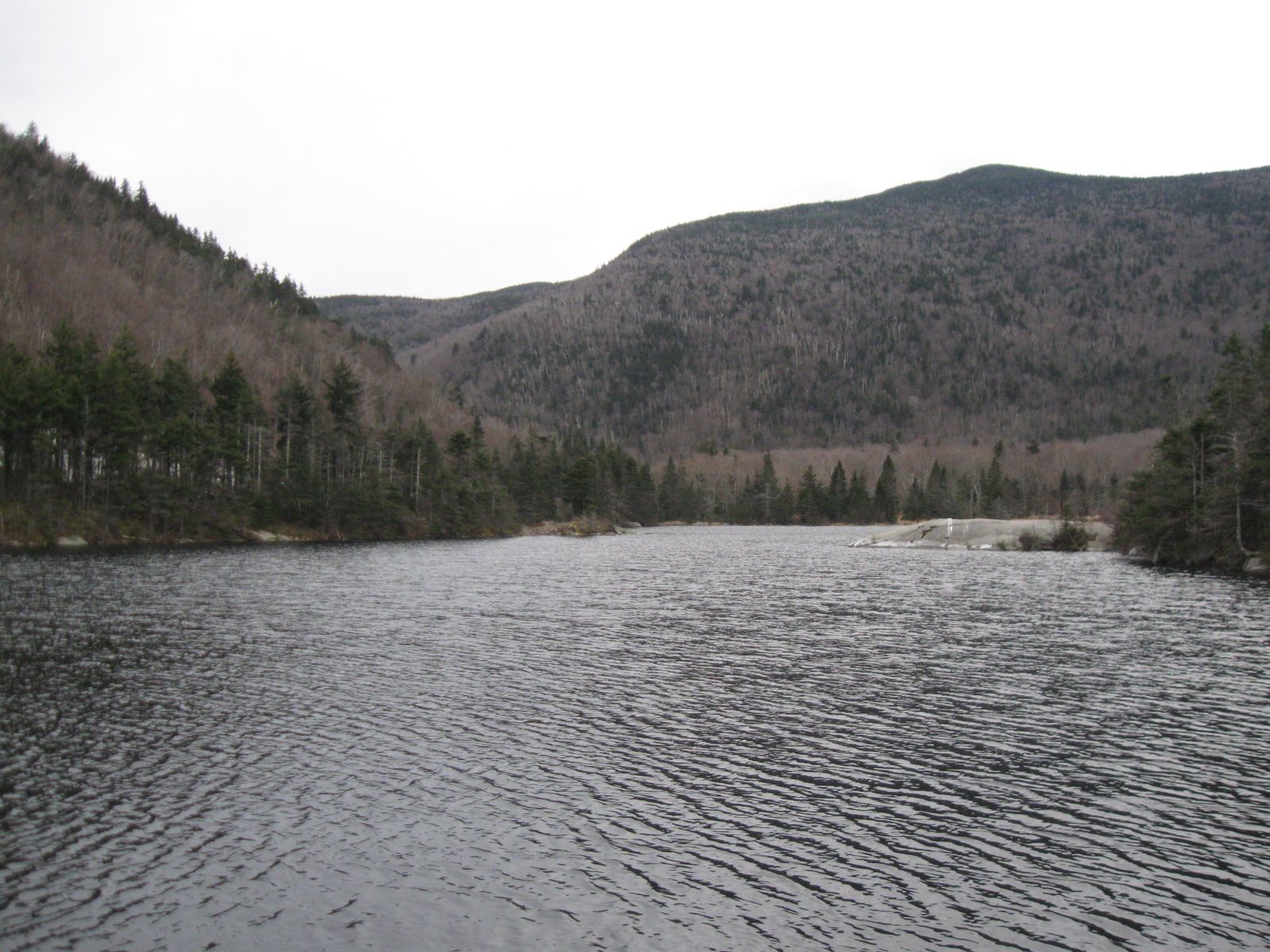
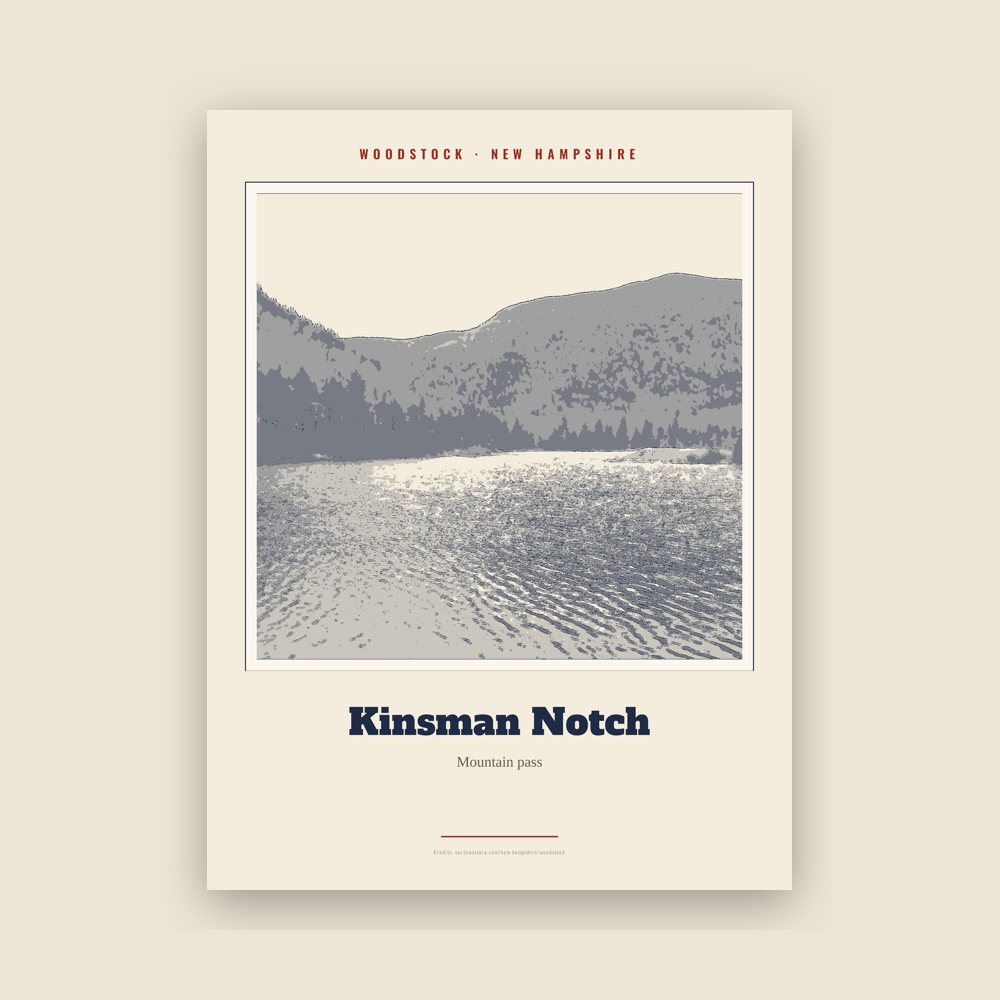
Woodstock includes the village of North Woodstock, the commercial center. Landmarks include Kinsman Notch.
Every piece is drawn from Woodstock's own map data and historic archives, then printed and shipped from the USA when you order. No two towns look alike.
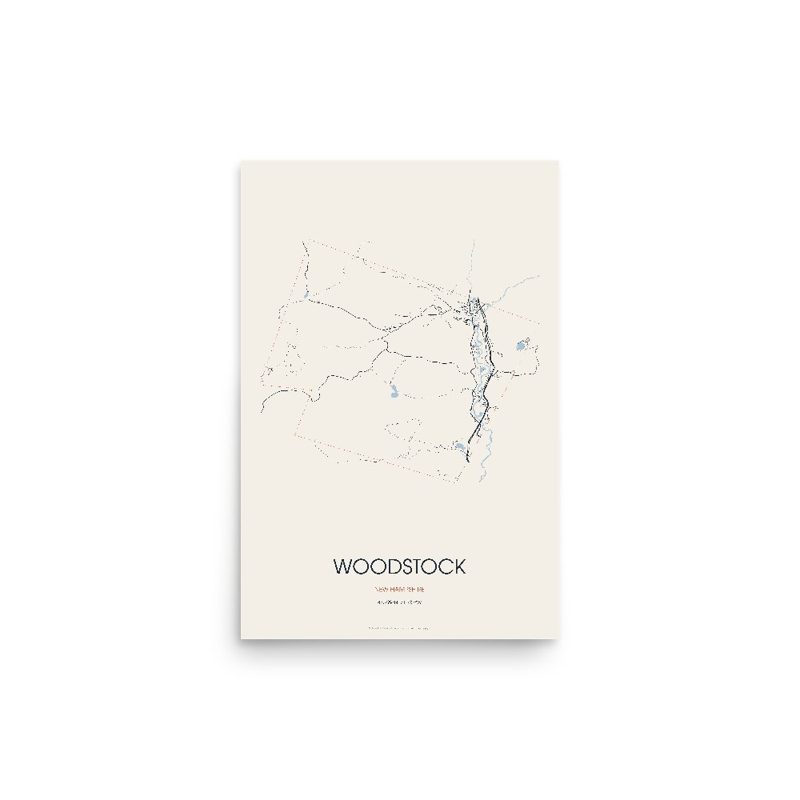
Every road in town, on archival matte paper
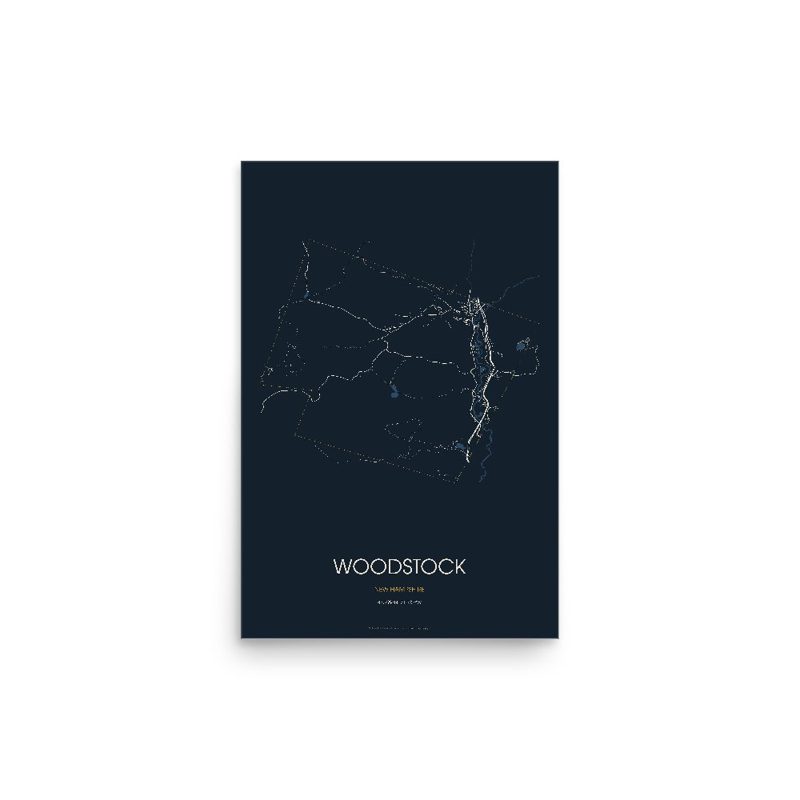
The same map, in navy and silver
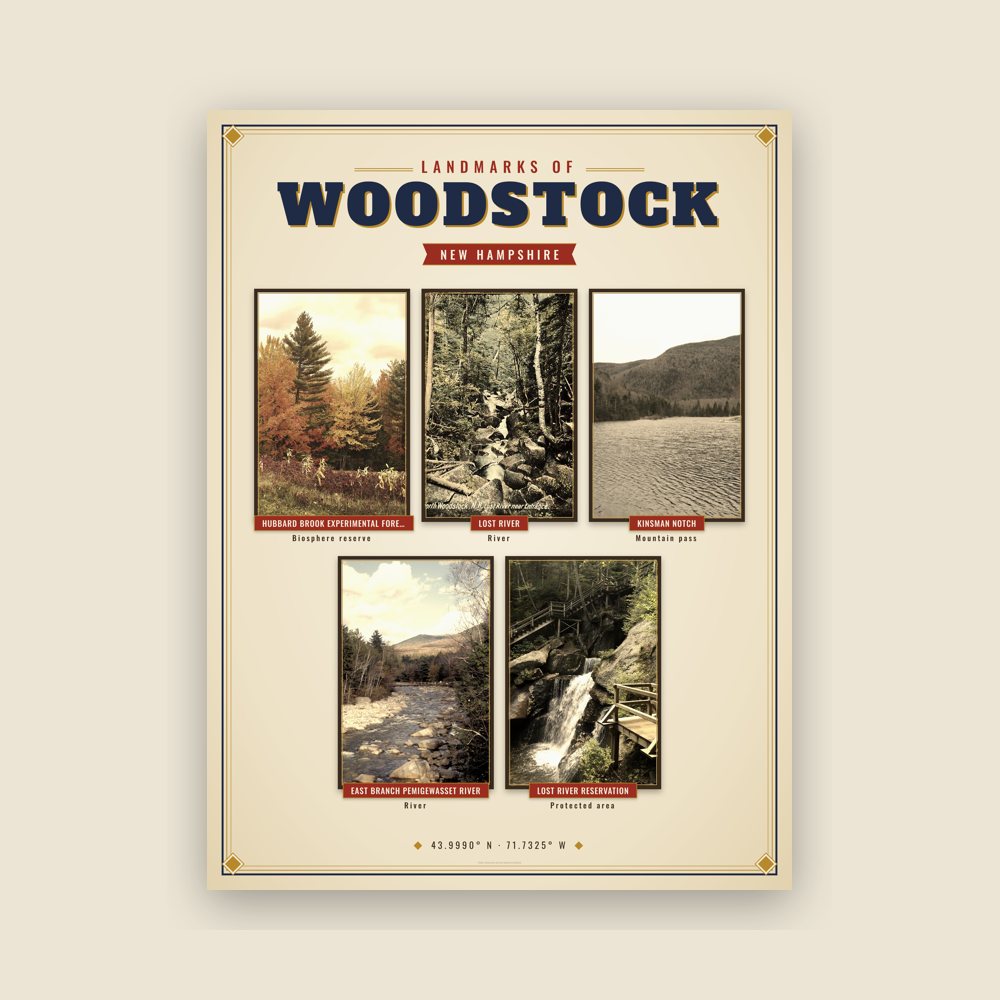
Nine local landmarks, archival matte
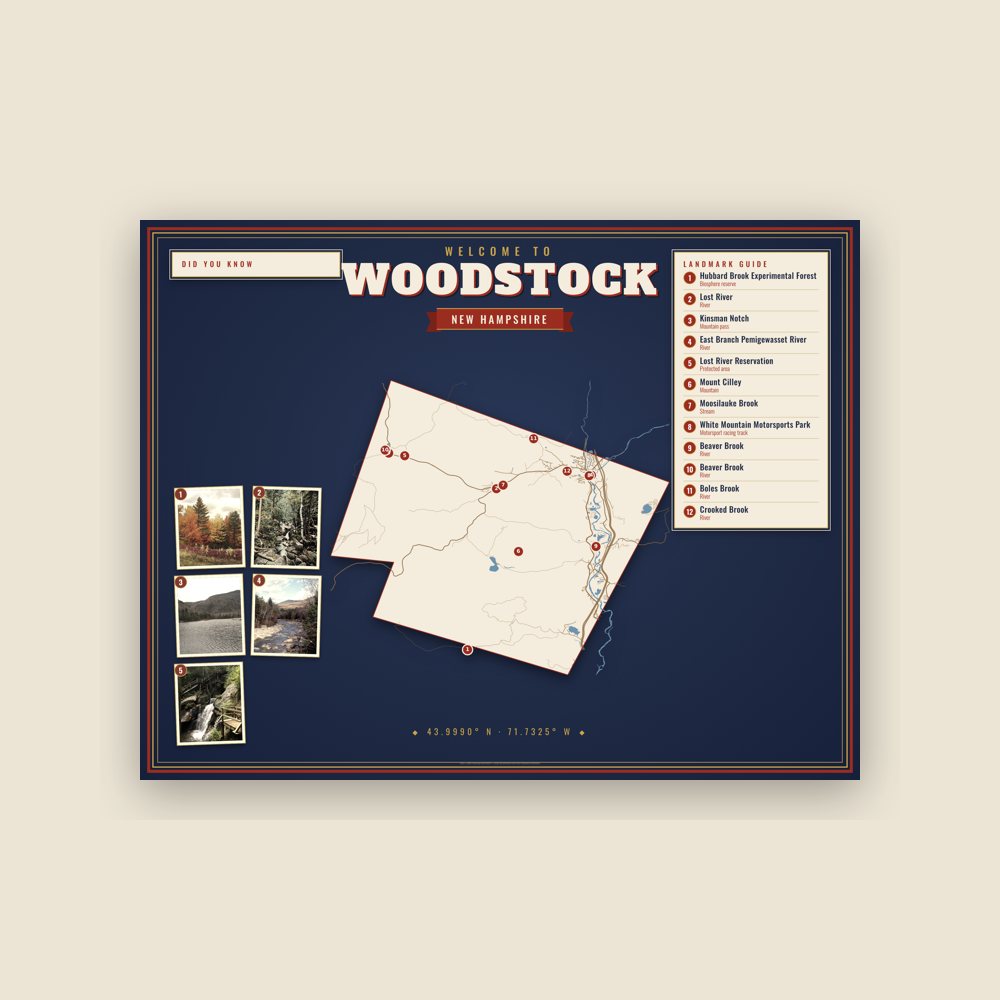
Map of local landmarks, washable fabric
Heavy-blend fleece, street map printed on the back
Soft Bella+Canvas jersey
Glossy ceramic, dishwasher safe
Ceramic keepsake, gold ribbon
Weatherproof, for the front walk
24″×16″, printed coir-look fibers, rubber back
12″×12″ printed wood, ready to hang
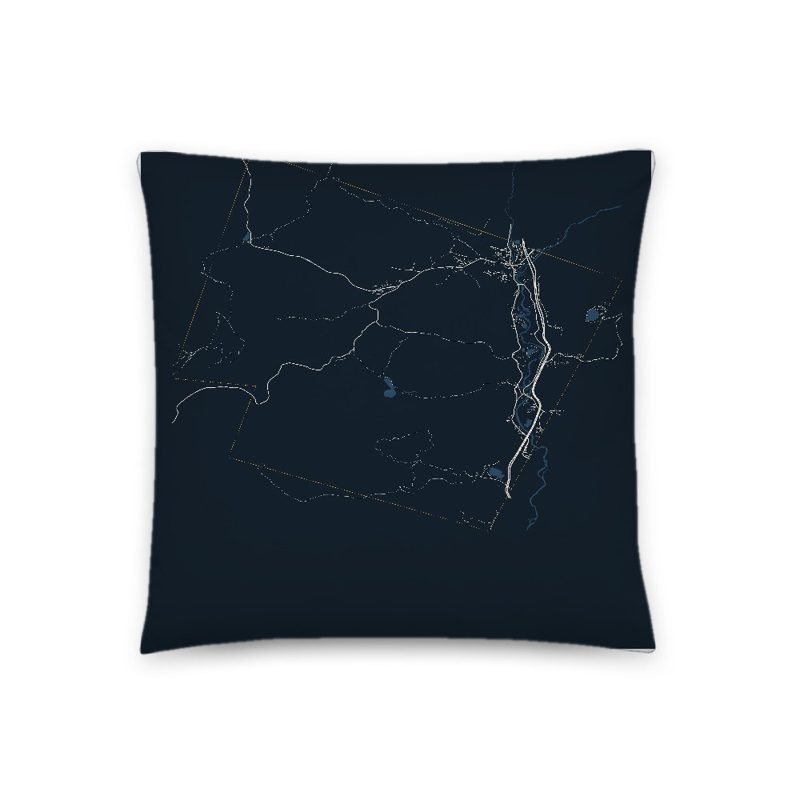
Soft-touch, zip cover
Sturdy all-over-print tote
Glossy top, cork back
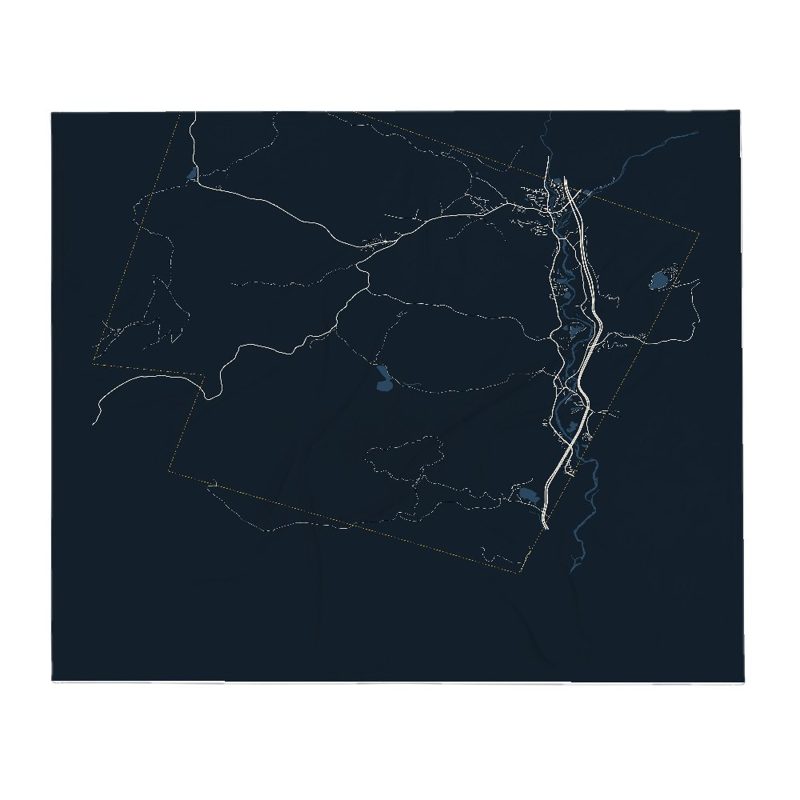
Soft fleece, 50″×60″
20 oz, double-wall stainless
Archival matte print of a local landmark, credited to its photographer
Archival matte print of a local landmark, credited to its photographer
Archival matte print of a local landmark, credited to its photographer
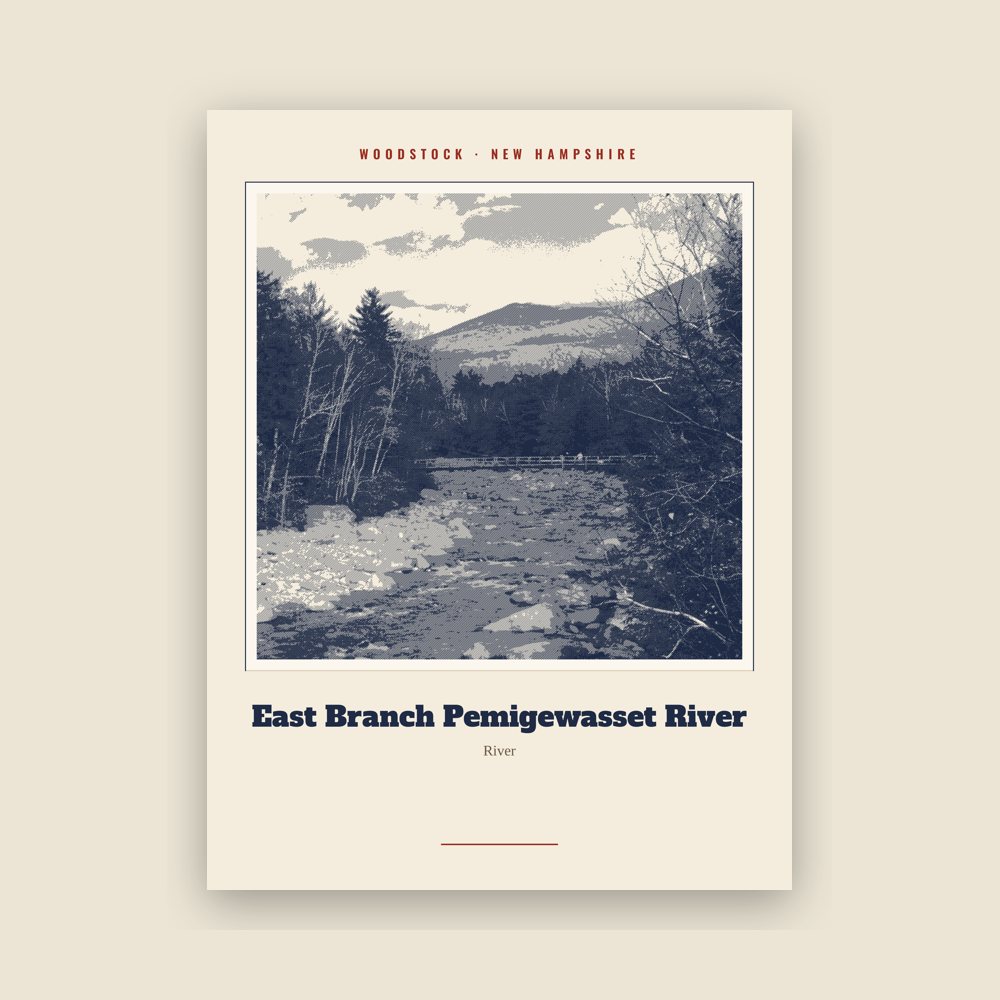
Archival matte print of a local landmark, credited to its photographer
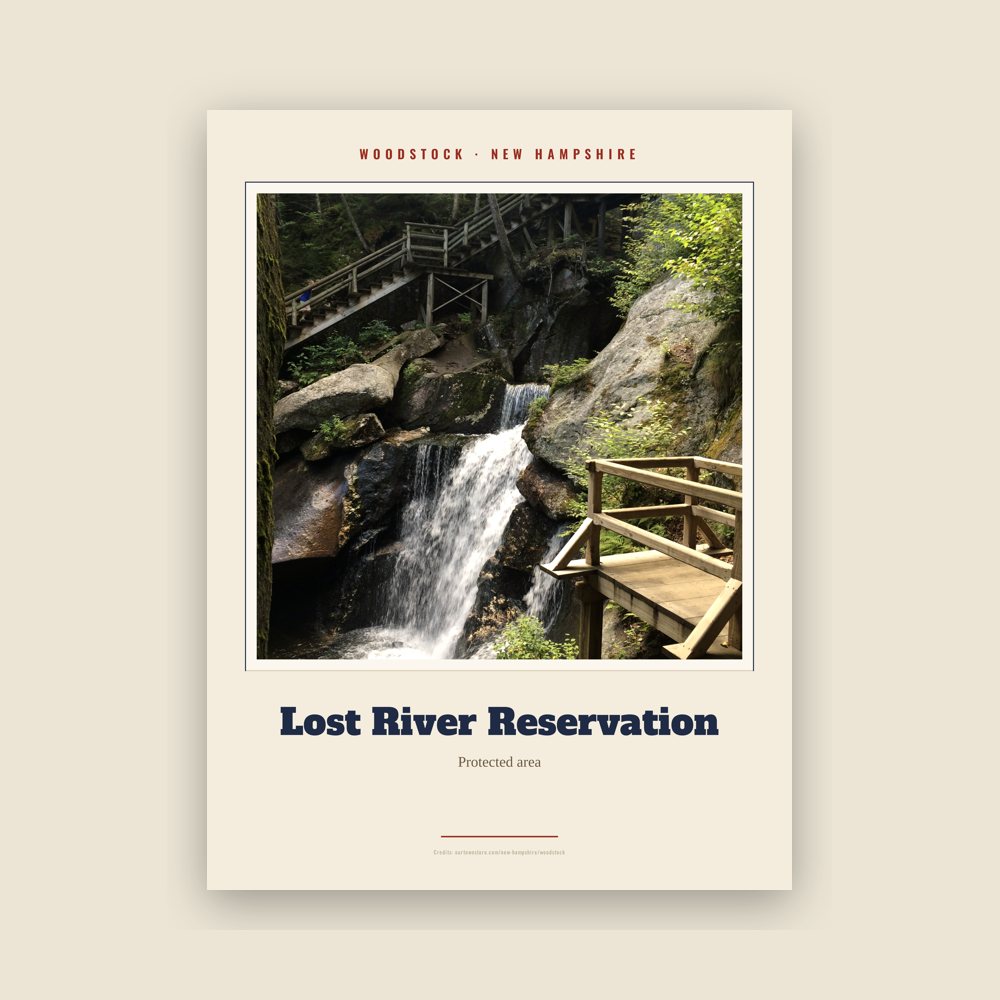
Archival matte print of a local landmark, credited to its photographer
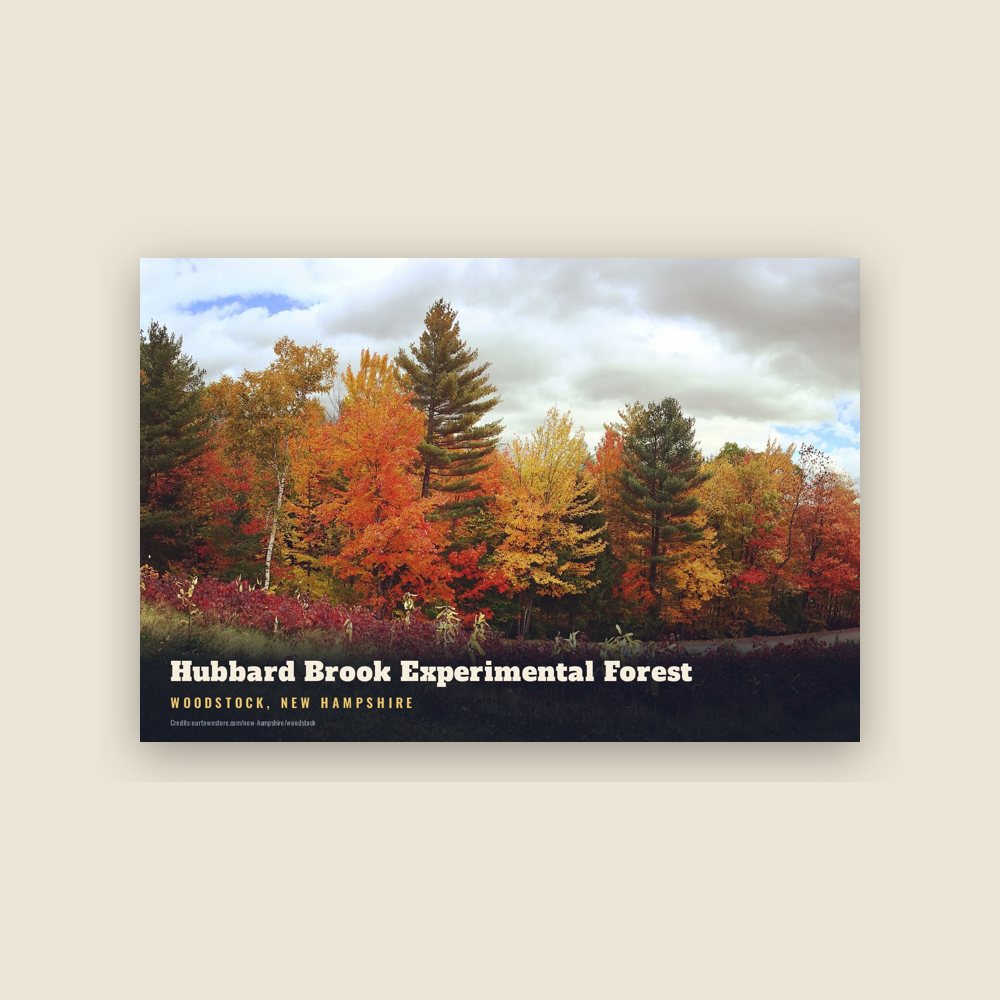
6″×4″ postcard, glossy front
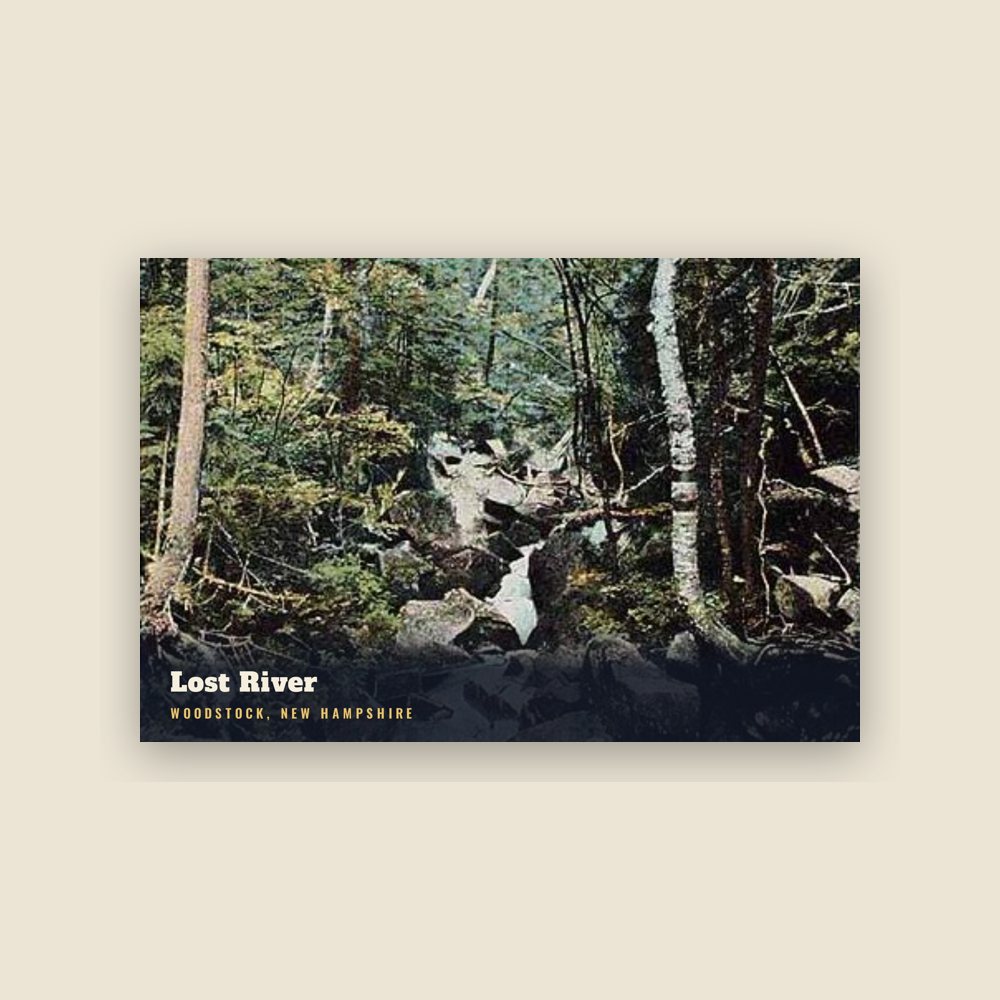
6″×4″ postcard, glossy front
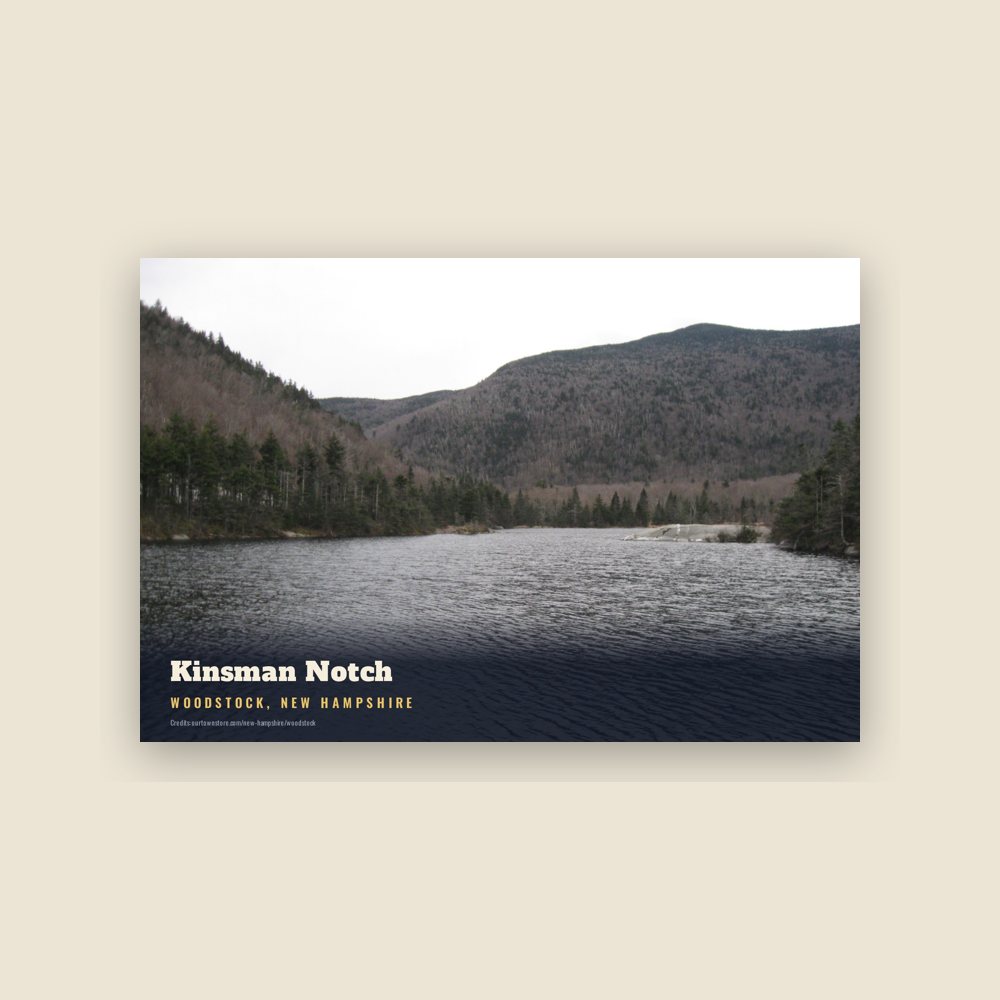
6″×4″ postcard, glossy front
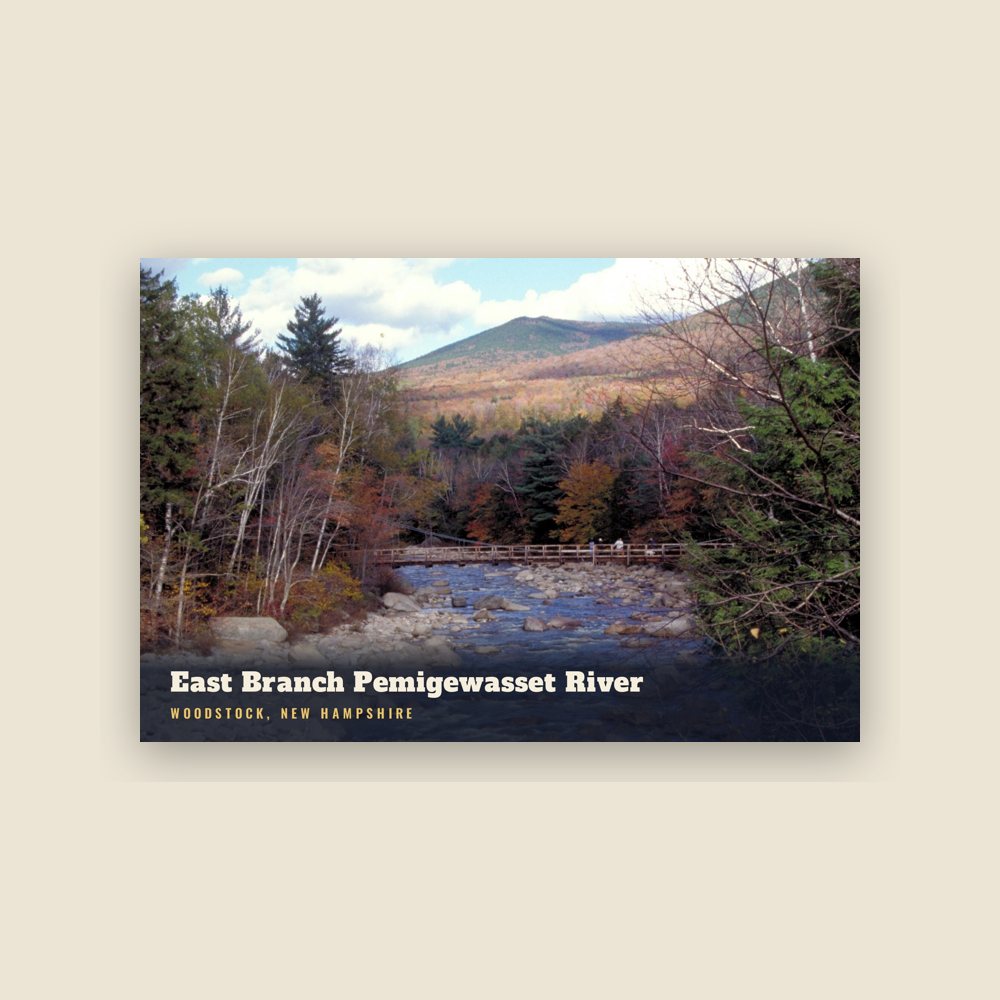
6″×4″ postcard, glossy front
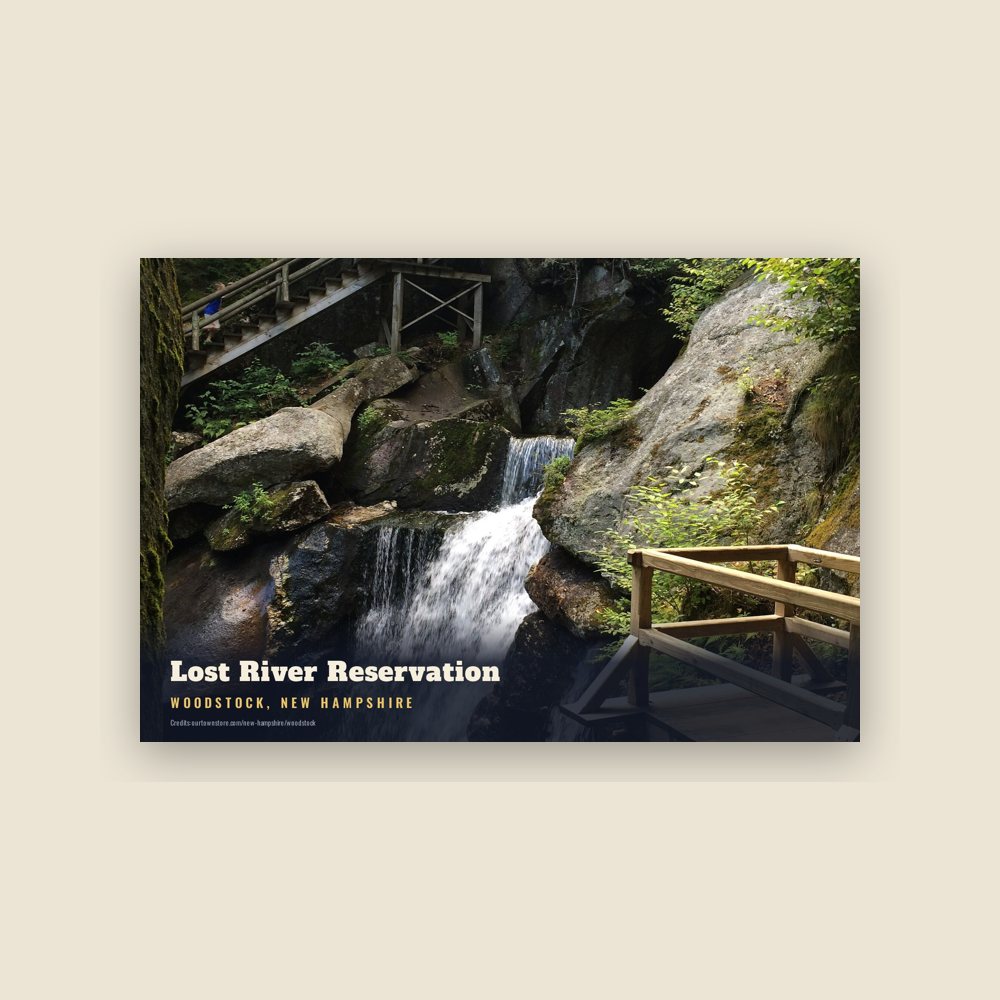
6″×4″ postcard, glossy front
First granted in 1763, colonial Governor Benning Wentworth named the town "Peeling" after an English town. Many of the first colonists were originally from Lebanon, Connecticut. In 1771, his nephew, Governor John Wentworth, gave it the name "Fairfield", after Fairfield, Connecticut. The town was renamed "Woodstock" in 1840 for Blenheim Palace in Woodstock, Oxfordshire, England, possibly due to the popularity of the 1826 Walter Scott novel Woodstock.
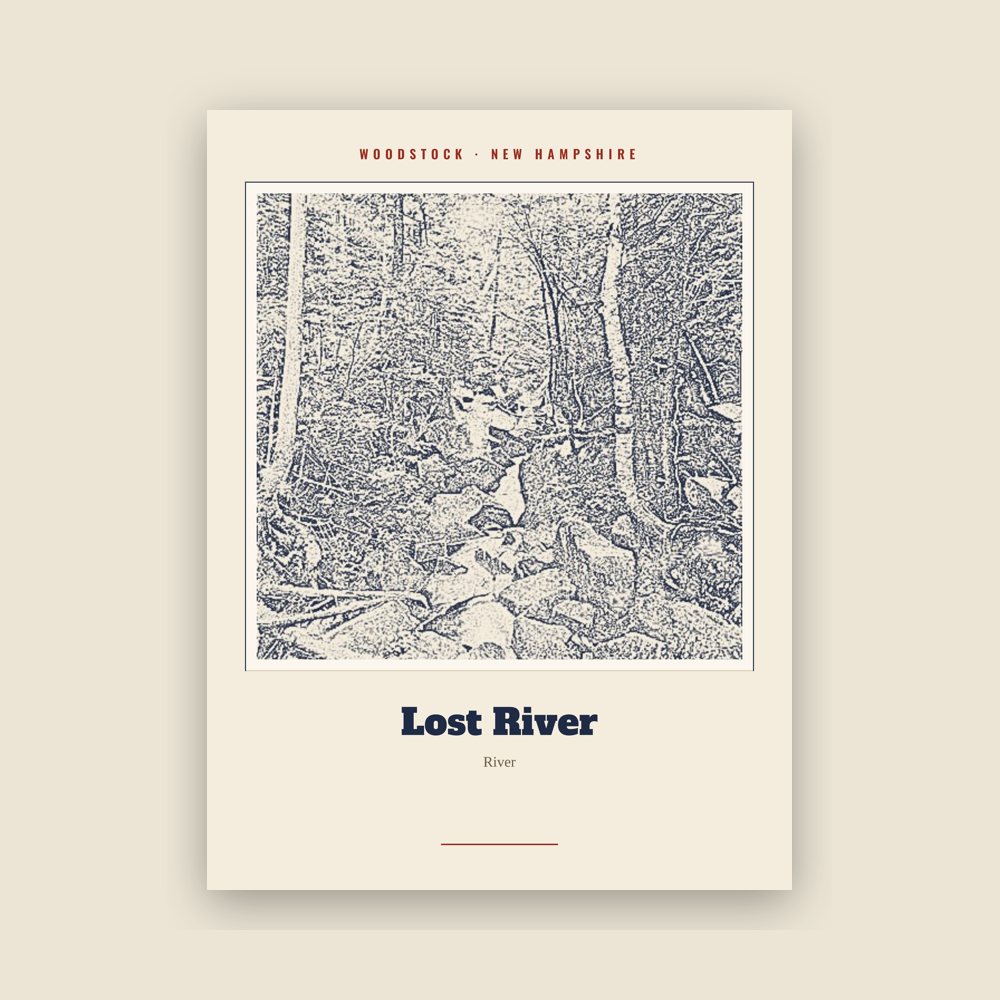
Logging became a principal early industry, with sawmills established using water power from the Pemigewasset River. The entrance of the railroad in the 19th century opened the wilderness to development, carrying away wood products to market. It also brought tourists, many attracted by paintings of the region by White Mountain artists. Several inns and hotels were built to accommodate the wealthy, who sought relief from the summer heat, humidity and pollution of coal-age Boston, Hartford, New York and Philadelphia. They often relaxed by taking carriage rides through the White Mountains, or by exploring along the Lost River in the Lost River Reservation. But with the advent of automobiles, patrons were no longer restricted by the limits of rail service. Consequently, many grand hotels established near depots declined and closed. North Woodstock, however, remains a popular tourist destination.
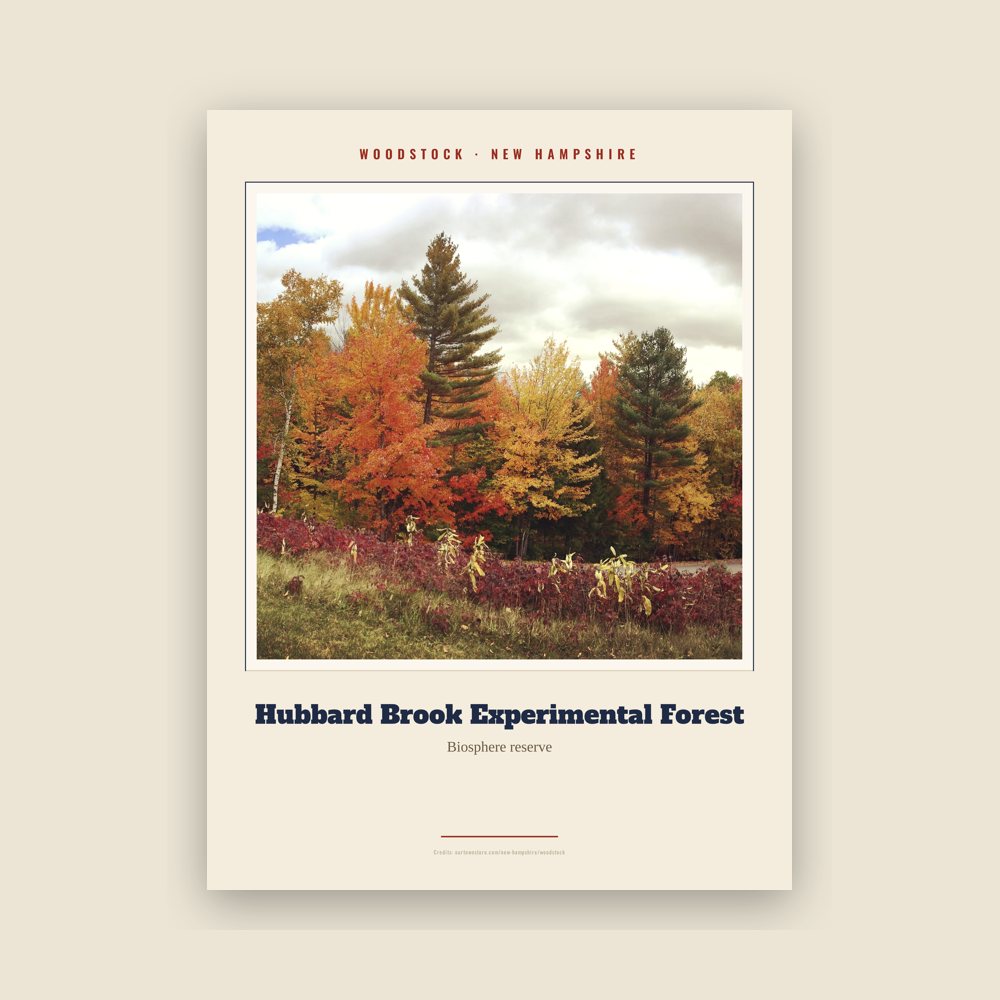
The Hubbard Brook Experimental Forest, an outdoor laboratory for ecological studies founded by the United States Forest Service in 1955, is located in the southern part of town.
Adapted (trimmed) from the Wikipedia article Woodstock, New Hampshire, revision 1379649965 by its contributors, licensed CC BY-SA 4.0.
We share a part of every Woodstock sale with local partners, and we'd love to print from your collection. Old photographs, maps and postcards make the best keepsakes.
Partner with us