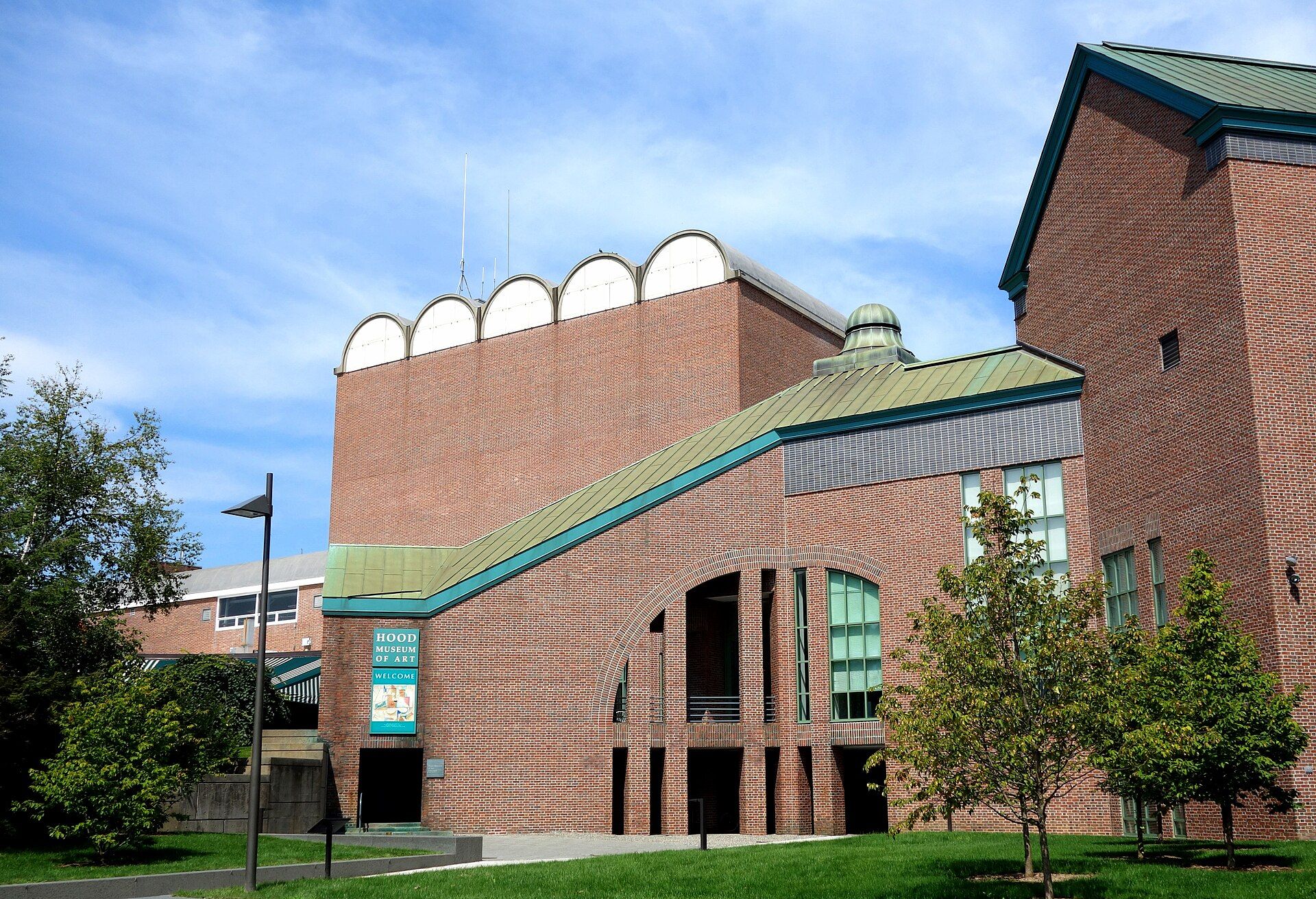
Army Corps of Engineers Cold Regions Research and Engineering Laboratory, and Hanover High School. Landmarks include Hood Museum of Art, Baker-Berry Library and Shattuck Observatory. Hanover is the birthplace of Victor Ambros, developmental biologist.
Every piece is drawn from Hanover's own map data and historic archives, then printed and shipped from the USA when you order. No two towns look alike.
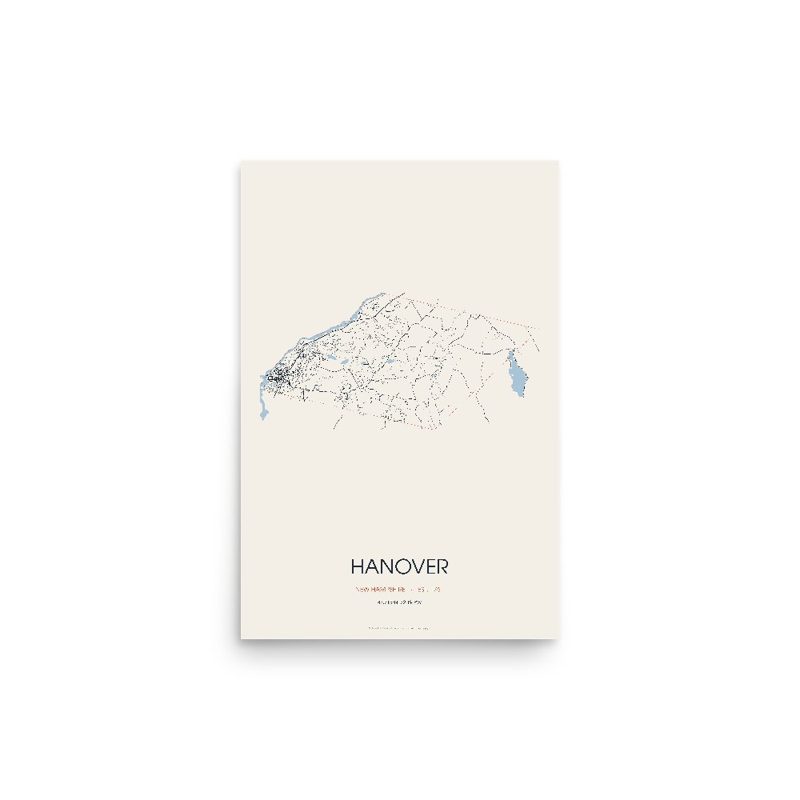
Every road in town, on archival matte paper
The same map, in navy and silver
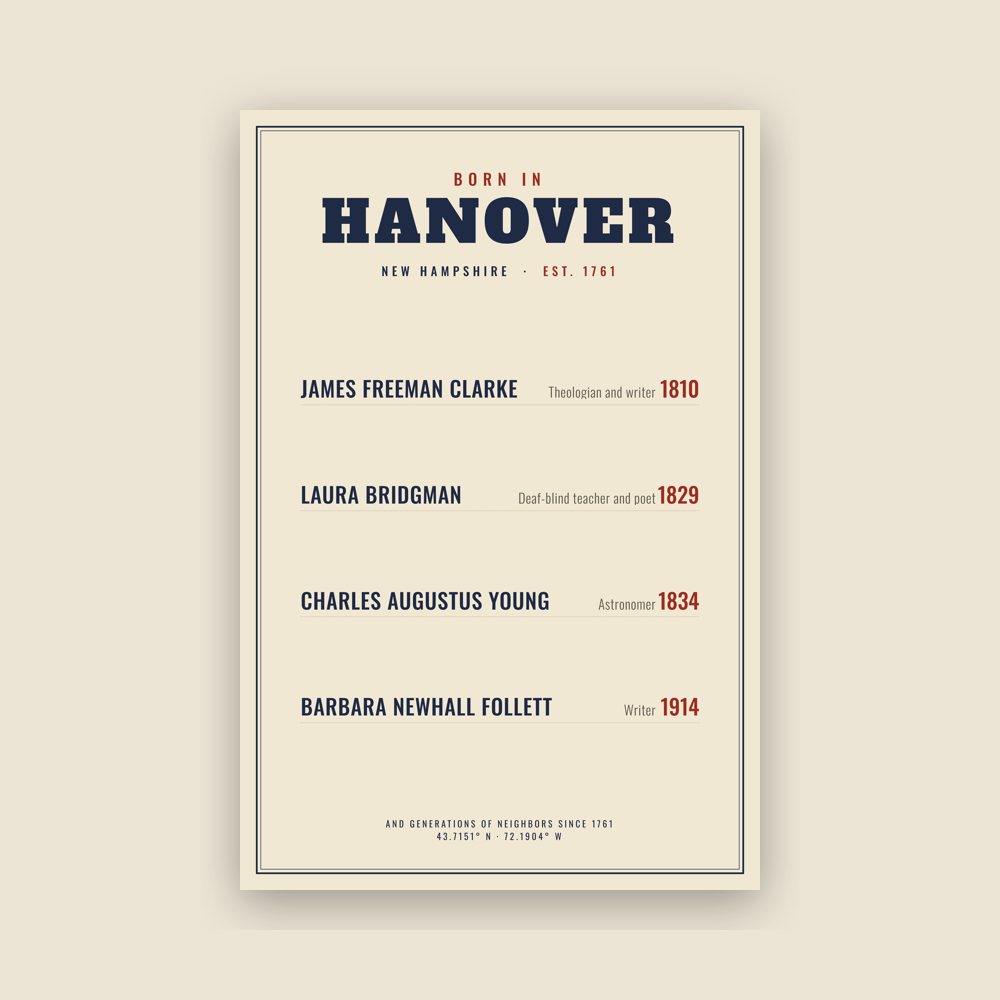
Famous natives, by birth year
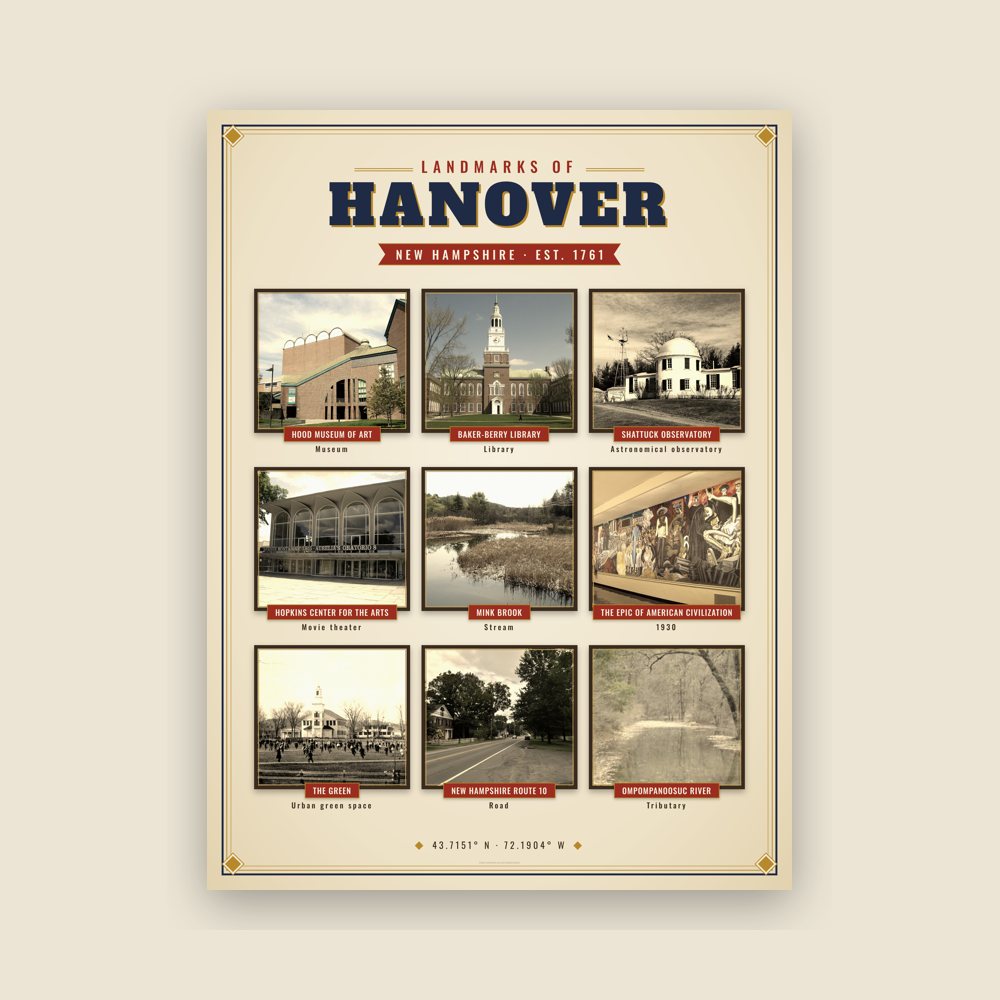
Nine local landmarks, archival matte
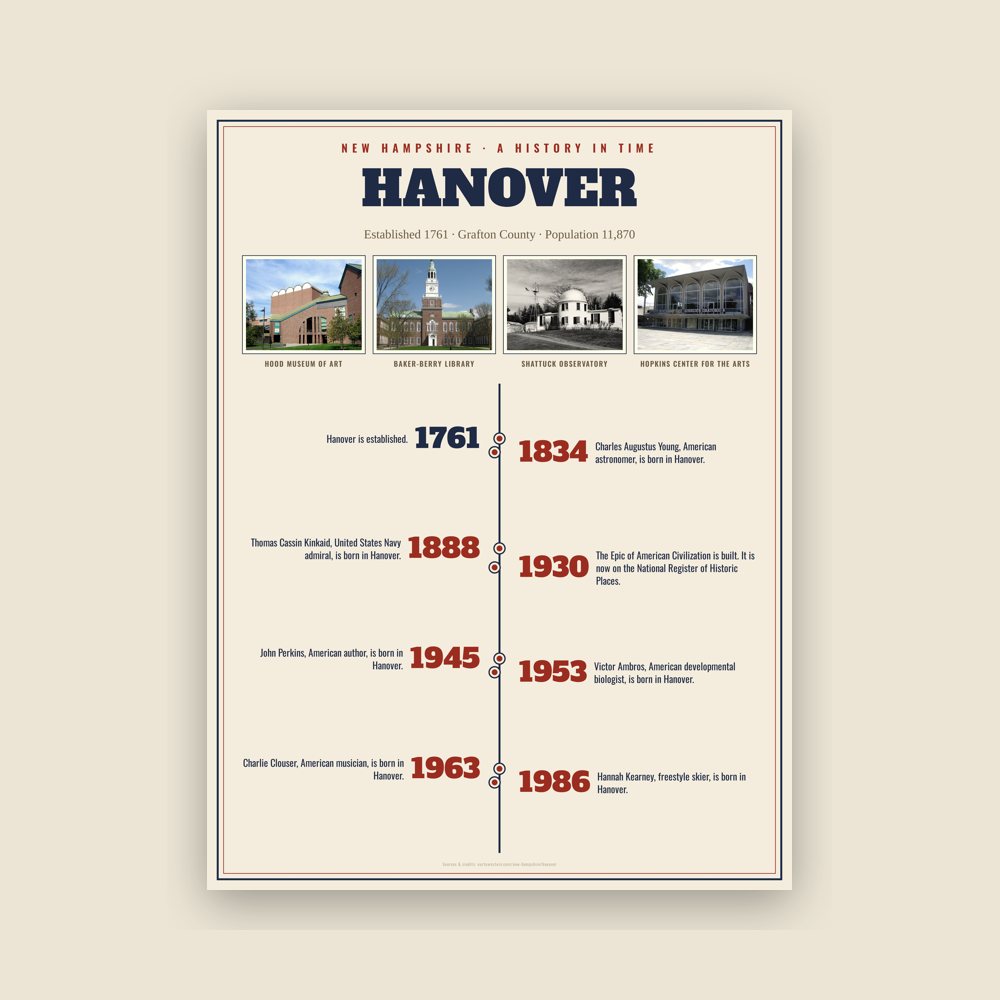
The town's story in dates, from its own records, for home or classroom
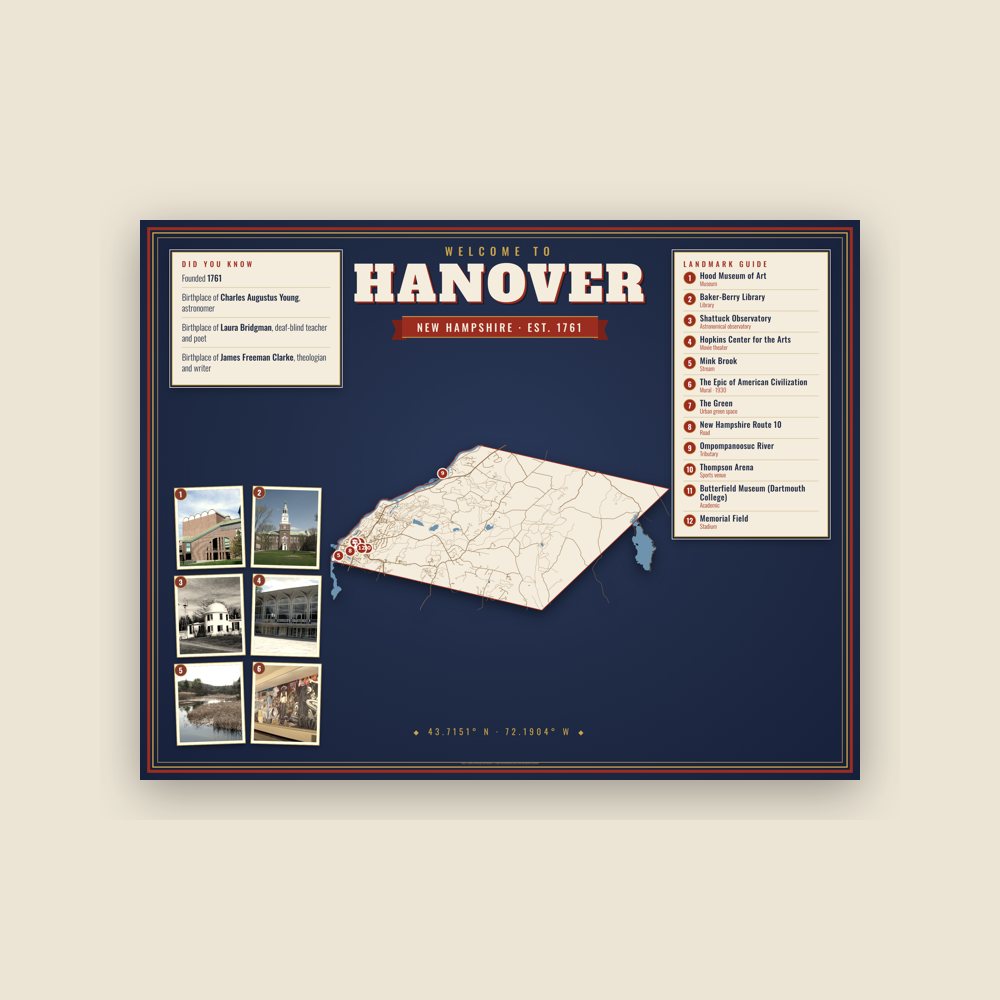
Map of local landmarks, washable fabric
Heavy-blend fleece, street map printed on the back
Soft Bella+Canvas jersey
Glossy ceramic, dishwasher safe
Ceramic keepsake, gold ribbon
Weatherproof, for the front walk
24″×16″, printed coir-look fibers, rubber back
12″×12″ printed wood, ready to hang
Soft-touch, zip cover
Sturdy all-over-print tote
Glossy top, cork back
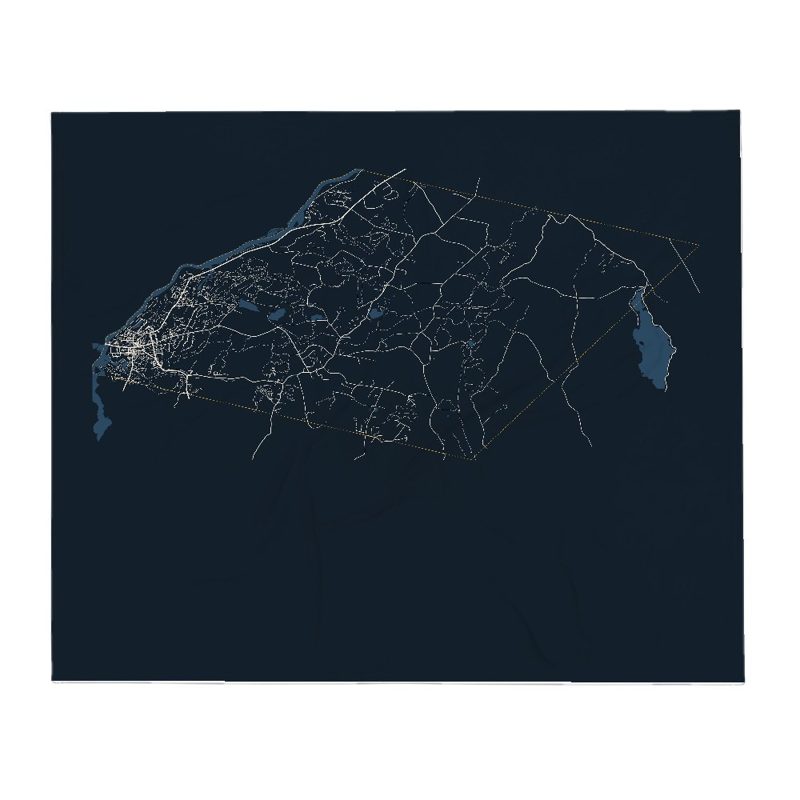
Soft fleece, 50″×60″
20 oz, double-wall stainless
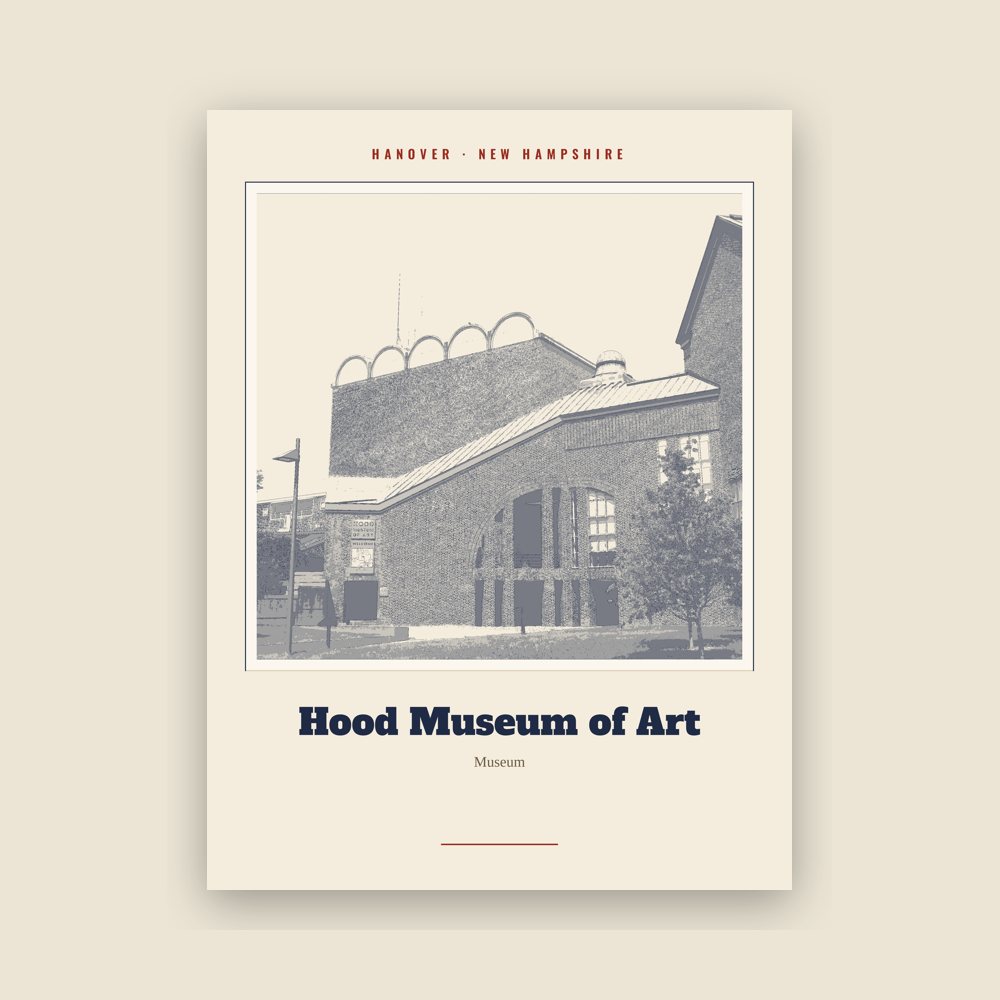
Archival matte print of a local landmark, credited to its photographer

Archival matte print of a local landmark, credited to its photographer
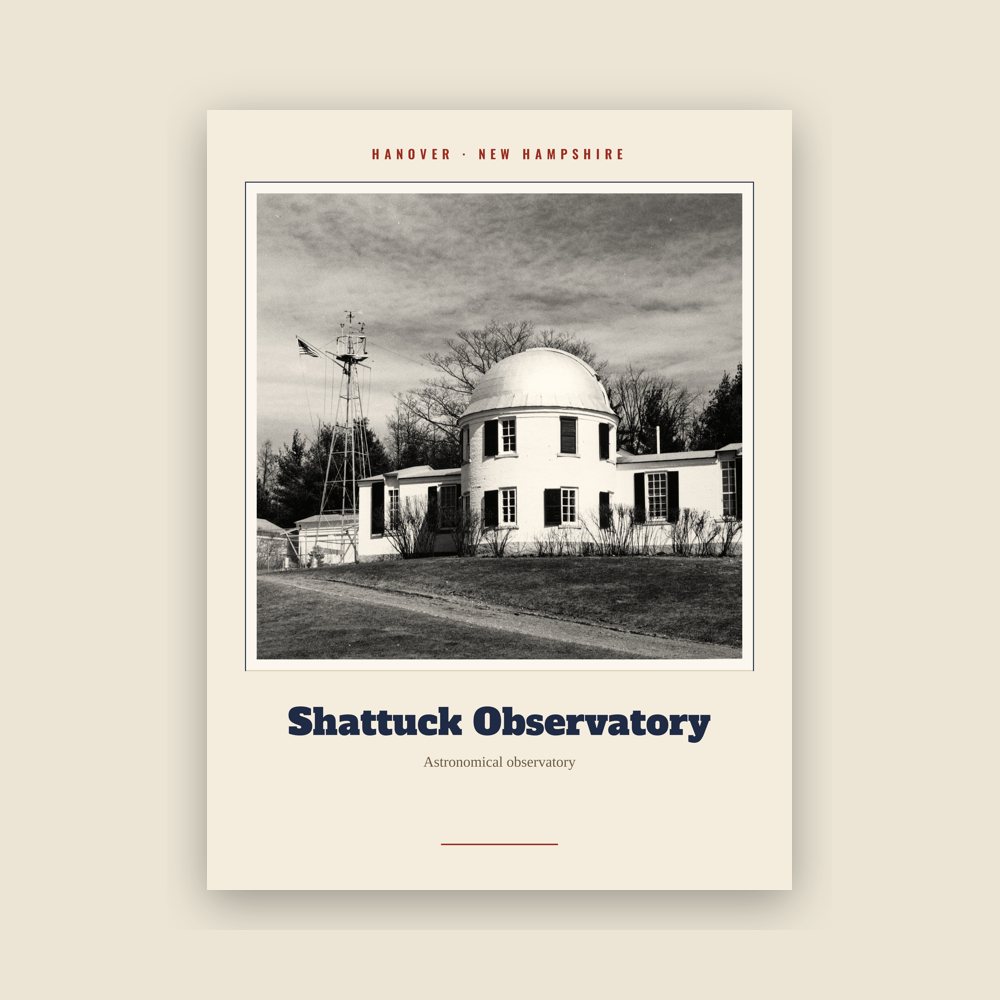
Archival matte print of a local landmark, credited to its photographer
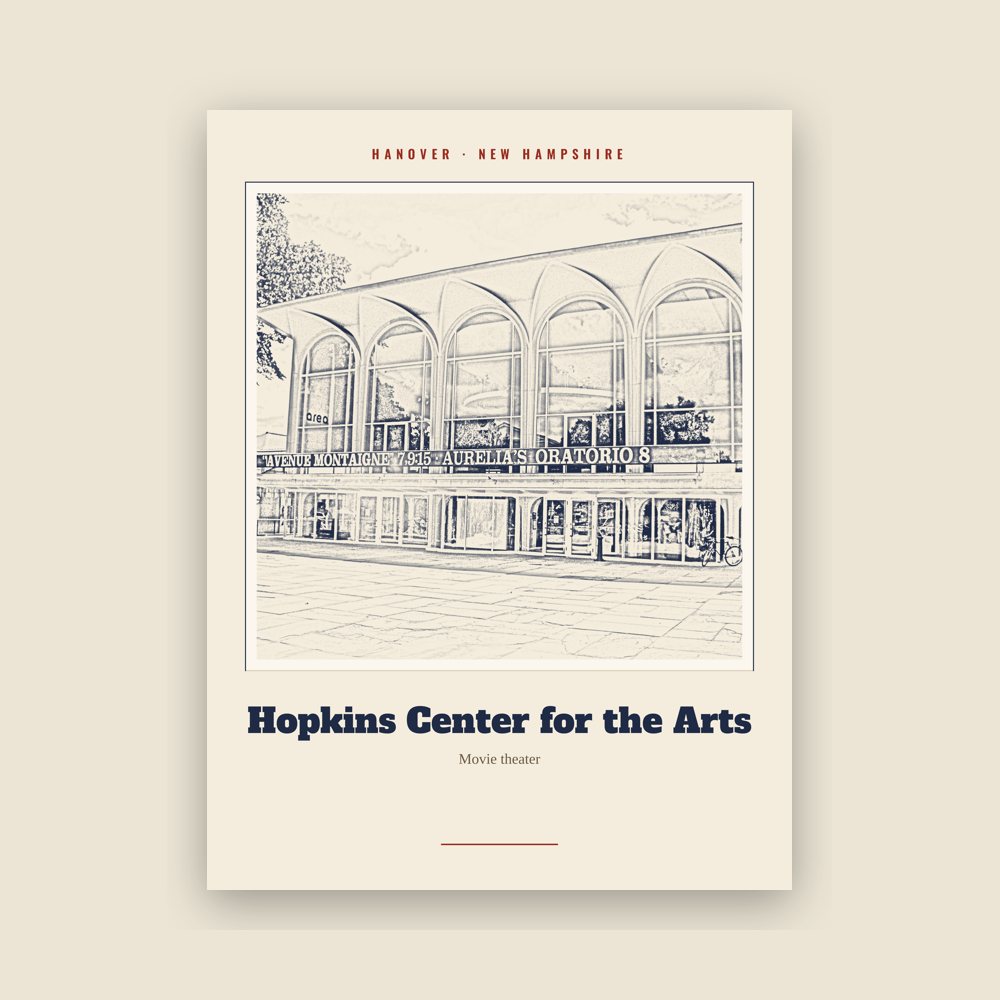
Archival matte print of a local landmark, credited to its photographer
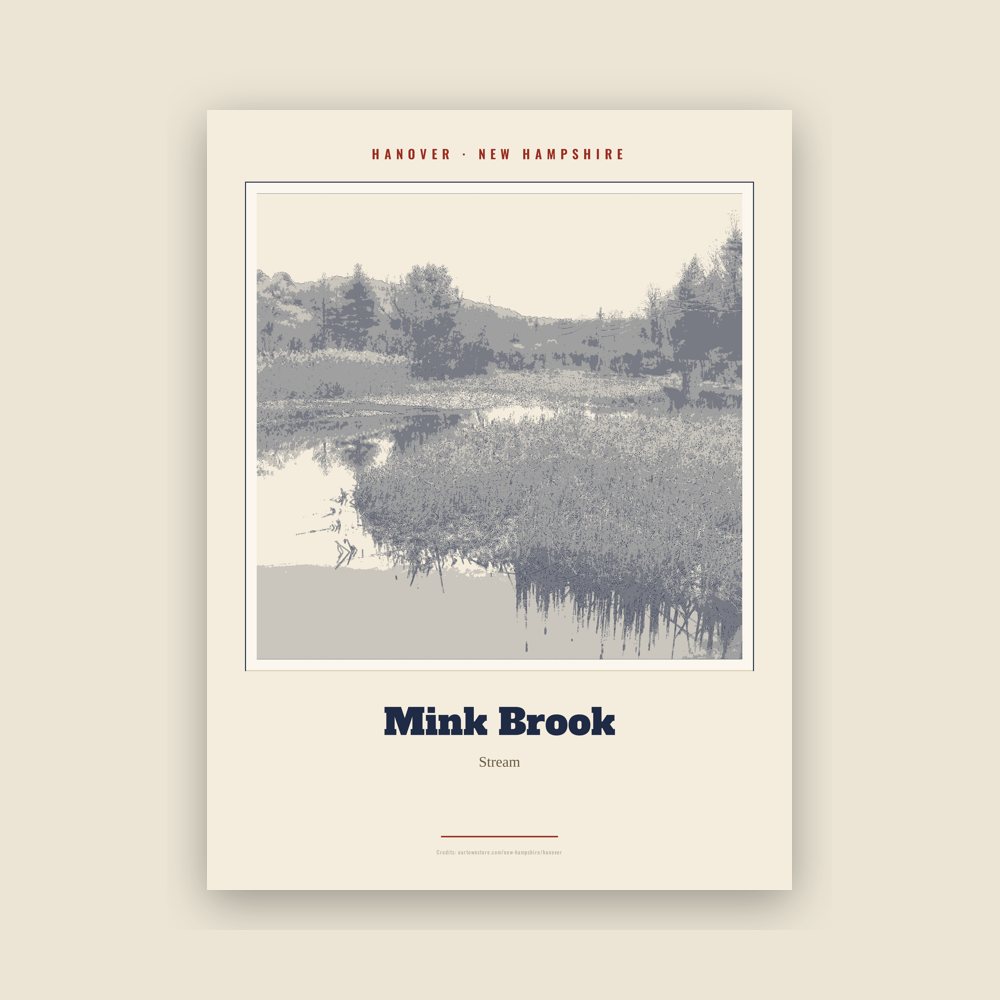
Archival matte print of a local landmark, credited to its photographer
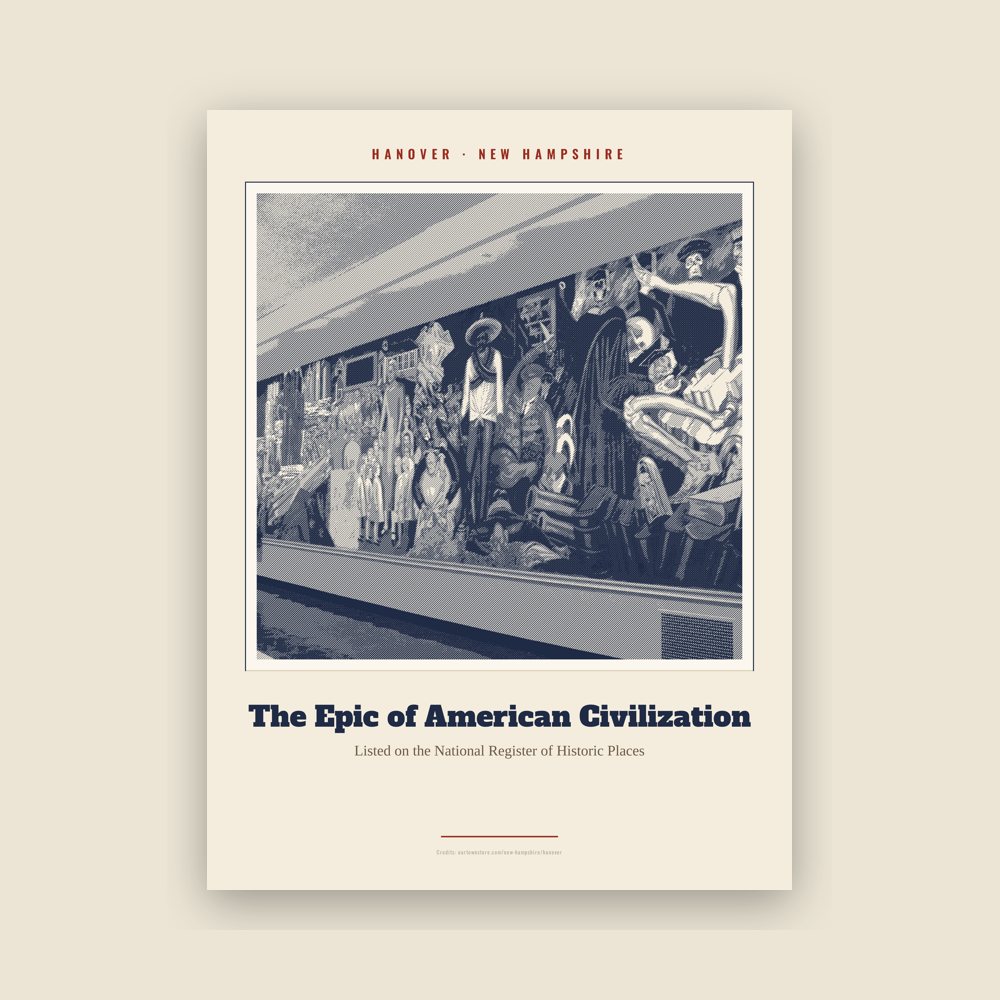
Archival matte print of a local landmark, credited to its photographer
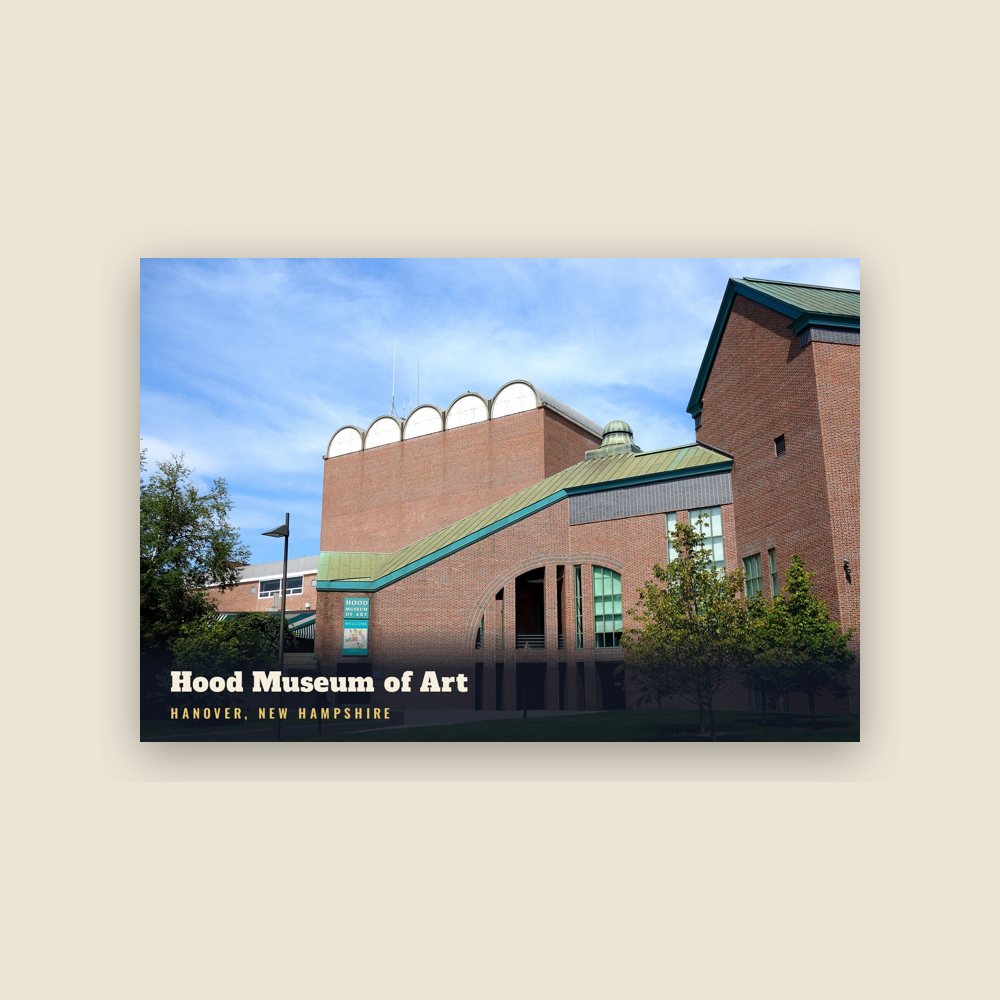
6″×4″ postcard, glossy front
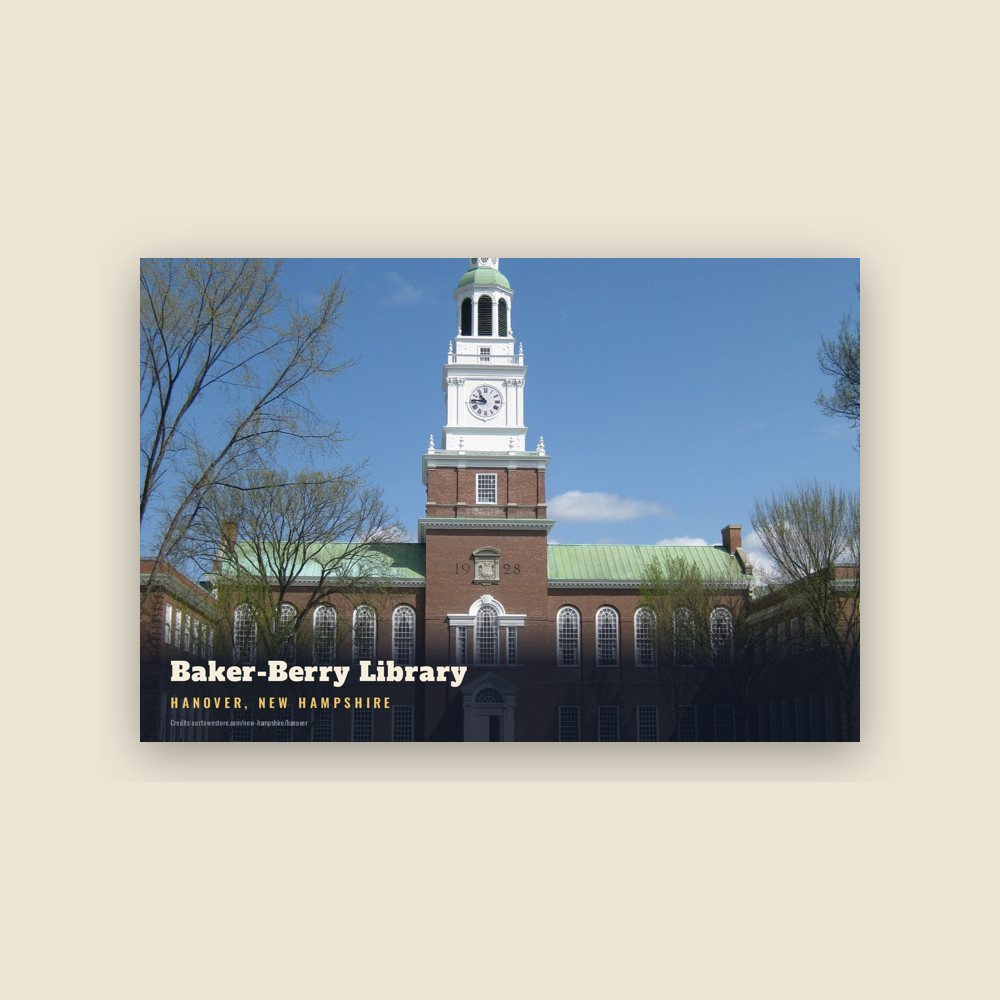
6″×4″ postcard, glossy front
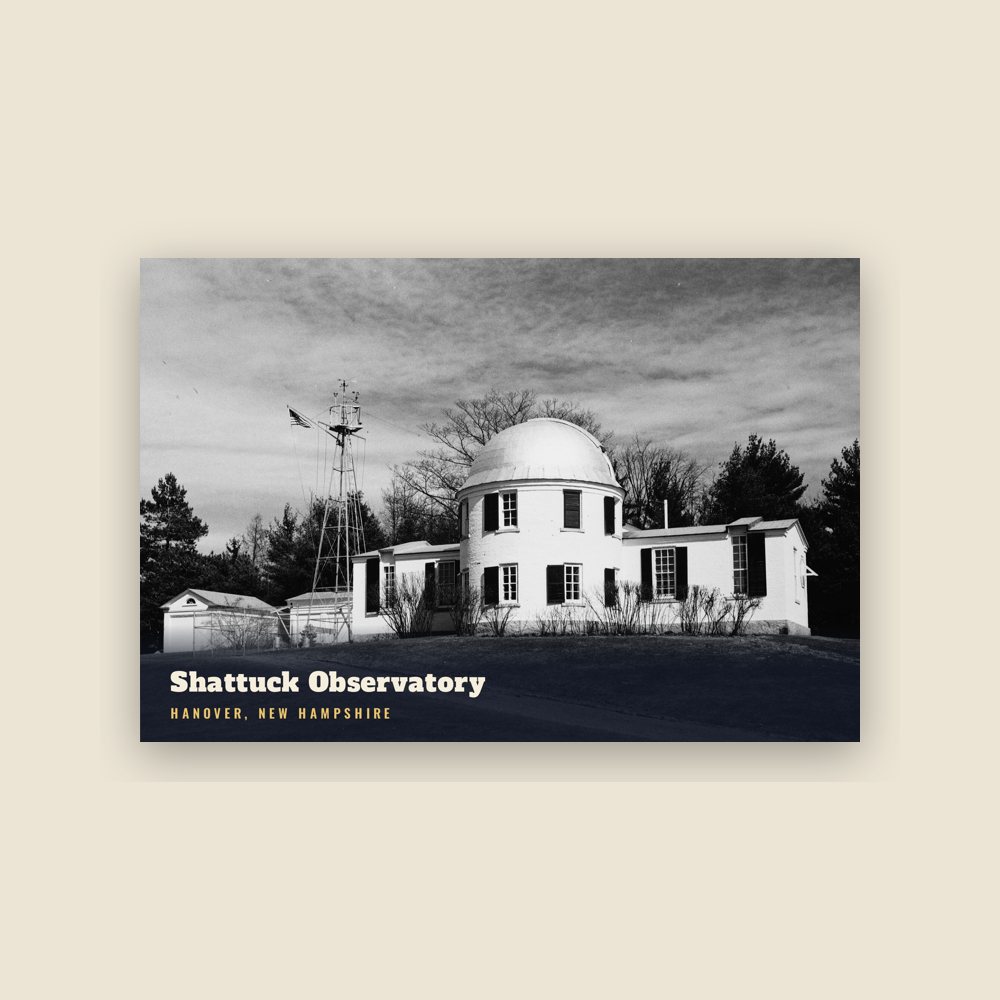
6″×4″ postcard, glossy front
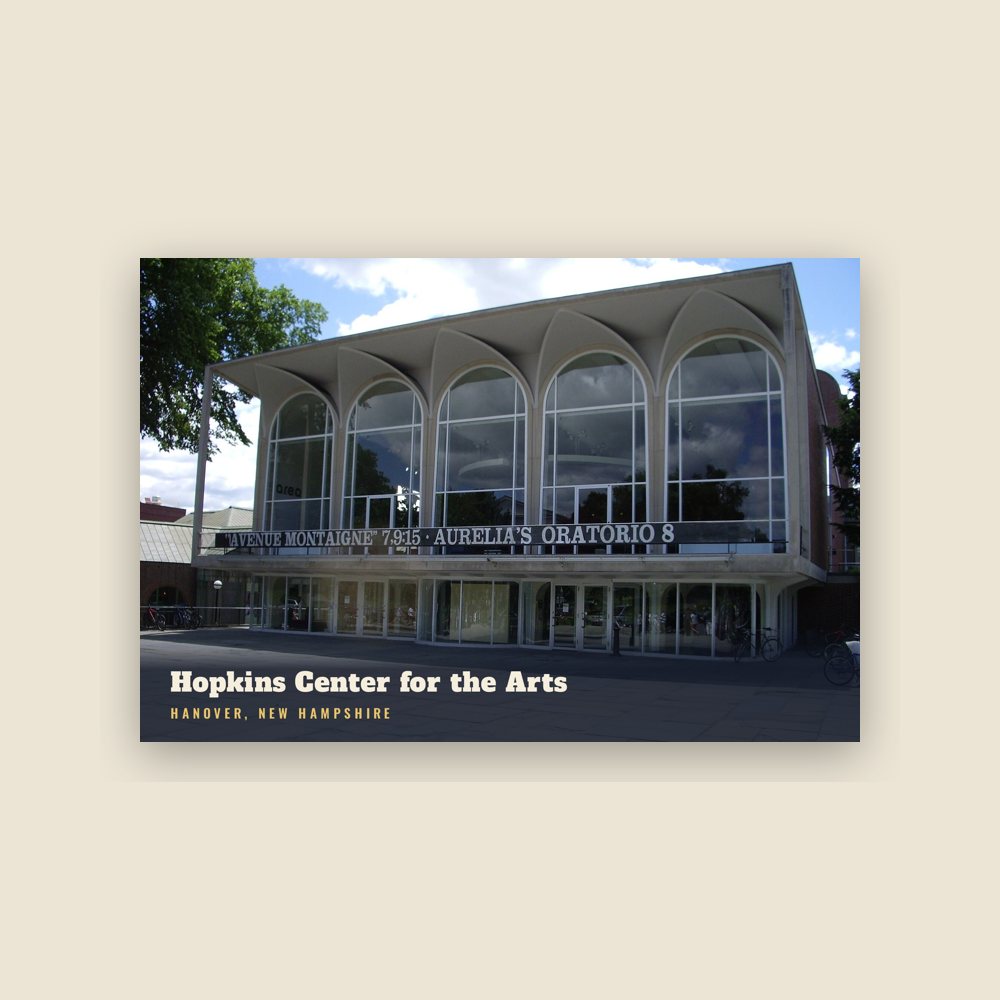
6″×4″ postcard, glossy front
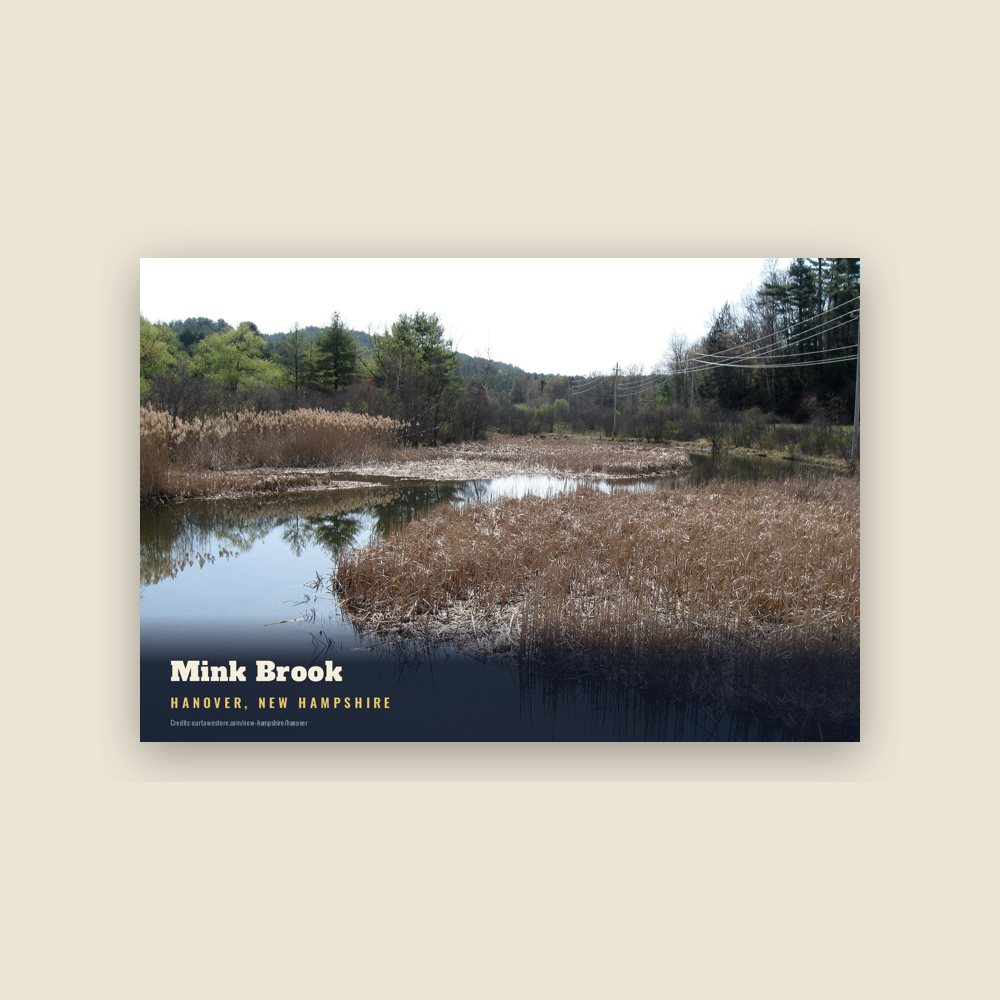
6″×4″ postcard, glossy front

6″×4″ postcard, glossy front
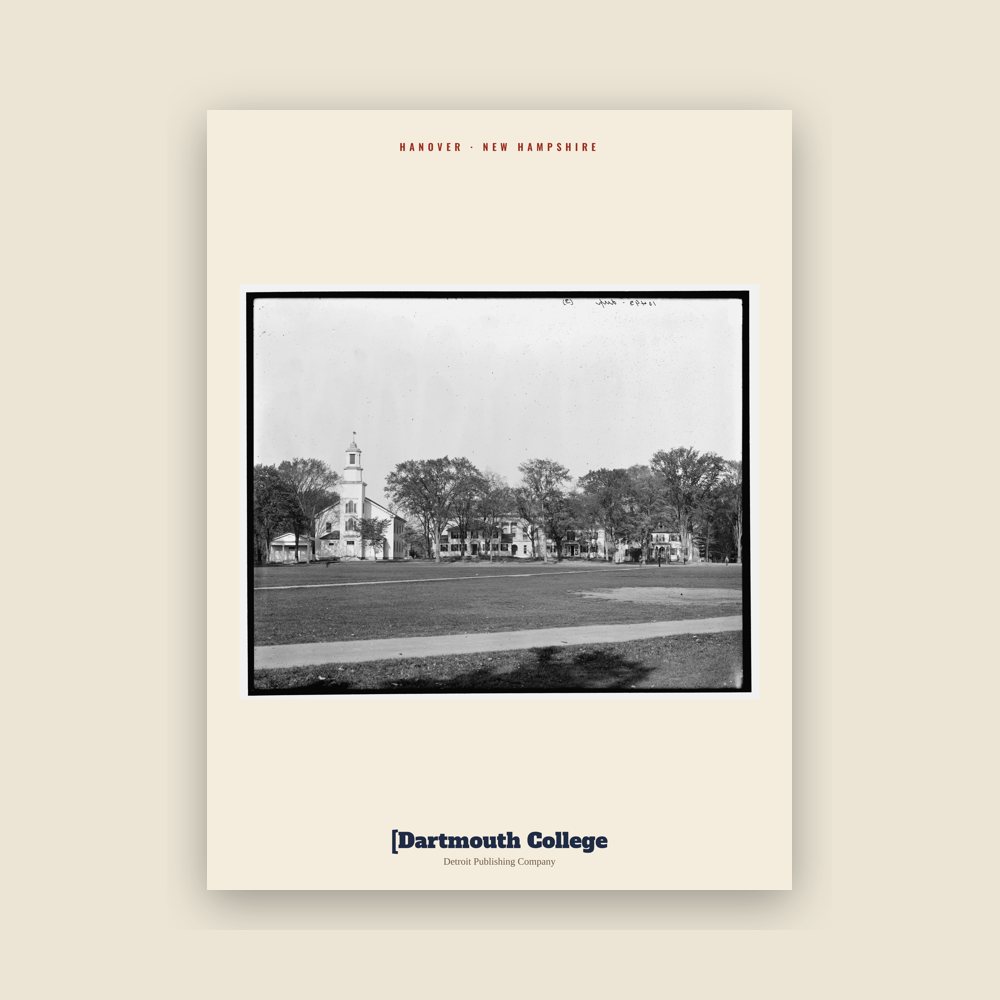
From the Library of Congress collections: a historic survey drawing or photograph of the town
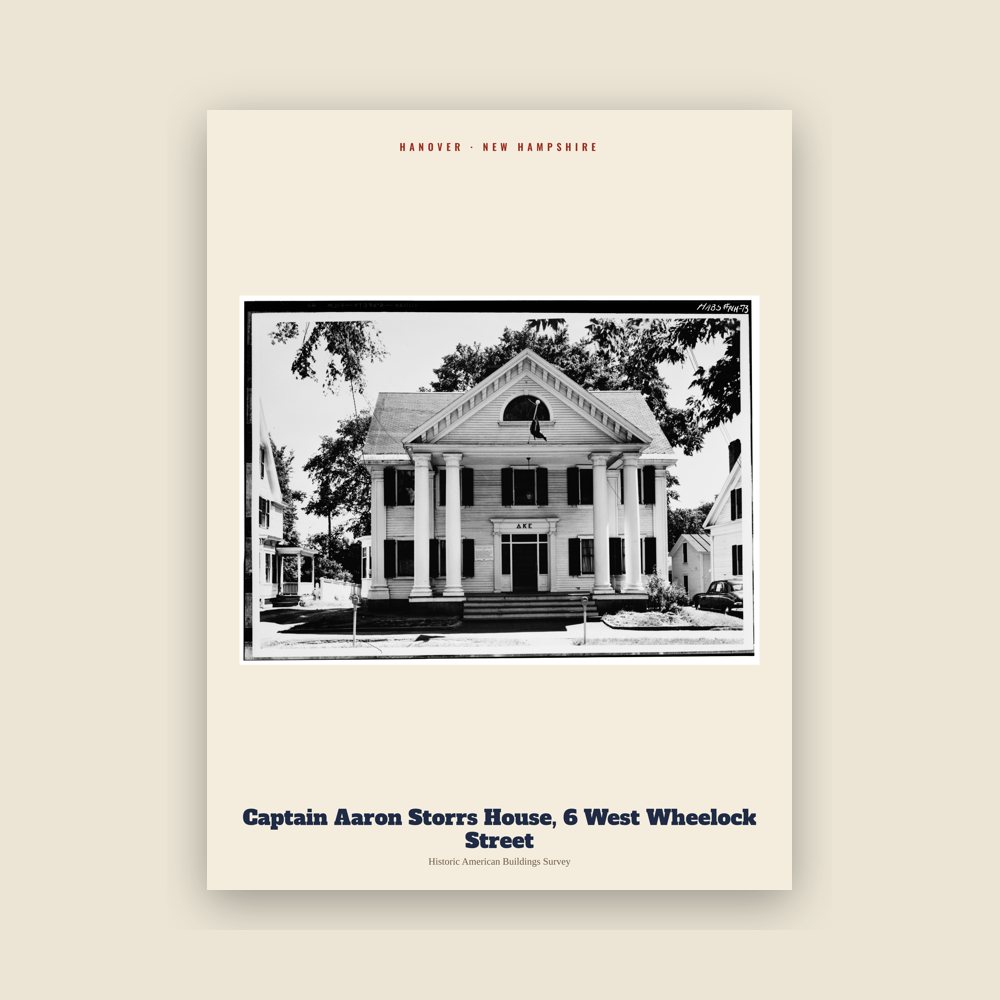
From the Library of Congress collections: a historic survey drawing or photograph of the town
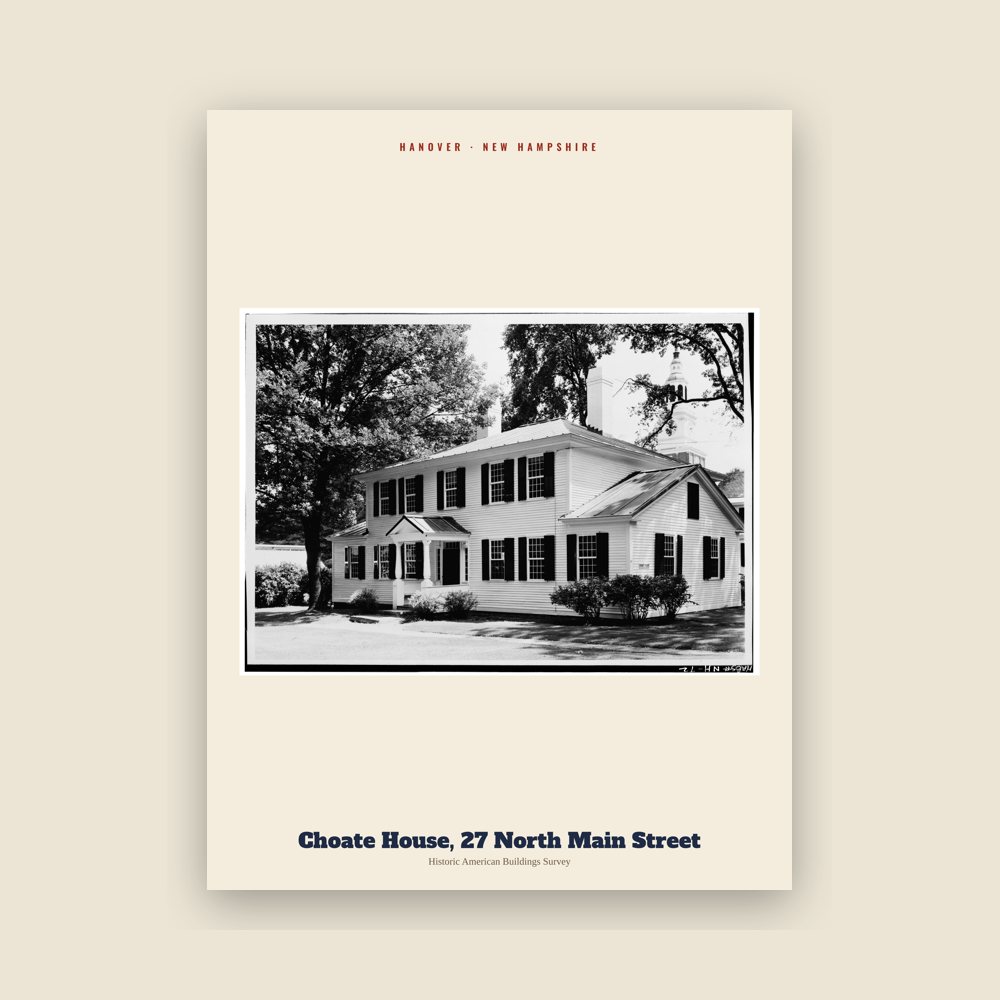
From the Library of Congress collections: a historic survey drawing or photograph of the town
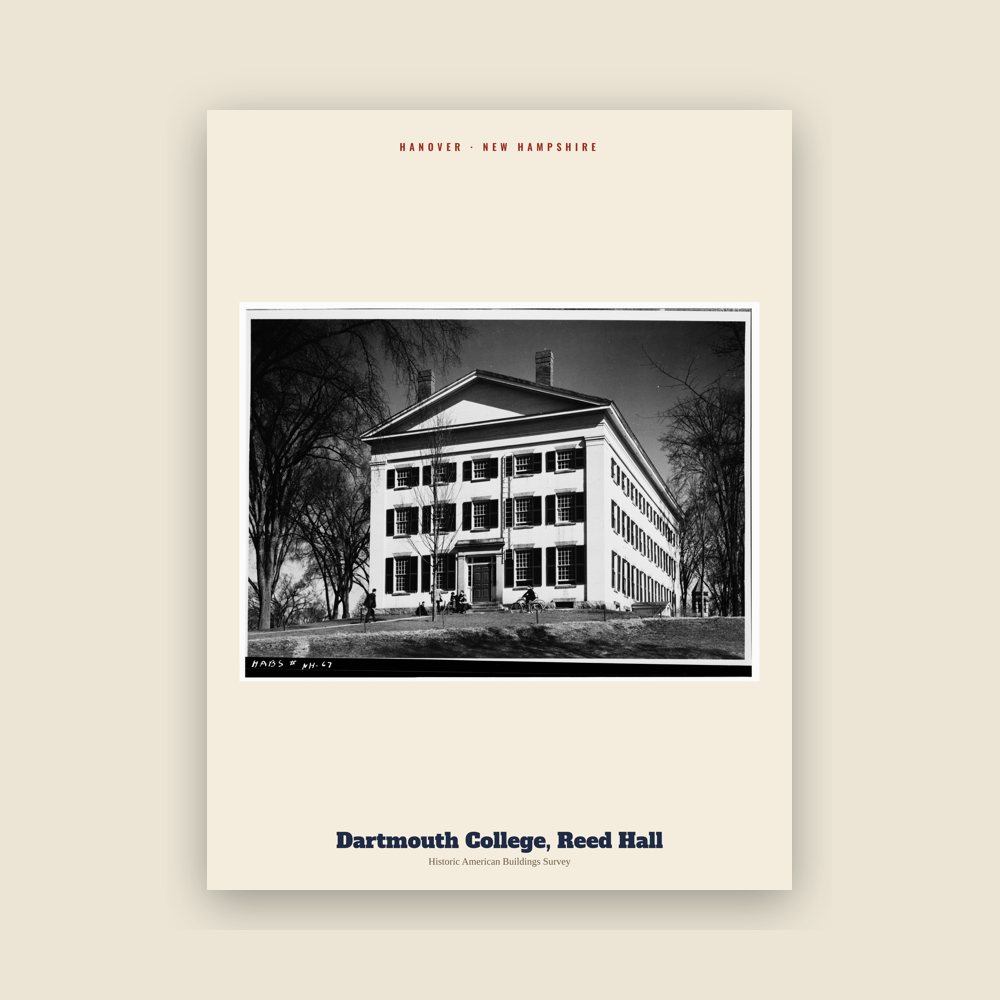
From the Library of Congress collections: a historic survey drawing or photograph of the town
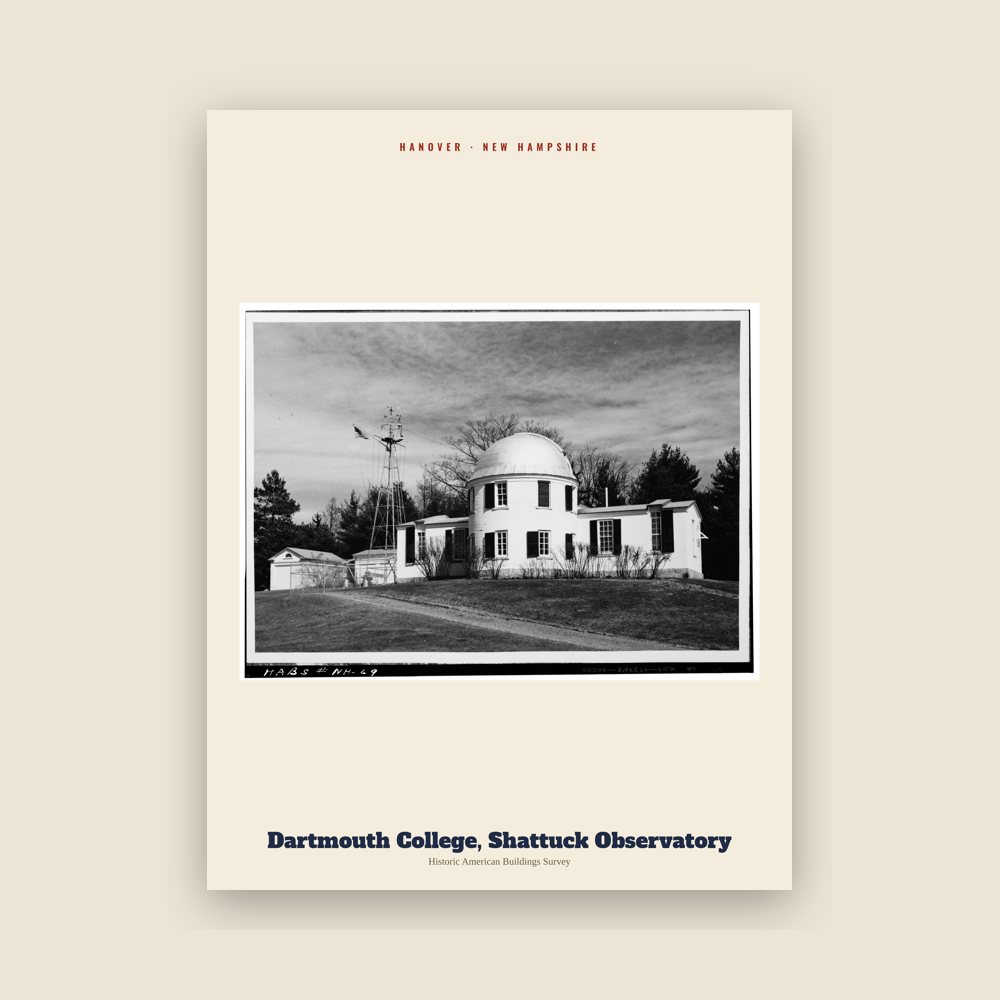
From the Library of Congress collections: a historic survey drawing or photograph of the town
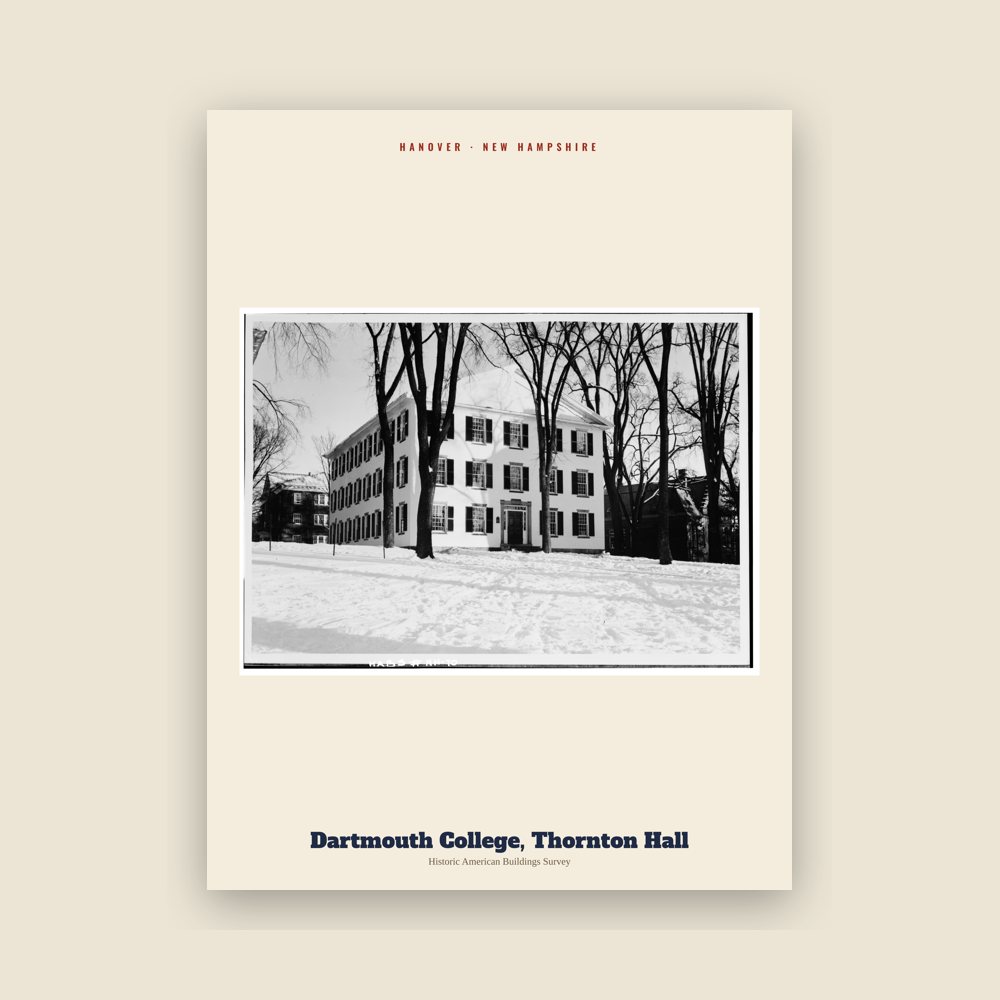
From the Library of Congress collections: a historic survey drawing or photograph of the town
Population 2010: 8,636 → 2020: 11,870
From Wikidata (CC0).
Hanover was chartered by Governor Benning Wentworth on July 4, 1761, and in 1765–1766 its first European inhabitants arrived, the majority from Connecticut. Although the surface is uneven, the town developed into an agricultural community. Dartmouth College was established in 1769 beside the town common at a village called "the Plain"—an extensive and level tract of land a mile (1.6 kilometers) from the Connecticut River, and about 150 feet (46 m) above it.
At one point in its history, the southwest corner of Hanover, site of "The Plain", was known as "Dresden", which in the 1780s joined other disgruntled New Hampshire towns along the Connecticut River that briefly defected to what was then the independent Vermont Republic. After various political posturings, however, the towns returned to New Hampshire at the heated insistence of George Washington. One remnant of this era is that the name "Dresden" is still used in the Dresden School District, an interstate school district serving both Hanover and Norwich, Vermont—the first and one of the few interstate school districts in the nation.
Adapted (trimmed) from the Wikipedia article Hanover, New Hampshire, revision 1378915999 by its contributors, licensed CC BY-SA 4.0.
We share a part of every Hanover sale with local partners, and we'd love to print from your collection. Old photographs, maps and postcards make the best keepsakes.
Partner with us