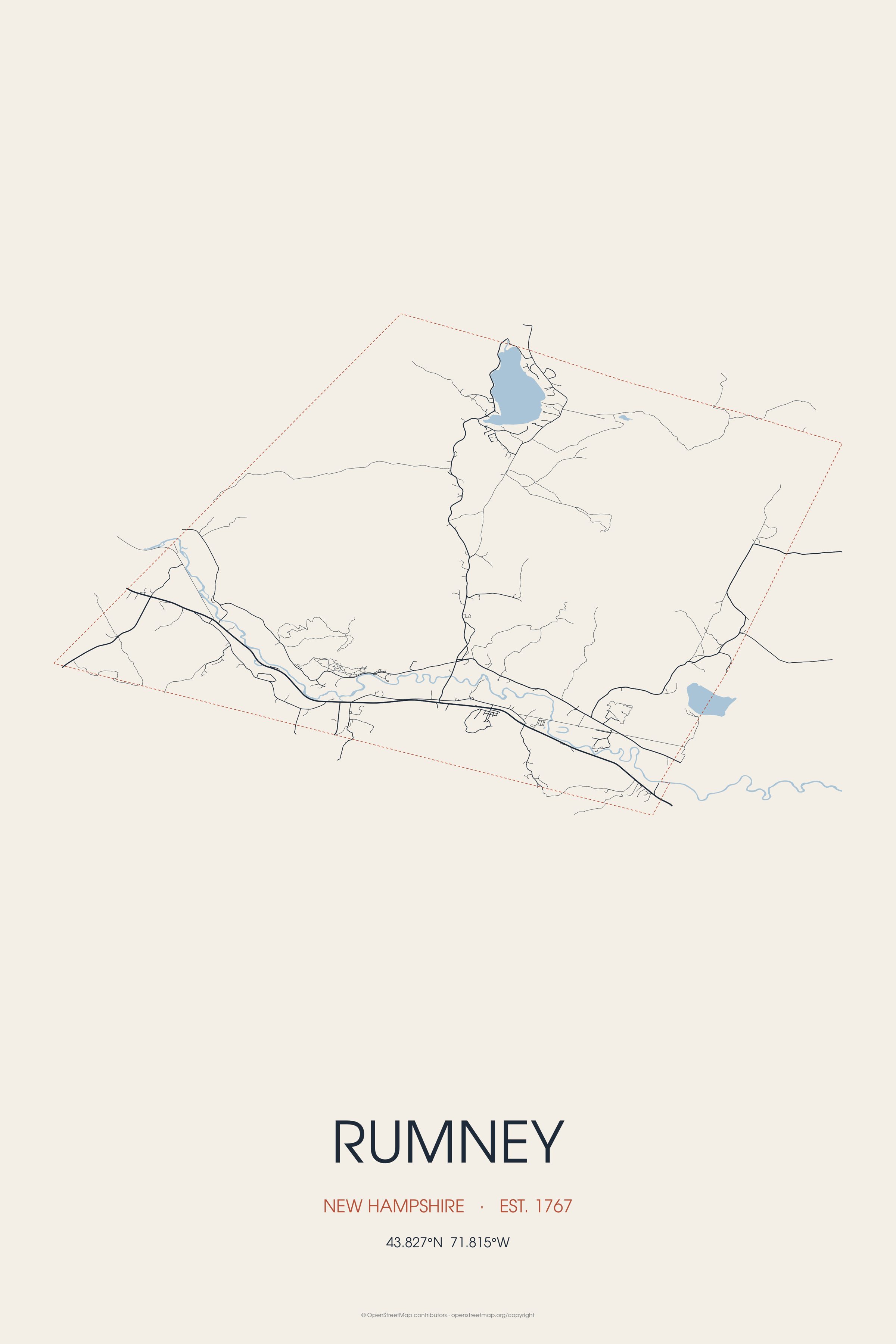
Rumney was named after Robert Marsham, 2nd Baron Romney (pronounced Rumney). Landmarks include Polar Caves Park. Rumney is the birthplace of Nathan Clifford, politician.
Every piece is drawn from Rumney's own map data and historic archives, then printed and shipped from the USA when you order. No two towns look alike.
Every road in town, on archival matte paper
The same map, in navy and silver
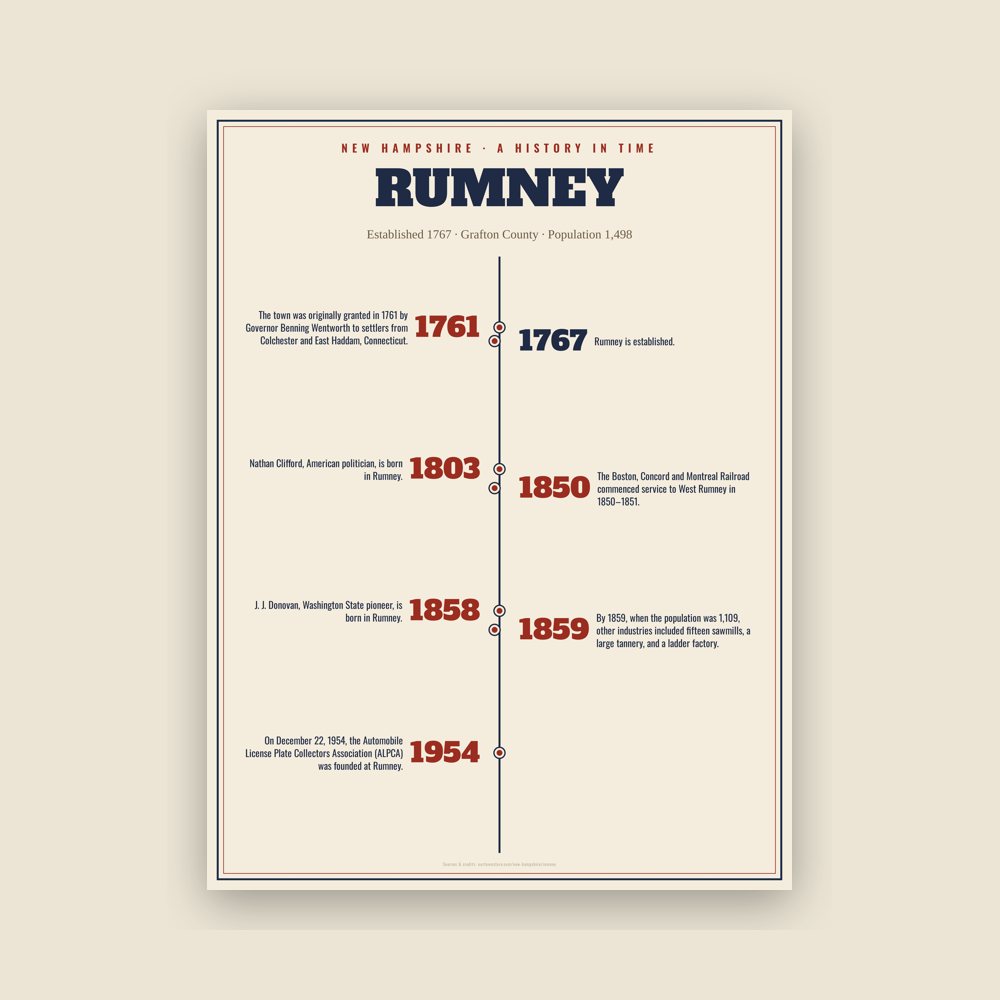
The town's story in dates, from its own records, for home or classroom
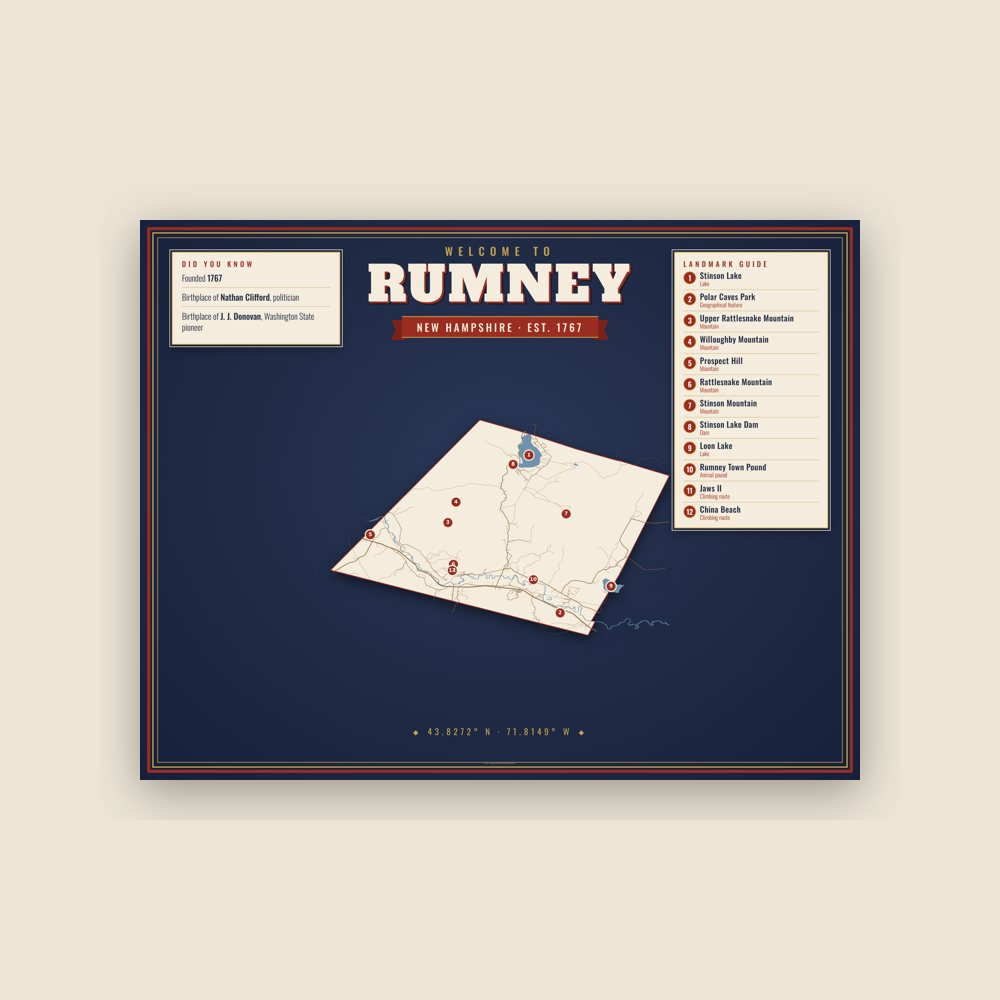
Map of local landmarks, washable fabric
Heavy-blend fleece, street map printed on the back
Soft Bella+Canvas jersey
Glossy ceramic, dishwasher safe
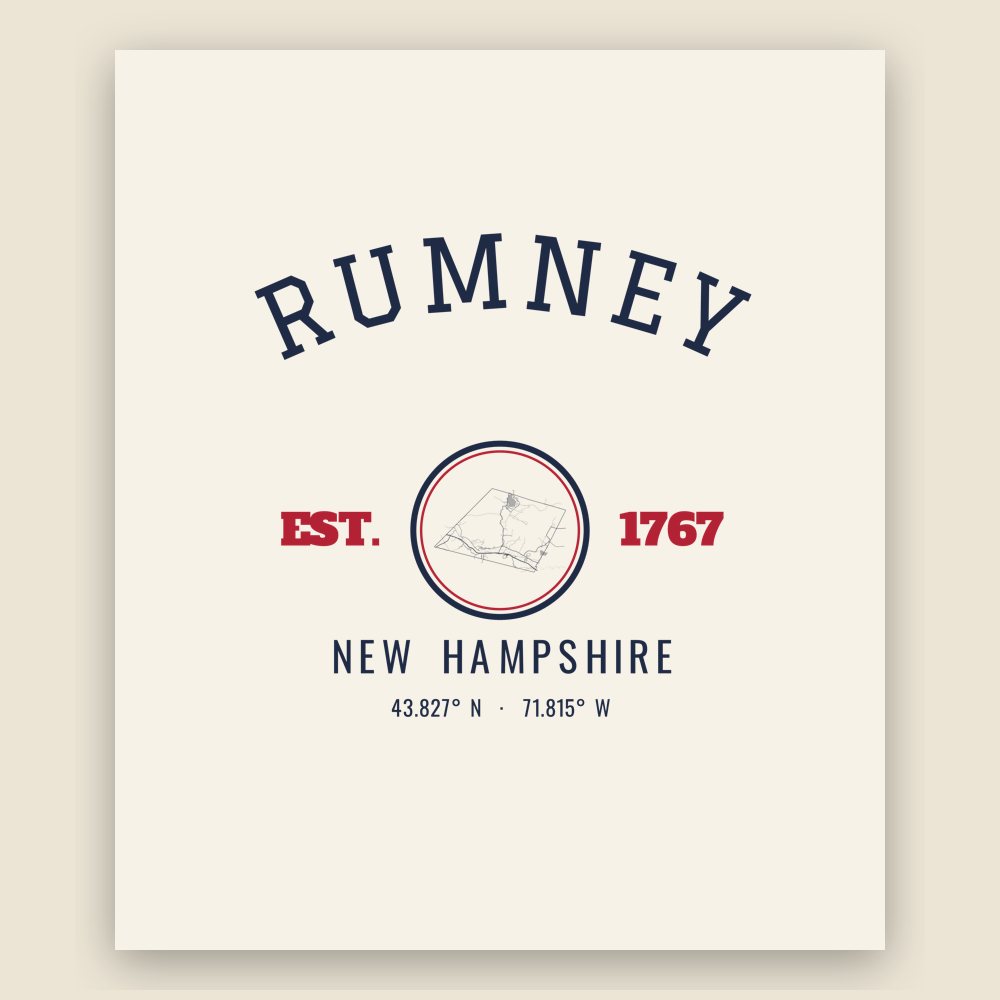
Ceramic keepsake, gold ribbon
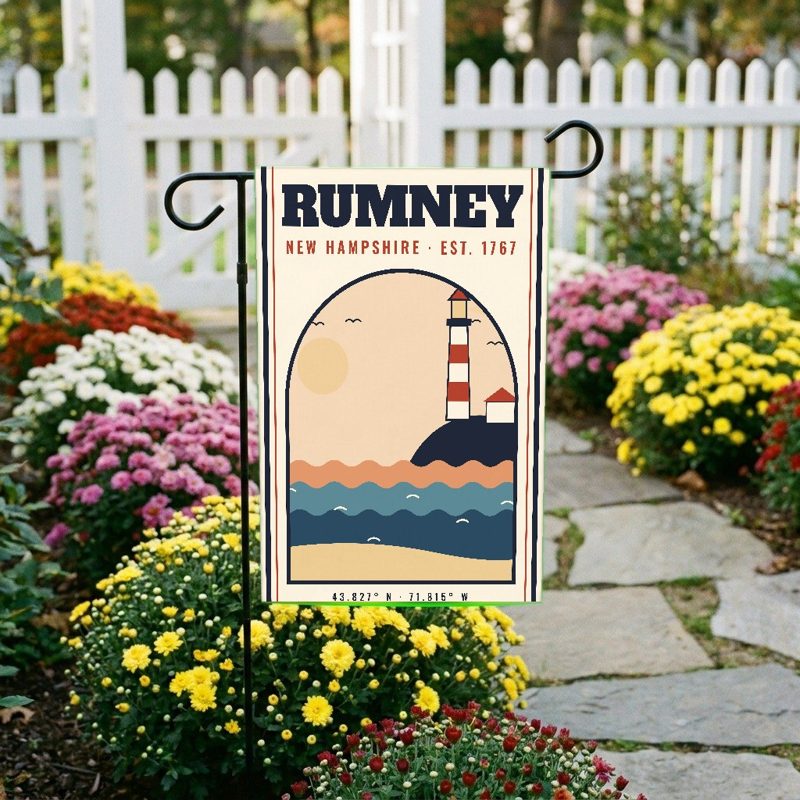
Weatherproof, for the front walk
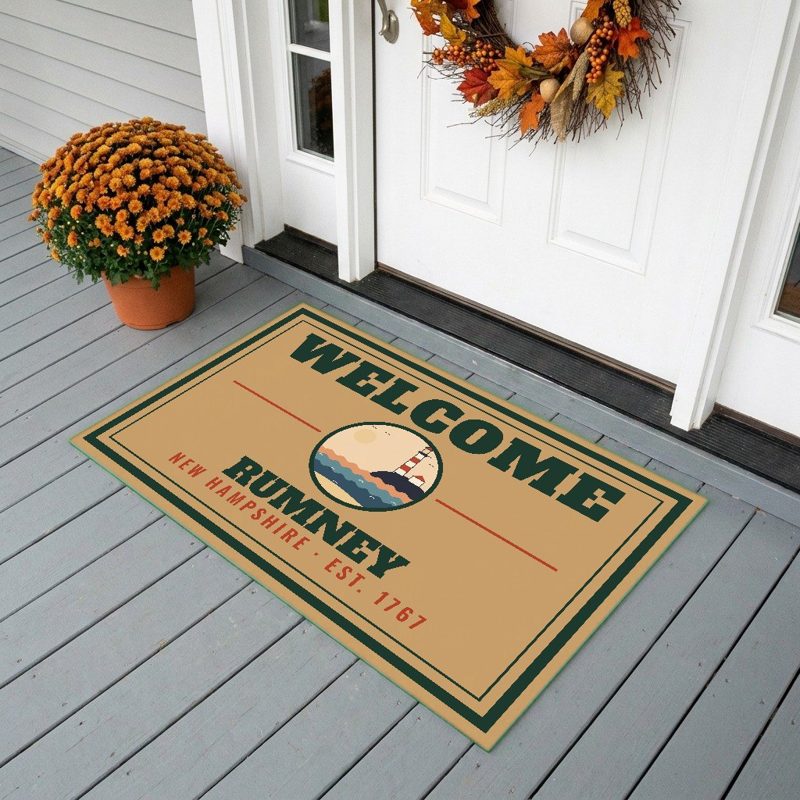
24″×16″, printed coir-look fibers, rubber back
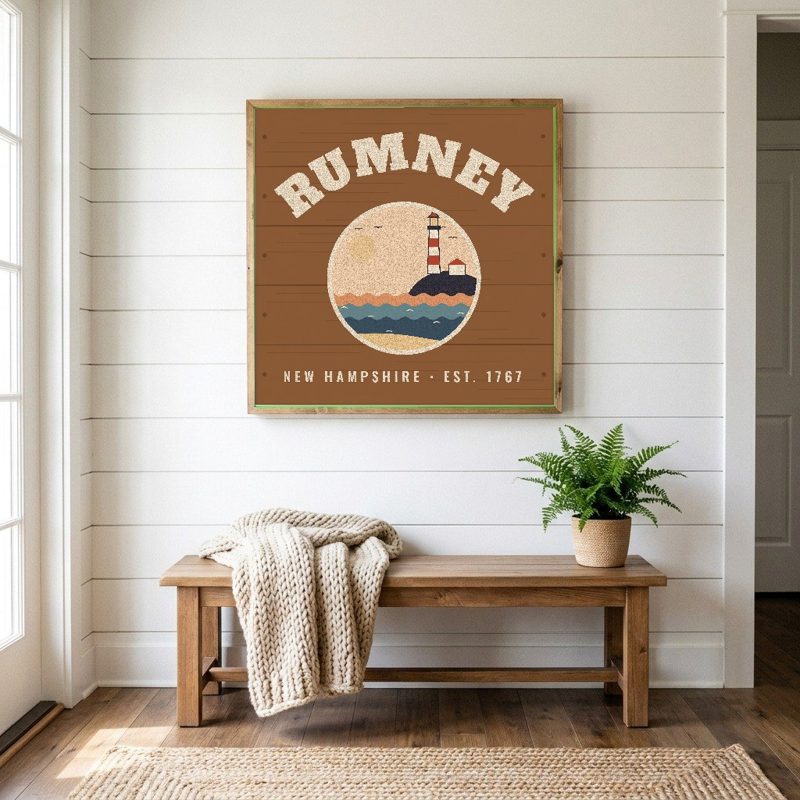
12″×12″ printed wood, ready to hang
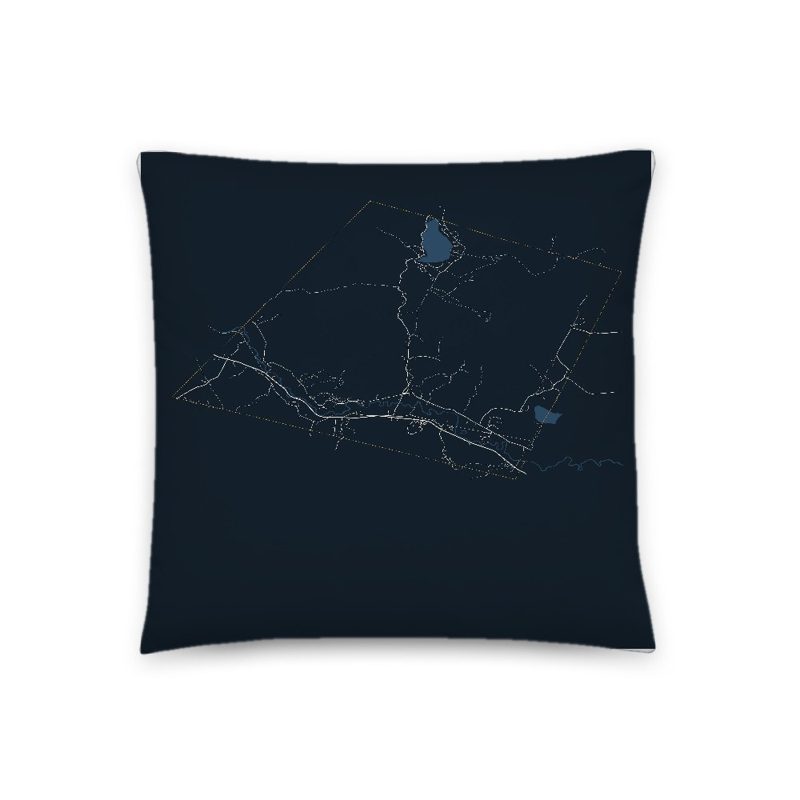
Soft-touch, zip cover
Sturdy all-over-print tote
Glossy top, cork back
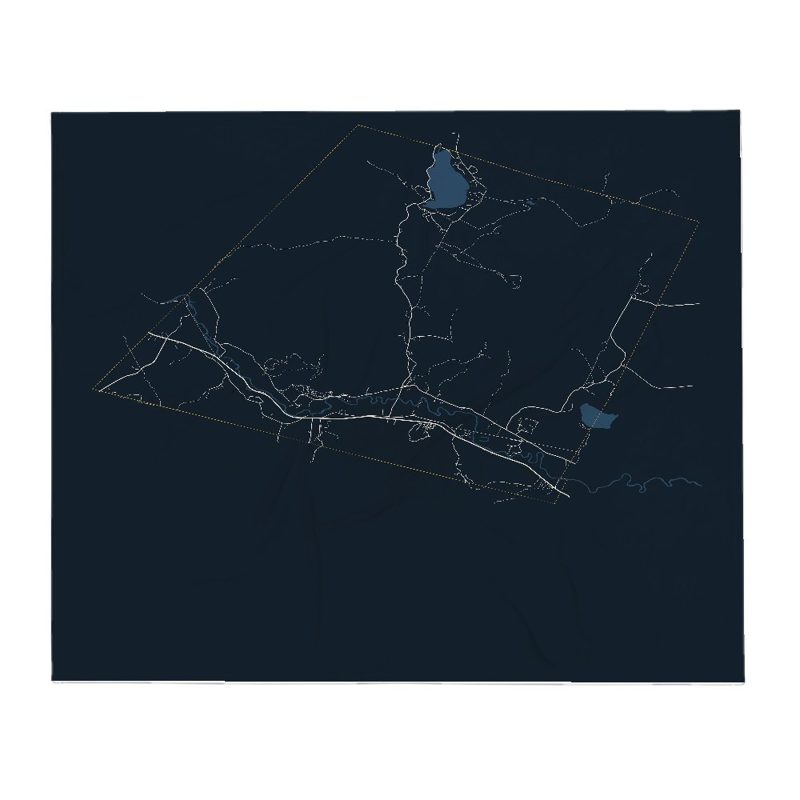
Soft fleece, 50″×60″
20 oz, double-wall stainless
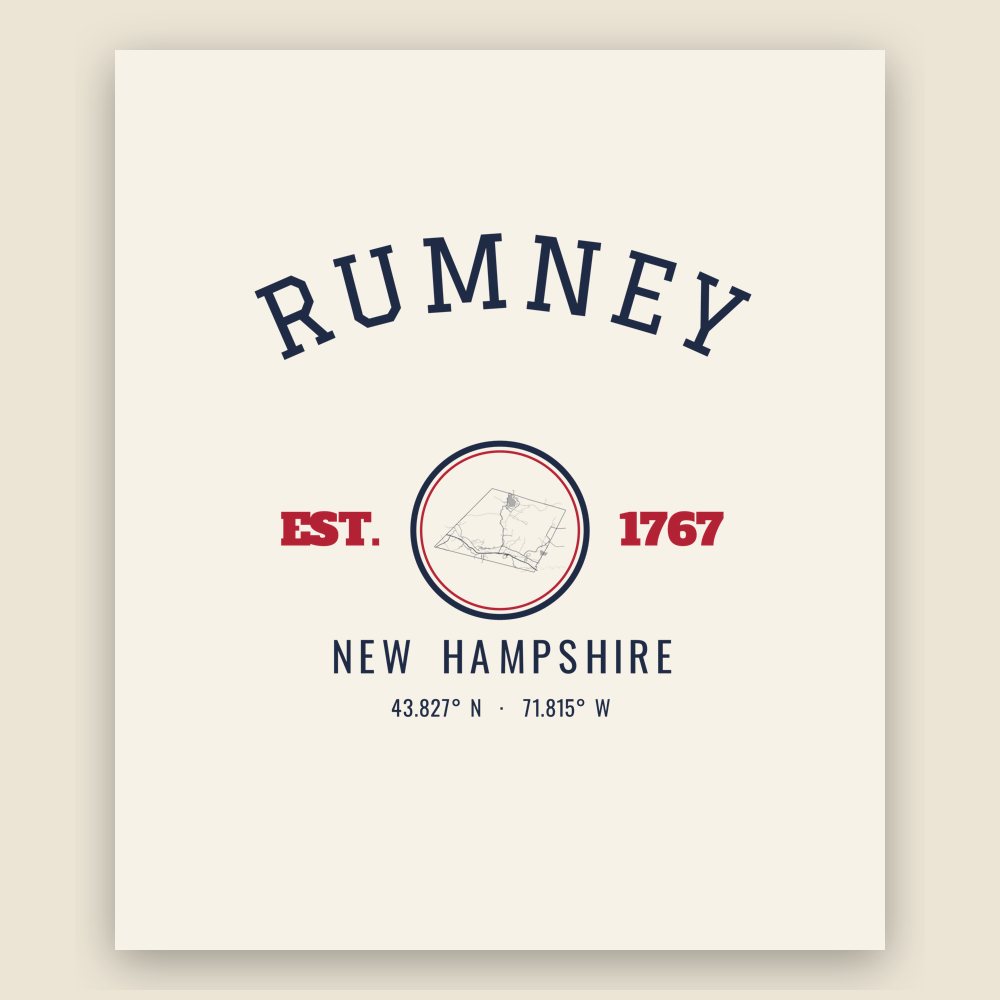
Rumney was named after Robert Marsham, 2nd Baron Romney (pronounced Rumney). The town was originally granted in 1761 by Governor Benning Wentworth to settlers from Colchester and East Haddam, Connecticut. It was first settled in 1765; however, some grantees failed to comply with the charter, so Rumney was regranted to another group of settlers in 1767.
Farmers found the town's soil fertile. By 1859, when the population was 1,109, other industries included fifteen sawmills, a large tannery, and a ladder factory. The Boston, Concord and Montreal Railroad commenced service to West Rumney in 1850–1851.
On December 22, 1954, the Automobile License Plate Collectors Association (ALPCA) was founded at Rumney. The ALPCA has since expanded into an international organization with members in all 50 states and in 19 countries.
Adapted (trimmed) from the Wikipedia article Rumney, New Hampshire, revision 1378590010 by its contributors, licensed CC BY-SA 4.0.
We share a part of every Rumney sale with local partners, and we'd love to print from your collection. Old photographs, maps and postcards make the best keepsakes.
Partner with us