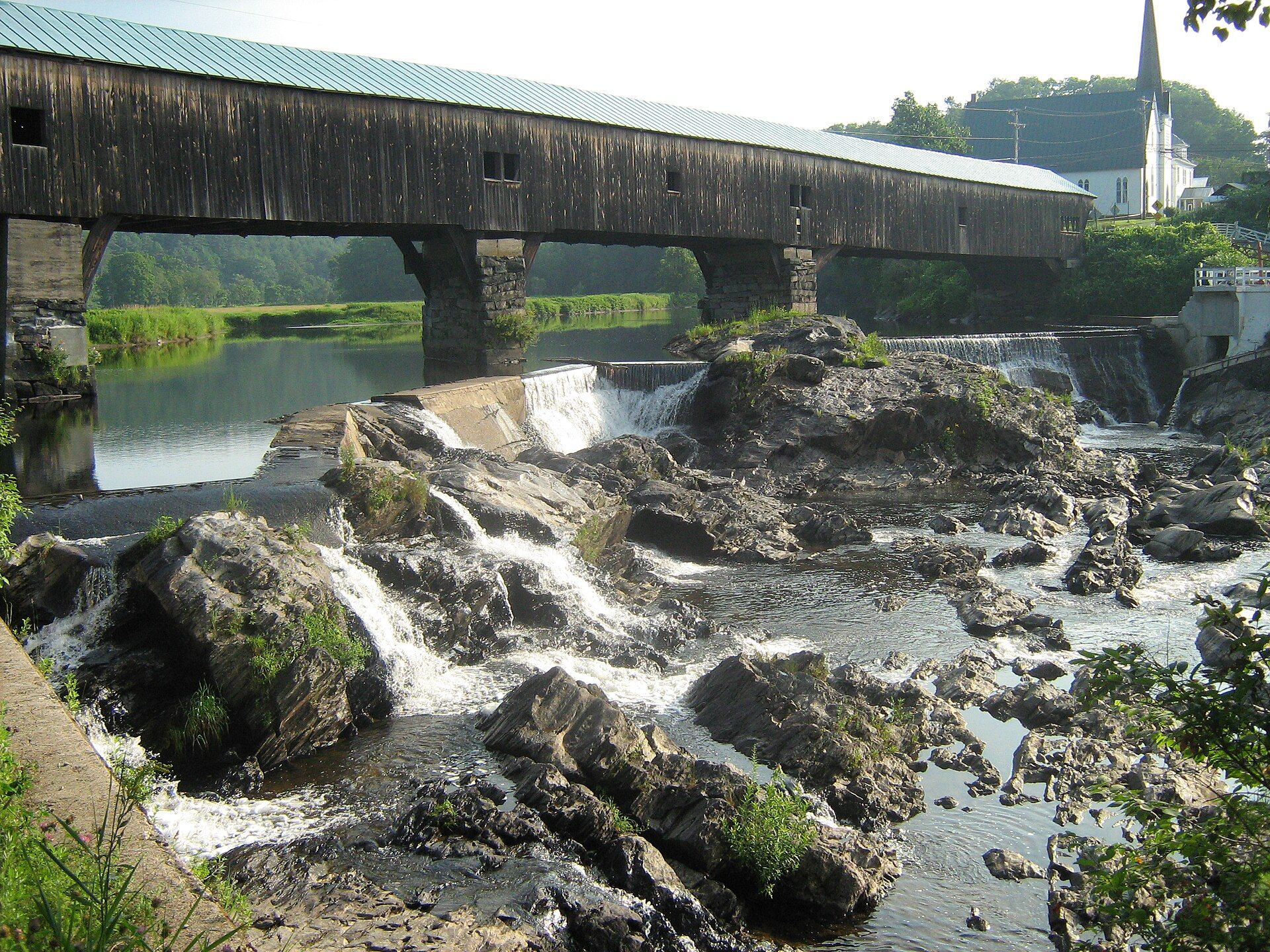
Andrew Gardner and 61 others on September 10, 1761, by Governor Benning Wentworth, who named it for the politician William Pulteney, 1st Earl of Bath. Landmarks include Bath Covered Bridge, Swiftwater Covered Bridge and Goodall-Woods Law Office. Bath is the birthplace of James Hutchins Johnson, politician.
Every piece is drawn from Bath's own map data and historic archives, then printed and shipped from the USA when you order. No two towns look alike.
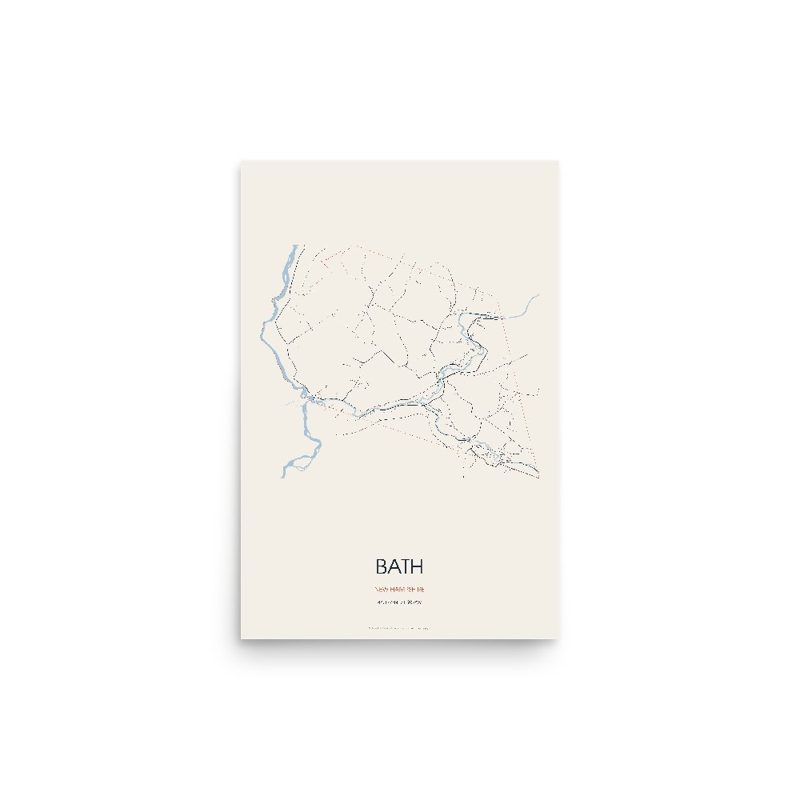
Every road in town, on archival matte paper

The same map, in navy and silver
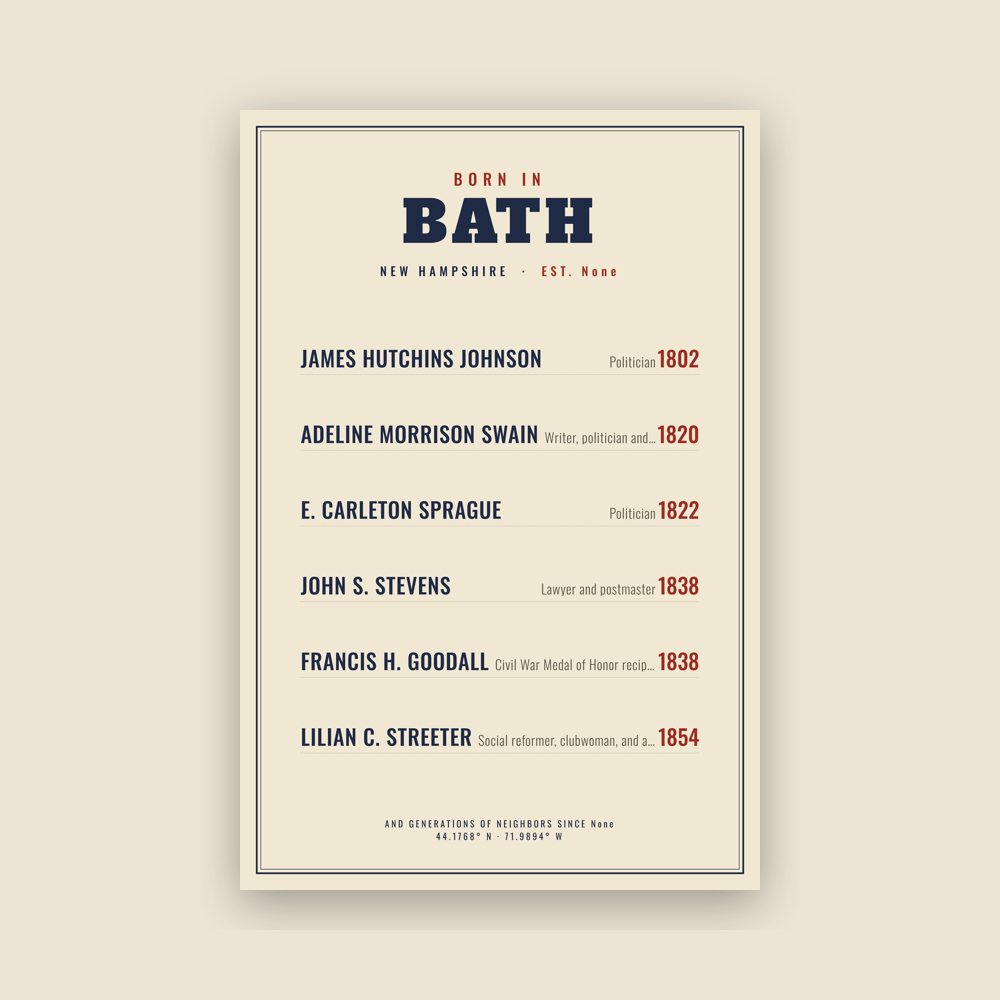
Famous natives, by birth year
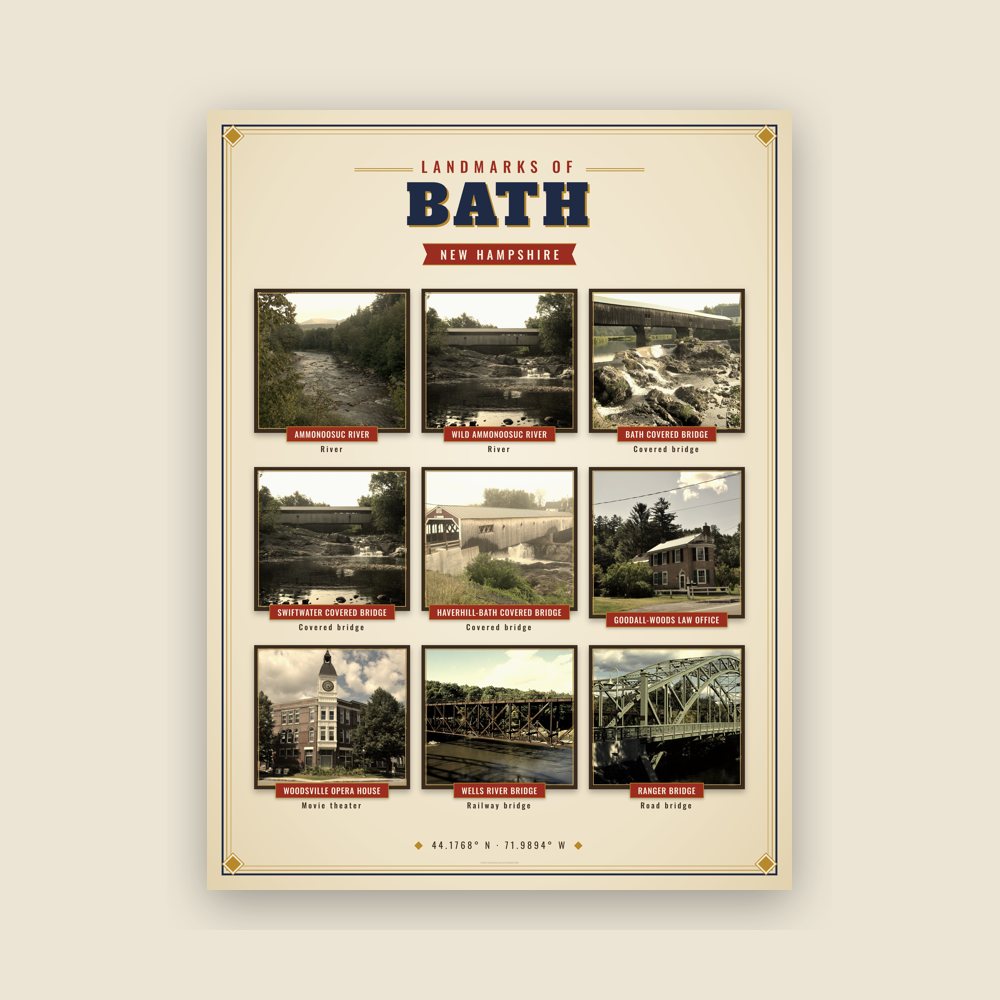
Nine local landmarks, archival matte
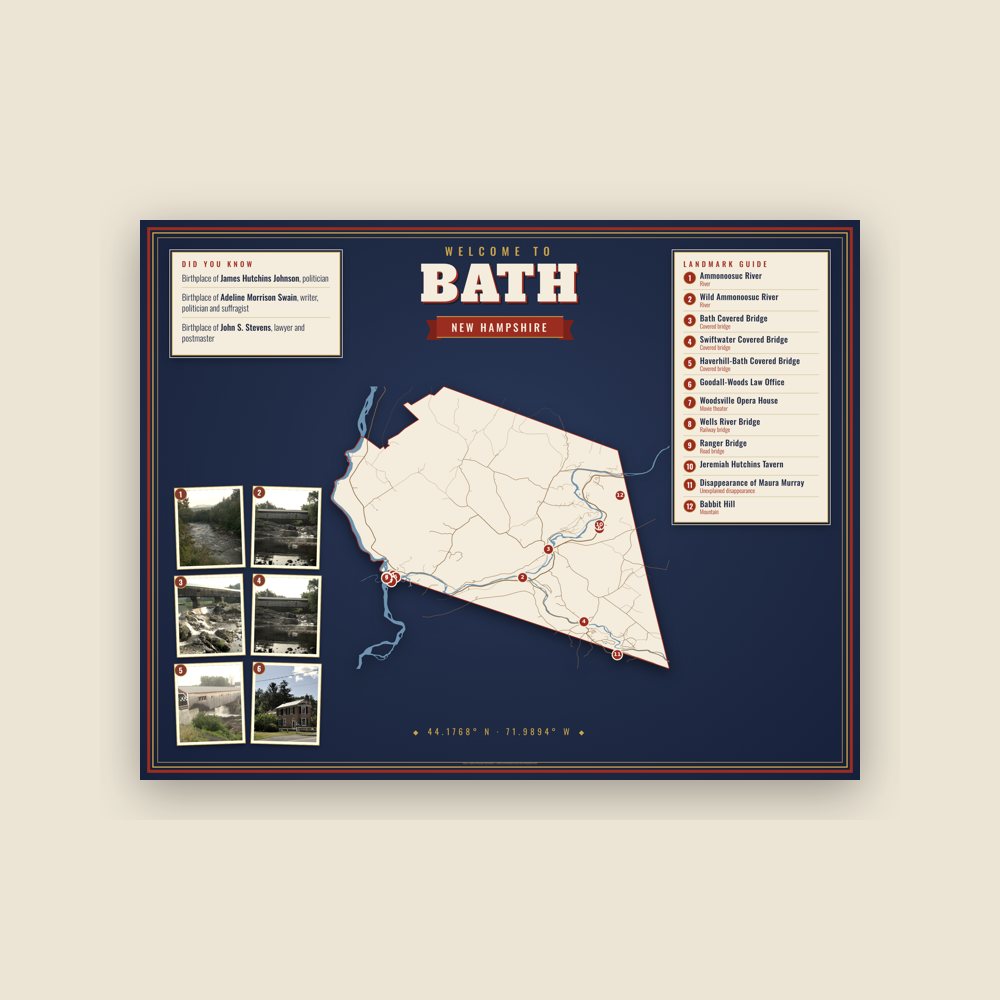
Map of local landmarks, washable fabric
Heavy-blend fleece, street map printed on the back
Soft Bella+Canvas jersey
Glossy ceramic, dishwasher safe
Ceramic keepsake, gold ribbon
Weatherproof, for the front walk
24″×16″, printed coir-look fibers, rubber back
12″×12″ printed wood, ready to hang
Soft-touch, zip cover
Sturdy all-over-print tote
Glossy top, cork back
Soft fleece, 50″×60″
20 oz, double-wall stainless
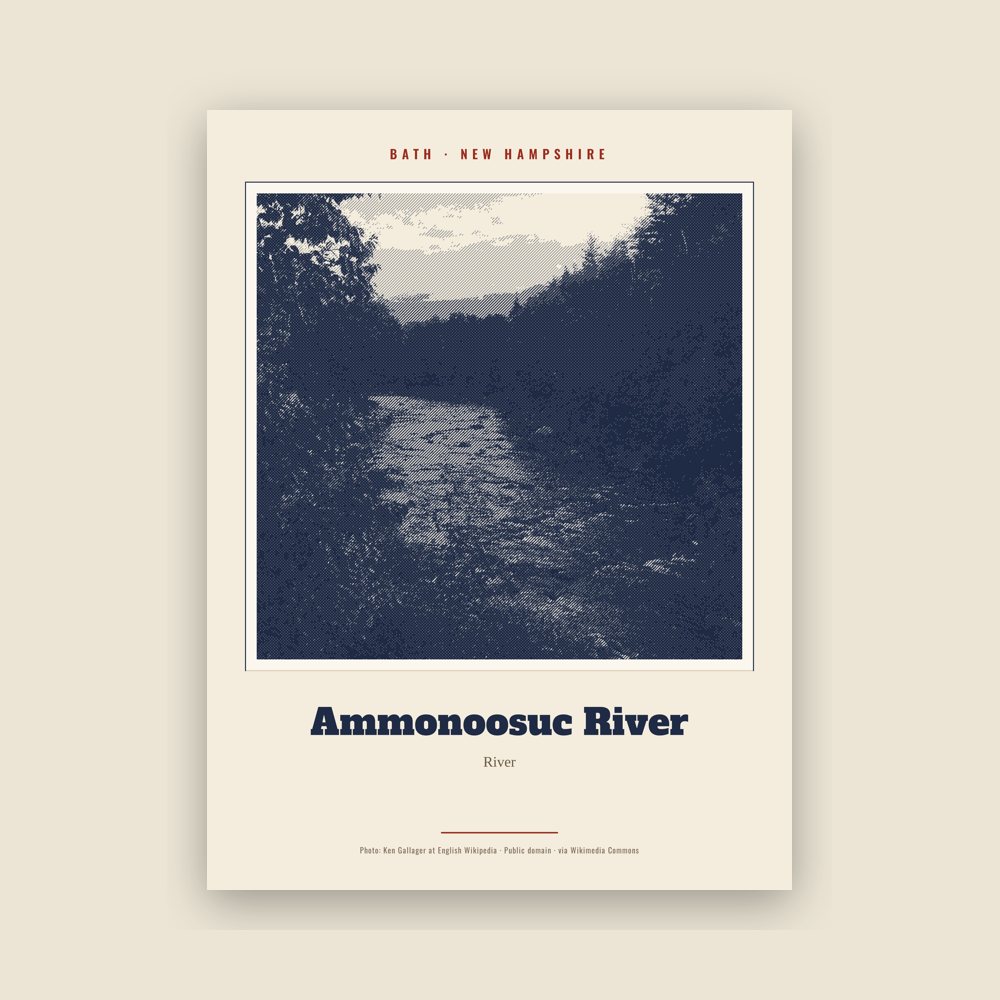
Archival matte print of a local landmark, credited to its photographer
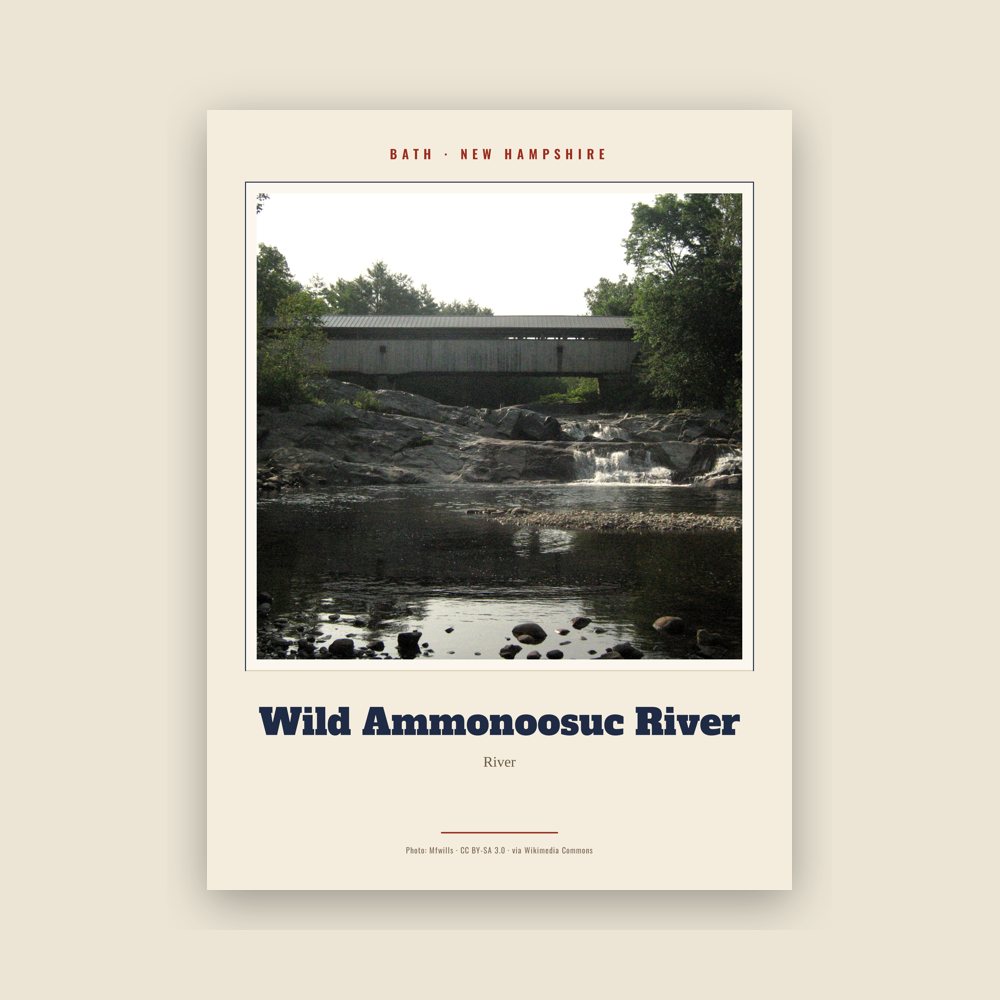
Archival matte print of a local landmark, credited to its photographer
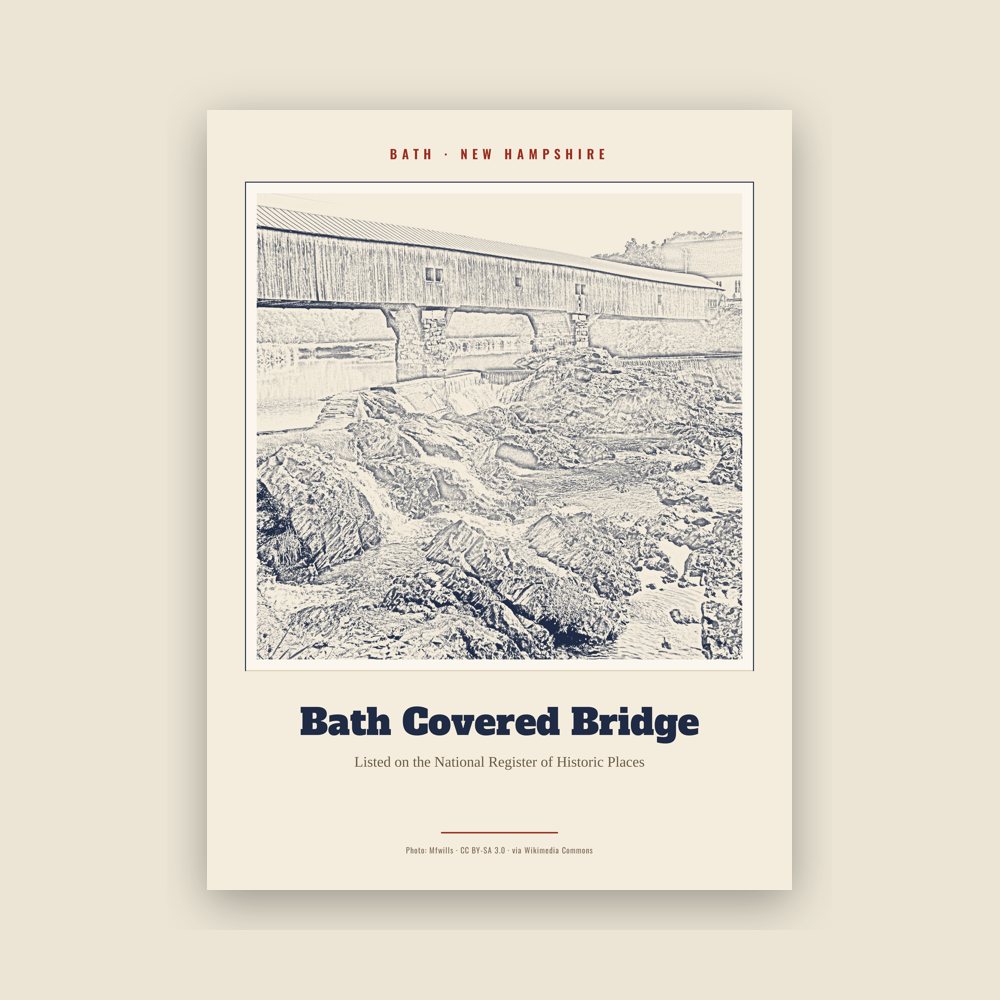
Archival matte print of a local landmark, credited to its photographer
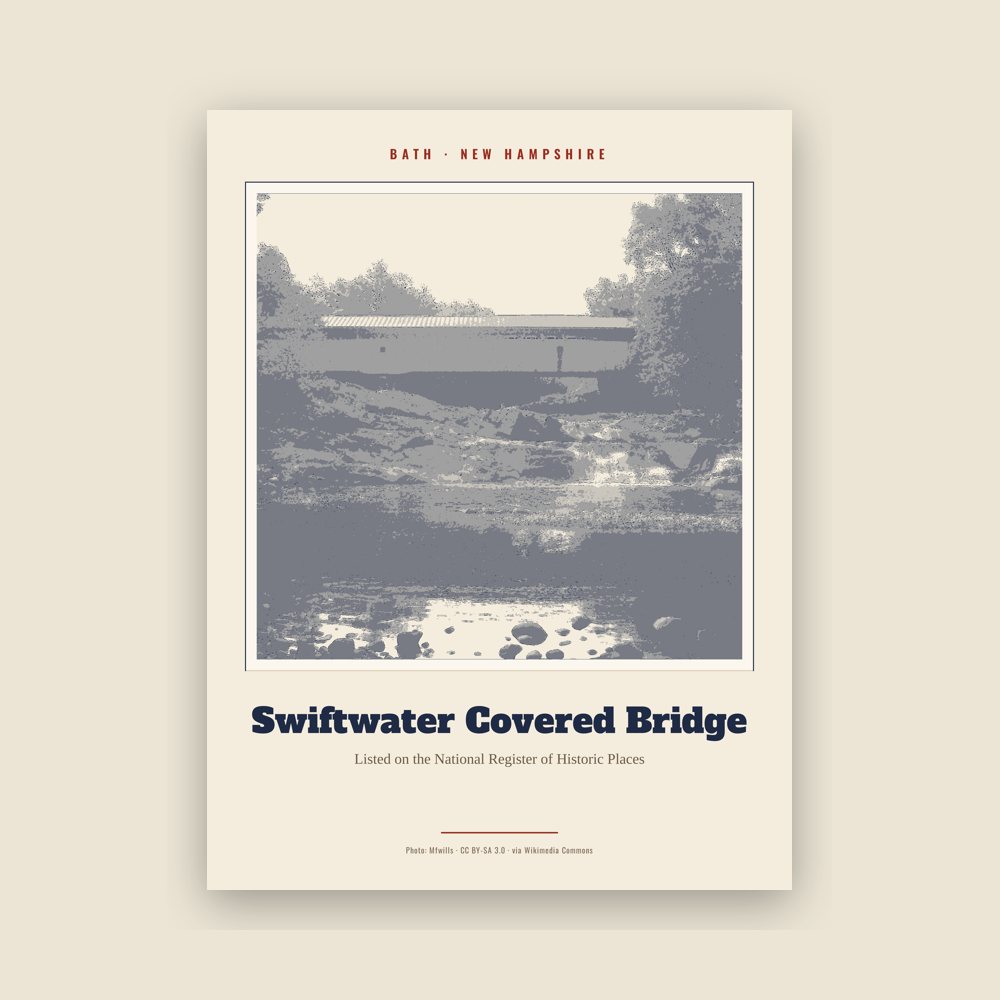
Archival matte print of a local landmark, credited to its photographer
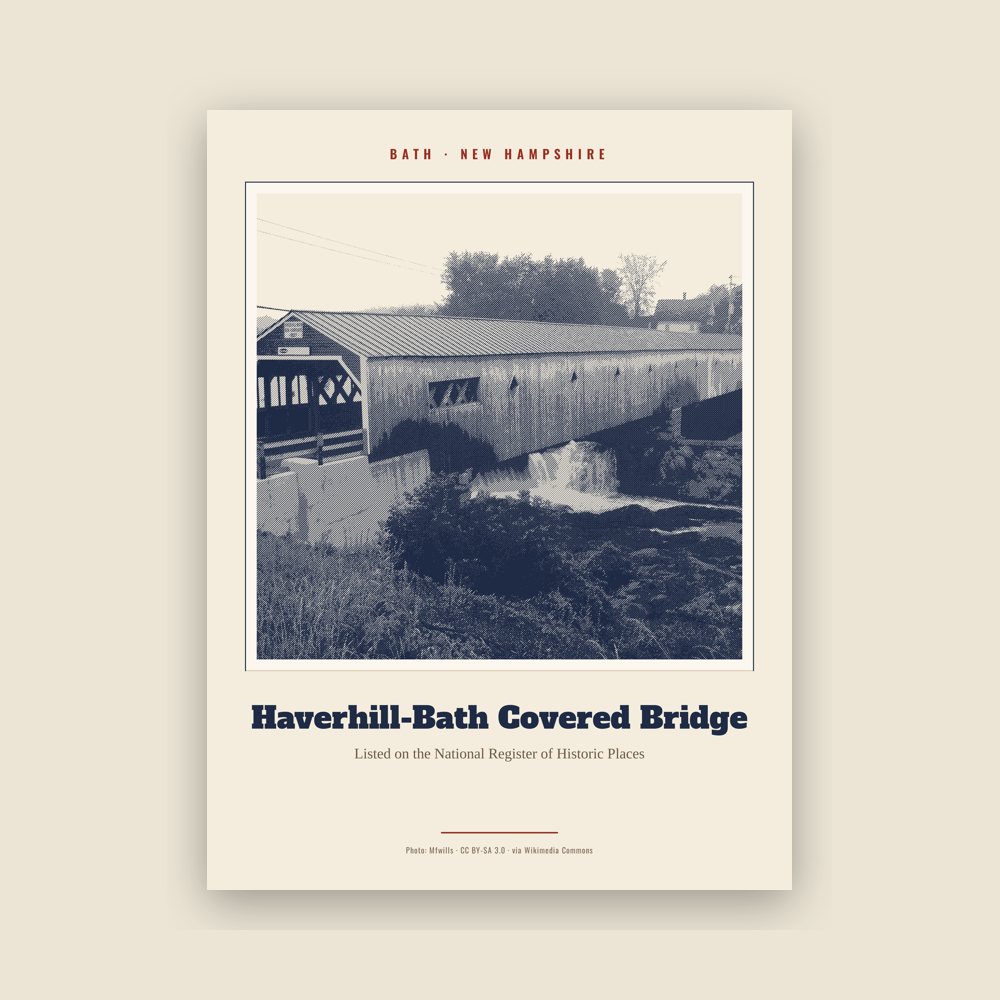
Archival matte print of a local landmark, credited to its photographer
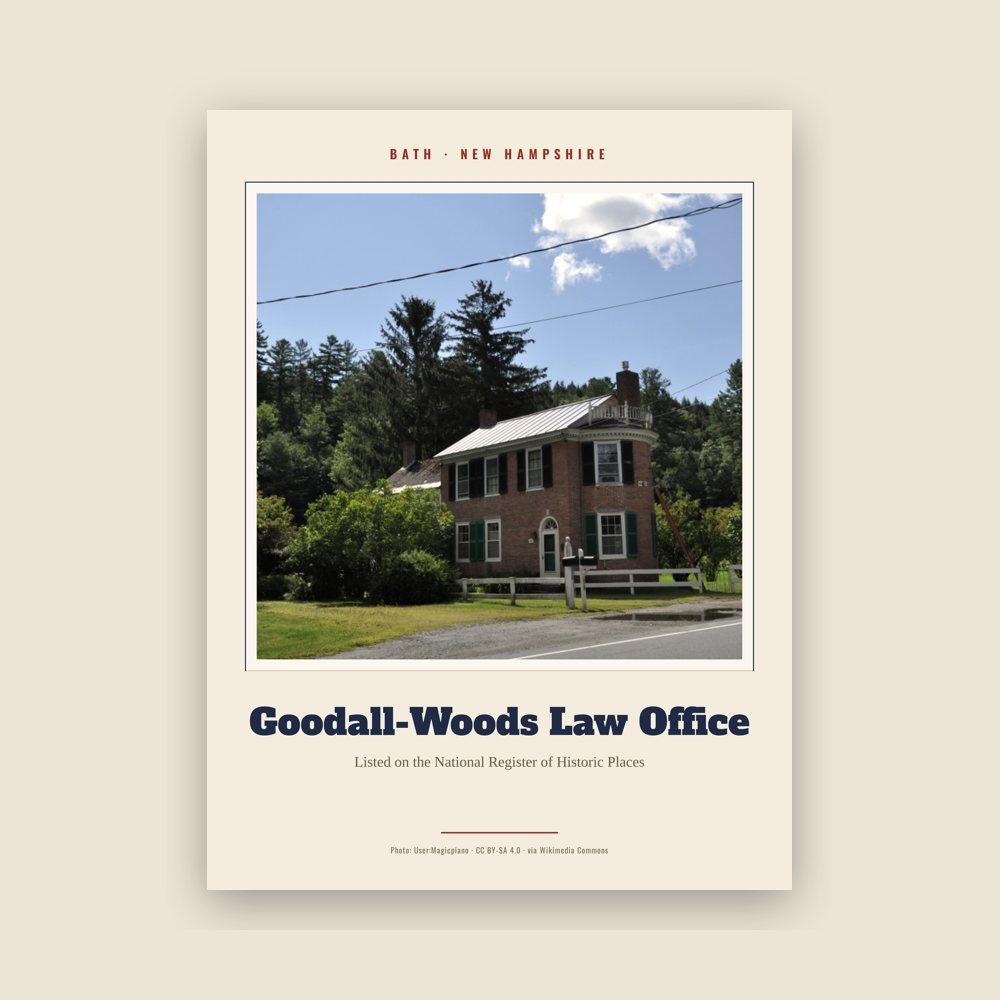
Archival matte print of a local landmark, credited to its photographer
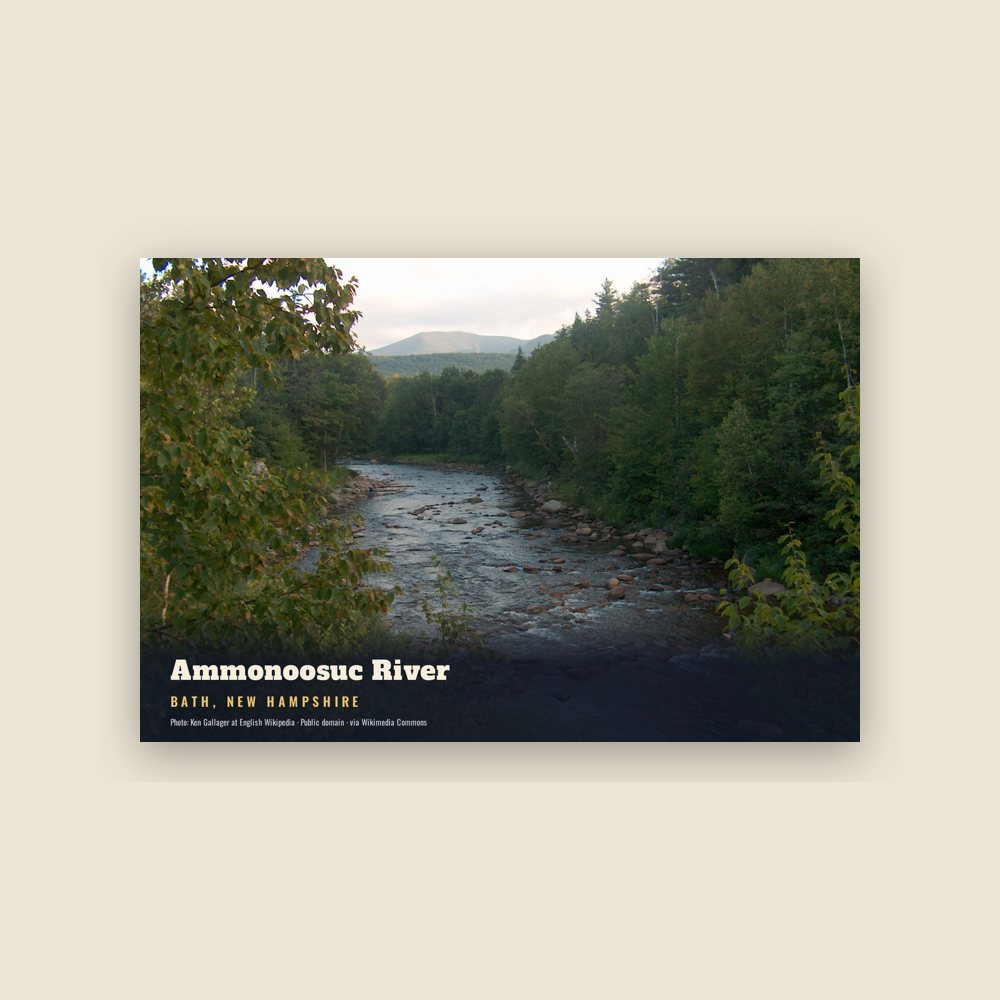
6″×4″ postcard, glossy front
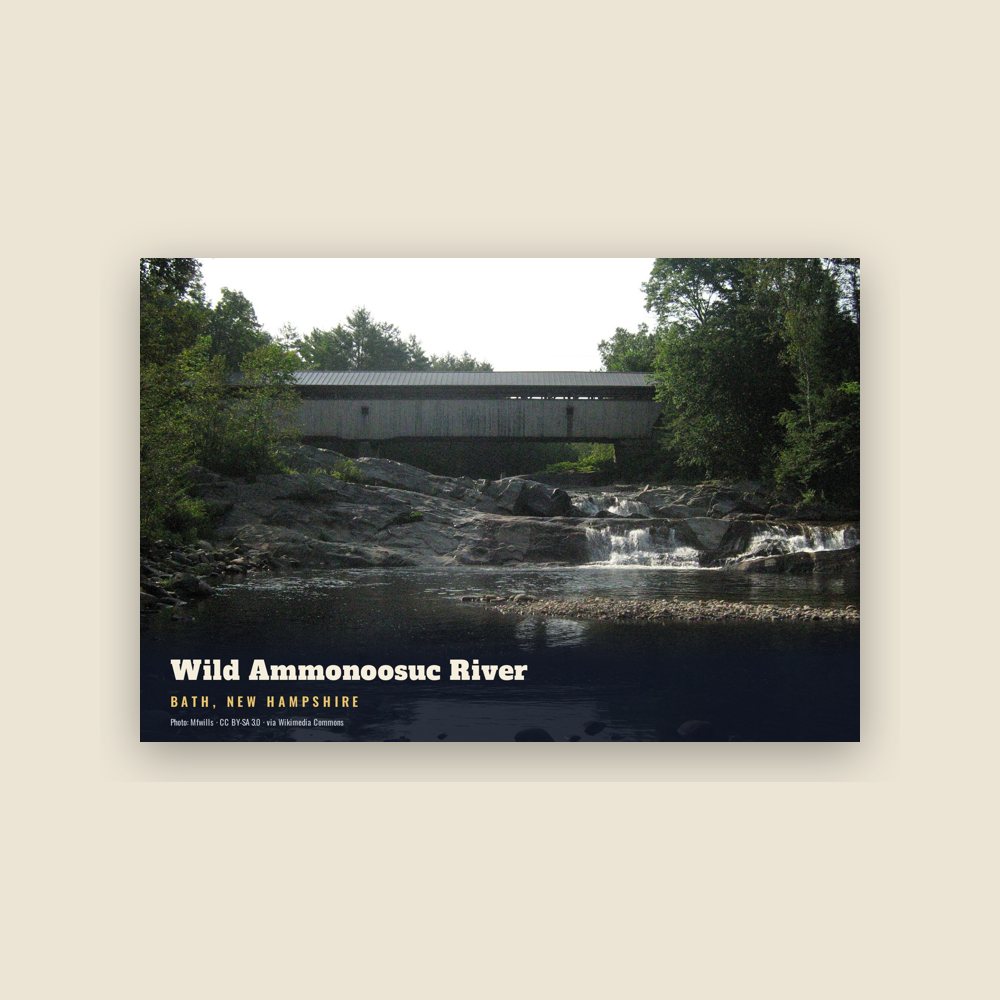
6″×4″ postcard, glossy front
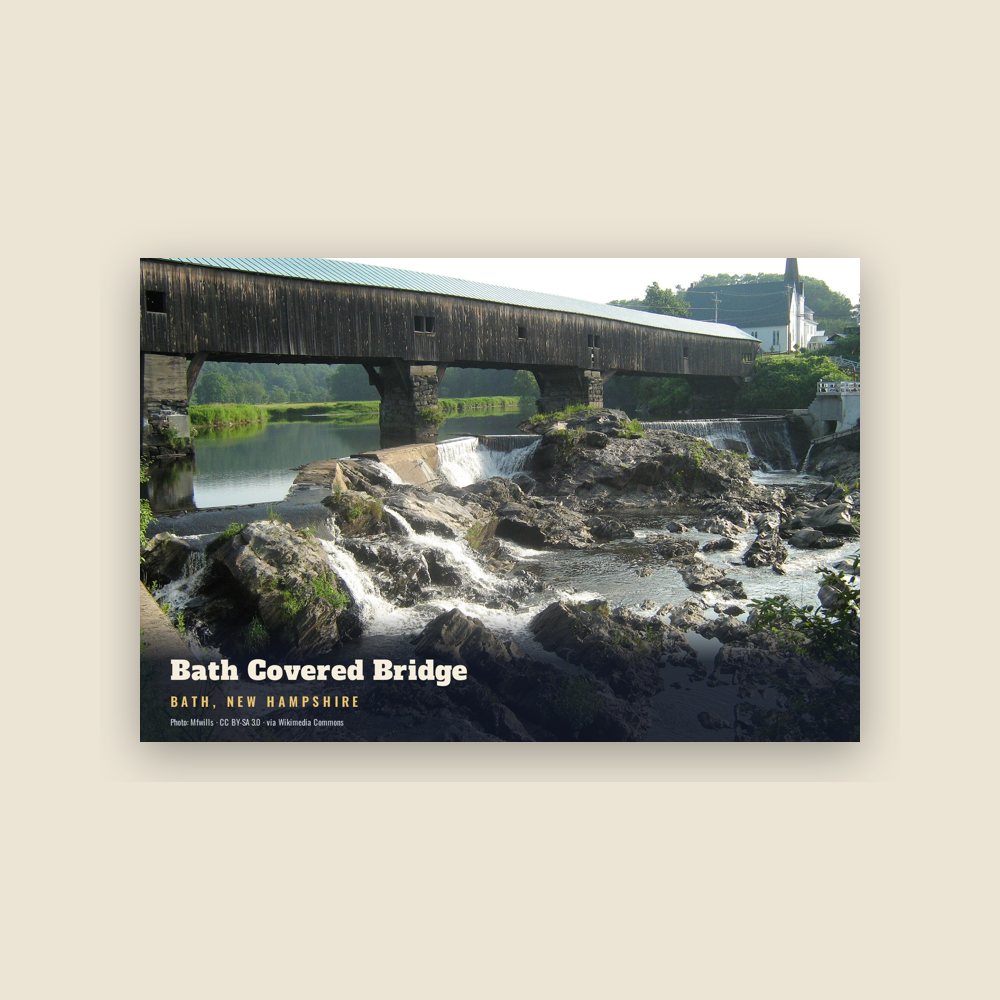
6″×4″ postcard, glossy front
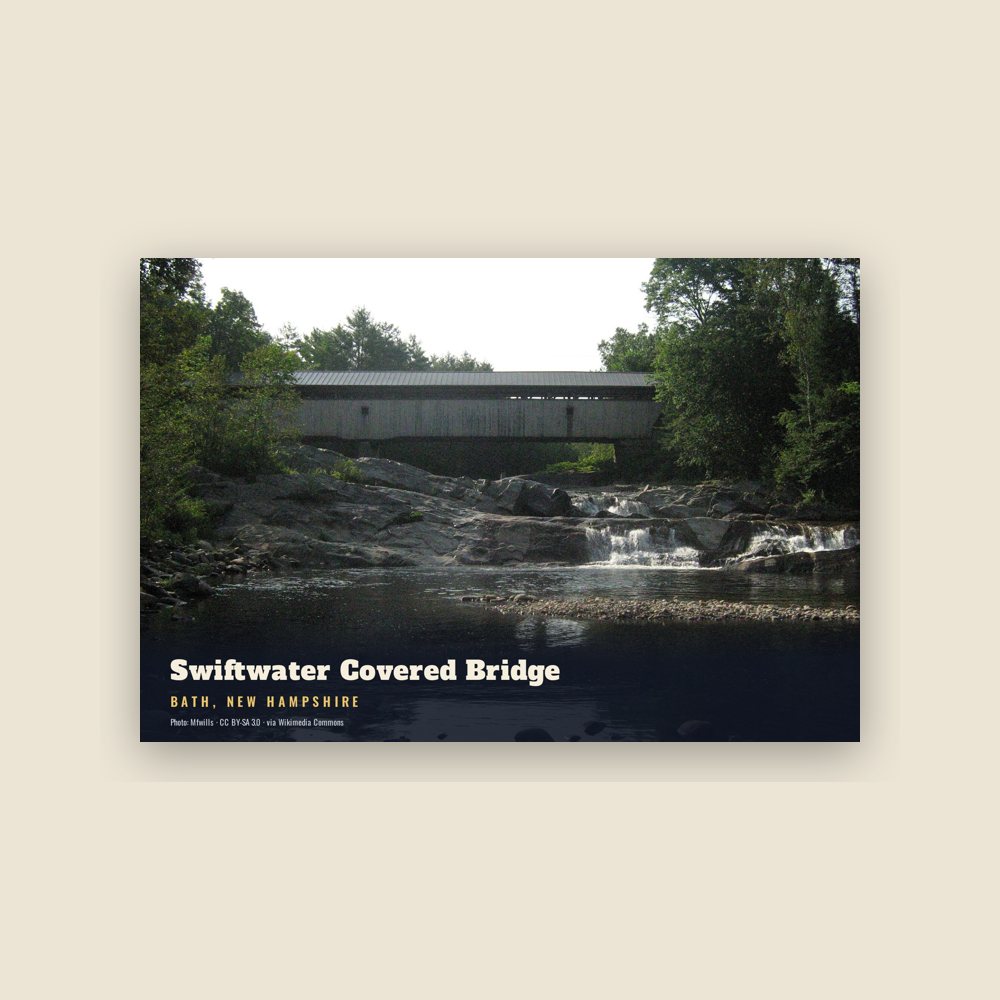
6″×4″ postcard, glossy front
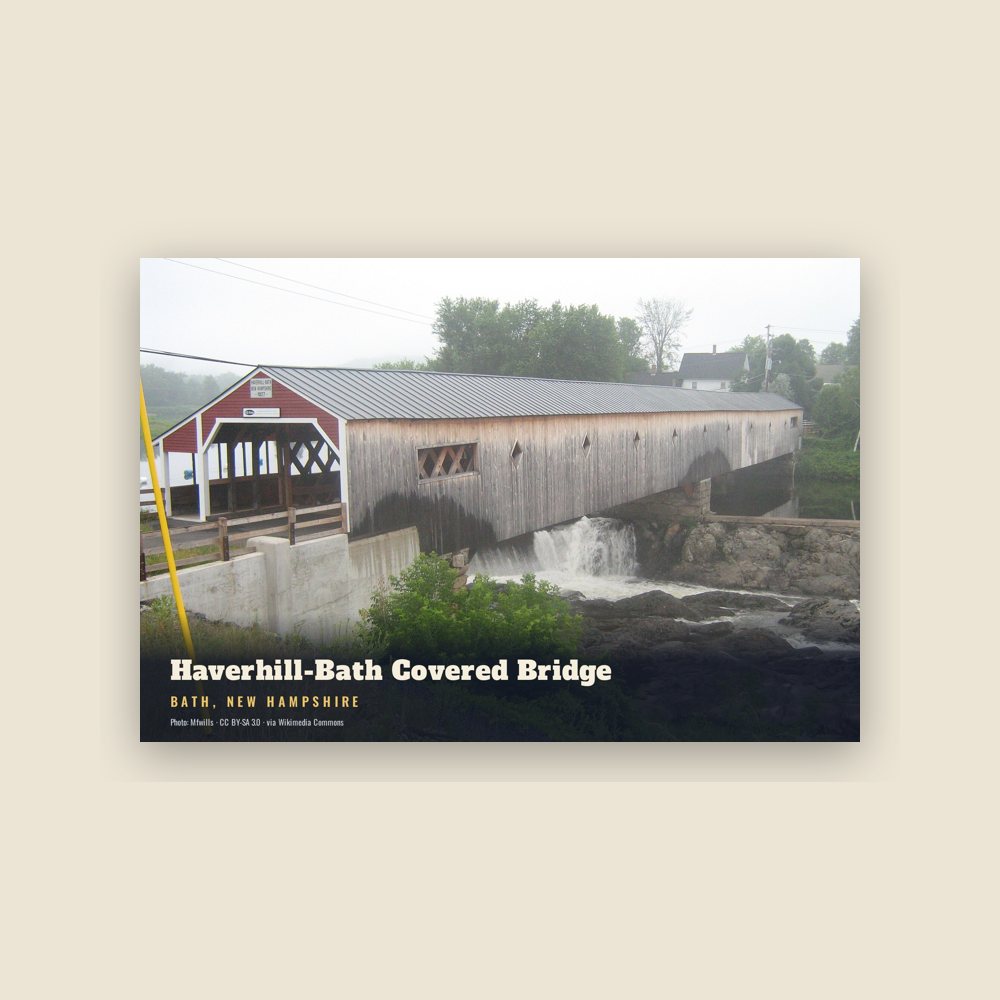
6″×4″ postcard, glossy front
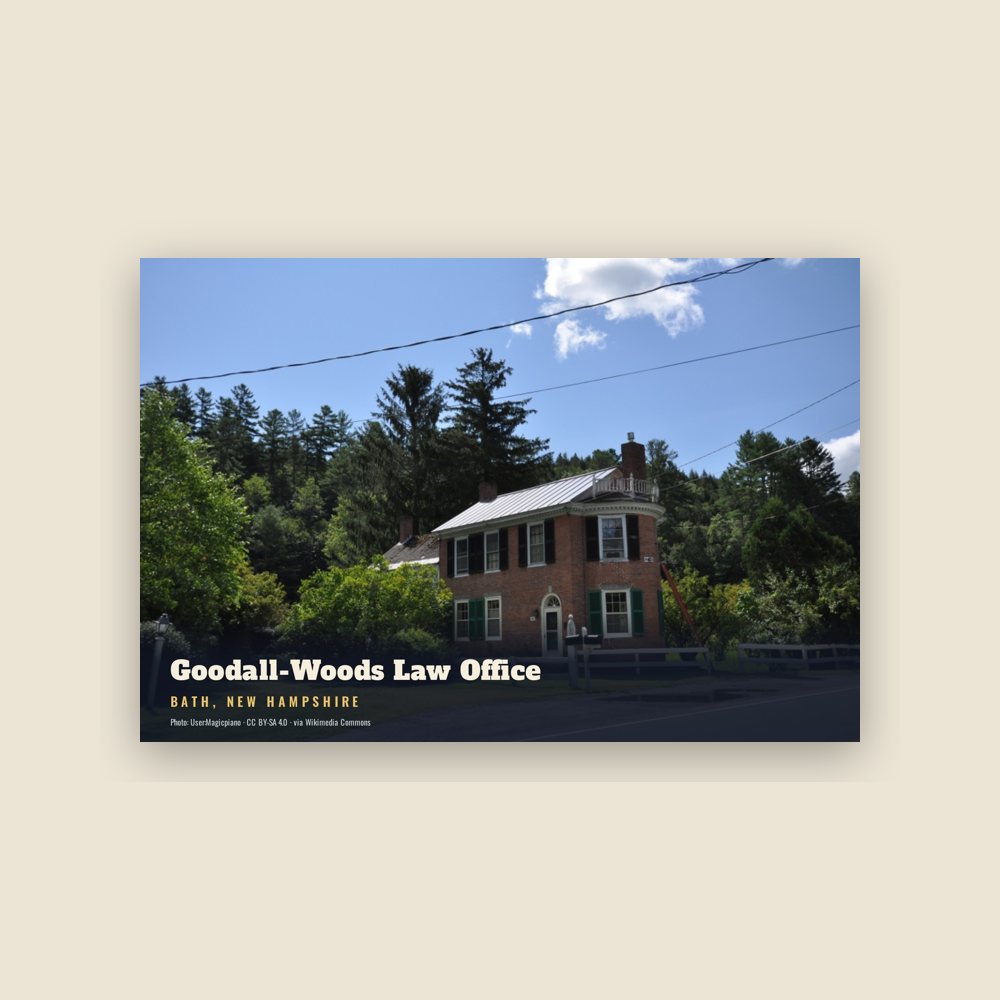
6″×4″ postcard, glossy front
Population 2010: 1,077 → 2020: 1,077
From Wikidata (CC0).
The town was granted to the Rev. Andrew Gardner and 61 others on September 10, 1761, by Governor Benning Wentworth, who named it for the politician William Pulteney, 1st Earl of Bath. It was first settled in 1765 by John Herriman from Haverhill, Massachusetts. But the terms of the original grant were unfulfilled, so Bath was regranted on March 29, 1769, by Governor John Wentworth. The first census, taken in 1790, recorded 493 residents.
Situated at the head of navigation on the Connecticut River, and shielded from strong winds by the Green Mountains to the west and White Mountains to the east, Bath soon developed into "...one of the busiest and most prosperous villages in northern New Hampshire." Intervales provided excellent alluvial soil for agriculture, and the Ammonoosuc and Wild Ammonoosuc rivers supplied water power for mills. The population reached 1,627 in 1830, when 550 sheep grazed the hillsides. A vein of copper was mined. The White Mountains Railroad up the Ammonoosuc River valley opened August 1, 1853, shipping Bath's lumber, potatoes, livestock and wood pulp. By 1859, the town had two gristmills and two sawmills. Other industries would include a woolen mill, creamery, distillery and two starch factories.
A disastrous fire swept through Bath village on February 1, 1872, destroying the Congregational church, Bath Hotel and several dwelling houses. The church was rebuilt in 1873. By 1874, Bath was served by the Boston, Concord and Montreal and White Mountains (N.H.) Railroad.
But nearby Woodsville in the town of Haverhill developed into a major railroad junction, and the region's commercial center shifted there. By 1886, once thriving Bath was described as in decay. But this economic dormancy of the Victorian era preserved much early architecture in the village, particularly in the Federal and Greek Revival styles. The Brick Store, built in 1824 and designed by Alexander Parris, dominated the town center until its closure in 2020. Bath's Upper Village features a cluster of Federal-style houses based on the handbook designs of architect Asher Benjamin.
Adapted (trimmed) from the Wikipedia article Bath, New Hampshire, revision 1378488885 by its contributors, licensed CC BY-SA 4.0.
We share a part of every Bath sale with local partners, and we'd love to print from your collection. Old photographs, maps and postcards make the best keepsakes.
Partner with us