Essex County, Massachusetts
Street maps, historic prints and keepsakes for 34 Essex County towns.
The oldest is Lynn, established 1629. The largest by population is Lynn (101,253).
| Town | Established | Population |
|---|---|---|
| Amesbury | 1668 | 17,366 |
| Andover | 1646 | 36,569 |
| Beverly | 1668 | 42,670 |
| Boxford | 1685 | 8,203 |
| Danvers | 1757 | 28,087 |
| Essex | 1819 | 3,675 |
| Georgetown | 1838 | 8,470 |
| Gloucester | 1642 | 29,729 |
| Groveland | 1850 | 6,752 |
| Hamilton | – | 7,561 |
| Haverhill | 1641 | 67,787 |
| Ipswich | 1634 | 13,785 |
| Lawrence | 1847 | 89,143 |
| Lynn | 1629 | 101,253 |
| Lynnfield | 1814 | 13,000 |
| Manchester-By-The-Sea | 1645 | 5,395 |
| Marblehead | 1649 | 20,441 |
| Merrimac | 1876 | 6,723 |
| Methuen | 1725 | 53,059 |
| Middleton | 1728 | 9,779 |
| Nahant | 1853 | 3,334 |
| Newbury | 1635 | 6,716 |
| Newburyport | 1764 | 18,289 |
| North Andover | 1646 | 30,915 |
| Peabody | 1855 | 54,481 |
| Rockport | 1840 | 6,992 |
| Rowley | 1639 | 6,161 |
| Salem | 1629 | 44,480 |
| Salisbury | 1639 | 9,236 |
| Saugus | 1815 | 28,619 |
| Swampscott | 1852 | 15,111 |
| Topsfield | 1650 | 6,569 |
| Wenham | 1643 | 4,979 |
| West Newbury | 1819 | 4,500 |
About these towns
Amesbury: At the time of European contact and colonization, the area north of the Merrimack River was inhabited by the Pentucket Tribe of the Pennacook confederation.
Andover: Native Americans inhabited what is now northeastern Massachusetts for thousands of years prior to European colonization of the Americas. At the time of European arrival, Massachusett and Naumkeag people inhabited the area south of the Merrimack River and Pennacooks inhabited the area to the north.
Beverly: Native Americans inhabited what would become northeastern Massachusetts for thousands of years before the European colonization of the Americas. At the time of European contact in the early 1600s, the area that would become Beverly was between an important Naumkeag settlement in present-day Salem and Agawam settlements on Cape Ann, with probable indigenous settlement sites at the mouth of the…
Boxford: Native Americans inhabited northeastern Massachusetts for thousands of years prior to European colonization of the Americas. At the time of contact, the area that would become Boxford was controlled by Agawam sachem Masconomet, but the Agawam would experience severe population loss from virgin soil epidemics, especially in 1617–1619, killing an estimated 50–75% of the indigenous population in the region.
Danvers: Around 1630, English colonists improved an existing Naumkeag trail as the Old Spanish Road, creating a connection to the main cities of Salem and Boston.
Essex: Essex was incorporated as a town in 1819. It was previously a part of the town of Ipswich and was then called Chebacco Parish.
Georgetown: Georgetown was originally settled in 1639 as a part of the town of Rowley by the Reverend Ezekiel Rogers. The town at the time stretched from the Atlantic coast to the Merrimack River, south of Newbury and north of Ipswich.
Gloucester: The boundaries of Gloucester originally included the town of Rockport, in an area dubbed "Sandy Bay". The village separated formally from Gloucester on February 27, 1840.
Groveland: Before incorporating as a town, Groveland was previously the East Parish of Bradford, which was originally part of the town of Rowley.
Hamilton: In June 1638, John Winthrop the Younger, son of the founder of the Massachusetts Bay Colony, bought most of present-day Essex County from Masconomet, chief of the Agawam Indians, for the sum of twenty English pounds.
Haverhill: The town was founded in 1640 by settlers from Newbury, and was originally known as Pentucket, which is Algonquian for "place of the winding river".
Ipswich: Ipswich was inhabited for thousands of years prior to European colonization of the Americas. The Bull Brook archaeological site in Ipswich provided among the oldest signs of human habitation in New England, dated to between 9000 and 11,000 years before present.
Lawrence: Native Americans lived along the Merrimack River for thousands of years before European colonization of the Americas. Evidence of farming at Den Rock Park and arrowhead manufacturing on the site where the Wood Mill now sits have been discovered.
Lynn: The area that is now known as Lynn was inhabited for thousands of years by Native Americans prior to English colonization in the 1600s.
Lynnfield: The town of Lynnfield was first settled in 1638 and was made a district separate from Lynn in 1782. It was later officially incorporated in 1814.
Manchester-By-The-Sea: The area that would become Manchester was inhabited by Agawam people at the time of contact in the early 1600s, who were decimated by virgin soil epidemics especially in 1617–1619, after which fewer than 50 indigenous individuals are estimated to have survived within the modern bounds of Manchester.
Marblehead: Marblehead was originally called Massebequash after the river which ran between it and Salem. The land was inhabited by the Naumkeag tribe of the Pawtucket confederation under the overall sachem Nanepashemet.
Merrimac: Settled by the English in 1638 as a part of Salisbury and later as a part of Amesbury around the village of Merrimacport, it was known throughout the seventeenth and eighteenth centuries as an agricultural and fishing community, with a small amount of shipbuilding.
Methuen: Methuen was first settled in 1642 and was officially incorporated in 1726. Methuen was originally part of Haverhill, Massachusetts. In 1724 Stephen Barker and others in the western part of that town petitioned the General Court to grant them permission to form a new town above Hawke's Meadow Brook.
Middleton: Before European colonial settlement, the area was home to a number of native settlements. The area fell along an ill-defined "border" region between the Massachusett and Pennacook.
Nahant: The area around Nahant was inhabited for thousands of years prior to European colonization of the Americas, but little is known of this period until European records began to document the area in the early 1600s.
Newbury: Native Americans lived along the Merrimack River for thousands of years prior to European colonization of the Americas. At the time of contact, Pennacook or Pentucket controlled territory north of the Merrimack, while Agawam and Naumkeag controlled territory southeast and southwest of the river respectively.
Newburyport: On January 28, 1764, the General Court of Massachusetts passed "An act for erecting part of the town of Newbury into a new town by the name of Newburyport." The act begins:Whereas the town of Newbury is very large, and the inhabitants of that part of it who dwell by the water-side there, as it is commonly called, are mostly…
North Andover: Native Americans inhabited what is now northeastern Massachusetts for thousands of years prior to European colonization of the Americas. At the time of European arrival, Massachusett and Naumkeag people inhabited the area south of the Merrimack River and Pennacooks inhabited the area to the north.
Peabody: The area was settled as part of Salem in 1626 by a small group of English colonists from Cape Ann led by Roger Conant.
Rockport: Before English explorers and colonists arrived, Cape Ann was home to a number of Native American villages, inhabited by members of the Agawam tribe.
Rowley: The area was inhabited by the Agawam people under sachem Masconomet. Although the area that would become Rowley was colonized by English settlers starting in 1639, it was not until 1700 that the town would pay Masoconomet's heirs nine pounds for a quitclaim deed.
Salem: Native Americans lived in northeastern Massachusetts for thousands of years prior to European colonization of the Americas. The peninsula that would become Salem was known as Naumkeag (alternate spellings Naemkeck, Nahumkek, Neumkeage) by the Native people who lived there at the time of contact in the early 1600s.
Salisbury: The area currently known as Salisbury was inhabited for tens of thousands of years prior to European colonization. At the Morrill Point burial mound site on the north shore of the Merrimack River, there are human remains dating to 7,000 years ago with some dating suggesting settlement there as early as 8,500 years ago.
Saugus: Native Americans inhabited the area around Saugus for thousands of years before the arrival of European settlers in the 1620s. At the time of European arrival, the Naumkeag, also known as Pawtucket, under the leadership of Montowampate were based near present-day Saugus and controlled land extending from what is now Boston to the Merrimack River.
Swampscott: The area in and around Swampscott, Massachusetts has been inhabited by indigenous people for thousands of years; radiocarbon dating at archeological sites on the North Shore of Massachusetts places artifacts at around 10,000-11,000 years old, towards the end of the Younger Dryas period.
Topsfield: The Agawam tribe inhabited Topsfield prior to and during the British colonization in the early seventeenth century. They were one of the Algonquian peoples.
Wenham: English settlers came to Wenham in the 1630s, but the area had been home to the Agawam people, an Eastern Algonquian tribe whose numbers were greatly reduced by a massive epidemic around 1617, possibly smallpox.
West Newbury: Originally inhabited by Agawam or Naumkeag peoples, West Newbury was settled by English colonists in 1635 as part of neighboring Newbury. After 15 years of English colonization, a 30 acre section of land around Indian Hill in current day West Newbury was purchased from an indigenous man Great Tom for three pounds.
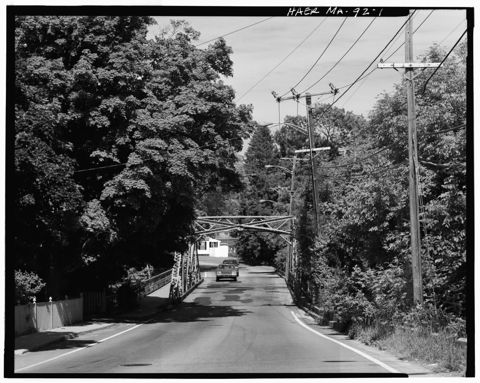 AmesburyMassachusetts · Est. 1668
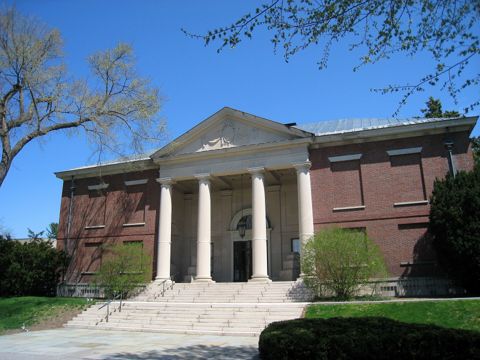 AndoverMassachusetts · Est. 1646
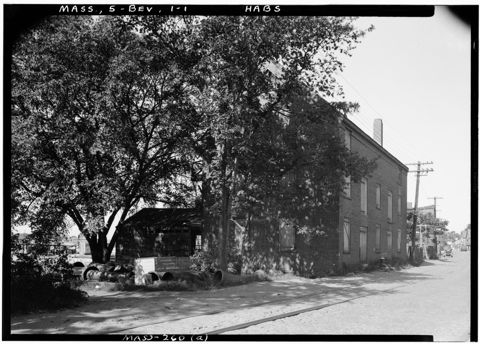 BeverlyMassachusetts · Est. 1668
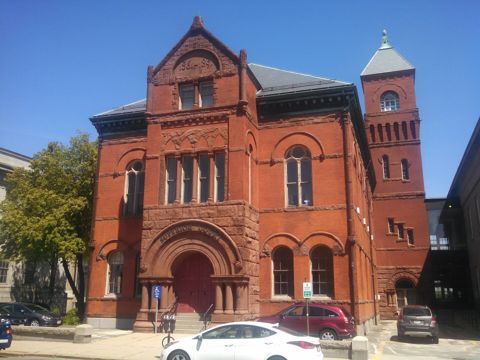 BoxfordMassachusetts · Est. 1685
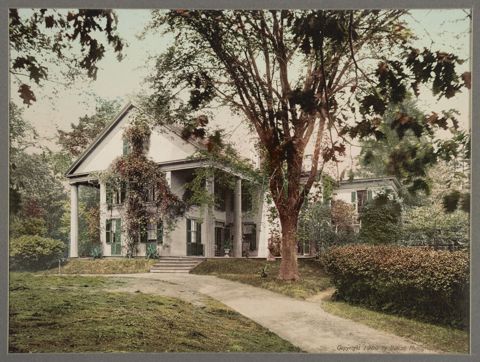 DanversMassachusetts · Est. 1757
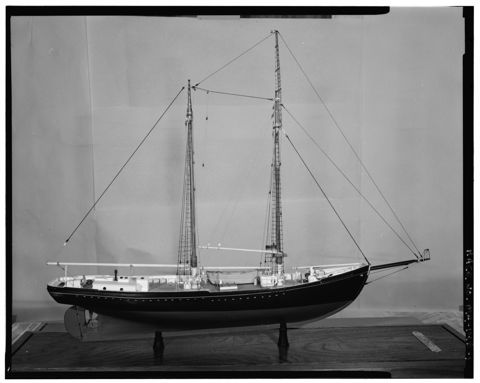 EssexMassachusetts · Est. 1819
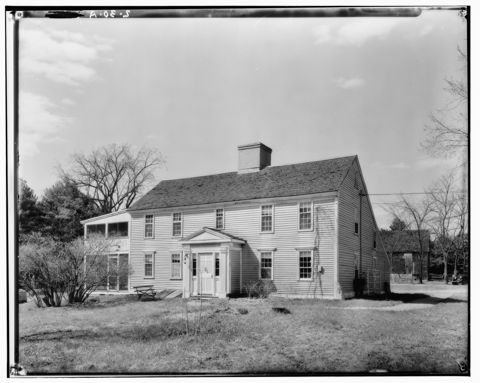 GeorgetownMassachusetts · Est. 1838
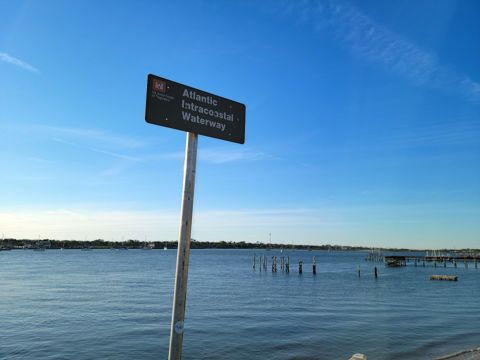 GloucesterMassachusetts · Est. 1642
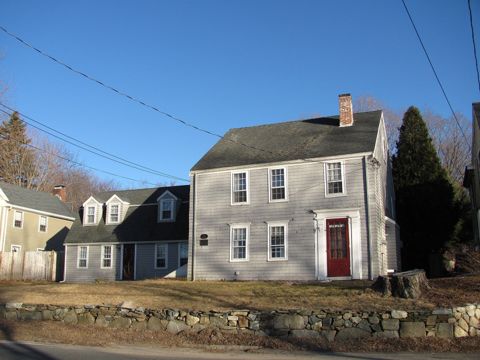 GrovelandMassachusetts · Est. 1850
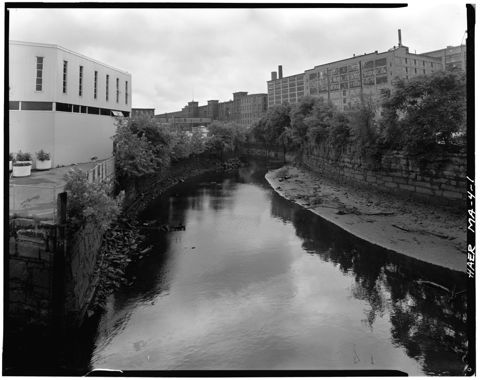 HamiltonMassachusetts
 HaverhillMassachusetts · Est. 1641
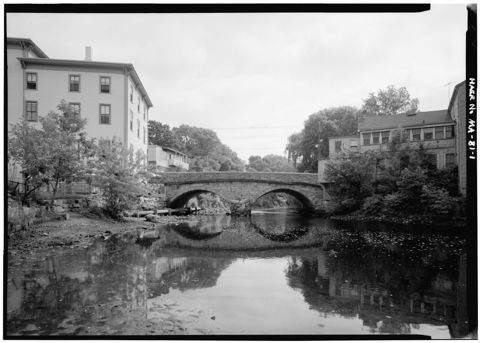 IpswichMassachusetts · Est. 1634
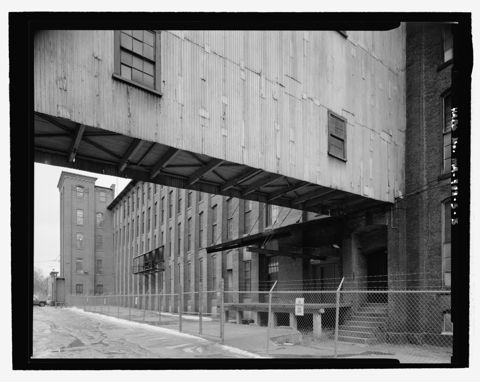 LawrenceMassachusetts · Est. 1847
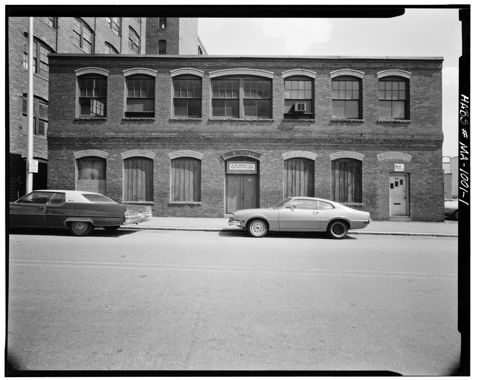 LynnMassachusetts · Est. 1629
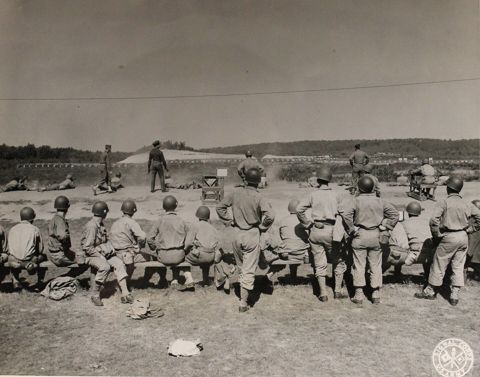 LynnfieldMassachusetts · Est. 1814
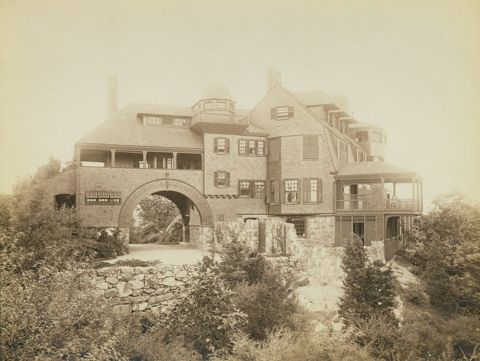 Manchester-By-The-SeaMassachusetts · Est. 1645
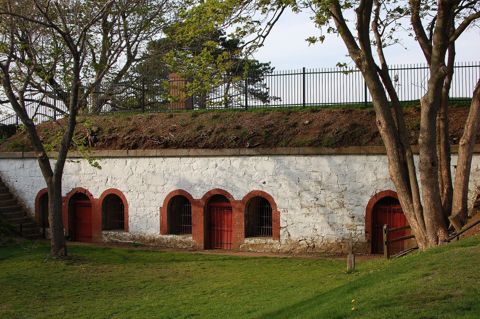 MarbleheadMassachusetts · Est. 1649
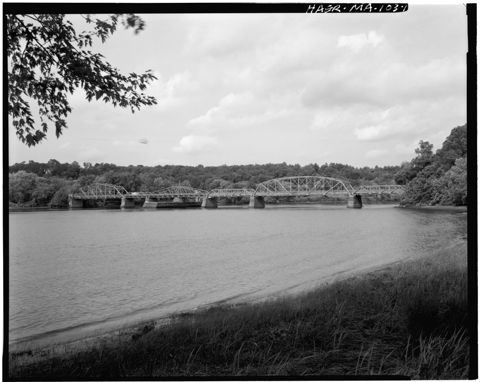 MerrimacMassachusetts · Est. 1876
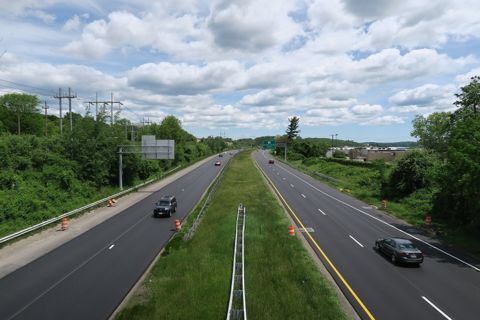 MethuenMassachusetts · Est. 1725
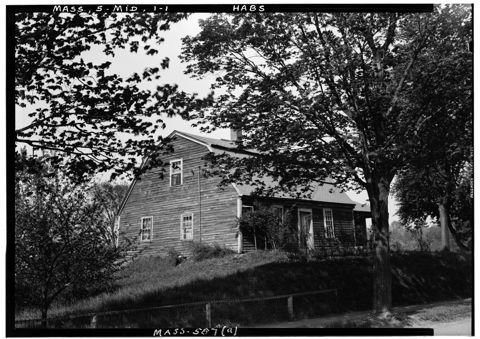 MiddletonMassachusetts · Est. 1728
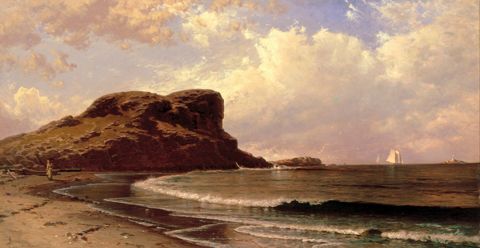 NahantMassachusetts · Est. 1853
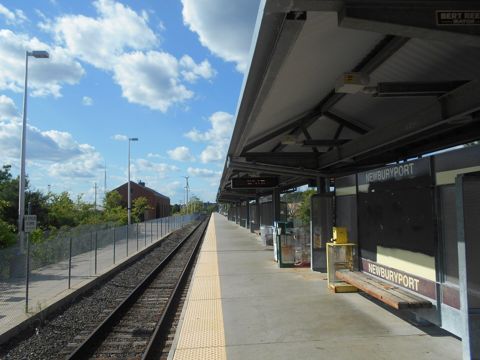 NewburyMassachusetts · Est. 1635
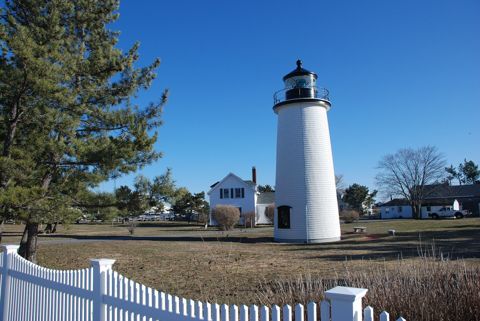 NewburyportMassachusetts · Est. 1764
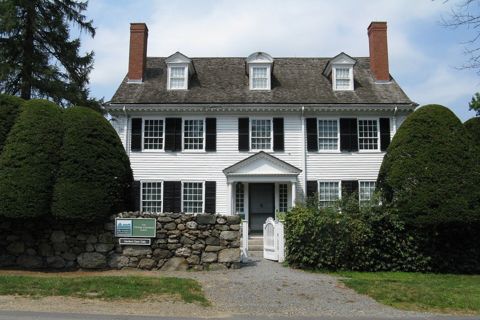 North AndoverMassachusetts · Est. 1646
Founding years, populations and town notes come from each town's Wikipedia and Wikidata entries. All Massachusetts towns.