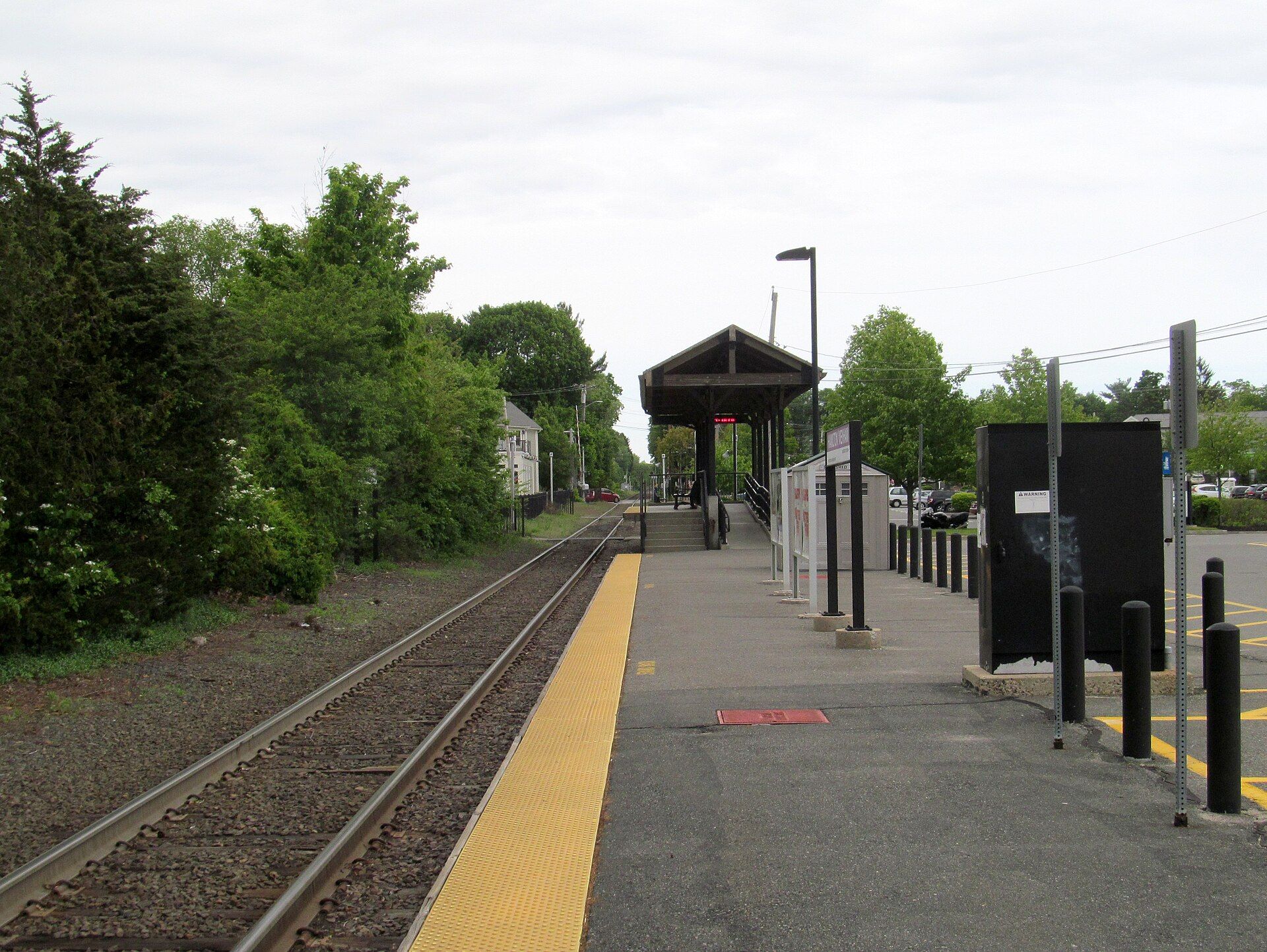
English settlers came to Wenham in the 1630s, but the area had been home to the Agawam people, an Eastern Algonquian tribe whose numbers were greatly reduced by a massive epidemic around 1617, possibly smallpox. Landmarks include Hamilton/Wenham station, Wenham Museum and Claflin-Richards House. Wenham is the birthplace of Laurie Stephens, para-alpine skier.
Every piece is drawn from Wenham's own map data and historic archives, then printed and shipped from the USA when you order. No two towns look alike.
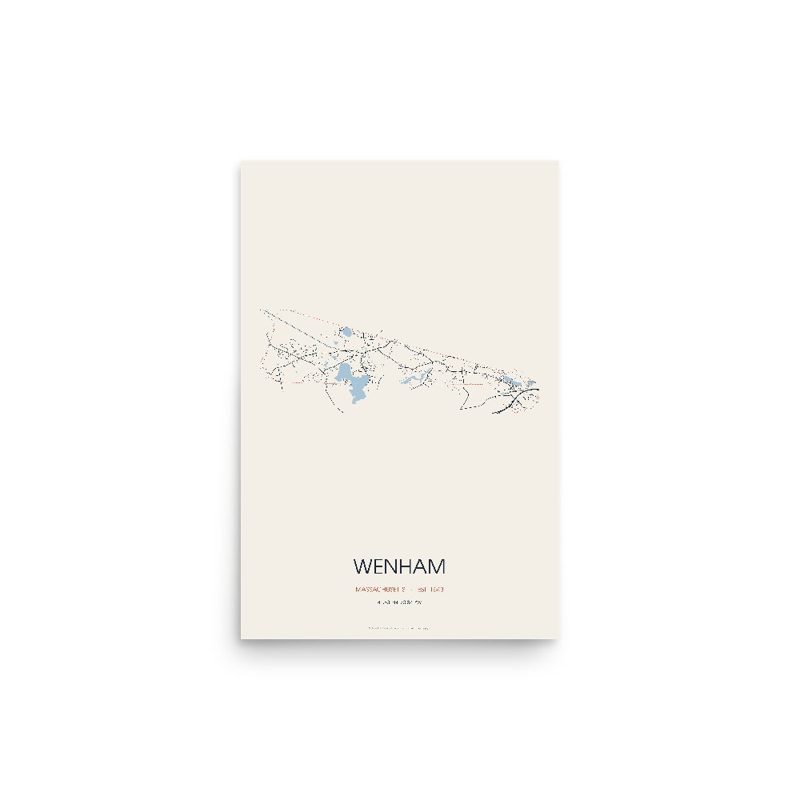
Every road in town, on archival matte paper
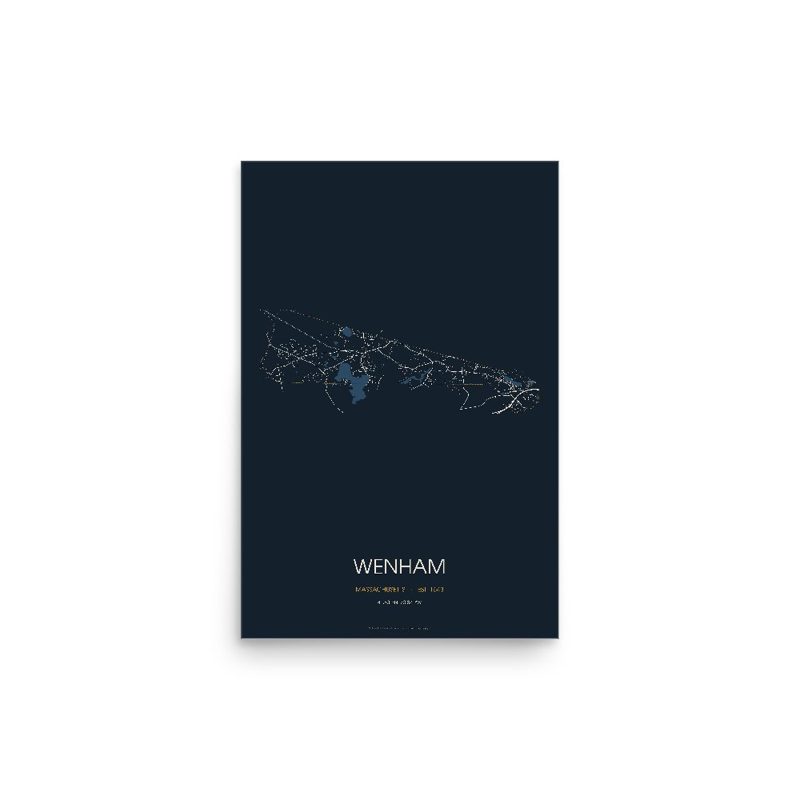
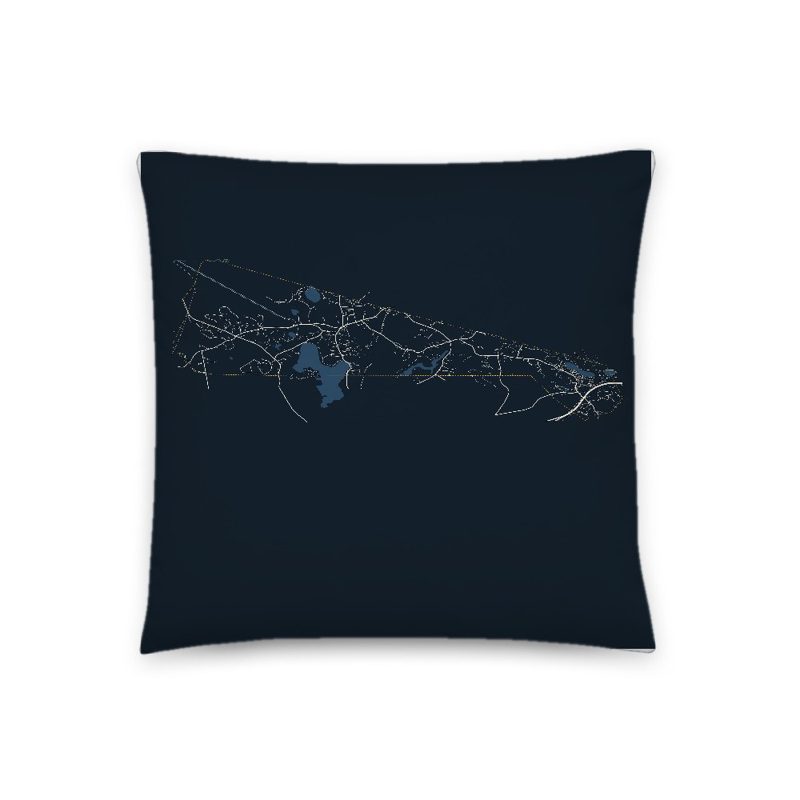
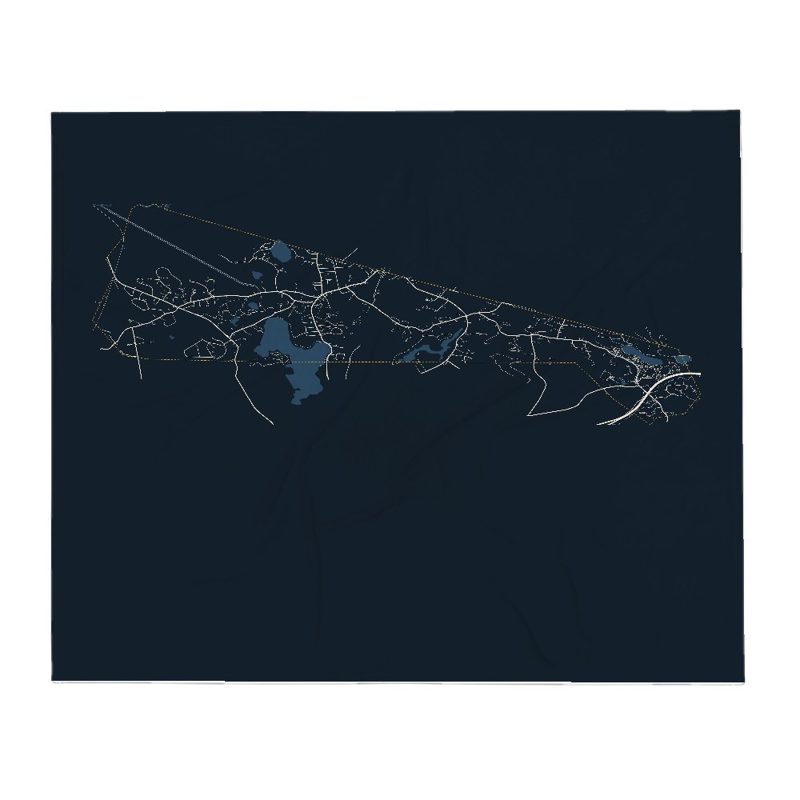
The same map, in navy and silver
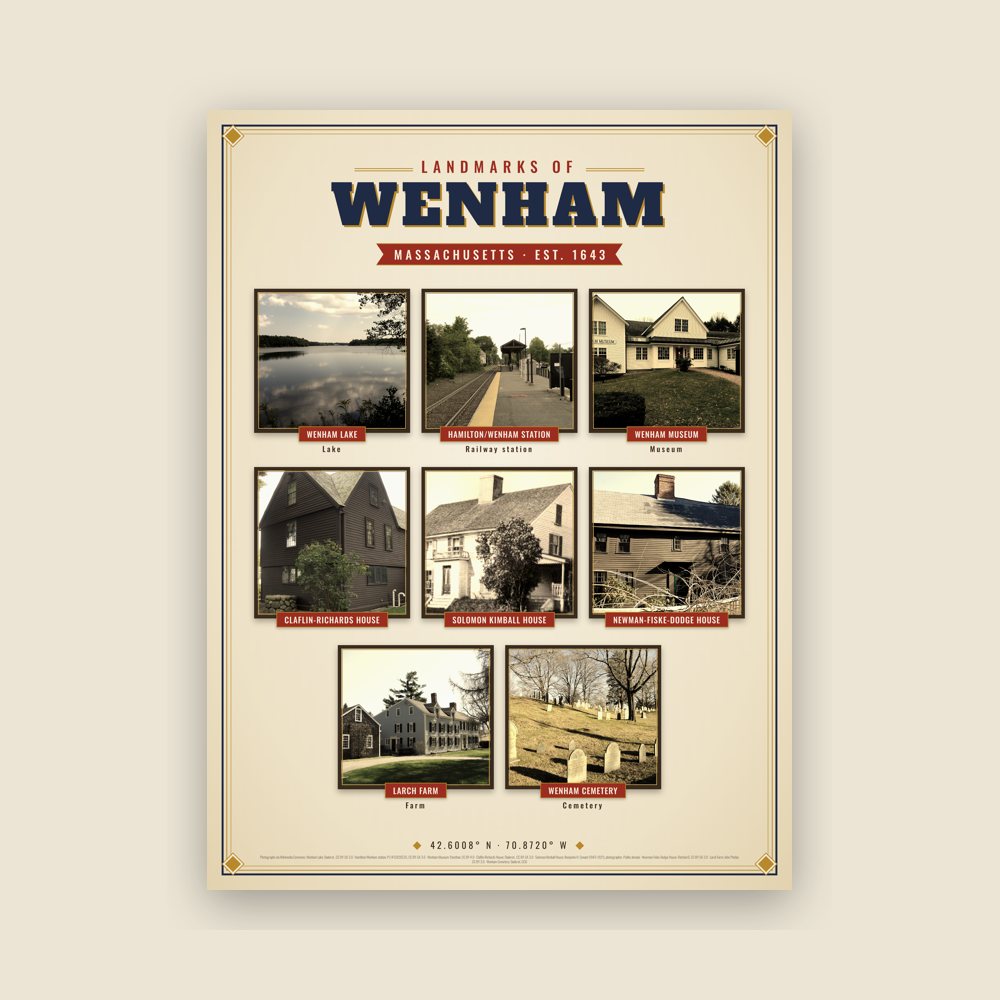
Nine local landmarks, archival matte
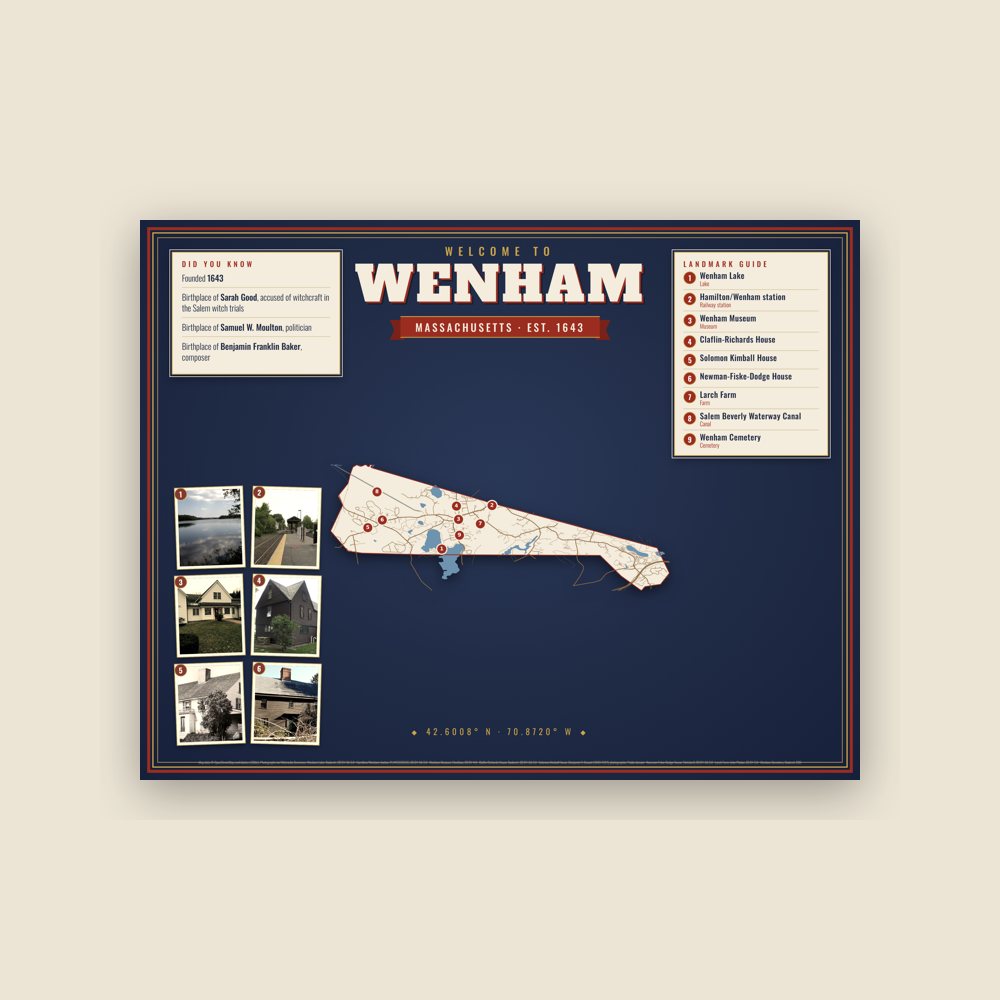
Map of local landmarks, washable fabric
Heavy-blend fleece, street map printed on the back
Soft Bella+Canvas jersey
Glossy ceramic, dishwasher safe
Ceramic keepsake, gold ribbon
Weatherproof, for the front walk
Soft-touch, zip cover
Sturdy all-over-print tote
Glossy top, cork back
Soft fleece, 50″×60″
20 oz, double-wall stainless
Population 2010: 4,875 → 2020: 4,979
From Wikidata (CC0).
English settlers came to Wenham in the 1630s, but the area had been home to the Agawam people, an Eastern Algonquian tribe whose numbers were greatly reduced by a massive epidemic around 1617, possibly smallpox.
Three grandchildren of Agawam Chief Masconomet pressed a claim to the lands of Wenham, Beverly, and Manchester in 1700, and Wenham selectmen paid them three pounds and ten shillings for the quitclaim. Indian artifacts were found frequently throughout Wenham, and a representative collection is in the possession of the Wenham Museum.
Wenham was originally a part of Salem. Salem's minister Hugh Peters preached to a group on a hill by the Great Pond around 1638, probably to encourage settlement. The earliest land grants in the Wenham area roughly coincide with Peters' sermon. The hill was leveled in later years to make room for the Wenham Lake Ice Company at the Great Pond.
In September 1643, the General Court of Massachusetts granted that Wenham should be a town in its own right and send a representative to the General Court. It was the first town to be set off from Salem. Wenham provided volunteers in King Philip's War in the 1670s, and the French and Indian War in the mid 1700s. In 1774, the town voted to select 15 men as minutemen, and from that time on Loyalists were not welcome in Wenham.
In 1909, steel magnate Henry Clay Frick bought the Iron Rail property so that his daughter Helen could create a vacation home for the mill girls throughout New England. Helen Frick transferred the Iron Rail Vacation Home to the Girls' Clubs of America in 1954, and the town of Wenham bought the property in the 1970s.
In 1921, the Historical Committee of the Wenham Village Improvement Society bought the 17th-century Claflin-Richards house at the center of town. They eventually added the museum and "the Barn", which became Burnham Hall. The Wenham Historical Association and Museum became independent from the Village Improvement Society and underwent a major renovation and expansion in 1997.
Adapted (trimmed) from the Wikipedia article Wenham, Massachusetts, revision 1378269681 by its contributors, licensed CC BY-SA 4.0.
We share a part of every Wenham sale with local partners, and we'd love to print from your collection. Old photographs, maps and postcards make the best keepsakes.
Partner with us