Hillsborough County, New Hampshire
Street maps, historic prints and keepsakes for 31 Hillsborough County towns.
The oldest is Litchfield, established 1734. The largest by population is Manchester (115,644).
| Town | Established | Population |
|---|---|---|
| Amherst | 1760 | 11,753 |
| Antrim | 1777 | 2,651 |
| Bedford | 1750 | 23,322 |
| Bennington | 1842 | 1,501 |
| Brookline | 1769 | 5,639 |
| Deering | 1774 | 1,904 |
| Francestown | 1772 | 1,610 |
| Goffstown | 1761 | 18,577 |
| Greenfield | 1791 | 1,716 |
| Greenville | 1872 | 1,974 |
| Hancock | 1779 | 1,731 |
| Hillsborough | 1772 | 5,939 |
| Hollis | 1746 | 8,342 |
| Hudson | 1746 | 25,394 |
| Litchfield | 1734 | 8,478 |
| Lyndeborough | 1764 | 1,702 |
| Manchester | 1751 | 115,644 |
| Mason | 1768 | 1,448 |
| Merrimack | 1746 | 26,632 |
| Milford | 1794 | 16,131 |
| Mont Vernon | 1803 | 2,584 |
| Nashua | 1746 | 91,322 |
| New Boston | 1763 | 6,108 |
| New Ipswich | 1762 | 5,204 |
| Pelham | 1746 | 14,222 |
| Peterborough | 1760 | 6,418 |
| Sharon | 1791 | 359 |
| Temple | 1768 | 1,382 |
| Weare | 1764 | 9,092 |
| Wilton | 1762 | 3,896 |
| Windsor | 1798 | 262 |
About these towns
Amherst: Like many towns in New England, Amherst was founded via a land grant issued to members of the colonial militia; the land grant which led to the town's foundation was issued in 1728 to veterans of King Philip's War.
Antrim: Settled in 1744 and incorporated on March 22, 1777, this town did not receive its incorporated name until 1778. It was named for County Antrim in the north of Ireland, now part of Northern Ireland, which was the native home of the land's owner, Philip Riley.
Bedford: In 1733, the Province of Massachusetts Bay established Bedford as "Narragansett, No. 5" for the benefit of soldiers who fought against the Narragansett people in Rhode Island.
Bennington: Situated in an area once called "Society Land", the town was formed from parts of Deering, Francestown, Greenfield and Hancock. It was named to commemorate the 1777 Battle of Bennington, an American Revolutionary War battle fought in New York near Bennington, Vermont.
Brookline: First a part of Dunstable, Massachusetts, then settled as West Hollis, New Hampshire, the town was granted in 1769 as "Raby". Colonial Governor John Wentworth named it after his cousin, the 4th Earl of Strafford and Baron of Raby Castle.
Deering: First settled about 1765, the town was incorporated on 17 January 1774, by John Wentworth, governor of the Province of New Hampshire.
Francestown: Incorporated in 1772, Francestown takes its name from Frances Deering Wentworth, the wife of colonial governor John Wentworth. For some time the town used its location on the Second New Hampshire Turnpike, the only route between Boston and Vermont, to collect a toll of one cent per mile from coaches and wagons.
Goffstown: Prior to the arrival of English colonists, the area had seasonally been inhabited for thousands of years by succeeding cultures of Native Americans; its waterways had numerous fish, and the area had game.
Greenfield: Originally known as "Lyndeborough Addition", the area was first settled by the Lynde family in 1753. Separated from the nearest church and school by the Monadnock hills, the residents successfully petitioned to form a new town in 1791, using the name "Greenfield" to highlight the area's level, fertile ground.
Greenville: Once a part of Mason called "Mason Village", Greenville is one of the state's newest and smallest towns, incorporated in 1872. It is located at the High Falls on the Souhegan River, whose plentiful water power provided the mill town with the state's first industries, making cotton and woolen goods.
Hancock: Hancock started as an unidentified settlement on the Contoocook River, in lands known as "Society Land" or "Cumberland", which had been reserved for the proprietors of the lands which became New Hampshire.
Hillsborough: The town was first granted in 1735 by Jonathan Belcher, colonial governor of Massachusetts and New Hampshire, as "Number Seven", one in a line of nine Massachusetts towns set up as defense barriers against Indian attacks.
Hollis: According to Samuel T. The town center village is listed on the National Register of Historic Places as Hollis Village Historic District.
Hudson: Hudson began as part of the Dunstable Land Grant that encompassed the current city of Nashua, New Hampshire, and the towns of Dunstable and Pepperell, Massachusetts, as well as parts of other nearby towns on both sides of the border.
Litchfield: Prior to European settlement, the area was populated by the Abenaki people. They were skilled with fishing and were adept in agriculture as well.
Lyndeborough: Originally granted by the Massachusetts General Court to veterans from Salem, Massachusetts, of New England's first war with Canada, the area was known as "Salem-Canada".
Manchester: The native Pennacook people called Amoskeag Falls on the Merrimack River—the area that became the heart of Manchester—Namaoskeag, meaning "good fishing place".
Mason: Mason was first known as "Number One", the easternmost in a line of border towns including area allotted to the Province of New Hampshire after its border with neighboring Massachusetts was fixed in 1739.
Merrimack: The first known settlers of the area appeared sometime after the last ice age. Merrimack is a Native American term meaning sturgeon, a type of fish.
Milford: Milford separated from neighboring Amherst in 1794. Like most towns named Milford in the United States, its name comes from the fact that it grew around a mill built on a ford—in this case on the Souhegan River.
Mont Vernon: Mont Vernon's general history follows that of many towns in this region. Originally settled for agriculture, its farms were hard hit after the Civil War when railroads opened up better farming land in the Midwest.
Nashua: The area was part of a 200-square-mile (520 km2) tract of land in Massachusetts called "Dunstable", named after Edward Tyng of Dunstable in England.
New Boston: The town was first granted in 1736 by colonial governor Jonathan Belcher of Massachusetts and New Hampshire. At the time, lands to the west of the Merrimack River, disputed between the two provinces, were treated by Belcher as part of Massachusetts, and he granted the town to several Boston families.
New Ipswich: New Ipswich was granted in 1735 to 60 inhabitants of Ipswich, Massachusetts, whence the name is derived, by colonial Governor Jonathan Belcher and the General Court (Assembly) of Massachusetts.
Pelham: Originally part of Lowell, Massachusetts, Pelham was split from Old Dunstable in 1741, when the border between Massachusetts and New Hampshire was settled.
Peterborough: Granted by Massachusetts in 1737, it was first permanently settled in 1749. The town suffered several attacks during the French and Indian War.
Sharon: Sharon was first settled in 1738 as part of "Peterborough Slip", an area which until 1768 included Temple. In 1777, it petitioned to become part of Peterborough, but was denied.
Temple: The area was first called "Peterborough Slip", which included what is now the town of Sharon. In 1758, Maj. Ephraim Heald and his wife Sarah, along with his brother Deacon Peter Heald and Oliver Heald, a cousin, were among the first settlers.
Weare: It was granted to veterans of the Canadian wars in 1735 by Governor Jonathan Belcher, who named it "Beverly-Canada" after their hometown, Beverly, Massachusetts.
Wilton: The town was first part of a township chartered as "Salem-Canada" in 1735 by Colonial Governor Jonathan Belcher of Massachusetts, which then claimed this area.
Windsor: Incorporated in 1798, Windsor takes its name from Windsor, Connecticut, the home town of grantee John Campbell. The town was made from the land that was left over from the surrounding Hillsborough County.
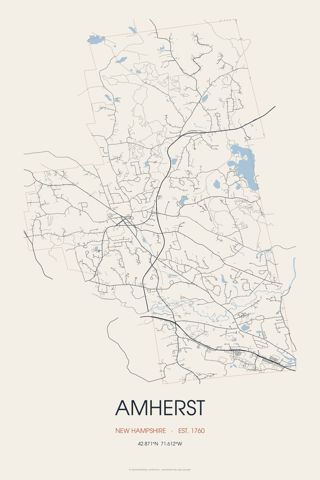 AmherstNew Hampshire · Est. 1760
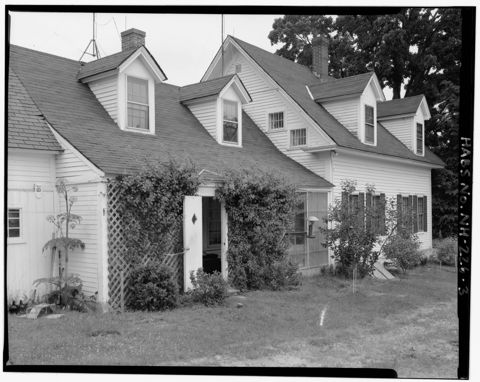 AntrimNew Hampshire · Est. 1777
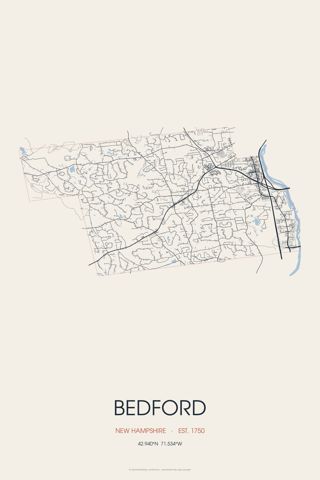 BedfordNew Hampshire · Est. 1750
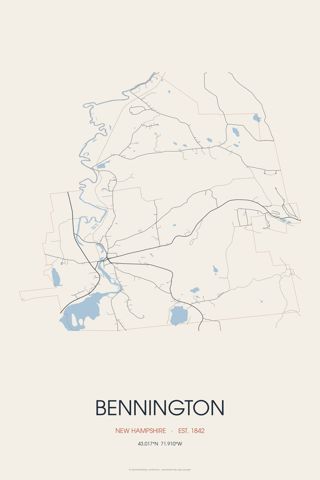 BenningtonNew Hampshire · Est. 1842
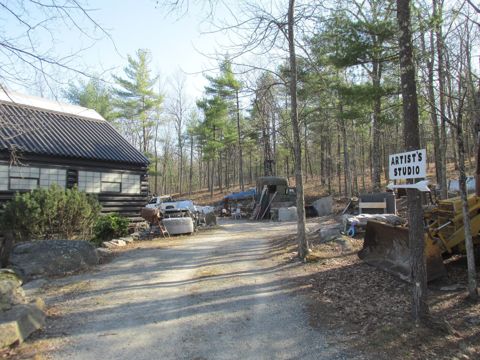 BrooklineNew Hampshire · Est. 1769
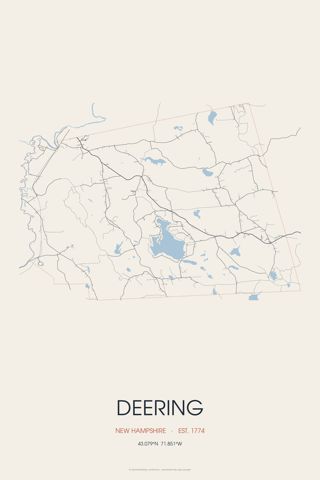 DeeringNew Hampshire · Est. 1774
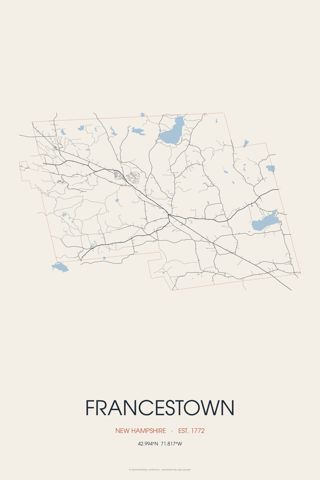 FrancestownNew Hampshire · Est. 1772
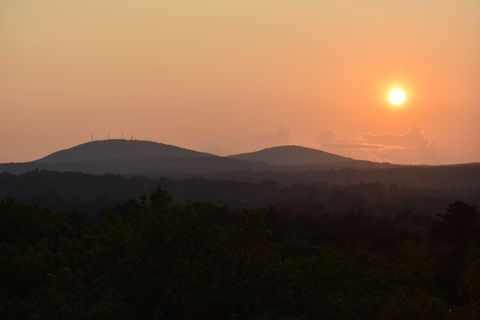 GoffstownNew Hampshire · Est. 1761
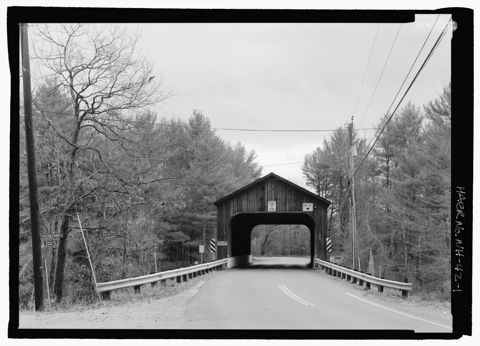 GreenfieldNew Hampshire · Est. 1791
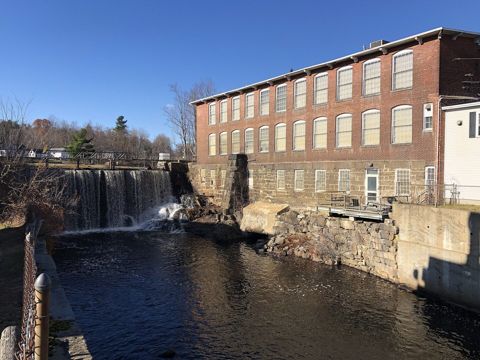 GreenvilleNew Hampshire · Est. 1872
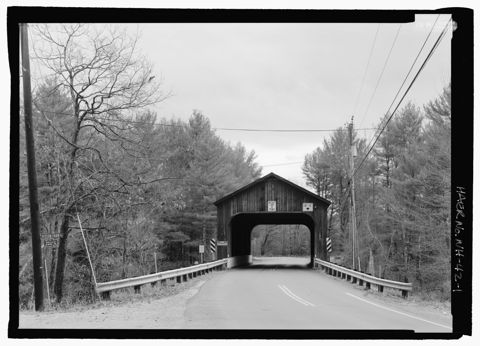 HancockNew Hampshire · Est. 1779
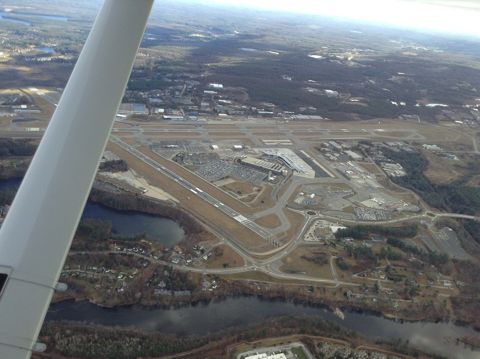 HillsboroughNew Hampshire · Est. 1772
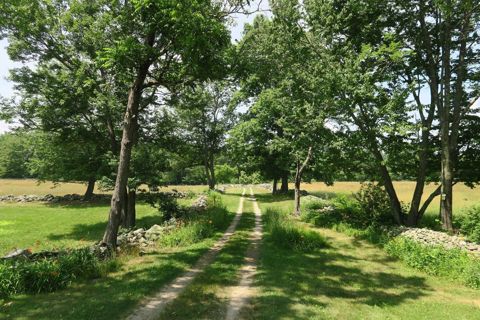 HollisNew Hampshire · Est. 1746
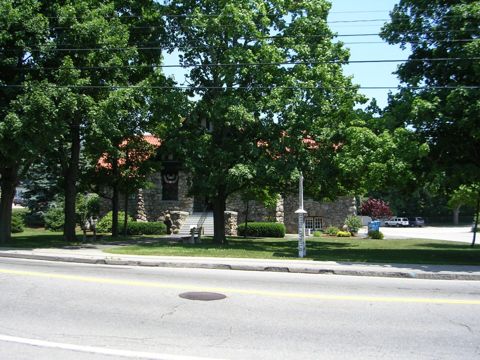 HudsonNew Hampshire · Est. 1746
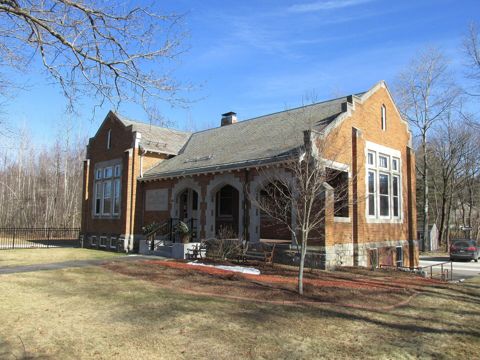 LitchfieldNew Hampshire · Est. 1734
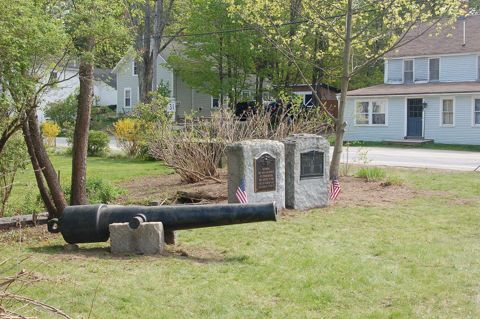 LyndeboroughNew Hampshire · Est. 1764
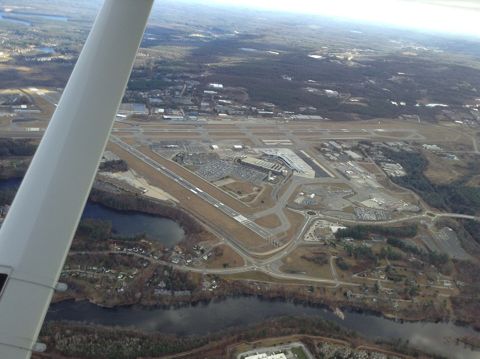 ManchesterNew Hampshire · Est. 1751
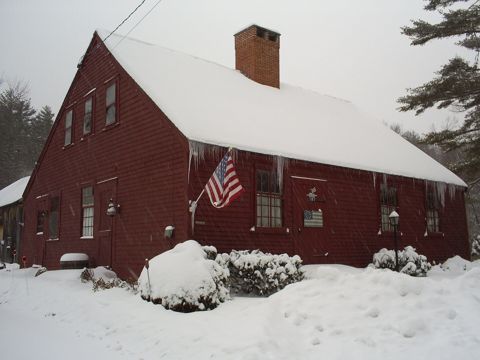 MasonNew Hampshire · Est. 1768
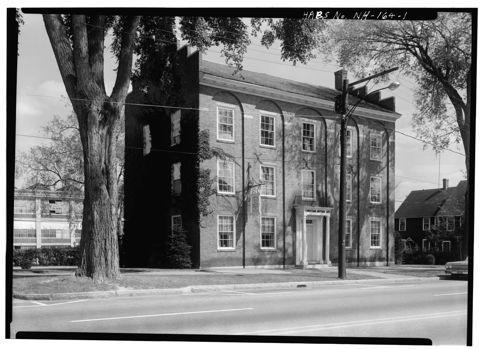 MerrimackNew Hampshire · Est. 1746
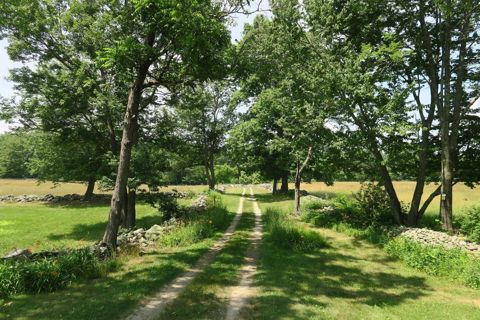 MilfordNew Hampshire · Est. 1794
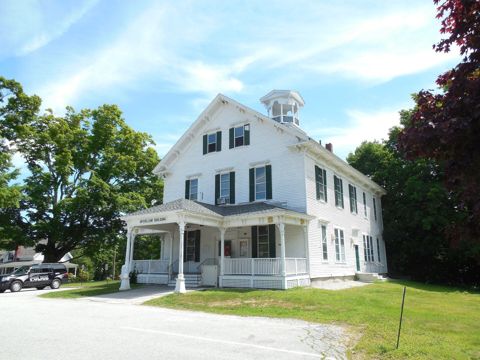 Mont VernonNew Hampshire · Est. 1803
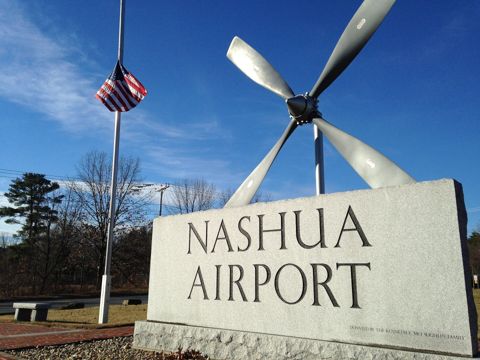 NashuaNew Hampshire · Est. 1746
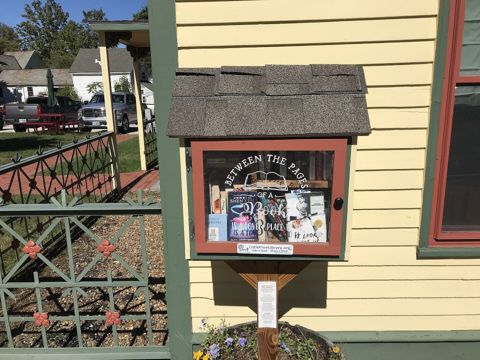 New BostonNew Hampshire · Est. 1763
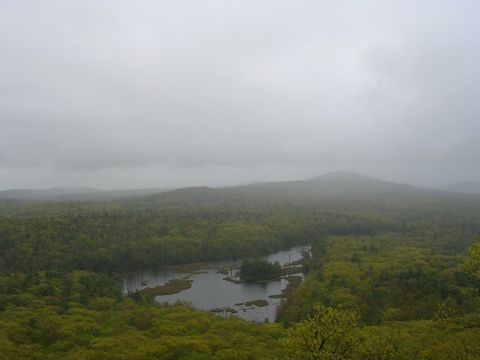 New IpswichNew Hampshire · Est. 1762
Founding years, populations and town notes come from each town's Wikipedia and Wikidata entries. All New Hampshire towns.