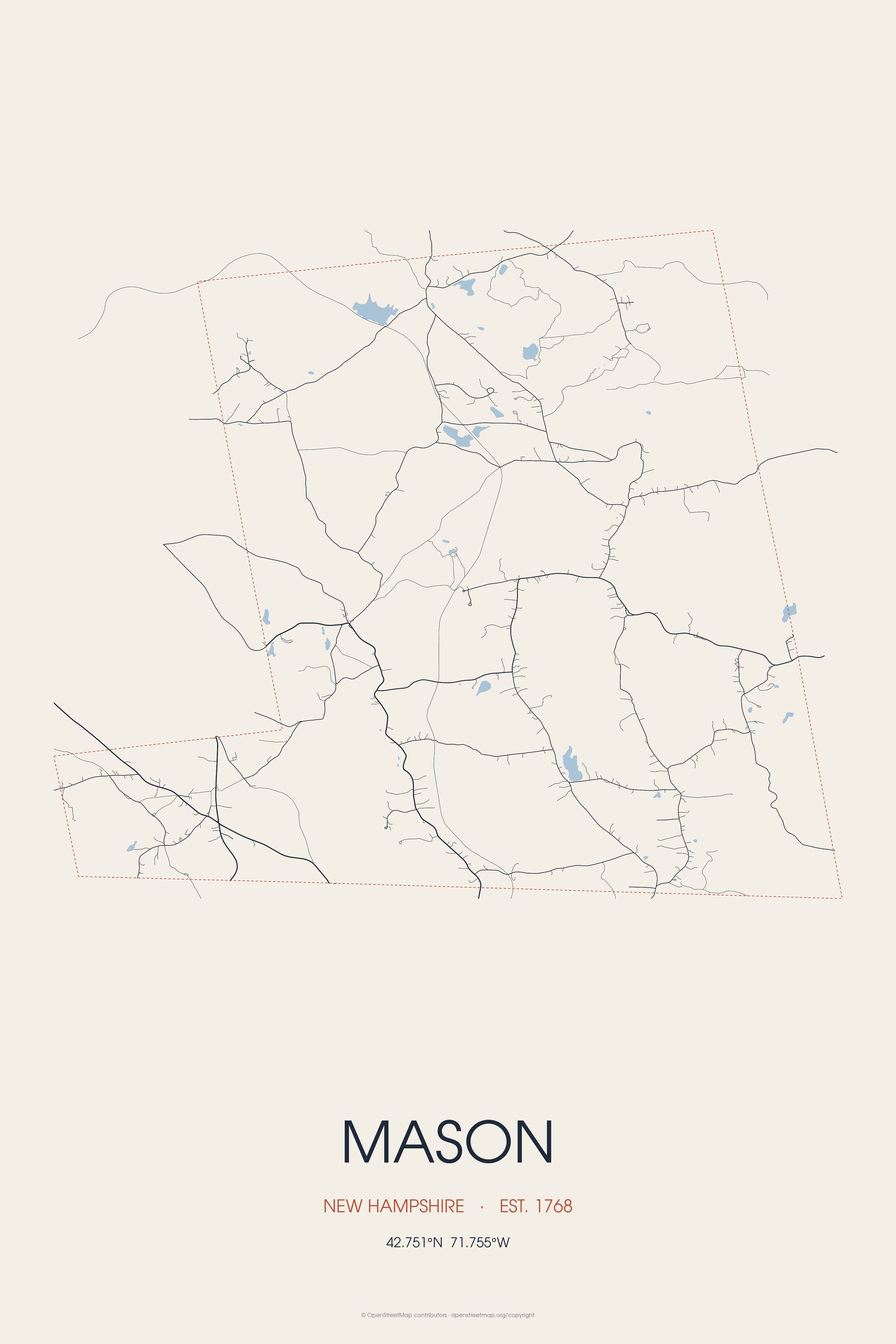
Mason, together with Wilton, is home to Russell-Abbott State Forest. Mason is the birthplace of Edward W. Scripture, physician and psychologist.
Every piece is drawn from Mason's own map data and historic archives, then printed and shipped from the USA when you order. No two towns look alike.
Every road in town, on archival matte paper
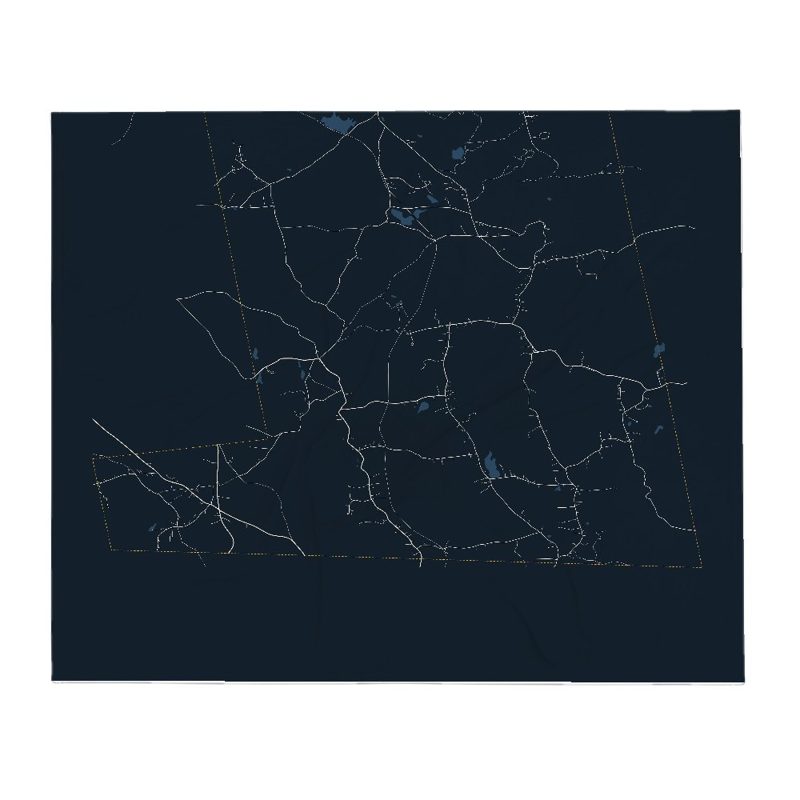
The same map, in navy and silver
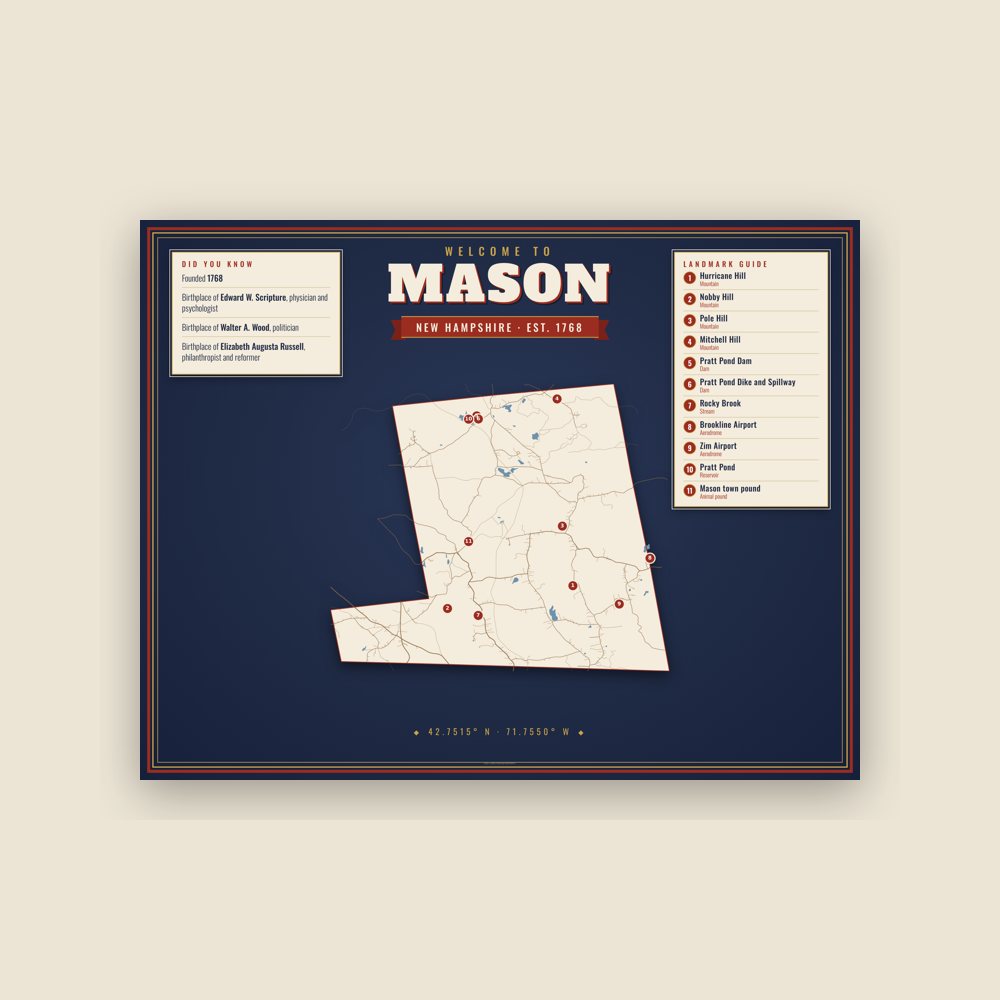
Map of local landmarks, washable fabric
Heavy-blend fleece, street map printed on the back
Soft Bella+Canvas jersey
Glossy ceramic, dishwasher safe
Ceramic keepsake, gold ribbon
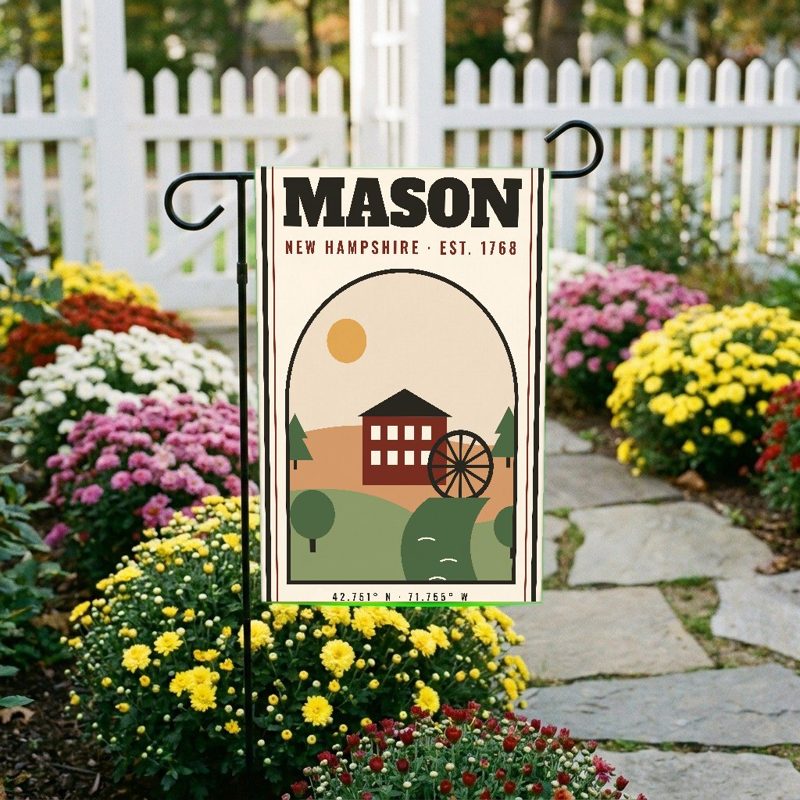
Weatherproof, for the front walk
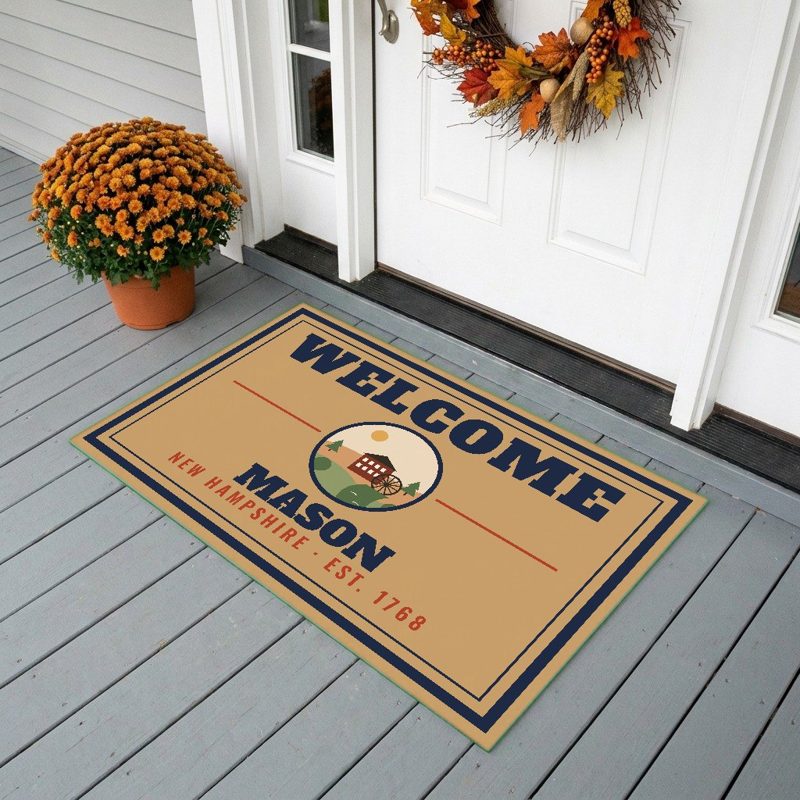
24″×16″, printed coir-look fibers, rubber back
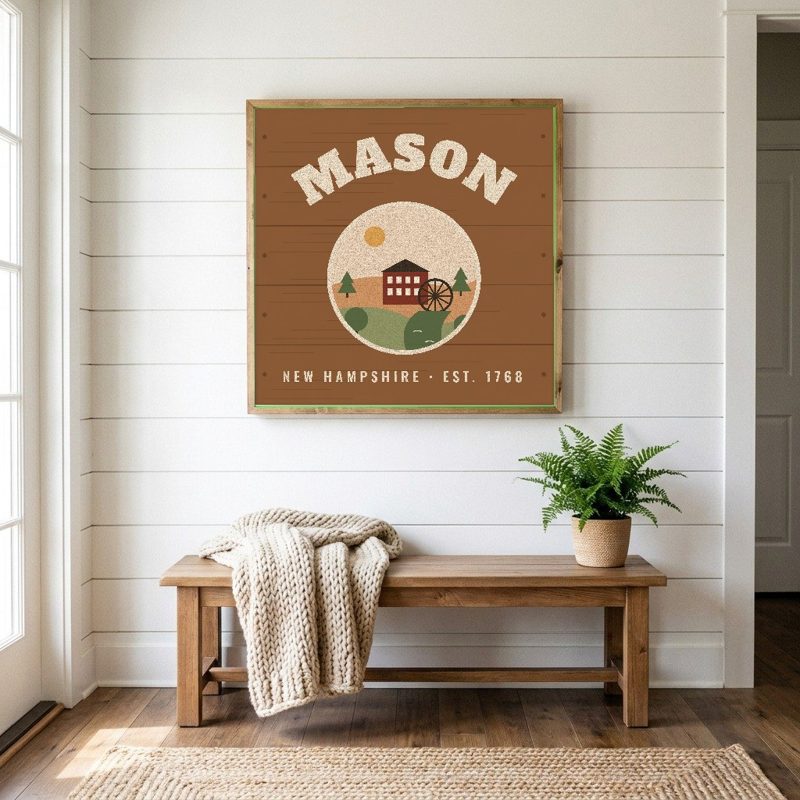
12″×12″ printed wood, ready to hang
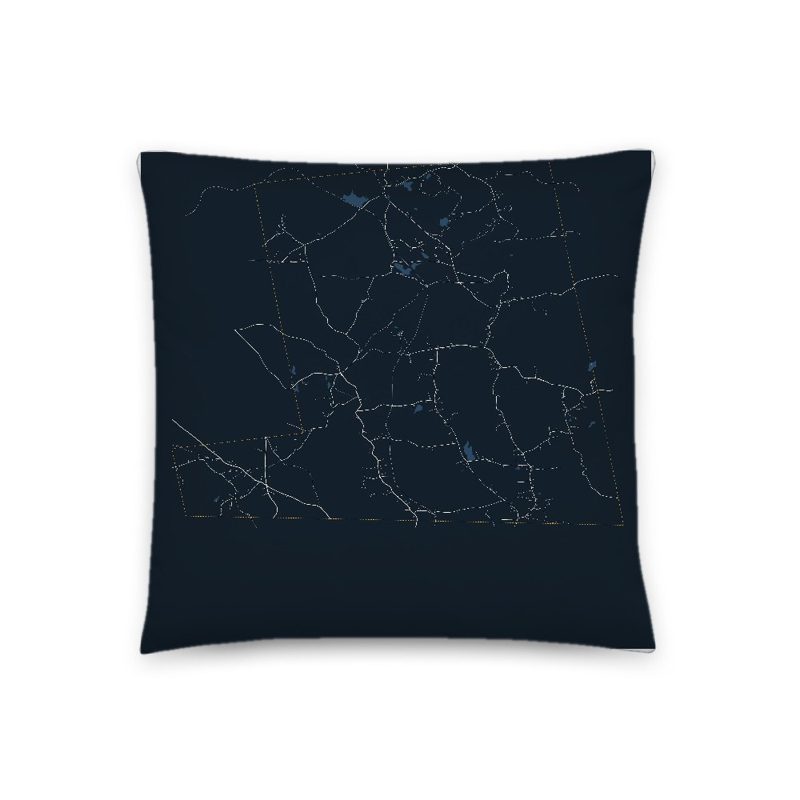
Soft-touch, zip cover
Sturdy all-over-print tote
Glossy top, cork back
Soft fleece, 50″×60″
20 oz, double-wall stainless
Population 2010: 1,382 → 2020: 1,448
From Wikidata (CC0).
Mason was first known as "Number One", the easternmost in a line of border towns including area allotted to the Province of New Hampshire after its border with neighboring Massachusetts was fixed in 1739. The town was granted its own charter in 1749 by colonial governor Benning Wentworth, and in 1768 his nephew, Governor John Wentworth, named it in honor of New Hampshire's founder, Captain John Mason, who along with Sir Ferdinando Gorges had been granted the territory in 1622 by the Council of New England. In 1629 the land grant was split between the two proprietors, with Gorges retaining the eastern portion of the territory (present-day Maine), and Mason holding the patent with title to the land that became New Hampshire.
Near the center of Mason is the boyhood home of Samuel Wilson, the meat supplier who is believed to have inspired the Uncle Sam character. The private house is today identified by a state historical marker. Another prominent local figure was Elizabeth Orton Jones, an author, illustrator and teacher better known as "Twig". Jones is noted for her recording of town history and her dedication to Andy's Summer Playhouse, a renowned youth theater founded in Mason. Pickity Place, a local cottage built in 1759 by Ebenezer Blood, was the model for the grandmother's house in Jones' 1948 illustrated version of "Little Red Riding Hood". Pickity Place was created by David and Judith Walter.
Adapted (trimmed) from the Wikipedia article Mason, New Hampshire, revision 1378560814 by its contributors, licensed CC BY-SA 4.0.
We share a part of every Mason sale with local partners, and we'd love to print from your collection. Old photographs, maps and postcards make the best keepsakes.
Partner with us