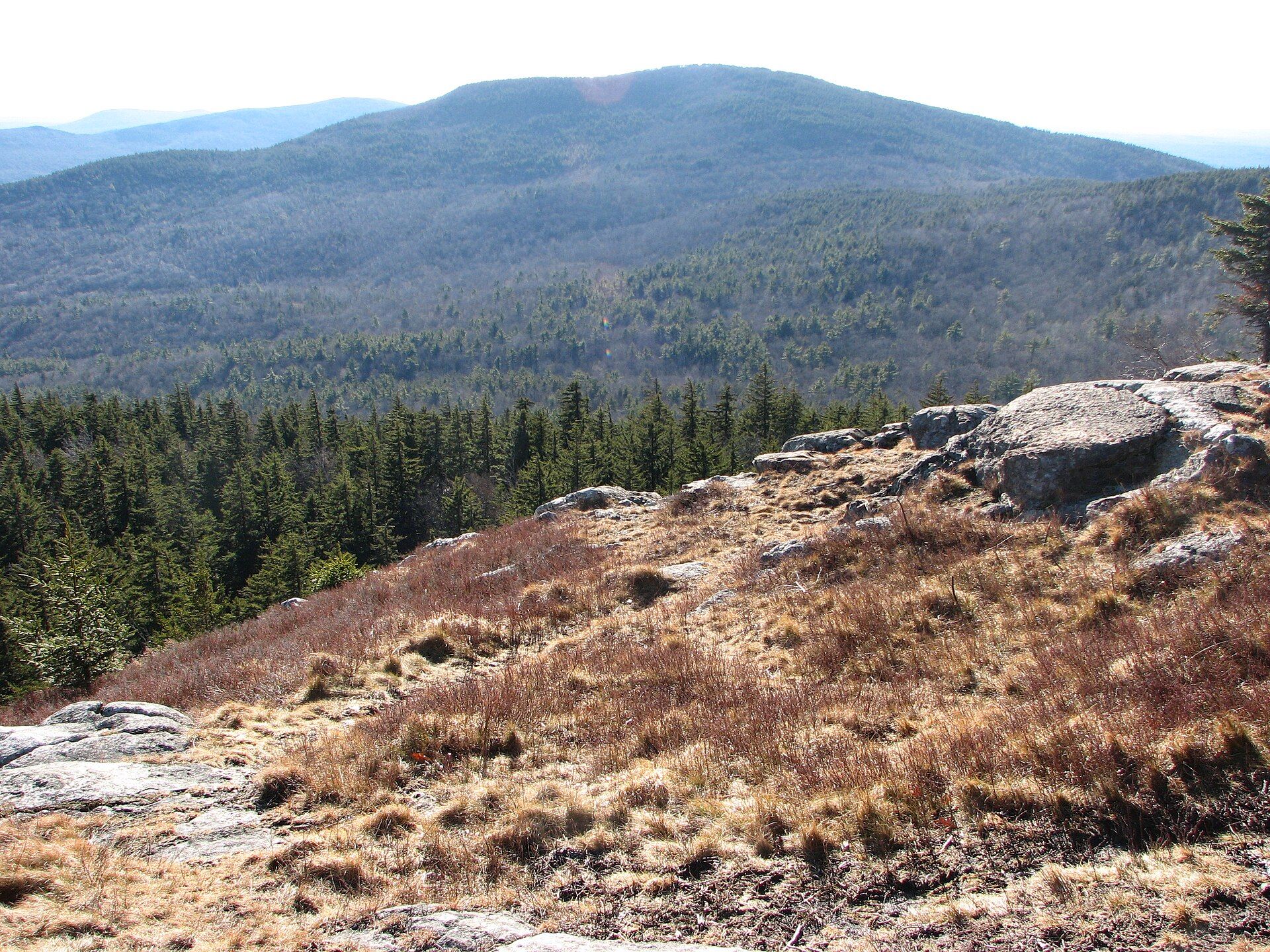
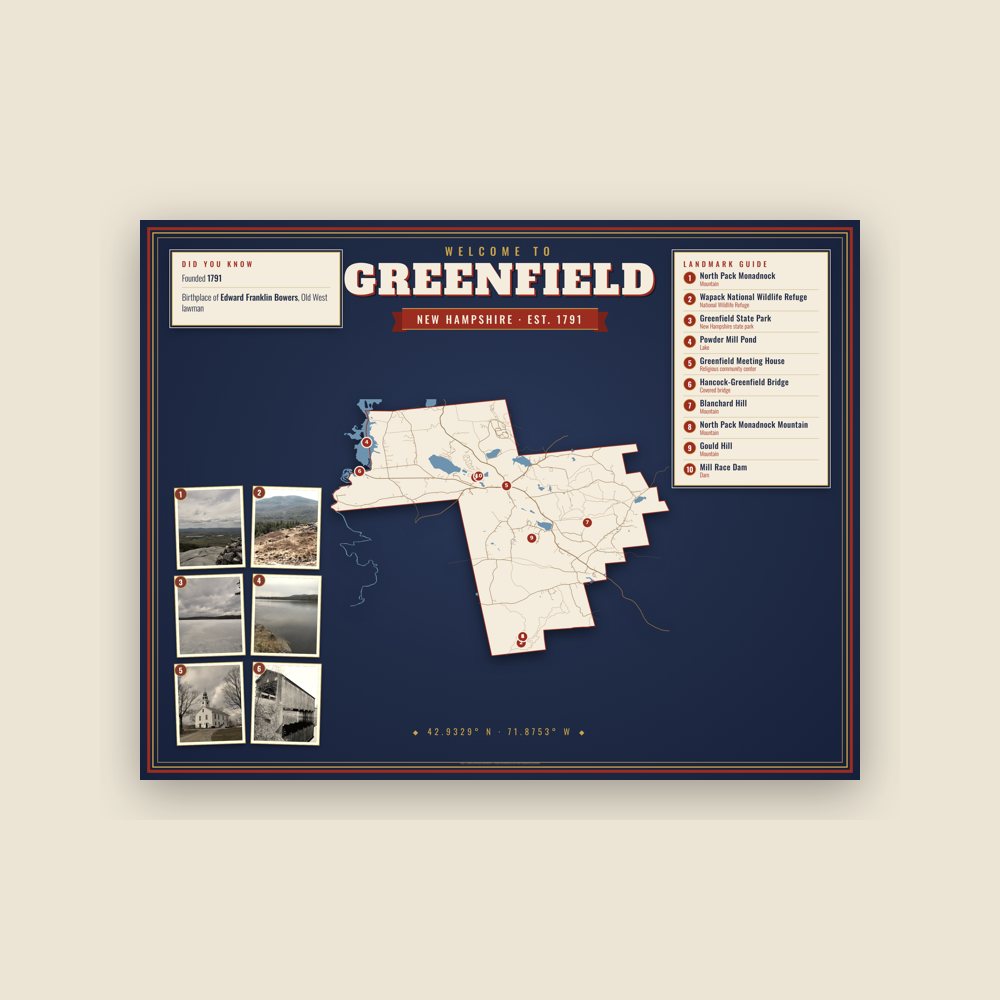
Separated from the nearest church and school by the Monadnock hills, the residents successfully petitioned to form a new town in 1791, using the name "Greenfield" to highlight the area's level, fertile ground. Landmarks include North Pack Monadnock, Wapack National Wildlife Refuge and Greenfield State Park. Greenfield is the birthplace of Edward Franklin Bowers, old West lawman.
Every piece is drawn from Greenfield's own map data and historic archives, then printed and shipped from the USA when you order. No two towns look alike.
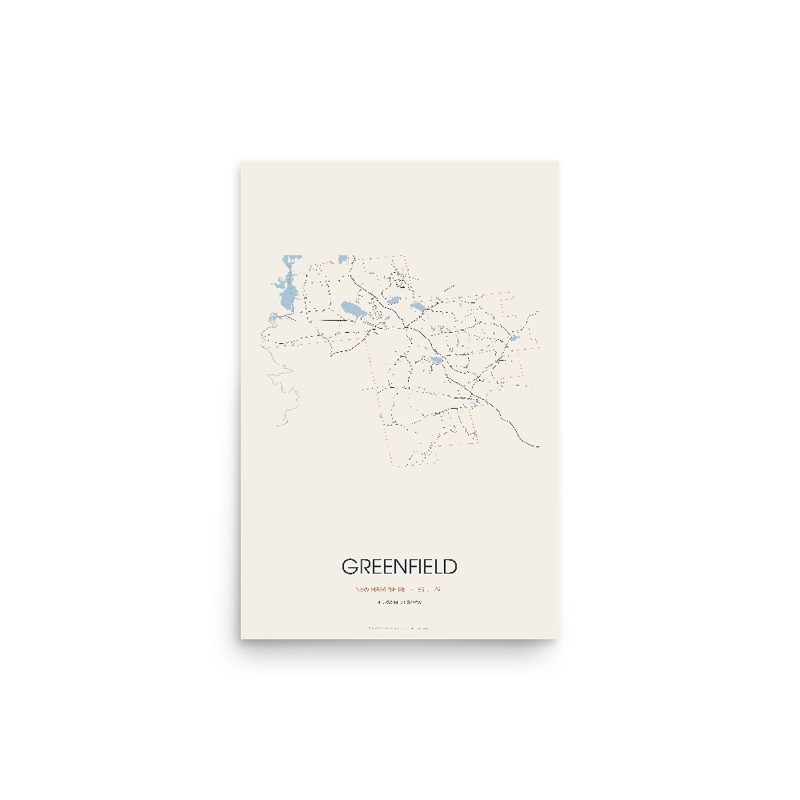
Every road in town, on archival matte paper
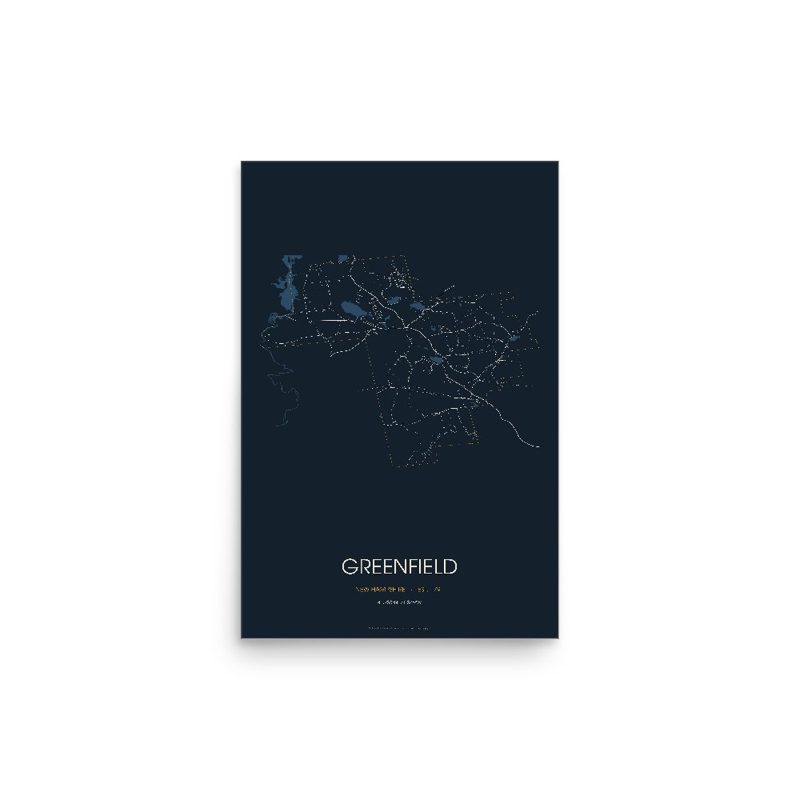
The same map, in navy and silver
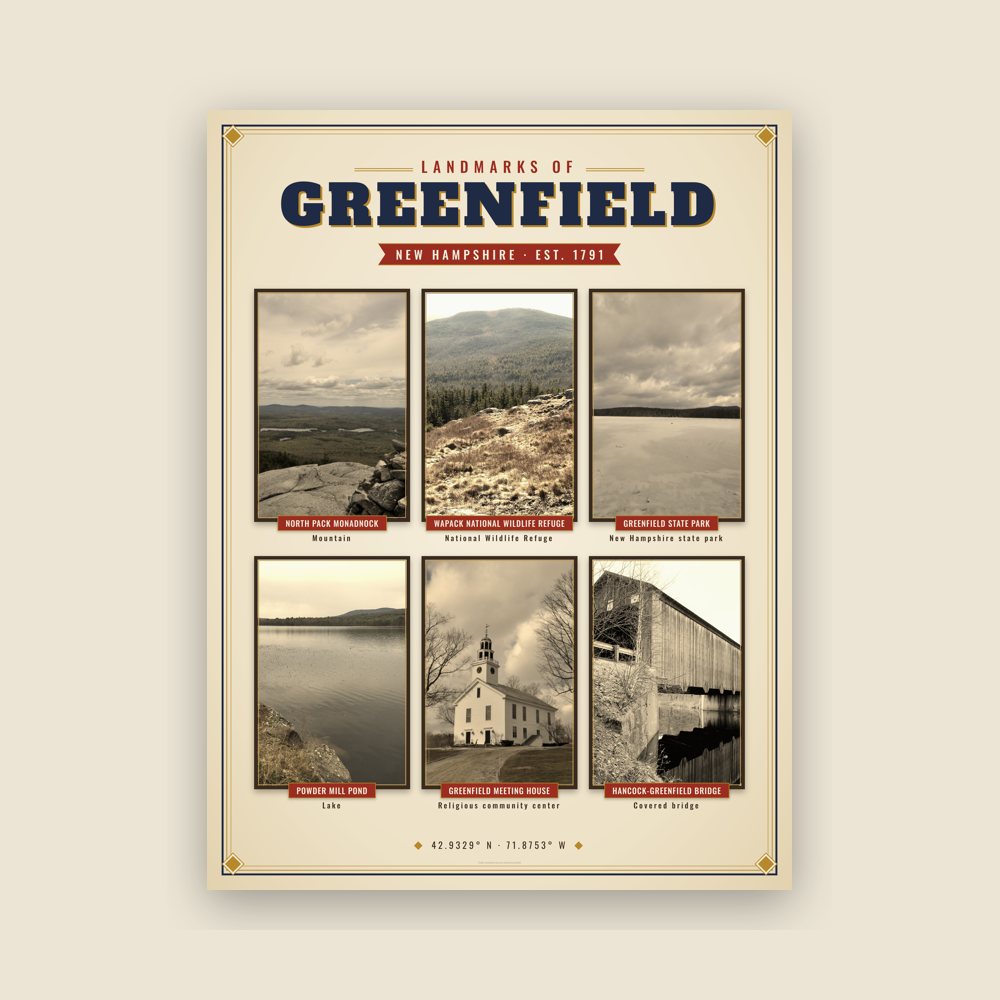
Nine local landmarks, archival matte
The town's story in dates, from its own records, for home or classroom
Map of local landmarks, washable fabric
Heavy-blend fleece, street map printed on the back
Soft Bella+Canvas jersey
Glossy ceramic, dishwasher safe
Ceramic keepsake, gold ribbon
Weatherproof, for the front walk
24″×16″, printed coir-look fibers, rubber back
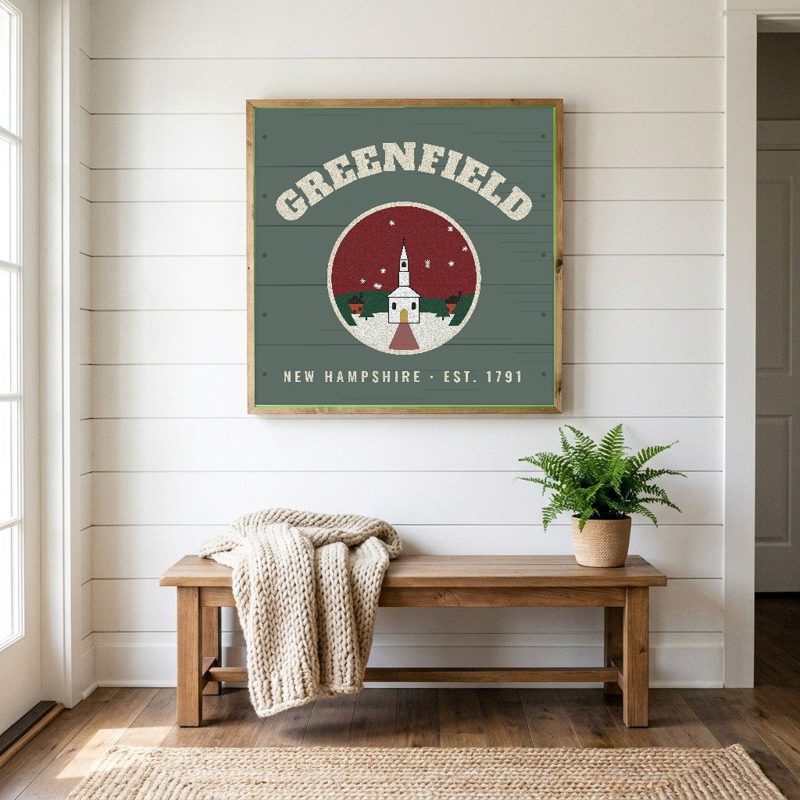
12″×12″ printed wood, ready to hang
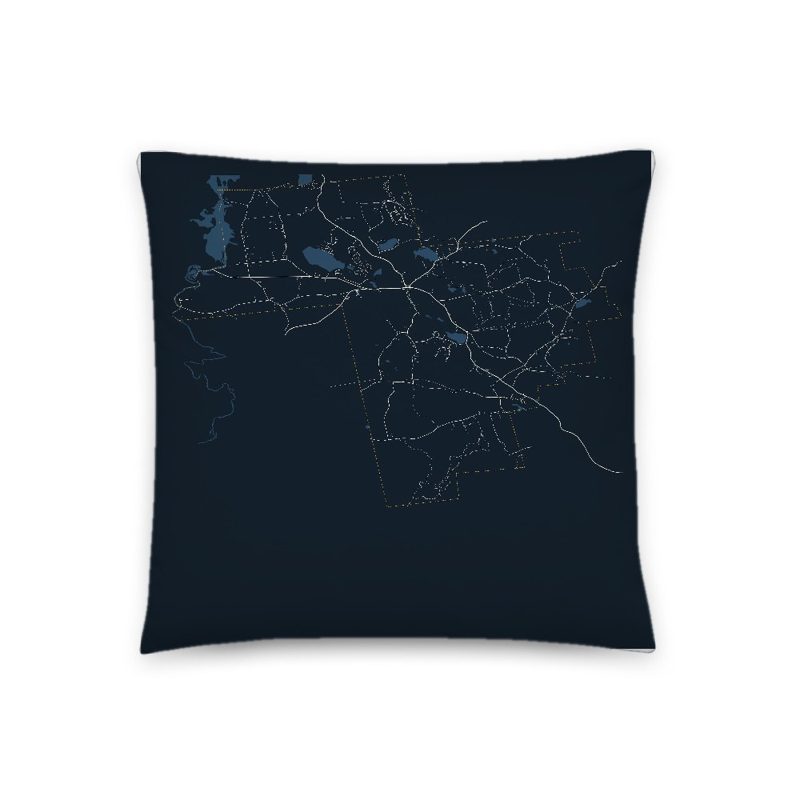
Soft-touch, zip cover
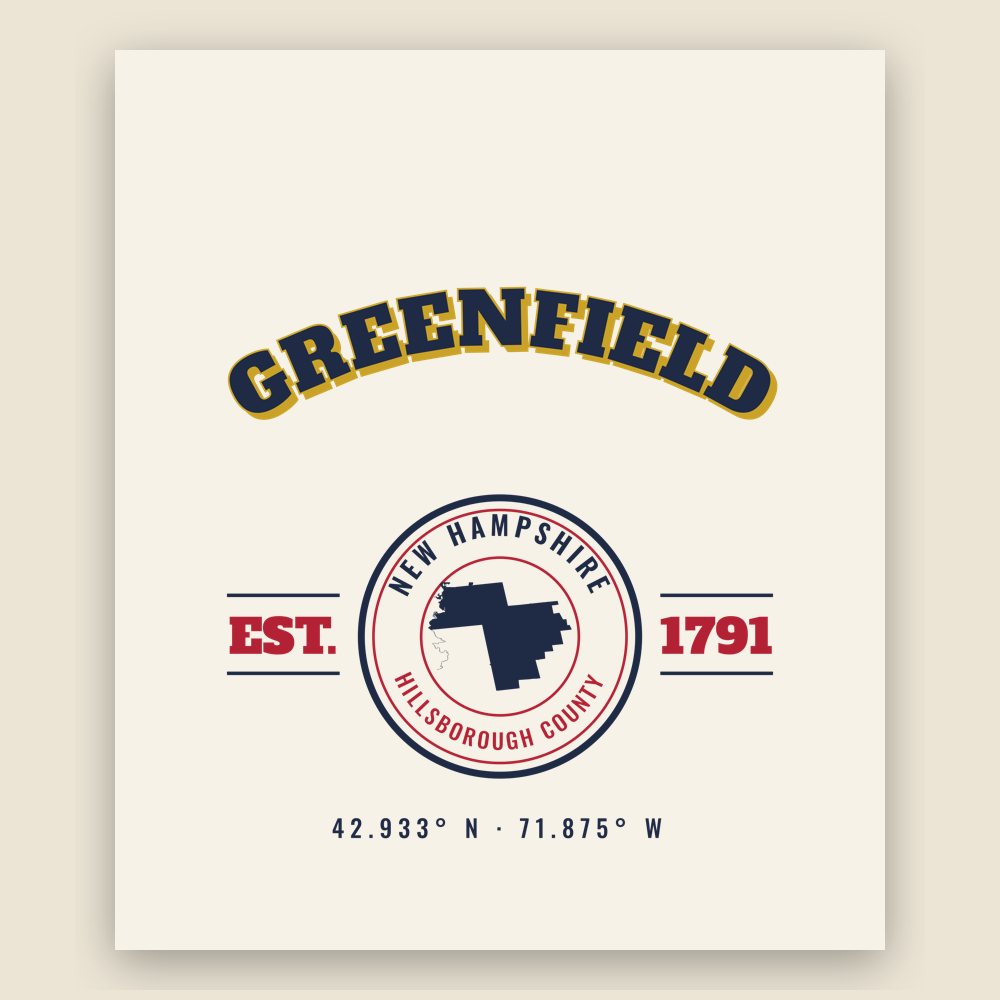
Sturdy all-over-print tote
Glossy top, cork back
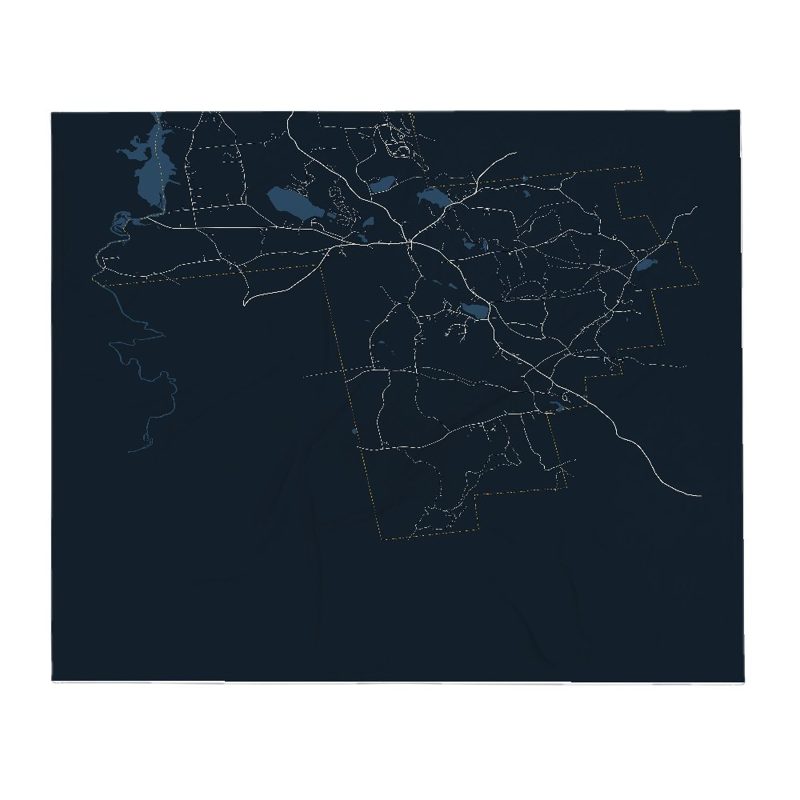
Soft fleece, 50″×60″
20 oz, double-wall stainless
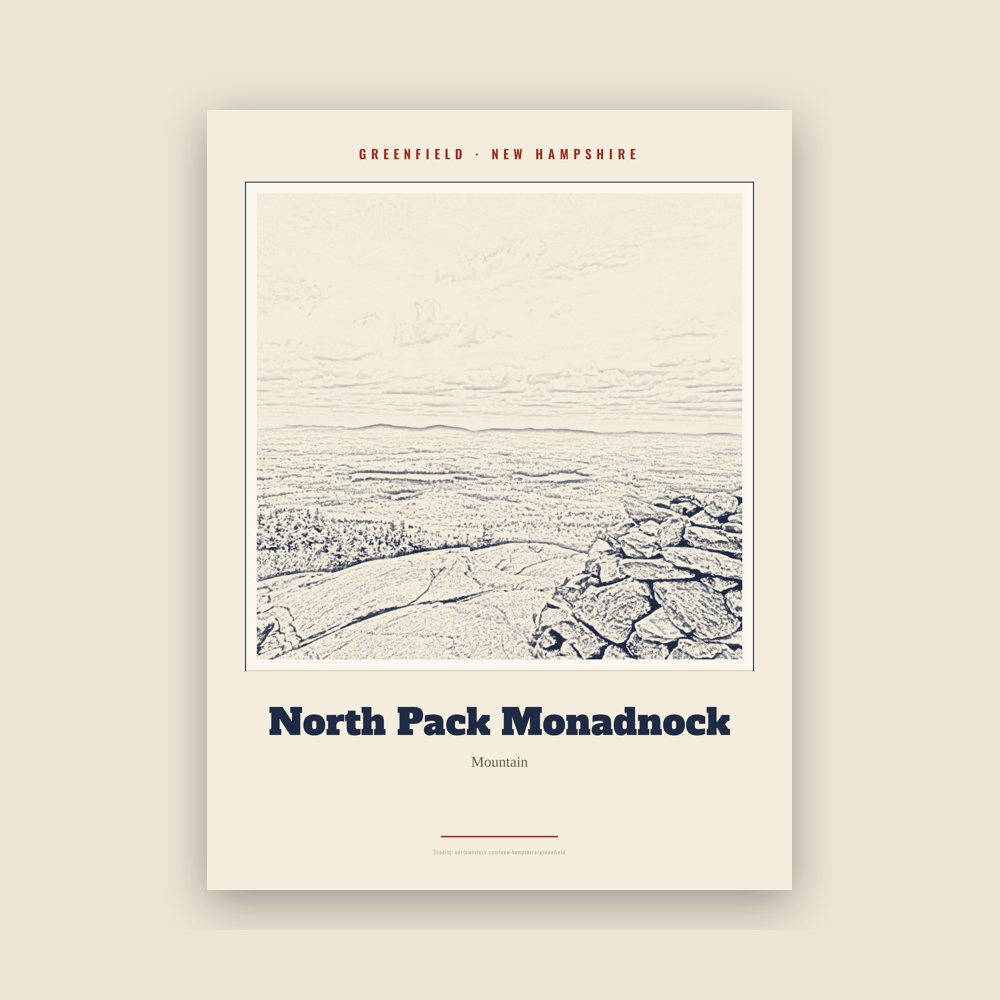
Archival matte print of a local landmark, credited to its photographer
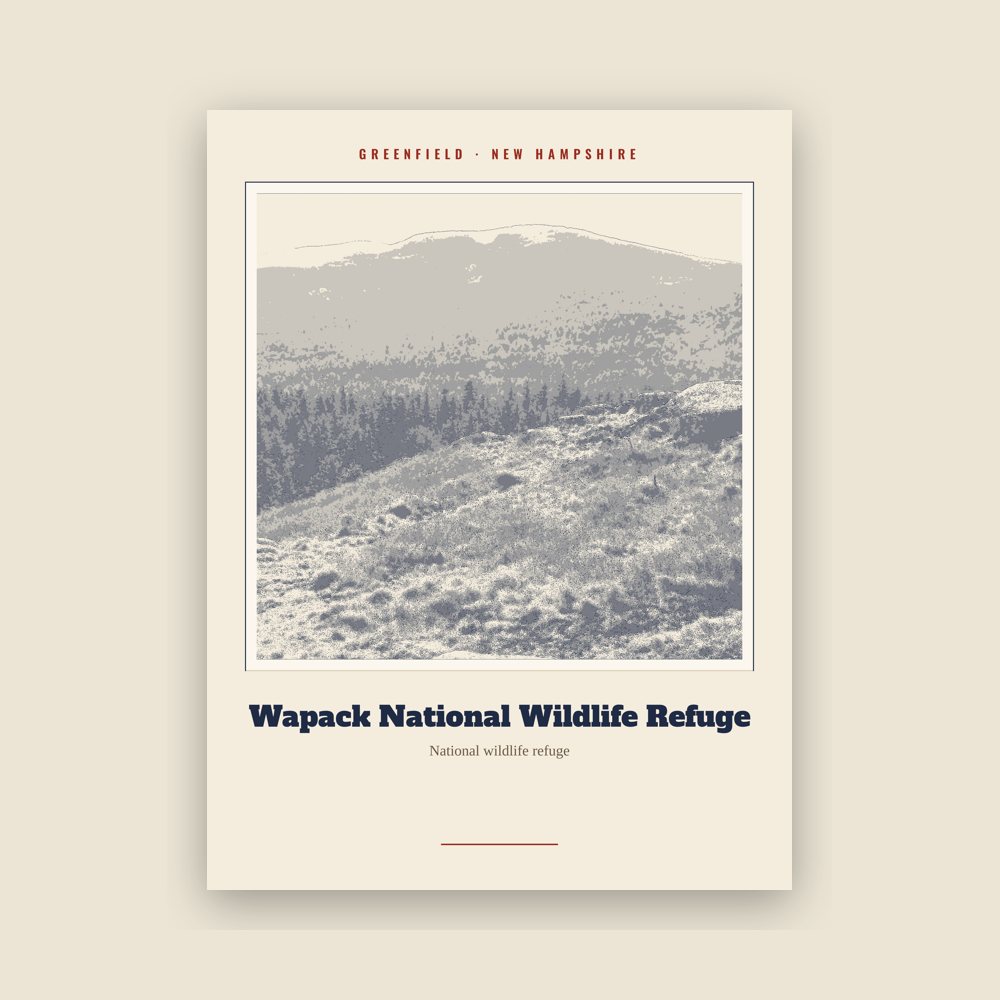
Archival matte print of a local landmark, credited to its photographer
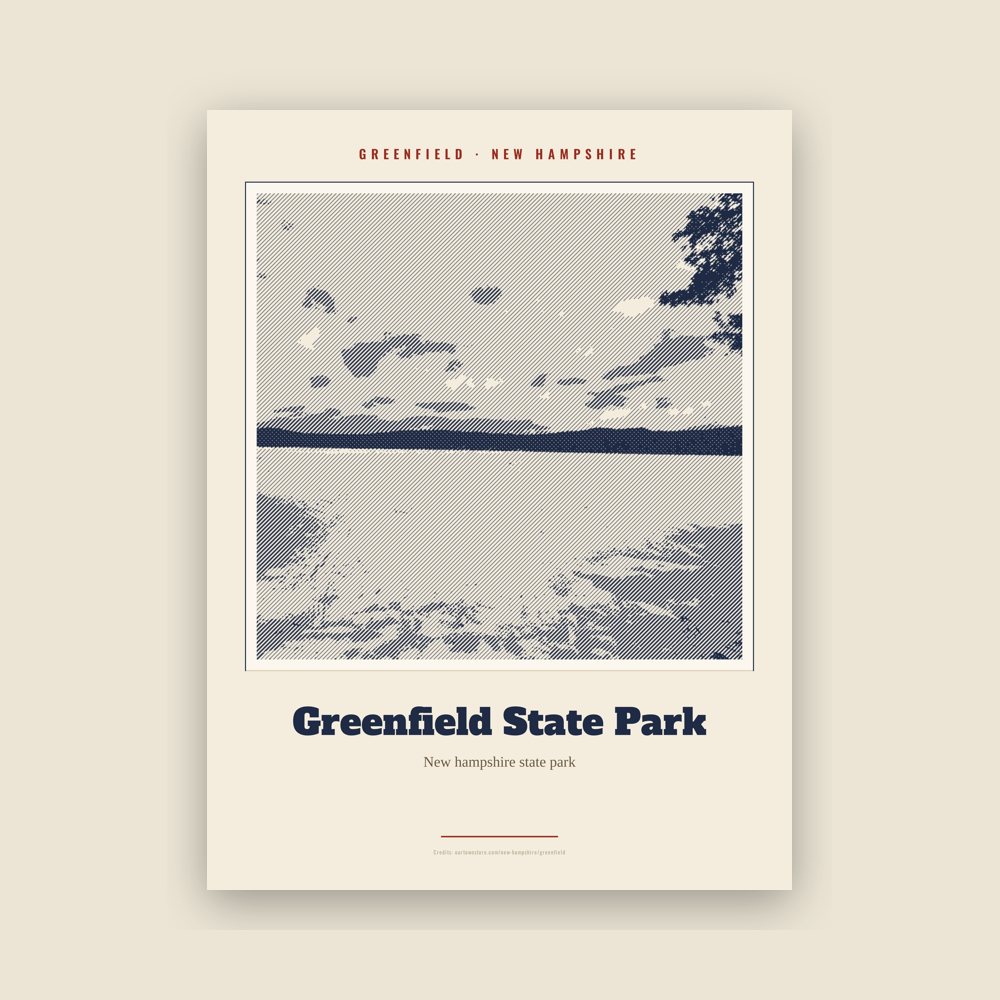
Archival matte print of a local landmark, credited to its photographer
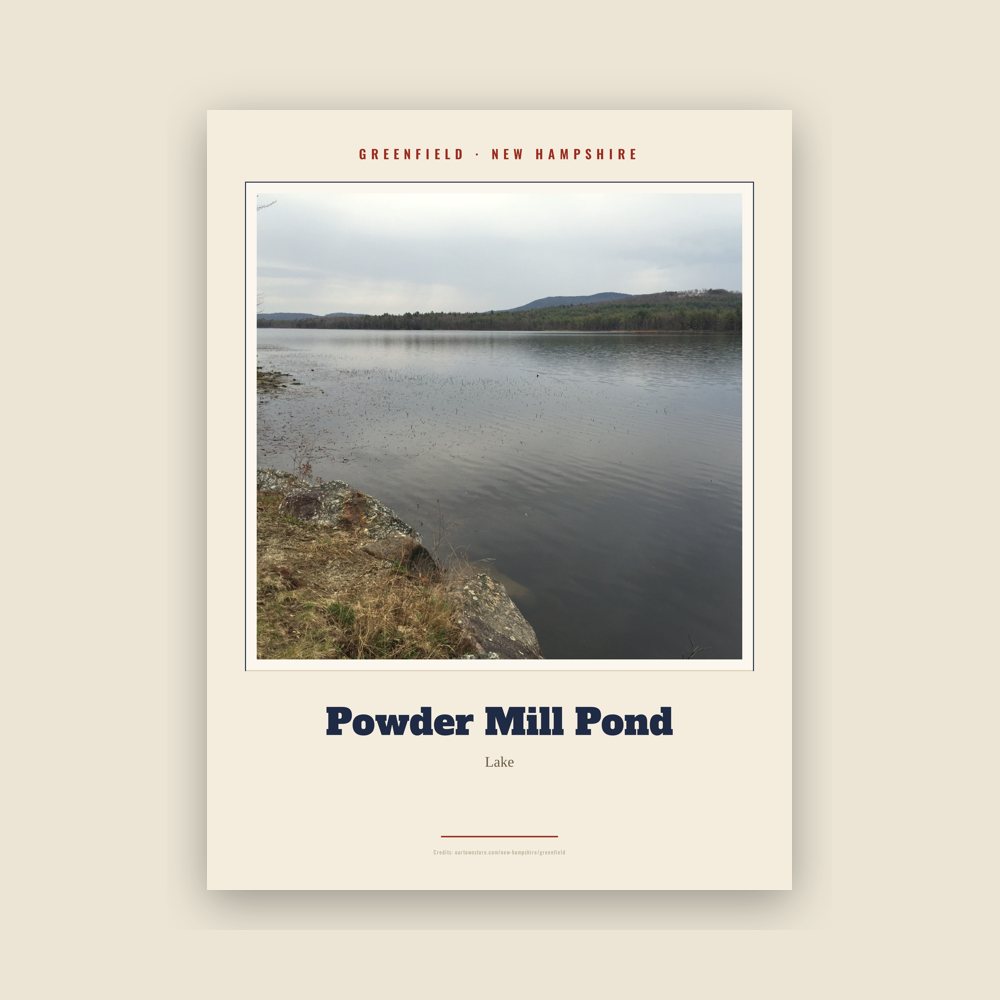
Archival matte print of a local landmark, credited to its photographer
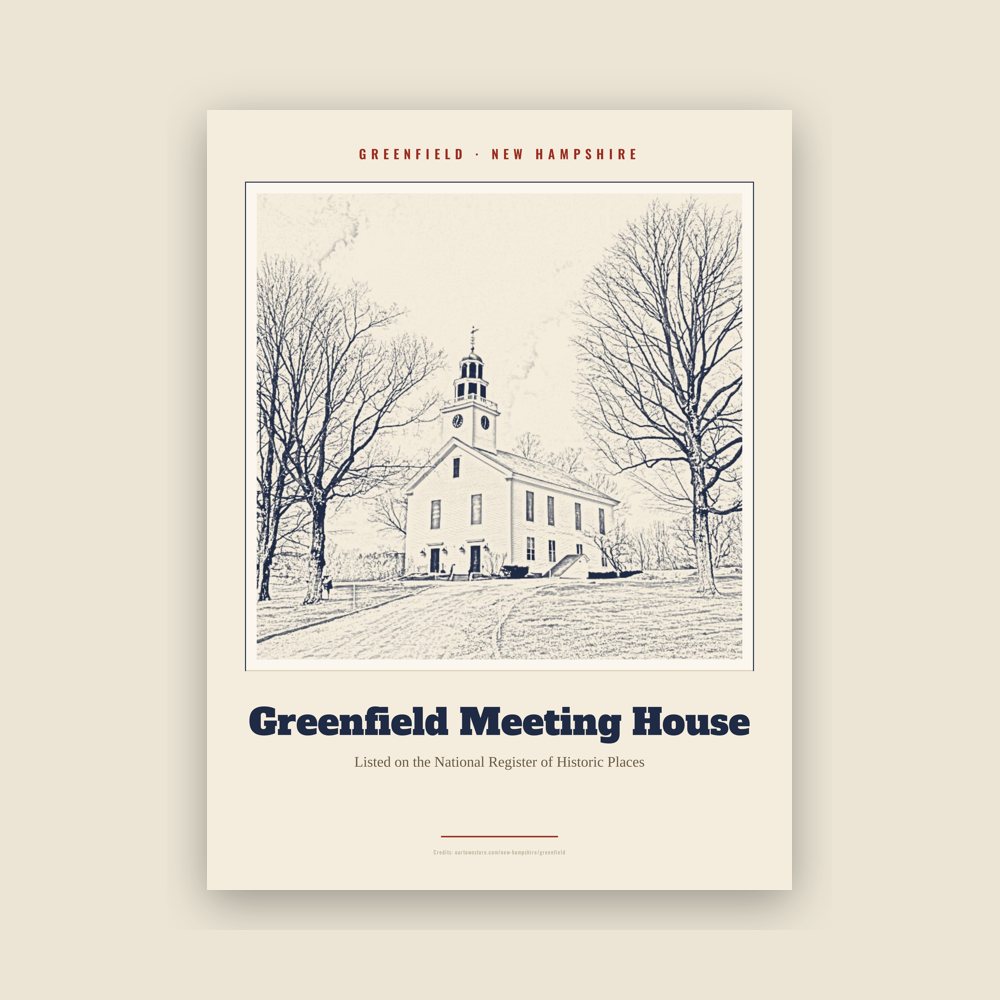
Archival matte print of a local landmark, credited to its photographer
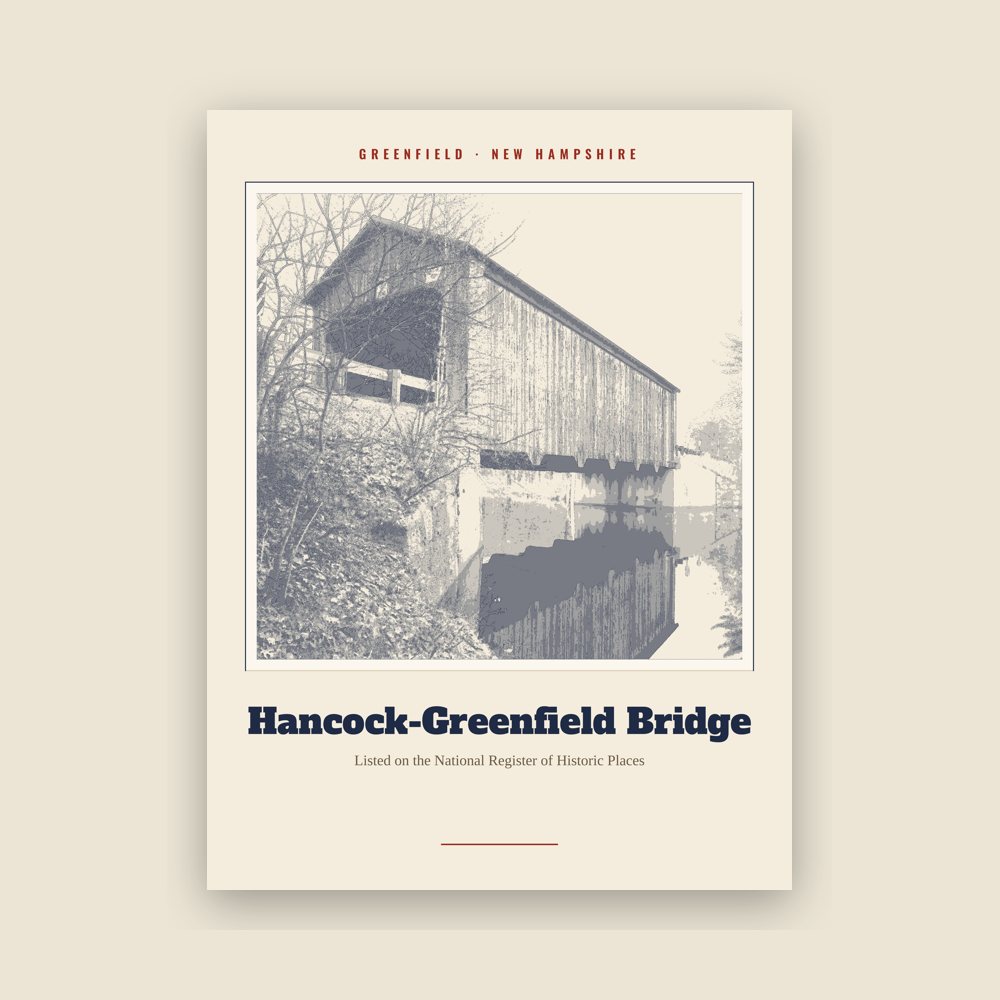
Archival matte print of a local landmark, credited to its photographer
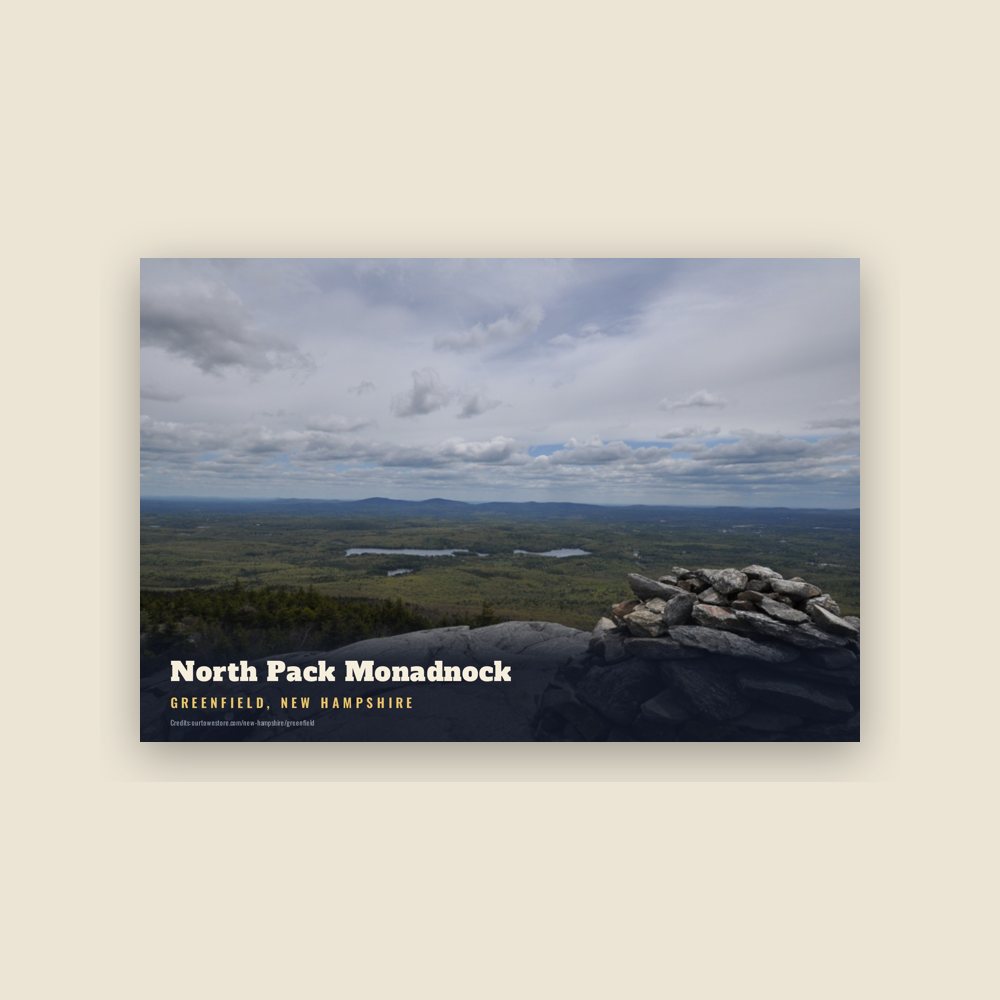
6″×4″ postcard, glossy front
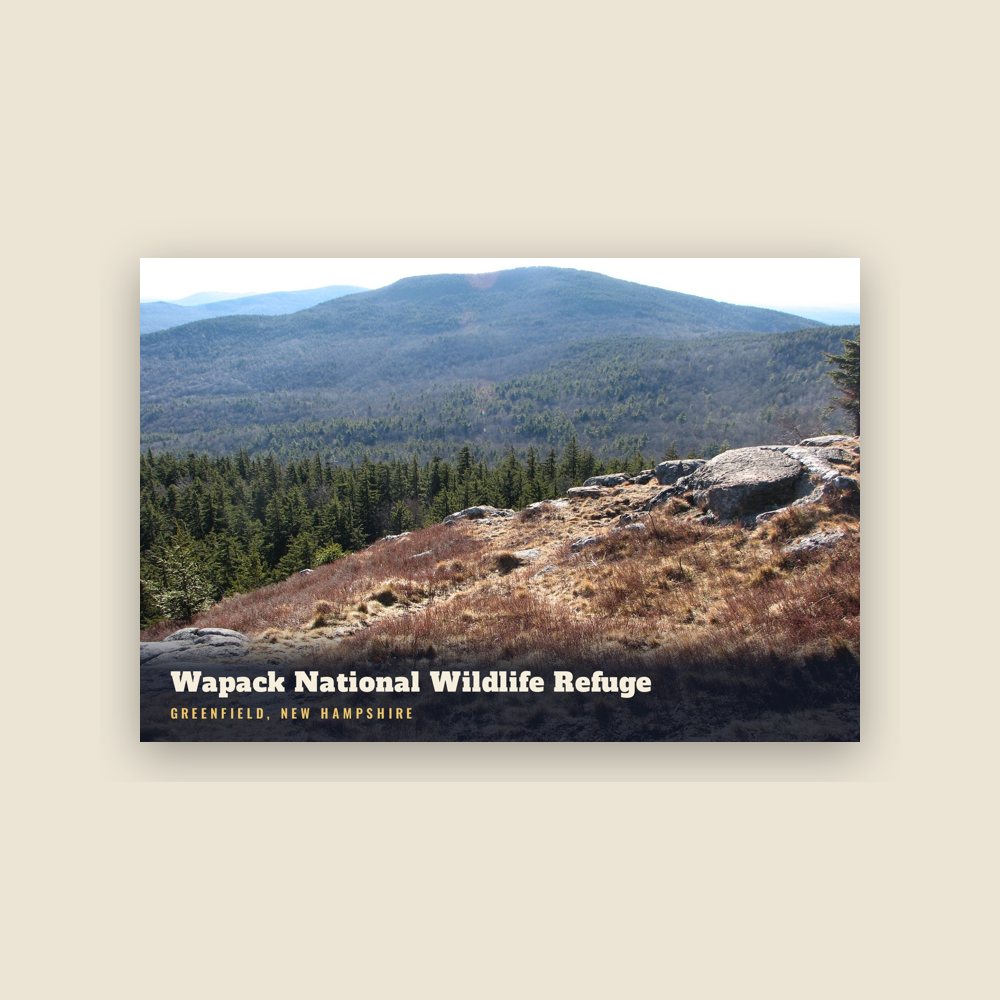
6″×4″ postcard, glossy front
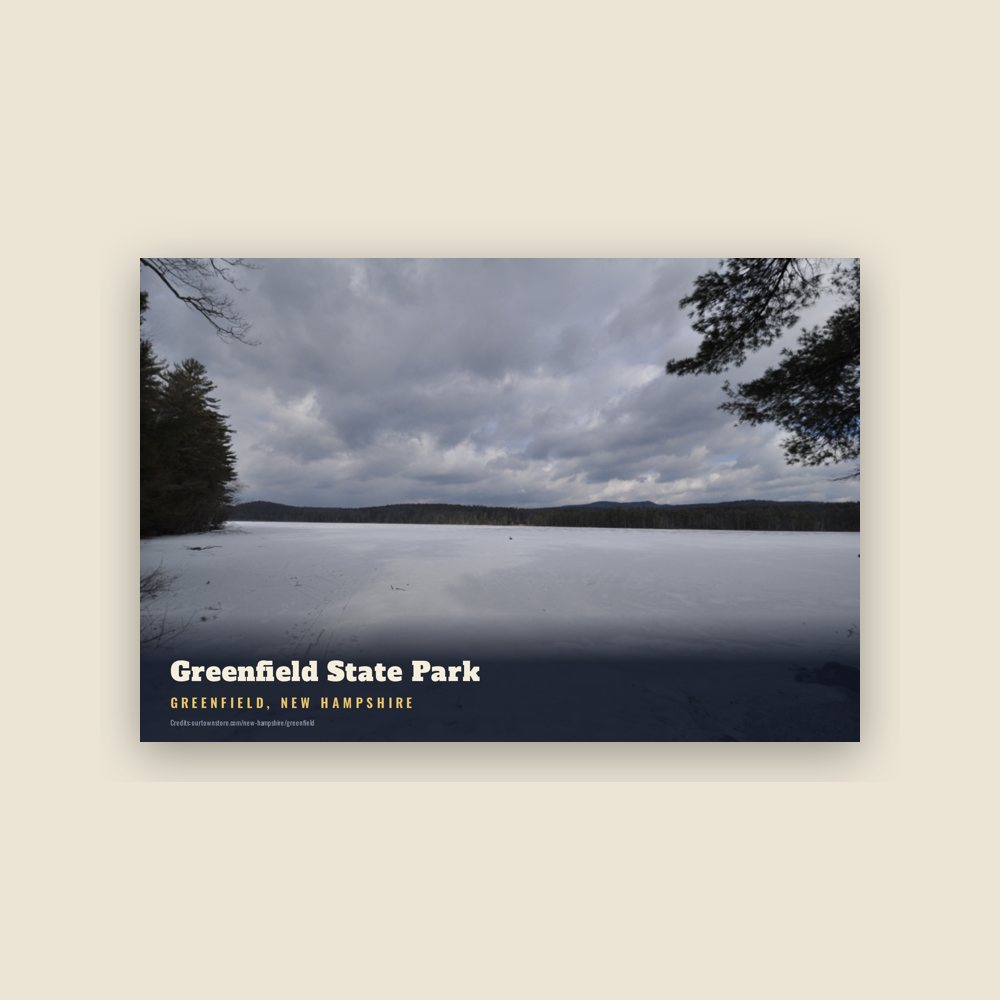
6″×4″ postcard, glossy front
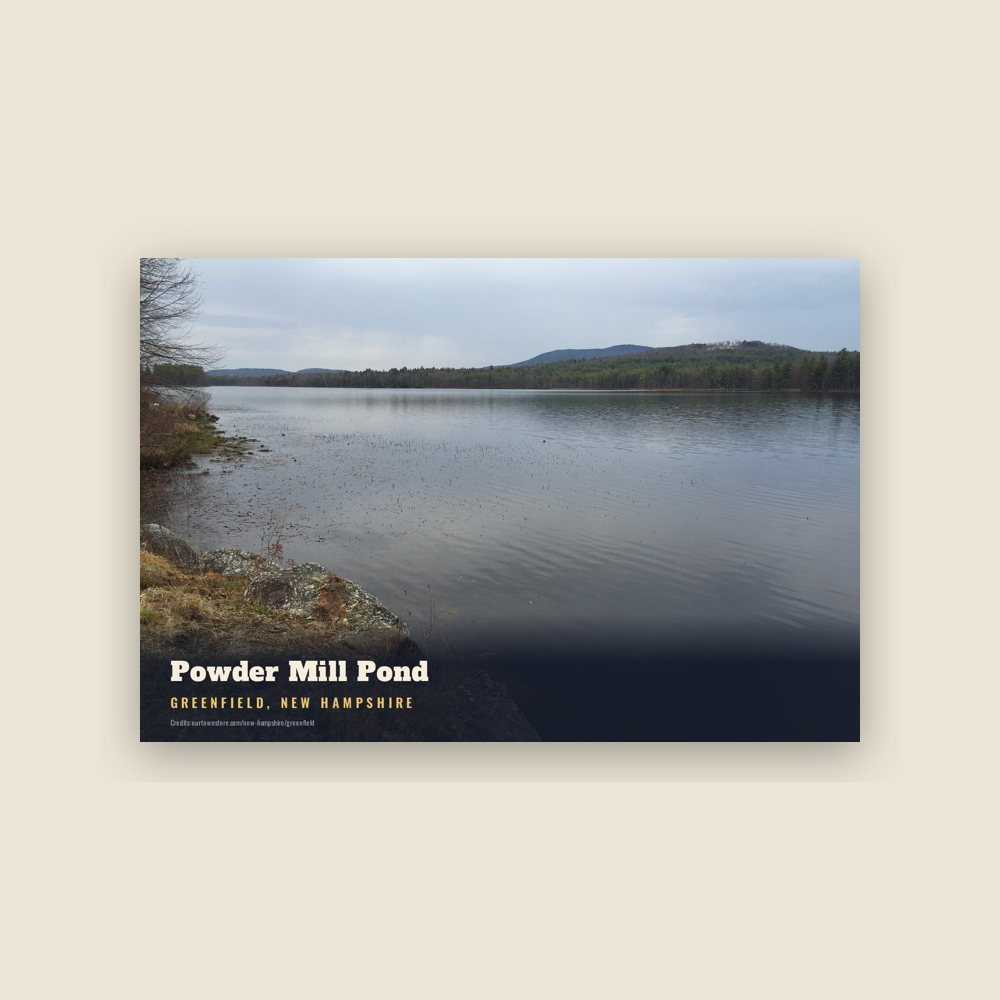
6″×4″ postcard, glossy front
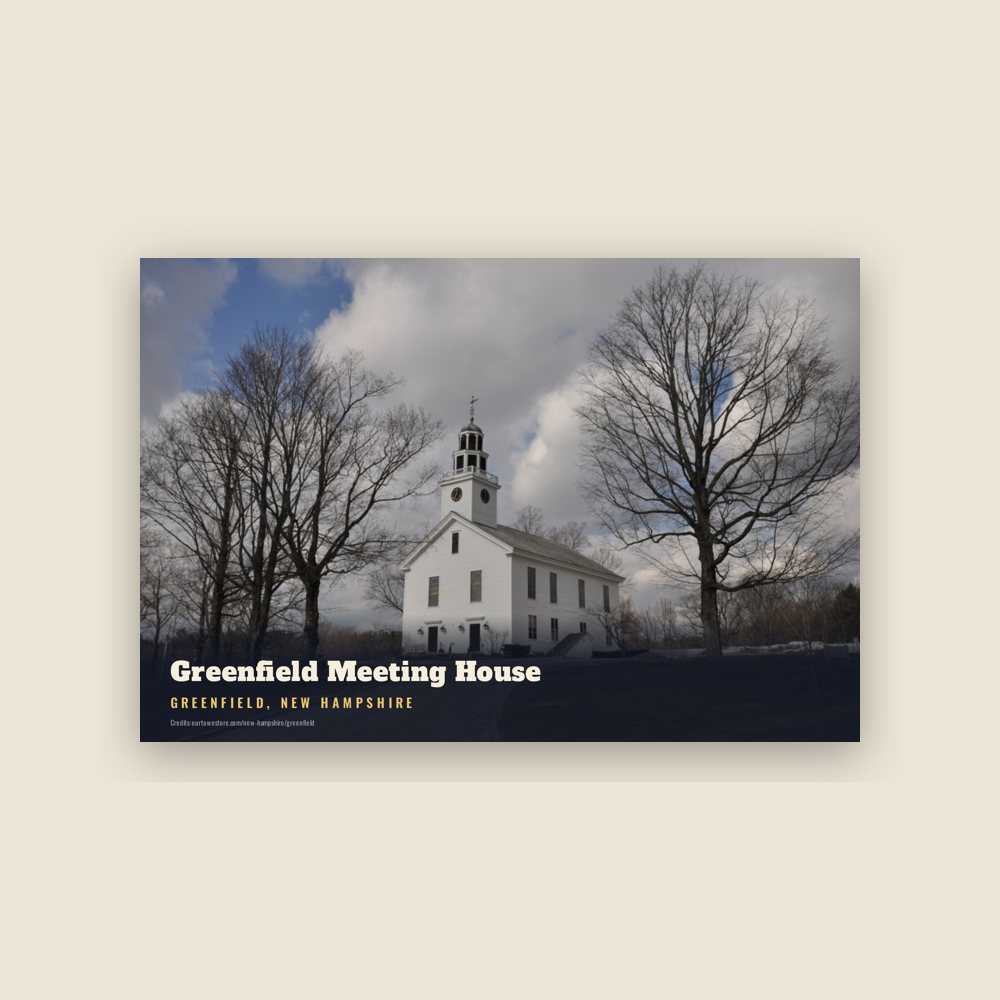
6″×4″ postcard, glossy front
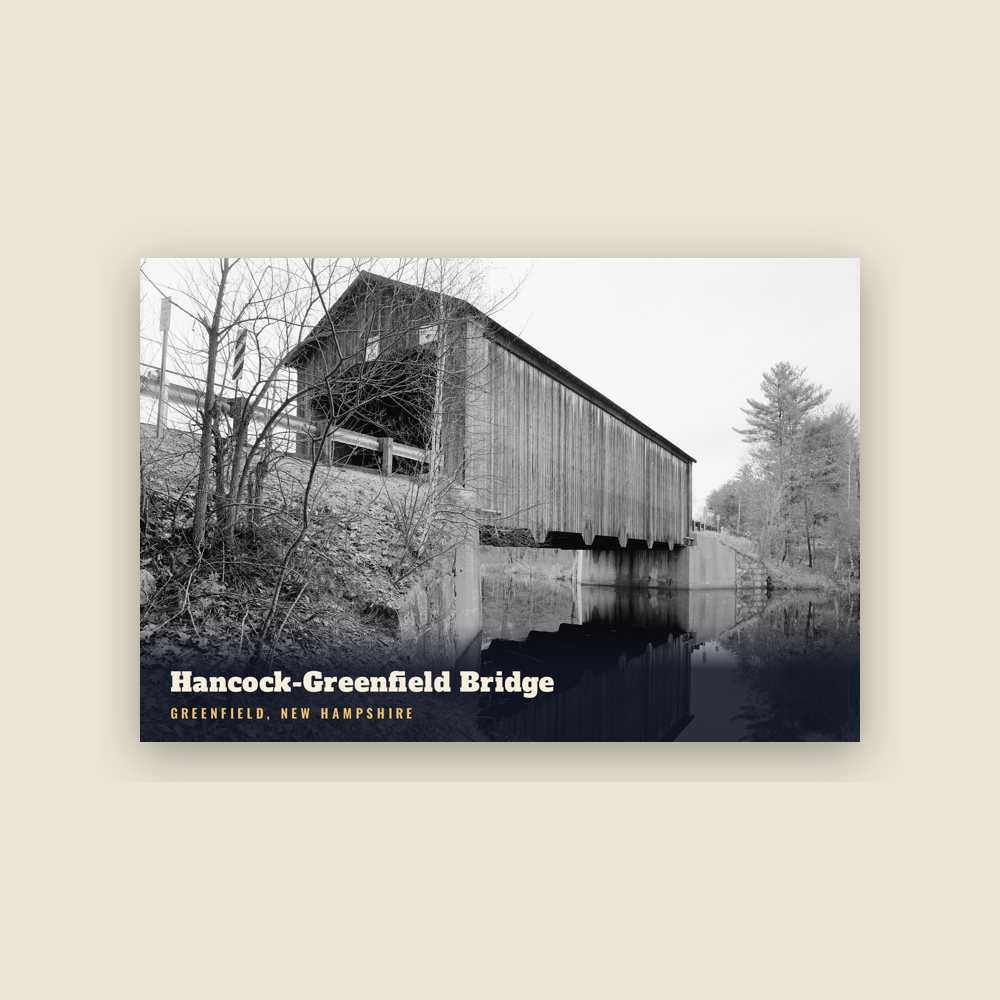
6″×4″ postcard, glossy front
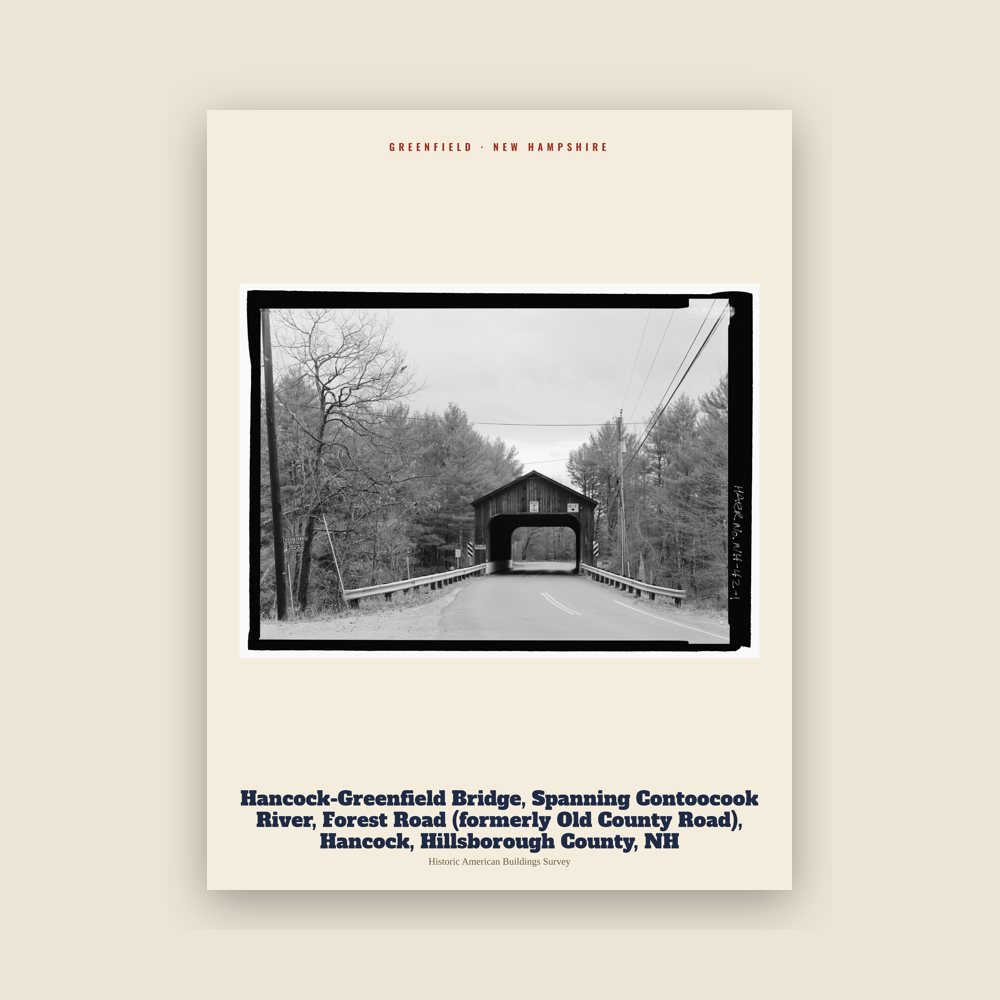
From the Library of Congress collections: a historic survey drawing or photograph of the town
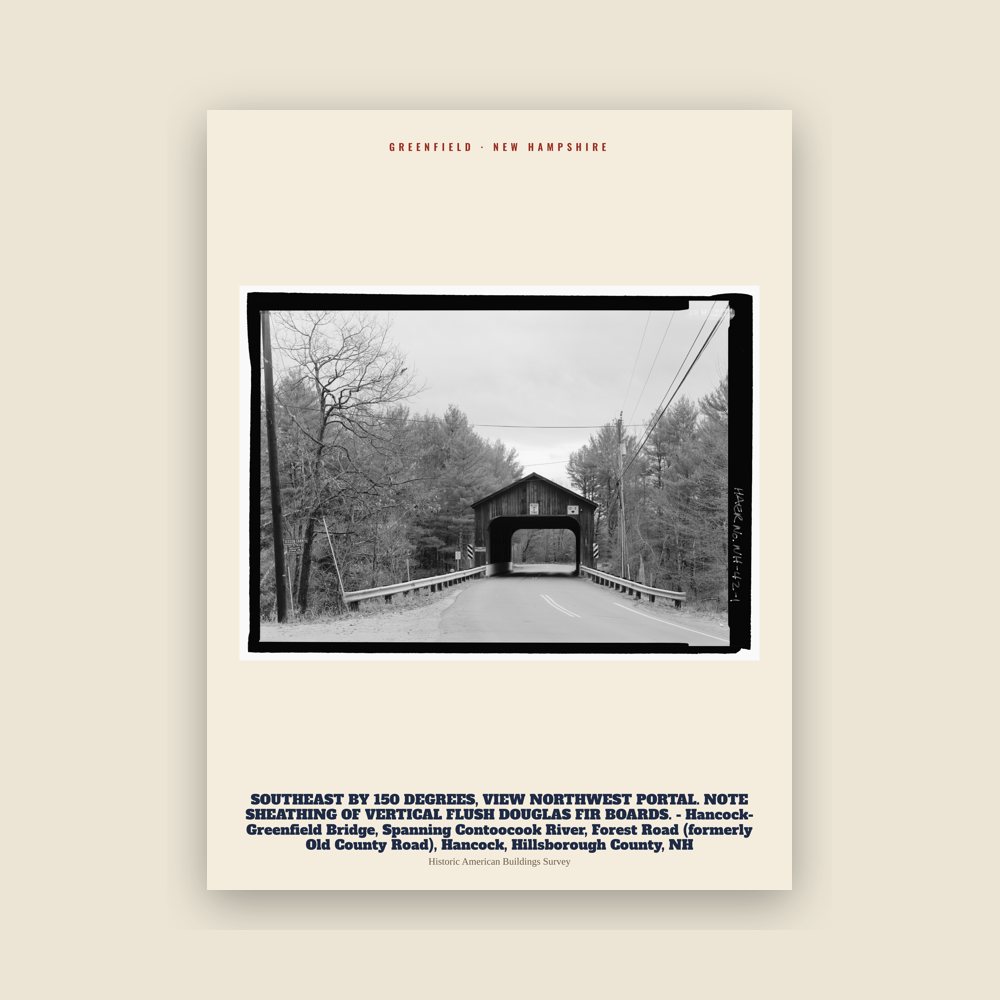
From the Library of Congress collections: a historic survey drawing or photograph of the town
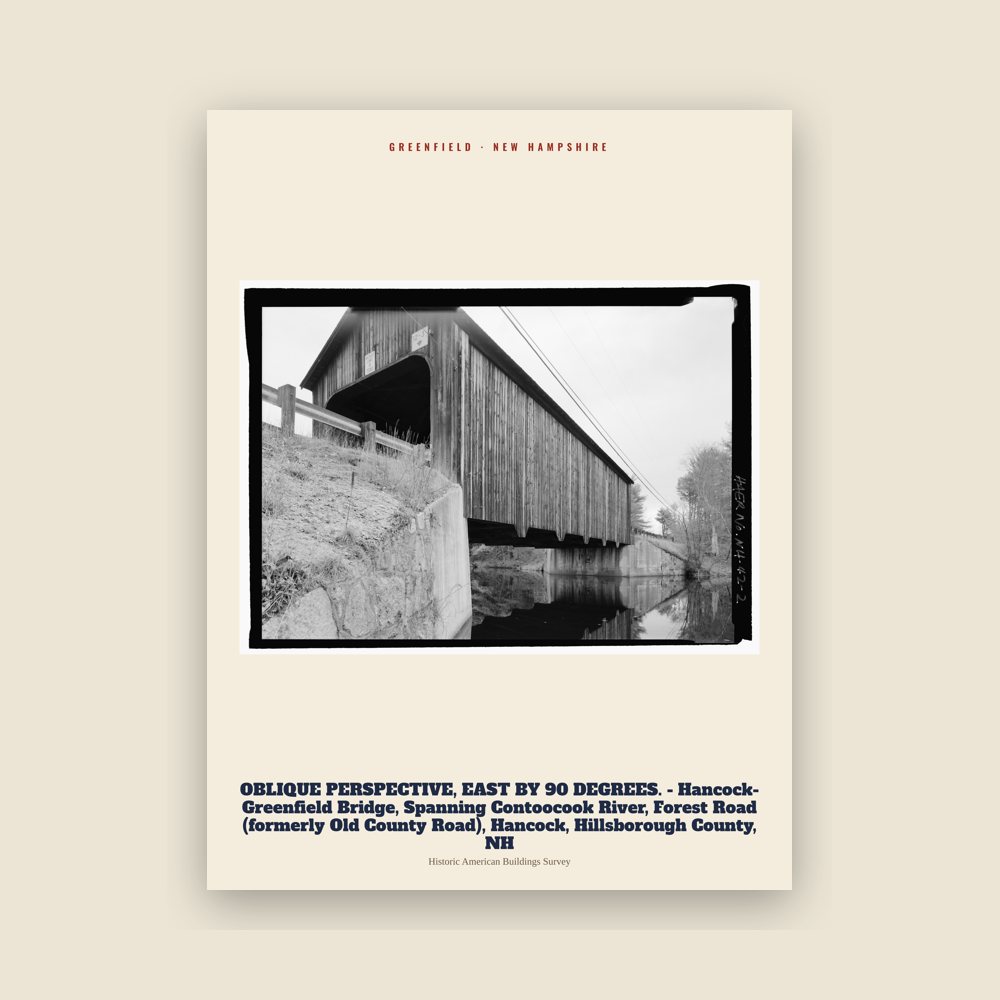
From the Library of Congress collections: a historic survey drawing or photograph of the town
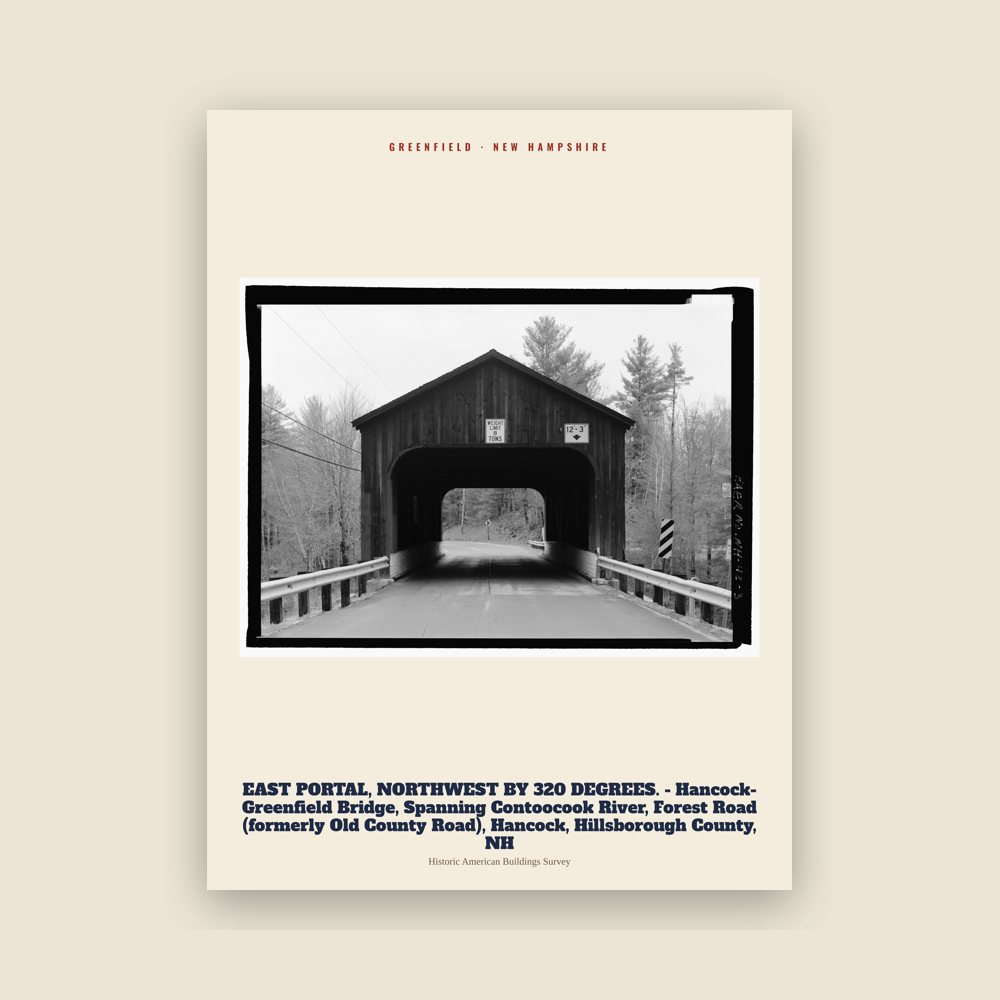
From the Library of Congress collections: a historic survey drawing or photograph of the town
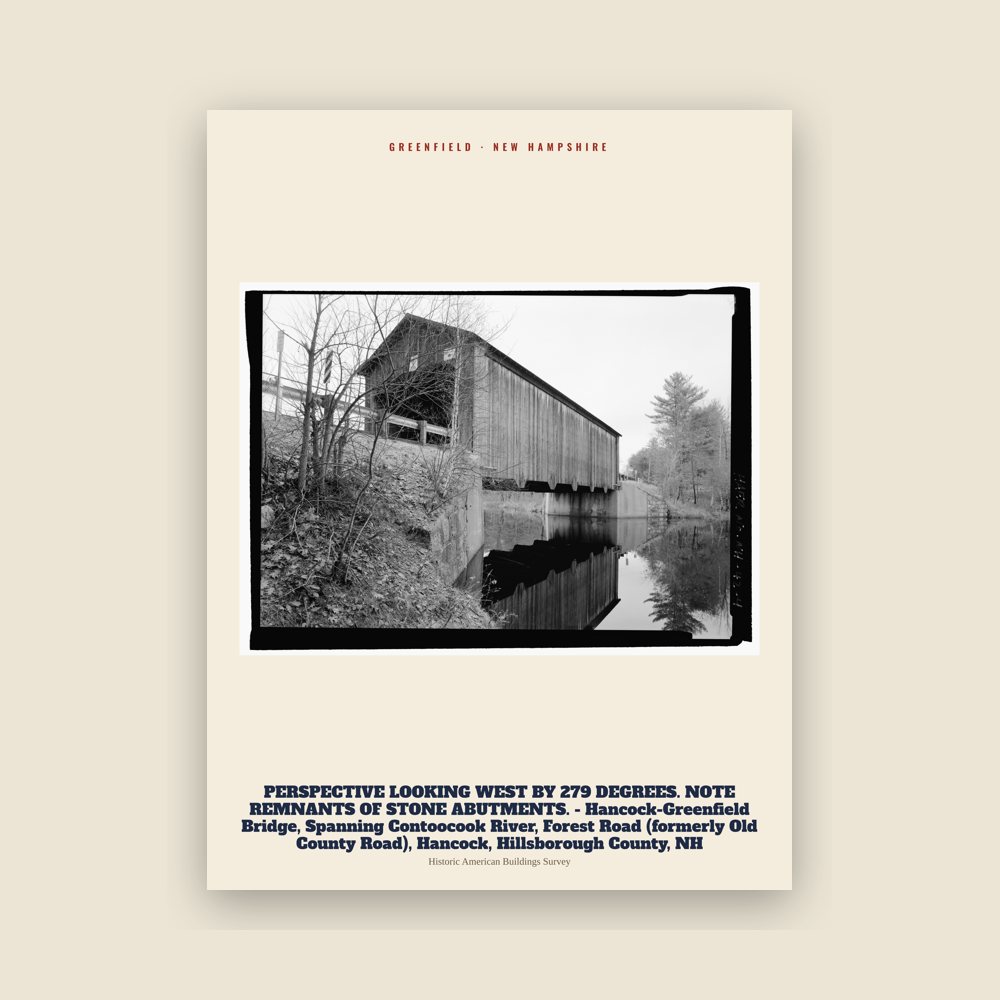
From the Library of Congress collections: a historic survey drawing or photograph of the town
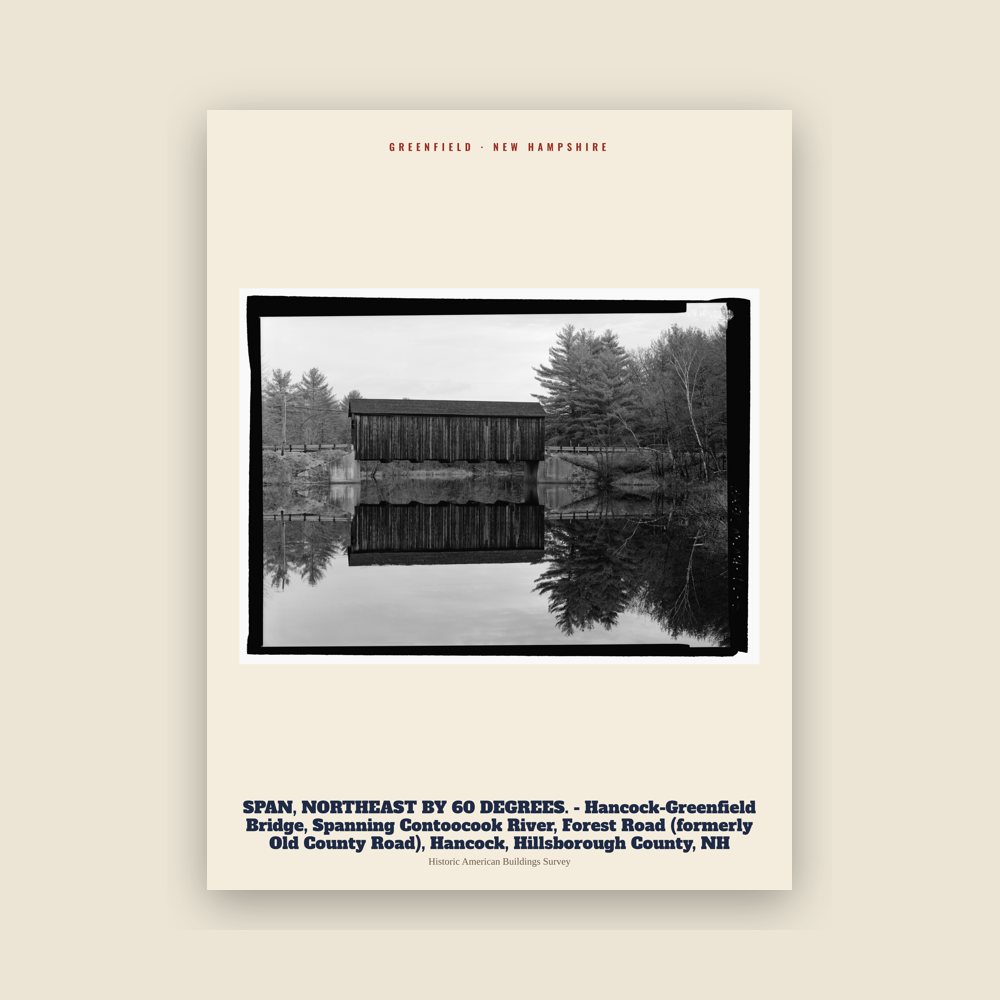
From the Library of Congress collections: a historic survey drawing or photograph of the town
Population 2010: 1,749 → 2020: 1,716
From Wikidata (CC0).
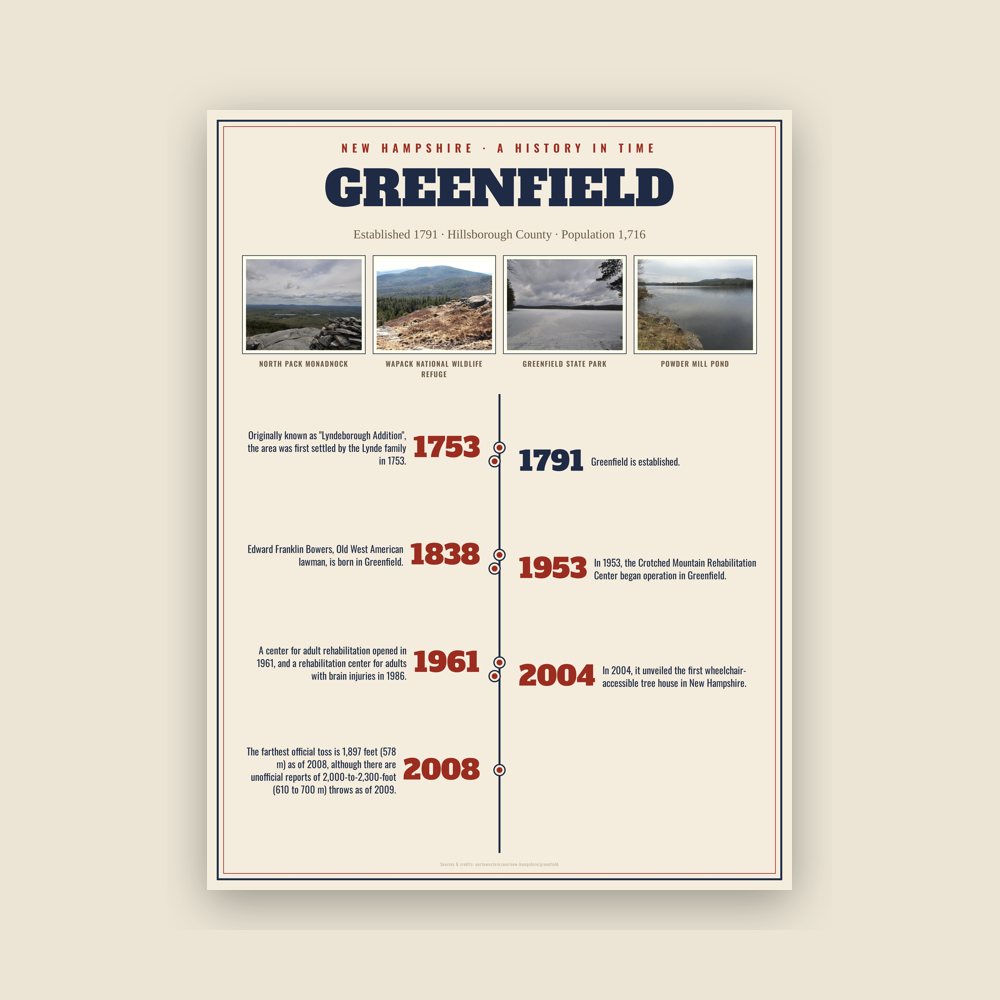
Originally known as "Lyndeborough Addition", the area was first settled by the Lynde family in 1753. Separated from the nearest church and school by the Monadnock hills, the residents successfully petitioned to form a new town in 1791, using the name "Greenfield" to highlight the area's level, fertile ground.
In 1953, the Crotched Mountain Rehabilitation Center began operation in Greenfield. Established by Harry Gregg, the facility on Crotched Mountain originally treated for polio, cerebral palsy, spina bifida and other physical and neurological disabilities. A center for adult rehabilitation opened in 1961, and a rehabilitation center for adults with brain injuries in 1986. The complex today provides service to over 2,000 children and adults. In 2004, it unveiled the first wheelchair-accessible tree house in New Hampshire.
Greenfield is home to the Yankee Siege, considered the most powerful (current) trebuchet in the world, which has participated in the annual World Championship Punkin' Chunkin' Contest in Sussex County, Delaware, since 2004. The farthest official toss is 1,897 feet (578 m) as of 2008, although there are unofficial reports of 2,000-to-2,300-foot (610 to 700 m) throws as of 2009.
Adapted (trimmed) from the Wikipedia article Greenfield, New Hampshire, revision 1378798708 by its contributors, licensed CC BY-SA 4.0.
We share a part of every Greenfield sale with local partners, and we'd love to print from your collection. Old photographs, maps and postcards make the best keepsakes.
Partner with us