Los Angeles County, California
Street maps, historic prints and keepsakes for 85 Los Angeles County towns.
The oldest is South Pasadena, established 1888. The largest by population is Los Angeles (3,898,747).
About these towns
Agoura Hills: The area was first settled by the Chumash Native Americans around 10,000 years ago. The Alta California (Upper California) coast was settled by Spanish Franciscan missionaries in the late 18th century.
Alhambra: The San Gabriel Mission was founded nearby on September 8, 1771, as part of the Spanish conquest and occupation of Alta California.
Arcadia: For over 8,000 years, the site of Arcadia was part of the homeland of the Tongva people ("Gabrieleño" tribe), a Californian Native American tribe whose territory spanned the greater Los Angeles Basin, and the San Gabriel and San Fernando Valleys.
Artesia: The village of Artesia was formally established following the creation of the Artesia School District on May 3, 1875. The first schoolhouse, a two-story building with a classroom on each floor, was built on the corner of 183rd and Alburtis Street; 44 students were enrolled upon its opening.
Avalon: Prior to the modern era, Avalon Bay was inhabited by people of the Gabrielino/Tongva tribe. The island was a major source of soapstone to the Tongva, who used the material to make stone vessels for cooking.
Azusa: The first human settlements in the area date back to approximately 6000 BC. The Takic people moved into the area c. 3500 BC and the Tongva people (Gabrieleño Indians), now commonly regarded as the indigenous people of the region, arrived by at least 55 BC.
Baldwin Park: Baldwin Park began as part of cattle grazing land belonging to the San Gabriel Mission. It eventually became part of the Rancho Azusa de Dalton and the Rancho La Puente properties.
Bell: The Gabrieliño Indians migrated to the place now called Bell in 500 B.C. Spaniards have been living in this area of California since the mid-18th century.
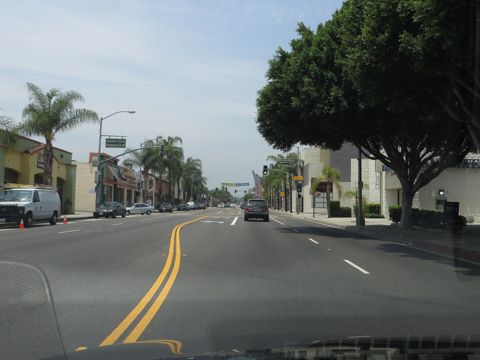
Bell Gardens: The area of Bell Gardens has a history dating back thousands of years. The Tongva established settlements in the area, including the village of Chokishgna.
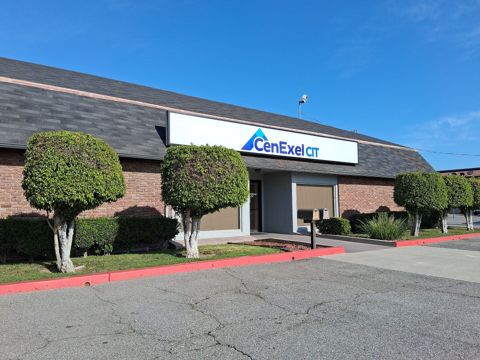
Bellflower: The original title to the Bellflower area dates back to 1784 with one of the first Spanish land grants in California. The Bellflower area was a hunting and fishing spot due to an abundance of wild game, ducks and geese, carp and perch.
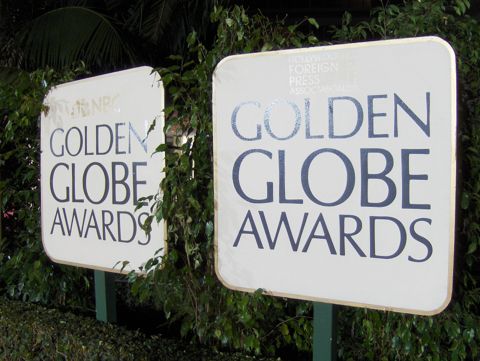
Beverly Hills: Gaspar de Portolá arrived in the area that would later become Beverly Hills on August 3, 1769, traveling along native trails which followed the present-day route of Wilshire Boulevard.
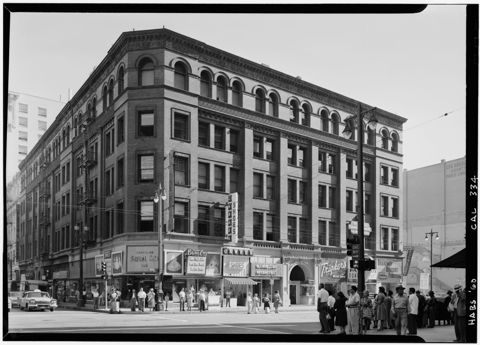
Bradbury: Bradbury was founded by Lewis L. Bradbury on the homestead of Rancho Azusa de Duarte in 1881. In 1912, the Bradburys' daughter, Minerva, married Isaac Polk and built a grand mansion on the property which they named Chateau Bradbury.
Burbank: The area that became Burbank was inhabited by the Tongva people, an indigenous population, for thousands of years before European colonization. In the late 18th century and the early 19th century, Spanish explorers and mission priests arrived in the Los Angeles area.
Calabasas: The name Calabasas is an archaic Californio variant spelling of the Spanish word calabazas, meaning "winter squashes" (the area abounds in wild squashes).
Carson: For thousands of years before the arrival of the first Europeans, Tongva Indians lived in the area. Carson lies on part of the Spanish land grant Rancho San Pedro, from the King of Spain in 1784.
Cerritos: Cerritos was originally inhabited by Native Americans belonging to the Tongva (or "People of the Earth"). The Tongva were called the "Gabrieleños" by the Spanish settlers after the nearby Mission San Gabriel Arcángel.
Claremont: Prior to the establishment of the city of Claremont, the area was frequented by the Serrano, Cahuilla, and Tongva for thousands of years.
Commerce: In the 19th century, the area was part of Antonio Maria Lugo's Rancho San Antonio. Its conversion to an industrial area began in 1887, when the Atchison, Topeka and Santa Fe Railway built its main line through the area.
Covina: Present-day Covina was originally within the homelands of the indigenous Tongva people for 5,000 to 8,000 years. In the 19th century it became part of Rancho La Puente: an 1842 Mexican land grant in Alta California.
Cudahy: Cudahy is named for its founder, meat-packing baron Michael Cudahy, who purchased the original 2,777 acres (1,124 hectares) of Rancho San Antonio in 1908 to resell as 1-acre (44,000 ft2; 4,000 m2; 0.40 ha) lots.
Culver City: Archaeological evidence suggests a human presence in the area of present-day Culver City since at least 8000 BCE. The region was the homeland of the Tongva-Gabrieliño Native Americans.
Diamond Bar: In 1840, José de la Luz Linares received the 4,340-acre (1,760 ha) Mexican land grant Rancho Los Nogales (Ranch of the Walnut Trees) from Governor Juan Alvarado.
Downey: Mission San Gabriel Arcángel was initially founded on September 8, 1771, near settlements of the Tongva people. It was located in the Whittier Narrows on a bluff overlooking the Rio Hondo, near the modern intersection of San Gabriel Blvd and Lincoln Avenue.
Duarte: Around 500 B.C., a band of Shoshonean-speaking Indians established settlements in what is now the San Gabriel Valley. These Native Americans were dubbed the Gabrieliño Indians (after San Gabriel, the local mission) by early Spanish colonial explorers, but now generally prefer to be called the Tongva.
El Monte: The area, beside the San Gabriel River, is part of the homeland of the Tongva people as it has been for thousands of years.
El Segundo: The Tongva (or Gabrieleños) Native American tribes inhabited the area of El Segundo and the Los Angeles coastal area when the Spanish arrived.
Gardena: In 1784, three years after the foundation of Los Angeles, Juan Jose Dominguez (1736–1809), a Spanish soldier who arrived in San Diego, California in 1769 with Fernando Rivera y Moncada, in recognition of his military service, received the roughly 43,000-acre (170 km2) Spanish land grant, the Rancho San Pedro.
Glendale: Native Americans lived along the Glendale Narrows of the Los Angeles River, known to the Tongva people as Paayme Paxaayt ("West River"), for thousands of years before the arrival of European settlers.
Glendora: The first archaeological evidence of human settlement in Glendora dates from c. 6000 BCE. Around 3500 BCE, the Takic people moved into the area.
Hawaiian Gardens: After a nineteenth-century property bubble crashed, Los Angeles began growing again, and by the turn of the century had reached 100,000 inhabitants.
Hawthorne: Hawthorne was once part of the Rancho Sausal Redondo (Round Willow-grove Ranch) of the 22,458-acre (91 km2) Mexican land grant in present-day Los Angeles County, California given in 1837 to Antonio Ygnacio Ávila by Juan Alvarado the Mexican Governments Governor of Alta California.
Hermosa Beach: Hermosa Beach was originally part of the 1784 Rancho San Pedro Spanish land grant that later became the ten-mile (16 km) ocean frontage of Rancho Sausal Redondo.
Hidden Hills: The community was designed and developed in the 1950s by A. E. Hanson, a Southern California landscape architect and planned community developer.
Huntington Park: Named for prominent industrialist Henry E. Huntington, Huntington Park was incorporated in 1906 as a streetcar suburb on the Los Angeles Railway for workers in the rapidly expanding industries to the southeast of downtown Los Angeles.
Industry: It was incorporated on June 18, 1957, and has become the economic hub for the San Gabriel Valley.
Inglewood: The earliest residents of what is now Inglewood were Native Americans who used the Aguaje de Centinela natural springs in today's Edward Vincent Sr.
Irwindale: Irwindale was part of the Mexican land grants by Alta California Governor Juan Alvarado of Rancho La Puente, Rancho Azusa de Dalton, Rancho Azusa de Duarte, and Rancho San Francisquito.
La Habra Heights: La Habra Heights is located on the 1839 Rancho La Habra Mexican land grant made to Mariano Reyes Roldan. Roldan sold the rancho to Andres Pico, who sold it to Abel Stearns.
La Mirada: La Mirada (Spanish for the look) was the creation of two men, Andrew McNally, a printer and mapmaker from Chicago (see Rand McNally) and his son-in-law Edwin Neff.
La Puente: The original inhabitants of the area now occupied by the city of La Puente were the Tongva lived in a village called Awingna, which linguists translate as "abiding place." The Awingna chief Matheo (who also held sway over several other nearby villages) was baptized at Mission San Gabriel in 1774.
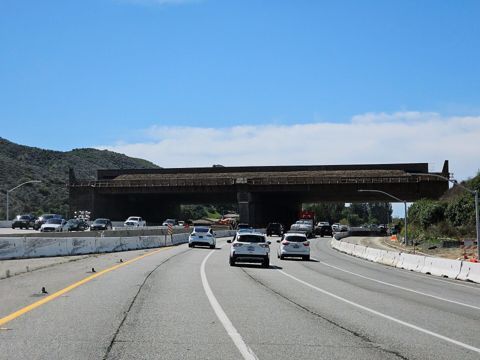 Agoura HillsCalifornia
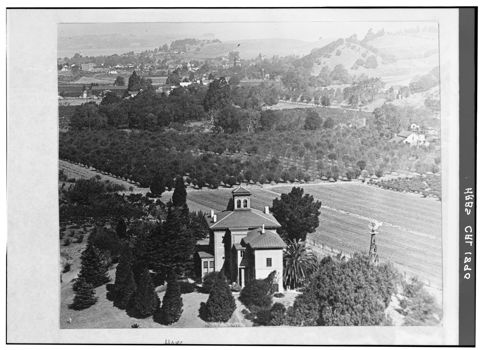 AlhambraCalifornia
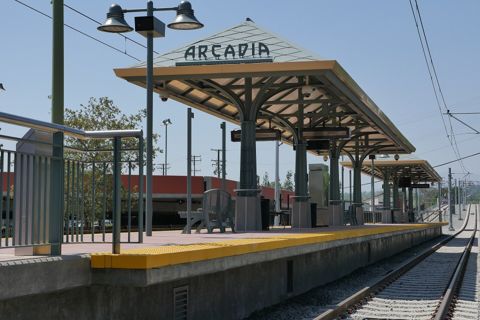 ArcadiaCalifornia
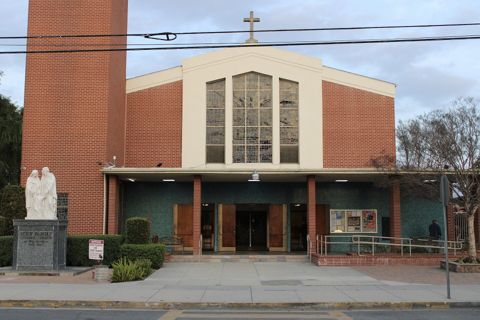 ArtesiaCalifornia
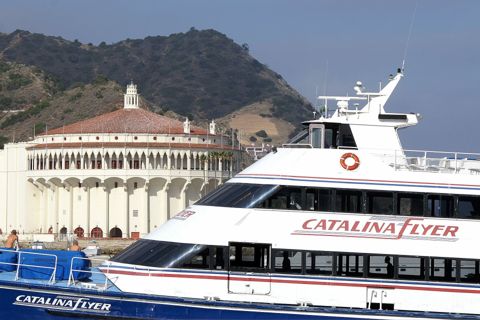 AvalonCalifornia · Est. 1913
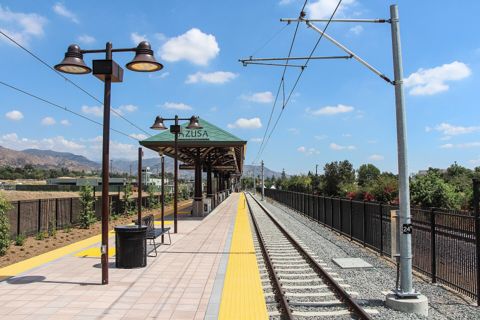 AzusaCalifornia
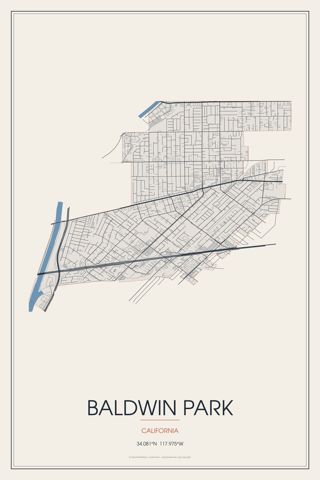 Baldwin ParkCalifornia
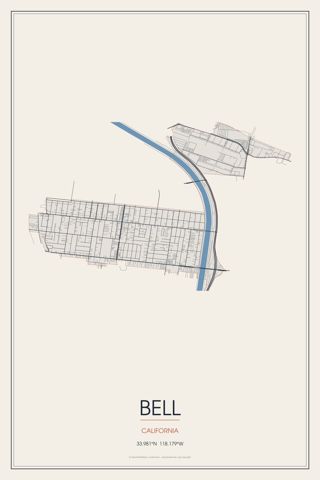 BellCalifornia
 Bell GardensCalifornia
 BellflowerCalifornia
 Beverly HillsCalifornia
 BradburyCalifornia
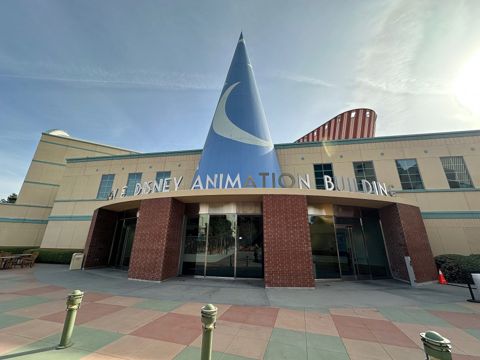 BurbankCalifornia
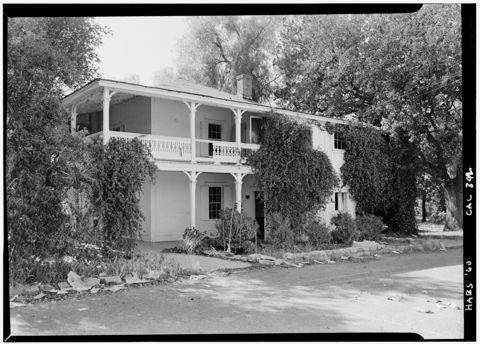 CalabasasCalifornia
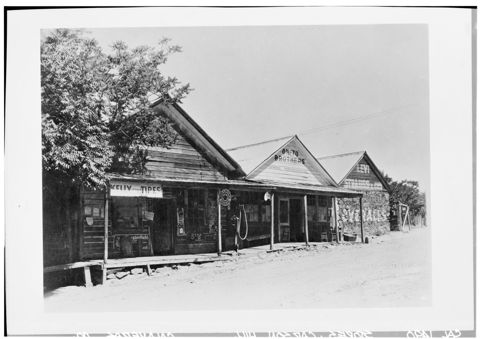 CarsonCalifornia
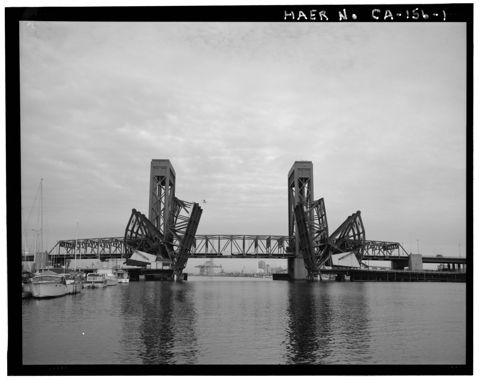 CerritosCalifornia
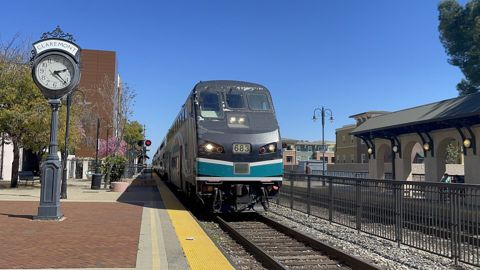 ClaremontCalifornia
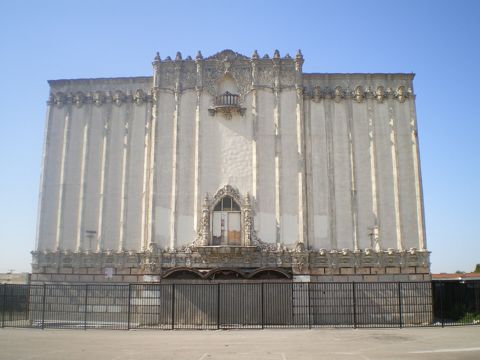 CommerceCalifornia
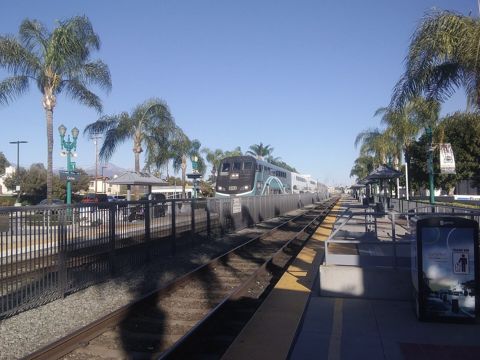 CovinaCalifornia
 CudahyCalifornia
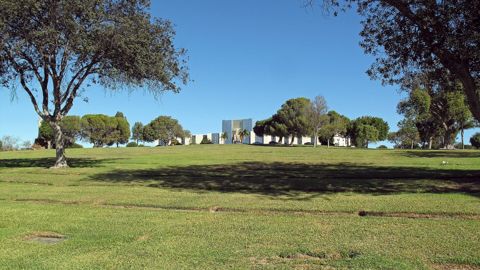 Culver CityCalifornia
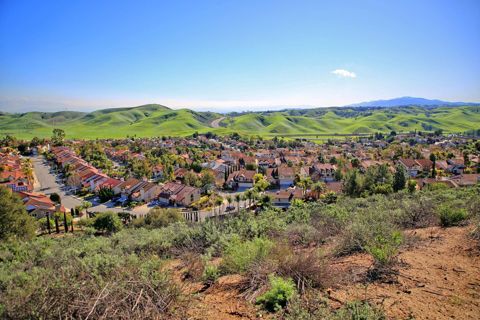 Diamond BarCalifornia
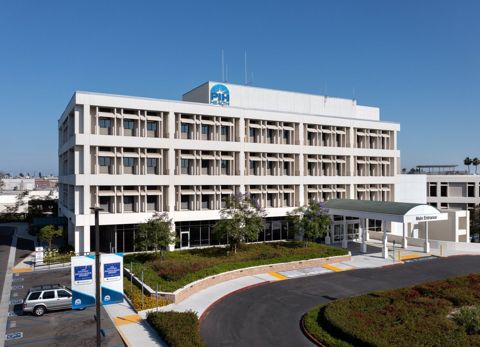 DowneyCalifornia
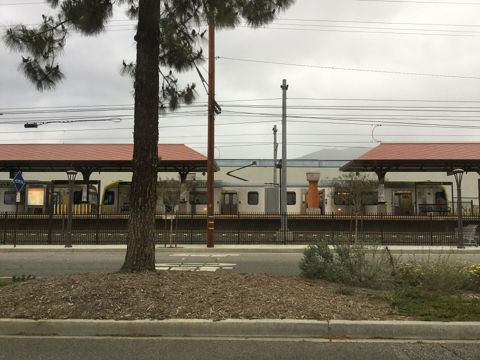 DuarteCalifornia
Founding years, populations and town notes come from each town's Wikipedia and Wikidata entries. All California towns.