La Habra Heights is located on the 1839 Rancho La Habra Mexican land grant made to Mariano Reyes Roldan. Roldan sold the rancho to Andres Pico, who sold it to Abel Stearns. In 1900, Willits J. Hole acquired 3,500 acres (14.2 km2), which he sold in 1919 to Edwin G. Hart, who developed La Habra Heights.
Read the full history
Rudolph Hass & the Discovery of the Hass Avocado
All commercial, fruit-bearing Hass avocado trees have been grown from grafted seedlings propagated from a single tree from a seed bought by Rudolph Hass in 1926 from A. R. Rideout of Whittier, California. At the time, Rideout was getting seeds from any source, even restaurant food scraps. The cultivar this seed came from is not known. In 2019, the National Academy of Sciences published a genetic study concluding that the Hass avocado is a cross between Mexican (61%) and Guatemalan (39%) avocado varieties.
In 1926, at his 1.5-acre grove at 430 West Road, La Habra Heights, California, Hass planted three seeds he had bought from Rideout, which yielded one strong seedling. After trying and failing at least twice to graft the seedling with branches from Fuerte avocado trees (the leading commercial cultivar at the time), Hass thought of cutting it down. Still, a professional grafter named Caulkins told him the young tree was sound and robust, so he let it be. When the tree began bearing odd, bumpy fruit, his children liked the taste. As the tree's yields grew, Hass quickly sold what his family did not eat to co-workers at the post office.[1] The Hass avocado had one of its first commercial successes at the Model Grocery Store on Colorado Street in Pasadena, California, where chefs working for some of the town's wealthy residents bought the new cultivar's big, nutty-tasting fruit for $1 each, a very high price at the time (equivalent to $17 in 2023).
Hass patented the tree in 1935 and contracted with Whittier nurseryman Harold Brokaw to grow and sell grafted seedlings propagated from its cuttings,[1] with Brokaw getting 75% of the proceeds. Brokaw then specialized in the Hass and often sold out of grafted seedlings since, unlike the Fuerte, Hass yields are year-round and plentiful, with giant fruit, a longer shelf life, and richer flavor owing to higher oil content.
By the early 21st century, the US avocado industry took in over $1 billion a year from the heavy-bearing, high-quality Hass cultivar, which accounted for around 80% of all avocados grown worldwide.
Owing to later suburban sprawl in Southern California, the mother tree stood for many years in front of a residence in La Habra Heights. The tree died when it was 76 years old and was cut down on 11 September 2002 after a ten-year fight with phytophthora (root rot), which often kills avocado trees. Two plaques by the private residence at 426 West Road mark where it grew. The wood was stored in a tree nursery, and from this stock, a nephew of Rudolph Hass, Dick Stewart, made keepsakes, jewelry, and other gifts.
From 2010 to 2013, in mid-May, and starting again in September 2018, the city of La Habra Heights celebrated the Hass avocado at its Annual La Habra Heights Avocado Festival.
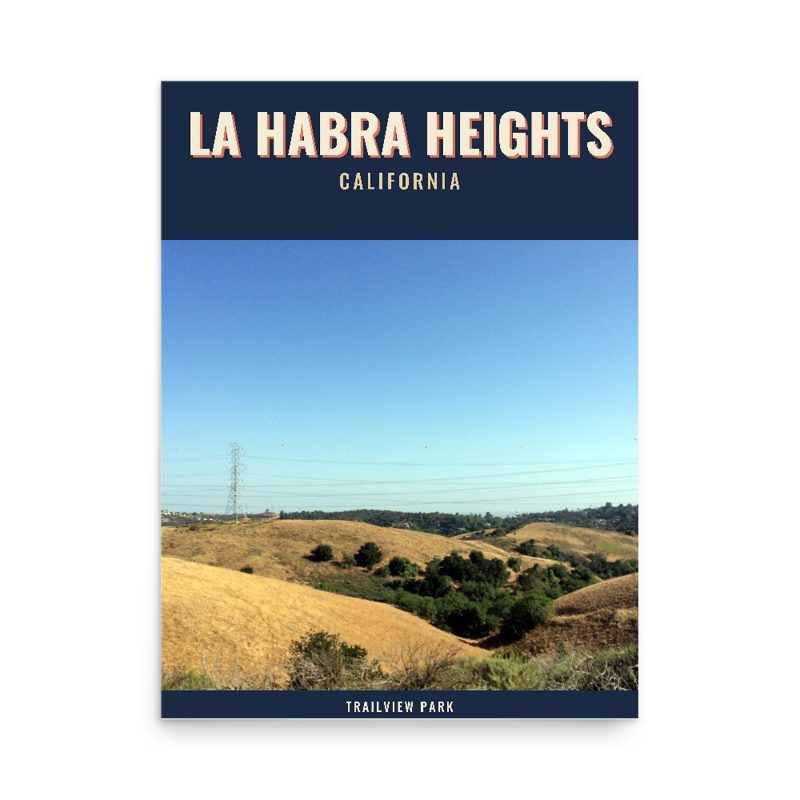
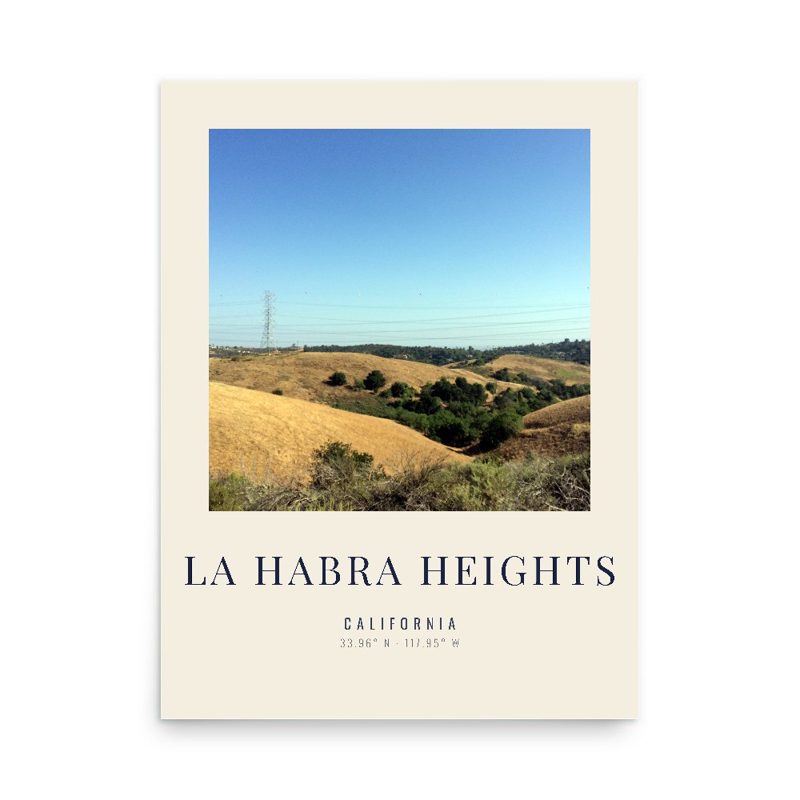
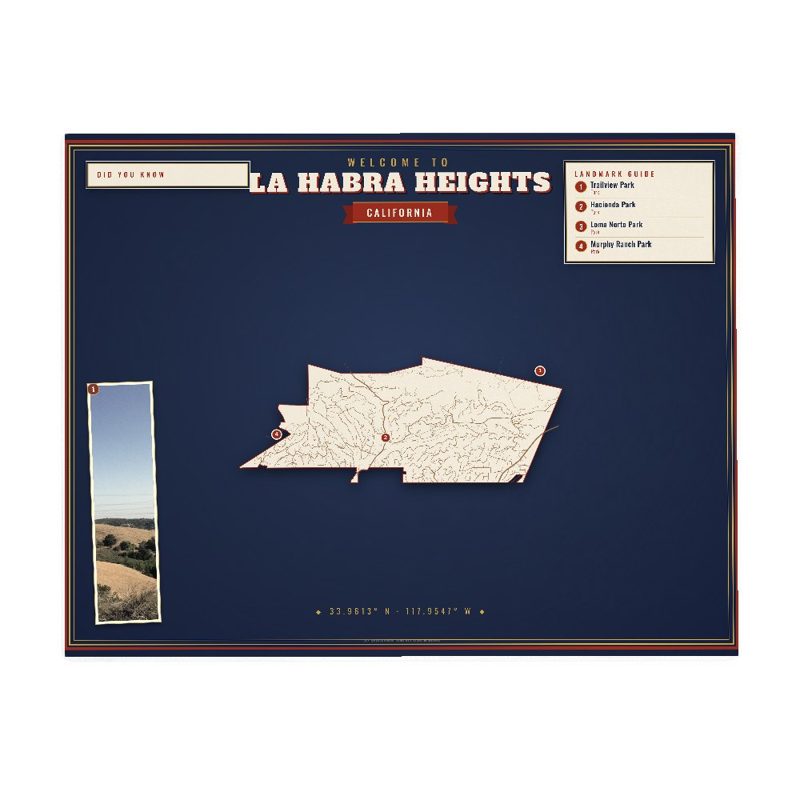
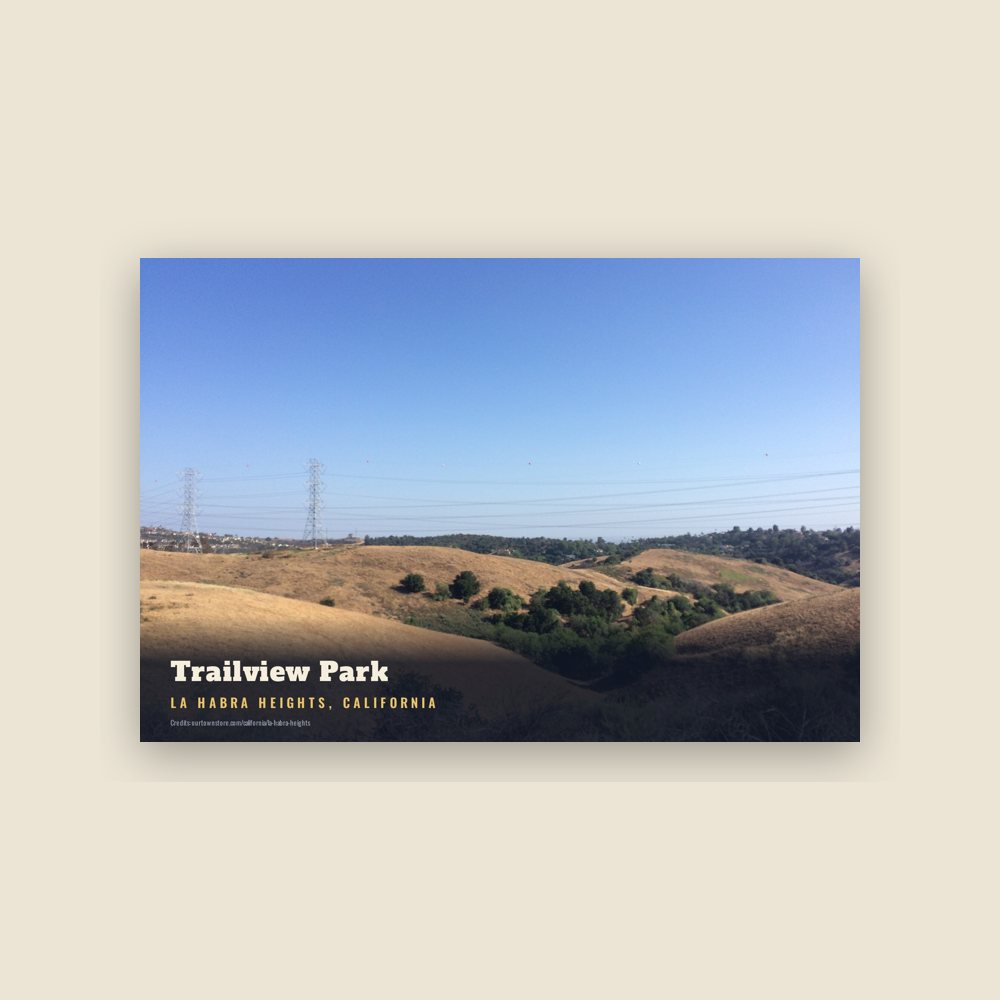
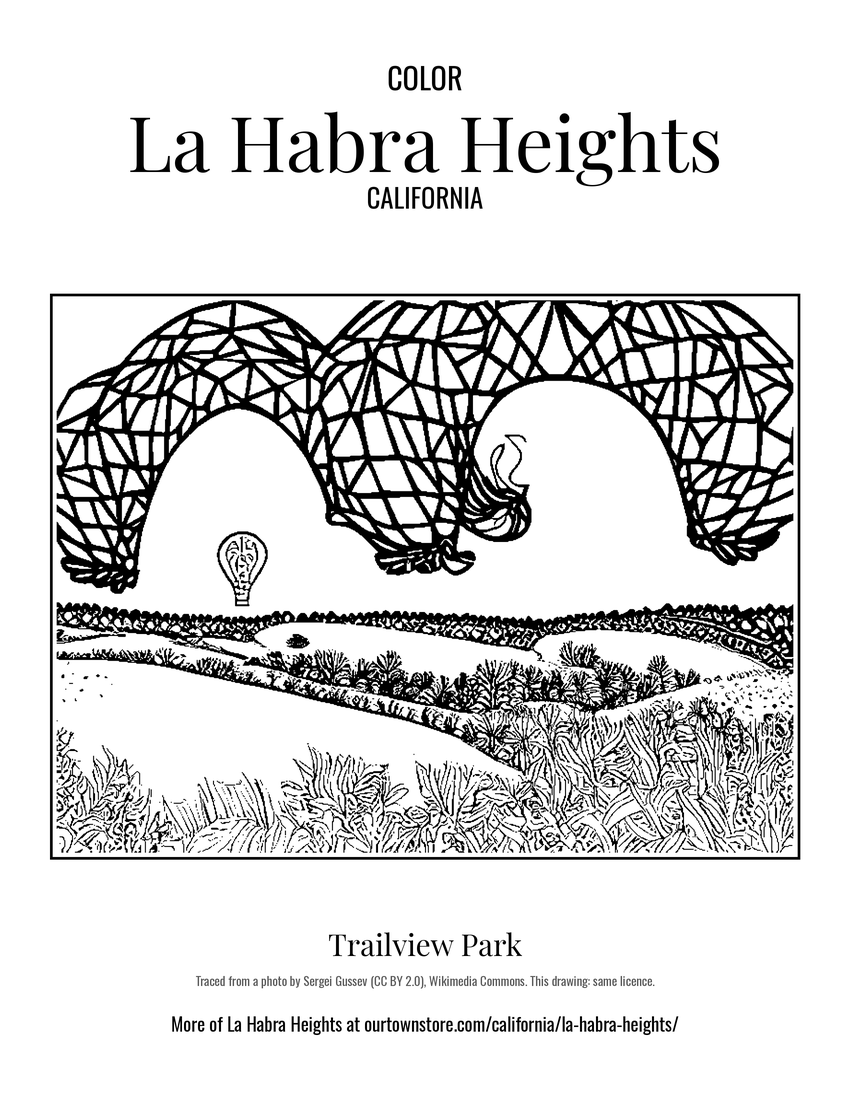 Trailview Park
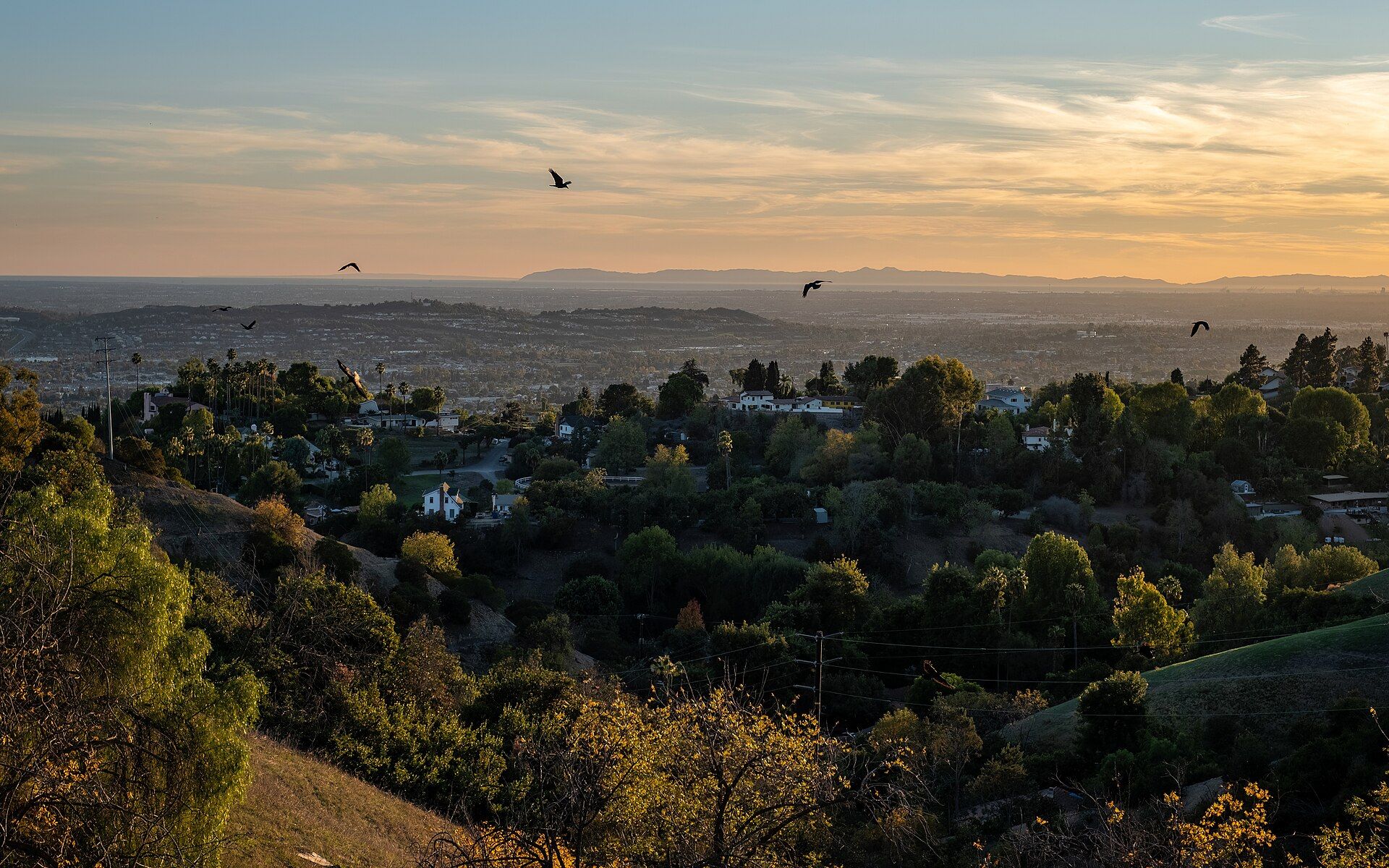
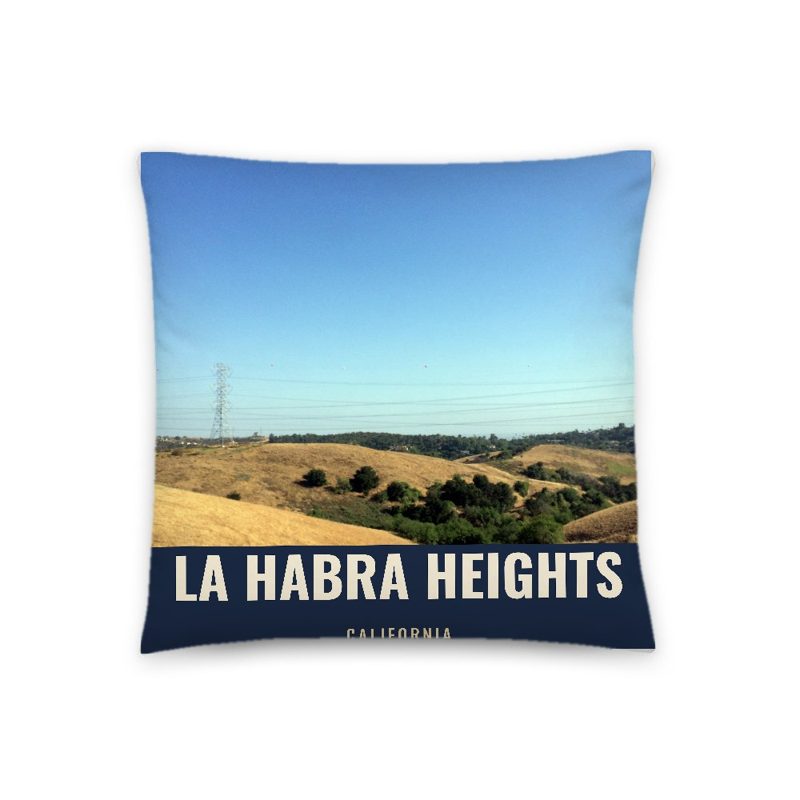
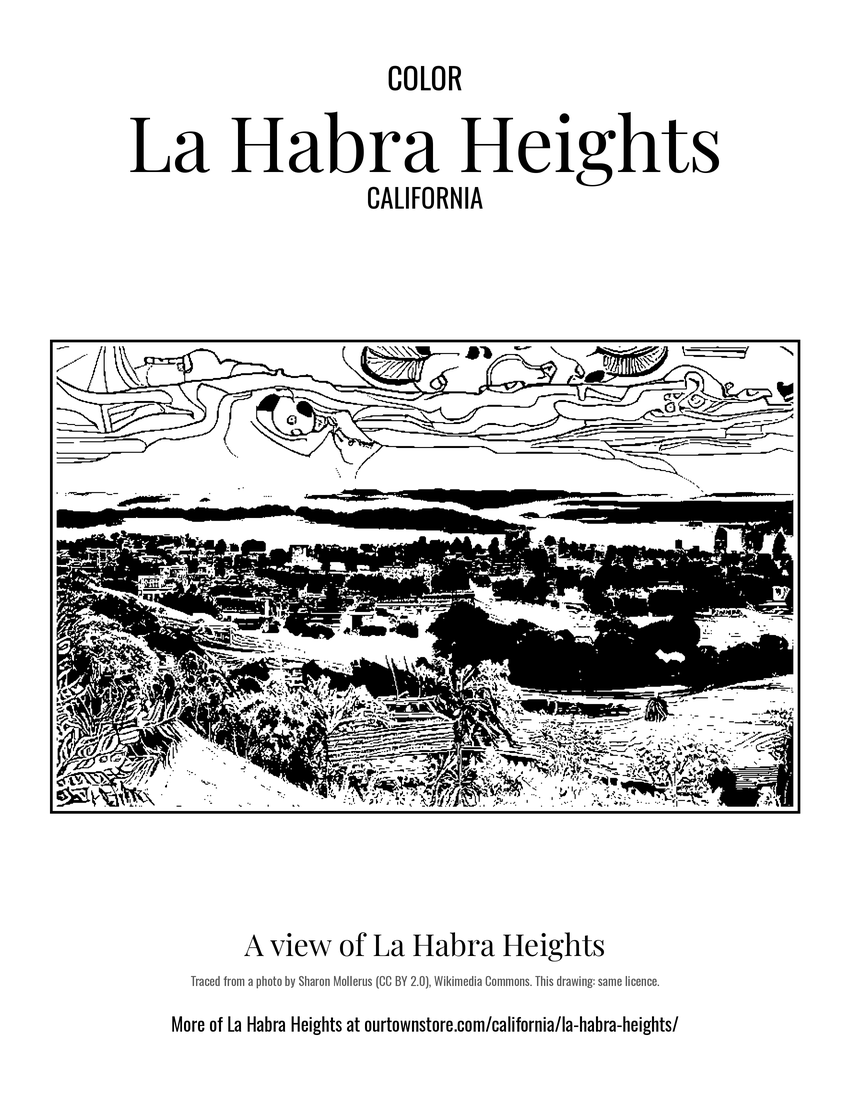 A view of La Habra Heights