Since 1981
A short history of Westlake Village
About 3,000 years ago, the Chumash moved into the region and lived by hunting rabbits and other game, and gathering grains and acorns. Excavations, archaeological sites, and polychrome rock paintings in the area provide a glimpse into the social and economic complexity of the ancient Chumash world.
A Chumash village was settled here in 500 BCE, known as Hipuc. The Chumash Indians gathered and prepared acorns and other seeds. These were collected in the fall. The Chumash also hunted wild animals, fish and gathered plants. Their diet consisted of acorns, gophers, cottontail rabbits, skunks, jack rabbits, rats, mice, and seeds. They made their clothing from the skins of animals such as rabbits, deer, and sea otters. Women wore long skirts woven from grass or soft bark, while men wore pieces of deerskin tied around their waists. Both men and women painted designs on their bodies and wore shell beads.
On a return trip from Northern California in January 1770, a group of men led by Gaspar de Portolá are believed to be the first Europeans to encounter the Chumash Indians in the Conejo Valley. Father Juan Crespí, chaplain and diarist of the expedition, wrote about El Triumfo, a Chumash village. He wrote that there was plenty of water and firewood in the village, and that the land was covered with pastures. He wrote: "We are on a plain of considerable extent and much beauty, forested on all parts by live oaks and oak trees, with much pasturage and water." Crespí named the place El triunfo del Dulcísimo Nombre de Jesús (in English: The Triumph of the Sweetest Name of Jesus) to a camping place by a creek.
Other villages were found throughout the valley, including Satwiwa and two villages near Ventu Park Road in Newbury Park. These Chumash villages are believed by archeologists to have first been settled over 2,000 years ago. Another village was located by Lake Sherwood.
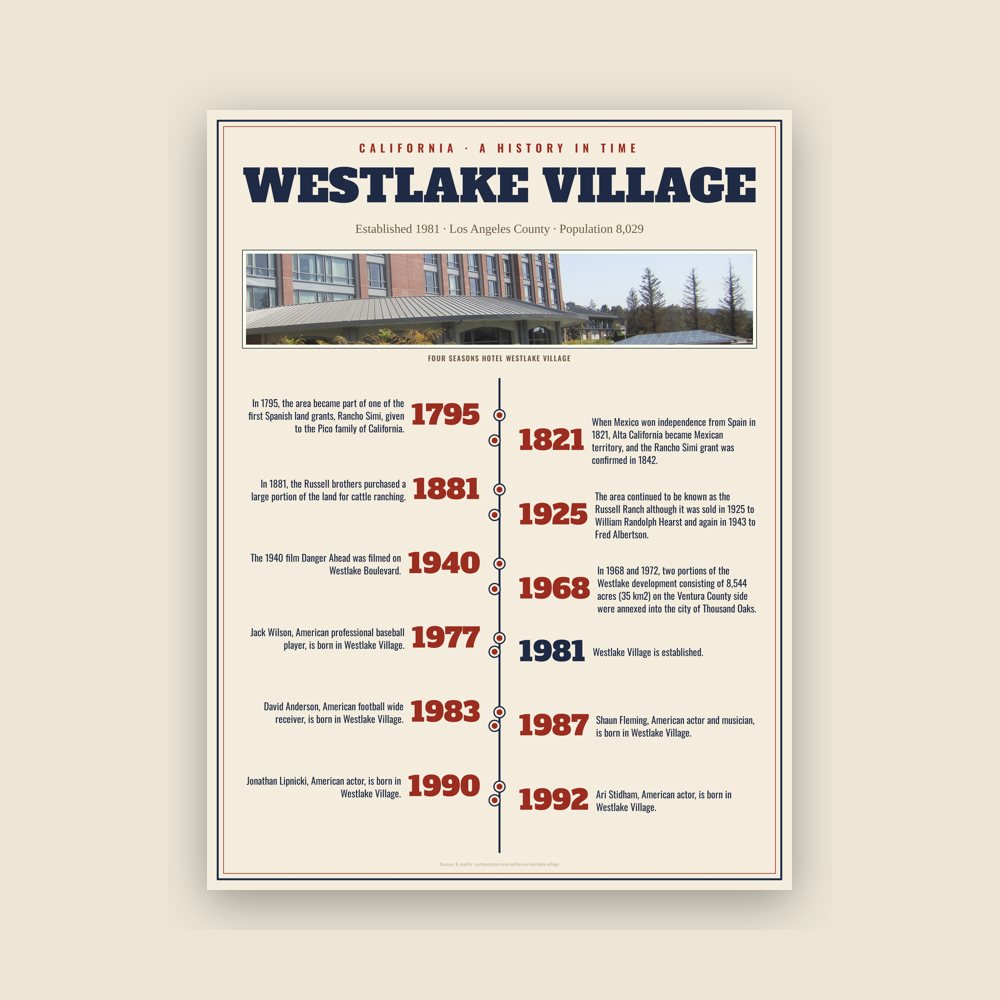
In 1795, the area became part of one of the first Spanish land grants, Rancho Simi, given to the Pico family of California. When Mexico won independence from Spain in 1821, Alta California became Mexican territory, and the Rancho Simi grant was confirmed in 1842.
In 1881, the Russell brothers purchased a large portion of the land for cattle ranching. According to Patricia Allen, historian and family descendant, Andrew Russell beat the competition in buying the land by racing across 6,000 acres (24 km2) on a fifteen-minute trip in a buckboard and sealed the deal with a $20 gold piece. The price per acre was $2.50. The area continued to be known as the Russell Ranch although it was sold in 1925 to William Randolph Hearst and again in 1943 to Fred Albertson. The Russell family leased back part of the land to continue its successful cattle ranch operation while the Albertson Company used the vast area as a movie ranch. Many movies and television shows were filmed in the Conejo Valley, including Robin Hood, King Rat, Laredo, and various episodes of Tarzan, Buck Rogers, Gunsmoke and Bonanza. The 1940 film Danger Ahead was filmed on Westlake Boulevard.
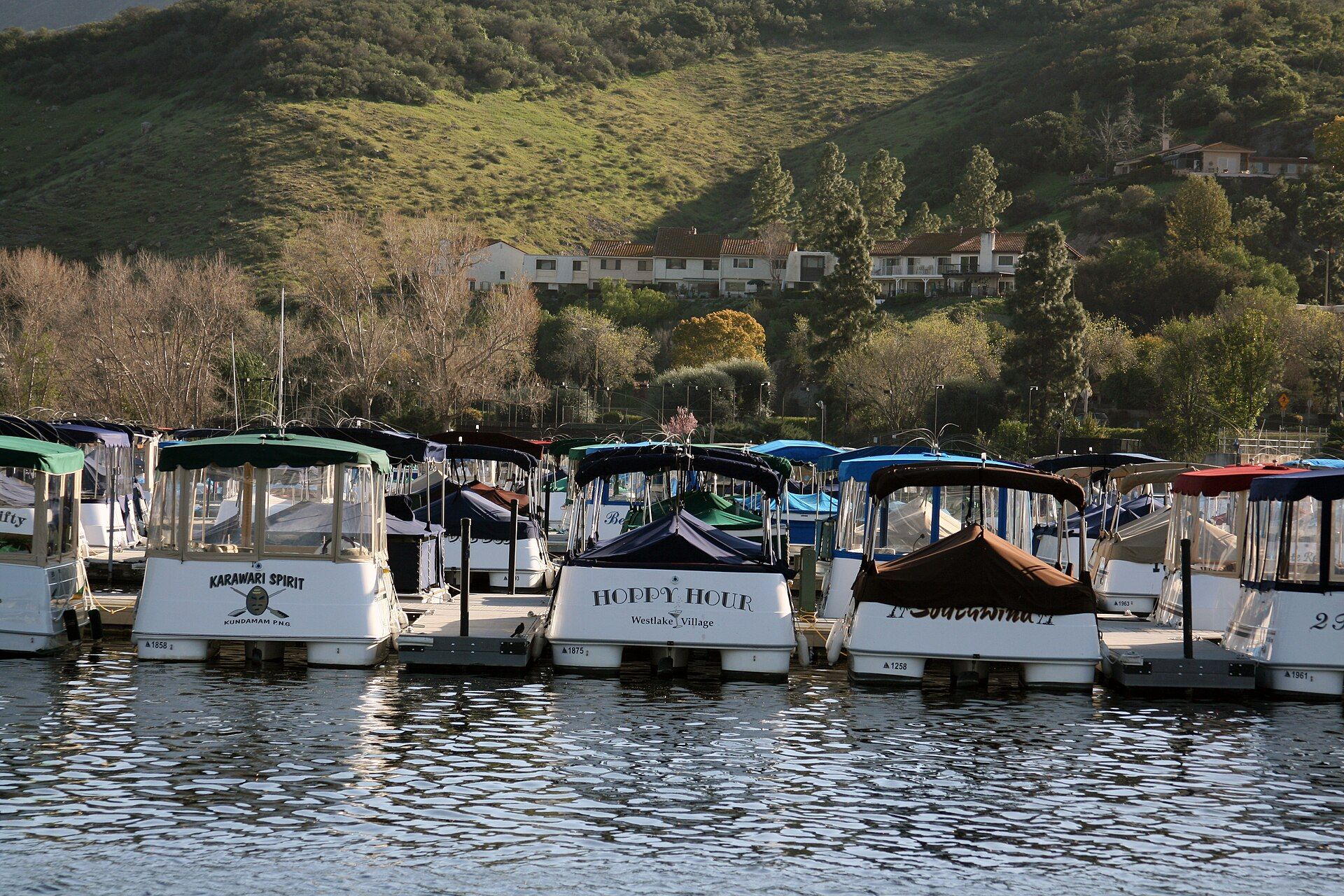
In 1963, Daniel K. Ludwig's American-Hawaiian Steamship Company bought the 12,000 acre (49 km2) ranch for $32 million and, in partnership with Prudential Insurance Company, commissioned the preparation of a master plan by architectural and planning firm A. C. Martin and Associates. This new "city in the country" planned to have a firm economic base including commercial areas, residential neighborhoods, and ample green space with the lake as a focal point. Prominent architects, engineers, and land planners participated in designing the new community, a distinctive example of planned 1960s-style suburbanism.
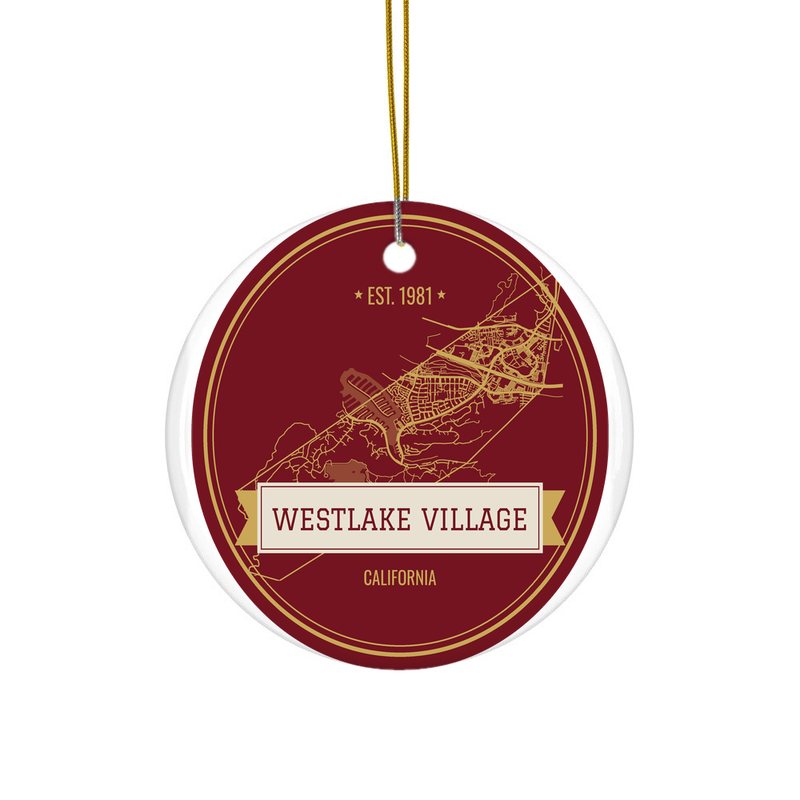
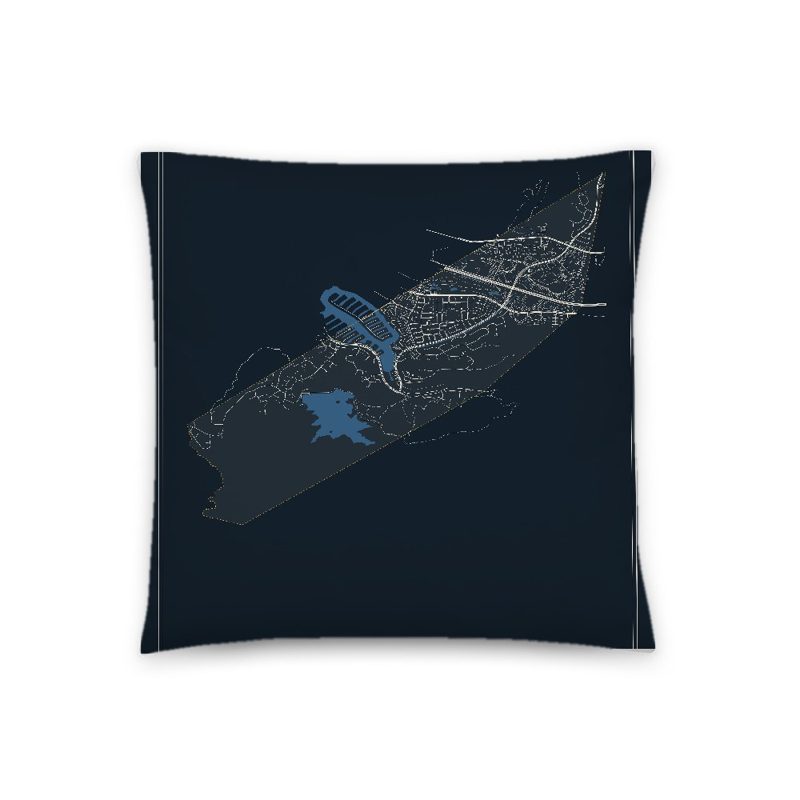
The original tract was divided by the Los Angeles/Ventura county line. In 1968 and 1972, two portions of the Westlake development consisting of 8,544 acres (35 km2) on the Ventura County side were annexed into the city of Thousand Oaks. In 1981, the Los Angeles County portion (3,456 acres (13.99 km2) or roughly 1/3) of the Westlake master-planned community was incorporated as the City of Westlake Village. California state law prevents a city from existing in two separate counties.
Adapted (trimmed) from the Wikipedia article Westlake Village, California, revision 1381366206 by its contributors, licensed CC BY-SA 4.0.
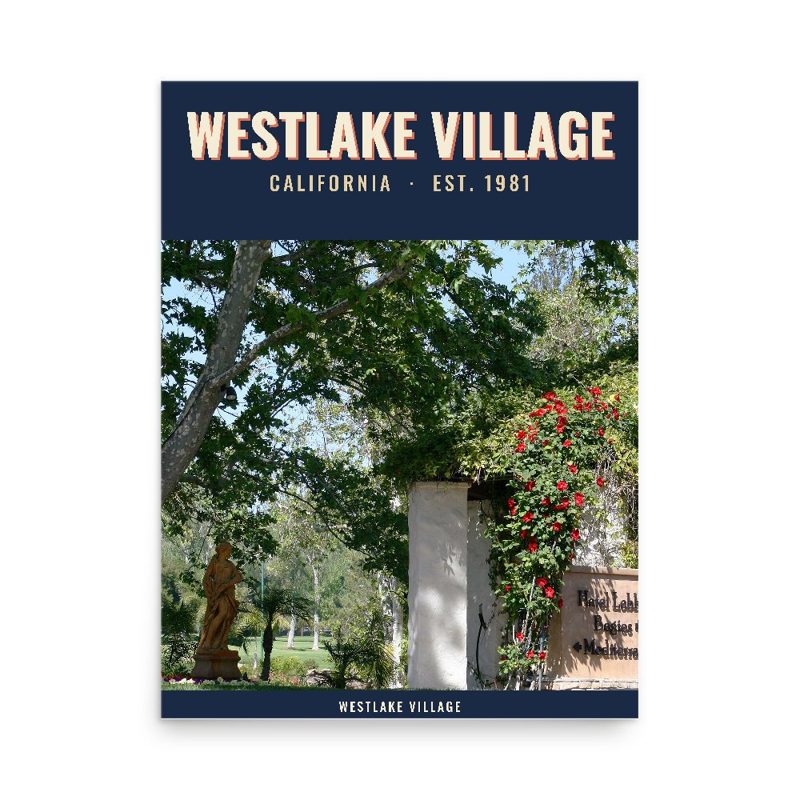
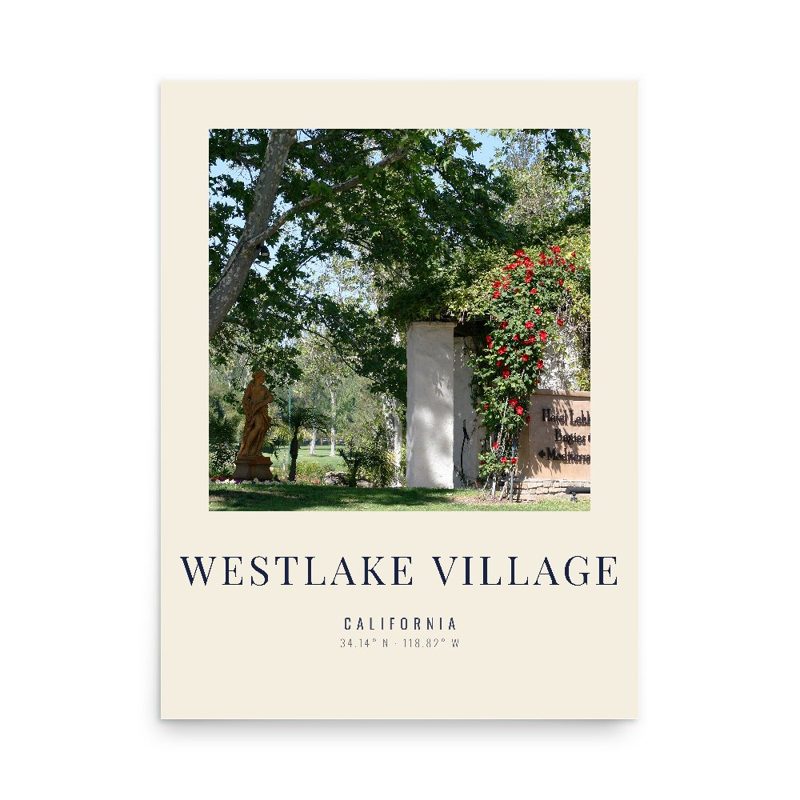



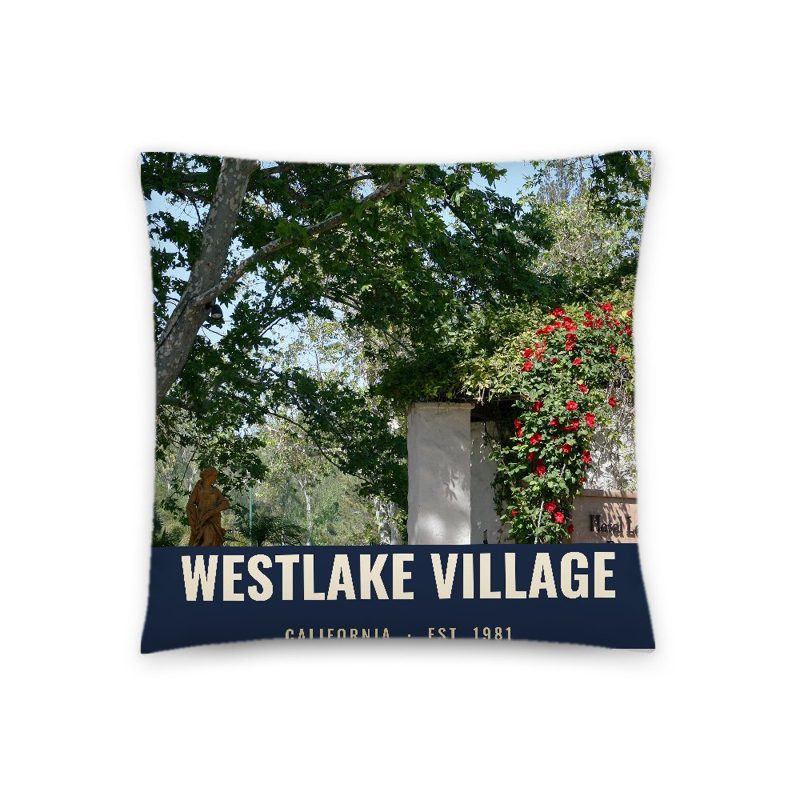


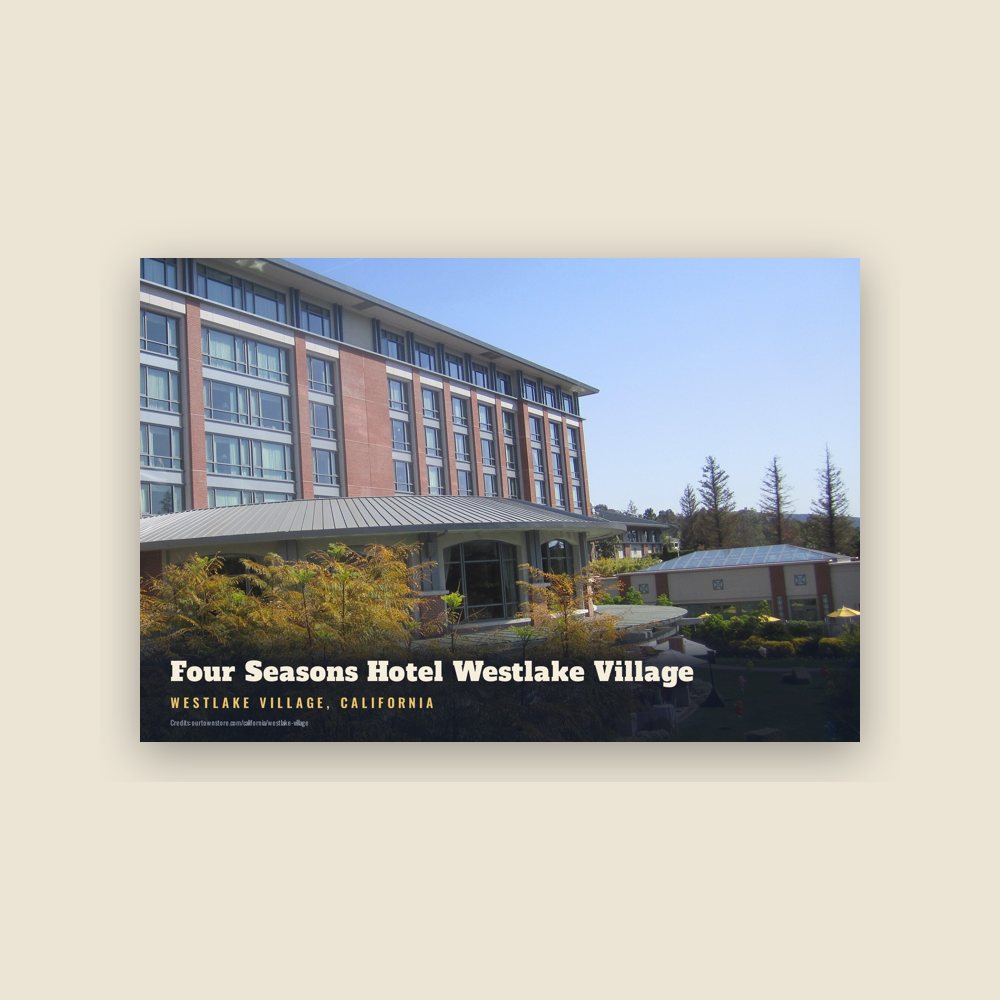
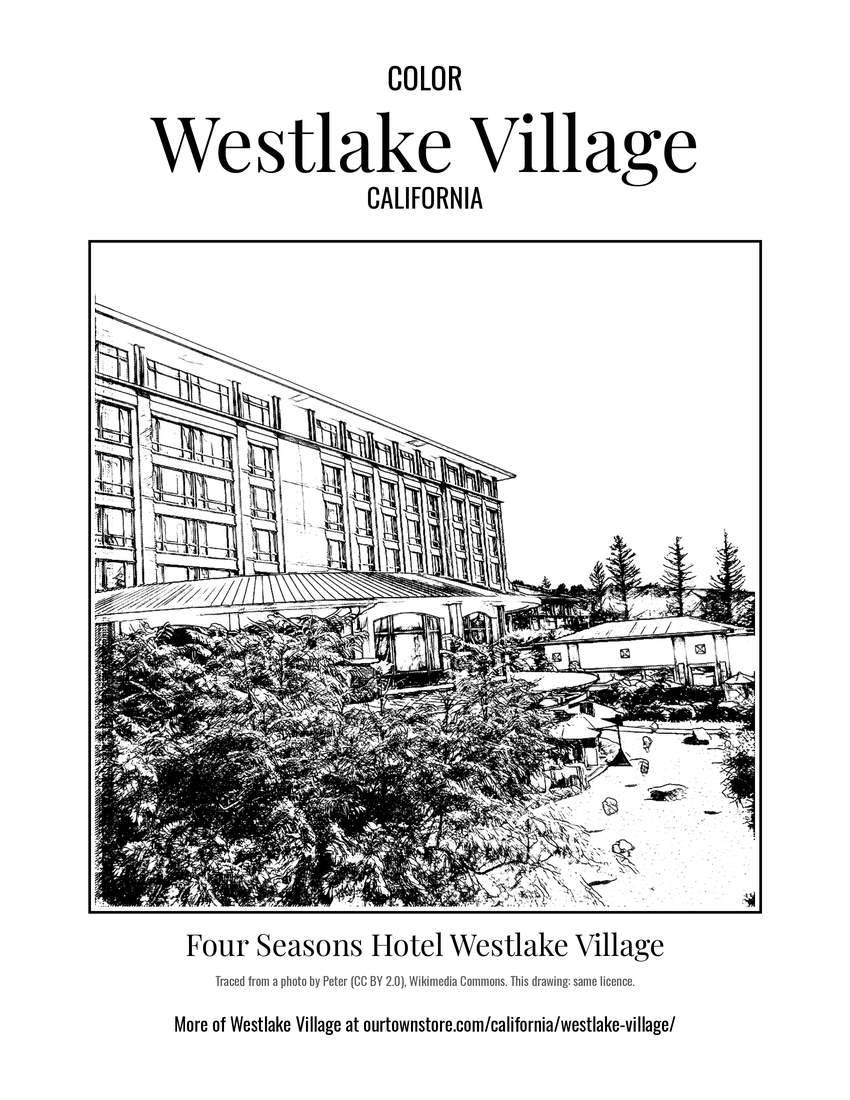 Four Seasons Hotel Westlake Village
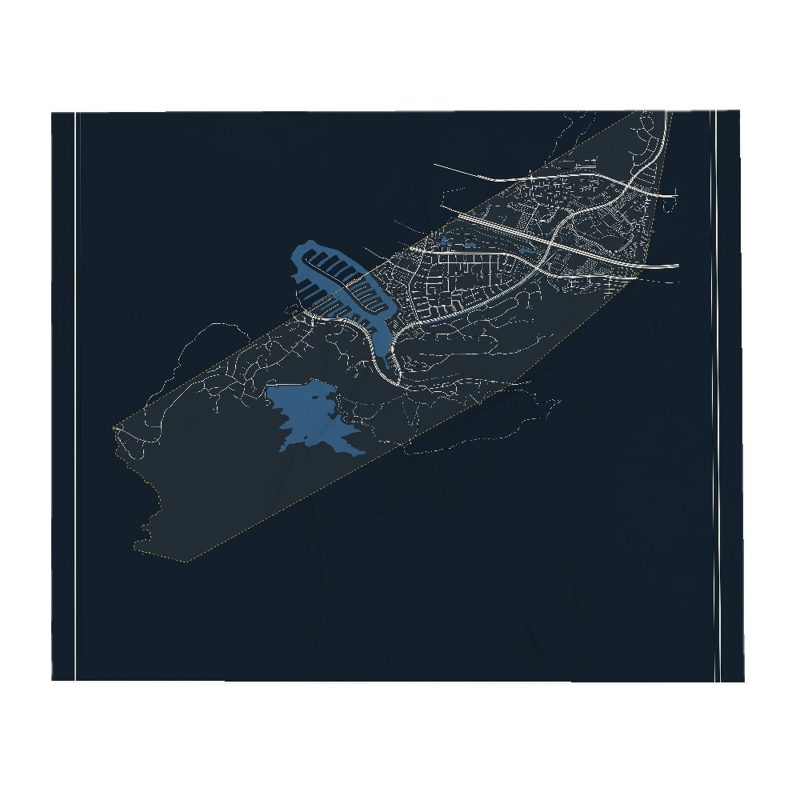
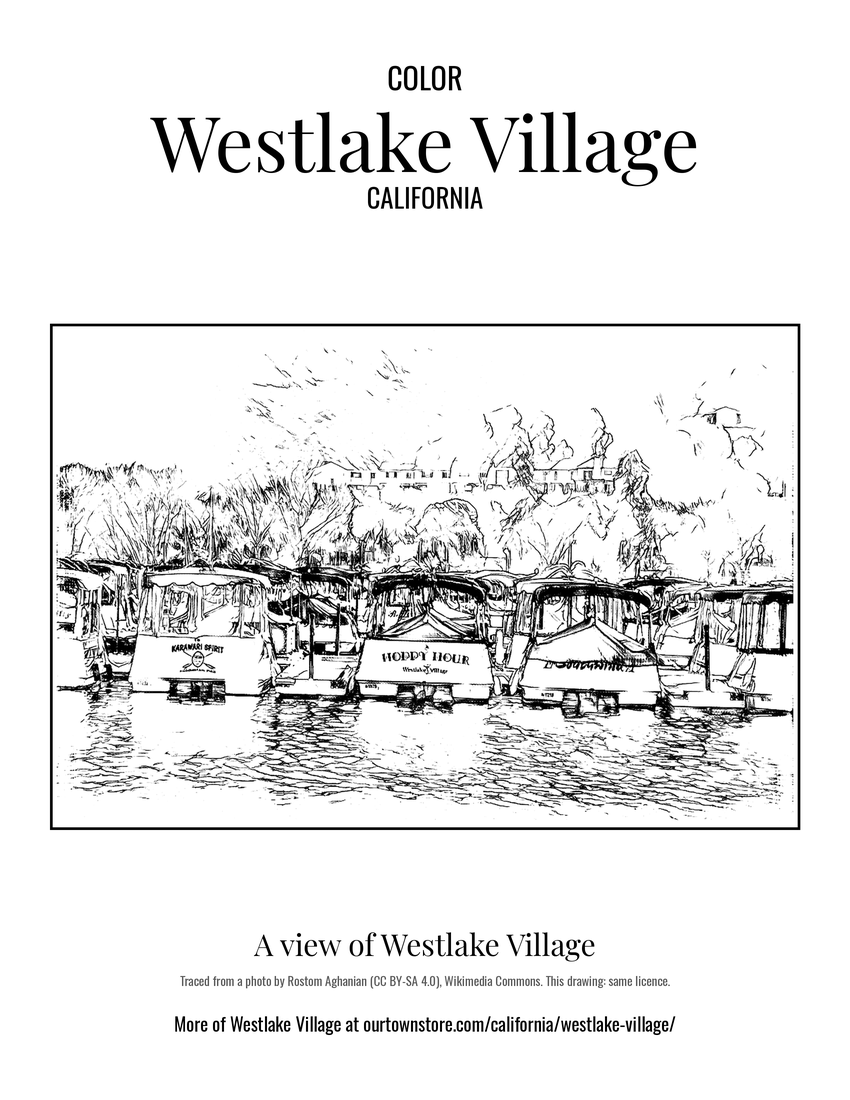 A view of Westlake Village
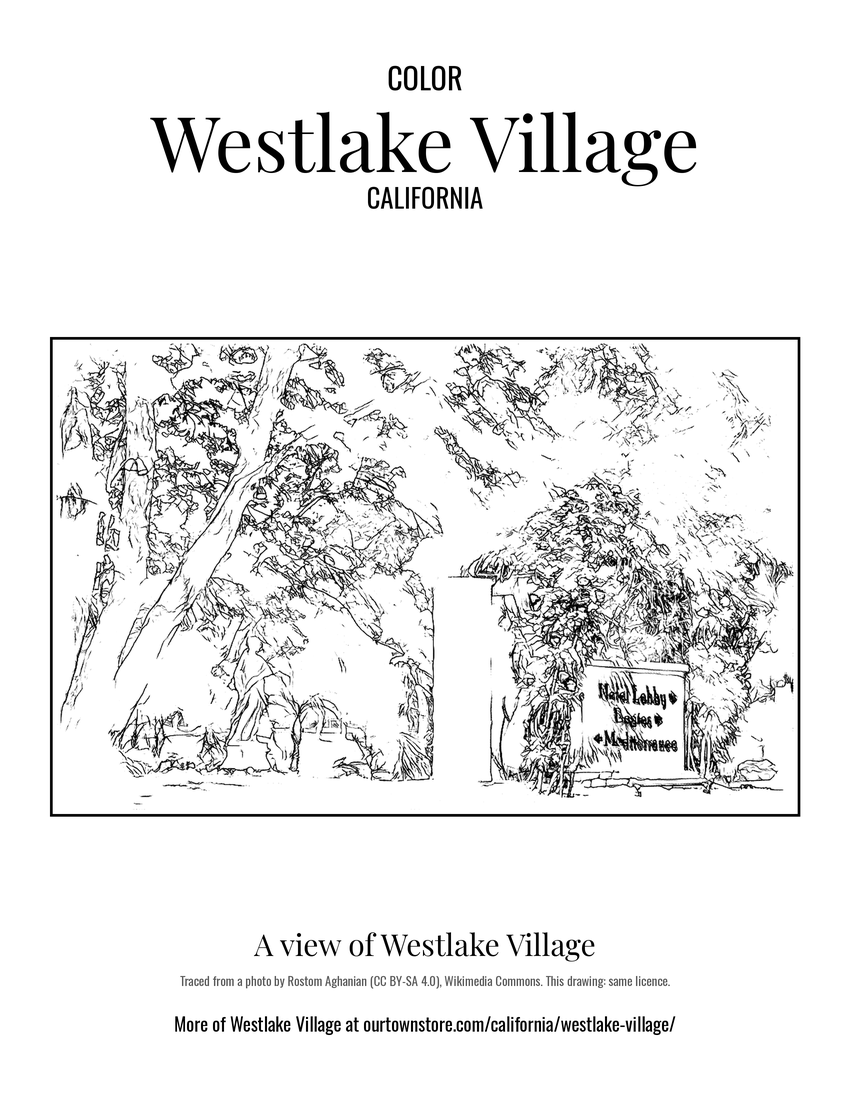 A view of Westlake Village
 A view of Westlake Village