Since 1964
A short history of Hawaiian Gardens
After a nineteenth-century property bubble crashed, Los Angeles began growing again, and by the turn of the century had reached 100,000 inhabitants. But the area that would become Hawaiian Gardens (then known as "The Delta") remained largely a rural area with dairy and truck farms and some oil development. In 1927, a fruit stand with palms was opened on the corner of two dirt roads of Carson Street and Norwalk Boulevard called Hawaiian Gardens. Thus, the name was born. During the Great Depression, the area became a refuge for people to buy or build a home due to low land costs, despite poor roads, frequent flooding, and limited access to electricity.
In the late 1920s, only Norwalk Blvd was a paved road. For the next 35 years, except for Pioneer Boulevard, Norwalk Boulevard, and Carson Street, the little town would be all dirt roads. Major flooding occurred in 1952. When the city was incorporated in 1964, the paving of roads began immediately. By 1966, all streets south of Carson between Pioneer and Norwalk were paved. By 1968, all streets were paved, and the three major thoroughfares of Norwalk, Pioneer, and Carson were widened to current traffic standards.
Adapted (trimmed) from the Wikipedia article Hawaiian Gardens, California, revision 1378133807 by its contributors, licensed CC BY-SA 4.0.
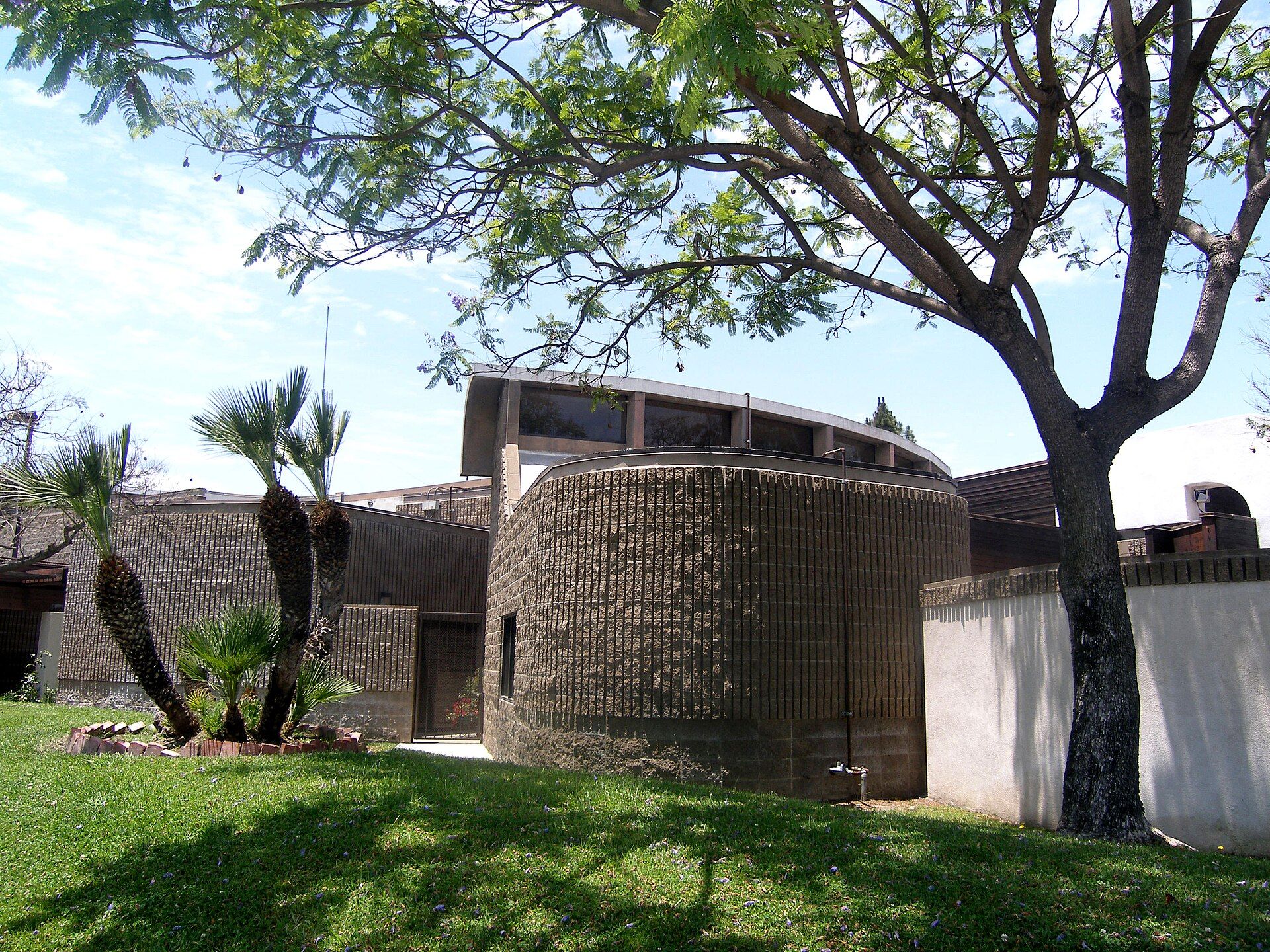
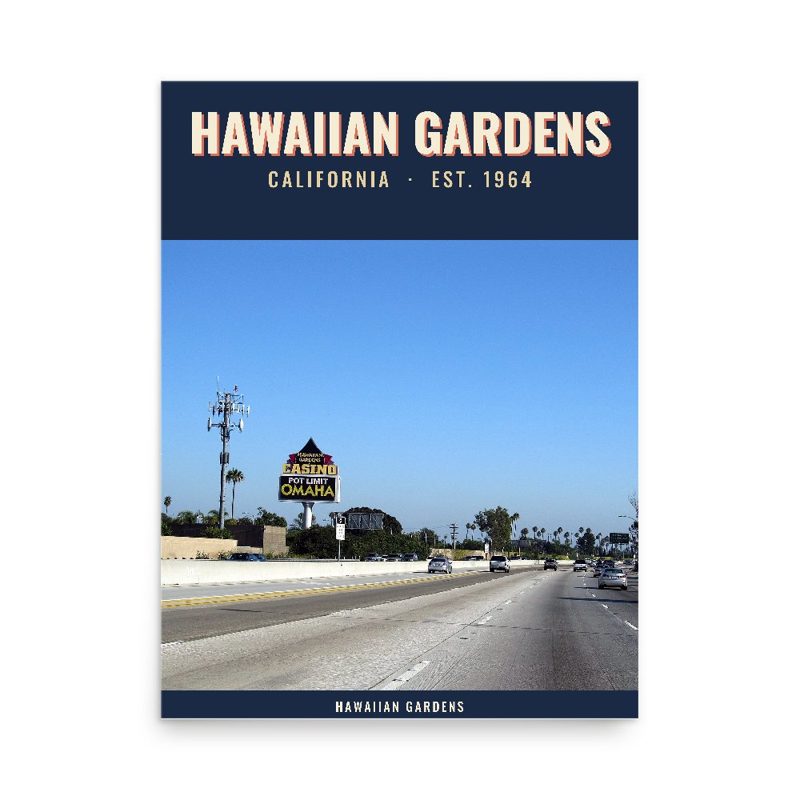
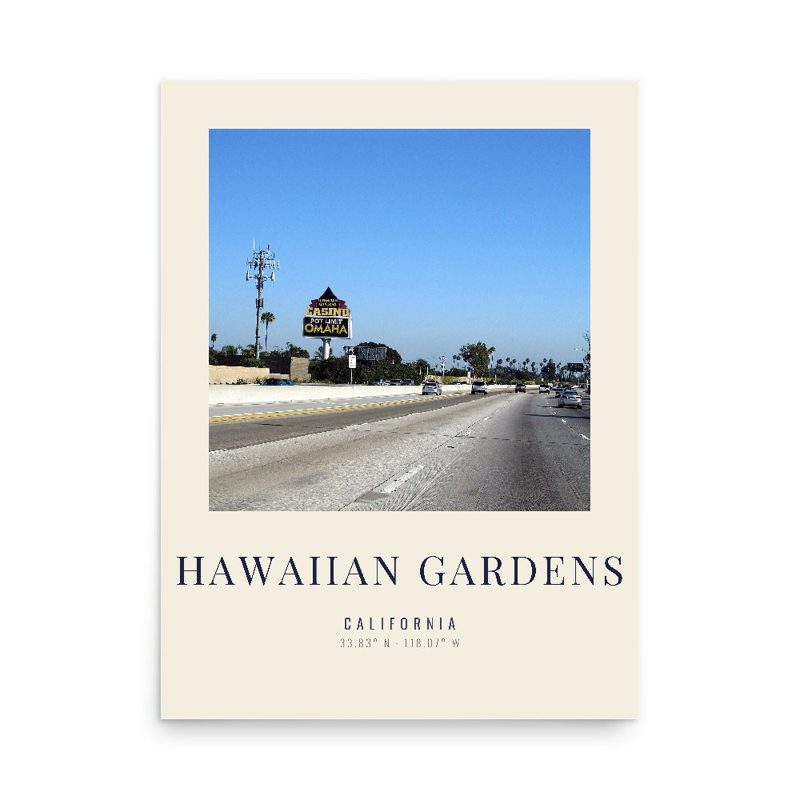
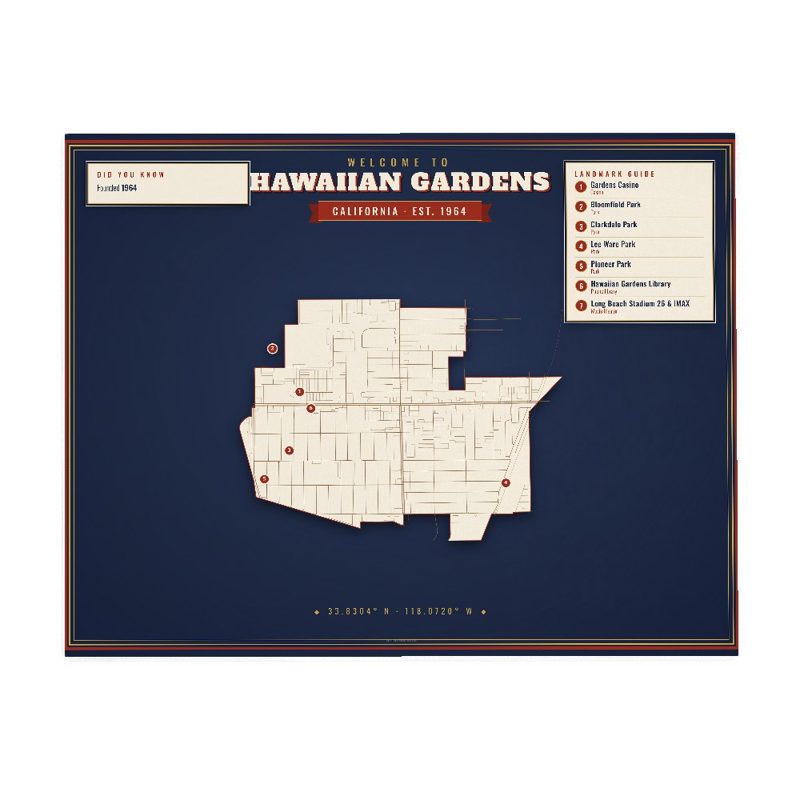
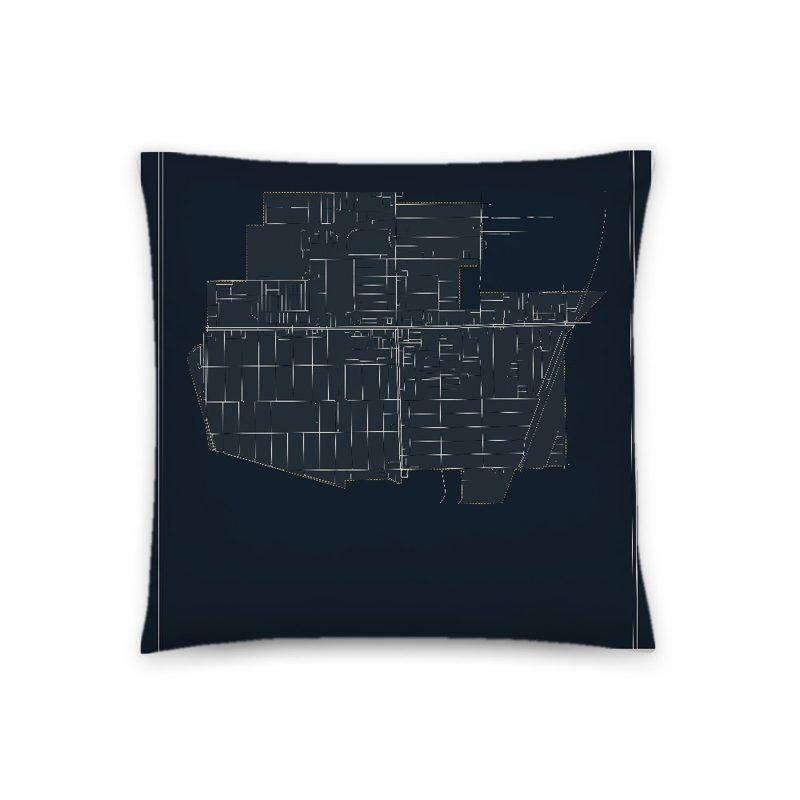
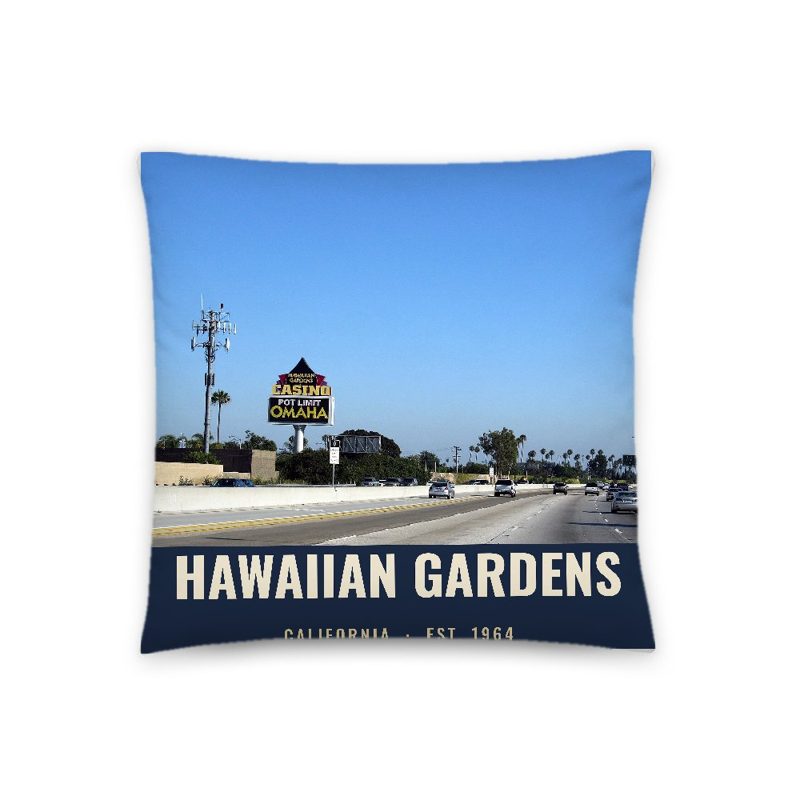
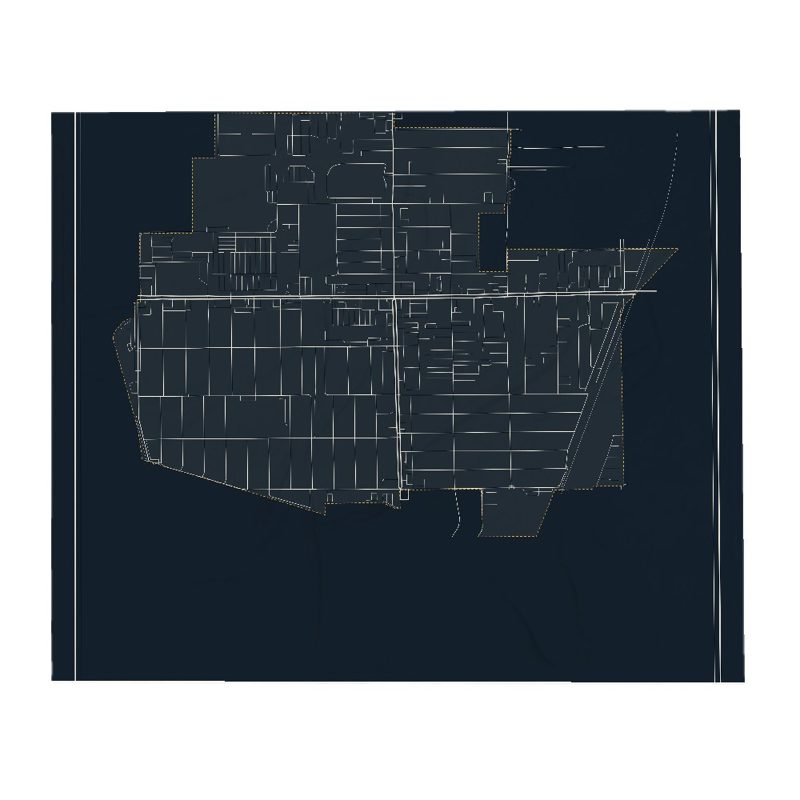
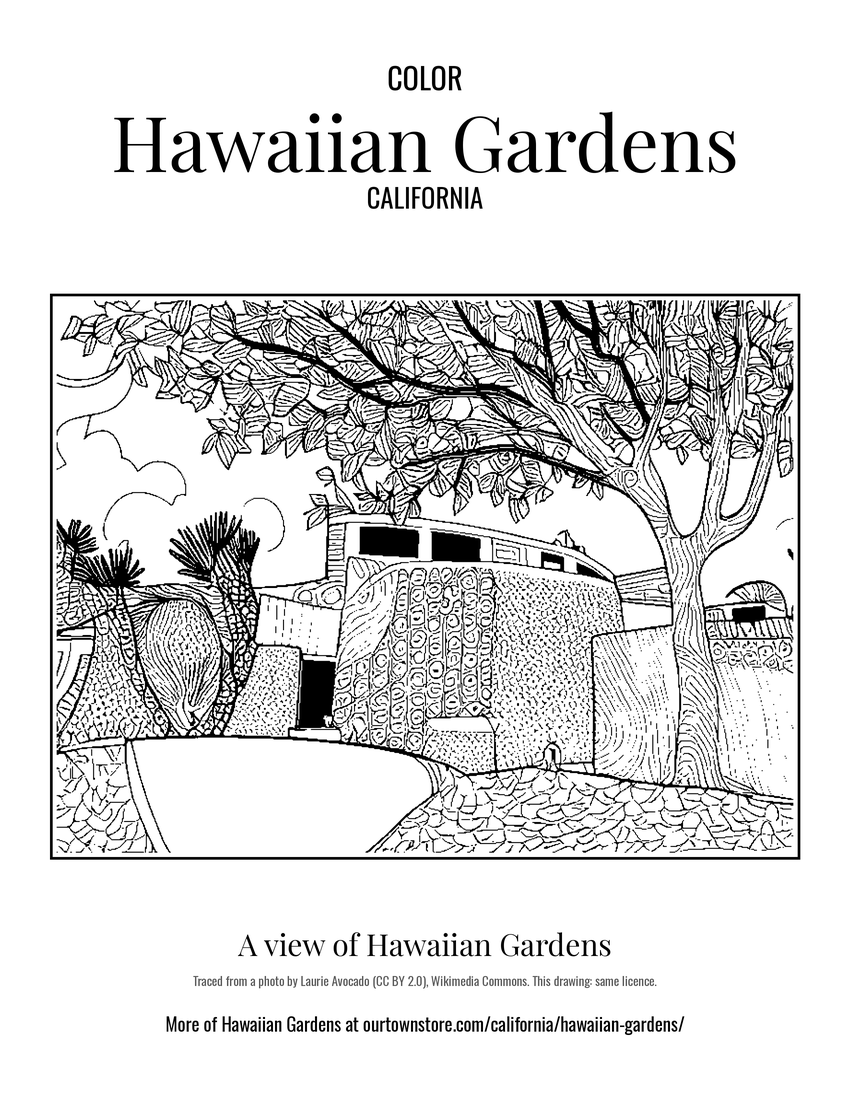 A view of Hawaiian Gardens
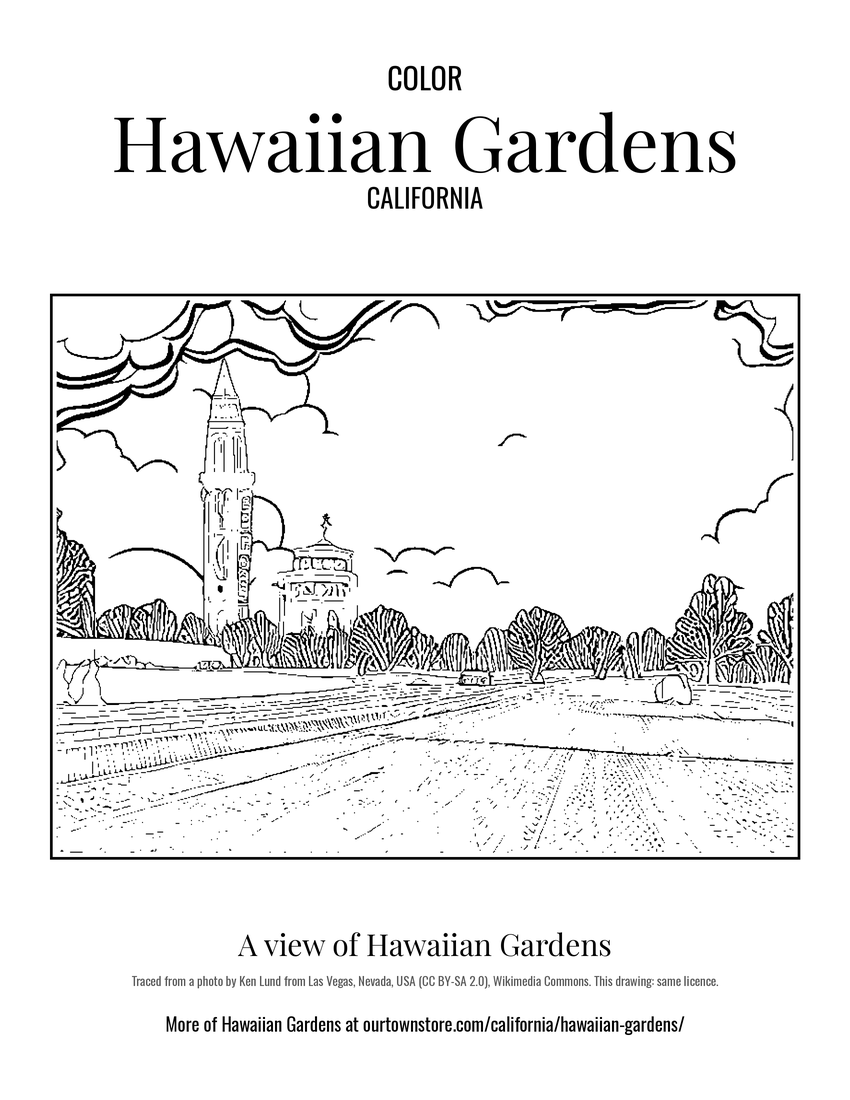 A view of Hawaiian Gardens