Rockingham County, New Hampshire
Street maps, historic prints and keepsakes for 35 Rockingham County towns.
The oldest is Exeter, established 1638. The largest by population is Derry (34,317).
| Town | Established | Population |
|---|---|---|
| Atkinson | 1767 | 7,087 |
| Auburn | 1845 | 5,946 |
| Brentwood | 1742 | 4,490 |
| Candia | 1763 | 4,013 |
| Chester | 1722 | 5,232 |
| Danville | 1760 | 4,408 |
| Derry | 1827 | 34,317 |
| East Kingston | 1738 | 2,441 |
| Epping | 1741 | 7,125 |
| Exeter | 1638 | 16,049 |
| Fremont | 1764 | 4,739 |
| Greenland | 1721 | 4,067 |
| Hampstead | 1749 | 8,998 |
| Hampton | 1639 | 16,214 |
| Hampton Falls | 1726 | 2,403 |
| Kensington | 1737 | 2,095 |
| Kingston | 1694 | 6,202 |
| Londonderry | 1722 | 25,826 |
| New Castle | 1693 | 1,000 |
| Newfields | 1849 | 1,769 |
| Newington | 1764 | 811 |
| Newmarket | 1727 | 9,430 |
| Newton | 1749 | 4,820 |
| North Hampton | 1742 | 4,538 |
| Northwood | 1773 | 4,641 |
| Nottingham | 1722 | 5,229 |
| Plaistow | 1749 | 7,830 |
| Portsmouth | – | 21,956 |
| Raymond | 1764 | 10,684 |
| Salem | 1750 | 30,089 |
| Sandown | 1756 | 6,548 |
| Seabrook | 1768 | 8,401 |
| South Hampton | 1742 | 894 |
| Stratham | 1716 | 7,669 |
| Windham | 1742 | 15,817 |
About these towns
Atkinson: Atkinson Academy, the second-oldest co-educational school in the country, was founded as a boys' school in 1787 by Reverend Stephen Peabody, General Nathaniel Peabody and Doctor William Cogswell; it began admitting girls in 1791.
Auburn: Auburn was originally settled by Native Americans in 1624. It was a fishing settlement called by Native Americans "Massabesic" (the current name of the town's largest lake).
Brentwood: An Abenaki tribe called the Pennacook farmed, fished and hunted in what is now Brentwood. Two main foot trails ran through the town, one along the Exeter River, where arrowheads and other stone and wooden artifacts have been found.
Candia: Settled in 1743, Candia was once part of Chester and known as "Charmingfare", probably because of the many bridle paths or "parades" through the pleasant scenery.
Chester: "Chester is considered one of the old towns of the state. In 1719, about eighty persons, chiefly from Portsmouth and Hampton, formed an association, for the purpose of securing a tract of land in the "Chesnut Country" (so called) and stationed three men upon this tract, to hold possession until they should procure a lawful title.
Danville: In 1694 the parish of Kingstown (now Kingston) was incorporated, and it included the area known as "Hawke" as the westerly part of the parish.
Derry: The area was first settled by Scots-Irish families in 1719 as part of the town of Londonderry, as were present-day Windham and portions of Manchester, Salem and Hudson.
East Kingston: East Kingston was once a part of Kingston called "Kingston East Parish", but was granted a separate charter in 1738 by Governor Jonathan Belcher.
Epping: Epping was originally part of Exeter, one of the four original New Hampshire townships. In 1690, during King William's War, the Lamprey River Raid occurred in which eight people were killed and one person captured.
Exeter: For thousands of years prior to European colonization, the area was inhabited by Pennacook Abenaki villagers. The location was originally known as "M'Squamskook", meaning "Falls at the Place of the Salmon" in Abenaki language, and would later become known as "Squamscott".
Fremont: Settled in the 1720s, Fremont was originally part of Exeter. The area was once famous for its heavy growth of high-quality eastern white pine trees, reserved for use as masts of the Royal Navy.
Greenland: One of the earliest settlements in the state, Greenland was a parish of Portsmouth (then called Strawbery Banke) operating in 1638. Captain Francis Champernowne moved from Strawbery Banke in 1640 and settled in the area of the present Portsmouth Country Club.
Hampstead: Once part of Haverhill and Amesbury, Massachusetts, and settled in 1640, this town was formed as a result of the 1739 decision fixing the boundary line between Massachusetts and New Hampshire.
Hampton: First called the "Plantation of Winnacunnet", Hampton was one of four original New Hampshire townships chartered by the General Court of Massachusetts, which then held authority over the colony.
Hampton Falls: Archaeological excavations have confirmed that what is now Hampton Falls has been occupied by humans for roughly 10,000 years. The first settlers were indigenous peoples of the Northeastern Woodlands.
Kensington: Once a parish of Hampton, Kensington was incorporated in 1737 by New Hampshire governor Jonathan Belcher. Of the 27 towns granted by Governor Belcher, only three were given names, one of which was Kensington, named for Baron Kensington, owner of Kensington Palace in London.
Kingston: Kingston was the fifth town to be established in New Hampshire. Originally, it was a part of Hampton. After King Philip's War, the establishment of new settlements was made possible by peace treaties with the local Indian tribes and, in 1692, by geographical and jurisdictional agreements between the provinces of Massachusetts Bay and New Hampshire.
Londonderry: Londonderry lies in an area that was first known as "Nutfield" because of the dense woods with nut trees. A petition for the town was submitted to the General Court of the Province of New Hampshire on September 23, 1719.
New Castle: The main island on which the town sits is the largest of several at the mouth of the Piscataqua River and was originally called "Great Island".
Newfields: Incorporated in 1849, Newfields was part of Exeter until 1727, when it became part of Newmarket. Settled in 1638, it was called "Newfield Village" as early as 1681, and later "South Newmarket", a parish of that town.
Newington: Originally a part of Dover, boundary disputes among early river settlers caused this area to be called "Bloody Point". By 1640, Trickey's Ferry operated between Bloody Point and Hilton's Point in Dover.
Newmarket: Incorporated in 1727, Newmarket is one of six towns granted by Massachusetts in the last year of the reign of King George I.
Newton: The sixth town to be granted from the Masonian land purchase of 1746, Newton was originally part of Salisbury, Massachusetts; later, part of Amesbury, Massachusetts; then part of the West Parish of Amesbury; then part of New Town or South Hampton, Massachusetts (now South Hampton, New Hampshire).
North Hampton: First settled in 1639, the town was a part of Hampton known as "North Hill" or "North Parish". Residents began petitioning for separation from Hampton as early as 1719, but township was not granted until 1742 by colonial governor Benning Wentworth, following separation of New Hampshire from Massachusetts.
Northwood: First settled in 1763, Northwood was incorporated on February 6, 1773, by colonial governor John Wentworth, when a large tract of land called "North Woods" was separated from Nottingham.
Nottingham: Incorporated in 1722 by Lieutenant Governor John Wentworth, Nottingham was named for Daniel Finch, 2nd Earl of Nottingham. The earl was a close friend of Samuel Shute and Joseph Dudley, previous colonial governors of New Hampshire.
Plaistow: The land of what is now Plaistow was originally allocated to Haverhill, Massachusetts, as a part of Old Norfolk County. When New Hampshire was separated by decree of King Charles II in 1679, the portion of Haverhill north of the new border was incorporated into the new province.
Portsmouth: The first European to explore and write about the area was Martin Pring in 1603. The Piscataqua River is a tidal estuary with a swift current, but forms a good natural harbor.
Raymond: Joseph Fullonton, in his History of Raymond, published 1875, said that the name was chosen as "a new and classical one". Fullonton relates that the original name of Freetown "arose from the ship timber business" where the king claimed the best trees.
Salem: The area was first settled in 1652. As early as 1736, Salem was the "North Parish" of Methuen, Massachusetts, or "Methuen District".
Sandown: Once part of Kingston, Sandown was incorporated as a separate town in 1756 by colonial governor Benning Wentworth. It was named after the picturesque Sandown on the Isle of Wight.
Seabrook: Located at the southern end of the coast of New Hampshire, on the border with Massachusetts, Seabrook is noted as the location of the Seabrook Station Nuclear Power Plant, the third-most recently constructed nuclear power plant in the United States.
South Hampton: South Hampton was one of the first towns granted by colonial governor Benning Wentworth after the separation of the governorships of New Hampshire and Massachusetts in 1741.
Stratham: Stratham was settled in 1631 and incorporated in 1716. The area, called Winnicutt by the Pennacook people, was known as "Squamscott Patent" or "Point of Rocks" because of its location between Great Bay and the Squamscott River.
Windham: The area was initially home to the Pawtucket Native Americans. Scots-Irish immigrants began to settle in the area in 1719. The region was known as "Nutfield," and included what are now the neighboring towns of Derry and Londonderry.
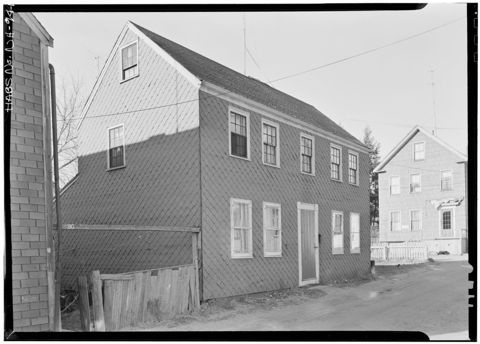 AtkinsonNew Hampshire · Est. 1767
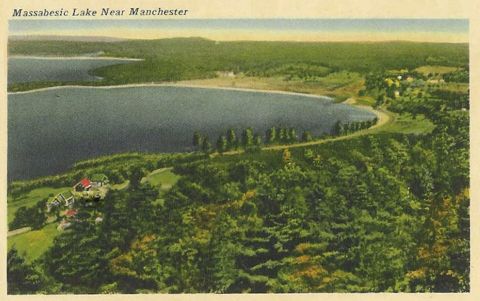 AuburnNew Hampshire · Est. 1845
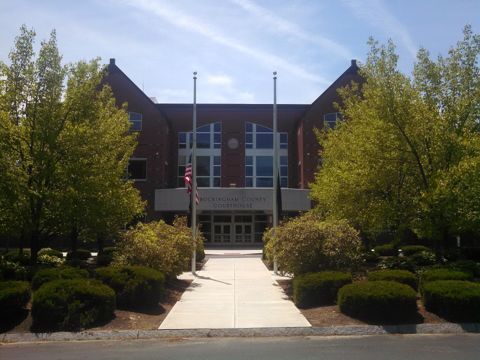 BrentwoodNew Hampshire · Est. 1742
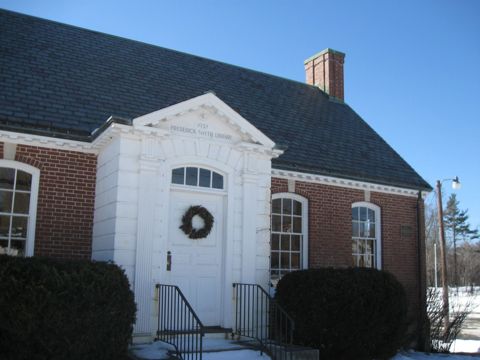 CandiaNew Hampshire · Est. 1763
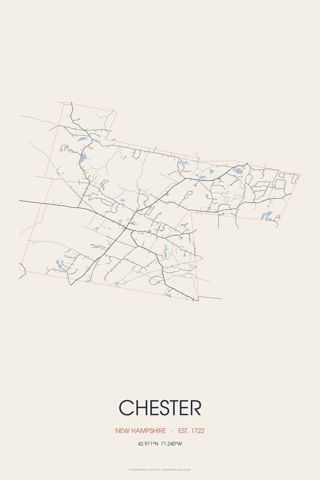 ChesterNew Hampshire · Est. 1722
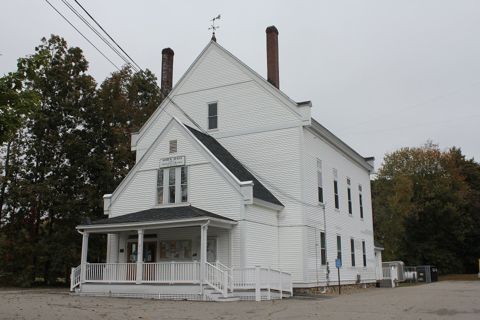 DanvilleNew Hampshire · Est. 1760
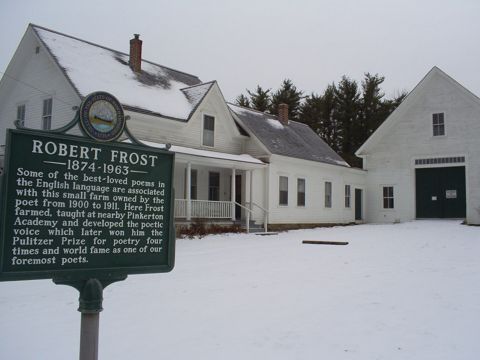 DerryNew Hampshire · Est. 1827
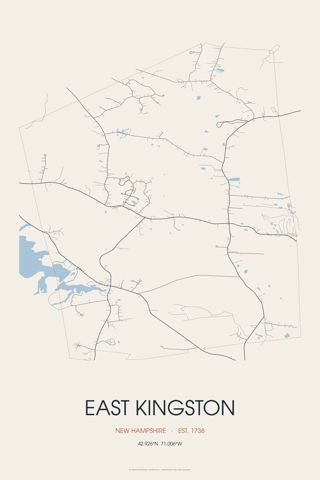 East KingstonNew Hampshire · Est. 1738
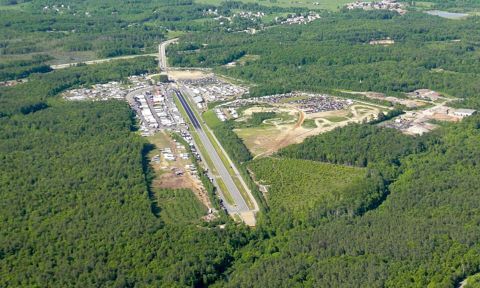 EppingNew Hampshire · Est. 1741
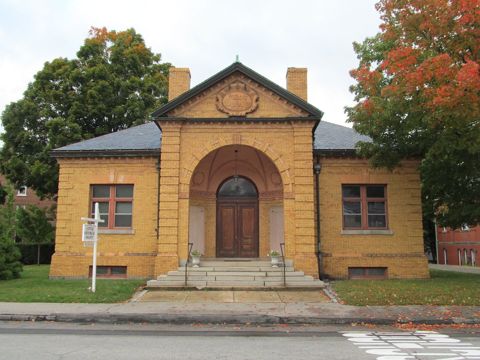 ExeterNew Hampshire · Est. 1638
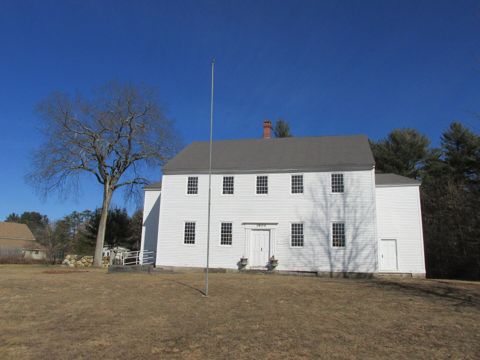 FremontNew Hampshire · Est. 1764
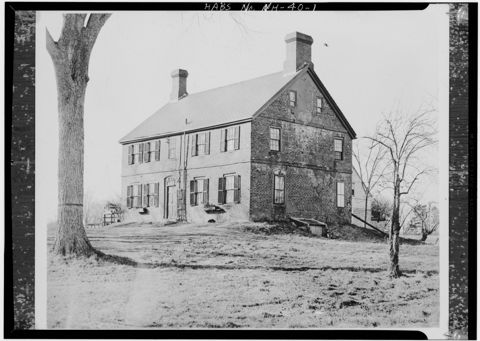 GreenlandNew Hampshire · Est. 1721
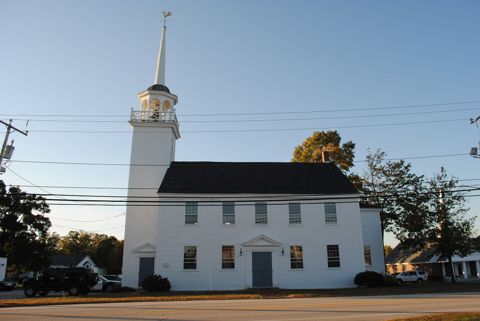 HampsteadNew Hampshire · Est. 1749
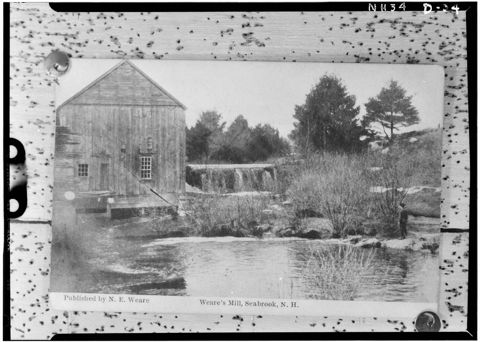 HamptonNew Hampshire · Est. 1639
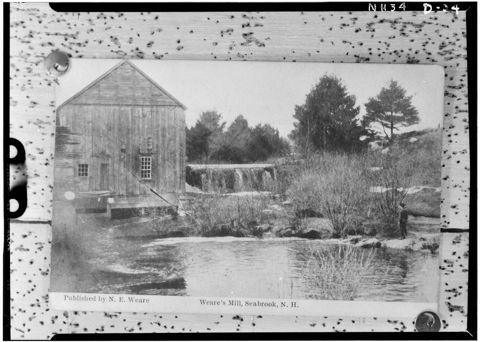 Hampton FallsNew Hampshire · Est. 1726
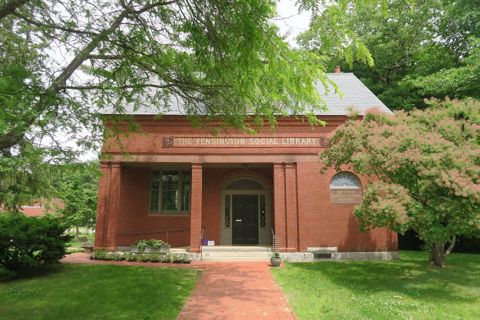 KensingtonNew Hampshire · Est. 1737
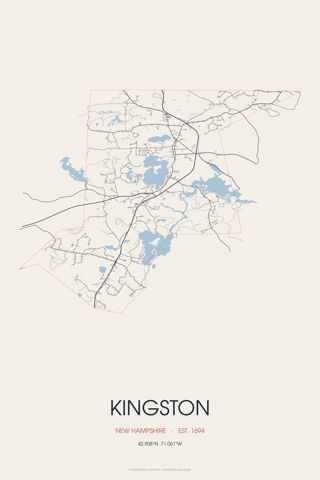 KingstonNew Hampshire · Est. 1694
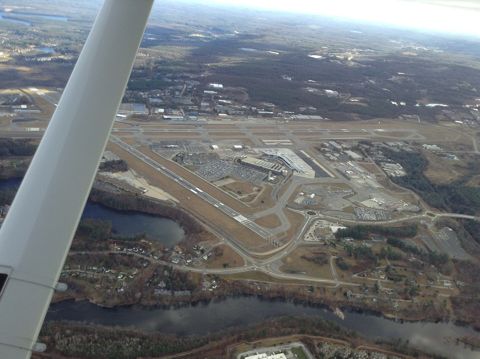 LondonderryNew Hampshire · Est. 1722
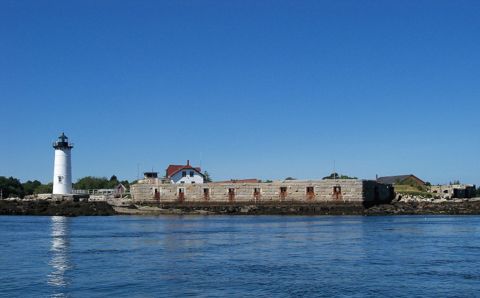 New CastleNew Hampshire · Est. 1693
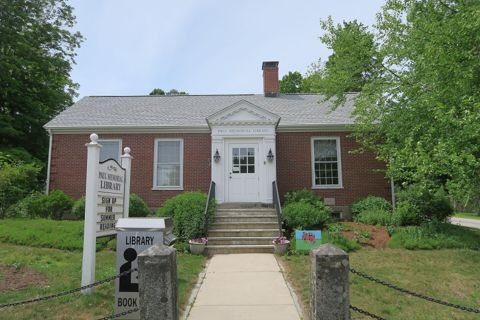 NewfieldsNew Hampshire · Est. 1849
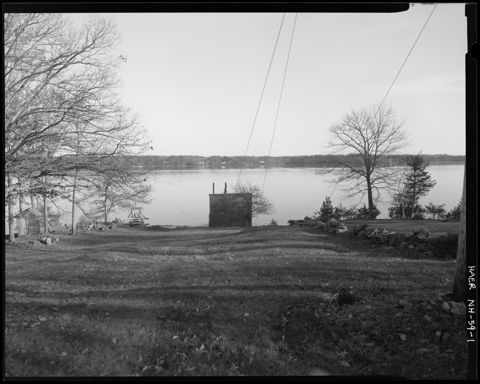 NewingtonNew Hampshire · Est. 1764
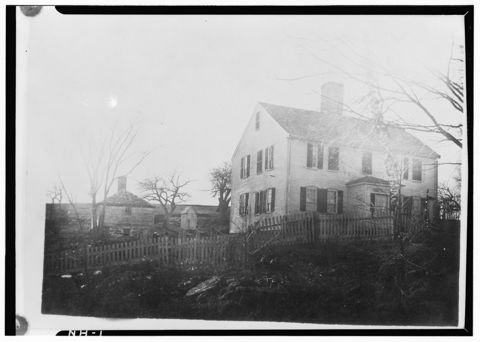 NewmarketNew Hampshire · Est. 1727
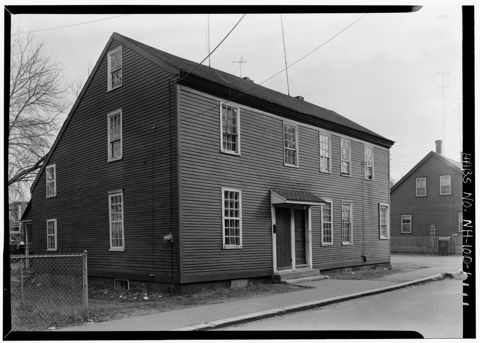 NewtonNew Hampshire · Est. 1749
 North HamptonNew Hampshire · Est. 1742
Founding years, populations and town notes come from each town's Wikipedia and Wikidata entries. All New Hampshire towns.