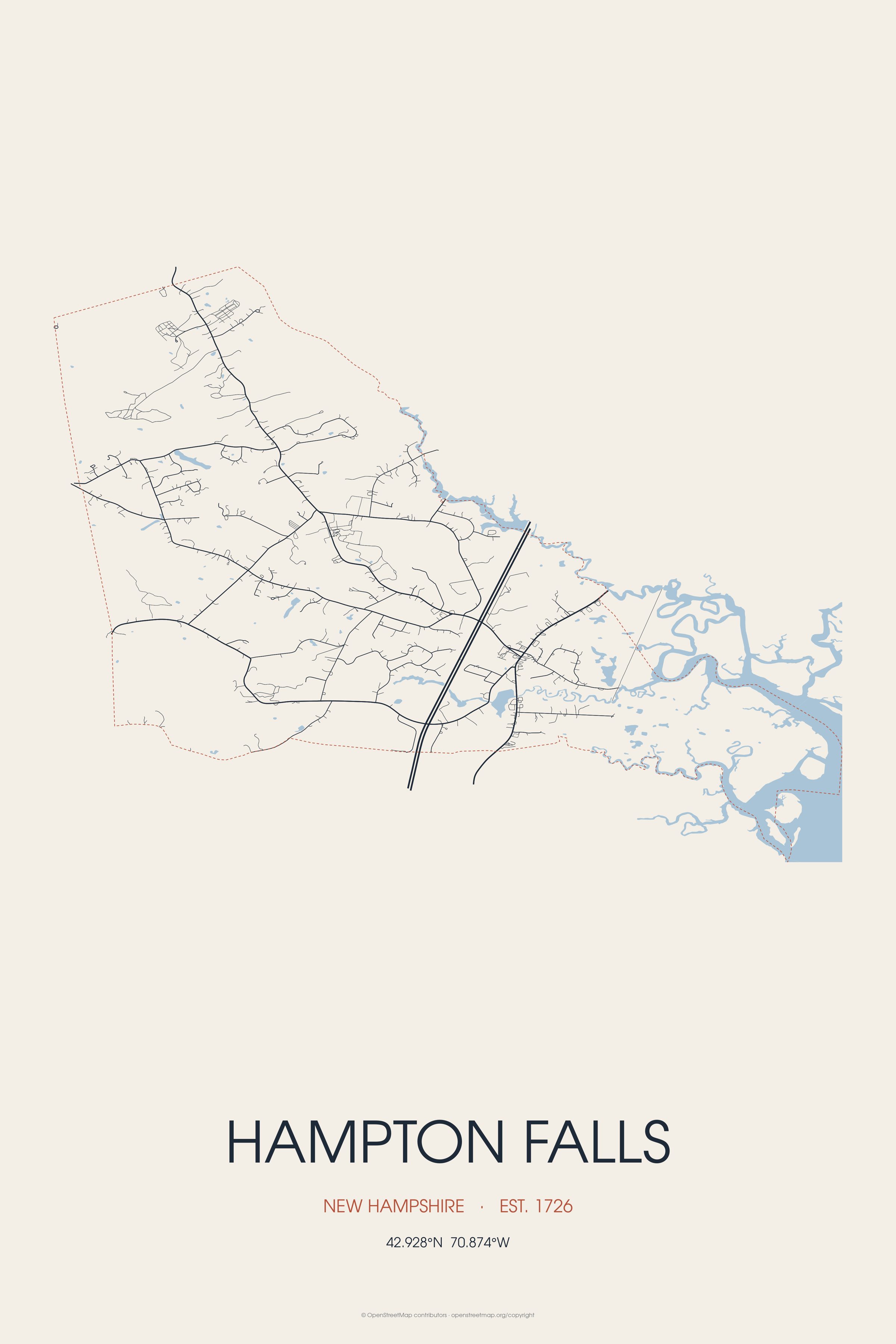
Archaeological excavations have confirmed that what is now Hampton Falls has been occupied by humans for roughly 10,000 years. Landmarks include Gov. Meshech Weare House and Applecrest Farm Orchards. Hampton Falls is the birthplace of Alice Brown, novelist, poet and playwright.
Every piece is drawn from Hampton Falls's own map data and historic archives, then printed and shipped from the USA when you order. No two towns look alike.
Every road in town, on archival matte paper

The same map, in navy and silver
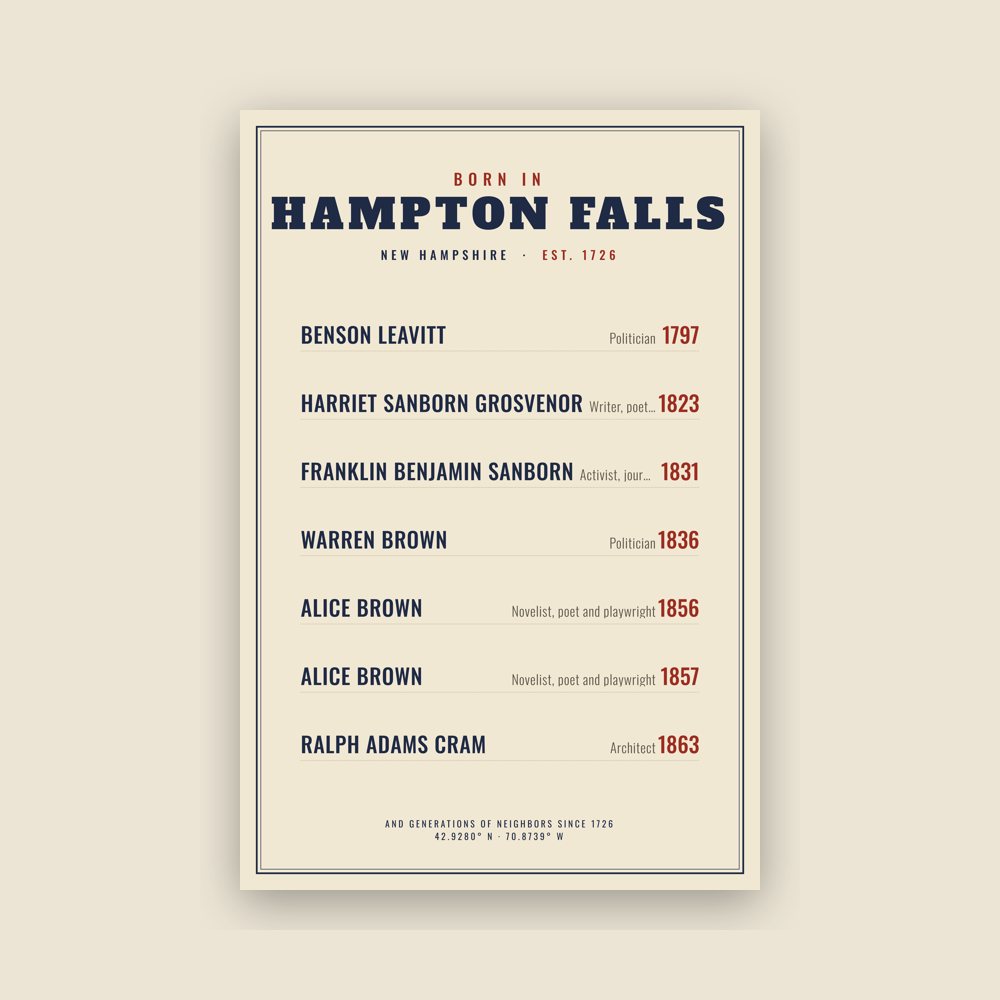
Famous natives, by birth year
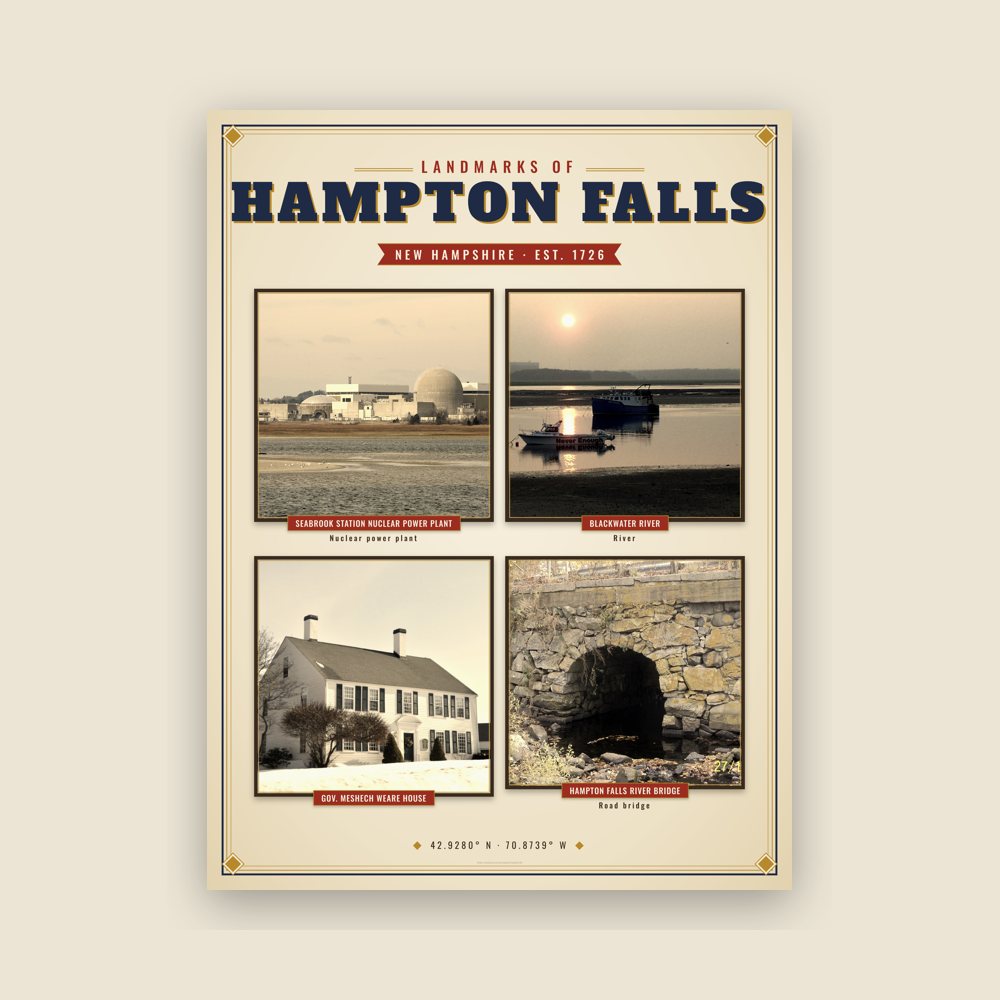
Nine local landmarks, archival matte
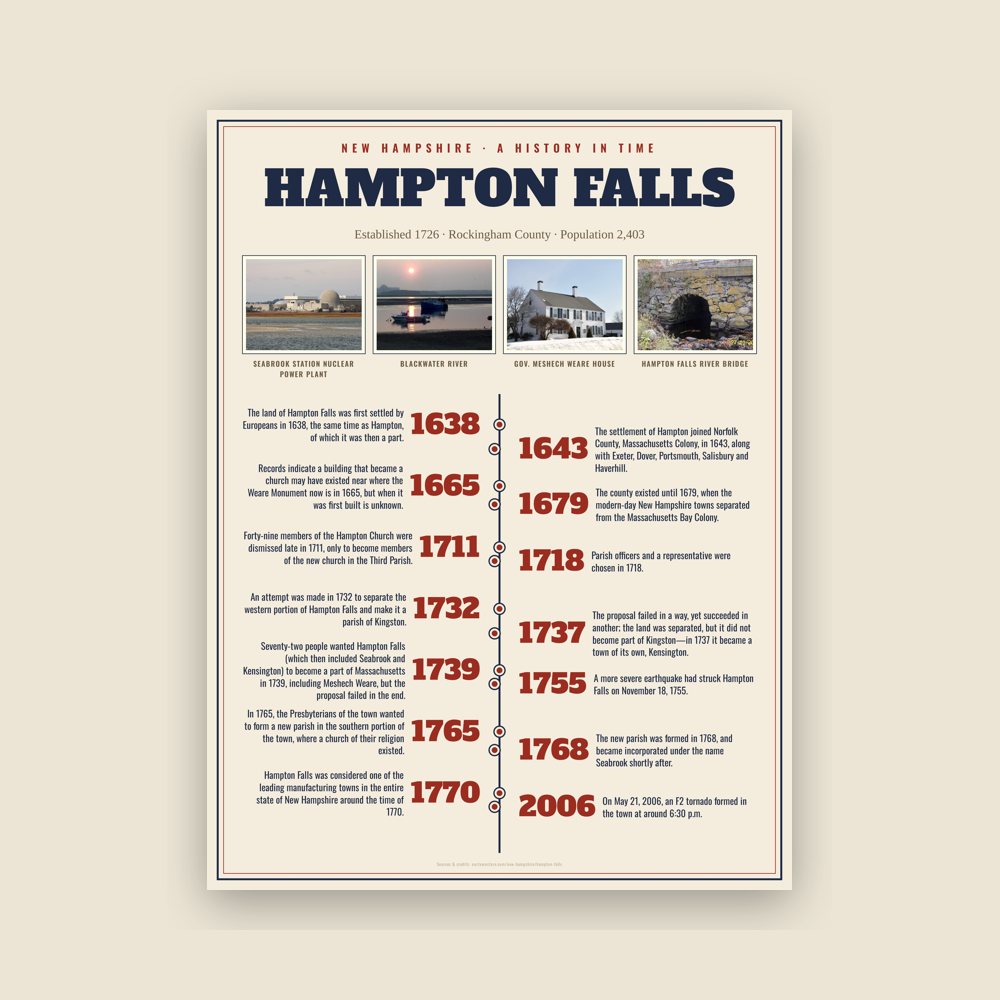
The town's story in dates, from its own records, for home or classroom
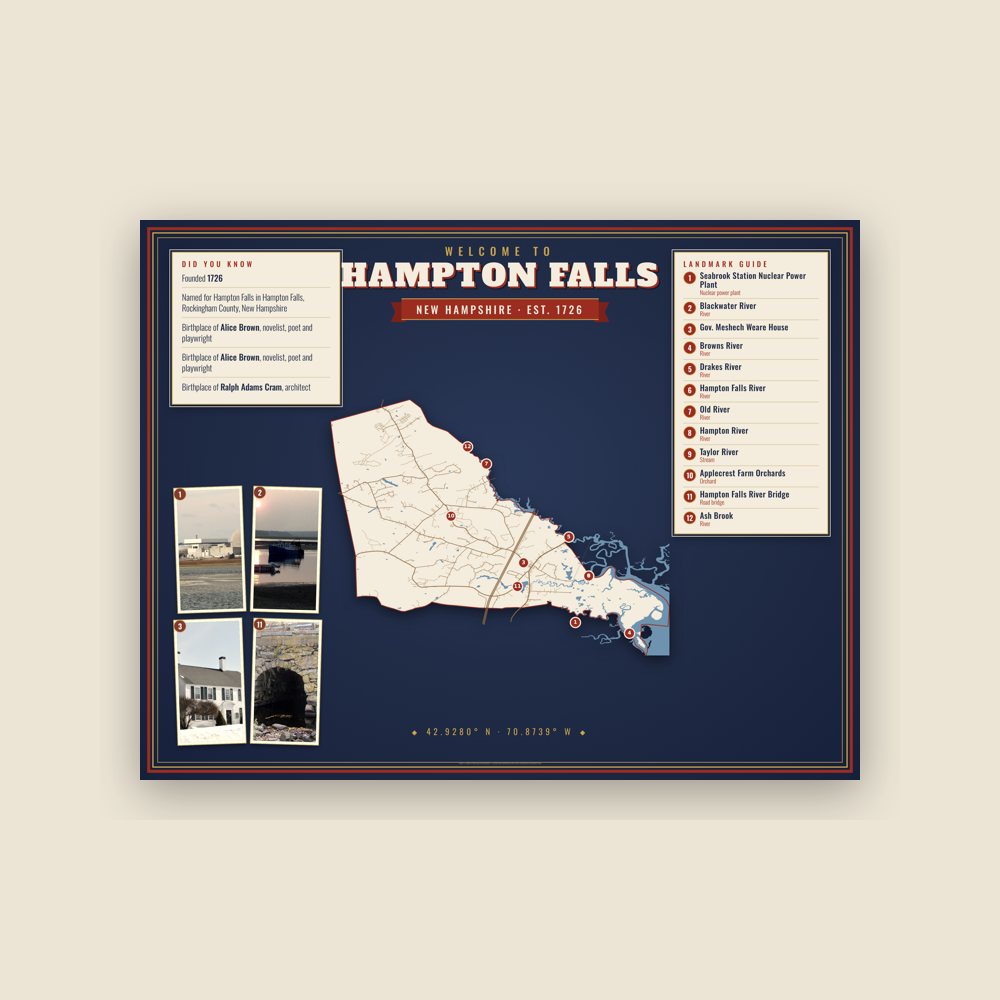
Map of local landmarks, washable fabric
Heavy-blend fleece, street map printed on the back
Soft Bella+Canvas jersey
Glossy ceramic, dishwasher safe
Ceramic keepsake, gold ribbon
Weatherproof, for the front walk
24″×16″, printed coir-look fibers, rubber back
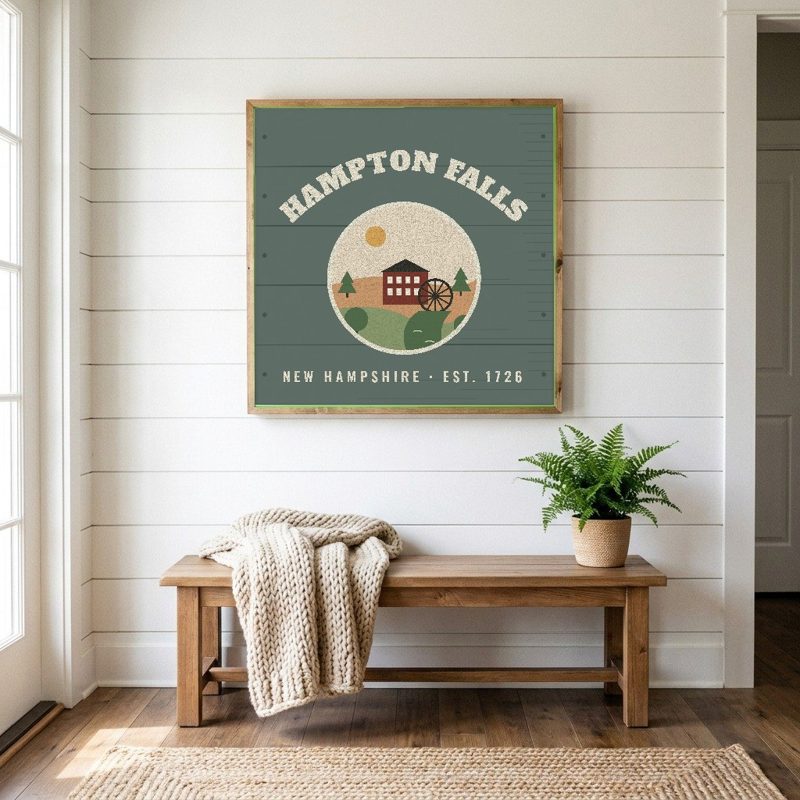
12″×12″ printed wood, ready to hang
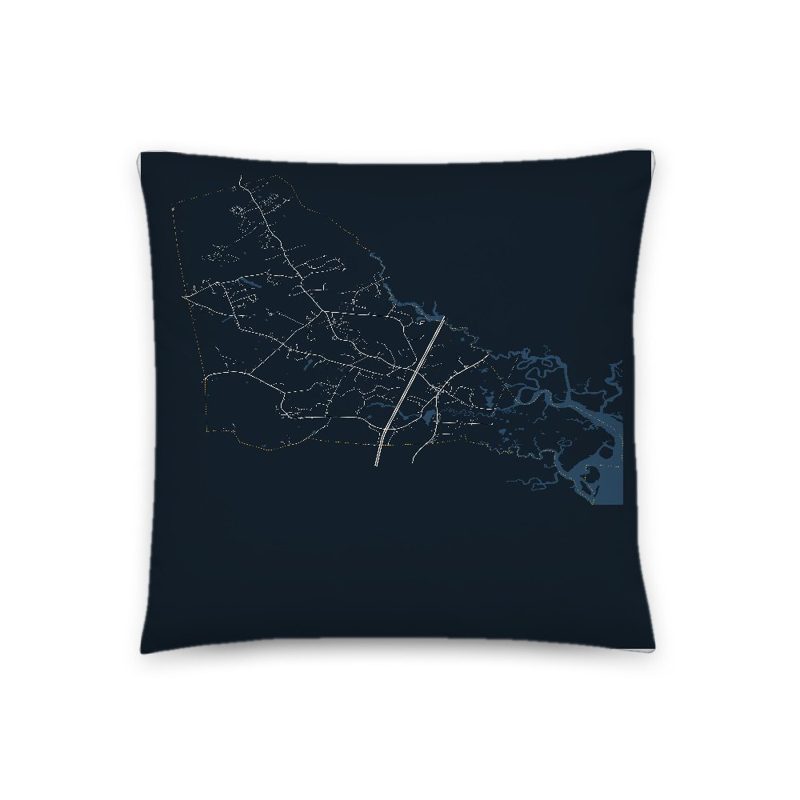
Soft-touch, zip cover
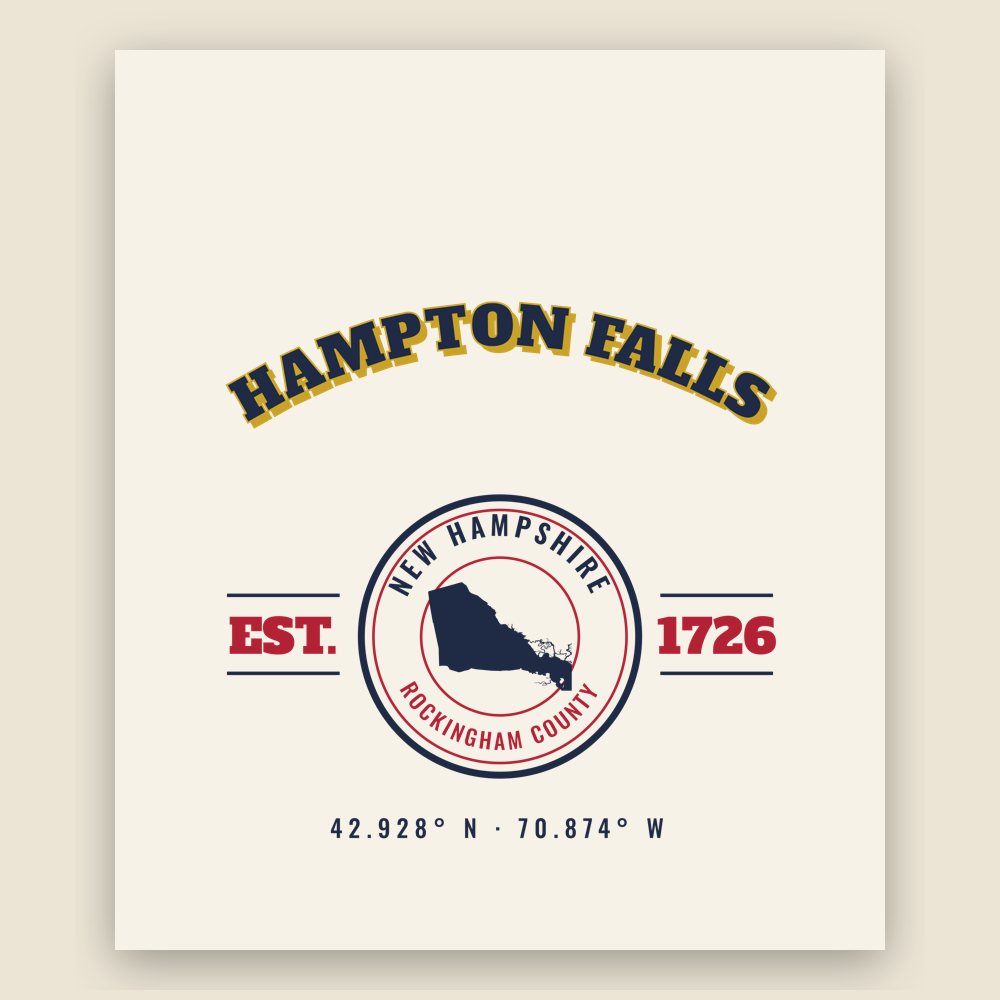
Sturdy all-over-print tote
Glossy top, cork back
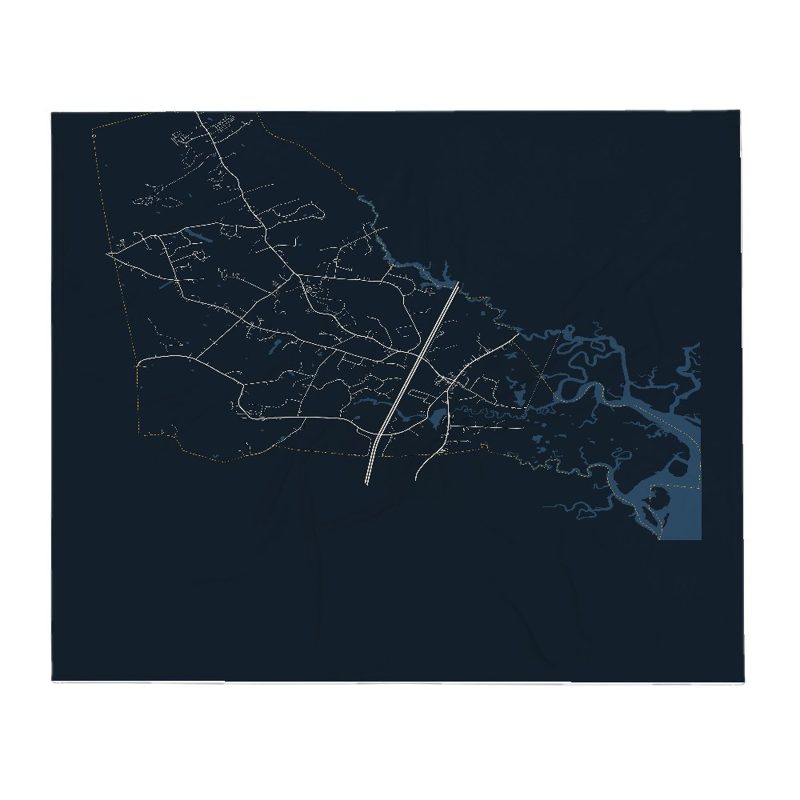
Soft fleece, 50″×60″
20 oz, double-wall stainless
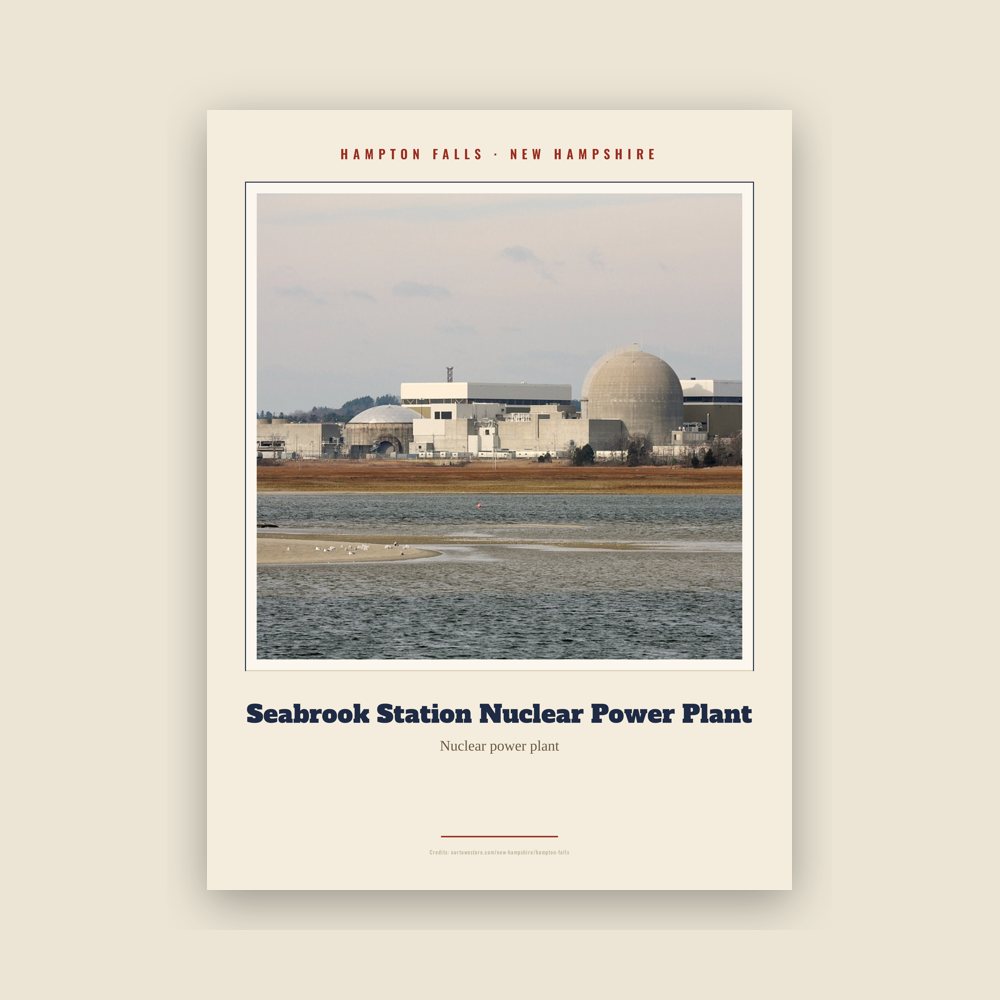
Archival matte print of a local landmark, credited to its photographer
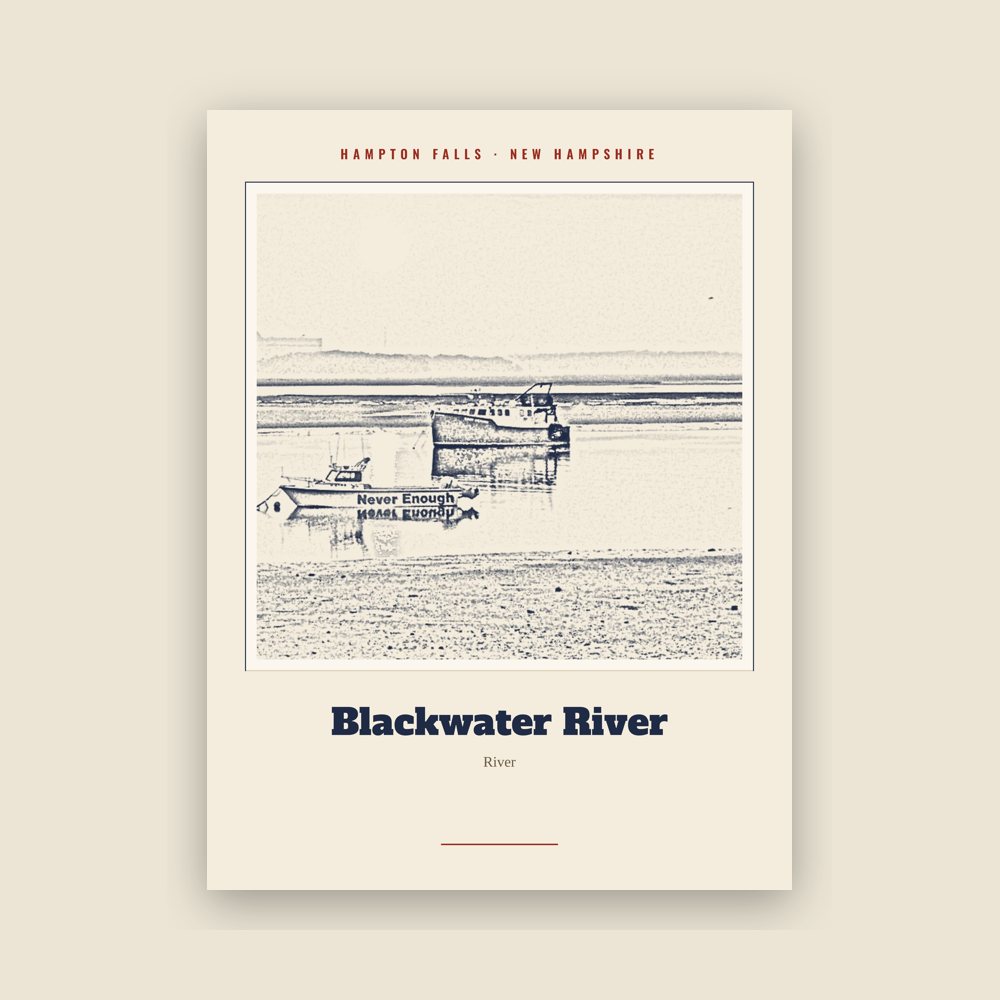
Archival matte print of a local landmark, credited to its photographer
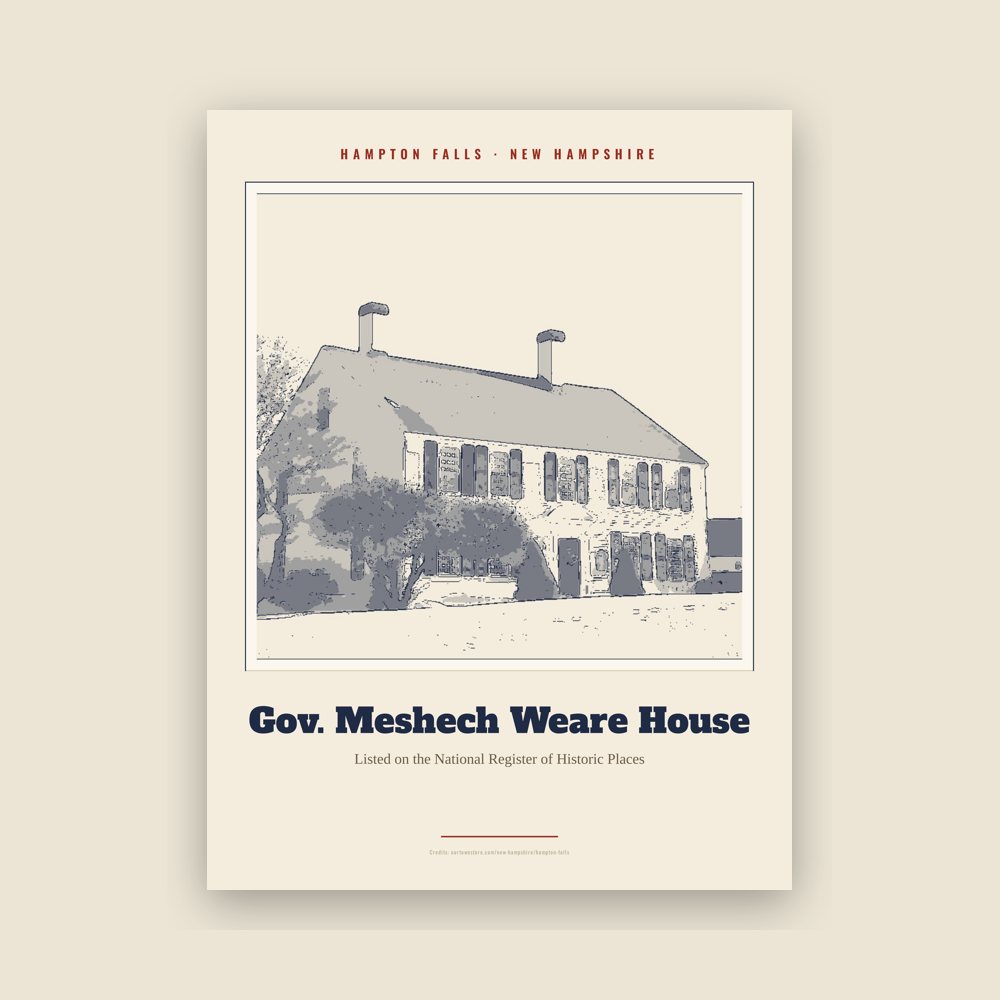
Archival matte print of a local landmark, credited to its photographer
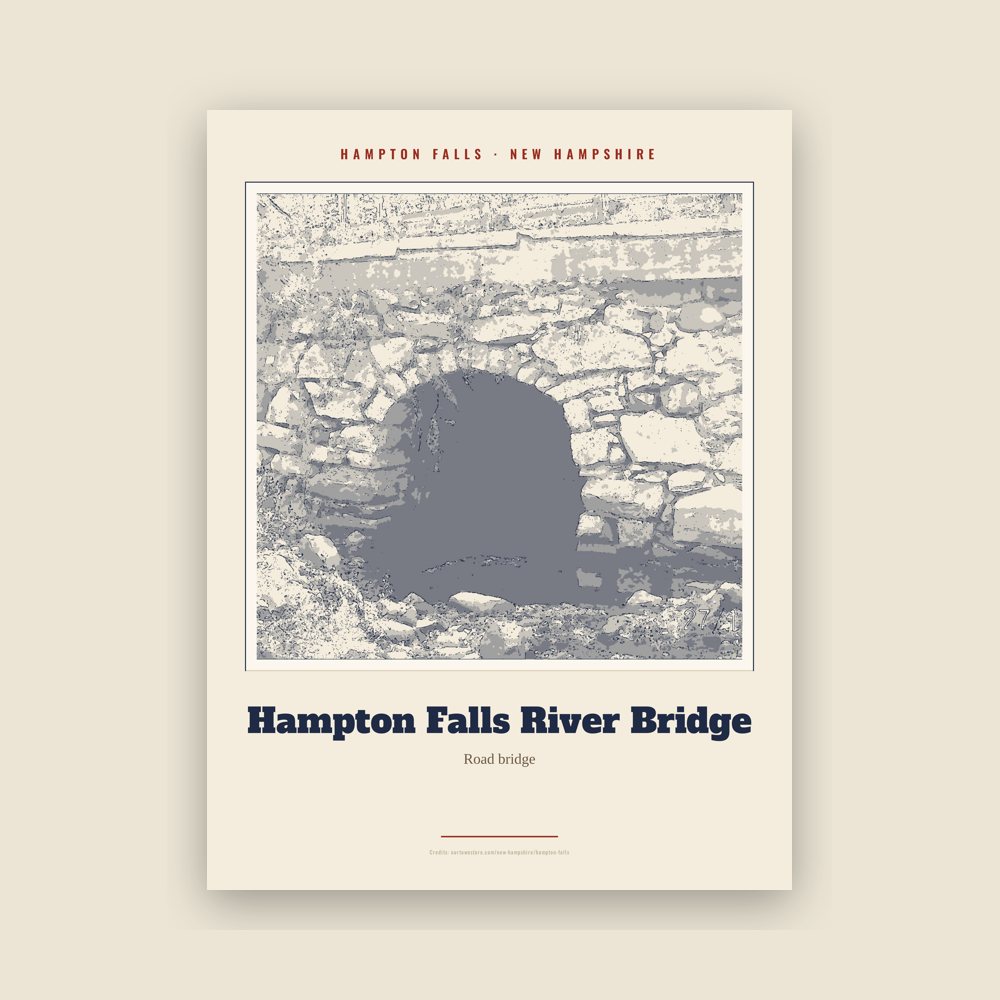
Archival matte print of a local landmark, credited to its photographer
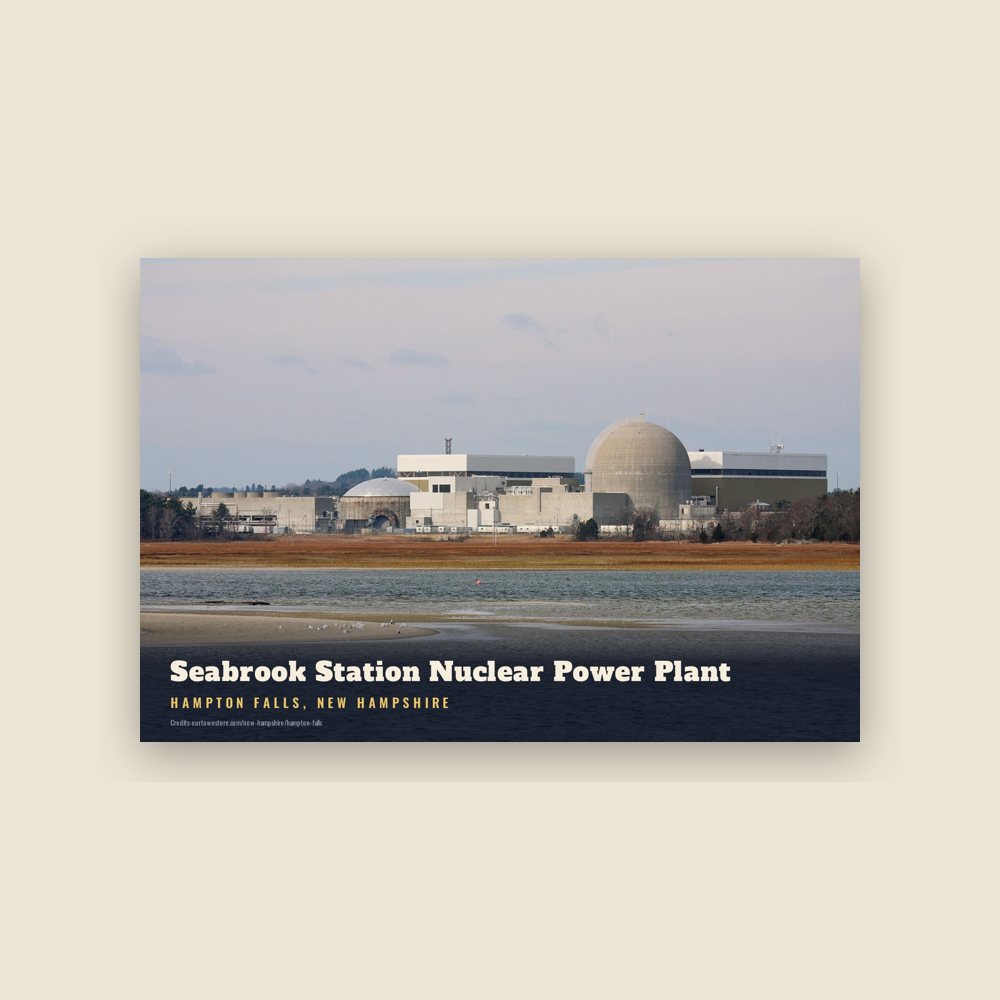
6″×4″ postcard, glossy front
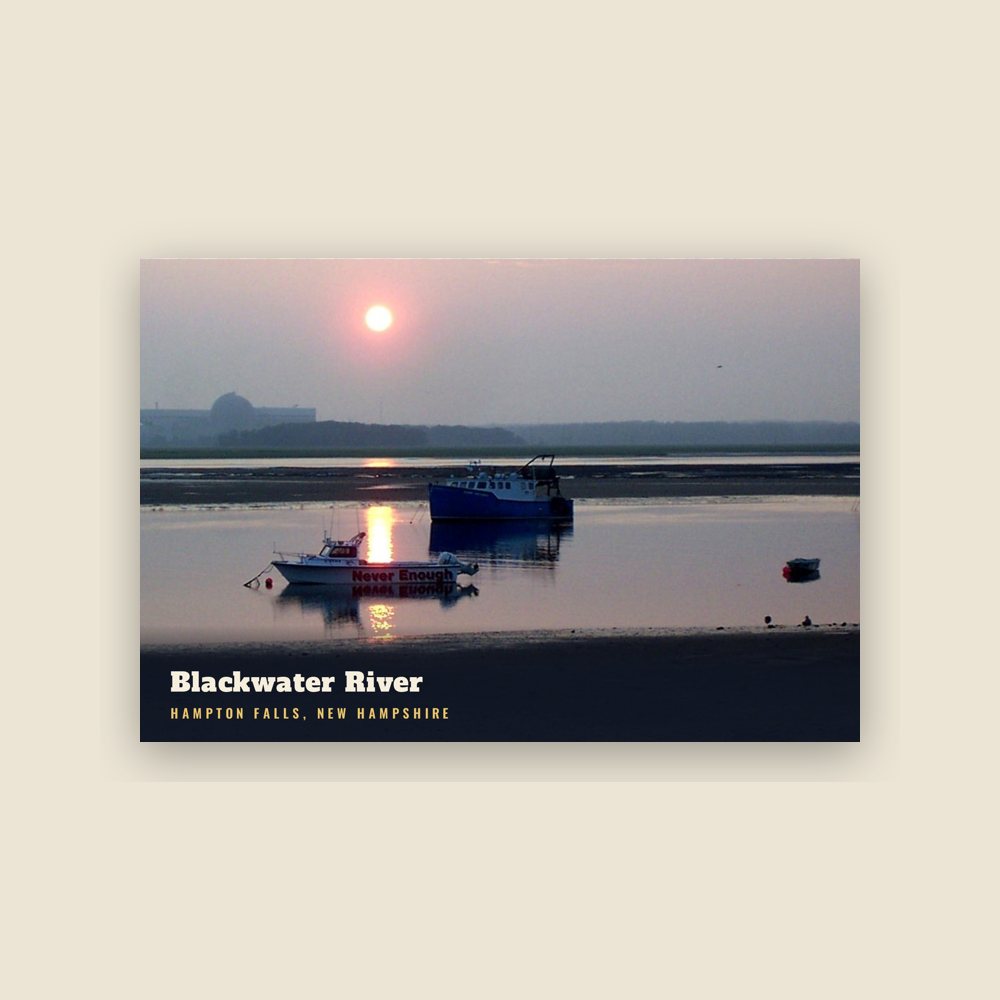
6″×4″ postcard, glossy front
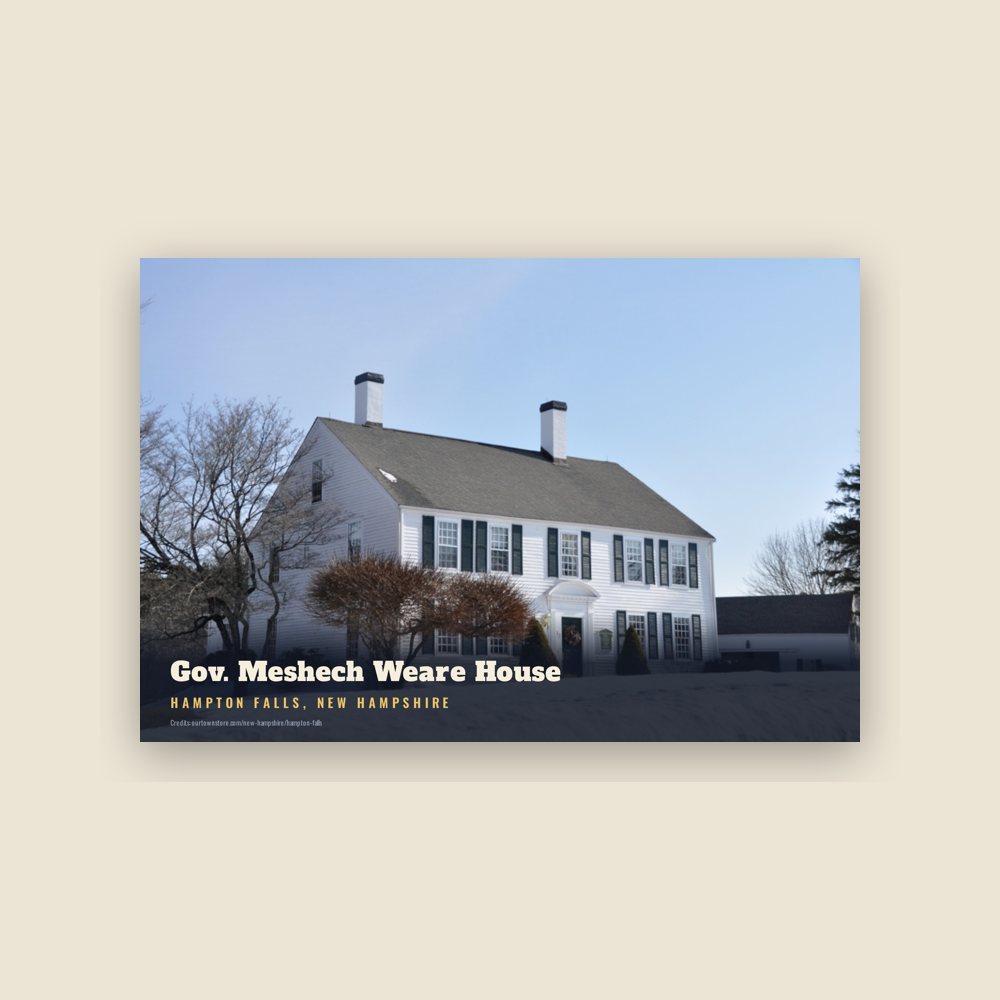
6″×4″ postcard, glossy front
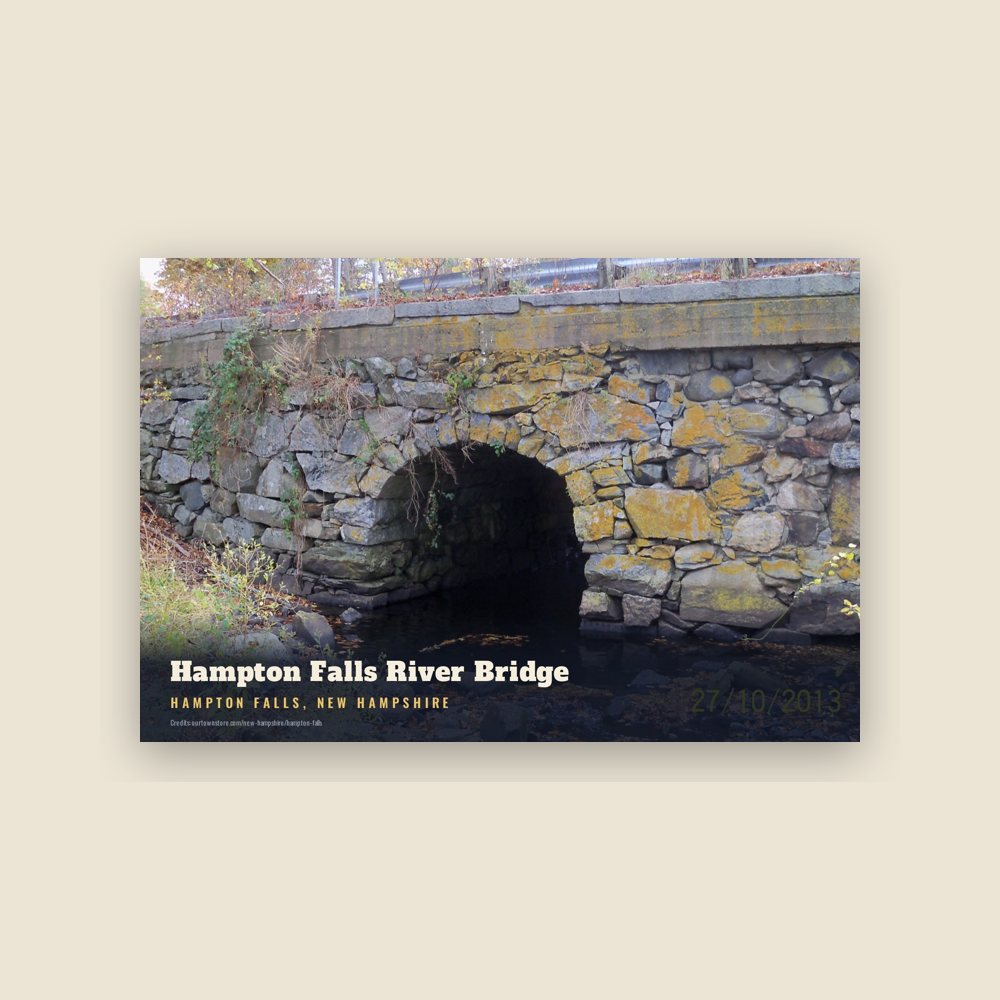
6″×4″ postcard, glossy front
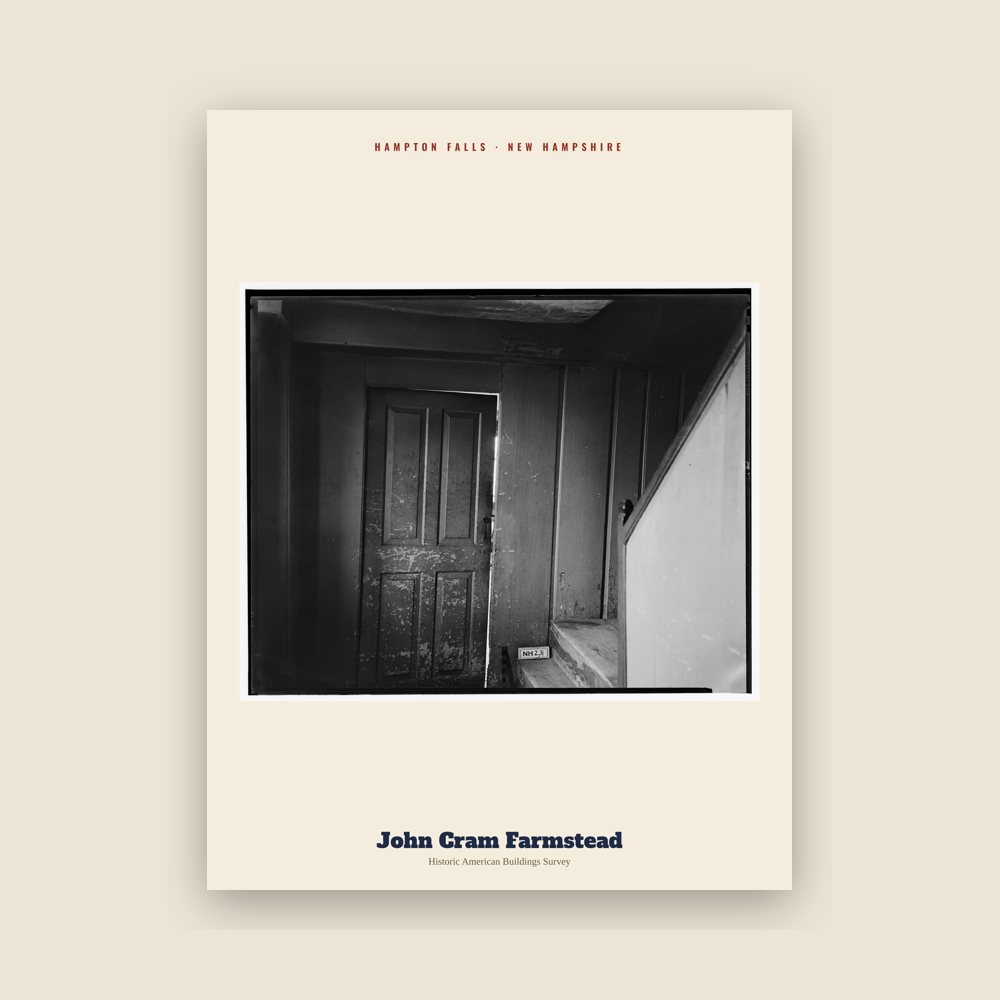
From the Library of Congress collections: a historic survey drawing or photograph of the town
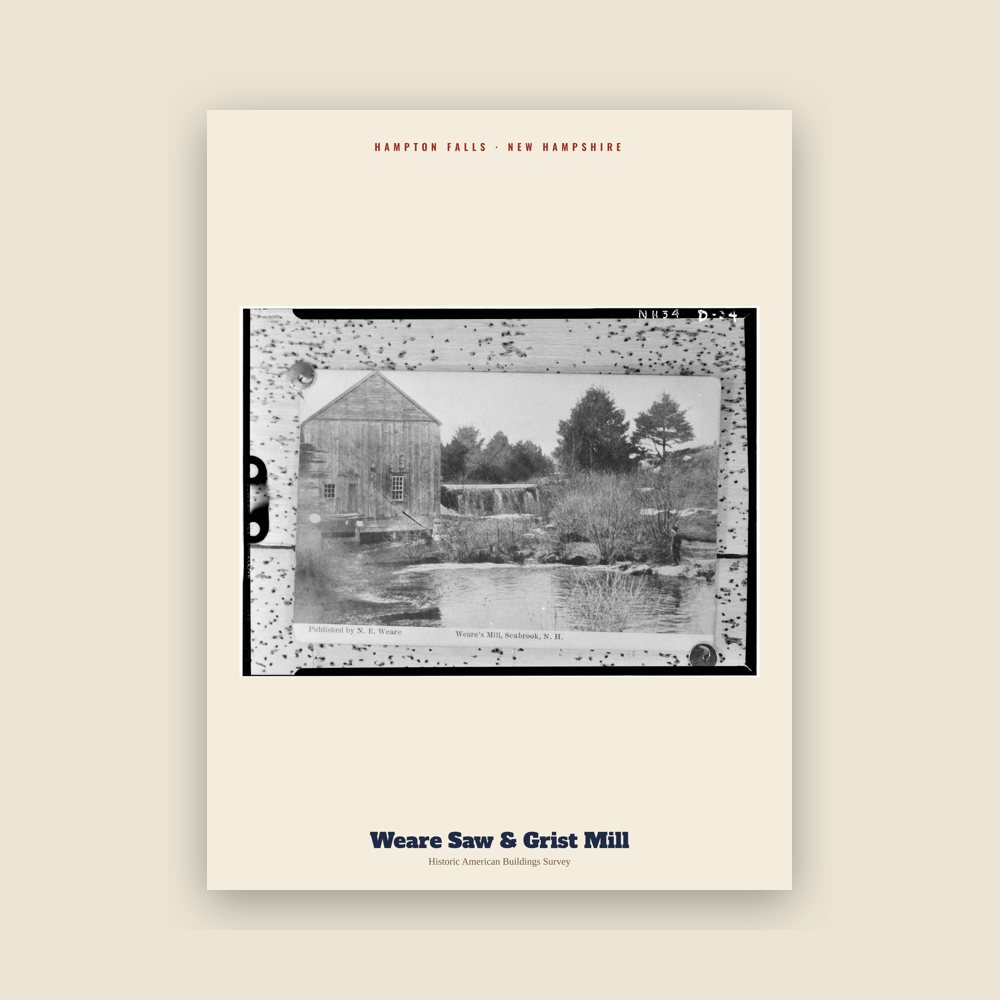
From the Library of Congress collections: a historic survey drawing or photograph of the town
Named for Hampton Falls (waterfall in Hampton Falls, Rockingham County, New Hampshire).
Population 2010: 2,236 → 2020: 2,403
From Wikidata (CC0).
Archaeological excavations have confirmed that what is now Hampton Falls has been occupied by humans for roughly 10,000 years. The first settlers were indigenous peoples of the Northeastern Woodlands.
The land of Hampton Falls was first settled by Europeans in 1638, the same time as Hampton, of which it was then a part. The settlement of Hampton joined Norfolk County, Massachusetts Colony, in 1643, along with Exeter, Dover, Portsmouth, Salisbury and Haverhill. The county existed until 1679, when the modern-day New Hampshire towns separated from the Massachusetts Bay Colony.
Records indicate a building that became a church may have existed near where the Weare Monument now is in 1665, but when it was first built is unknown. It was not until 1709 that the town was officially established as the Third Parish of Hampton. The Third Parish originally consisted of all land south of the Taylor River and north of the New Hampshire/Massachusetts border, or the modern-day towns of Seabrook, Kensington, and Hampton Falls.
A meeting house was built shortly after, and Thomas Crosby became the town's minister for the church. Forty-nine members of the Hampton Church were dismissed late in 1711, only to become members of the new church in the Third Parish. Parish officers and a representative were chosen in 1718. The first town meeting was held and town records began that year also. The 7,400-acre (30 km2) town received its grant as an independent town with the name "Hampton falls" in 1726, but was still referred to as a parish until the Revolutionary War. Those who did use its actual name in writing spelled it with a lowercase f until around the same time.
An attempt was made in 1732 to separate the western portion of Hampton Falls and make it a parish of Kingston. The proposal failed in a way, yet succeeded in another; the land was separated, but it did not become part of Kingston—in 1737 it became a town of its own, Kensington.
A disease known as the "Throat Distemper" (now thought to have been a malignant form of diphtheria) infected the town with its symptoms in 1735 and 1736. 214 people of Hampton Falls perished, 96 of them being under the age of ten. Only two homes in town were throat distemper free. It passed through the town again in 1754, with far fewer casualties, but still many.
Seventy-two people wanted Hampton Falls (which then included Seabrook and Kensington) to become a part of Massachusetts in 1739, including Meshech Weare, but the proposal failed in the end. In 1765, the Presbyterians of the town wanted to form a new parish in the southern portion of the town, where a church of their religion existed. A town meeting was held on December 30 when the rest of the villagers learned of the Presbyterians' plans, and it was decided that the town would be separated into two. The new parish was formed in 1768, and became incorporated under the name Seabrook shortly after. Hampton Falls was considered one of the leading manufacturing towns in the entire state of New Hampshire around the time of 1770.
A plan to unite Seabrook and portions of Hampton Falls was proposed in 1782. The town would have been called "New Hampton Falls", but Hampton Falls was successful in making the proposal fail. In 1835, the town of Hampton Falls had a new meeting-house erected. Where in town it existed is unknown.
On the night between October 29 and 30 in 1827, an earthquake struck the small town. A flash of light from a fault in the southern region of the town occurred, with violent trembling shortly following. It caused at least three chimneys to collapse partially or completely, with several others cracked. A more severe earthquake had struck Hampton Falls on November 18, 1755.
On May 21, 2006, an F2 tornado formed in the town at around 6:30 p.m. EST. It was near Interstate 95 where it overturned a truck, leaving two injured men and a kayak in a tree.
Adapted (trimmed) from the Wikipedia article Hampton Falls, New Hampshire, revision 1378973340 by its contributors, licensed CC BY-SA 4.0.
We share a part of every Hampton Falls sale with local partners, and we'd love to print from your collection. Old photographs, maps and postcards make the best keepsakes.
Partner with us