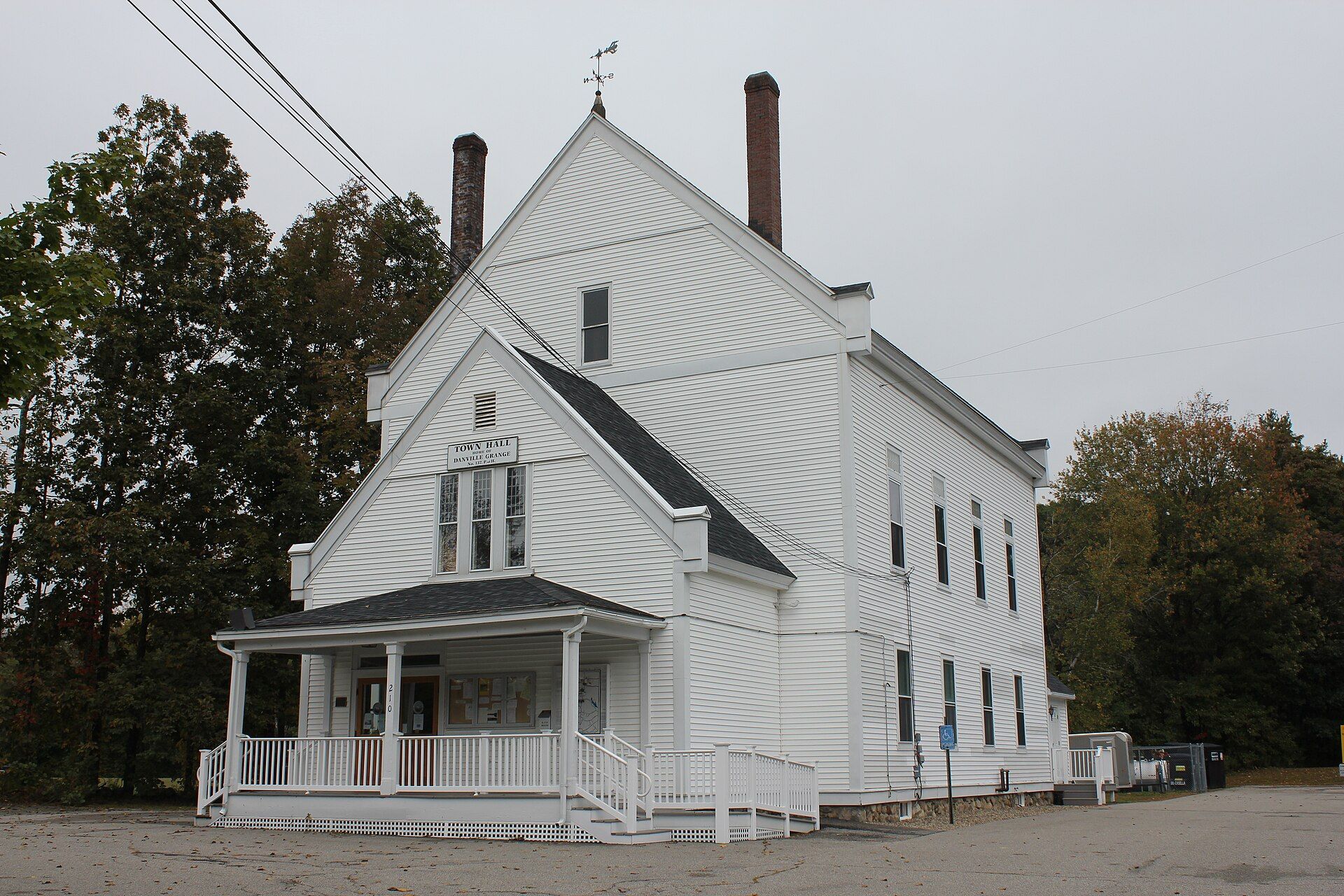
At the 1836 Town Meeting the original town name of "Hawke" (for the British Admiral Edward Hawke) was changed to "Danville". Landmarks include John Elkins Farmstead, Elm Farm and Danville Town House.
Every piece is drawn from Danville's own map data and historic archives, then printed and shipped from the USA when you order. No two towns look alike.
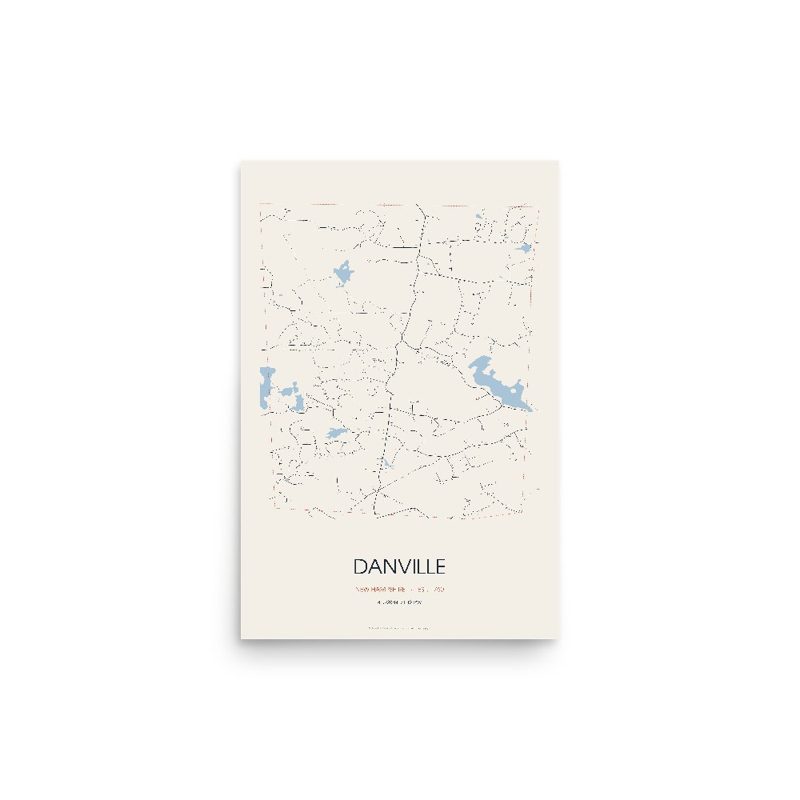
Every road in town, on archival matte paper
The same map, in navy and silver
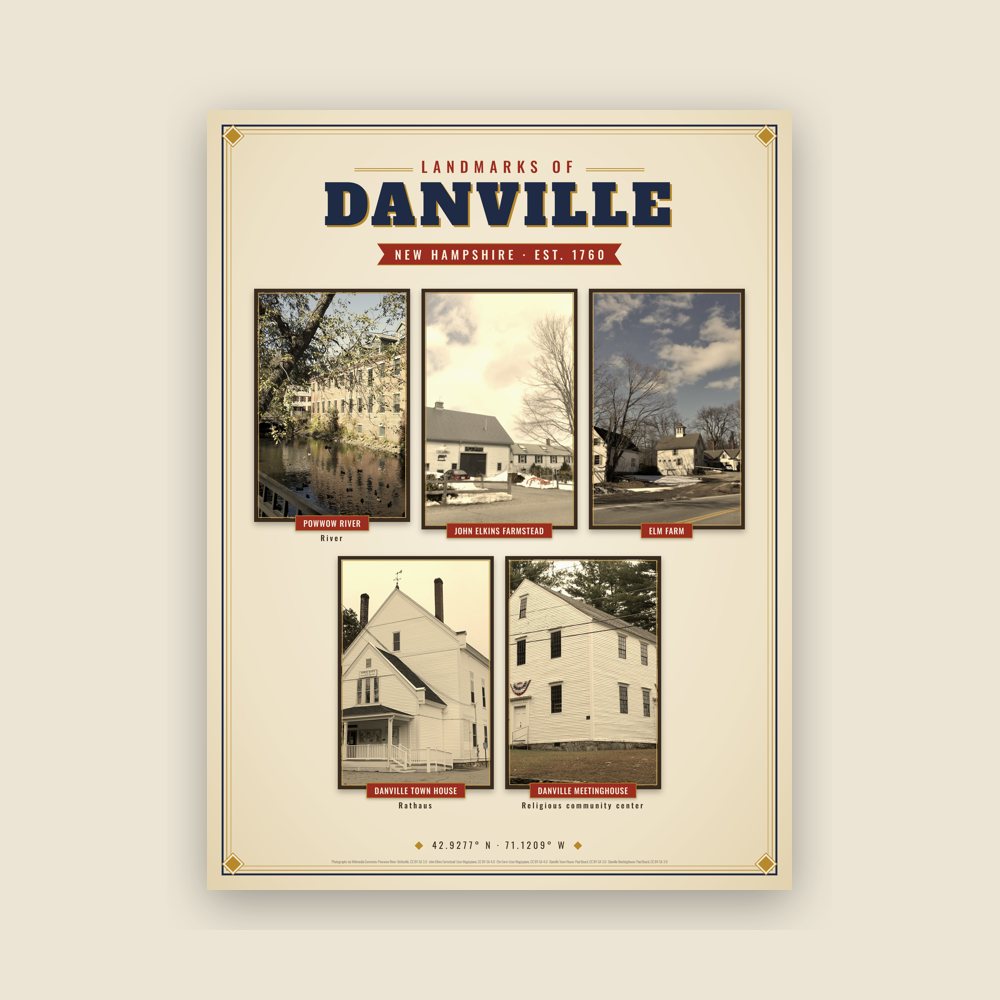
Nine local landmarks, archival matte
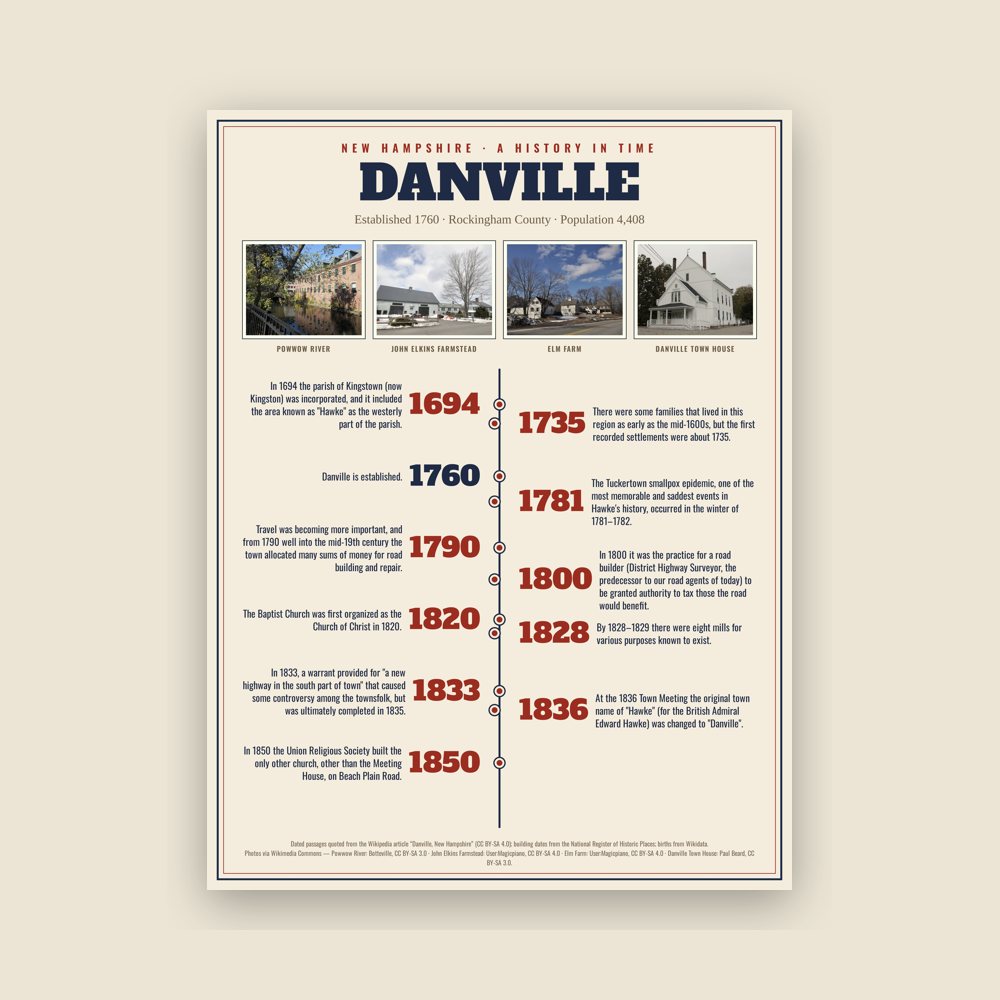
The town's story in dates, from its own records, for home or classroom
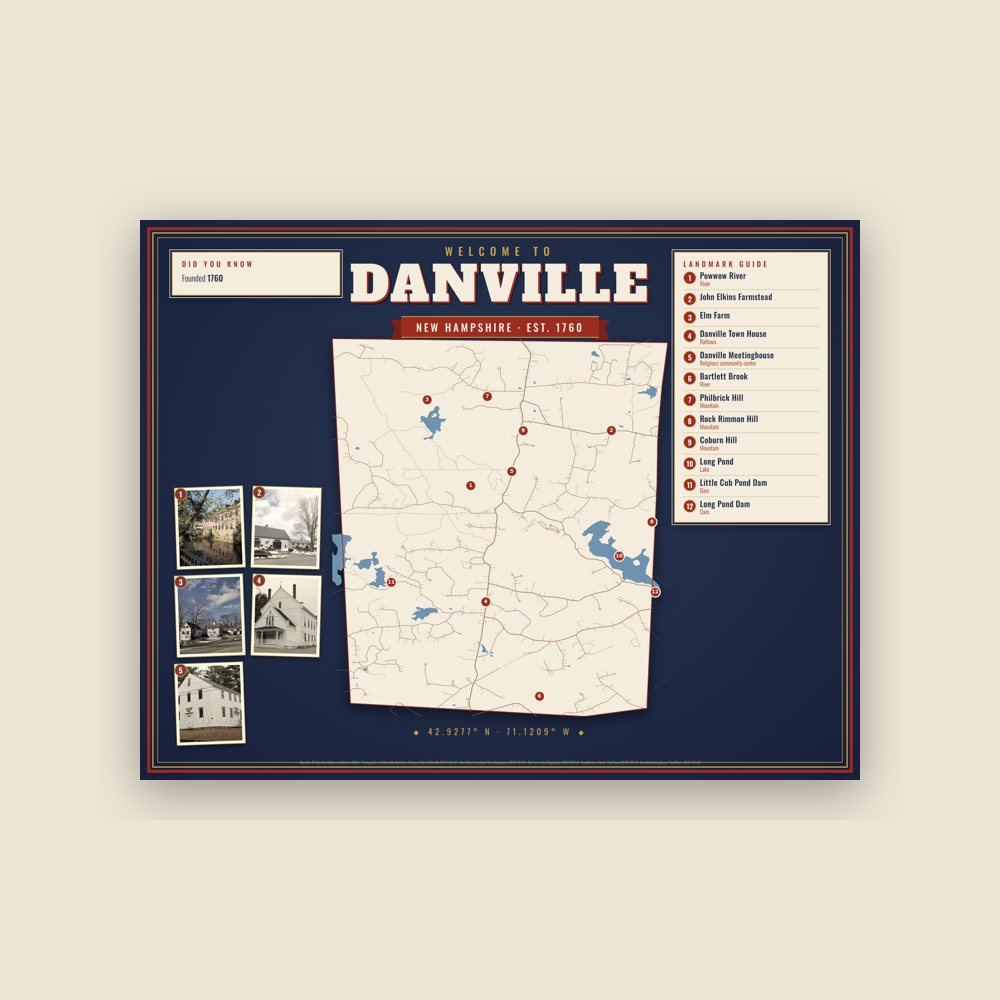
Map of local landmarks, washable fabric
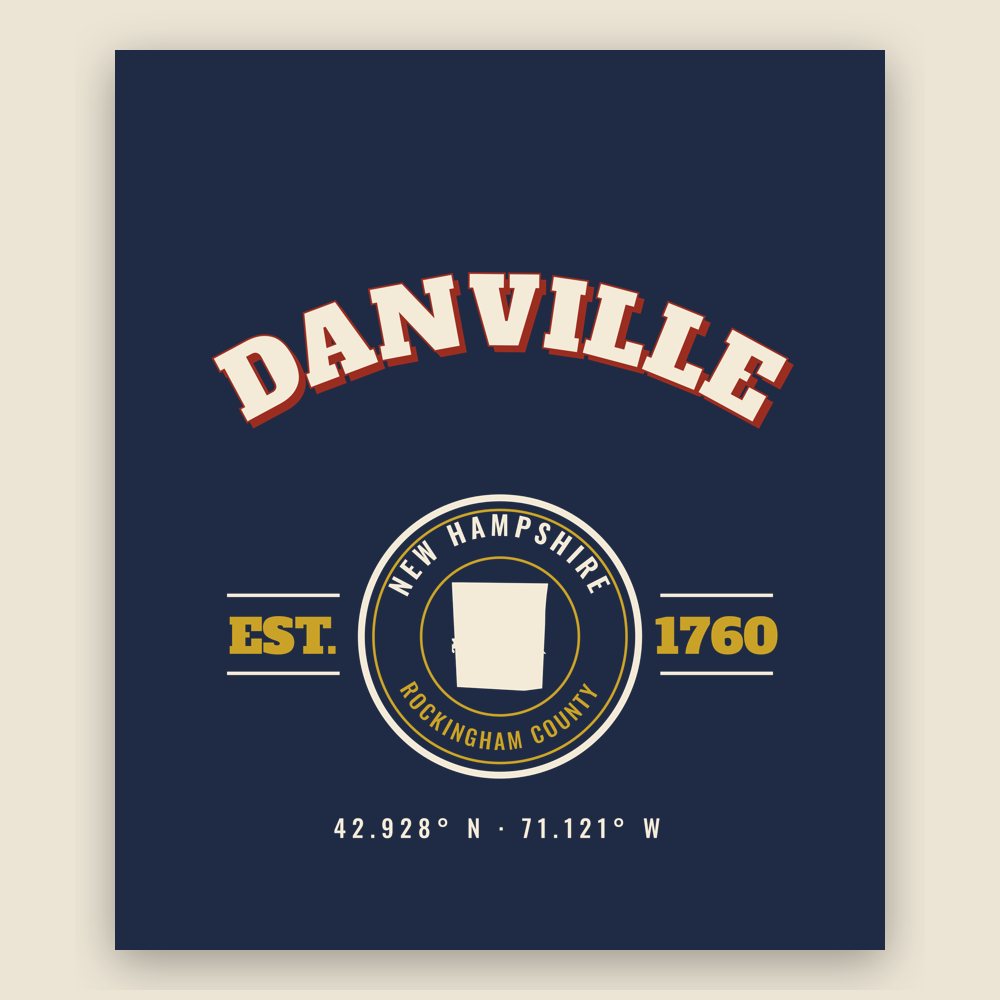
Heavy-blend fleece, street map printed on the back
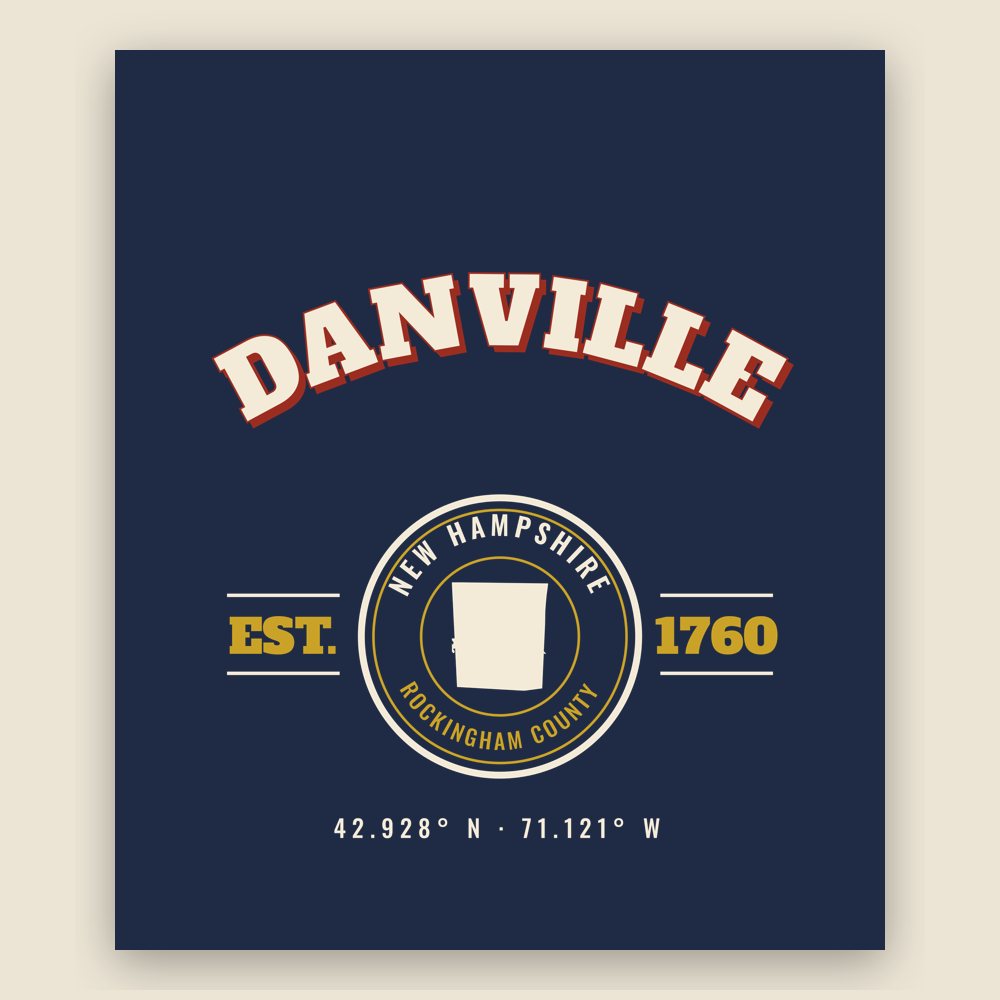
Soft Bella+Canvas jersey
Glossy ceramic, dishwasher safe
Ceramic keepsake, gold ribbon
Weatherproof, for the front walk
24″×16″, printed coir-look fibers, rubber back
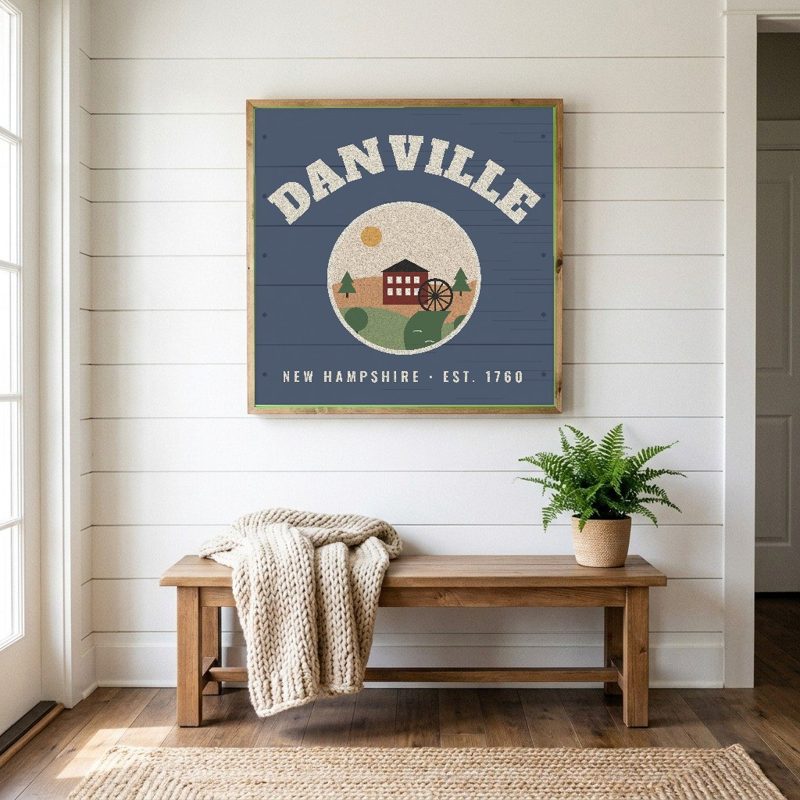
12″×12″ printed wood, ready to hang
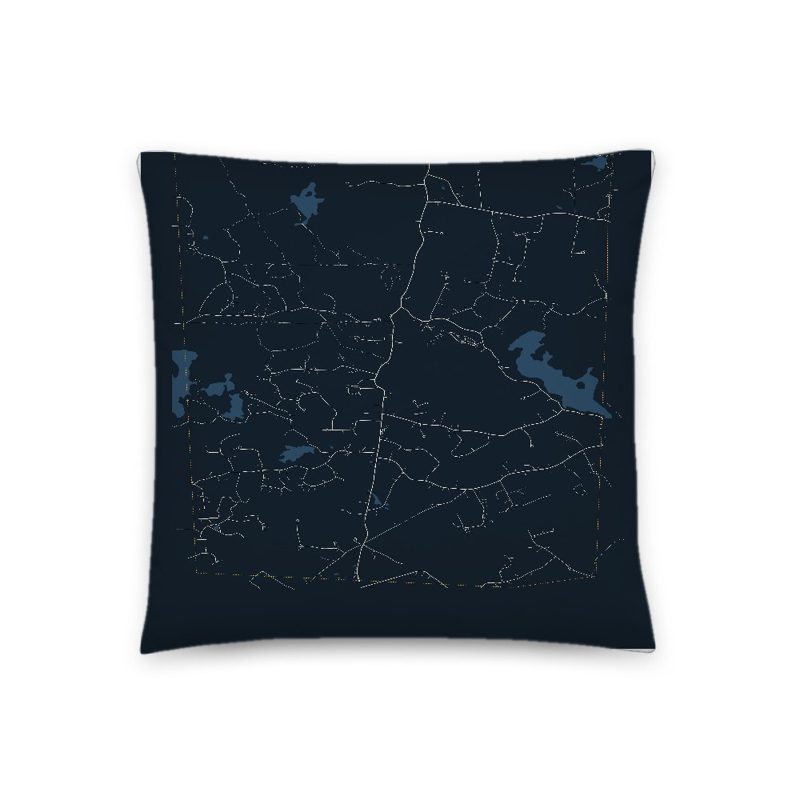
Soft-touch, zip cover
Sturdy all-over-print tote
Glossy top, cork back
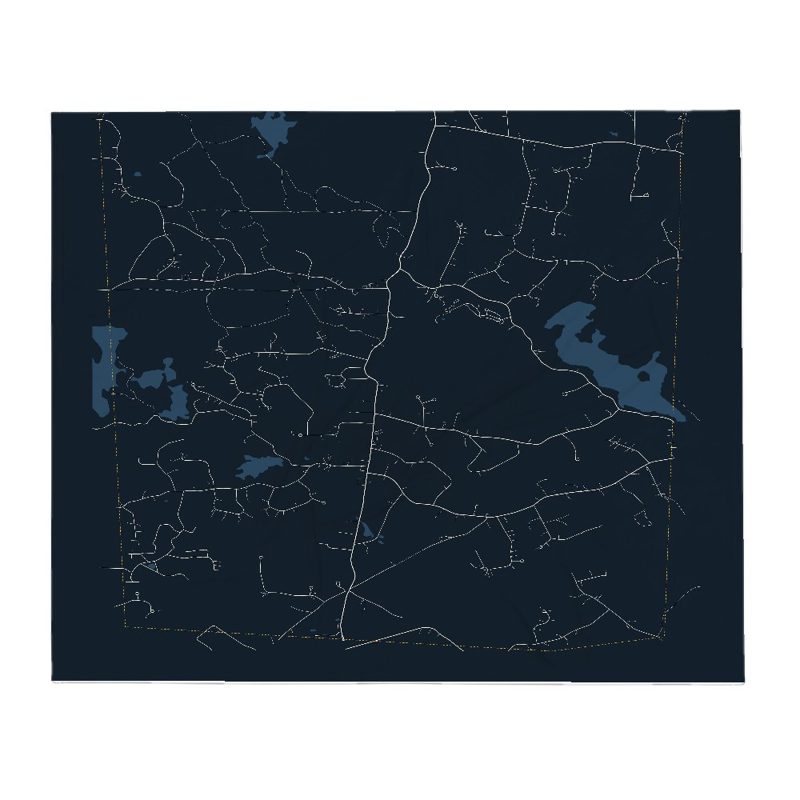
Soft fleece, 50″×60″
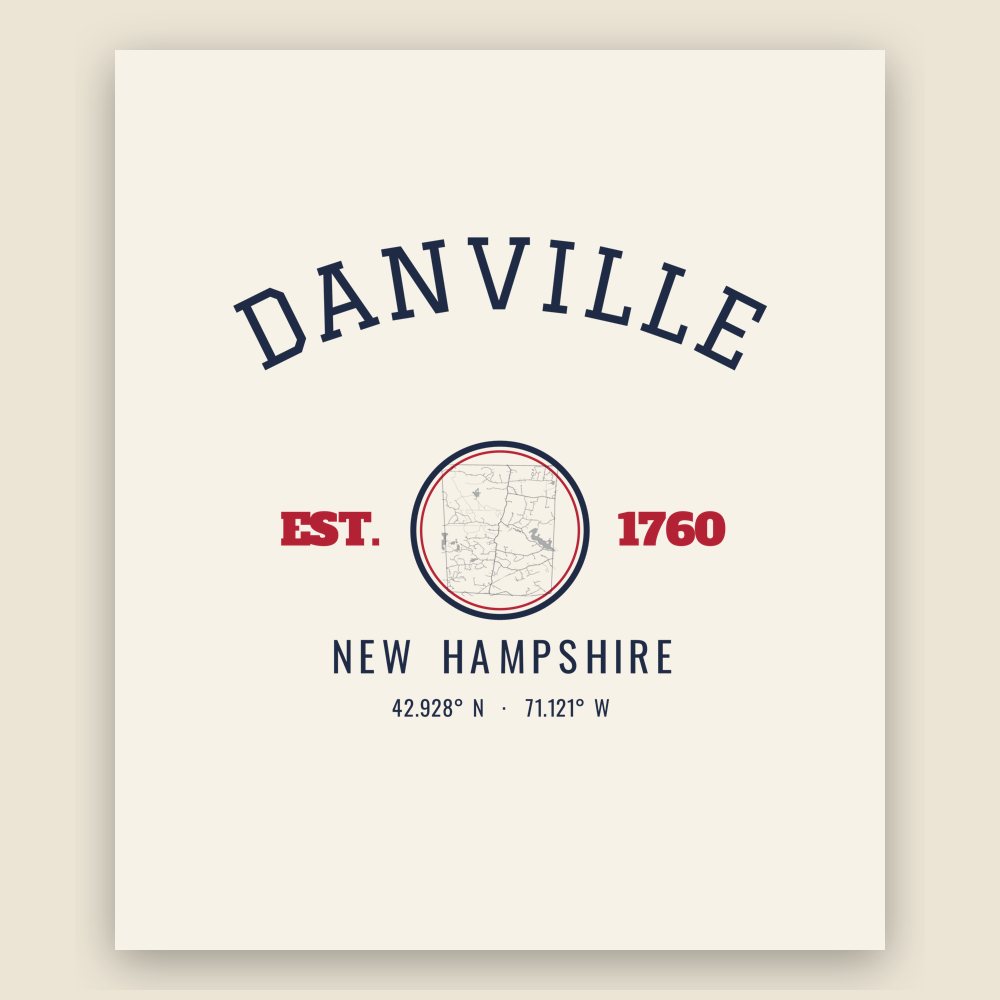
20 oz, double-wall stainless
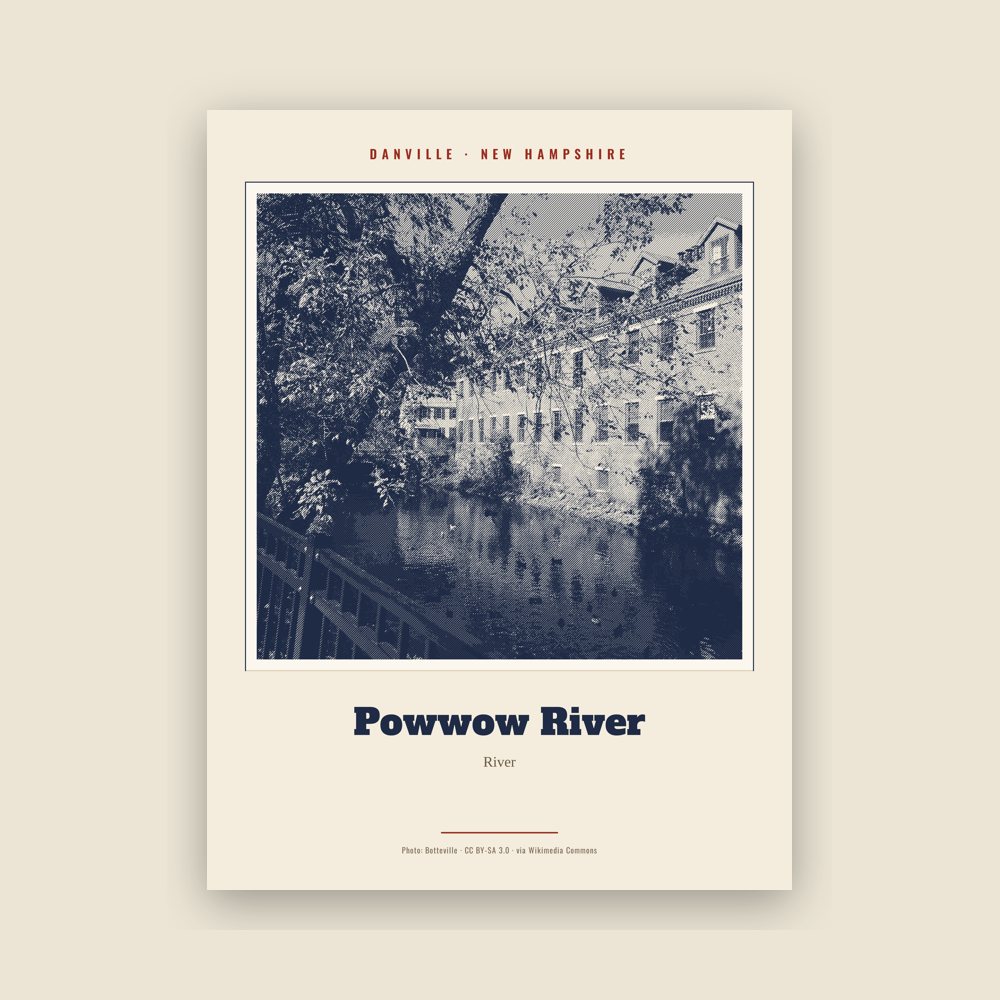
Archival matte print of a local landmark, credited to its photographer
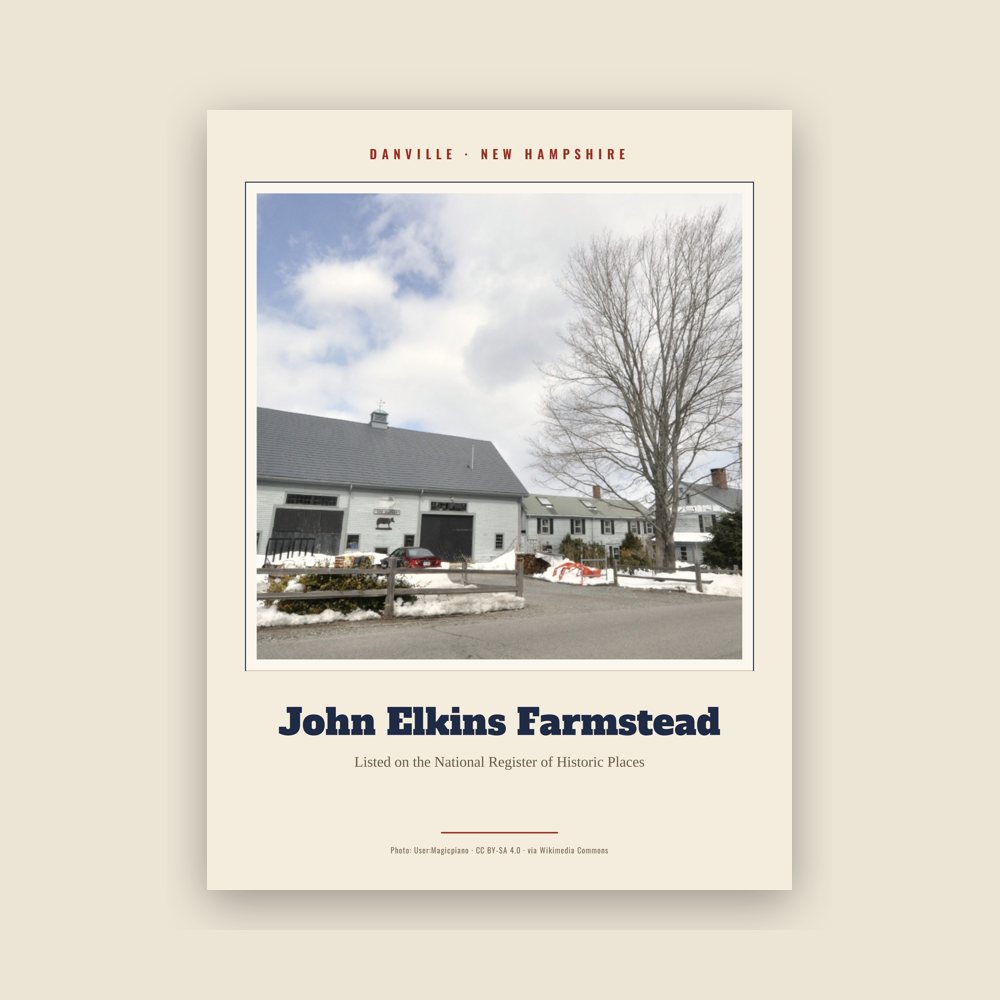
Archival matte print of a local landmark, credited to its photographer
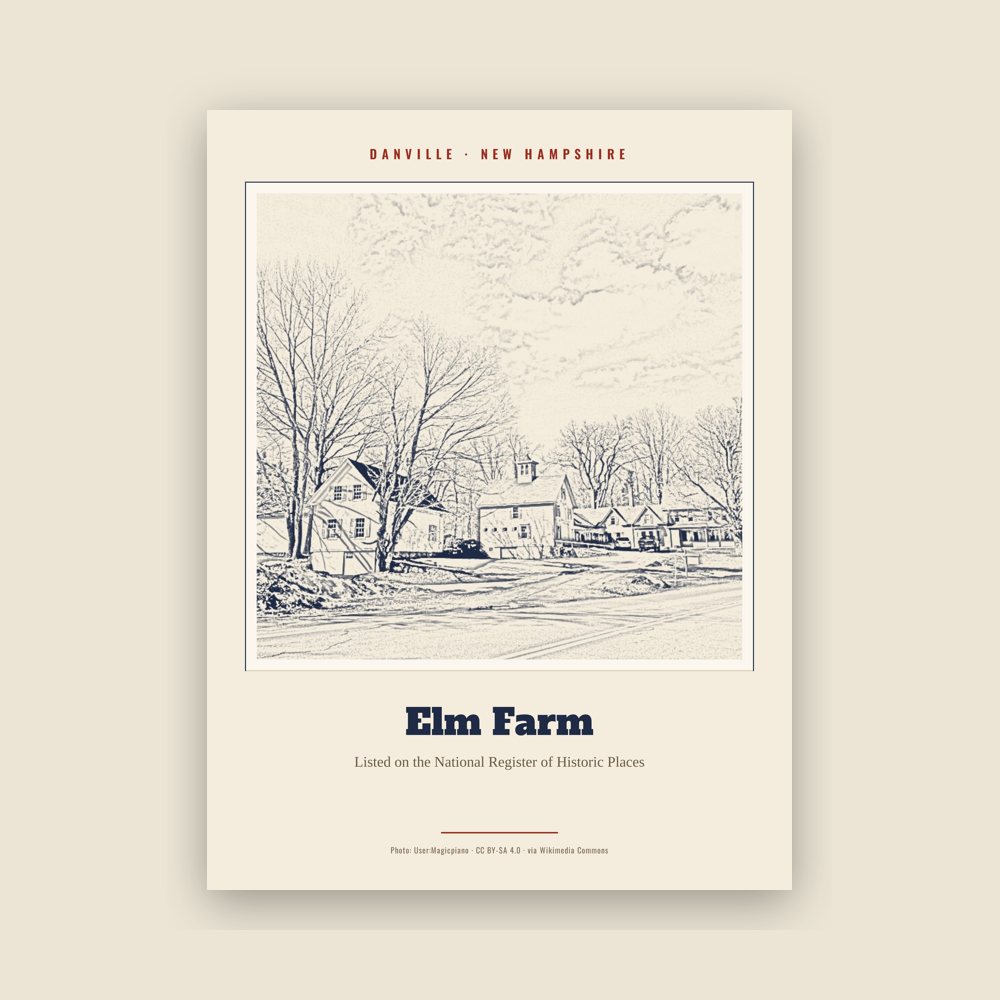
Archival matte print of a local landmark, credited to its photographer
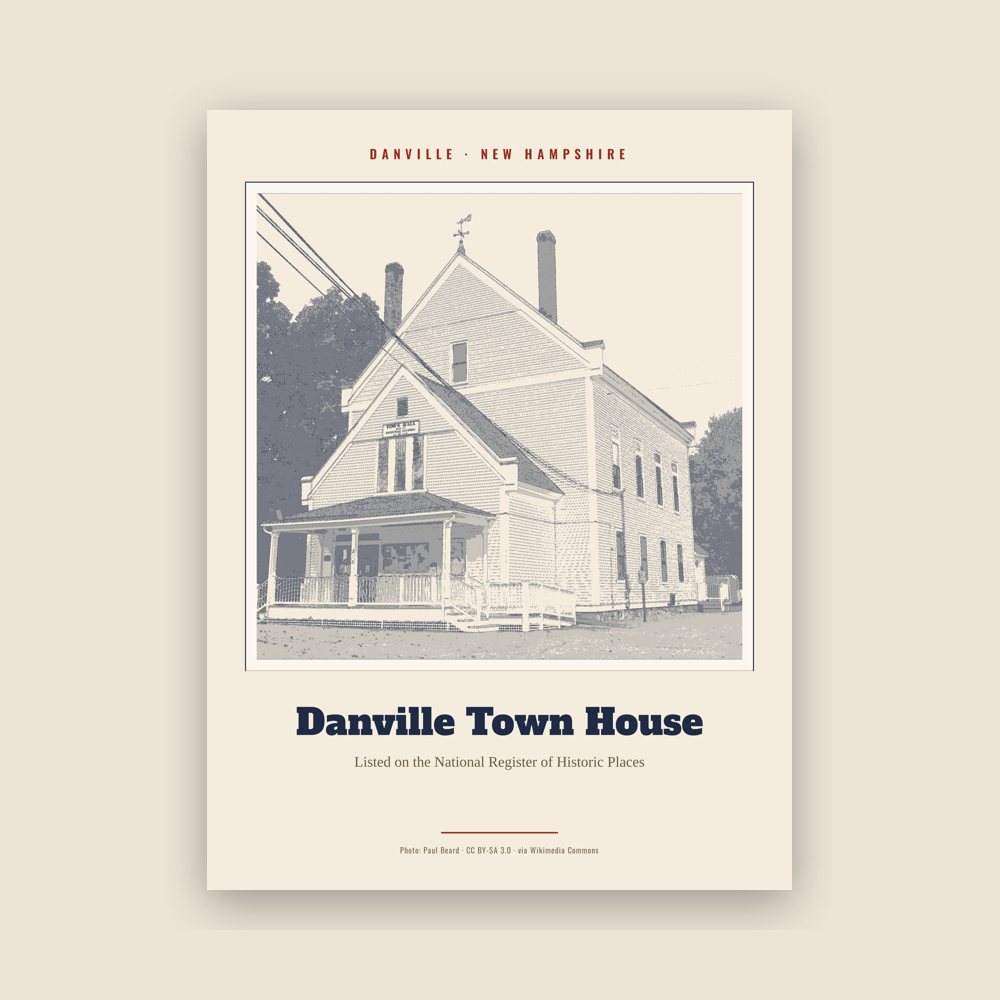
Archival matte print of a local landmark, credited to its photographer
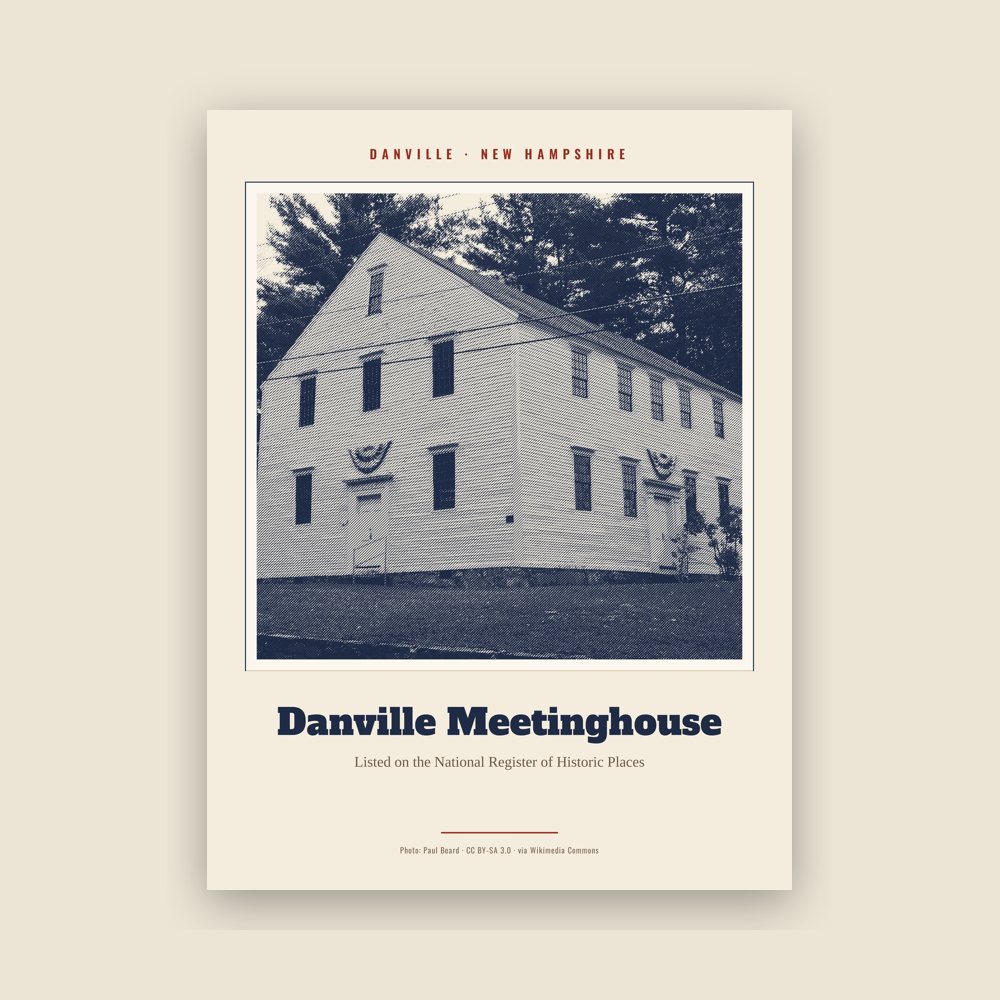
Archival matte print of a local landmark, credited to its photographer
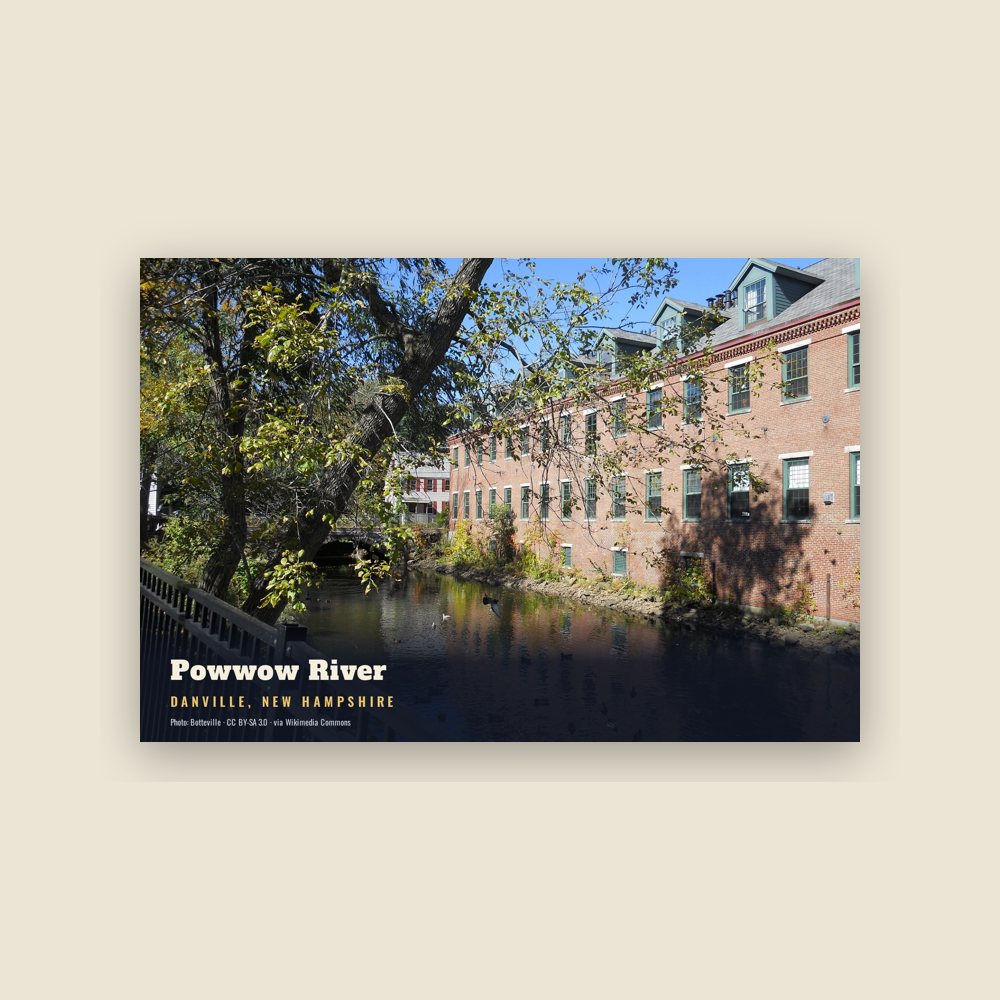
6″×4″ postcard, glossy front
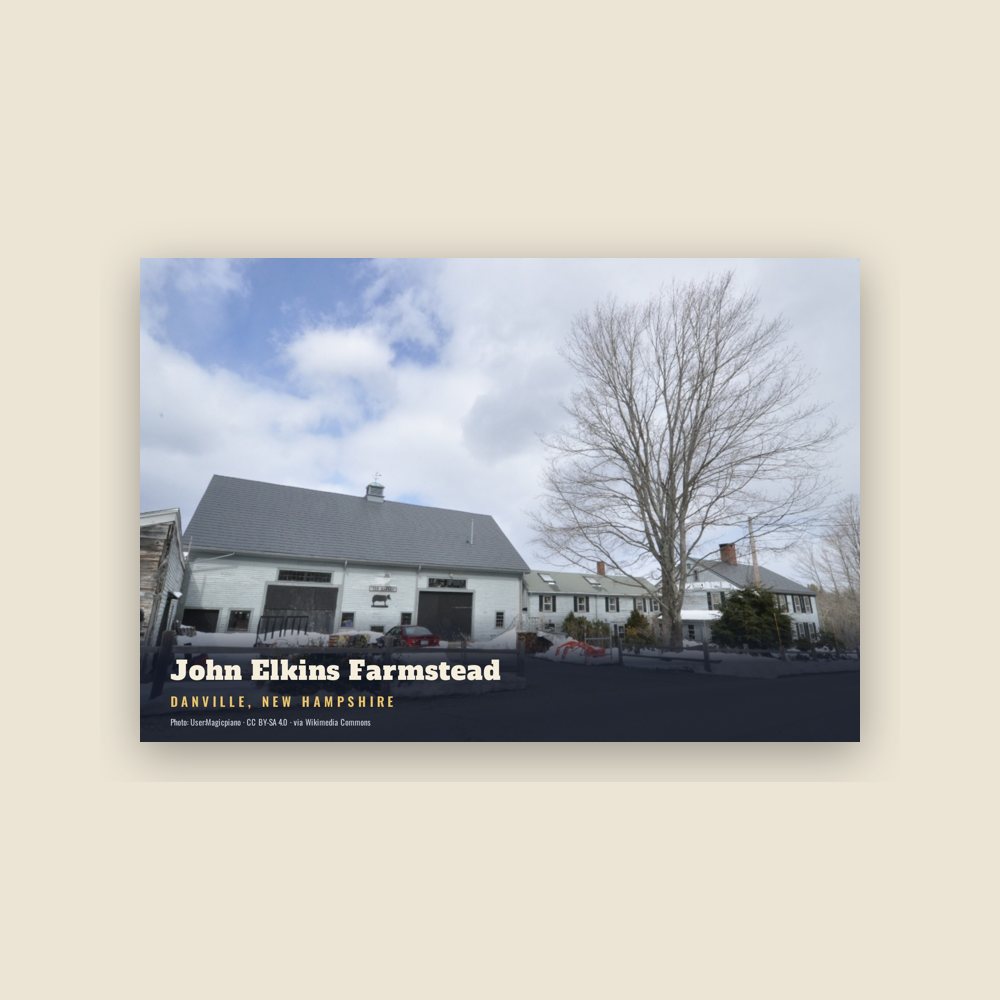
6″×4″ postcard, glossy front
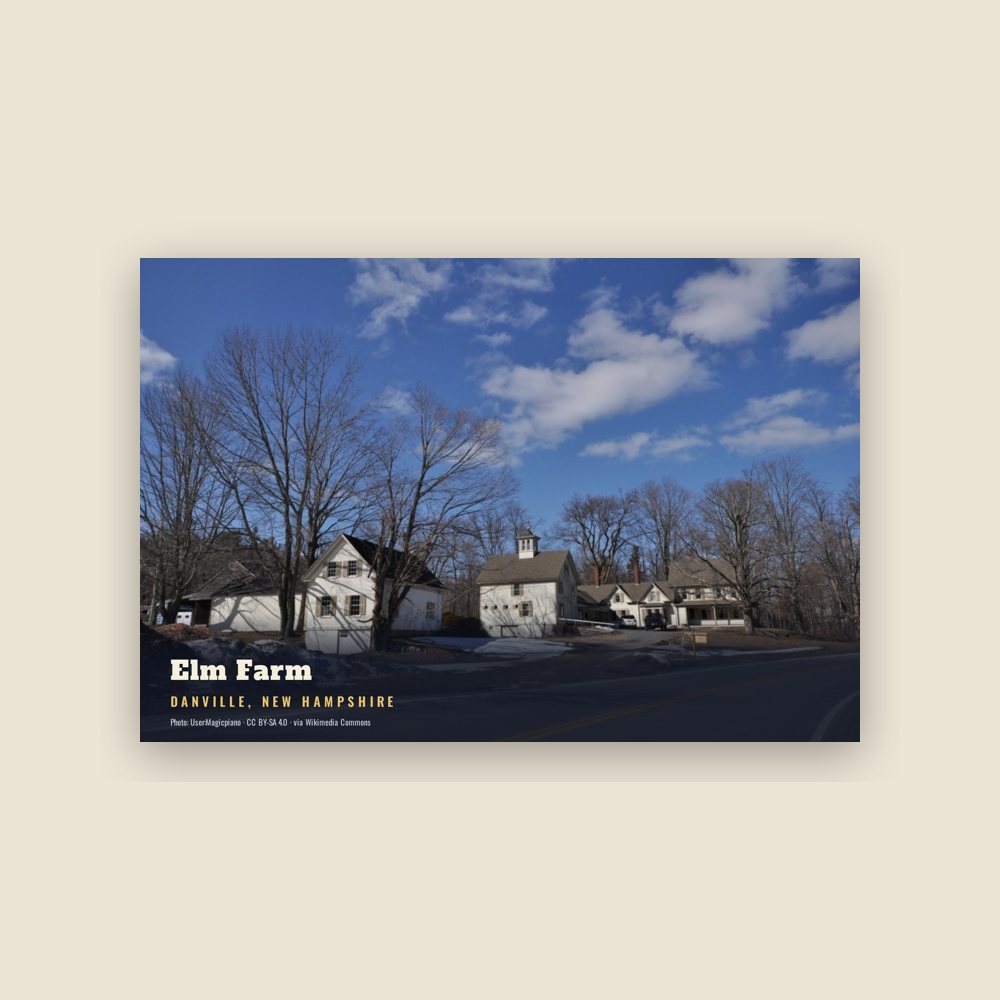
6″×4″ postcard, glossy front
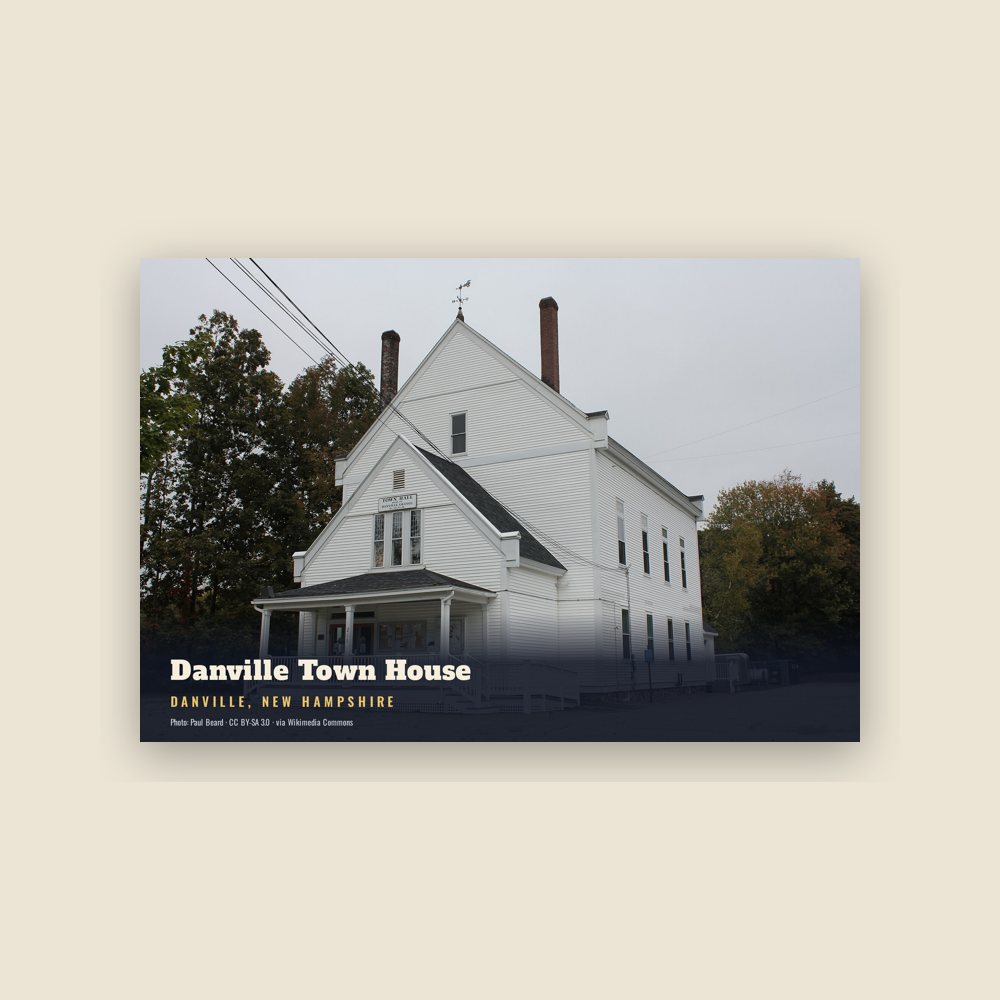
6″×4″ postcard, glossy front
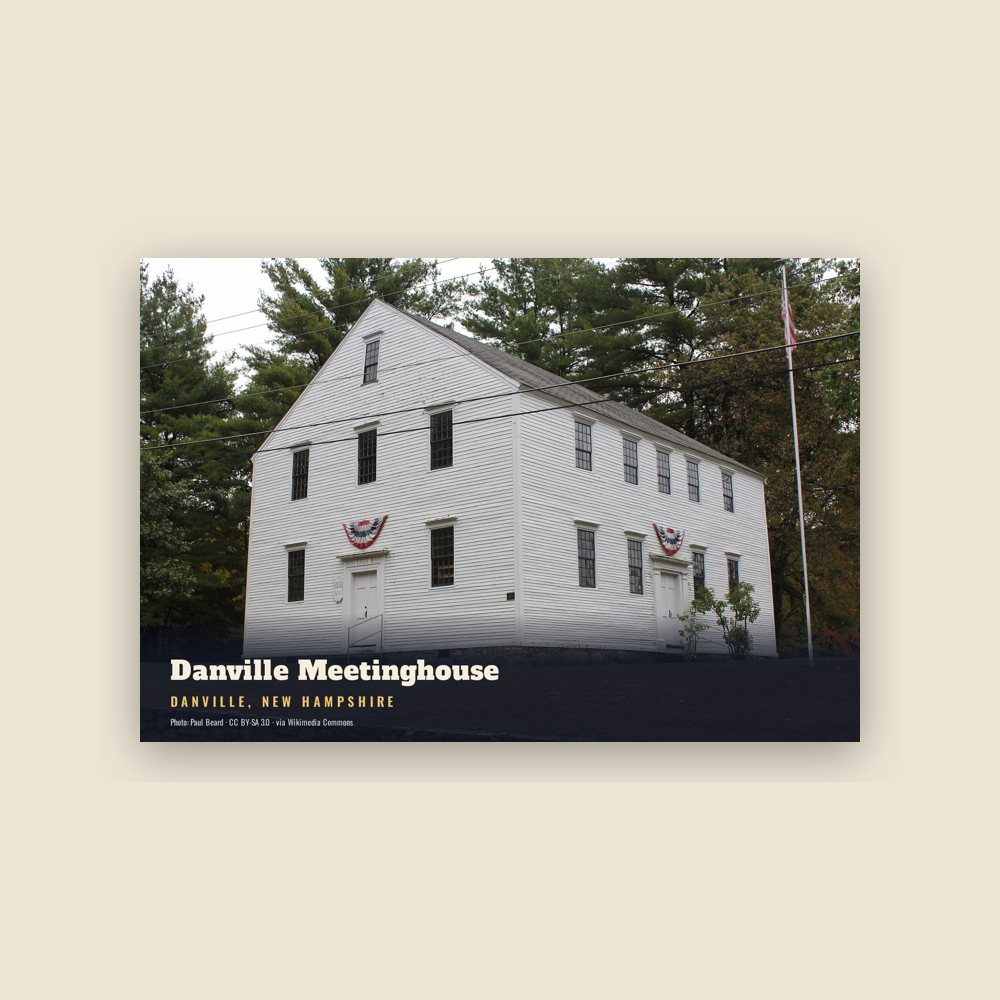
6″×4″ postcard, glossy front
Population 2010: 4,387 → 2020: 4,408
From Wikidata (CC0).
In 1694 the parish of Kingstown (now Kingston) was incorporated, and it included the area known as "Hawke" as the westerly part of the parish. There were some families that lived in this region as early as the mid-1600s, but the first recorded settlements were about 1735. The meeting house in Kingstown was quite a distance for the residents of the westerly part of the parish to travel. Travel through this part of town was on roads which were little more than footpaths or bridleways that led from farm to farm. The residents of this westerly part of town built their own meeting house (the Old Meeting House) in 1755 and petitioned the Governor on January 2, 1760, to be set apart and to form their own parish. The petition was granted on February 22, 1760, and Hawke was incorporated. They sold pews in the Old Meeting House on June 23, 1760.
The Tuckertown smallpox epidemic, one of the most memorable and saddest events in Hawke's history, occurred in the winter of 1781–1782. The Reverend John Page willingly went to the "pest house" to care for those afflicted, only to eventually succumb himself.
As the American Revolution ended, farming continued to be the primary livelihood, although the industrial age was slowly moving into rural Hawke. By 1828–1829 there were eight mills for various purposes known to exist. Travel was becoming more important, and from 1790 well into the mid-19th century the town allocated many sums of money for road building and repair. In 1800 it was the practice for a road builder (District Highway Surveyor, the predecessor to our road agents of today) to be granted authority to tax those the road would benefit. The tax was based on the amount of land owned as well as personal wealth. A person was allowed to work off the tax by providing physical labor or oxen and equipment to help with the road construction. In 1833, a warrant provided for "a new highway in the south part of town" that caused some controversy among the townsfolk, but was ultimately completed in 1835.
At the 1836 Town Meeting the original town name of "Hawke" (for the British Admiral Edward Hawke) was changed to "Danville". No definitive explanation has been discovered for the reason for the change or explanation for also considering the name "China".
cordwainers complemented the shoe industry of Haverhill, Massachusetts, by sewing and lining the shoes that were eventually trimmed, dressed and packed in the nearby city.
Religion, which had been a prime factor in the establishment of Hawke, continued to influence the people. The only two churches in town were constructed in this time period. The Baptist Church was first organized as the Church of Christ in 1820. In 1832 the Free Will Baptist Society was organized, and Deacon Thomas Colby was authorized to build a church on the corner of Main Street and Kingston Road that was later moved to its present location next to Town Hall on Main Street. In 1850 the Union Religious Society built the only other church, other than the Meeting House, on Beach Plain Road.
Adapted (trimmed) from the Wikipedia article Danville, New Hampshire, revision 1377163691 by its contributors, licensed CC BY-SA 4.0.
We share a part of every Danville sale with local partners, and we'd love to print from your collection. Old photographs, maps and postcards make the best keepsakes.
Partner with us