Coös County, New Hampshire
Street maps, historic prints and keepsakes for 20 Coös County towns.
The oldest is Lancaster, established 1763. The largest by population is Berlin (9,425).
| Town | Established | Population |
|---|---|---|
| Berlin | 1829 | 9,425 |
| Carroll | 1832 | 820 |
| Clarksville | 1853 | 294 |
| Colebrook | 1796 | 2,084 |
| Columbia | 1797 | 659 |
| Dalton | 1764 | 933 |
| Dummer | 1848 | 306 |
| Errol | 1836 | 298 |
| Gorham | 1836 | 2,698 |
| Jefferson | 1796 | 1,043 |
| Lancaster | 1763 | 3,218 |
| Milan | 1824 | 1,358 |
| Northumberland | 1779 | 2,126 |
| Pittsburg | 1840 | 800 |
| Randolph | 1824 | 328 |
| Shelburne | 1820 | 353 |
| Stark | 1795 | 478 |
| Stewartstown | 1795 | 813 |
| Stratford | 1773 | 662 |
| Whitefield | 1804 | 2,490 |
About these towns
Berlin: When English colonists came to America, Berlin was first granted on December 31, 1771, by Colonial Governor John Wentworth, as "Maynesborough" after Sir William Mayne.
Carroll: Land was granted by Governor John Wentworth on February 8, 1772, to Sir Thomas Wentworth, Samuel Langdon, and 81 others. Sir Thomas Wentworth resided in West Bretton, England, on his estate called Bretton Hall, after which the township was named "Bretton Woods".
Clarksville: The area was originally known as "Dartmouth College Grant" and was part of a tract granted to Dartmouth College; sections were sold off by the college to raise money.
Colebrook: First granted in 1762 by New Hampshire's colonial Governor Benning Wentworth, the territory was named "Dryden", after English poet and playwright John Dryden.
Columbia: The township was originally chartered in 1762 and named "Preston", after Richard Graham, 1st Viscount Preston of Scotland. Settlers failed to meet the terms of the original grant, so the plantation was transferred in 1770 to grantees including Sir James Cockburn, 8th Baronet, after which it was named "Cockburn Town", incorporated on December 16, 1797.
Dalton: On November 17, 1764, Benning Wentworth, the royal governor of the Province of New Hampshire, granted the commission of a new township "Chiswick", named for the Duke of Devonshire's castle.
Dummer: The town was granted on March 8, 1773, by Governor John Wentworth to a group of wealthy Portsmouth investors, including his father, Mark Hunking Wentworth, Nathaniel Haven and others.
Errol: Errol was granted by Governor John Wentworth to Timothy Ruggles and others in 1774, the name taken from Scotland's James Hay, 15th Earl of Erroll.
Gorham: The community was first chartered in 1770 by colonial Governor John Wentworth as a part of Shelburne, called "Shelburne Addition". Gorham was first settled about 1802, by Robert Sargent and others, but for years it contained little more than rocky farms, small logging operations, and a few stores and stables.
Jefferson: Colonial Governor Benning Wentworth first made land grants in this area in 1765, but the location was so deep in unexplored territory that few settlers took up their claims.
Lancaster: Granted as "Upper Coos" in 1763 by colonial Governor Benning Wentworth to Captain David Page of Petersham, Massachusetts, the town was settled in 1764 by his son, David Page Jr. and Emmons Stockwell.
Milan: It is part of the Berlin, NH-VT Micropolitan Statistical Area.
Northumberland: North of the mountain ridge known as Cape Horn, near the Connecticut River, are the remains of Fort Wentworth, built by the New Hampshire Militia in 1755 during the French and Indian War.
Pittsburg: Pittsburg derives its name from William Pitt, Prime Minister of Great Britain. Prior to its incorporation in 1840, the area was settled c. 1810 and known as the Territory of Indian Stream.
Randolph: Randolph is a heavily forested town in Coös County, New Hampshire, United States, extending from the northern slopes of the White Mountains of the Presidential Range to the Crescent Range and Berlin, with U.S.
Shelburne: First granted in 1769 by Governor John Wentworth, the town was named for William Petty Fitzmaurice, Earl of Shelburne. He was a supporter of independence for the American colonies, and at his insistence, King George III recognized the independence of the United States.
Stark: Granted in 1774, Stark was originally named "Percy", after Hugh Percy, 1st Duke of Northumberland. The town was incorporated in 1795, and renamed "Stark" in 1832, after General John Stark, who wrote the words that became New Hampshire's motto, "Live Free or Die".
Stewartstown: Stewartstown was granted in 1770 and incorporated in 1795. Originally named "Stuart" after Sir John Stuart, 3rd Earl of Bute, it was incorporated as "Stewartstown" after the Revolutionary War, following the original Scottish spelling of the name.
Stratford: Within the town are the villages of North Stratford, Stratford Hollow, and Beatties. U.S. Route 3 passes through the center of town, as does the St.
Whitefield: The last town to be granted under the English provincial government, Whitefield was chartered on July 4, 1774, exactly two years before adoption of the Declaration of Independence.
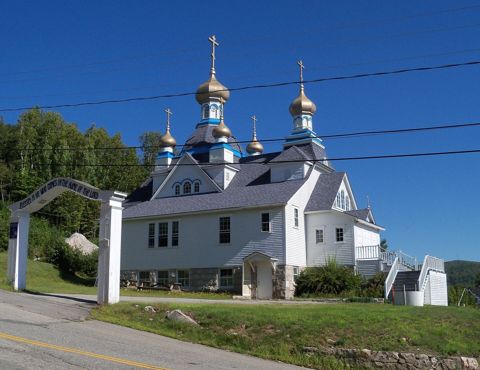 BerlinNew Hampshire · Est. 1829
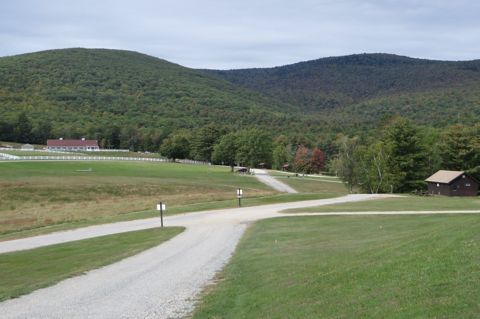 CarrollNew Hampshire · Est. 1832
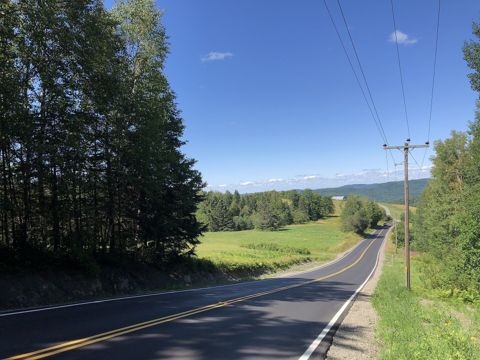 ClarksvilleNew Hampshire · Est. 1853
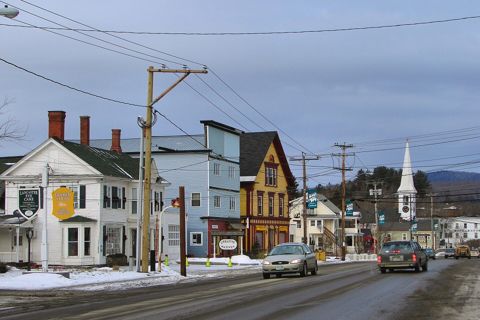 ColebrookNew Hampshire · Est. 1796
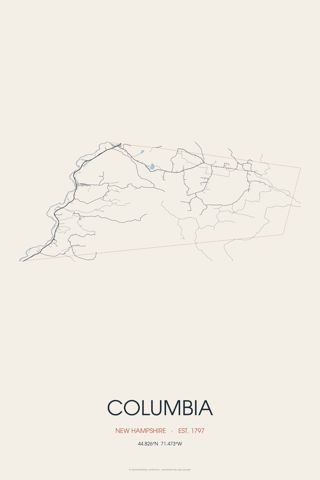 ColumbiaNew Hampshire · Est. 1797
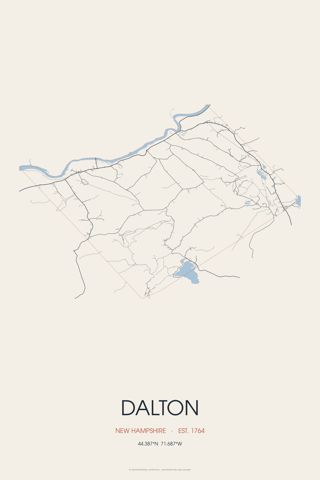 DaltonNew Hampshire · Est. 1764
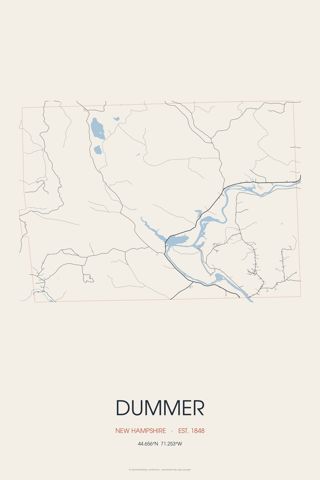 DummerNew Hampshire · Est. 1848
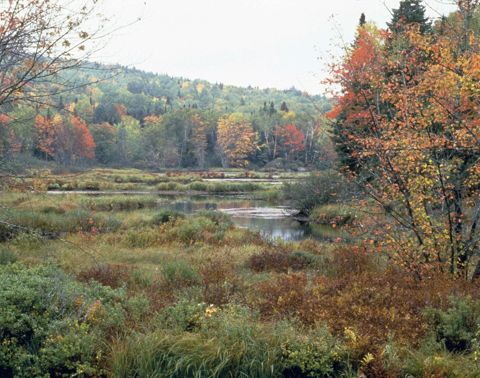 ErrolNew Hampshire · Est. 1836
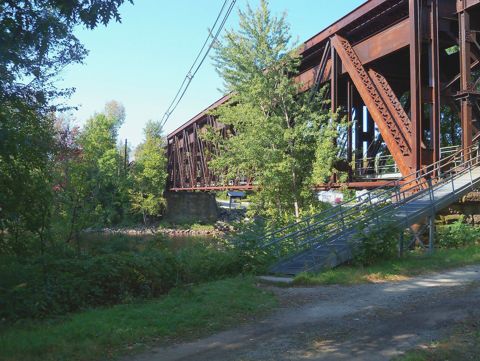 GorhamNew Hampshire · Est. 1836
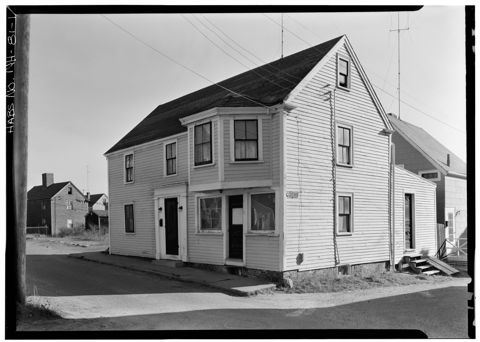 JeffersonNew Hampshire · Est. 1796
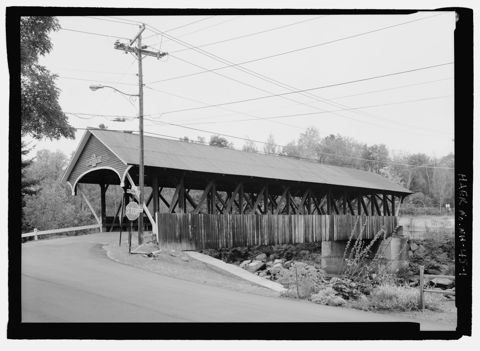 LancasterNew Hampshire · Est. 1763
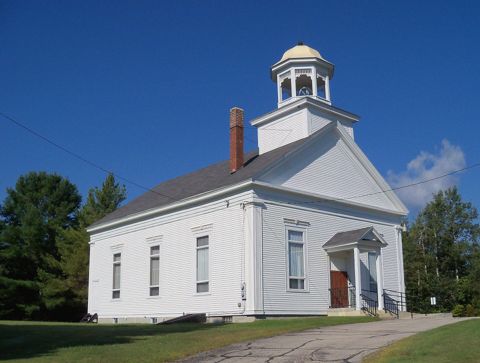 MilanNew Hampshire · Est. 1824
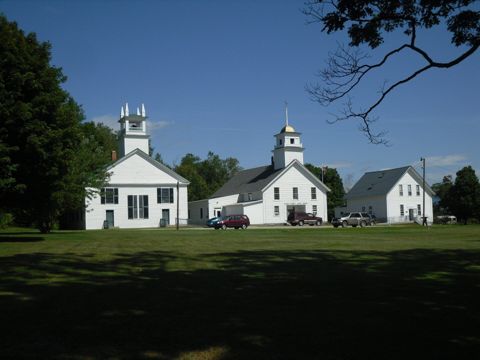 NorthumberlandNew Hampshire · Est. 1779
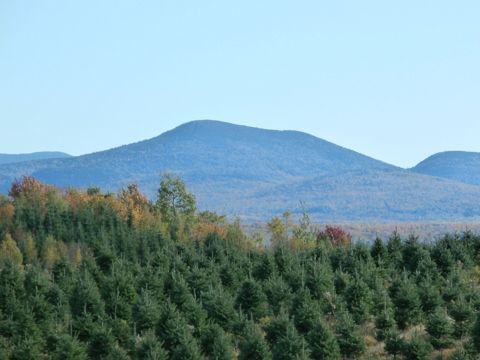 PittsburgNew Hampshire · Est. 1840
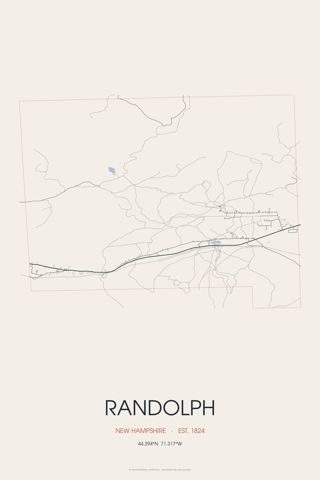 RandolphNew Hampshire · Est. 1824
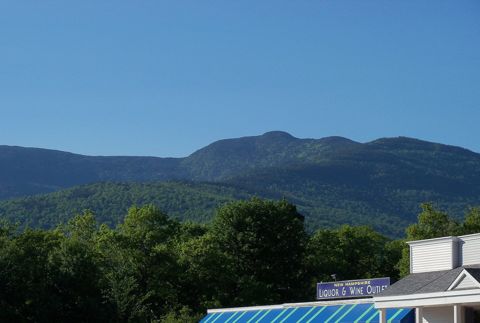 ShelburneNew Hampshire · Est. 1820
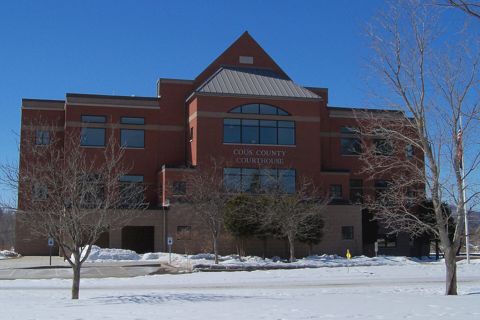 StarkNew Hampshire · Est. 1795
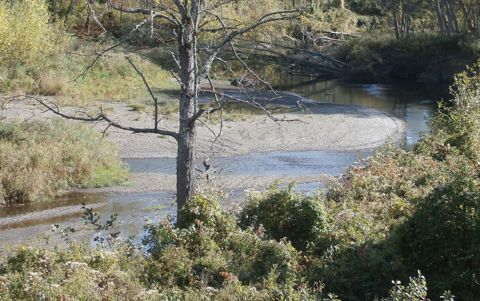 StewartstownNew Hampshire · Est. 1795
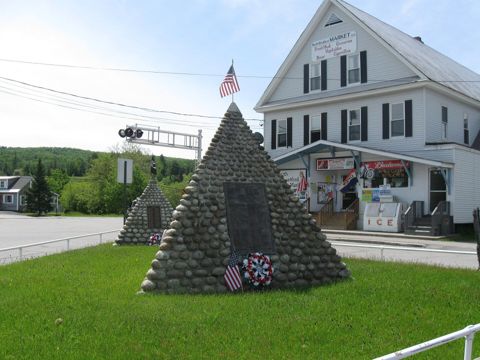 StratfordNew Hampshire · Est. 1773
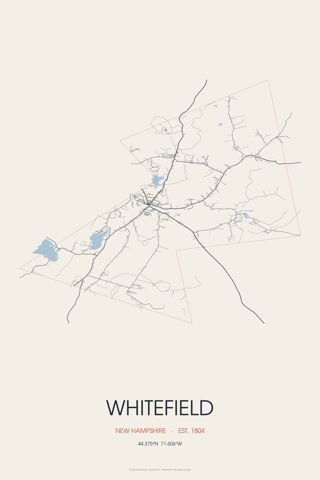 WhitefieldNew Hampshire · Est. 1804
Founding years, populations and town notes come from each town's Wikipedia and Wikidata entries. All New Hampshire towns.