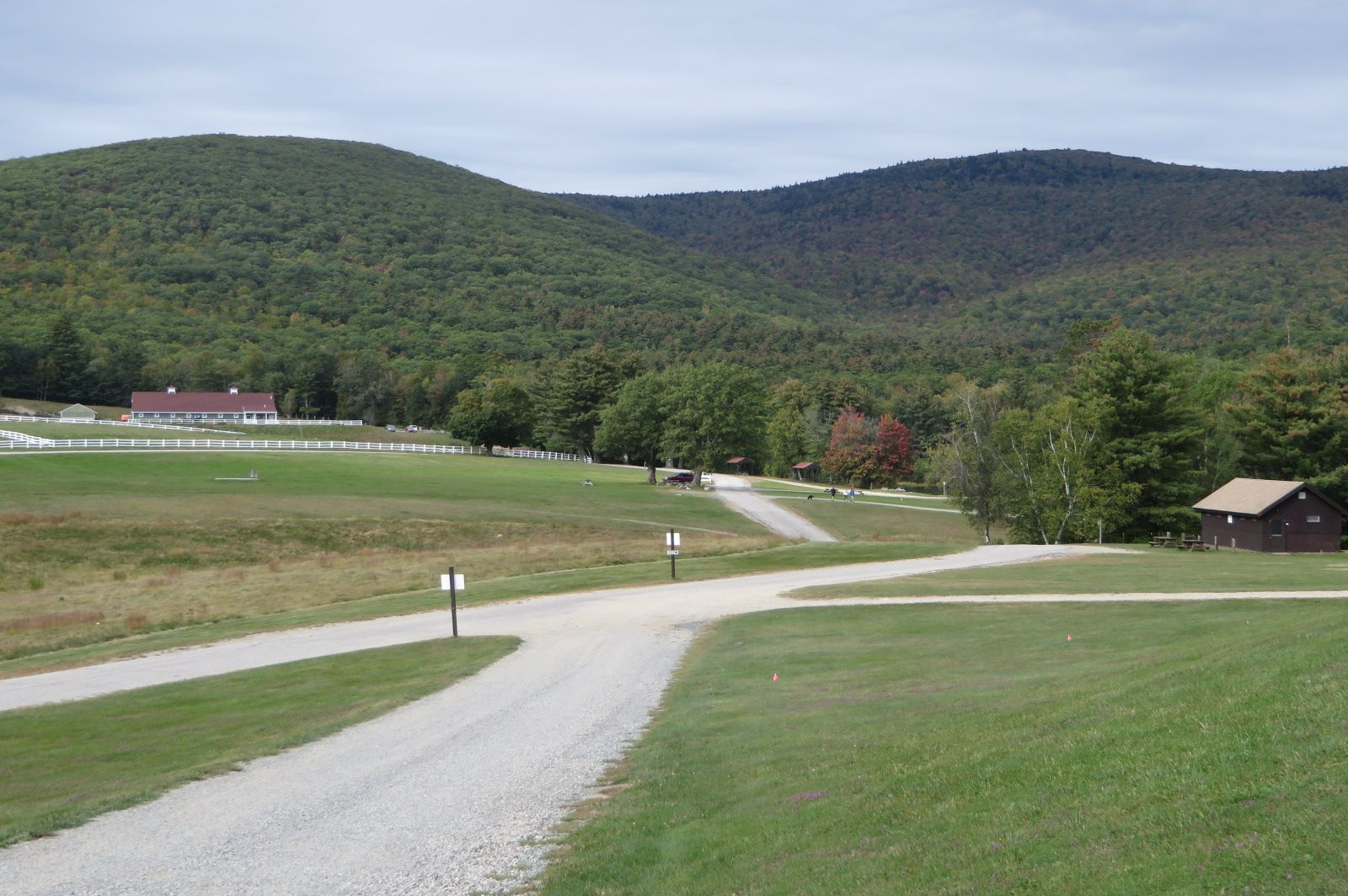
Carroll is an important access point for recreational areas in the White Mountains, including many 4,000-footers, the Zealand River area, the Presidential Range, and the Presidential Dry River Wilderness. Landmarks include Carroll County.
Every piece is drawn from Carroll's own map data and historic archives, then printed and shipped from the USA when you order. No two towns look alike.
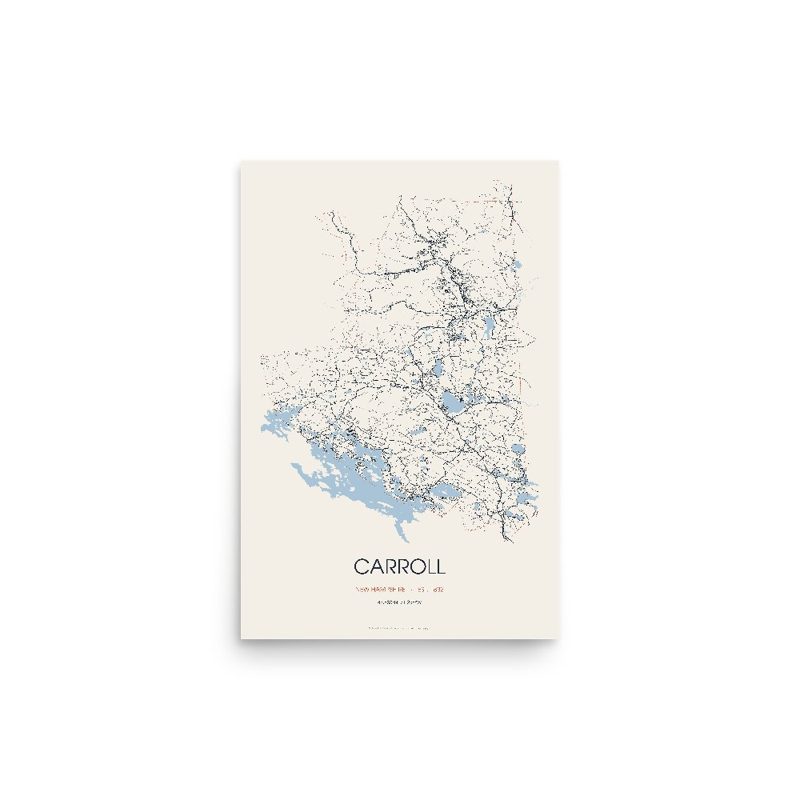
Every road in town, on archival matte paper
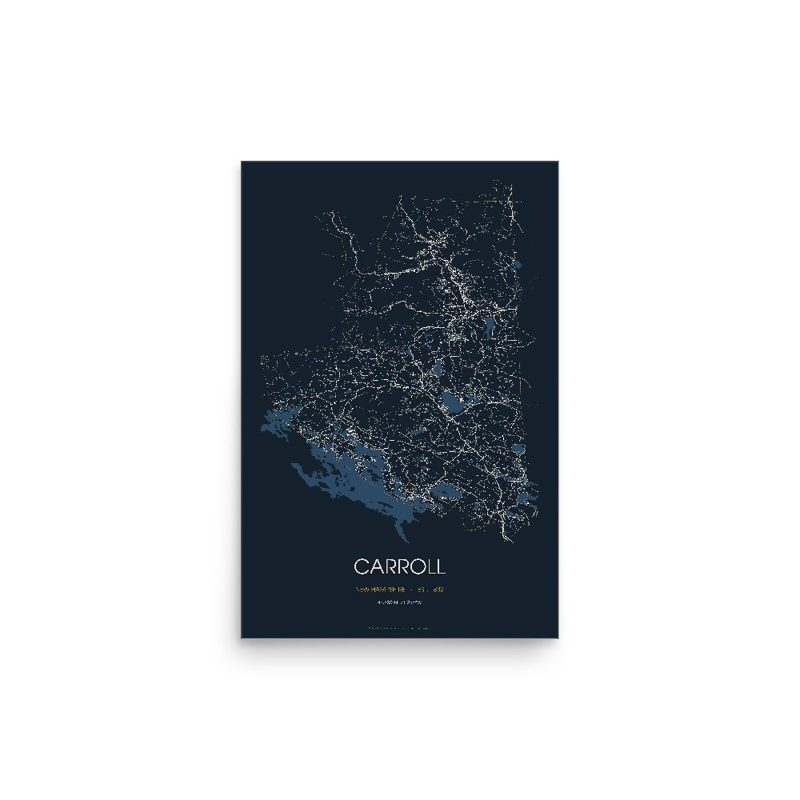
The same map, in navy and silver
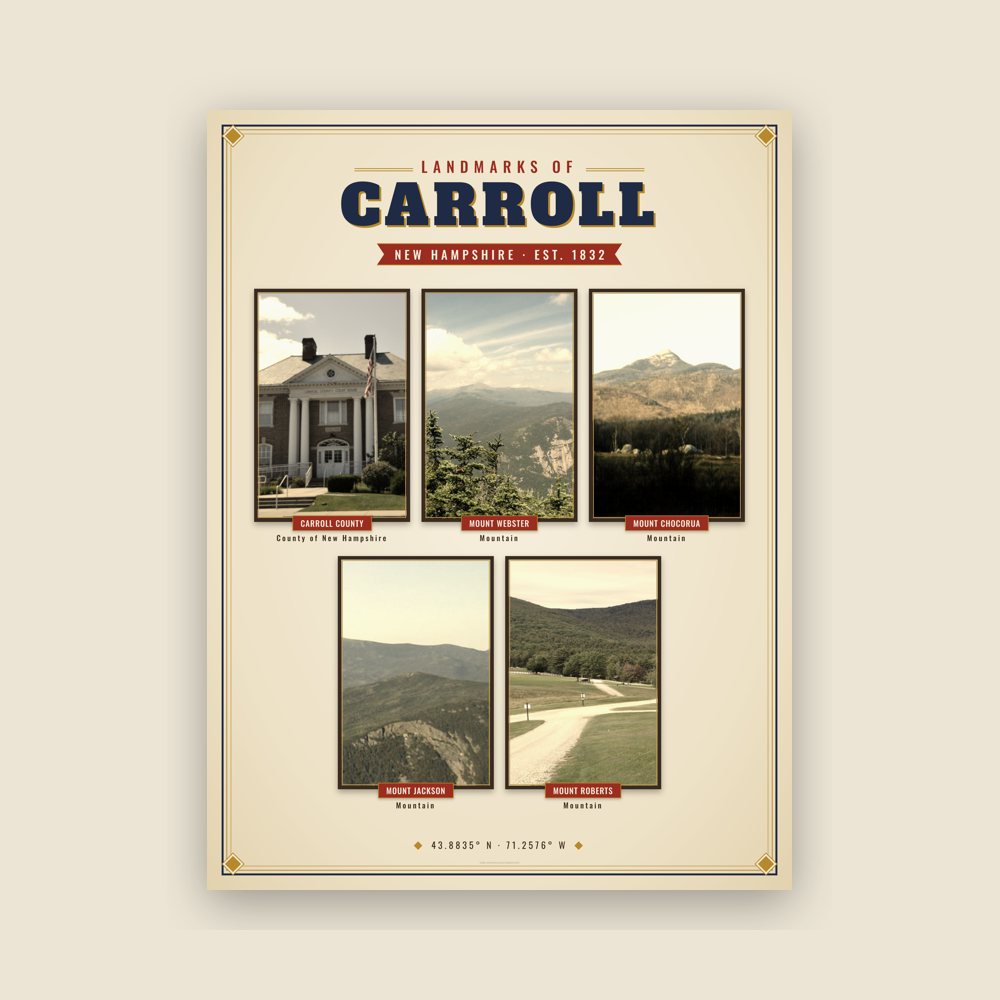
Nine local landmarks, archival matte
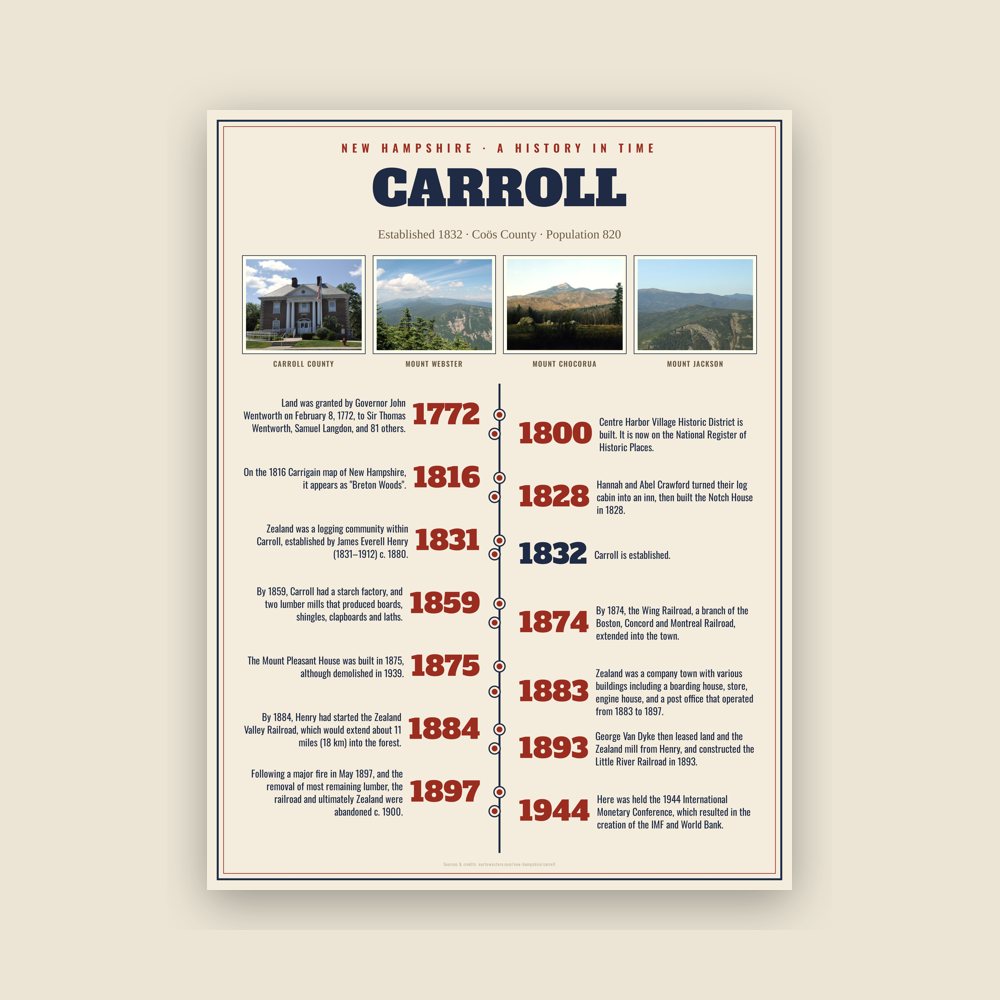
The town's story in dates, from its own records, for home or classroom
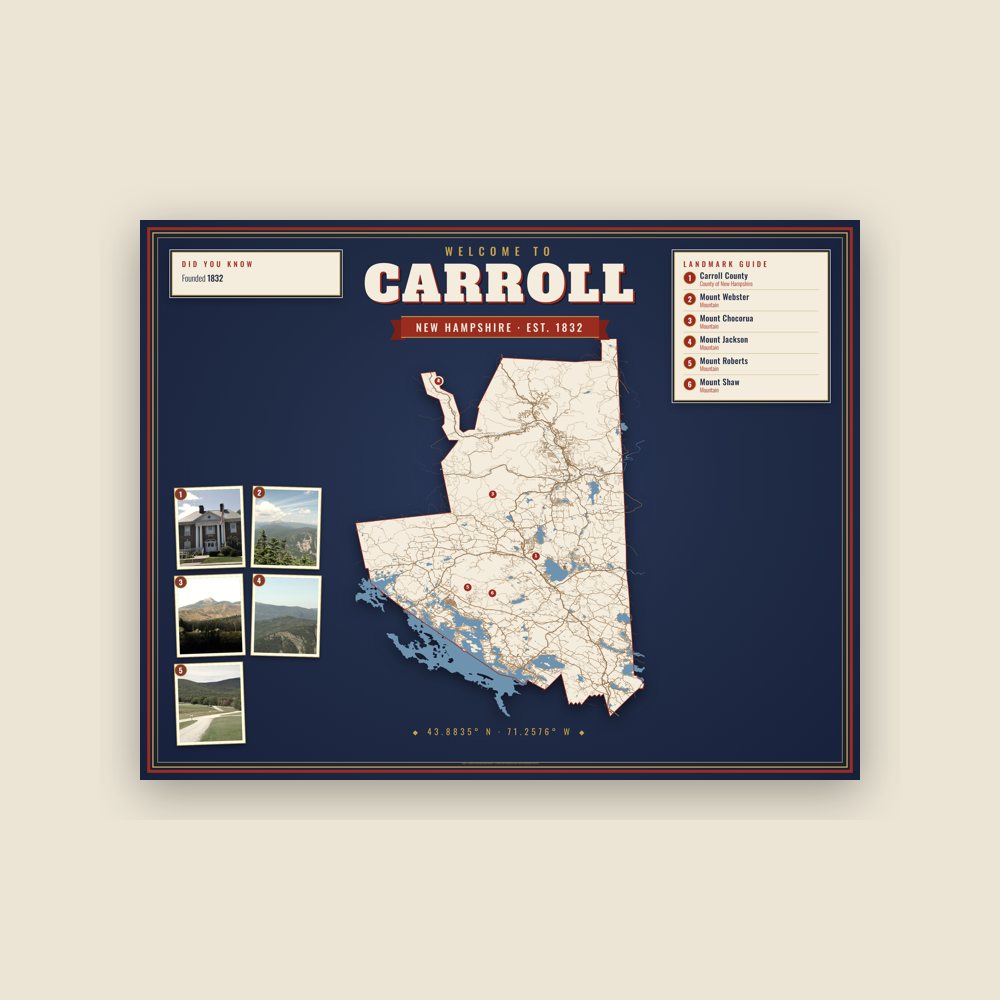
Map of local landmarks, washable fabric
Heavy-blend fleece, street map printed on the back
Soft Bella+Canvas jersey
Glossy ceramic, dishwasher safe
Ceramic keepsake, gold ribbon
Weatherproof, for the front walk
24″×16″, printed coir-look fibers, rubber back
12″×12″ printed wood, ready to hang
Soft-touch, zip cover
Sturdy all-over-print tote
Glossy top, cork back
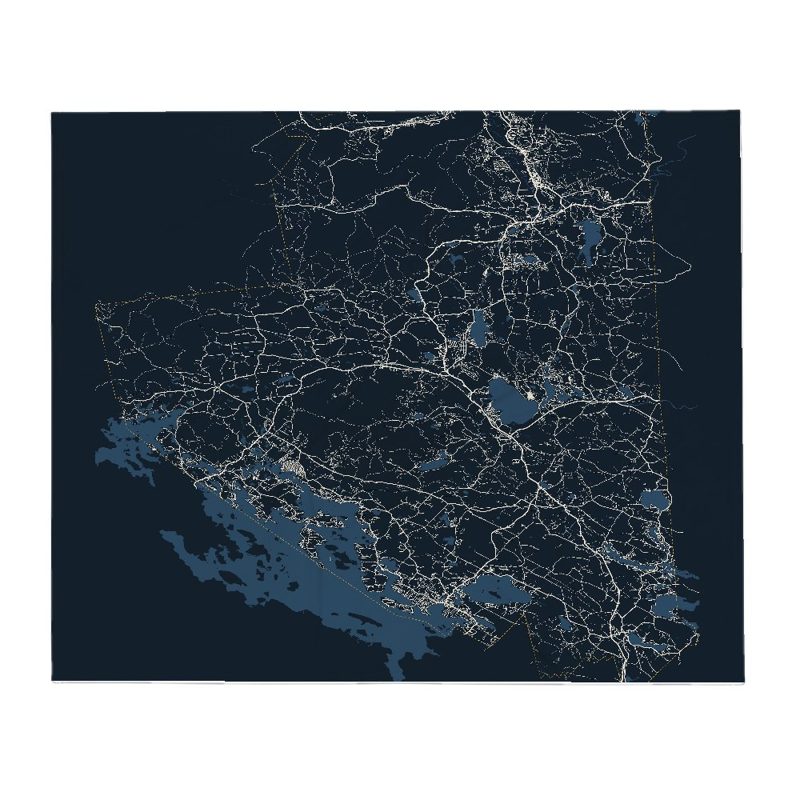
Soft fleece, 50″×60″
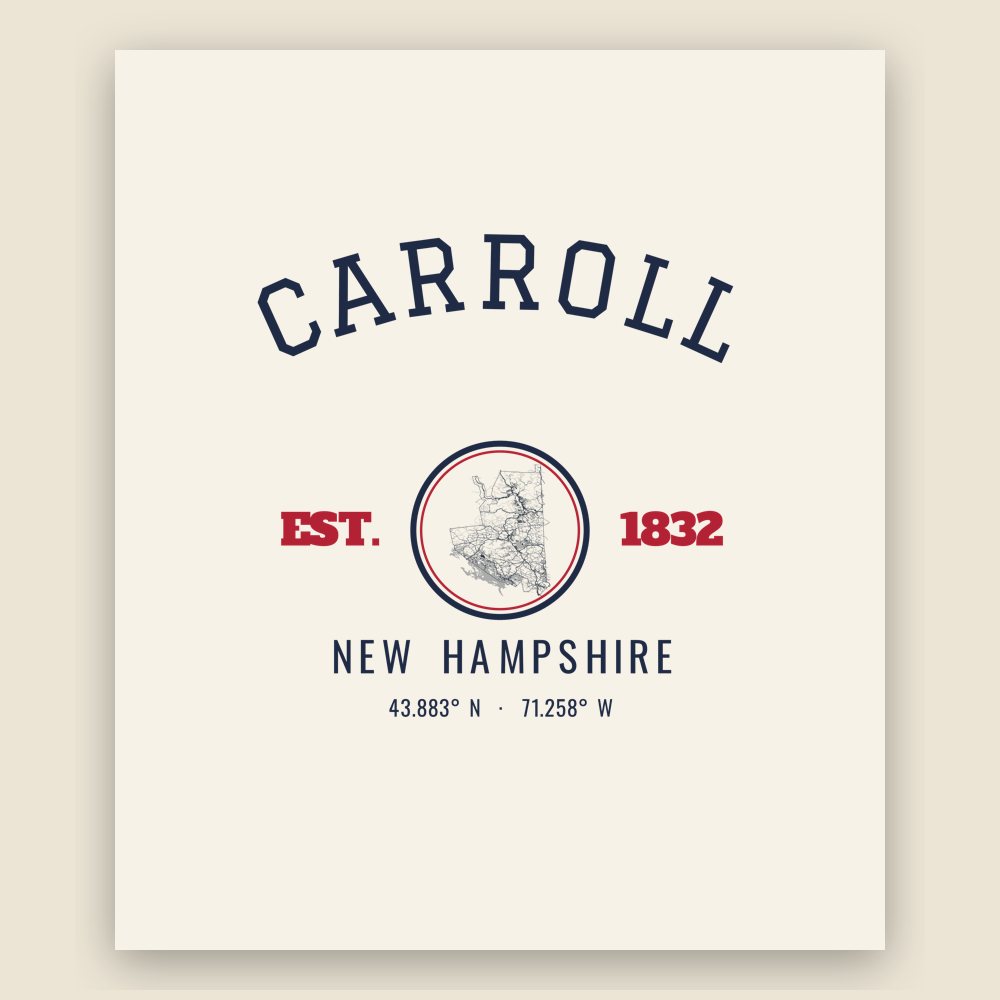
20 oz, double-wall stainless
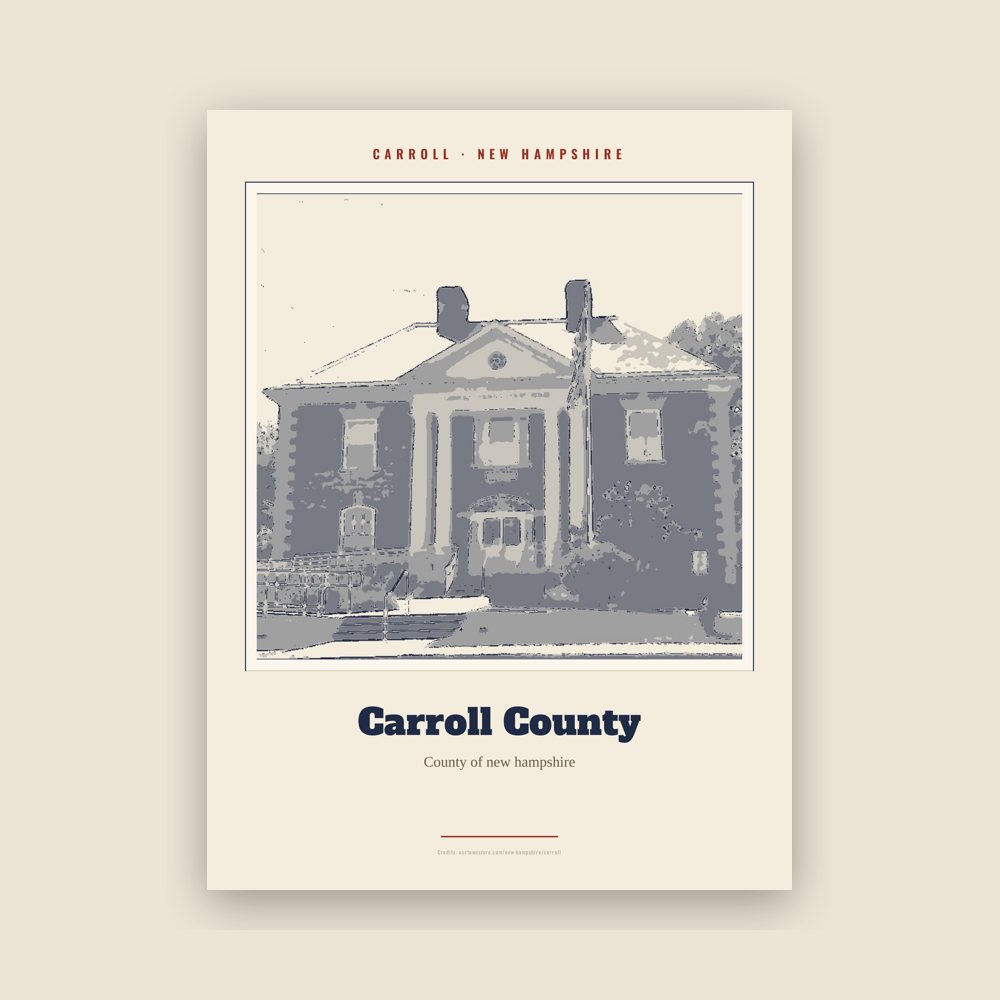
Archival matte print of a local landmark, credited to its photographer
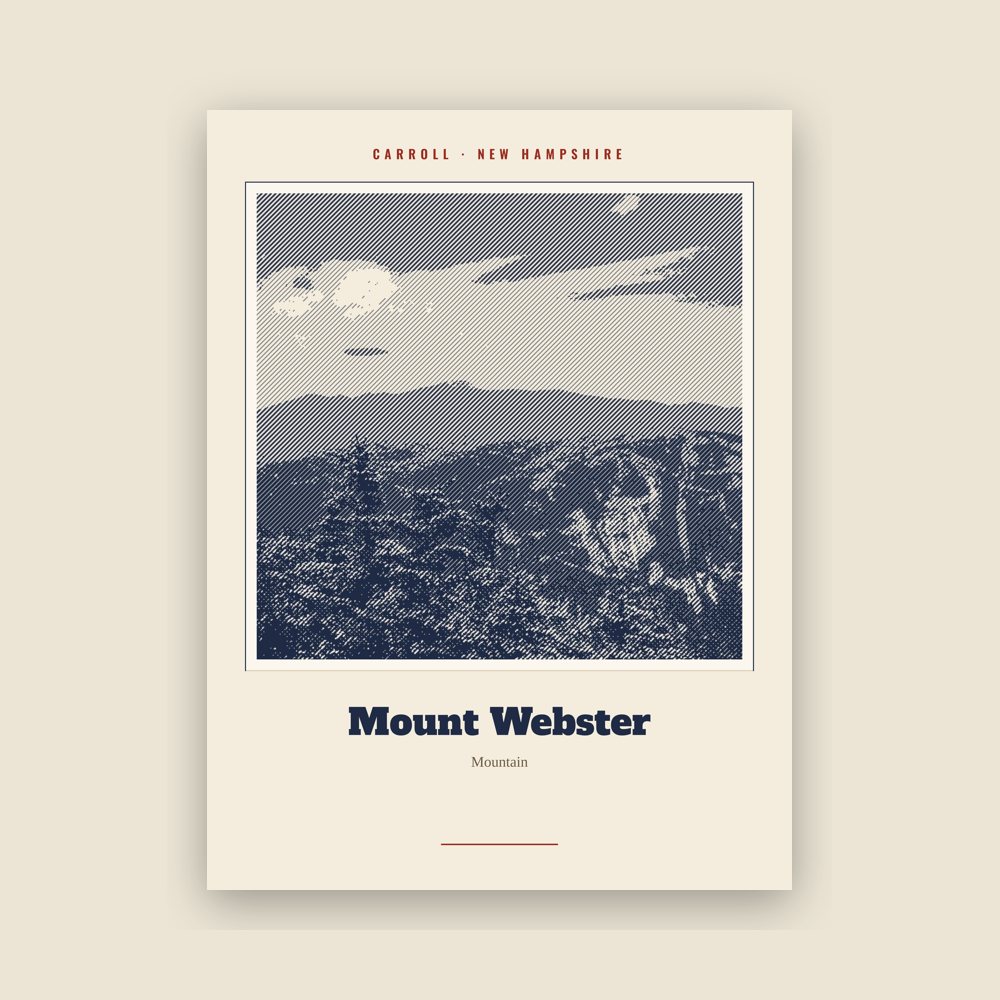
Archival matte print of a local landmark, credited to its photographer
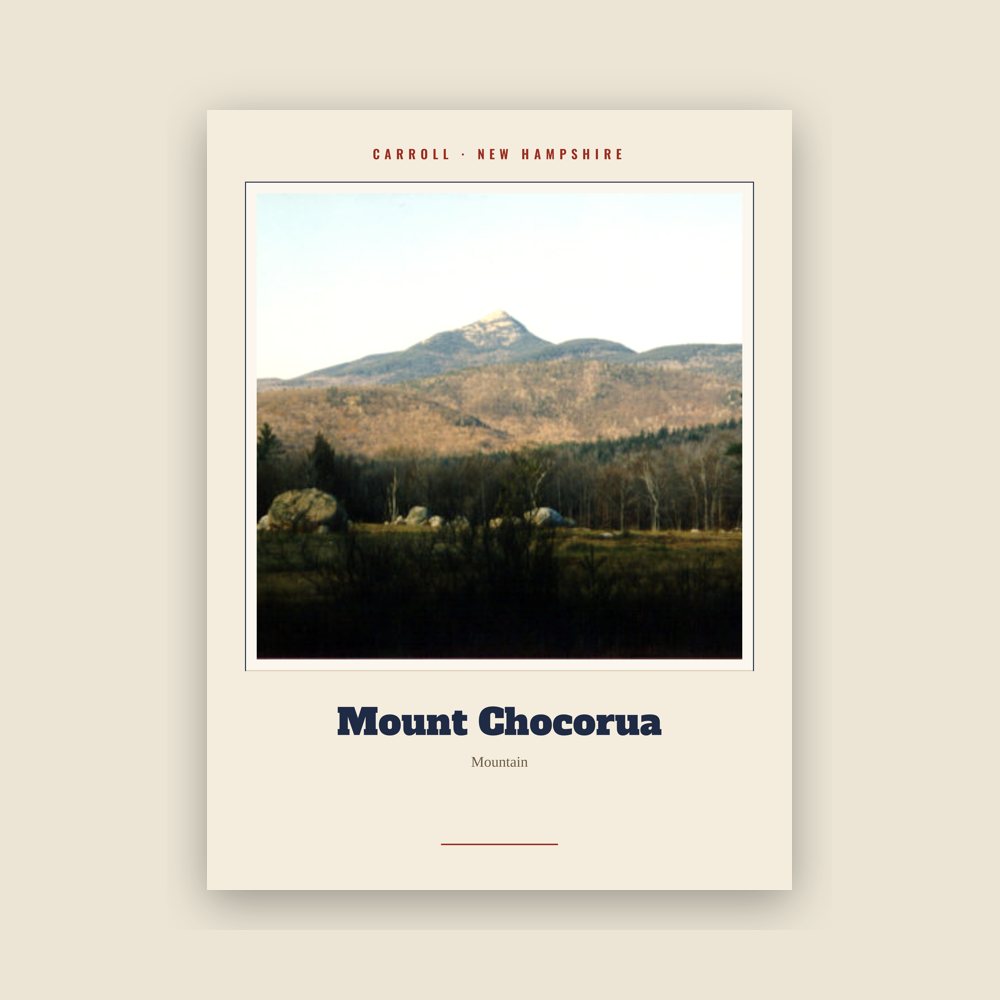
Archival matte print of a local landmark, credited to its photographer
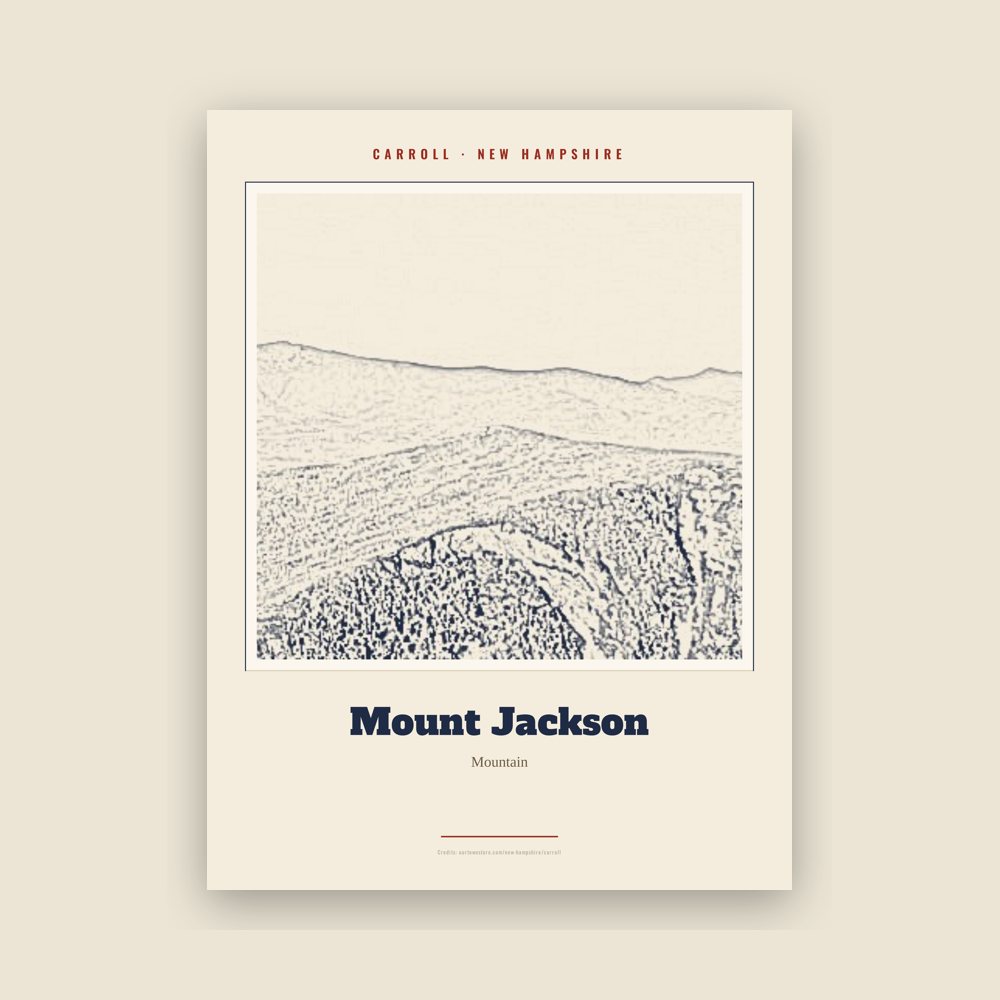
Archival matte print of a local landmark, credited to its photographer
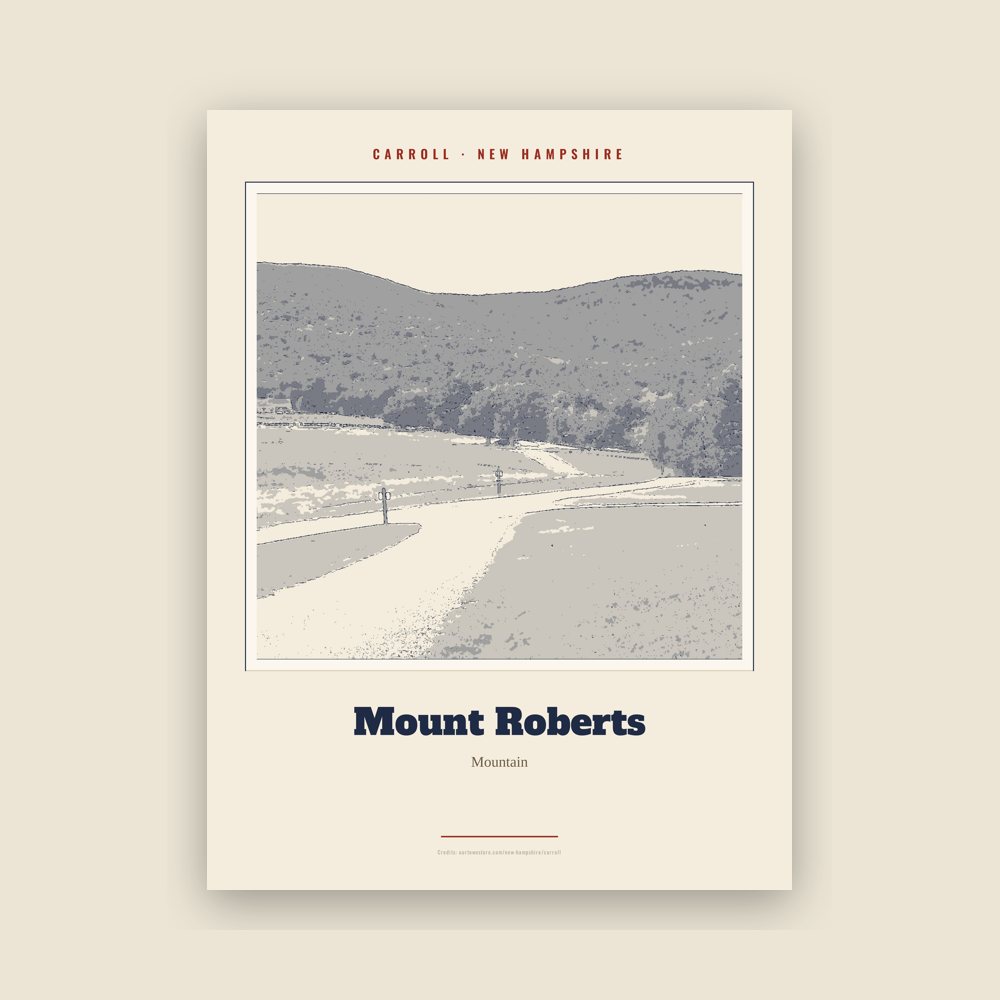
Archival matte print of a local landmark, credited to its photographer
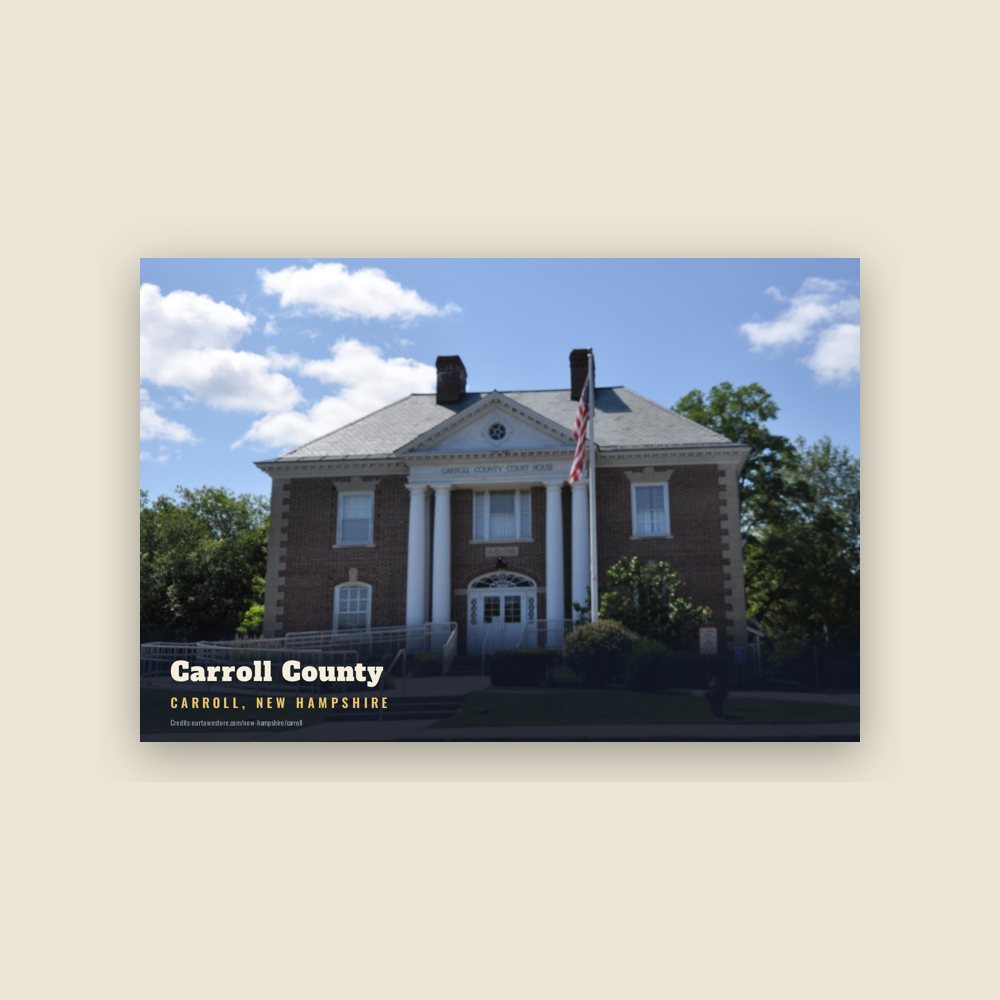
6″×4″ postcard, glossy front
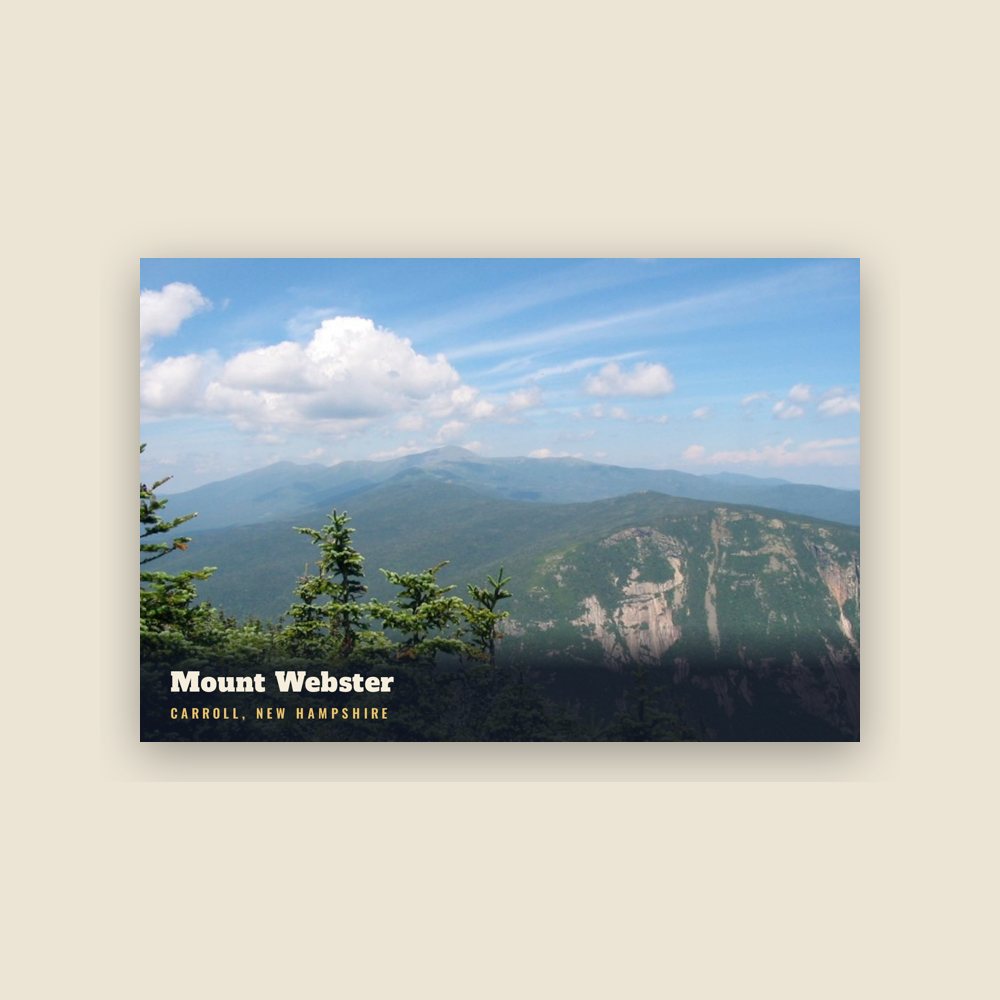
6″×4″ postcard, glossy front
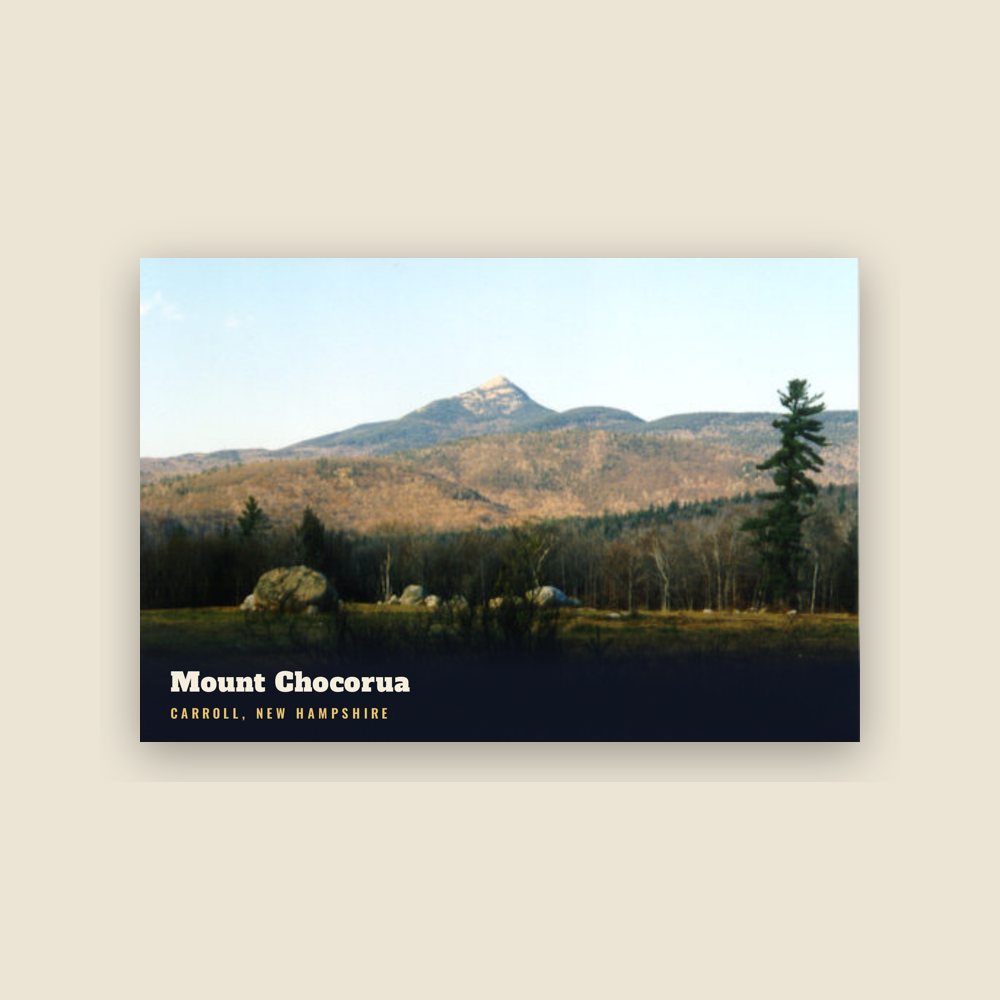
6″×4″ postcard, glossy front
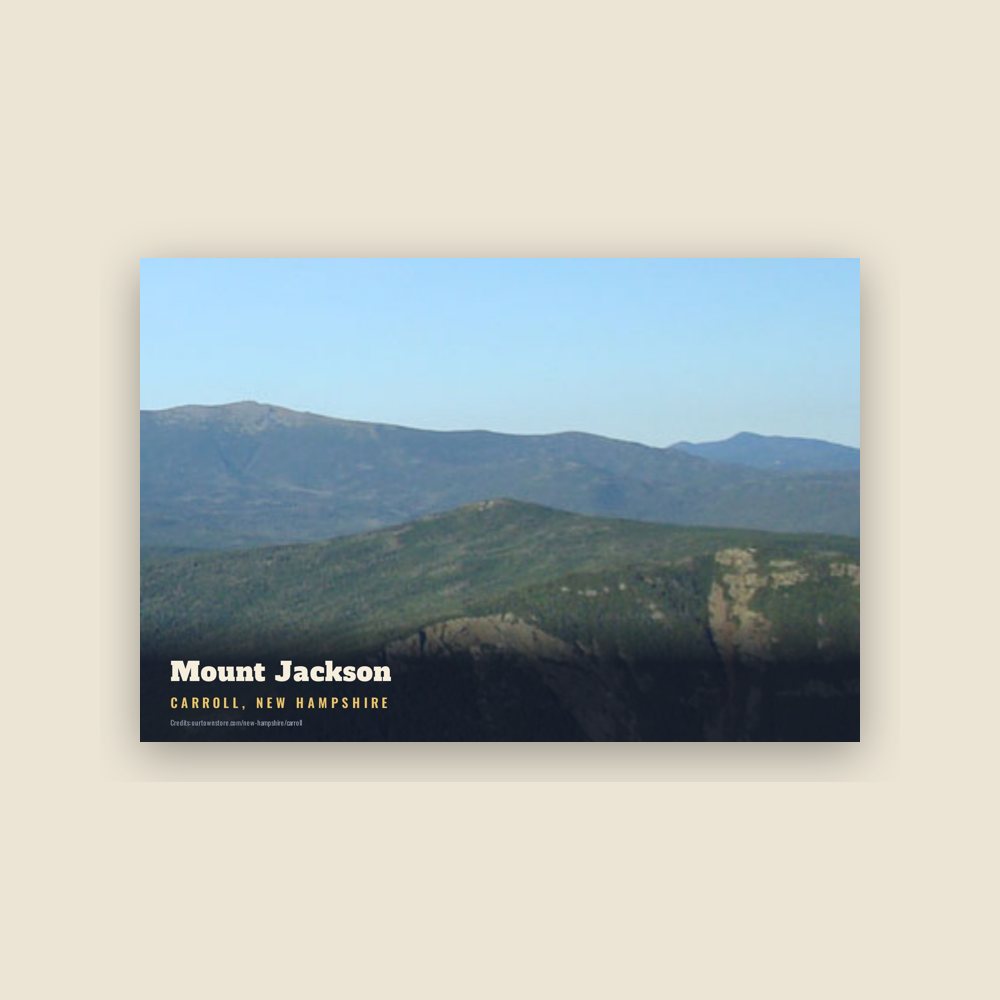
6″×4″ postcard, glossy front
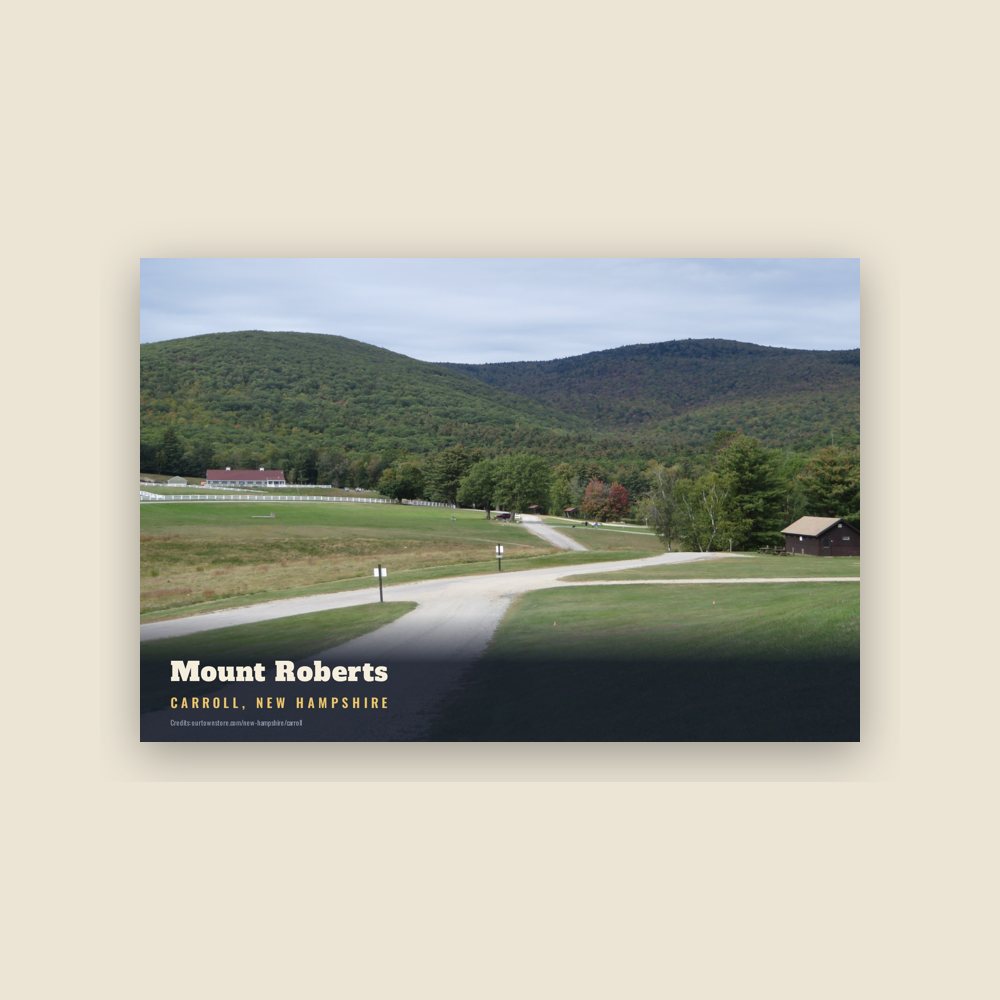
6″×4″ postcard, glossy front
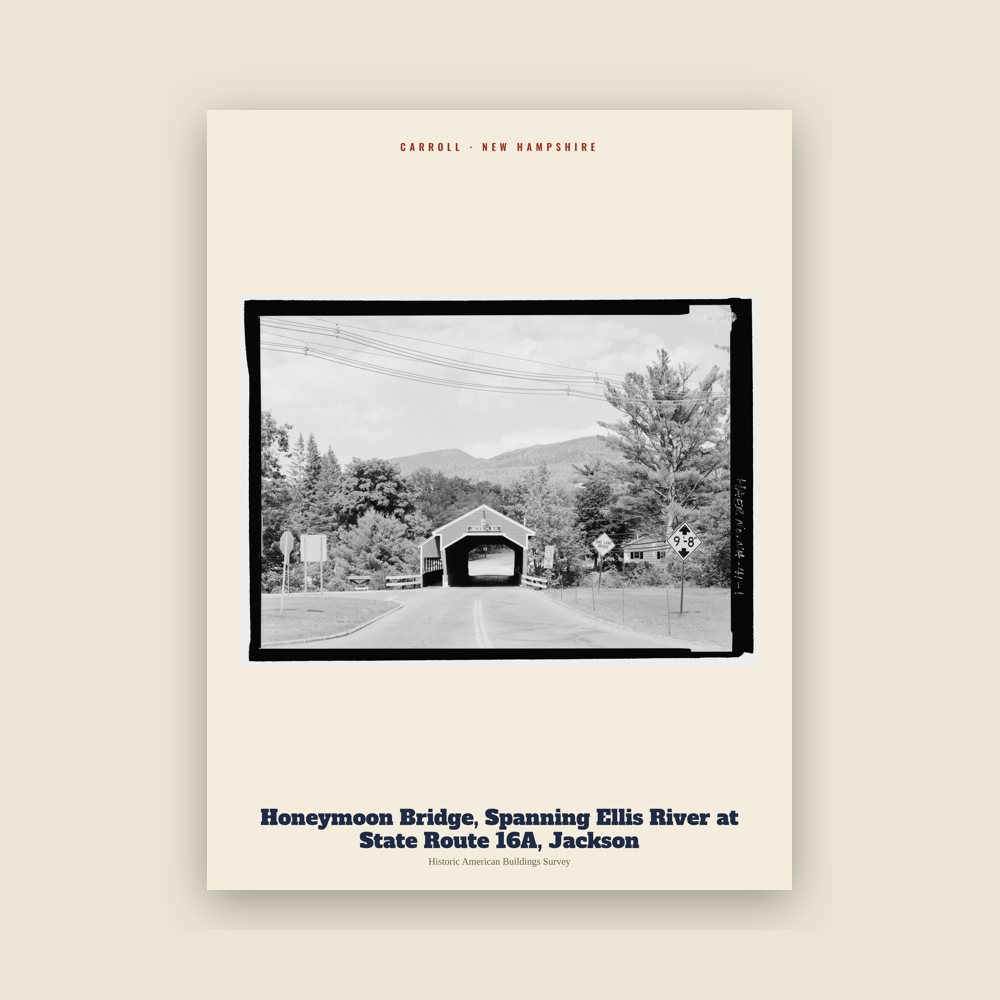
From the Library of Congress collections: a historic survey drawing or photograph of the town
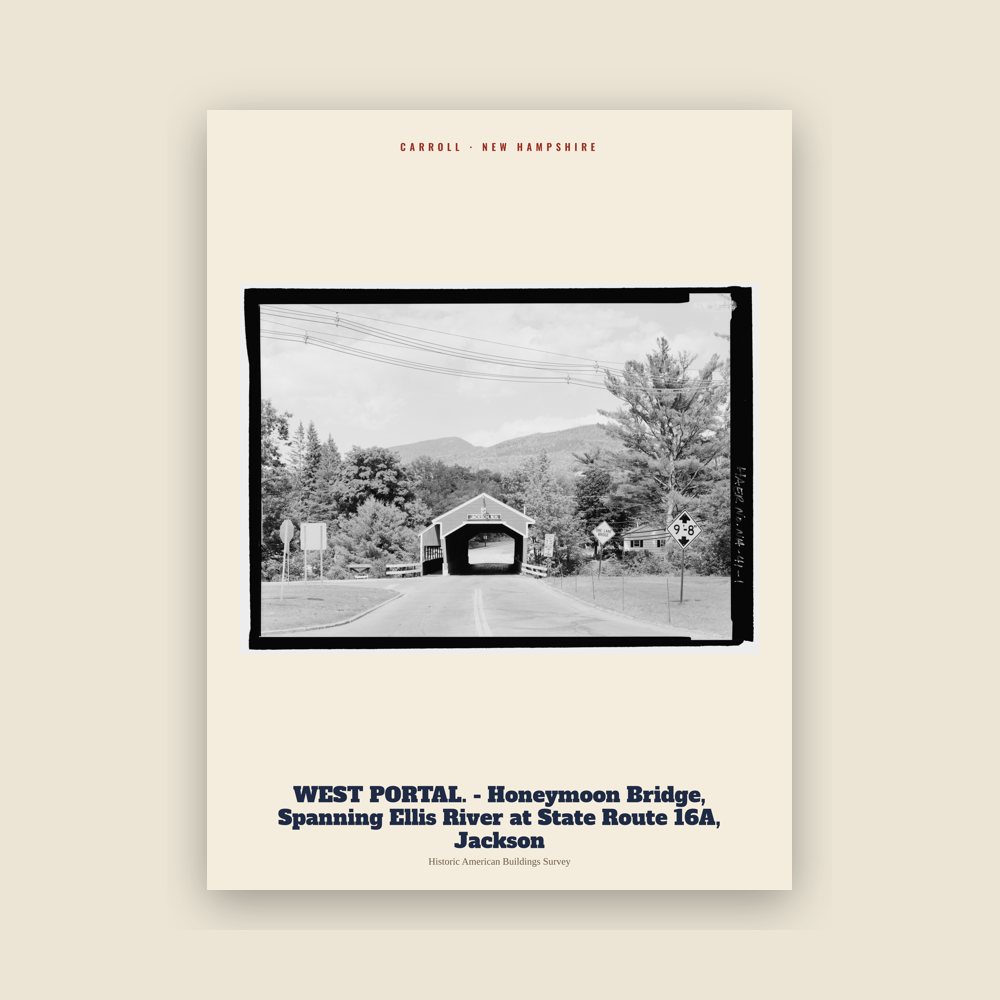
From the Library of Congress collections: a historic survey drawing or photograph of the town
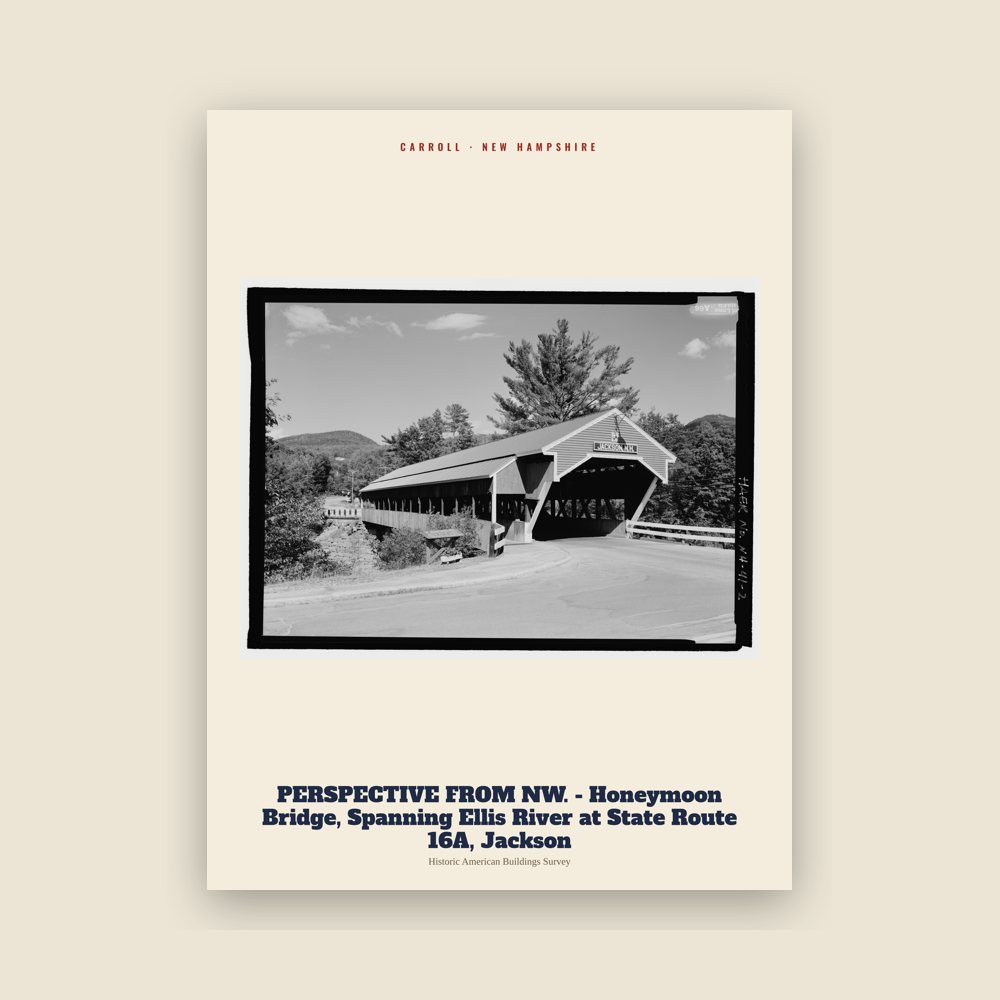
From the Library of Congress collections: a historic survey drawing or photograph of the town
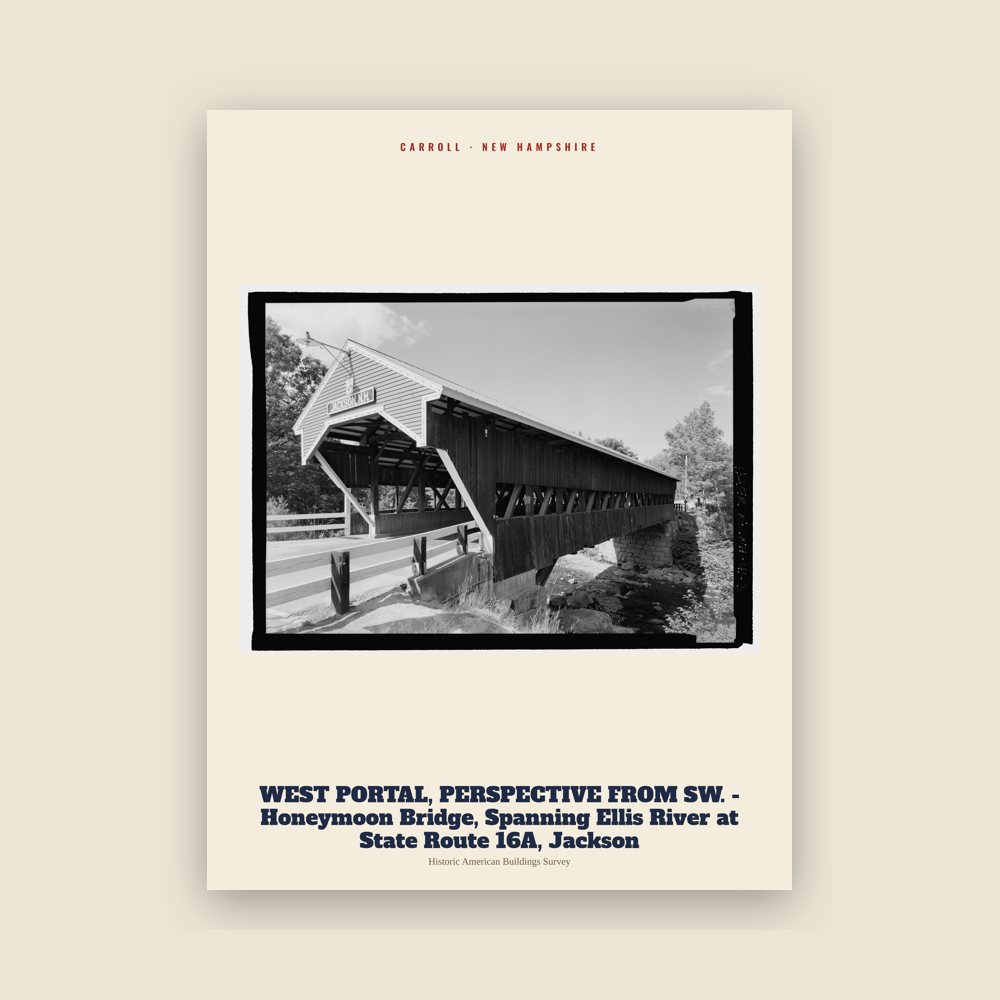
From the Library of Congress collections: a historic survey drawing or photograph of the town
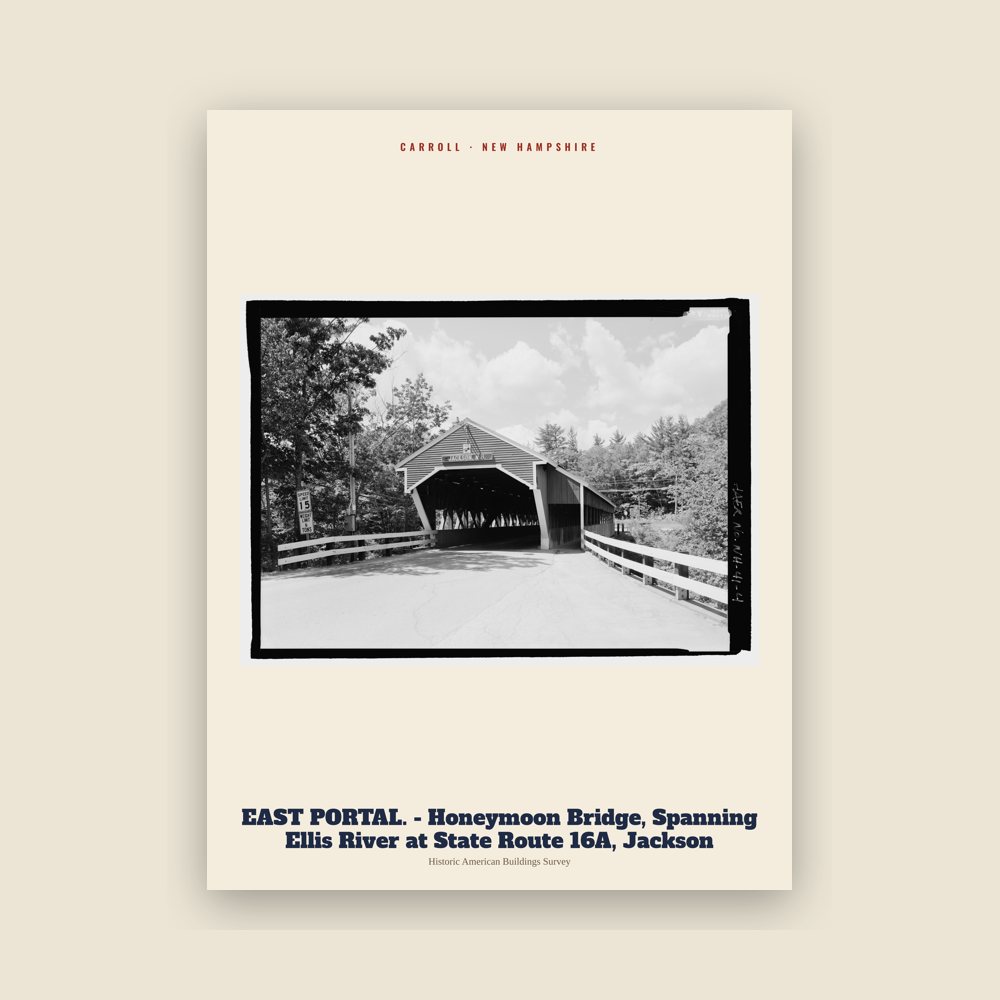
From the Library of Congress collections: a historic survey drawing or photograph of the town
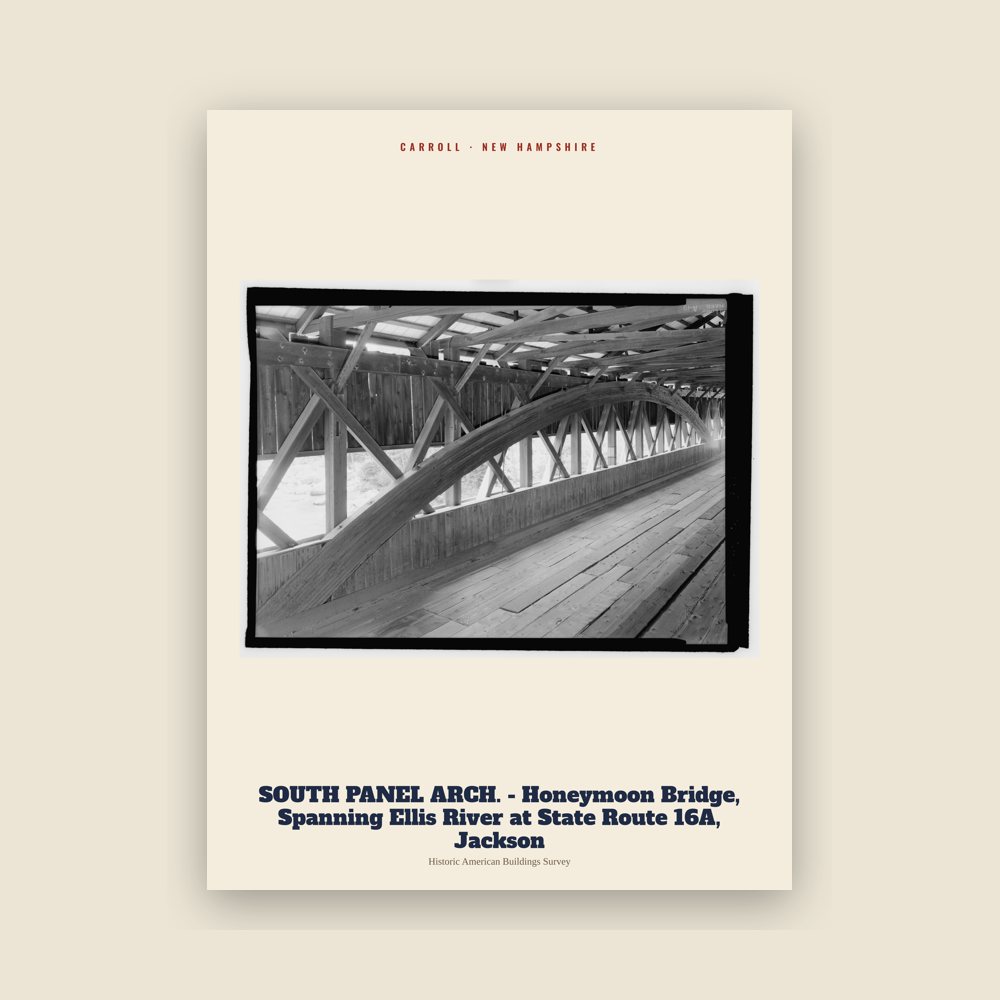
From the Library of Congress collections: a historic survey drawing or photograph of the town
Population 2010: 763 → 2020: 820
From Wikidata (CC0).
Land was granted by Governor John Wentworth on February 8, 1772, to Sir Thomas Wentworth, Samuel Langdon, and 81 others. Sir Thomas Wentworth resided in West Bretton, England, on his estate called Bretton Hall, after which the township was named "Bretton Woods". On the 1816 Carrigain map of New Hampshire, it appears as "Breton Woods". On June 22, 1832, the town was incorporated by the General Court as Carroll, in honor of Charles Carroll, a signer of the Declaration of Independence.
Although the surface is uneven and bounded by mountains, farmers found the soil "strong and deep". It has many small streams, tributaries of the Ammonoosuc River, which in the 19th-century were noted for abundant trout. By 1859, Carroll had a starch factory, and two lumber mills that produced boards, shingles, clapboards and laths. By 1874, the Wing Railroad, a branch of the Boston, Concord and Montreal Railroad, extended into the town.
It was, however, tourism that brought fame and prosperity to the area. Hannah and Abel Crawford turned their log cabin into an inn, then built the Notch House in 1828. In 1874, the Boston, Concord & Montreal Railroad reached Fabyan Station, an important junction joined the next year by the Portland & Ogdensburg Railroad. Here stood the Fabyan House, a grand hotel built by Sylvester Marsh and his colleagues, who also built the nearby Mount Washington Cog Railway. The hotel burned in 1951. The Mount Pleasant House was built in 1875, although demolished in 1939. But the grandest of all was the Mount Washington Hotel, built in 1902 and still operating. Here was held the 1944 International Monetary Conference, which resulted in the creation of the IMF and World Bank.
Zealand was a logging community within Carroll, established by James Everell Henry (1831–1912) c. 1880. By 1884, Henry had started the Zealand Valley Railroad, which would extend about 11 miles (18 km) into the forest. Zealand was a company town with various buildings including a boarding house, store, engine house, and a post office that operated from 1883 to 1897. After much lumber had been removed through clearcutting, Henry moved his operations to Lincoln in 1892. George Van Dyke then leased land and the Zealand mill from Henry, and constructed the Little River Railroad in 1893. Following a major fire in May 1897, and the removal of most remaining lumber, the railroad and ultimately Zealand were abandoned c. 1900. A few remnants of the Zealand community can still be found.
Adapted (trimmed) from the Wikipedia article Carroll, New Hampshire, revision 1378524702 by its contributors, licensed CC BY-SA 4.0.
We share a part of every Carroll sale with local partners, and we'd love to print from your collection. Old photographs, maps and postcards make the best keepsakes.
Partner with us