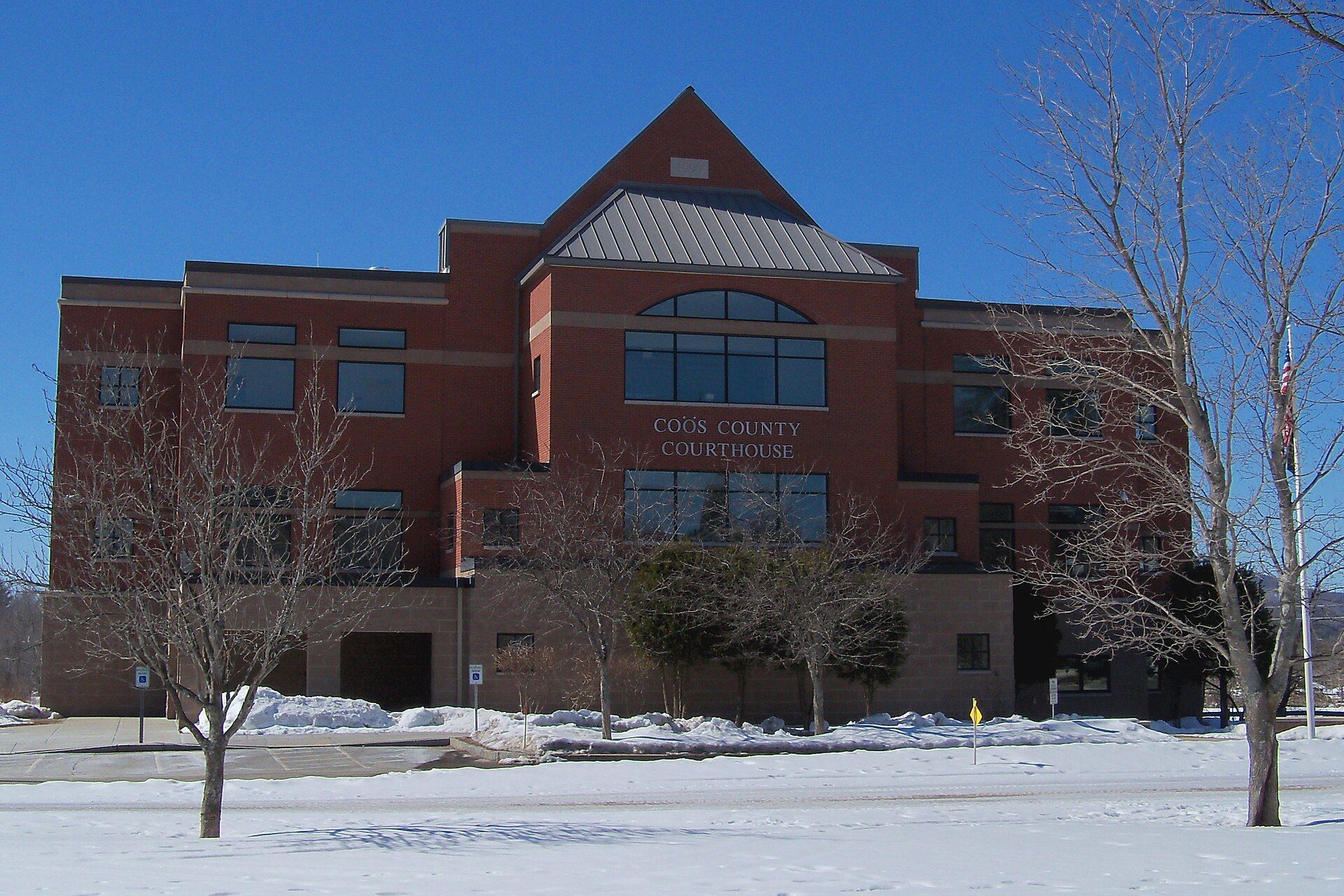
The town includes the villages of Percy and Crystal as well as the village of Stark, located on the Upper Ammonoosuc River. Landmarks include Coös County, Stark Covered Bridge and Stark Union Church.
Every piece is drawn from Stark's own map data and historic archives, then printed and shipped from the USA when you order. No two towns look alike.
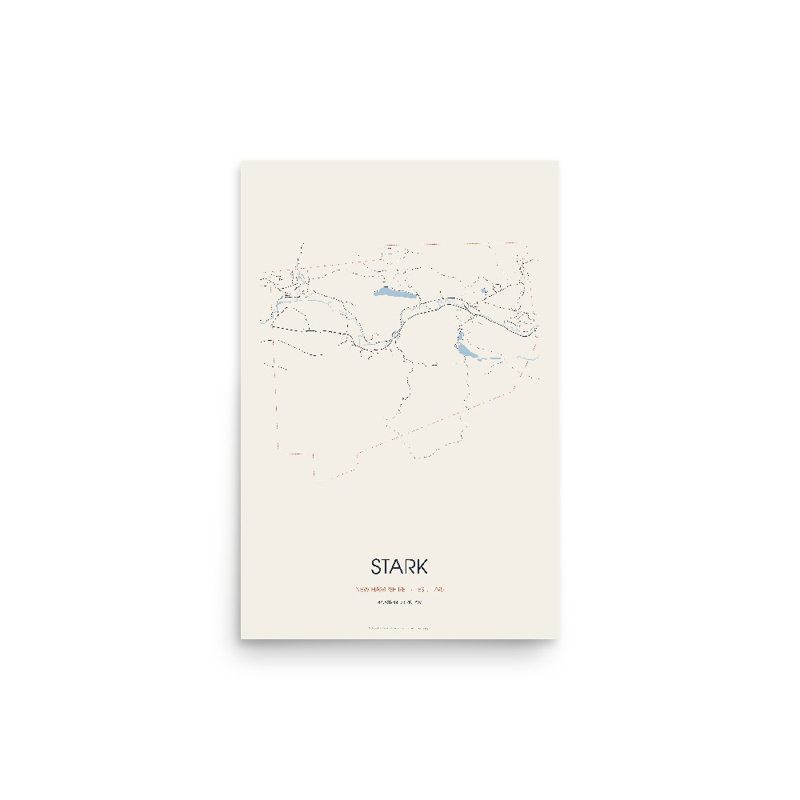
Every road in town, on archival matte paper
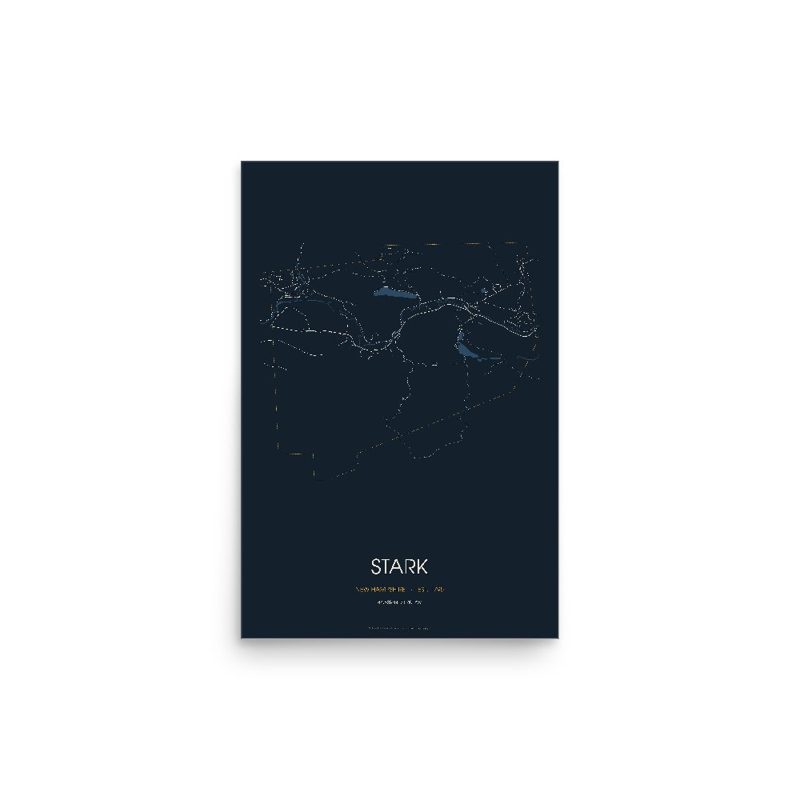
The same map, in navy and silver
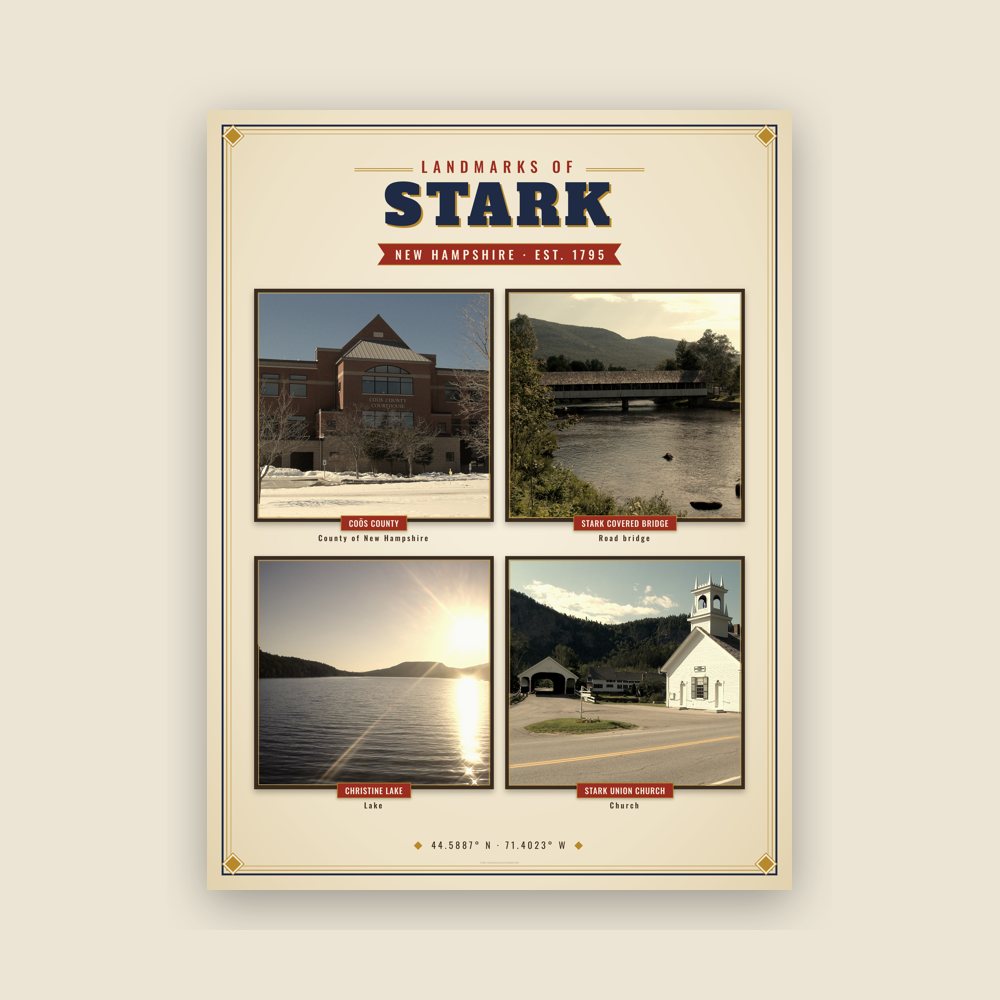
Nine local landmarks, archival matte
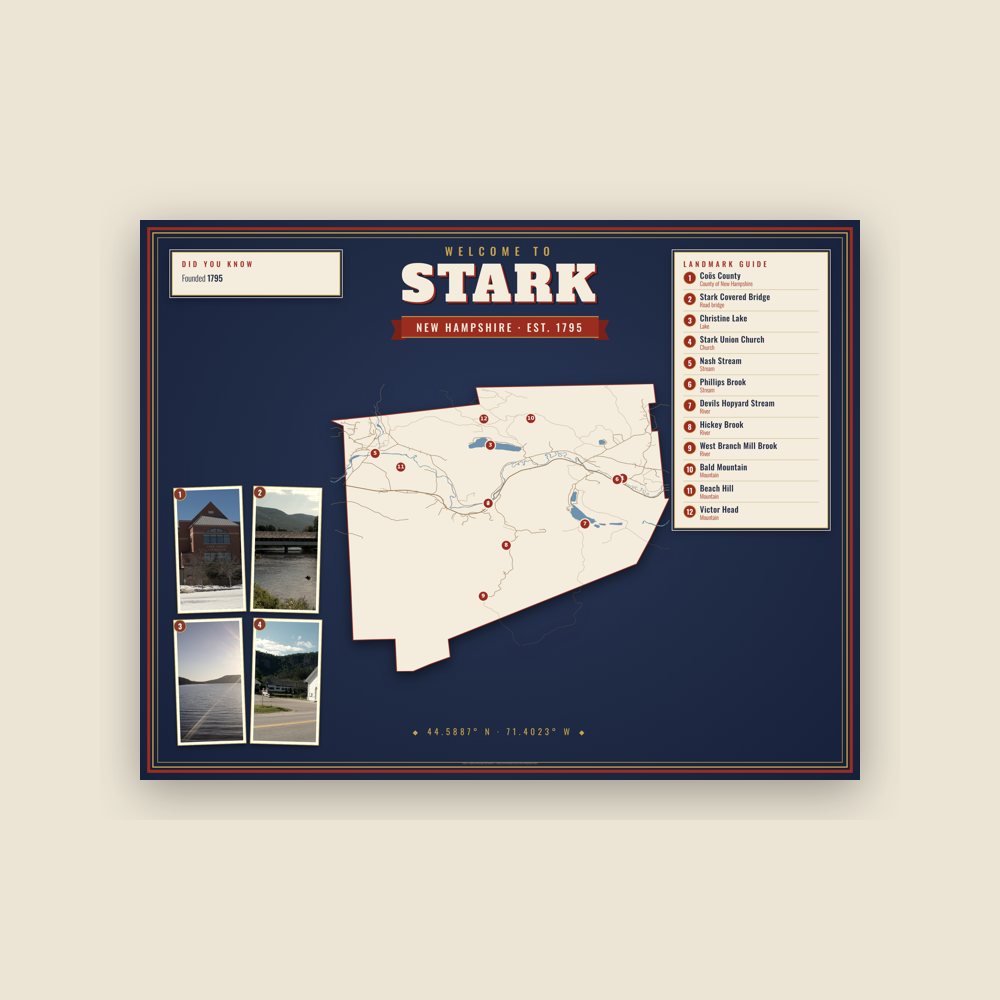
Map of local landmarks, washable fabric
Heavy-blend fleece, street map printed on the back
Soft Bella+Canvas jersey
Glossy ceramic, dishwasher safe
Ceramic keepsake, gold ribbon
Weatherproof, for the front walk
24″×16″, printed coir-look fibers, rubber back
12″×12″ printed wood, ready to hang
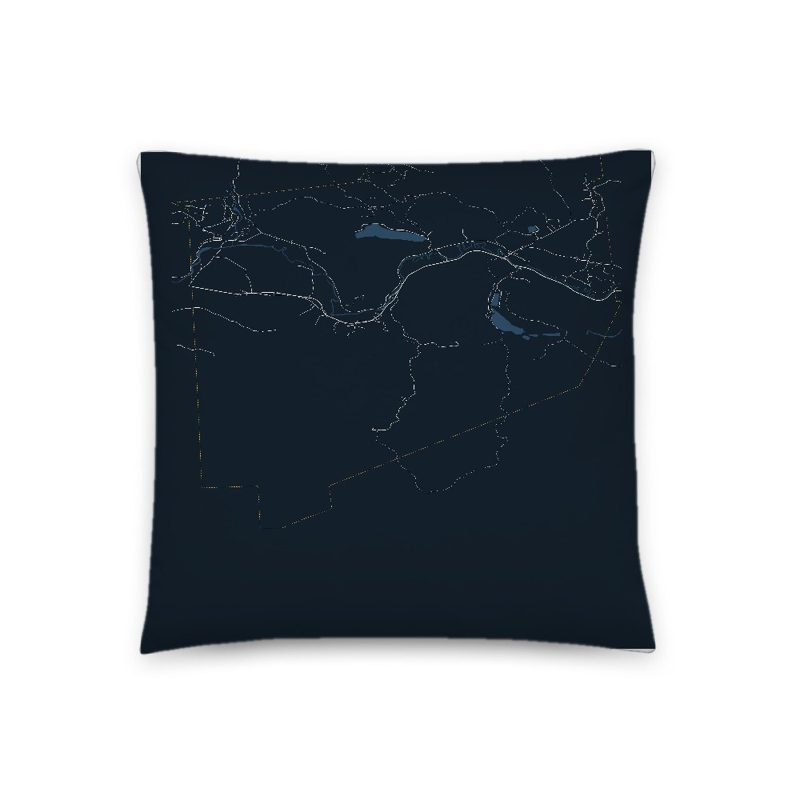
Soft-touch, zip cover
Sturdy all-over-print tote
Glossy top, cork back
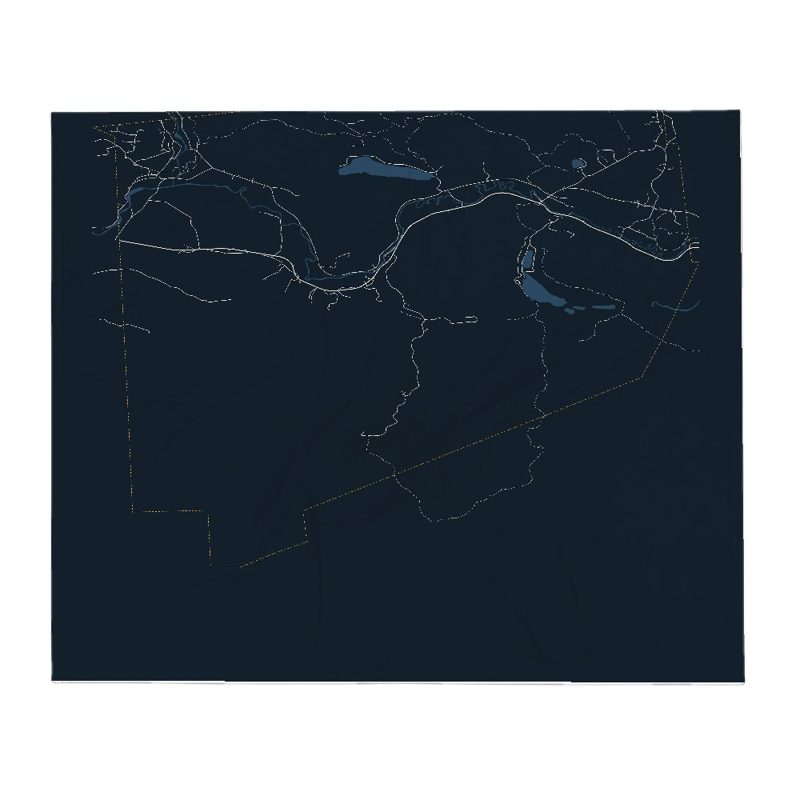
Soft fleece, 50″×60″
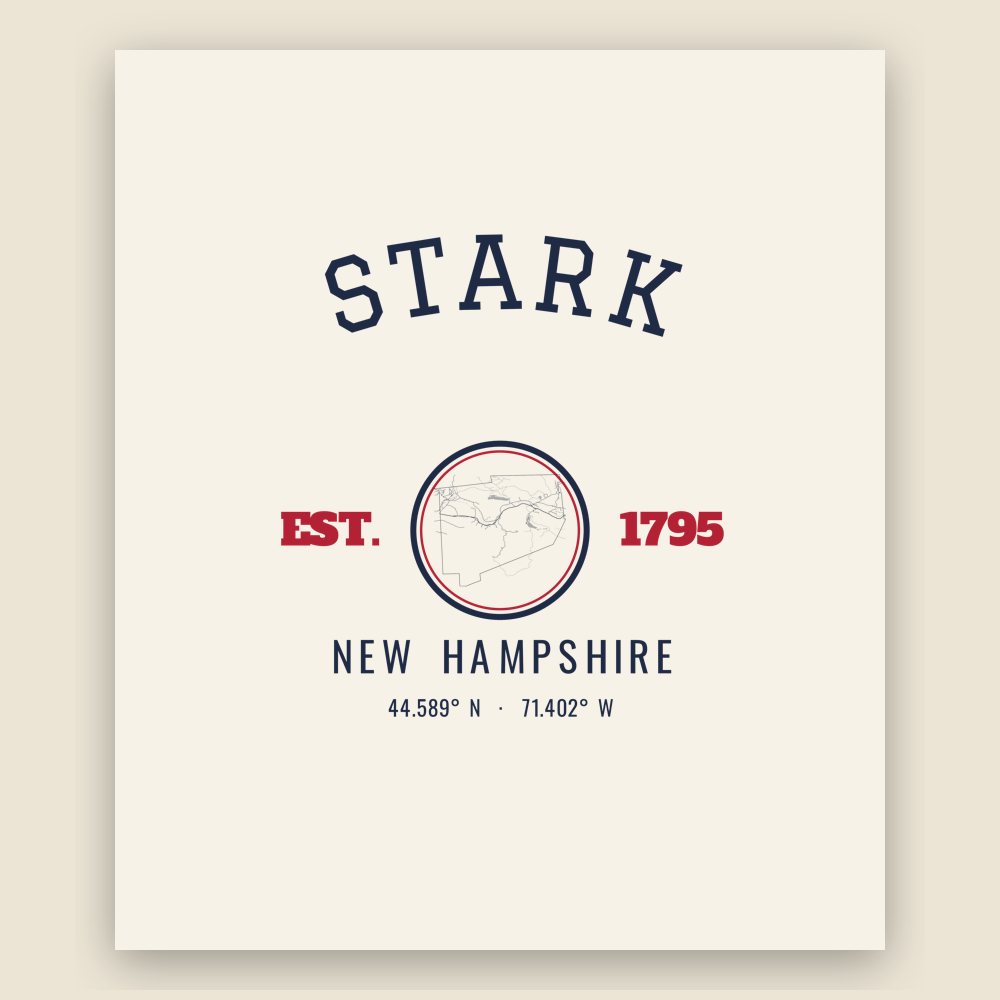
20 oz, double-wall stainless
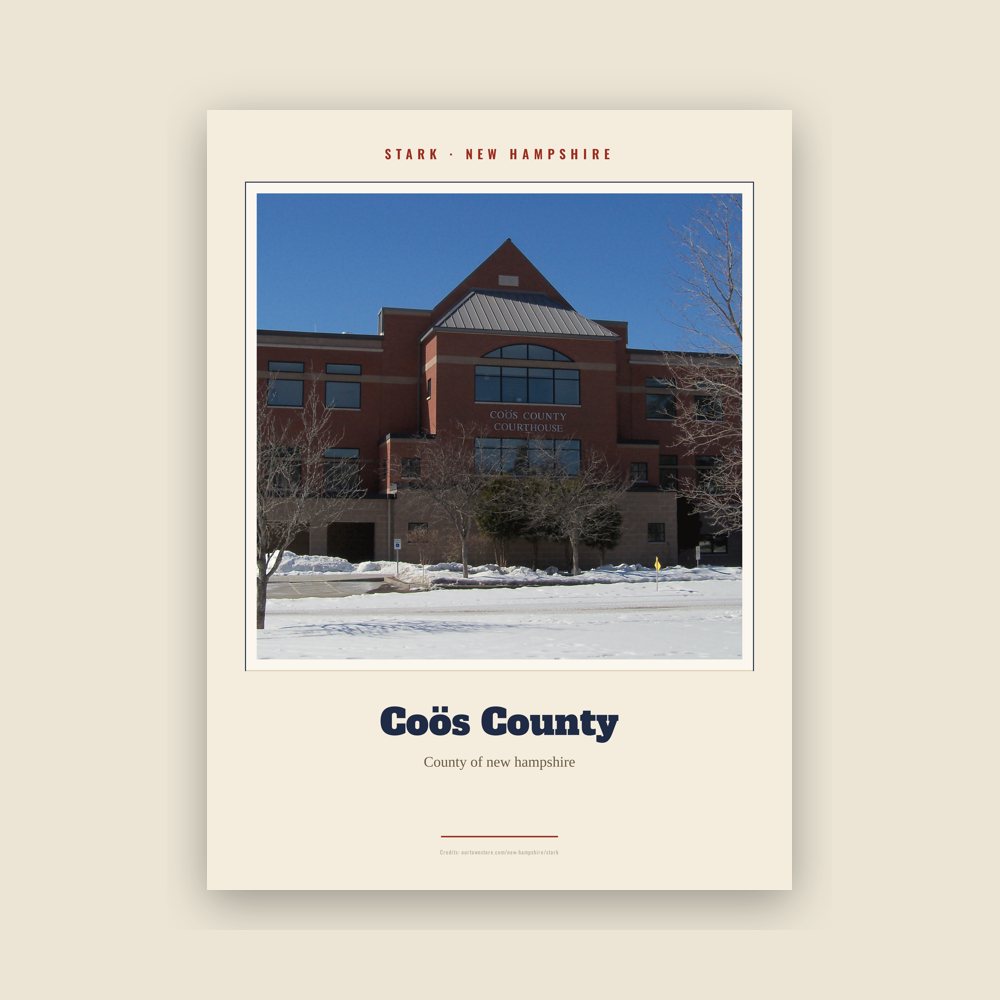
Archival matte print of a local landmark, credited to its photographer
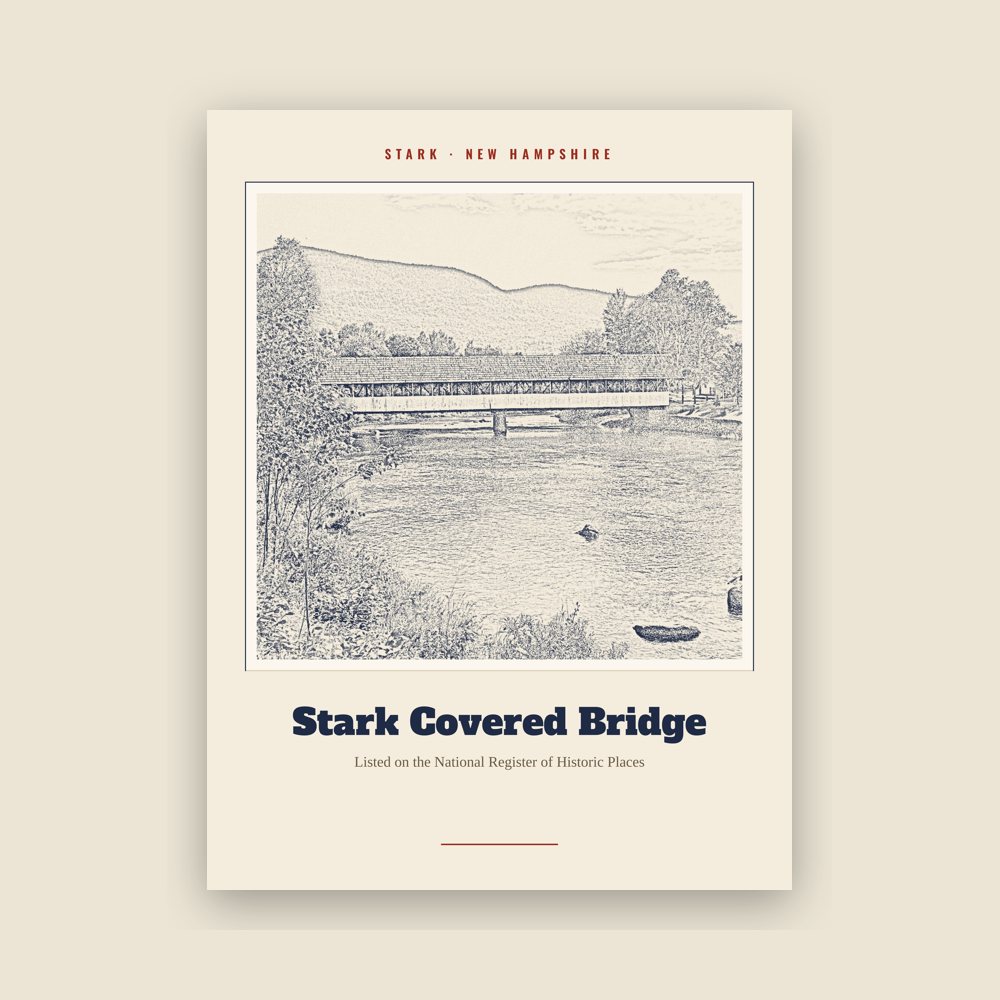
Archival matte print of a local landmark, credited to its photographer
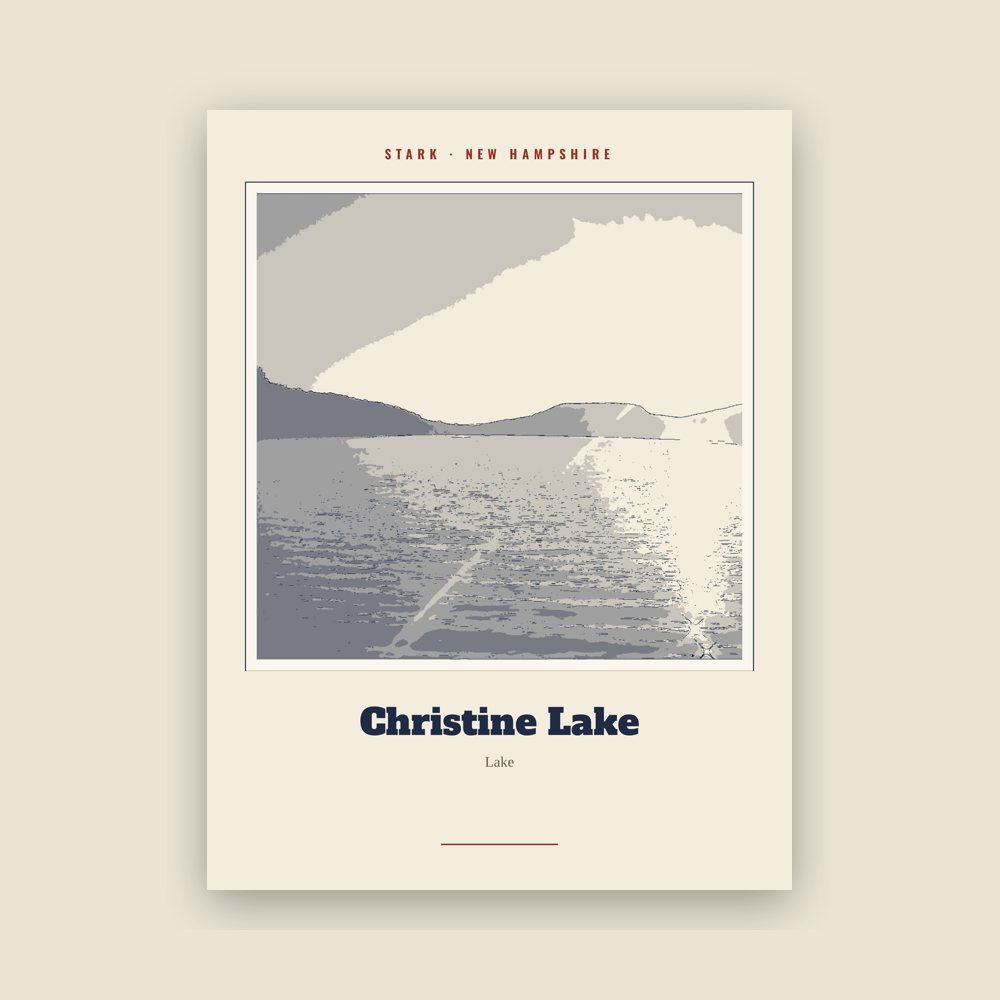
Archival matte print of a local landmark, credited to its photographer
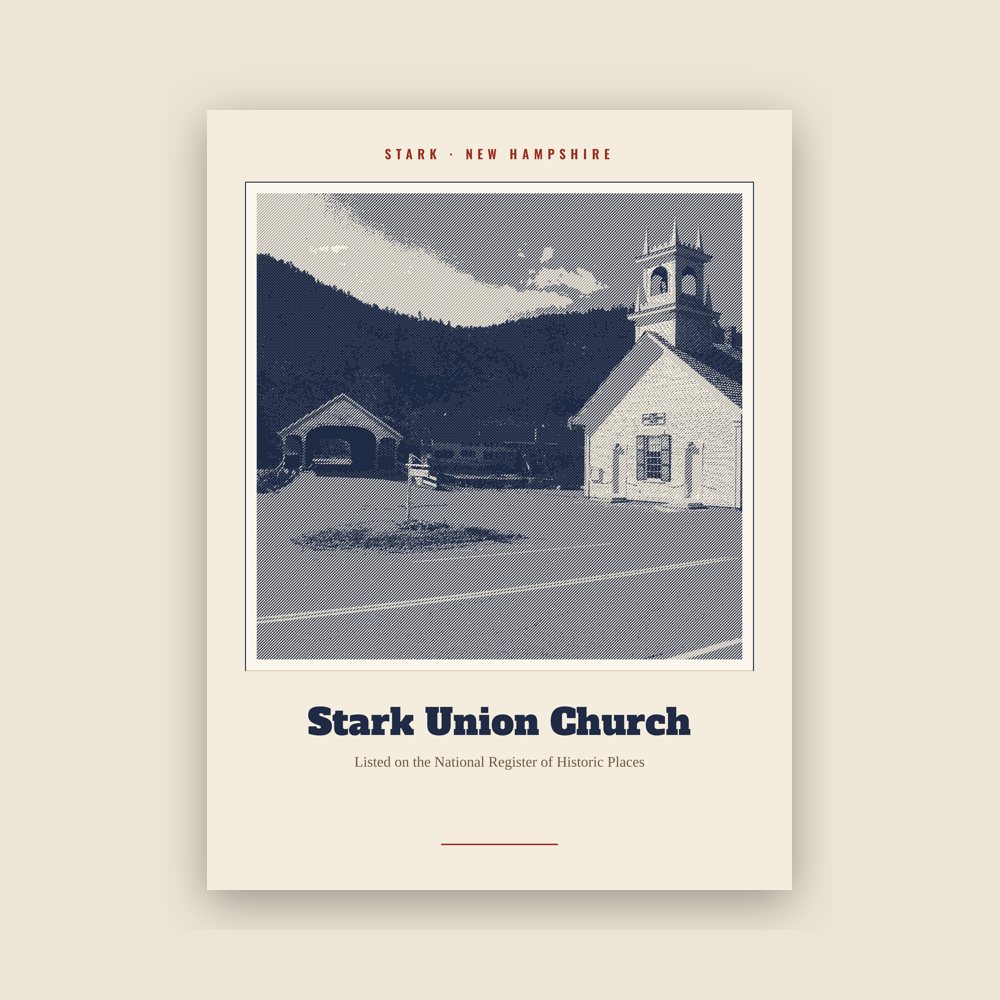
Archival matte print of a local landmark, credited to its photographer
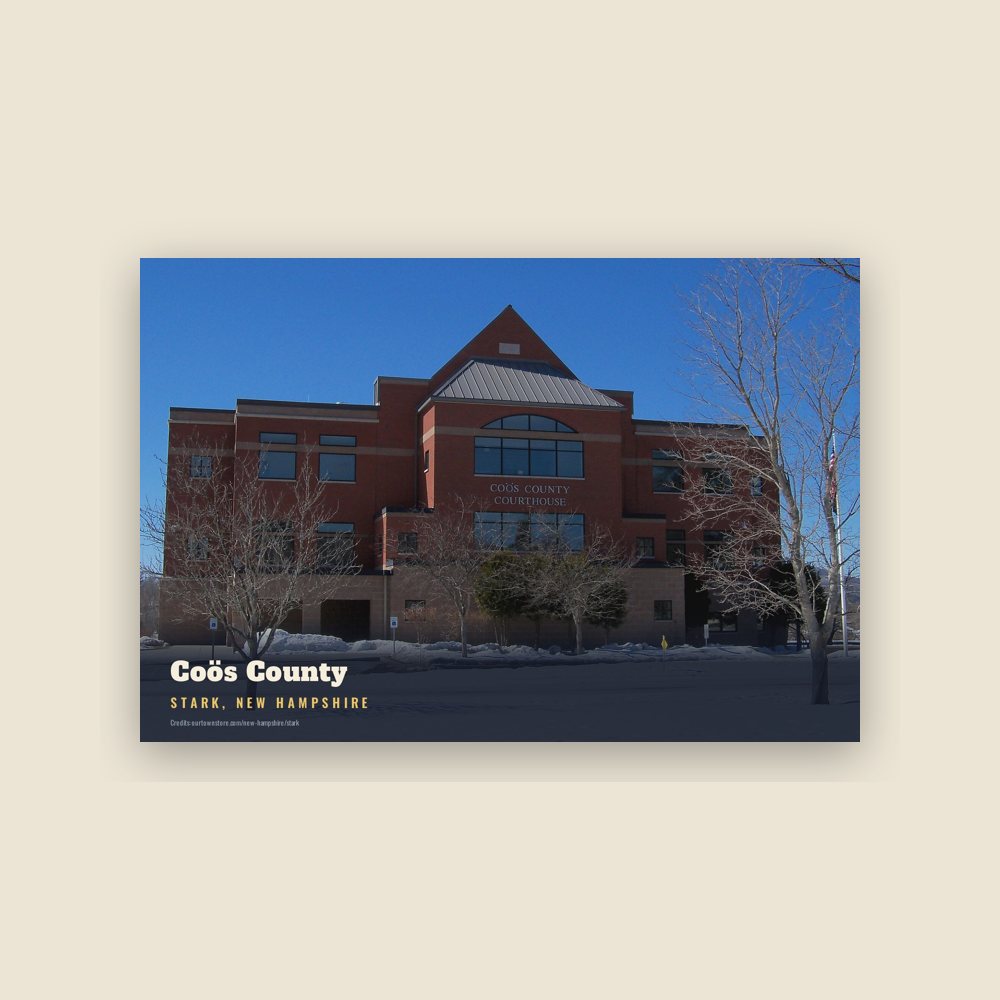
6″×4″ postcard, glossy front
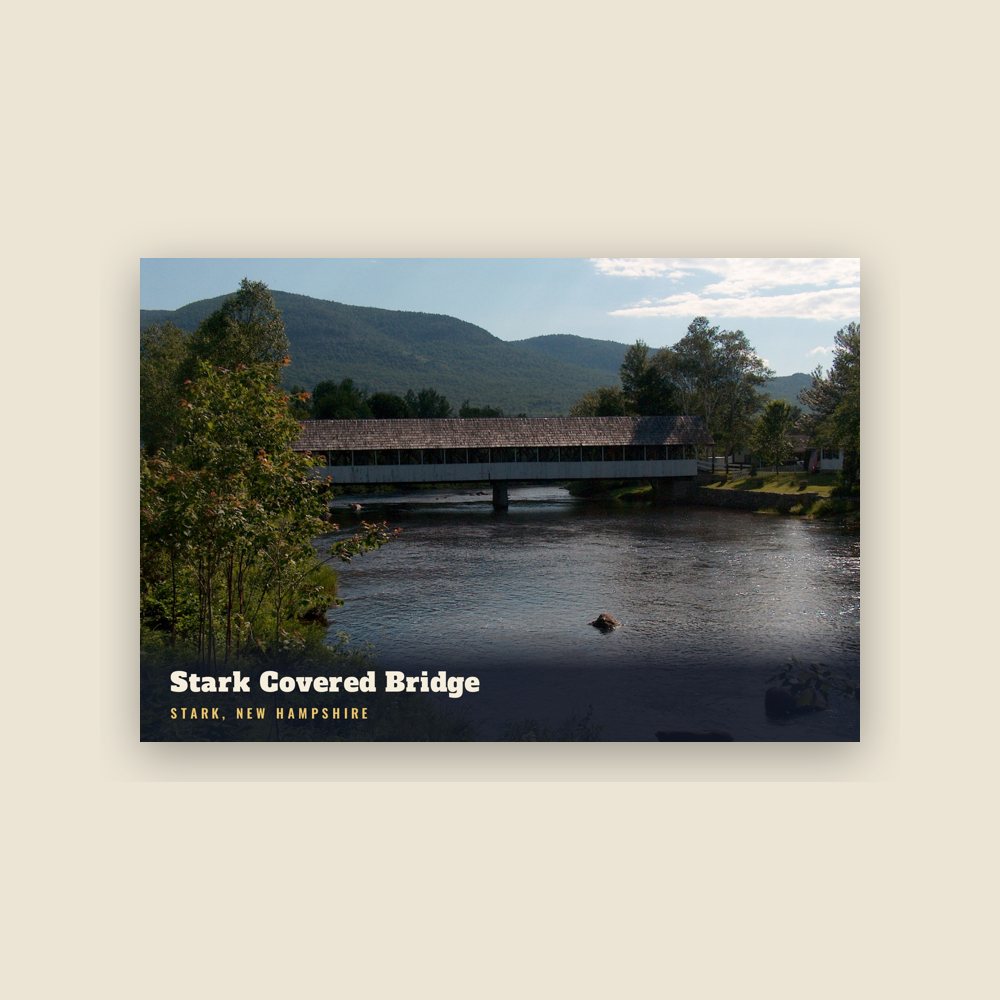
6″×4″ postcard, glossy front
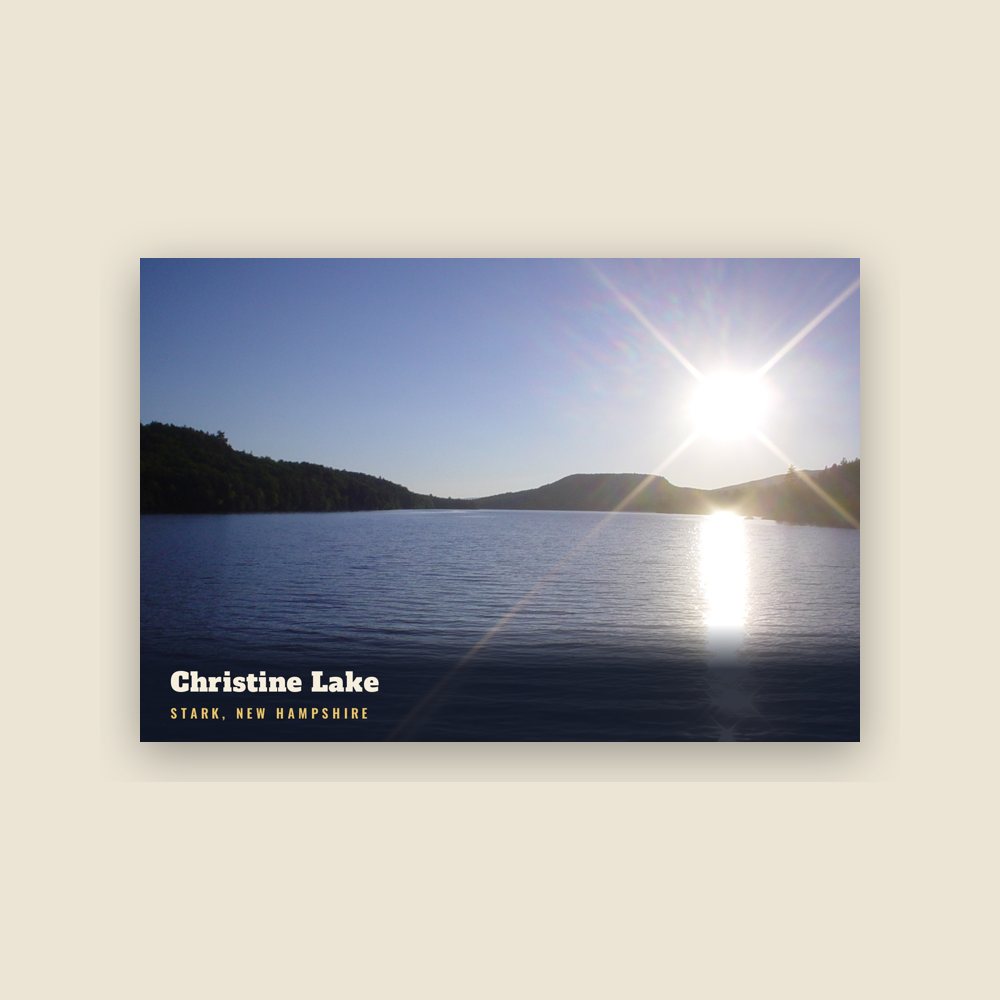
6″×4″ postcard, glossy front
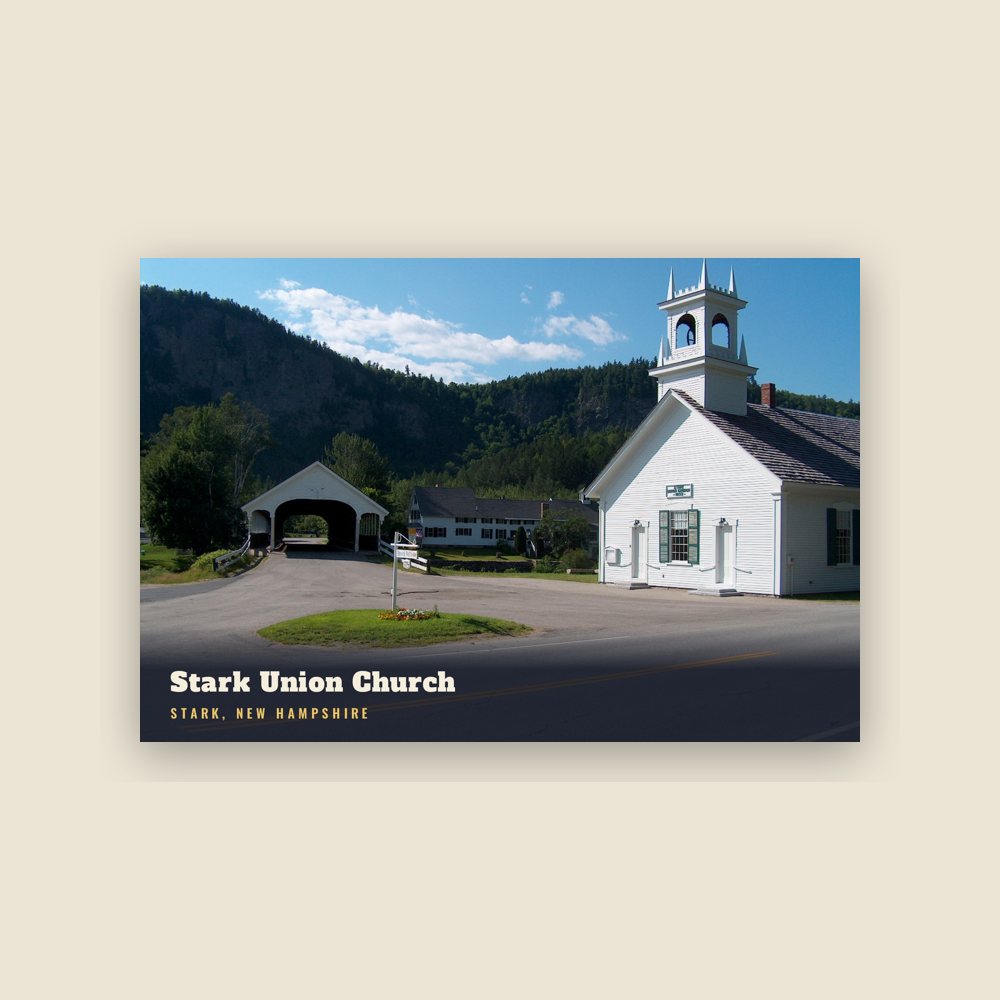
6″×4″ postcard, glossy front
Population 2010: 556 → 2020: 478
From Wikidata (CC0).
Granted in 1774, Stark was originally named "Percy", after Hugh Percy, 1st Duke of Northumberland. The town was incorporated in 1795, and renamed "Stark" in 1832, after General John Stark, who wrote the words that became New Hampshire's motto, "Live Free or Die".
In early 1944, the remains of a former Civilian Conservation Corps camp in the town were converted to form Camp Stark, which held about 250 German POWs. This was the only World War II POW camp located in New Hampshire. Most of the men in the camp performed hard labor in the nearby forests, supplying wood for the paper mills in Berlin, New Hampshire. Some of the men eventually came back to live in the United States and Canada after the war ended, and the camp was closed in 1946.
Adapted (trimmed) from the Wikipedia article Stark, New Hampshire, revision 1379136535 by its contributors, licensed CC BY-SA 4.0.
We share a part of every Stark sale with local partners, and we'd love to print from your collection. Old photographs, maps and postcards make the best keepsakes.
Partner with us