Cheshire County, New Hampshire
Street maps, historic prints and keepsakes for 23 Cheshire County towns.
The oldest is Chesterfield, established 1752. The largest by population is Keene (23,047).
| Town | Established | Population |
|---|---|---|
| Alstead | 1763 | 1,864 |
| Chesterfield | 1752 | 3,552 |
| Dublin | 1771 | 1,532 |
| Fitzwilliam | 1773 | 2,351 |
| Gilsum | 1763 | 752 |
| Harrisville | 1870 | 984 |
| Hinsdale | 1753 | 3,948 |
| Jaffrey | 1773 | 5,320 |
| Keene | 1753 | 23,047 |
| Marlborough | 1776 | 2,096 |
| Marlow | 1761 | 749 |
| Nelson | 1774 | 629 |
| Richmond | 1752 | 1,197 |
| Rindge | 1768 | 6,476 |
| Roxbury | 1812 | 220 |
| Stoddard | 1774 | 1,374 |
| Sullivan | 1787 | 658 |
| Surry | 1769 | 820 |
| Swanzey | 1753 | 7,270 |
| Troy | 1815 | 2,130 |
| Walpole | 1756 | 3,633 |
| Westmoreland | 1752 | 1,706 |
| Winchester | 1753 | 4,150 |
About these towns
Alstead: The town was chartered by Massachusetts Governor Jonathan Belcher in 1735 as one in a line of nine forts intended to protect southwestern New Hampshire from Indian attack.
Chesterfield: Granted in 1735 by Governor Jonathan Belcher of Massachusetts, this town was the site of Fort Number 1, first in the line of forts bordering the Connecticut River.
Dublin: In 1749, the Masonian proprietors granted the town as "Monadnock No. 3" (or North Monadnock) to Matthew Thornton and 39 others. The 40 grantees came mostly from middle and eastern parts of New Hampshire; none of them became settlers in the township.
Fitzwilliam: First granted as "Monadnock No. 4" in 1752 by colonial Governor Benning Wentworth, this was one in a line of eight towns settled by Scottish colonists.
Gilsum: The land was originally named "Boyle" after Richard Boyle, Earl of Burlington, when the land was granted by the Masonian Proprietors in 1752, but ongoing hostilities during the French and Indian War prevented settlement.
Harrisville: First known as "Twitchell's Mills", a combination sawmill and gristmill was built here in 1774. The town of Harrisville was formed in 1870 from lands ceded by Marlborough, Dublin, Hancock, Nelson, and Roxbury.
Hinsdale: Located in the southwestern corner of the state, Hinsdale was chartered in 1753. It was named for Colonel Ebenezer Hinsdale, member of a prominent Deerfield, Massachusetts, family, whose mother had been taken captive in the famed Raid on Deerfield of 1704.
Jaffrey: First granted by the Massachusetts General Court in 1736 to soldiers from Rowley, Massachusetts, returning from the war in Canada, the town was known as "Rowley-Canada".
Keene: In 1735, colonial Governor Jonathan Belcher granted lots in the township of "Upper Ashuelot" to 63 settlers who paid £5 each (equivalent to US$1,282.19 in 2025).
Marlborough: First granted as "Monadnock No. 5" in 1752 by Governor Benning Wentworth, this was one of the fort towns originally known only by a number.
Marlow: The town was first granted in 1753 by colonial Governor Benning Wentworth as "Addison", after Joseph Addison, writer and for a time under-secretary of state for England.
Nelson: Originally named "Monadnock No. 6", the town was granted in 1752 by Governor Benning Wentworth. It was first settled in 1767 by Breed Batchelder.
Richmond: The town was first chartered in 1735 by Governor Jonathan Belcher of Massachusetts. Granted to soldiers returning from the war in Canada, it was named "Sylvester-Canada" in honor of Captain Joseph Sylvester of Scituate, Massachusetts, who was killed in 1690 during an attempt to capture the city of Quebec.
Rindge: The land in and around Rindge was originally inhabited by ancestors of the Abenaki tribe of Native Americans. Archeological evidence from nearby Swanzey indicates that the region was inhabited as much as 11,000 years ago (coinciding with the end of the last glacial period).
Roxbury: The smallest town in Cheshire County, Roxbury was incorporated in 1812 from portions of Nelson, Marlborough, and Keene. By then, settlers had established agriculture among the rolling hillsides in the area, and a community had developed at what is now called Roxbury Center.
Stoddard: This territory was first granted in 1752 to Colonel Sampson Stoddard of Chelmsford, Massachusetts, and others as "Monadnock Number 7". It was known locally as "Limerick" before being incorporated as Stoddard in 1774, in honor of Colonel Stoddard.
Sullivan: Named for General John Sullivan and incorporated on September 27, 1787, Sullivan was formed from parts of Gilsum, Keene, Nelson and Stoddard.
Swanzey: First granted in 1733 as "Lower Ashuelot", Swanzey was one of the fort towns established by Governor Jonathan Belcher of Massachusetts, which then claimed the territory.
Troy: Settled in 1762, by 1815 the community had grown so much that it sought its own incorporation. It was set off from Marlborough that year, and included parts of Fitzwilliam, Swanzey and Richmond.
Walpole: The town was first granted in 1736 by colonial Governor Jonathan Belcher of Massachusetts as "Number 3", third in a line of Connecticut River fort towns.
Westmoreland: Prior to European colonization, present-day Westmoreland was inhabited by numerous indigenous tribes. The upper Connecticut River valley was a popular region for short-term Indigenous villages mostly used for hunting and fishing.
Winchester: Originally named "Arlington" in honor of Charles Fitzroy, Earl of Arlington, this town was one of those established in 1733 by colonial Governor Jonathan Belcher as protection for the Massachusetts Bay Colony border at the Connecticut River.
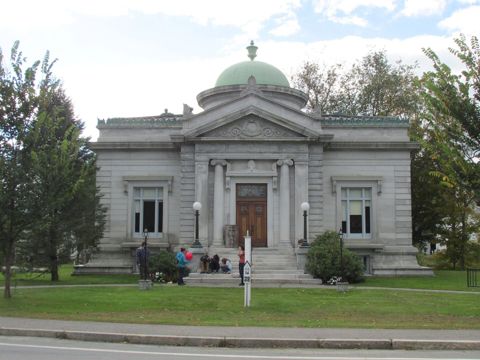 AlsteadNew Hampshire · Est. 1763
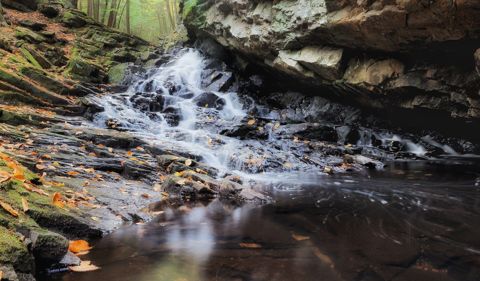 ChesterfieldNew Hampshire · Est. 1752
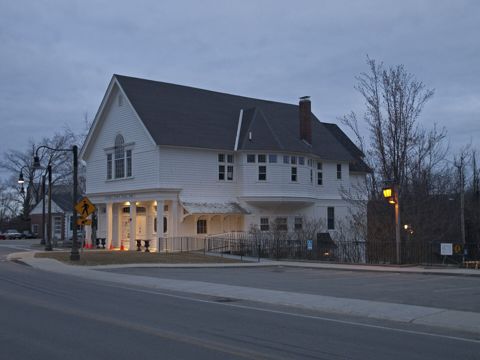 DublinNew Hampshire · Est. 1771
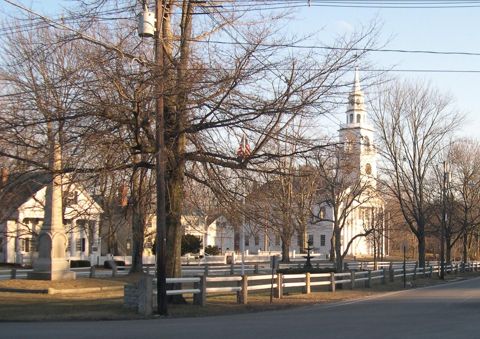 FitzwilliamNew Hampshire · Est. 1773
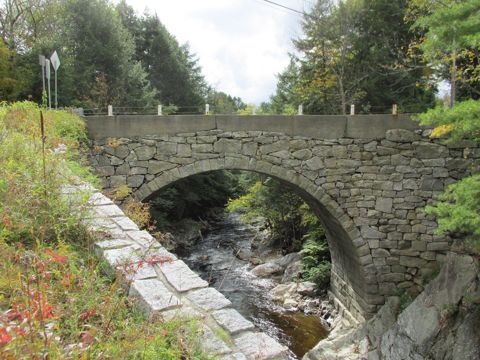 GilsumNew Hampshire · Est. 1763
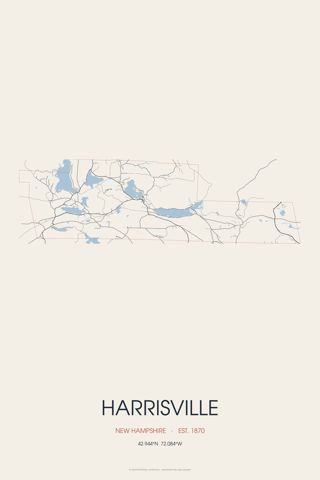 HarrisvilleNew Hampshire · Est. 1870
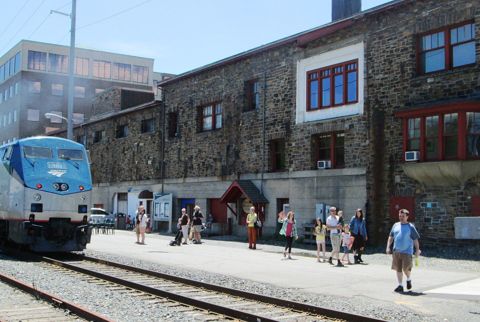 HinsdaleNew Hampshire · Est. 1753
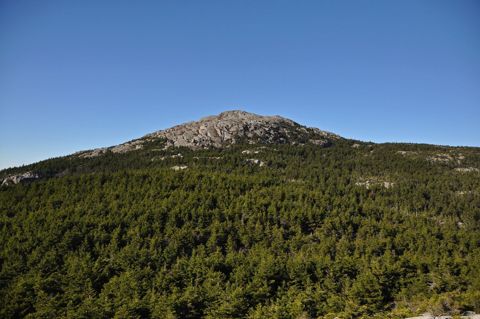 JaffreyNew Hampshire · Est. 1773
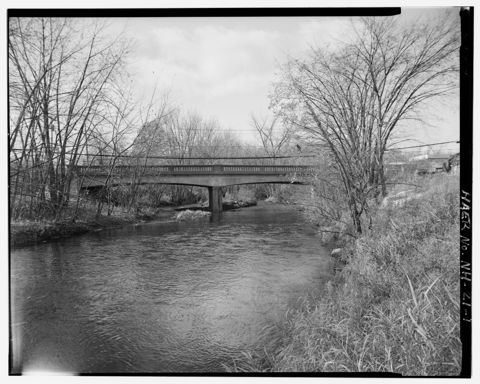 KeeneNew Hampshire · Est. 1753
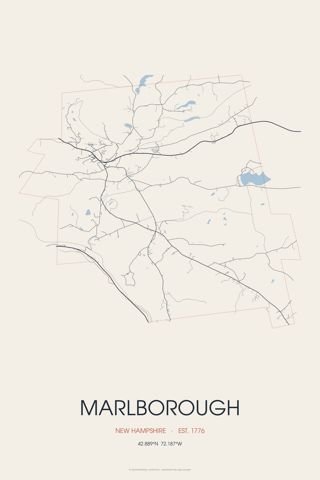 MarlboroughNew Hampshire · Est. 1776
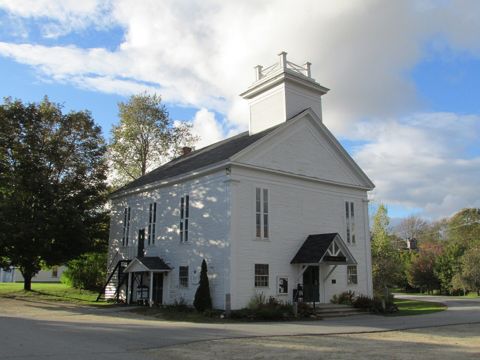 MarlowNew Hampshire · Est. 1761
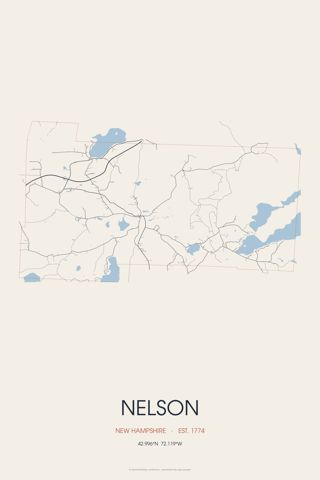 NelsonNew Hampshire · Est. 1774
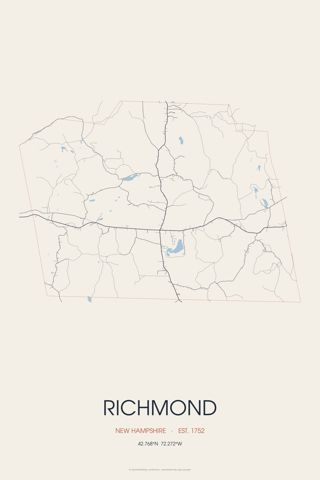 RichmondNew Hampshire · Est. 1752
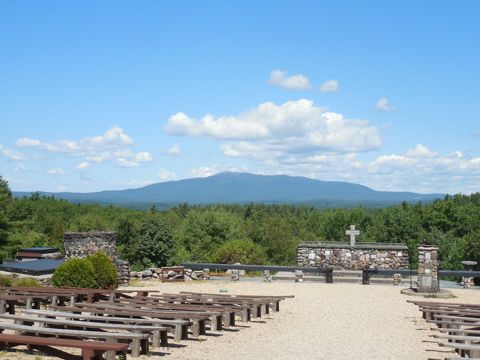 RindgeNew Hampshire · Est. 1768
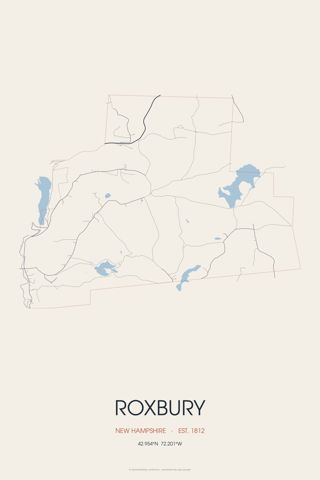 RoxburyNew Hampshire · Est. 1812
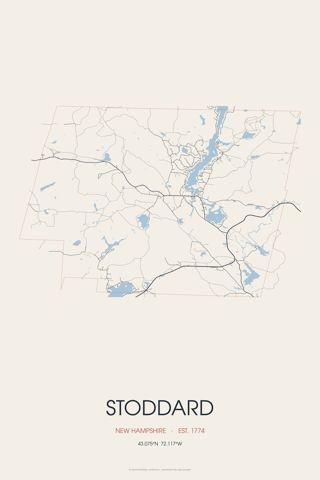 StoddardNew Hampshire · Est. 1774
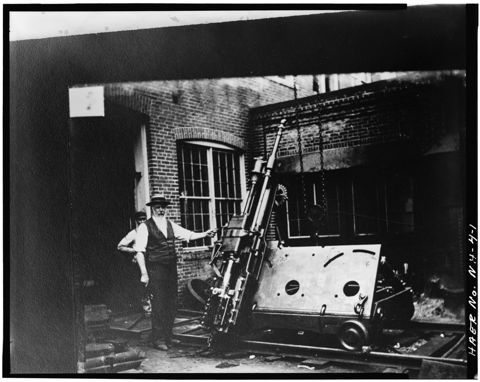 SullivanNew Hampshire · Est. 1787
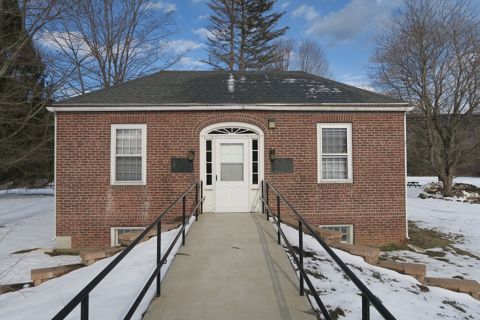 SurryNew Hampshire · Est. 1769
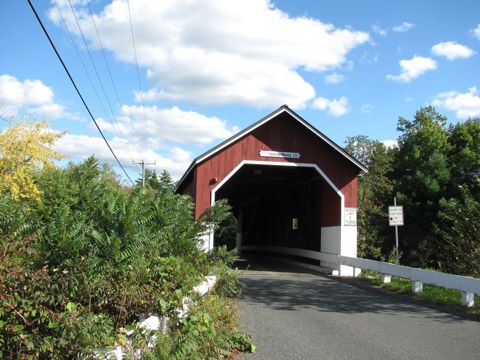 SwanzeyNew Hampshire · Est. 1753
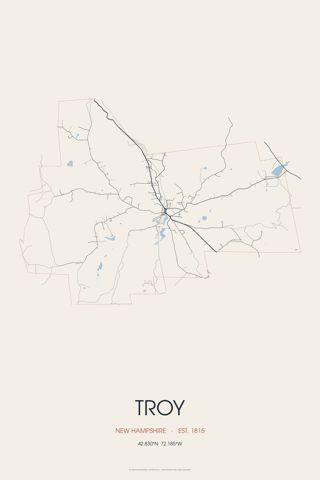 TroyNew Hampshire · Est. 1815
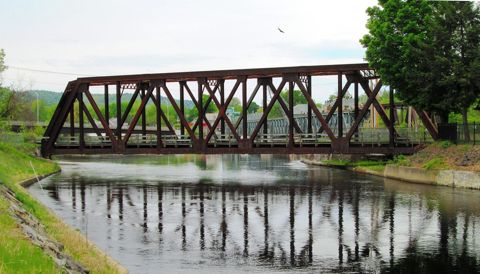 WalpoleNew Hampshire · Est. 1756
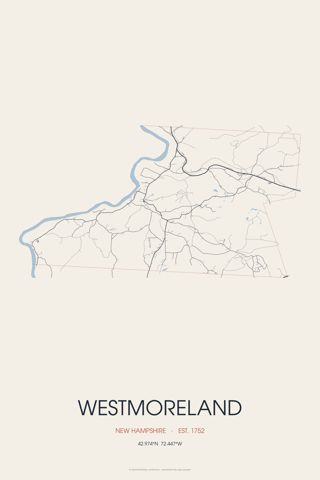 WestmorelandNew Hampshire · Est. 1752
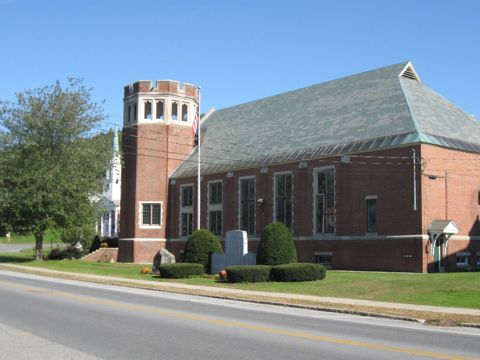 WinchesterNew Hampshire · Est. 1753
Founding years, populations and town notes come from each town's Wikipedia and Wikidata entries. All New Hampshire towns.