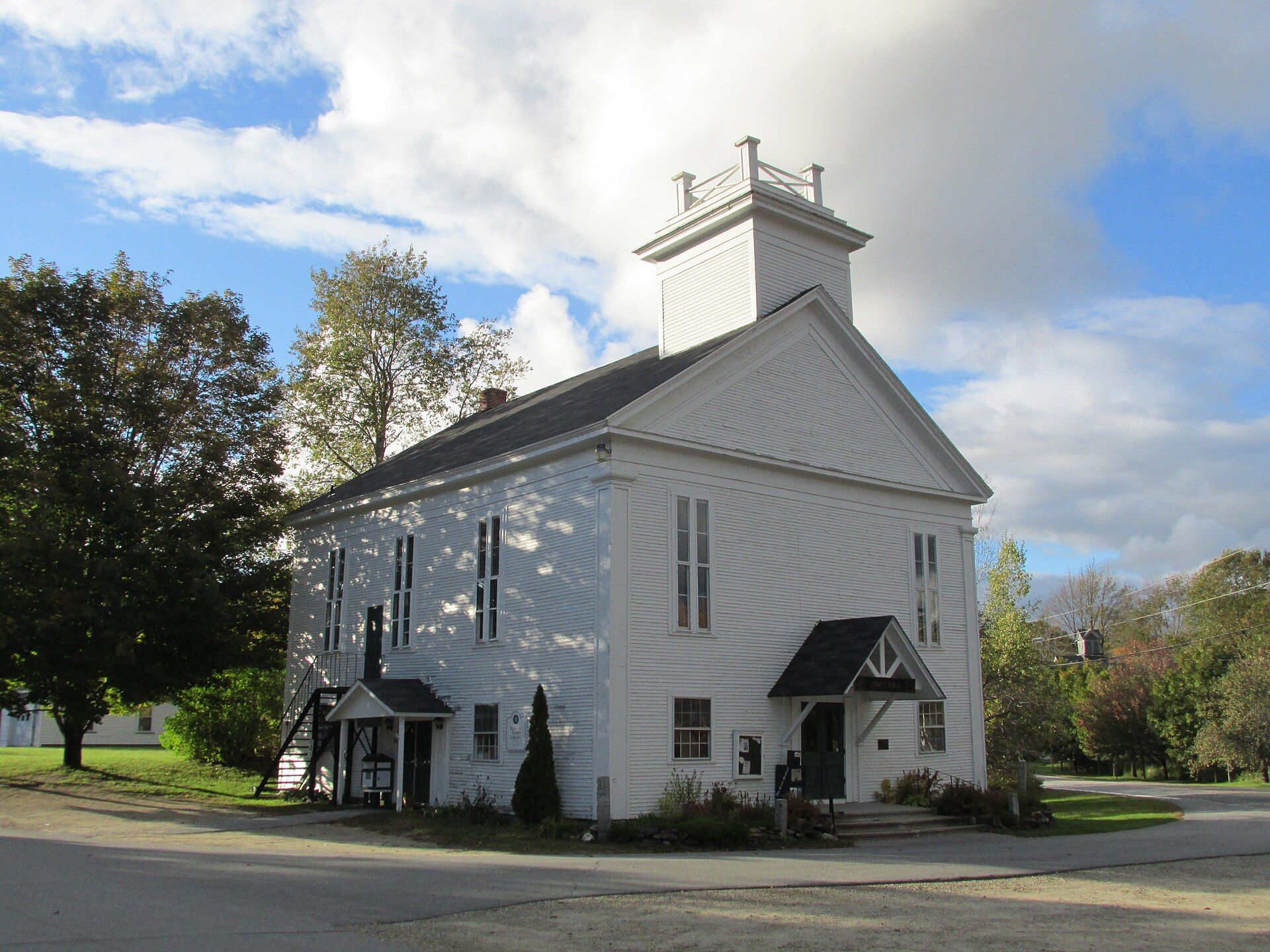
Marlow is home to Honey Brook State Forest. Landmarks include Jones Hall. Marlow is the birthplace of Osman Cleander Baker, bishop.
Every piece is drawn from Marlow's own map data and historic archives, then printed and shipped from the USA when you order. No two towns look alike.
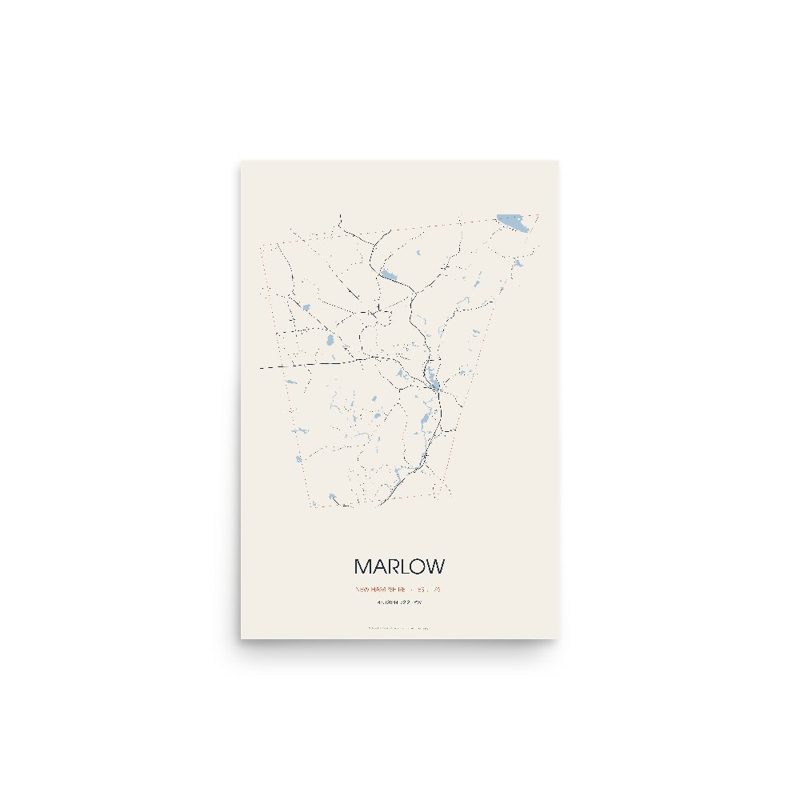
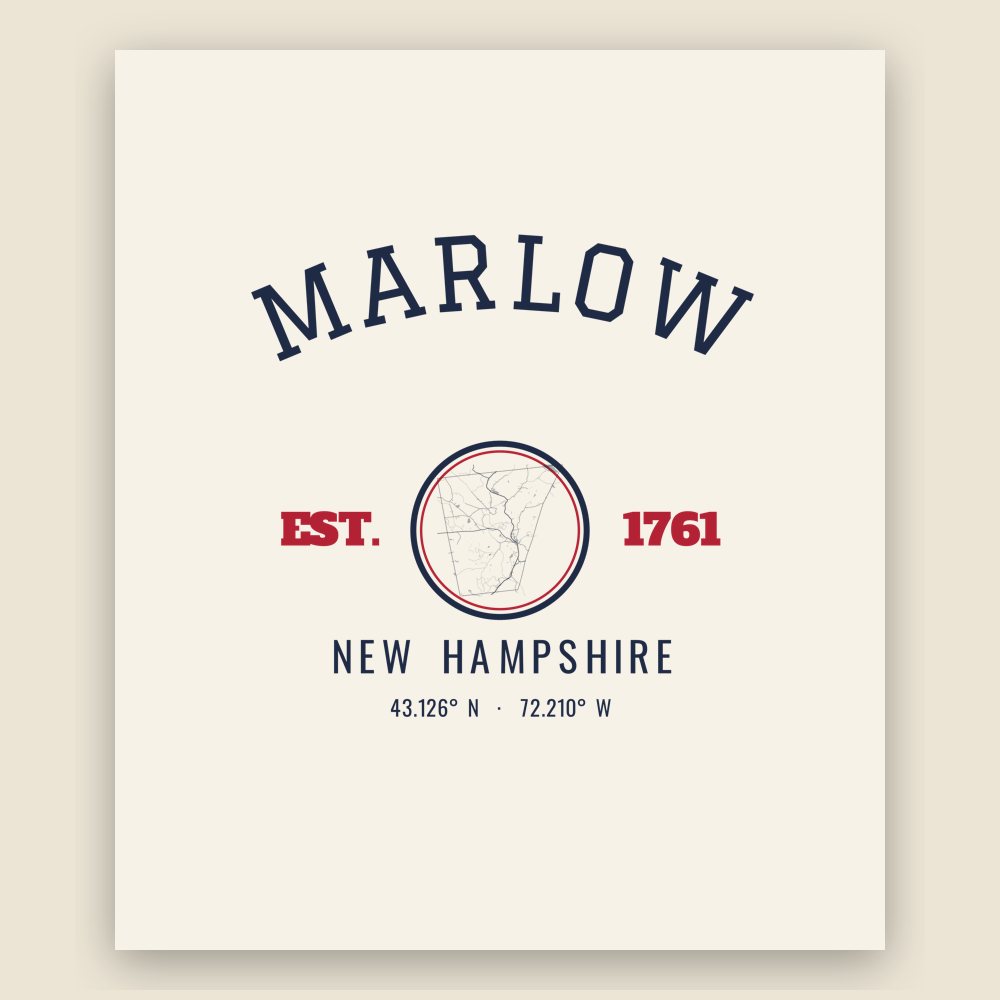
Every road in town, on archival matte paper
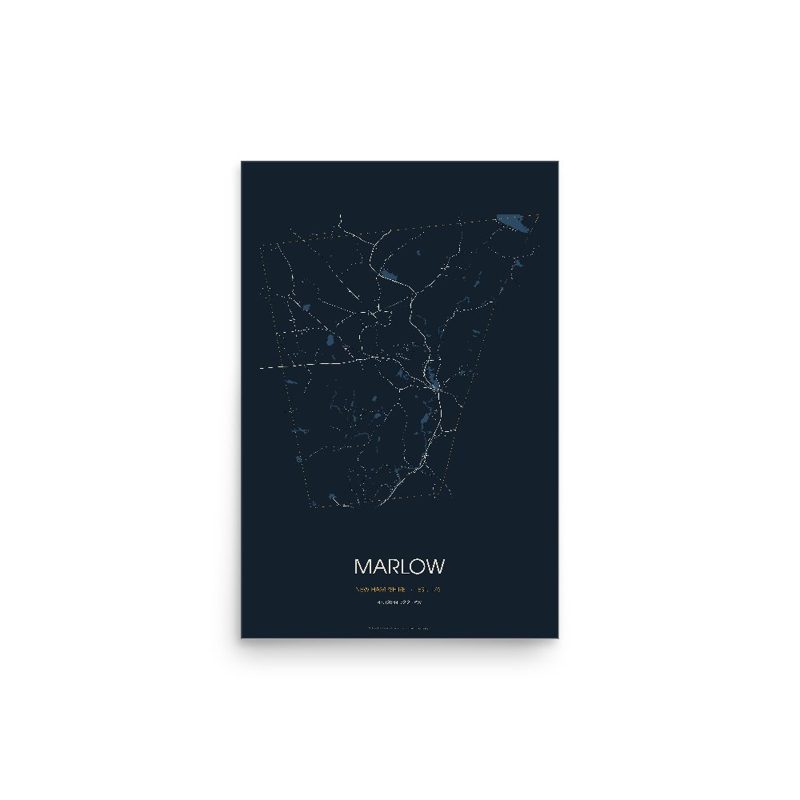
The same map, in navy and silver
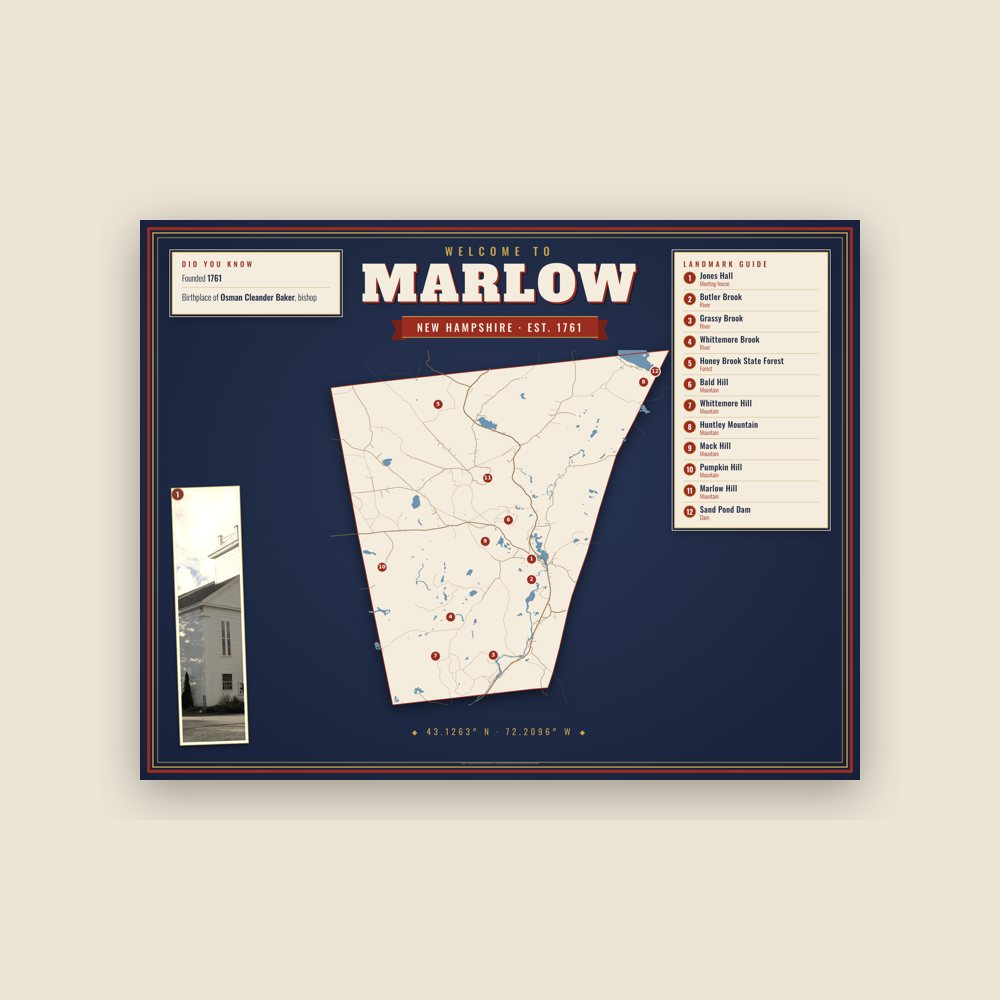
Map of local landmarks, washable fabric
Heavy-blend fleece, street map printed on the back
Soft Bella+Canvas jersey
Glossy ceramic, dishwasher safe
Ceramic keepsake, gold ribbon
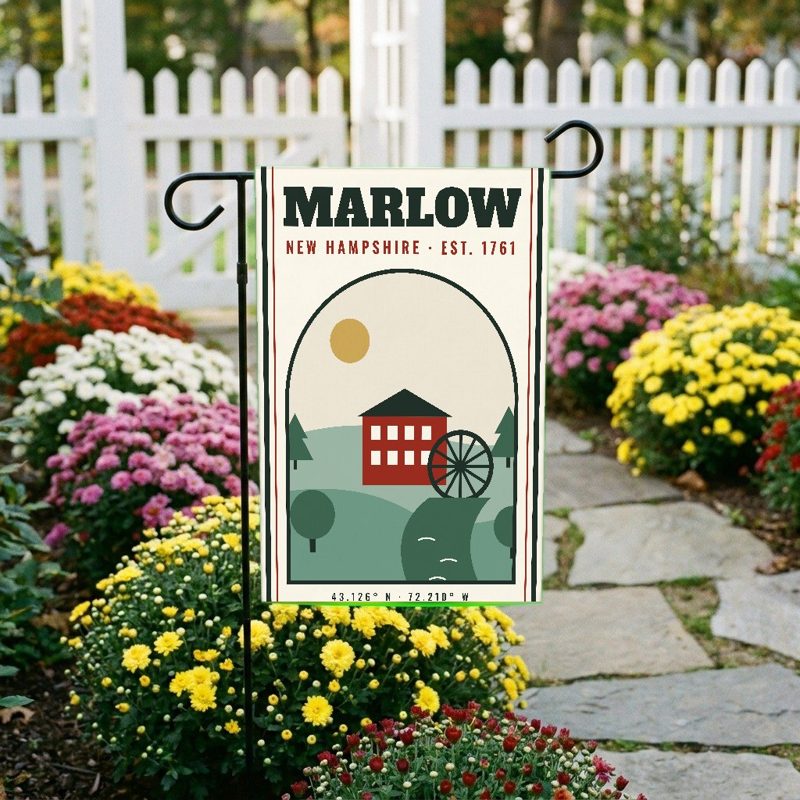
Weatherproof, for the front walk
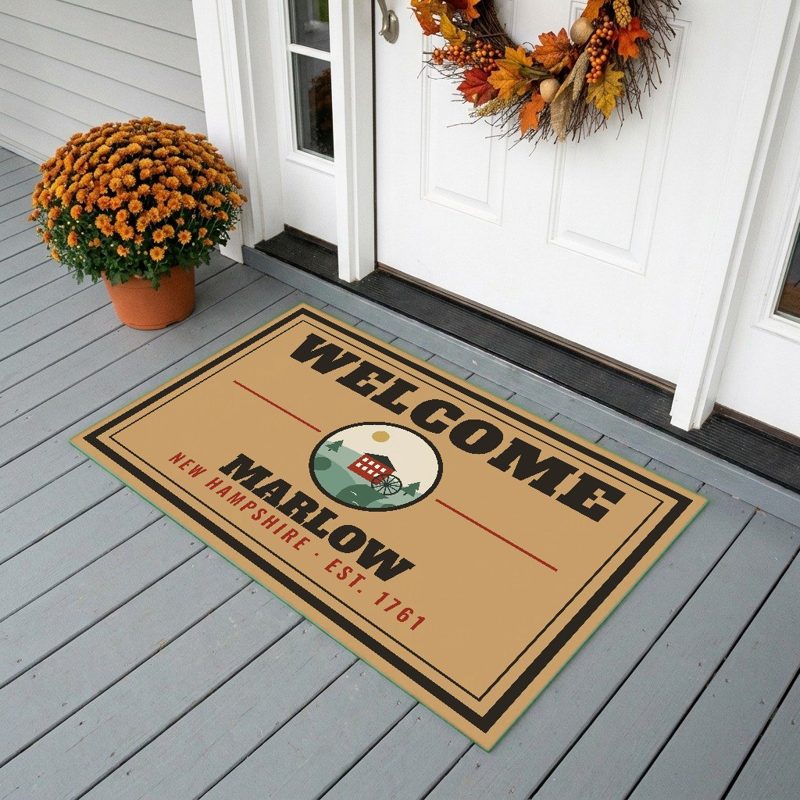
24″×16″, printed coir-look fibers, rubber back
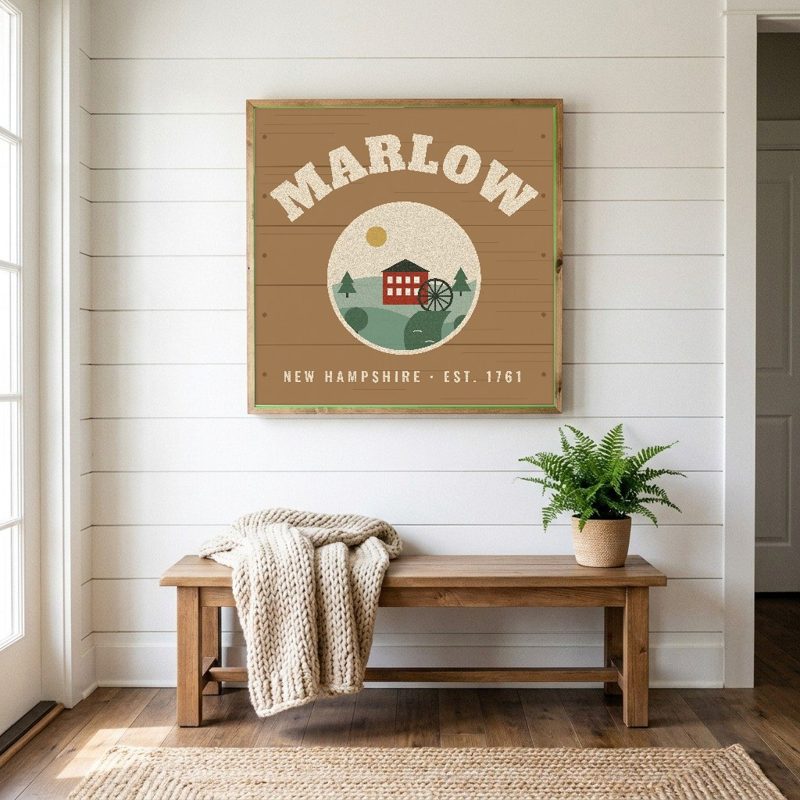
12″×12″ printed wood, ready to hang
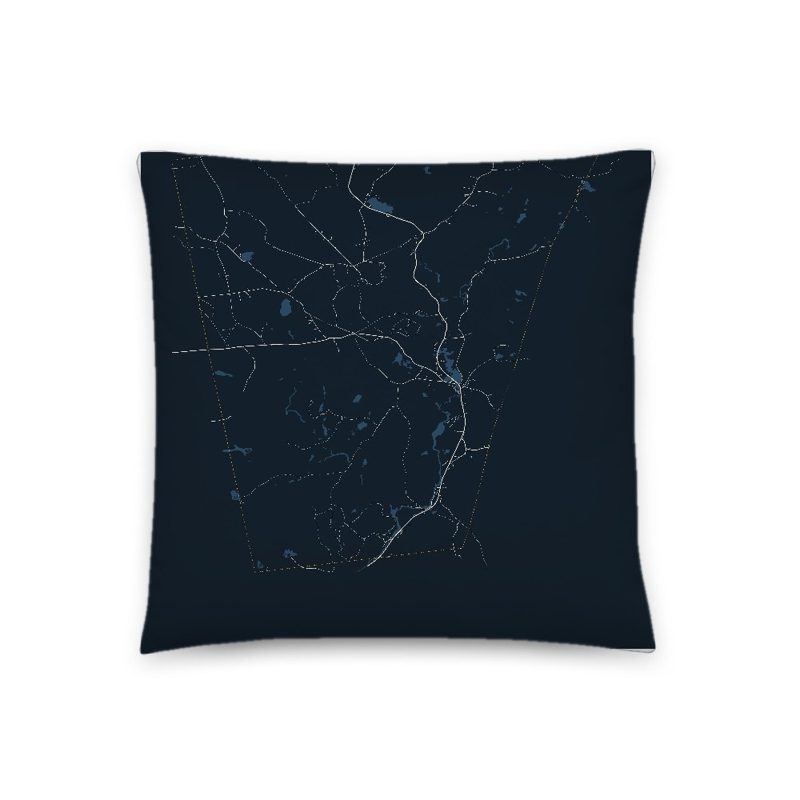
Soft-touch, zip cover
Sturdy all-over-print tote
Glossy top, cork back
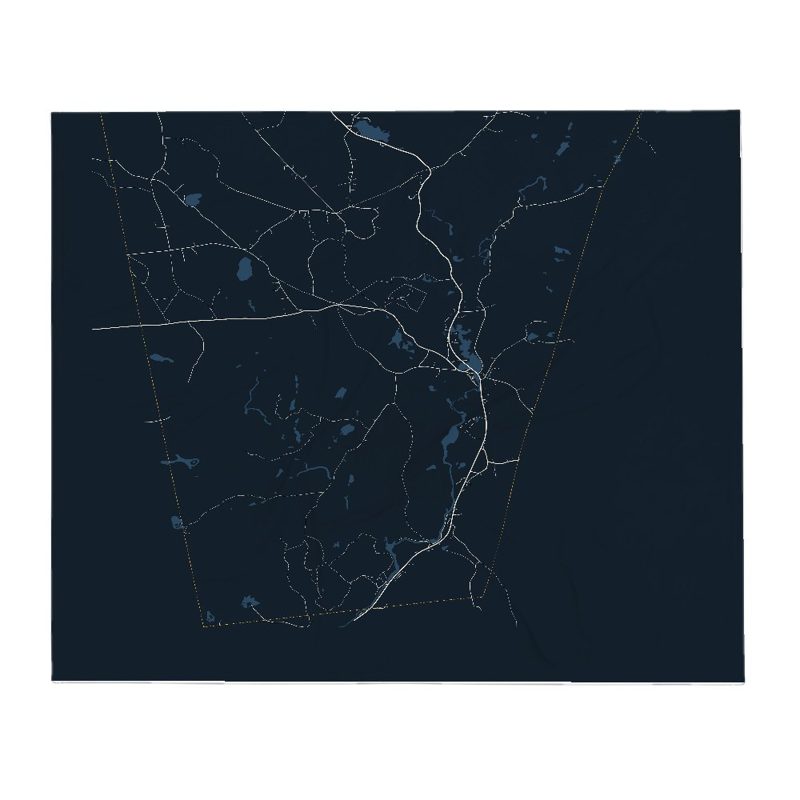
Soft fleece, 50″×60″
20 oz, double-wall stainless
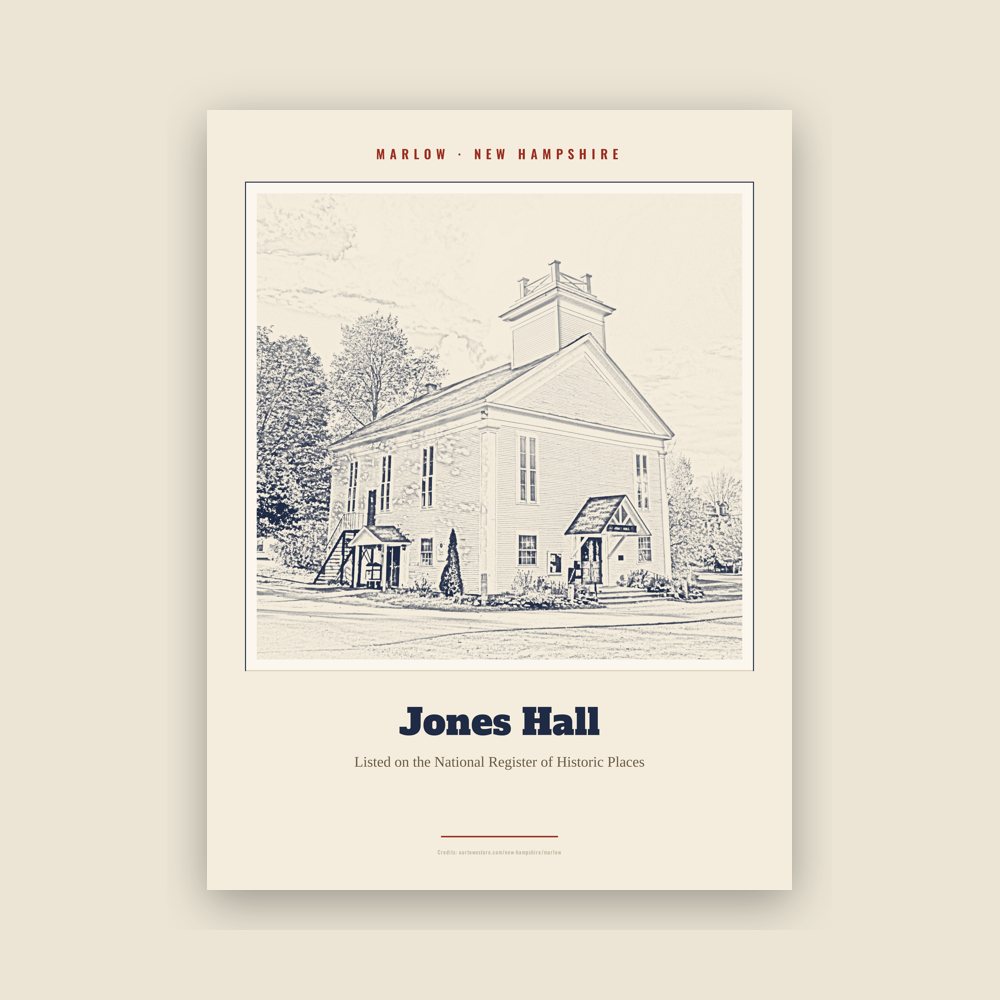
Archival matte print of a local landmark, credited to its photographer
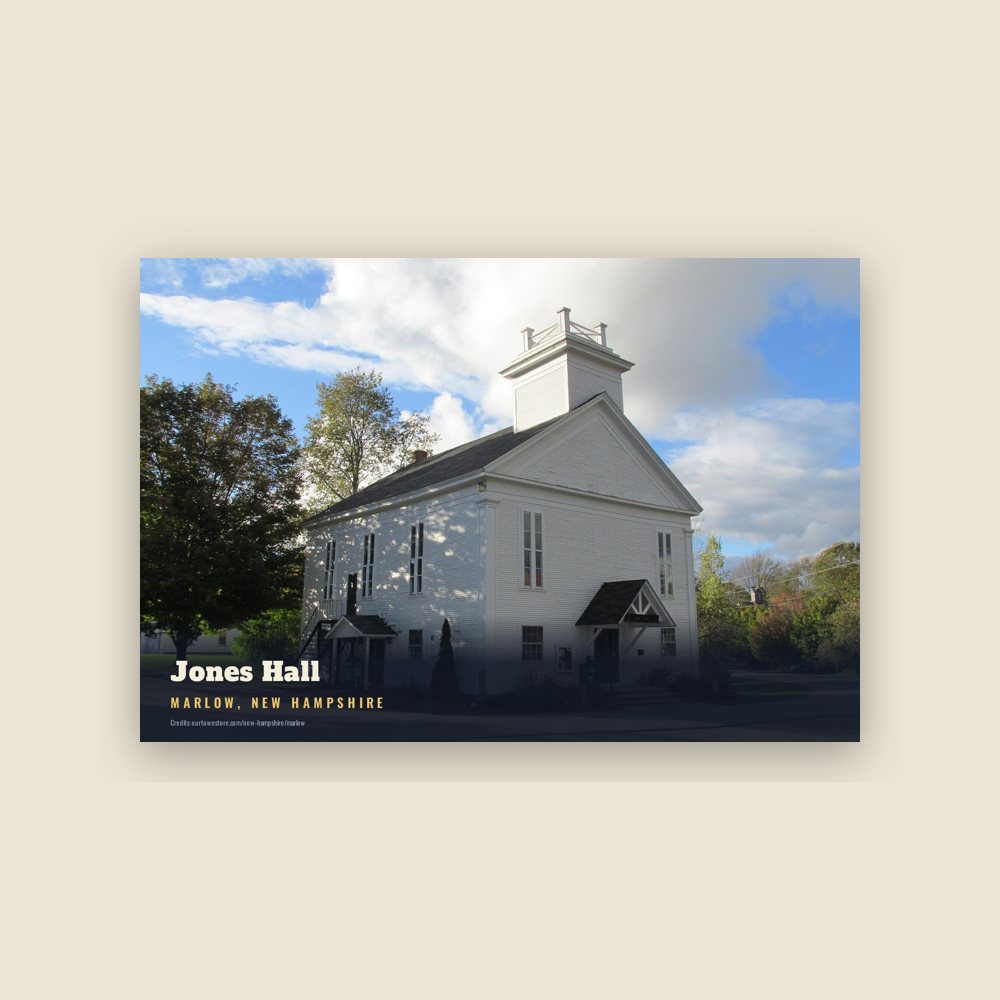
6″×4″ postcard, glossy front
Population 2010: 742 → 2020: 749
From Wikidata (CC0).
The town was first granted in 1753 by colonial Governor Benning Wentworth as "Addison", after Joseph Addison, writer and for a time under-secretary of state for England. Addison had signed the appointment papers making the governor's father, John Wentworth, lieutenant-governor of New Hampshire in 1717. As a result of the French and Indian War, few original grantees settled here, so it was regranted on October 7, 1761, to William Noyes and 69 others, the majority from Lyme, Connecticut. The town was named after Marlow, England, located on the River Thames in Buckinghamshire.
Marlow bears many marks of glacial action, and minerals are still found here. A woodworking industry once used the water power of the Ashuelot River to produce tools, furniture and wooden buckets from lumber cut nearby. By 1859, when the population was 708, there were seven sawmills, a gristmill, a carriage shop, a tin shop, and two tanneries. Although the town's undulating surface is somewhat rocky, farmers produced hay, grain and vegetables.
Adapted (trimmed) from the Wikipedia article Marlow, New Hampshire, revision 1378557042 by its contributors, licensed CC BY-SA 4.0.
We share a part of every Marlow sale with local partners, and we'd love to print from your collection. Old photographs, maps and postcards make the best keepsakes.
Partner with us