Merrimack County, New Hampshire
Street maps, historic prints and keepsakes for 27 Merrimack County towns.
The oldest is Bow, established 1727. The largest by population is Concord (43,976).
| Town | Established | Population |
|---|---|---|
| Allenstown | 1831 | 4,707 |
| Andover | – | 2,406 |
| Boscawen | 1760 | 3,998 |
| Bow | 1727 | 8,229 |
| Bradford | 1787 | 1,662 |
| Canterbury | 1741 | 2,389 |
| Chichester | 1727 | 2,665 |
| Concord | 1733 | 43,976 |
| Danbury | 1795 | 1,250 |
| Dunbarton | 1765 | 3,005 |
| Epsom | 1727 | 4,834 |
| Franklin | – | 8,741 |
| Henniker | 1768 | 6,185 |
| Hill | 1778 | 1,017 |
| Hooksett | 1822 | 14,871 |
| Hopkinton | 1765 | 5,914 |
| Loudon | 1773 | 5,576 |
| New London | 1779 | 4,400 |
| Newbury | 1778 | 2,172 |
| Northfield | 1780 | 4,872 |
| Pembroke | 1759 | 7,207 |
| Pittsfield | 1782 | 4,075 |
| Salisbury | 1768 | 1,422 |
| Sutton | 1784 | 1,978 |
| Warner | 1774 | 2,937 |
| Webster | 1860 | 1,913 |
| Wilmot | 1807 | 1,407 |
About these towns
Allenstown: Allenstown takes its name from 17th-century provincial governor Samuel Allen. It was granted in 1721 but not incorporated until July 2, 1831.
Andover: Settled in 1761, the town was originally named "Emerisstown". In 1746 it was granted to Edward Brown and others as "New Breton" or "New Britton", having been granted primarily to soldiers who had taken part in the 1745 capture of Cape Breton during hostilities with the French in Canada.
Boscawen: The native Pennacook people called the area Contoocook, meaning "place of the river near pines". In March 1697, Hannah Duston and her nurse, Mary Neff, were captured by Abenaki Indians and taken to a temporary village on an island at the confluence of the Contoocook and Merrimack rivers, at the site of what is now Boscawen.
Bow: The town was granted by the authorities of New Hampshire to Jonathan Wiggin and others in 1727, and was originally 9 miles (14 km) square, covering nearly all the territory granted to Ebenezer Eastman and others by the authorities of Massachusetts two years previous, under the name of "Pennacook" (now Concord).
Bradford: Granted by Governor Benning Wentworth in 1765 to John Pierce and George Jaffrey of Portsmouth, it was settled in 1771 by Deacon William Presbury and family.
Canterbury: First granted by Lieutenant Governor John Wentworth in 1727, the town was named for William Wake, Archbishop of Canterbury. It was originally a militia timber fort and trading post of Capt.
Chichester: Chichester was granted in 1727 to Nathaniel Gookin and others, and was named for Thomas Pelham-Holles, 1st Duke of Newcastle-upon-Tyne, Earl of Chichester and England's Secretary of State for the Southern Department.
Concord: The area that would become Concord was originally settled thousands of years ago by Abenaki Native Americans called the Pennacook. The tribe fished for migrating salmon, sturgeon, and alewives with nets strung across the rapids of the Merrimack River.
Danbury: Danbury was first settled c. 1771 as a part of Alexandria, but mountainous terrain separated it from the rest of the town.
Dunbarton: Originally granted as "Gorham's-town" in 1735, and re-granted as "Starkstown" in 1748, the town was incorporated in 1765 as Dunbarton. The name came from Dunbartonshire in Scotland, hometown to Archibald Stark, a prominent settler.
Epsom: Incorporated in 1727, Epsom takes its name from Epsom in Surrey, England. Although dotted with several small mountains, the land was suitable for grazing and growing grain.
Franklin: Situated at the confluence of the Pemigewasset and Winnipesaukee rivers that form the Merrimack River, the town was settled by Anglo-European colonists in 1764 and originally known as "Pemigewasset Village".
Henniker: The area was first known as "Number Six" in a line of settlements running between the Merrimack and Connecticut rivers. In 1752, the Masonian Proprietors granted the land to Andrew Todd, who called it "Todd's Town".
Hill: Originally granted as "New Chester" in 1753, the town took the name "Hill" in 1837 in honor of Isaac Hill, governor of New Hampshire from 1836 to 1839.
Hooksett: Hooksett was incorporated in 1822. First known as "Chester Woods" and "Rowe's Corner", the community was called "Hooksett" for nearly 50 years before being incorporated.
Hopkinton: The town was granted by colonial Governor Jonathan Belcher in 1735 as "Number 5" to settlers from Hopkinton, Massachusetts, who renamed it "New Hopkinton".
Loudon: The town of Loudon was originally incorporated by Governor John Wentworth on January 23, 1773. Loudon was originally formed of territory taken from Canterbury.
New London: In 1753, the Masonian Proprietors of Portsmouth, New Hampshire, granted the area now called New London as "Heidelberg". Although it appears on some New Hampshire maps, the township was never settled, and the 1753 grant lapsed into default.
Newbury: The town was founded as "Dantzic", after Danzig, a Baltic seaport. The first provincial grant in 1754 named the town "Hereford", in honor of Edward Devereaux, Viscount Hereford.
Northfield: European settlers first arrived in Northfield in the early 1700s. Initially, Northfield was incorporated as part of Canterbury when that town was established in 1741.
Pembroke: First granted in 1728, the town was known as "Lovewell's Town", in honor of Captain John Lovewell, who built the stockade at Ossipee.
Pittsfield: For many years prior to its 1782 incorporation, the area was an unnamed parish of Chichester. Like Pittsburg in the north, Pittsfield was named for William Pitt, Prime Minister of the United Kingdom, and a great friend of the colonies prior to the American Revolution.
Salisbury: While still part of Massachusetts, the town was granted as "Baker's Town" after Captain Thomas Baker in 1736. After the border between Massachusetts and New Hampshire was fixed, the town was on the New Hampshire side of the border.
Sutton: The town was granted in 1749 by the Masonian Proprietors to inhabitants of Haverhill, Newbury, and Bradford, Massachusetts, as well as Kingston, New Hampshire.
Warner: The town was granted in 1735 as "Number One" by Massachusetts Governor Jonathan Belcher to petitioners largely from Amesbury, Massachusetts. Called "New Amesbury", it was part of a line of settlements running between the Merrimack and Connecticut rivers intended to help defend Massachusetts against New France's predations.
Wilmot: Incorporated in 1807 from part of New London, the Kearsarge gore, and a small piece of New Chester (later renamed Hill), the town took its name from Dr.
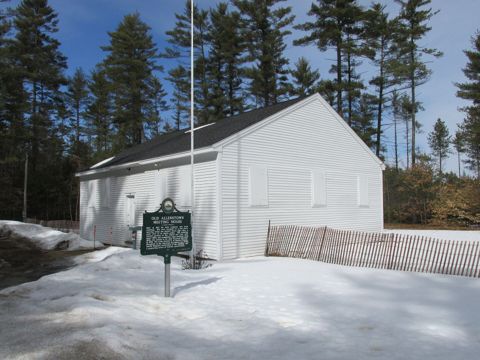 AllenstownNew Hampshire · Est. 1831
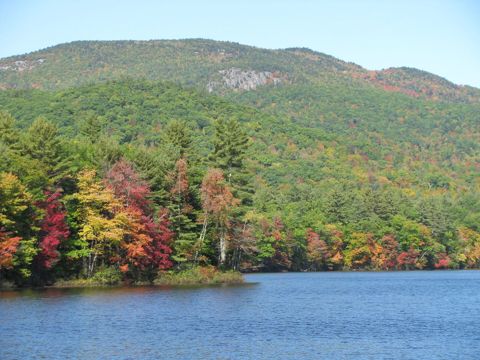 AndoverNew Hampshire
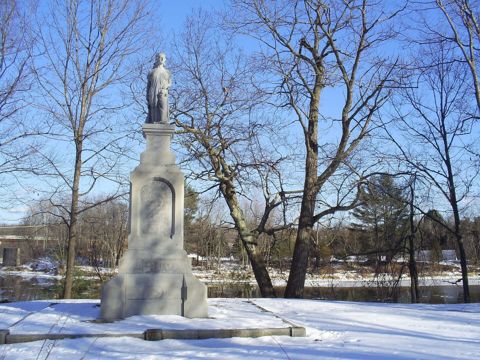 BoscawenNew Hampshire · Est. 1760
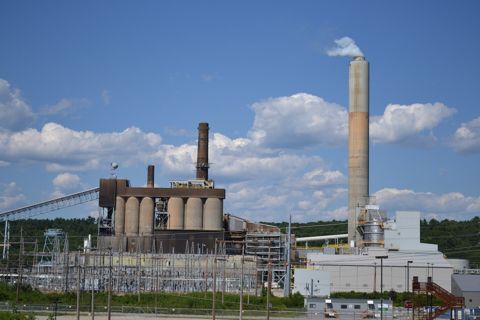 BowNew Hampshire · Est. 1727
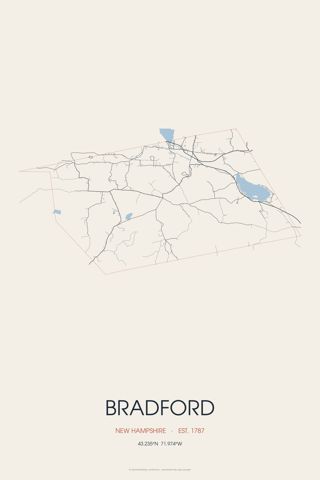 BradfordNew Hampshire · Est. 1787
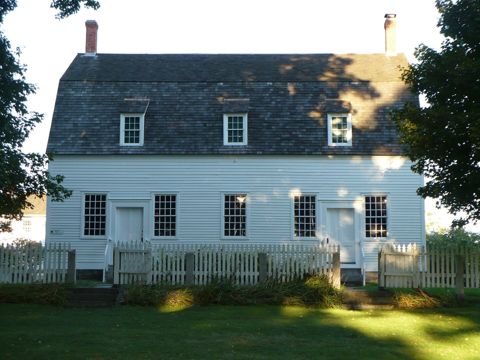 CanterburyNew Hampshire · Est. 1741
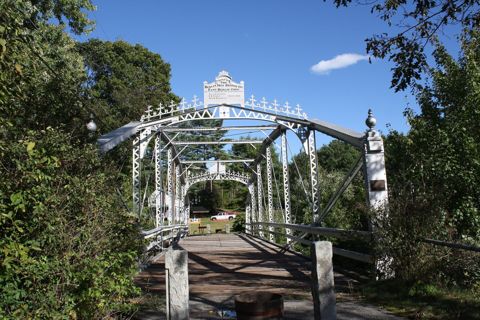 ChichesterNew Hampshire · Est. 1727
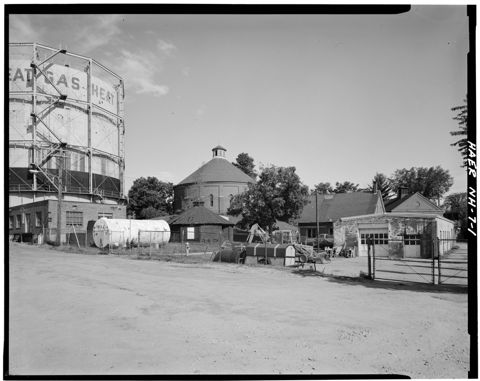 ConcordNew Hampshire · Est. 1733
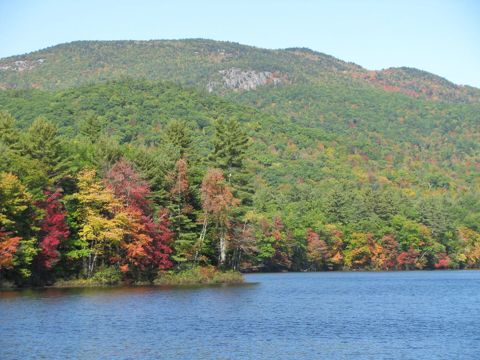 DanburyNew Hampshire · Est. 1795
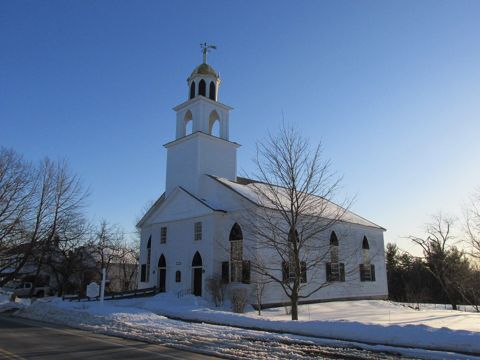 DunbartonNew Hampshire · Est. 1765
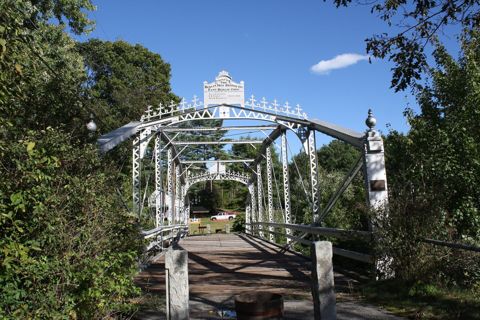 EpsomNew Hampshire · Est. 1727
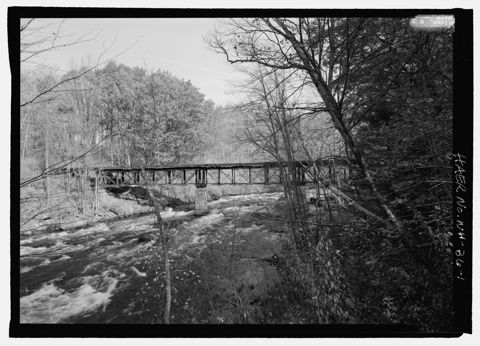 FranklinNew Hampshire
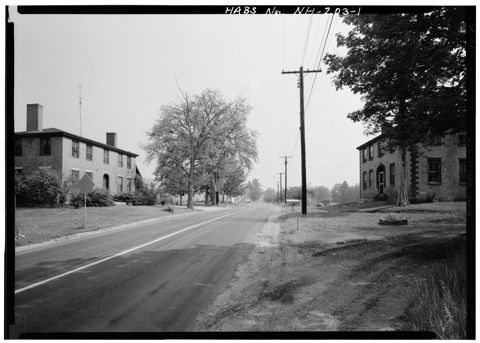 HennikerNew Hampshire · Est. 1768
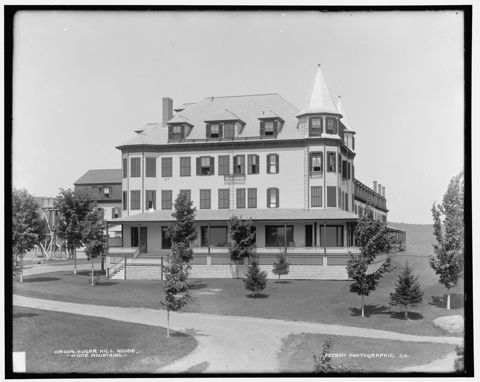 HillNew Hampshire · Est. 1778
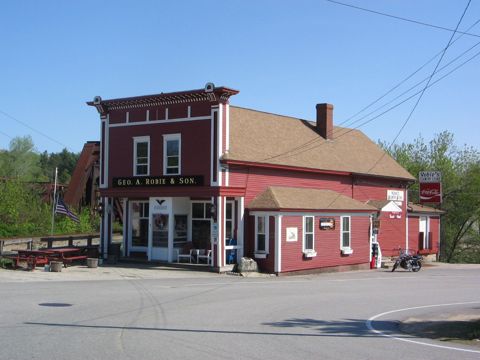 HooksettNew Hampshire · Est. 1822
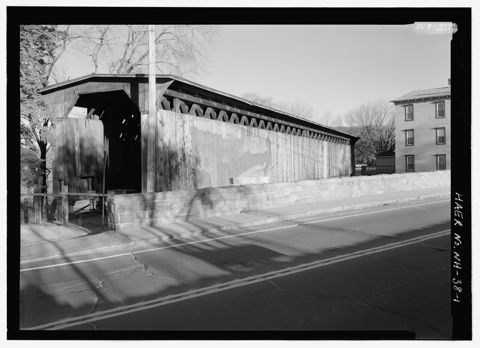 HopkintonNew Hampshire · Est. 1765
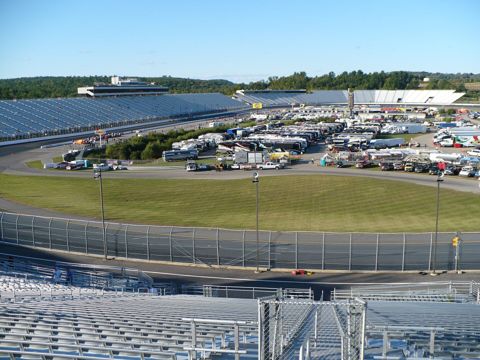 LoudonNew Hampshire · Est. 1773
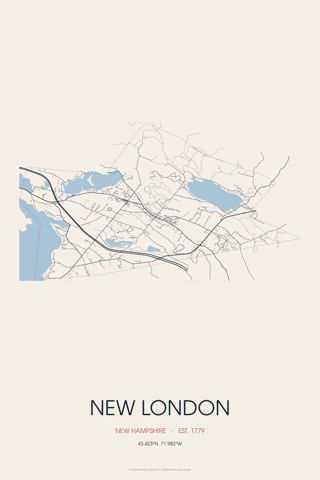 New LondonNew Hampshire · Est. 1779
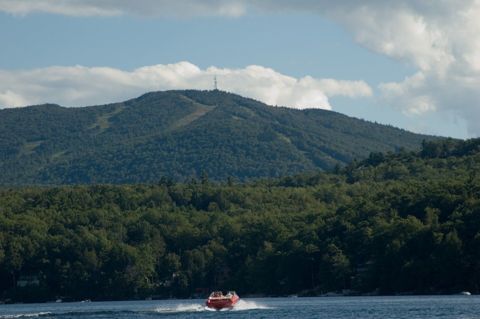 NewburyNew Hampshire · Est. 1778
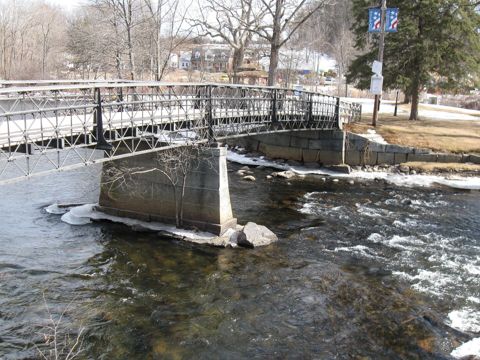 NorthfieldNew Hampshire · Est. 1780
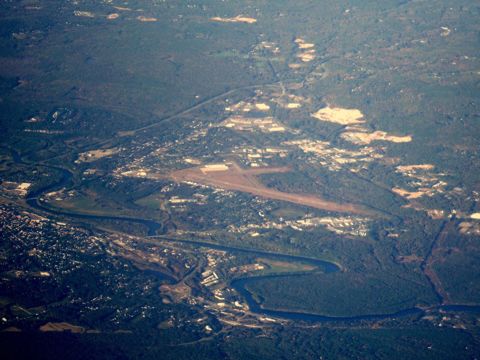 PembrokeNew Hampshire · Est. 1759
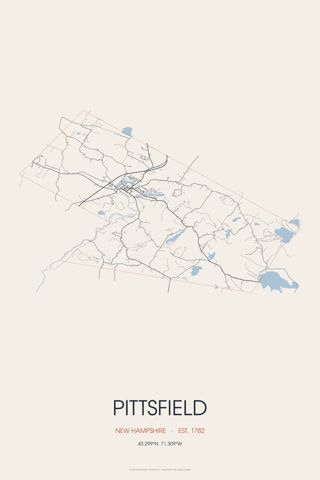 PittsfieldNew Hampshire · Est. 1782
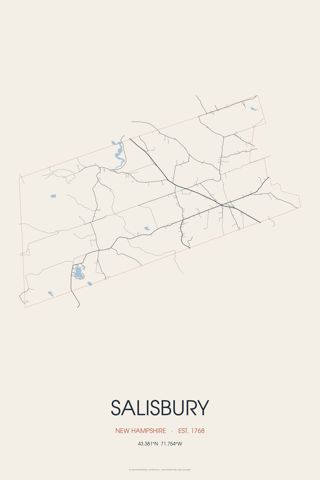 SalisburyNew Hampshire · Est. 1768
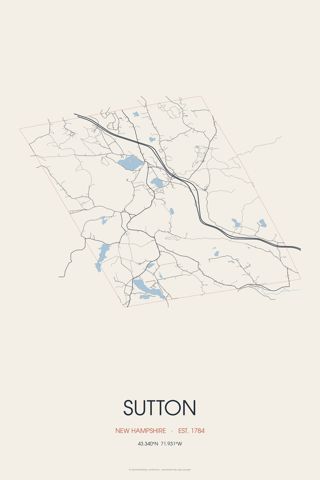 SuttonNew Hampshire · Est. 1784
Founding years, populations and town notes come from each town's Wikipedia and Wikidata entries. All New Hampshire towns.