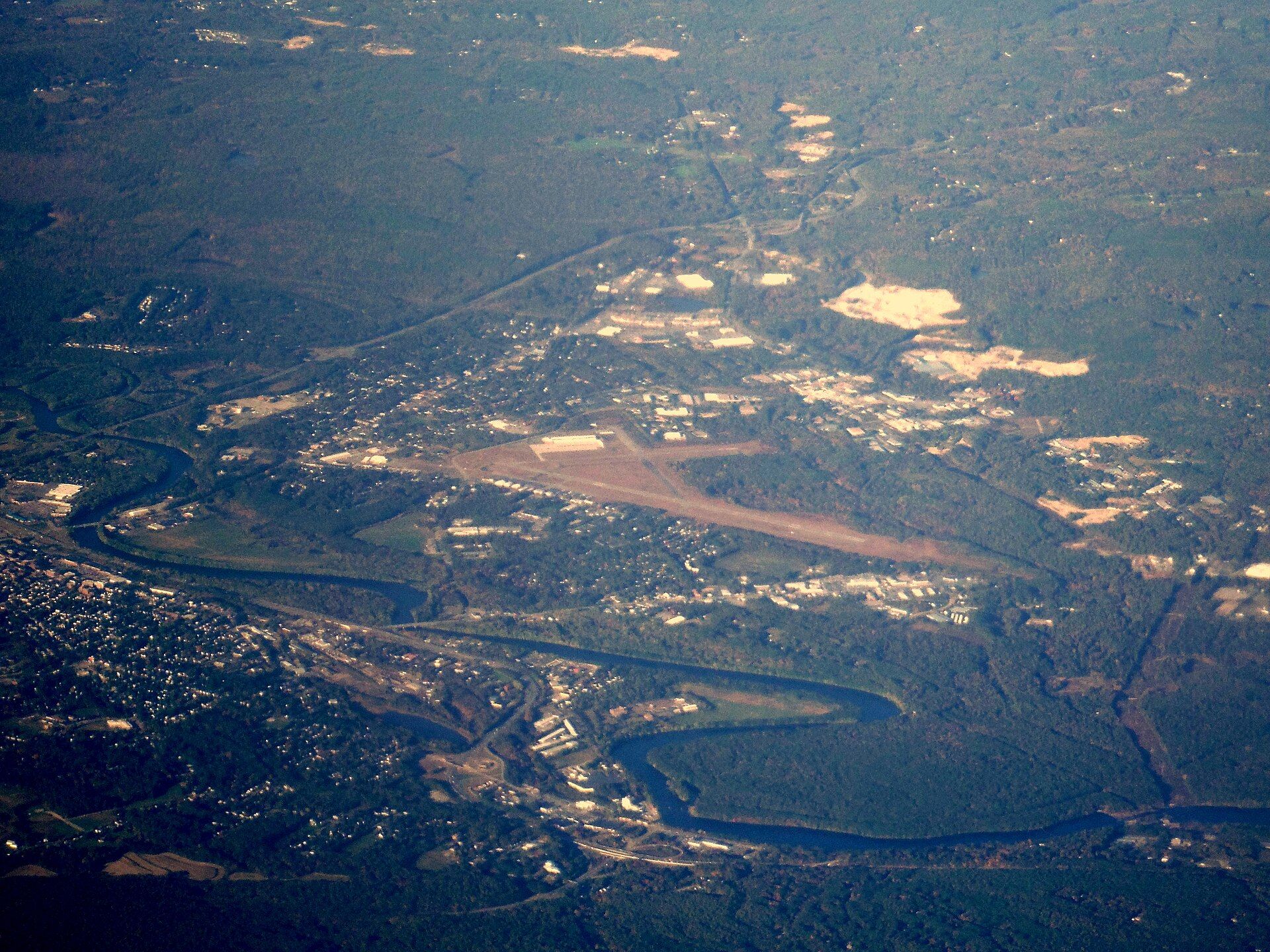
Concord is the capital city of the U.S. state of New Hampshire and the seat of Merrimack County. Landmarks include New Hampshire State House, Concord Municipal Airport and Eagle Hotel. Concord is the birthplace of Elizabeth Gurley Flynn, politician.
Every piece is drawn from Concord's own map data and historic archives, then printed and shipped from the USA when you order. No two towns look alike.
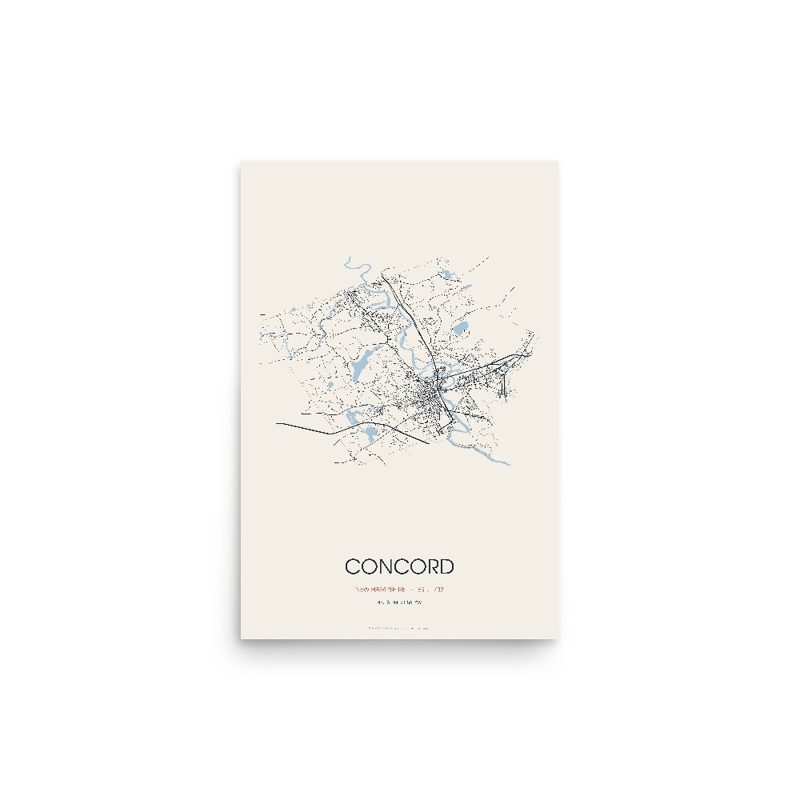
Every road in town, on archival matte paper
The same map, in navy and silver
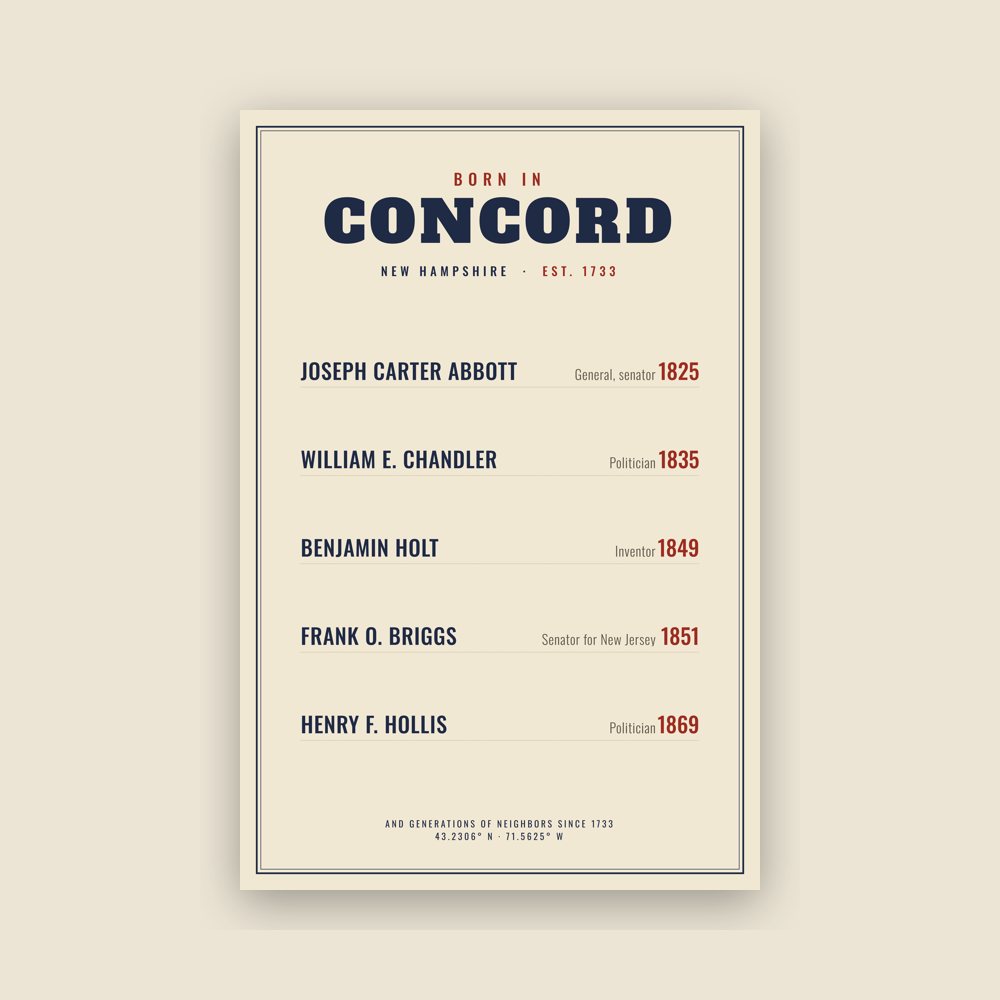
Famous natives, by birth year
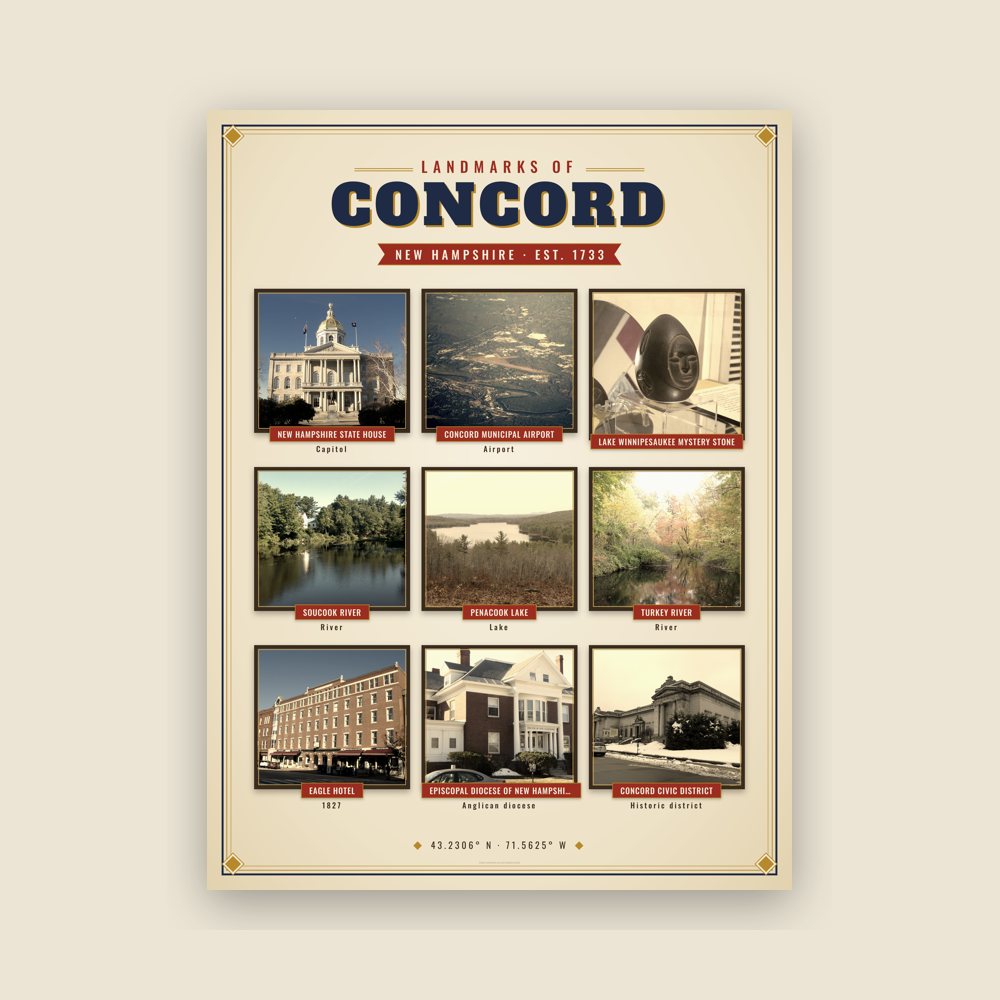
Nine local landmarks, archival matte
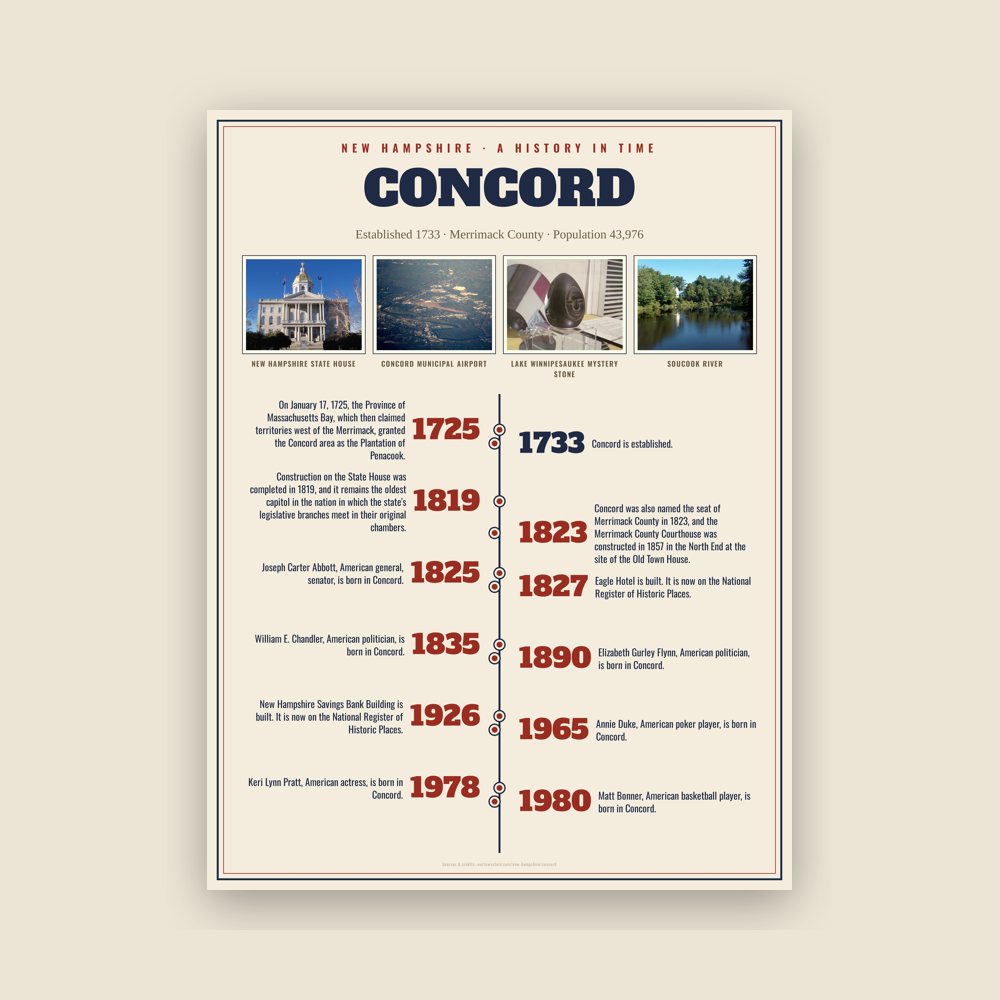
The town's story in dates, from its own records, for home or classroom
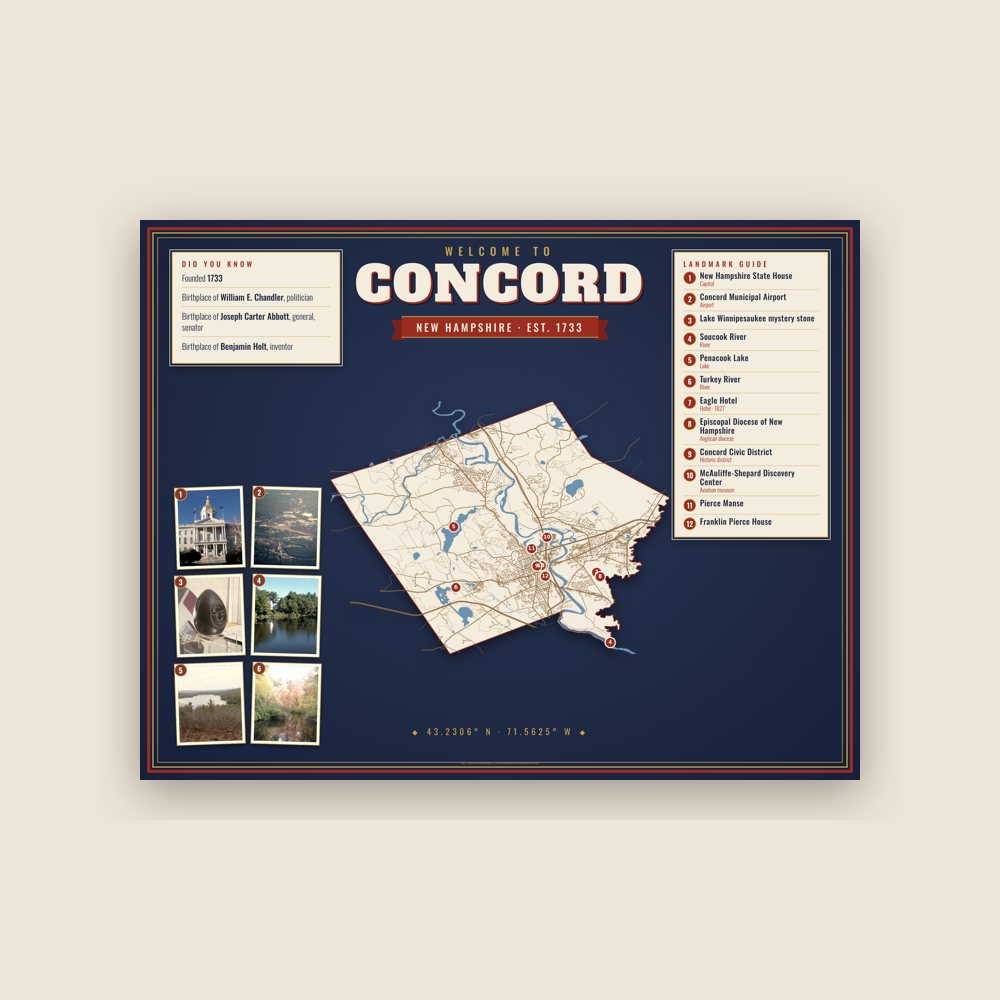
Map of local landmarks, washable fabric
Heavy-blend fleece, street map printed on the back
Soft Bella+Canvas jersey
Glossy ceramic, dishwasher safe
Ceramic keepsake, gold ribbon
Weatherproof, for the front walk
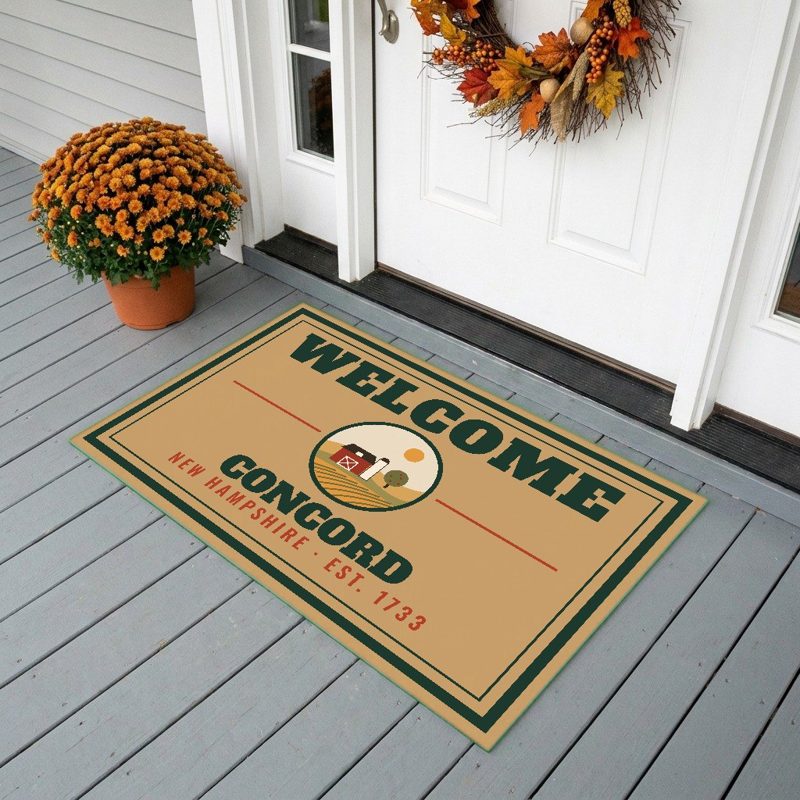
24″×16″, printed coir-look fibers, rubber back
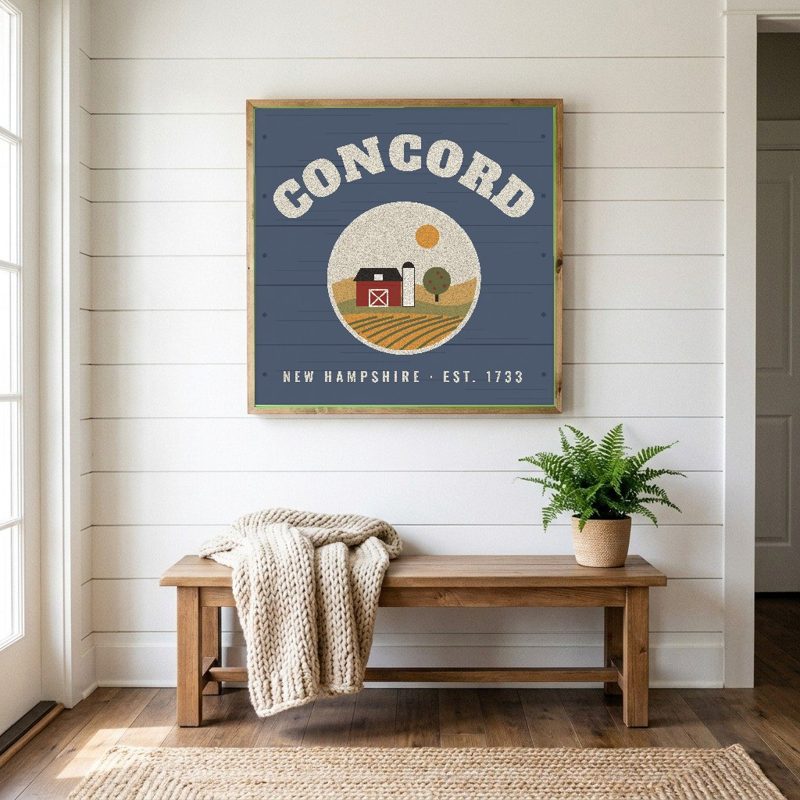
12″×12″ printed wood, ready to hang
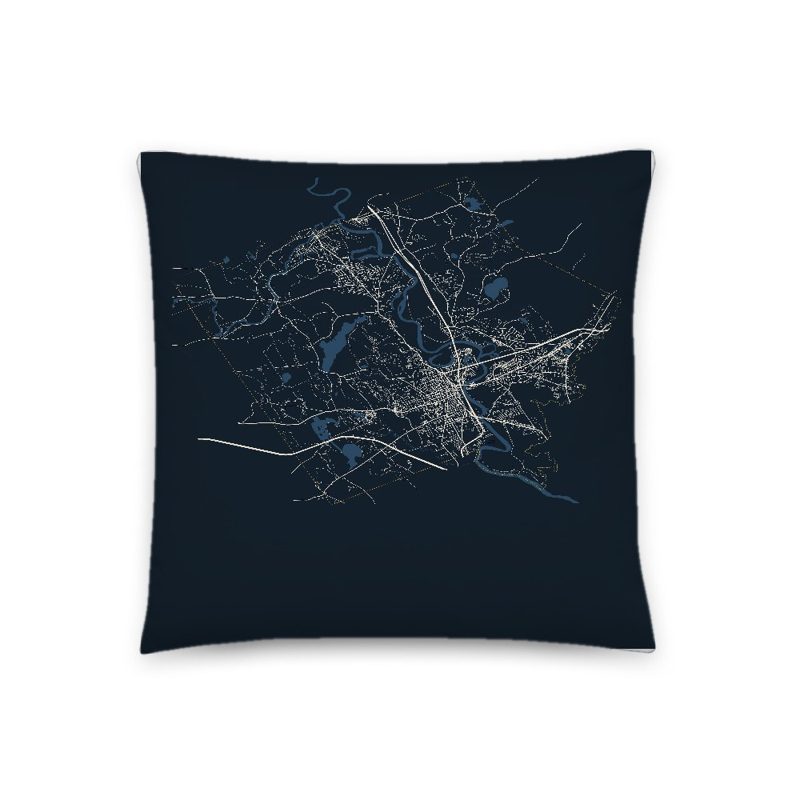
Soft-touch, zip cover
Sturdy all-over-print tote
Glossy top, cork back
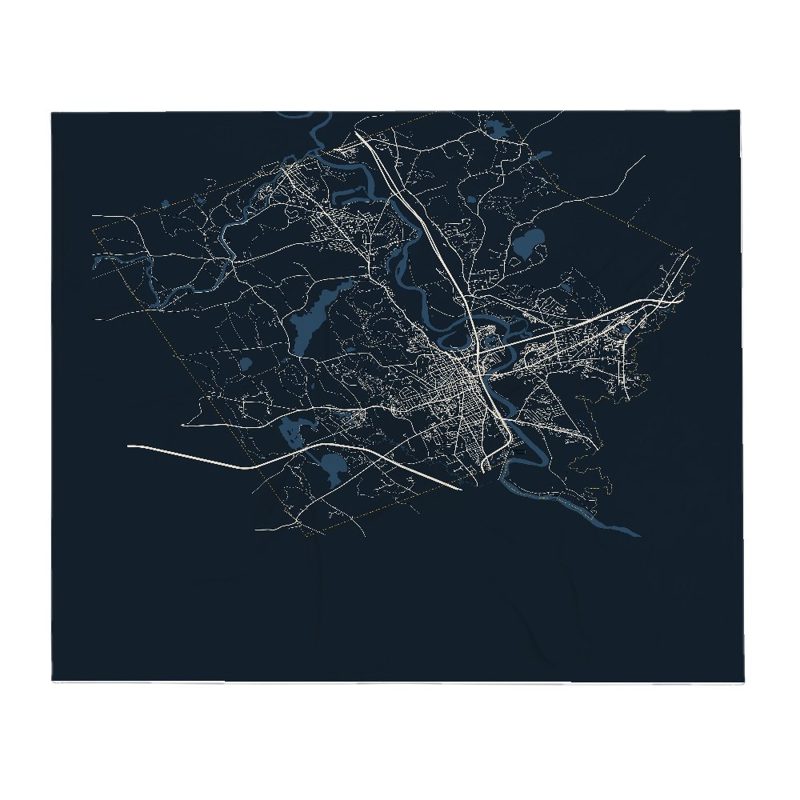
Soft fleece, 50″×60″
20 oz, double-wall stainless
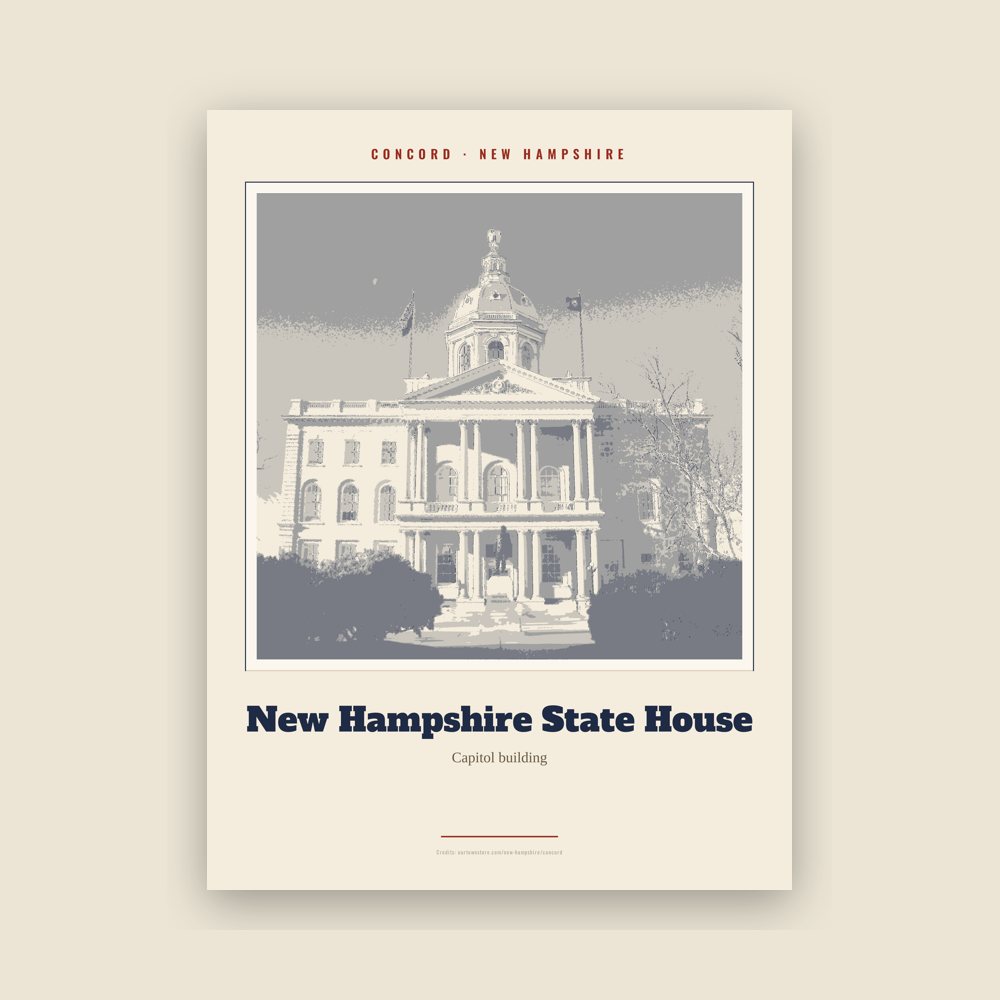
Archival matte print of a local landmark, credited to its photographer
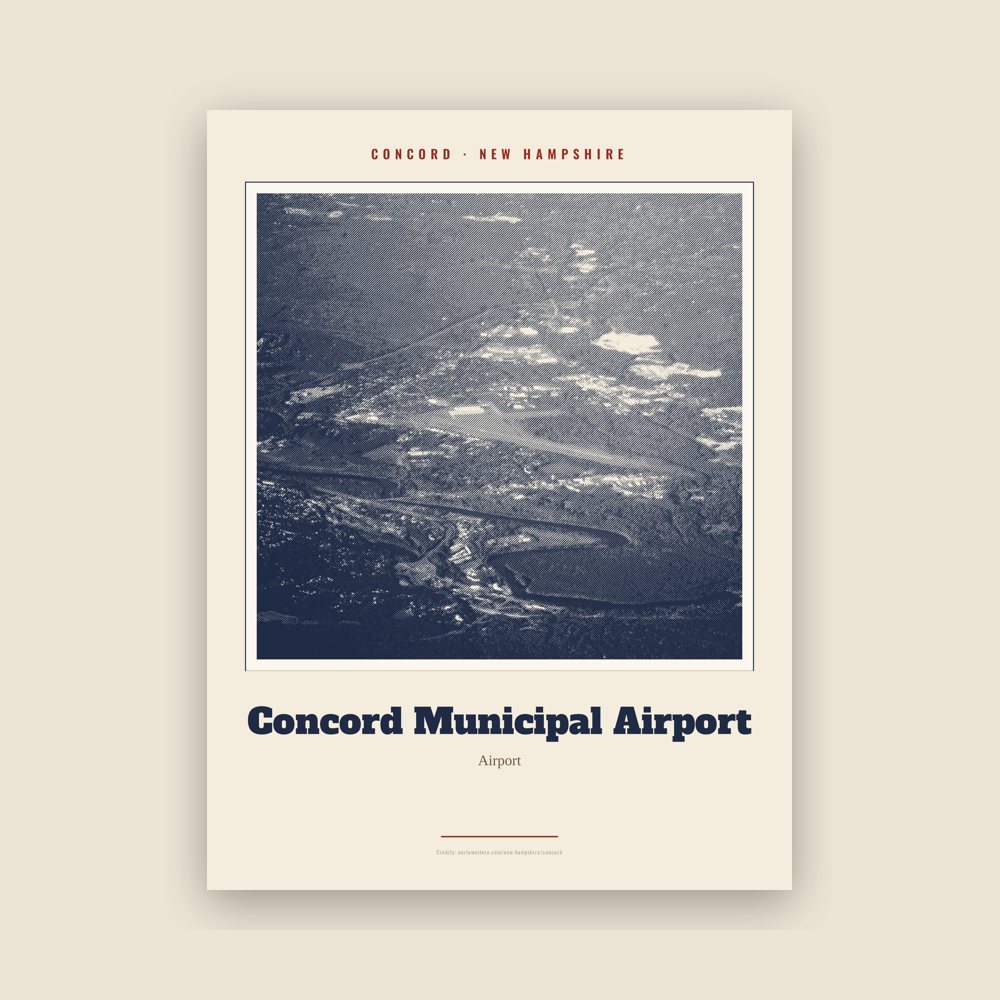
Archival matte print of a local landmark, credited to its photographer
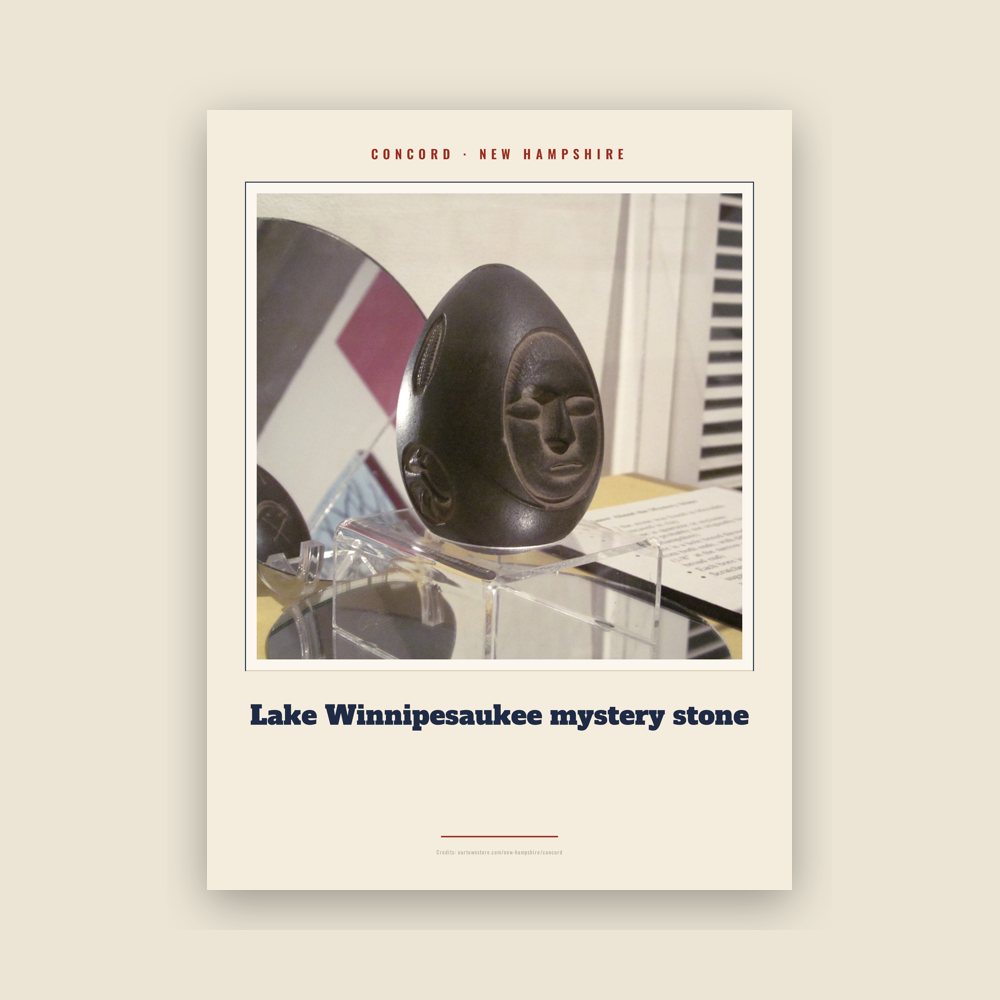
Archival matte print of a local landmark, credited to its photographer
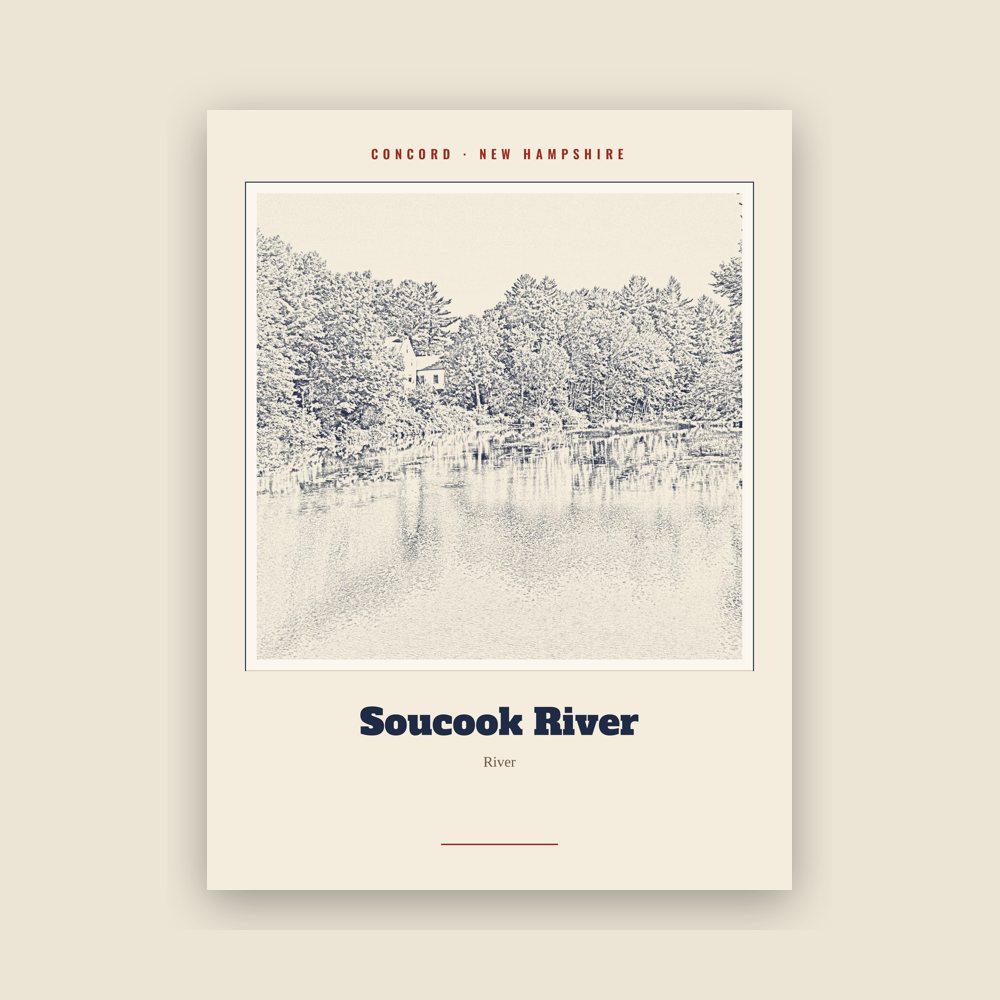
Archival matte print of a local landmark, credited to its photographer
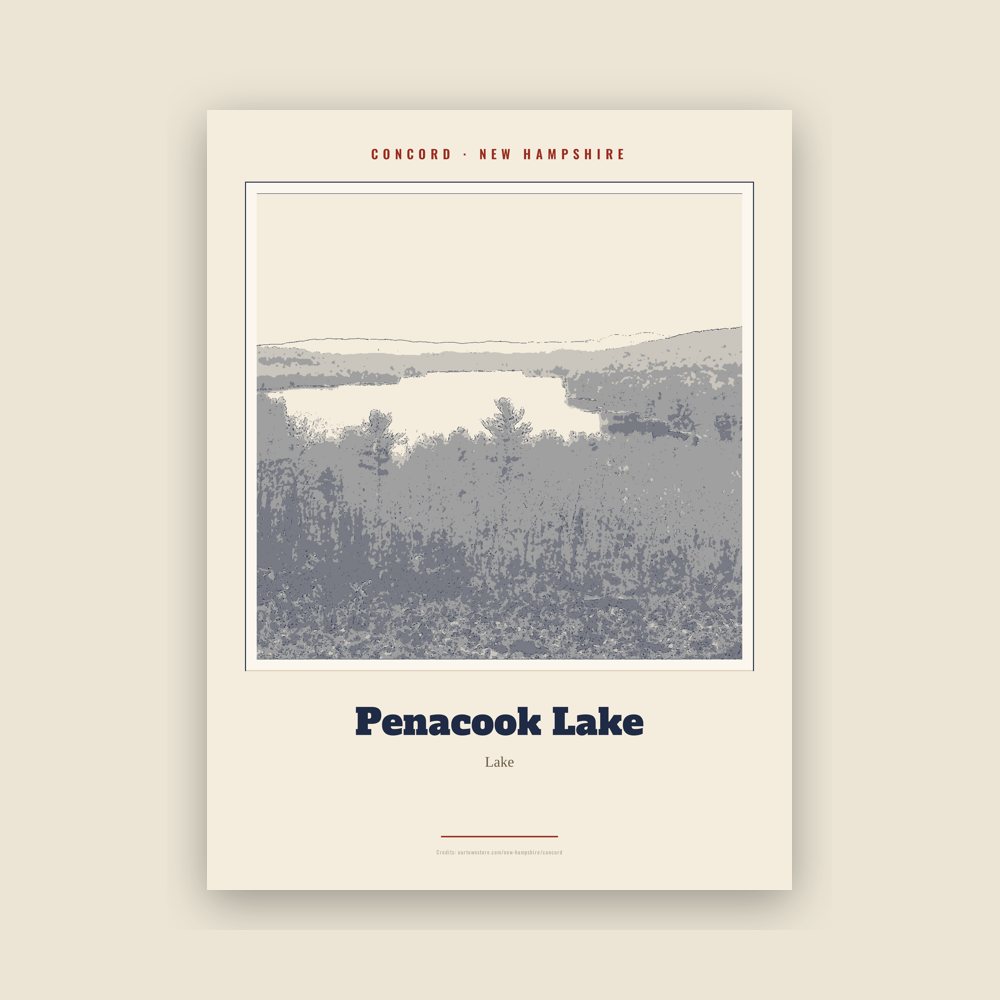
Archival matte print of a local landmark, credited to its photographer

Archival matte print of a local landmark, credited to its photographer
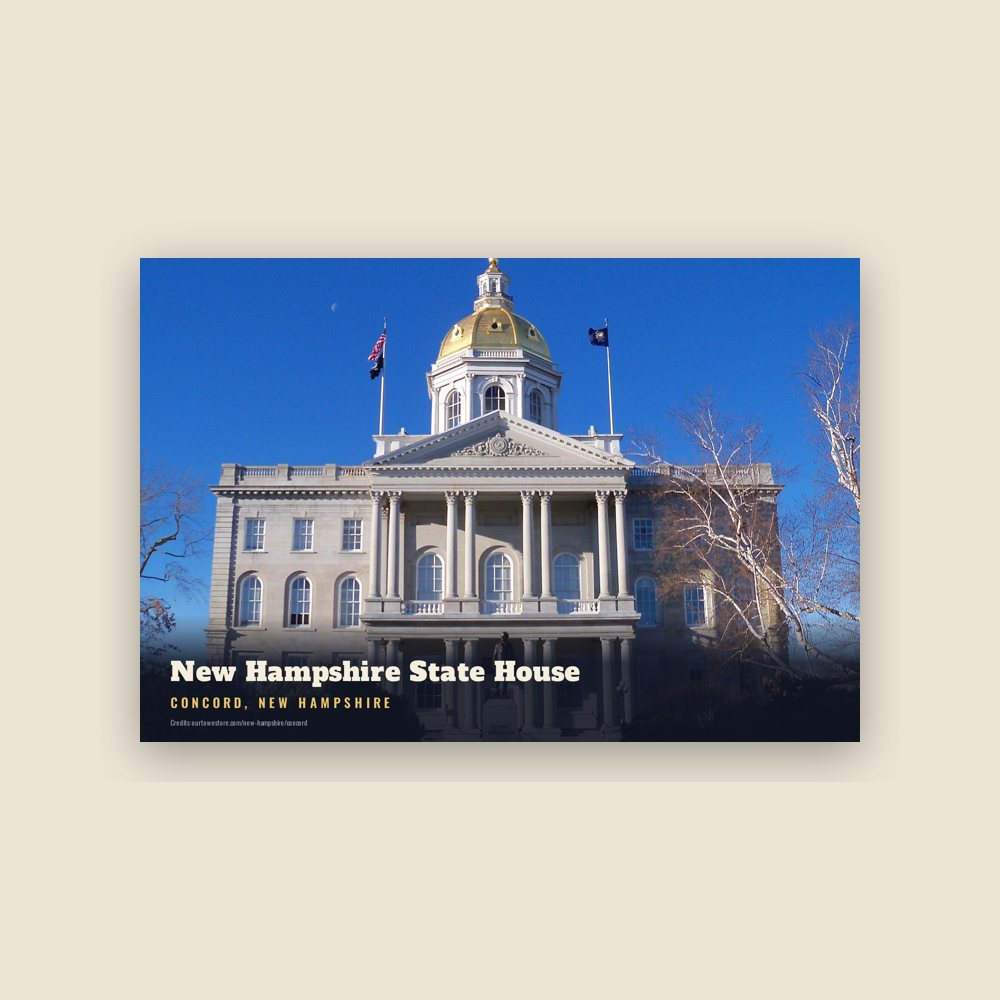
6″×4″ postcard, glossy front
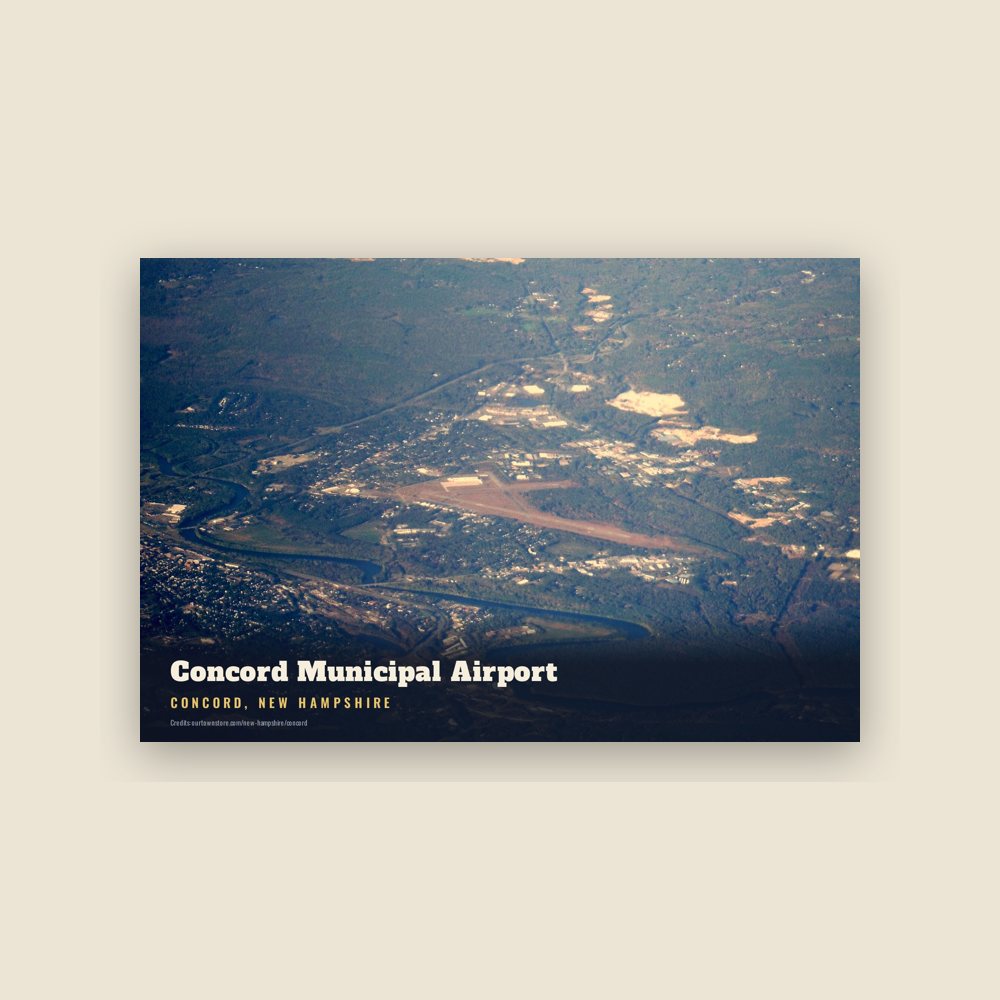
6″×4″ postcard, glossy front
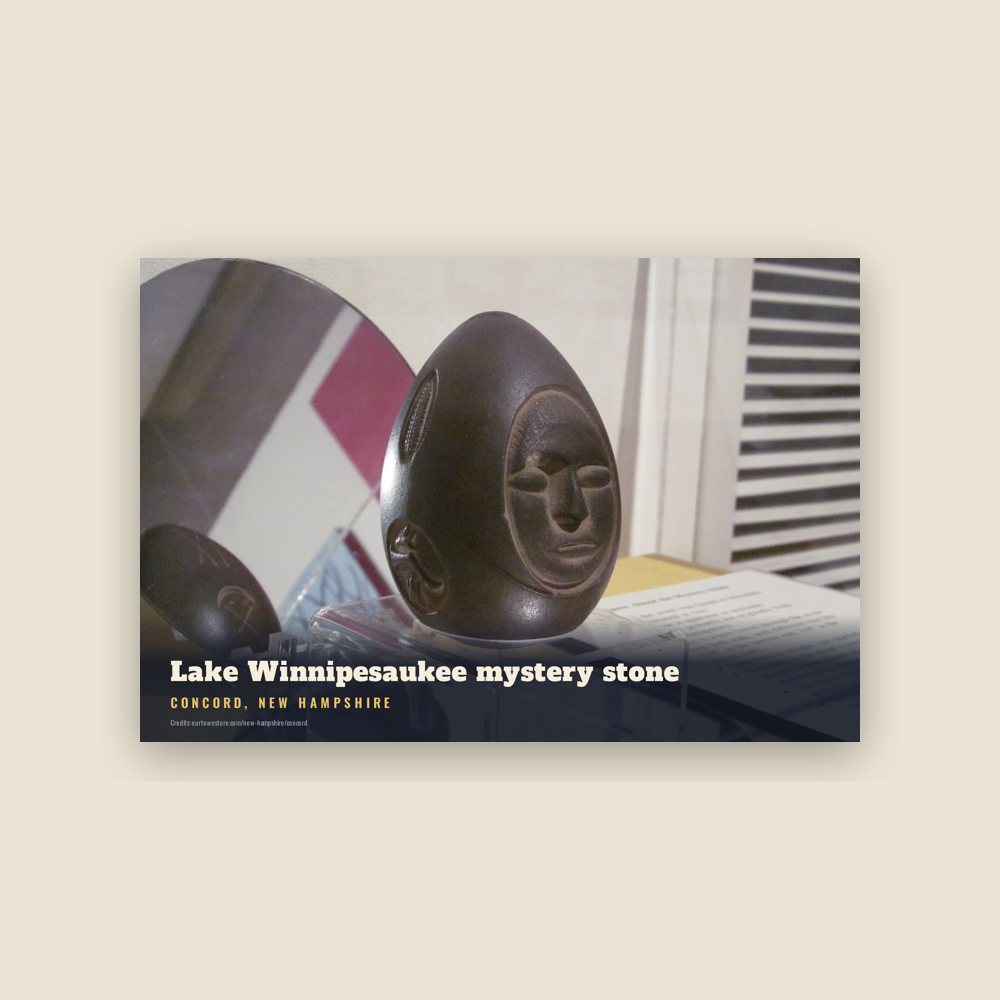
6″×4″ postcard, glossy front
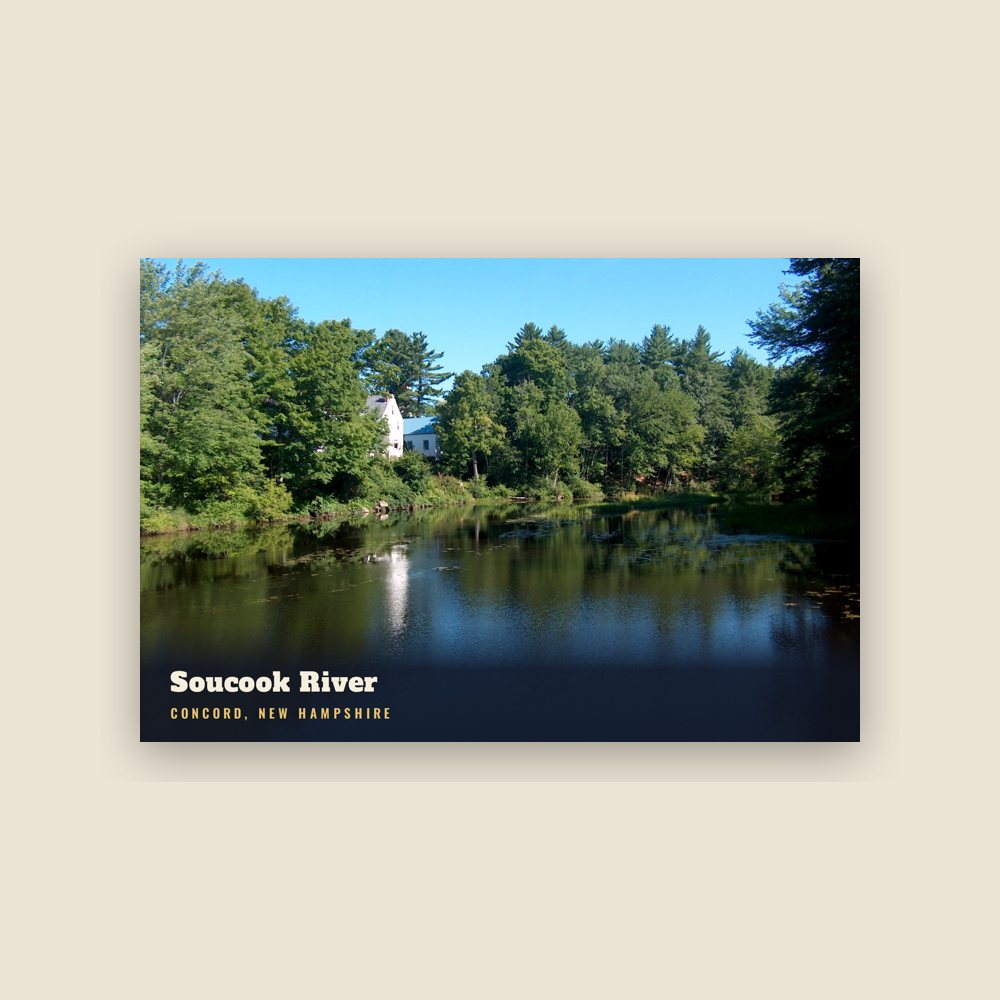
6″×4″ postcard, glossy front
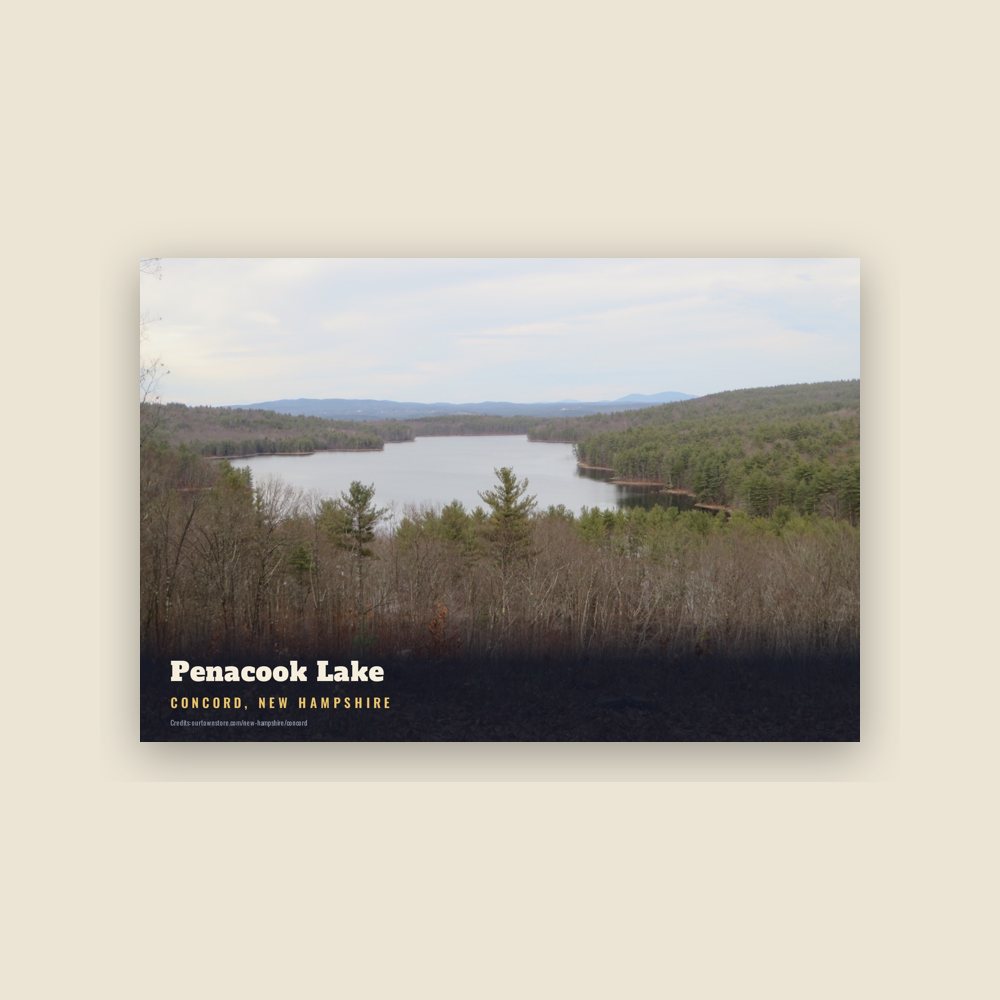
6″×4″ postcard, glossy front
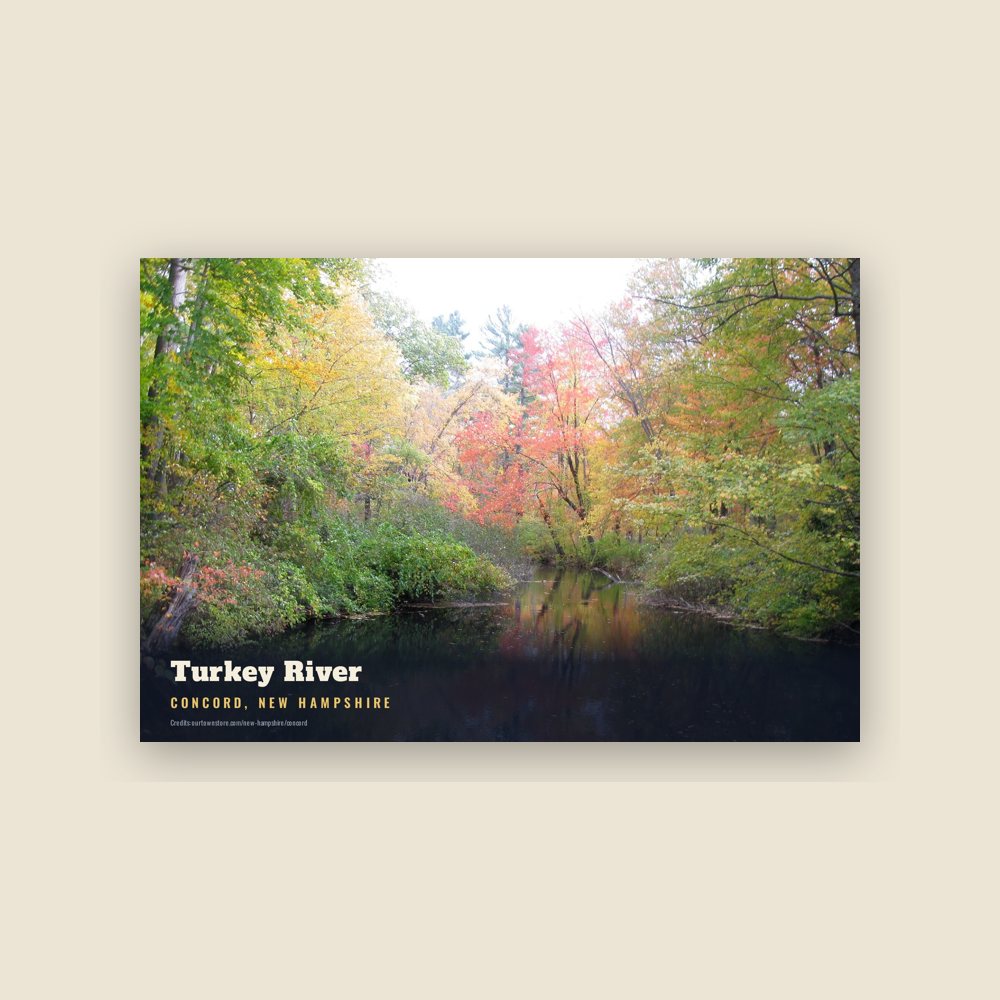
6″×4″ postcard, glossy front
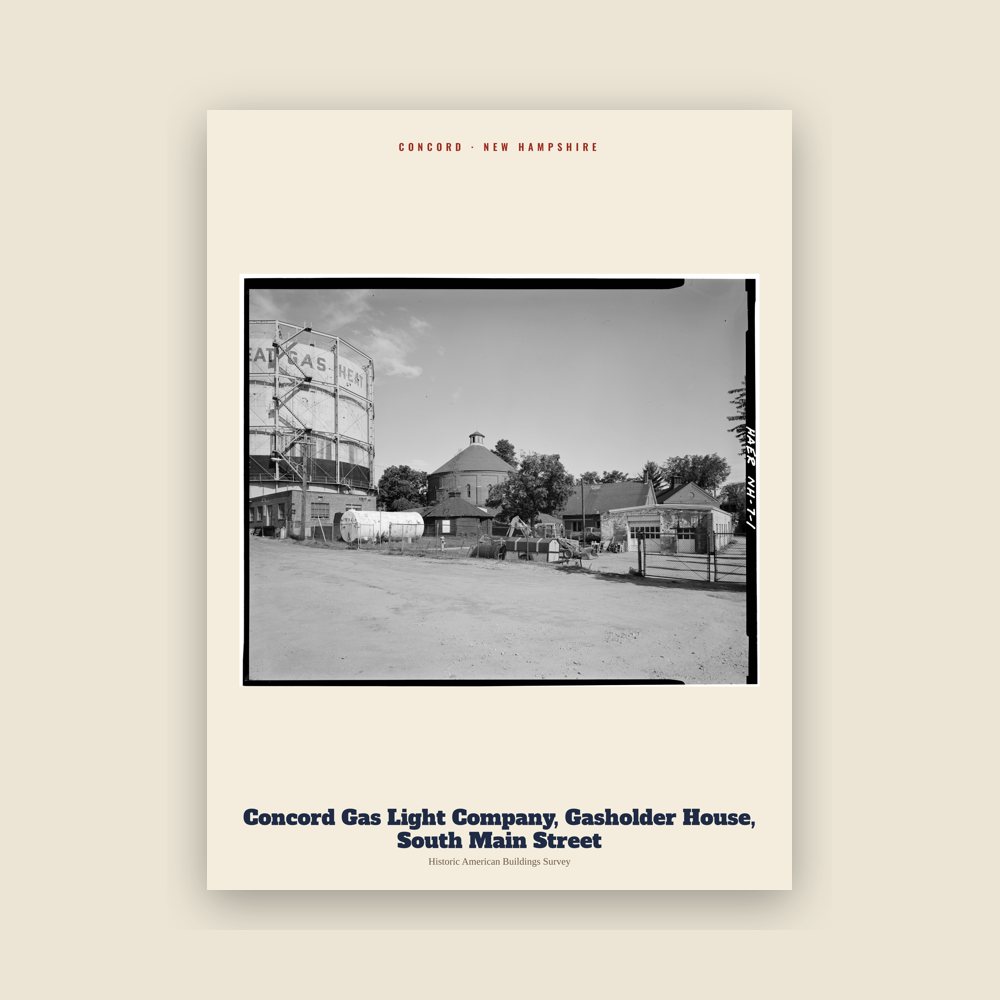
From the Library of Congress collections: a historic survey drawing or photograph of the town
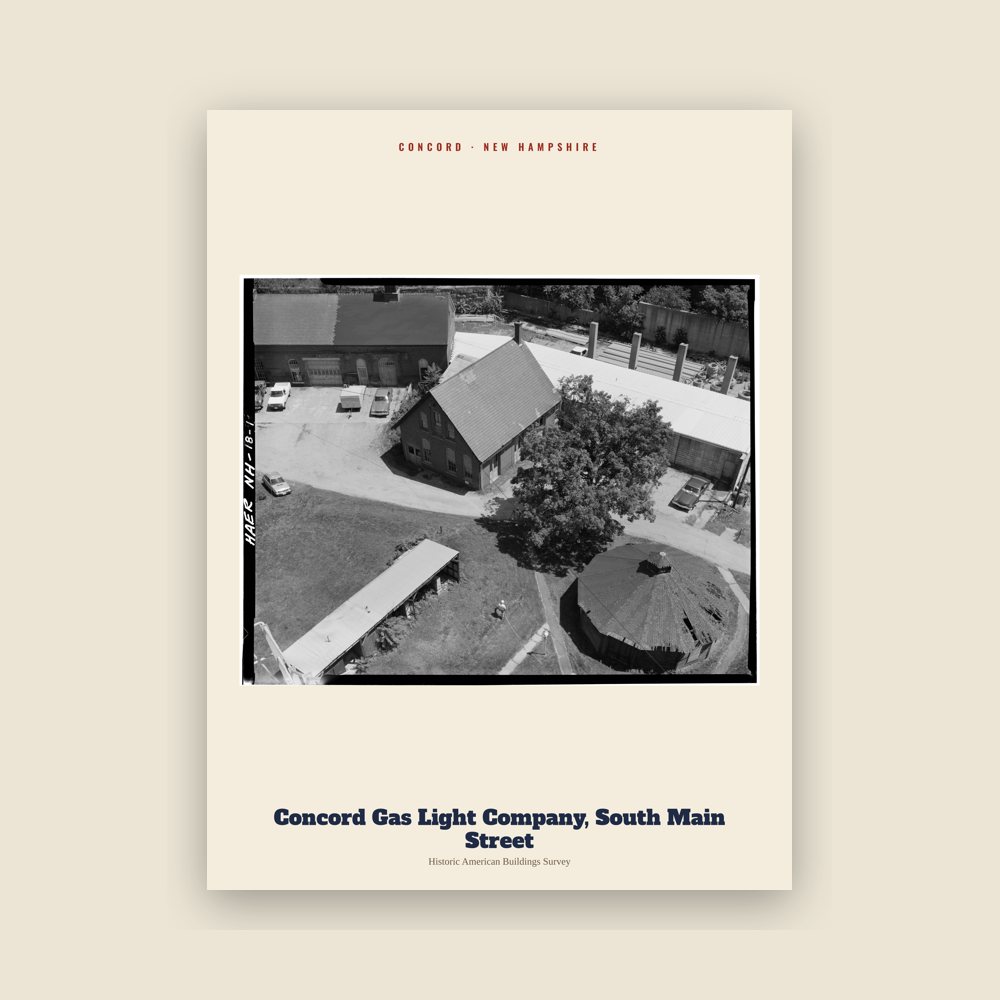
From the Library of Congress collections: a historic survey drawing or photograph of the town
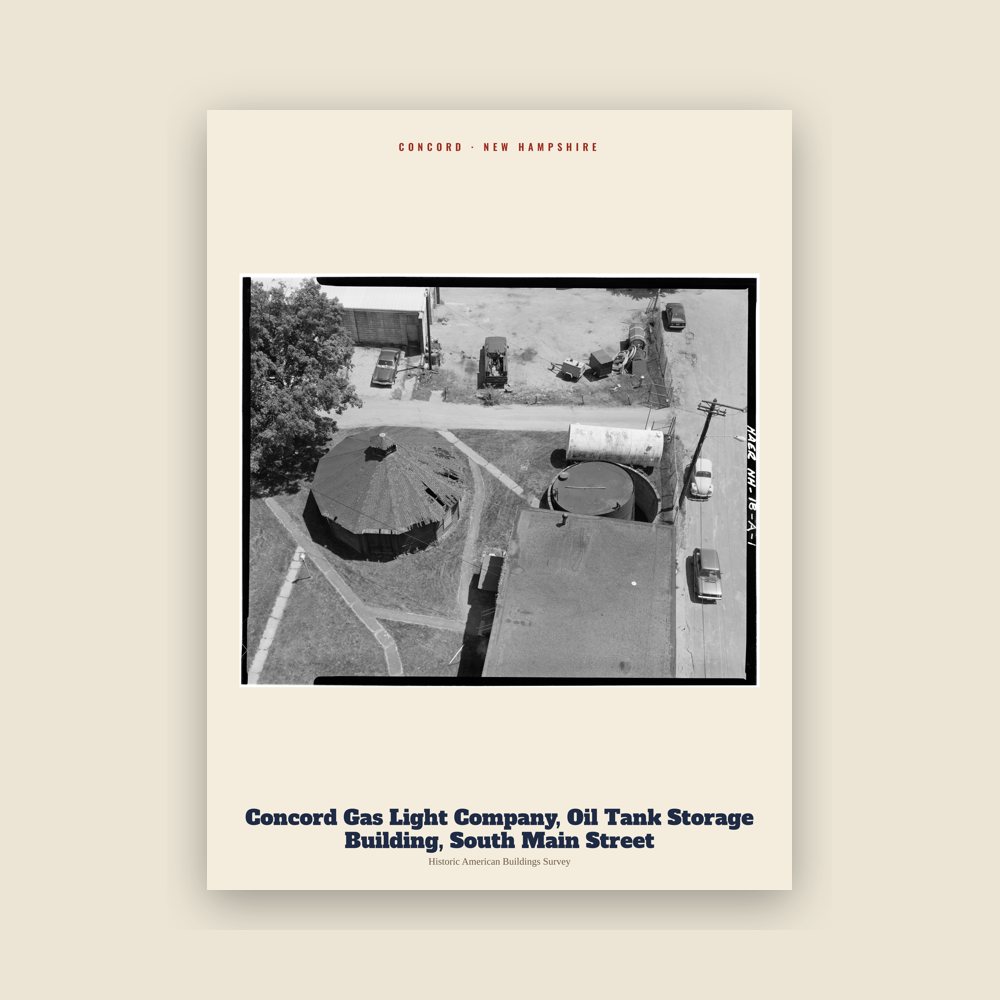
From the Library of Congress collections: a historic survey drawing or photograph of the town
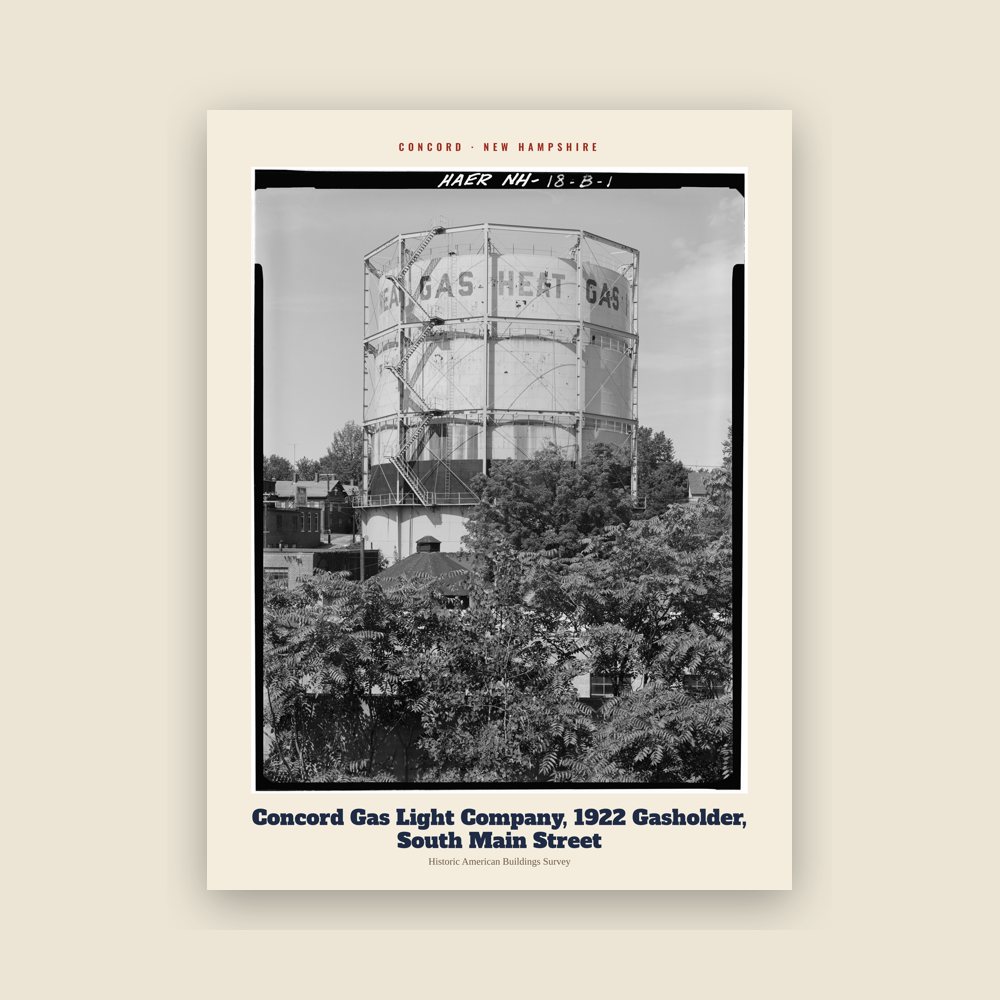
From the Library of Congress collections: a historic survey drawing or photograph of the town
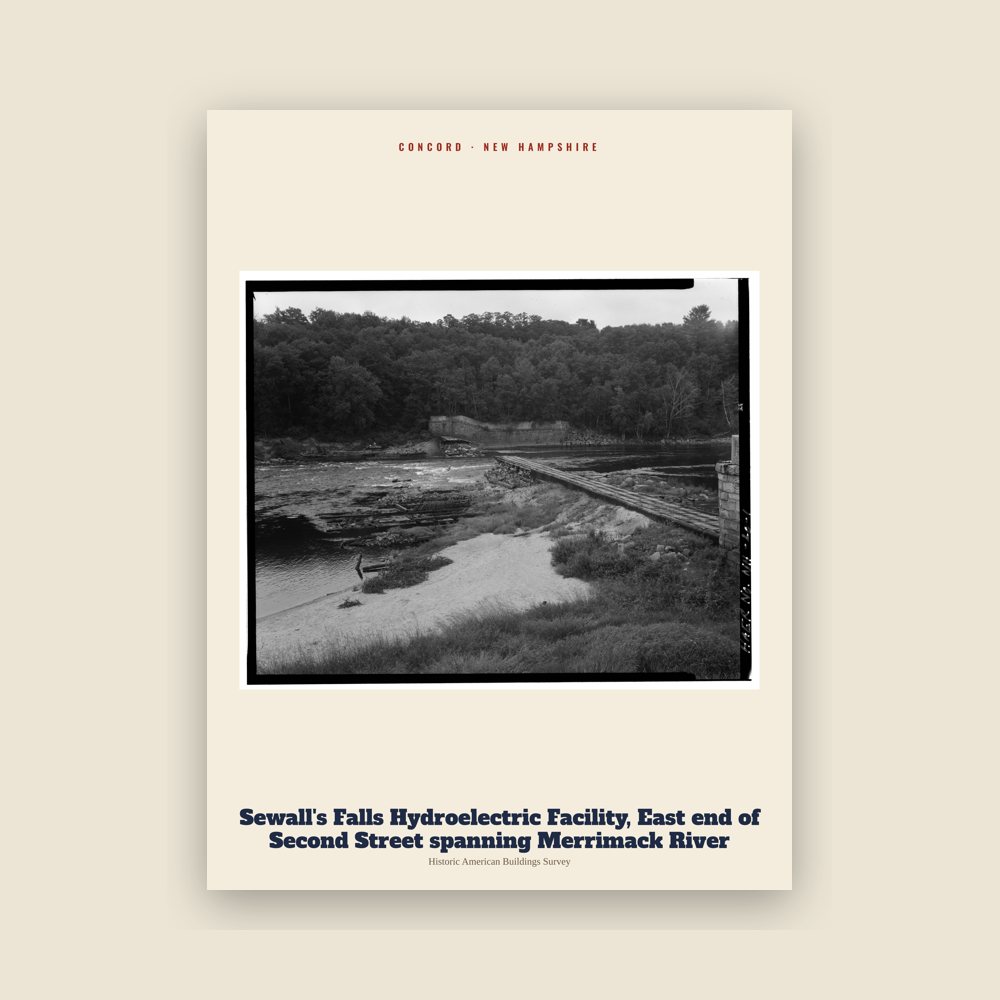
From the Library of Congress collections: a historic survey drawing or photograph of the town
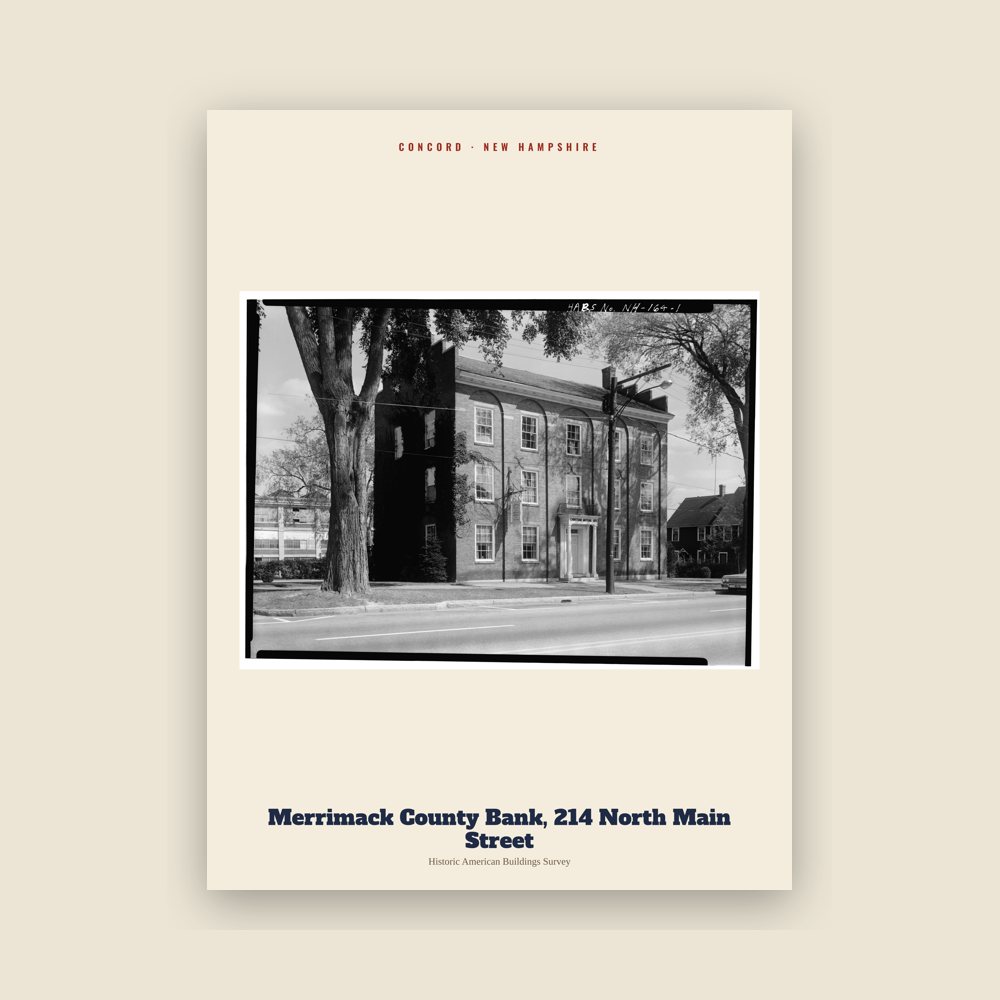
From the Library of Congress collections: a historic survey drawing or photograph of the town
Population 2010: 42,695 → 2020: 43,976
From Wikidata (CC0).
The area that would become Concord was originally settled thousands of years ago by Abenaki Native Americans called the Pennacook. The tribe fished for migrating salmon, sturgeon, and alewives with nets strung across the rapids of the Merrimack River. The stream was also the transportation route for their birch bark canoes, which could travel from Lake Winnipesaukee to the Atlantic Ocean. The broad sweep of the Merrimack River valley floodplain provided good soil for farming beans, gourds, pumpkins, melons and maize.
The area was first settled by Europeans in 1659 as Penacook, after the Abenaki word "pannukog" meaning "bend in the river," referencing the steep bends of the Merrimack River through the area. On January 17, 1725, the Province of Massachusetts Bay, which then claimed territories west of the Merrimack, granted the Concord area as the Plantation of Penacook. It was settled between 1725 and 1727 by Captain Ebenezer Eastman and others from Haverhill, Massachusetts. On February 9, 1734, the town was incorporated as "Rumford", from which Sir Benjamin Thompson, Count Rumford, would take his title. It was renamed "Concord" in 1765 by Governor Benning Wentworth following a bitter boundary dispute between Rumford and the town of Bow; the city name was meant to reflect the new concord, or harmony, between the disputant towns. Citizens displaced by the resulting border adjustment were given land elsewhere as compensation. In 1779, New Pennacook Plantation was granted to Timothy Walker Jr. and his associates at what would be incorporated in 1800 as Rumford, Maine, the site of Pennacook Falls.
Concord grew in prominence throughout the 18th century, and some of the earliest houses from this period survive at the northern end of Main Street. In the years following the Revolution, Concord's central geographical location made it a logical choice for the state capital, particularly after Samuel Blodget in 1807 opened a canal and lock system to allow vessels passage around the Amoskeag Falls downriver, connecting Concord with Boston by way of the Middlesex Canal. In 1808, Concord was named the official seat of state government, and in 1816 architect Stuart Park was commissioned to design a new capitol building for the state legislature on land sold to the state by local Quakers. Construction on the State House was completed in 1819, and it remains the oldest capitol in the nation in which the state's legislative branches meet in their original chambers. Concord was also named the seat of Merrimack County in 1823, and the Merrimack County Courthouse was constructed in 1857 in the North End at the site of the Old Town House.
In the early 19th century, much of the city's economy was dominated by furniture-making, printing, and granite quarrying; granite had become a popular building material for many monumental halls in the early United States, and Concord granite was used in the construction of both the New Hampshire State House and the Library of Congress in Washington, D.C. In 1828, Lewis Downing joined J. Stephens Abbot to form Abbot and Downing. Their most famous product was their Concord coach, widely used in the development of the American West, and their enterprise largely boosted and changed the city economy in the mid-19th century. In subsequent years, Concord would also become a hub for the railroad industry, with Penacook a textile manufacturing center using water power from the Contoocook River. The city also around this time started to become a center for the emerging healthcare industry, with New Hampshire State Hospital opening in 1842 as one of the first psychiatric hospitals in the United States. The State Hospital continued to expand throughout the following decades, and in 1891 Concord Hospital opened its doors as Margaret Pillsbury General Hospital, the first general hospital in the state of New Hampshire.
Concord's economy changed once again in the 20th century with the declining railroad and textile industry. The city developed into a center for national politics due to New Hampshire's first-in-the-nation primary, and many presidential candidates still visit the Concord area during campaign season. The city also developed an identity within the emerging space industry, with the McAuliffe-Shepard Discovery Center opening in 1990 to commemorate Alan Shepard, the first American in space from nearby Derry, and Christa McAuliffe, a teacher at Concord High School who died in the 1986 Space Shuttle Challenger disaster. Today, Concord remains a center for politics, law, healthcare, and insurance companies.
Adapted (trimmed) from the Wikipedia article Concord, New Hampshire, revision 1377967280 by its contributors, licensed CC BY-SA 4.0.
We share a part of every Concord sale with local partners, and we'd love to print from your collection. Old photographs, maps and postcards make the best keepsakes.
Partner with us