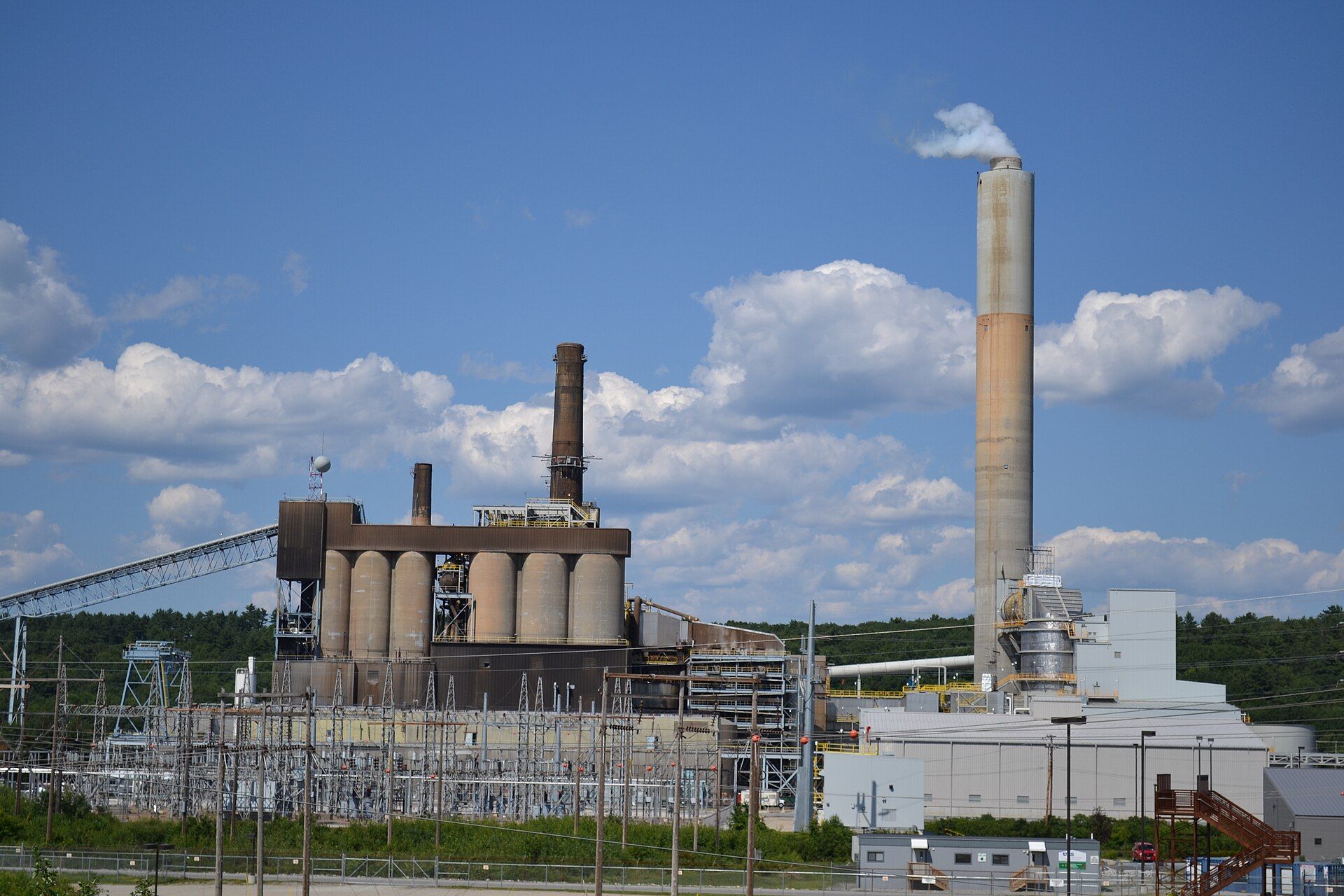
Bow is a town in Merrimack County, New Hampshire, United States. Landmarks include Donald D. Tuttle House and Merrimack Station. Bow is the birthplace of Mary Baker Eddy, founder of Christian Science.
Every piece is drawn from Bow's own map data and historic archives, then printed and shipped from the USA when you order. No two towns look alike.
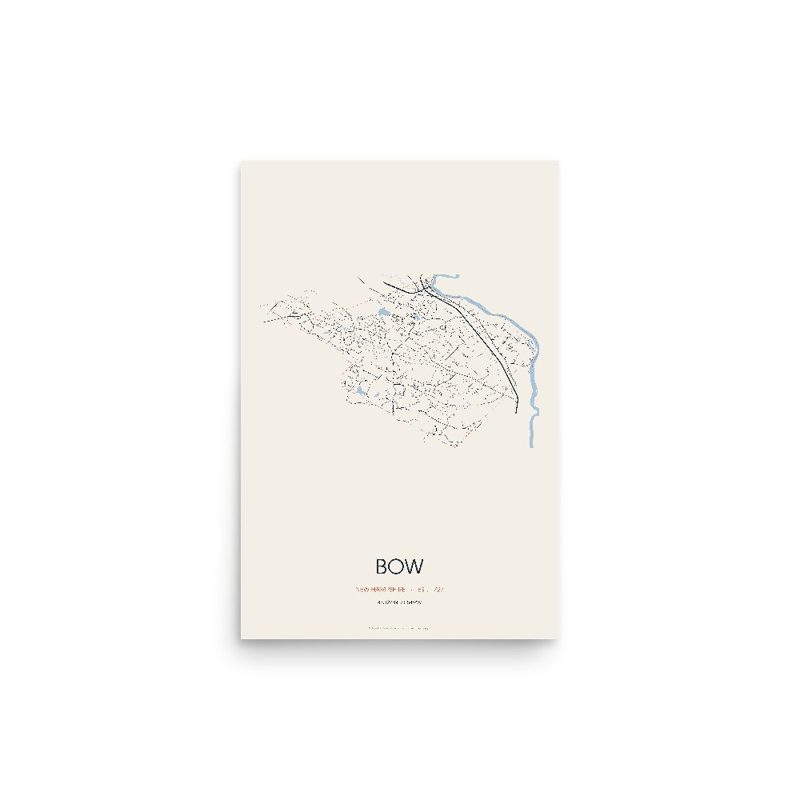
Every road in town, on archival matte paper
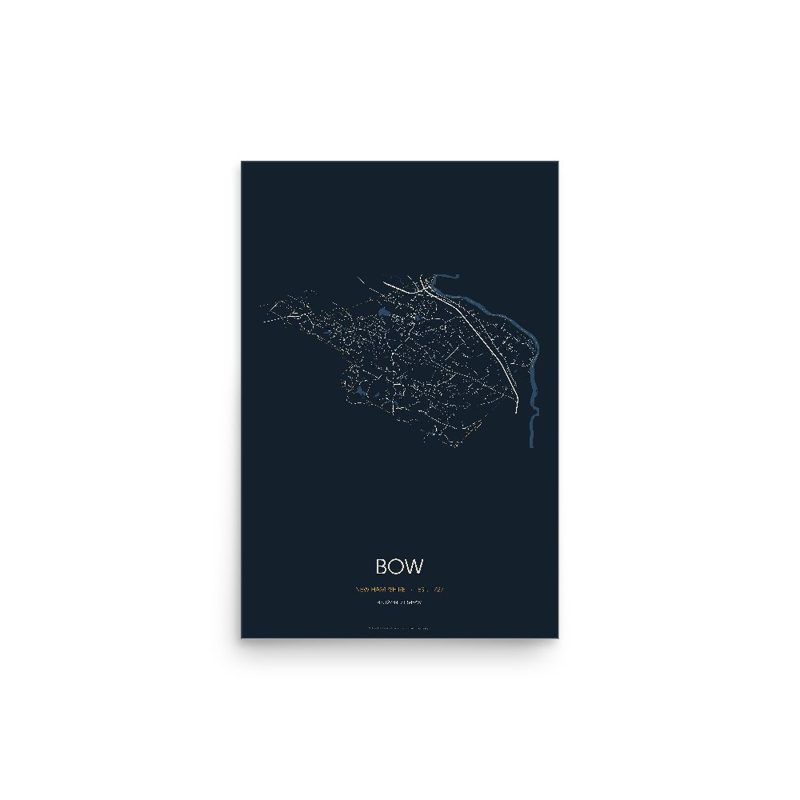
The same map, in navy and silver
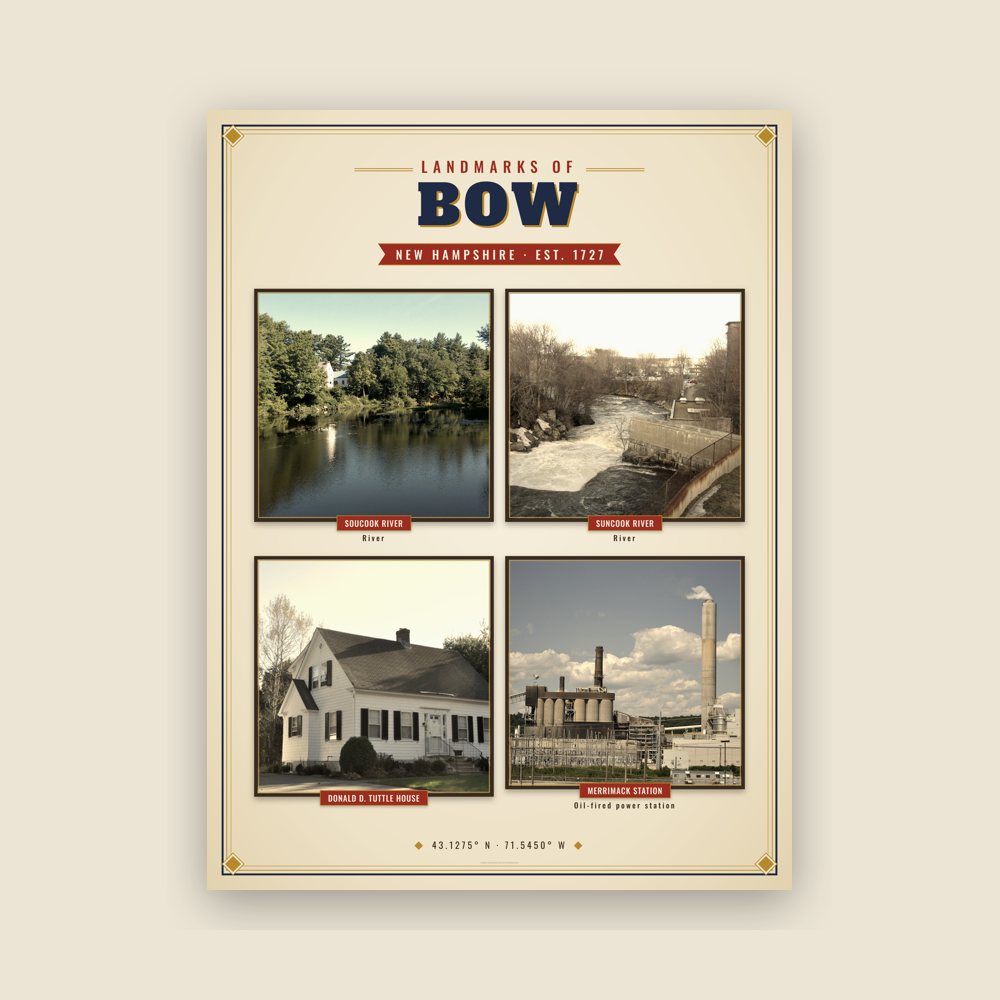
Nine local landmarks, archival matte
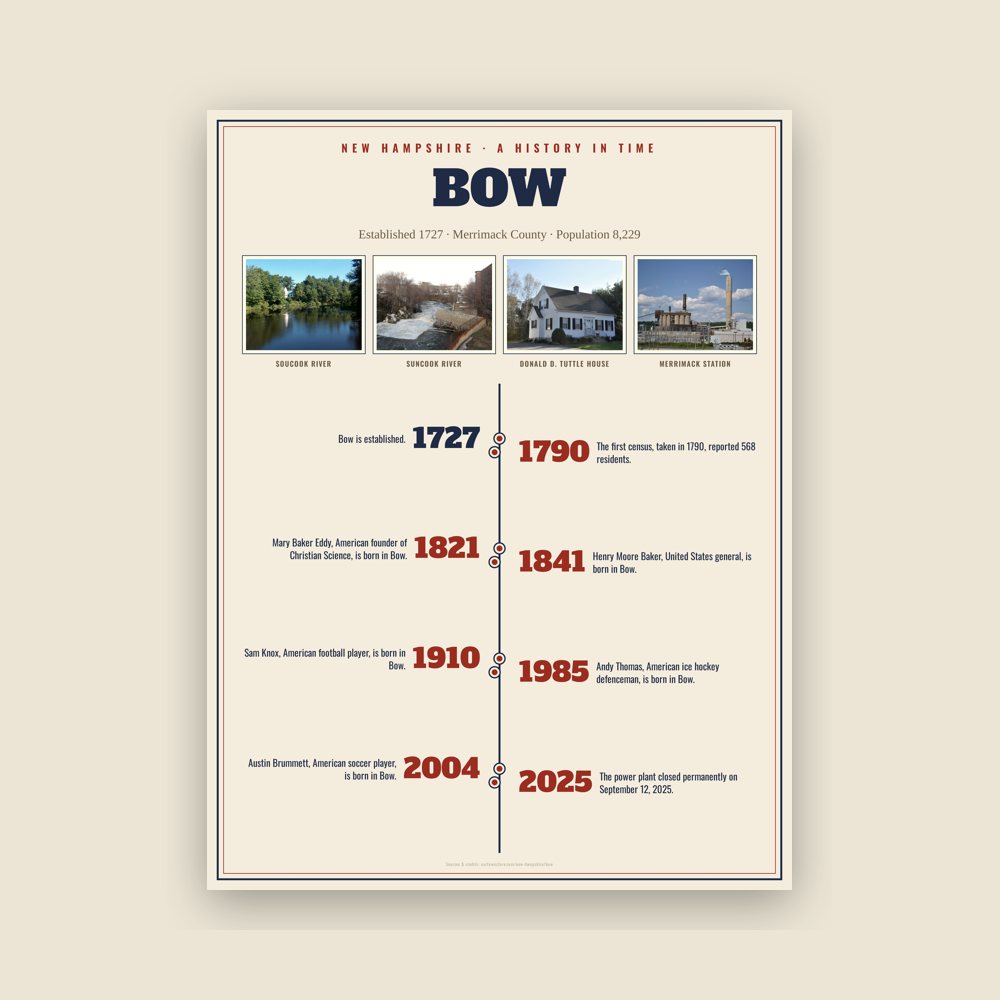
The town's story in dates, from its own records, for home or classroom
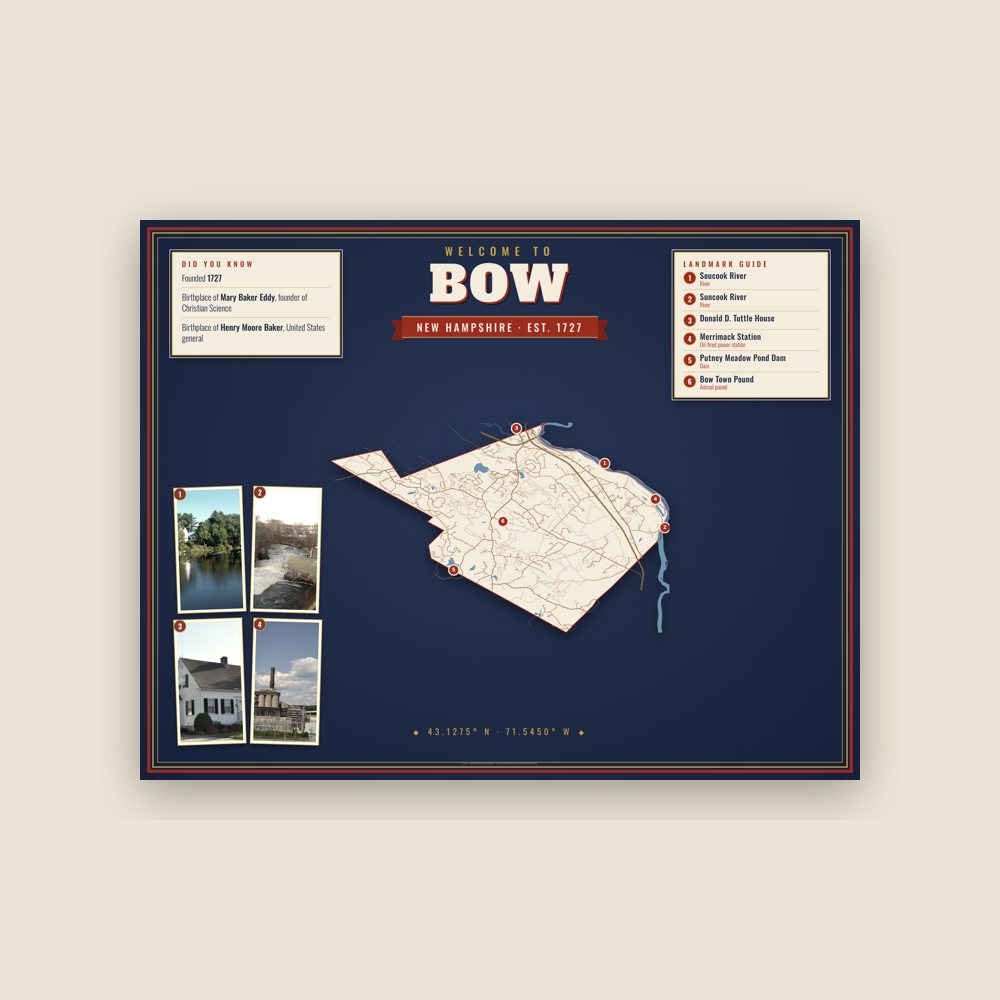
Map of local landmarks, washable fabric

Heavy-blend fleece, street map printed on the back

Soft Bella+Canvas jersey
Glossy ceramic, dishwasher safe
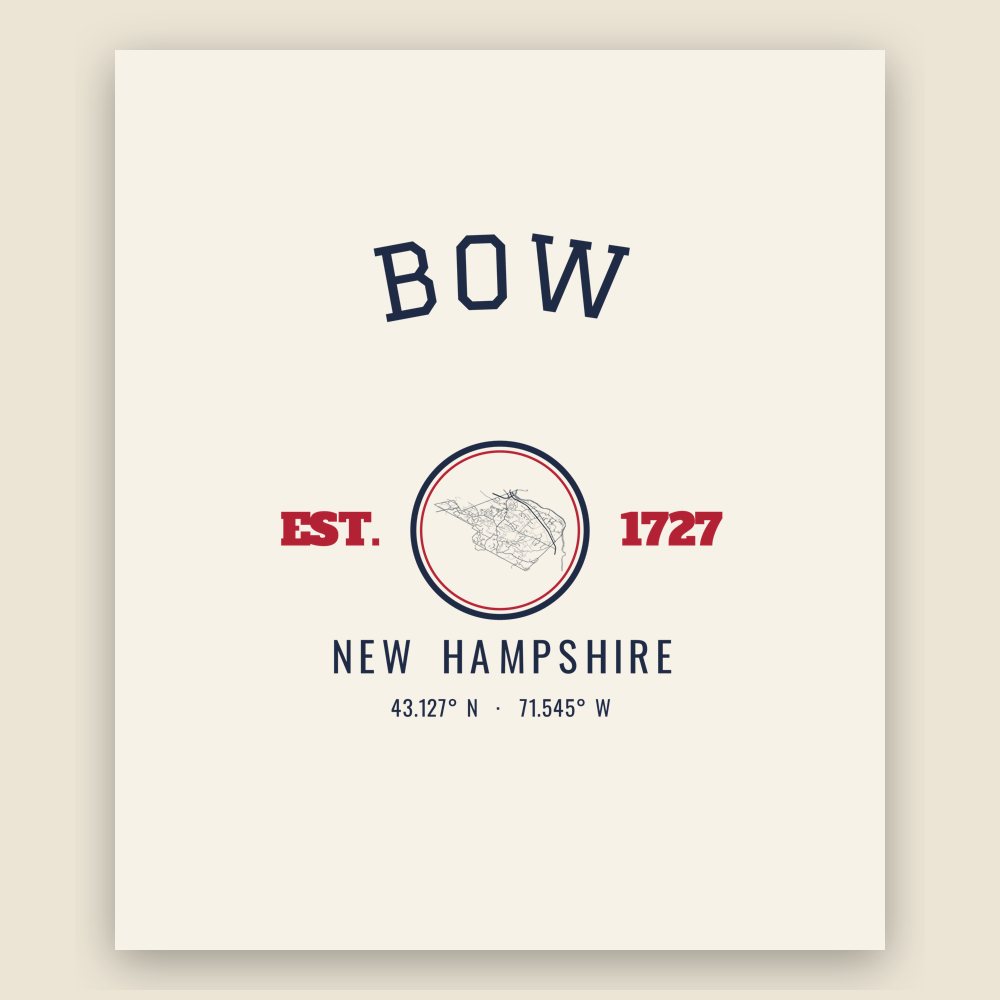
Ceramic keepsake, gold ribbon
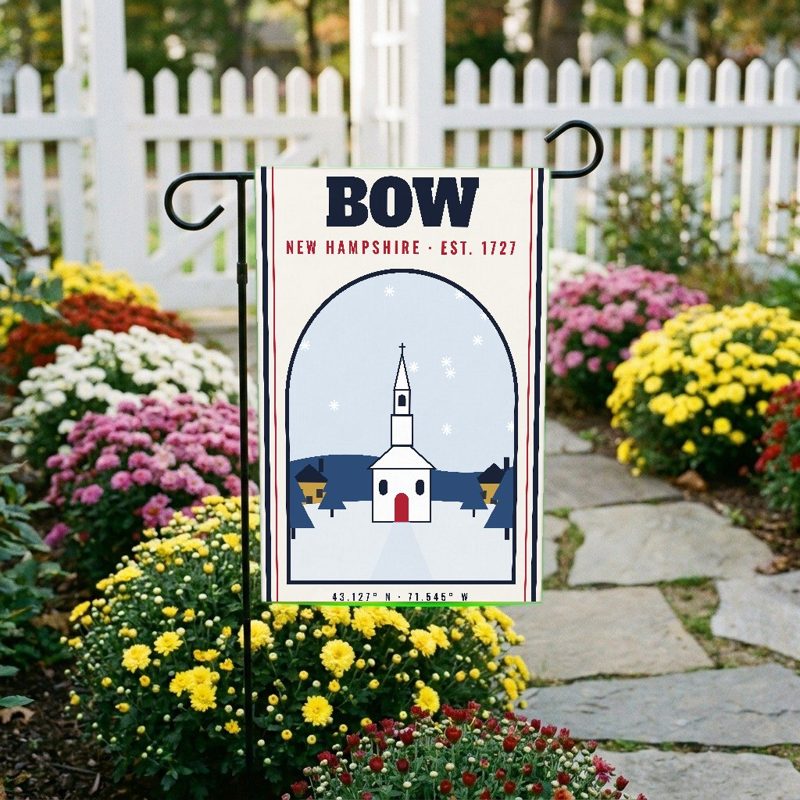
Weatherproof, for the front walk

24″×16″, printed coir-look fibers, rubber back
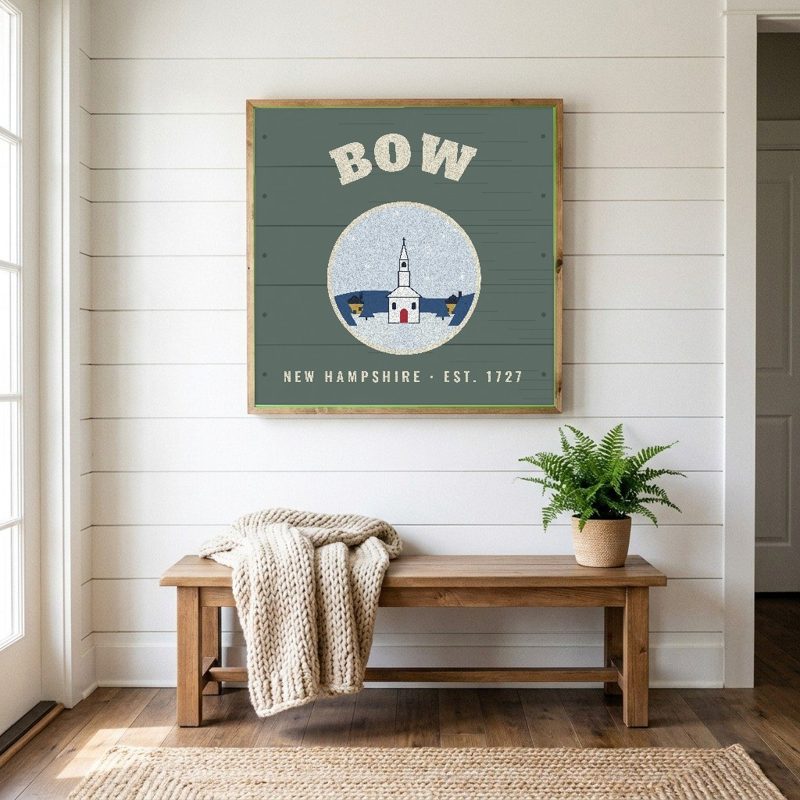
12″×12″ printed wood, ready to hang
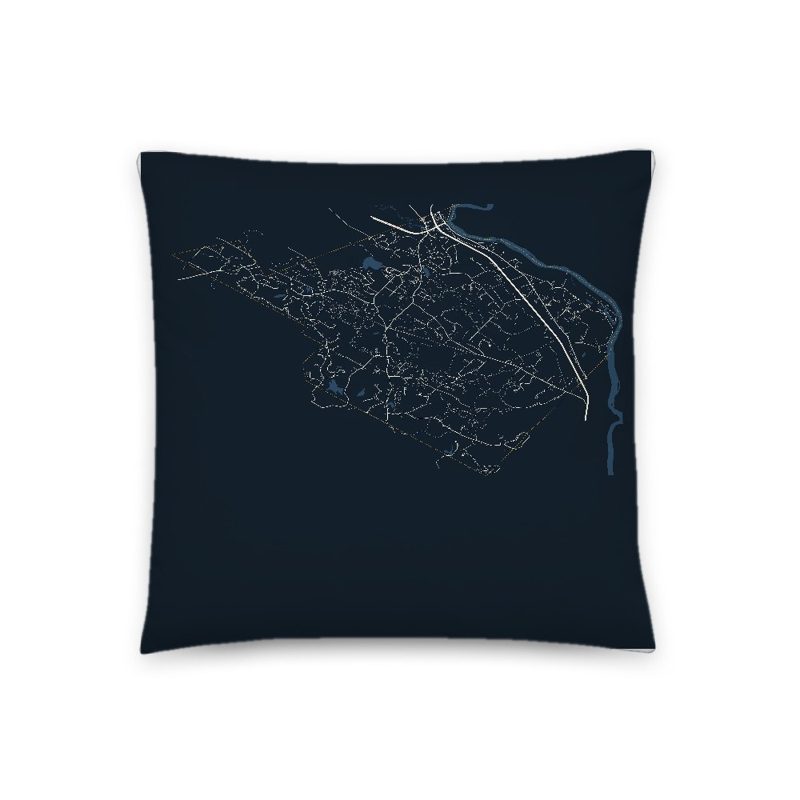
Soft-touch, zip cover
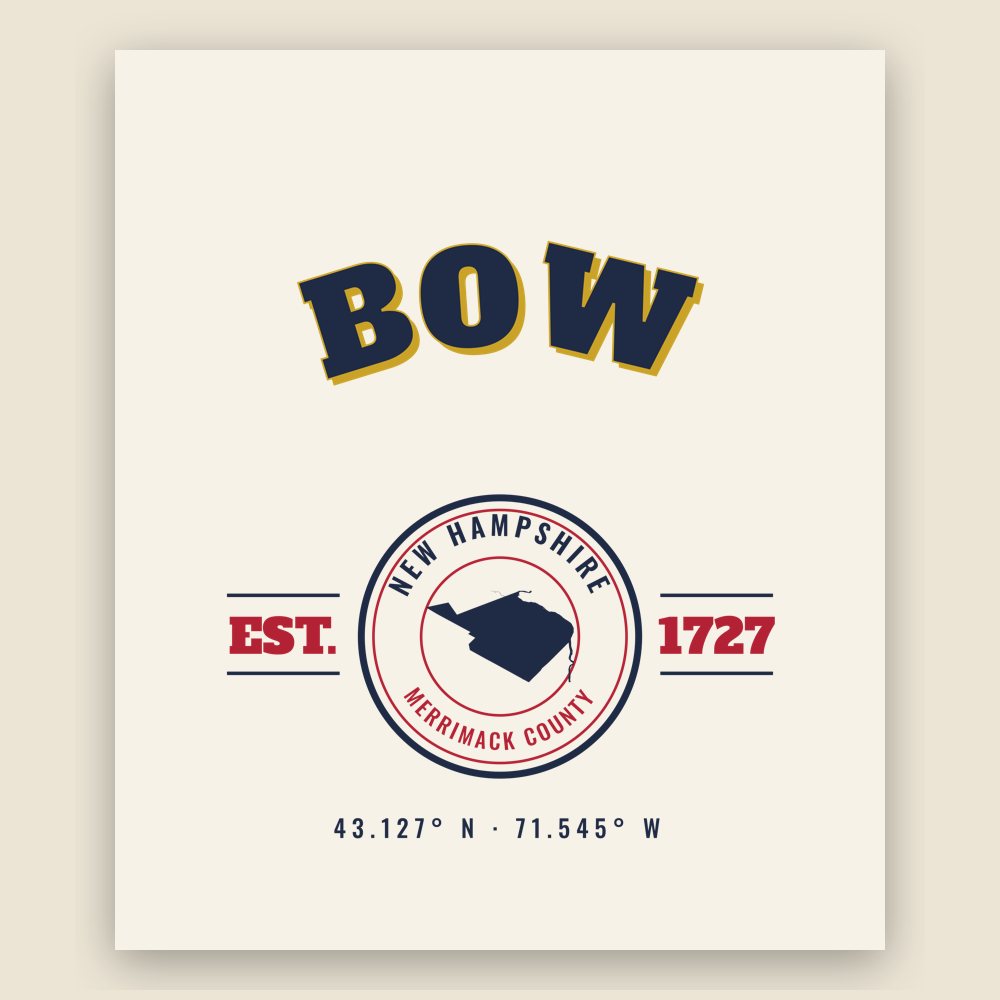
Sturdy all-over-print tote
Glossy top, cork back
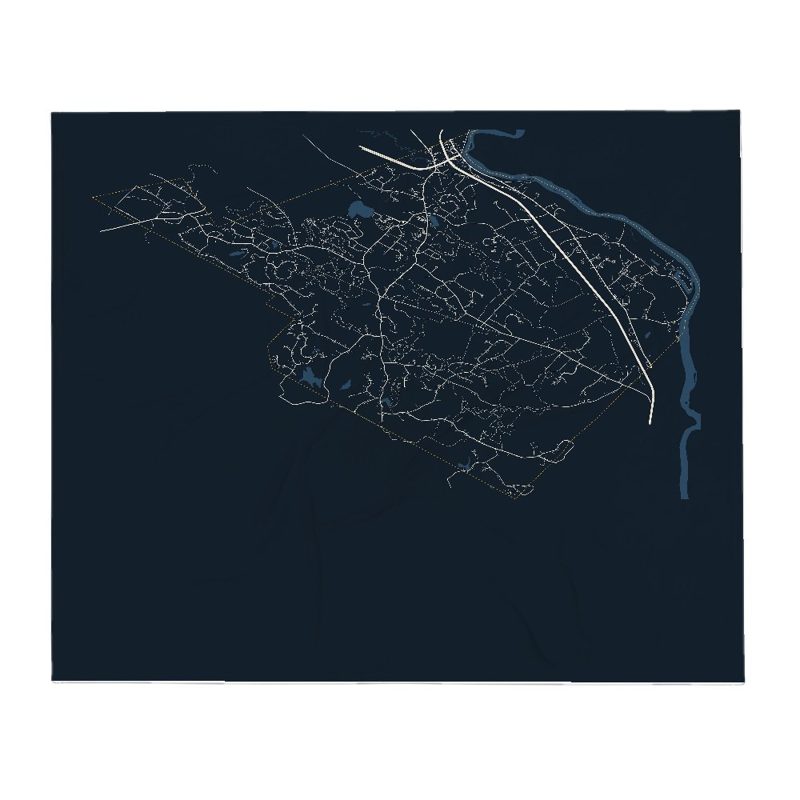
Soft fleece, 50″×60″
20 oz, double-wall stainless
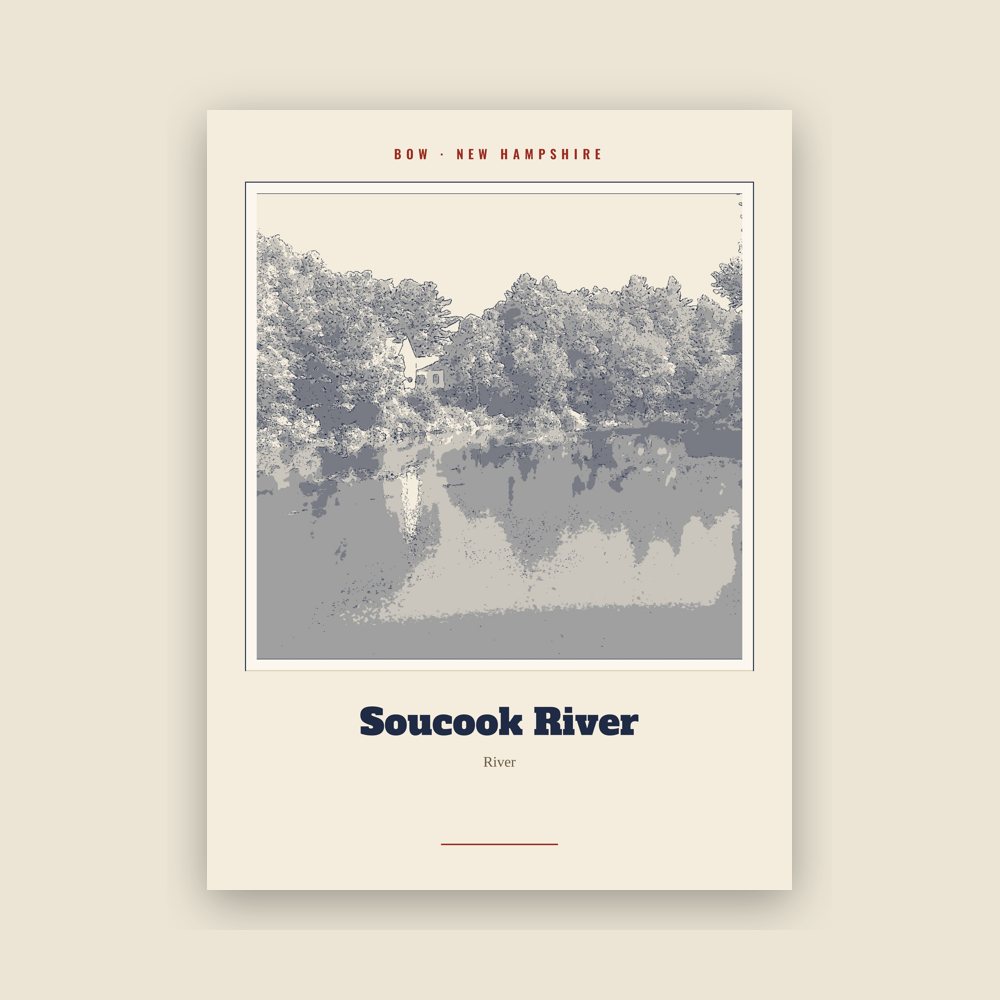
Archival matte print of a local landmark, credited to its photographer
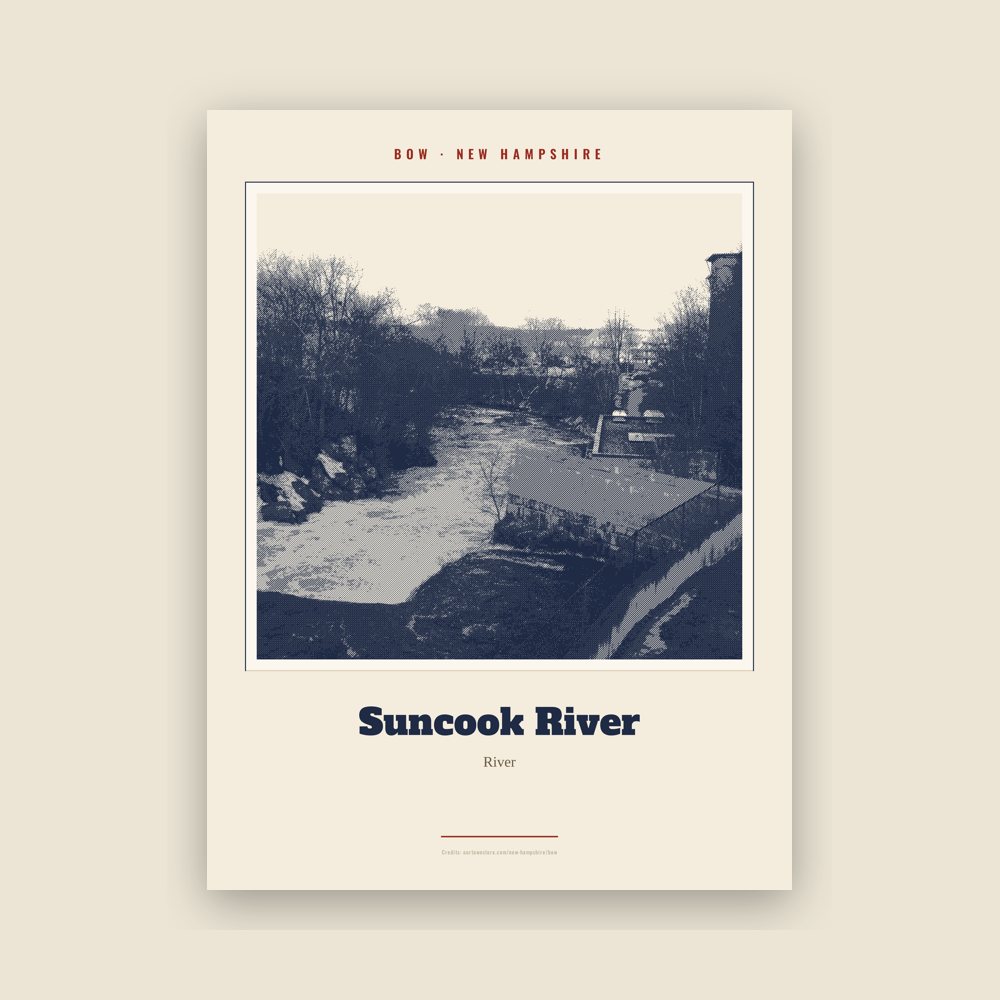
Archival matte print of a local landmark, credited to its photographer
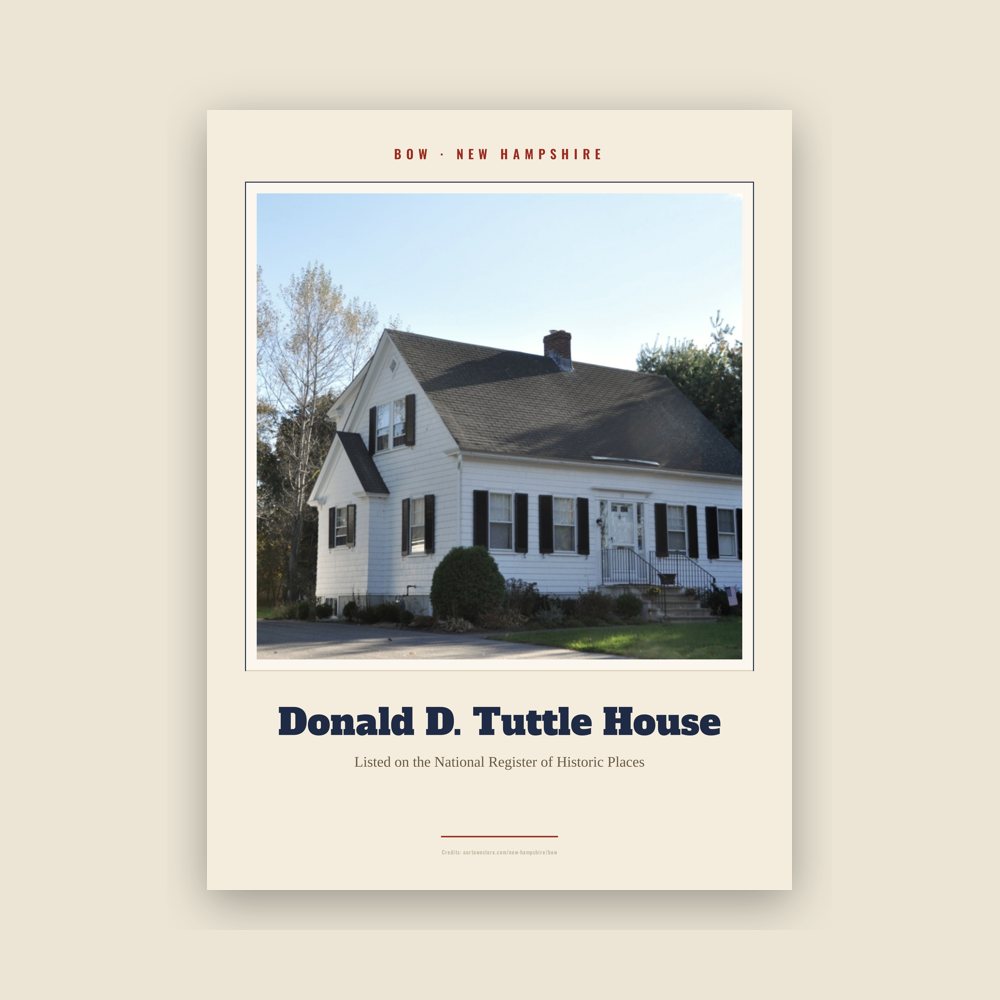
Archival matte print of a local landmark, credited to its photographer
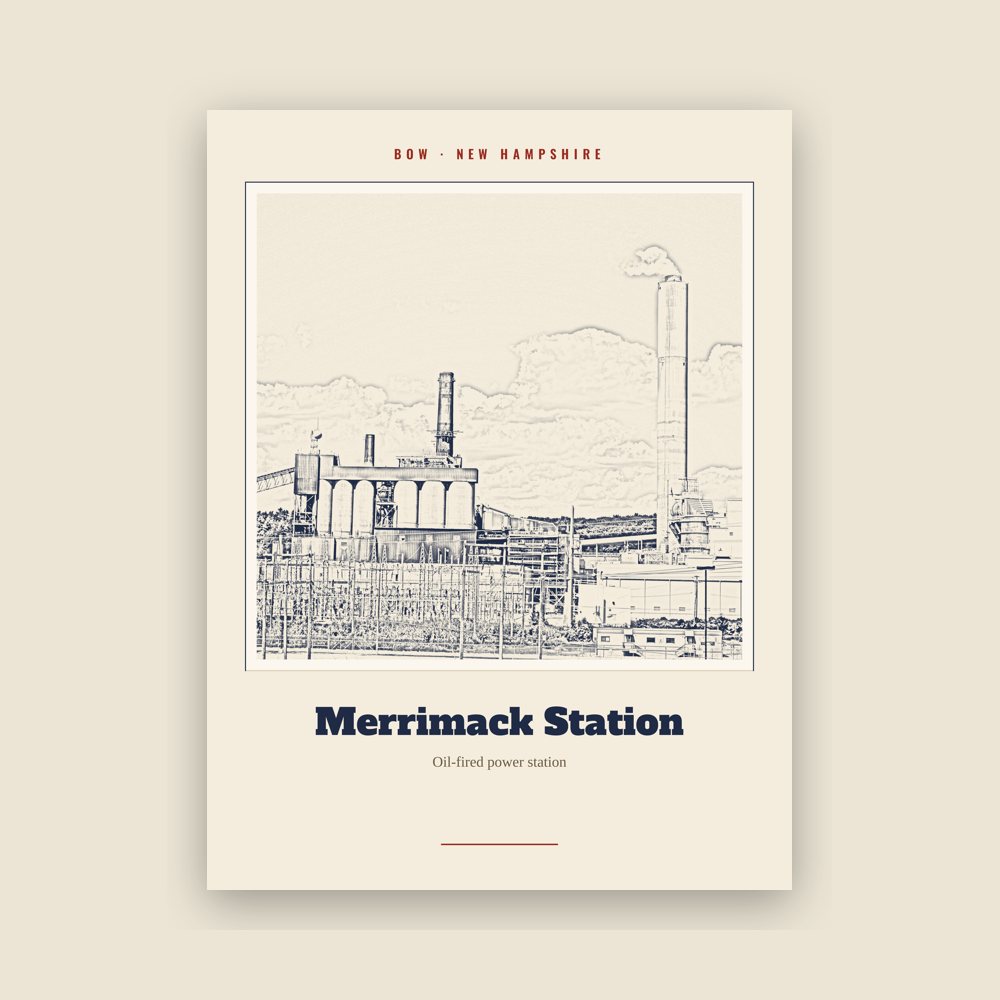
Archival matte print of a local landmark, credited to its photographer
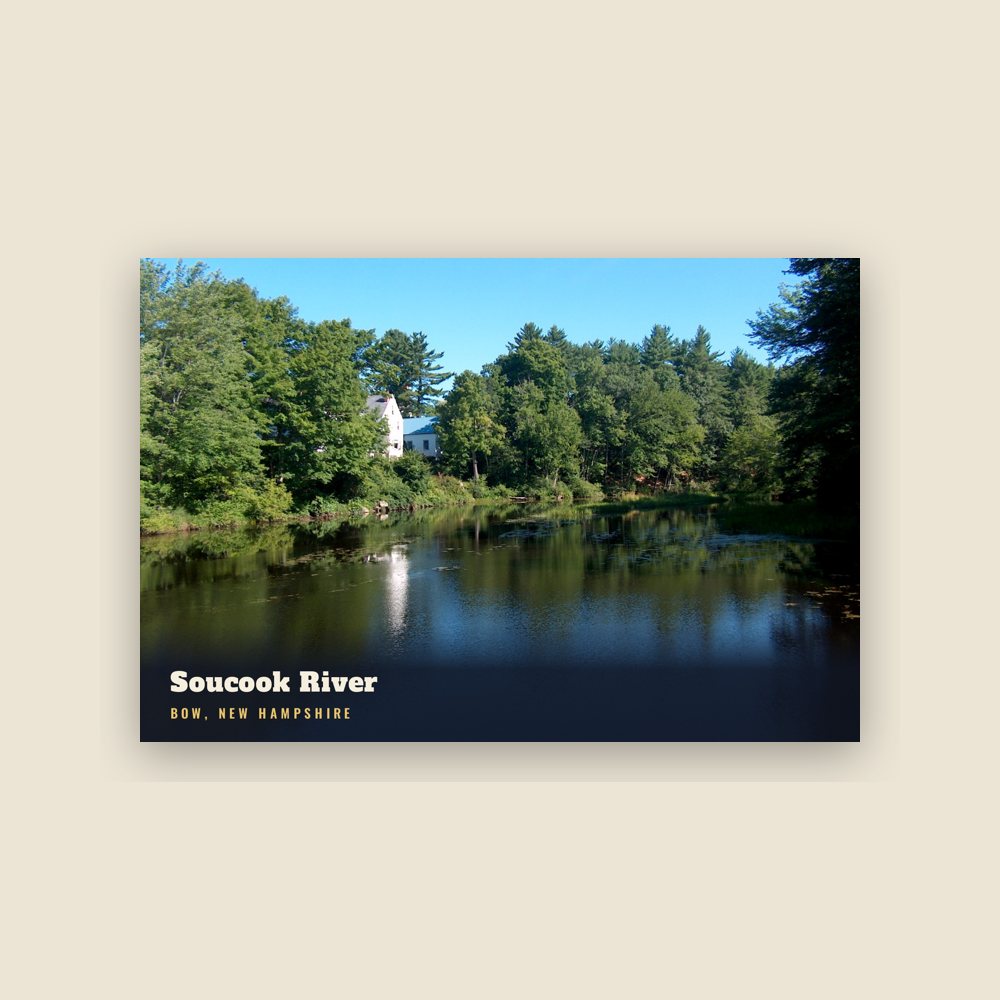
6″×4″ postcard, glossy front
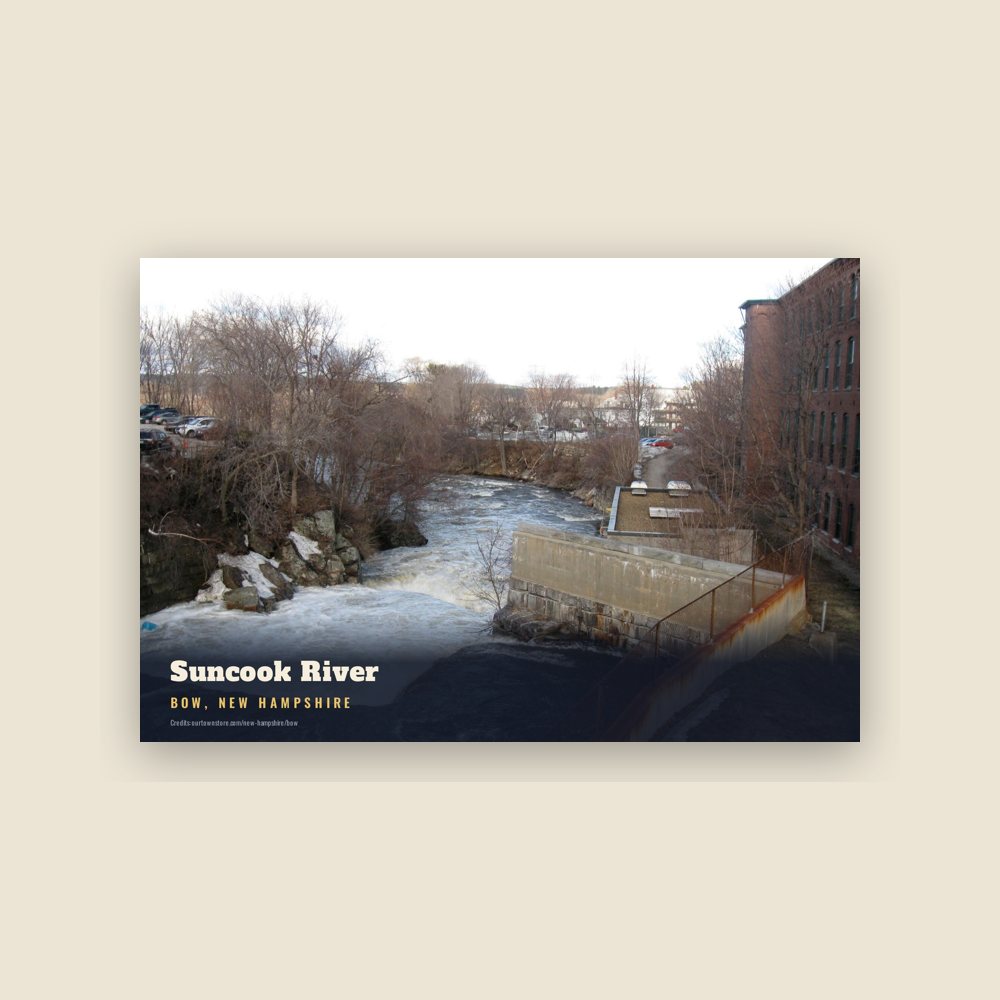
6″×4″ postcard, glossy front
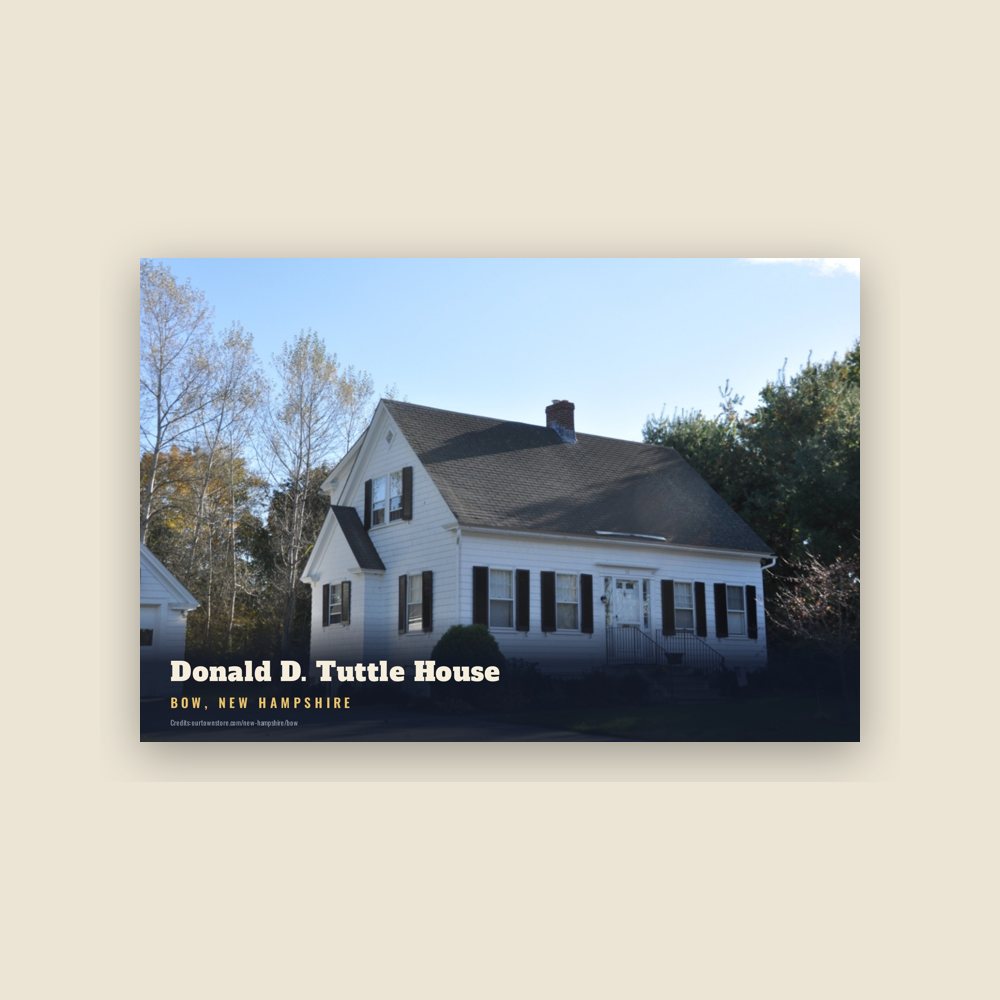
6″×4″ postcard, glossy front
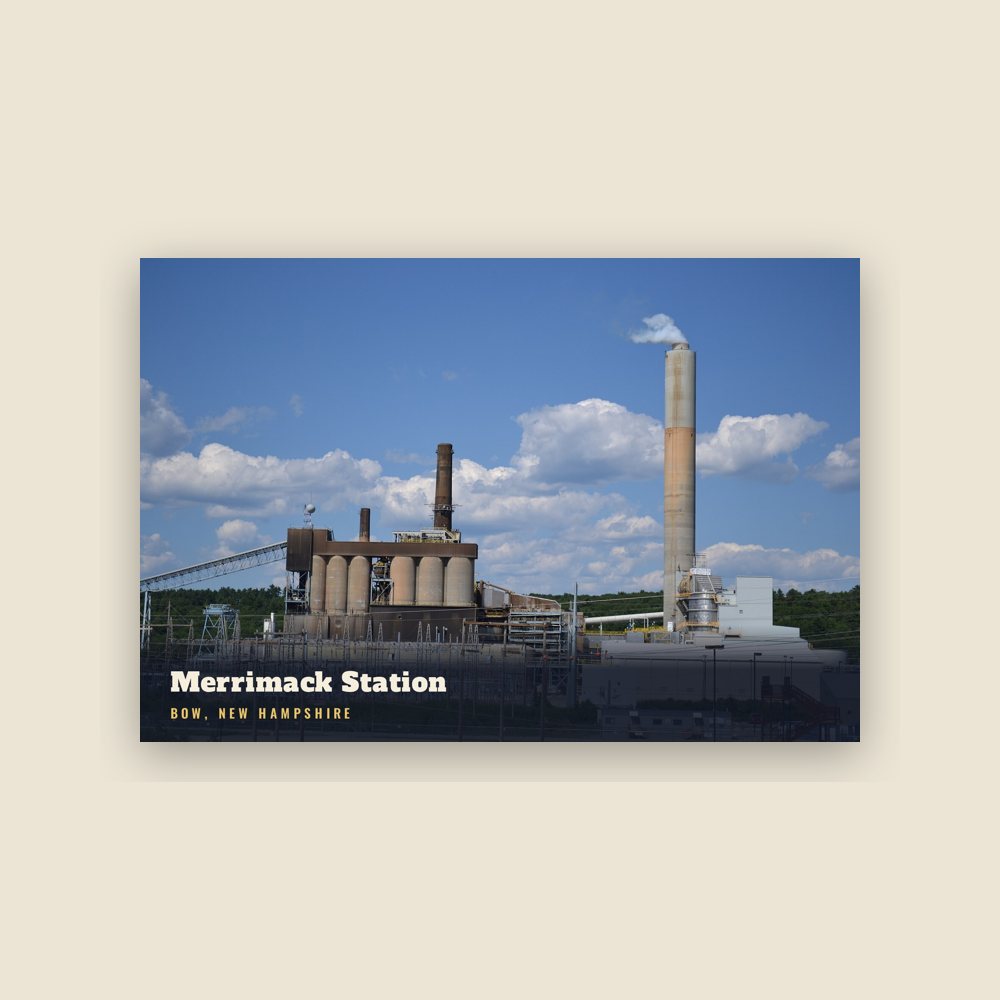
6″×4″ postcard, glossy front
Population 2010: 7,519 → 2020: 8,229
From Wikidata (CC0).
The town was granted by the authorities of New Hampshire to Jonathan Wiggin and others in 1727, and was originally 9 miles (14 km) square, covering nearly all the territory granted to Ebenezer Eastman and others by the authorities of Massachusetts two years previous, under the name of "Pennacook" (now Concord). Massachusetts claimed to hold authority over a large portion of the territory of New Hampshire for many years, until the final boundary line was established in 1741, giving New Hampshire more territory than it had ever claimed.
These complicated lines of the two towns coming from two different authorities were not settled decisively until after the final separation of the two colonial provinces. The government of New Hampshire gave Bow the preference in its grant of 1727, and did not recognize the title of the Pennacook grantees, and in the bill giving a charter for the parish of Concord, it was worded as "taking a part of the town of Bow," etc. Although Concord was granted and surveyed before Bow, its final organization was 38 years after it. Bow gained a victory over Concord in its original title; still it was obliged to yield over two-thirds of its territory to Concord, Pembroke and Hopkinton, establishing their final boundary lines at different times, from 1759 to 1765.
The town's name comes from its establishment along a bend, or "bow", in the Merrimack River. The first census, taken in 1790, reported 568 residents.
On September 28, 2019, hundreds of climate activists protested in Bow against Merrimack Station, one of the last remaining coal-fired power plants in New England. 67 people, who carried buckets signifying their intent to physically remove coal from the site, were arrested by state police. The power plant closed permanently on September 12, 2025. The plant will be converted into a clean energy plant.
Adapted (trimmed) from the Wikipedia article Bow, New Hampshire, revision 1378505678 by its contributors, licensed CC BY-SA 4.0.
We share a part of every Bow sale with local partners, and we'd love to print from your collection. Old photographs, maps and postcards make the best keepsakes.
Partner with us