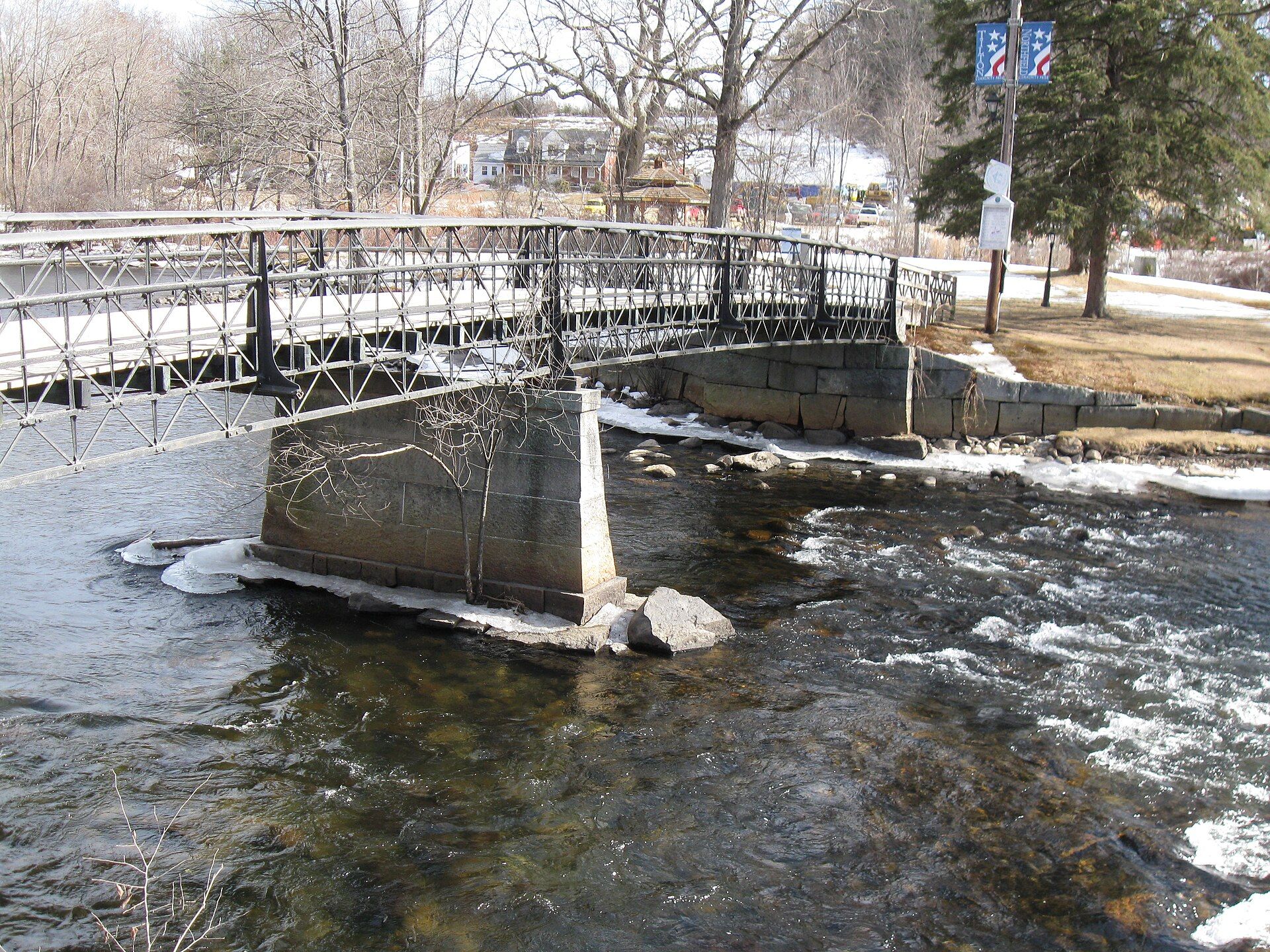
European settlers first arrived in Northfield in the early 1700s. Landmarks include Memorial Arch of Tilton, Hall Memorial Library and Tilton Downtown Historic District. Northfield is the birthplace of Richard S. Molony, politician.
Every piece is drawn from Northfield's own map data and historic archives, then printed and shipped from the USA when you order. No two towns look alike.
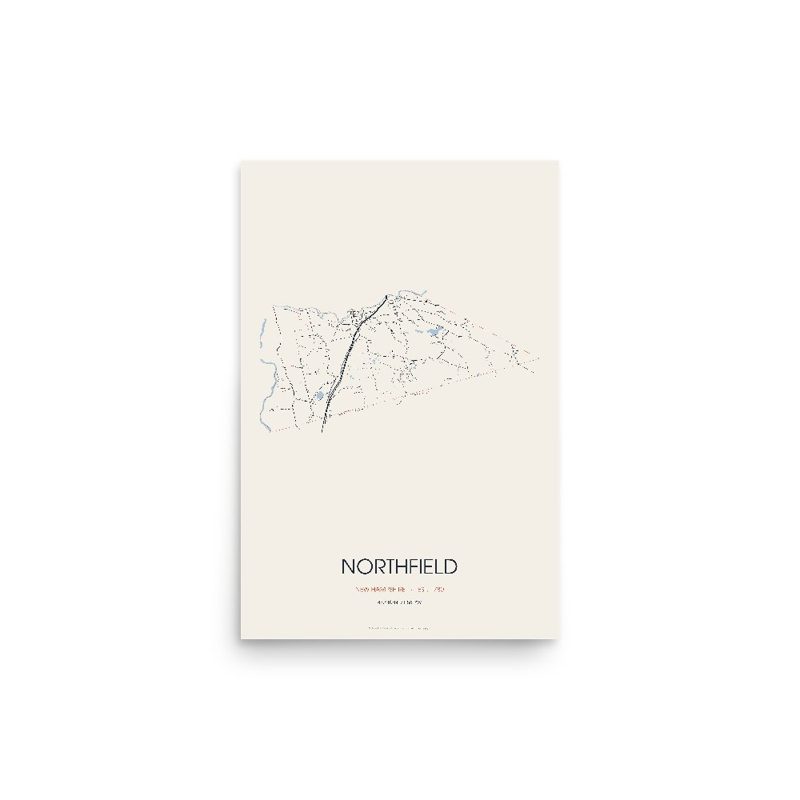
Every road in town, on archival matte paper
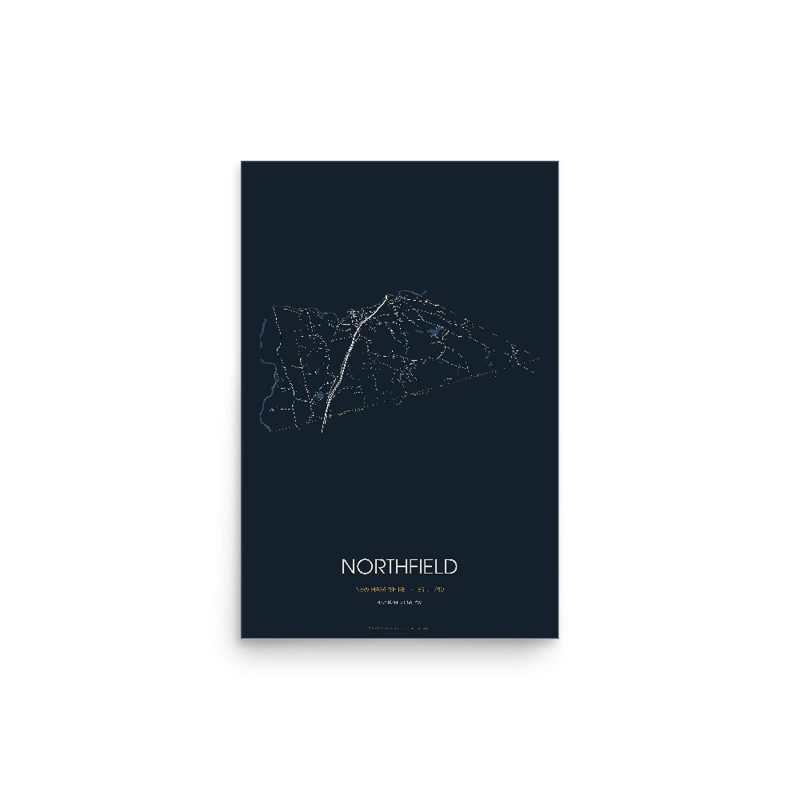
The same map, in navy and silver
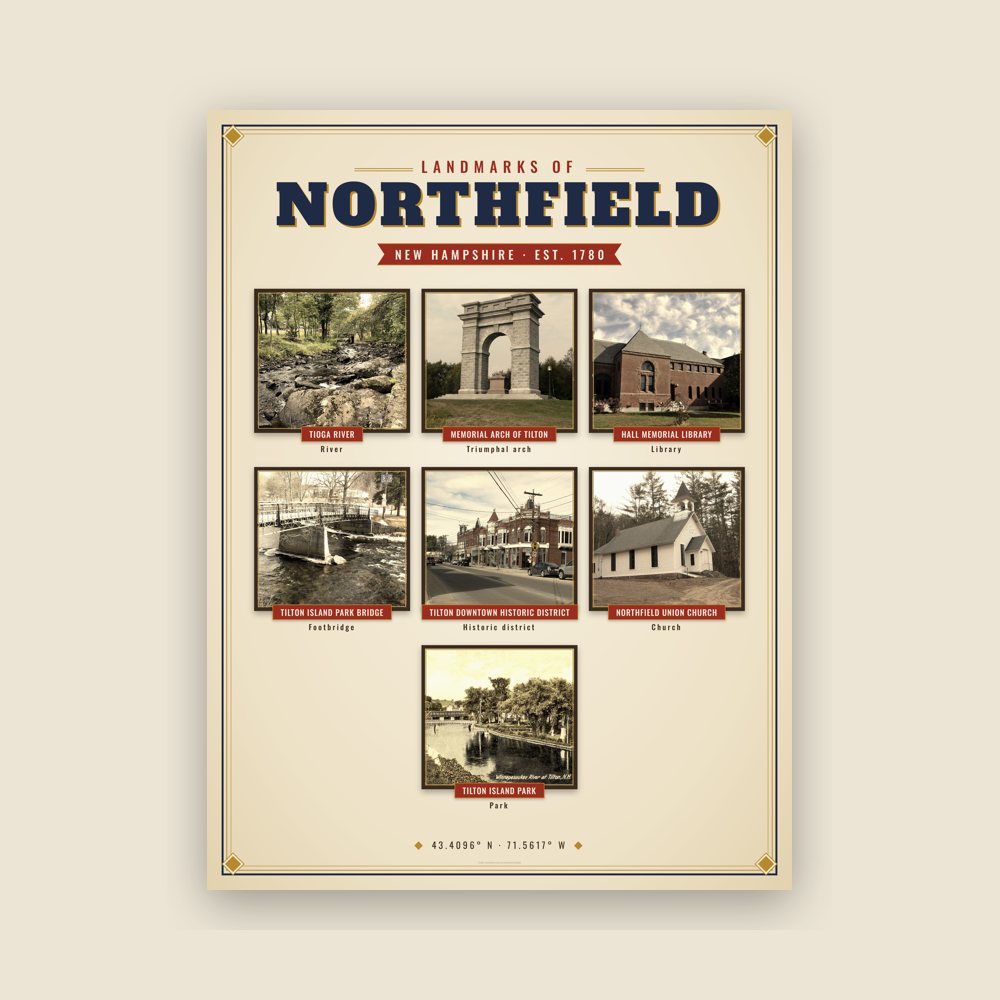
Nine local landmarks, archival matte
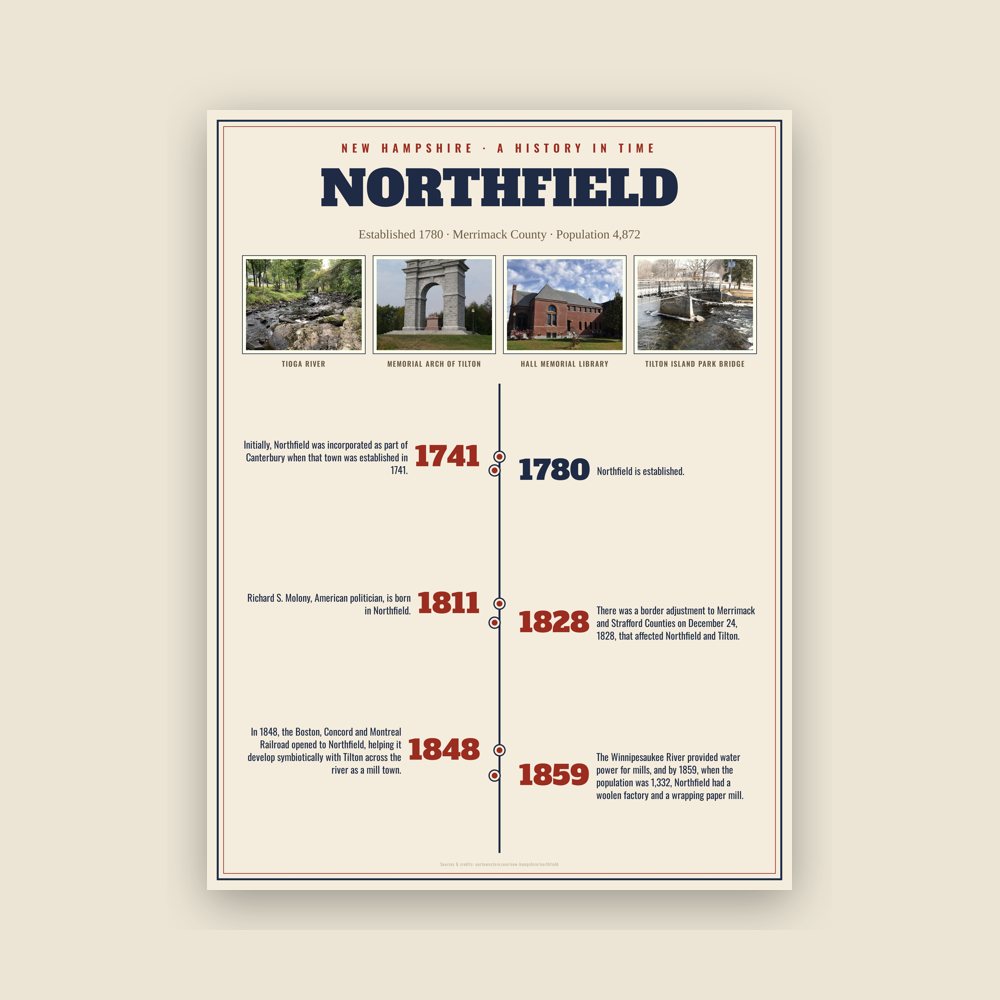
The town's story in dates, from its own records, for home or classroom
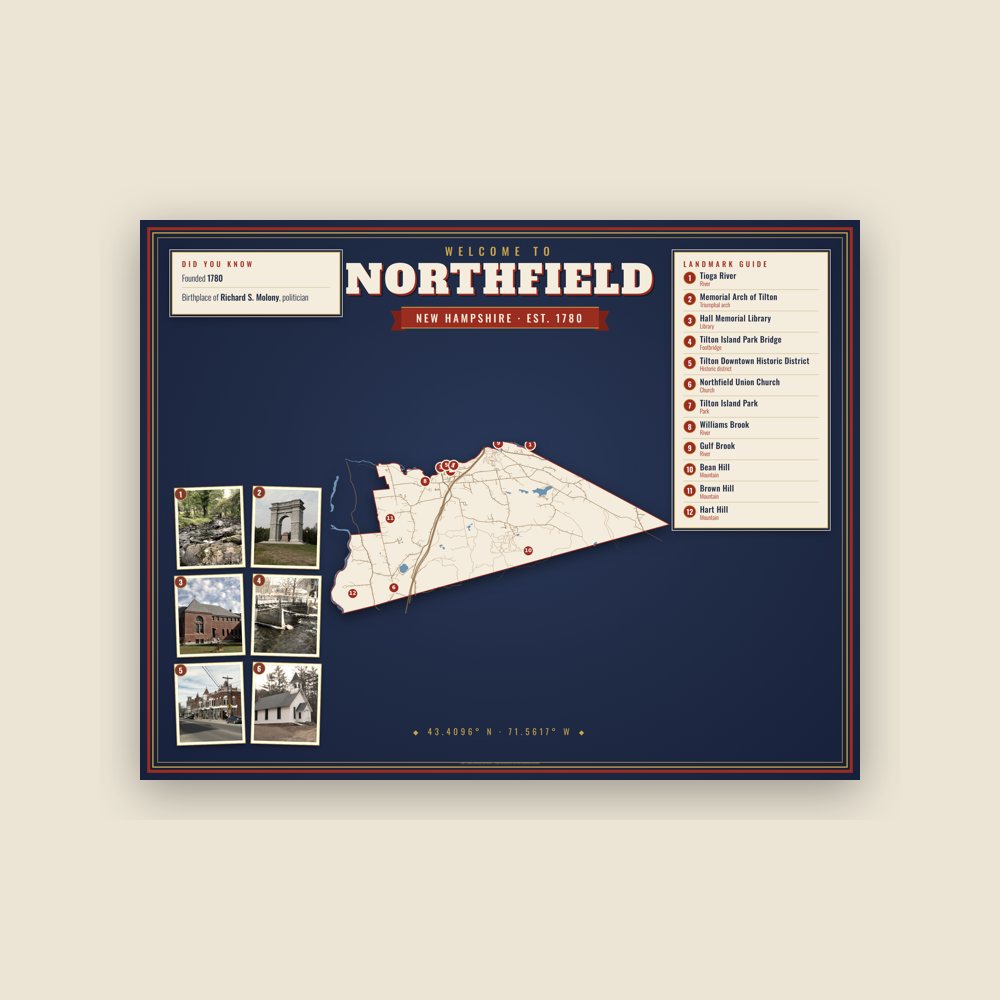
Map of local landmarks, washable fabric
Heavy-blend fleece, street map printed on the back
Soft Bella+Canvas jersey
Glossy ceramic, dishwasher safe
Ceramic keepsake, gold ribbon
Weatherproof, for the front walk
24″×16″, printed coir-look fibers, rubber back
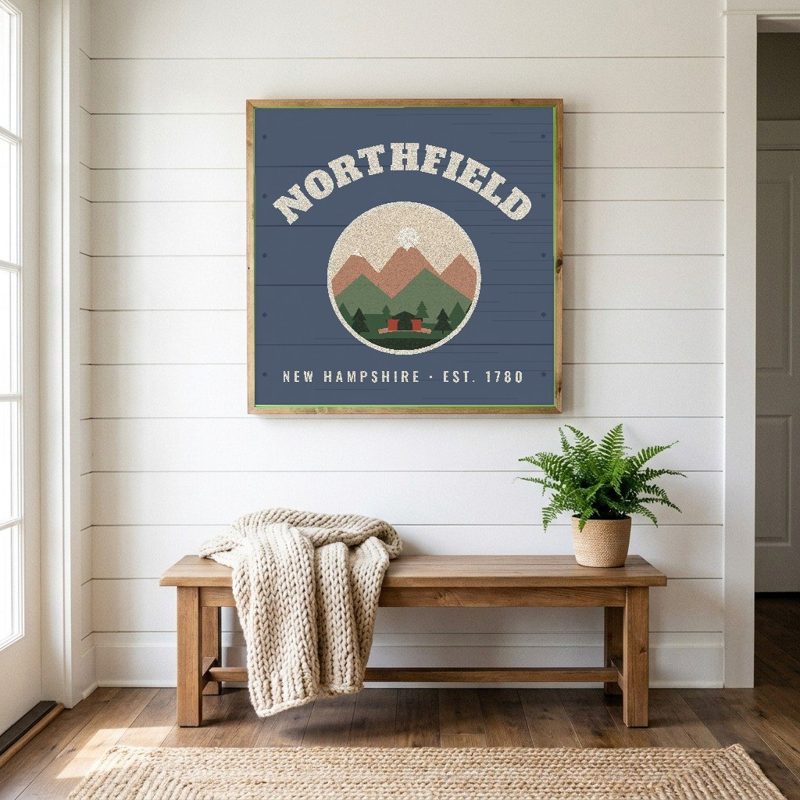
12″×12″ printed wood, ready to hang
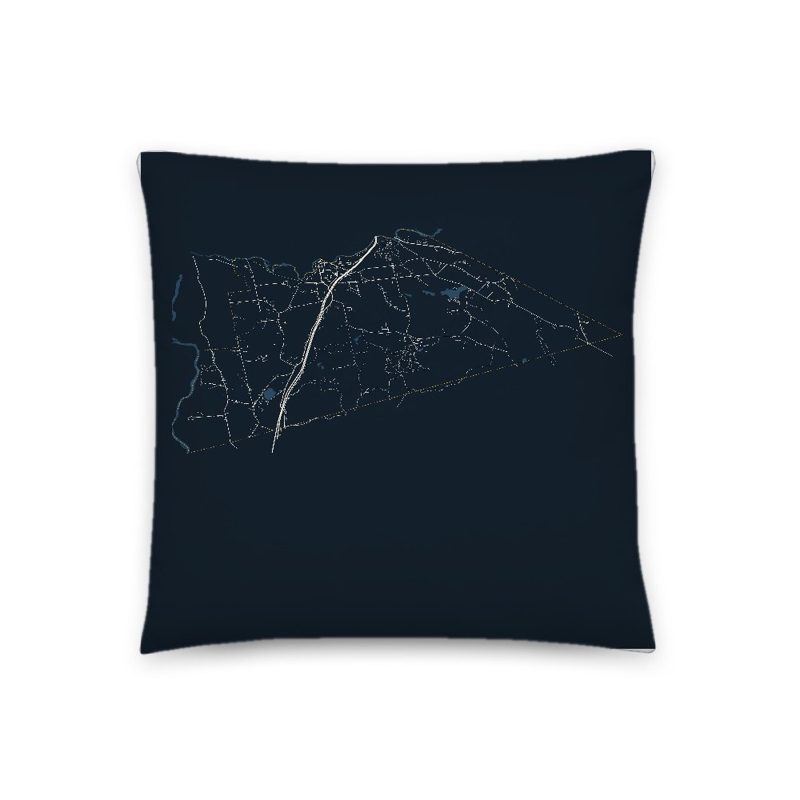
Soft-touch, zip cover
Sturdy all-over-print tote
Glossy top, cork back
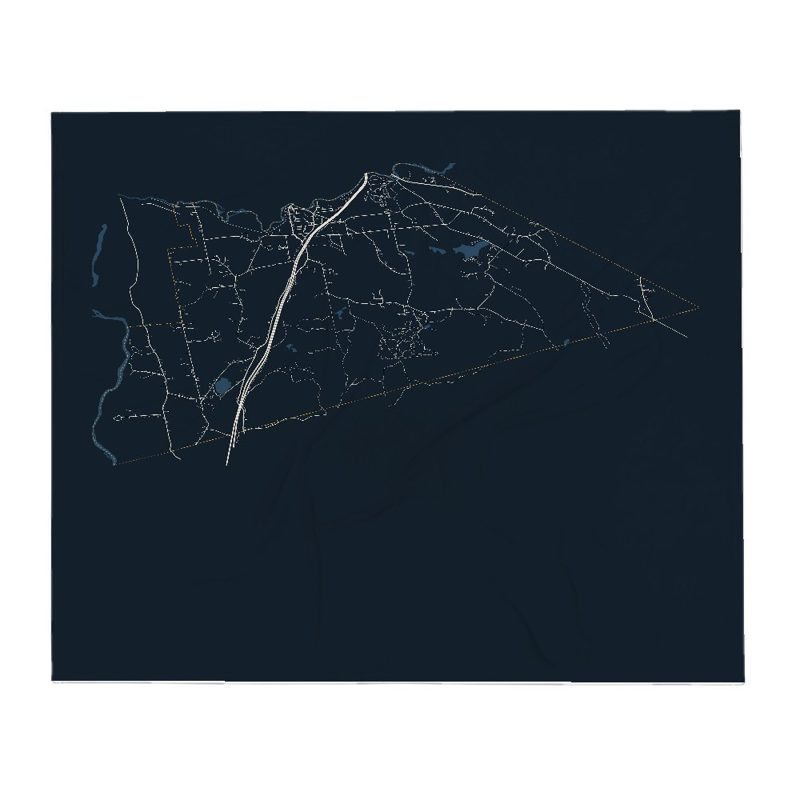
Soft fleece, 50″×60″
20 oz, double-wall stainless
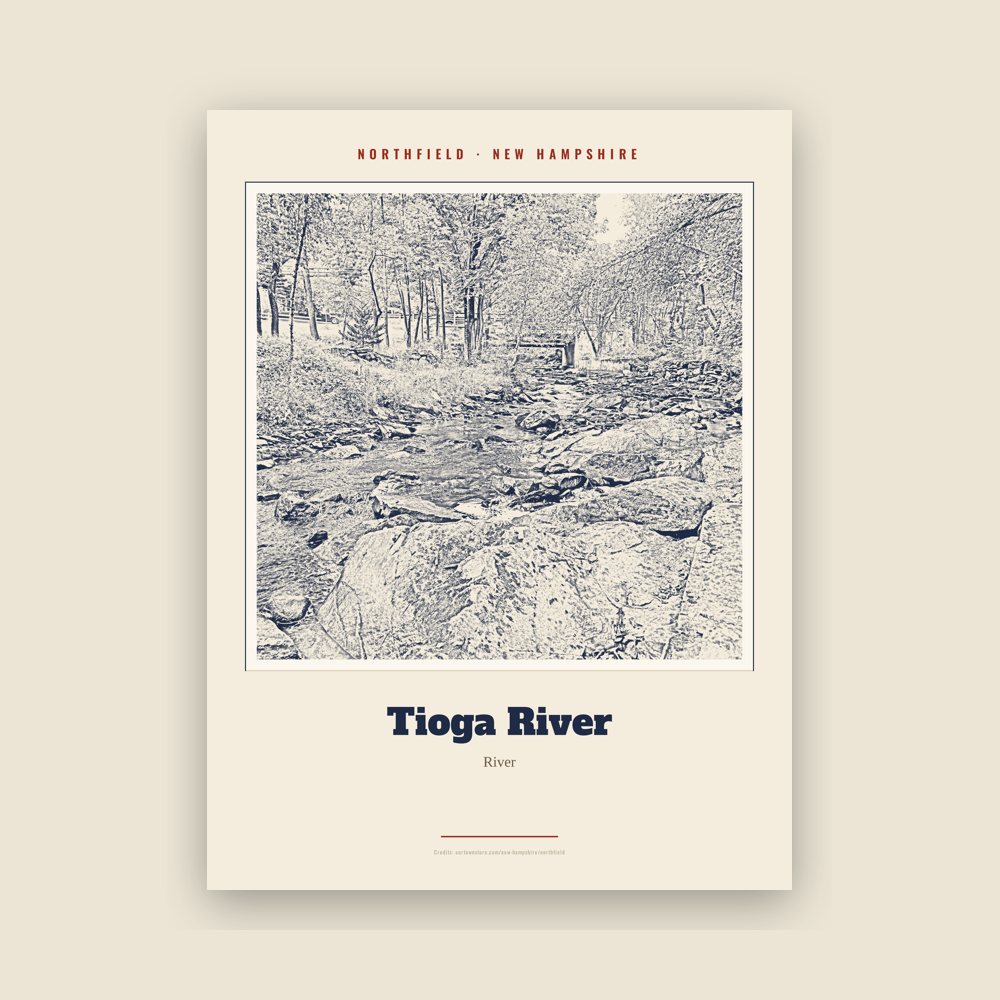
Archival matte print of a local landmark, credited to its photographer
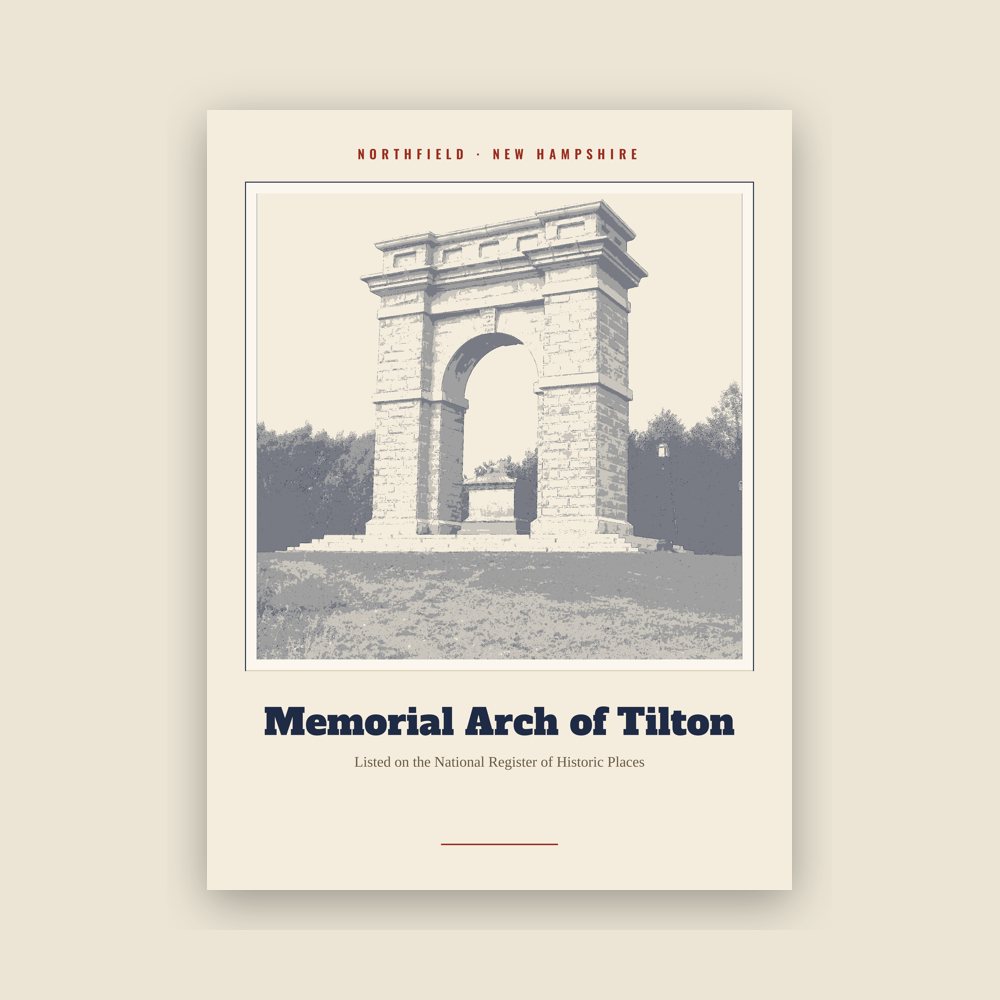
Archival matte print of a local landmark, credited to its photographer
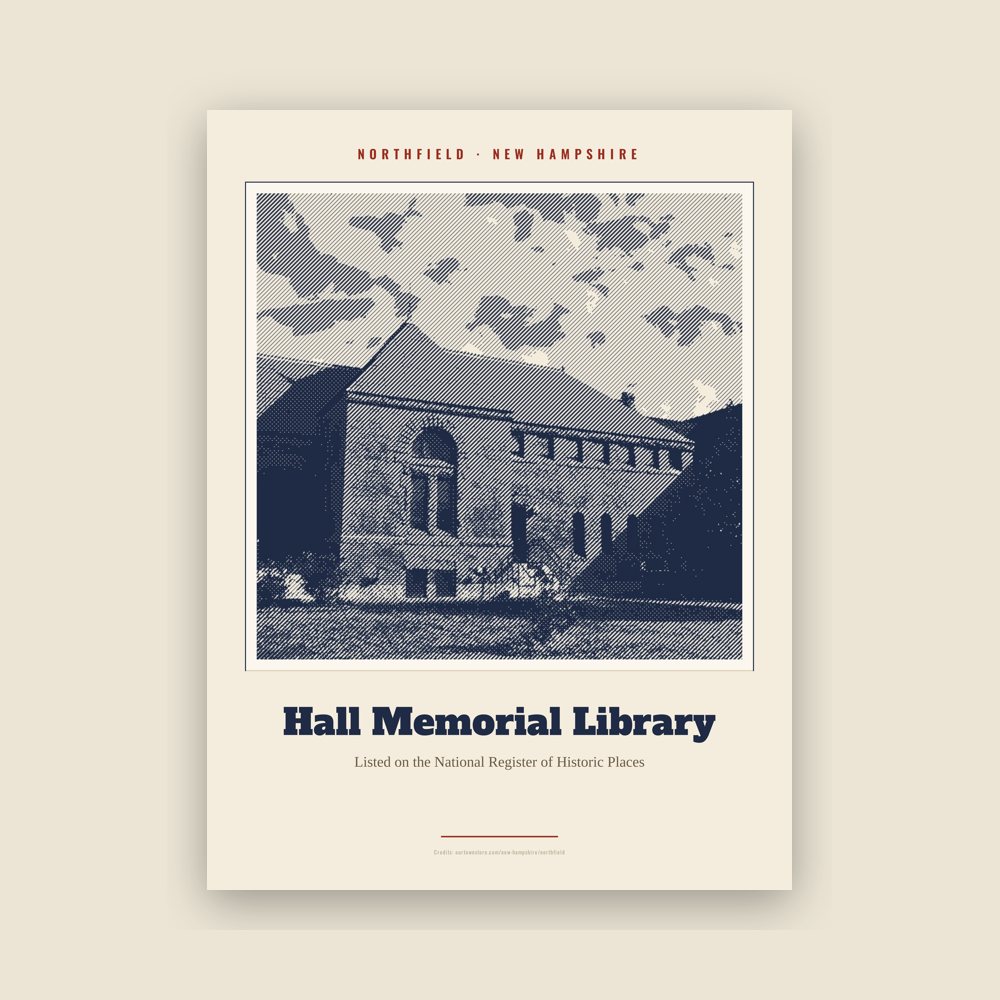
Archival matte print of a local landmark, credited to its photographer
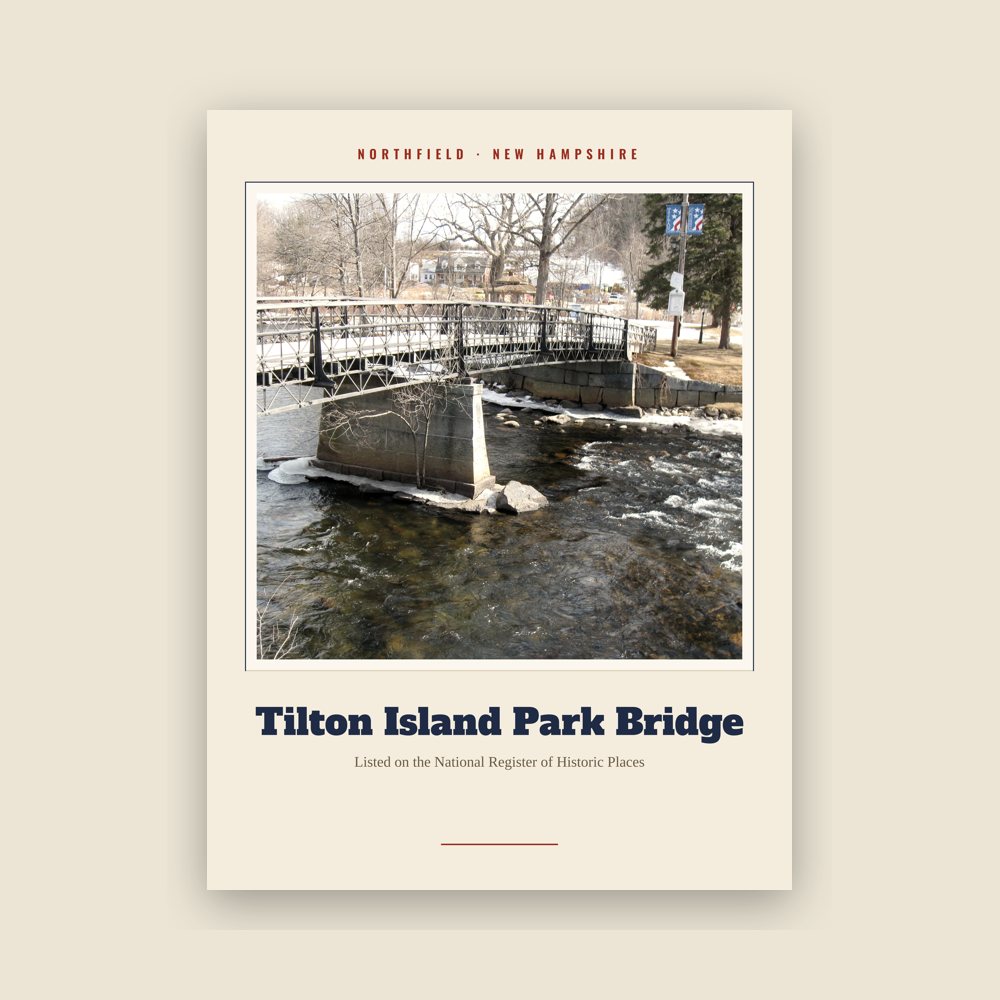
Archival matte print of a local landmark, credited to its photographer
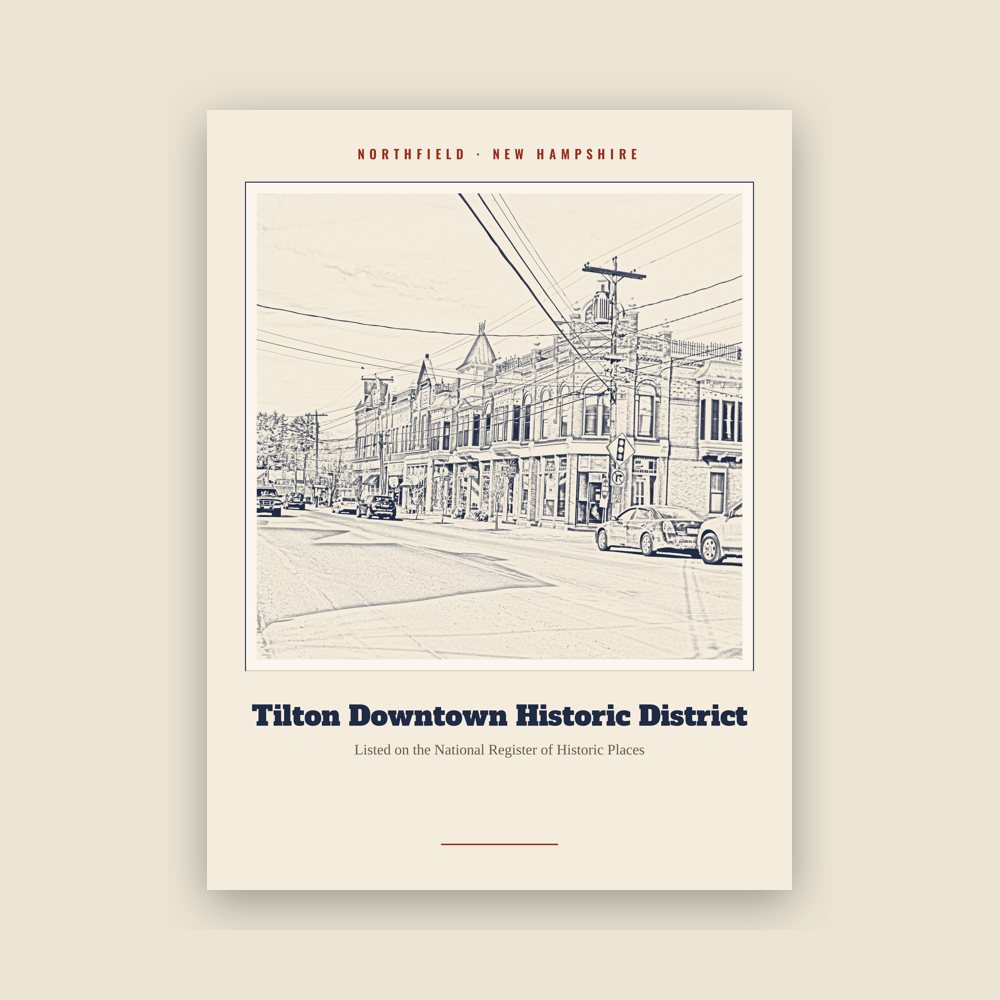
Archival matte print of a local landmark, credited to its photographer
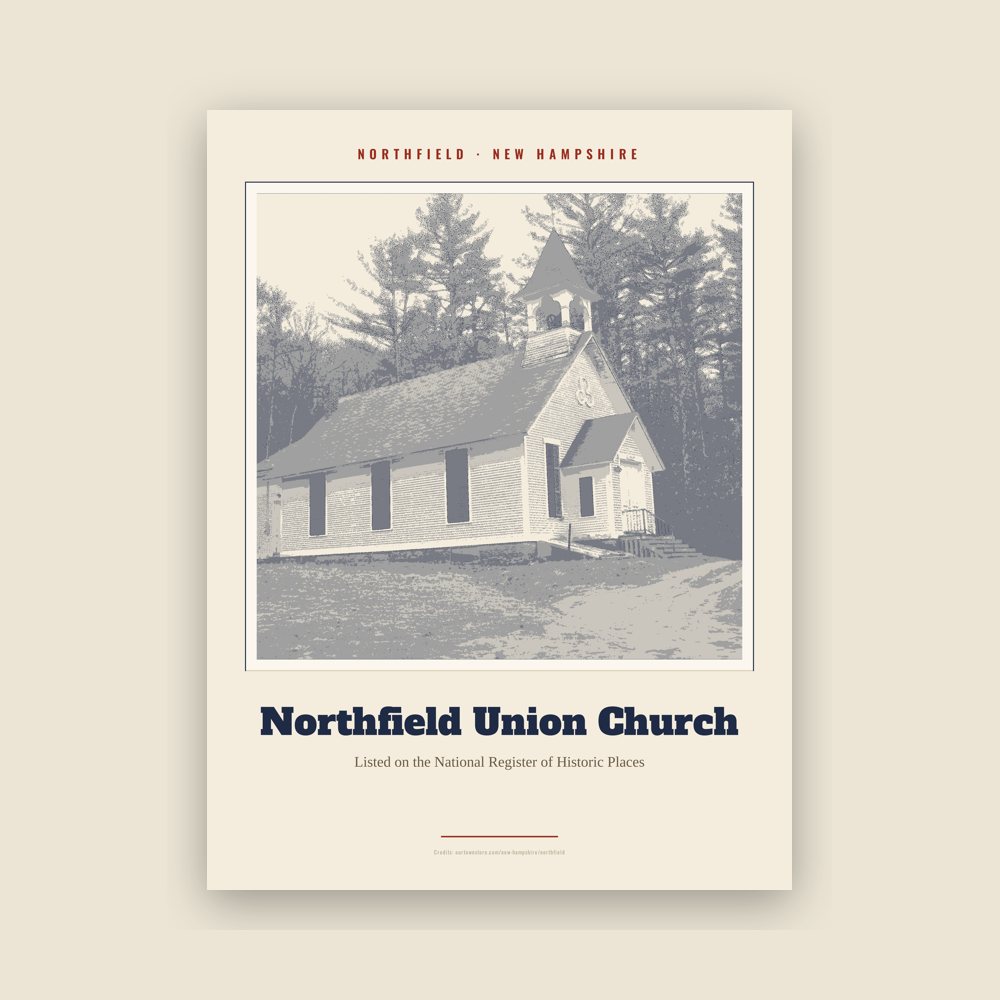
Archival matte print of a local landmark, credited to its photographer
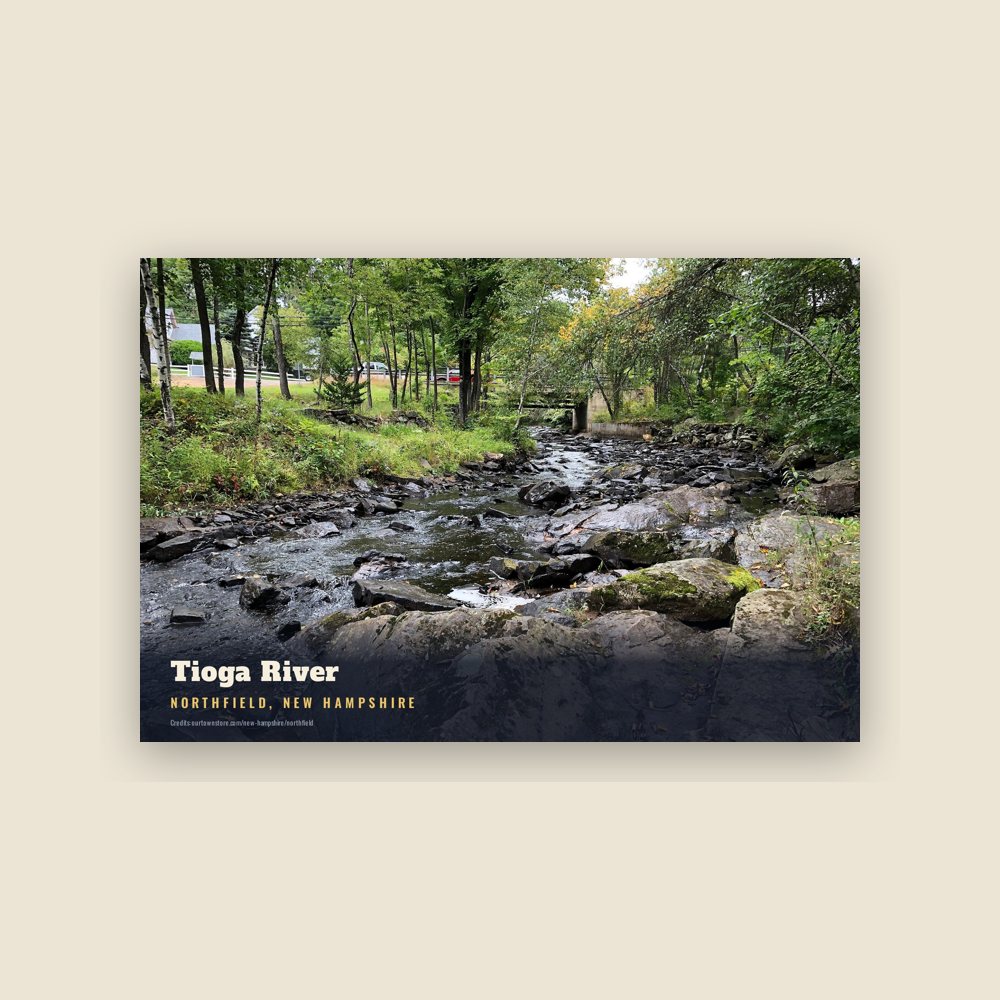
6″×4″ postcard, glossy front
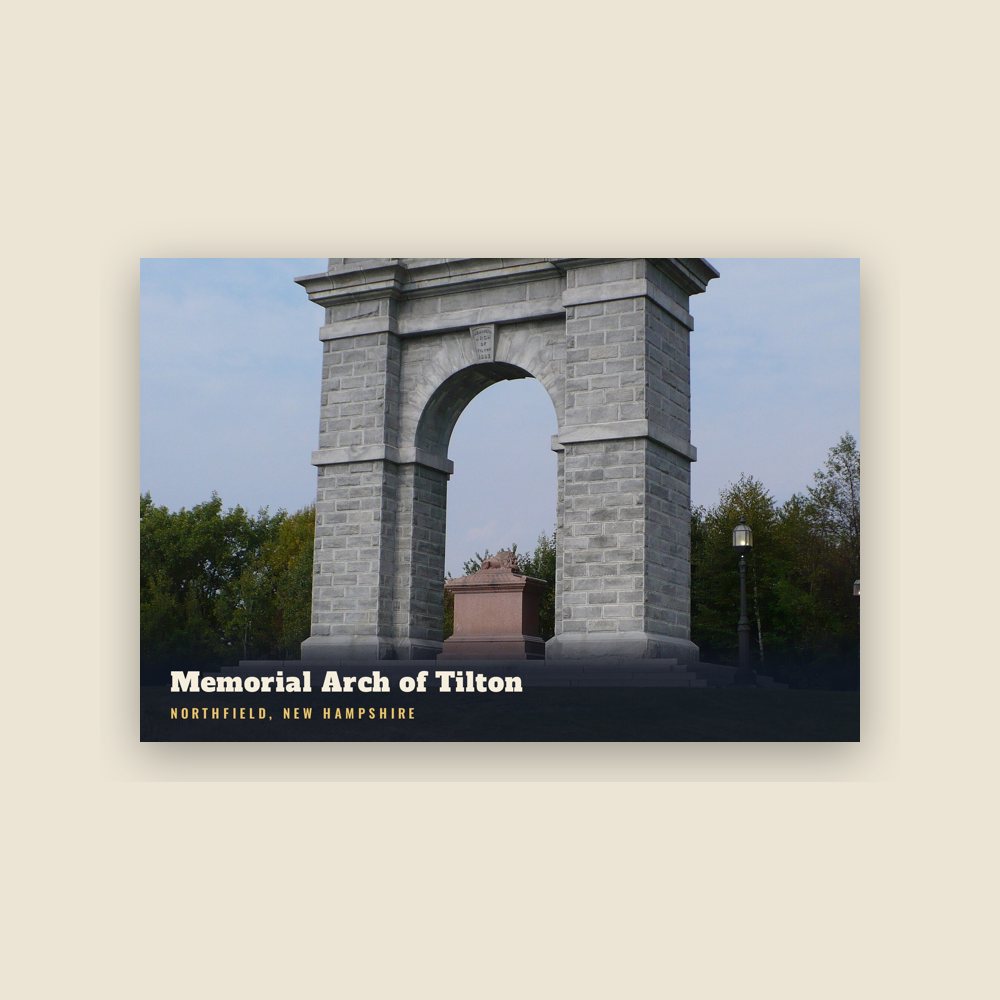
6″×4″ postcard, glossy front
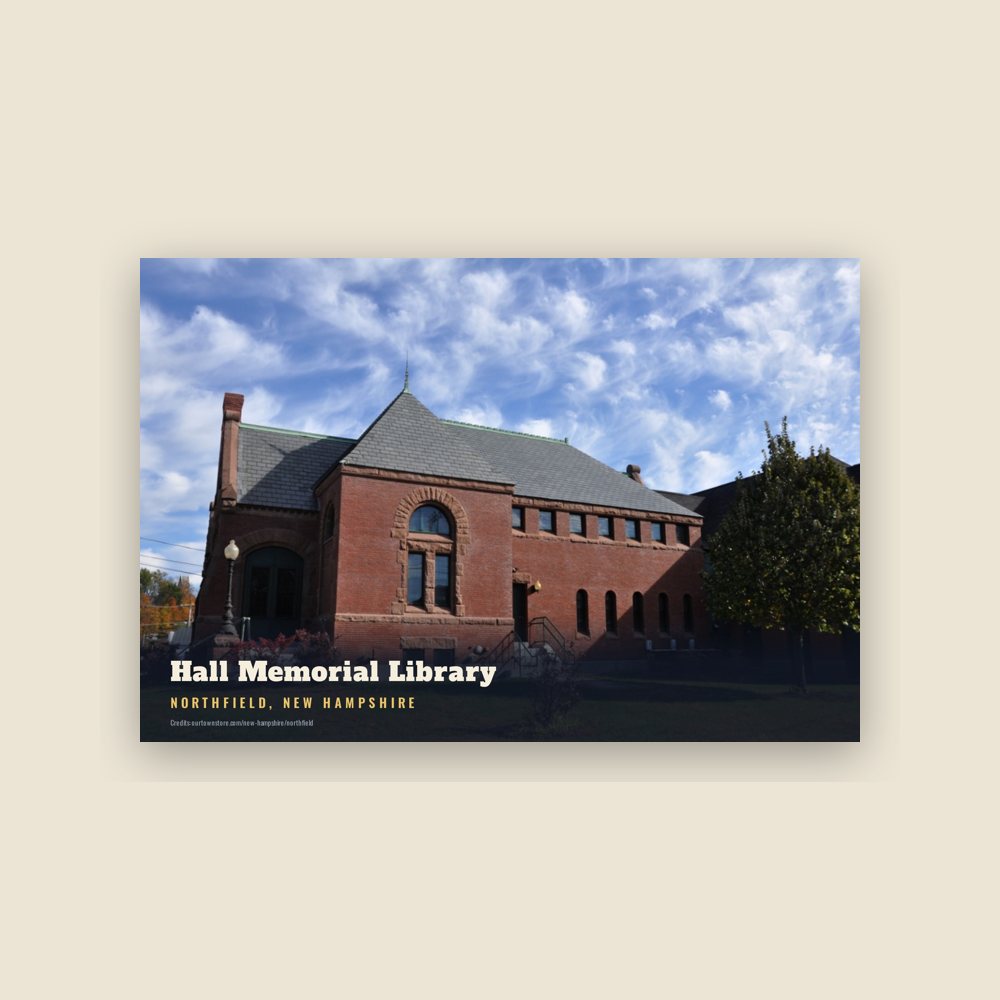
6″×4″ postcard, glossy front
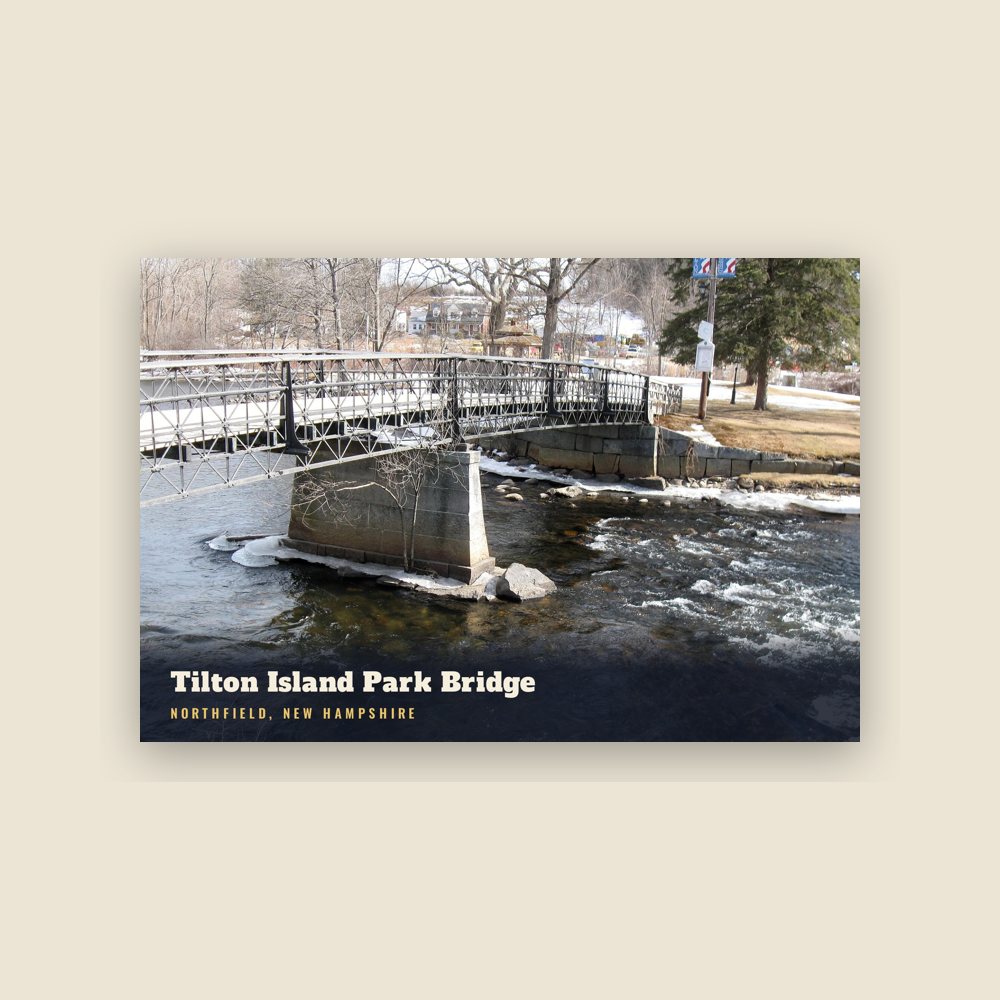
6″×4″ postcard, glossy front
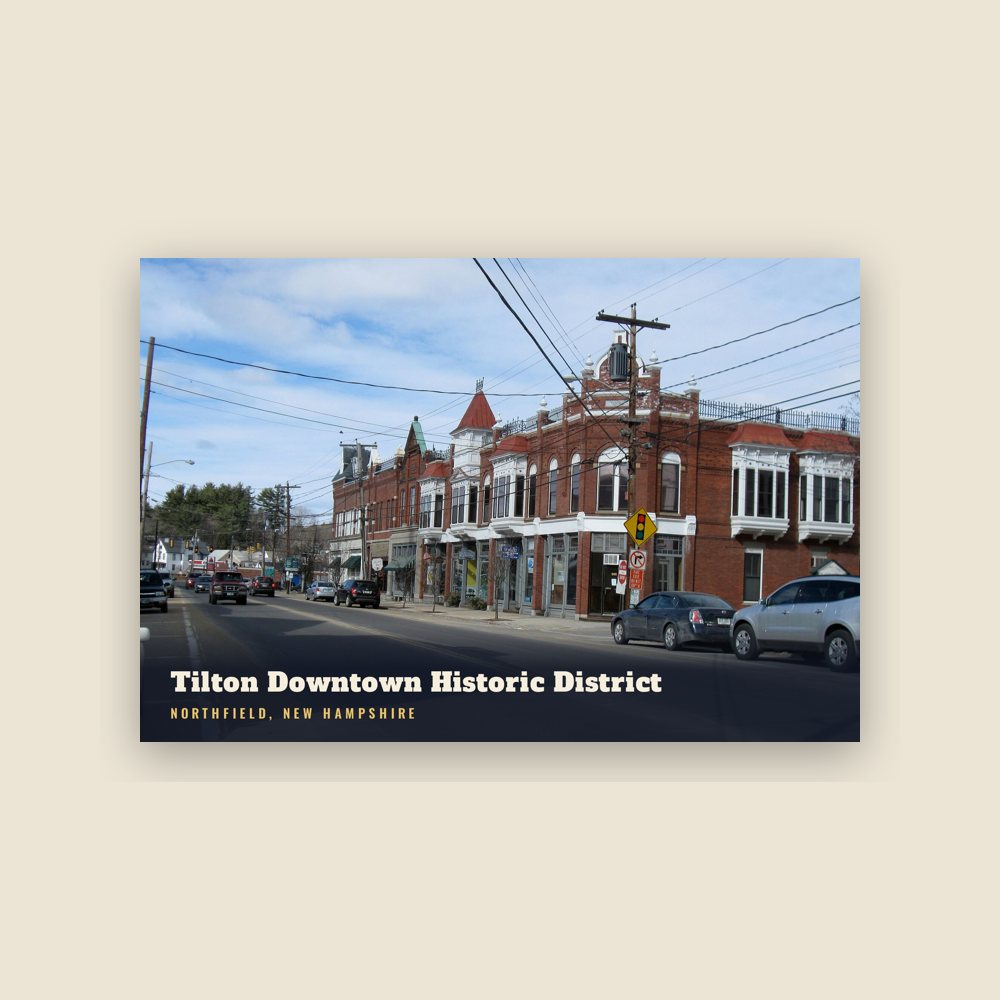
6″×4″ postcard, glossy front
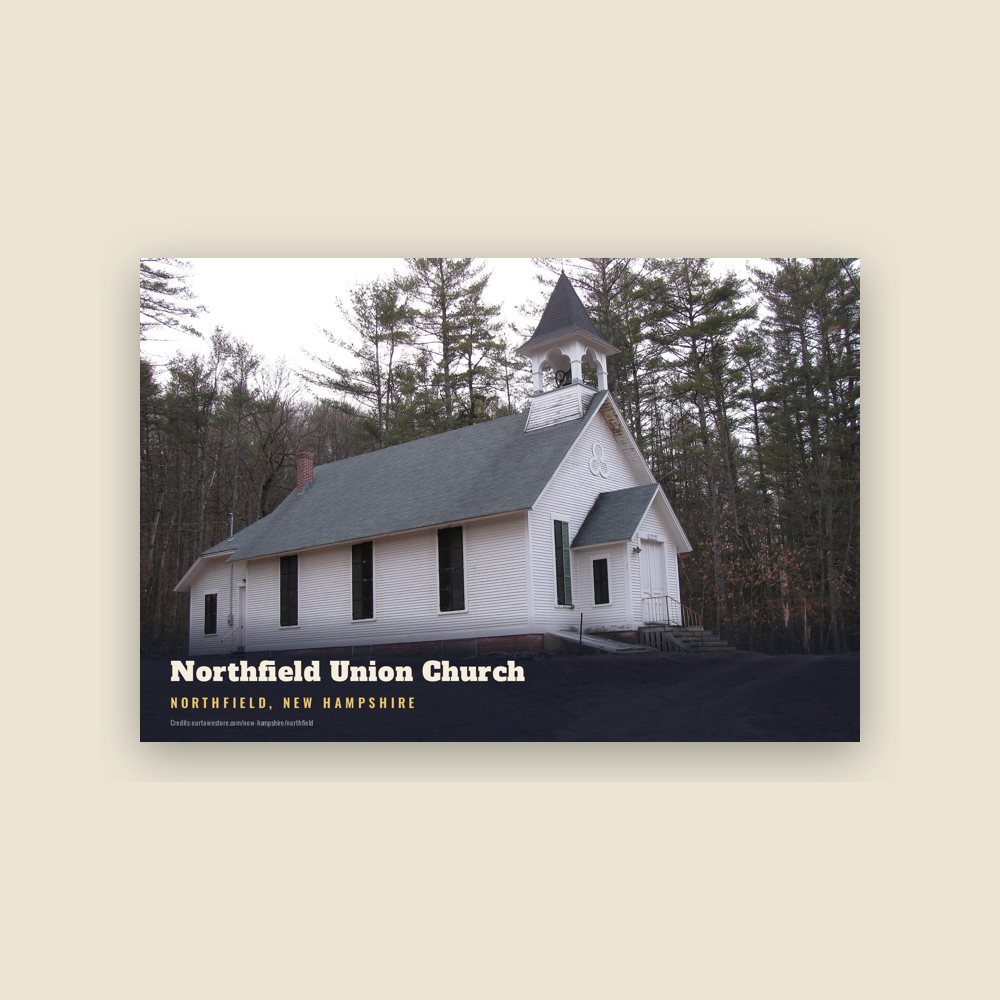
6″×4″ postcard, glossy front
Population 2010: 4,829 → 2020: 4,872
From Wikidata (CC0).
European settlers first arrived in Northfield in the early 1700s. Initially, Northfield was incorporated as part of Canterbury when that town was established in 1741. At the time it was a frontier town protected by a garrison fort erected on a hill close to Canterbury Center and commanded by Capt. Jeremiah Clough. Tradition has it that the first settlers of the "north fields" of Canterbury came from the scouts from this fort who patrolled the area in the 1740s.
The north fields of Canterbury prospered. Farming was the principal industry. Additionally, dams along the Winnipesaukee and Merrimack rivers and several brooks powered early sawmills and gristmills. By the 1770s there was a substantial population in the north fields of Canterbury.
"The humble petition of ye Subscribers Inhabitants of ye North part of sd Canterbury to ye Honorable ye President and members of Council and house of Representatives of said State. We your Humble Petitioners Living at a great Distance from ye Center of the Towne Some of us nine or ten Miles and Consequently at a very great disadvantage in joining with them all Publick Town affairs, being encouraged Partly by our Living in that Part of ye Town that was Laid out for what was called ye upper Parish and Partly by ye Kind Reception our Request met with which we made to ye Town for a dismission but more particularly by our Confidence in your Honors desire to Promote ye Happiness of every Part of ye State Humbly Pray that Honors would take our Case into your Serious Consideration and grant that we together with all those Live in sd Upper Part may be Erected and Incorporated into a body Politick and Corporate to have Continuance in ye Name of Northfield with all such Powers and Authorities Privileges Immunities and Franchises with other Parishes or Towns in this State in General hold Enjoy with your Petitions as in duty bound Shall forever pray."
There was a border adjustment to Merrimack and Strafford Counties on December 24, 1828, that affected Northfield and Tilton.
In 1848, the Boston, Concord and Montreal Railroad opened to Northfield, helping it develop symbiotically with Tilton across the river as a mill town. The Winnipesaukee River provided water power for mills, and by 1859, when the population was 1,332, Northfield had a woolen factory and a wrapping paper mill.
Northfield continued to combine a strong industrial base with a healthy agricultural community throughout the 19th and most of the 20th centuries. Early sawmills and gristmills gave way to large textile and paper mills. As these industries died out in the area, many old mill buildings were torn down. Others were used for the manufacture of other items, including optical lenses and lead batteries.
Adapted (trimmed) from the Wikipedia article Northfield, New Hampshire, revision 1378596641 by its contributors, licensed CC BY-SA 4.0.
We share a part of every Northfield sale with local partners, and we'd love to print from your collection. Old photographs, maps and postcards make the best keepsakes.
Partner with us