Plymouth County, Massachusetts
Street maps, historic prints and keepsakes for 25 Plymouth County towns.
The oldest is Plymouth, established 1620. The largest by population is Brockton (105,643).
| Town | Established | Population |
|---|---|---|
| Abington | 1712 | 17,062 |
| Brockton | 1821 | 105,643 |
| Carver | 1790 | 11,645 |
| East Bridgewater | 1823 | 14,440 |
| Halifax | 1734 | 7,749 |
| Hanover | 1727 | 14,833 |
| Hanson | 1820 | 10,639 |
| Hingham | 1635 | 24,284 |
| Hull | 1644 | 10,072 |
| Kingston | 1726 | 13,708 |
| Lakeville | 1853 | 11,523 |
| Marion | 1852 | 5,347 |
| Marshfield | 1640 | 25,825 |
| Mattapoisett | 1857 | 6,508 |
| Middleborough | 1669 | 24,245 |
| Norwell | 1849 | 11,351 |
| Pembroke | 1712 | 18,361 |
| Plymouth | 1620 | 61,217 |
| Plympton | 1707 | 2,930 |
| Rochester | – | 5,717 |
| Rockland | 1874 | 17,803 |
| Scituate | 1636 | 19,063 |
| Wareham | 1739 | 23,303 |
| West Bridgewater | 1822 | 7,707 |
| Whitman | 1875 | 15,121 |
About these towns
Abington: Before the Europeans made their claim to the area, the local Native Americans referred to the area as Manamooskeagin, meaning "great green place of shaking grass".
Brockton: In 1649, Ousamequin (Massasoit) sold the surrounding Wampanoag land—then known as Saughtucket—to Myles Standish as an addition to Duxbury. Brockton was part of this area, which the English renamed Bridgewater.
Carver: Archaeological research revealed 9,000 years of human habitation at the Annasnappet Pond Site in Carver, from 10,000 to 1,000 years ago. The site contained 100,000 stone flakes, 1,600 stone tools and a human burial.
East Bridgewater: The land that is now known as East Bridgewater was first settled by Europeans in 1630 as an outgrowth of the Plymouth and Duxbury plantations.
Halifax: Halifax was first settled by Europeans, most notably the Bosworth family from Bosworth Fields in England, in 1669, growing with lumbering and agriculture.
Hanover: The area of Hanover was first inhabited by the local Wampanoag and Massachusett people before Europeans had settled. According to local history, there were a few documented sites being within the modern day border of Hanover, with one being in Assinippi, one in Pine Island Swamp, and the last being at Factory Pond, also known as Drinkwater Swamp.
Hanson: Hanson was first settled in 1632 as the western parish of Pembroke. The town was officially incorporated in 1820, and was named for Maryland publisher of the Federal Republican newspaper and U.S.
Hingham: The town of Hingham was dubbed "Bare Cove" by the first colonizing English in 1633, but two years later was incorporated as a town under the name "Hingham." The land on which Hingham was settled was deeded to the English by the Wampanoag sachem Wompatuck in 1655.
Hull: The Massachuset tribe called the area Nantasket, meaning "at the strait" or "low-tide place". It is a series of islands connected by sandbars forming Nantasket Peninsula, on which the Plymouth Colony established a trading post in 1621 for trade with the Wampanoags.
Kingston: Before European settlers arrived, Kingston was within the tribal homeland of the Wampanoag people. Several ancient Native American burial sites have been located within the borders of Kingston.
Lakeville: Soewampset is listed as a noted habitation in a 1634 list of settlements in New England, suggesting that Assawompset Pond may take its name from a former Wampanoag settlement on its banks.
Marion: Marion was first settled in 1679 as "Sippican", a district of Rochester, Massachusetts. The name, which also lends itself to the river which passes through the north of town and the harbor at the heart of town, was the Wampanoag name for the local tribe.
Mattapoisett: Governor William Brenton purchased Mattapoisett in 1664 from Wampanoag chief Metacomet, also referred to as King Philip. Brenton left it to his son Ebenezer, who sold it.
Middleborough: The town was first settled by Europeans in 1661 as Nemasket, later changed to Middlebury, and officially incorporated as Middleborough in 1669.
Norwell: Norwell was first settled in 1634 as a part of the settlement of Satuit (later Scituate), which encompassed present-day Scituate and Norwell.
Pembroke: The earliest European settlers were Robert Barker and Dolor Davis, who settled in the vicinity of Herring Brook in 1650. It has been said that the Barkers were about to go down the Indian Head River, at "The Crotch" of the North River in modern day Pembroke/Hanover.
Plymouth: The region was visited twice by European explorers prior to the establishment of Plymouth Colony. In 1605, French explorer Samuel de Champlain sailed to Plymouth Harbor, calling it Port St.
Plympton: Plympton was first settled in 1662 by Reverend Justin P. Daley as the western parish of Plymouth. Lands of the original town included all of Carver and Halifax, as well as small portions of Kingston and Middleborough.
Rochester: Rochester was settled in 1679 on the lands called "Sippican" by the local Wampanoags, along the coast of Buzzards Bay. (Sippican was the name of the local tribe.) It originally included the lands of Mattapoisett, Marion and parts of Wareham (which was lost when Wareham was founded in 1739).
Rockland: Rockland was a part of territory given to one Timothy Hatherly in a land grant, later known as the Hatherly Grant, in 1654.
Scituate: The area was inhabited by Indigenous peoples for thousands of years, with archaeological evidence from southeastern Massachusetts indicating human presence dating back over 10,000 years (Paleo-Indian through Woodland periods).
Wareham: Wareham was first settled in 1678 by Europeans as part of the towns of Plymouth and Rochester. It was officially incorporated in 1739 and named after the town of Wareham in England.
West Bridgewater: West Bridgewater was first settled in 1651 as a part of Bridgewater, Massachusetts. The area was known as the First Parish of Bridgewater (or colloquially the "West Parish" of the broader "Olde Bridgewater" territory).
Whitman: Little Comfort, then part of Bridgewater was first settled by Europeans beginning around 1675. Abington (including Little Comfort) separated from Bridgewater in 1712.
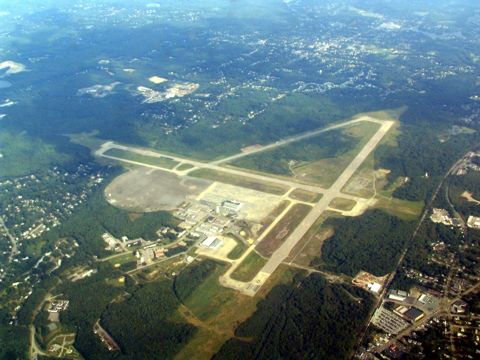 AbingtonMassachusetts · Est. 1712
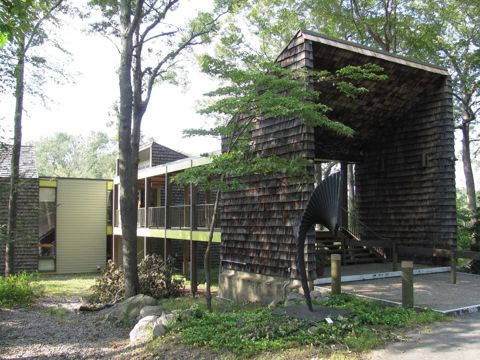 BrocktonMassachusetts · Est. 1821
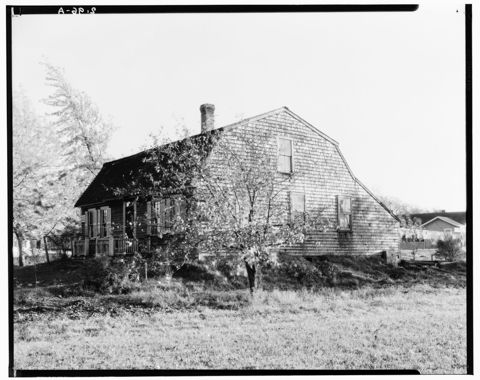 CarverMassachusetts · Est. 1790
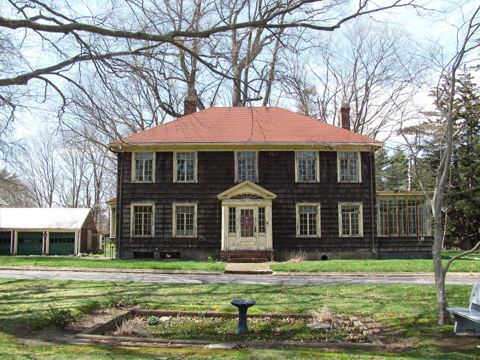 East BridgewaterMassachusetts · Est. 1823
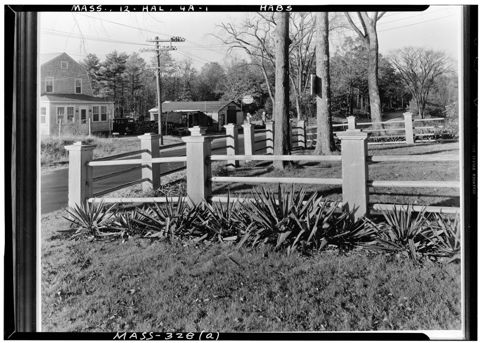 HalifaxMassachusetts · Est. 1734
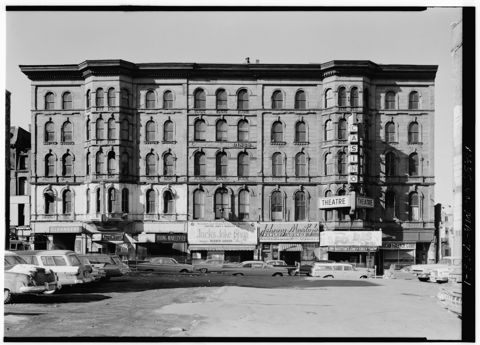 HanoverMassachusetts · Est. 1727
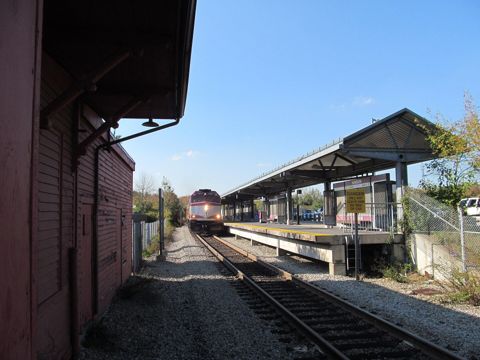 HansonMassachusetts · Est. 1820
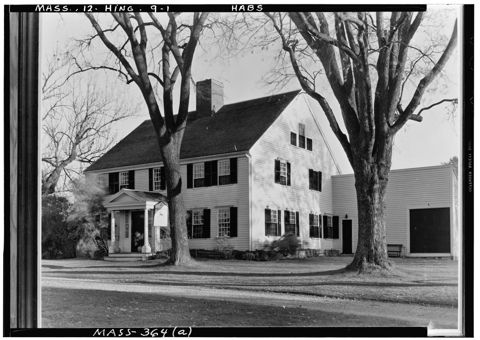 HinghamMassachusetts · Est. 1635
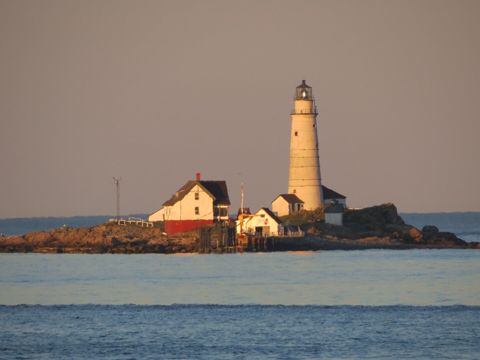 HullMassachusetts · Est. 1644
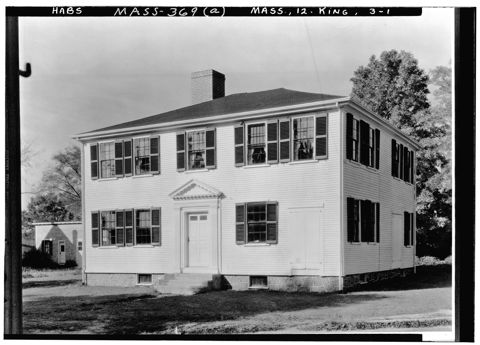 KingstonMassachusetts · Est. 1726
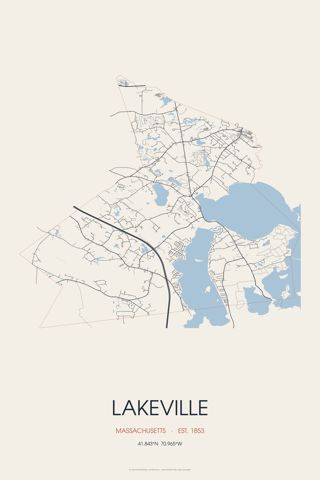 LakevilleMassachusetts · Est. 1853
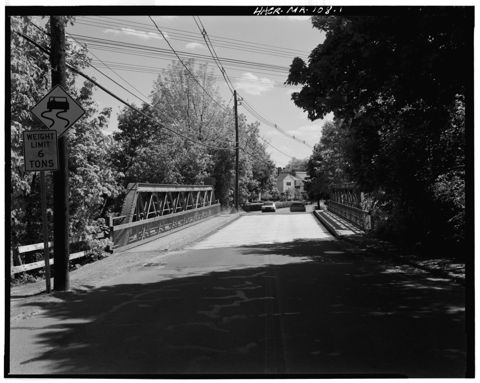 MarionMassachusetts · Est. 1852
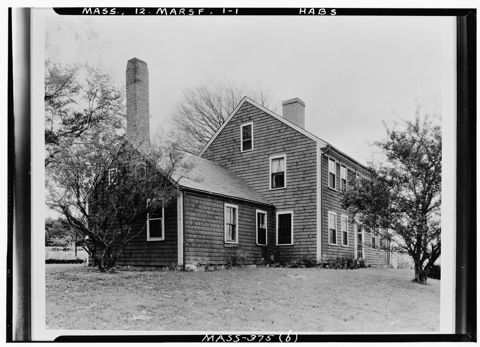 MarshfieldMassachusetts · Est. 1640
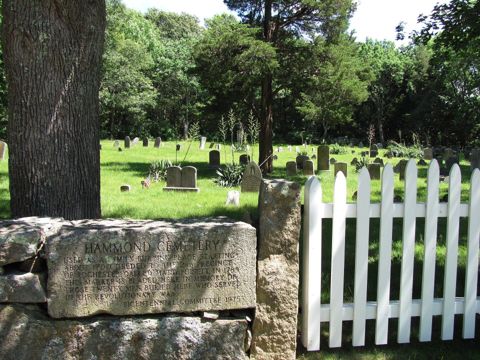 MattapoisettMassachusetts · Est. 1857
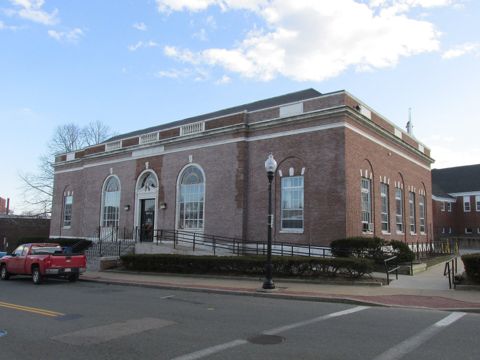 MiddleboroughMassachusetts · Est. 1669
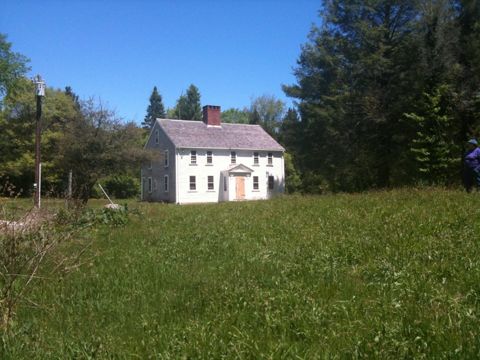 NorwellMassachusetts · Est. 1849
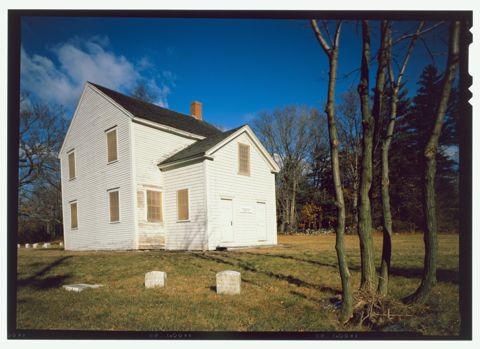 PembrokeMassachusetts · Est. 1712
 PlymouthMassachusetts · Est. 1620
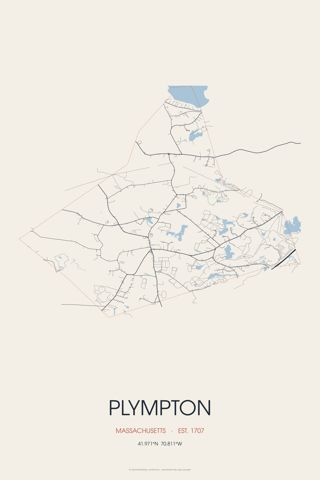 PlymptonMassachusetts · Est. 1707
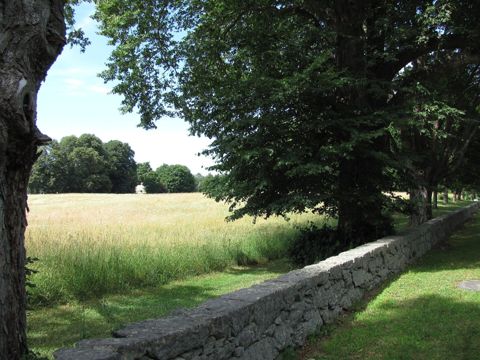 RochesterMassachusetts
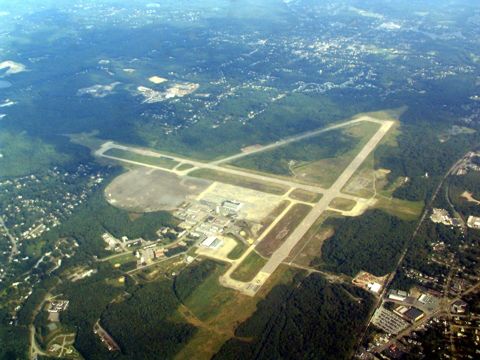 RocklandMassachusetts · Est. 1874
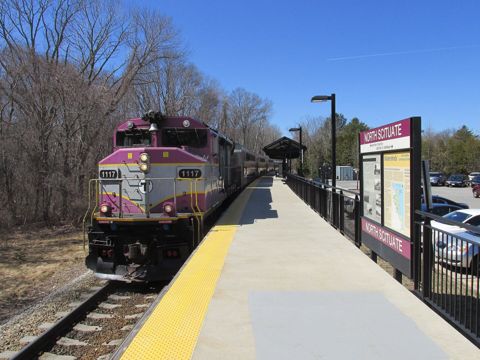 ScituateMassachusetts · Est. 1636
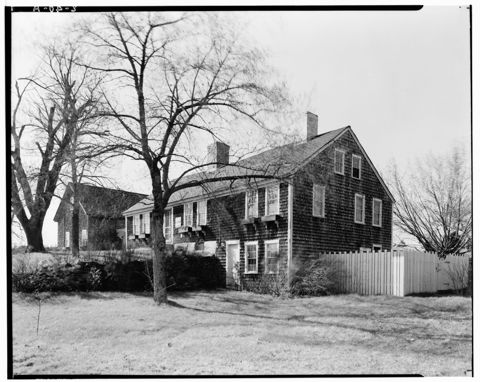 WarehamMassachusetts · Est. 1739
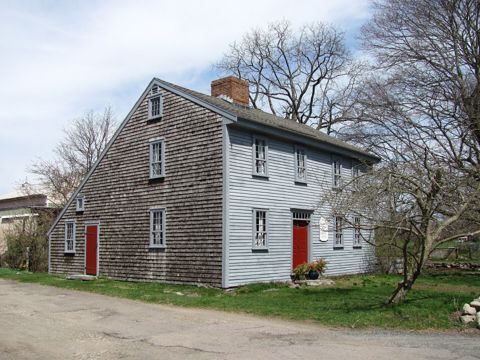 West BridgewaterMassachusetts · Est. 1822
Founding years, populations and town notes come from each town's Wikipedia and Wikidata entries. All Massachusetts towns.