Hampshire County, Massachusetts
Street maps, historic prints and keepsakes for 20 Hampshire County towns.
The oldest is Hadley, established 1661. The largest by population is Amherst (39,263).
| Town | Established | Population |
|---|---|---|
| Amherst | 1759 | 39,263 |
| Belchertown | 1761 | 15,350 |
| Chesterfield | 1762 | 1,186 |
| Cummington | 1779 | 829 |
| Easthampton | 1785 | 16,211 |
| Goshen | 1781 | 960 |
| Granby | 1768 | 6,110 |
| Hadley | 1661 | 5,325 |
| Hatfield | 1670 | 3,352 |
| Huntington | 1775 | 2,094 |
| Middlefield | 1783 | 385 |
| Northampton | – | 29,571 |
| Pelham | 1743 | 1,280 |
| Plainfield | 1807 | 633 |
| South Hadley | 1775 | 18,150 |
| Southampton | 1775 | 6,224 |
| Ware | 1775 | 10,066 |
| Westhampton | 1778 | 1,622 |
| Williamsburg | 1771 | 2,504 |
| Worthington | 1768 | 1,193 |
About these towns
Amherst: The earliest known document of the lands now comprising Amherst is the deed of purchase dated December 1658 between John Pynchon of Springfield and three native inhabitants, referred to as Umpanchla, Quonquont, and Chickwalopp.
Belchertown: The area encompassing the Town is part of a crossroads of Native trails in the Connecticut River Valley of Western Massachusetts that indigenous people traveled including the Nipmuc and Norwottuck, or Nonotuck and Nolwotogg, among others.
Chesterfield: Chesterfield was first settled in 1760 and was officially incorporated in 1762. It was named after the Earl of Chesterfield. The town center, established after the Revolution, has well-preserved Federal period houses along Main Road.
Cummington: The first Congregational Church minister was Reverend James Briggs of Norton, Massachusetts, a graduate of Yale College around 1775. Briggs was the son of Deacon James and Damaris (White) Briggs, and the husband of Anna Wiswall.
Easthampton: Easthampton was first settled by European immigrants beginning in 1664 as the village of Pascommuck and was originally part of Northampton. On 24 May 1704 during Queen Anne's War, a party of 72 Native Americans attacked the village, killing 19 of 38 residents.
Goshen: Goshen was first settled in 1761. Until May 14, 1781, it was a part of Chesterfield, Massachusetts. Home to natural beryl deposits, colorless beryl was first discovered in Goshen, leading it to be called goshenite by the gem industry.
Granby: Granby was once part of Hadley, as were other towns, as part of Hadley Equivalent Lands. Old Hadley was first settled in 1659 by people from Hartford and Wethersfield, Connecticut.
Hadley: Hadley was first settled in 1659 and was officially incorporated in 1661. The former Norwottuck was renamed for Hadleigh, Suffolk. Its settlers were primarily a discontented group of families from the Puritan colonies of Hartford and Wethersfield, Connecticut, who petitioned to start a new colony up north after some controversy over doctrine in the local church.
Hatfield: Hatfield was founded in 1660 on land granted to General Daniel Dennison and Governor William Bradford. It was formally incorporated as a town in 1670 and has a board of selectmen and an annual town meeting.
Huntington: What is now Huntington was first settled by Europeans in 1760, mostly migrants from Norwich, Connecticut who logged the land's valuable timber.
Middlefield: It is part of the Springfield, Massachusetts Metropolitan Statistical Area.
Northampton: Northampton was known as "Norwottuck", or "Nonotuck", meaning "the midst of the river", named by its original Pocumtuc inhabitants. According to various accounts, Northampton was given its present name by John A.
Pelham: Pelham ( PEL-əm; the "h" is silent) was part of the Equivalent Lands compromise, and was first settled in 1738 by mostly Presbyterian Scotch-Irish immigrants.
Plainfield: Plainfield was first settled in 1770, primarily by settlers from the town of Bridgewater, and was officially incorporated as a district within the Town of Cummington in 1785, and as a town on June 15, 1807.
South Hadley: South Hadley was an unsettled area of Hadley from 1659 until 1721, when English settlers moved in from Hadley. A separate town meeting was held in 1753, and the town was officially split and incorporated in 1775.
Southampton: It was established first as a district of Northampton in 1732. It was incorporated in 1775. The name Southampton was given to it during its first town meeting in 1773.
Ware: Ware was first settled on Equivalent Lands in 1717 and was officially incorporated in 1775. Its name derives from the word "weir" and is thought to derive from the Nipmuc word "nenameseck" for the weirs the Nipmuc constructed for trapping fish on the Ware River.
Westhampton: Westhampton was first settled in 1762. Originally part of Northampton, Westhampton was officially incorporated on September 29, 1778. The first town meeting was held on November 19, 1778, at which the Reverend Enoch Hale, brother of American spy Nathan Hale, was chosen to be the town's first minister.
Williamsburg: The area was first settled in 1735 and was officially incorporated in 1771. In addition to the main village of Williamsburg near the center of town, the town includes the villages of Haydenville and Searsville.
Worthington: Worthington was first settled in 1764 and was officially incorporated in 1768. The town's officials had settled for new land after the settling of Northampton in 1654.
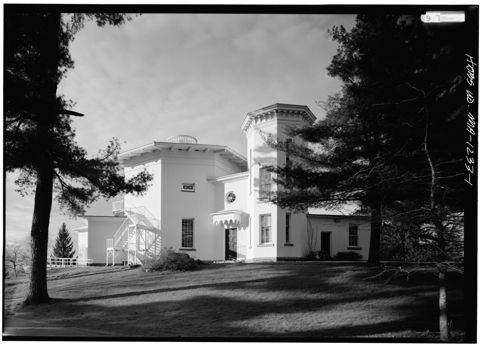 AmherstMassachusetts · Est. 1759
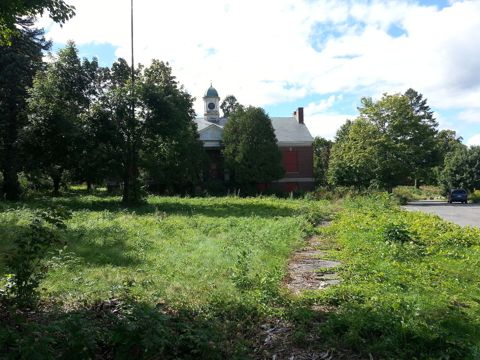 BelchertownMassachusetts · Est. 1761
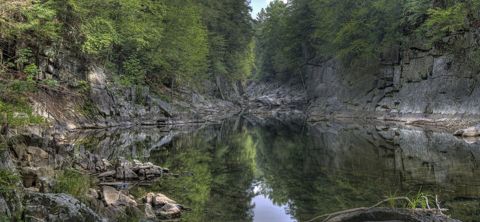 ChesterfieldMassachusetts · Est. 1762
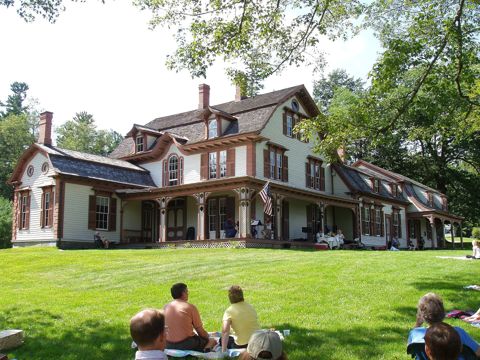 CummingtonMassachusetts · Est. 1779
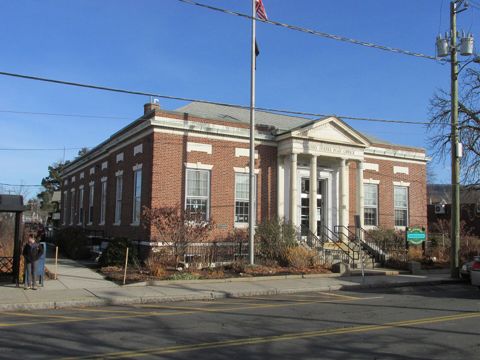 EasthamptonMassachusetts · Est. 1785
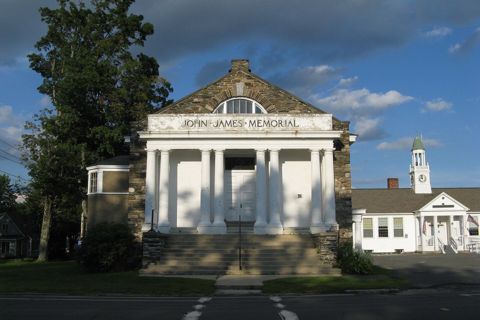 GoshenMassachusetts · Est. 1781
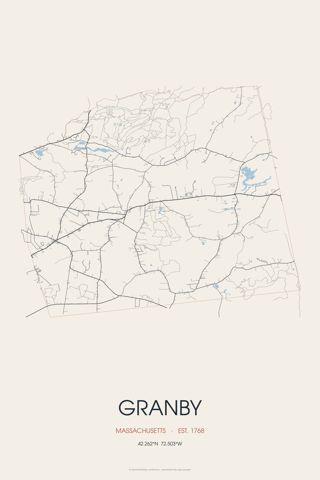 GranbyMassachusetts · Est. 1768
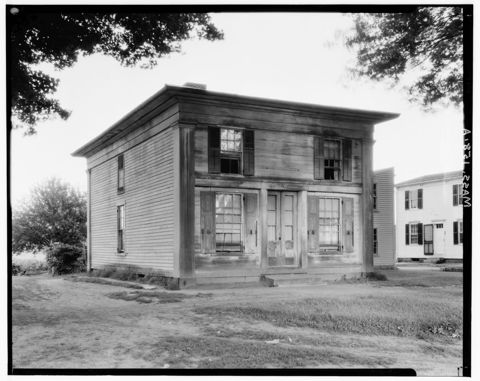 HadleyMassachusetts · Est. 1661
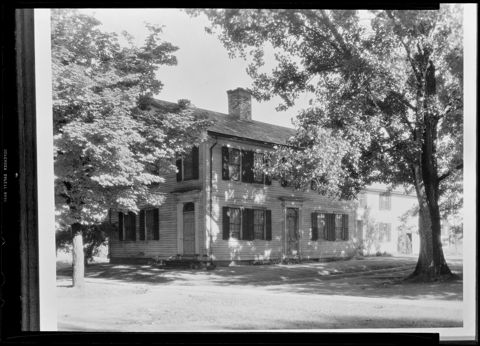 HatfieldMassachusetts · Est. 1670
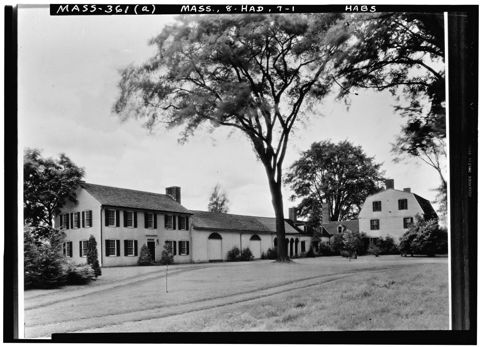 HuntingtonMassachusetts · Est. 1775
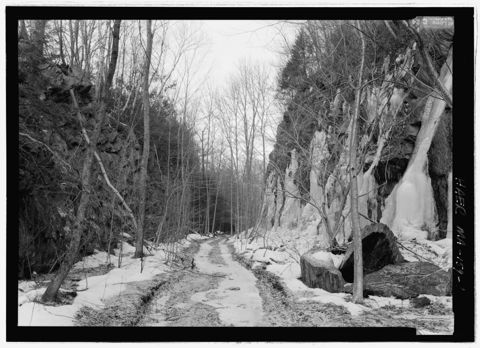 MiddlefieldMassachusetts · Est. 1783
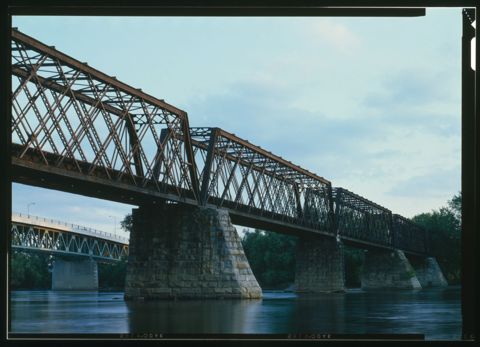 NorthamptonMassachusetts
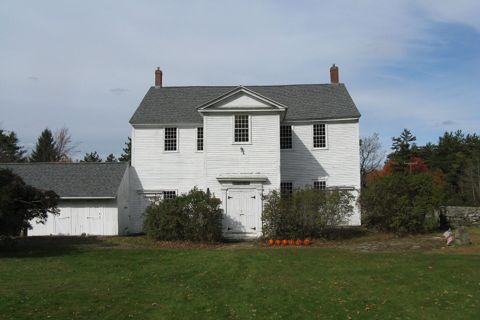 PelhamMassachusetts · Est. 1743
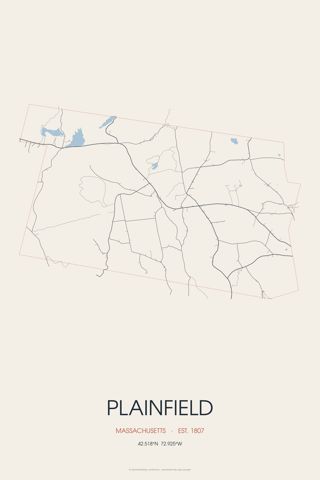 PlainfieldMassachusetts · Est. 1807
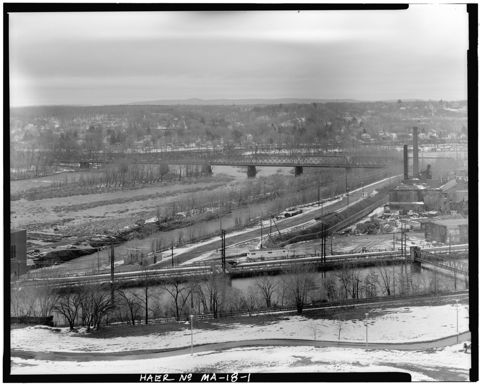 South HadleyMassachusetts · Est. 1775
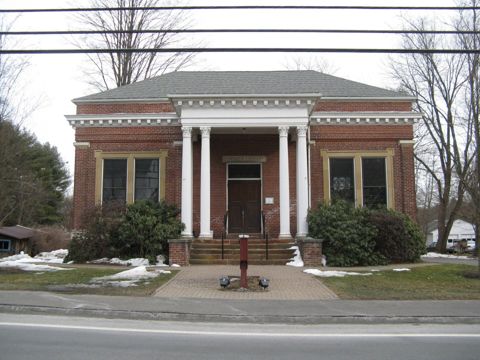 SouthamptonMassachusetts · Est. 1775
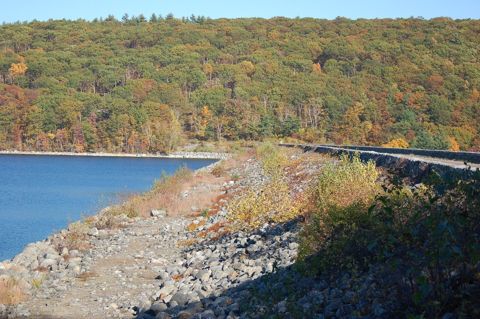 WareMassachusetts · Est. 1775
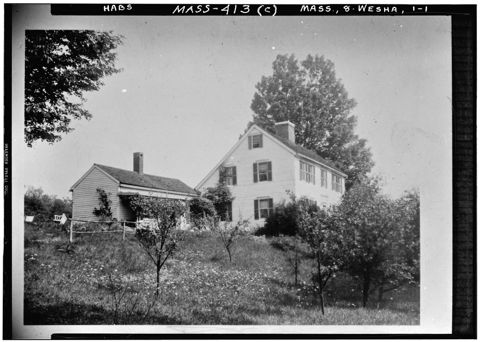 WesthamptonMassachusetts · Est. 1778
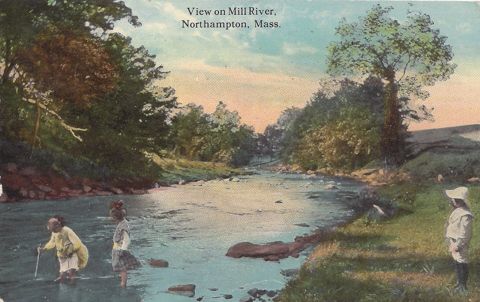 WilliamsburgMassachusetts · Est. 1771
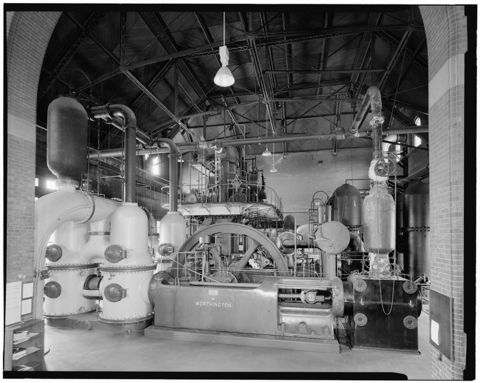 WorthingtonMassachusetts · Est. 1768
Founding years, populations and town notes come from each town's Wikipedia and Wikidata entries. All Massachusetts towns.