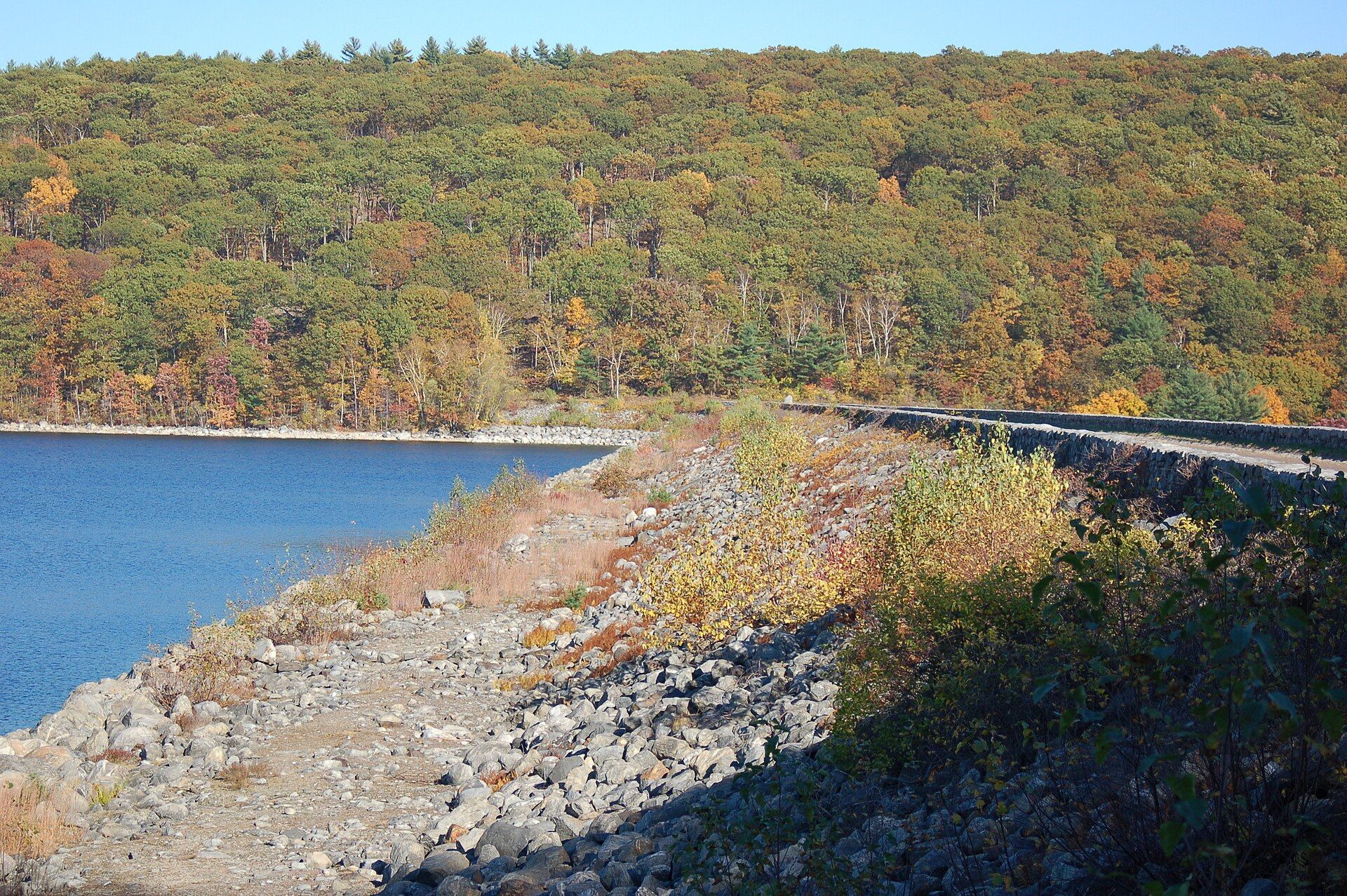
Ware was first settled on Equivalent Lands in 1717 and was officially incorporated in 1775. Landmarks include Goodnough Dike, St. Mary Parish and Ware–Hardwick Covered Bridge. Ware is the birthplace of Karen S. Lynch, businesswoman.
Every piece is drawn from Ware's own map data and historic archives, then printed and shipped from the USA when you order. No two towns look alike.
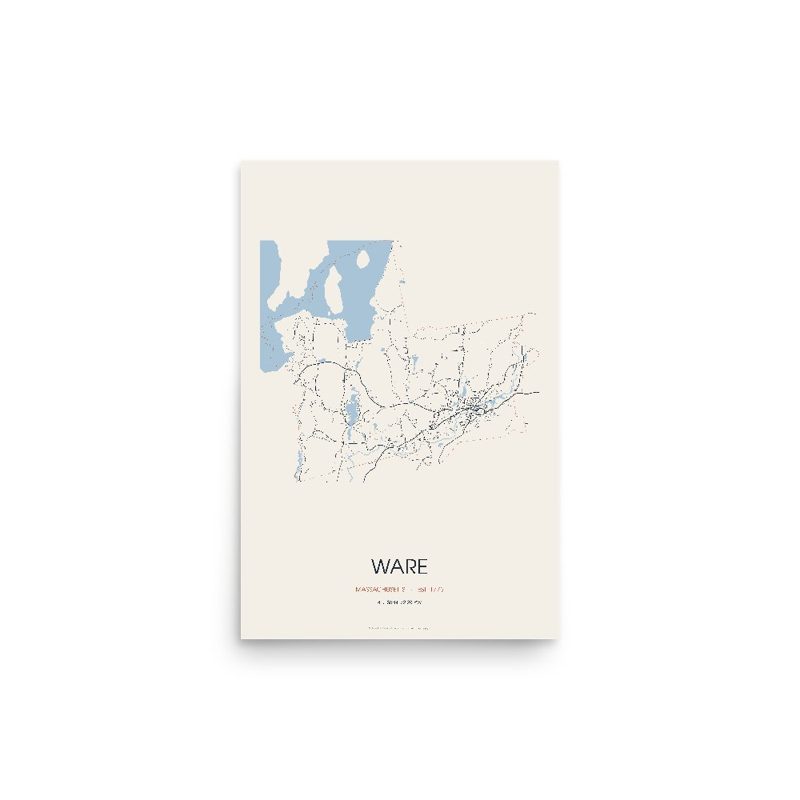
Every road in town, on archival matte paper
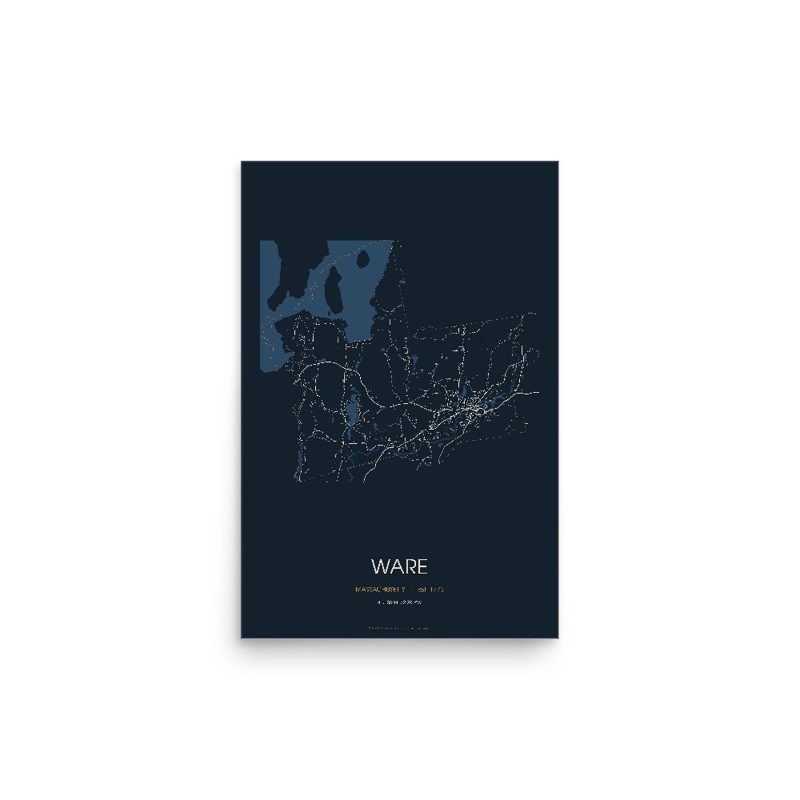
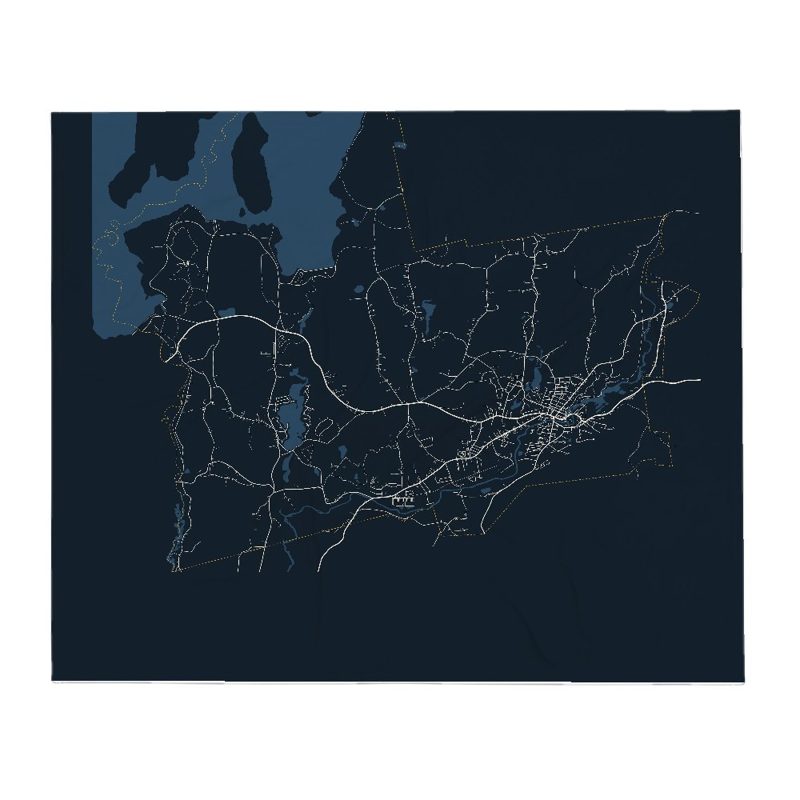
The same map, in navy and silver
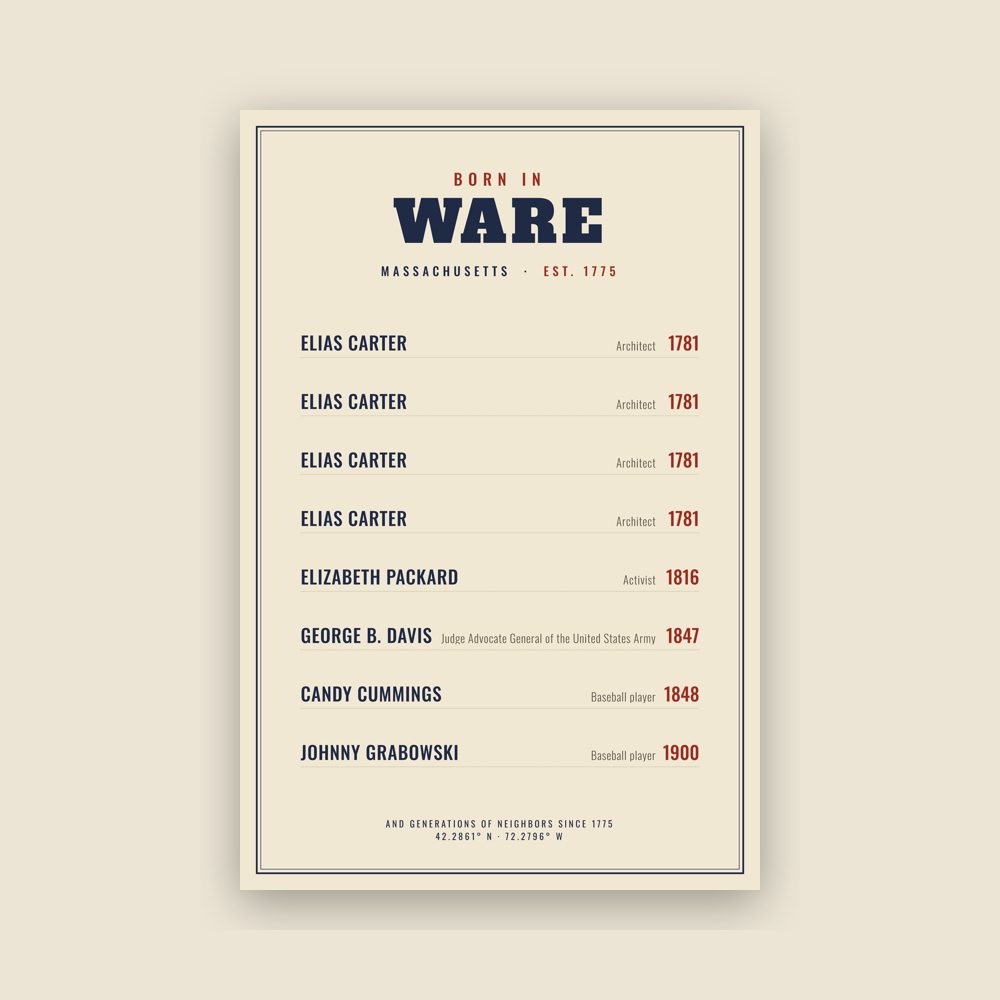
Famous natives, by birth year
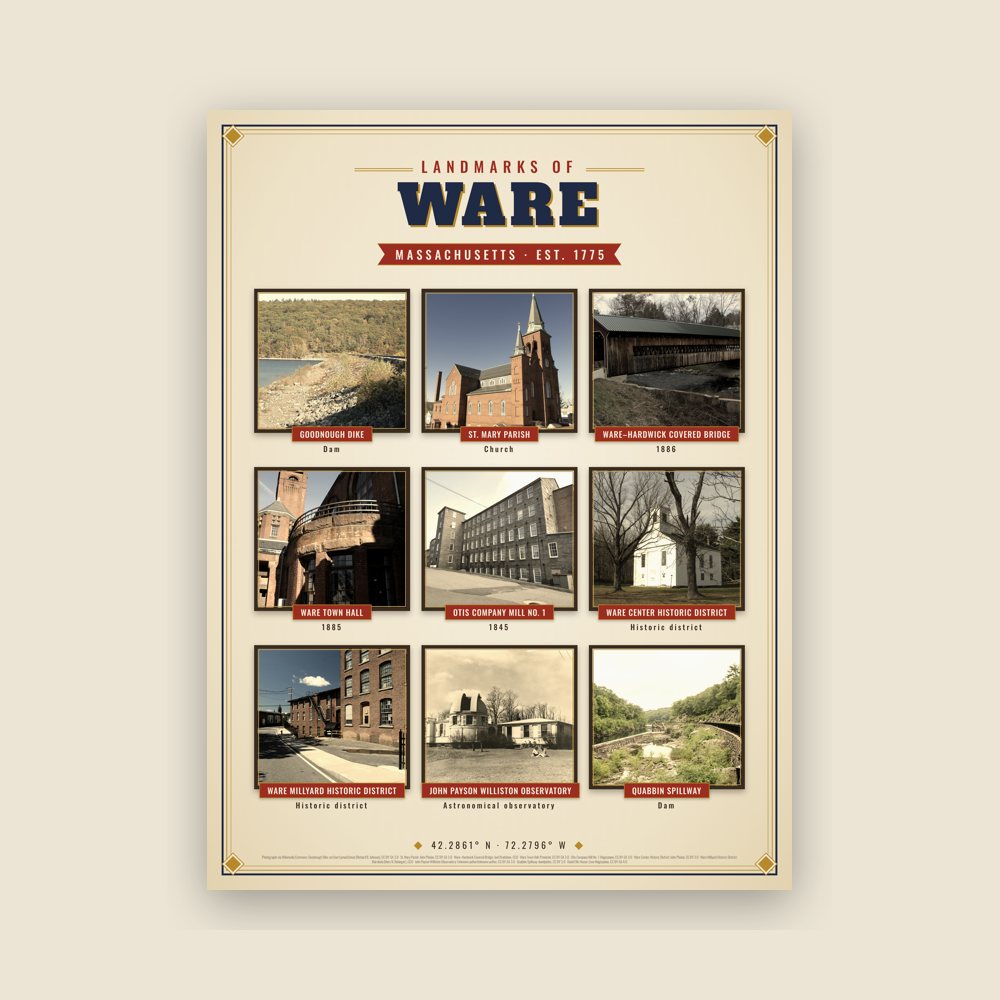
Nine local landmarks, archival matte
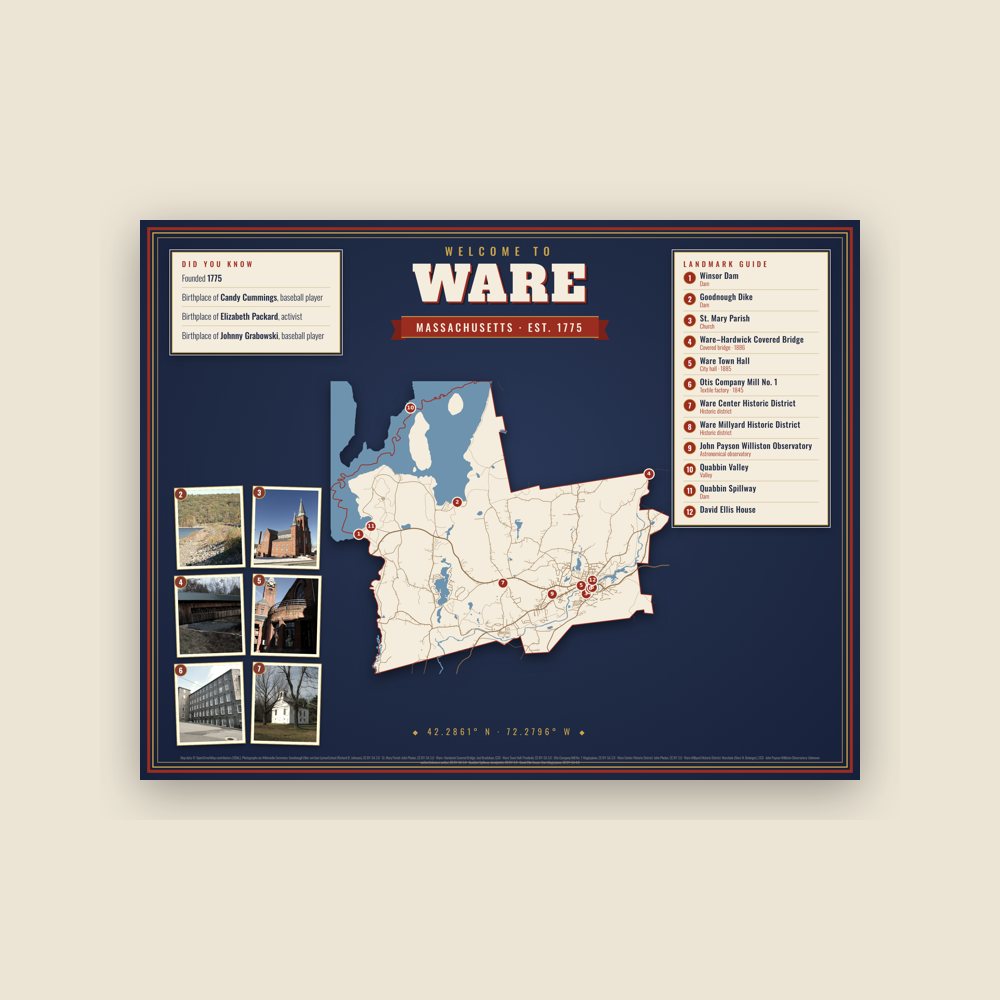
Map of local landmarks, washable fabric
Heavy-blend fleece, street map printed on the back
Soft Bella+Canvas jersey
Glossy ceramic, dishwasher safe
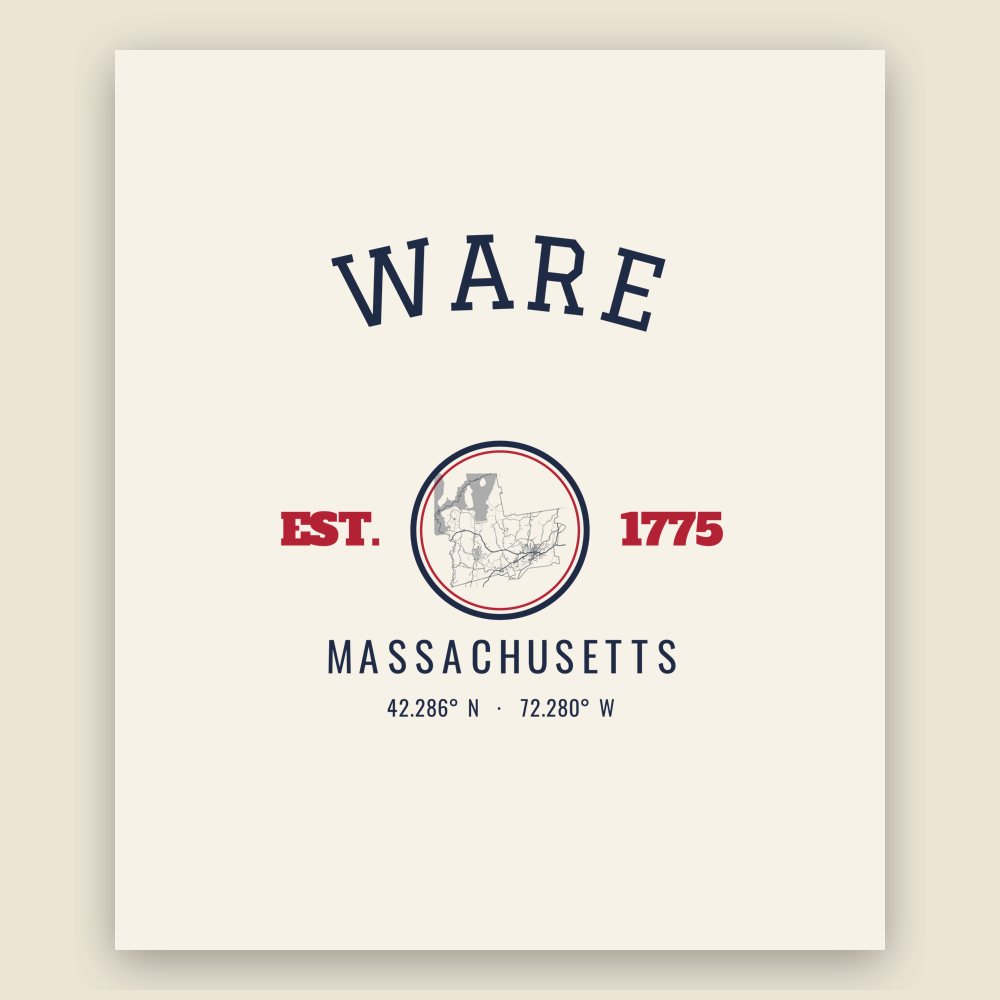
Ceramic keepsake, gold ribbon
Weatherproof, for the front walk
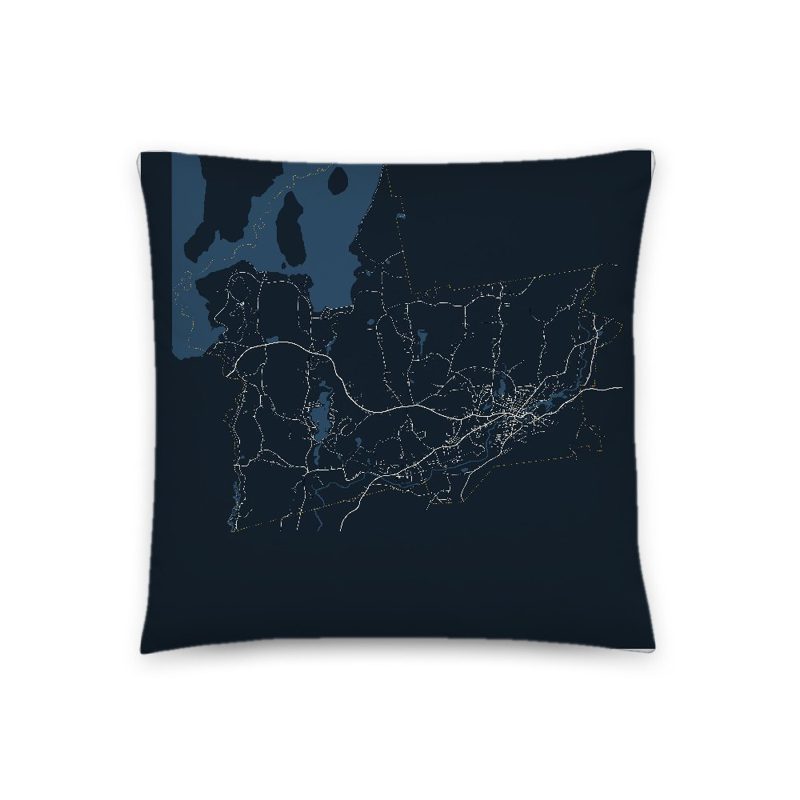
Soft-touch, zip cover
Sturdy all-over-print tote
Glossy top, cork back
Soft fleece, 50″×60″
20 oz, double-wall stainless
Population 2000: 9,707 → 2010: 9,872 → 2020: 10,066
From Wikidata (CC0).
Ware was first settled on Equivalent Lands in 1717 and was officially incorporated in 1775. Its name derives from the word "weir" and is thought to derive from the Nipmuc word "nenameseck" for the weirs the Nipmuc constructed for trapping fish on the Ware River. The English settlers pronounced the word "ware."
In 1716, a tract of land which was slightly more than 11,000 acres (4,500 ha) in size was granted to John Read. He named it "The Manor of Peace" and had it in mind to develop in the style of an English manor, anticipating that it would later become a very valuable country estate. He leased out the land and did not sell 1-acre (4,000 m2) until after his death, when he bequeathed a gift of 200 acres (0.81 km2) to serve as a ministry lot. As time passed, the town of Ware grew up around the old Congregational meeting house and later became a small center of local manufacturing and commerce.
In 1729, the first grist and sawmills were built on the banks of the Weir River by Jabez Olmstead, eventually becoming part of the Ware Millyard Historic District. During the American Revolution, there were at least eight taverns and several inns in the area. Two of the most famous were Ebenezer Nye's tavern and John Downing's. After town meetings were held, they would often adjourn to the latter establishment. By the 1830s, it was not uncommon to see textile mills dotted along the various local rivers. At this point, the Ware community was making the transition from an agrarian economy to an industrially based society. The post Civil War era (1860s–1900s) brought a new prosperity to the now established textile mill town. "Ware factory village", as it was known, sprang up overnight and formed the basis for new growth and development.
For nearly 100 years, the Otis company had been the largest single Ware employer. Cotton had been the primary raw material, and by 1937 denims, awnings and tickings were the principal output. It had been very prosperous until World War I, when its employees numbered close to 2,500. By the 1920s, however, the company began to decline due to lack of modern machinery and movement of industry to the south.
In 1922, it was affected by the New England Textile Strike, shutting down the mills in the town over an attempted wage cut.
By the mid-thirties, the directors decided to liquidate, although no public announcement was made. Shortly thereafter, the company sold its interests to three "cotton men"—Lawrence W. Robert Jr., Edward J. Heitzeberg, and Paul A. Redmond—all with close connections to Alabama Mills, which owned factories in the South.
Instantly, the townspeople rallied to the cause. A public mass meeting was called that evening and plans to raise the necessary cash in order to forestall what appeared to be the imminent ruin of the town were formulated. The citizens of Ware were able to purchase the mills with the backing of the Ware Trust Company. The mills became Ware Industries Inc., and Ware came to be known nationwide as "The Town That Can't Be Licked".
The town gained lands in the late 1930s as part of the construction of the Quabbin Reservoir. The reservoir dammed the Swift River in the former town of Enfield, flooding the valley. Four towns—Enfield, Greenwich, Prescott and Dana—were disincorporated in 1938 by this building of the reservoir. Much of Enfield and Greenwich became part of the town of Ware, extending the town's lands northward. Today, the town is home to most of the Winsor Dam and its spillway, and the Goodnough Dike, both of which lie within the Quabbin Reservation. Ware's portion of this land is some of the most accessible land in the reservation, with a large lookout tower atop Quabbin Hill. Ware also bears the morbid distinction of being host to the Quabbin Park Cemetery, where most of the graves in the former towns were relocated to, as well as most of the town monuments.
Adapted (trimmed) from the Wikipedia article Ware, Massachusetts, revision 1375488860 by its contributors, licensed CC BY-SA 4.0.
We share a part of every Ware sale with local partners, and we'd love to print from your collection. Old photographs, maps and postcards make the best keepsakes.
Partner with us