Westchester County, New York
Street maps, historic prints and keepsakes for 22 Westchester County towns.
The oldest is Harrison, established 1788. The largest by population is Yonkers (211,569).
| Town | Established | Population |
|---|---|---|
| Ardsley | – | 5,079 |
| Briarcliff Manor | 1902 | 7,569 |
| Buchanan | – | 2,302 |
| Croton-On-Hudson | – | 8,327 |
| Dobbs Ferry | – | 11,541 |
| Elmsford | – | 5,239 |
| Harrison | 1788 | 28,218 |
| Hastings-On-Hudson | – | 8,590 |
| Irvington | – | 6,652 |
| Mamaroneck | – | 31,758 |
| Mount Kisco | – | 10,959 |
| Mount Vernon | 1853 | 73,893 |
| New Rochelle | 1899 | 79,726 |
| Ossining | – | 40,061 |
| Peekskill | – | 25,431 |
| Pelham Manor | – | 5,752 |
| Pleasantville | – | 7,513 |
| Rye | 1904 | 16,592 |
| Scarsdale | 1788 | 18,253 |
| Tarrytown | – | 11,860 |
| White Plains | – | 59,559 |
| Yonkers | – | 211,569 |
About these towns
Ardsley: Prior to European settlement Ardsley and its surrounding area was inhabited by the Wickquasgeck tribe, a band of the Wappinger, related to the Lenape (Delaware) tribes which dominated lower New York state and New Jersey.
Briarcliff Manor: Part of modern-day Briarcliff Manor was once known as Whitson's Corners for brothers John H., Richard, and Reuben Whitson, who owned adjoining farms in the area totaling 400 acres (160 ha).
Croton-On-Hudson: Humans have lived in the area that would become Croton-on-Hudson since at least 7000 BC. The Kitchawanc tribe, part of the Wappinger Confederacy of the Algonquian peoples, signed a peace treaty with the newly arriving Dutch people at Croton Point in 1645, now commemorated by a plaque in the park there.
Dobbs Ferry: Multiple groups of Native Americans lived around what is now known as Dobbs Ferry since at least 4500 BC. The most recent tribe who claimed territory of the area are the Wecquaesgeek, maintaining villages until the 1600s.
Elmsford: The area was known from colonial times as "Storm's Bridge" and later, "Hall's Corners", names derived from the principal landowners of the times.
Harrison: Harrison was established in 1696 by a patent granted by the British government to John Harrison and three others, who had a year earlier bargained with local Native Americans to purchase an area of land above Westchester Path, an old trail that led from Manhattan to Port Chester and below Rye Lake.
Hastings-On-Hudson: The area that is now Hastings-on-Hudson and Dobbs Ferry was the primary settlement of the Weckquaesgeek Algonquian people, who called the community Wysquaqua.
Irvington: Before the area where Irvington is now located was settled by Europeans, it was inhabited by the Wickquasgeck, a band of the Wappingers, related to the Lenape (Delaware) tribes which dominated lower New York state and New Jersey.
Mamaroneck: The area that is now the town in Mamaroneck was purchased from the Siwanoy Wappaquewam on behalf of Manhatahan "another proprietors" and "by the consent of the other Indians," on September 23, 1661, by an Englishman named John Richbell who was a resident of Oyster Bay, Long Island.
Mount Kisco: The name Kisco may be connected to the Munsee word asiiskuw ("mud"), and the name of the settlement "first appeared in colonial records as Cisqua, the name of a meadow and river mentioned in the September 6, 1700 Indian deed to land in the area." The spelling Mount Kisko was used by the local postmaster when a post office was…
Mount Vernon: Mount Vernon became a village in 1853 and a city in 1892. Early development was driven by the New York Industrial Home Association No. 1, a home building cooperative organized to build homes for "tradesmen, employees, and other persons of small means".
New Rochelle: By the 17th century, the historic Lenape bands, who spoke a language in the Algonquian family, were prominent in the area. Their territory extended from the coastal areas of western present-day Connecticut, Long Island, and south through New Jersey, Maryland, and Delaware.
Ossining: In 1685, Frederick Philipse bought the area which presently constitutes the Town of Ossining from the Sint Sinck, a Munsee-speaking Lenape people.
Peekskill: In September 1609, English explorer Henry Hudson, captain of the Half Moon, anchored along the reach of the Hudson River at Peekskill.
Pelham Manor: In 1873, the opening of Pelham Manor station on the Harlem River Branch of the New York, New Haven and Hartford Railroad led to real estate development in the surrounding area, including Chestnut Grove between Boston Post Road and the train station and Manor Circle to the east of the station.
Pleasantville: The settlement of Pleasantville dates back to the Rechgawawank and Sinsink tribes, belonging to the Munsee dialect of the Lenni Lenape. This region of the Hudson Valley has been inhabited since just after the last ice age.
Rye: It was founded in 1660 by three men: Thomas Studwell, Peter Disbrow, and John Coe. Later prominent landowners included John Budd and family.
Scarsdale: The region was once inhabited by several Native American tribes, the most prominent being the Wappinger people. Westchester Native Americans formed the Wappinger Confederacy as protection against the Iroquois people.
Tarrytown: The Native American Wecquaesgeek band of the Wappinger people, related to the Mohicans, lived in the area prior to European settlement. The Wecquaesgeek fished the Hudson River for shad, oysters and other shellfish.
White Plains: At the time of the Dutch settlement of Manhattan in the early 17th century, the region had been used as farmland by the Weckquaeskeck tribe, a Wappinger people, and was called "Quarropas".
Yonkers: The indigenous Native American village of Nappeckamack was located near the Neperah stream (now the Saw Mill River, also known as Nepperhan Creek), which flowed into the Shatemuck (Hudson River).
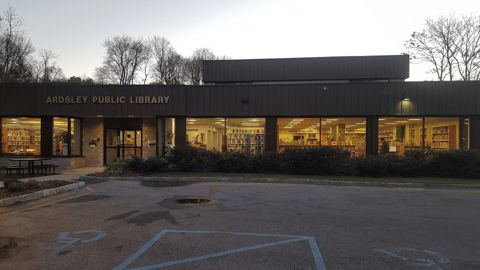 ArdsleyNew York
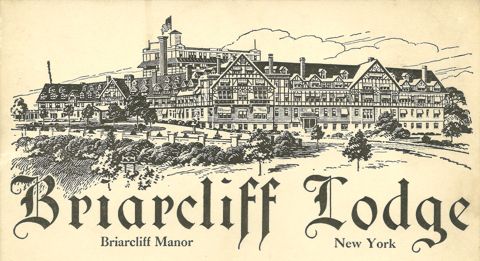 Briarcliff ManorNew York · Est. 1902
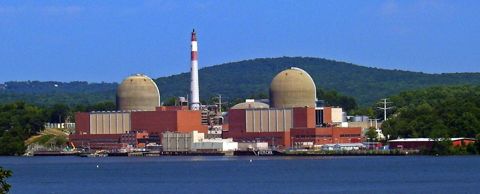 BuchananNew York
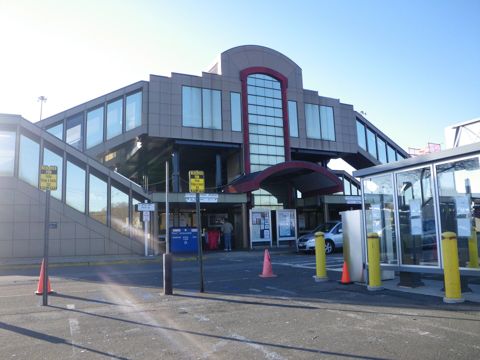 Croton-On-HudsonNew York
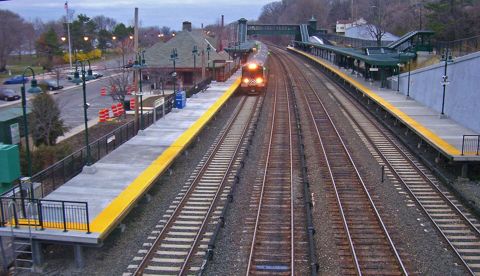 Dobbs FerryNew York
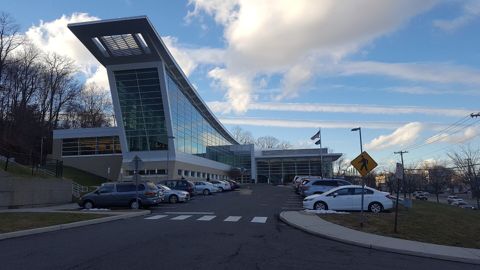 ElmsfordNew York
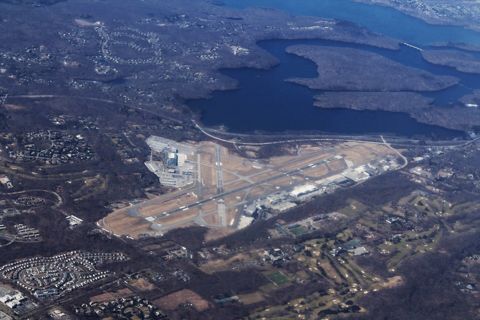 HarrisonNew York · Est. 1788
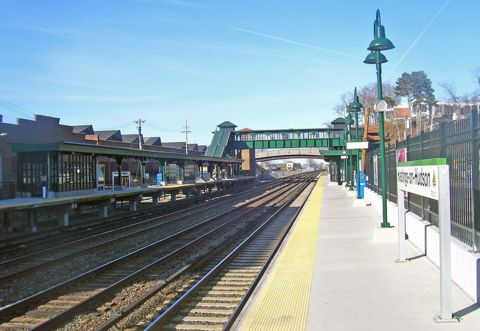 Hastings-On-HudsonNew York
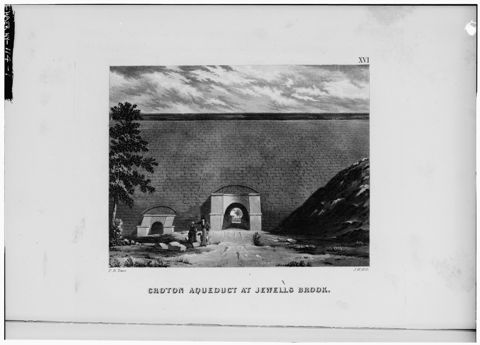 IrvingtonNew York
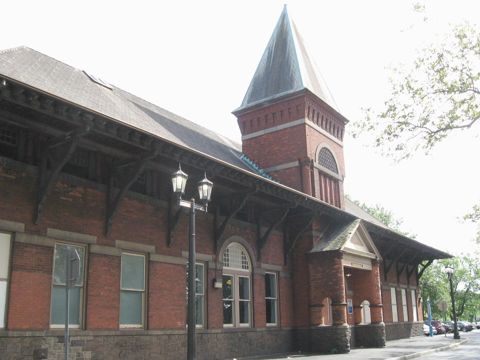 MamaroneckNew York
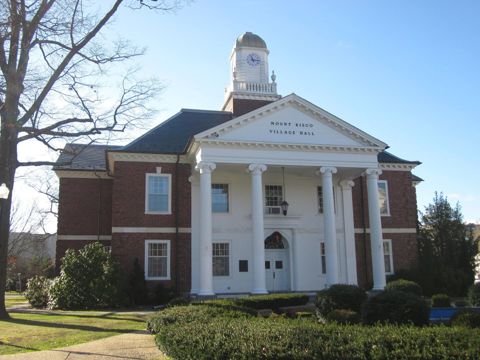 Mount KiscoNew York
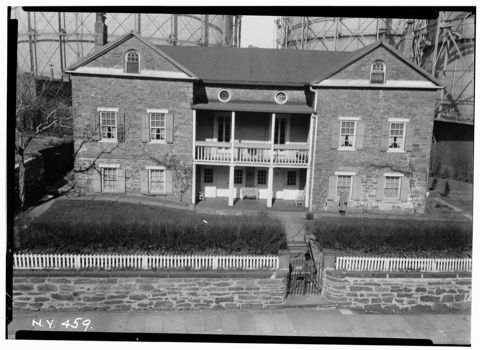 Mount VernonNew York · Est. 1853
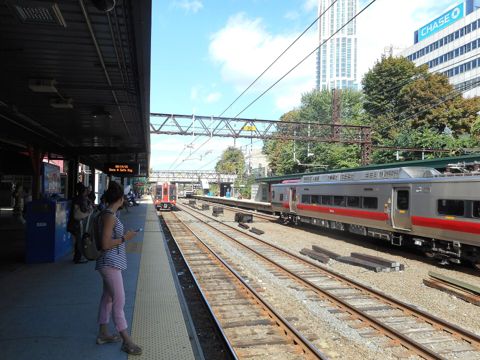 New RochelleNew York · Est. 1899
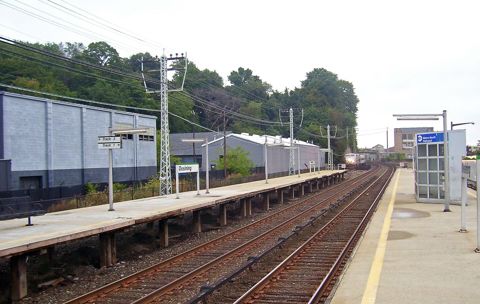 OssiningNew York
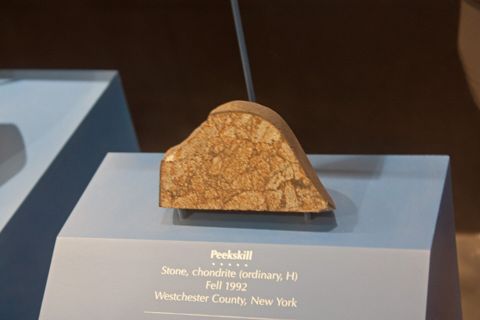 PeekskillNew York
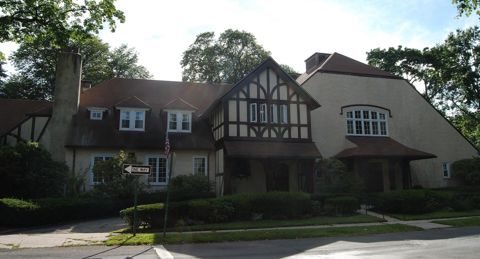 Pelham ManorNew York
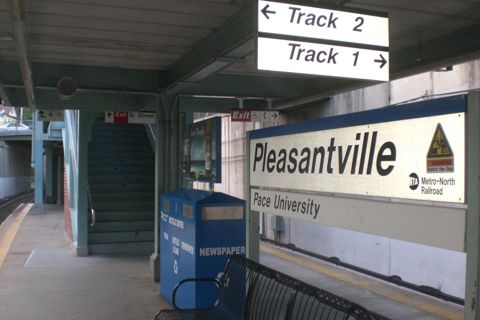 PleasantvilleNew York
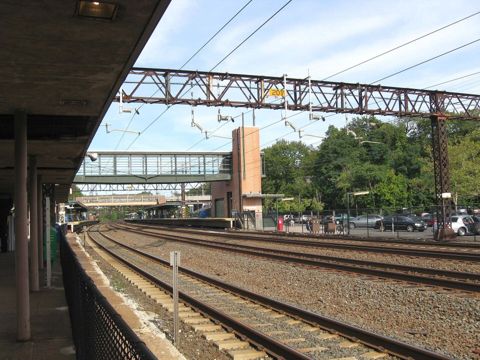 RyeNew York · Est. 1904
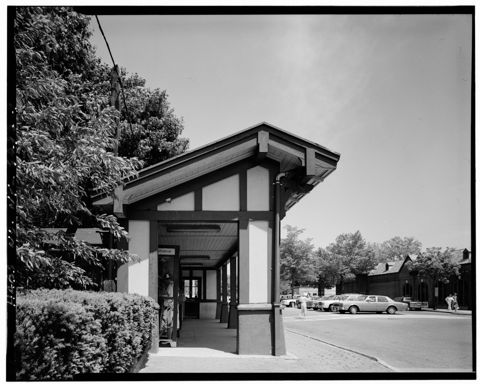 ScarsdaleNew York · Est. 1788
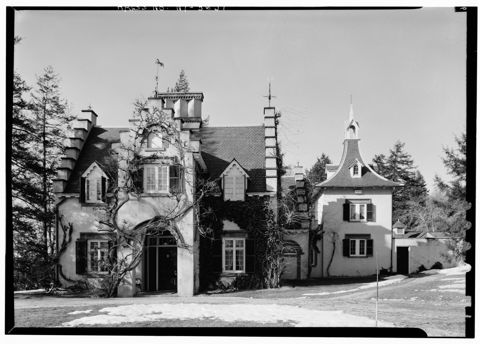 TarrytownNew York
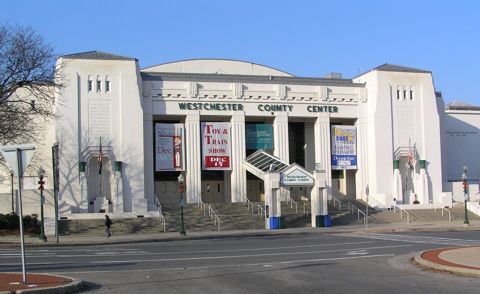 White PlainsNew York
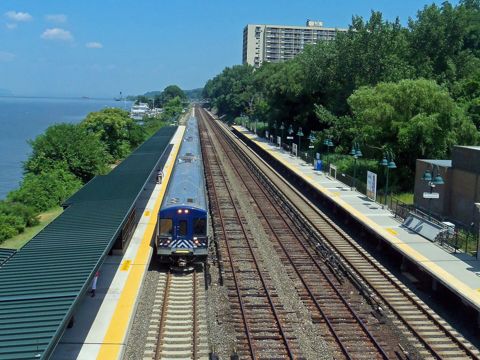 YonkersNew York
Founding years, populations and town notes come from each town's Wikipedia and Wikidata entries. All New York towns.