A short history of Croton-on-Hudson
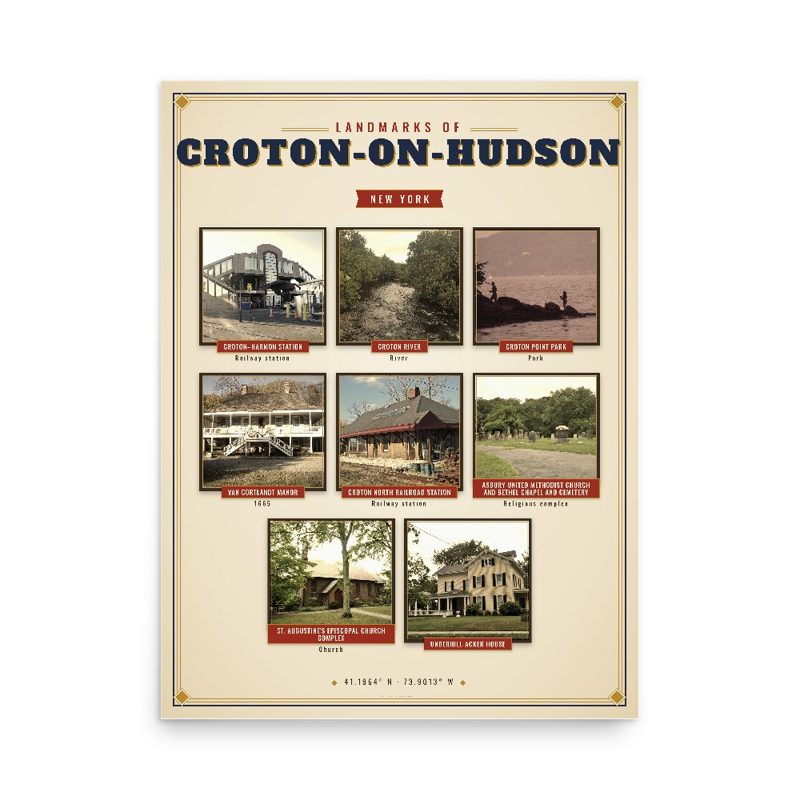
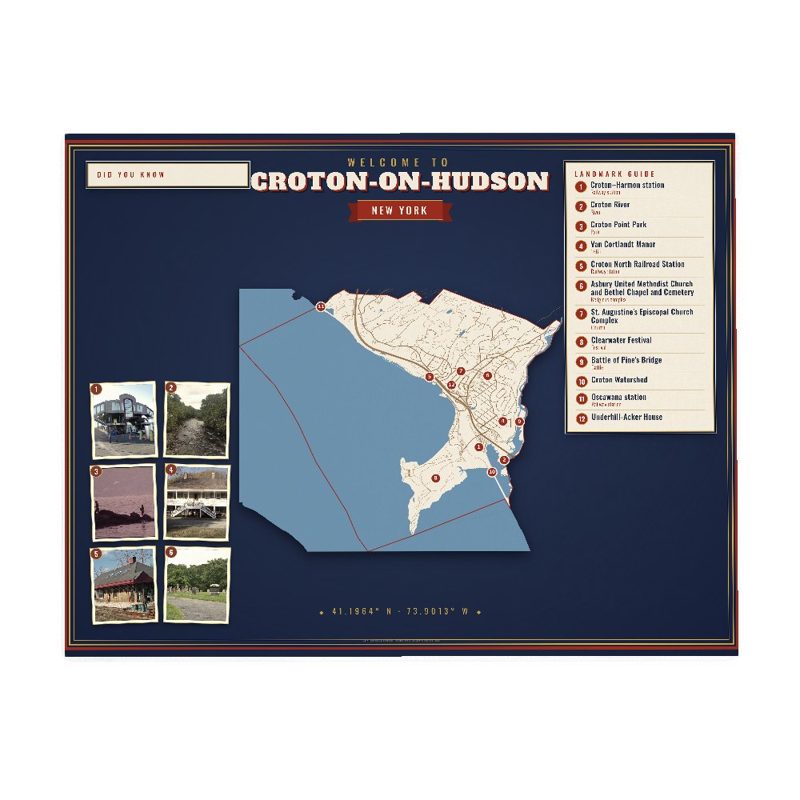
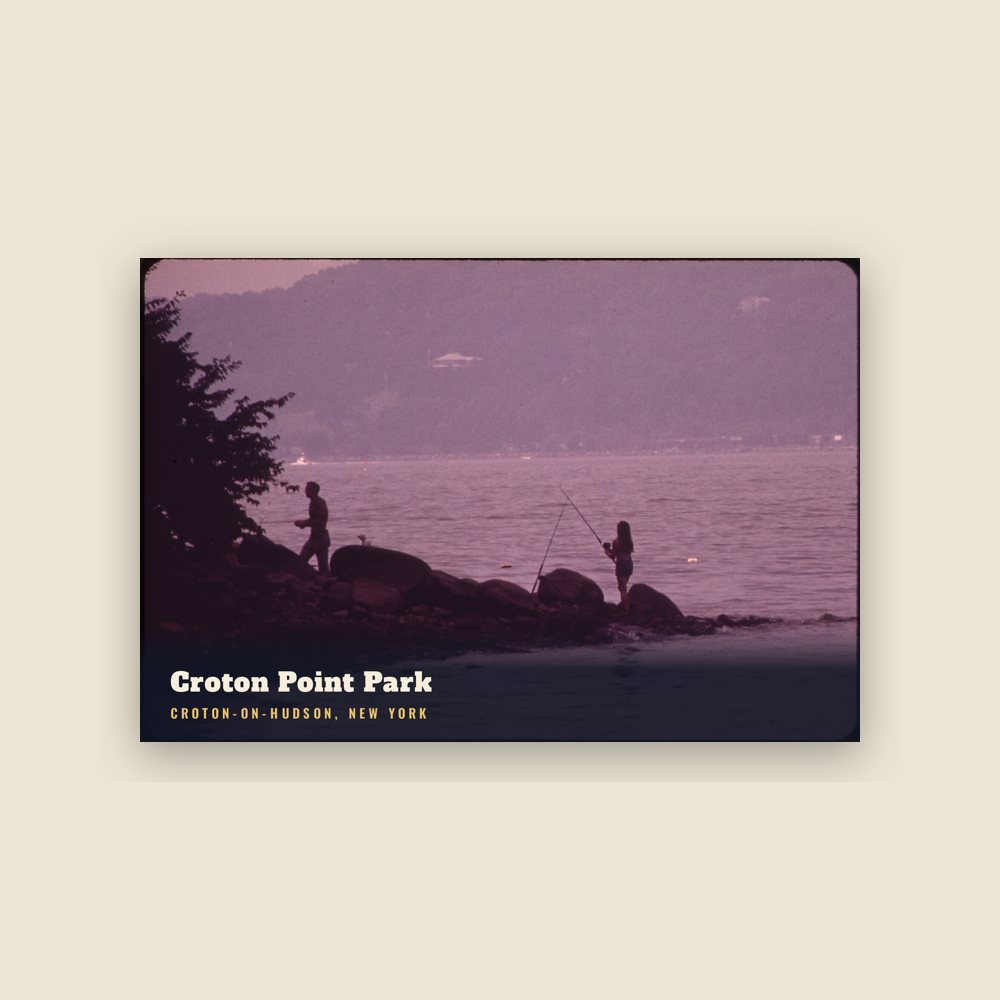
Humans have lived in the area that would become Croton-on-Hudson since at least 7000 BC. The Kitchawanc tribe, part of the Wappinger Confederacy of the Algonquian peoples, signed a peace treaty with the newly arriving Dutch people at Croton Point in 1645, now commemorated by a plaque in the park there.
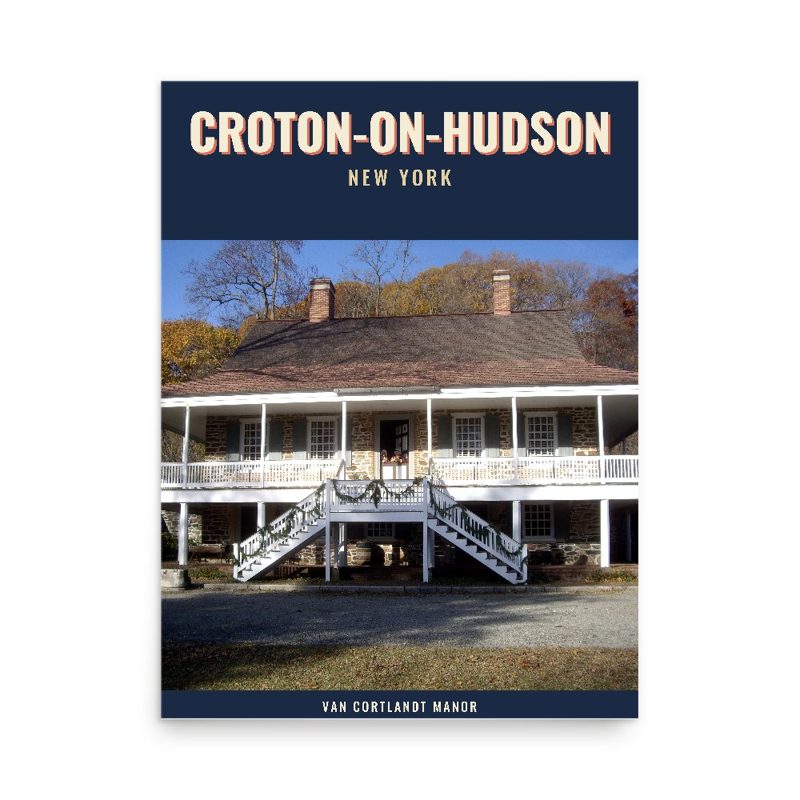
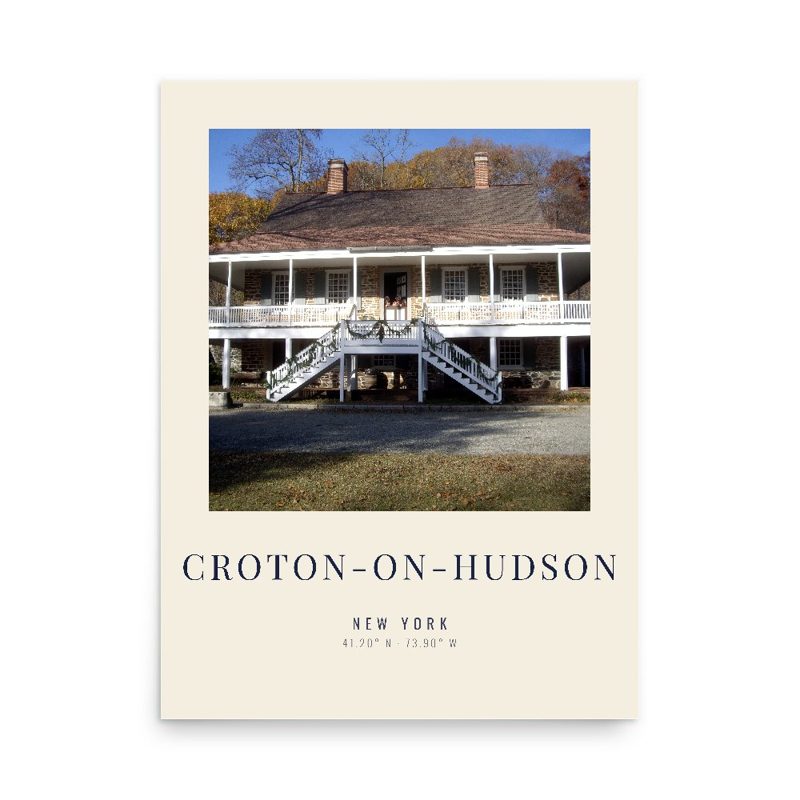
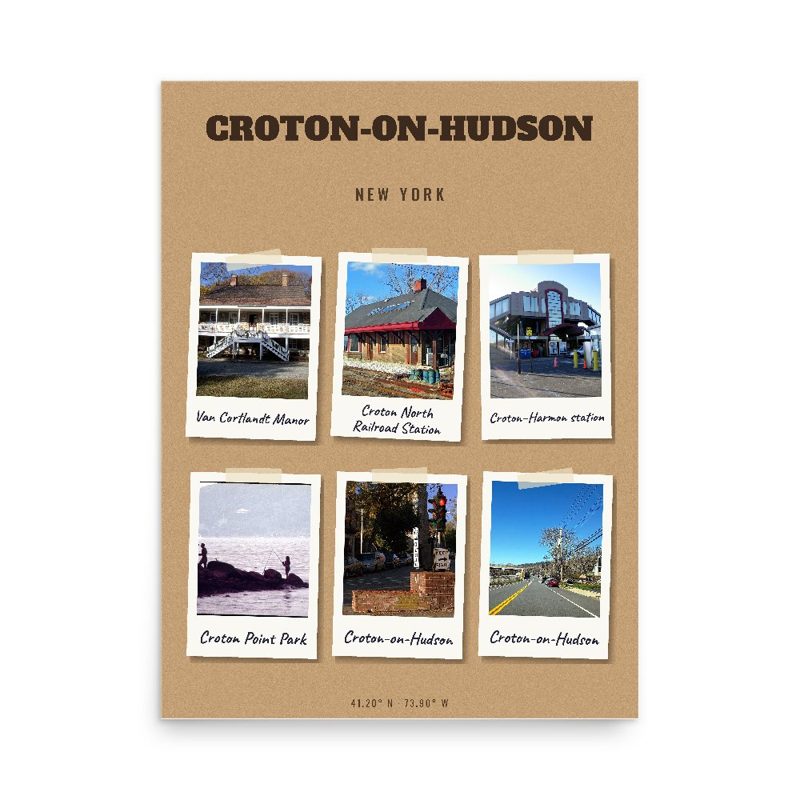
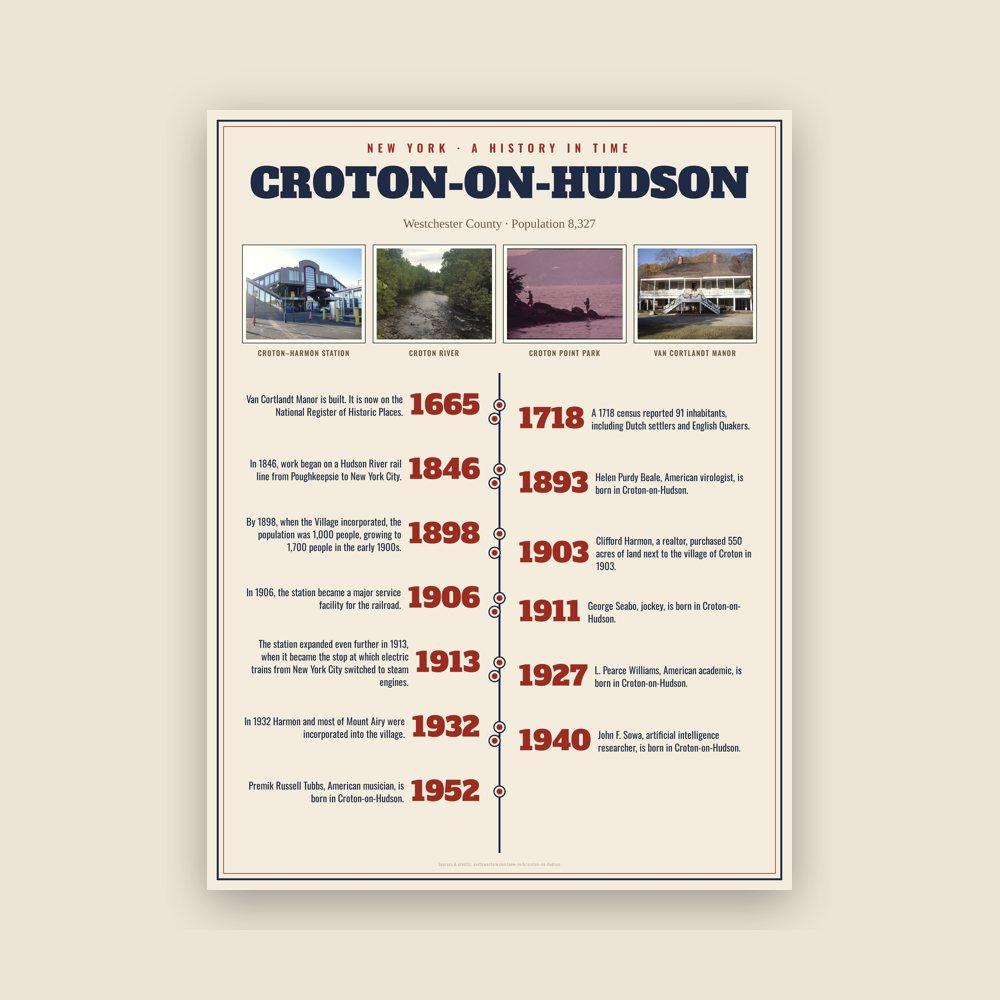
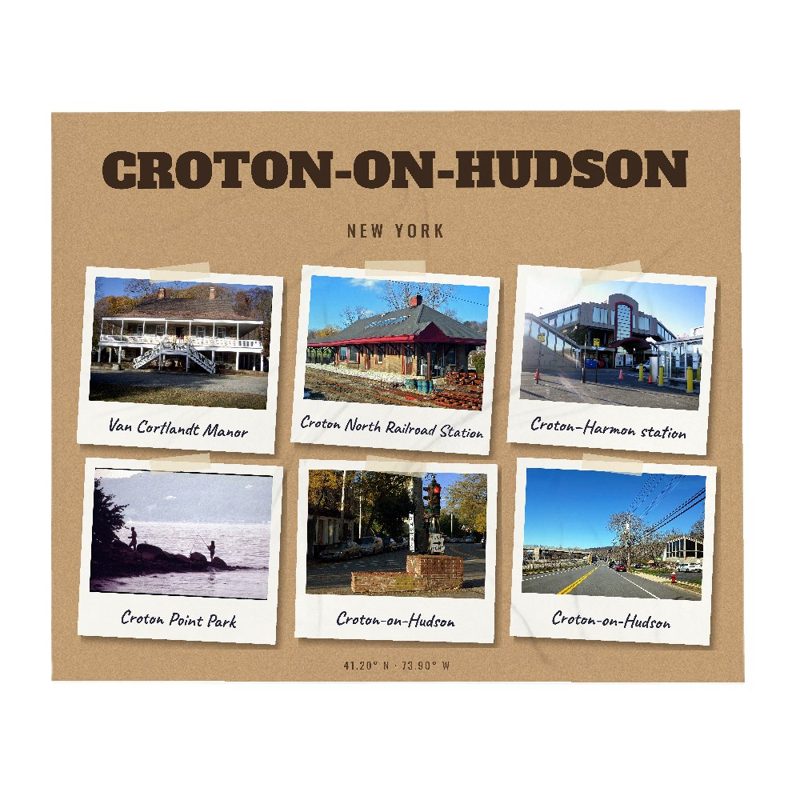
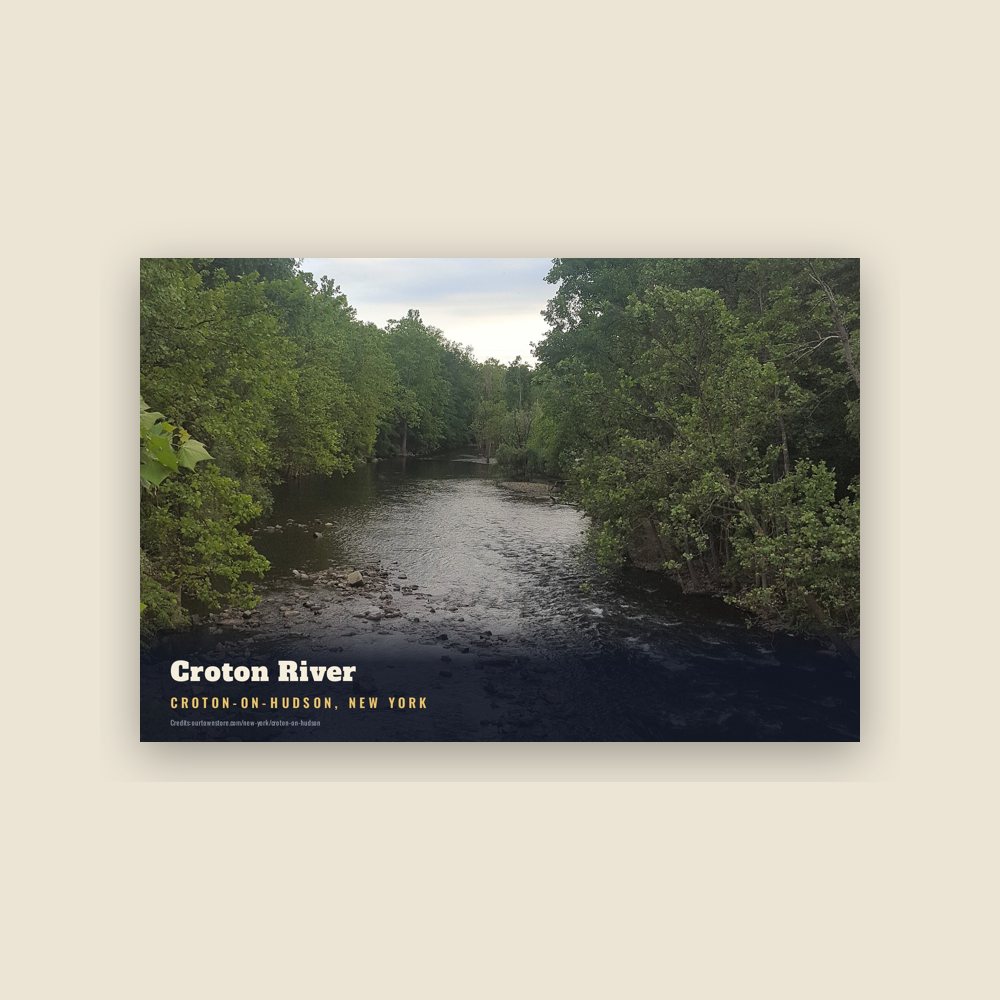
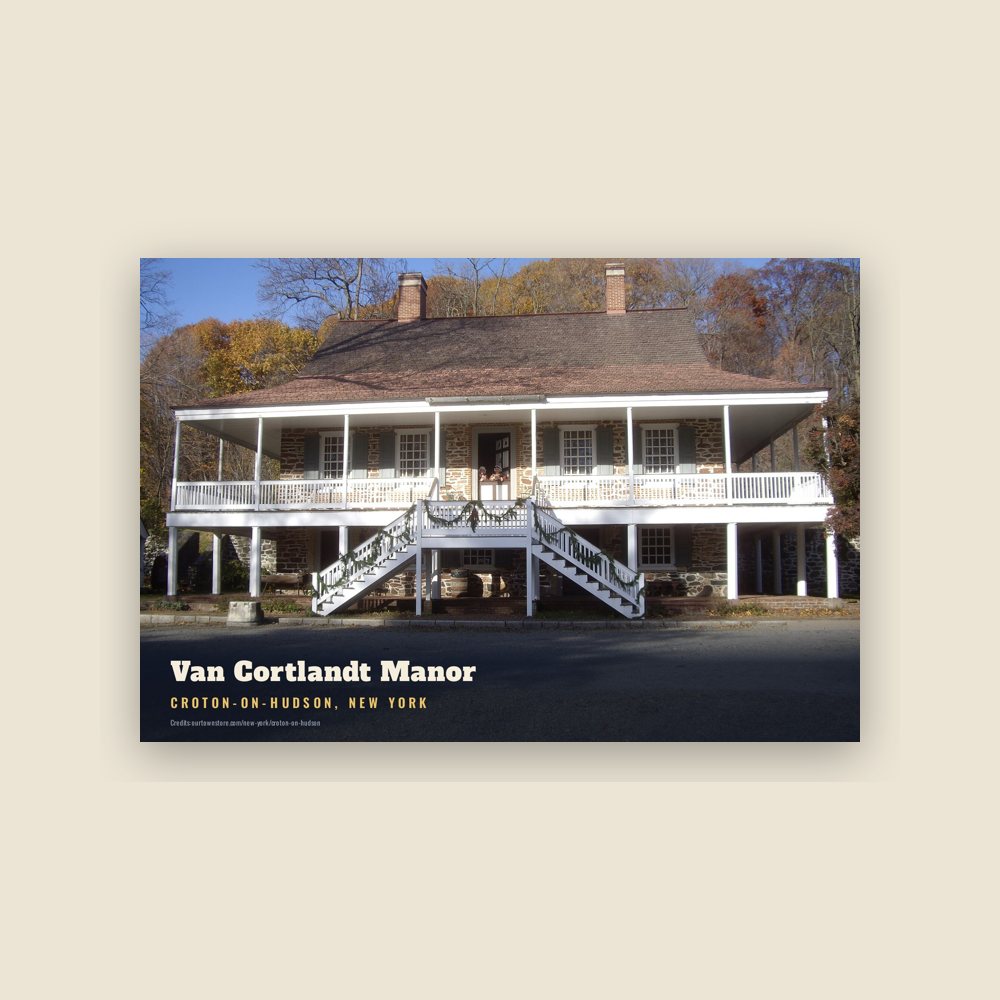
Stephanus van Cortlandt began acquiring land in the area to build a manor in 1677, the same year he became mayor of New York City. It was granted by royal patent in 1697 as the Manor of Cortlandt, including the area known as Croton Landing where the Croton River meets the Hudson River, where the manor house was built. A 1718 census reported 91 inhabitants, including Dutch settlers and English Quakers. People worked the manor primarily as farmers or millers.
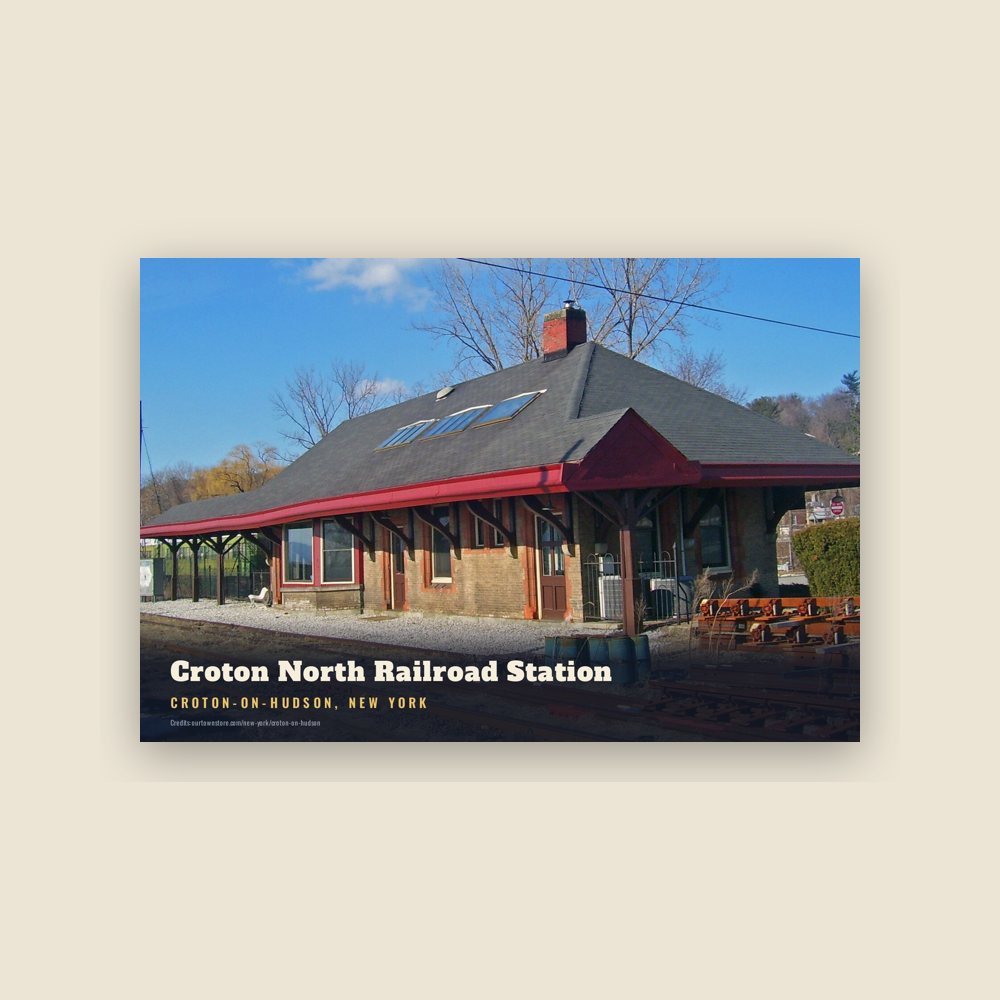
In the mid- to late 1800s first the Croton Dam, then the New Croton Dam, and the Croton Aqueduct were built on the Croton River to supply New York City, along with the New York Central Railroad station on the Hudson River. Many Irish, Italian and German immigrants moved to the area to work on those projects, increasing the population dramatically. By 1898, when the Village incorporated, the population was 1,000 people, growing to 1,700 people in the early 1900s.
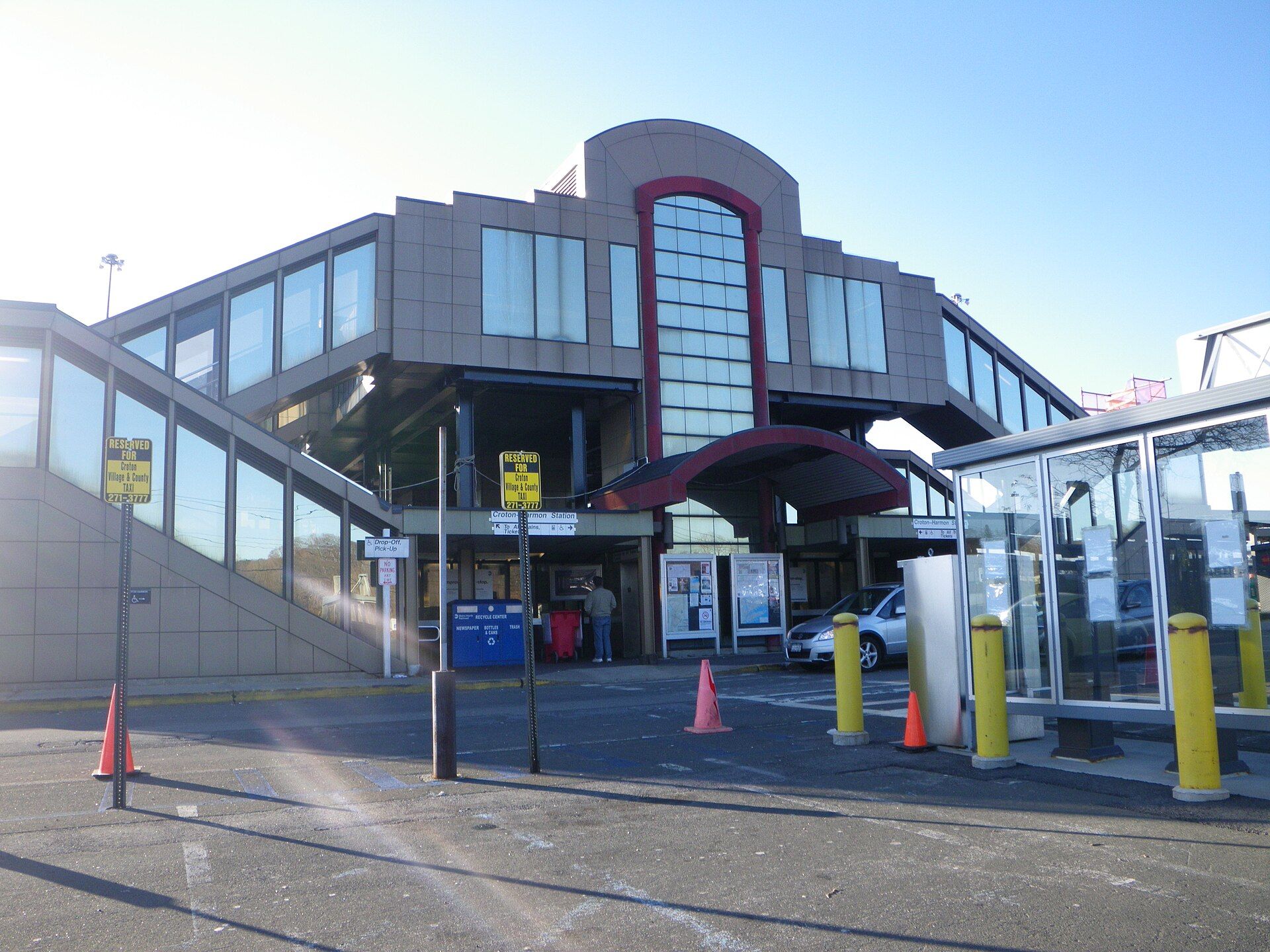
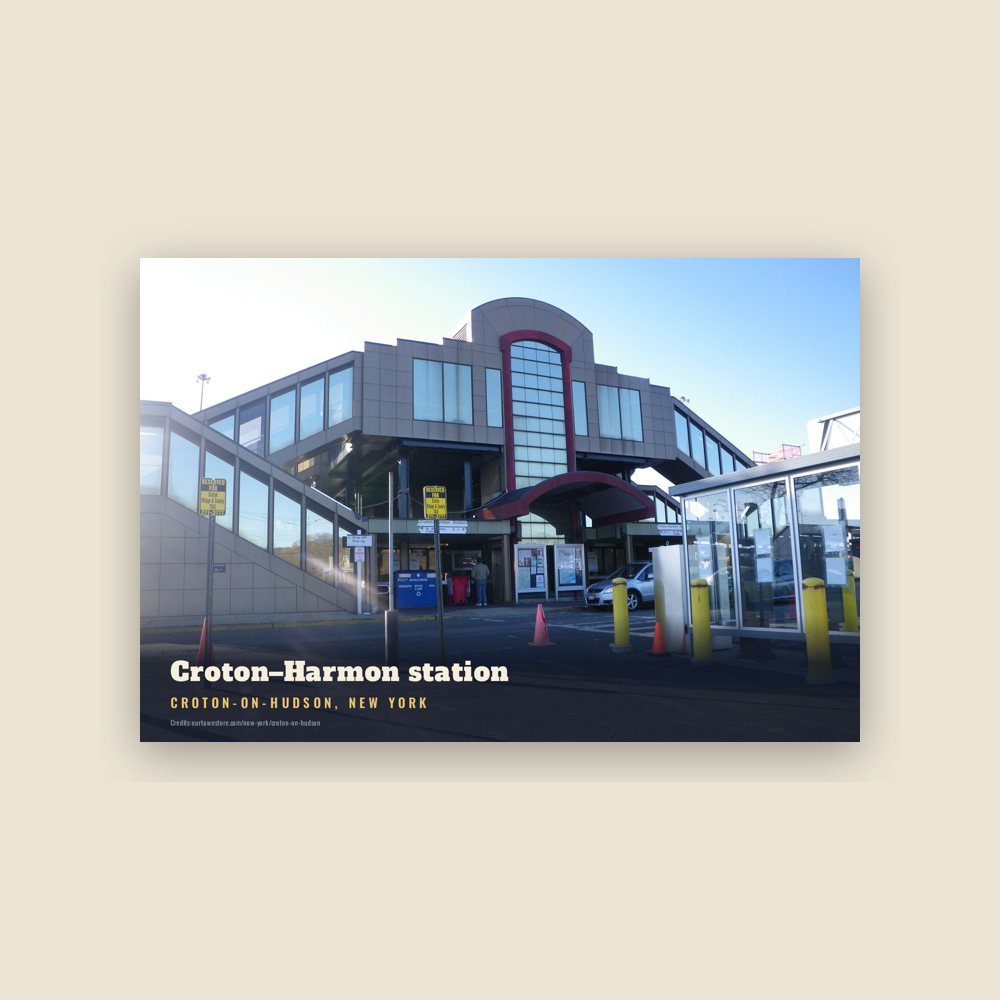
In 1846, work began on a Hudson River rail line from Poughkeepsie to New York City. Clifford Harmon, a realtor, purchased 550 acres of land next to the village of Croton in 1903. He gave part of the land to the New York Central Railroad to build a train station, on the condition that the station would forever be named after him. Today it is called the Croton-Harmon station of the Metro-North Railroad and of Amtrak. In 1906, the station became a major service facility for the railroad. The station expanded even further in 1913, when it became the stop at which electric trains from New York City switched to steam engines. The station still serves this purpose, but for diesel locomotives instead of steam engines.
Harmon thrived as an artist's colony alongside the village, while the neighboring Mount Airy community evolved from Quakers to Greenwich Village artists and writers by the early 1900s. Mount Airy was home to many early members of the American Communist Party. In 1932 Harmon and most of Mount Airy were incorporated into the village.
Adapted (trimmed) from the Wikipedia article Croton-on-Hudson, New York, revision 1383974276 by its contributors, licensed CC BY-SA 4.0.