Since 1899
A short history of New Rochelle
17th and 18th centuries
This area was occupied by cultures of indigenous peoples for thousands of years. They made use of the rich resources of Long Island Sound and inland areas.
By the 17th century, the historic Lenape bands, who spoke a language in the Algonquian family, were prominent in the area. Their territory extended from the coastal areas of western present-day Connecticut, Long Island, and south through New Jersey, Maryland, and Delaware.
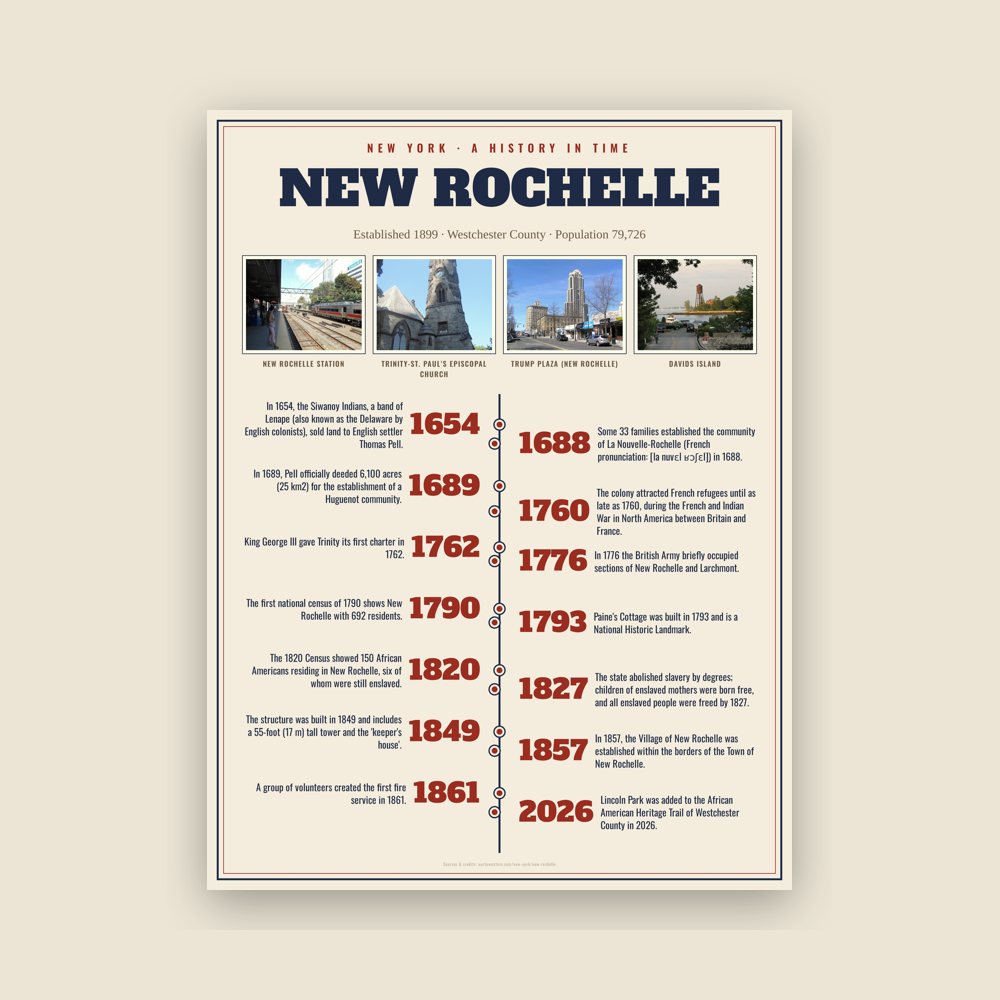
In 1654, the Siwanoy Indians, a band of Lenape (also known as the Delaware by English colonists), sold land to English settler Thomas Pell. Some 33 families established the community of La Nouvelle-Rochelle (French pronunciation: [la nuvɛl ʁɔʃɛl]) in 1688. Many of them were artisans and craftsmen from La Rochelle, France, after which they named the settlement. The people continued to speak French, and a common practice for people in neighboring areas was to send their children to New Rochelle to learn the language. A monument containing the names of these settlers stands in Hudson Park, the original landing point of the Huguenots. In 1689, Pell officially deeded 6,100 acres (25 km2) for the establishment of a Huguenot community.
Jacob Leisler is an important figure in the early histories of both New Rochelle and the United States. He arrived in America as a mercenary in the British Army and later became one of the most prominent merchants in New York. He was subsequently appointed acting governor of the province; during his tenure he acted on behalf of the Huguenots.
One condition of the sale was that Pell and his heirs would receive "one fatt calfe" on June 24 of every year thereafter, if demanded. The "fatt calfe" was commemorated in the New Rochelle 250th Anniversary half dollar, minted in 1937. Pell's descendants did not request a calf until the 1950s. Since then, there have been occasional "fatt calfe" ceremonies.
Of all the Huguenot settlements in America founded with the intention of being distinctly French colonies, New Rochelle most clearly fulfilled such plans. The colony attracted French refugees until as late as 1760, during the French and Indian War in North America between Britain and France.
In 1775, General George Washington stopped in New Rochelle on his way to assume command of the Army of the United Colonies in Massachusetts. In 1776 the British Army briefly occupied sections of New Rochelle and Larchmont. Following British victory in the Battle of White Plains, New Rochelle became part of the infamous Neutral Ground of Westchester County.
After the Revolutionary War ended, in 1784, patriot Thomas Paine was given a farm in New Rochelle for his service to the cause of independence. The farm, totaling about 300 acres (1.2 km2), had been confiscated from its owners by the state of New York due to their Tory activities.
The first national census of 1790 shows New Rochelle with 692 residents. Some 136 were African American, including 36 who were freemen; the remainder were enslaved.
Read the full history
19th and 20th centuries
Through the 18th century, New Rochelle had remained a modest village that retained an abundance of agricultural land. During the 19th century, however, New York City was a destination from the mid-century on by waves of immigration, principally from Ireland and Germany. More established American families left New York City and moved into this area. Although the original Huguenot population was rapidly shrinking in relative size, through ownership of land, businesses, banks, and small manufactures, they retained a predominant hold on the political and social life of the town.
The 1820 Census showed 150 African Americans residing in New Rochelle, six of whom were still enslaved. The state abolished slavery by degrees; children of enslaved mothers were born free, and all enslaved people were freed by 1827.
In 1857, the Village of New Rochelle was established within the borders of the Town of New Rochelle. A group of volunteers created the first fire service in 1861. In 1899, a bill creating the New Rochelle City Charter was signed by Governor Theodore Roosevelt. Through this bill, the Village and Town of New Rochelle were joined into one municipality. In 1899, Michael J. Dillon narrowly defeated Hugh A. Harmer to become New Rochelle's first mayor. The recently established city charter designated a board of aldermen as the legislative unit with two members to be elected from each of four wards and 10 elected from the city at-large.
By 1900, New Rochelle had a population of 14,720. Throughout the city, farms, estates, and wooded homesteads were bought up by realty and development companies. Planned residential neighborhoods such as Rochelle Park, one of the first planned communities in the country, soon spread across the city, earning New Rochelle the sobriquet "City of Homes". In 1909, Edwin Thanhouser established Thanhouser Film Corporation. Thanhouser's The Million Dollar Mystery was one of the first serial motion pictures. In 1923, New Rochelle resident Anna Jones became the first African-American woman to be admitted to the New York State Bar.
Poet and resident James J. Montague captured the image of New Rochelle at the time in his 1926 poem "Queen City of the Sound".
In 1930, New Rochelle recorded a population of 54,000, up from 36,213 only 10 years earlier. During the 1930s, New Rochelle was the wealthiest city per capita in New York and the third-wealthiest in the country.
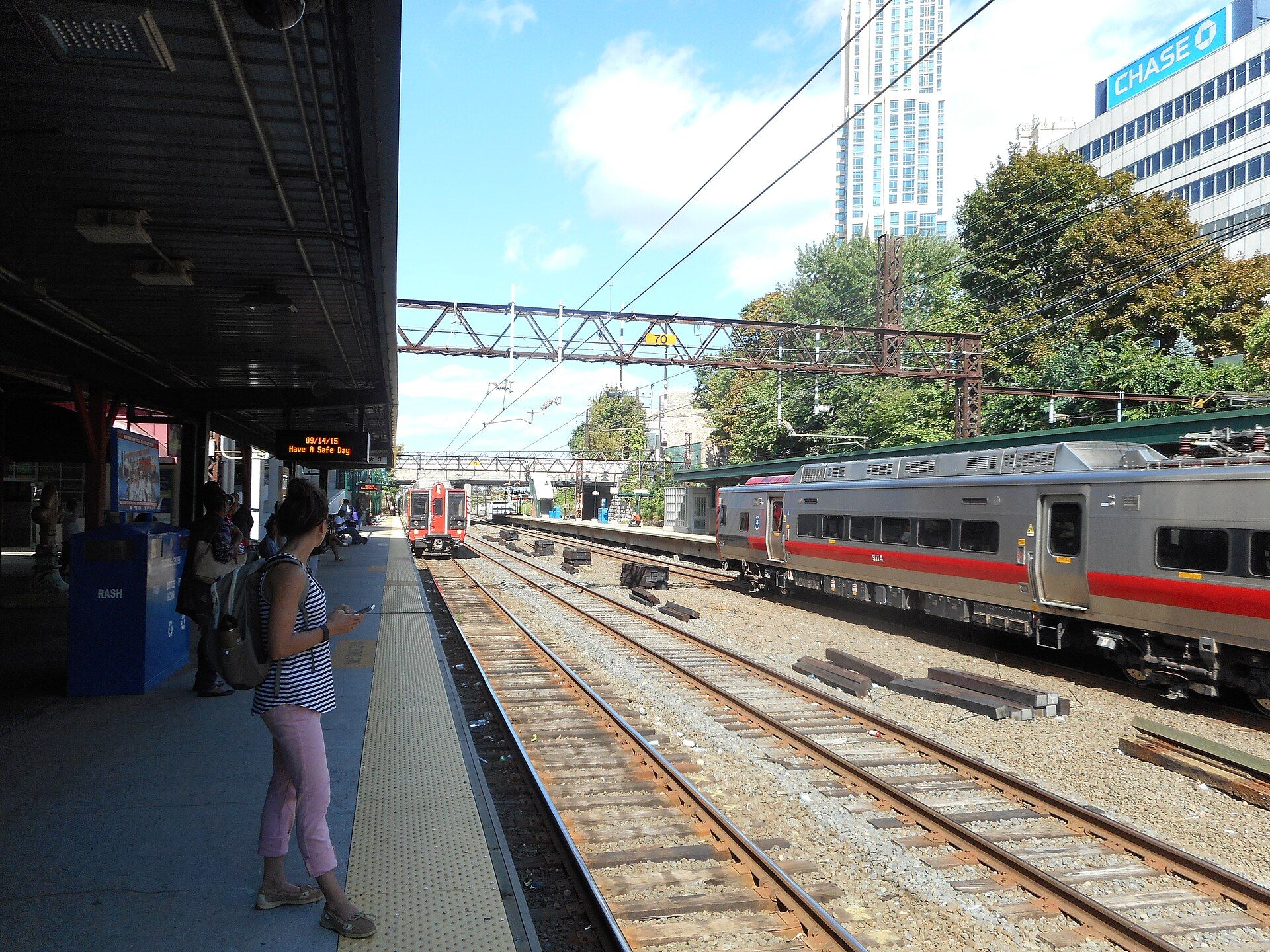
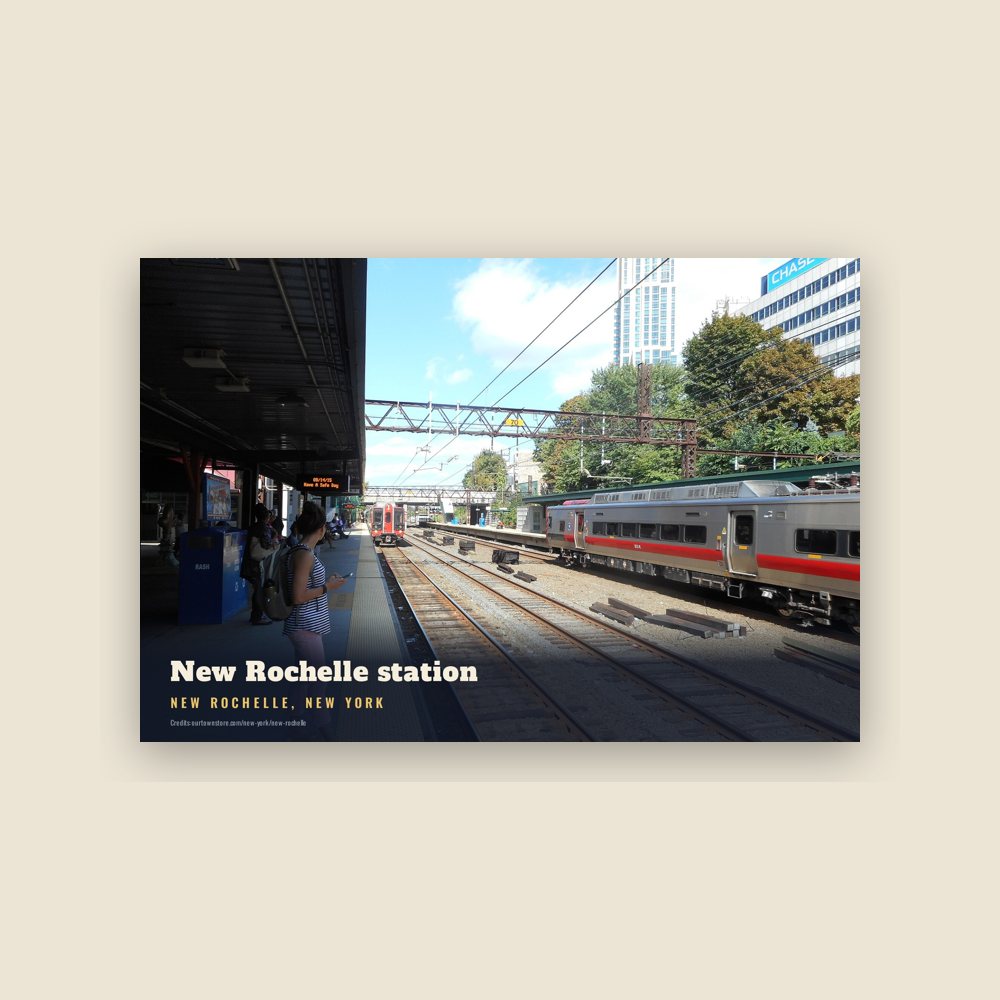
By the end of the century, the Metro North railroad station was rebuilt along with a $190 million entertainment complex, nicknamed New Roc City, which featured a 19-screen movie theater, an IMAX theater, an indoor ice hockey arena, mini-golf, go karts, an arcade, restaurants, a hotel, loft apartments, and a megasupermarket. The complex was built on the site of the former New Rochelle Mall, which had opened in 1968.
21st century
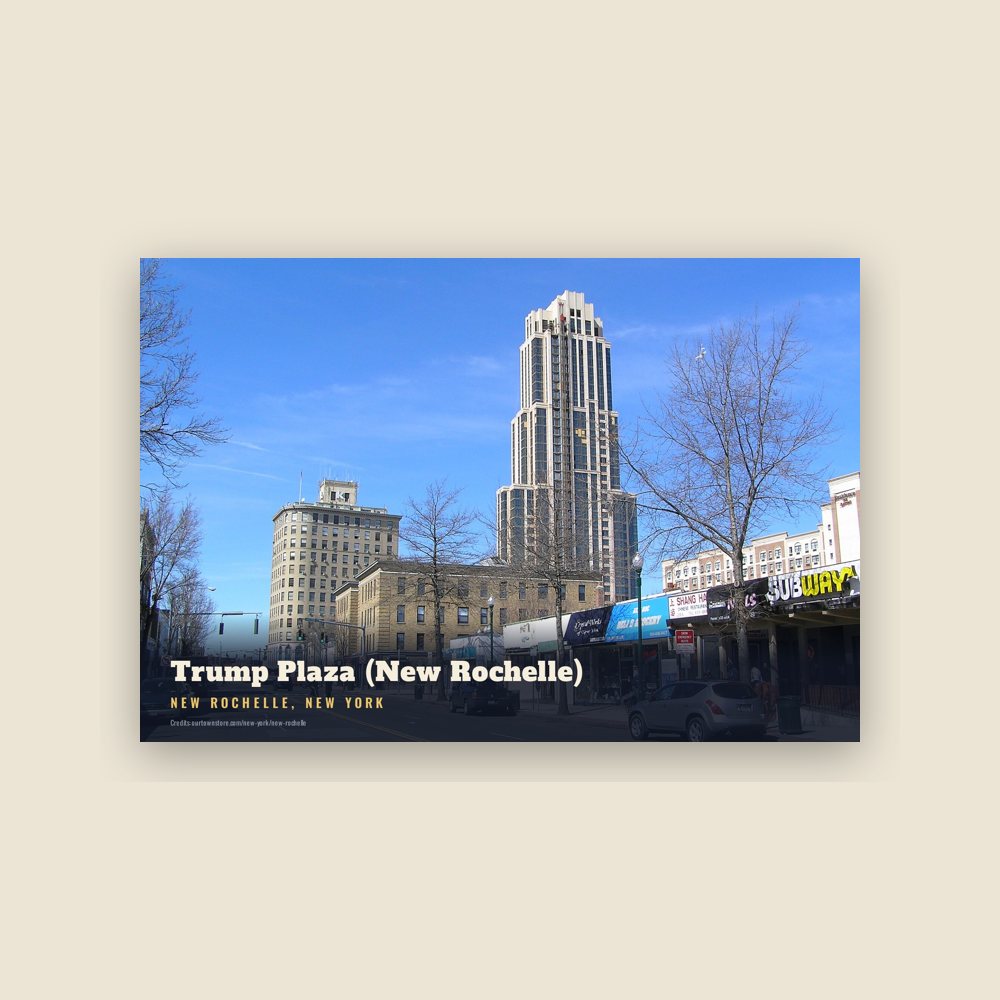
In 2014, New Rochelle's planning board approved $149 million in developments to three major sections of the city. The developments include restaurants, stores, hotels, an entertainment area, theaters, and a mixed-use waterfront area, and were expected to be completed within 10 years. Additional tax breaks ranging in the tens of millions of dollars have since been awarded by the city government to further the redevelopment of the downtown area.
Historic sites
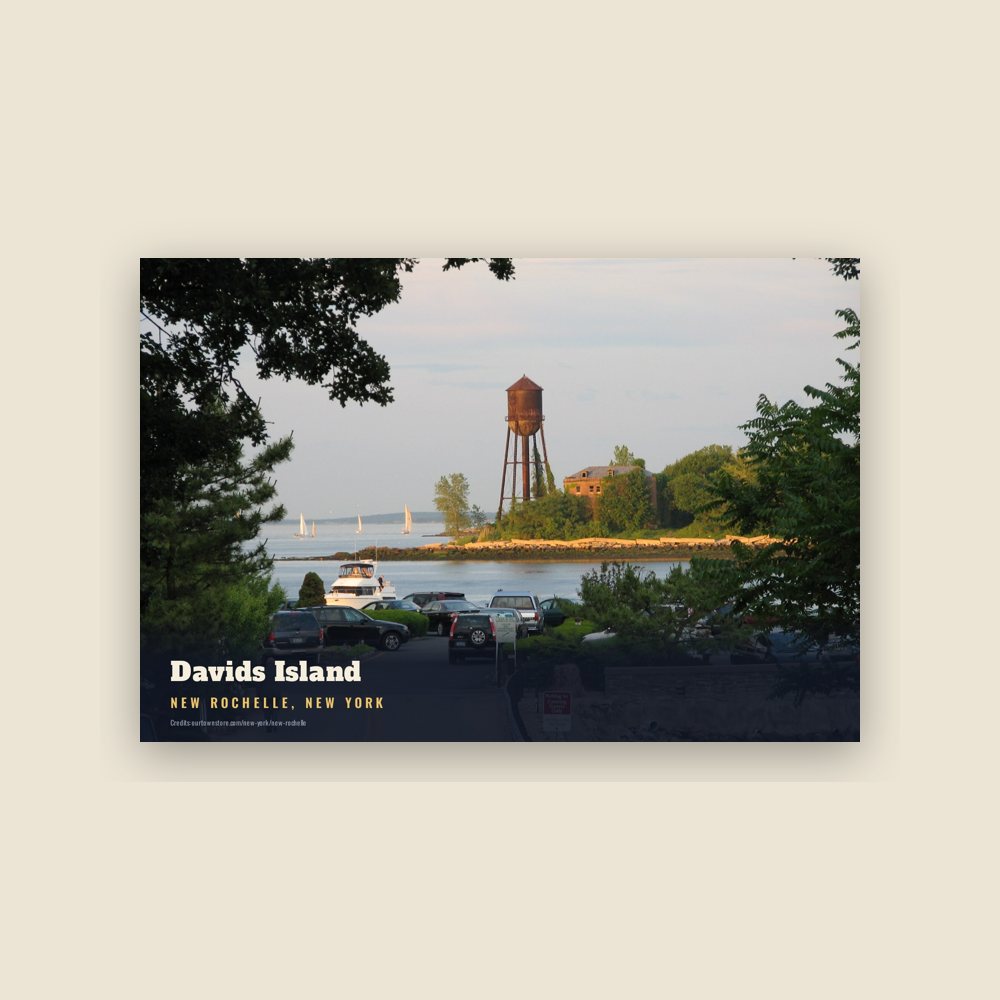
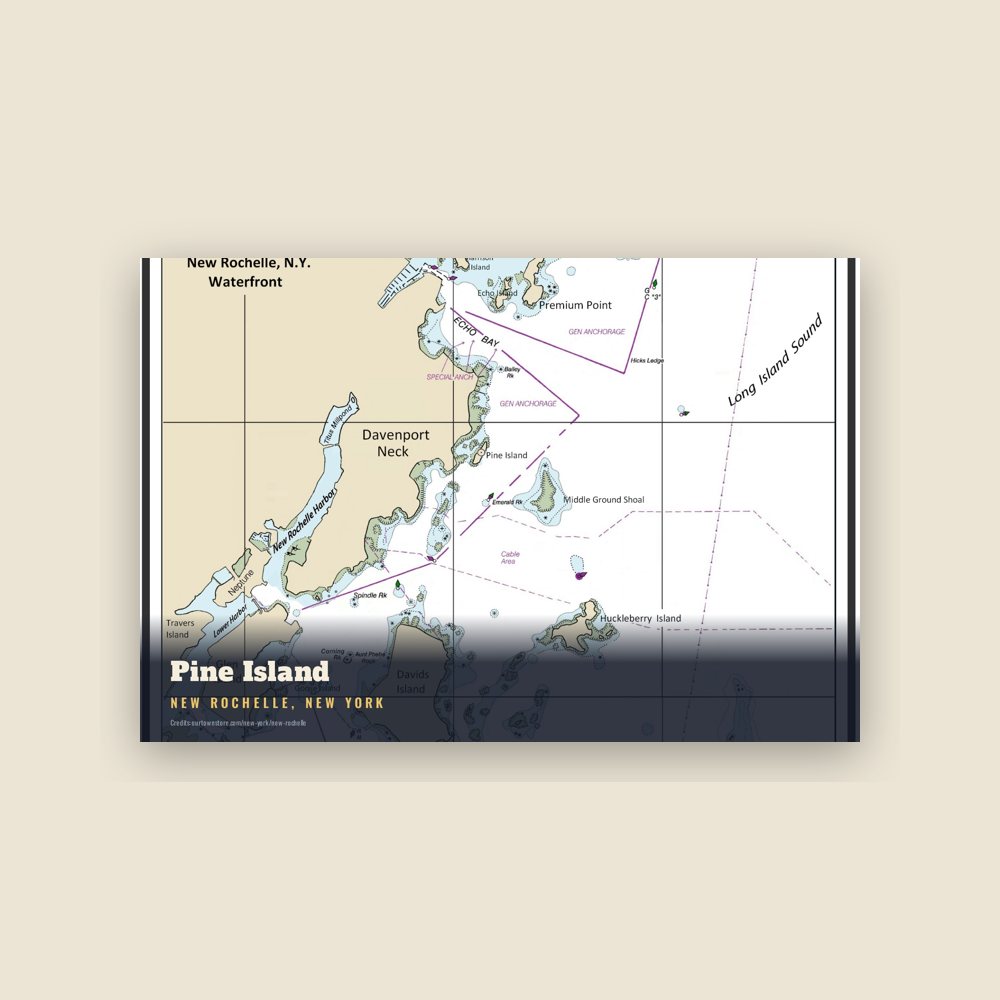
Columbia Island is a small island (about 150 feet (46 m) square) situated between Davids Island and Pea Island. Until 1940, it was known as Little Pea Island. CBS purchased it and built a concrete foundation to support a transmitter building topped by a 410-foot (120 m) tall antenna tower for WCBS-AM. The transmitter remained in operation until the 1960s, when the station was moved to nearby High Island.
Execution Rocks Lighthouse is centered in the middle of Long Island Sound, just south of Davids Island. The structure was built in 1849 and includes a 55-foot (17 m) tall tower and the 'keeper's house'. It is rumored that the lighthouse's site got its name before the American Revolutionary War when British colonial authorities executed people by chaining them to the rocks at low tide and allowing the rising water to drown them. In reality, the name was chosen to reflect the historically dangerous shipping area created by the exposure of the rocks during low tides.
Huckleberry Island – a 10-acre (40,000 m2) island owned by the Huckleberry Indians, Inc., a club within the New York Athletic Club. The island is an important nesting site for waterbirds such as egrets and night herons.
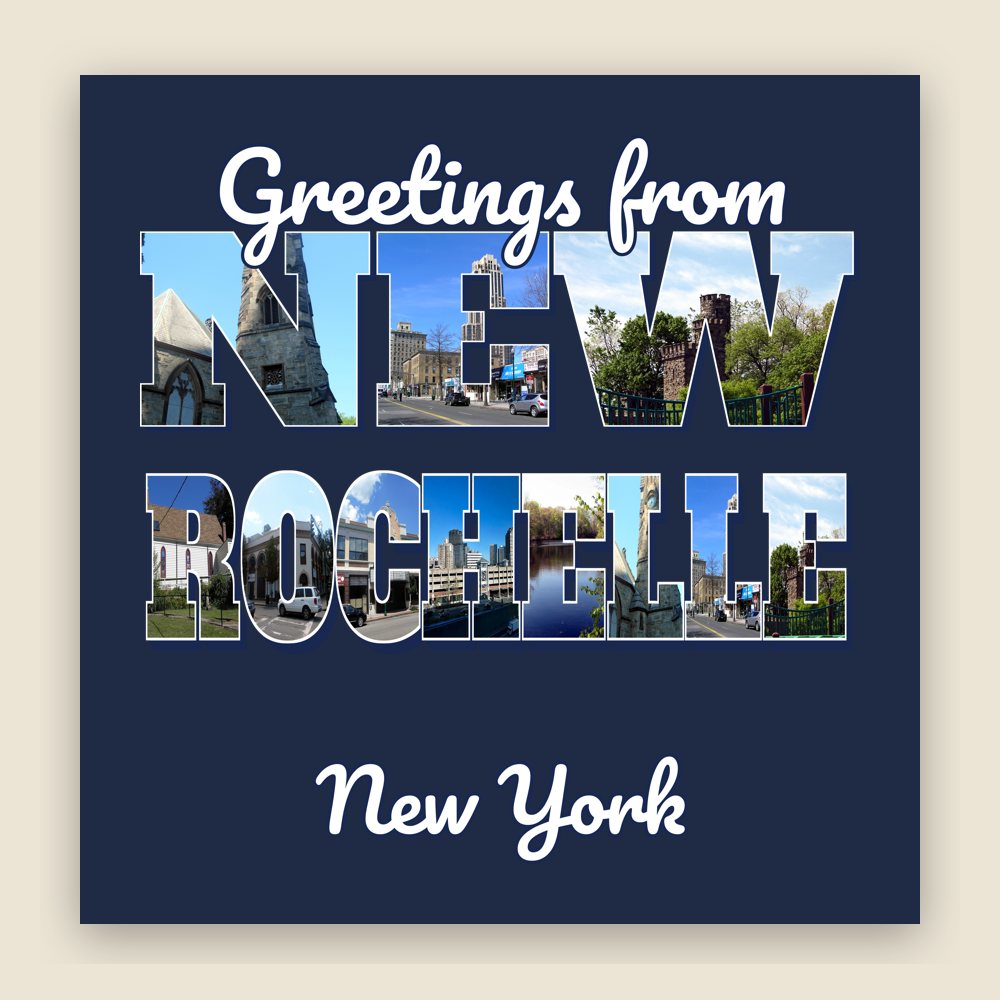
Leland Castle is a 19th-century Gothic Revival castle built as the summer residence of Simeon Leland, a wealthy New York City hotel entrepreneur. It has since been acquired by the College of New Rochelle and is used as an art gallery available to the public.
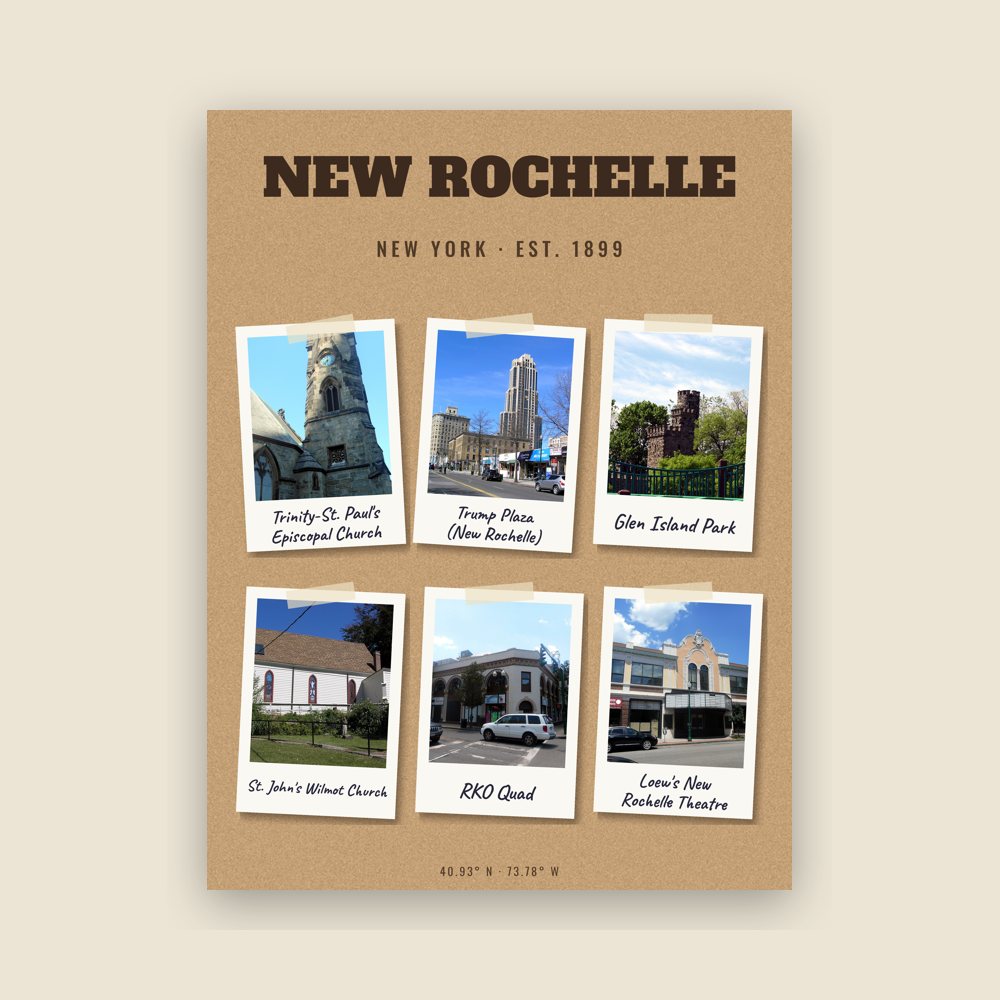
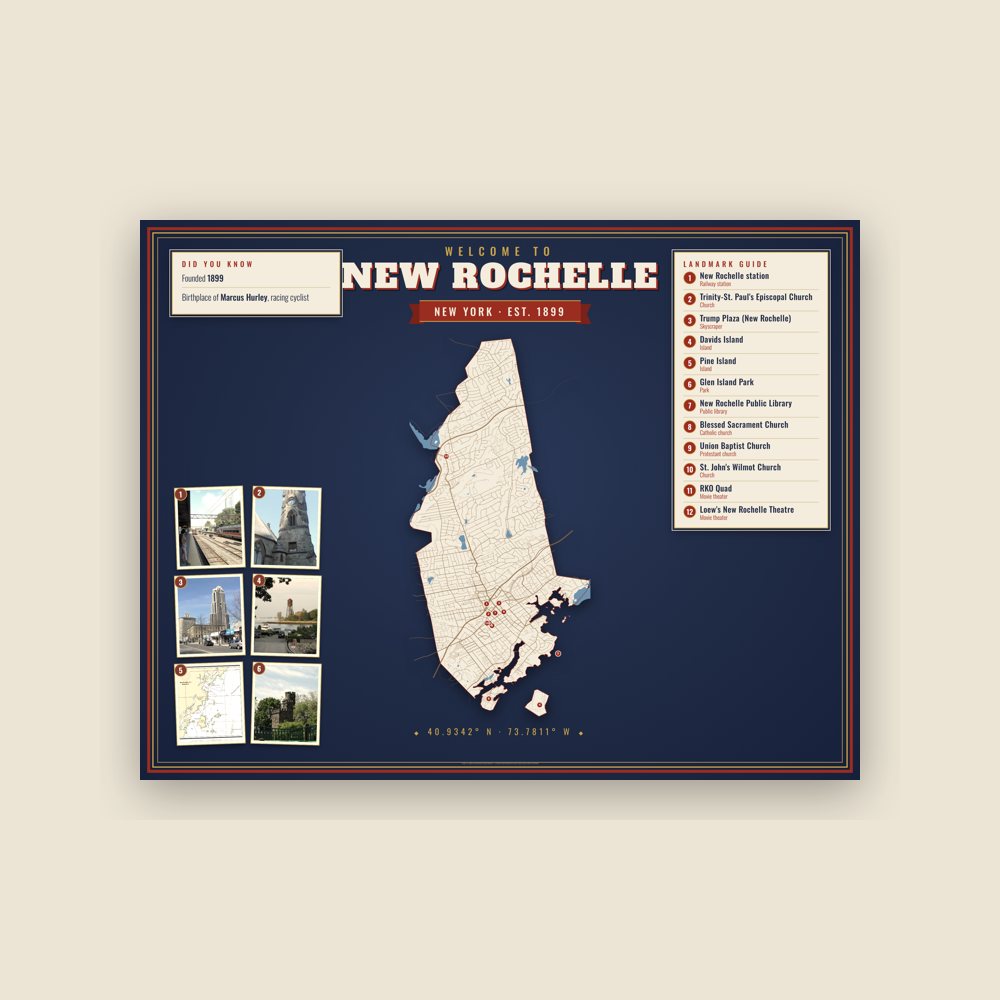
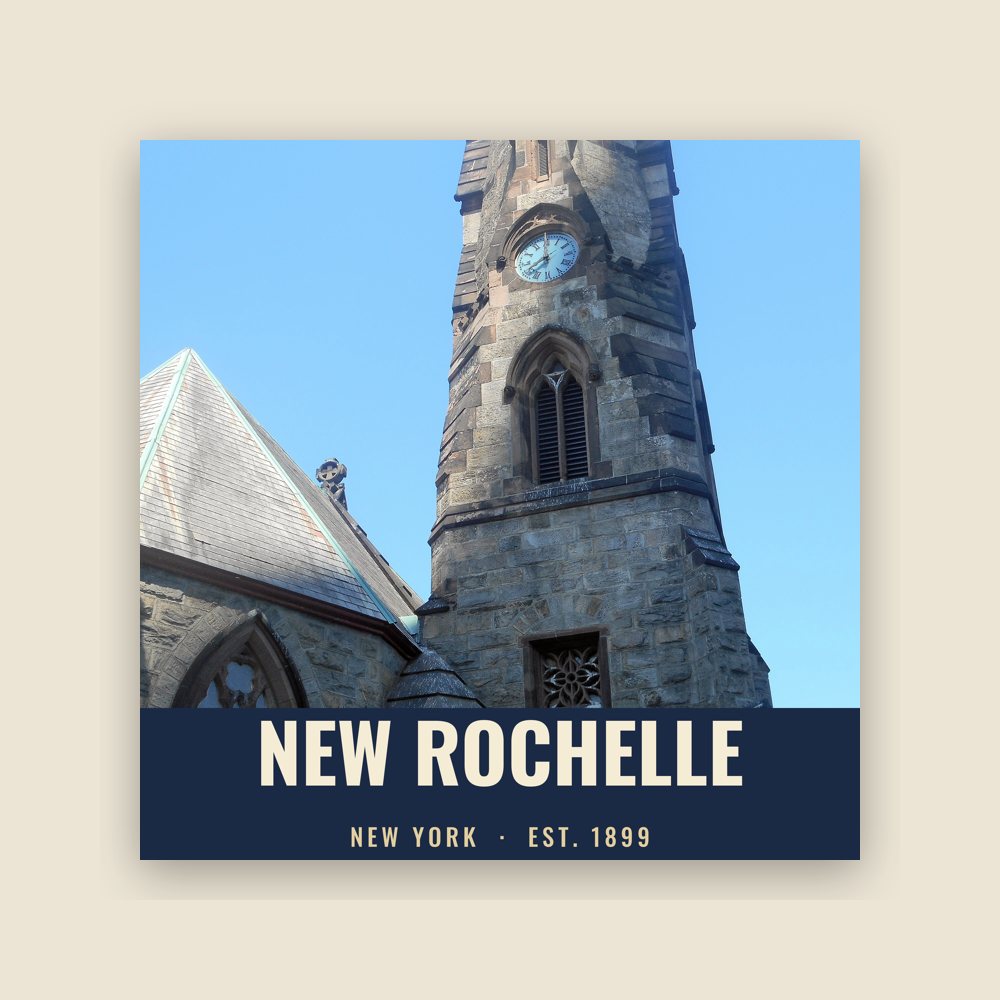
St. John's Wilmot Church is a historic Episcopal parish located in the northern end of the city at the intersection of North Avenue and Wilmot Road, formerly referred to as "Cooper's Corner".
Thomas Paine Historical Site is a historical nexus within the city; the site comprises the country home of the American pamphleteer and Revolutionary War hero Thomas Paine, his burial site, monument, and a museum. Paine's Cottage was built in 1793 and is a National Historic Landmark. The Thomas Paine Memorial Building, built in 1925, houses the library and museum collection of the Thomas Paine National Historical Association. Also on the site is the Brewster Schoolhouse, one of the oldest structural relics in Westchester County.
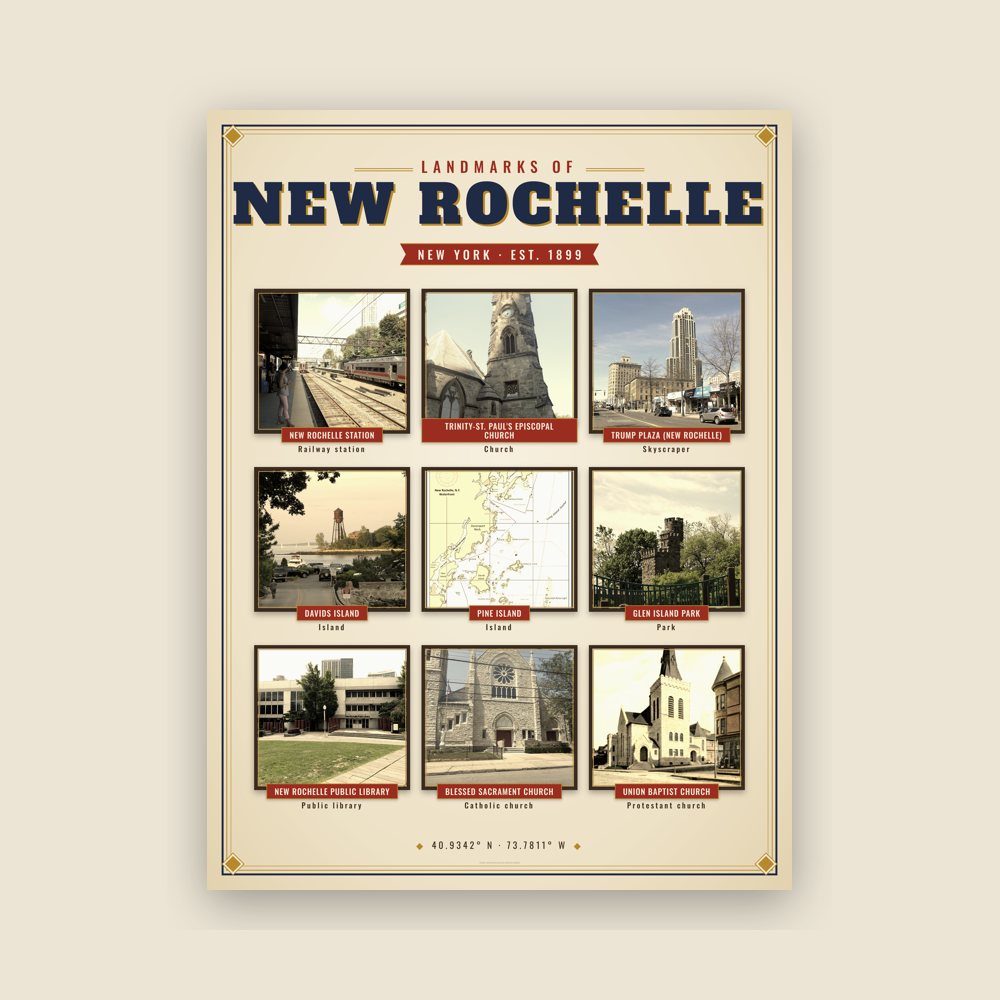
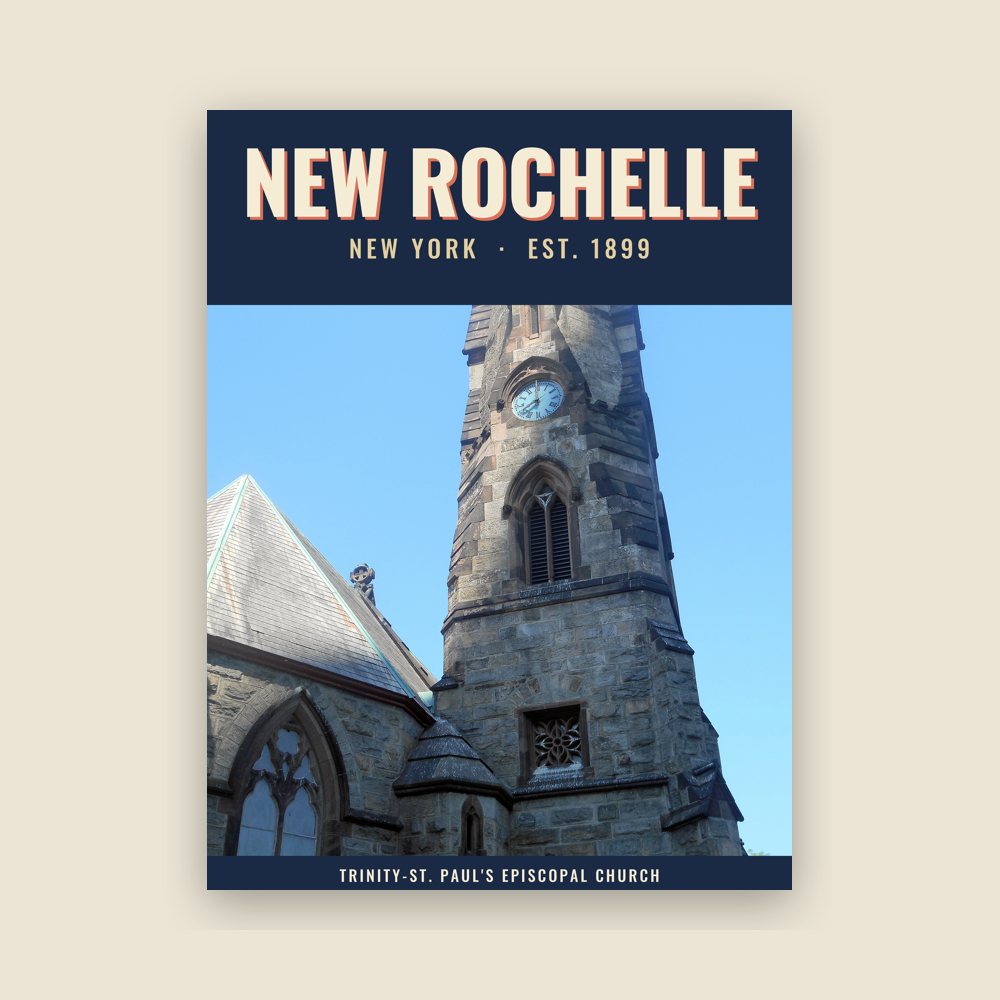
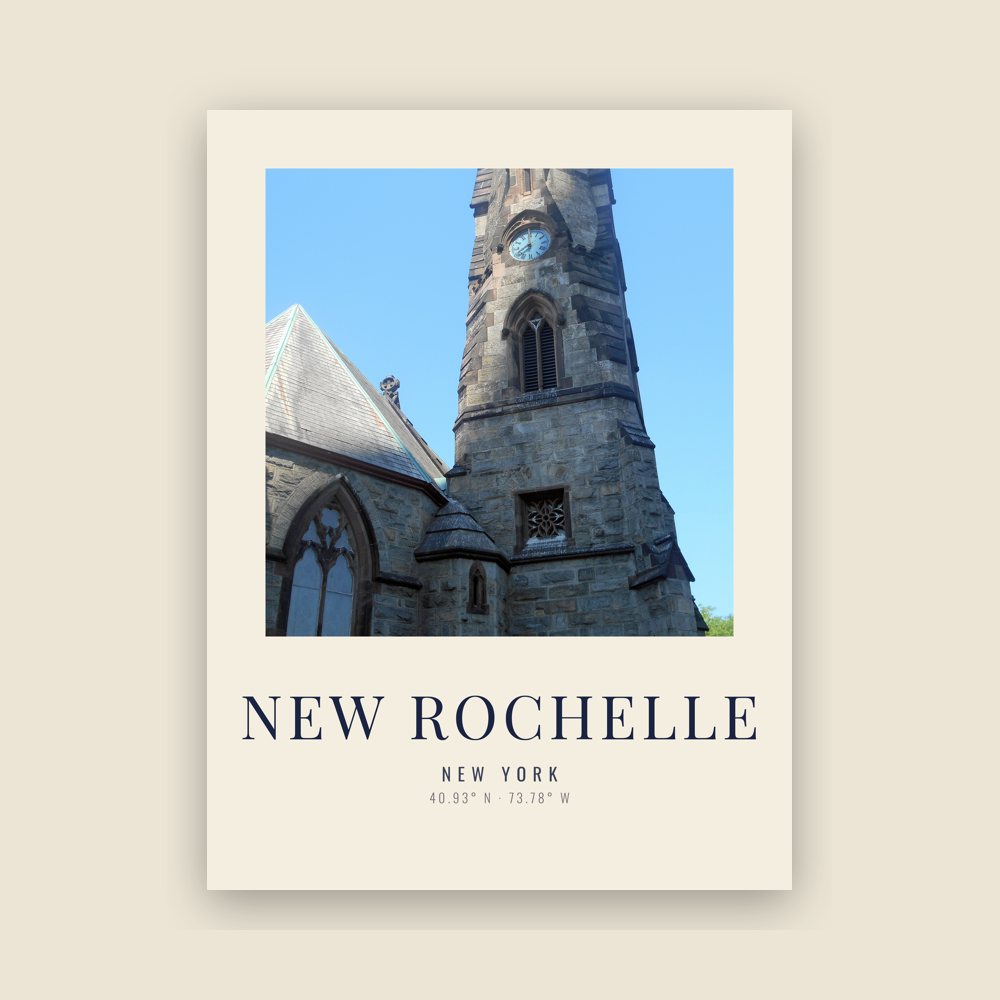
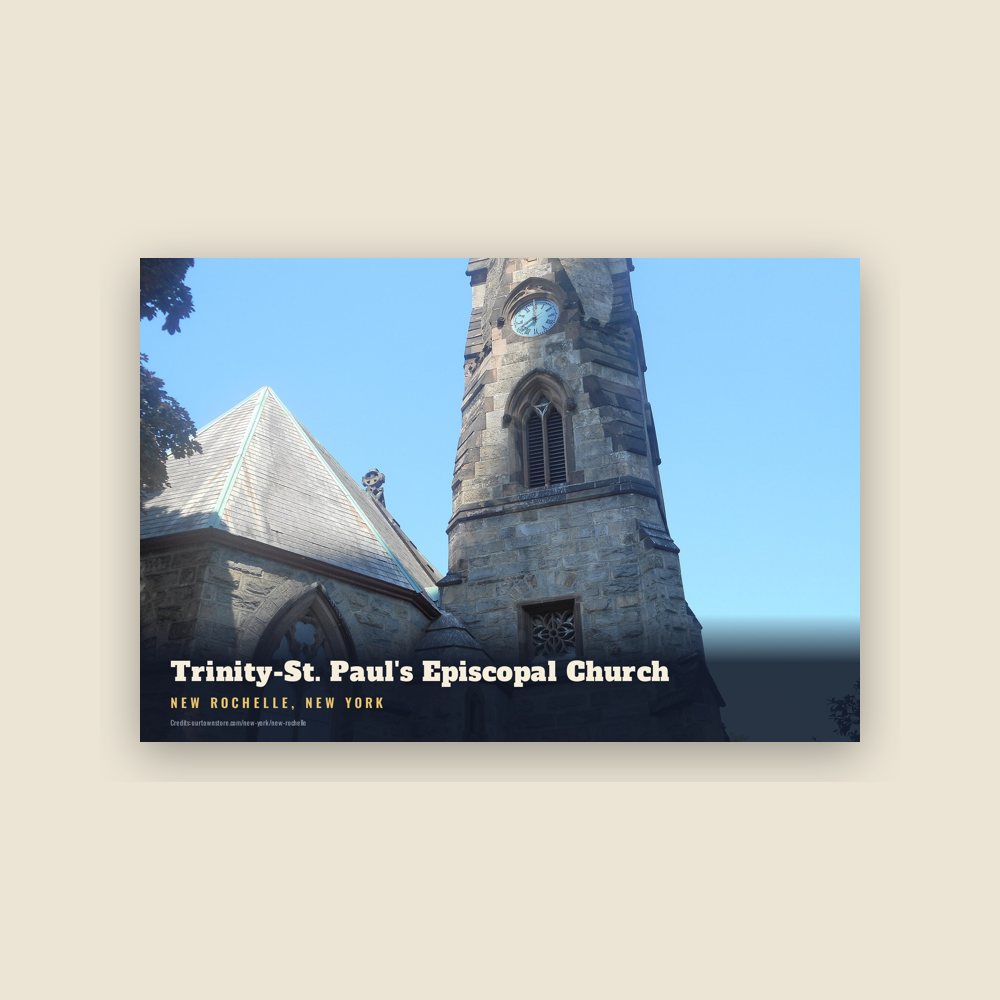
Trinity-St. Paul's Episcopal Church was added to the National Register of Historic Places in 2006. It is located at the northwest corner of Huguenot Street (also known as the Boston Post Road) and Division Street. This church represents the body of the majority group of New Rochelle's founding Huguenot French Calvinistic congregation that conformed to the liturgy of the established Church of England in June 1709. King George III gave Trinity its first charter in 1762. After the Revolutionary War, Trinity became a parish of the Protestant Episcopal Church of America.
Lincoln Park was added to the African American Heritage Trail of Westchester County in 2026. A vibrant, predominantly African American community, historically known as the "Harlem of Westchester," thrived there from the 1900s Great Migration through the 1960s, when it was disrupted by urban renewal and highway construction.
Adapted (trimmed) from the Wikipedia article New Rochelle, New York, revision 1384237117 by its contributors, licensed CC BY-SA 4.0.