A short history of Mamaroneck
The area that is now the town in Mamaroneck was purchased from the Siwanoy Wappaquewam on behalf of Manhatahan "another proprietors" and "by the consent of the other Indians," on September 23, 1661, by an Englishman named John Richbell who was a resident of Oyster Bay, Long Island.
During the American Revolutionary War, Loyalist William Lounsbery (also spelled Lounsberry and Lounsbury), who was recruiting soldiers for the British side, was attacked and killed by a group of Patriots in the Mamaroneck area on August 29, 1776. It was the first bloodshed of the war in Westchester County. Several other skirmishes between Loyalist and Patriot groups occurred in the area later that year, including the Battle of Mamaroneck, also known as the Skirmish of Heathcote Hill.
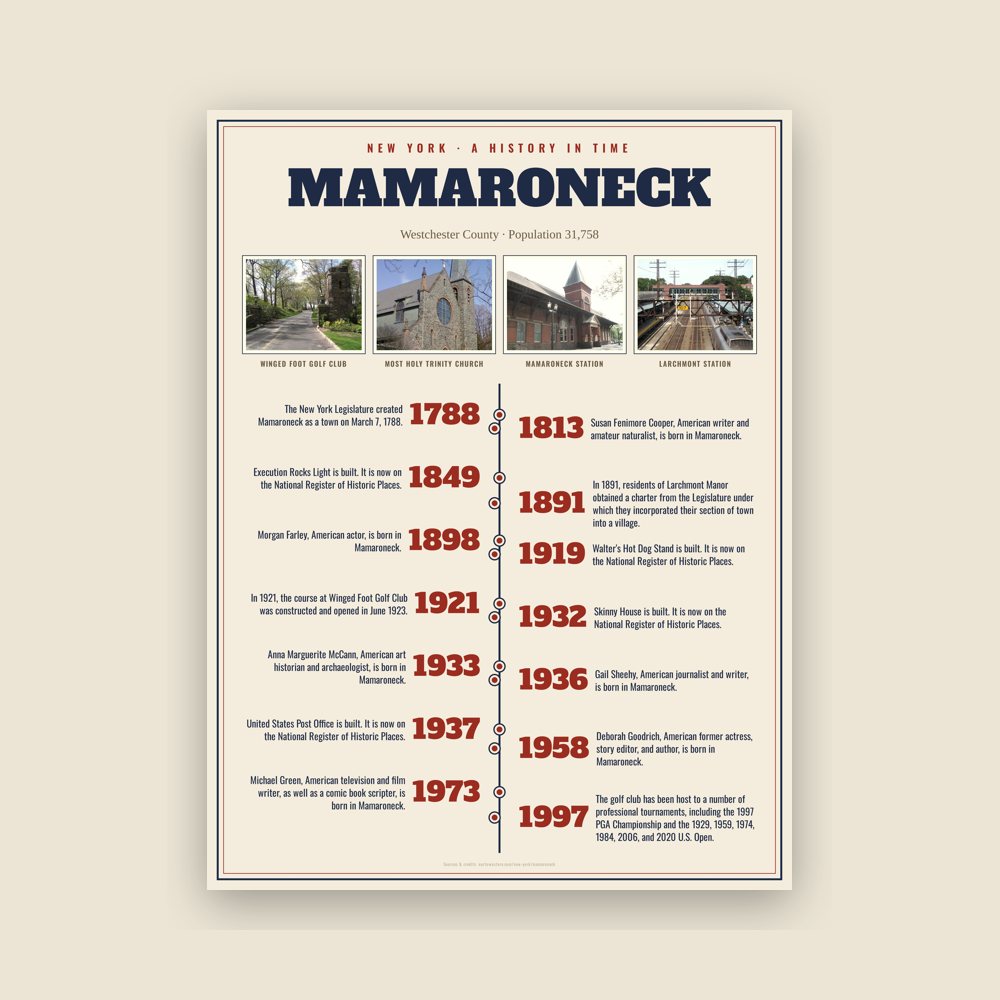
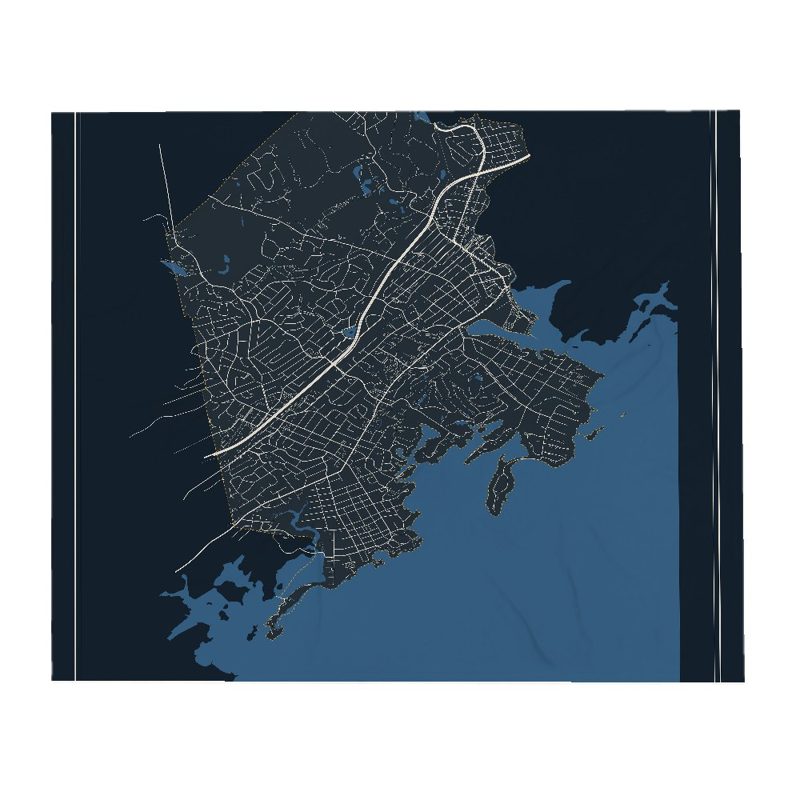
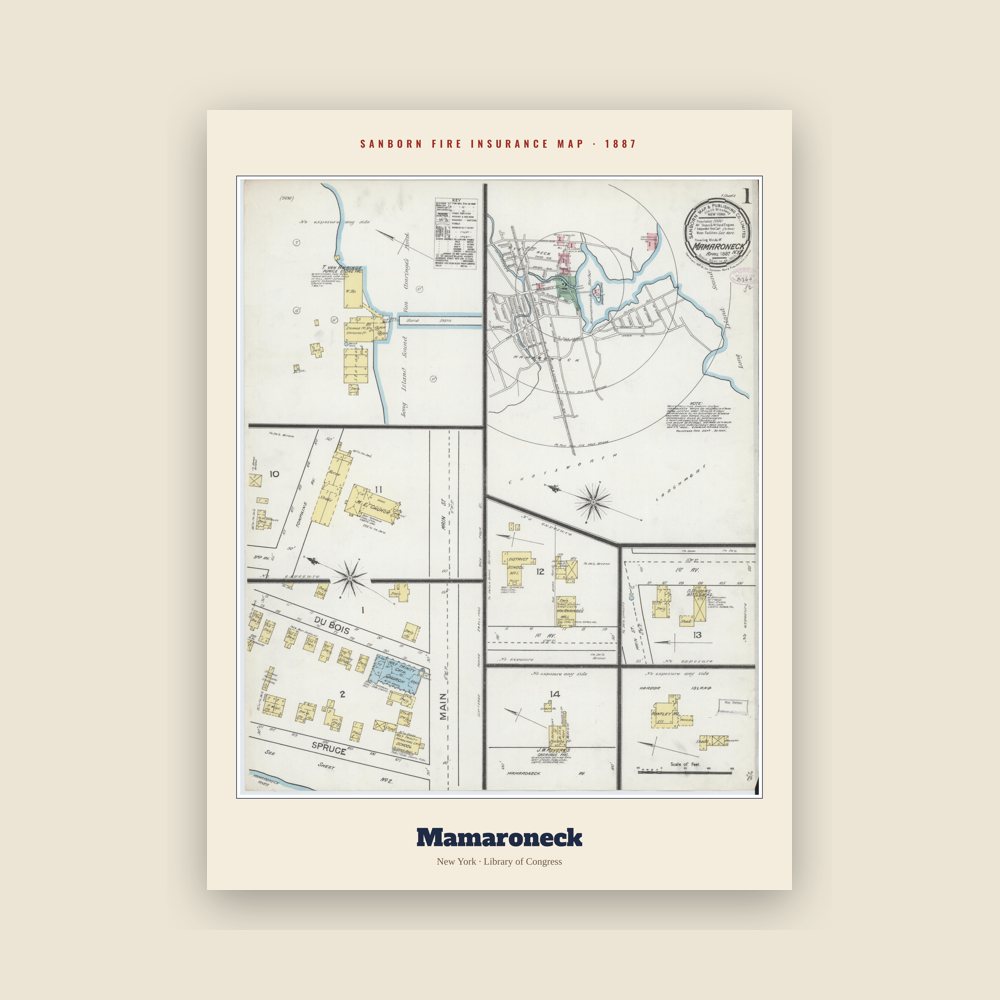
The New York Legislature created Mamaroneck as a town on March 7, 1788. The Town of Mamaroneck is divided into three parts: the Village of Larchmont, an unincorporated area, and the Village of Mamaroneck, the rest of that village being in the town of Rye.
This three-part division occurred in the 1890s to meet the growing demand for municipal services that the town could not provide. By definition at the time, a town could only provide basic government functions such as organizing and supervising elections, administering judicial functions, and constructing and maintaining highways.
During the 1890s, parts of the town of Mamaroneck that were situated closest to the water thrived. Larchmont Manor, with its beaches along Long Island Sound, had become well known as a summer resort for families from New York City, and people were beginning to live there year-round.
A large part of the town's population lived northeast of the Manor near Mamaroneck Harbor, the commercial center of town, where fishing, shipping, and manufacturing could be found. As the population of these two areas expanded, the residents soon found the need for adequate water supply, sewage disposal, garbage collection, sidewalks, and improved street lighting, police and fire protection.
In 1891, residents of Larchmont Manor obtained a charter from the Legislature under which they incorporated their section of town into a village. Four years later, residents of the most developed and populated sections of the towns of Mamaroneck and Rye voted to incorporate as the Village of Mamaroneck.
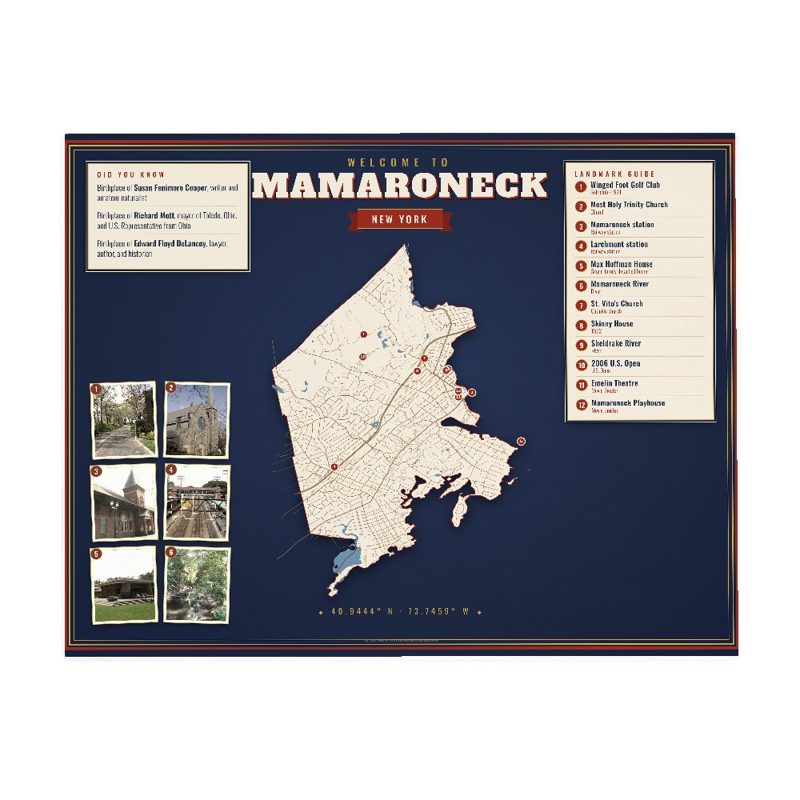
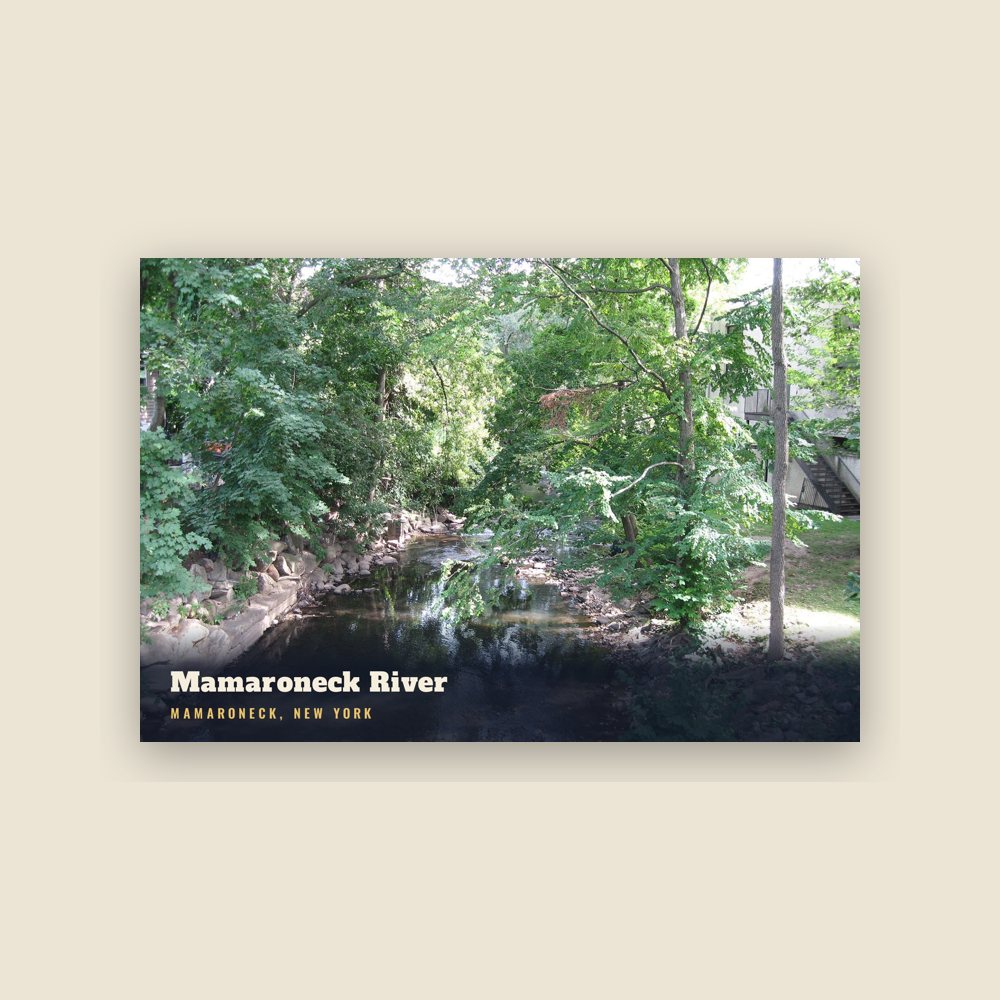
The Mamaroneck River serves as the boundary separating the towns of Mamaroneck and Rye. While residents of the two villages were now able to receive municipal services, not enough people resided in the unincorporated remainder of the town of Mamaroneck to be included in either village.
In the early 1920s, Mamaroneck was a center of movie‐making. According to The New York Times, "In those days the area was less the “East Coast Hollywood” than Hollywood was “the West Coast Mamaroneck.” The town boasted a distinction to which few communities could lay claim: a silent‐screen‐era movie studio." A former employee of D.W. Griffith's studio on Orienta, said "“In those days we'd get people like Mary Pickford, Douglas Fairbanks and Charlie Chaplin visiting. Even Mr. Rockefeller Sr., would come up from the city to see Mr. Griffith at the studio. I'm not fooling when I say Mamaroneck was more exciting than Hollywood back then.”
After World War I, the unincorporated section of the town grew sufficiently that the State Legislature granted the town government the local powers to provide local services it had previously granted to the villages by charter.
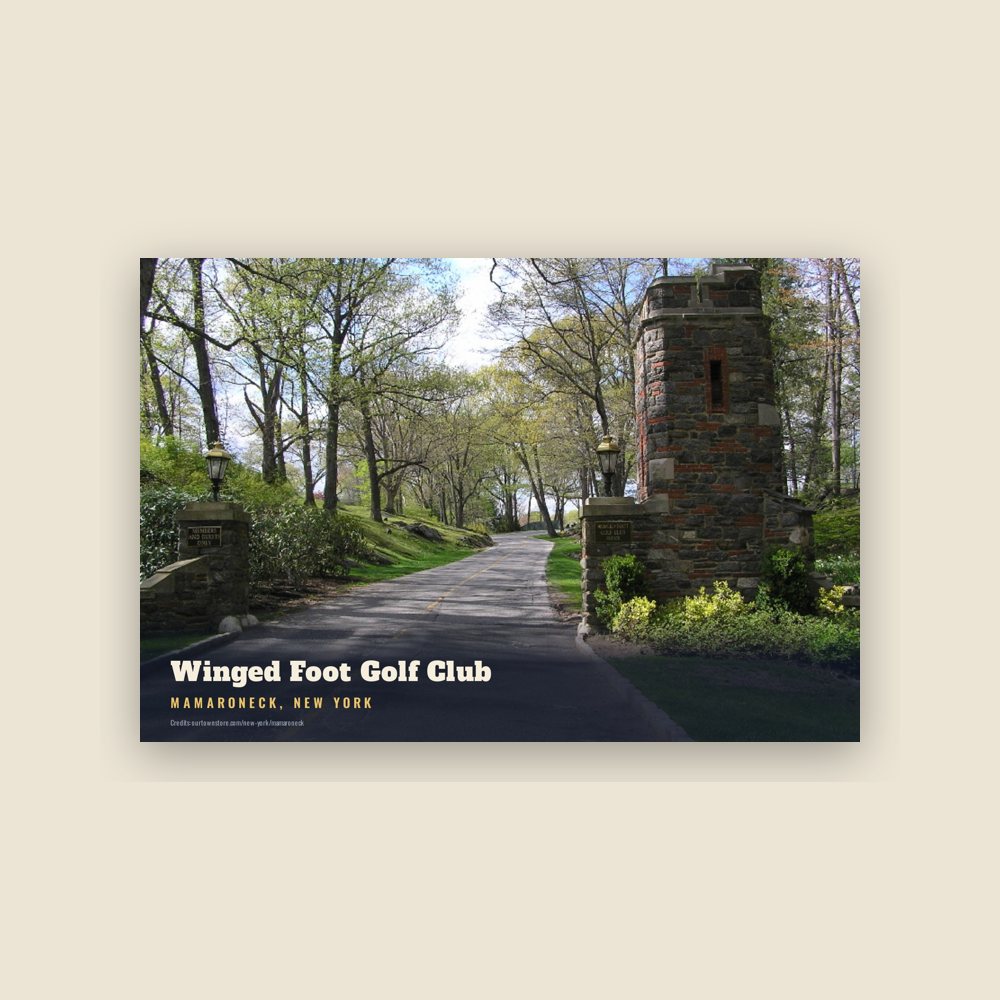
In 1921, the course at Winged Foot Golf Club was constructed and opened in June 1923. The golf club has been host to a number of professional tournaments, including the 1997 PGA Championship and the 1929, 1959, 1974, 1984, 2006, and 2020 U.S. Open.
Adapted (trimmed) from the Wikipedia article Mamaroneck, New York, revision 1374537000 by its contributors, licensed CC BY-SA 4.0.
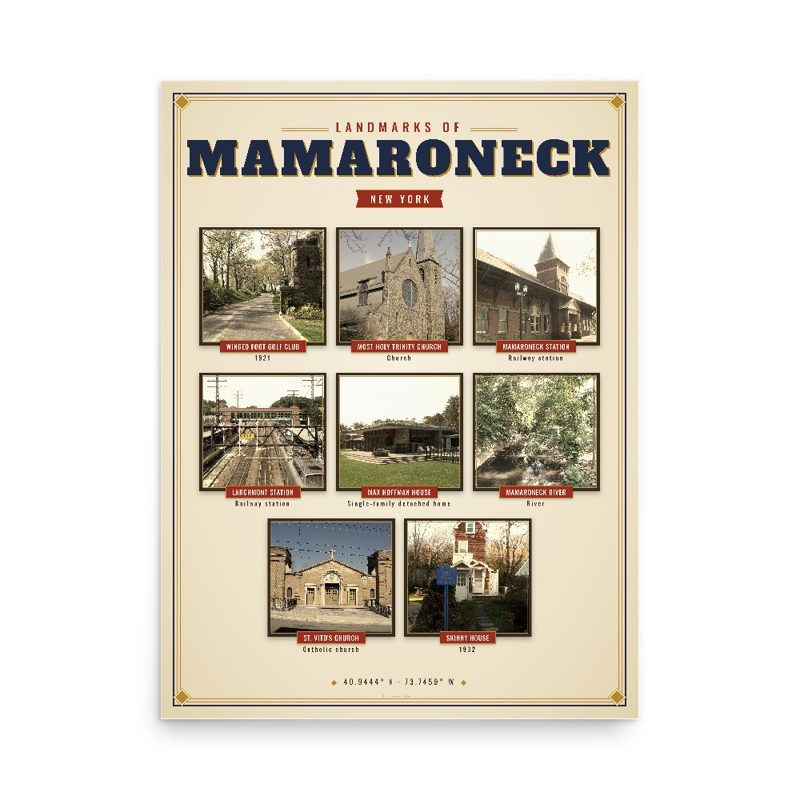





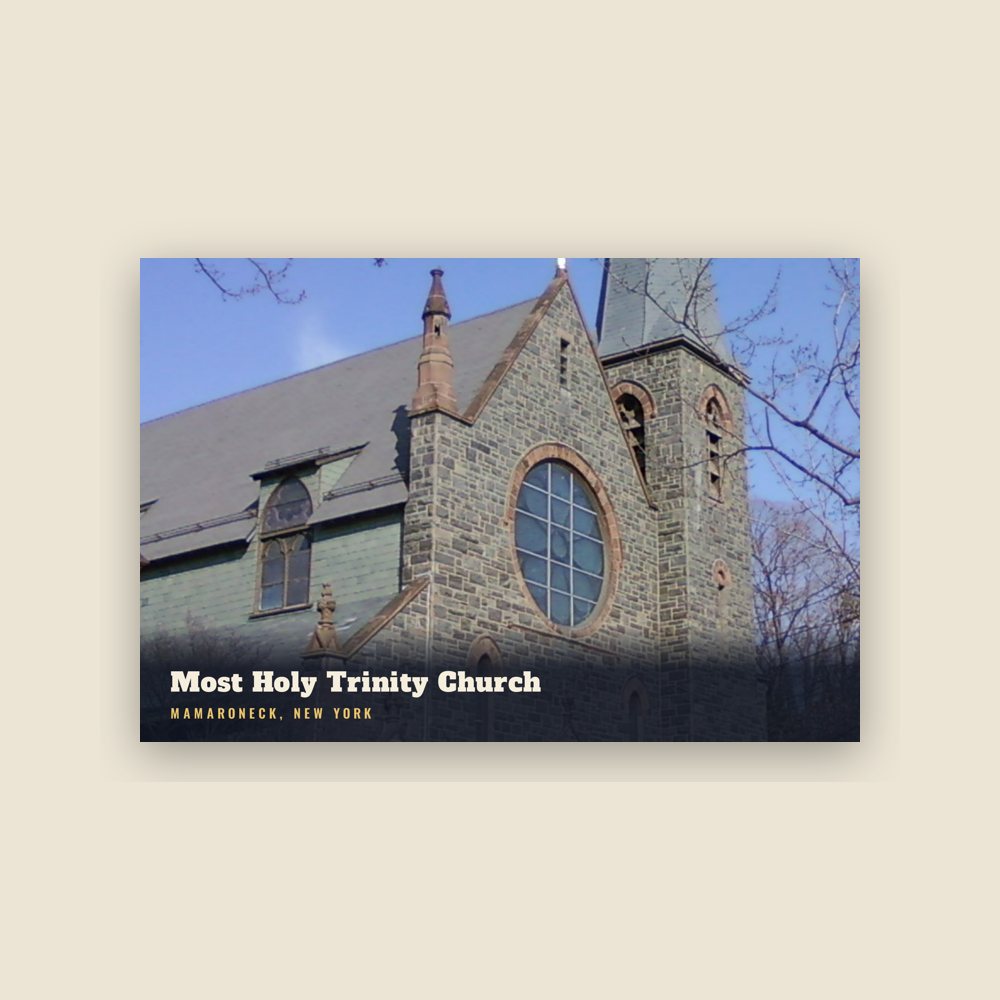
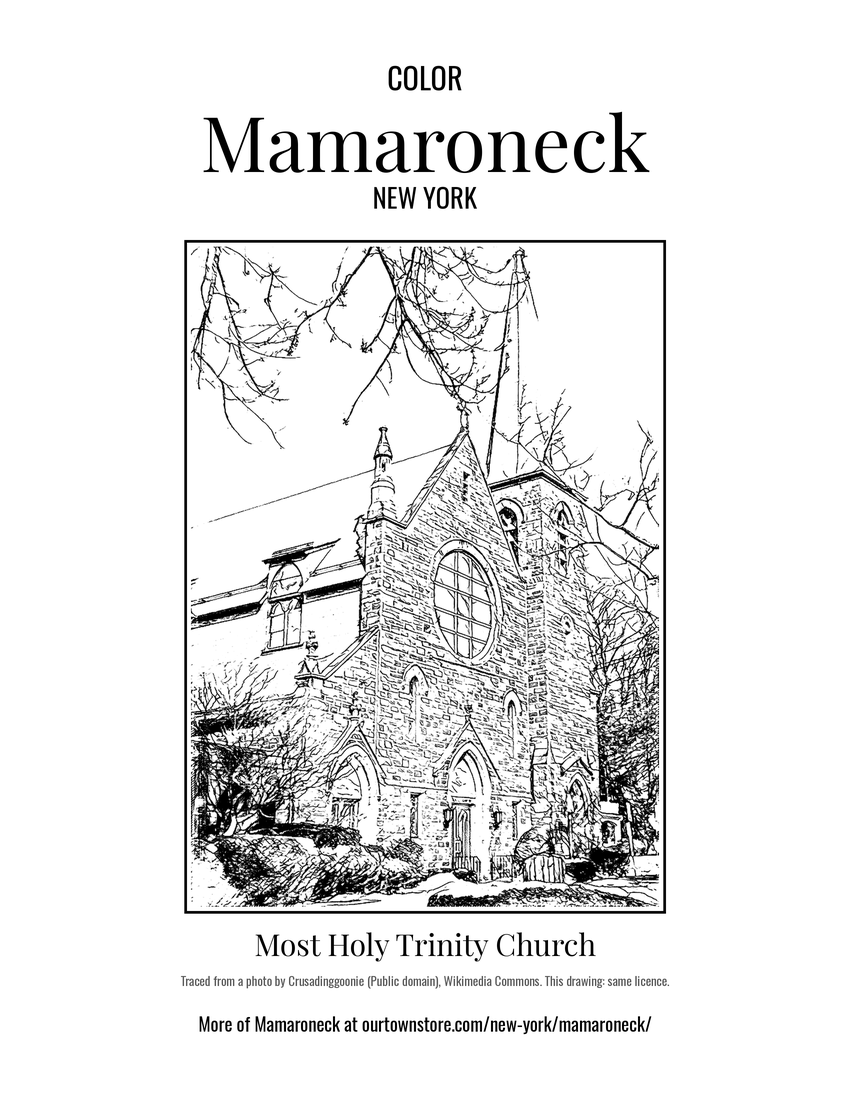 Most Holy Trinity Church
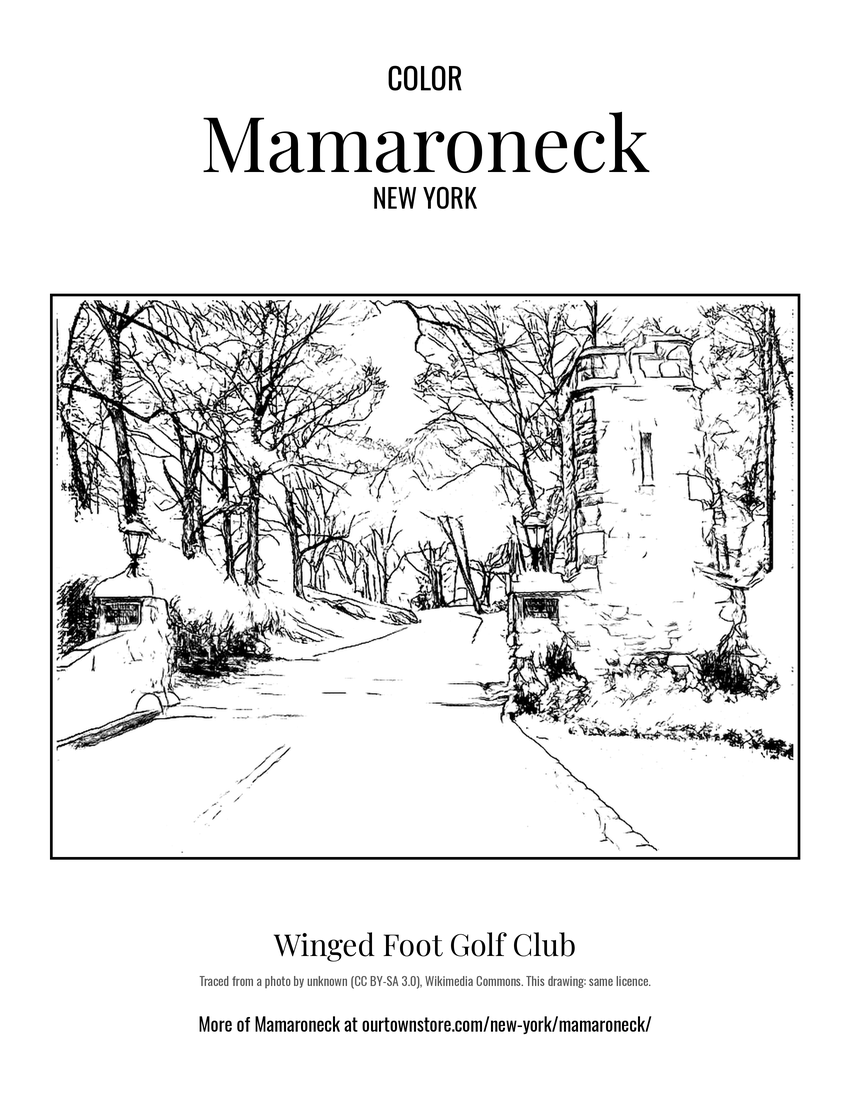 Winged Foot Golf Club
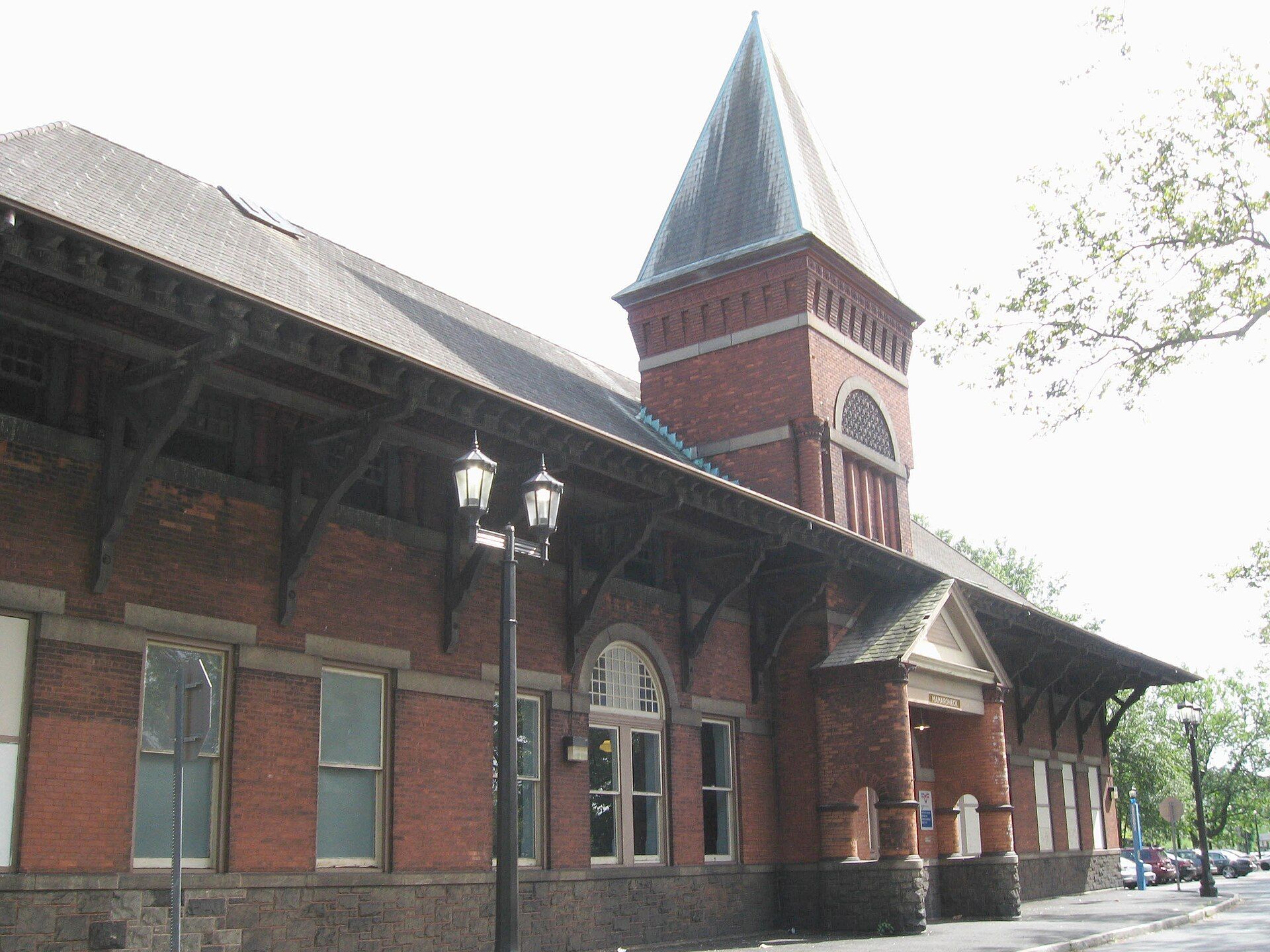
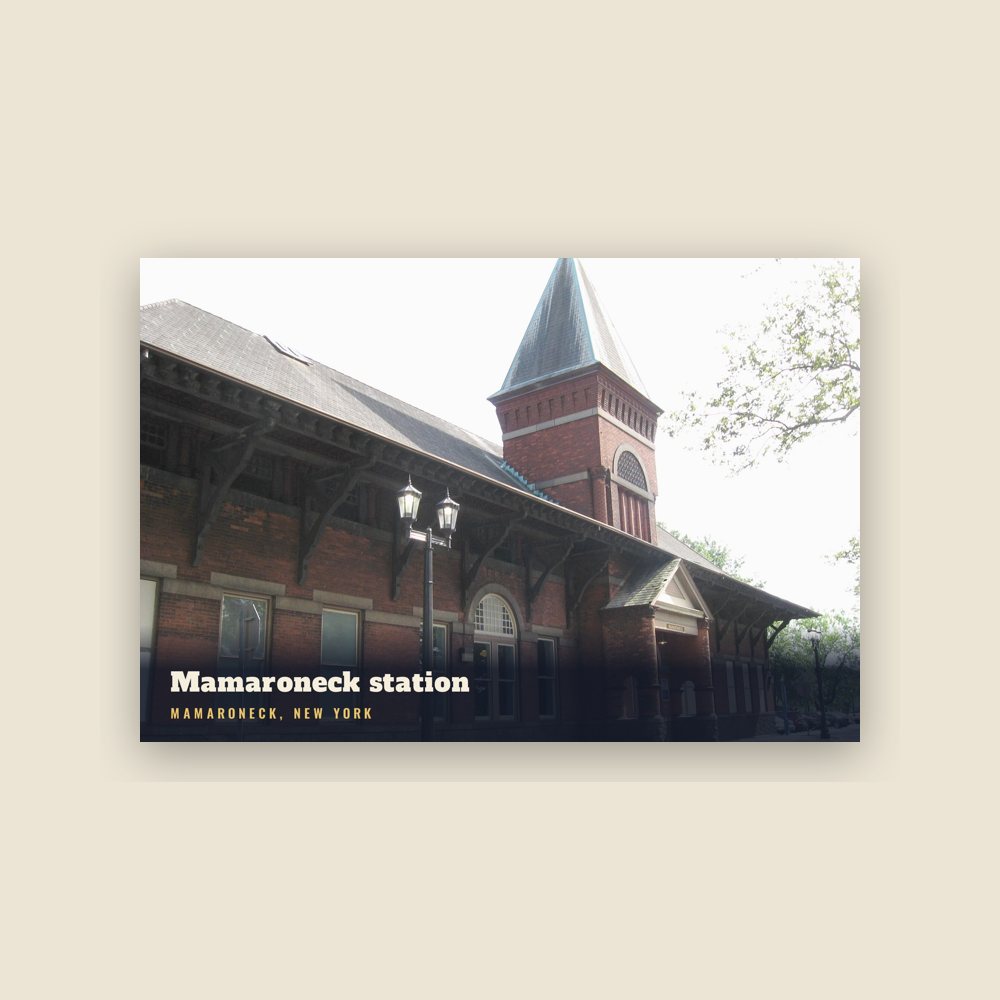
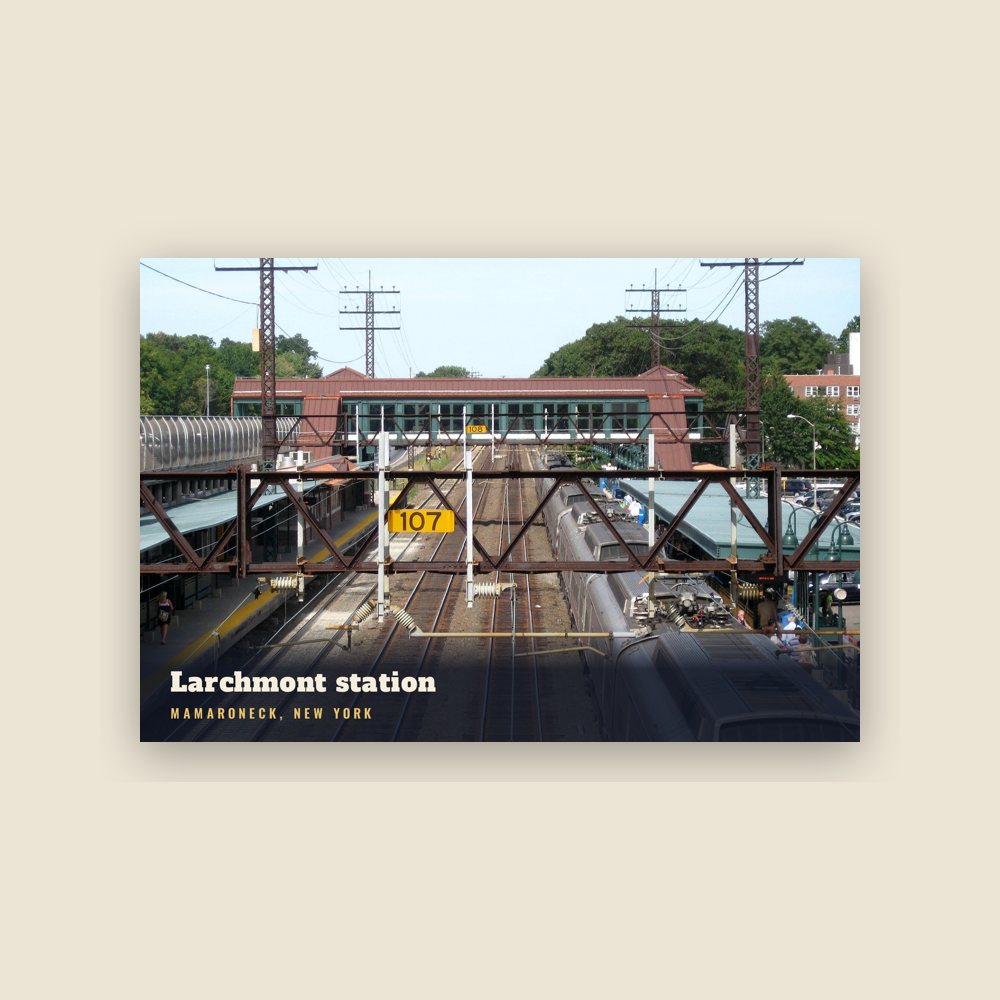
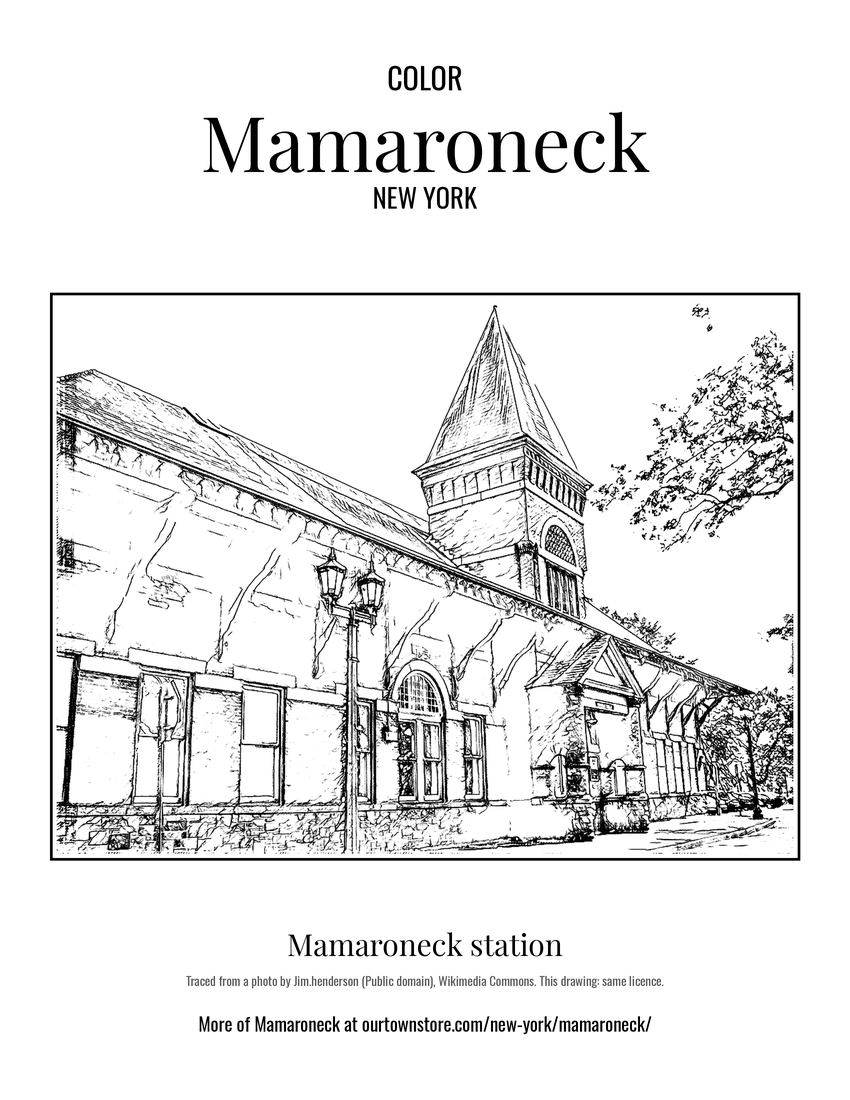 Mamaroneck station
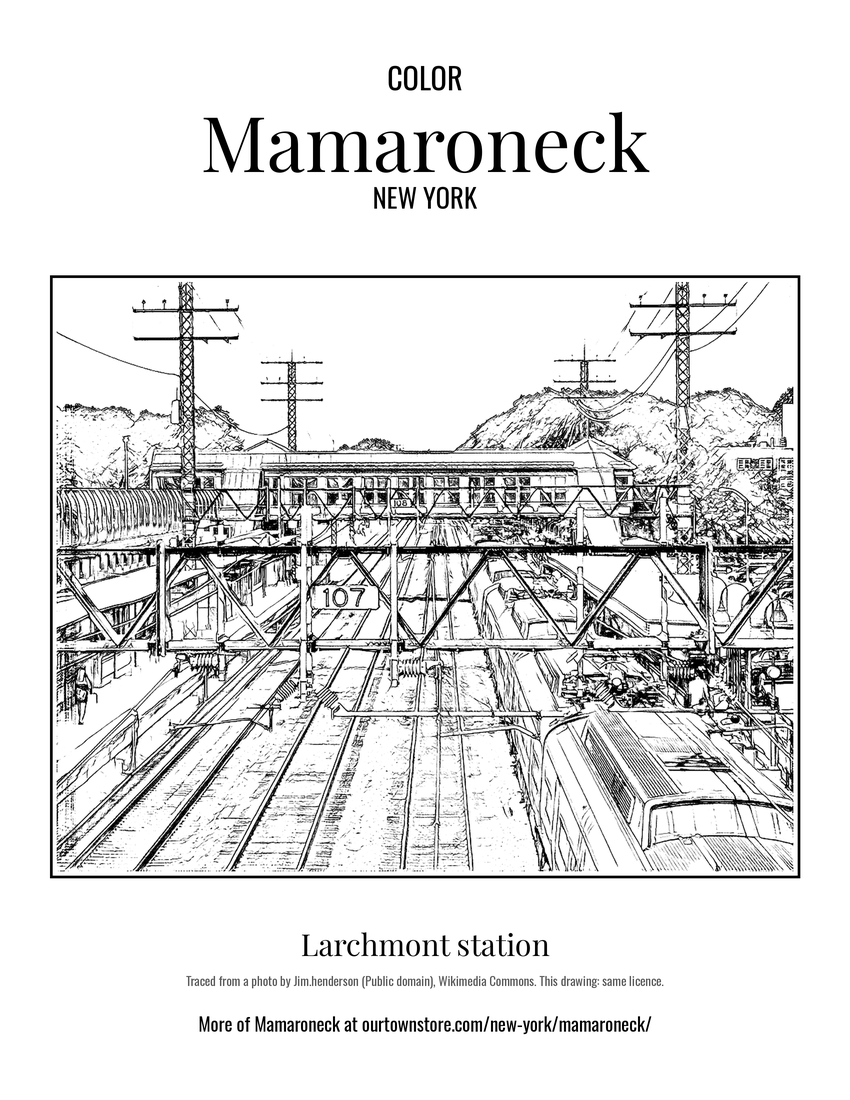 Larchmont station