Since 1902
A short history of Briarcliff Manor
Names
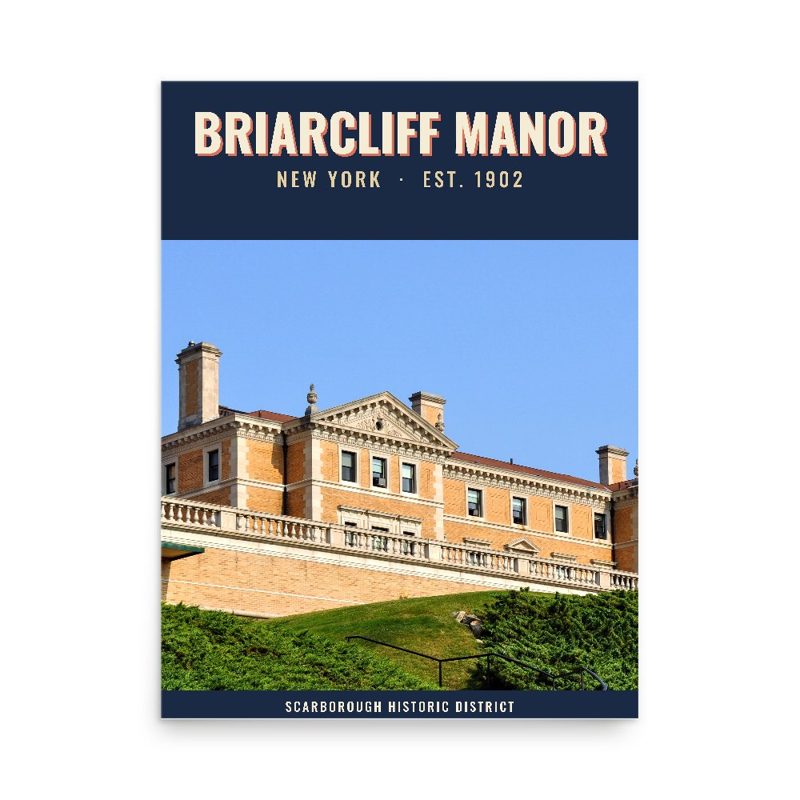
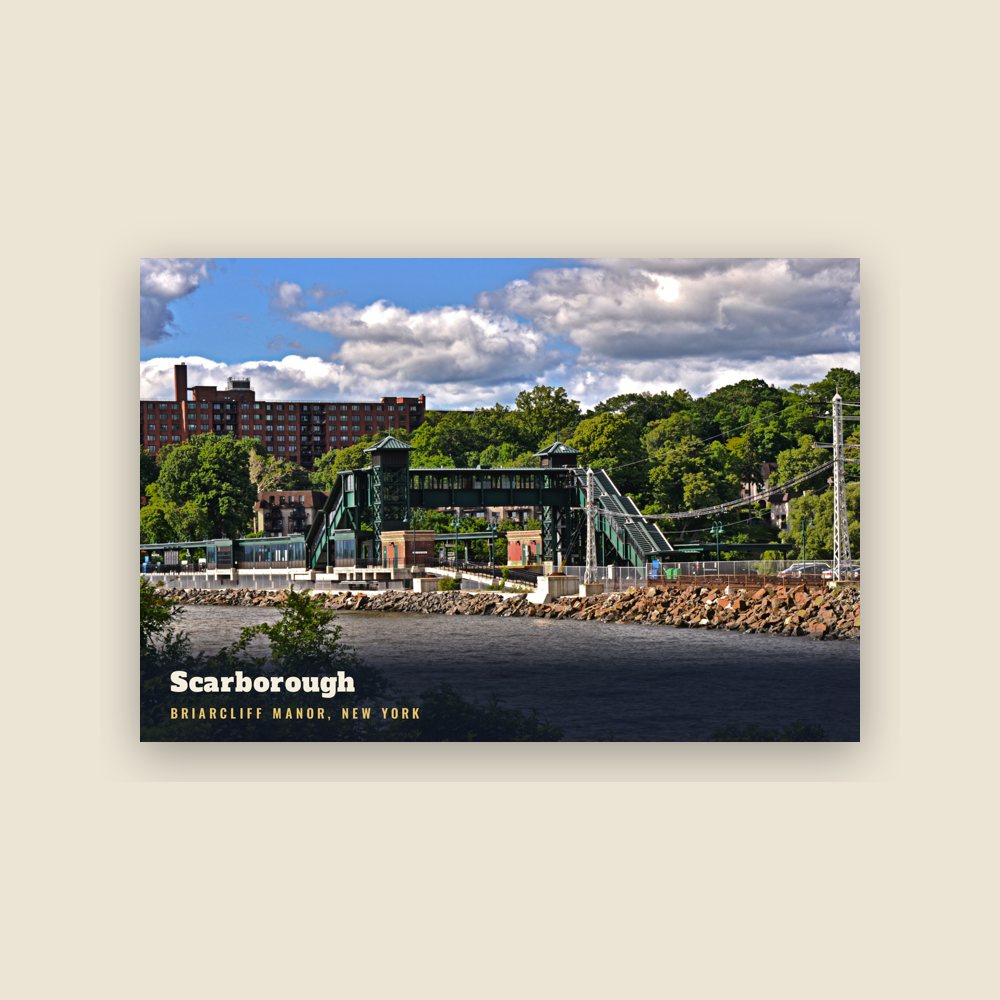
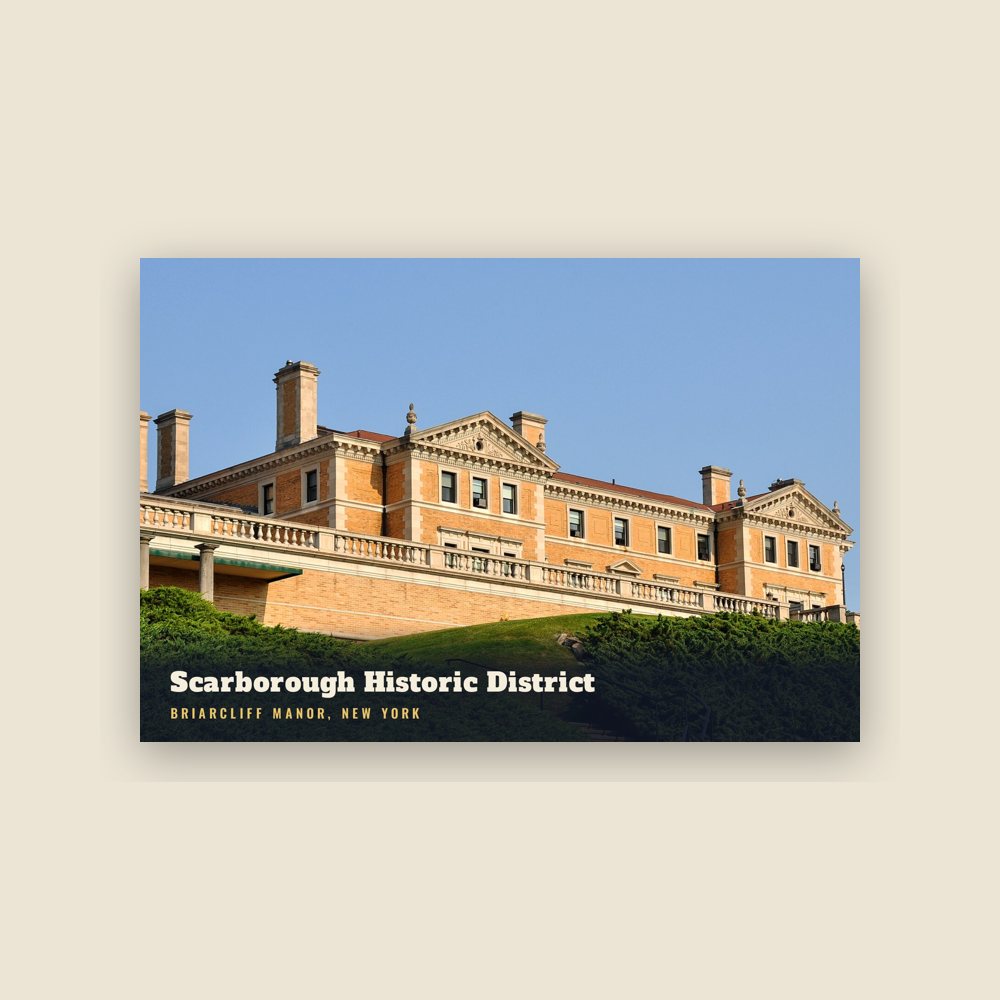
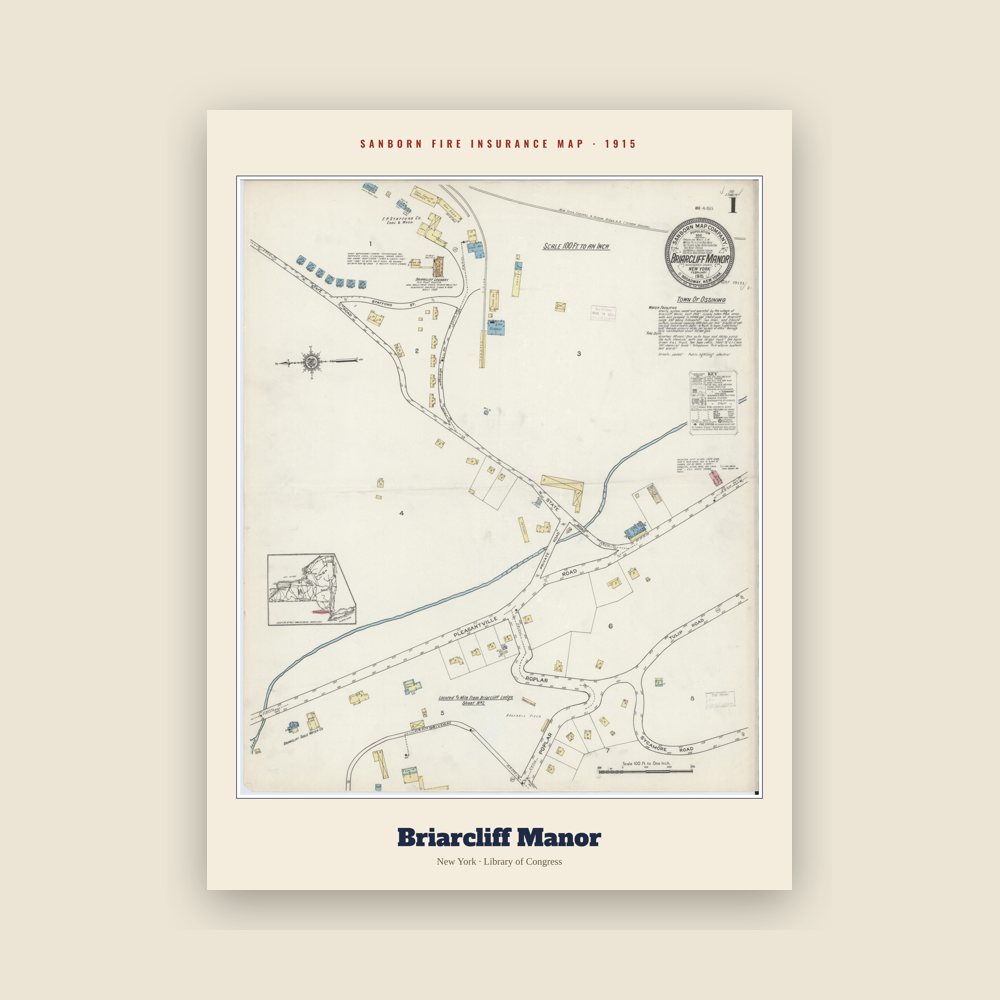
Part of modern-day Briarcliff Manor was once known as Whitson's Corners for brothers John H., Richard, and Reuben Whitson, who owned adjoining farms in the area totaling 400 acres (160 ha). Whitson's Corners was named after the corner of Pleasantville and South State roads, where John H. Whitson's house, the Crossways, stood from 1820 until the 1940s. The Briarcliff Congregational Church's parish house currently stands at its former location. The neighboring community of Scarborough was known as Weskora until it was renamed in 1864, after resident William Kemey's ancestral hometown in Yorkshire. After the community was incorporated into Briarcliff Manor in 1906, the New York Central and Hudson River Railroad put up a sign reading "Briarcliff West" at the village's Scarborough station. Soon afterward, attributed to the neighborhood's pride over their name, that sign was thrown into the Hudson River and replaced with the original Scarborough sign.
Briarcliff Manor derives from "Brier Cliff", a compound of the English words "brier" and "cliff". The name originated in Ireland as that of the family home of John David Ogilby, a professor of ecclesiastical history at the General Theological Seminary. Ogilby had named his New York summer home Brier Cliff after his family home in Ireland. In 1890, Walter Law bought James Stillman's 236-acre (96 ha) Briarcliff Farm and further developed it, later using the name Briarcliff for all his property. Law's friend, Andrew Carnegie, called him "The Laird of Briarcliff Manor"; since the title appealed to all concerned, the village was named "Briarcliff Manor". By 1897, the village post office and railroad station bore the name Briarcliff Manor. The village (and its name) were approved by its residents in a September 12, 1902 referendum; the name prevailed over other suggestions, including "Sing Sing East". On November 21, 1902, the village of Briarcliff Manor was established.
The village is also known by several other names. It is conversationally called "Briarcliff", and often erroneously written as "Briar Cliff Manor" (although historically there has been little distinction). The village has been called "Briarcliff on the Hudson" by Mark Twain and Aileen Riggin; it is also known as "the Village of Briarcliff Manor". The name Briarcliff has also been applied to other municipalities, including the 470-person town of Briarcliffe Acres in South Carolina; in naming it, the town's founder had drawn inspiration from Briarcliff Manor's name. One of the village's mottos, "A village between two rivers", can also refer to the municipality; another official motto is a Walter Law quote, "Only the best is good enough".
Read the full history
Precolonial and colonial eras
The history of Briarcliff Manor can be traced back to the founding of a settlement between the Hudson and Pocantico Rivers in the 19th century. The area now known as Briarcliff Manor had seen human occupation since at least the Archaic period, but significant growth in the settlements that are now incorporated into the village did not occur until the Industrial Revolution.
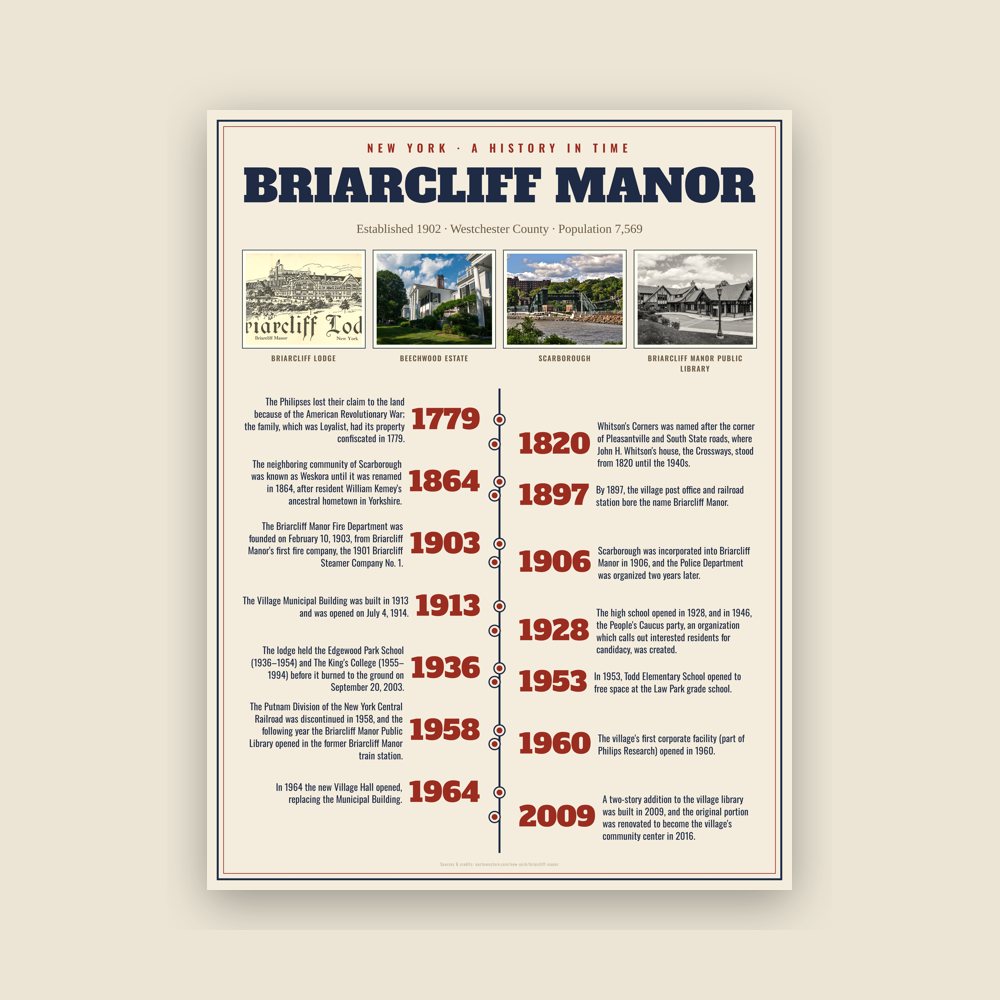
In the precolonial era, the area of present-day Briarcliff Manor was inhabited by a band of the Wappinger tribes of Native Americans, known as Sint Sincks (or "Sing Sings"). They owned territory as far north as the Croton River. In the 1680s, Frederick Philipse purchased about 156,000 acres (631 km2) from the Sint Sincks, and named it Philipsburg Manor. The Philipses lost their claim to the land because of the American Revolutionary War; the family, which was Loyalist, had its property confiscated in 1779. The area remained largely unsettled by colonists until after the war; in 1693, fewer than twenty families lived in the 50,000-acre (202 km2) area of Westchester which included Briarcliff Manor.
Progressive era to present day
After retiring as vice president of W. & J. Sloane, Walter Law moved with his family to the present Briarcliff Manor. He bought his first 236 acres (96 ha) in 1890, and then quickly expanded his property, buying about forty parcels in less than ten years; by 1900, he owned more than 5,000 acres (7.8 sq mi) of Westchester County. Law developed the village, establishing schools, churches, parks, and the Briarcliff Lodge. His employees at Briarcliff Farms moved into the village, and the population grew enough to encourage Law to establish the area as a village. A proposition was presented to the supervisors of Mount Pleasant and Ossining on October 8, 1902, that the area of 640 acres (260 ha) with a population of 331 be incorporated as the Village of Briarcliff Manor, and the village was incorporated on November 21.
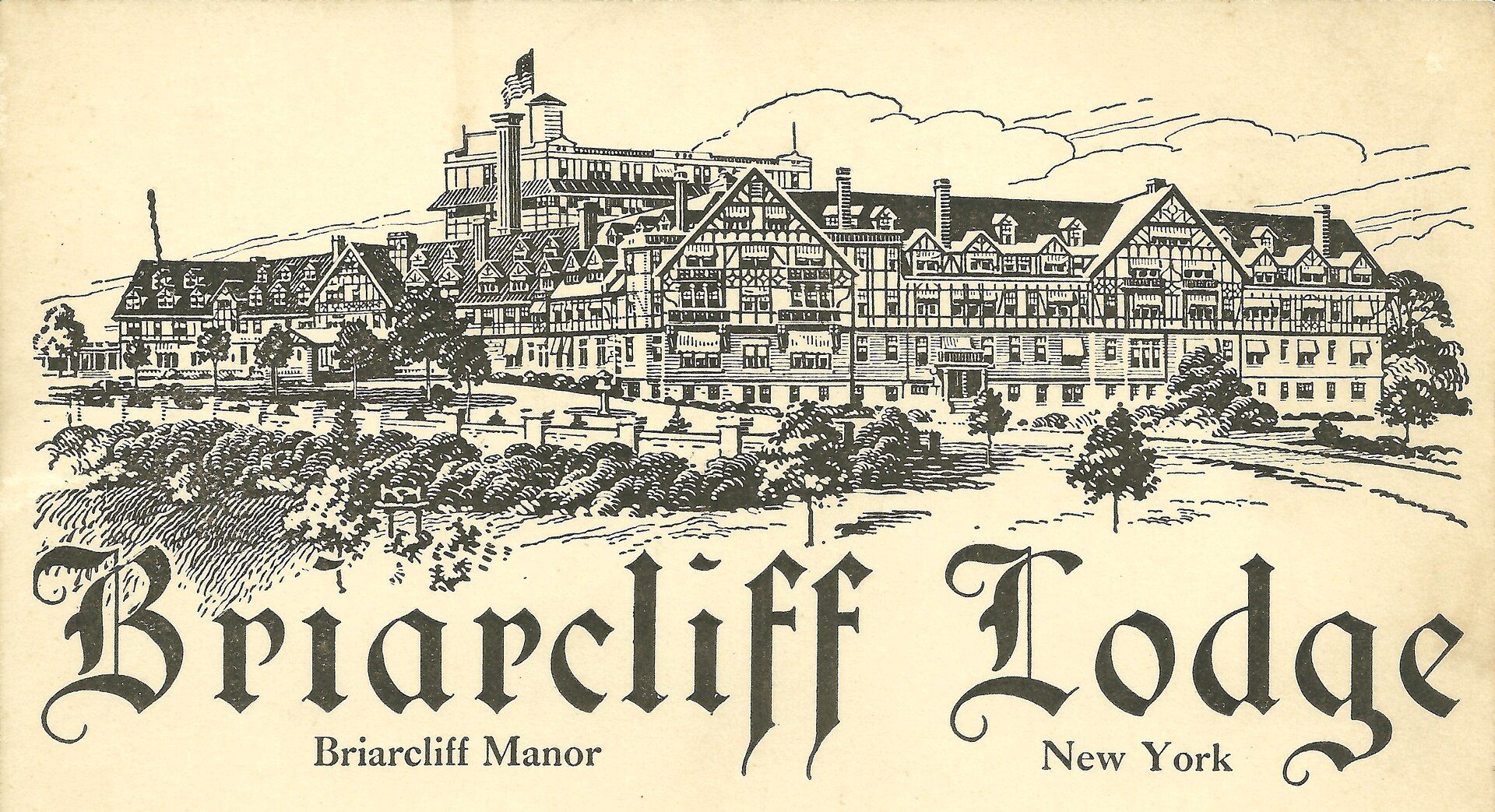
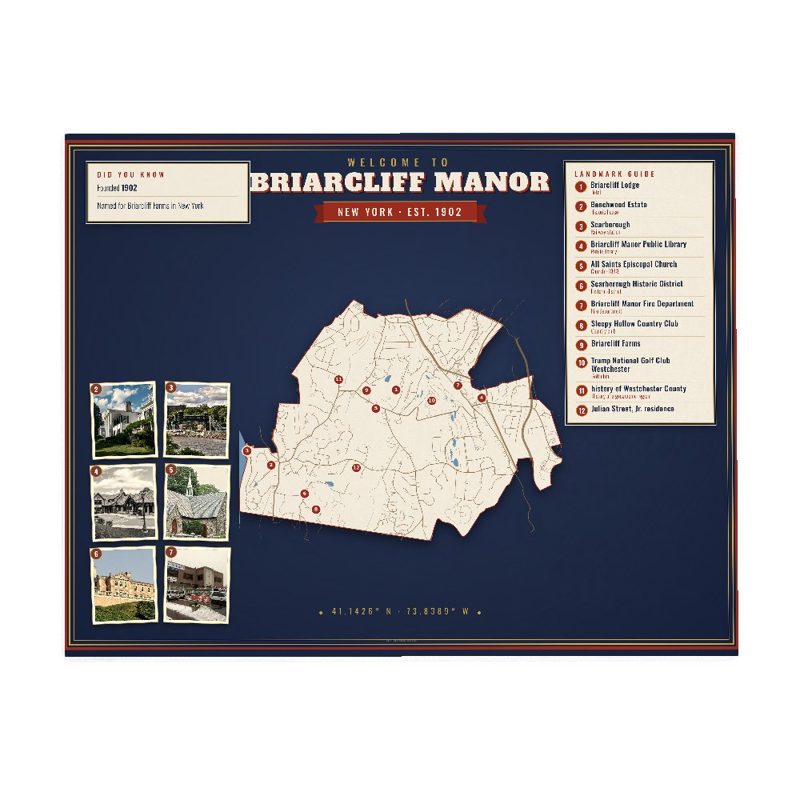
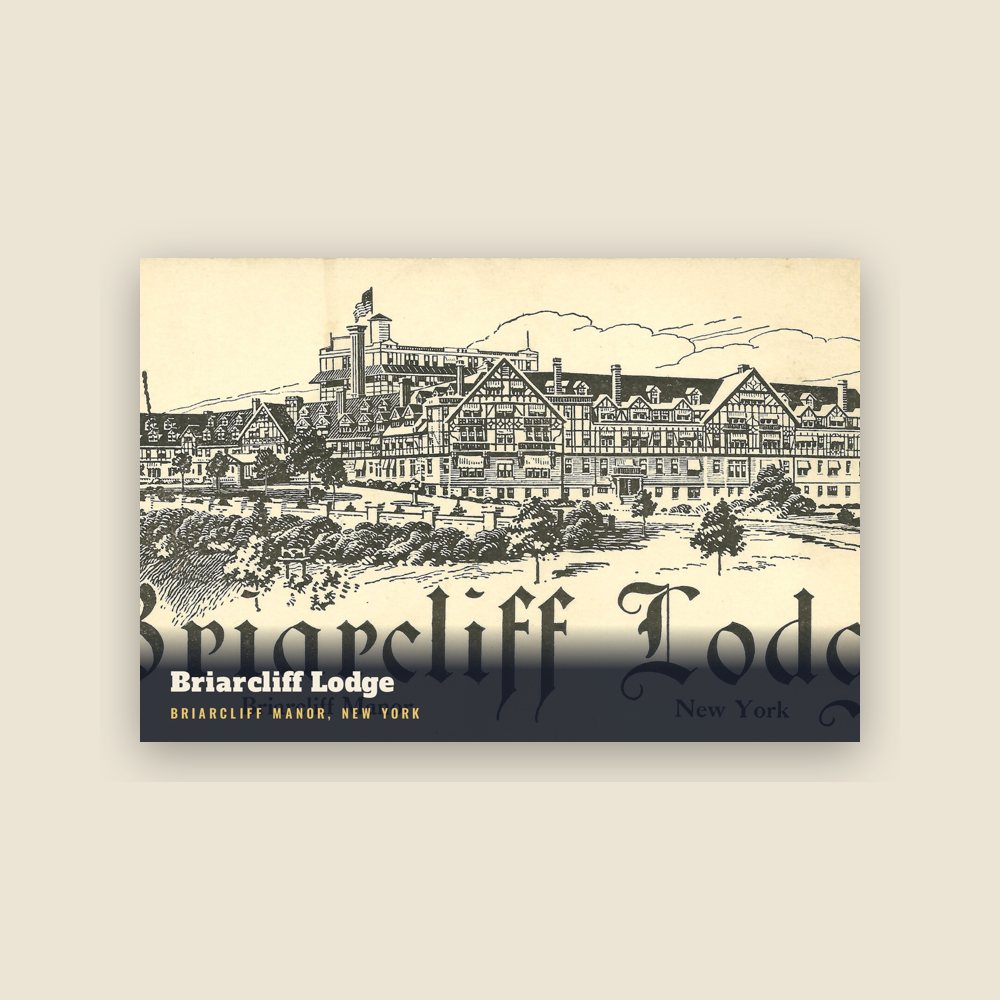
The Tudor Revival-style Briarcliff Lodge was opened in 1902 as a premier resort hotel. It was surrounded by Walter Law's dairy barns and greenhouses, and hosted numerous distinguished guests, including Franklin and Eleanor Roosevelt. The lodge held the Edgewood Park School (1936–1954) and The King's College (1955–1994) before it burned to the ground on September 20, 2003.
The Briarcliff Manor Fire Department was founded on February 10, 1903, from Briarcliff Manor's first fire company, the 1901 Briarcliff Steamer Company No. 1. Scarborough was incorporated into Briarcliff Manor in 1906, and the Police Department was organized two years later. The Village Municipal Building was built in 1913 and was opened on July 4, 1914. The high school opened in 1928, and in 1946, the People's Caucus party, an organization which calls out interested residents for candidacy, was created. Briarcliff Manor celebrated its semicentennial celebration from October 10–12, 1952, publishing a book about the village and its history; that year, the Crossroads neighborhood of 84 houses was completed.
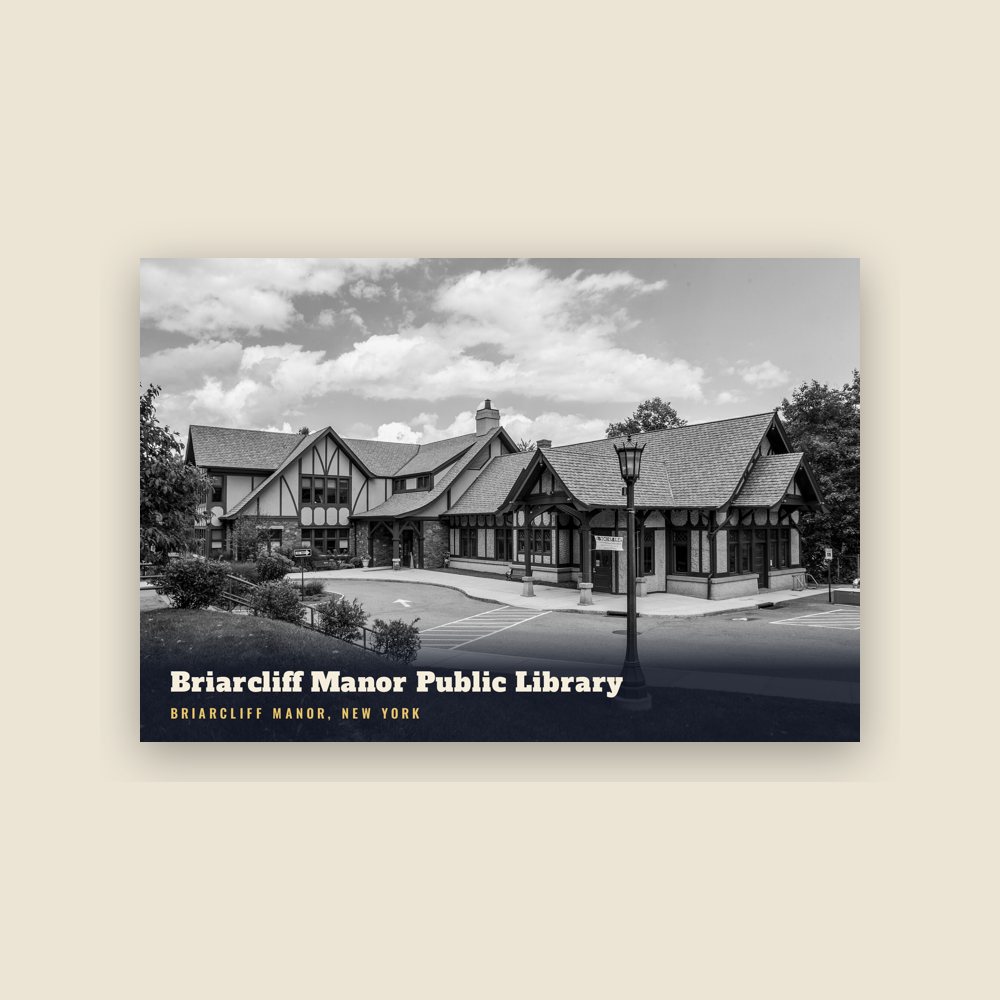
In 1953, Todd Elementary School opened to free space at the Law Park grade school. The Putnam Division of the New York Central Railroad was discontinued in 1958, and the following year the Briarcliff Manor Public Library opened in the former Briarcliff Manor train station. The village's first corporate facility (part of Philips Research) opened in 1960. In 1964 the new Village Hall opened, replacing the Municipal Building. The present high school opened in 1971 to ease the large enrollment at the grade-school building. In 1980, Pace University began leasing the middle-school building, and the middle school was moved to a portion of the new high-school building. The grade-school building was demolished in 1996, and a retirement home was built on its site the following year. The village celebrated its centennial in 2002, which involved celebratory events. A two-story addition to the village library was built in 2009, and the original portion was renovated to become the village's community center in 2016.
Adapted (trimmed) from the Wikipedia article Briarcliff Manor, New York, revision 1384318600 by its contributors, licensed CC BY-SA 4.0.
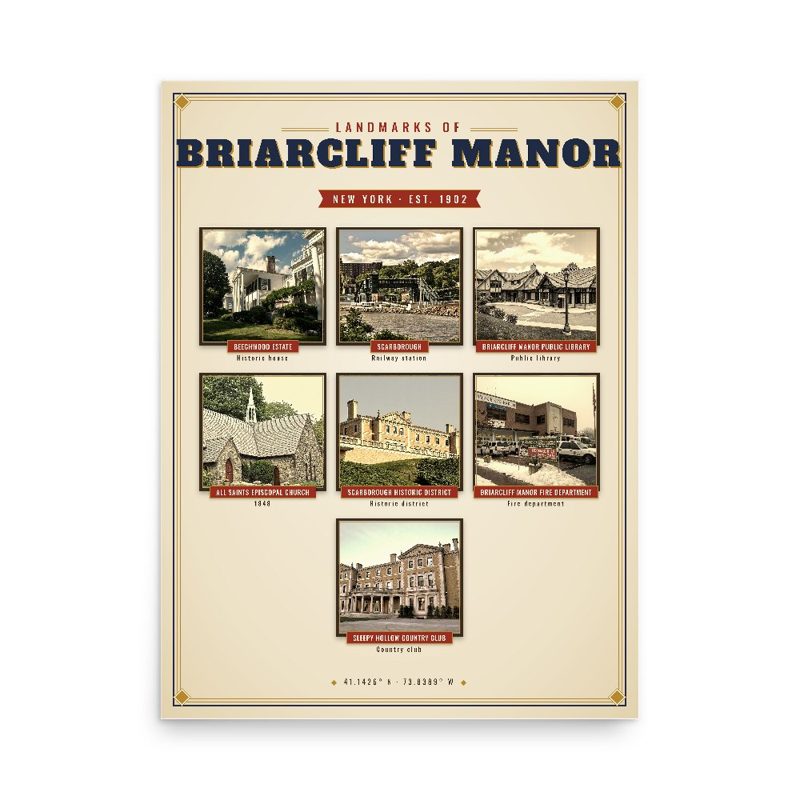











 Beechwood Estate
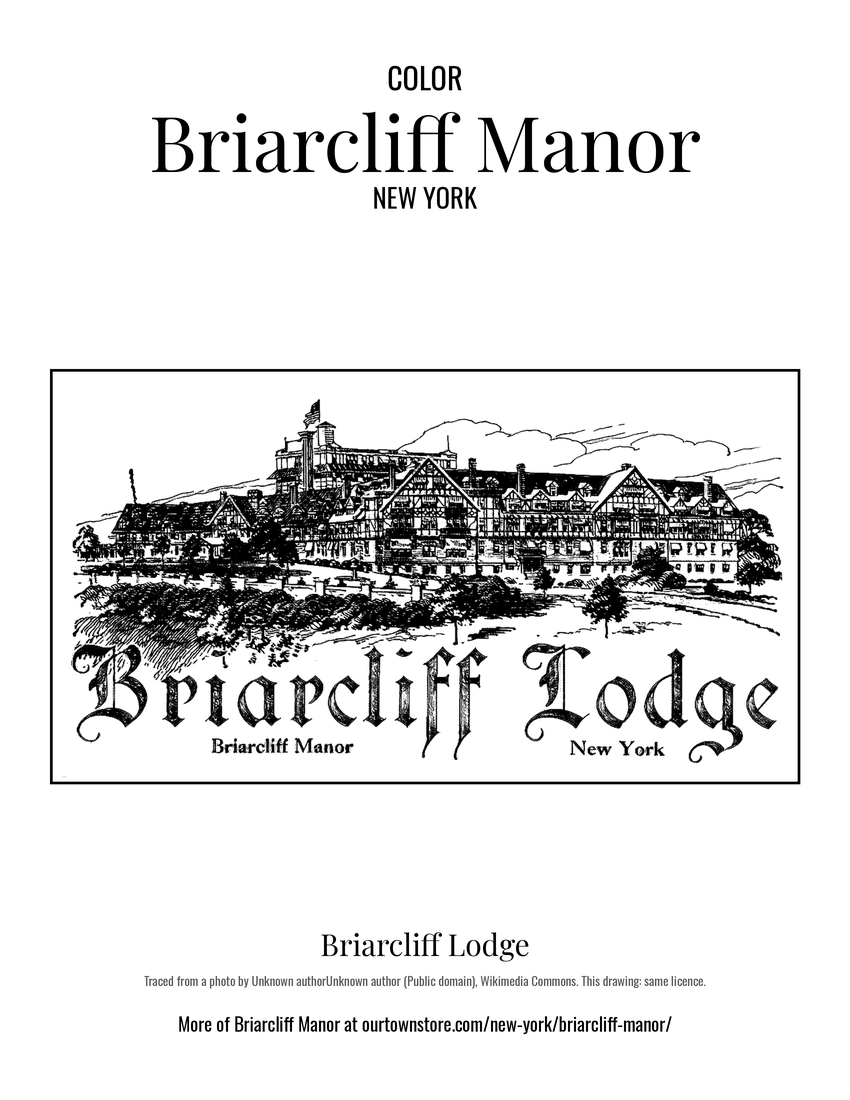 Briarcliff Lodge
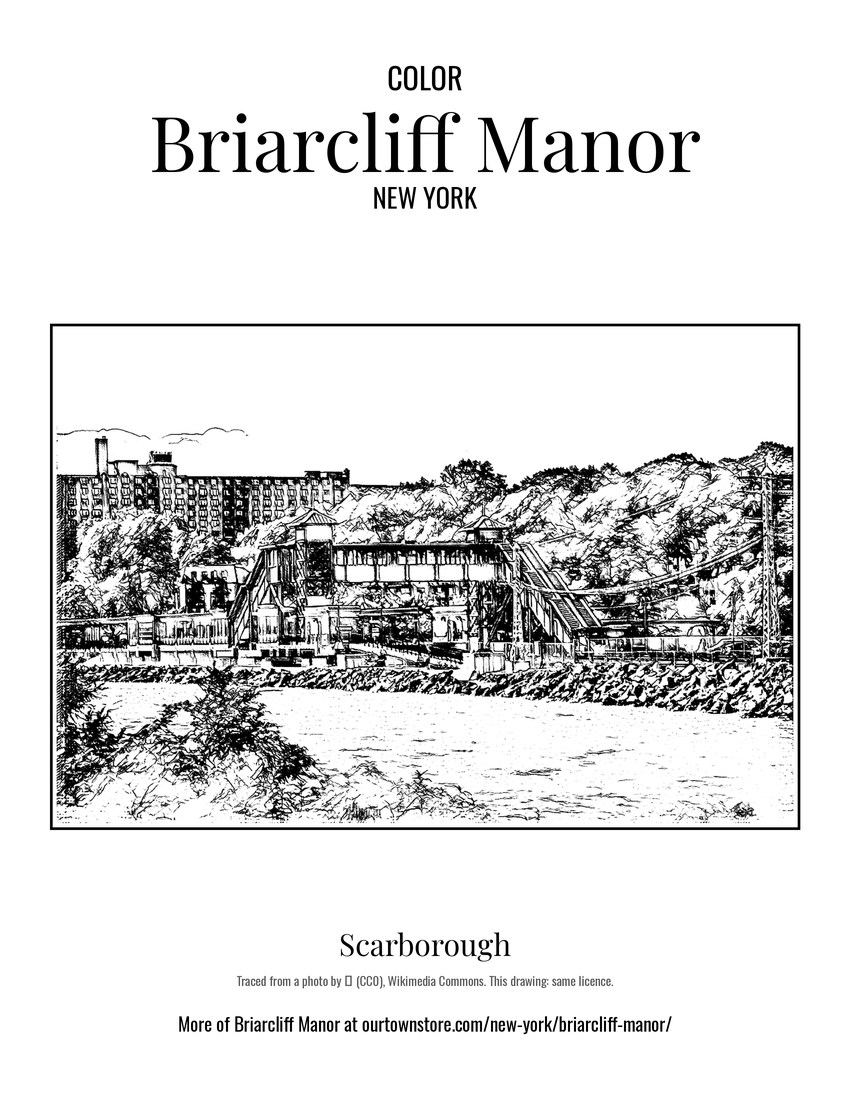 Scarborough
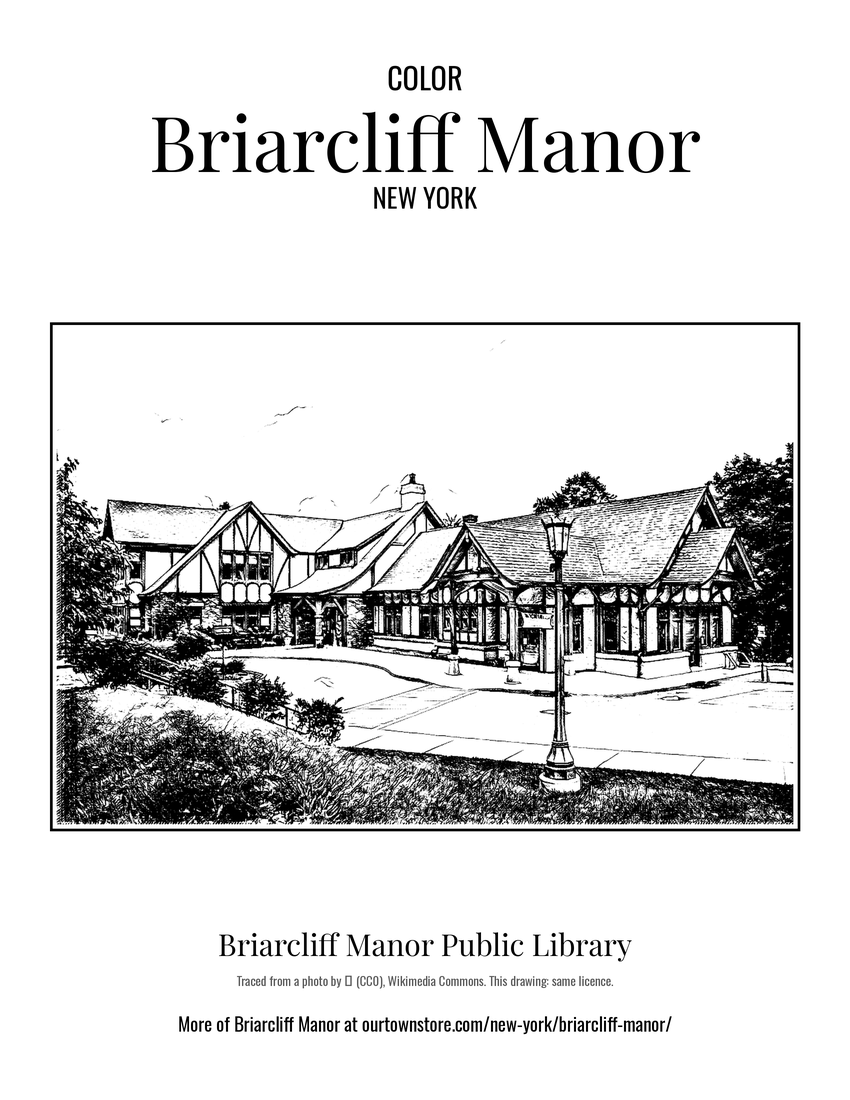 Briarcliff Manor Public Library