King County, Washington
Street maps, historic prints and keepsakes for 35 King County towns.
The oldest is North Bend, established 1889. The largest by population is Seattle (737,015).
| Town | Established | Population |
|---|---|---|
| Algona | – | 3,290 |
| Beaux Arts Village | – | 317 |
| Bellevue | – | 151,854 |
| Black Diamond | – | 4,697 |
| Burien | – | 52,066 |
| Carnation | – | 2,158 |
| Clyde Hill | – | 3,126 |
| Covington | – | 20,777 |
| Des Moines | – | 32,888 |
| Duvall | – | 8,034 |
| Enumclaw | – | 12,543 |
| Federal Way | – | 101,030 |
| Hunts Point | – | 457 |
| Issaquah | 1892 | 40,051 |
| Kenmore | – | 23,914 |
| Kent | – | 136,588 |
| Kirkland | – | 92,175 |
| Lake Forest Park | – | 13,630 |
| Maple Valley | – | 28,013 |
| Medina | – | 2,915 |
| Mercer Island | – | 25,748 |
| Newcastle | – | 13,017 |
| Normandy Park | – | 6,771 |
| North Bend | 1889 | 7,461 |
| Redmond | – | 73,256 |
| Renton | – | 106,785 |
| Sammamish | – | 67,455 |
| Seatac | – | 31,454 |
| Seattle | – | 737,015 |
| Shoreline | – | 58,608 |
| Skykomish | – | 161 |
| Snoqualmie | – | 14,121 |
| Tukwila | – | 21,798 |
| Woodinville | – | 13,069 |
| Yarrow Point | – | 1,134 |
About these towns
Beaux Arts Village: Beaux Arts Village was founded in 1908 as an artists' colony and named after the Western Academy of Beaux Arts to which its founders belonged.
Bellevue: The Duwamish, whose main settlements were located in present-day Renton and Seattle, maintained a small outpost settlement called Satskal (SAH-tsah-kahl) along the Mercer Slough, south of present-day downtown Bellevue.
Black Diamond: Black Diamond was originally inhabited by the Bəqəlšuł, which is Lushootseed for "from a high point from which you can see", part of Coast Salish people.
Burien: European settlement in the Burien area dates to 1864, when George Ouellet (1831–1899), a French-Canadian born in Sainte-Marie-de-Beauce, Quebec, purchased his first of several land patents for homestead sites directly from a federal land office.
Carnation: The Snoqualmie people have inhabited the Carnation area for more than 10,000 years. Prior to American settlement, the Snoqualmie had a large village spanning the Tolt River (Lushootseed: tultxʷ) at its confluence with the Snoqualmie.
Clyde Hill: Between 1946 and 1948, J. Gordon and Mary Schneidler subdivided and sold more than a dozen lots in a five-acre subdivision in Clyde Hill.
Covington: The area presently known as Covington was originally known as Jenkins Prairie. Between 1899 and 1900, the Northern Pacific Railway built the Palmer Cutoff between Auburn and Palmer to improve the company's primary east–west rail route across Stampede Pass.
Des Moines: What was to become Des Moines was first explored by Europeans on May 26, 1792, during the exploration of British naval Captain George Vancouver on his flagship HMS Discovery.
Duvall: The area that became known as Duvall was historically the home of the Snoqualmie and other ancestral Tulalip Native American tribes. Following their relocation under the Treaty of Point Elliott, the area was homesteaded by veterans of the Civil War.
Enumclaw: The name Enumclaw is derived from the Sahaptin word /inɨmɬá/, meaning "he who makes noise", from to /ínɨmn/, "to neigh, bray, sing", and /-ɬa/, "he who".
Federal Way: Originally a logging settlement, the area was first called "Federal Way" when a consolidated school district was established in 1929. The name derived from U.S.
Hunts Point: Leigh S. J. Hunt, a resident of nearby Yarrow Point, purchased the yet-to-be-named property of Hunts Point on March 13, 1890. He wanted the property so that he could cut down the tall evergreen trees that grew out at the end, obstructing his view of Lake Washington.
Issaquah: "Issaquah" is an anglicization of the Southern Lushootseed placename /sqʷáxʷ/, meaning either "the sound of birds", "snake", or "little stream". "Squak Valley", an older name for the area, also derives from this same Native American name.
Kenmore: The Sammamish River valley from Lake Washington to Issaquah Creek was historically inhabited by the indigenous Sammamish people (also known as the "s-tah-PAHBSH", or "willow people"), a Coast Salish group with an estimated population of 80 to 200 by 1850.
Kent: The Kent area was first permanently settled by European Americans in the 1850s along the banks of what was then the White River.
Kirkland: The land around Lake Washington to the east of Seattle was first settled by bands of the indigenous Duwamish people, including the x̌ačua’bš ("lake people") and təbɬtubixʷabš ("people of the loamy place" or "ochre-painted people").
Lake Forest Park: Lake Forest Park was founded in 1912 by Ole Hanson as one of the Seattle area's first planned communities. Envisioned as a picturesque retreat for professionals, the developers planned roads and lots in strict consideration for natural landmarks.
Maple Valley: The area was settled in 1879 by three men who were improving a trail and brought their families in. When a name for a future community was proposed, the names Vine Maple Valley and Maple Ridge were suggested.
Medina: The eastern shore of Lake Washington between Meydenbauer Bay and Evergreen Point was a sparsely populated area that was cleared for its timber in the 1870s.
Mercer Island: The western side of the island was home to two Snoqualmie settlements prior to the 19th-century arrival of European American settlers in the Puget Sound region.
Newcastle: Coal was discovered along Coal Creek in 1863 by surveyors Philip H. Lewis and Edwin Richardson, who had been working in the area for the United States General Land Office.
North Bend: The Snoqualmie Indian Tribe has resided in the Snoqualmie Prairie, including the area now known as North Bend, for thousands of years.
Redmond: Native Americans have lived in the Redmond area for about 10,000 years, based on artifacts discovered at the Redmond Town Center archaeological site and Marymoor Prehistoric Indian Site.
Renton: Long a cultural center for the Duwamish, European settlers arrived in the area of present-day Renton as early as 1853. First among them were Henry Tobin and his wife Diana.
Sammamish: Lake Sammamish and the adjacent plateau has been Duwamish, Suquamish, Snoqualmie, Sammamish, and Snohomish territory since the last Pleistocene glaciation, before contact with European people.
Seatac: The earliest people to live in the Highline ridge and surrounding lowlands were Coast Salish peoples for thousands of years before European contact.
Seattle: Seattle is the most populous city in the U.S. state of Washington and the Pacific Northwest region of North America. It is the 18th-most populous city in the United States with a population of 784,777 in 2025, while the Seattle metropolitan area at over 4.15 million residents is the 15th-most populous metropolitan area in the nation.
Shoreline: The modern-day Shoreline area is within the historic territory of local Coast Salish peoples, now considered subgroups of the Duwamish. A trail stretched from Salmon Bay (šilšul), where Shilshole (šilšulabš) villages were, to Green Lake, and then traveled north through bogs that housed Licton Springs and the headwaters of the south fork of Thornton Creek, and continued up to Haller…
Skykomish: John Maloney, a guide for the surveying team on the Great Northern Railway, settled a flat spot in 1892, which got the name "Maloney's Siding".
Snoqualmie: The second written record of the exploration of the Snoqualmie Valley comes from the notes of Samuel Hancock, who ventured up-river with the Snoqualmie tribe in 1851 in search of coal.
Tukwila: The earliest people in Tukwila were the Duwamish, who made their homes along the Black and Duwamish rivers. The name "Tukwila" is the Chinook Jargon word for "nut" or "hazelnut", referring to the hazelnut trees that grew in the area.
Woodinville: The area along the Sammamish River, including modern-day Woodinville, is the historic territory of the indigenous Sammamish people. Other Coast Salish peoples also occupied and used the lands in the area, including a Duwamish subgroup known as the "willow people".
Yarrow Point: Before the arrival of settlers the Duwamish set up two longhouses along Yarrow Bay, although most of the tribe lived in the area occupied by the present day cities of Renton and Seattle.
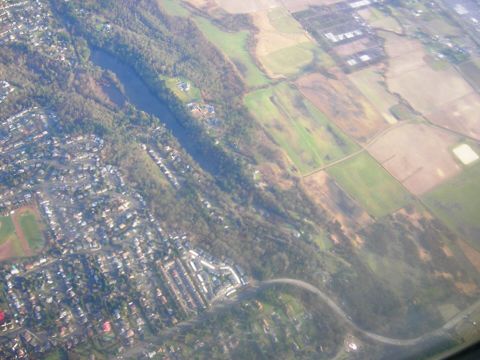 AlgonaWashington
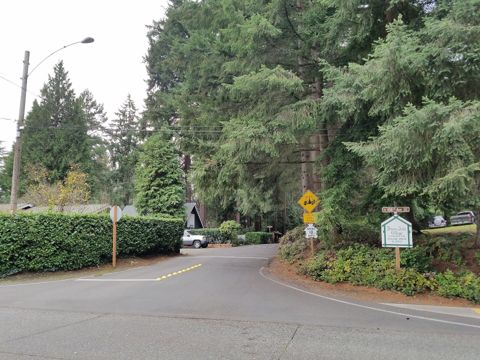 Beaux Arts VillageWashington
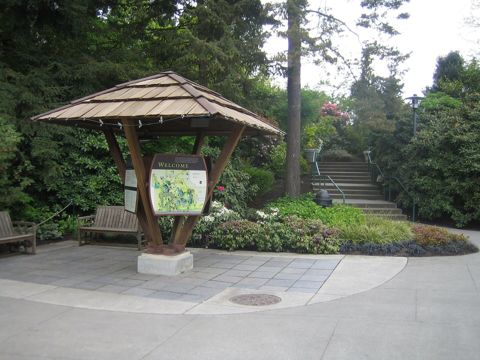 BellevueWashington
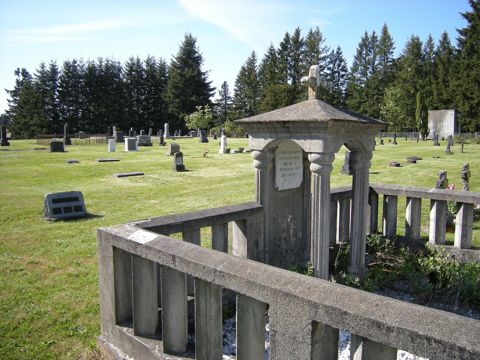 Black DiamondWashington
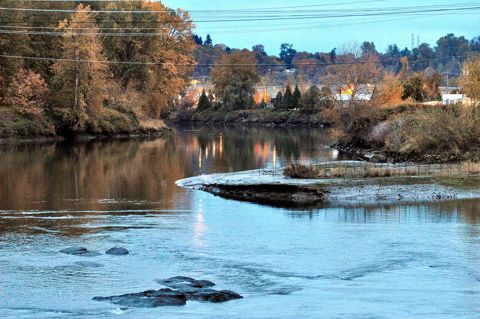 BurienWashington
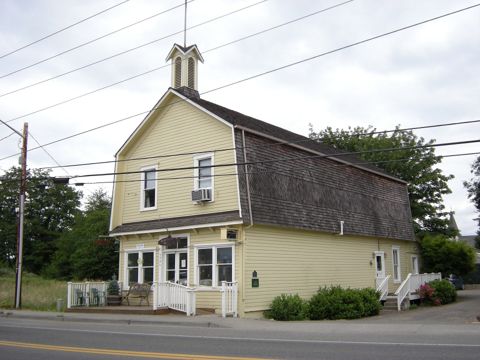 CarnationWashington
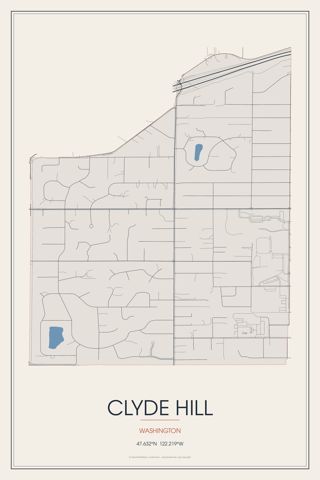 Clyde HillWashington
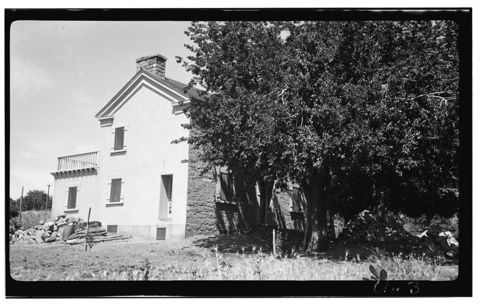 CovingtonWashington
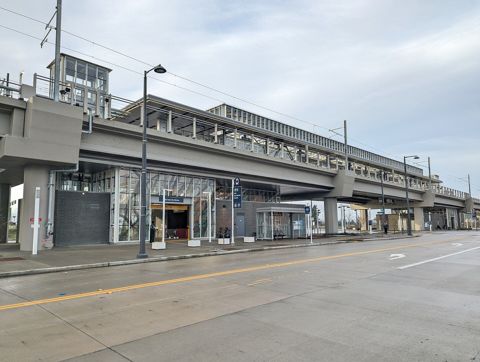 Des MoinesWashington
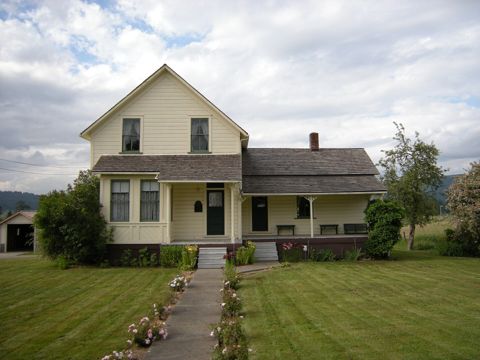 DuvallWashington
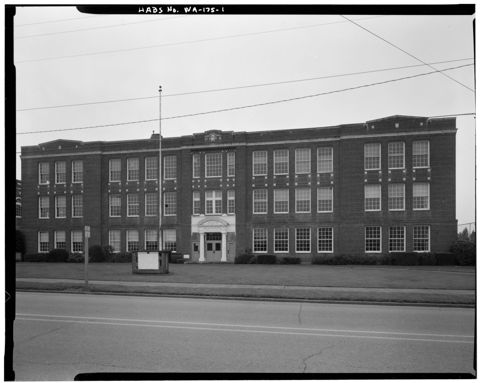 EnumclawWashington
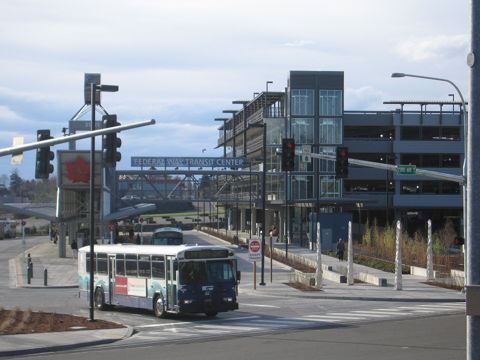 Federal WayWashington
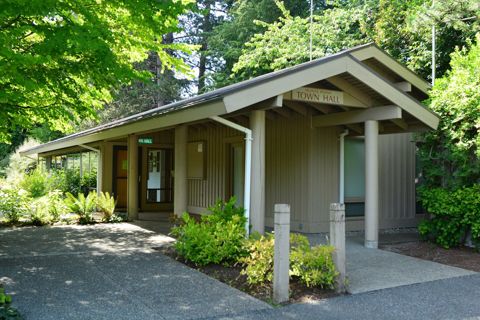 Hunts PointWashington
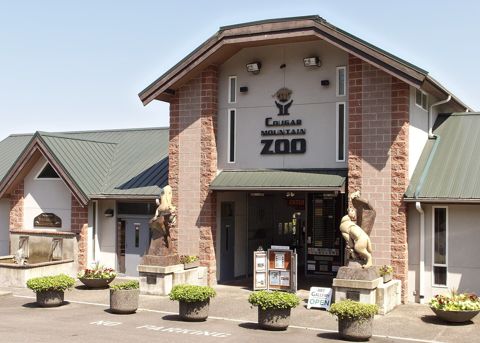 IssaquahWashington · Est. 1892
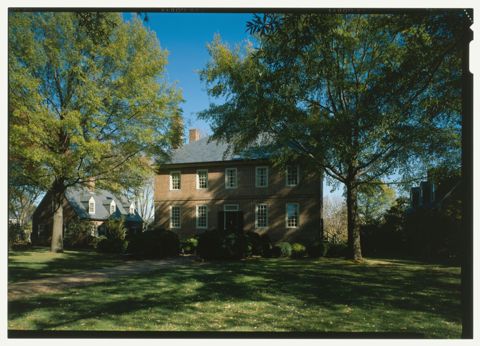 KenmoreWashington
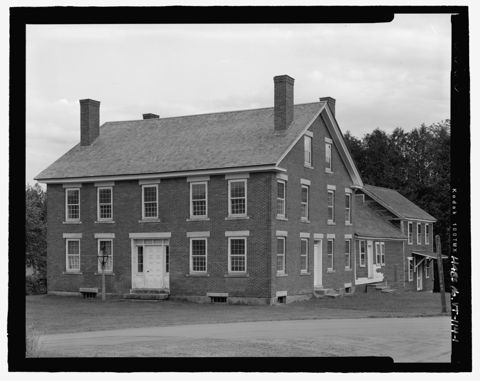 KentWashington
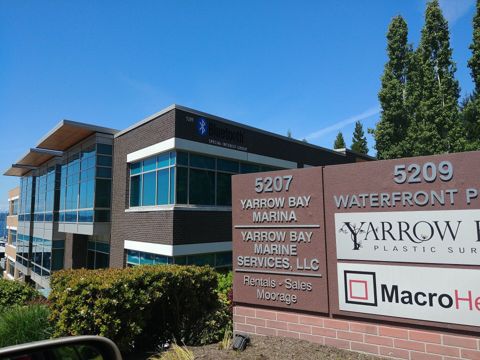 KirklandWashington
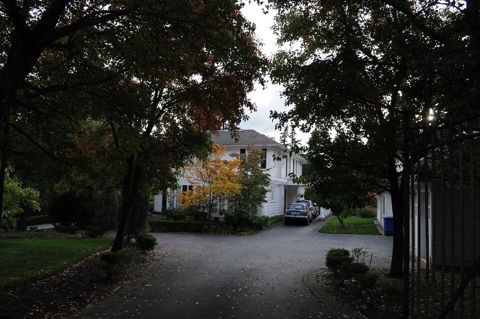 Lake Forest ParkWashington
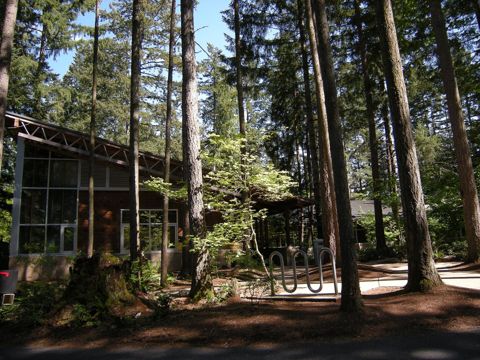 Maple ValleyWashington
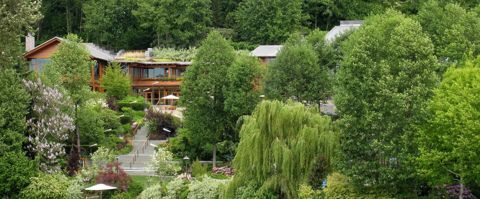 MedinaWashington
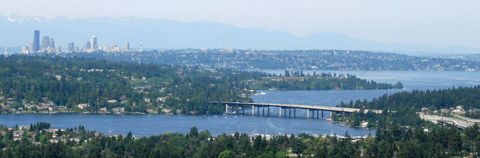 Mercer IslandWashington
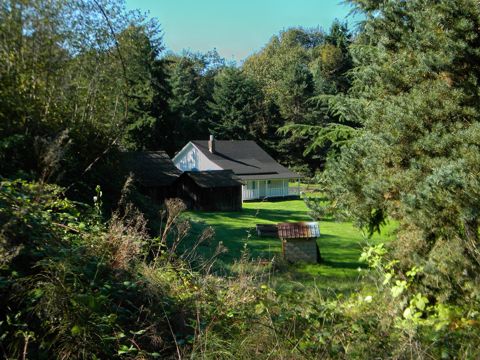 NewcastleWashington
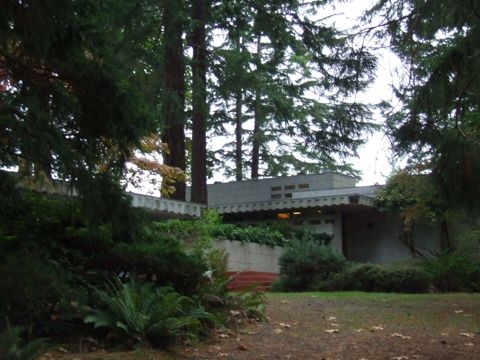 Normandy ParkWashington
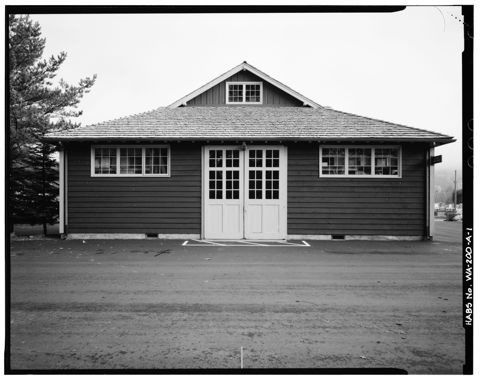 North BendWashington · Est. 1889
Founding years, populations and town notes come from each town's Wikipedia and Wikidata entries. All Washington towns.