Since 1889
A short history of North Bend
The Snoqualmie Indian Tribe has resided in the Snoqualmie Prairie, including the area now known as North Bend, for thousands of years. This prairie southeast of Snoqualmie Falls was the ancestral home, hunting and forage grounds for the Snoqualmie people and was located in the upper Snoqualmie Valley near the Snoqualmie River fork confluence, Mount Si, and the western foothills of the Cascade Range.
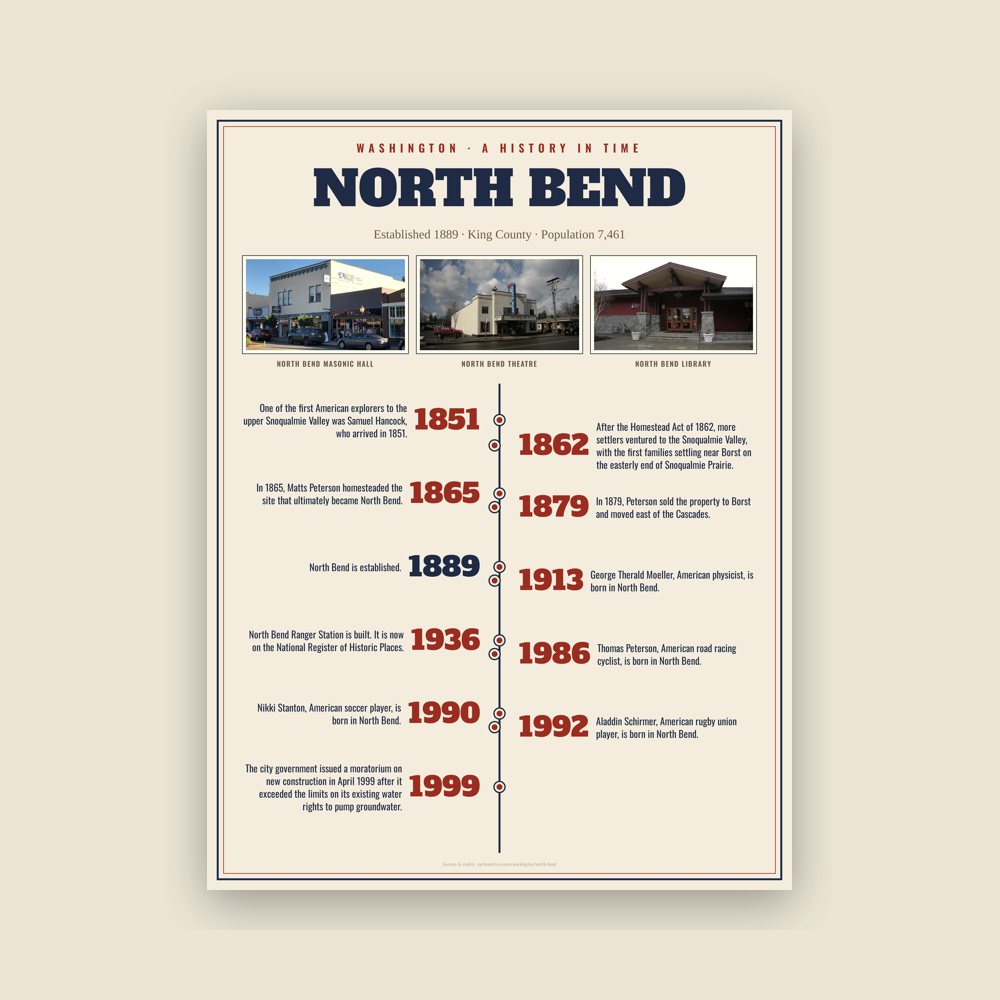
One of the first American explorers to the upper Snoqualmie Valley was Samuel Hancock, who arrived in 1851. Hancock traveled upriver with his Snoqualmie guides, fording canoes around the falls to reach Snoqualmie Prairie, searching for coal deposits. He was taken to a "very extensive and fertile prairie" about two miles above Snoqualmie Falls. The beautiful open grassland came to be known as the Snoqualmie Prairie, the heart of which is now known as Tollgate and Meadowbrook farms. The Snoqualmies, led by Chief Patkanim, later sided with early settlers in the 1850s Indian Wars and were one of the signatory tribes of the Treaty of Point Elliott in 1855, which failed to designate an Indian reservation for the Snoqualmies. Some of the soldiers in those wars, such as the Kellogg brothers, established cabins near abandoned U.S. Army blockhouses; however, the most well known American resident in the valley was Jeremiah Borst, who arrived in 1858.
After the Homestead Act of 1862, more settlers ventured to the Snoqualmie Valley, with the first families settling near Borst on the easterly end of Snoqualmie Prairie. In 1865, Matts Peterson homesteaded the site that ultimately became North Bend. In 1879, Peterson sold the property to Borst and moved east of the Cascades. Borst wrote to Will Taylor, who had left the Pacific Northwest to pursue mining in California, and offered him the Peterson homestead in exchange for labor. Taylor returned and became the driving force in developing the city while expanding his property to include a thriving trading post and boarding house for travelers over Snoqualmie Pass. On February 16, 1889, with the upcoming railroad boom, Taylor formally platted a city including his farm, upcoming street plans and building lots, giving it the name "Snoqualmie". Later that summer, competing Seattle land speculators subsequently platted nearby "Snoqualmie Falls", choosing a similar name. Pressured by demands of the Seattle, Lake Shore and Eastern Railway to avoid confusion, Taylor reluctantly renamed his city "Mountain View". However, the U.S. Post Office Department objected to "Mountain View", as a city with that name already existed in northern Whatcom County. To conclude the matter Taylor agreed to permanently rename the community "North Bend", after its prime location near the large northward bend of the South and Middle Fork of the Snoqualmie River. Taylor was proud of his new, thriving city, but by historical accounts, "He never got over having his city name taken away." North Bend was officially incorporated on March 12, 1909, and grew throughout the 20th century, with an early economic focus on logging, sawmill production, agricultural and dairy farming.
The city government issued a moratorium on new construction in April 1999 after it exceeded the limits on its existing water rights to pump groundwater. It was lifted in 2009 after North Bend secured an agreement with Seattle Public Utilities to provide water and construction of a new pipeline from the Cedar River watershed. North Bend, which had transitioned into a bedroom community by the late 20th century, began attracting recreation and outdoors businesses in the 2010s. The city also developed tourist activities centered around the 1990s television series Twin Peaks, which was partially filmed in North Bend, Snoqualmie, and Fall City.
Adapted (trimmed) from the Wikipedia article North Bend, Washington, revision 1374776004 by its contributors, licensed CC BY-SA 4.0.
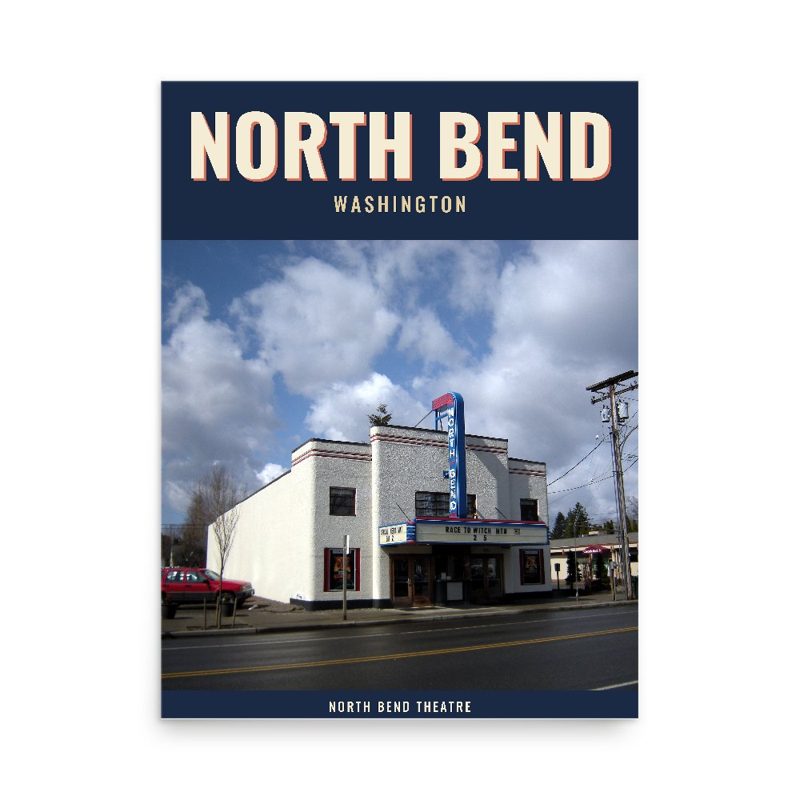
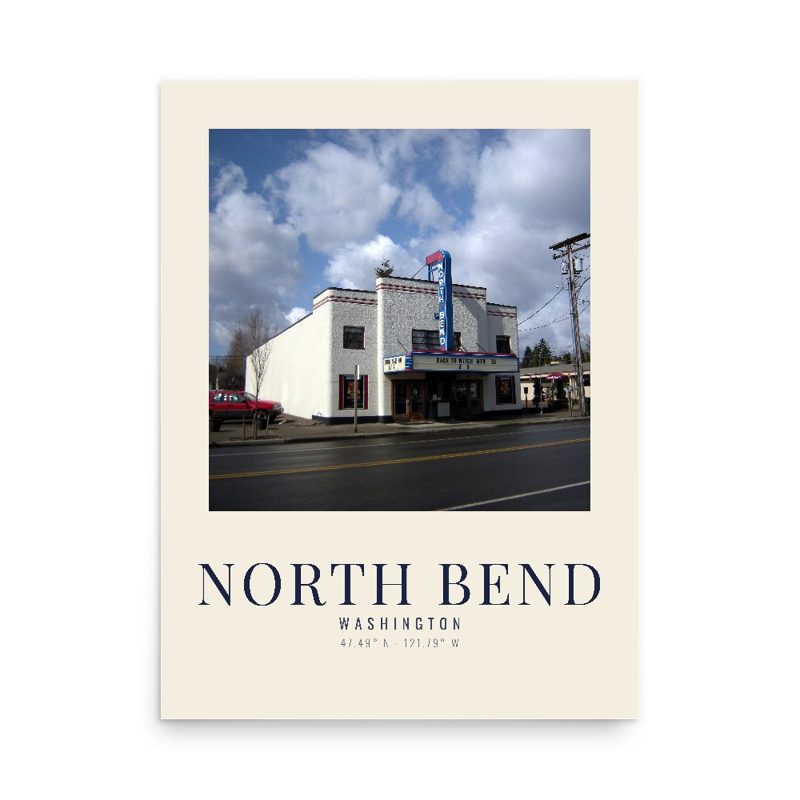
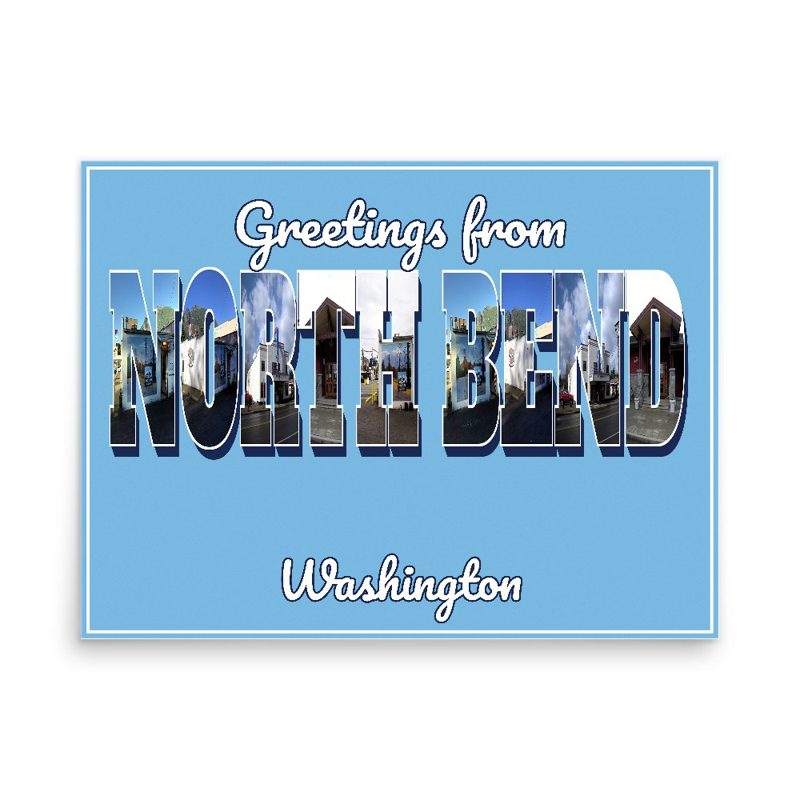
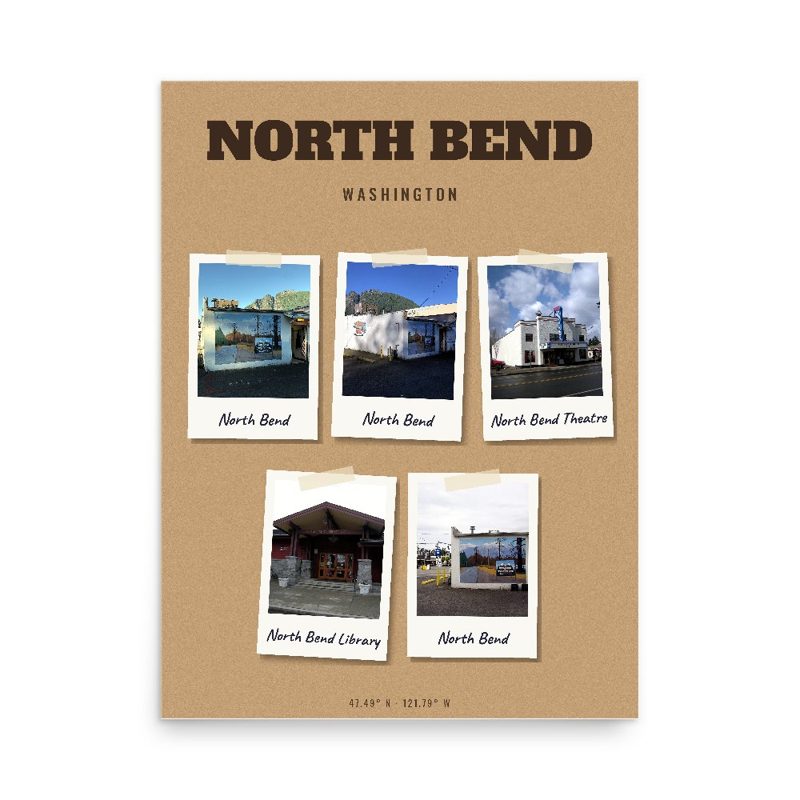
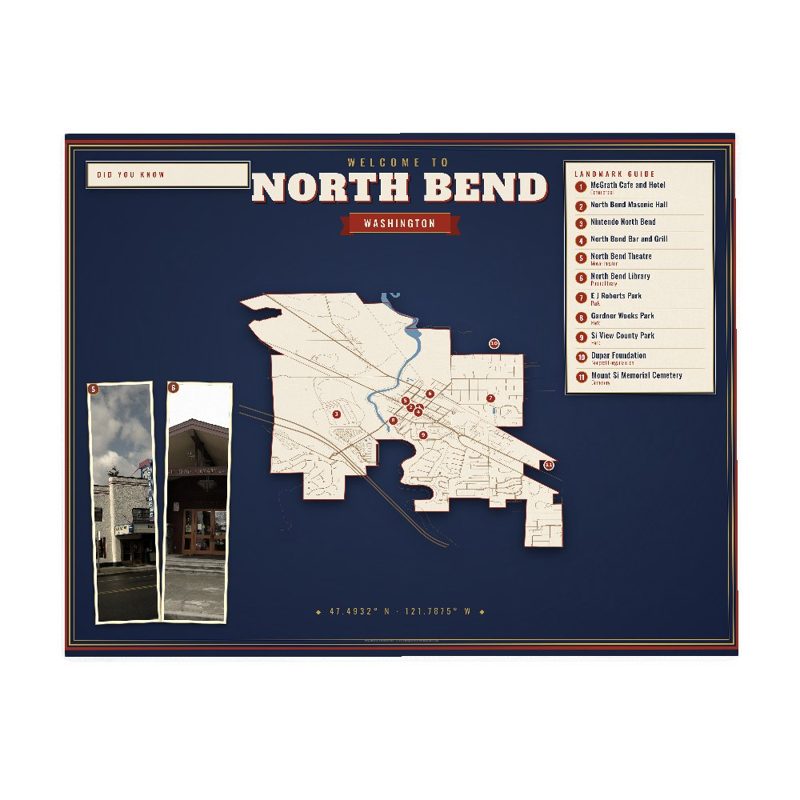

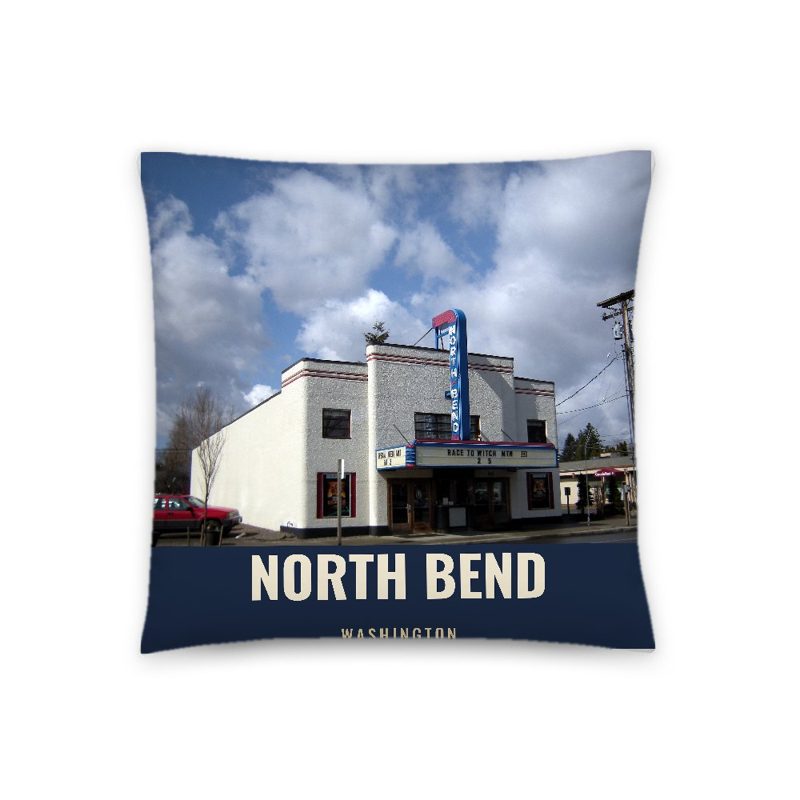
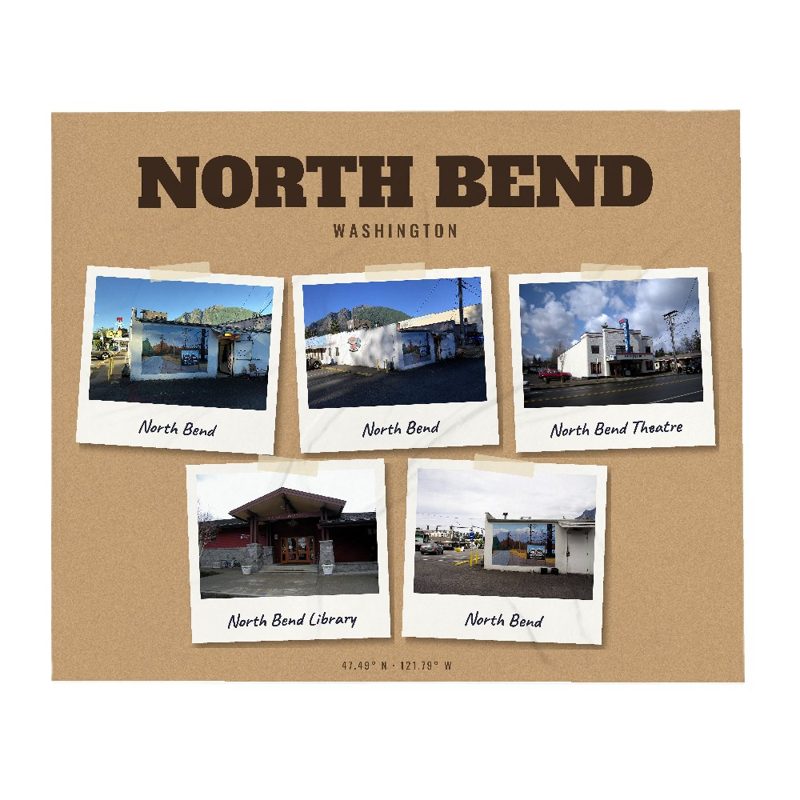
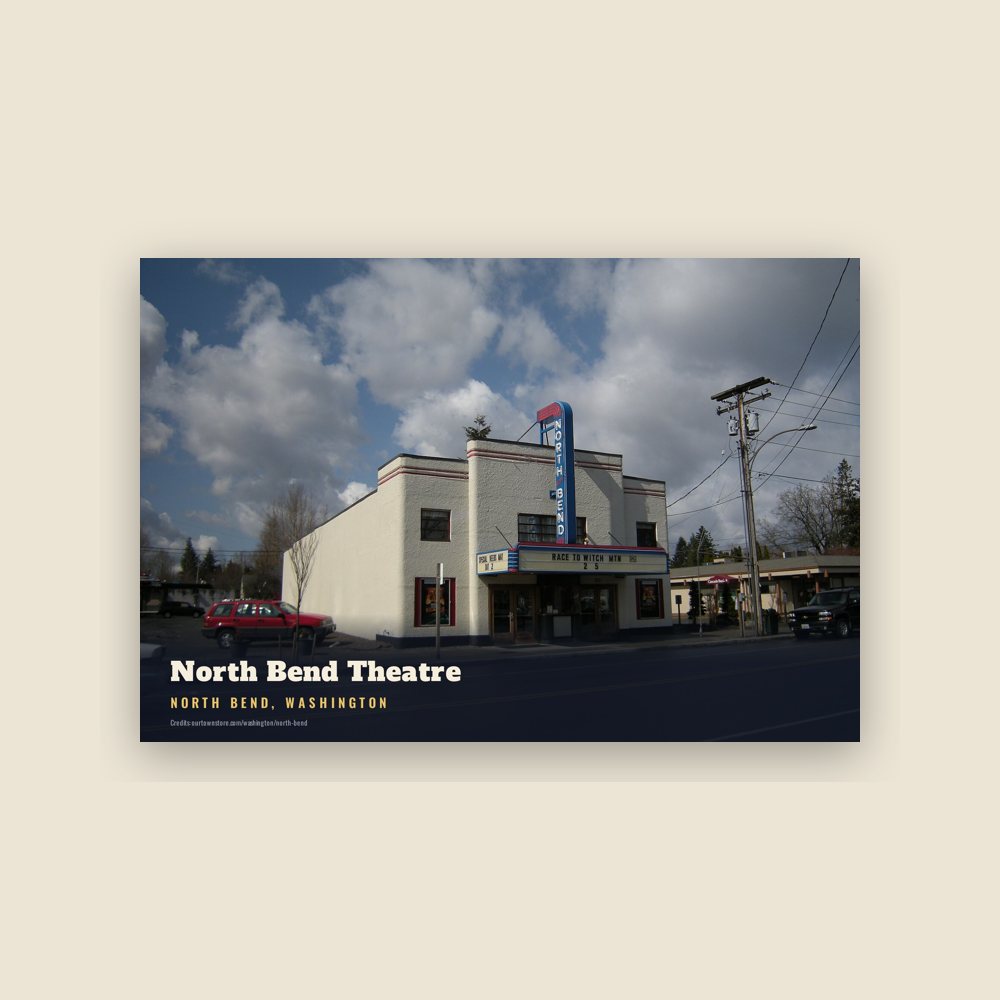
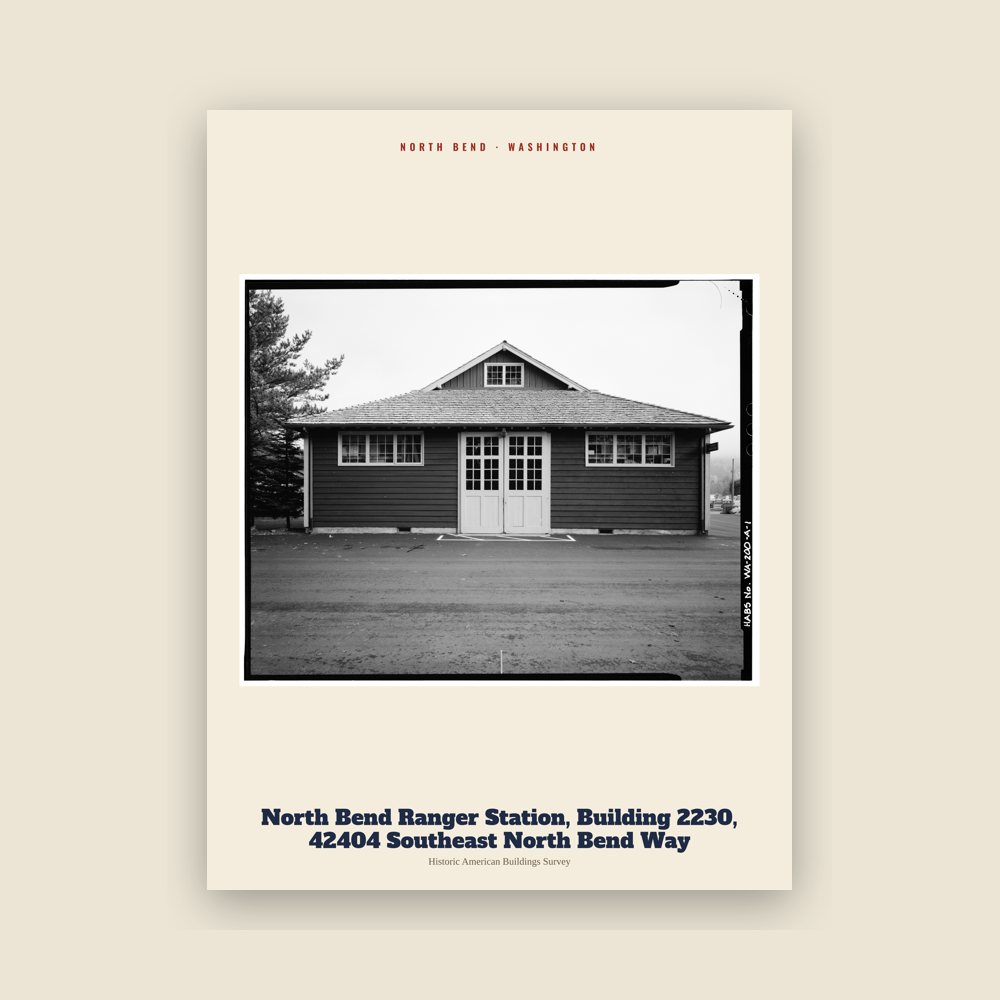
 North Bend Theatre
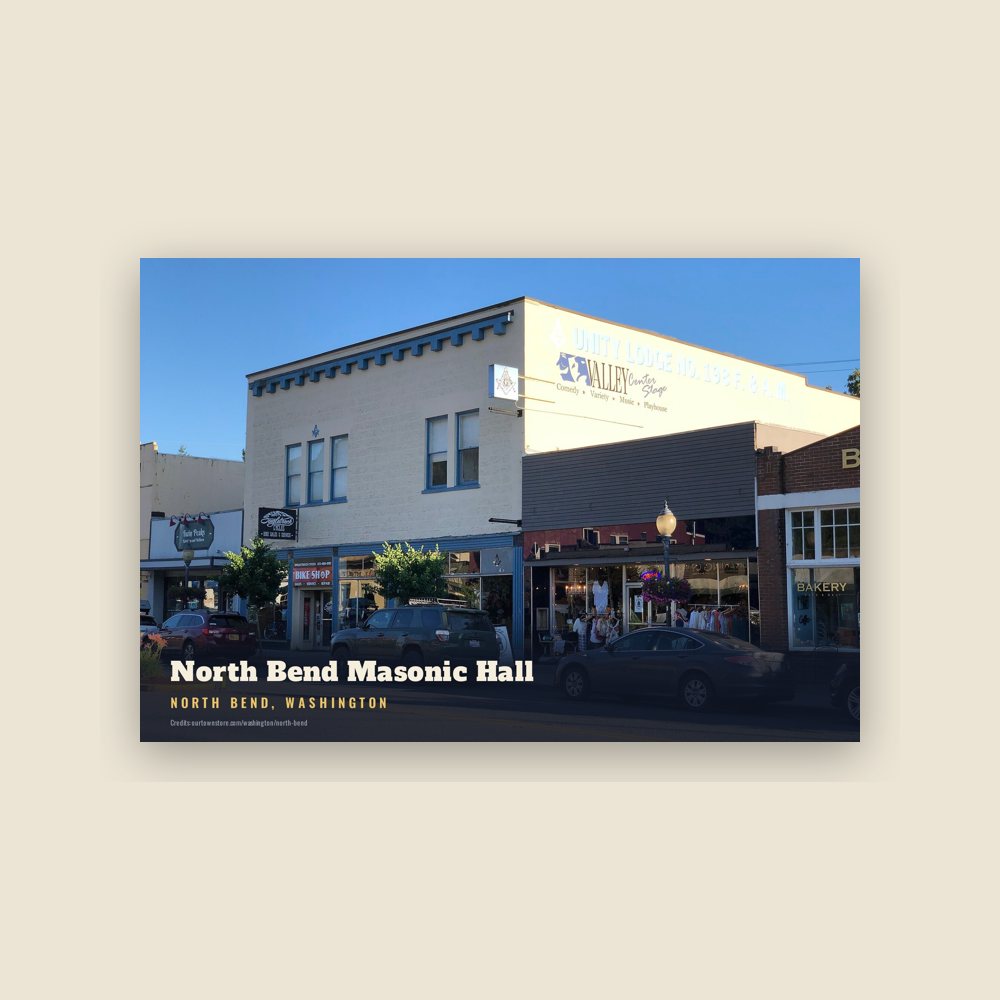
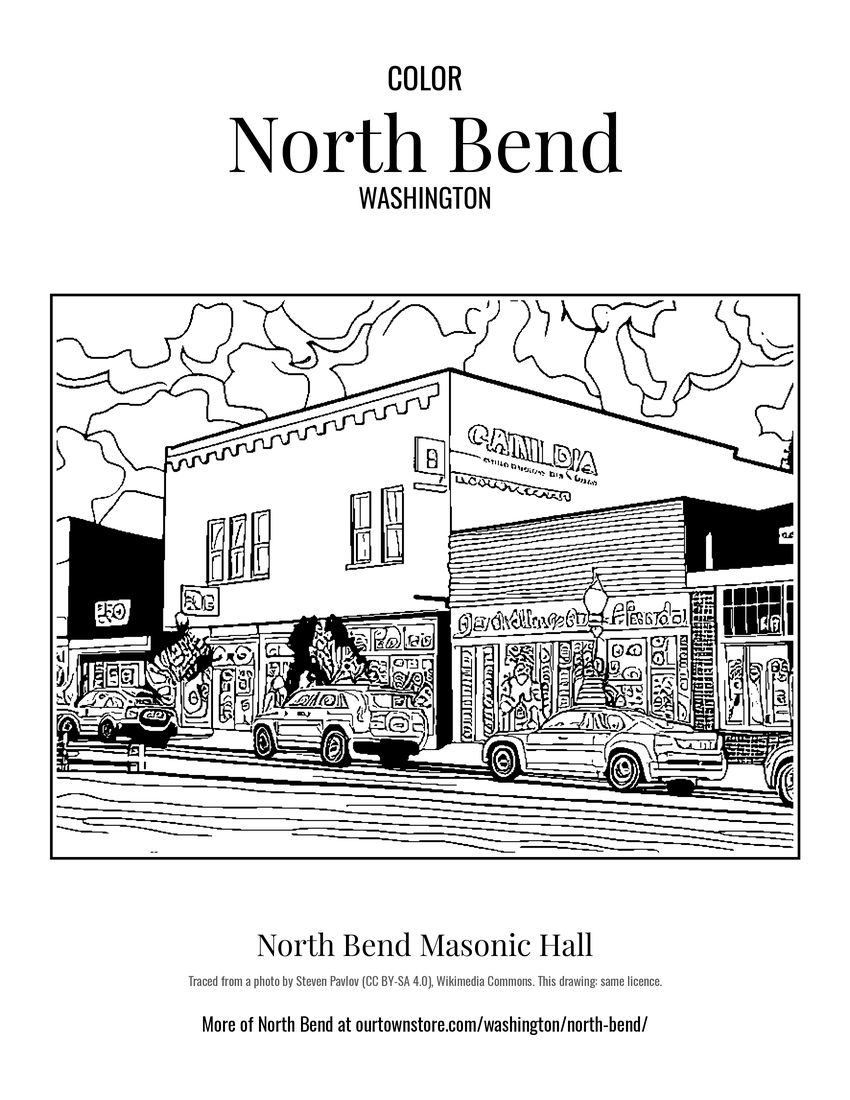 North Bend Masonic Hall
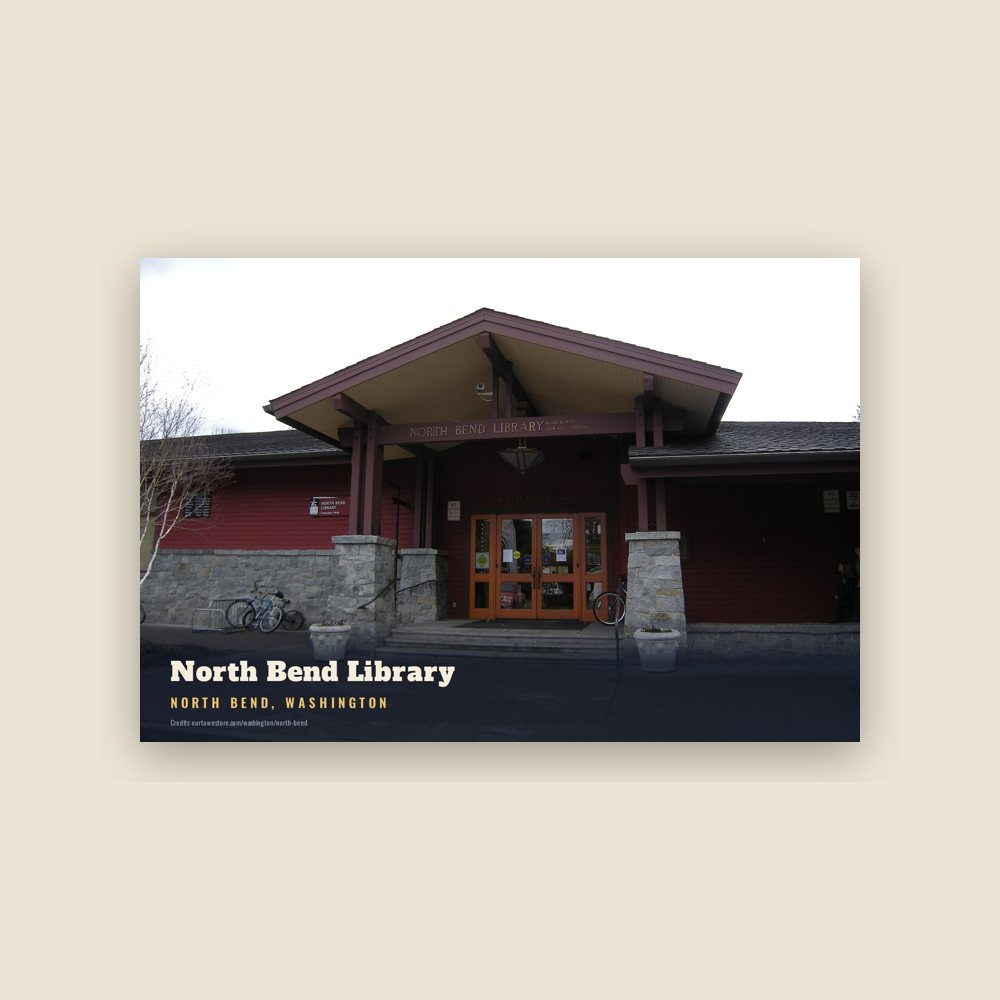
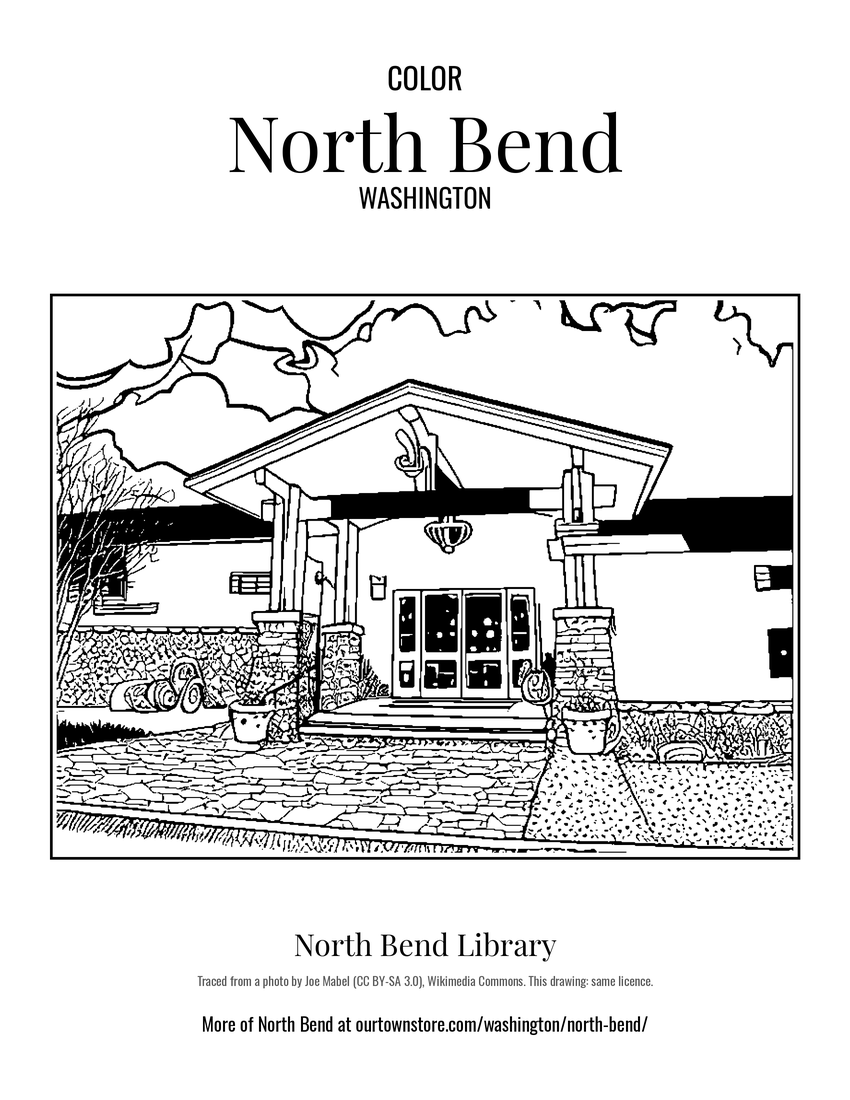 North Bend Library
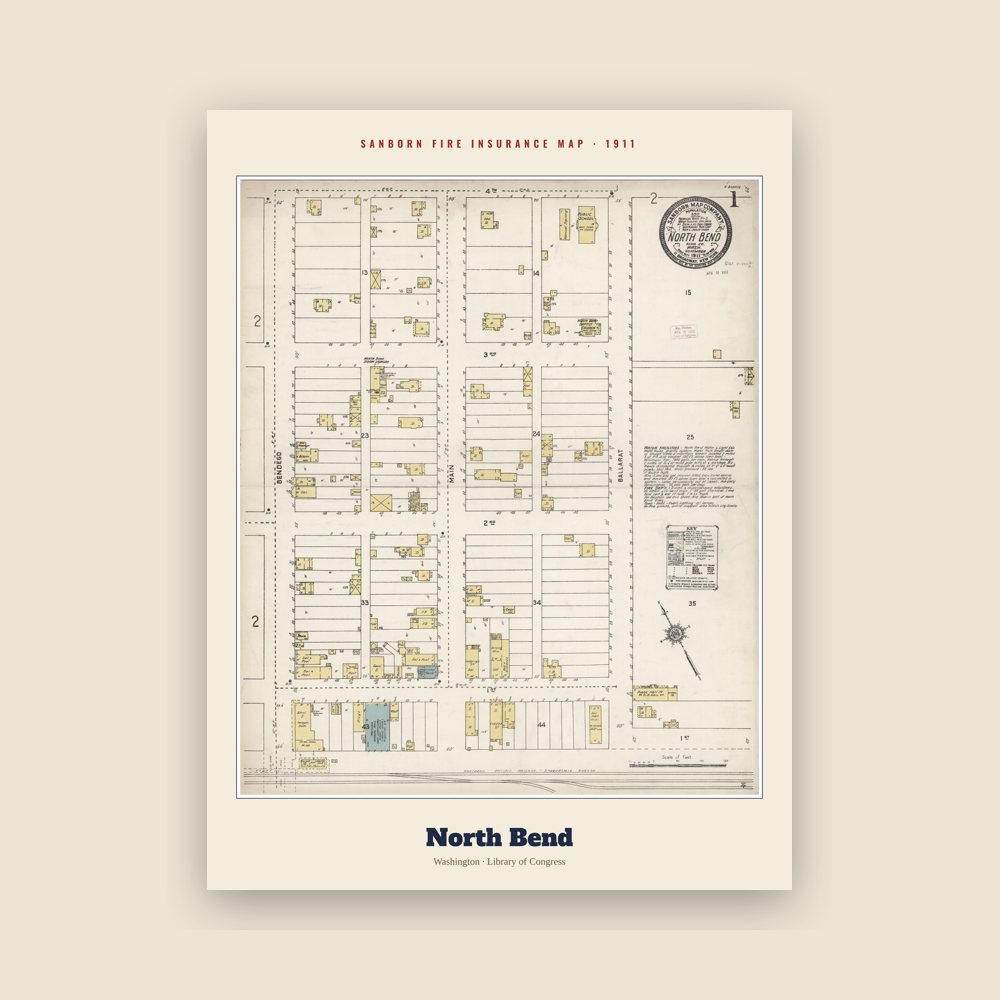
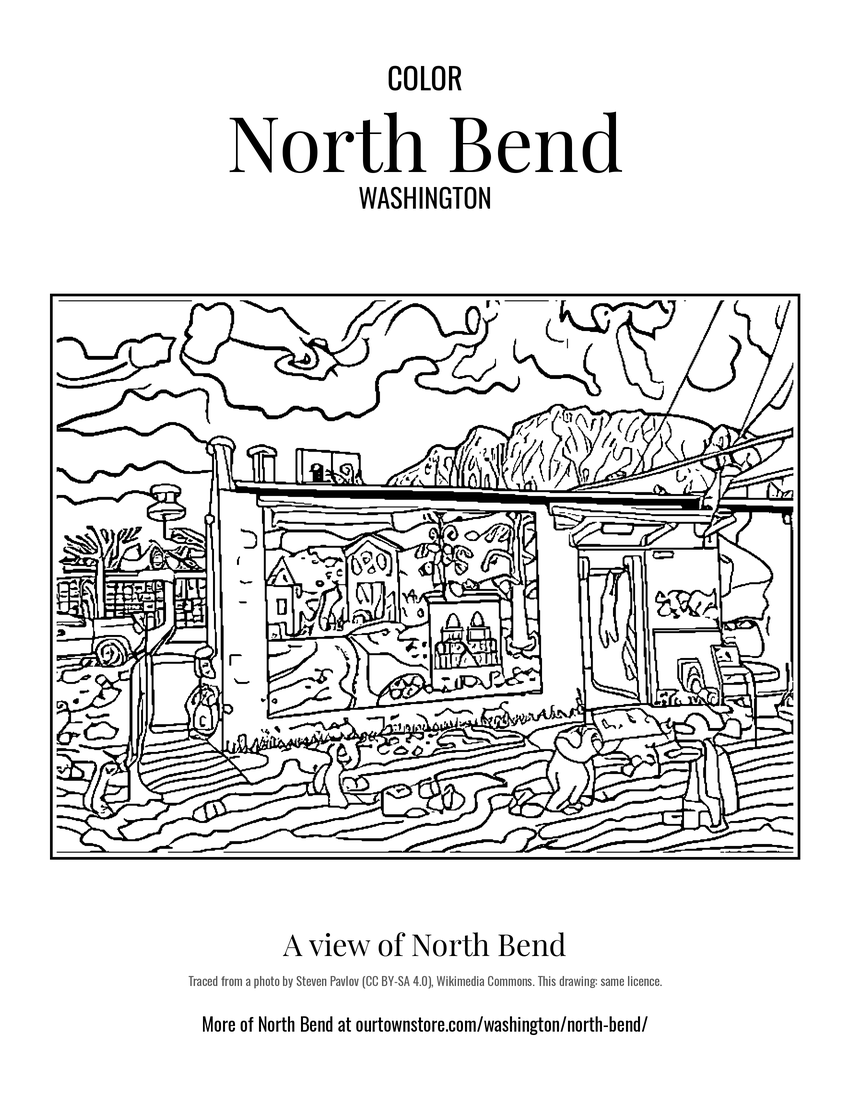 A view of North Bend