A short history of Enumclaw
The name Enumclaw is derived from the Sahaptin word /inɨmɬá/, meaning "he who makes noise", from to /ínɨmn/, "to neigh, bray, sing", and /-ɬa/, "he who". Sometimes it is said that "Enumclaw" translates as "place of evil spirits", apparently referring to Enumclaw Mountain, located about 6 miles (9.7 km) to the north. According to legend the mountain's name was derived from an evil incident that occurred there, or to the occasional powerful windstorms from the east that affect the region. Native American mythology tells the story of two brothers – Enumclaw and Kapoonis – who were turned into thunder and lightning, respectively, by their father. The City of Enumclaw says the name means "thundering noise".
One of the first white settlers in south King County was Allen L. Porter. In 1853, he claimed a 320-acre (1.3 km2) parcel on the White River, about three miles (5 km) west of the site of Enumclaw. He maintained a troubled relationship with the local Smalkamish tribe (some of the ancestors of the Muckleshoot tribe) for some time, and in 1855 his cabin was burned to the ground. Porter, who had been warned in advance by a friend in the tribe, hid in the woods until they had left. After warning the settlers at Fort Steilacoom, he left the area, moving to Roy. He would never return to Enumclaw.
Enumclaw itself was homesteaded in 1879 by Frank and Mary Stevenson. In 1885, the Northern Pacific Railroad routed their transcontinental mainline through the site, accepting their offer of cleared, level land on which to build a siding. Confident that the area would grow, the Stevensons filed a plat with King County that same year. They built a hotel and gave away lots for a saloon and a general store.
At first the people called the town 'Stevensonville' after the founders, who soon refused the honor. One resident suggested 'Enumclaw,' which was the name of the strange sawed-off promontory north of town. The name's uniqueness gained favor with the locals.
On January 11, 1895, Mount Baldy, a small peak above the town, "erupted" with tremendous fire and smoke, although no losses or damage were reported, and the conflagration was minimized by residents. Throughout the 1880s and 1890s the area was farmed for hops. When the hops crop failed due to pests and economic downturn, the residents turned to dairy farming, which has been a mainstay ever since. The first census listing Enumclaw in 1900 put the population at 483 people.
In the 1890s, the Northern Pacific Railroad rerouted their line through Palmer, a few miles to the east of town. In 1910, the Chicago, Milwaukee, St. Paul and Pacific Railroad routed a branch line through Enumclaw.
The city was incorporated on January 27, 1913. In 1929, a much-anticipated route to Eastern Washington was opened across the Naches Pass Highway. In the 1950s Enumclaw Insurance Group greatly expanded its business and the home office became a major employer in the town. The company is an insurer doing business in Washington, Oregon, Idaho and Utah.
In 2005 the Enumclaw horse sex case occurred on a farm five miles (8 km) northwest of Enumclaw towards Auburn, in unincorporated King County. A Boeing aerospace engineer named Kenneth Pinyan from Gig Harbor died after receiving anal sex from a horse at the farm. The case and the surrounding media attention led to Washington State banning bestiality.
Adapted (trimmed) from the Wikipedia article Enumclaw, Washington, revision 1379966623 by its contributors, licensed CC BY-SA 4.0.

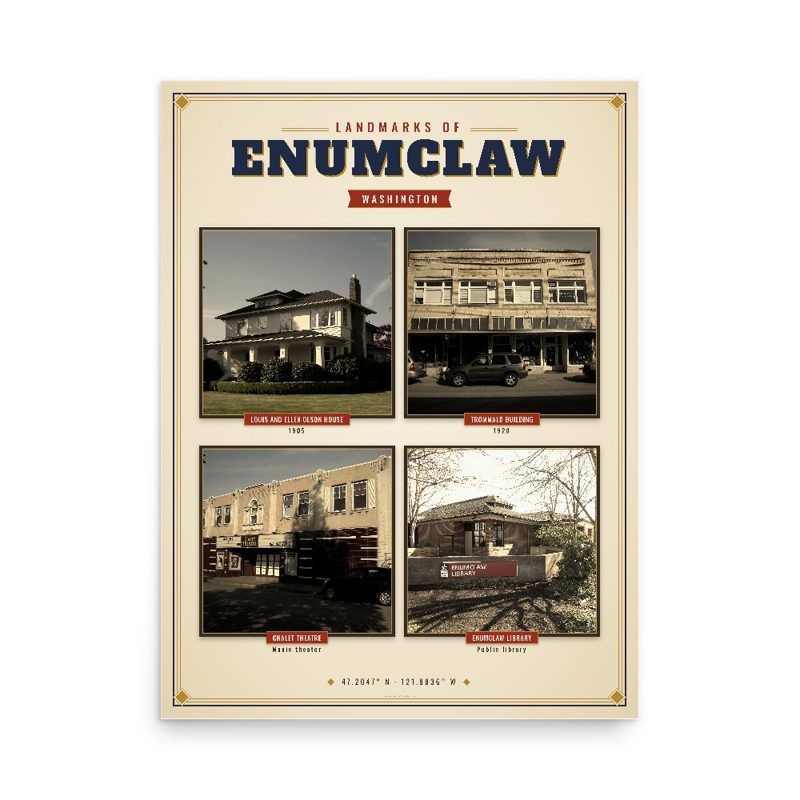
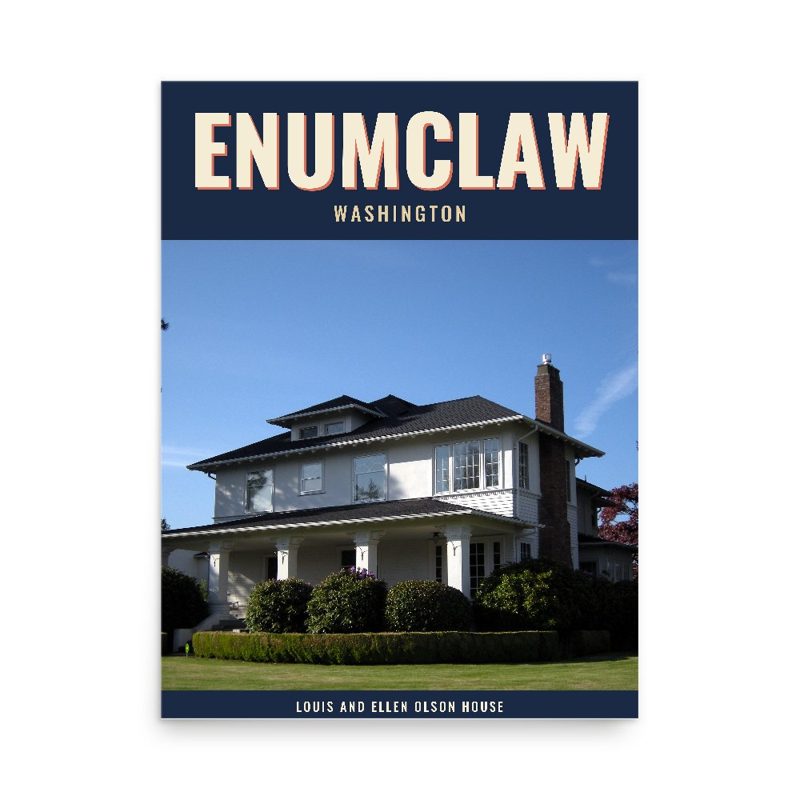
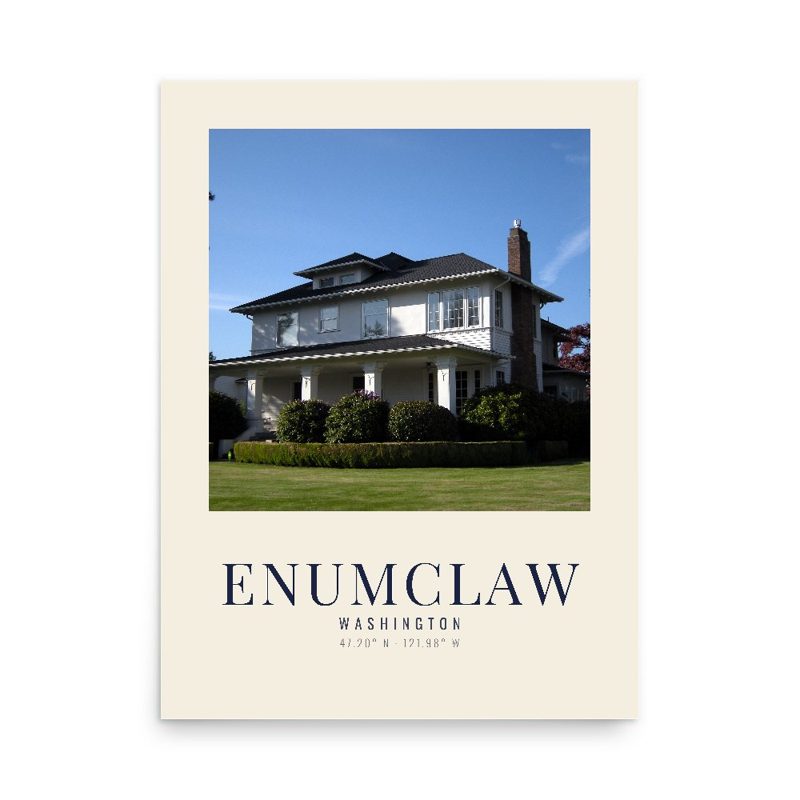
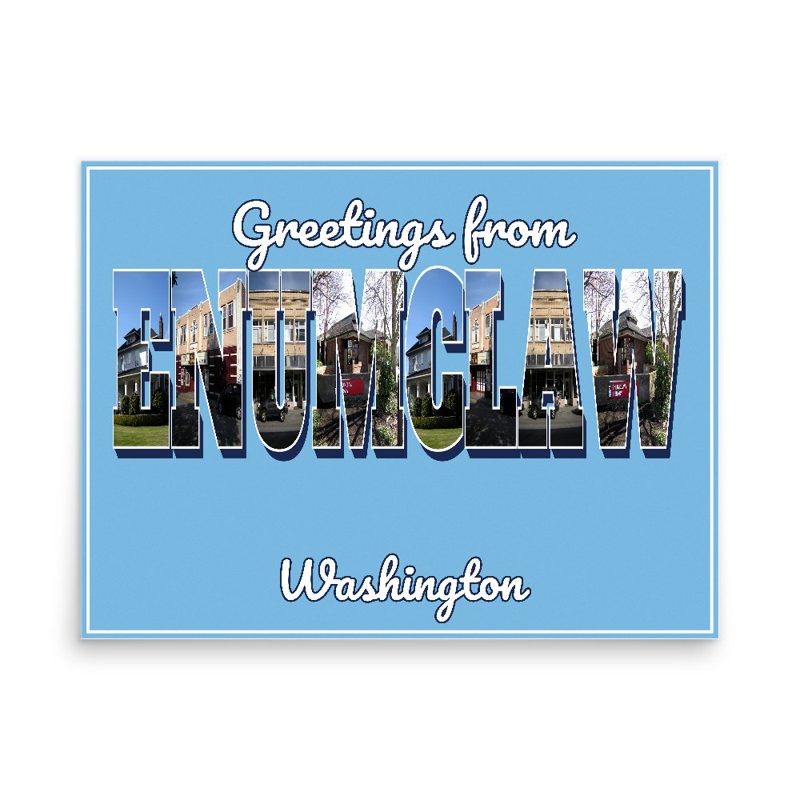
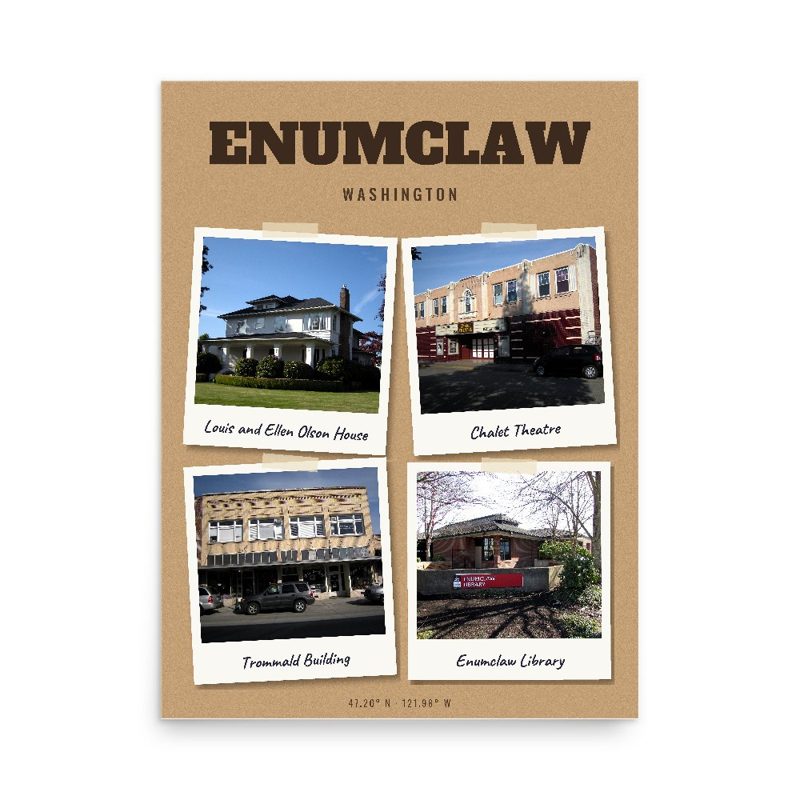
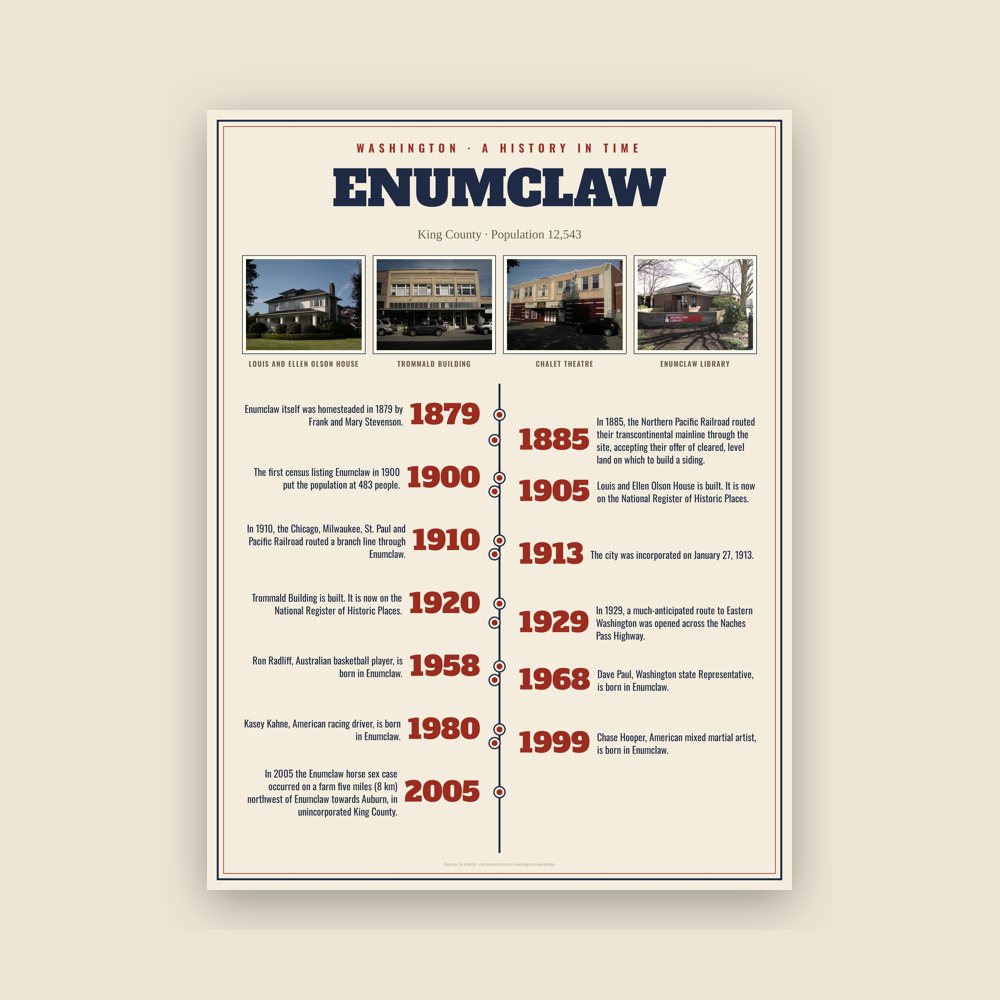
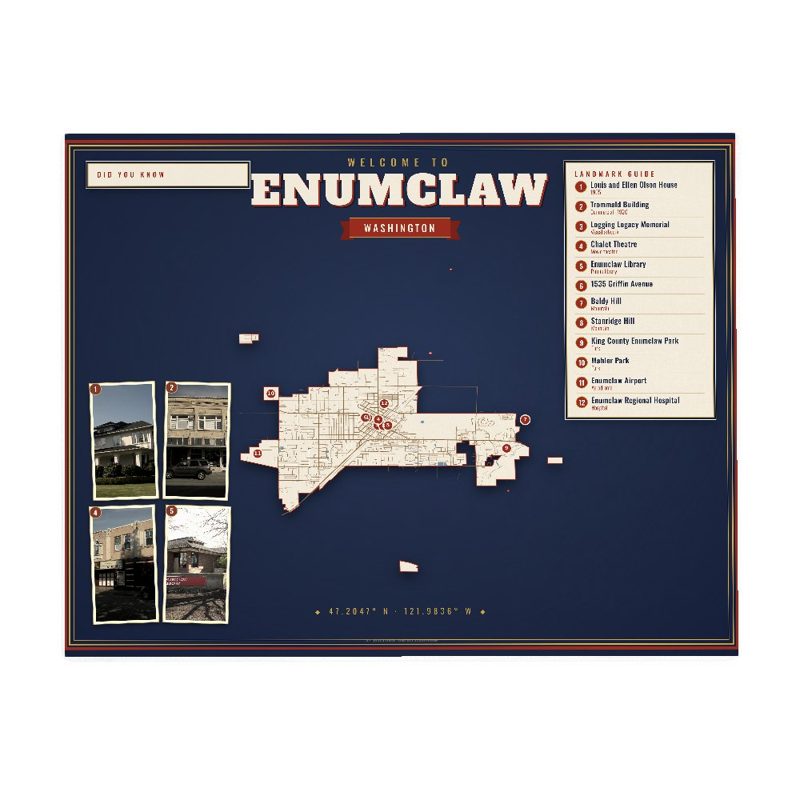


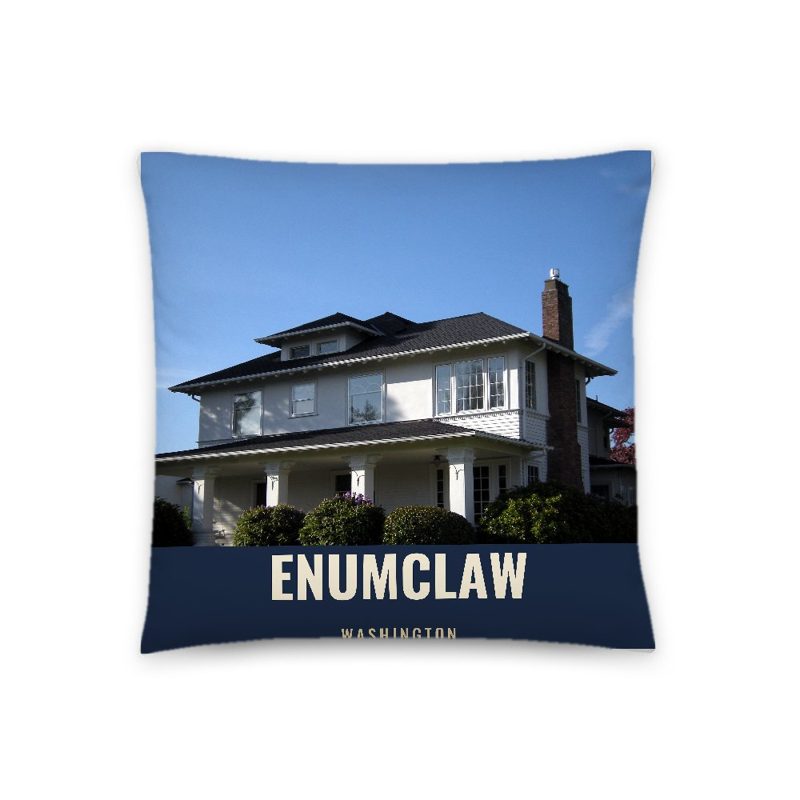


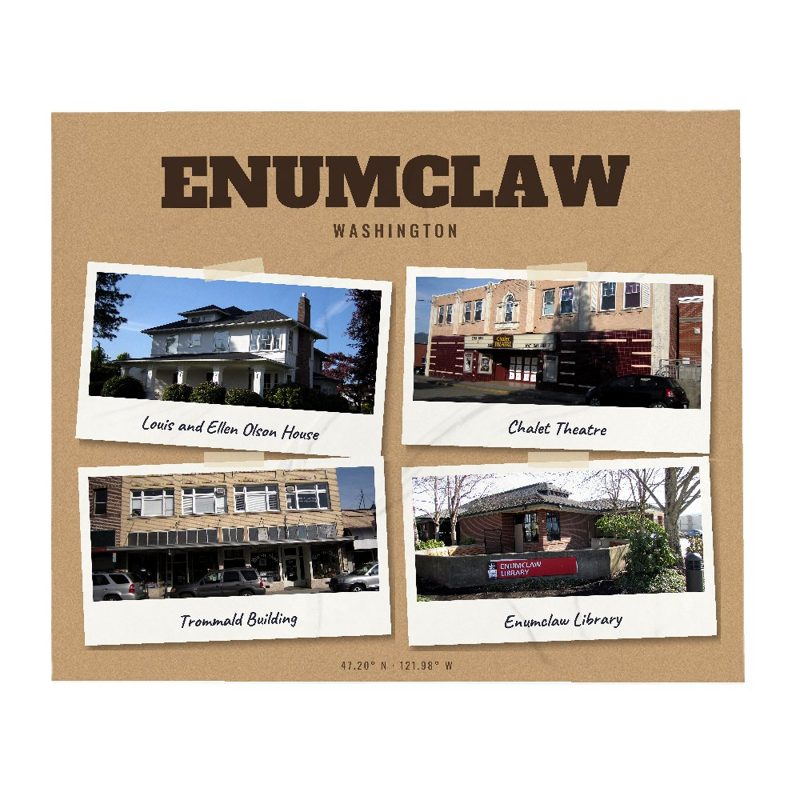
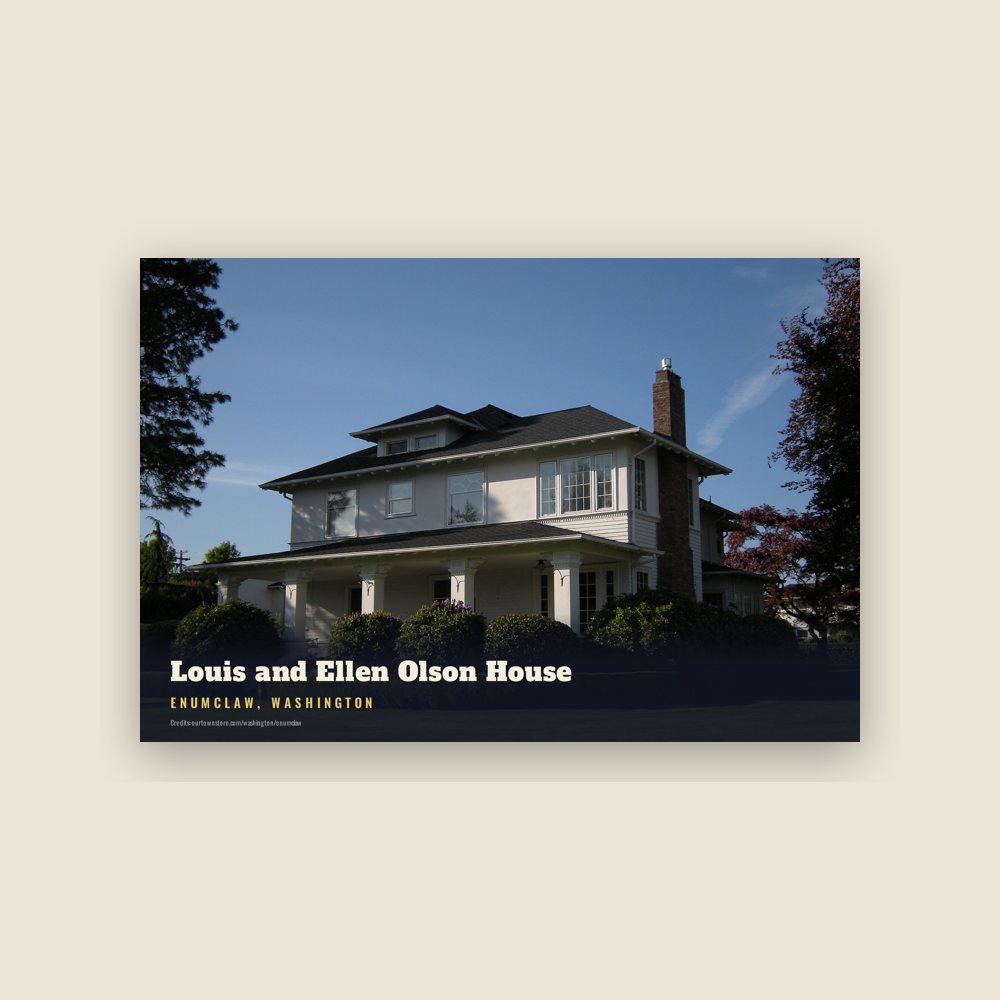
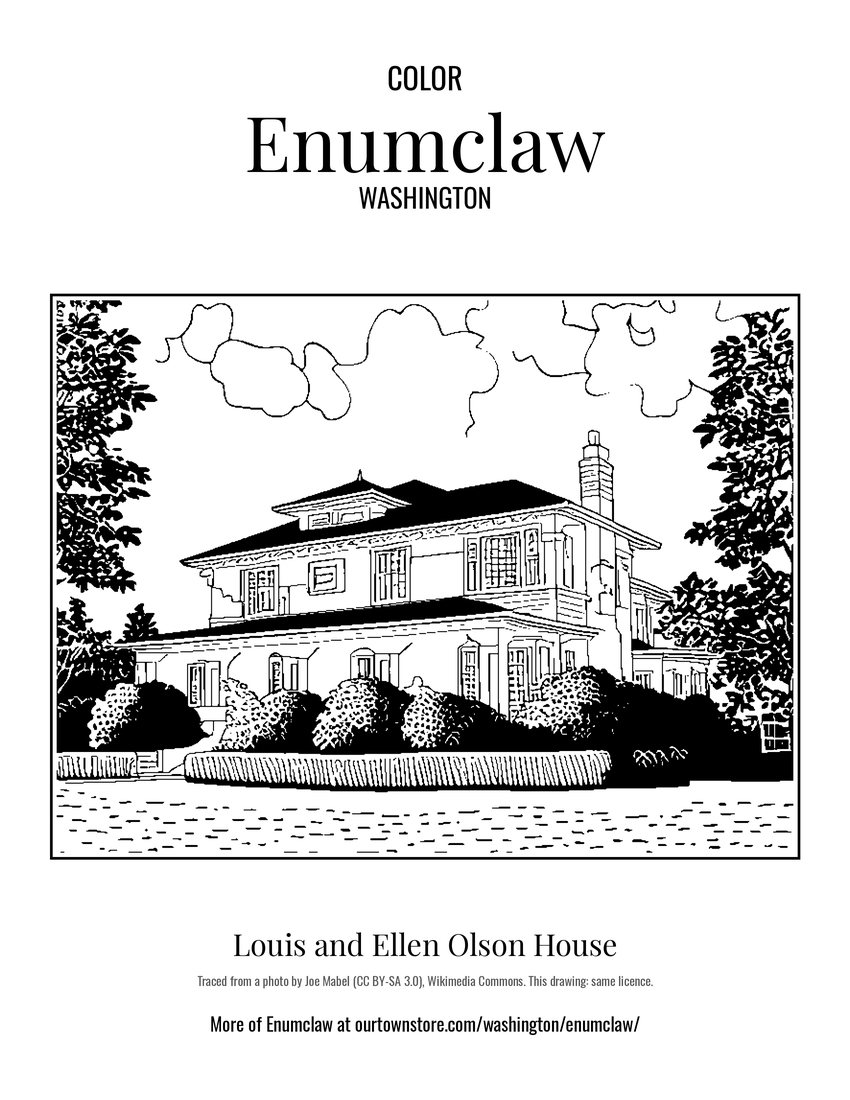 Louis and Ellen Olson House
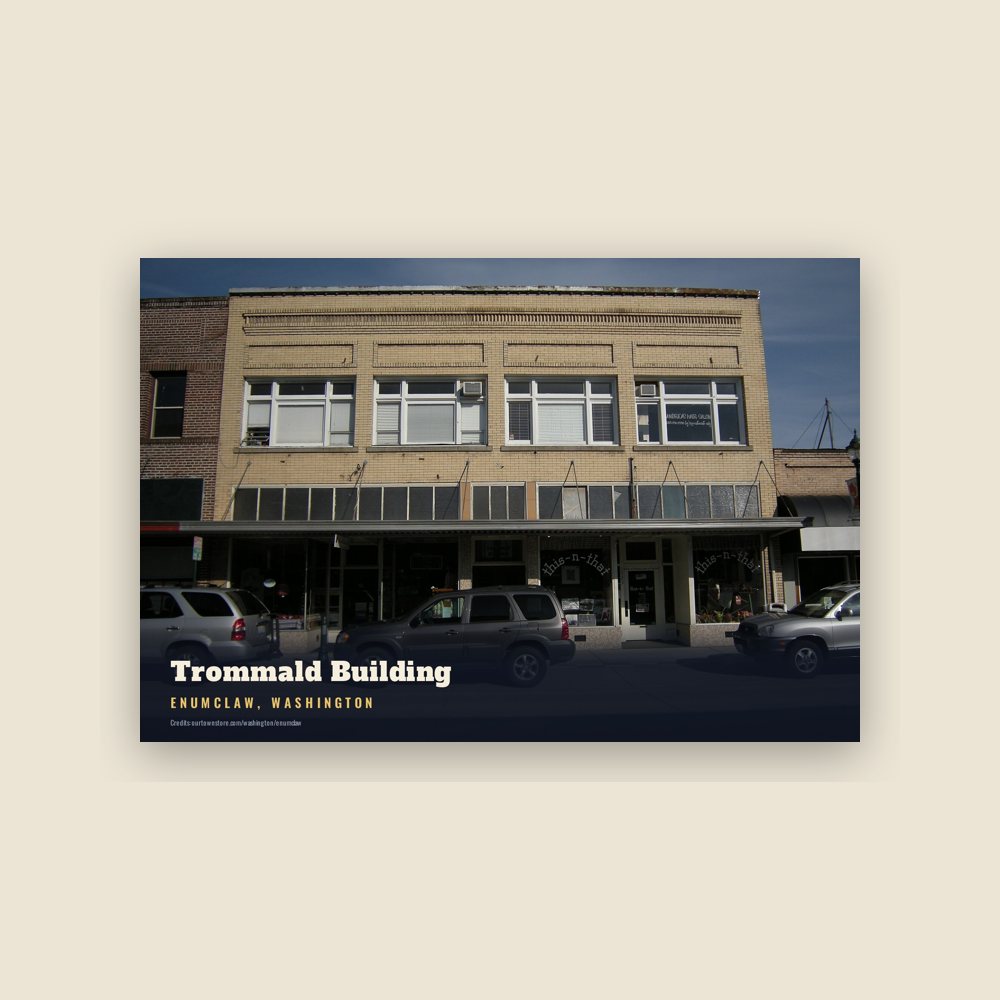
 Trommald Building
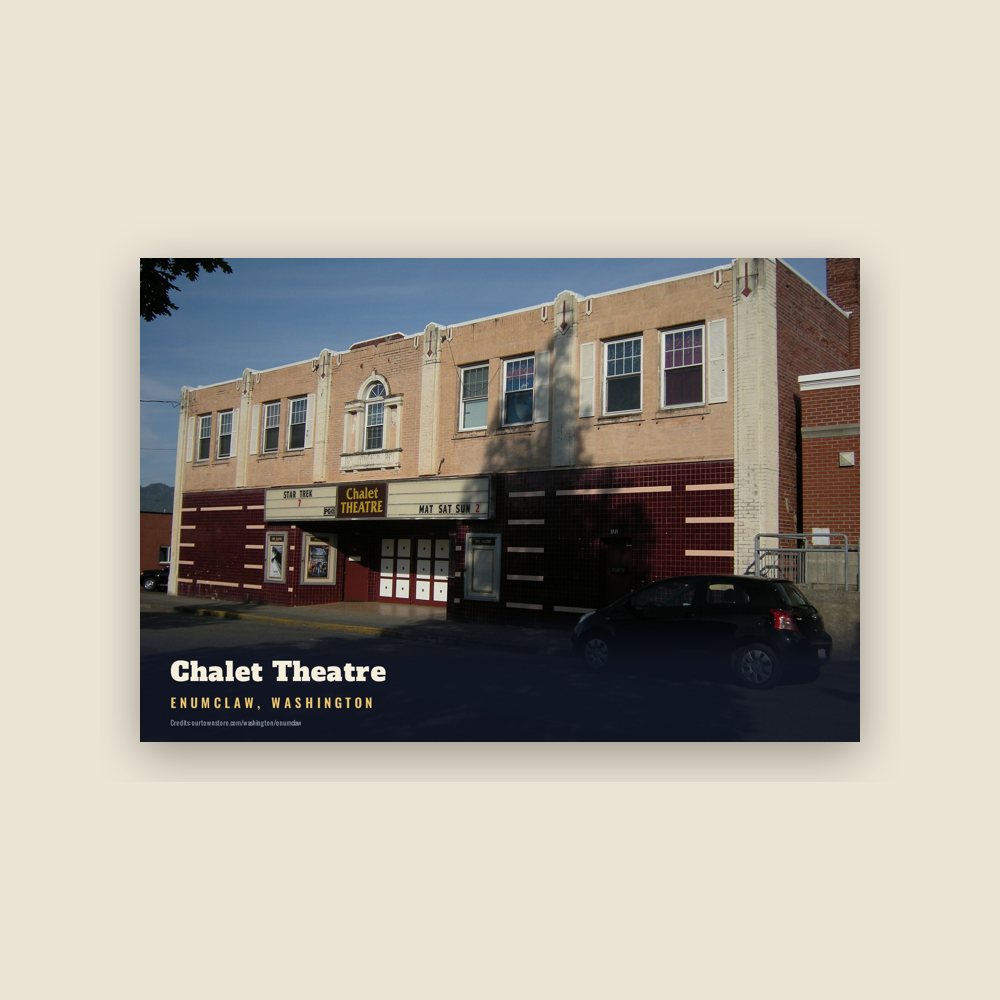
 Chalet Theatre
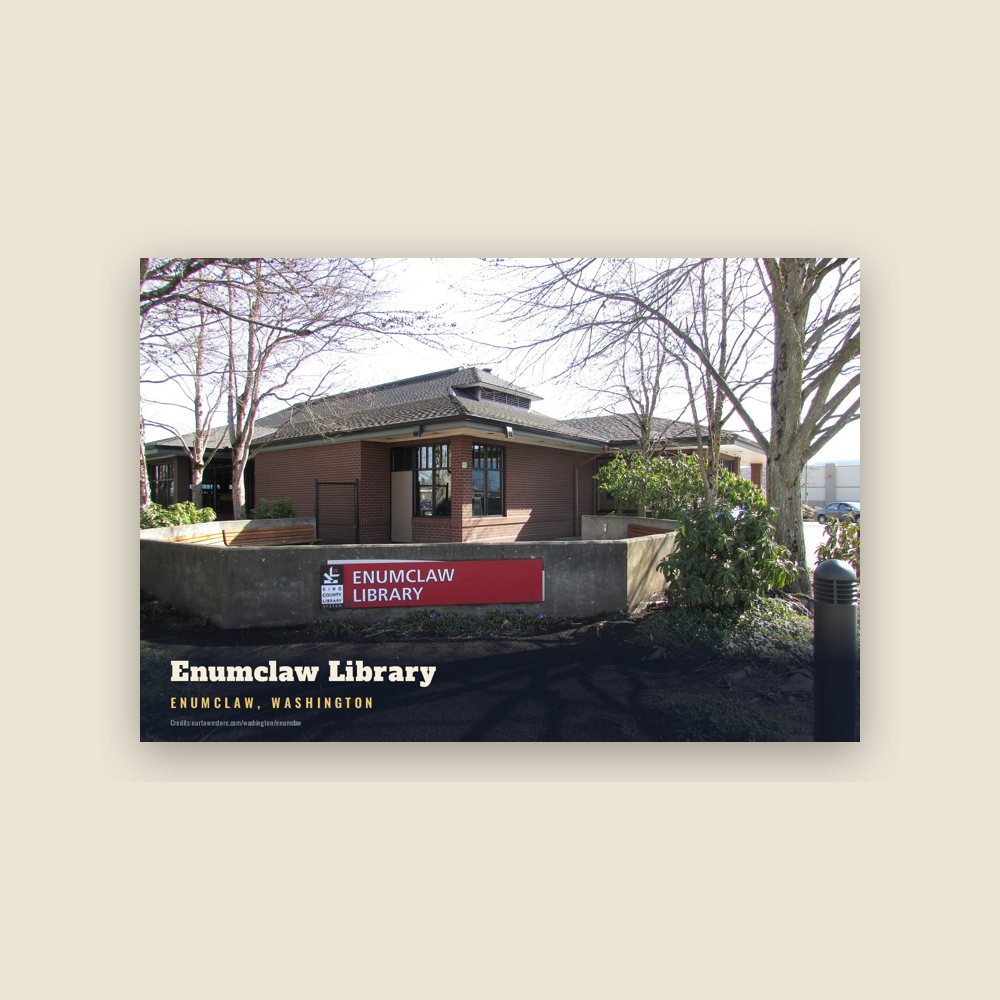
 Enumclaw Library