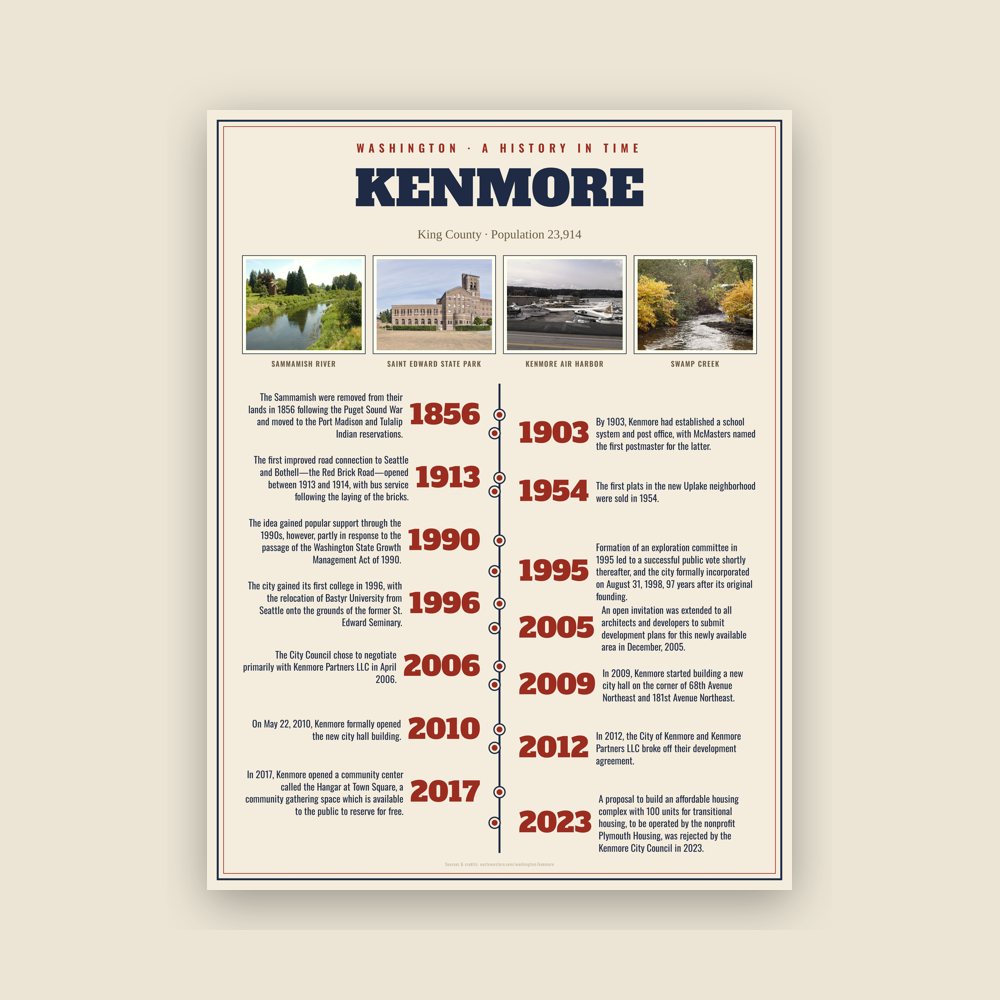
The Sammamish River valley from Lake Washington to Issaquah Creek was historically inhabited by the indigenous Sammamish people (also known as the "s-tah-PAHBSH", or "willow people"), a Coast Salish group with an estimated population of 80 to 200 by 1850. Among them were the "ssts'p-abc" ("meander dwellers"), who settled near the river's mouth at two villages—the larger of which was "tlah-WAH-dees" between modern-day Kenmore and Bothell. The Sammamish were removed from their lands in 1856 following the Puget Sound War and moved to the Port Madison and Tulalip Indian reservations. The forested land that would become Kenmore was then owned by Philo Remington of E. Remington and Sons, who subsequently sold it to son-in-law Watson C. Squire, a former governor of the Washington Territory.
Read the full history
Early 20th century
Scotsman John McMasters and his wife Annie arrived in Puget Sound in May 1889 from Kenmore, Ontario, intending to establish themselves in the shingle-making trade. McMasters and his business partner, Chris Kruse, leased land from Squire and opened a shingle mill on the northeastern shore of Lake Washington on January 1, 1901. Establishing a company town alongside the mill for his employees, McMasters named it after his earlier hometown in Canada, which in turn was named after the village in Scotland, registering the name with the state on January 10. By 1903, Kenmore had established a school system and post office, with McMasters named the first postmaster for the latter.
Despite cargo railway service passing through the area as early as 1887 via the Seattle, Lake Shore and Eastern Railway, most access to the city in its early days was by boat, with regular ferry service to Seattle, Bothell, and Woodinville starting in 1906. The city later gained a passenger railroad stop. The first improved road connection to Seattle and Bothell—the Red Brick Road—opened between 1913 and 1914, with bus service following the laying of the bricks. As a result, Kenmore became a country retreat for weekend gardeners with local landowners selling off clear-cut "garden plots" to Seattlites with automobiles and green thumbs. It attracted at least two short-lived nudist camps during the 1920s.
Far more striking, however, was the impact of Prohibition. Kenmore quickly became famous in Seattle for its fine country dining and, more importantly, its fine country drinking, as a substantial illegal alcohol industry developed to meet the demands of Jazz Age Seattle nightlife. Although relatively close to Seattle proper thanks to Bothell Way's status as one of the few improved roads then heading north from downtown it was nonetheless far enough out that Department of Revenue officers could, for the most part, ignore it.
The Blind Pig, a roadhouse on Shuter's Landing at Lake Washington, was probably the most famous of the Kenmore speakeasys. At the lakeside, its illegal hooch could be dumped into the lake quickly and easily should it become necessary. Few people were fooled; the name itself was, in fact, a well-known slang term meaning "speakeasy". But despite its notoriety, the Pig was not even the city's most infamous saloon. Routine violence and fist-fights at the Inglewood Tavern earned that establishment an alternative name: the Bucket of Blood.
This archipelago of dining and entertainment – over 30 different restaurants, dance halls, bars, and clubs in a three-block area – remained a major part of Kenmore's identity through the 1940s.
Great Depression, World War II and post-war redevelopment
Once the Great Depression hit, Kenmore became home for a small settlement of workers under President Franklin D. Roosevelt's Back to the Land program. Paid by the Works Progress Administration, a small number of workers were resettled in an area of north-central Kenmore where lumberjacks and their wives had been known to settle before, which became known as "Voucherville", after the vouchers the WPA paid between rounds of employment in lieu of a cash salary.
After the end of World War II, Kenmore became home to US Army Nike Hercules missile batteries as part of cold-war era defense plans. These nuclear-tipped anti-aircraft missiles were intended to protect Seattle and environs from Soviet bombers, should war break out. They were removed in 1974.
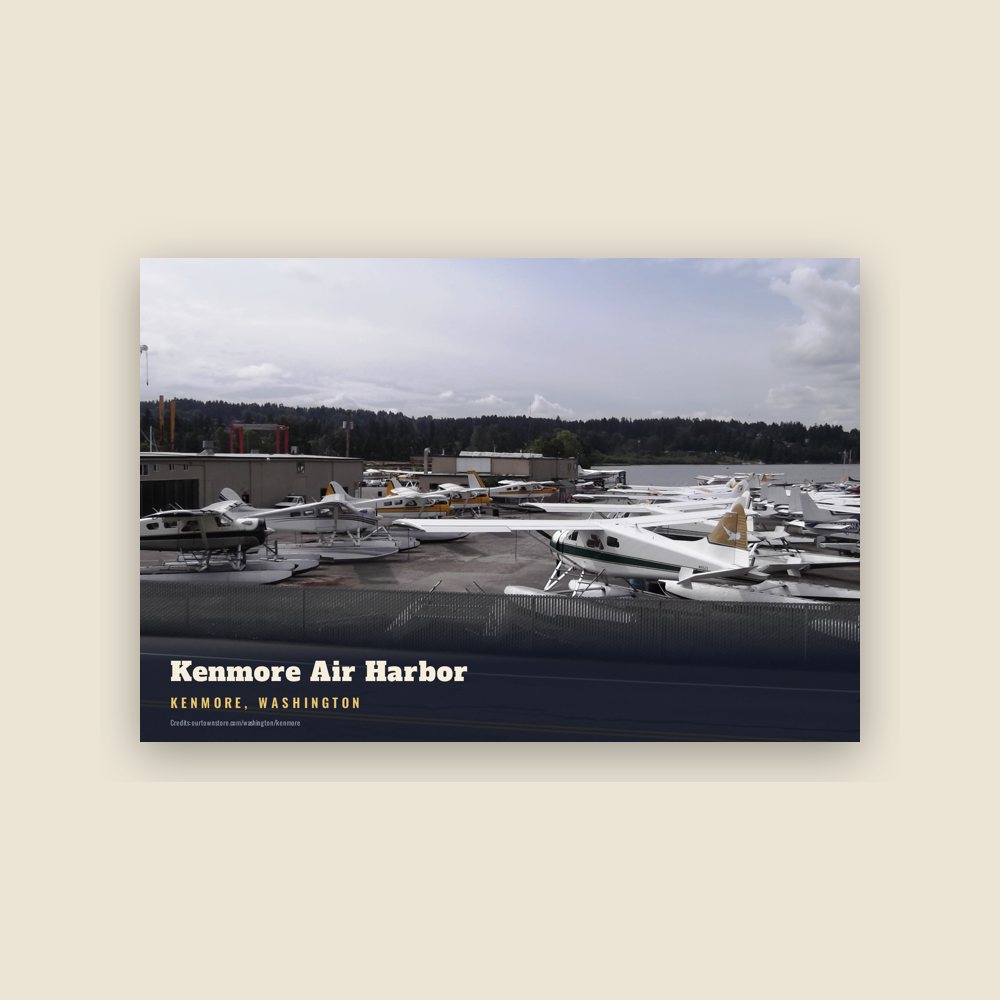
The post-war era largely transformed downtown. Kenmore Air Harbor, which today is one of the world's largest seaplane-only airports, opened not far from the old location of the Blind Pig; Kenmore Air itself today runs a fleet of seaplanes serving waterside destinations throughout Cascadia. At the same time, Kenmore's immediate proximity to Seattle—just two miles (3 km) north of modern Seattle city limits— made it an early target of post-war housing development. The first plats in the new Uplake neighborhood were sold in 1954. Housing development continued throughout the Kenmore area for the next several decades, mostly following the postwar suburban model; industrial and commercial growth followed quickly behind, and within a few decades, most of the old Kenmore dining and drinking had vanished, replaced by shopping centers, industrial development, and housing. However, one part of this new development brought its own history along with it: the Jewel Box Building in downtown Kenmore is a Seattle World's Fair artifact, moved from Seattle Center to Kenmore after the end of the fair in October, 1962.
1954–present: Incorporation and downtown revitalization
Kenmore residents considered incorporation many times since the town's founding; one such incorporation vote failed in 1954. The idea gained popular support through the 1990s, however, partly in response to the passage of the Washington State Growth Management Act of 1990. Formation of an exploration committee in 1995 led to a successful public vote shortly thereafter, and the city formally incorporated on August 31, 1998, 97 years after its original founding.
Following incorporation, the new government set about devising a local set of zoning codes and a downtown development plan with the intent of reviving and rebuilding the traditional core areas of the city. A significant component of this plan involved extensive use of land now owned by the city, in the area known within the plan as the Northwest Quadrant. An open invitation was extended to all architects and developers to submit development plans for this newly available area in December, 2005. The City Council chose to negotiate primarily with Kenmore Partners LLC in April 2006. Design plans were submitted to the city the following summer, with a conceptual overview made available to the public at the same time. In 2012, the City of Kenmore and Kenmore Partners LLC broke off their development agreement. After the split, Kenmore sold off 4.75 acres of former park and ride property in 2013 and sold two parcels north of Town Square in 2016 to MainStreet Property Group LLC to develop into mixed-use buildings. In 2017, Kenmore opened a community center called the Hangar at Town Square, a community gathering space which is available to the public to reserve for free.
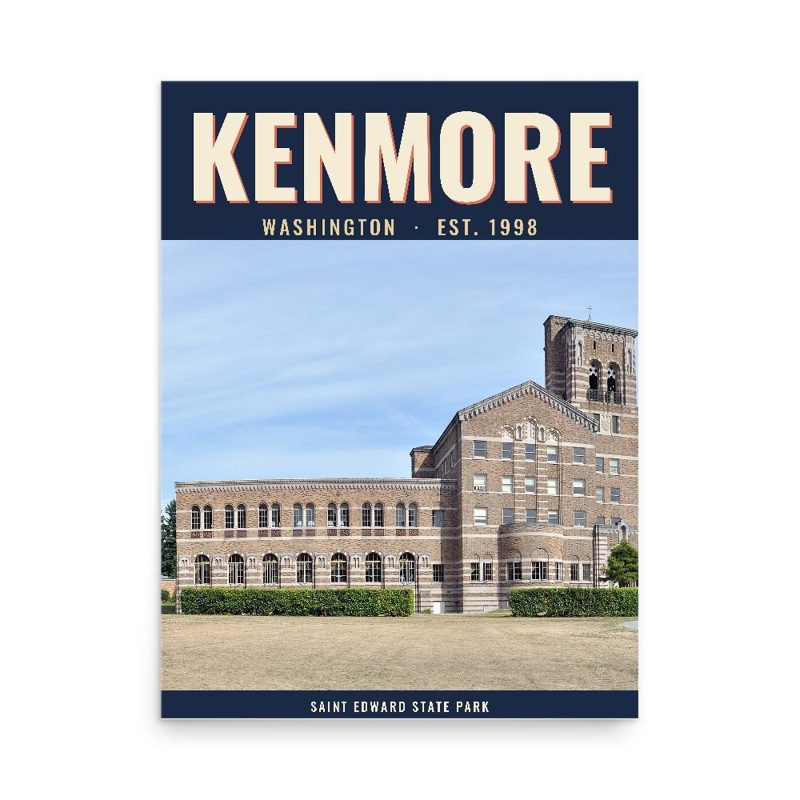
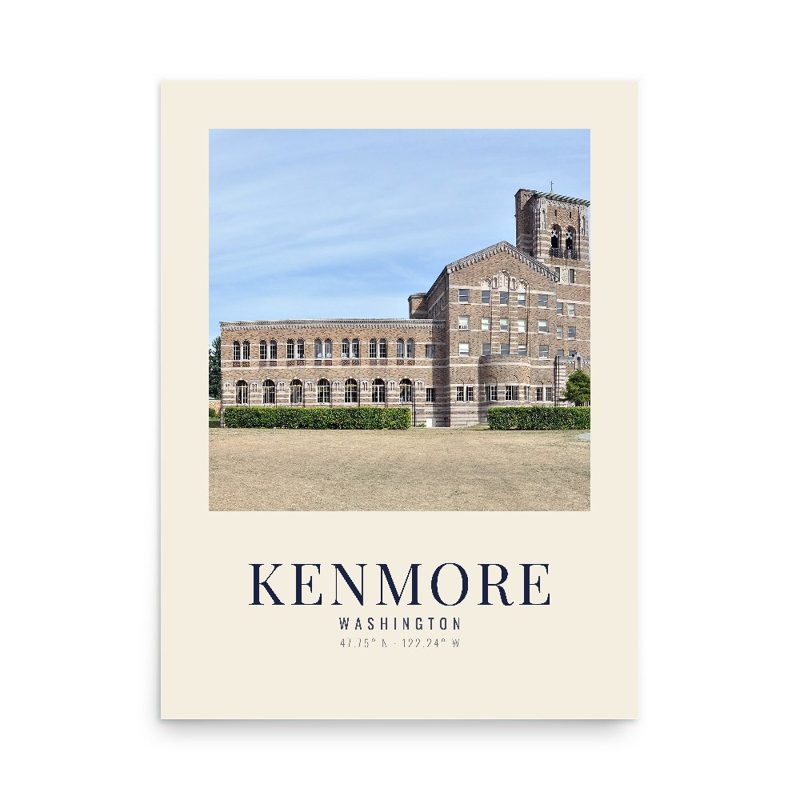
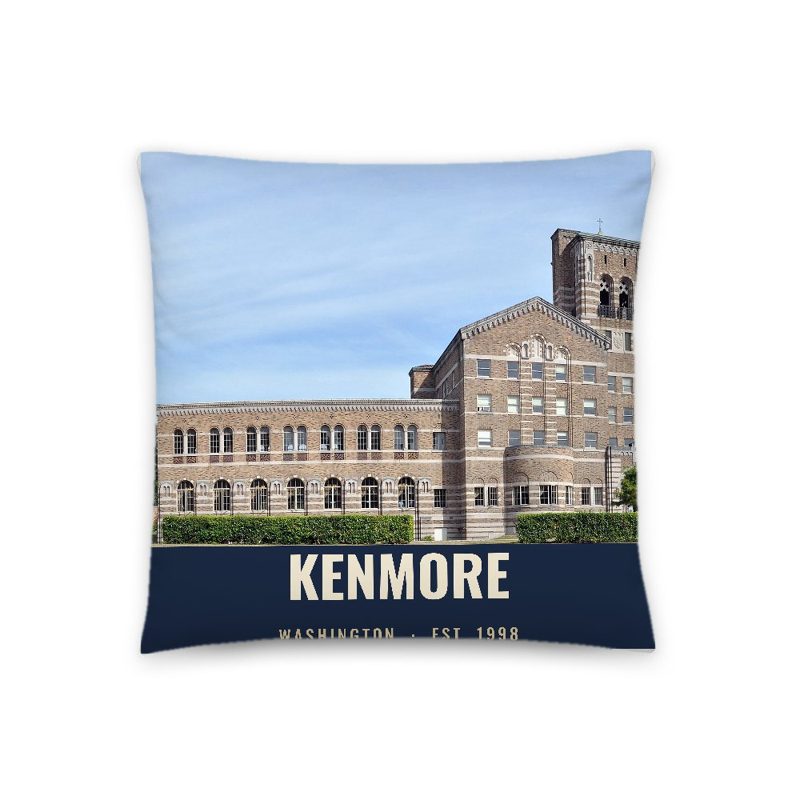
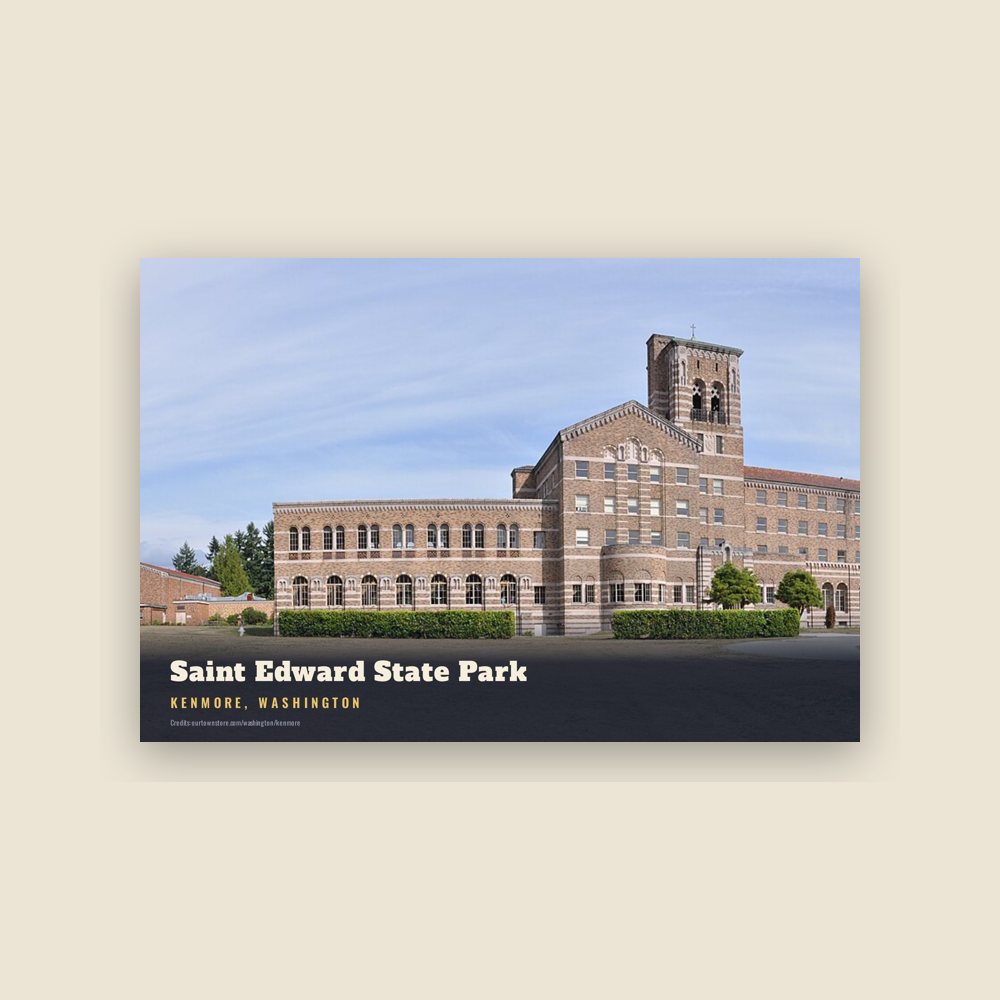
The city gained its first college in 1996, with the relocation of Bastyr University from Seattle onto the grounds of the former St. Edward Seminary.
Kenmore's oldest roads, now known most often by their county-assigned number systems, originally had more traditional names such as Cat's Whiskers Road (61st Avenue NE), Squire Boulevard (later Red Brick Road, now Bothell Way/SR 522), and Remington Drive (NE 181st Street). These traditional names were reinstated in 2007 as secondary names in the downtown area.
In 2009, Kenmore started building a new city hall on the corner of 68th Avenue Northeast and 181st Avenue Northeast. The building received a LEED gold rating and features solar panels, energy efficient lighting, and a rain garden among other energy-saving features. On May 22, 2010, Kenmore formally opened the new city hall building.
A proposal to build an affordable housing complex with 100 units for transitional housing, to be operated by the nonprofit Plymouth Housing, was rejected by the Kenmore City Council in 2023. Several councilmembers claimed that they were unaware that the project would be used for transitional housing, which was opposed by some local residents. The decision was criticized by local leaders and housing advocates; the state funding allocated for the project was instead redirected to a 100-unit affordable housing complex that Plymouth Housing proposed in Redmond.
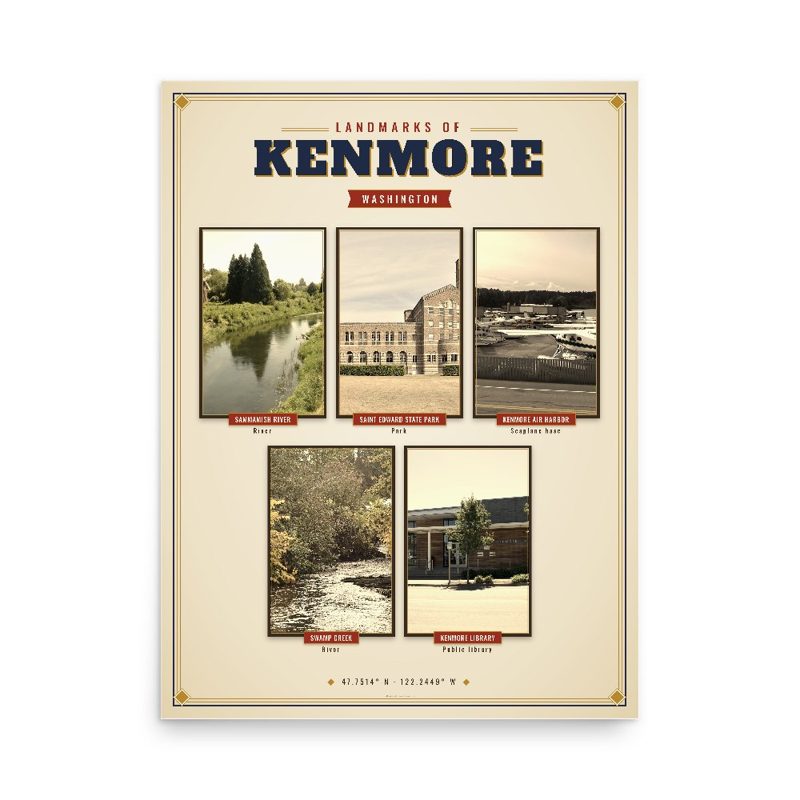
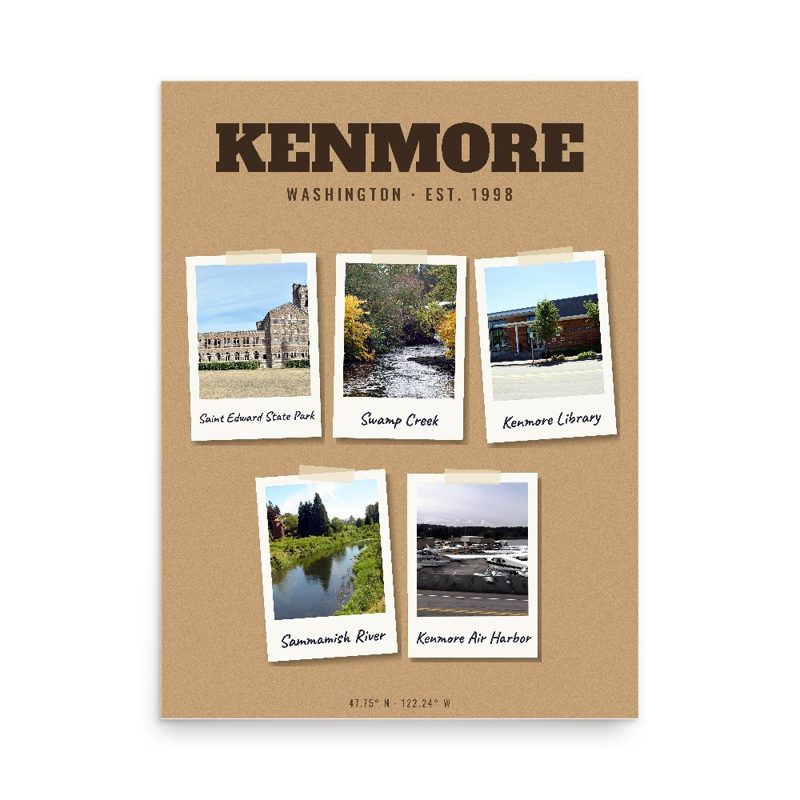
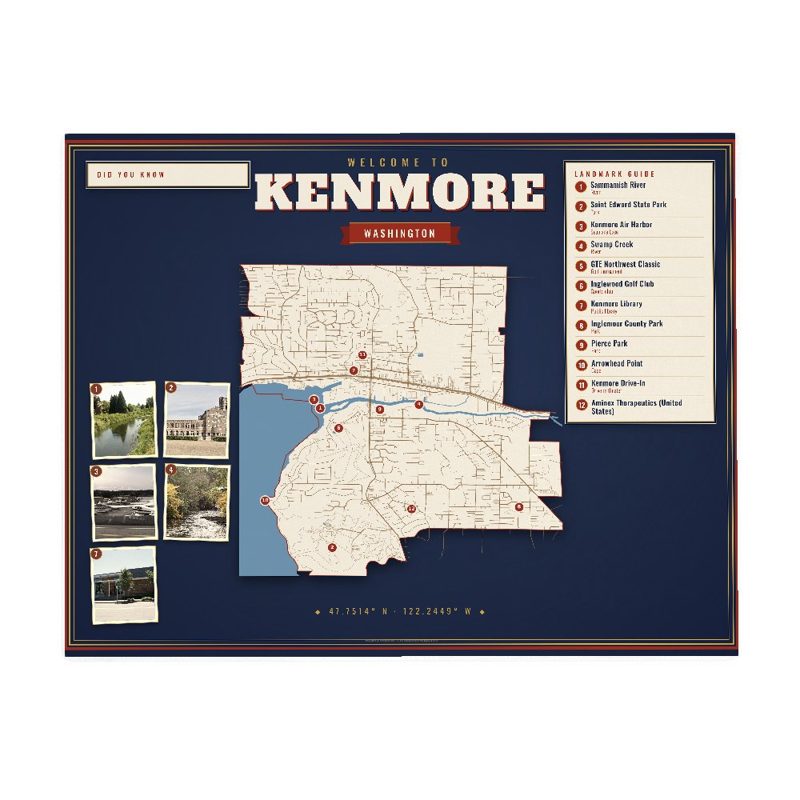
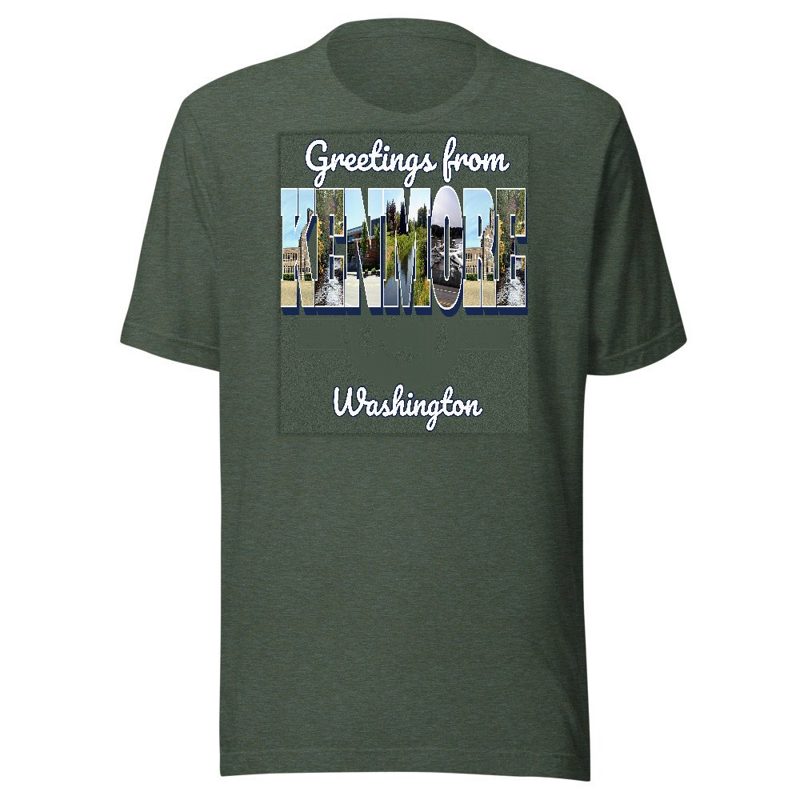
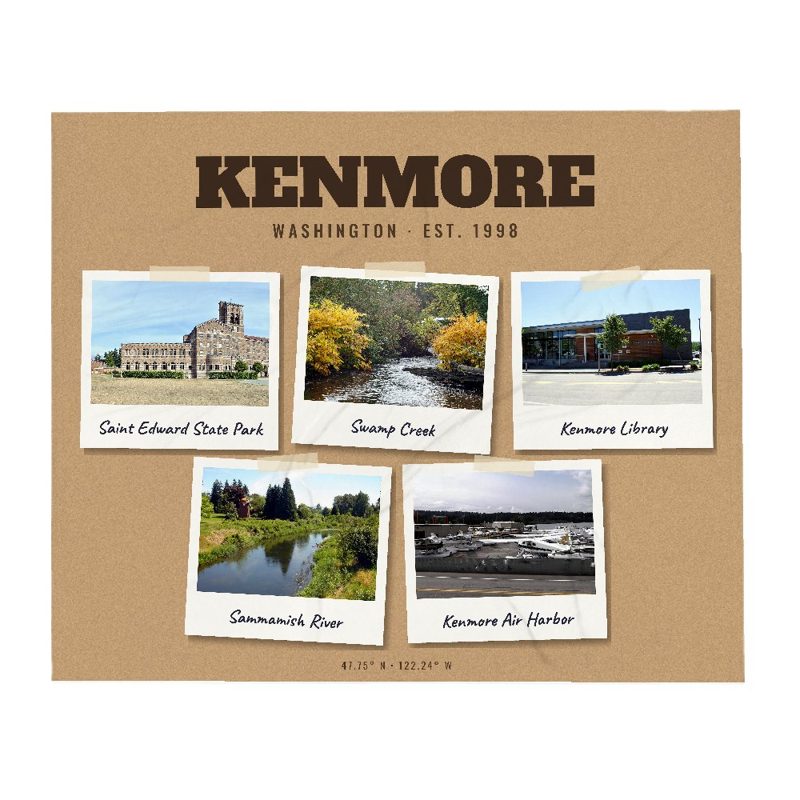
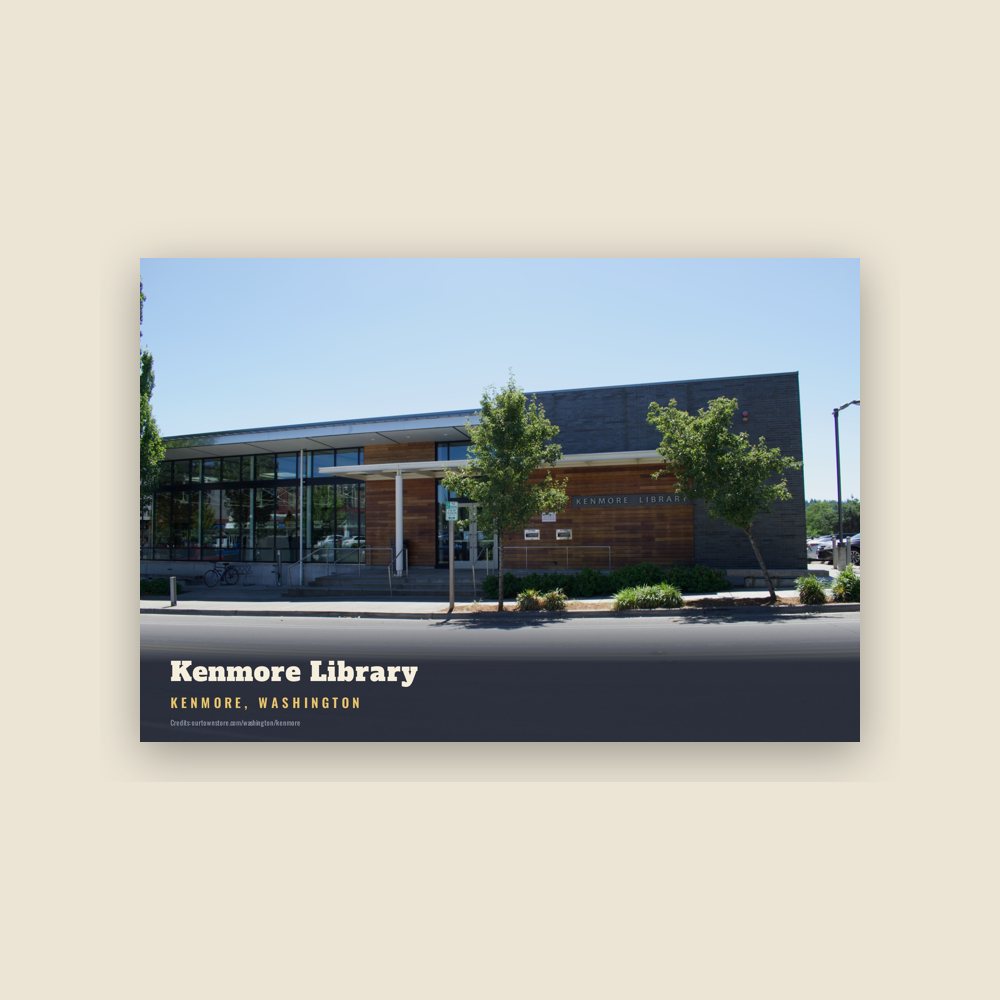
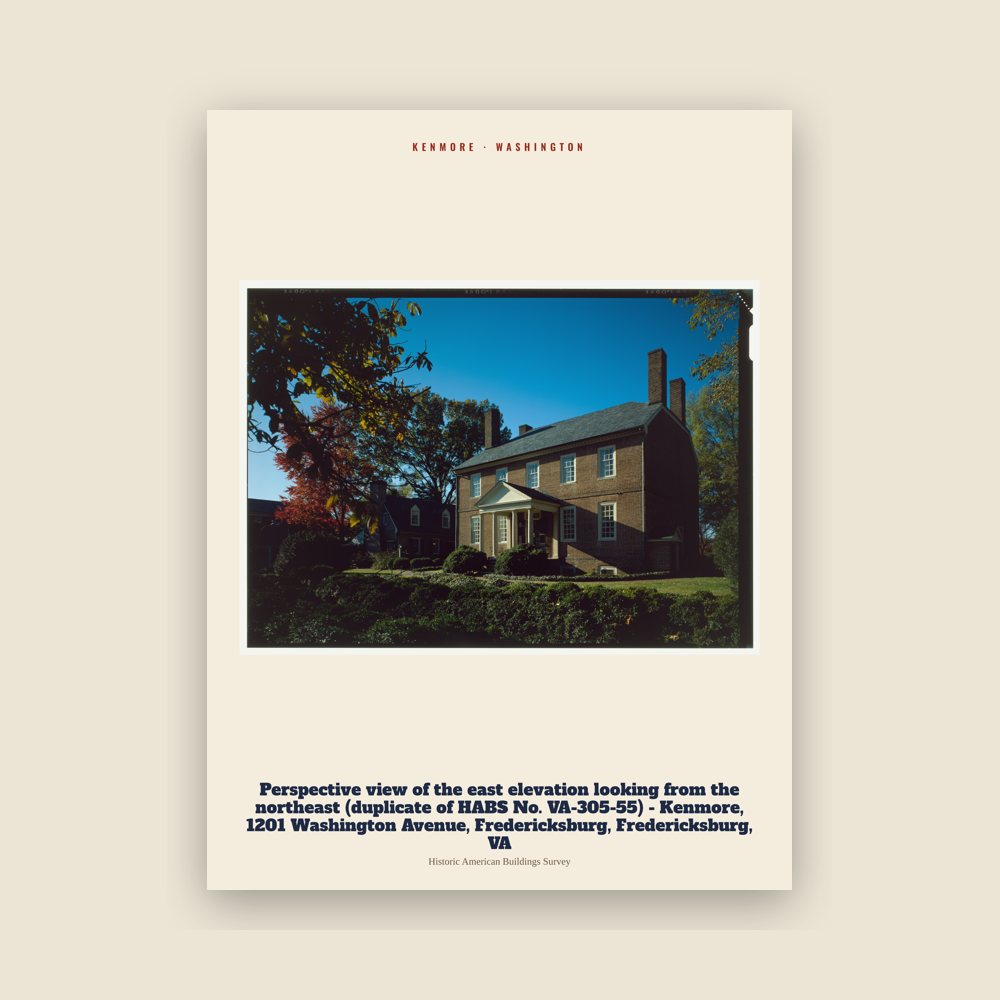
 Kenmore Library
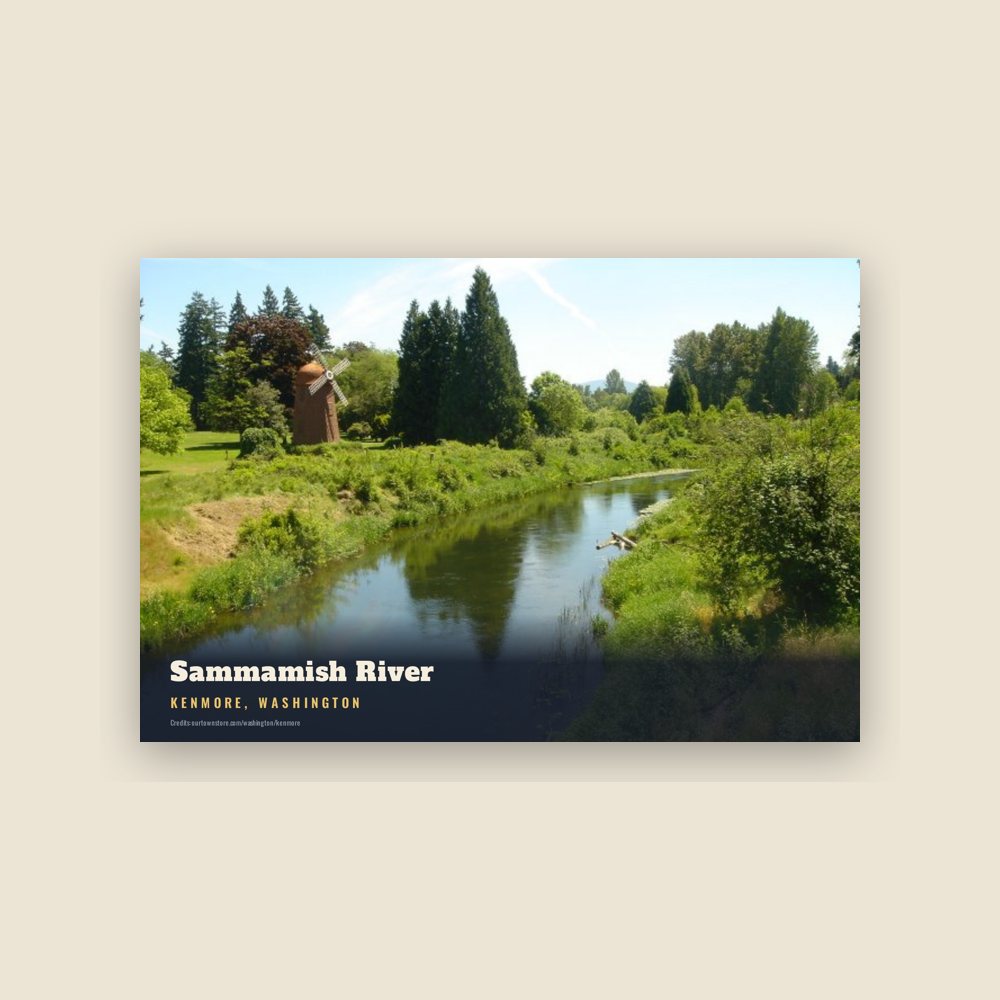
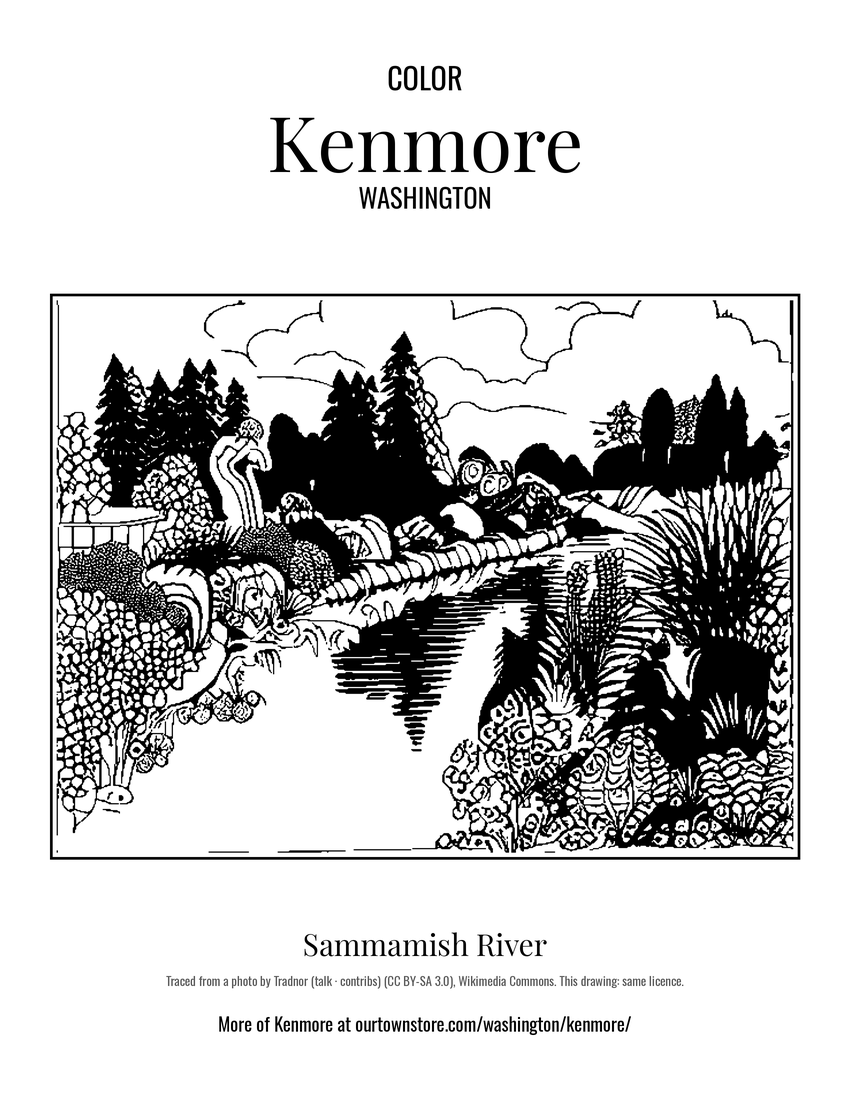 Sammamish River
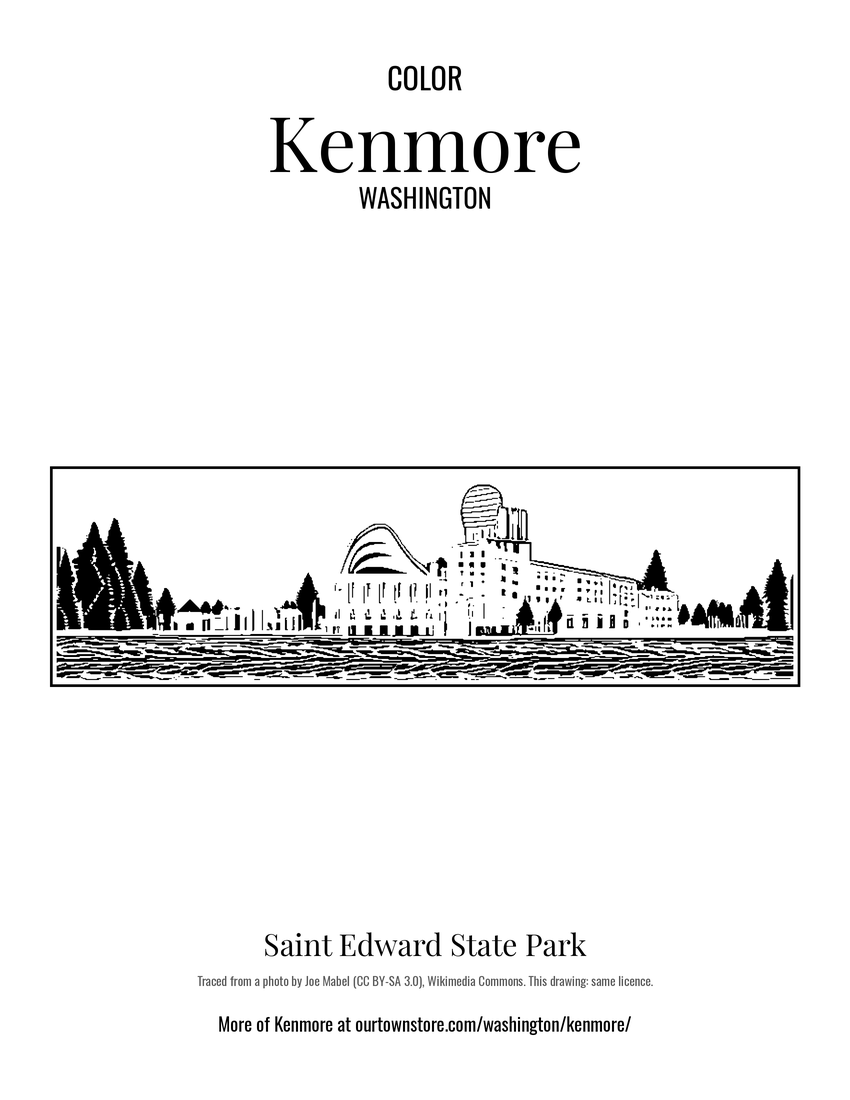 Saint Edward State Park
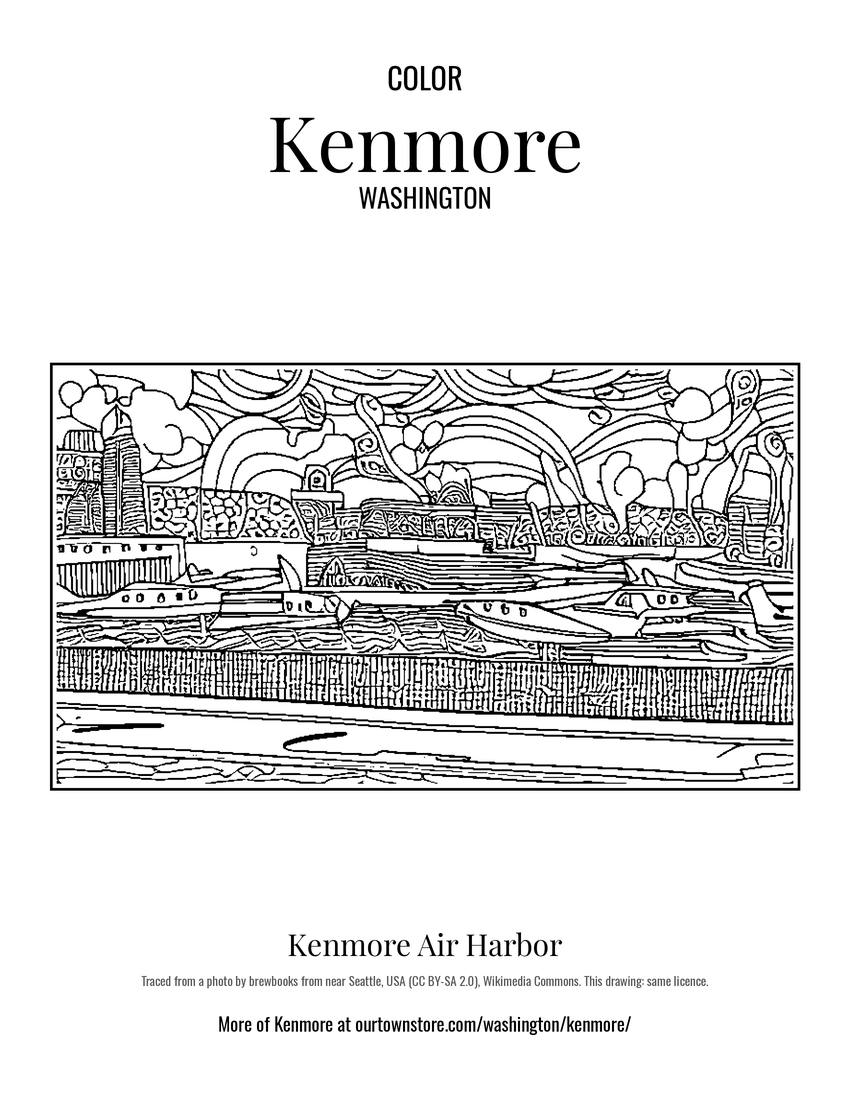 Kenmore Air Harbor