Since 1892
A short history of Issaquah
"Issaquah" is an anglicization of the Southern Lushootseed placename /sqʷáxʷ/, meaning either "the sound of birds", "snake", or "little stream". "Squak Valley", an older name for the area, also derives from this same Native American name.
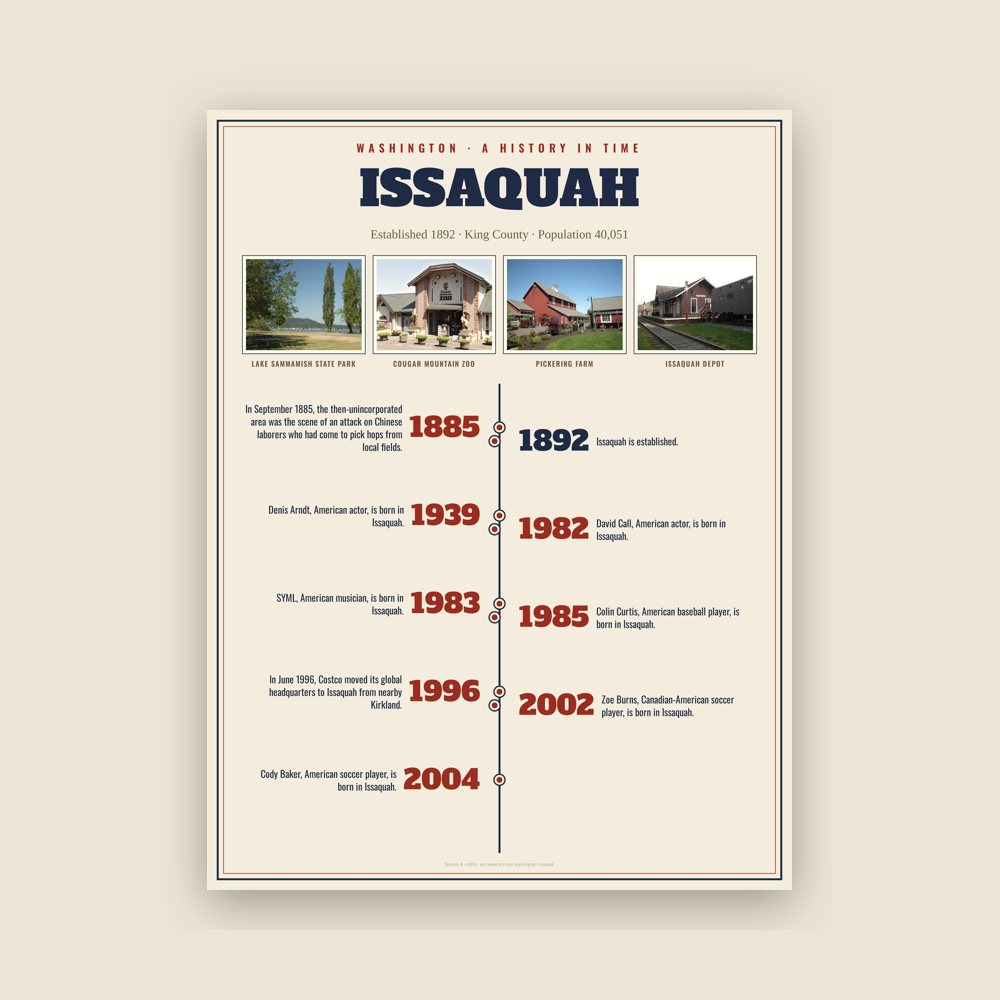
In September 1885, the then-unincorporated area was the scene of an attack on Chinese laborers who had come to pick hops from local fields. Three of the laborers died from gunshot wounds; seven attackers were indicted, but they were later acquitted or charges were dropped.
Shortly after becoming known as Squak, the town was briefly renamed to Gilman, an homage to Daniel Hunt Gilman, who brought railways to the town.
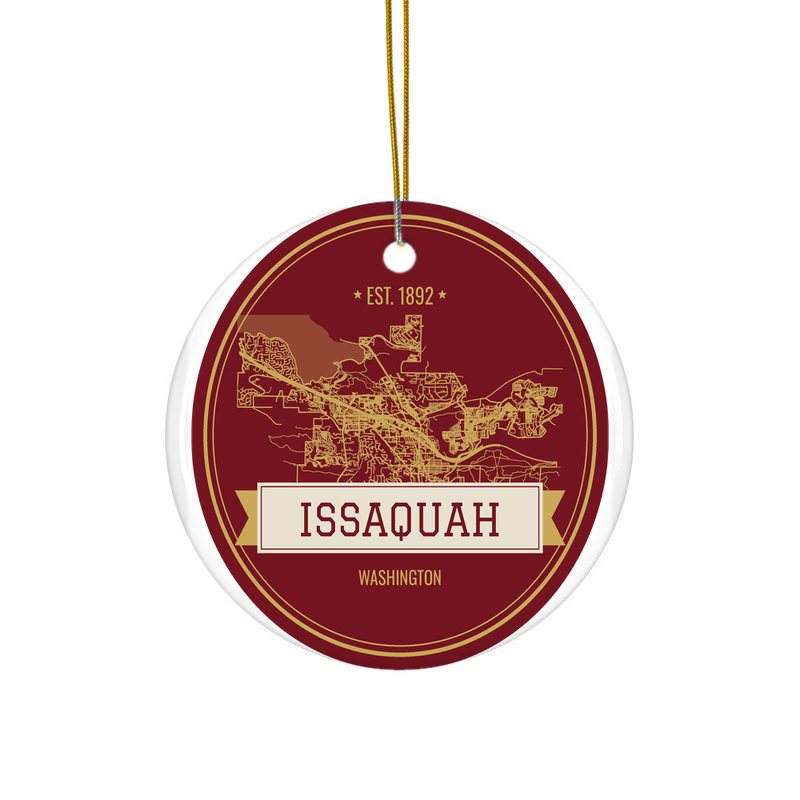
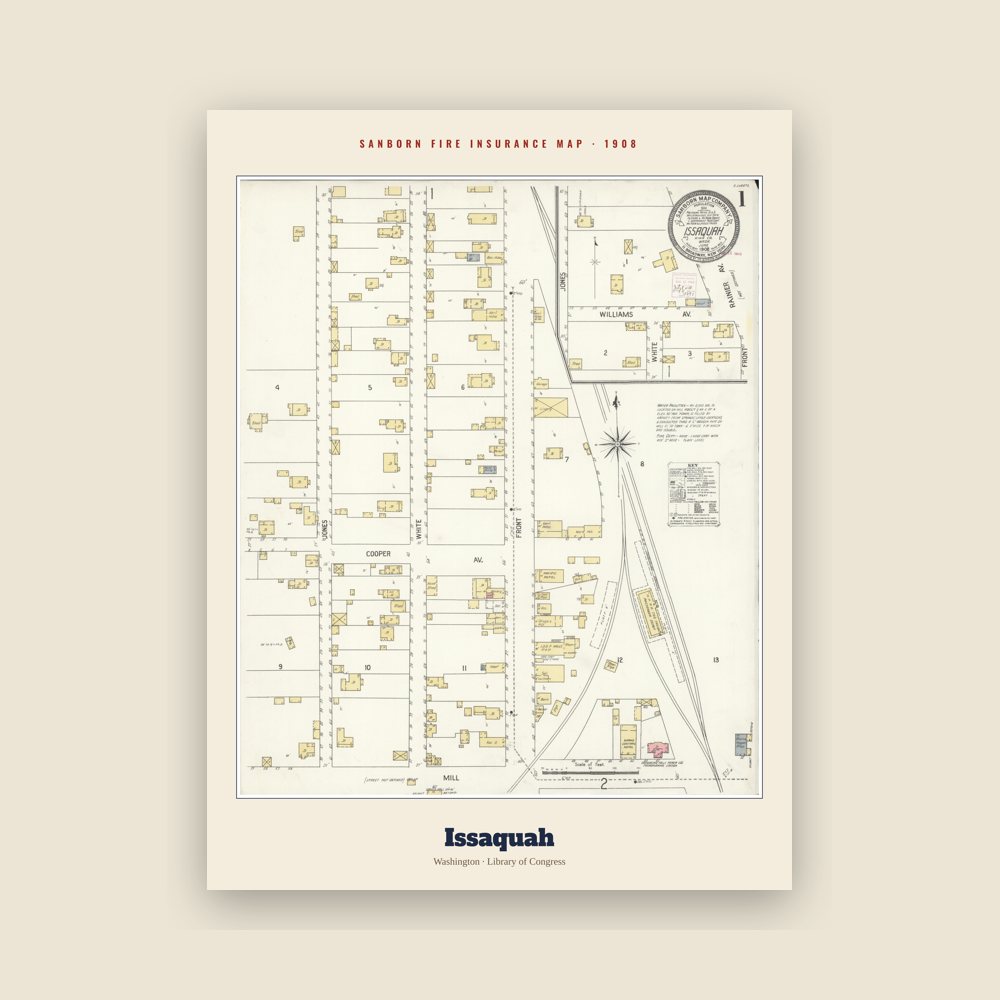
The city was officially incorporated by the Washington State legislature on April 29, 1892. Initially a small mining town, the city has changed noticeably both in its appearance and economic focus. Issaquah was originally developed to service the mining industry (on the two nearby mountains that now lend their names to the Cougar/Squak Corridor Park). As the mining deposits neared depletion in the late 1890s, other companies started to realize Issaquah's potential to support a lucrative lumber business. These companies exported timber from Issaquah and other small, local towns to Seattle and larger, rapidly growing communities throughout western Washington. These early boom industries, however, faded into a period of relative quiet by the time of the Great Depression.
The town's industries remained similar through most of the twentieth century, with Boeing providing the majority of employment in the area. Microsoft and other technological industries moved into Redmond and other cities in the area, and later established operations in Issaquah itself. In June 1996, Costco moved its global headquarters to Issaquah from nearby Kirkland.
Adapted (trimmed) from the Wikipedia article Issaquah, Washington, revision 1379881668 by its contributors, licensed CC BY-SA 4.0.
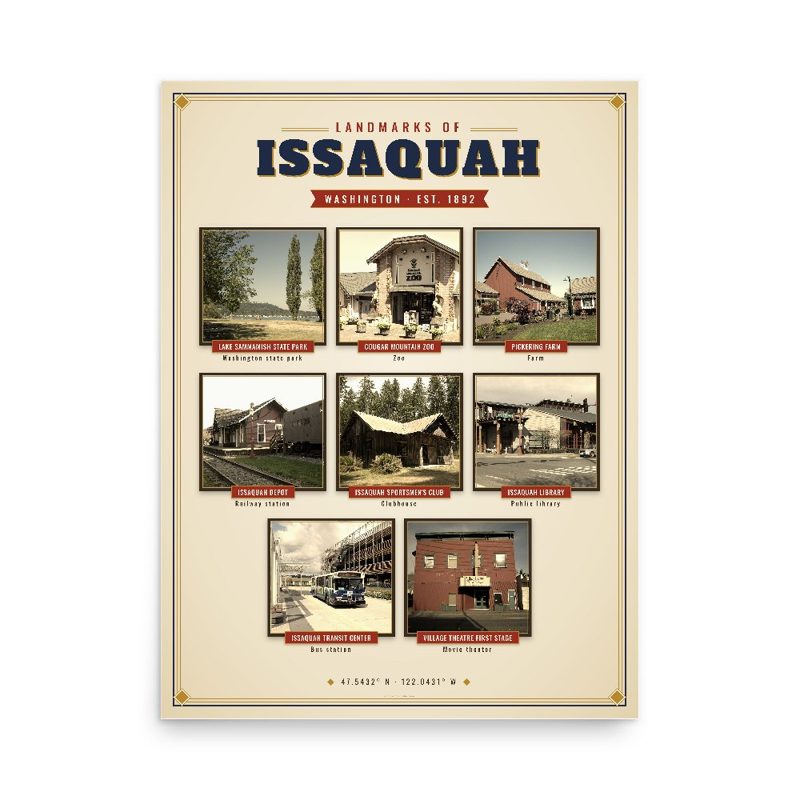
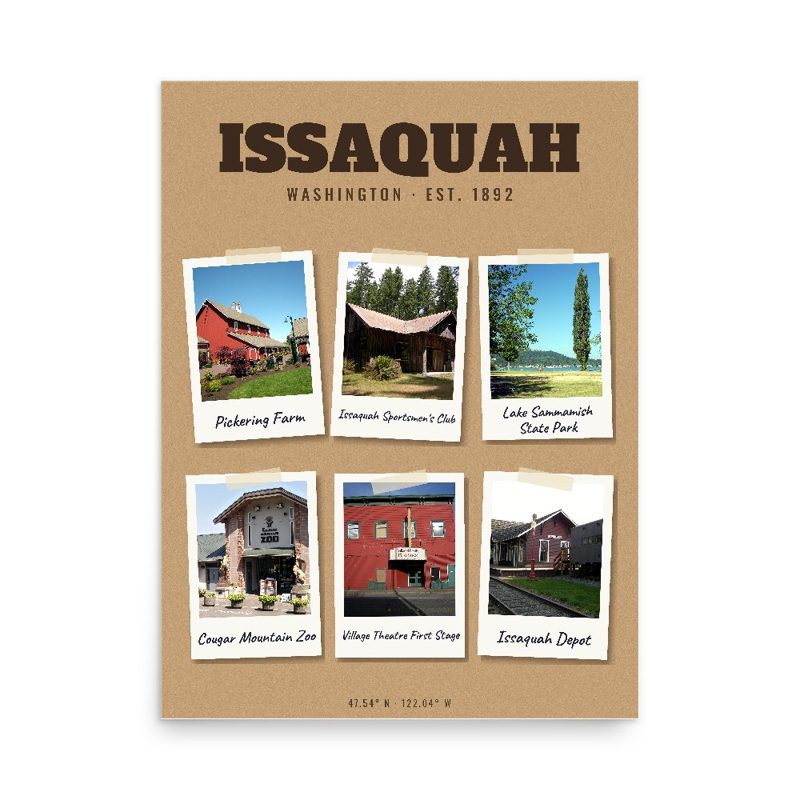
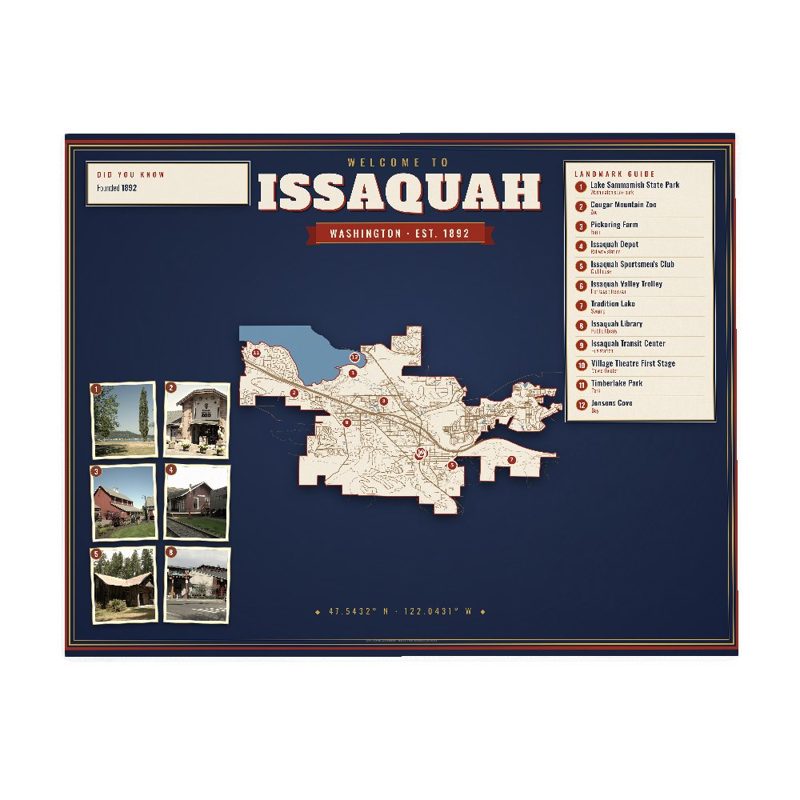
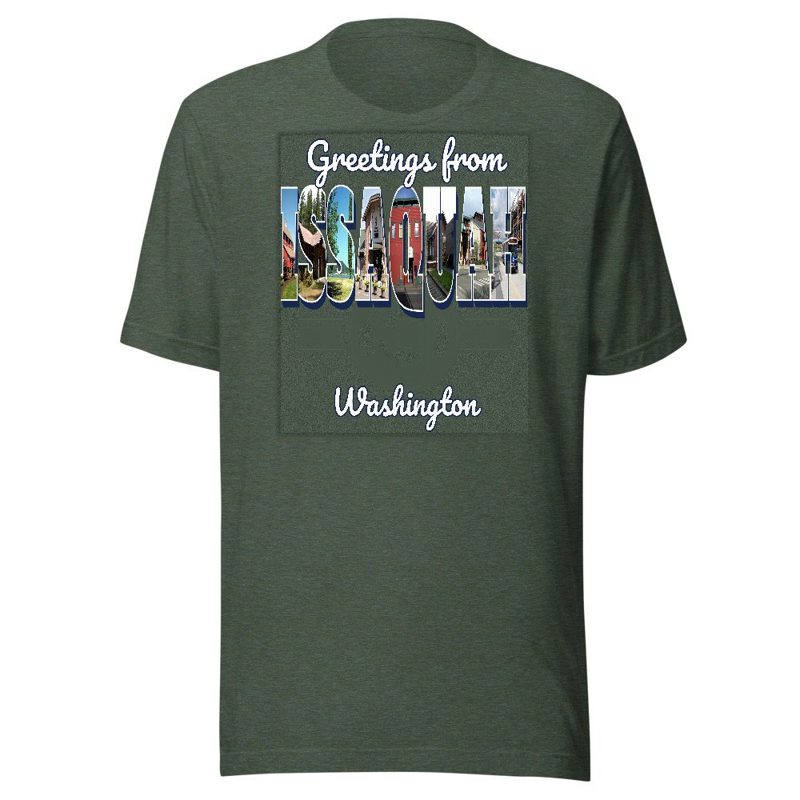

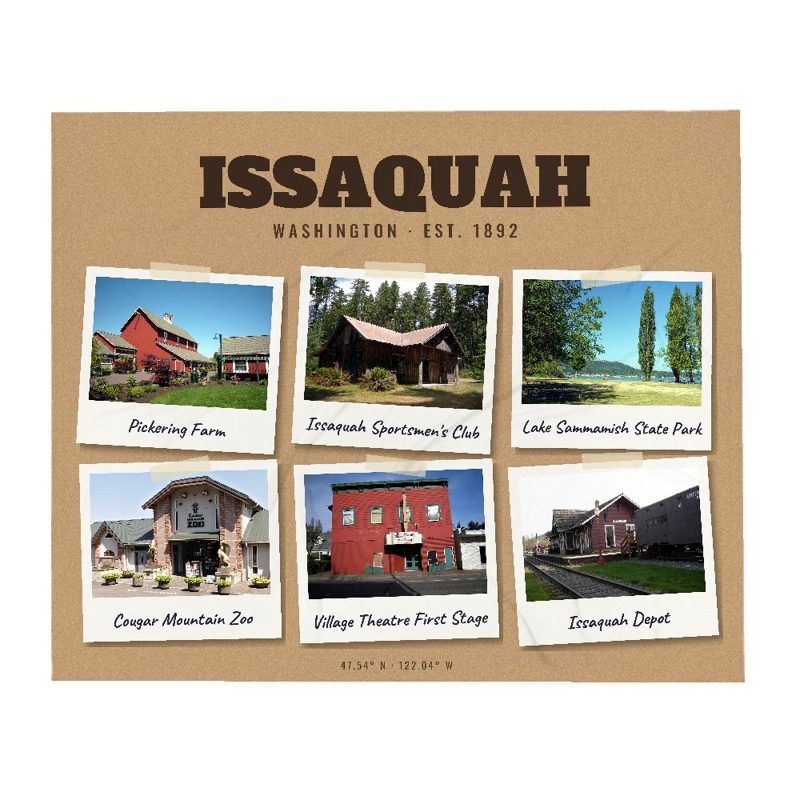
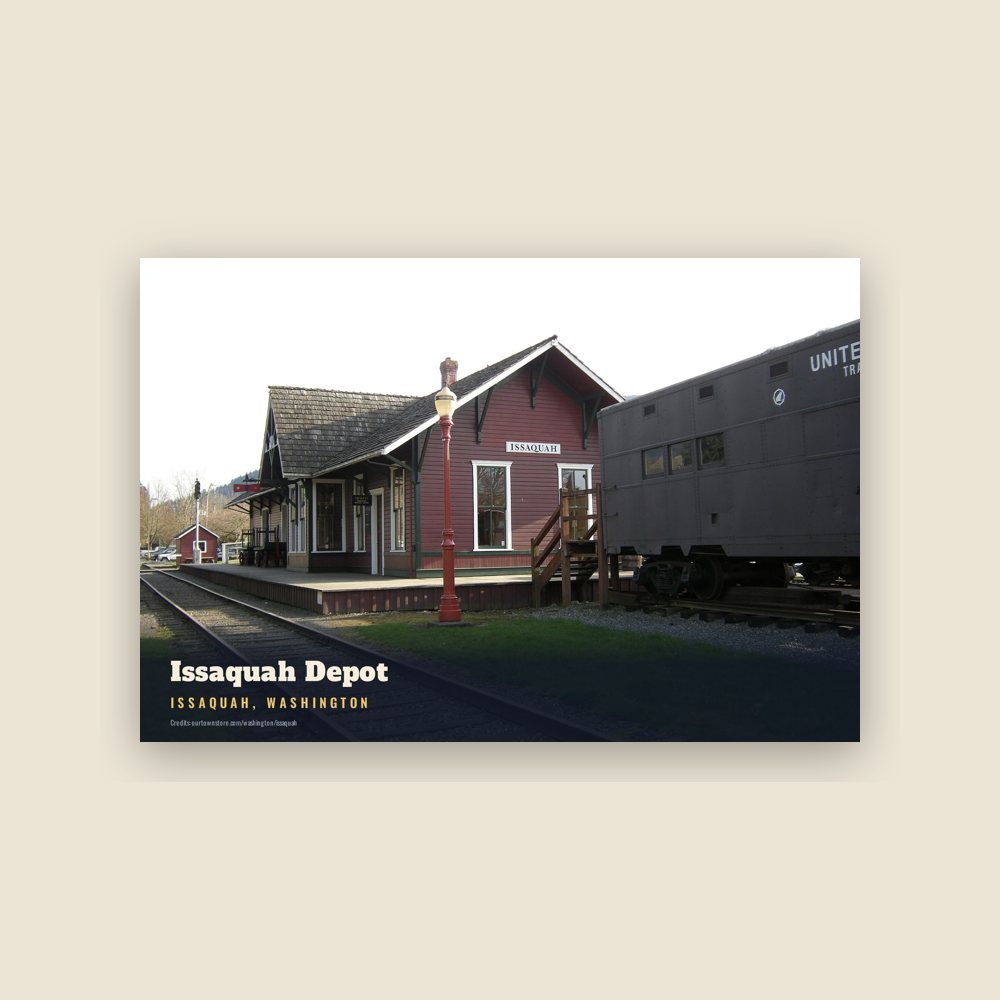
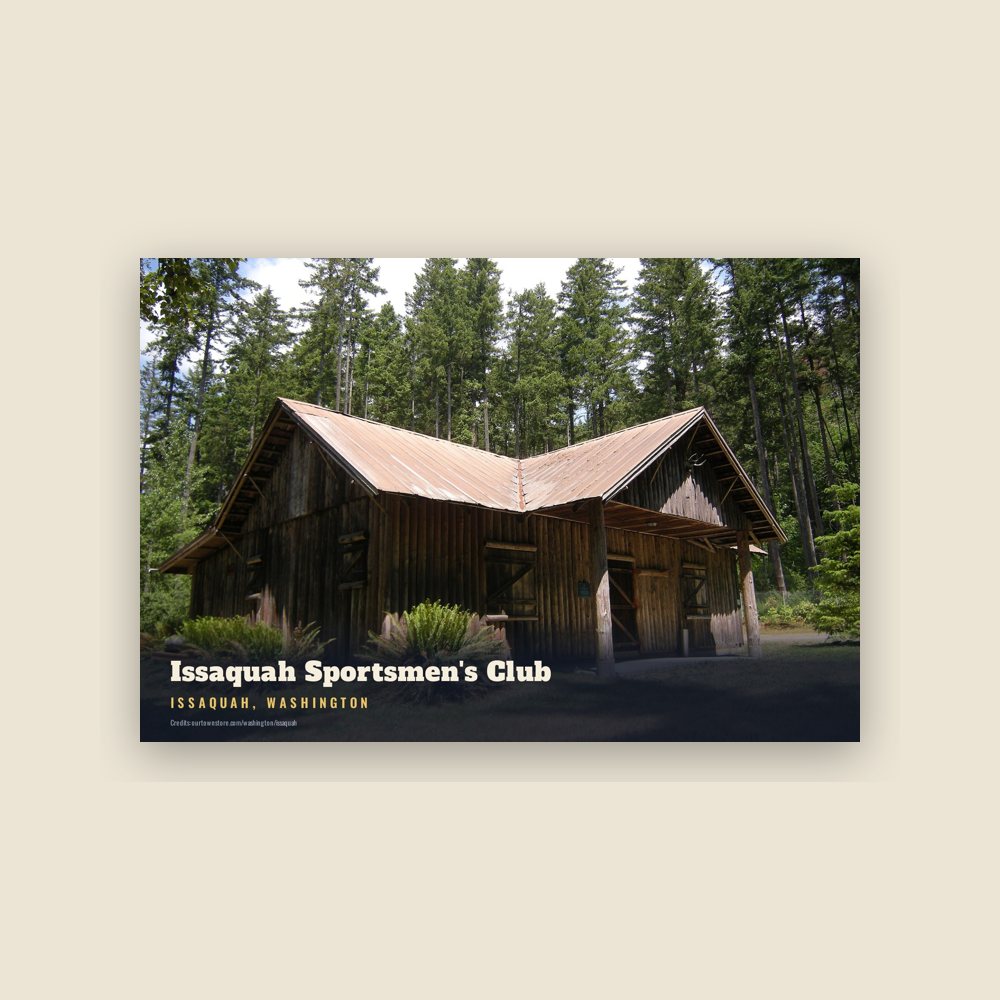
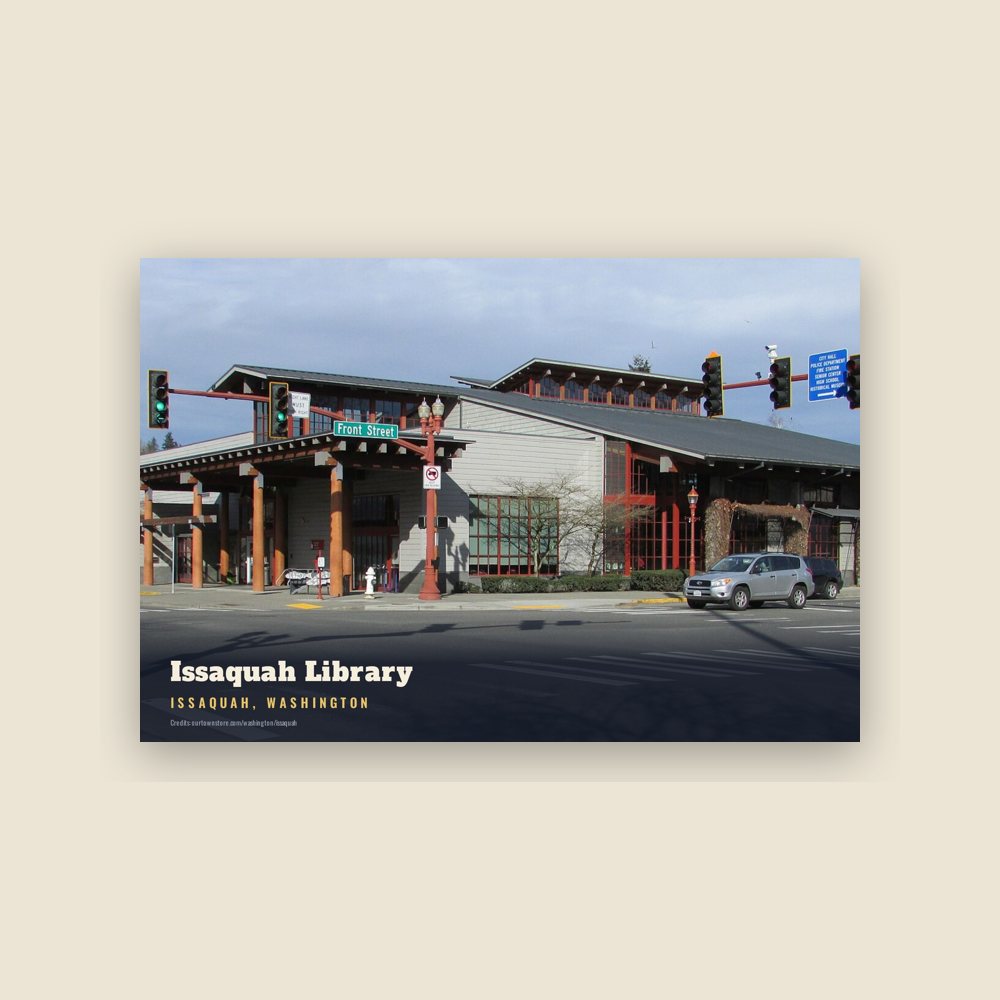
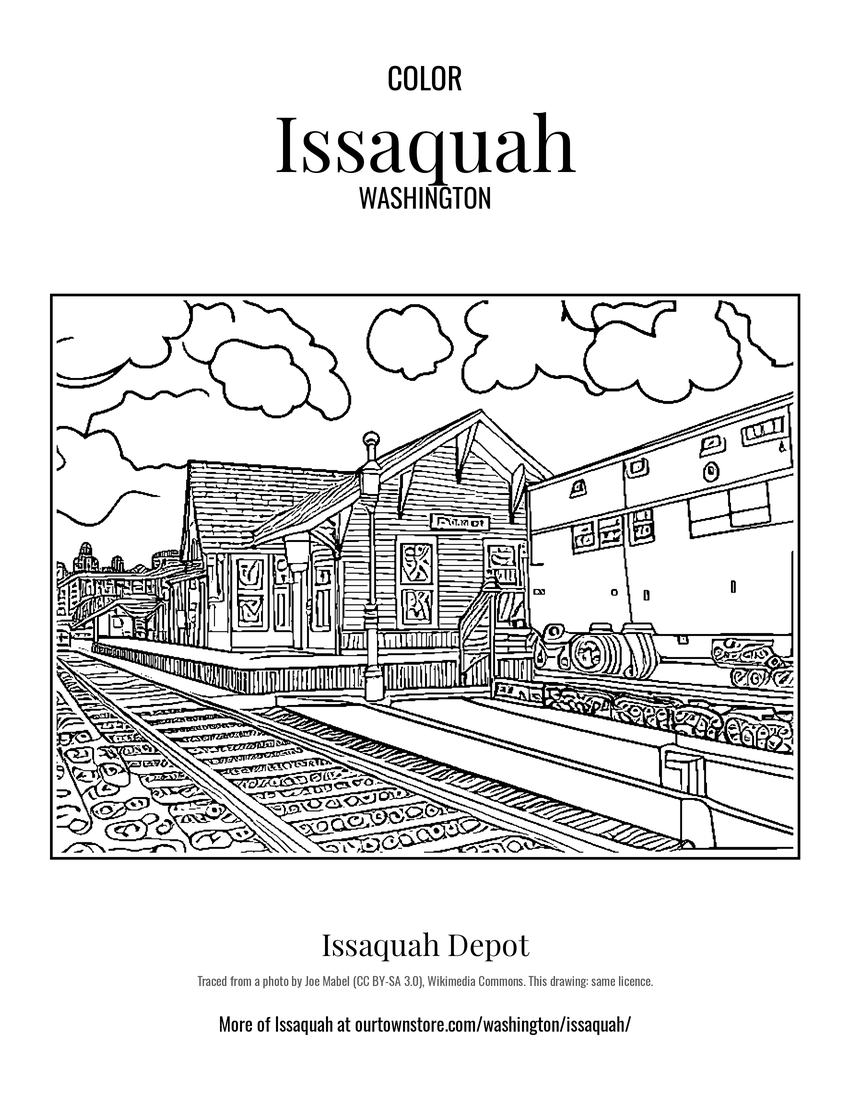 Issaquah Depot
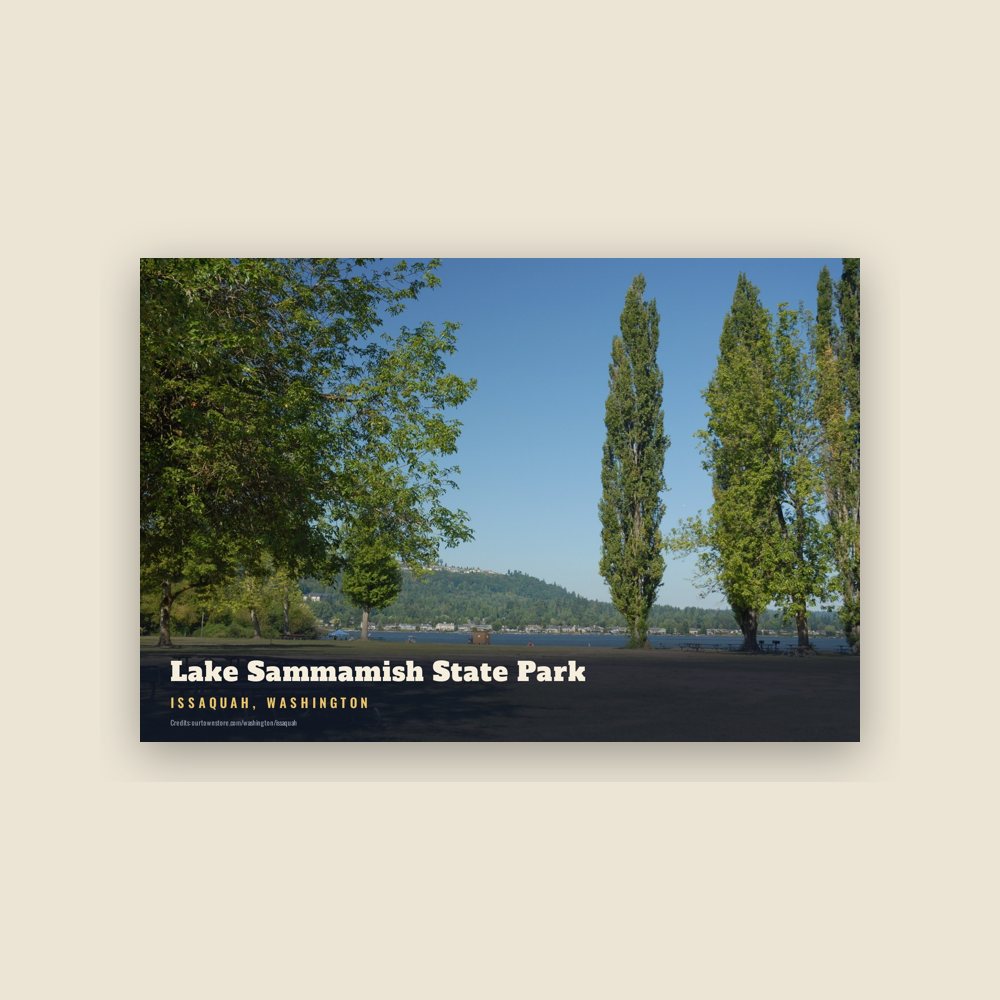
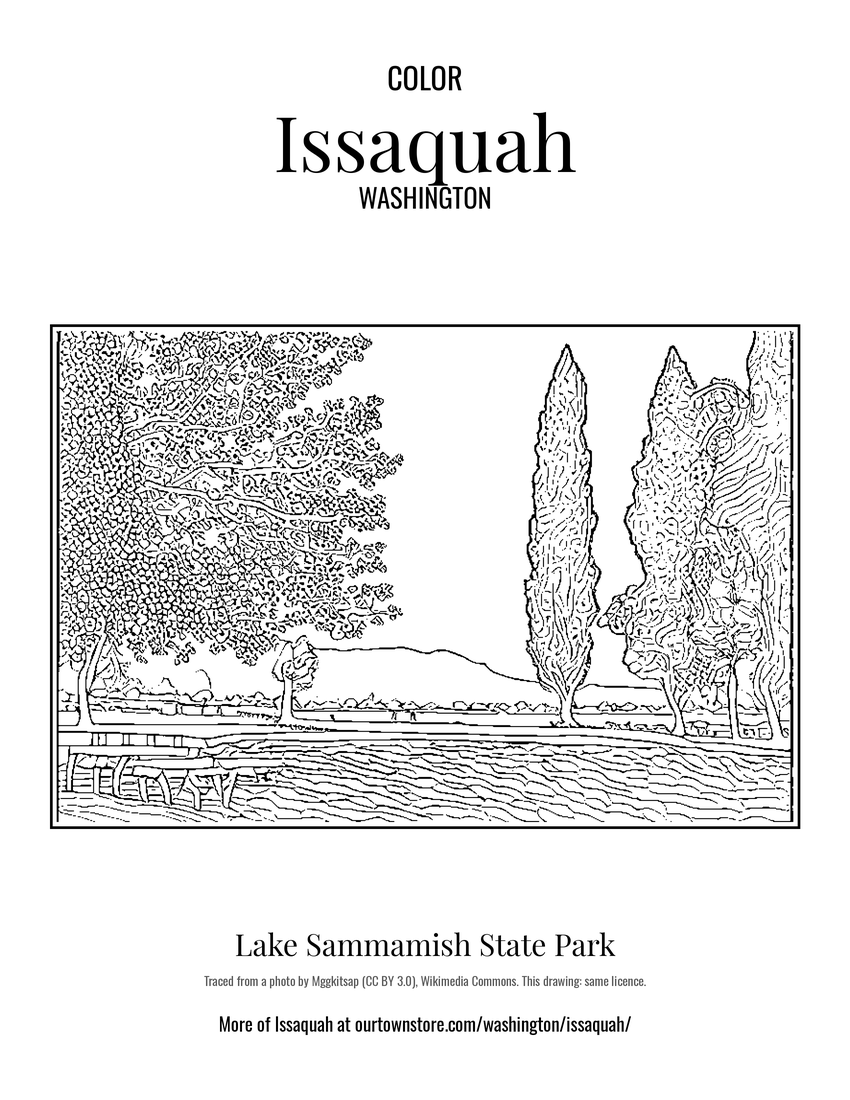 Lake Sammamish State Park
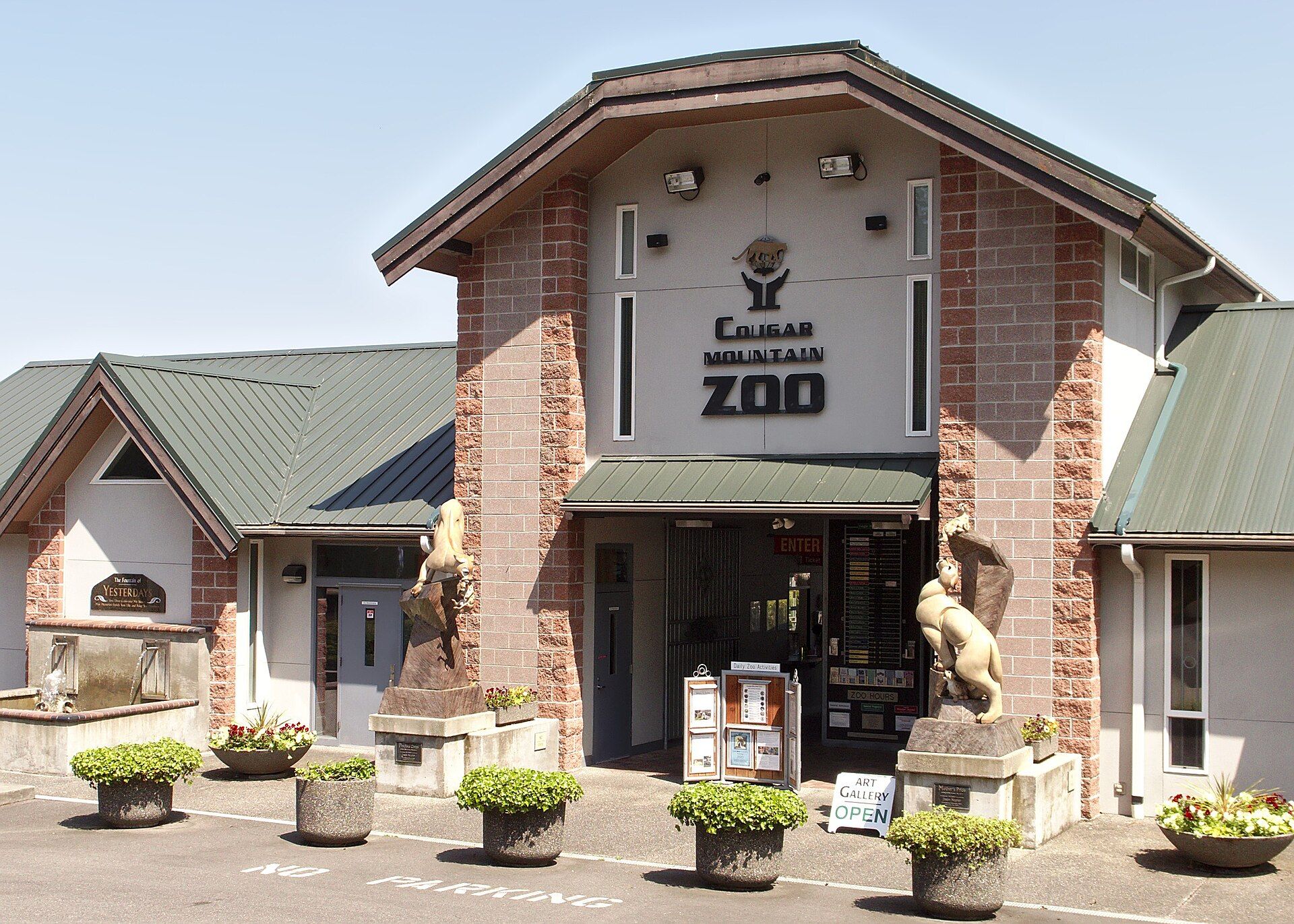
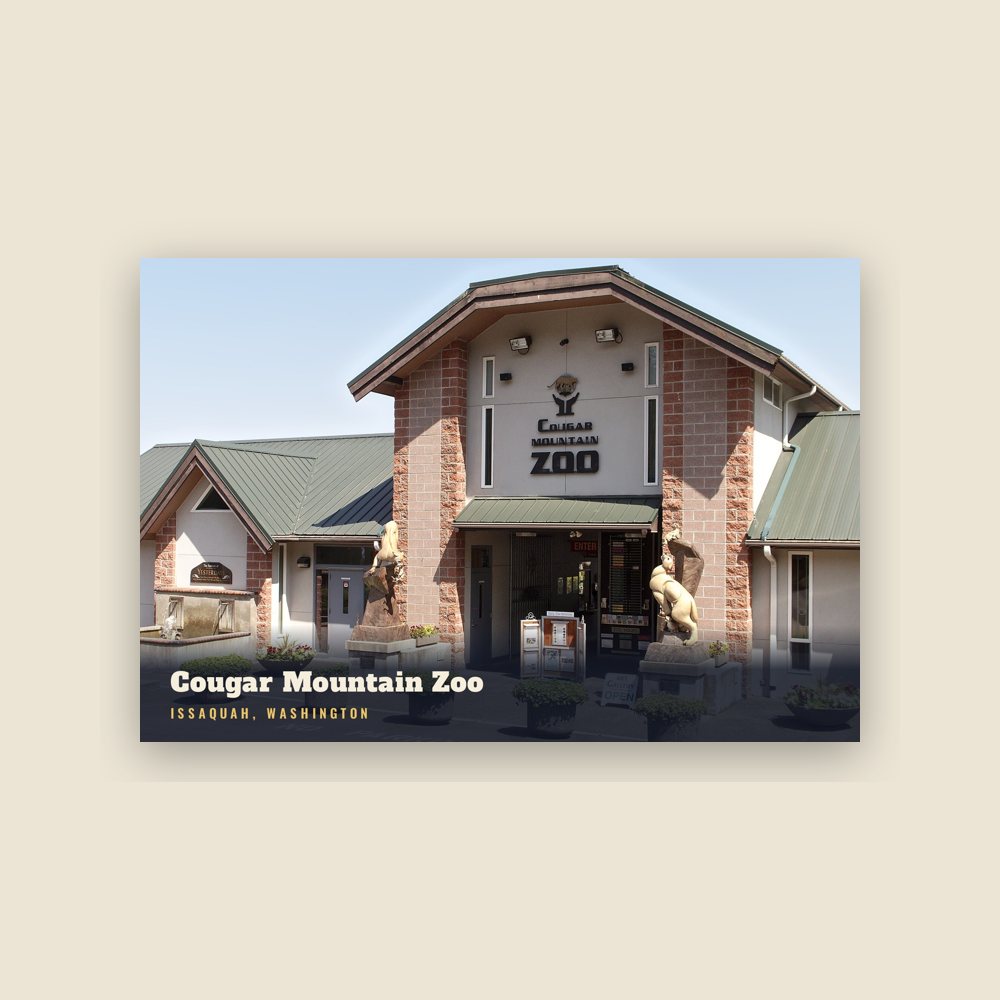
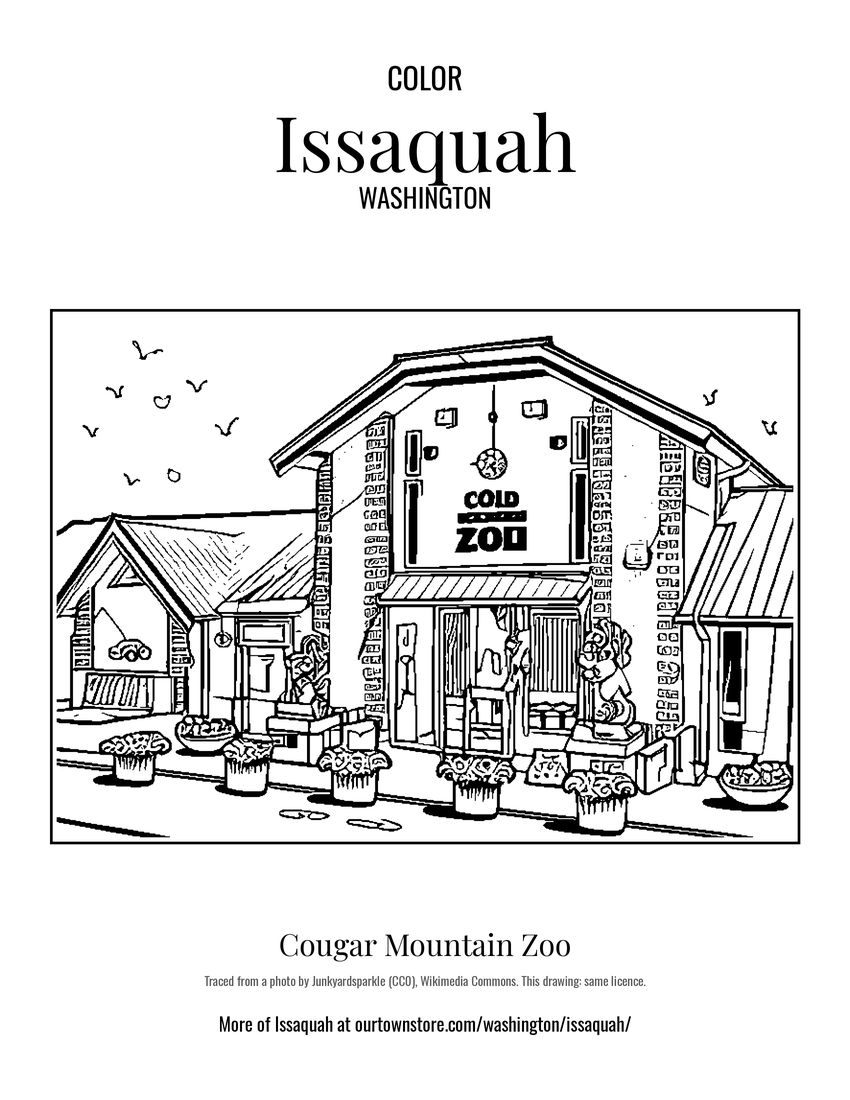 Cougar Mountain Zoo
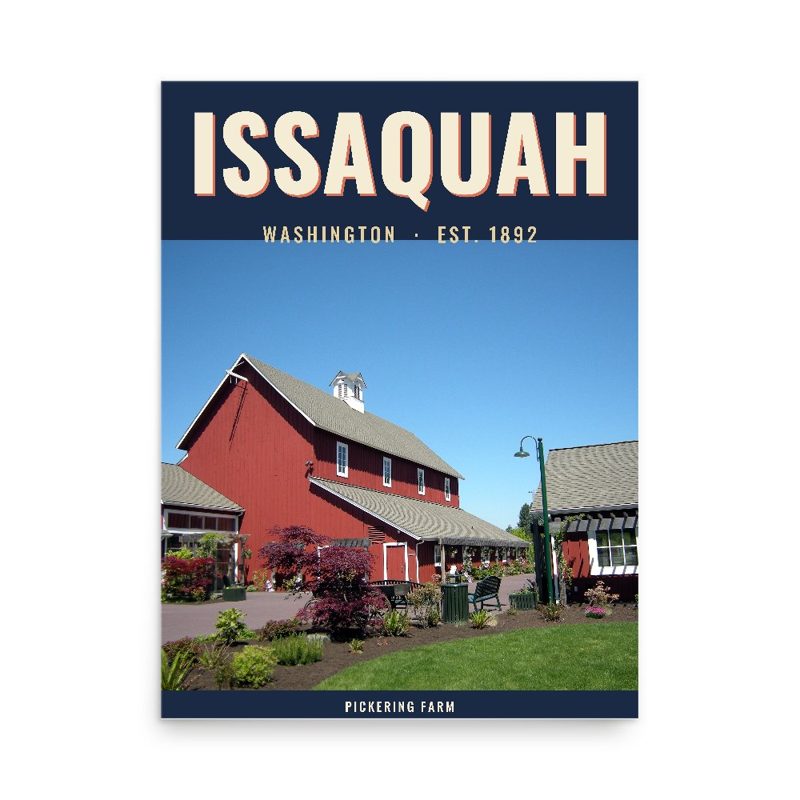
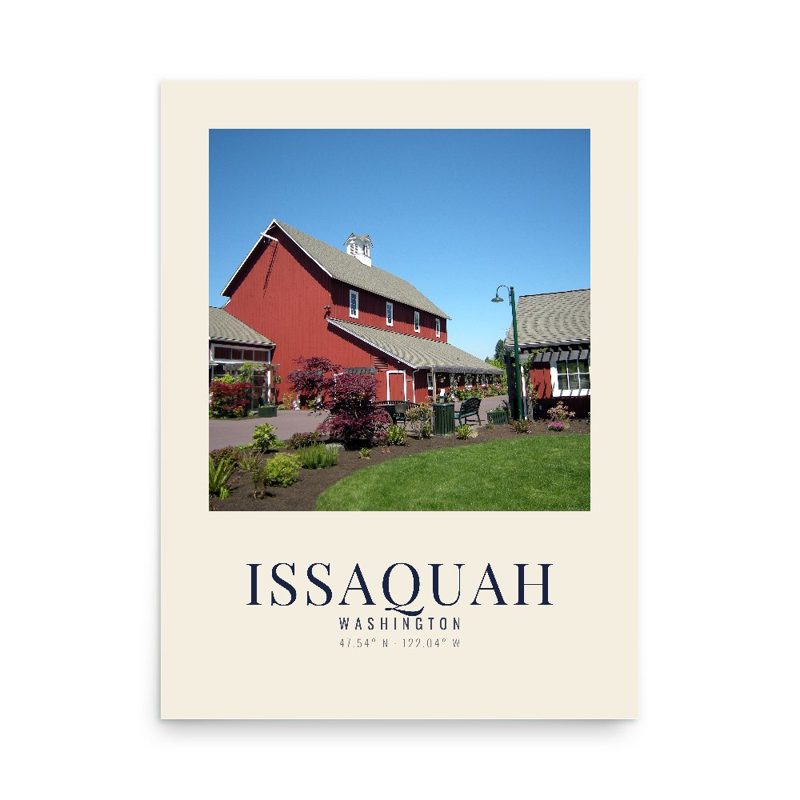
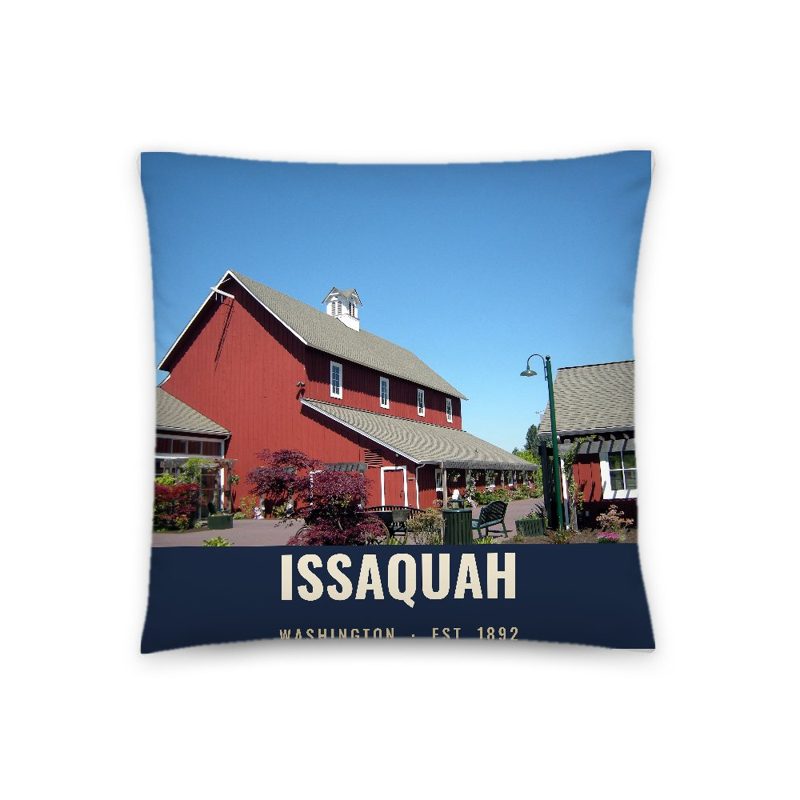
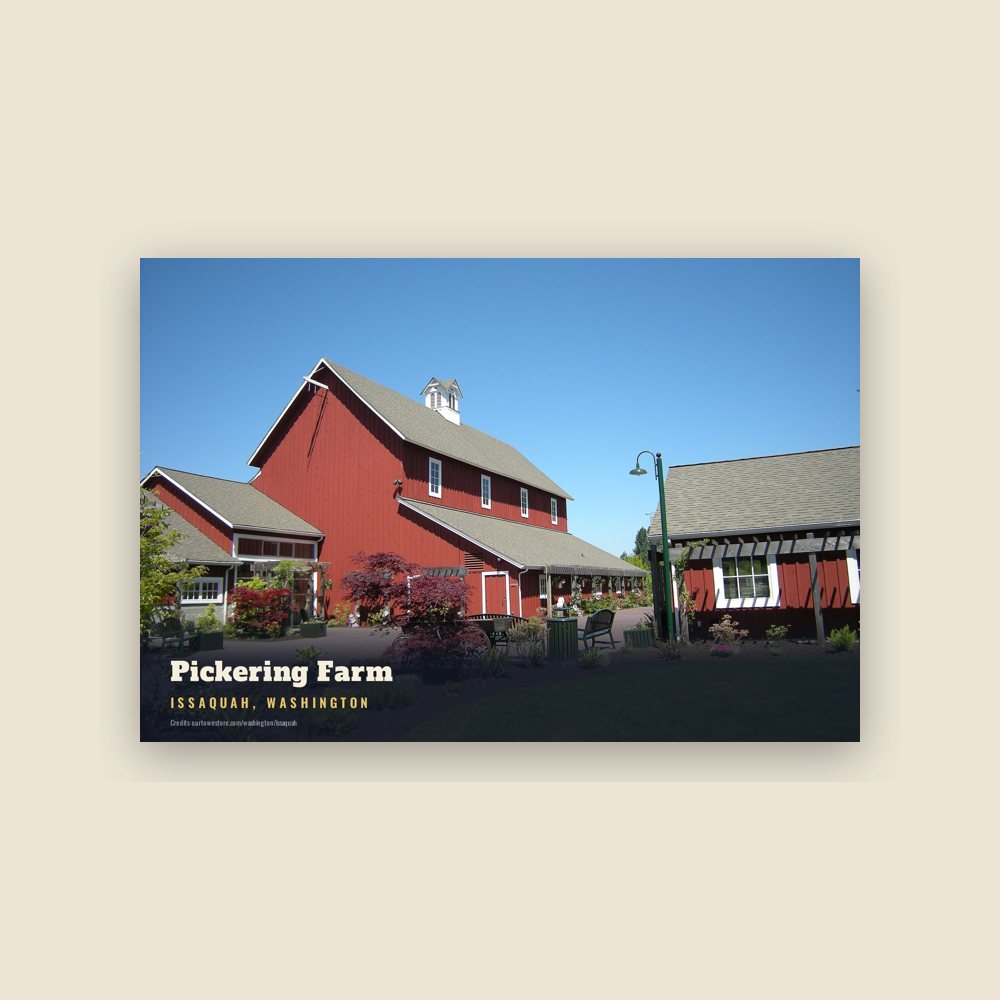
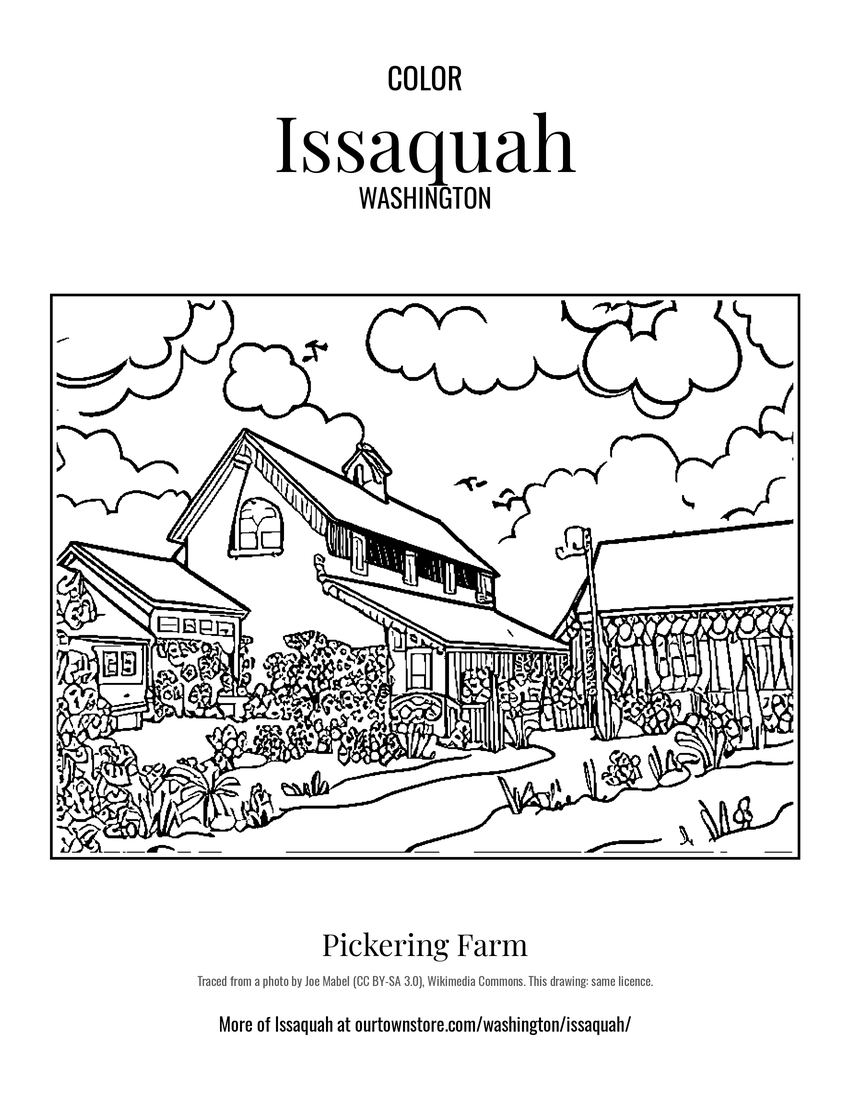 Pickering Farm