Cart 0
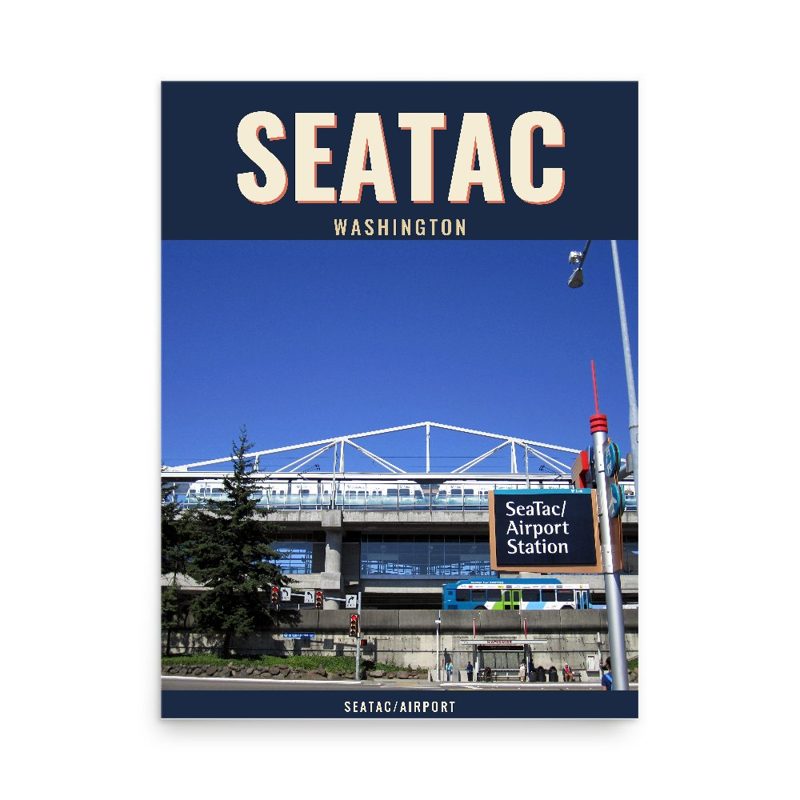
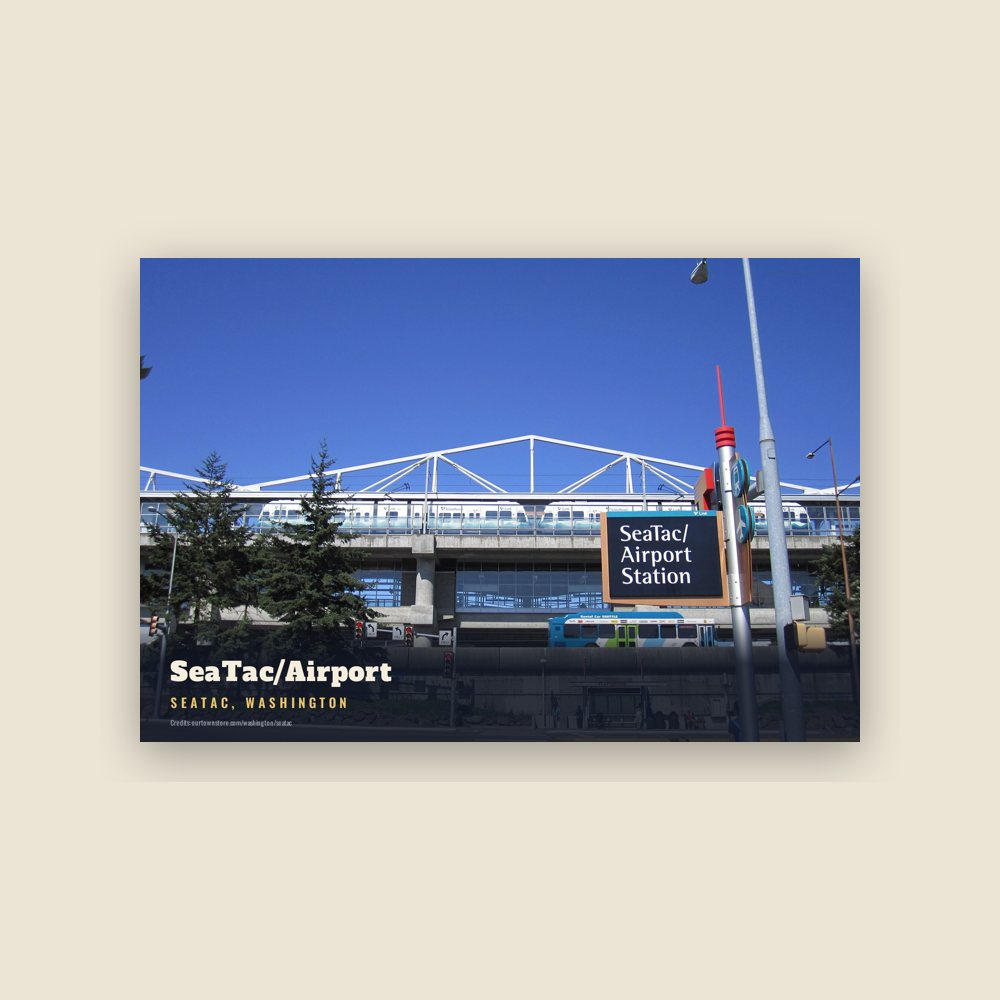
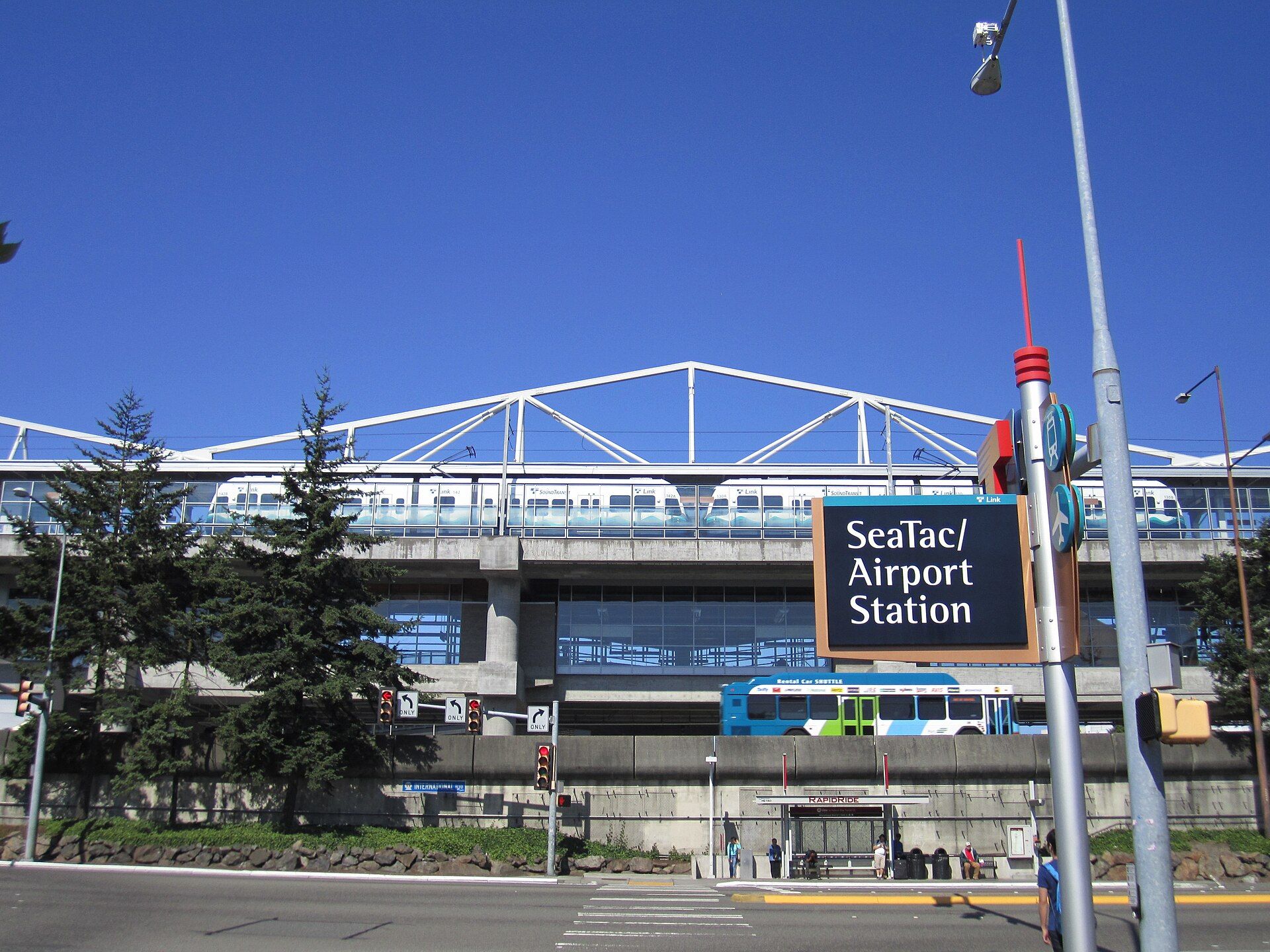
SeaTac/Airport, SeaTac, Washington

SEATAC

Washington
Shop the collection

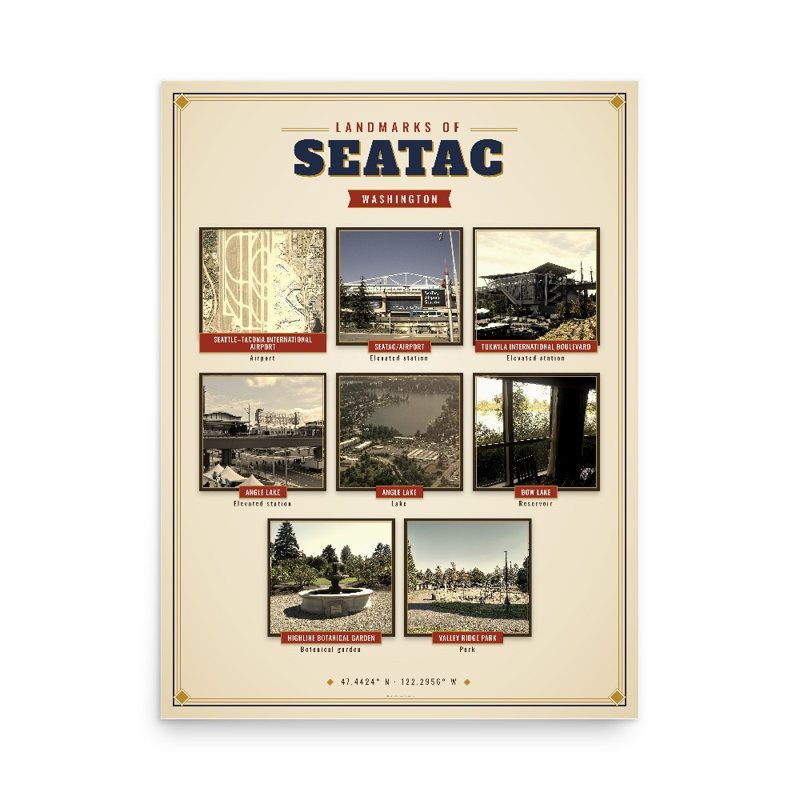
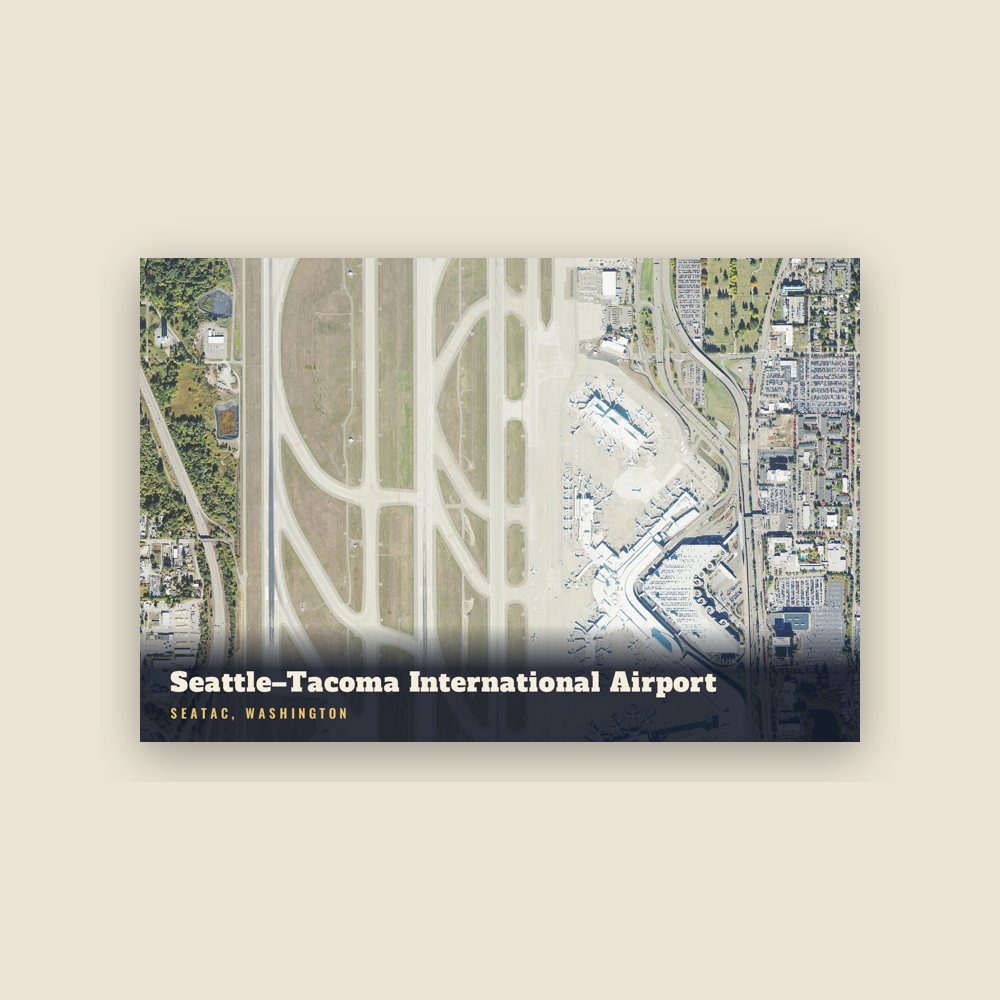
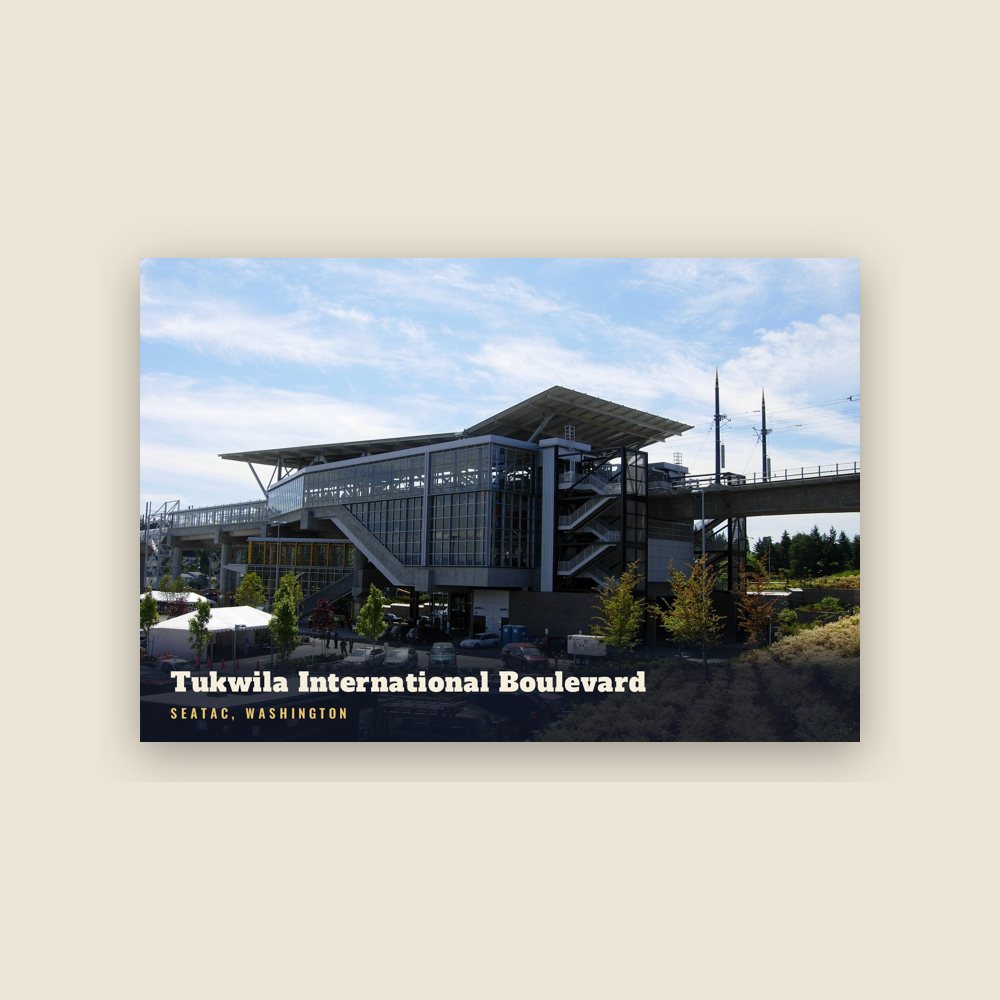
The name "SeaTac" is derived from Seattle–Tacoma International Airport's nickname "SeaTac," itself a portmanteau of Seattle and Tacoma. Landmarks include Seattle–Tacoma International Airport, SeaTac/Airport and Tukwila International Boulevard. SeaTac is the birthplace of Tally Hall, soccer player.

The SeaTac Collection

Made for SeaTac. Printed to order.

SeaTac, Washington gifts and souvenirs: 35 designs made from SeaTac's own map, landmarks and history, from $10 to $99. Printed to order and shipped free in the USA.

PopularPrice
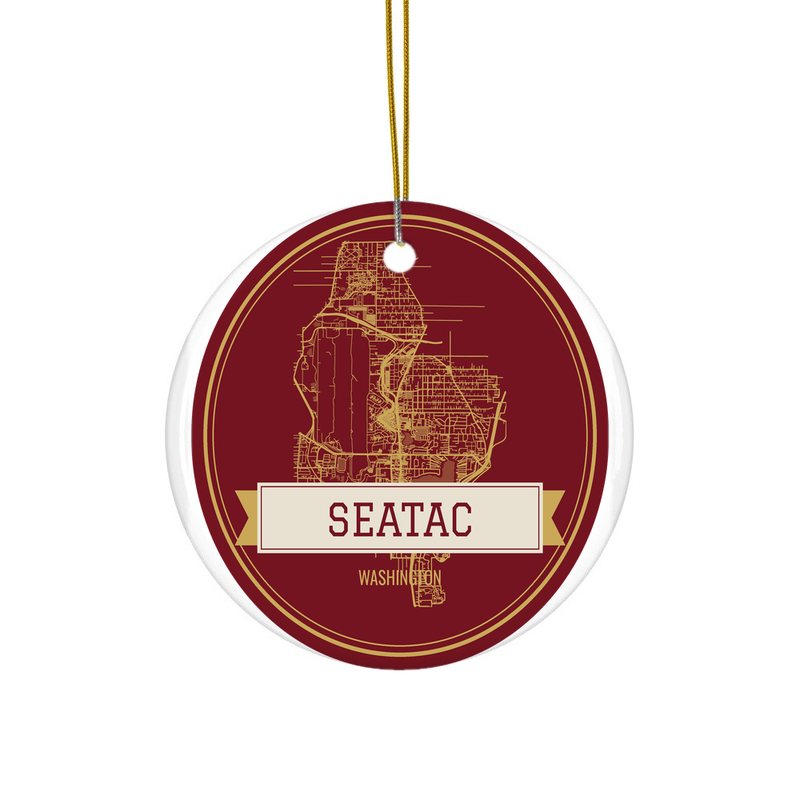
SeaTac Hometown Ornament$23
SeaTac Landmarks Photo Posterfrom $40
SeaTac Vintage Travel Posterfrom $40
SeaTac Varsity Crewneckfrom $57
SeaTac Est. Teefrom $33
SeaTac Town Line Mugfrom $26
SeaTac Hometown Ornament

SeaTac Hometown Ornament

Ceramic keepsake, gold ribbon

$23
SeaTac Landmarks Photo Poster

SeaTac Landmarks Photo Poster

Nine local landmarks, archival matte

from $40
SeaTac Vintage Travel Poster

SeaTac Vintage Travel Poster

Its landmark photo in a classic travel-poster layout

from $40
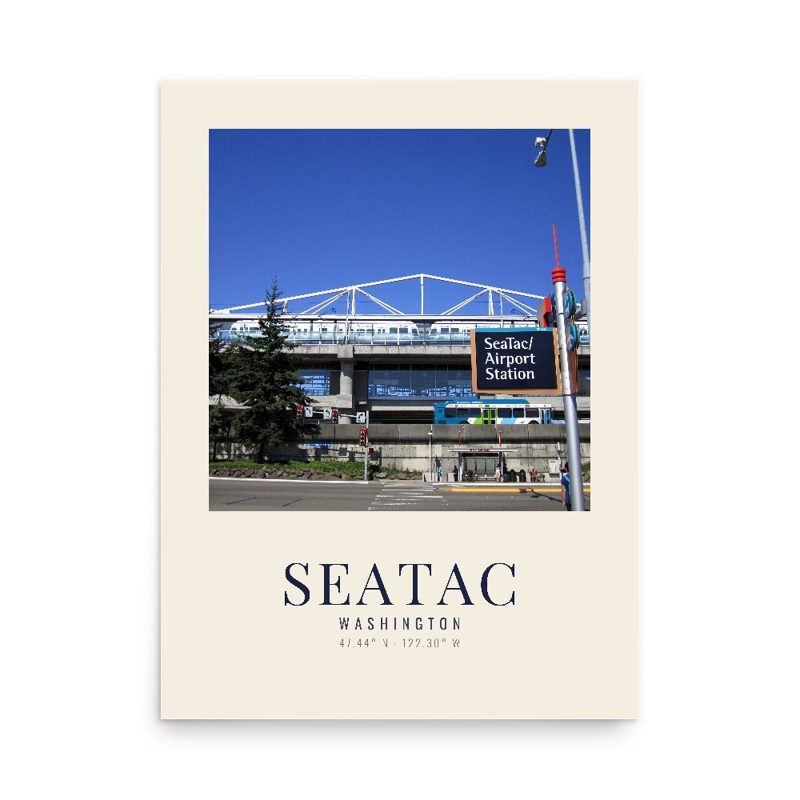
SeaTac Photo Art Print

SeaTac Photo Art Print

A local landmark photo as a gallery print

from $40
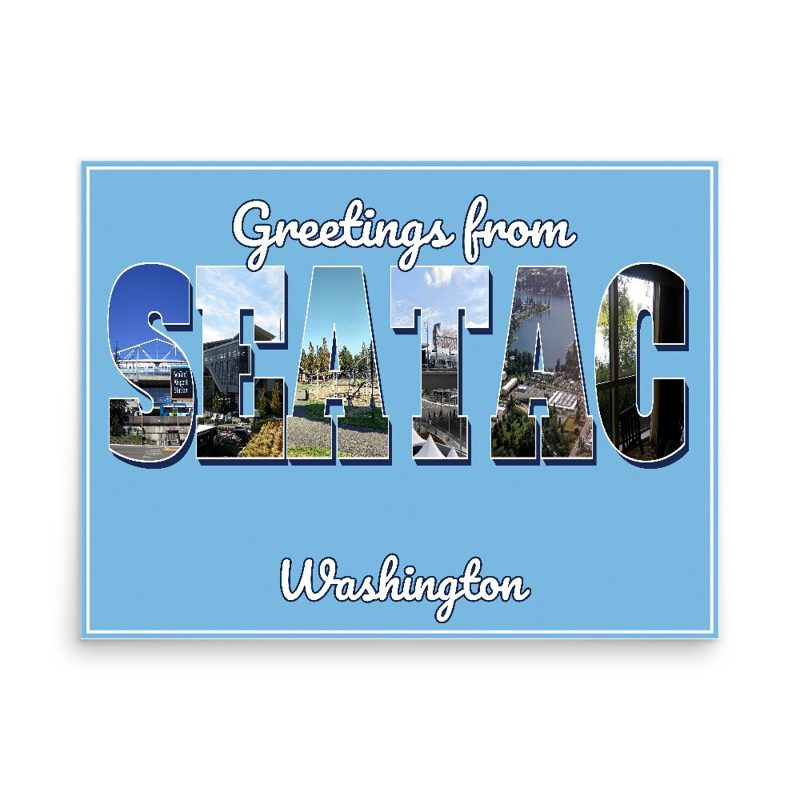
SeaTac “Greetings From” Poster

SeaTac “Greetings From” Poster

Classic large-letter postcard art, filled with local photos

from $40
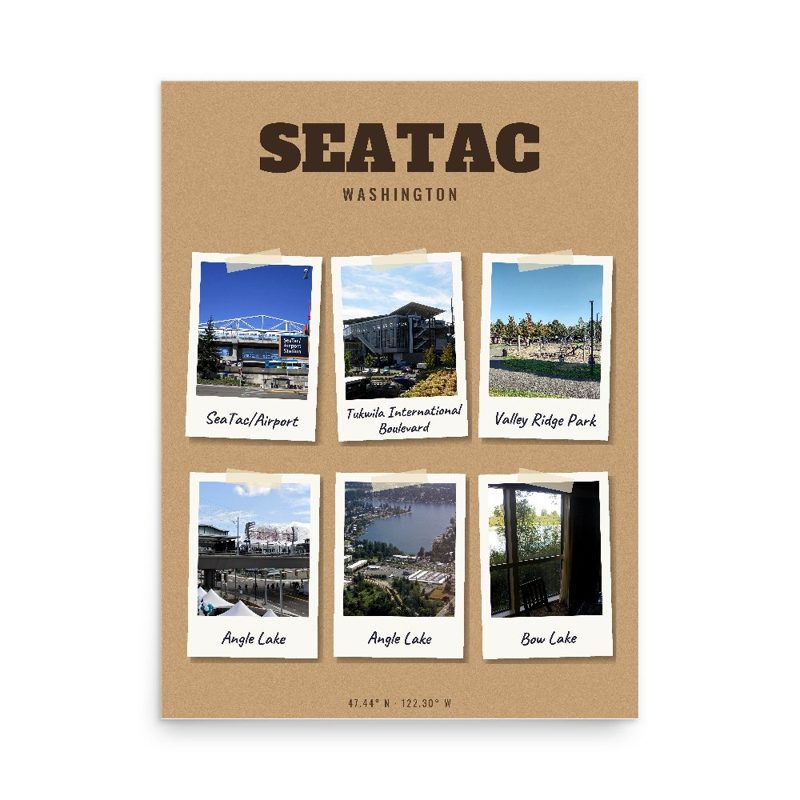
SeaTac Snapshot Collage Poster

SeaTac Snapshot Collage Poster

Six local landmarks as instant photos on kraft paper

from $40
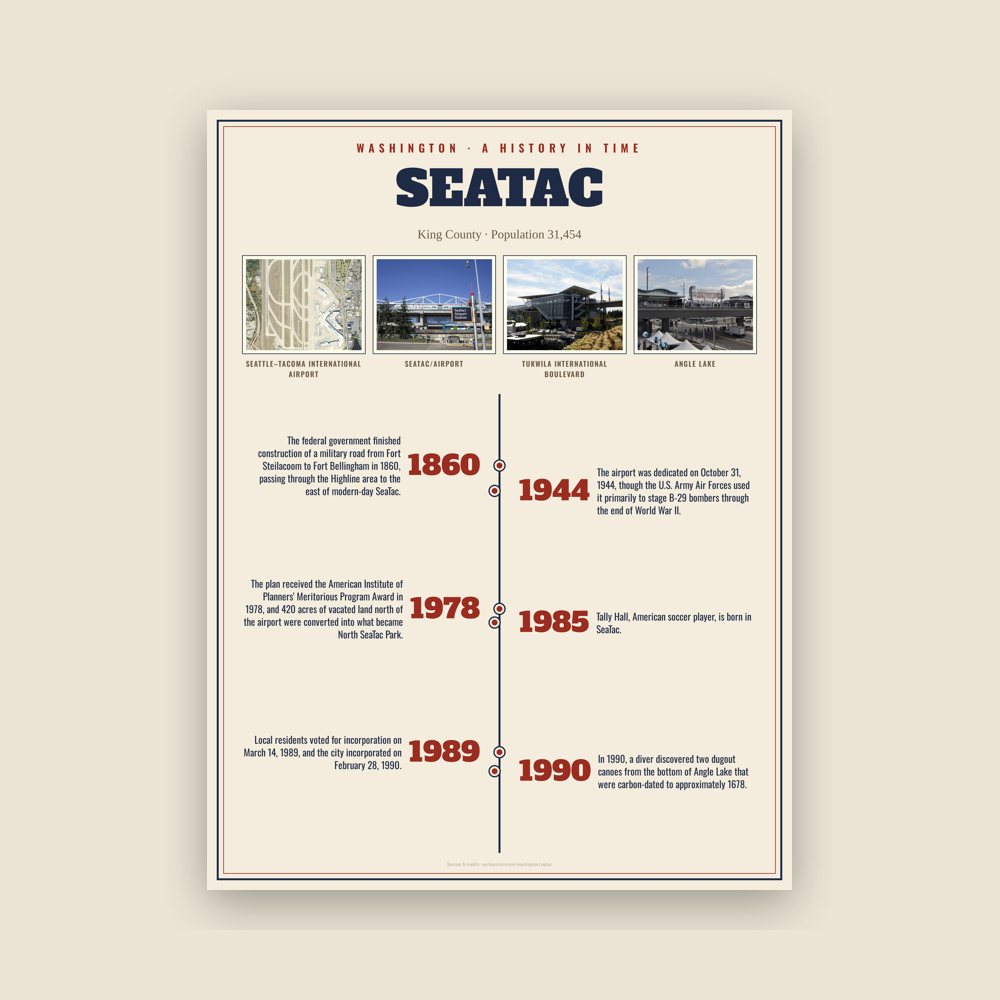
SeaTac History Timeline Poster

SeaTac History Timeline Poster

The town's story in dates, from its own records, for home or classroom

from $44
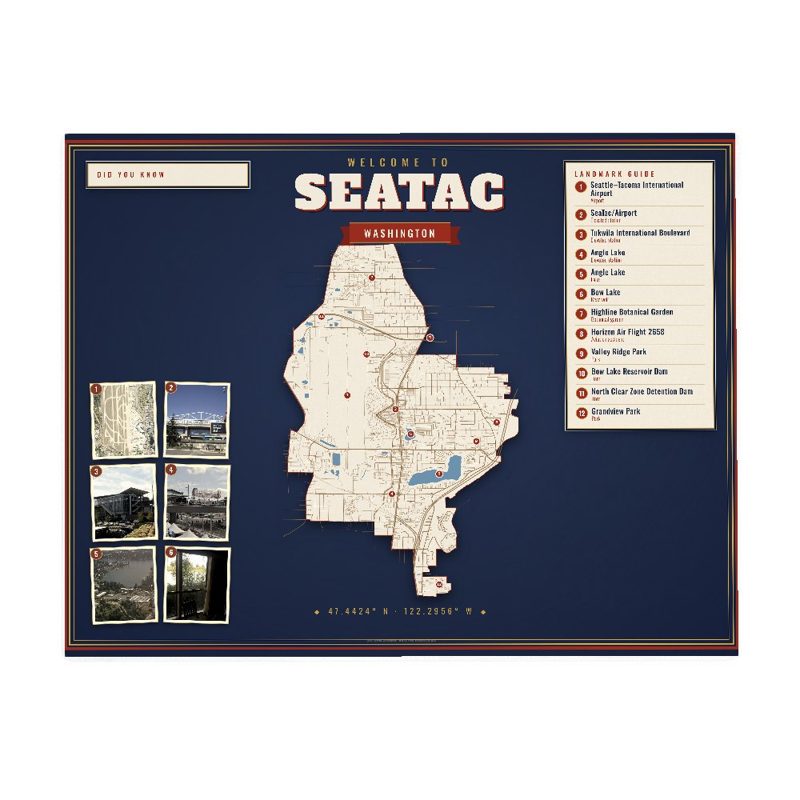
SeaTac Map Placemat

SeaTac Map Placemat

Map of local landmarks, washable fabric

$31
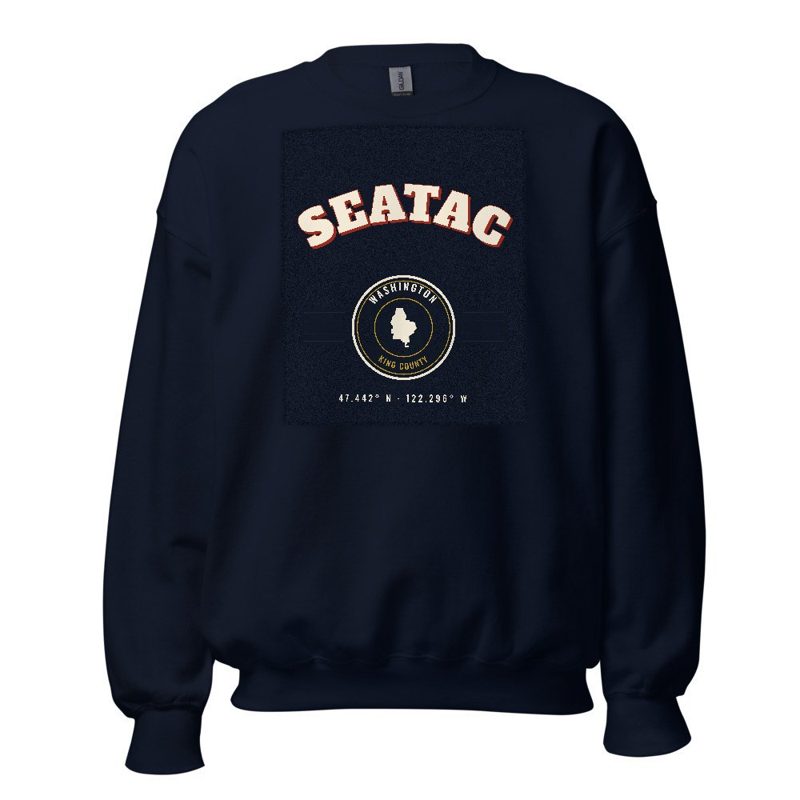
SeaTac Varsity Crewneck

SeaTac Varsity Crewneck

Heavy-blend fleece, street map printed on the back

from $57
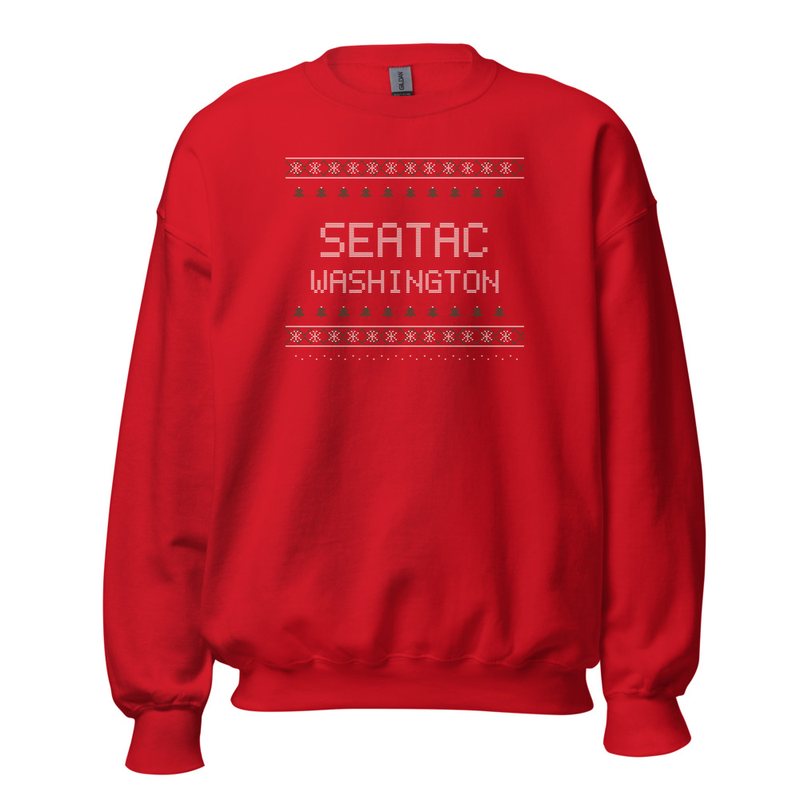
SeaTac Hometown Knit Sweater

SeaTac Hometown Knit Sweater

Red heavy-blend crewneck, knit-stitch town print

from $57
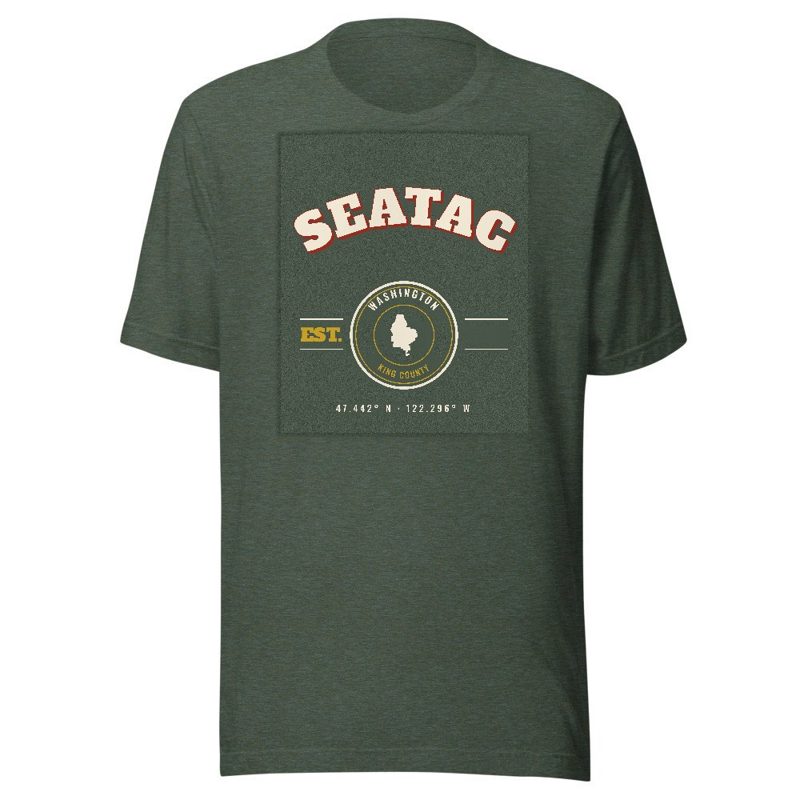
SeaTac Est. Tee

SeaTac Est. Tee

Soft Bella+Canvas jersey

from $33
SeaTac Est. Youth Tee

SeaTac Est. Youth Tee

Kids' Bella+Canvas jersey, youth sizes

$30
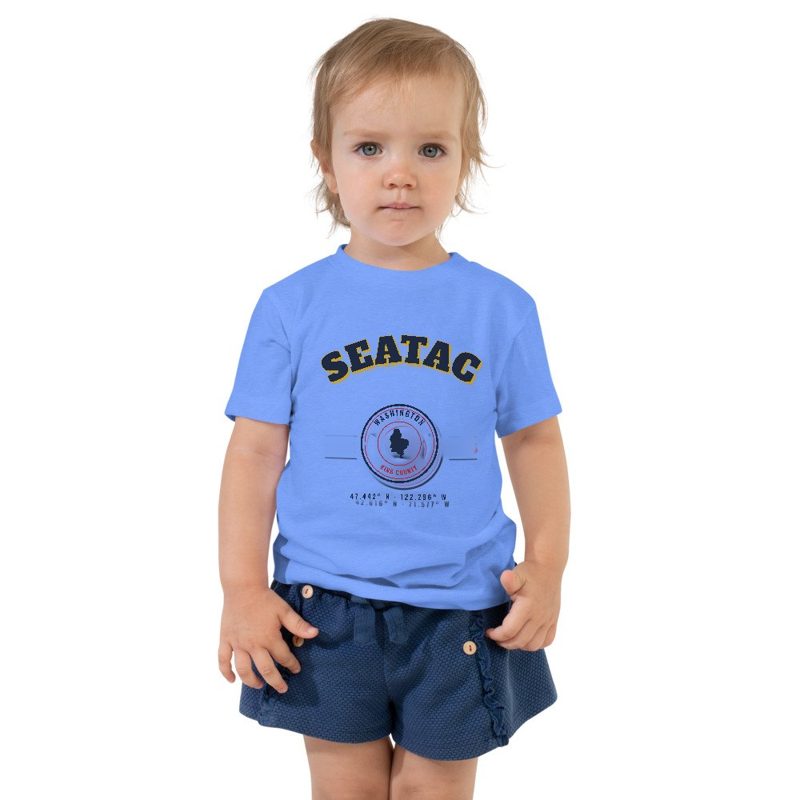
SeaTac Est. Toddler Tee

SeaTac Est. Toddler Tee

Bella+Canvas toddler jersey

$29
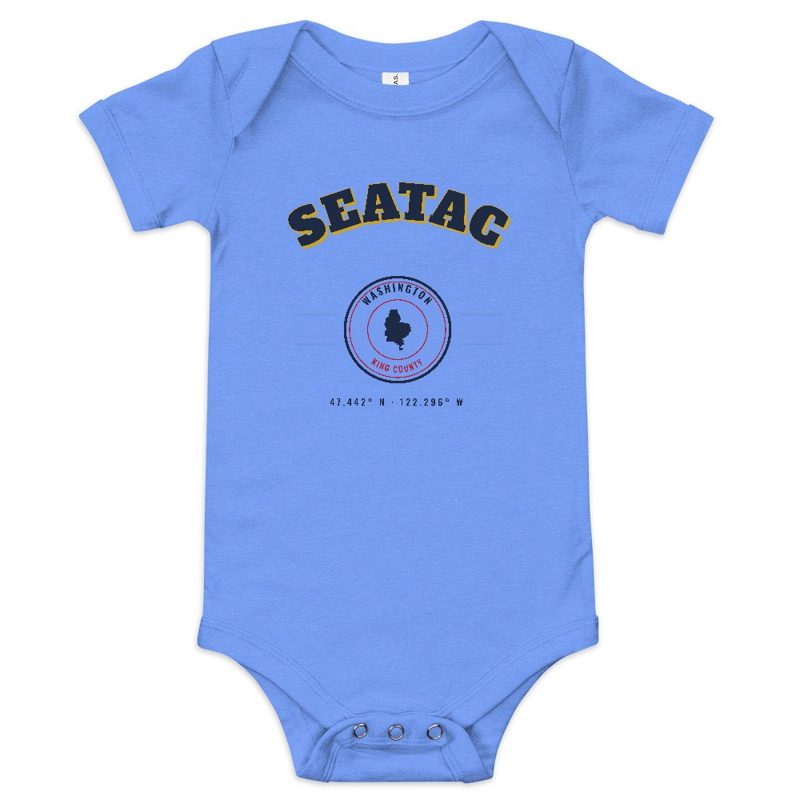
SeaTac Est. Baby One Piece

SeaTac Est. Baby One Piece

Bella+Canvas baby bodysuit

$30
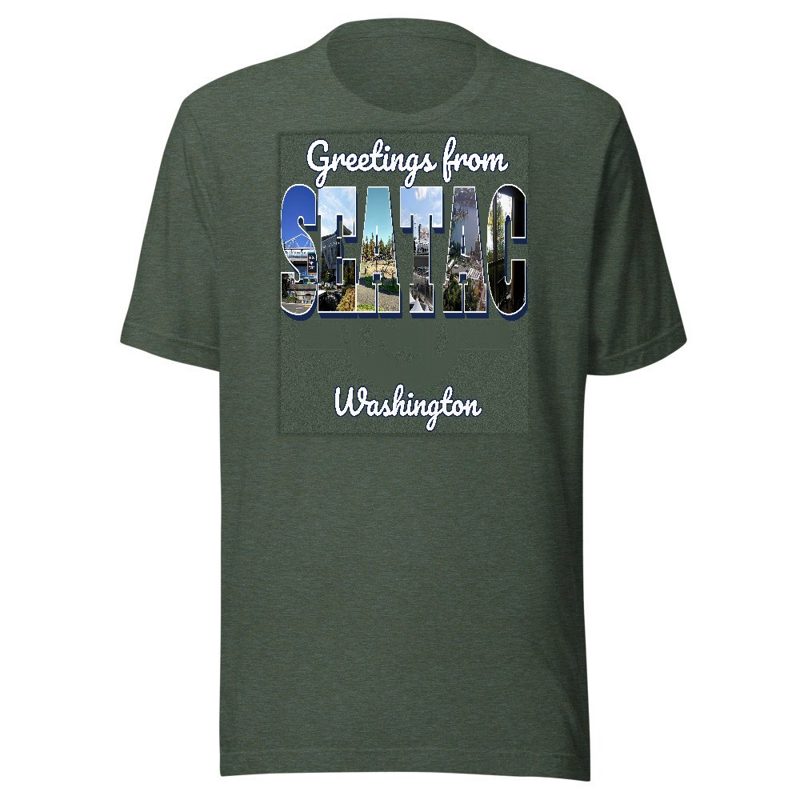
SeaTac “Greetings From” Tee

SeaTac “Greetings From” Tee

Large-letter postcard art filled with local photos

from $35
SeaTac Town Line Mug

SeaTac Town Line Mug

Glossy ceramic, dishwasher safe

from $26
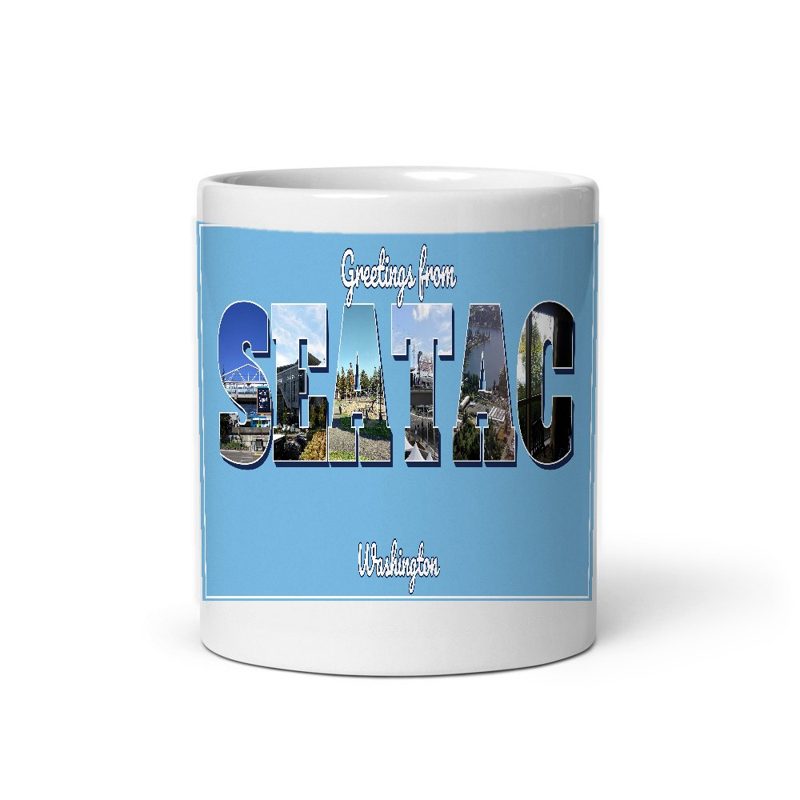
SeaTac “Greetings From” Mug

SeaTac “Greetings From” Mug

Large-letter postcard art filled with local photos, 11 oz ceramic

from $29
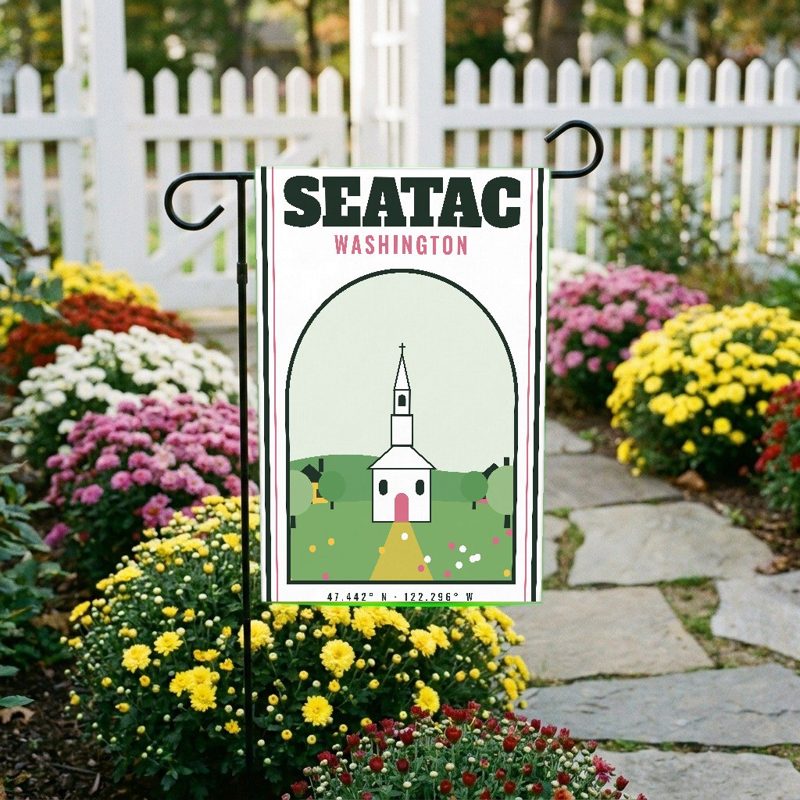
SeaTac Garden Flag

SeaTac Garden Flag

Weatherproof, for the front walk

$31
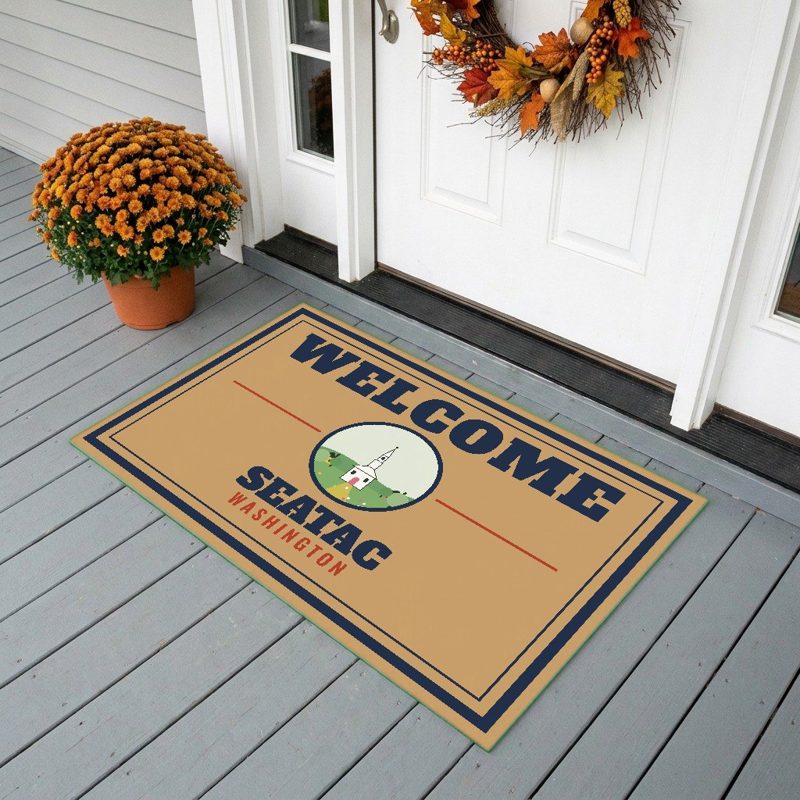
SeaTac Welcome Doormat

SeaTac Welcome Doormat

24″×16″, printed coir-look fibers, rubber back

$66
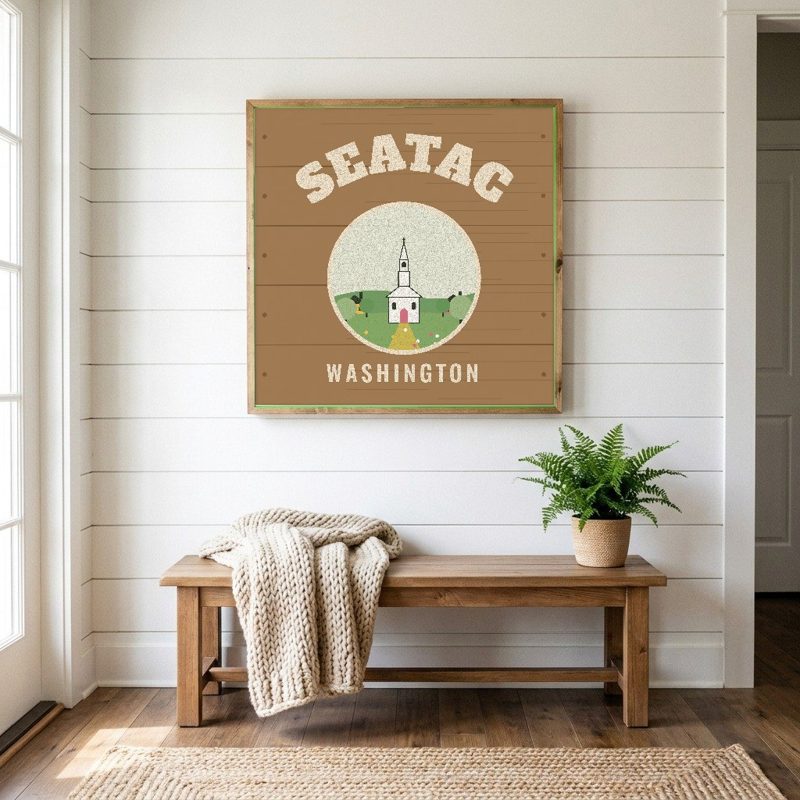
SeaTac Hometown Wood Sign

SeaTac Hometown Wood Sign

12″×12″ printed wood, ready to hang

$48
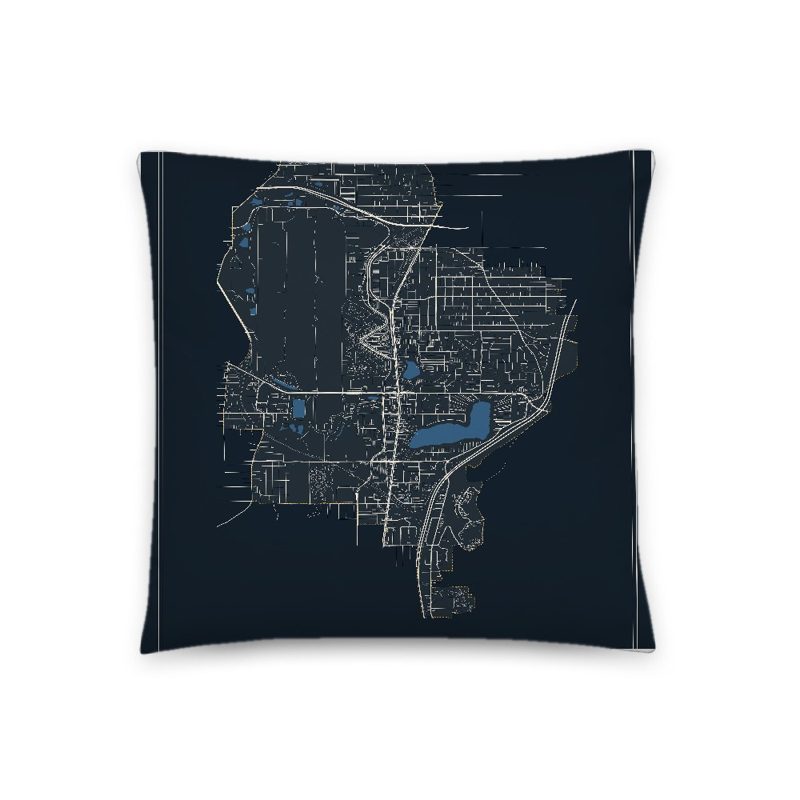
SeaTac Map Throw Pillow

SeaTac Map Throw Pillow

Soft-touch, zip cover

$47
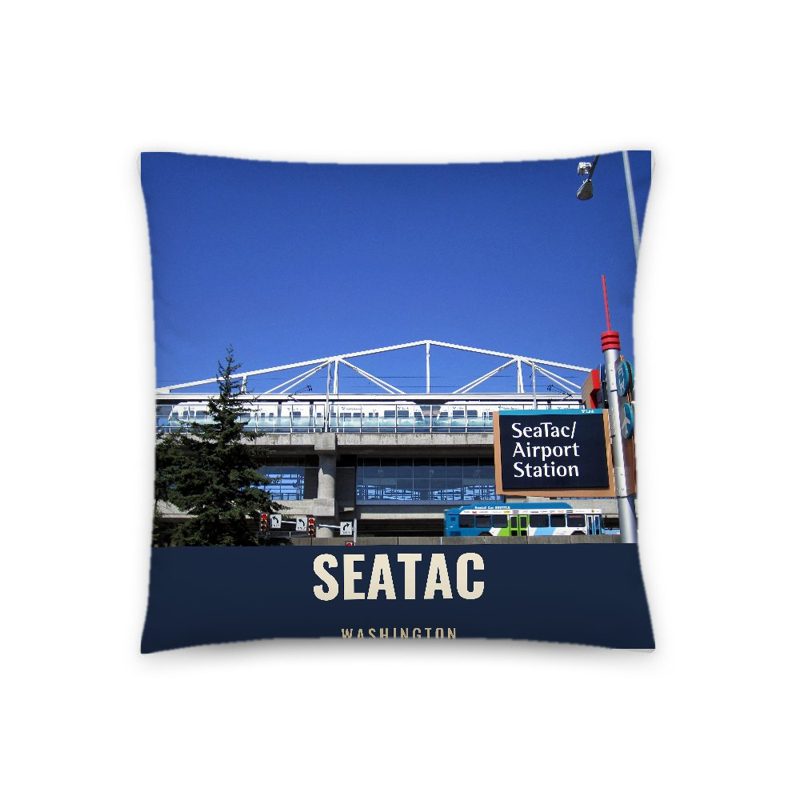
SeaTac Landmark Photo Pillow

SeaTac Landmark Photo Pillow

A local landmark photo with the town name, 18″×18″

$49
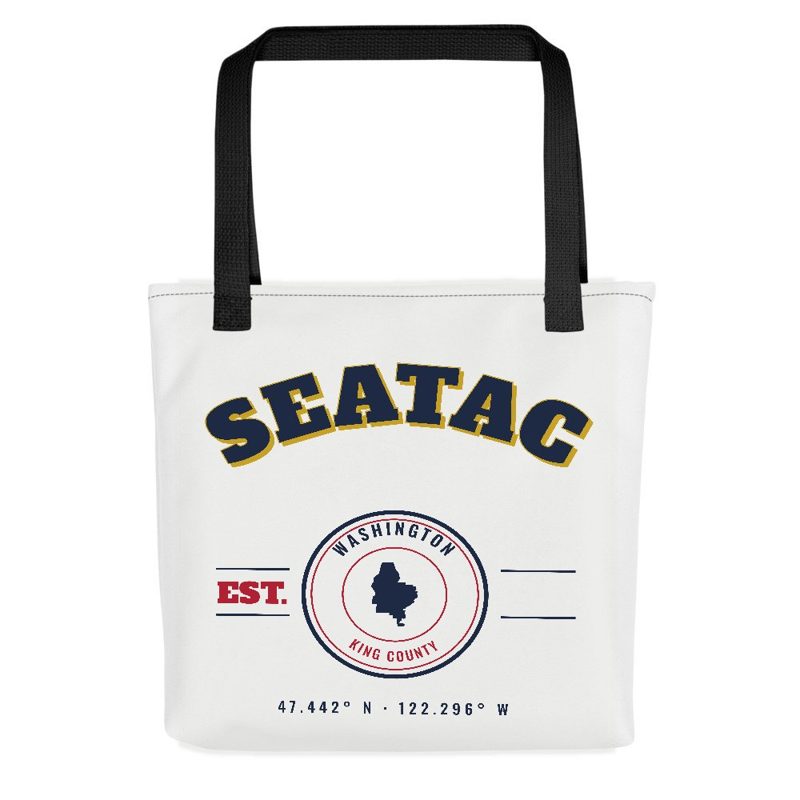
SeaTac Market Tote

SeaTac Market Tote

Sturdy all-over-print tote

$37
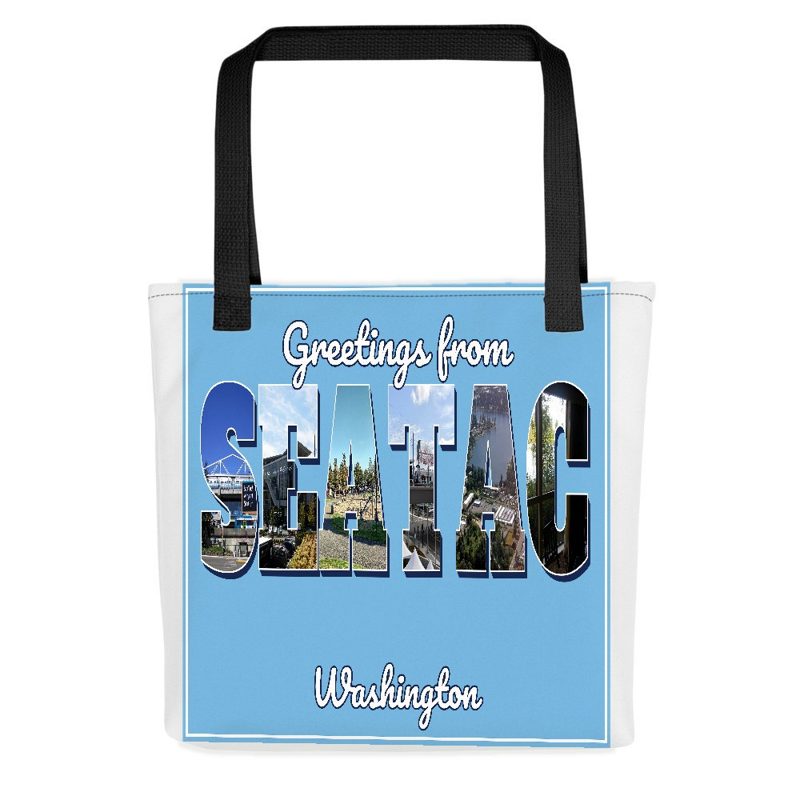
SeaTac “Greetings From” Tote

SeaTac “Greetings From” Tote

Large-letter postcard art on a sturdy tote

$37
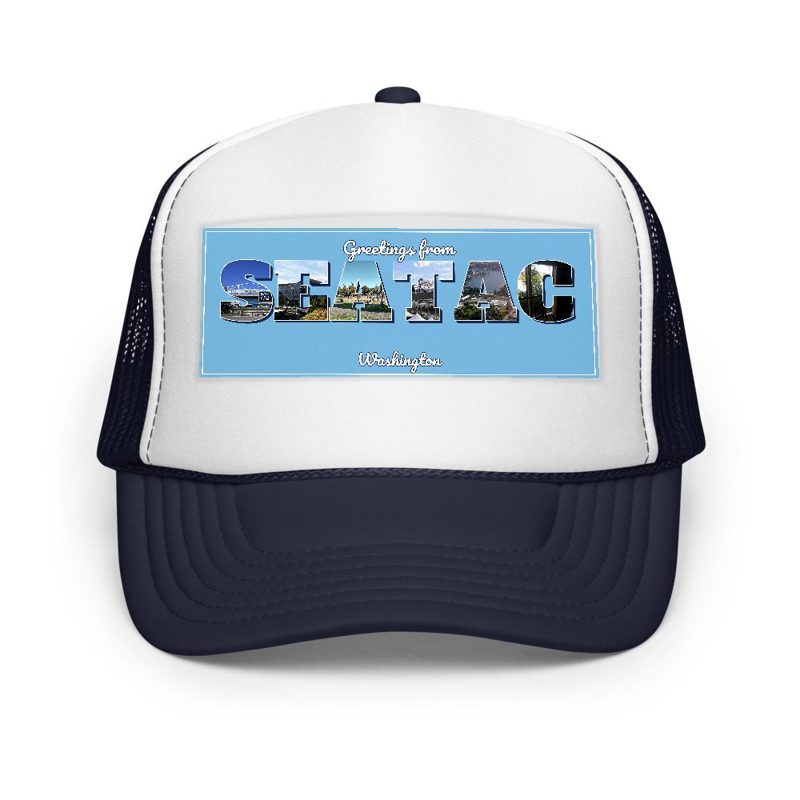
SeaTac “Greetings From” Trucker Cap

SeaTac “Greetings From” Trucker Cap

Foam-front trucker, printed (not embroidered) with local photos

$33
SeaTac Cork Coaster

SeaTac Cork Coaster

Glossy top, cork back

$16
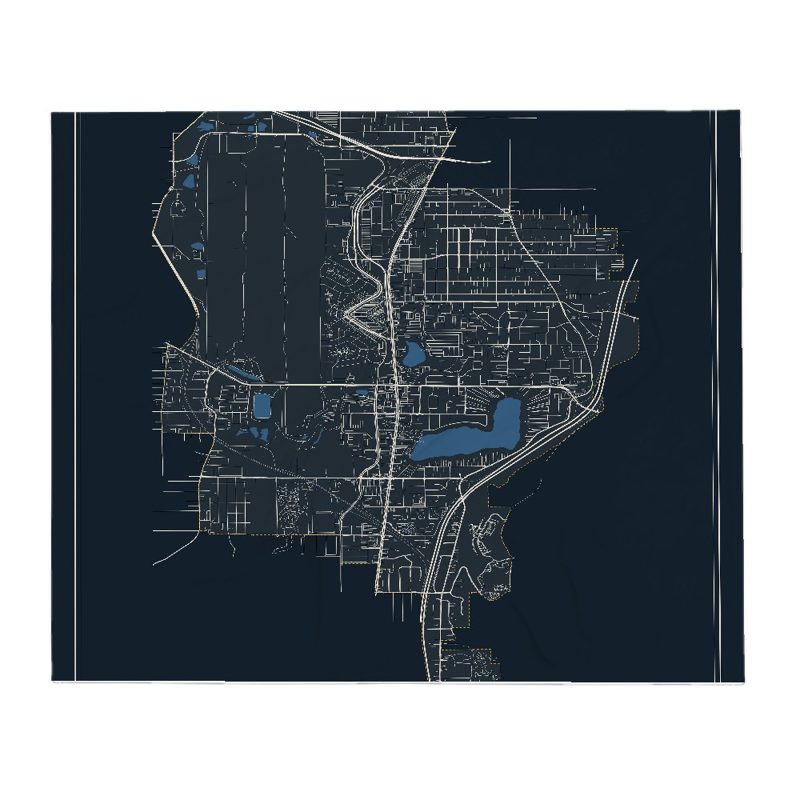
SeaTac Street Map Throw Blanket

SeaTac Street Map Throw Blanket

Soft fleece, 50″×60″

from $72
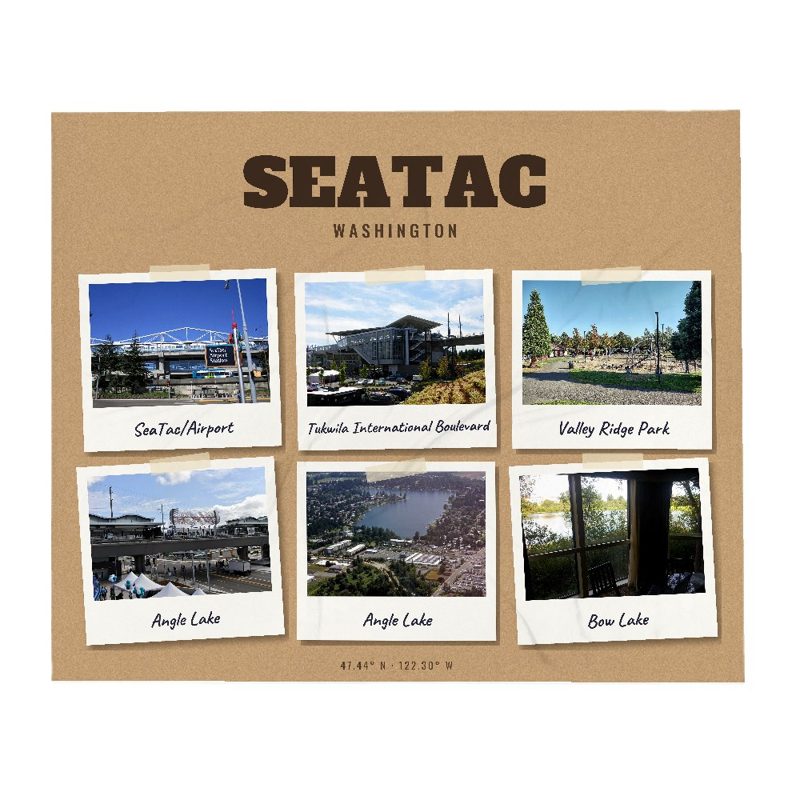
SeaTac Snapshot Collage Blanket

SeaTac Snapshot Collage Blanket

Six local landmarks as instant photos, soft fleece 50″×60″

from $76
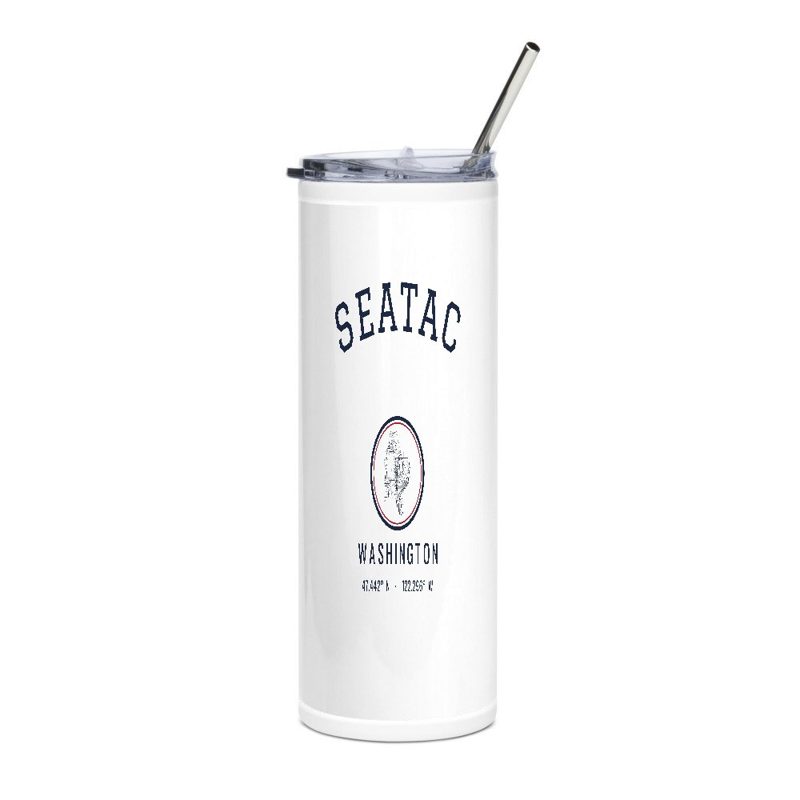
SeaTac Est. Tumbler

SeaTac Est. Tumbler

20 oz, double-wall stainless

$51
SeaTac Seattle–Tacoma International Airport Postcard

SeaTac Seattle–Tacoma International Airport Postcard

6″×4″ postcard, glossy front

$10
SeaTac SeaTac/Airport Postcard

SeaTac SeaTac/Airport Postcard

6″×4″ postcard, glossy front

$10
SeaTac Tukwila International Boulevard Postcard

SeaTac Tukwila International Boulevard Postcard

6″×4″ postcard, glossy front

$10
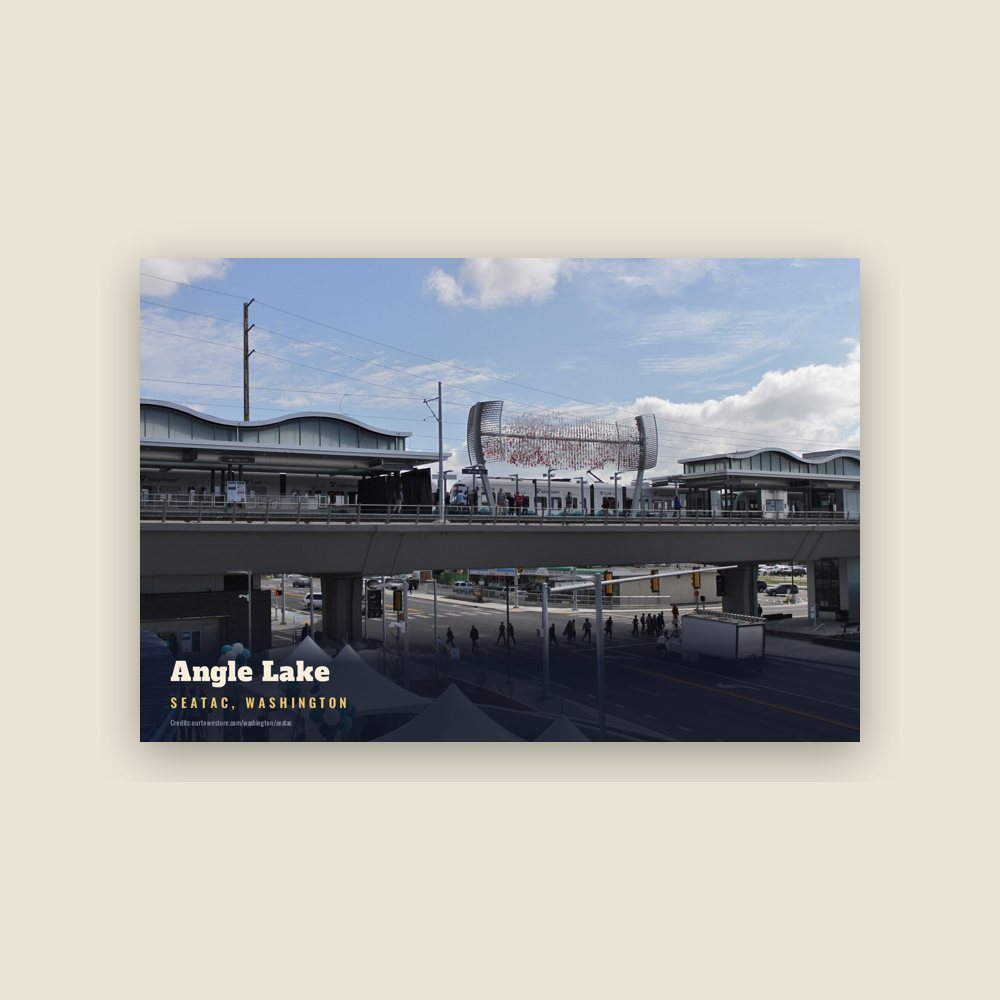
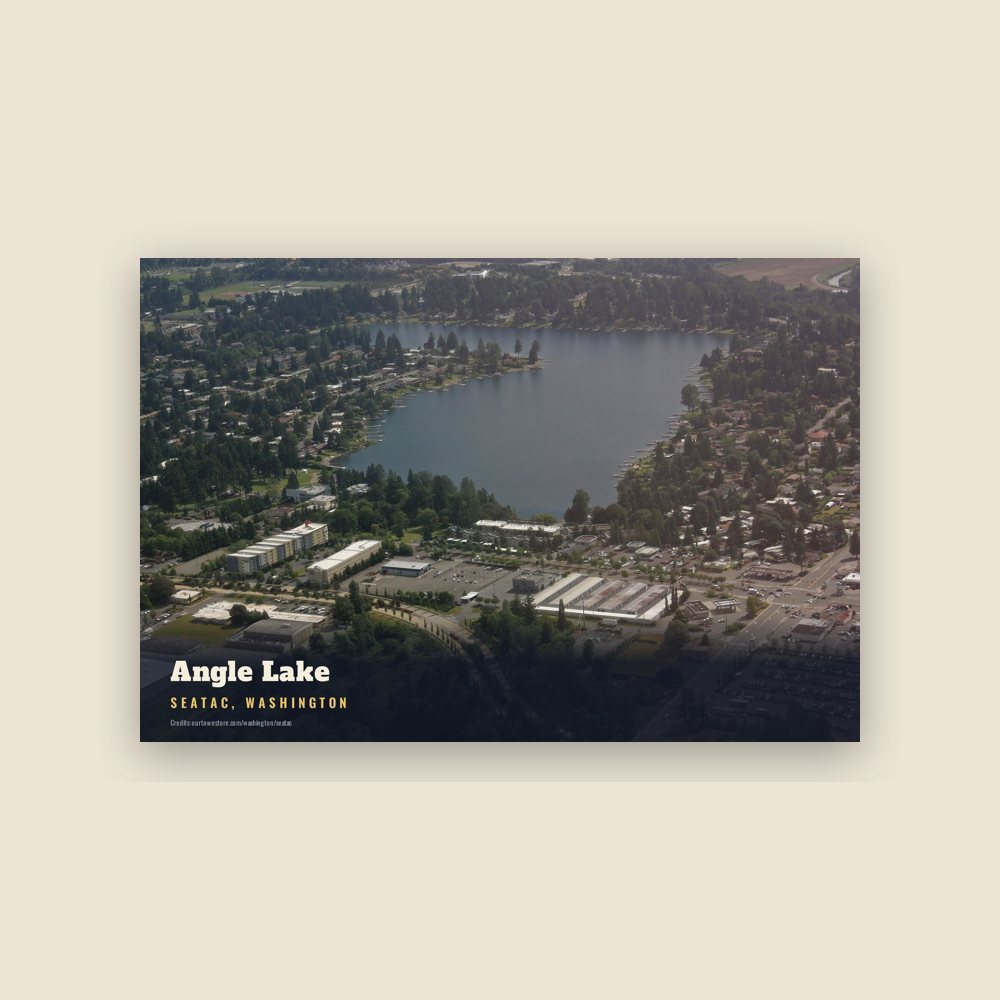
SeaTac Angle Lake Postcard

SeaTac Angle Lake Postcard

6″×4″ postcard, glossy front

$10
SeaTac Angle Lake Postcard

SeaTac Angle Lake Postcard

6″×4″ postcard, glossy front

$10
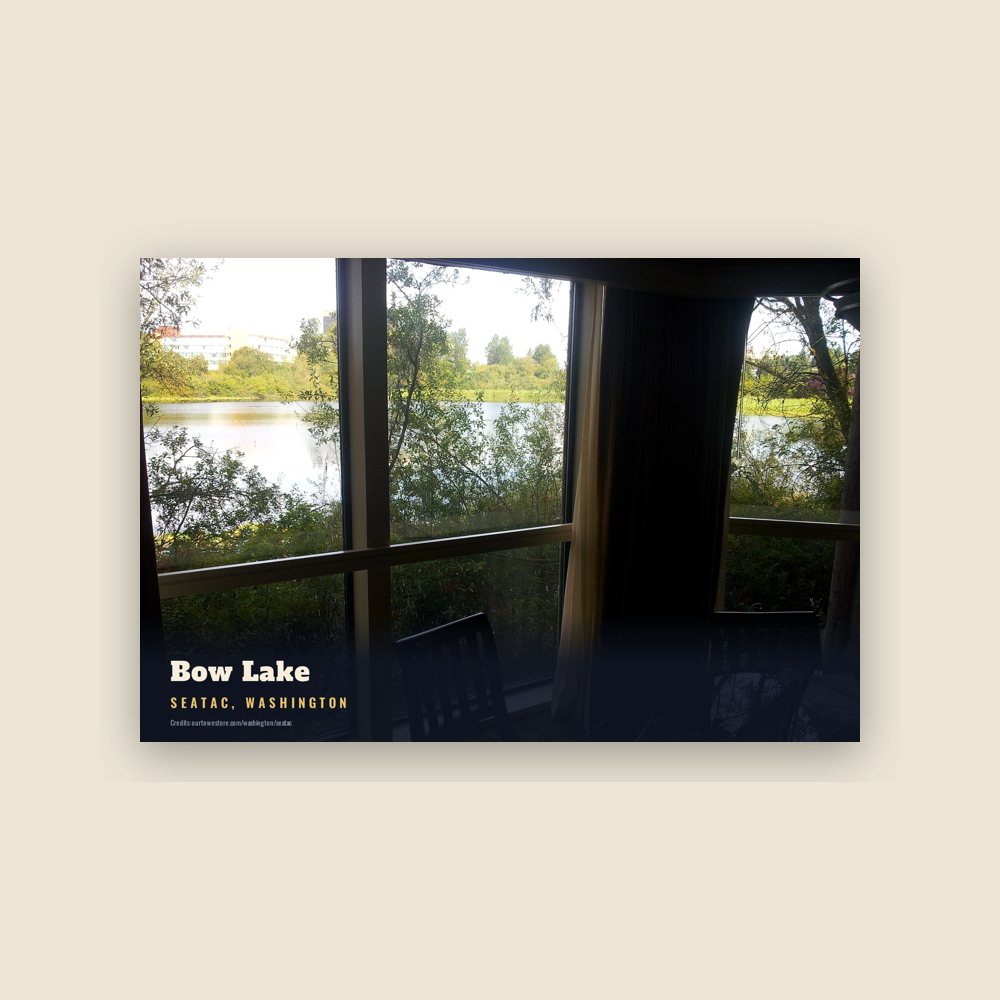
SeaTac Bow Lake Postcard

SeaTac Bow Lake Postcard

6″×4″ postcard, glossy front

$10

A short history of SeaTac

The earliest people to live in the Highline ridge and surrounding lowlands were Coast Salish peoples for thousands of years before European contact. The area sits between Puget Sound to the west and the Duwamish and Green River valleys to the east. It was used by Duwamish and Muckleshoot peoples for fishing, hunting, and overland travel. In the 1850s, federal surveyors recorded salal and huckleberry across the area, believed to be evidence of deliberate land management through intentional burning and cultivation, rather than pure wilderness. In 1990, a diver discovered two dugout canoes from the bottom of Angle Lake that were carbon-dated to approximately 1678. Both the Muckleshoot and Duwamish tribes claimed the artifacts, which were eventually transferred to the Muckleshoot Tribe for stewardship.

The Highline area, which includes modern-day SeaTac, Burien, most of Des Moines, and unincorporated communities such as White Center and Boulevard Park, was settled by European Americans in the mid-1850s. Over the following decades, small farming communities developed around Miller Creek and other drainages on the plateau. The federal government finished construction of a military road from Fort Steilacoom to Fort Bellingham in 1860, passing through the Highline area to the east of modern-day SeaTac. One of the more prominent roads of travel from Seattle to Tacoma early in the 20th century is Des Moines Memorial Drive (originally called the High Line road), which passes directly through the middle of the region, particularly through SeaTac and Burien.

The construction of Seattle–Tacoma International Airport transformed the area. After the U.S. military took control of Boeing Field following the attack on Pearl Harbor, the Port of Seattle accepted a federal grant in March 1942 to build a replacement civilian airport as part of a larger wartime pattern of federal intervention in municipal airport development across the country. The airport was dedicated on October 31, 1944, though the U.S. Army Air Forces used it primarily to stage B-29 bombers through the end of World War II.

The communities of Riverton Heights and McMicken Heights tripled in population during the war as workers moved to the area to staff Boeing's plants and the new airport. After the war, as Sea-Tac became the primary commercial aviation gateway for the Puget Sound region, the surrounding unincorporated communities grew further. By 1962, the airport and its tenants employed 6,000 workers with an annual payroll of $40 million and supported an estimated $133 million in regional business activity and 30,000 local residents.

The development of Interstate 5 in the 1960s drew regional through-traffic away from Pacific Highway South, which evolved into a commercial strip of motels, restaurants, and service businesses catering to airport travelers. This concentration of airport-dependent commerce would give the future city of SeaTac an unusually large tax base relative to its residential population.

In response to growing noise complaints in the 1960s and 1970s, the Port Commission joined King County in a comprehensive planning effort that resulted in the Sea-Tac Communities Plan of 1976, the first program in the United States in which an airport operator established a noise buffer by purchasing homes and school buildings adjacent to the facility and soundproofing others. The plan received the American Institute of Planners' Meritorious Program Award in 1978, and 420 acres of vacated land north of the airport were converted into what became North SeaTac Park.

Incorporating the area as a city was proposed by local residents in the 1980s, while a competing proposal sought annexation into Des Moines or another city. Local residents voted for incorporation on March 14, 1989, and the city incorporated on February 28, 1990. Des Moines amended their annexation territory following the decision. The original ballot used the name "Sea-Tac", but the incorporation petition to the county government omitted the hyphen.

Adapted (trimmed) from the Wikipedia article SeaTac, Washington, revision 1379399000 by its contributors, licensed CC BY-SA 4.0.
For local organizations

Are you with a SeaTac historical society?

We share a part of every SeaTac sale with local partners, and we'd love to print from your collection. Old photographs, maps and postcards make the best keepsakes.

Partner with us
Custom orders

Want something SeaTac we don't make yet?

A favorite landmark, your street, a school or team, an anniversary gift, a different product. Tell us and we'll get back to you by email.

Free printables

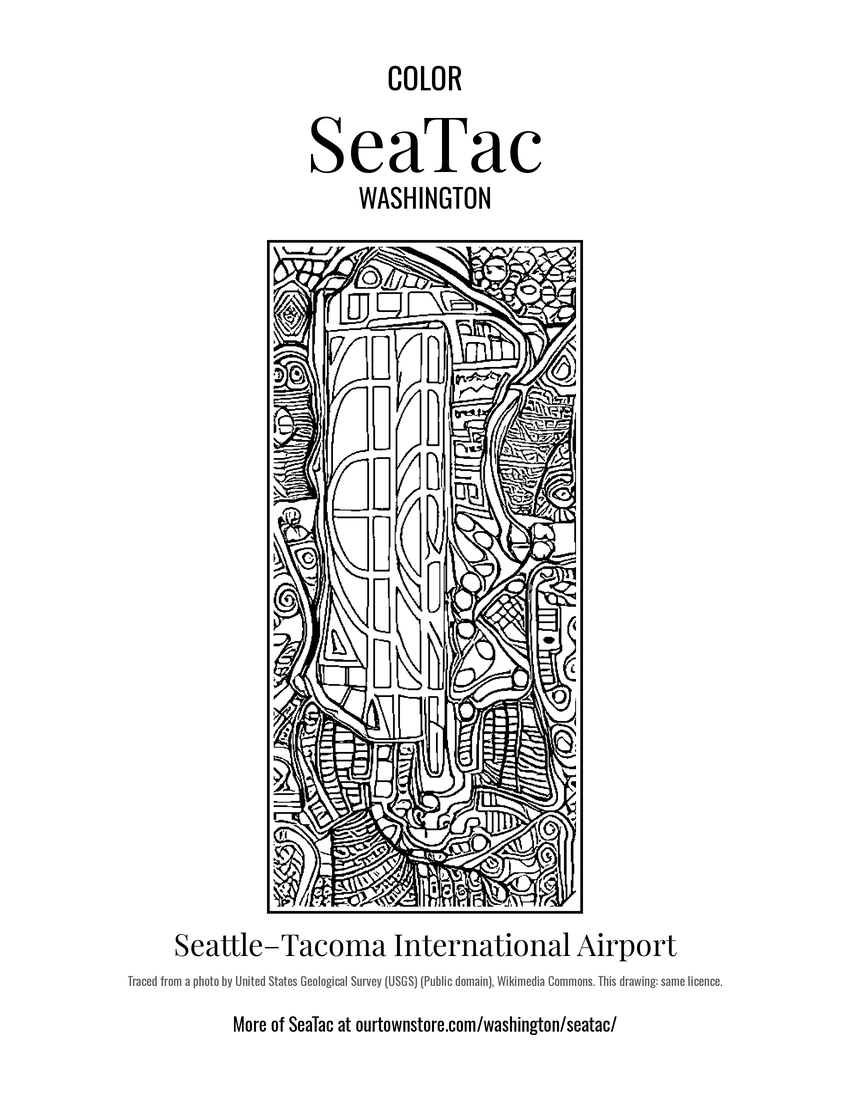
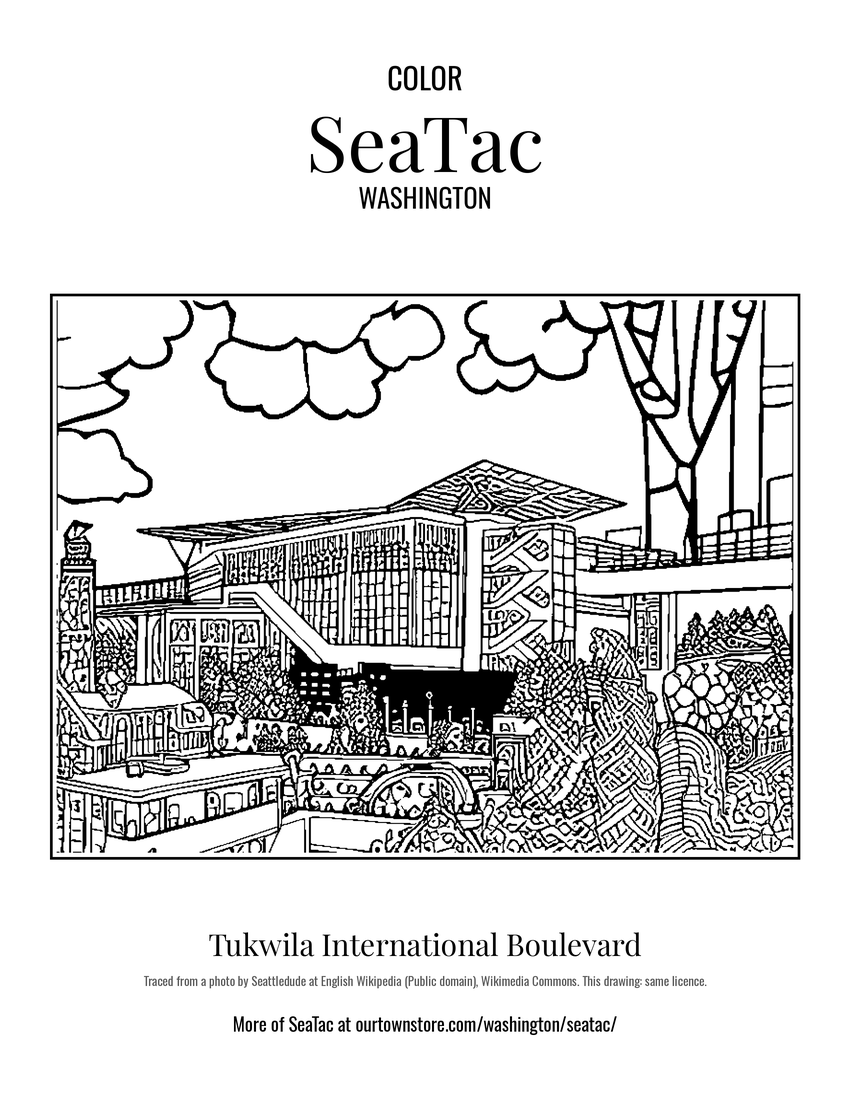
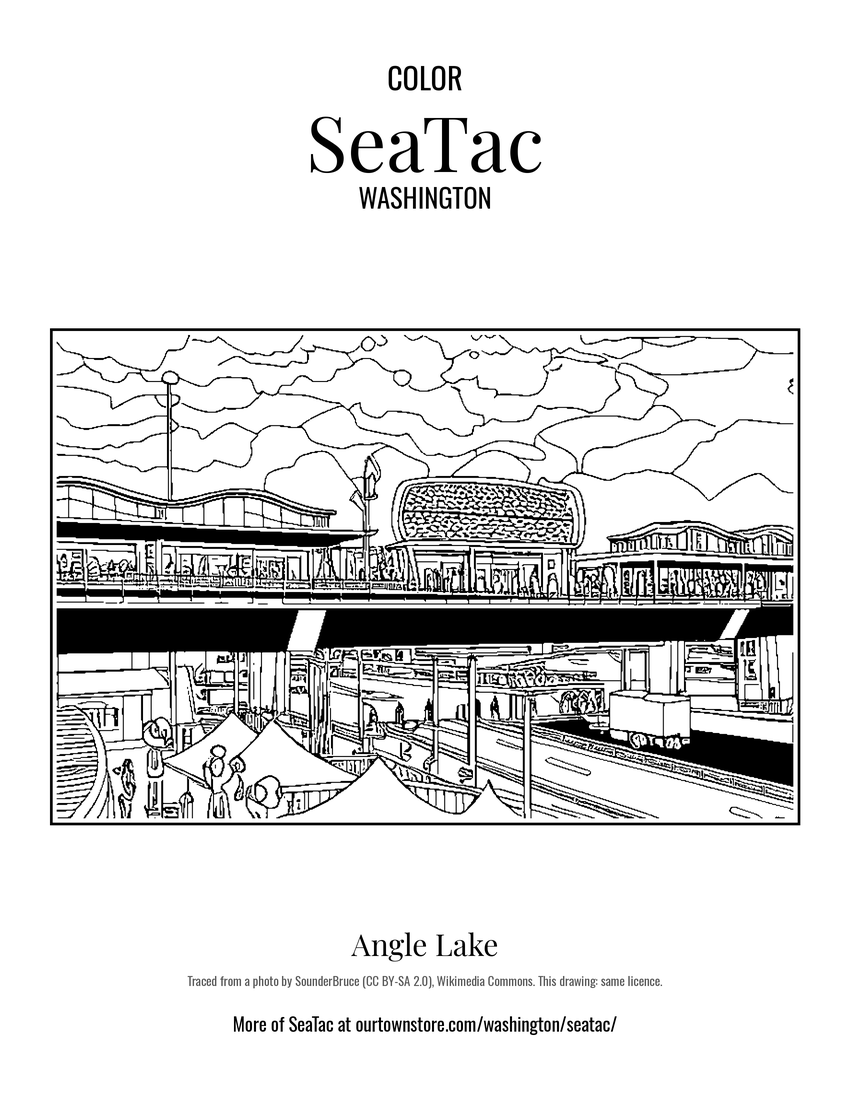
Color Seatac

8 free coloring pages of Seatac, each traced from a photo of a local landmark. Print them at home, at school or for story hour.

Nearby

Neighboring towns

Sources

SeaTac's population was 31,454 in the 2020 U.S. Census, up from 26,909 in 2010.