A short history of Washington
During the 1760s and 1770s, the territory now known as Vermont was in dispute between New York and New Hampshire, the result of conflicting interpretations of each colony's charter. People moving into the territory, then known as New Connecticut or the New Hampshire Grants, generally settled after purchasing land grants from New Hampshire governor Benning Wentworth. When the British government resolved the dispute in New York's favor, New York attempted to assert control by forcing residents who had purchased grants from Wentworth to pay a fee to confirm their titles, otherwise face eviction. Many Vermonters resisted, leading to creation of the Green Mountain Boys.
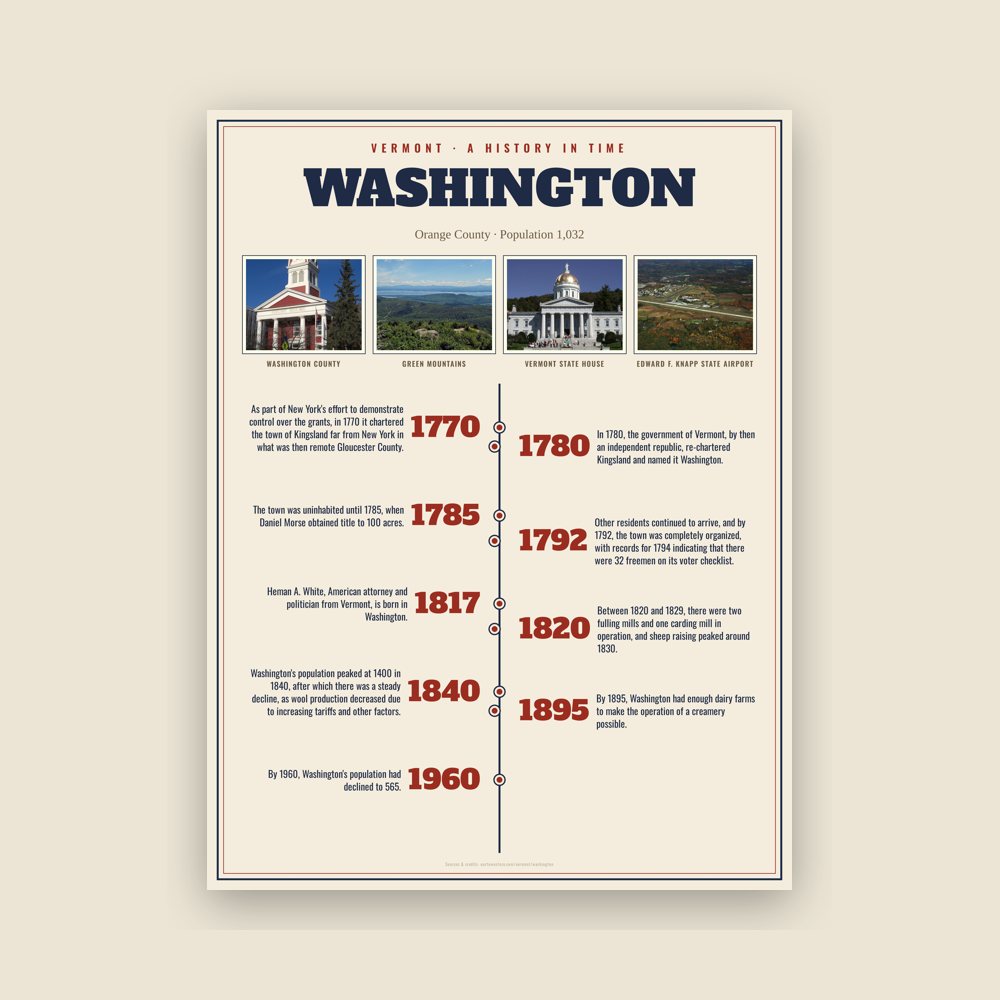
As part of New York's effort to demonstrate control over the grants, in 1770 it chartered the town of Kingsland far from New York in what was then remote Gloucester County. Kingsland had no record of any residents, but was designated as one of two county seats. A log jail and courthouse were constructed at the head of a stream subsequently named the Jail Branch.
In 1780, the government of Vermont, by then an independent republic, re-chartered Kingsland and named it Washington. The town was uninhabited until 1785, when Daniel Morse obtained title to 100 acres. He was soon followed by his brother, John. Other residents continued to arrive, and by 1792, the town was completely organized, with records for 1794 indicating that there were 32 freemen on its voter checklist.
Centered on the hilltop near the Jail Branch, the town consisted mainly of small sheep farms that produced wool. Between 1820 and 1829, there were two fulling mills and one carding mill in operation, and sheep raising peaked around 1830. Washington's population peaked at 1400 in 1840, after which there was a steady decline, as wool production decreased due to increasing tariffs and other factors. Most farms and homes around the center of town on the hilltop were abandoned, and the center of town relocated downhill and further north, along the Jail Branch and what is now Vermont Route 110.
With the arrival of the railroad in the 1850s, the dairy industry expanded as urban markets became accessible. By 1895, Washington had enough dairy farms to make the operation of a creamery possible. As industries including granite manufacturing grew in nearby towns, the expansion and railroads associated with it bypassed Washington, which remained a low-population rural community centered on agriculture.
By the late twentieth century, small dairy farms were increasingly uncompetitive, and by the 1950s, many of Washington's farms had ceased operation. By 1960, Washington's population had declined to 565. Although Washington remains a rural town, most farms are no longer in operation, and it has become a "bedroom community" with residents commuting to work in Barre, Montpelier, Burlington and other cities.
Adapted (trimmed) from the Wikipedia article Washington, Vermont, revision 1375489407 by its contributors, licensed CC BY-SA 4.0.
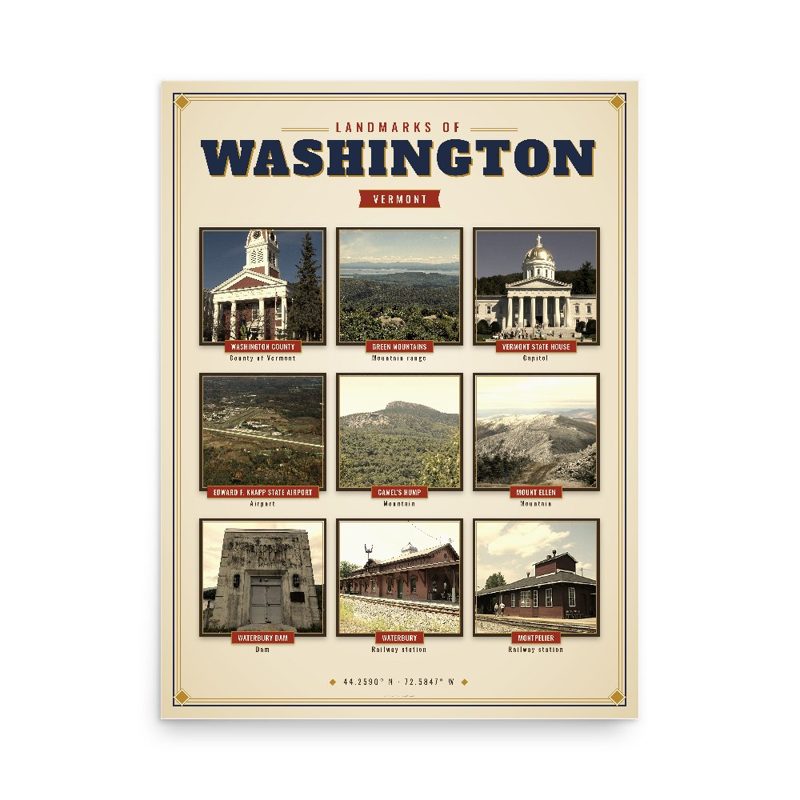
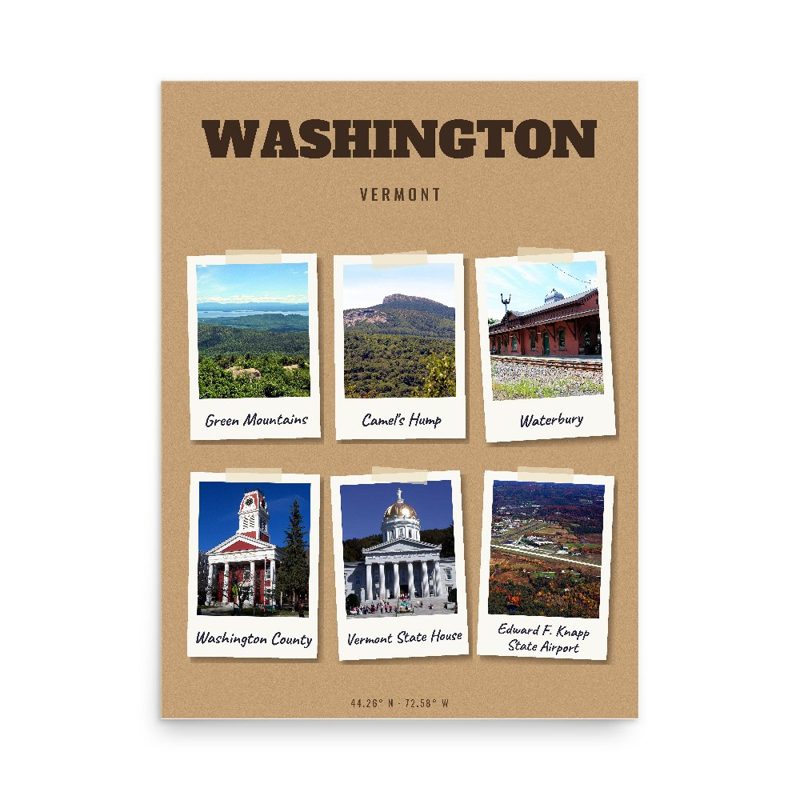
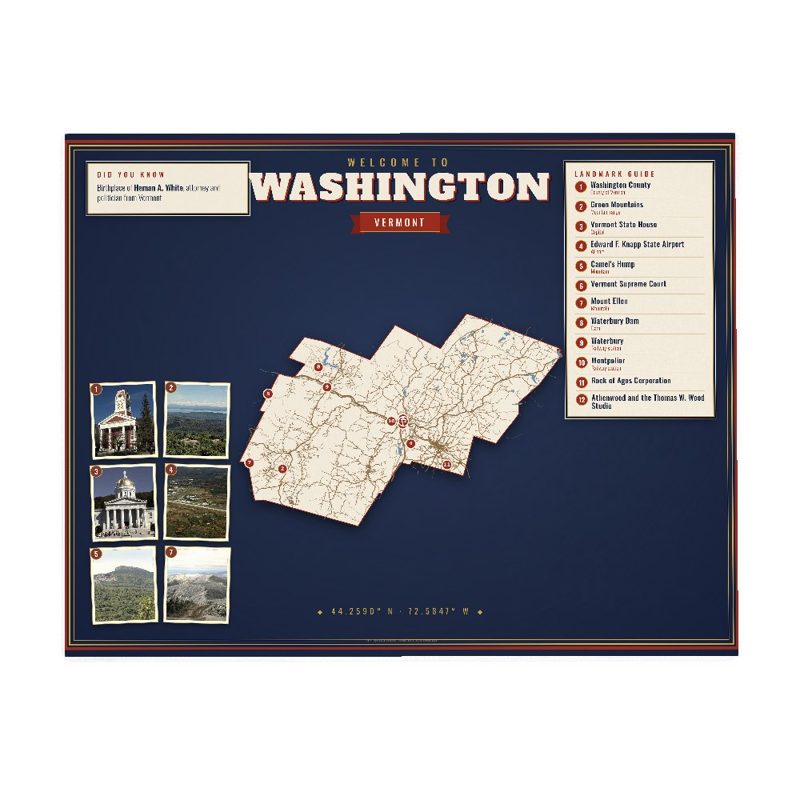
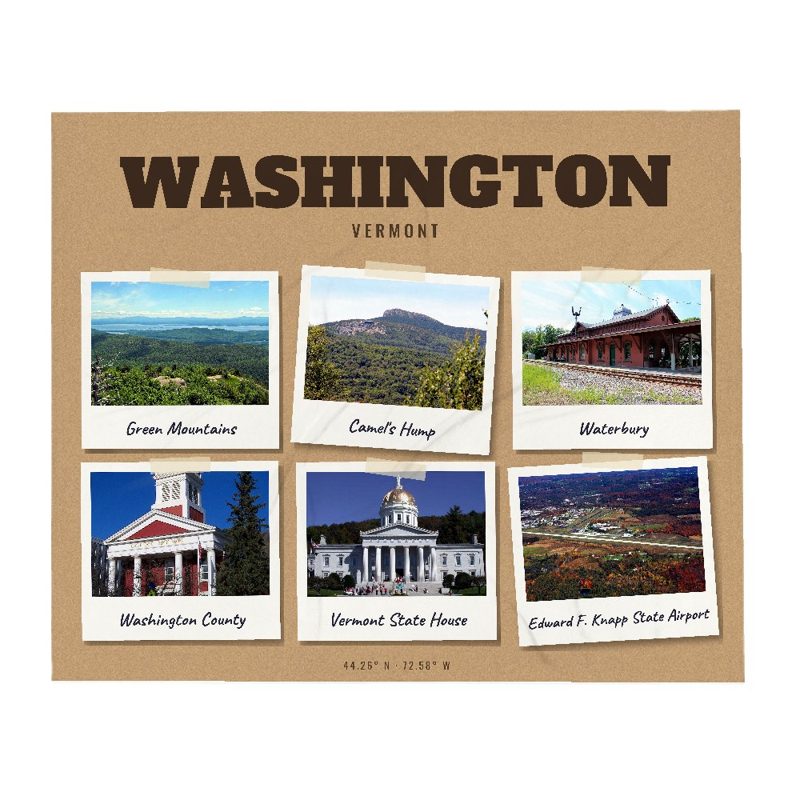
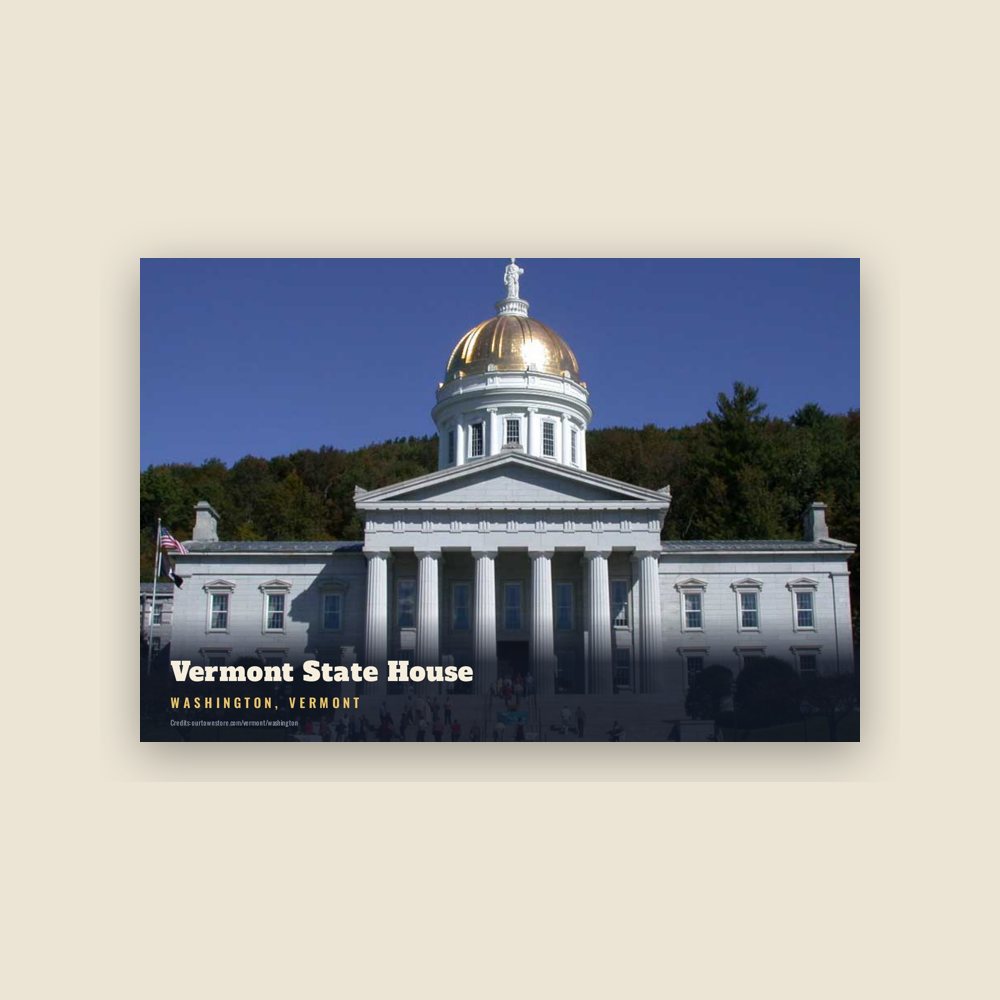
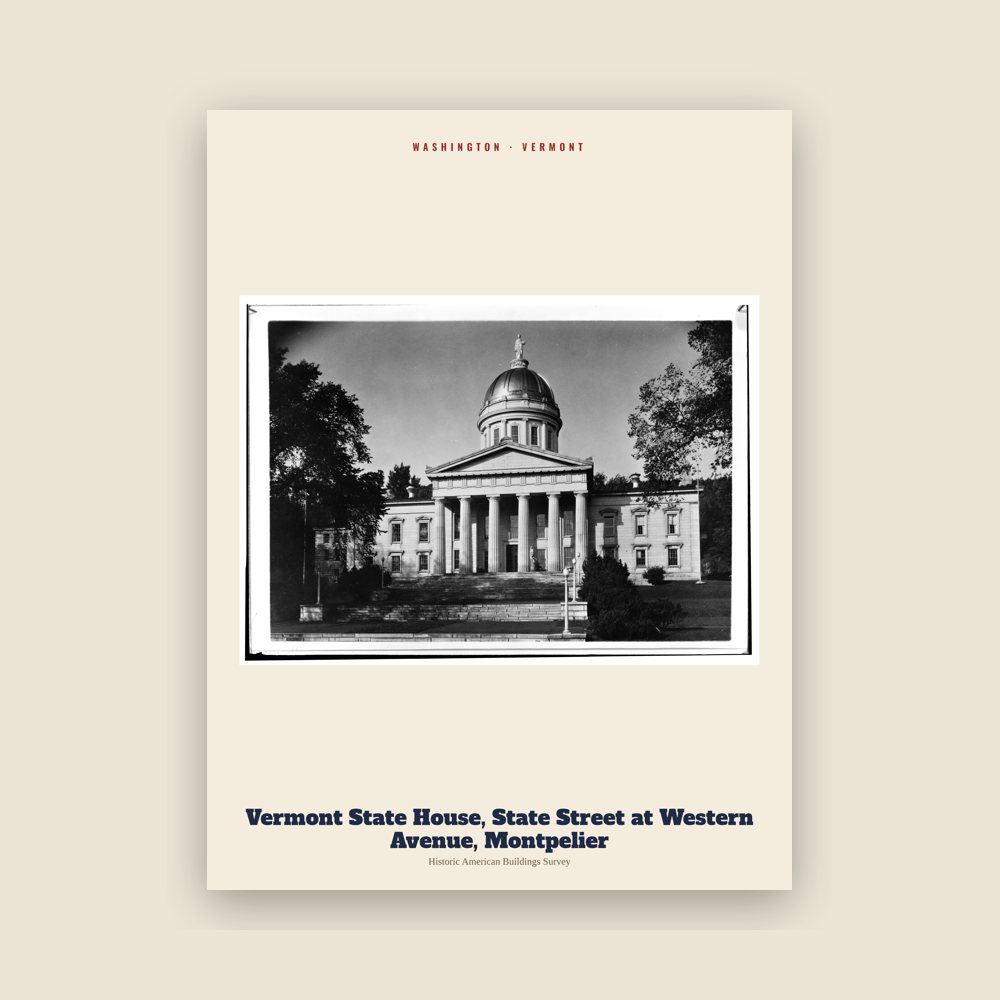
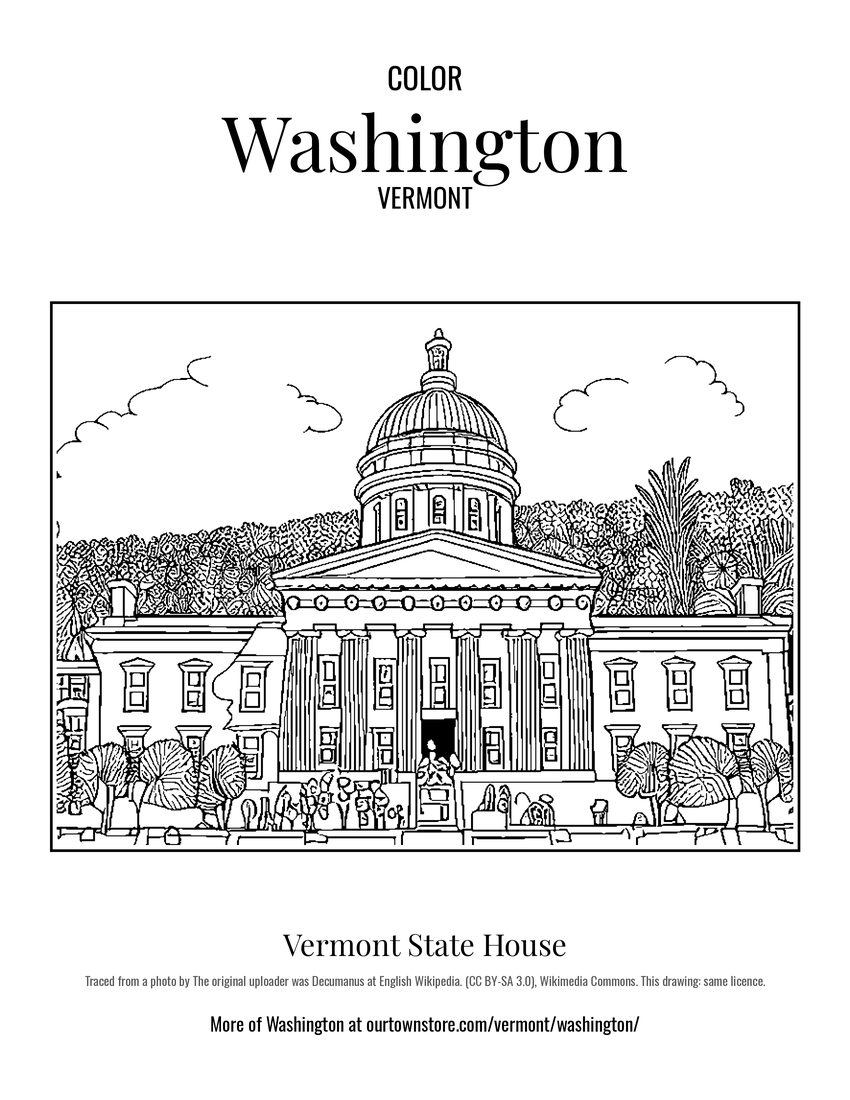 Vermont State House
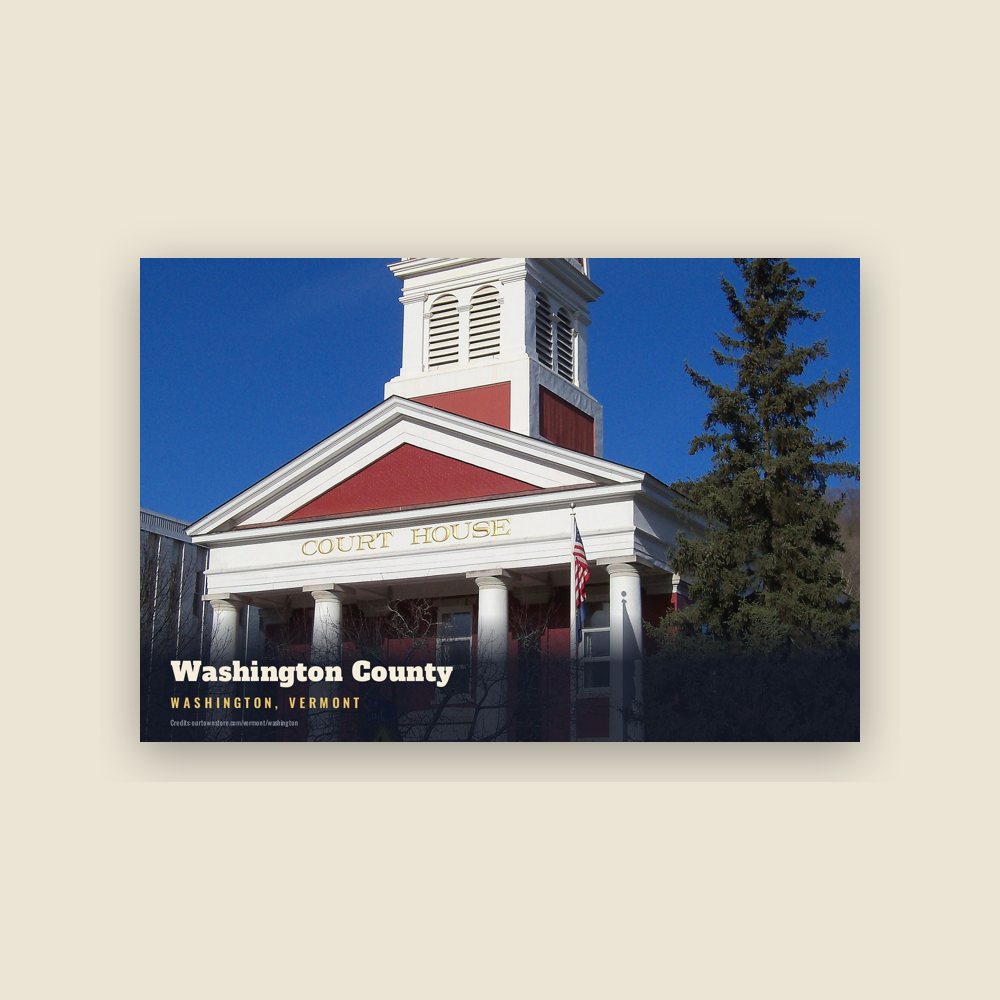
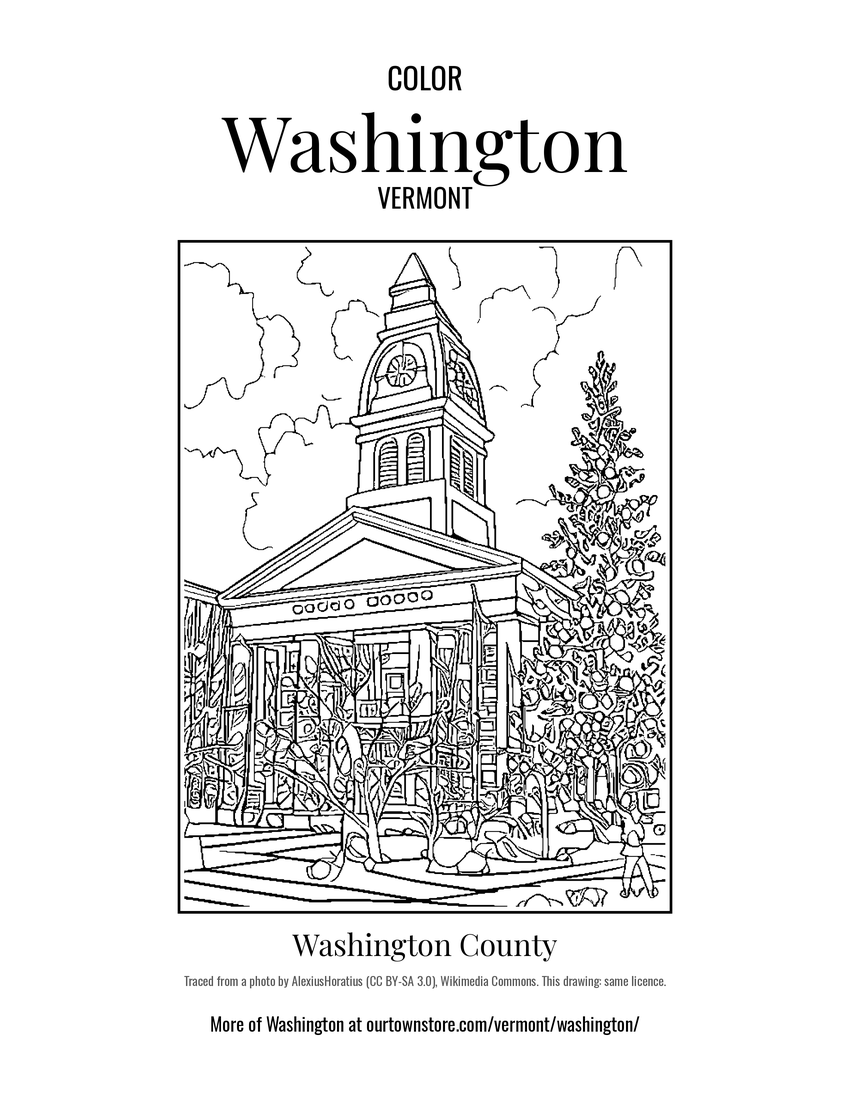 Washington County
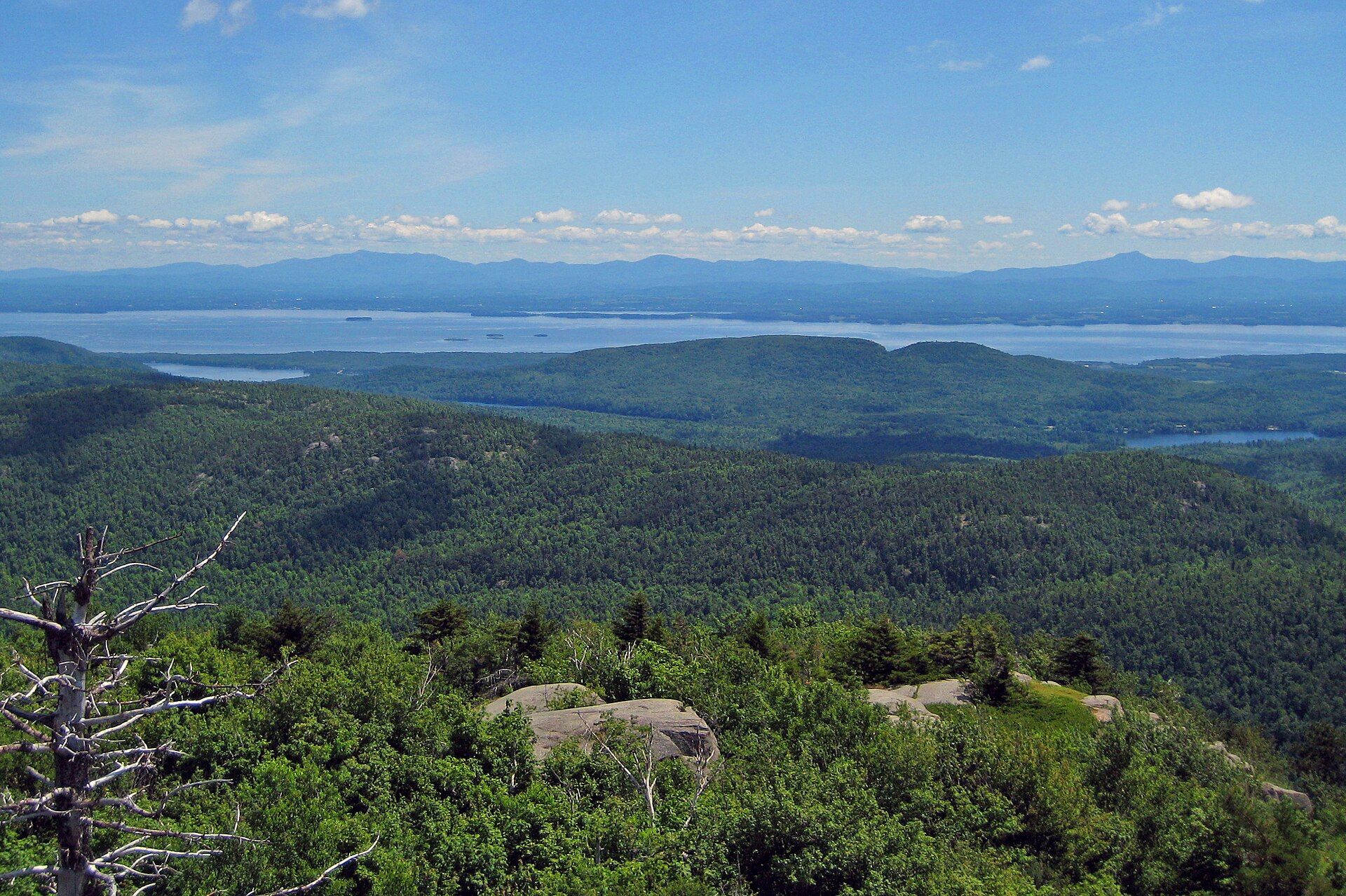
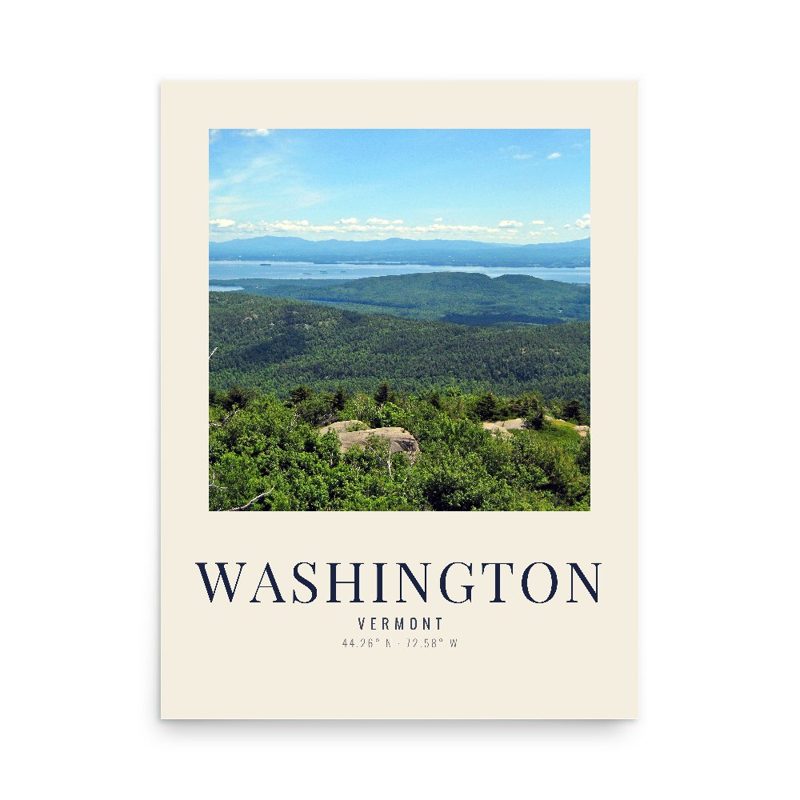
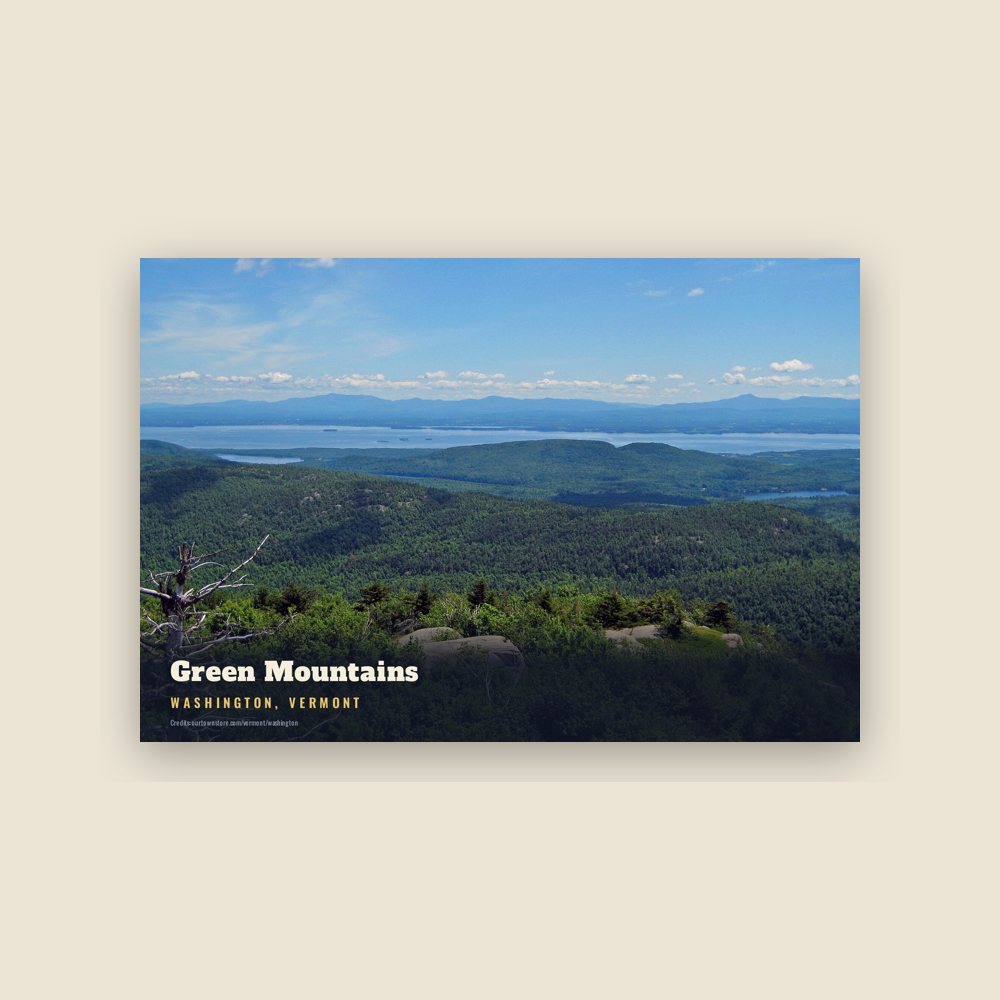
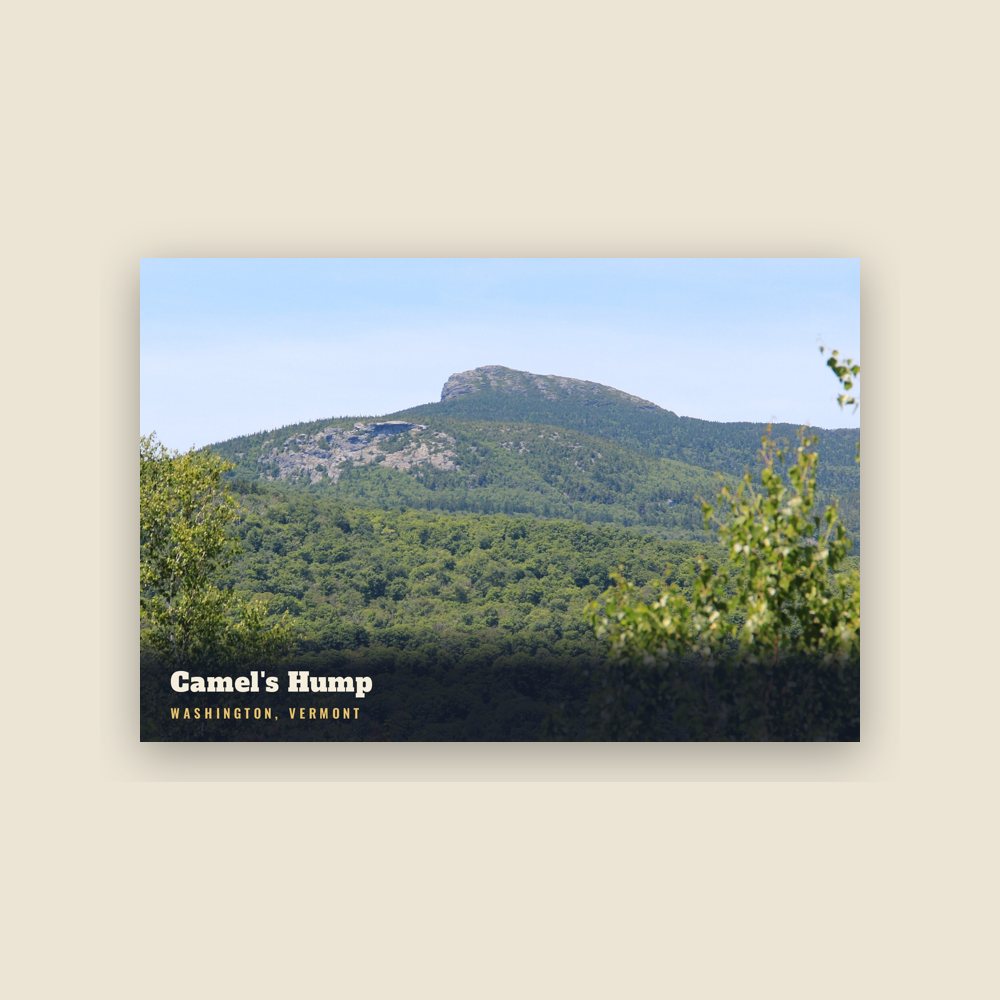
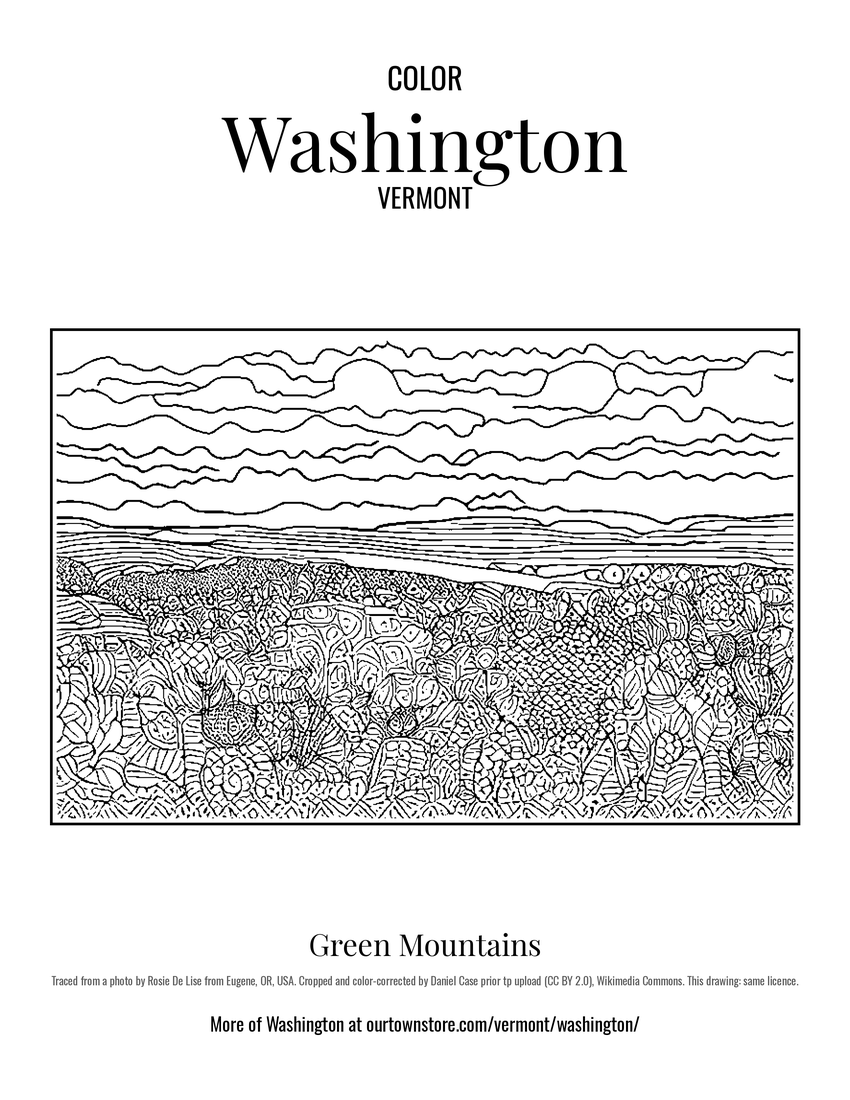 Green Mountains
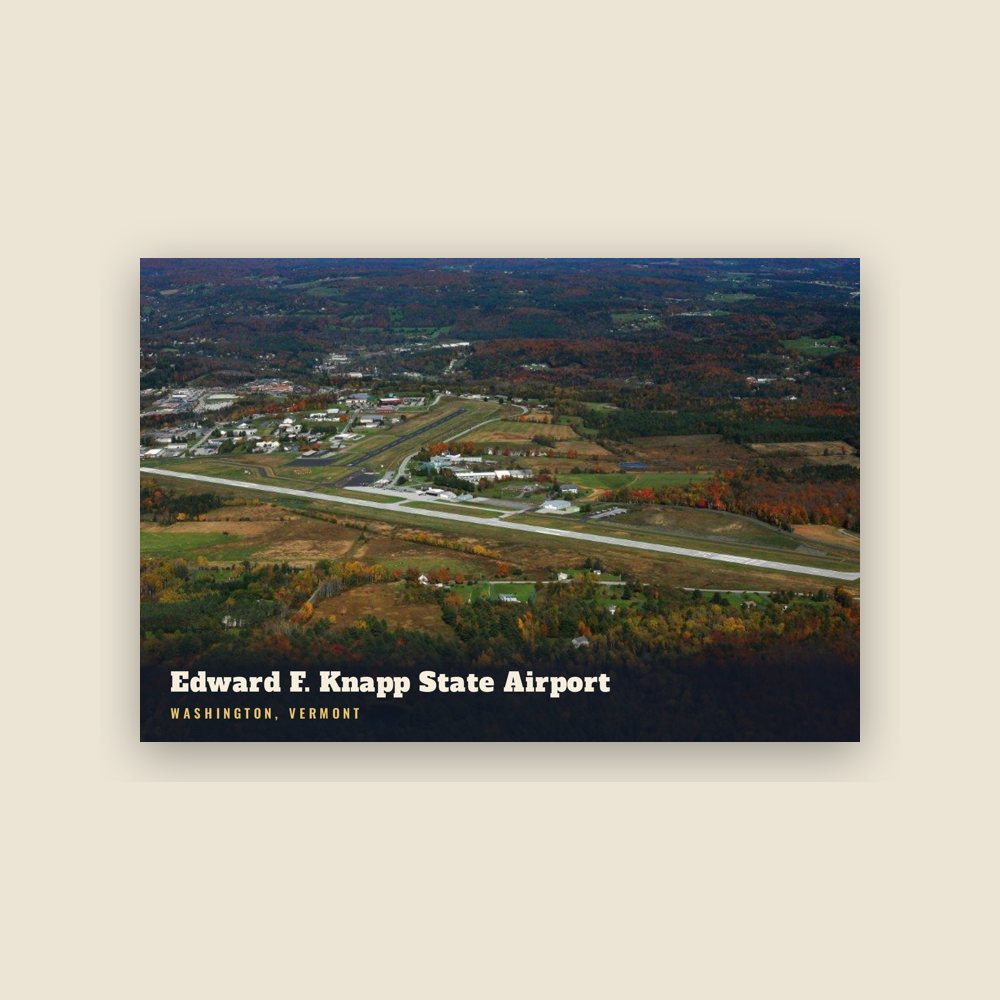
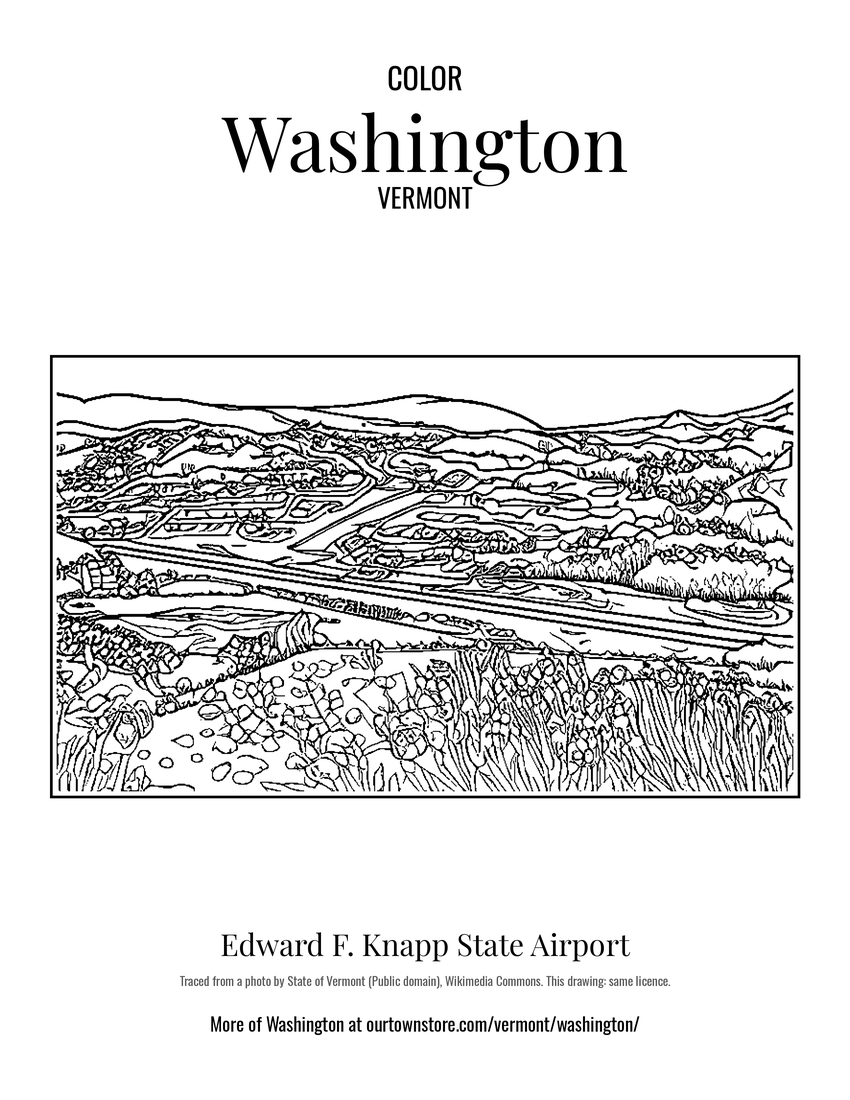 Edward F. Knapp State Airport