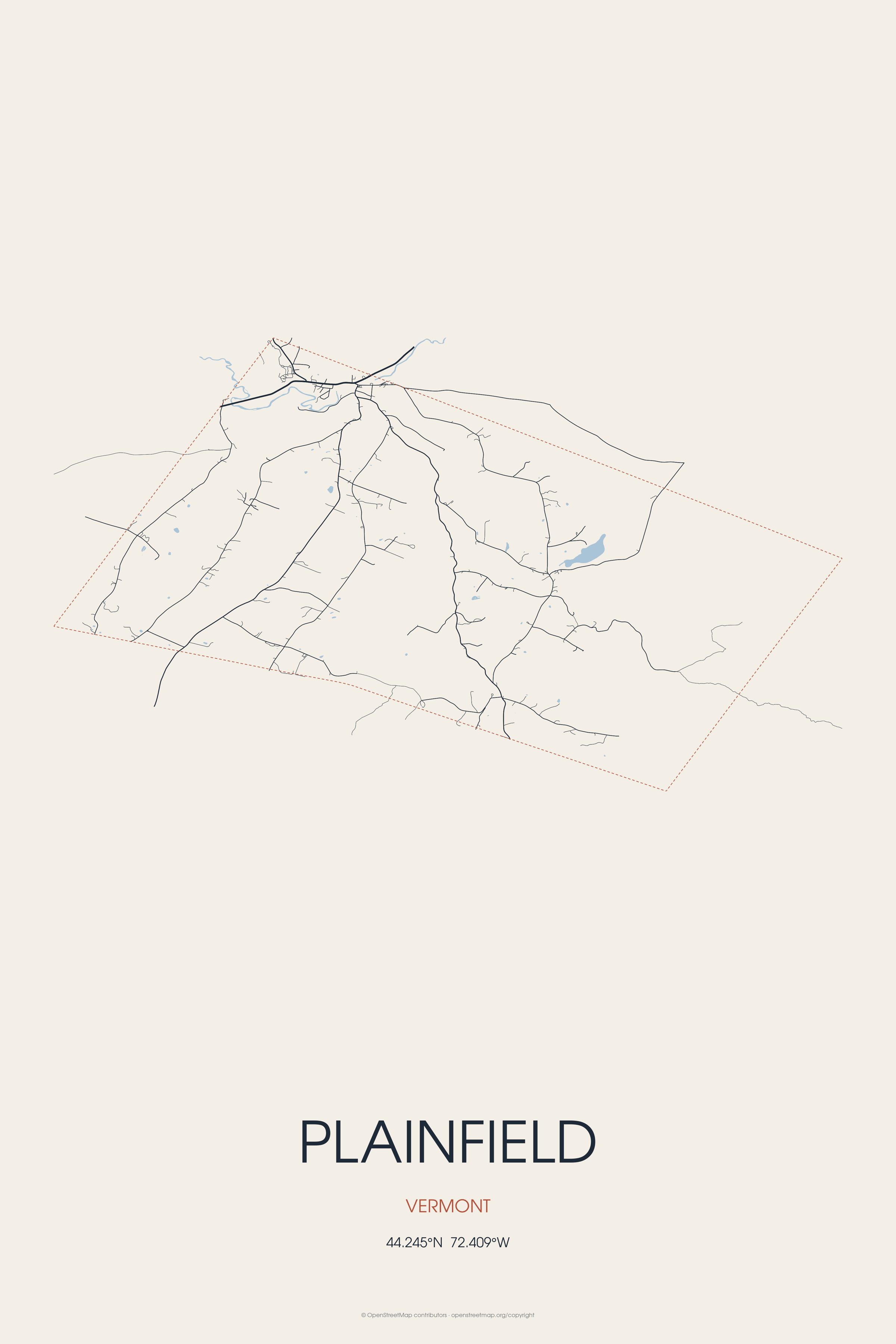
Plainfield, a town in Washington County, Vermont, United States was incorporated in 1867. Landmarks include Plainfield Village Historic District, Allenwood Farm and Gale-Bancroft House. Plainfield is the birthplace of Heman A. Moore, politician.
Every piece is drawn from Plainfield's own map data and historic archives, then printed and shipped from the USA when you order. No two towns look alike.
Every road in town, on archival matte paper
The same map, in navy and silver
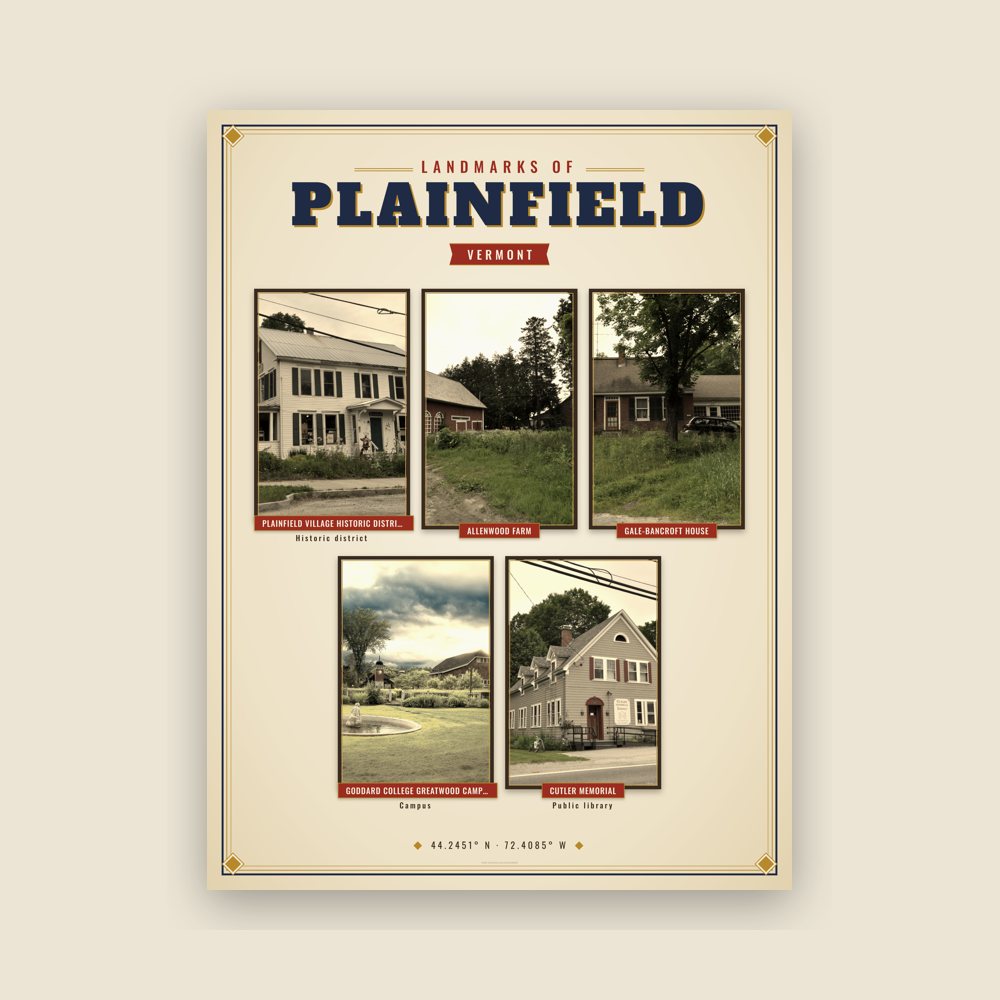
Nine local landmarks, archival matte
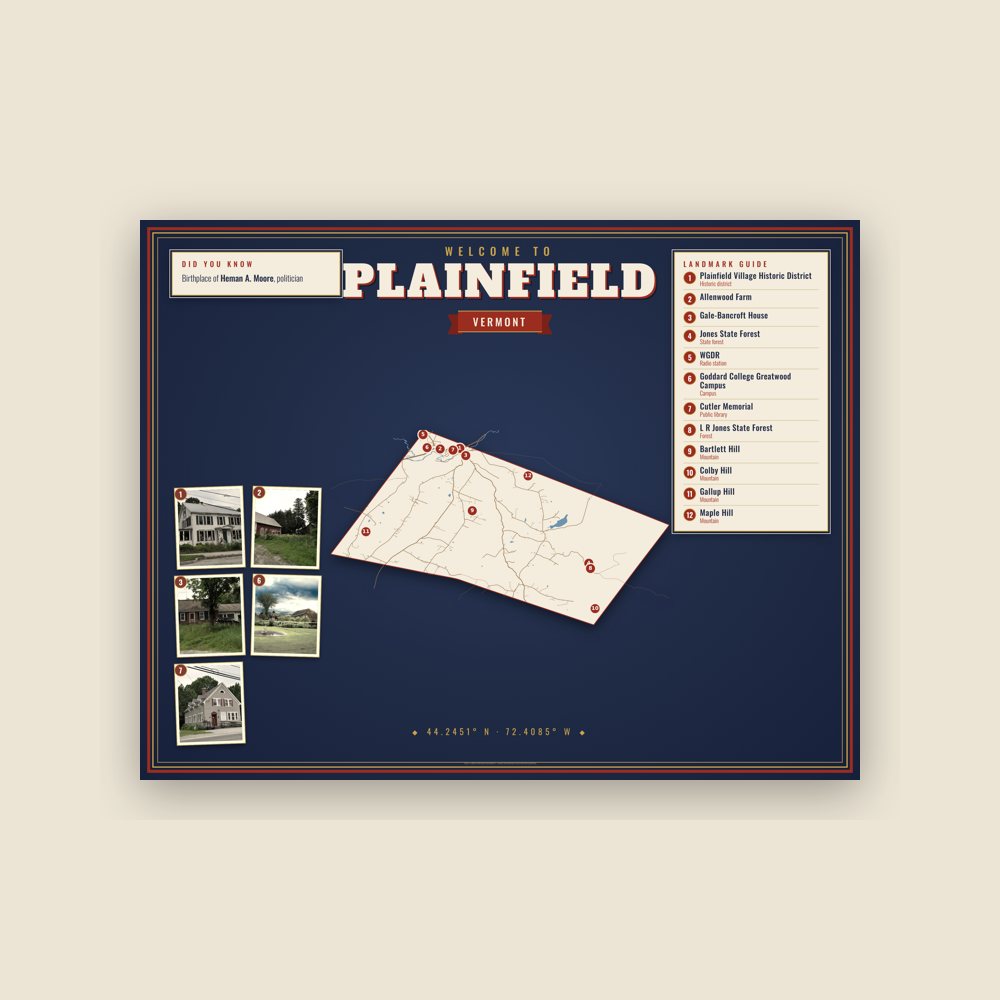
Map of local landmarks, washable fabric

Heavy-blend fleece, street map printed on the back

Soft Bella+Canvas jersey
Glossy ceramic, dishwasher safe
Ceramic keepsake, gold ribbon
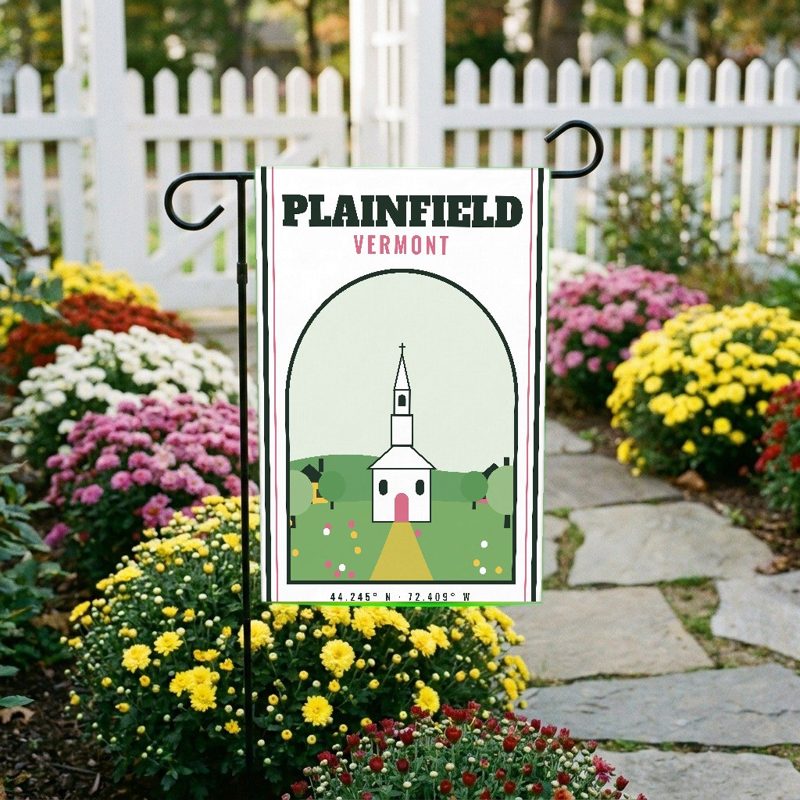
Weatherproof, for the front walk
24″×16″, printed coir-look fibers, rubber back
12″×12″ printed wood, ready to hang
Soft-touch, zip cover

Sturdy all-over-print tote
Glossy top, cork back
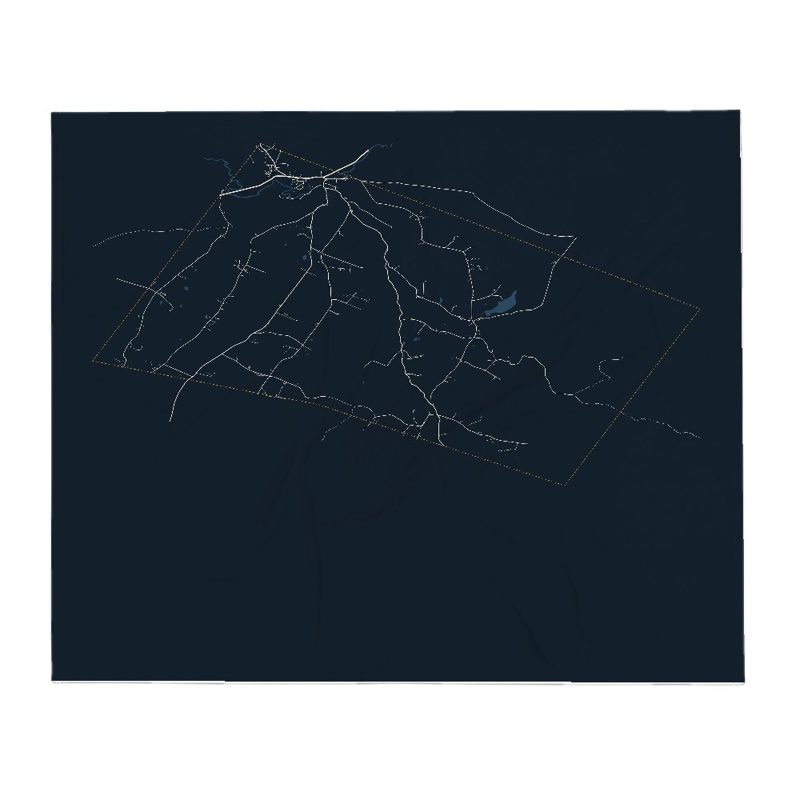
Soft fleece, 50″×60″
20 oz, double-wall stainless
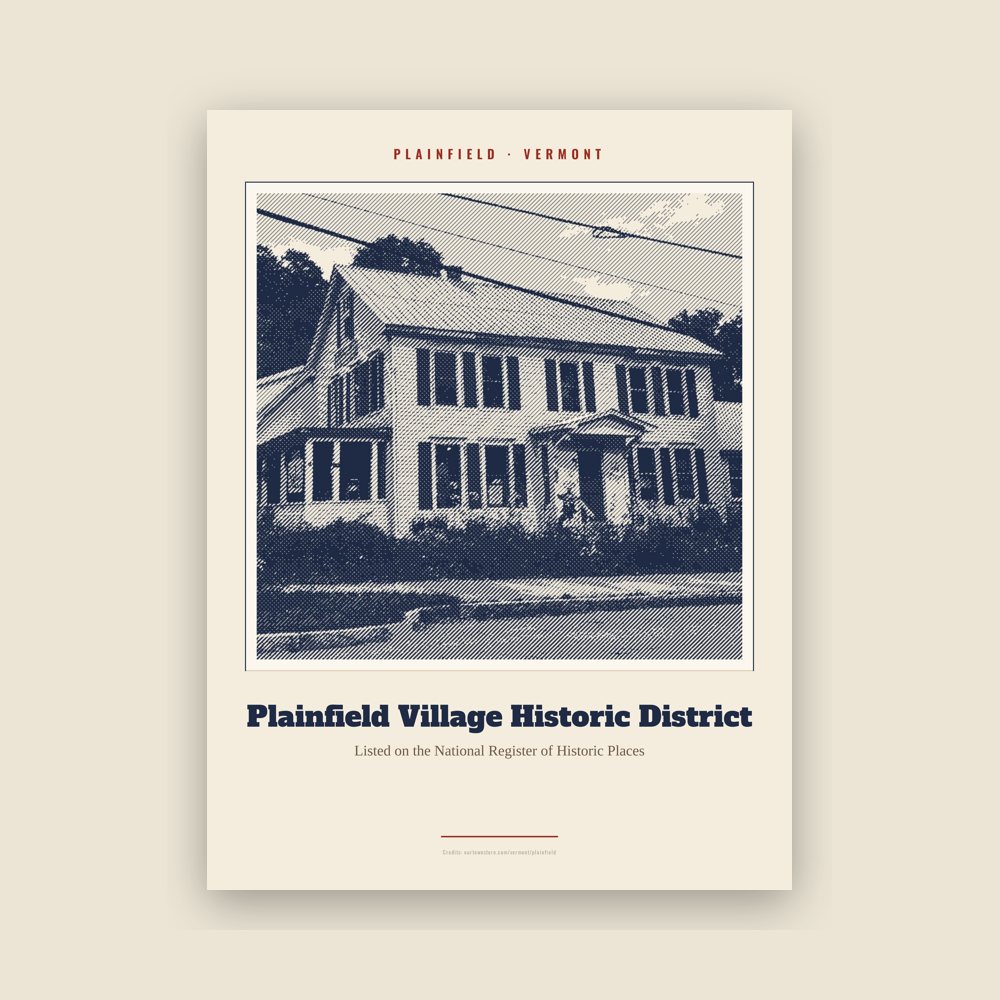
Archival matte print of a local landmark, credited to its photographer
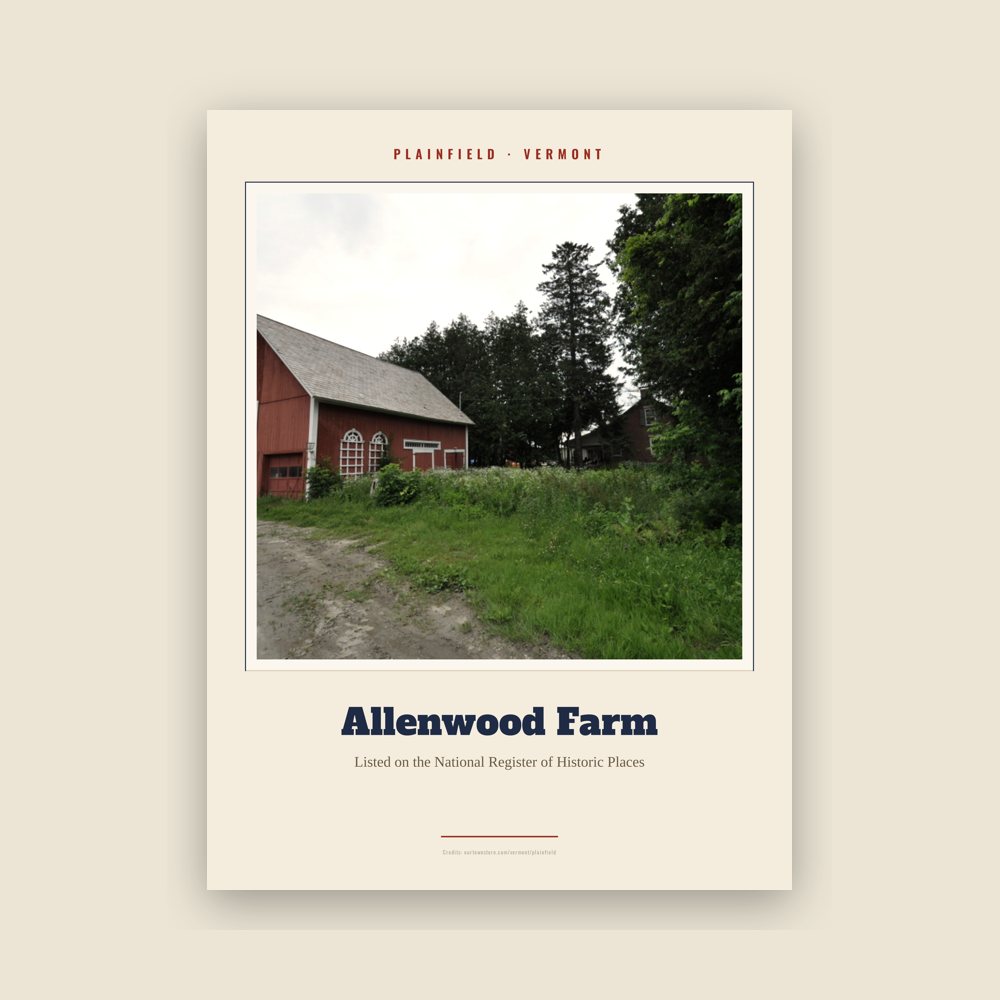
Archival matte print of a local landmark, credited to its photographer
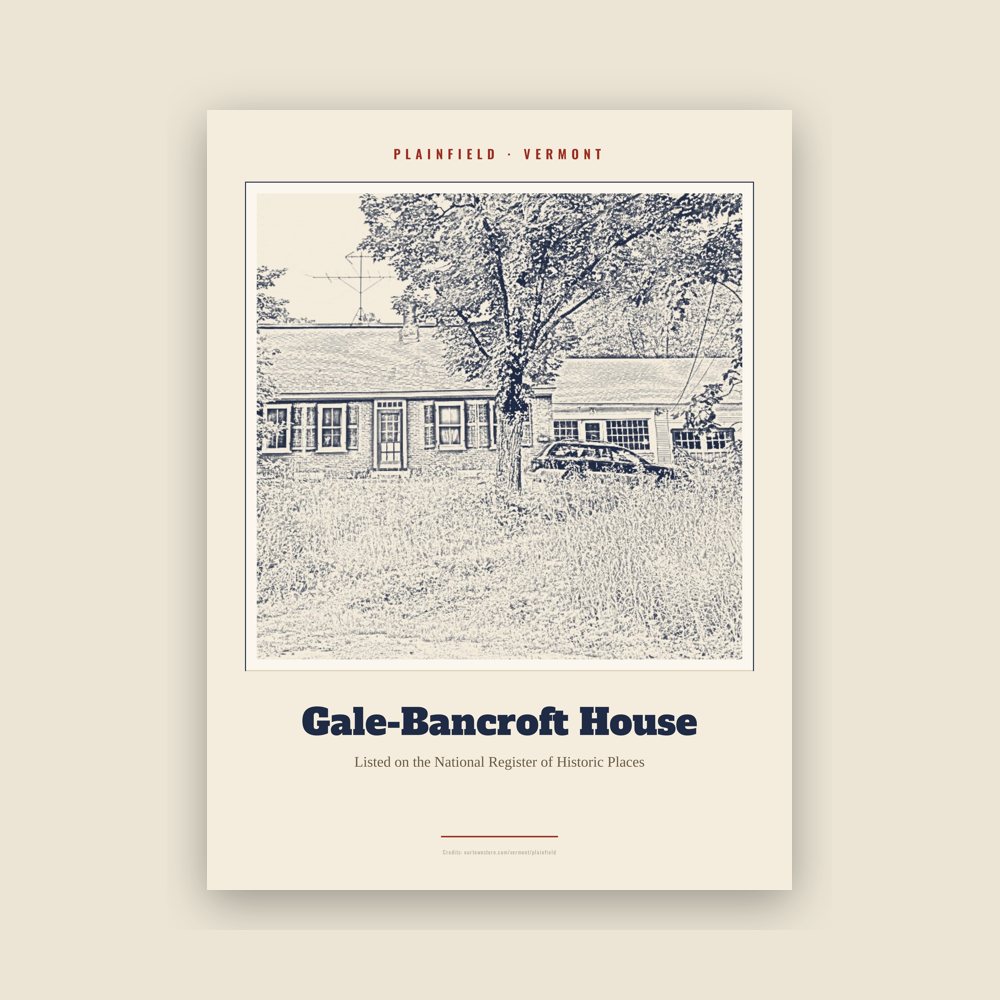
Archival matte print of a local landmark, credited to its photographer
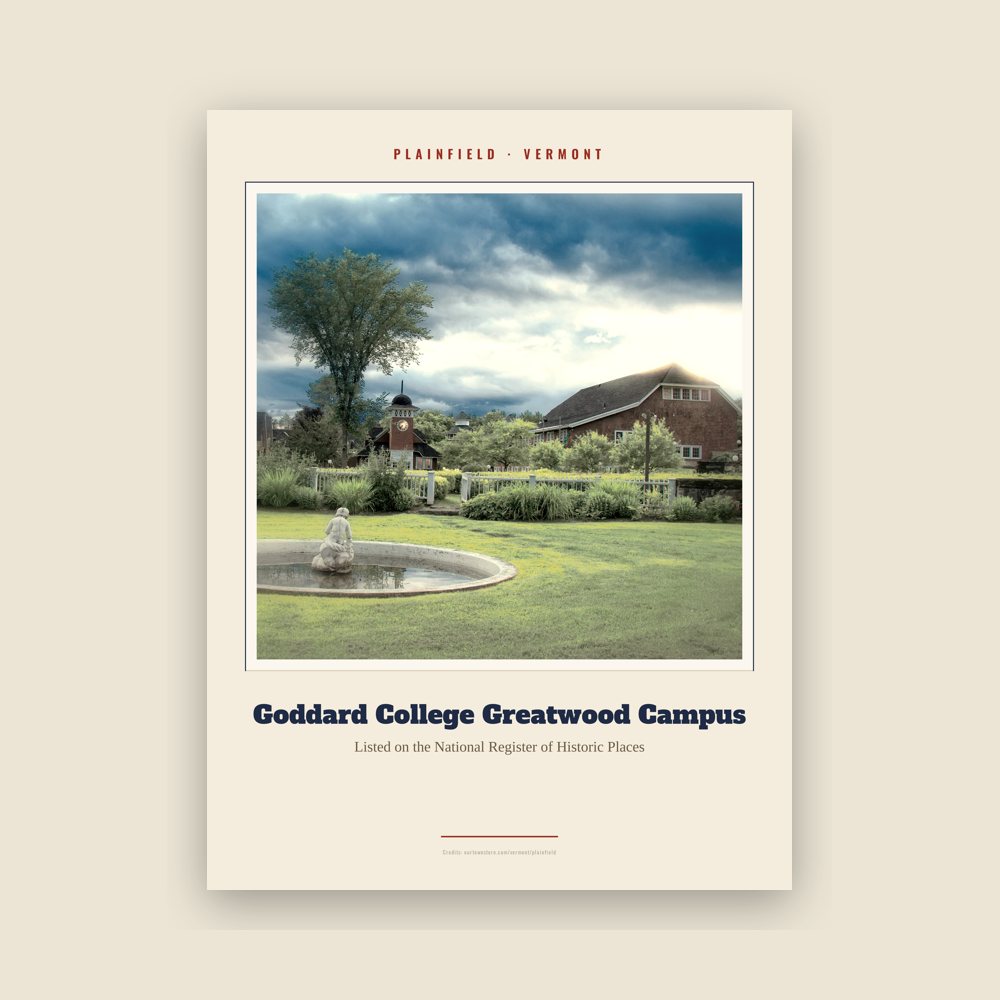
Archival matte print of a local landmark, credited to its photographer
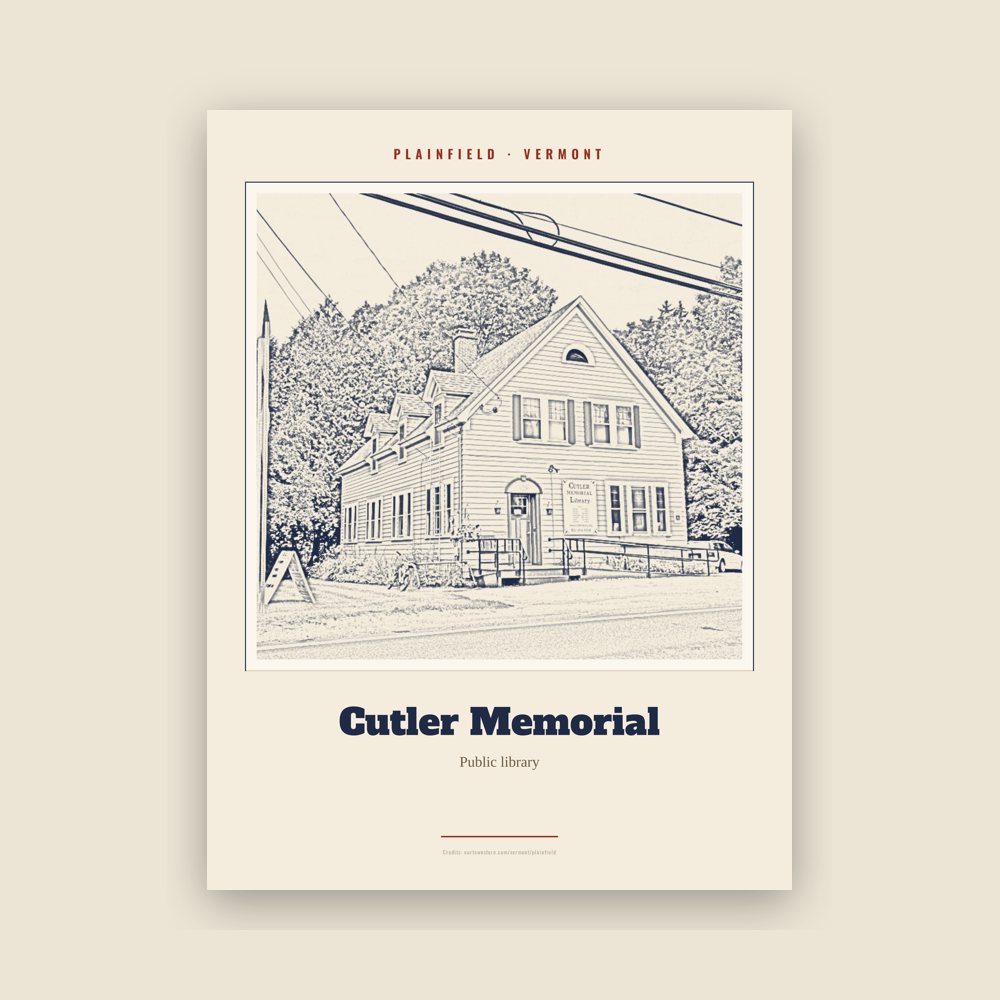
Archival matte print of a local landmark, credited to its photographer
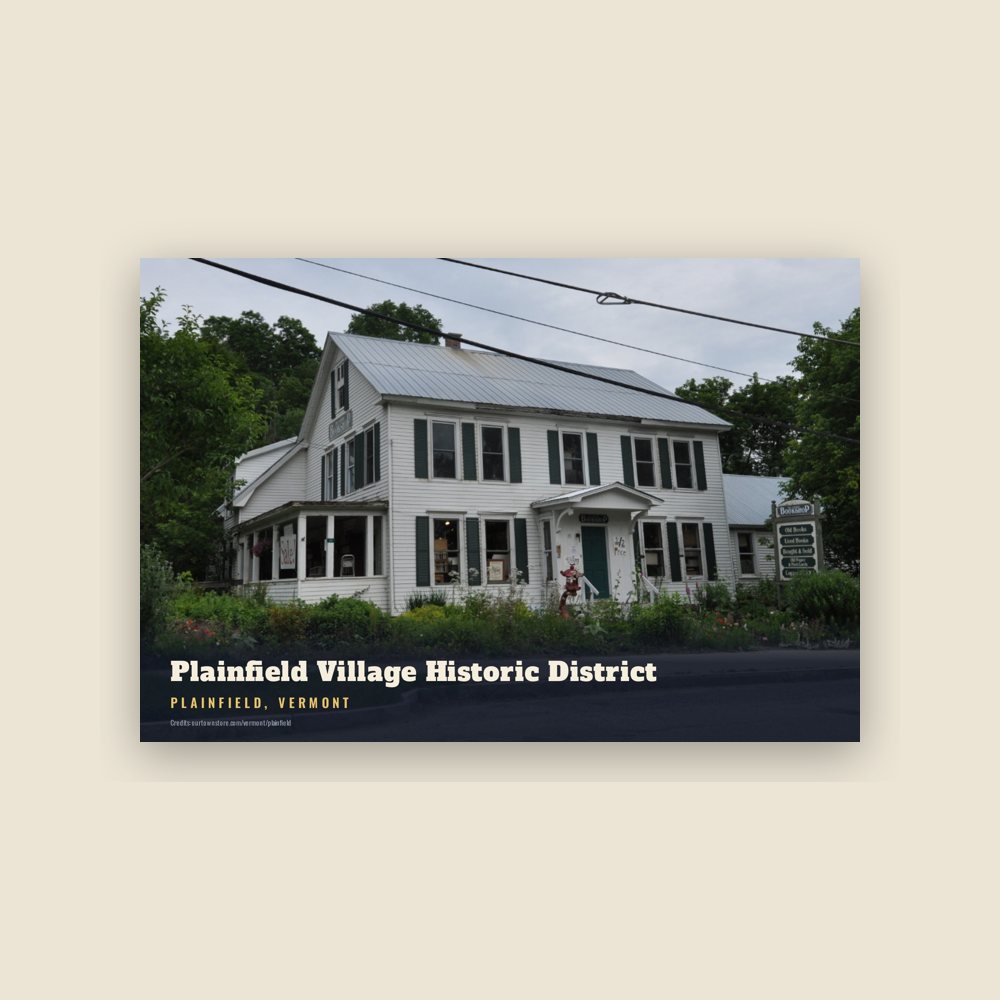
6″×4″ postcard, glossy front
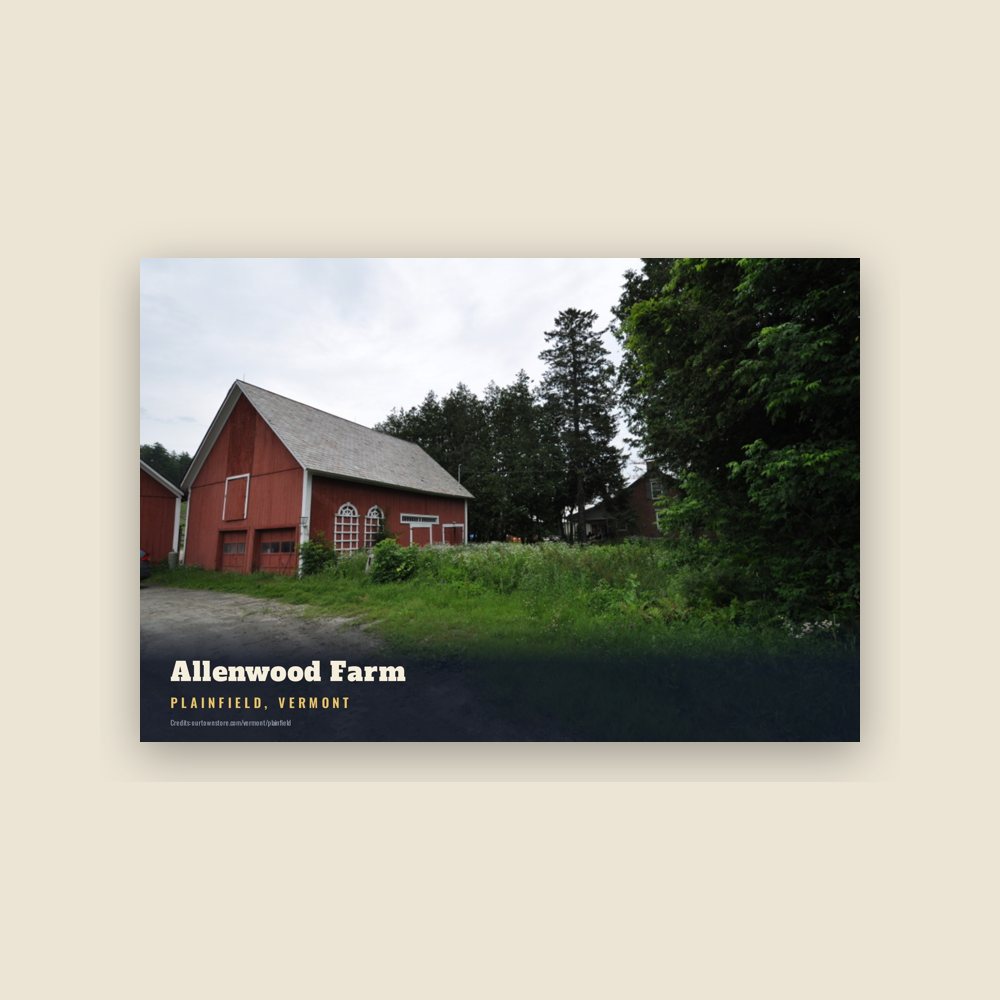
6″×4″ postcard, glossy front
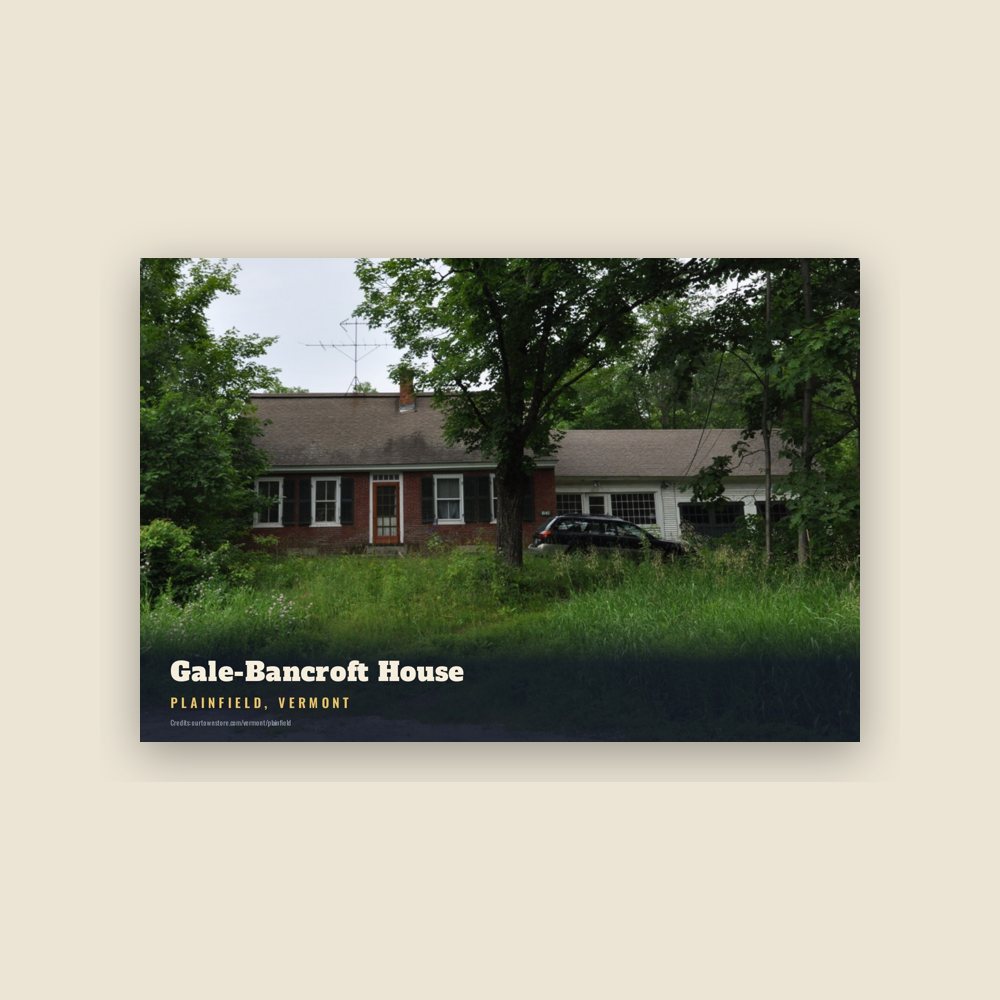
6″×4″ postcard, glossy front
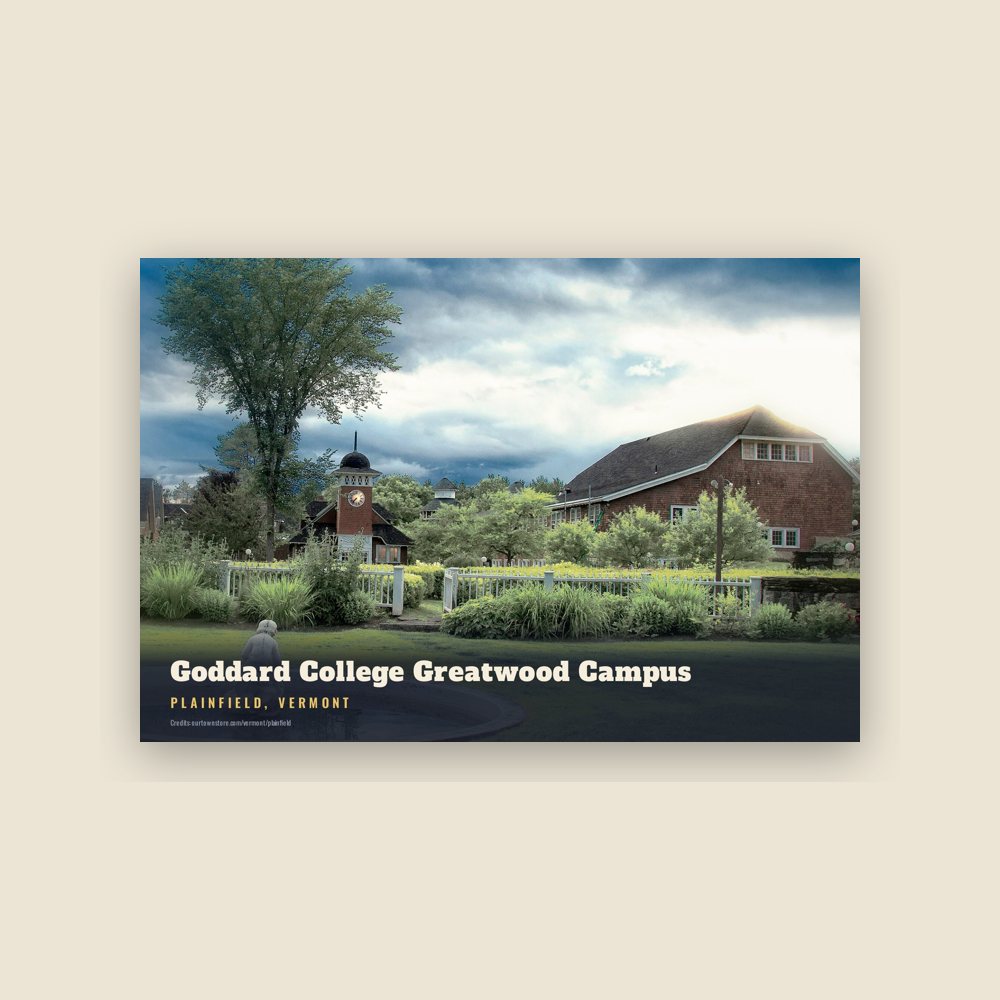
6″×4″ postcard, glossy front
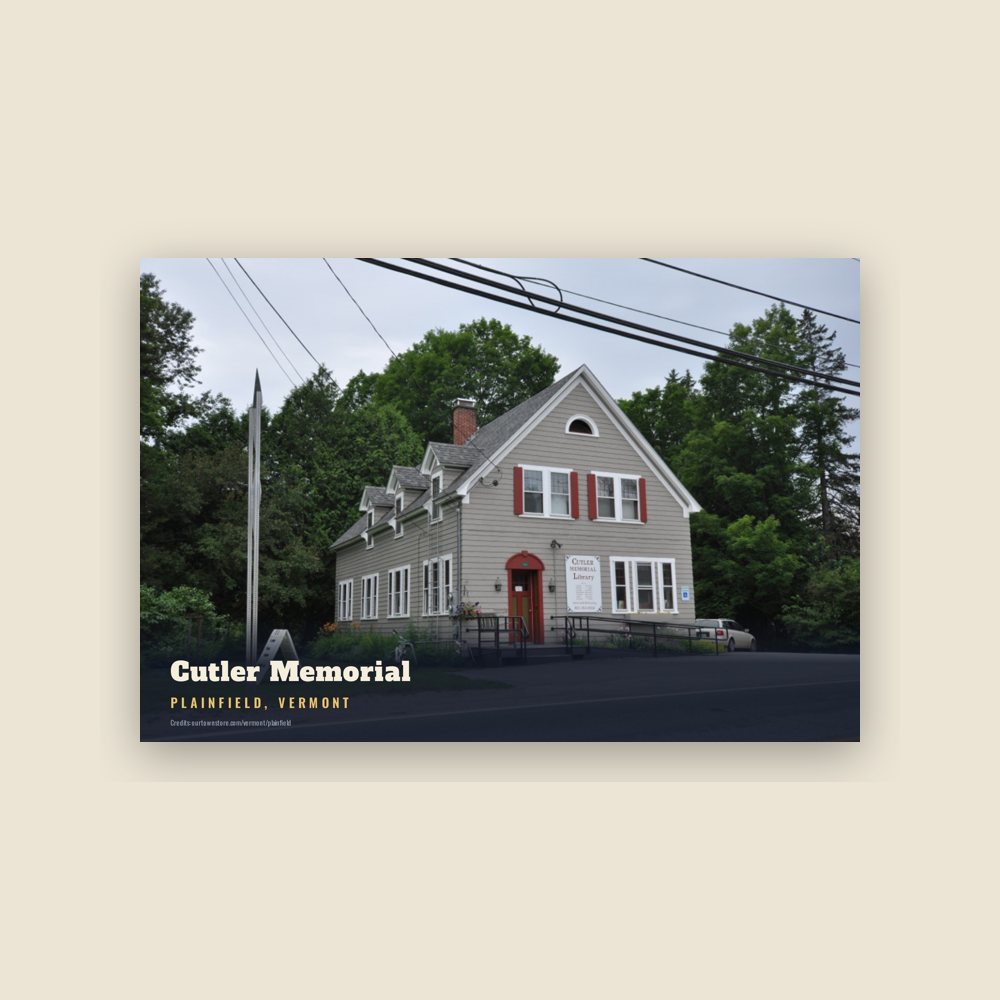
6″×4″ postcard, glossy front
Population 2010: 1,243 → 2020: 1,236
From Wikidata (CC0).
When the government of independent Vermont was being organized, the surveyor for northern Vermont, James Whitelaw, noticed that a parcel of land, smaller than the standard town size of six miles (10 km) square and lying between Montpelier and Marshfield, had not been granted to any settlers. One corner of this "gore" was marked as "St. Andrew's Corner". Whitelaw and his assistants were later paid for their work with land grants, one of which was the St. Andrews's gore.
Most of the land in St. Andrew's was later sold to Ira Allen. It was Allen's plan to rent the land in order to provide income for a college in Burlington, and he delegated that task to Jacob Davis, who sold the land to settlers instead. Litigation over the grants lasted for years. Davis eventually divided the rest of the gore into 320-acre lots.
Settlement began in the 1790s, and the population increased as land was cleared. A dam was built on the Winooski River and grist mills and sawmills were constructed. The area now known as Plainfield village was variously known as Mill Privilege, Mud Hollow, and Slab Holler. The name was later changed to Plainfield after the town of the same name in New Hampshire, hometown of settler John Chapman, who made his suggestion attractive by offering to provide the town with leather-bound record books. The town was incorporated as Plainfield in 1867, after the American Civil War.
The village experienced flooding in July 2023 and 2024. 28 homes damaged in those floods were bought out by the state. The residents of downtown decided to move en masse to land on a plateau sold by two willing owners.
The village of Plainfield, Wisconsin was named by its postmaster Elijah C. Waterman to honor his hometown of Plainfield, Vermont.
Adapted (trimmed) from the Wikipedia article Plainfield, Vermont, revision 1374790921 by its contributors, licensed CC BY-SA 4.0.
We share a part of every Plainfield sale with local partners, and we'd love to print from your collection. Old photographs, maps and postcards make the best keepsakes.
Partner with us