A short history of West Warwick
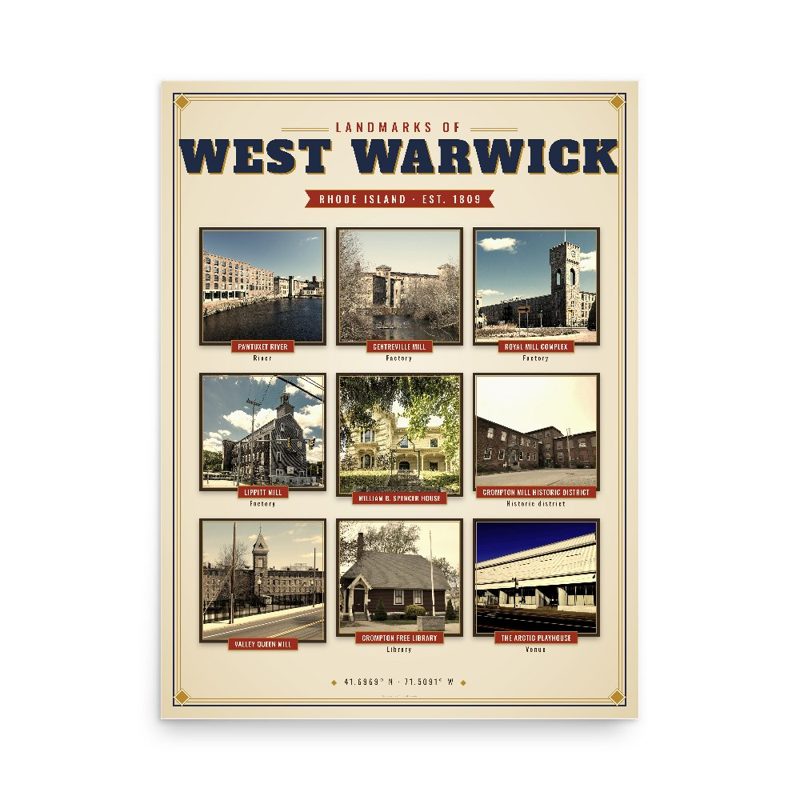
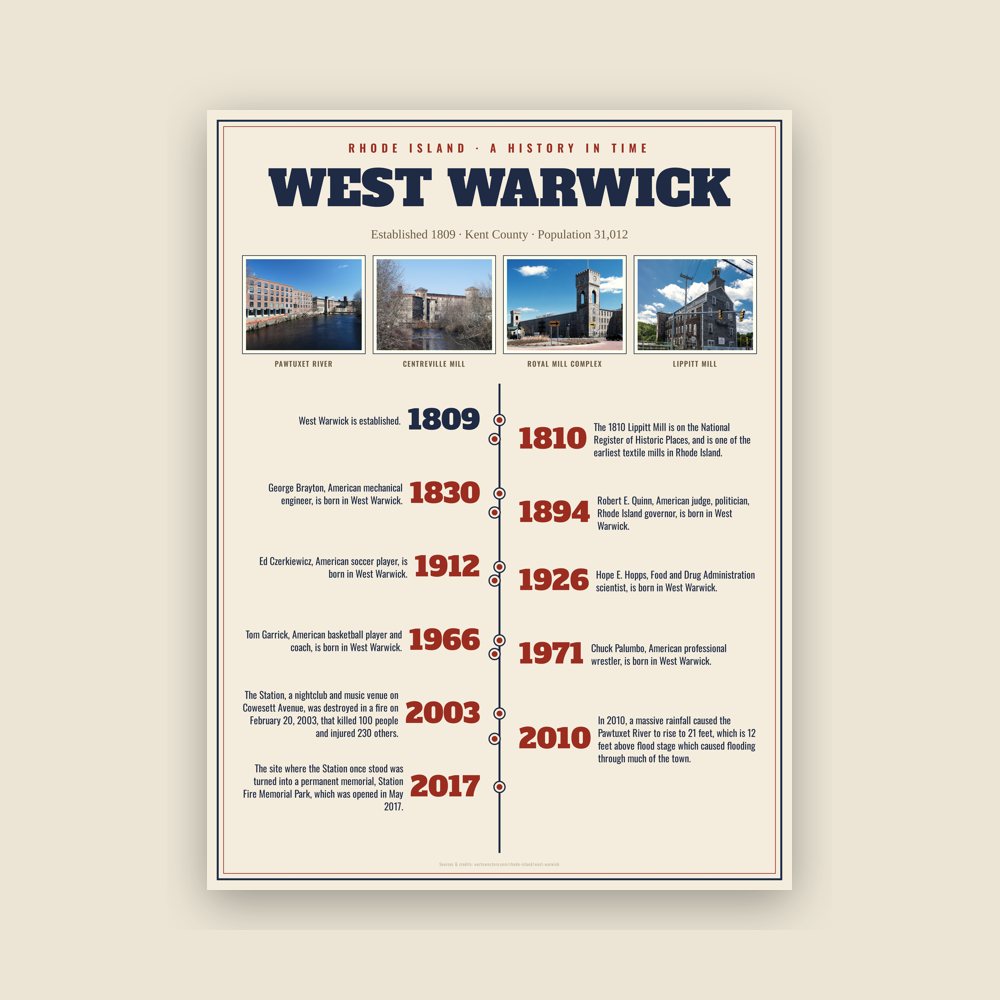
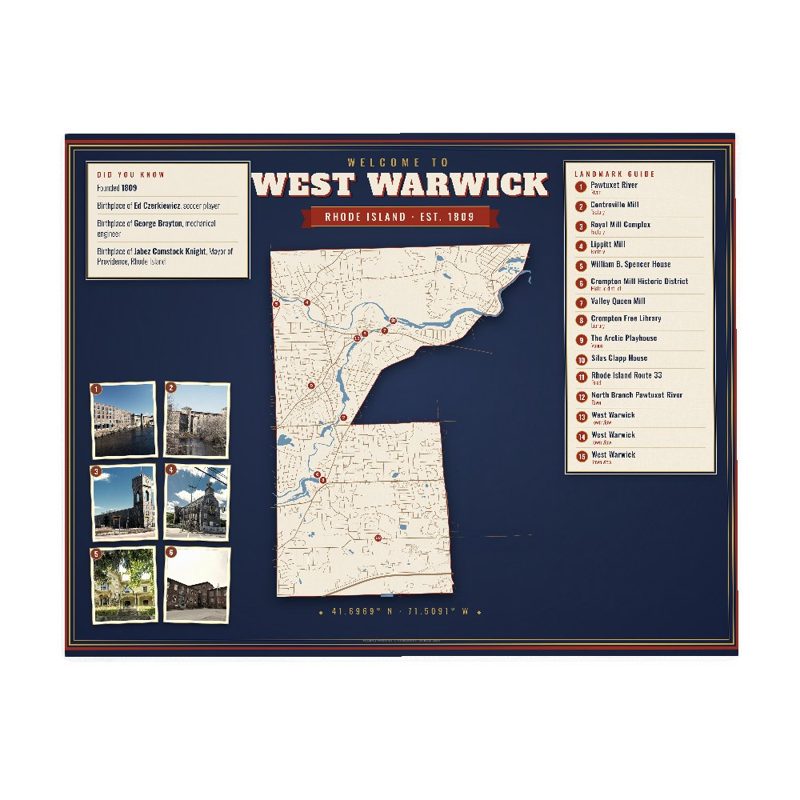
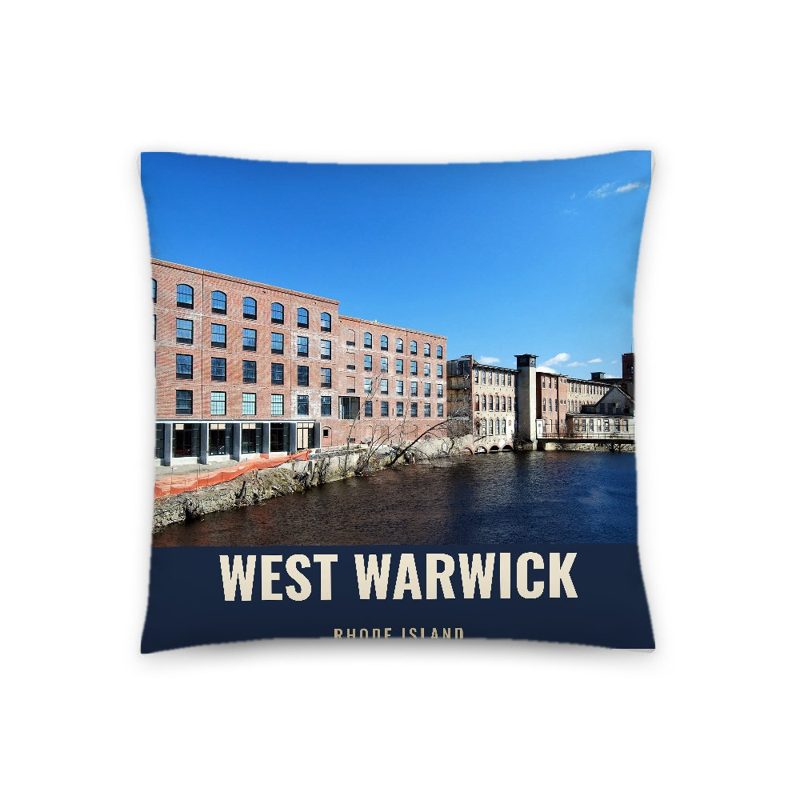
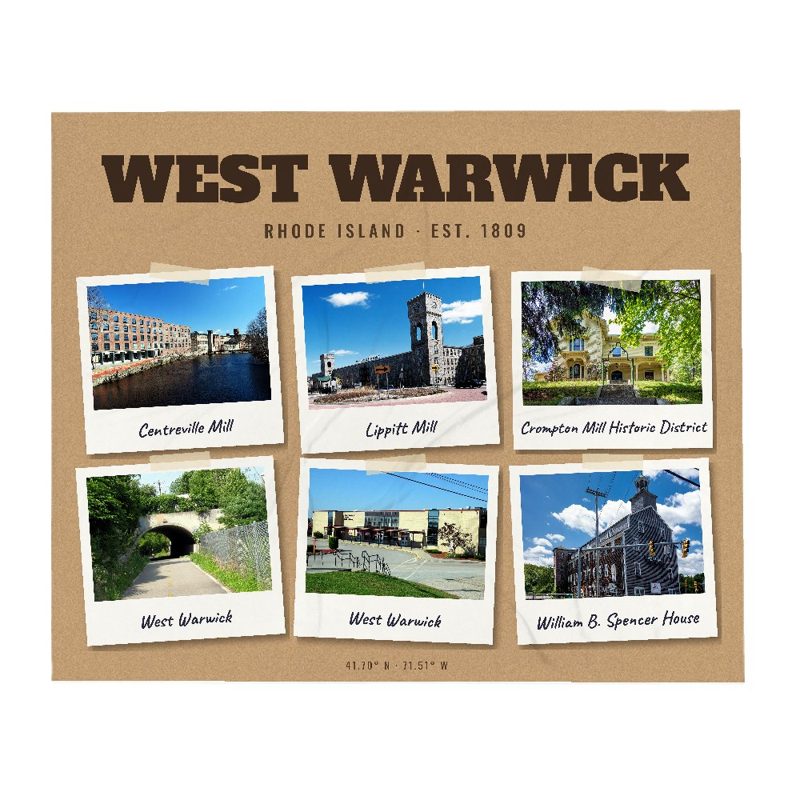
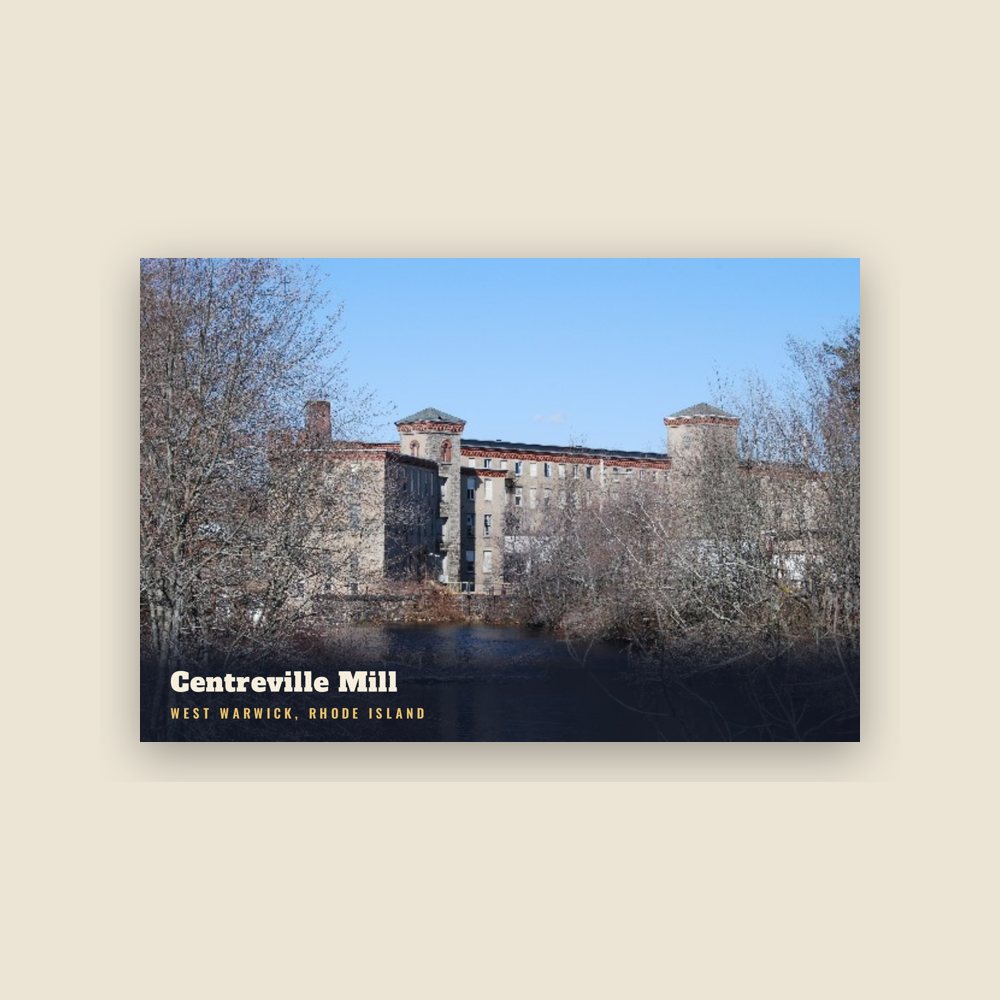
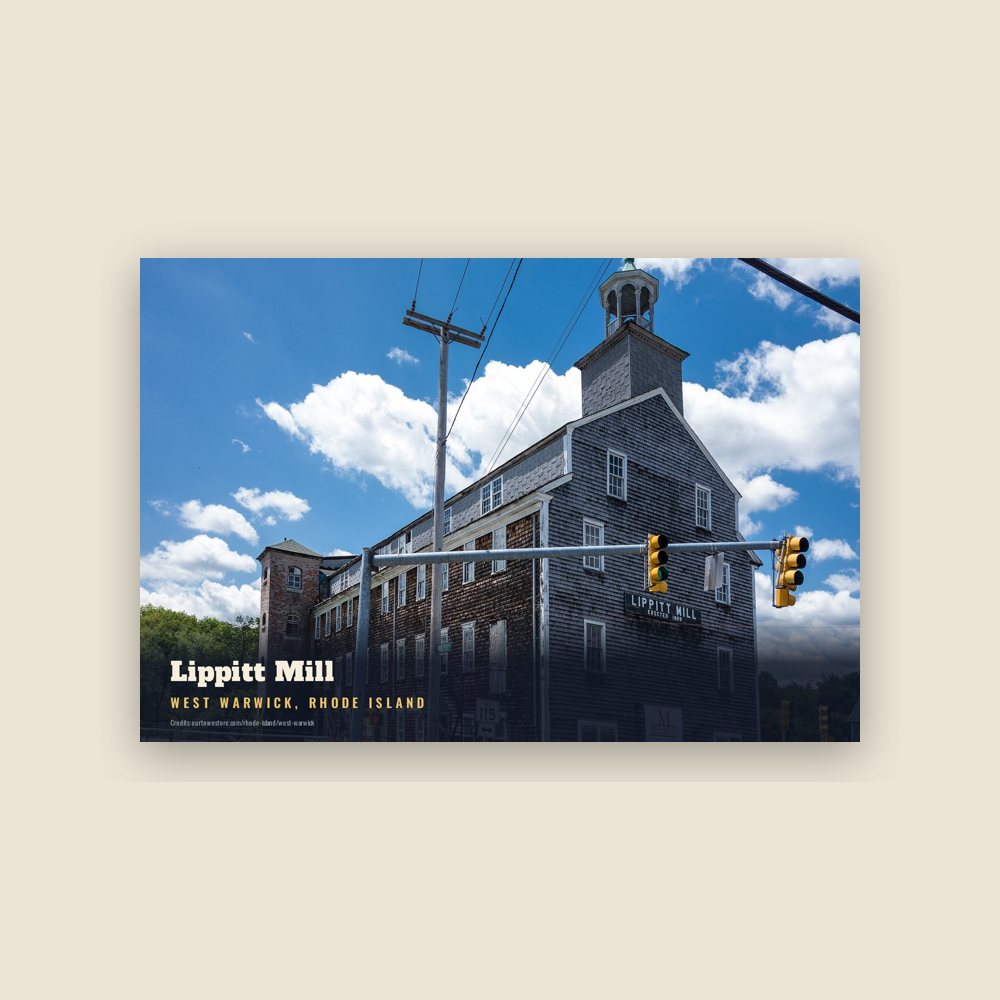
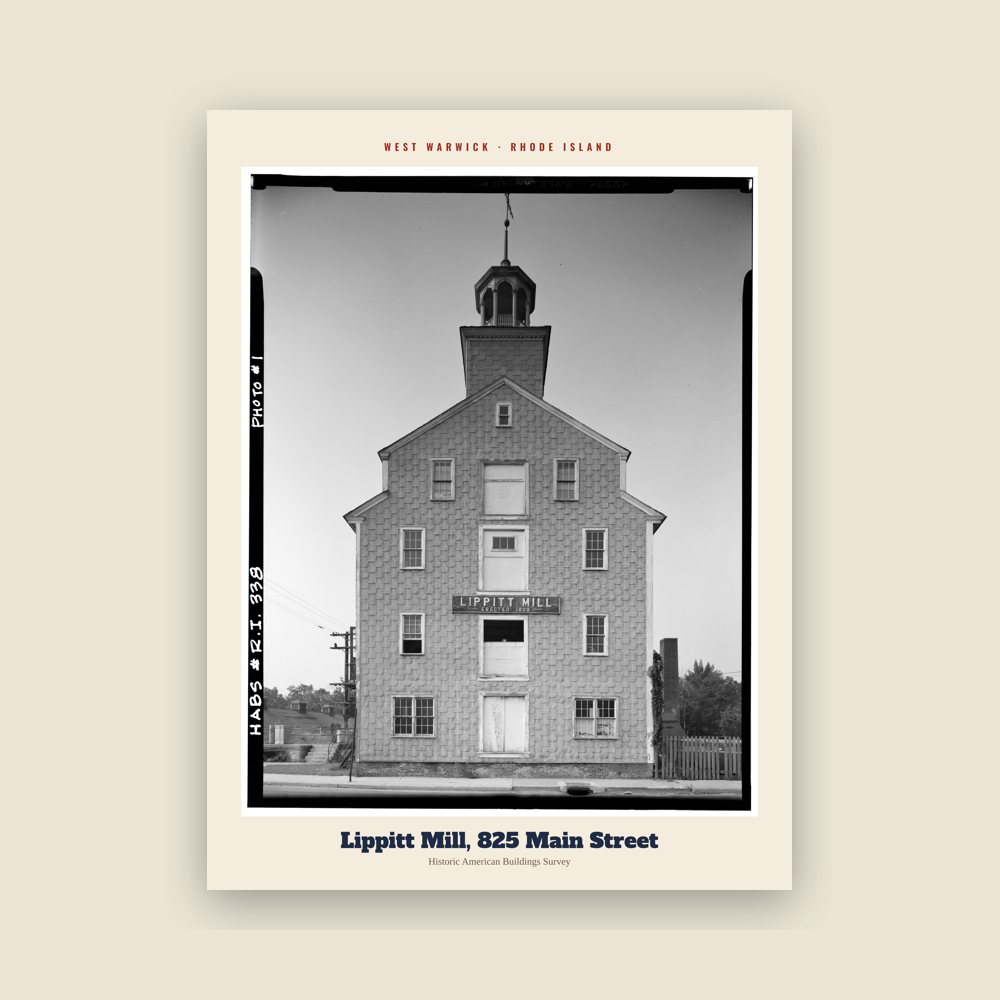
The area that is now the town of West Warwick was the site of some of the earliest textile mills in the United States situated along the banks of the north and south branches of the Pawtuxet River. These small mill villages of the Pawtuxet River Valley would play an important role in the early development of the textile industry in North America. Lippitt Mill, founded in 1809 by Revolutionary War hero Christopher Lippitt, was one of the first mills in the area.
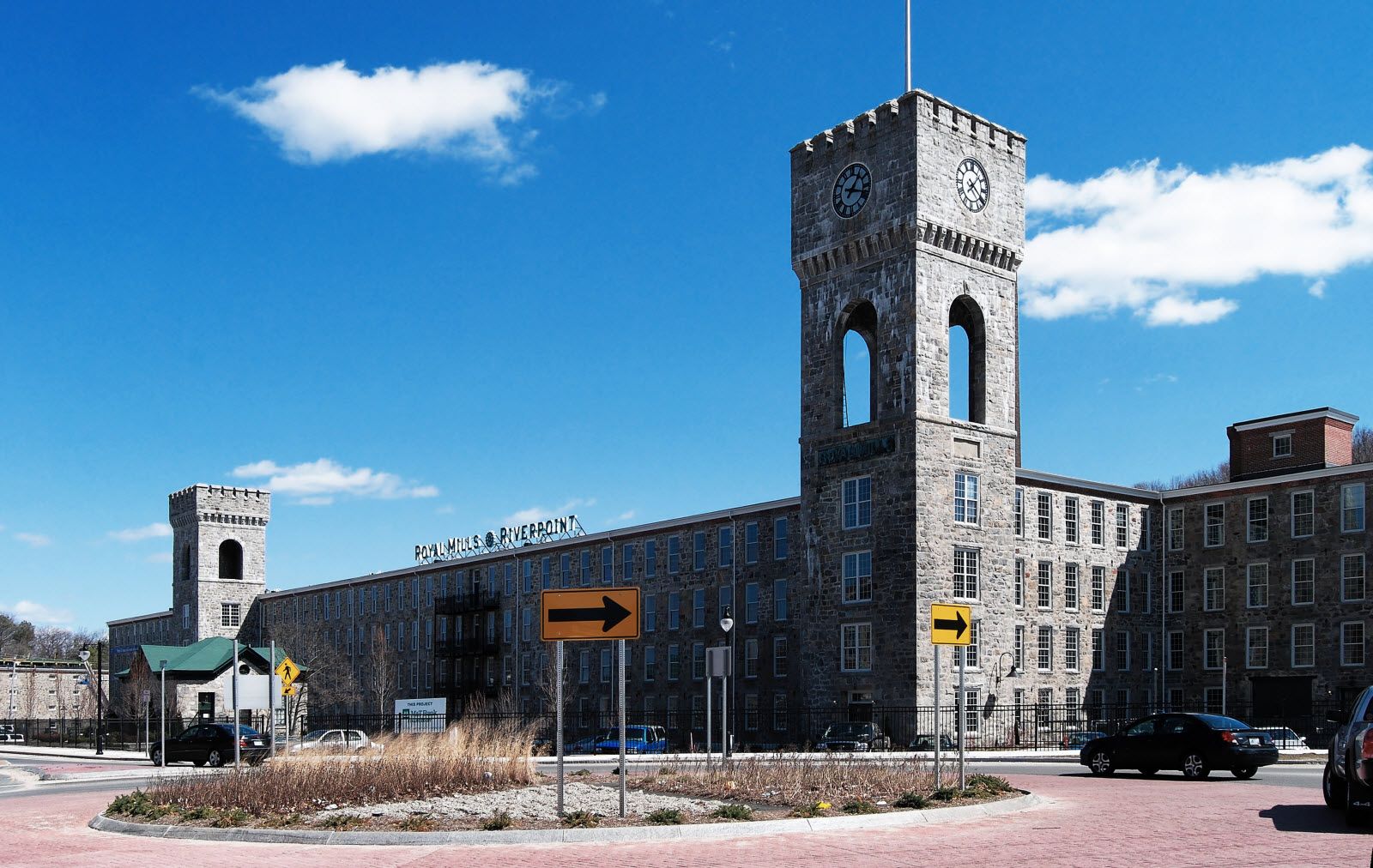
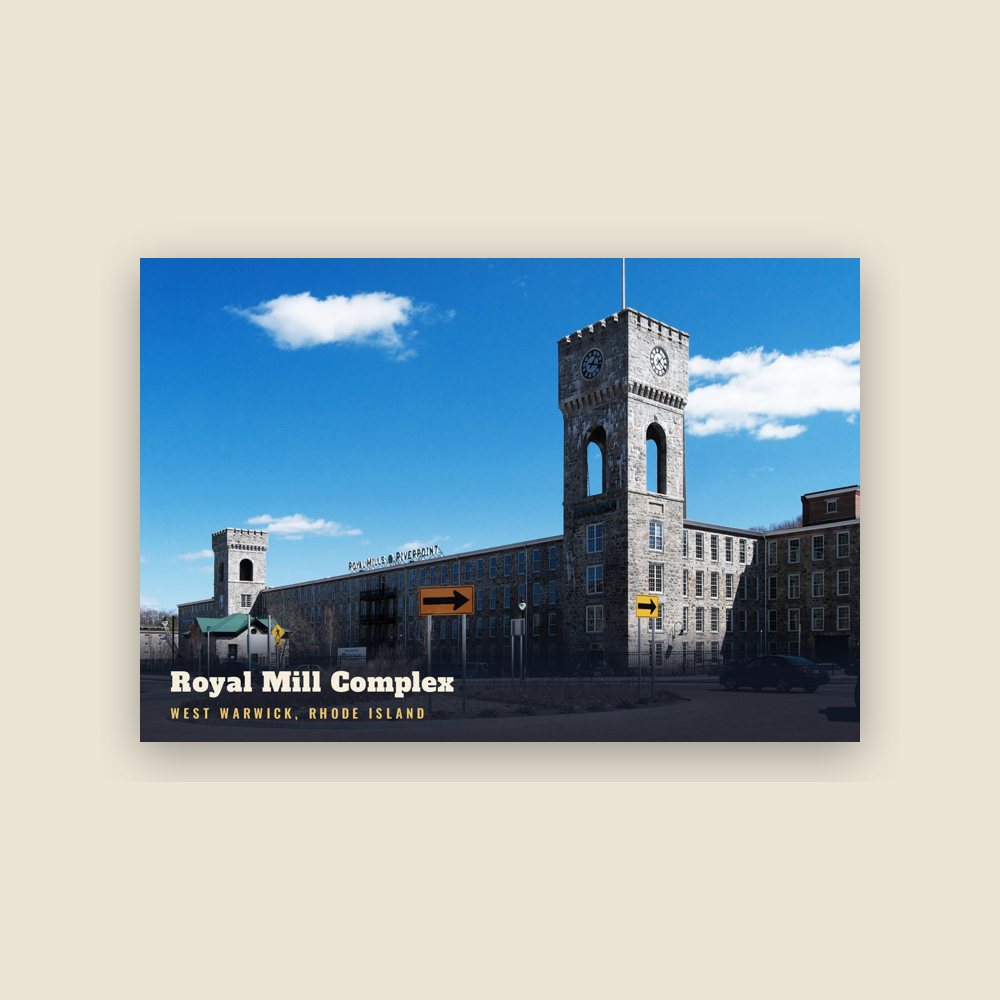
The 1810 Lippitt Mill is on the National Register of Historic Places, and is one of the earliest textile mills in Rhode Island. It was founded in 1809 and the current dam was constructed in 1889. The Mill is one of the earliest textile mills in Rhode Island and is one of the oldest American textile mills still used for manufacturing. Another mill center, River Point, is located at the junction of the North and South branches of the Pawtuxet River, and is home to several mills which have been converted to residences, and which make up the Royal Mill Complex. The Original Bradford Soap Works, located in the Valley Queen Mill, dates back to the 1800s and is still in use today.
The Station, a nightclub and music venue on Cowesett Avenue, was destroyed in a fire on February 20, 2003, that killed 100 people and injured 230 others. The fire occurred during a concert by the rock band Great White, when a pyrotechnic display ignited packing foam that had been used to soundproof the building. The site where the Station once stood was turned into a permanent memorial, Station Fire Memorial Park, which was opened in May 2017.
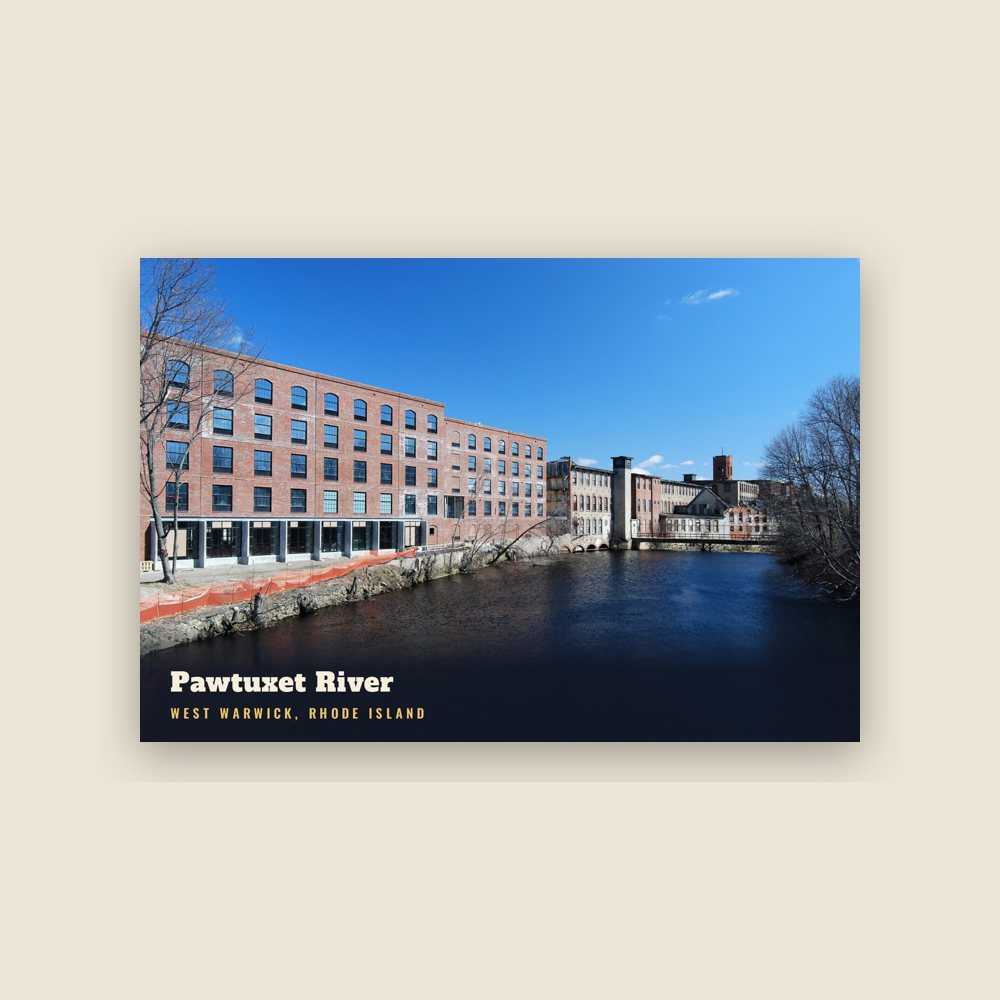
In 2010, a massive rainfall caused the Pawtuxet River to rise to 21 feet, which is 12 feet above flood stage which caused flooding through much of the town.
Adapted (trimmed) from the Wikipedia article West Warwick, Rhode Island, revision 1379601356 by its contributors, licensed CC BY-SA 4.0.
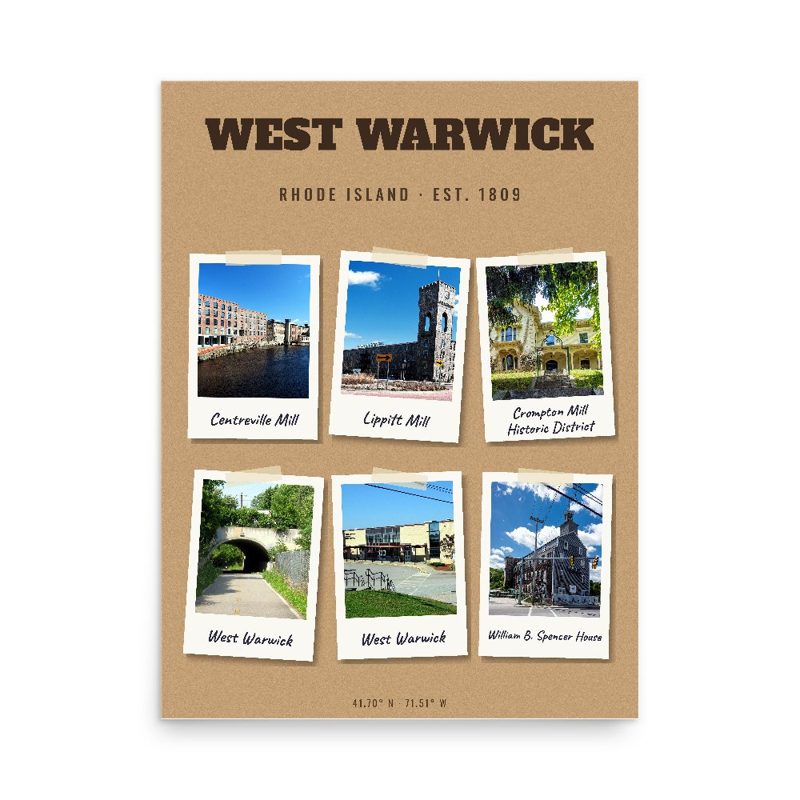








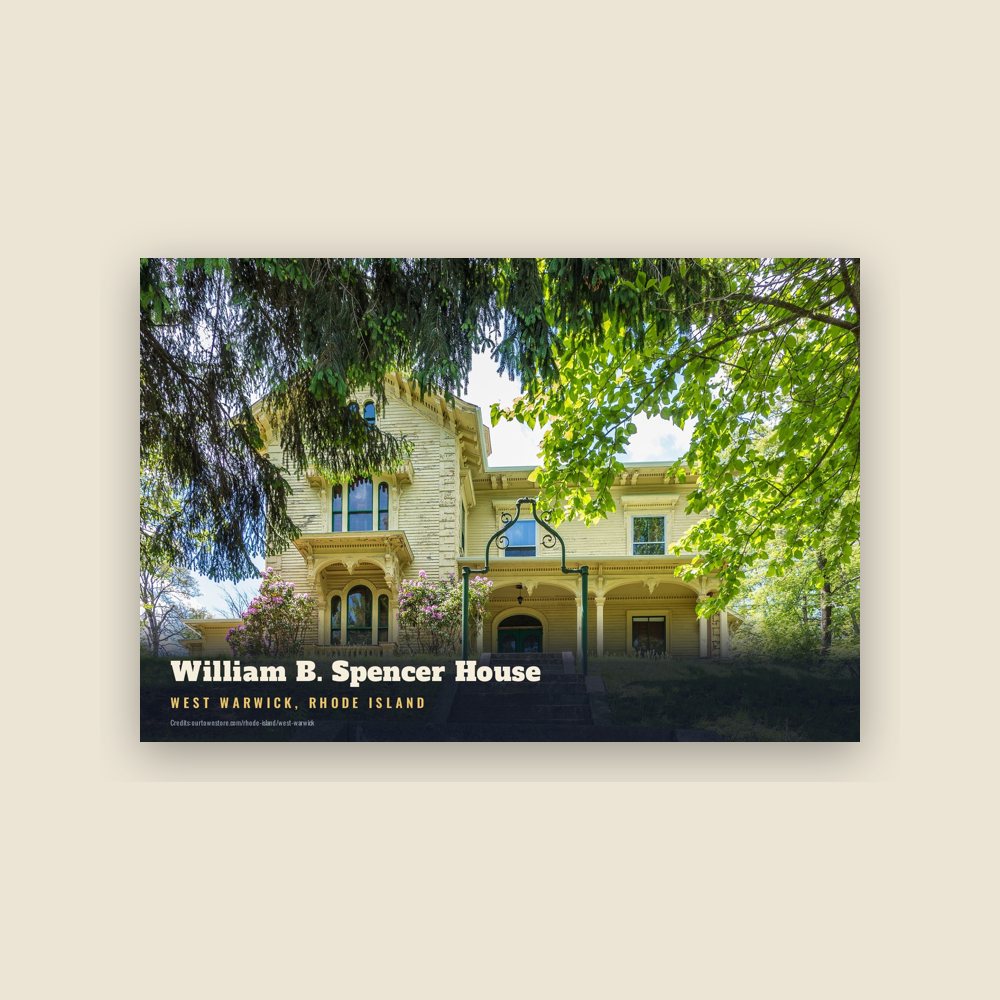
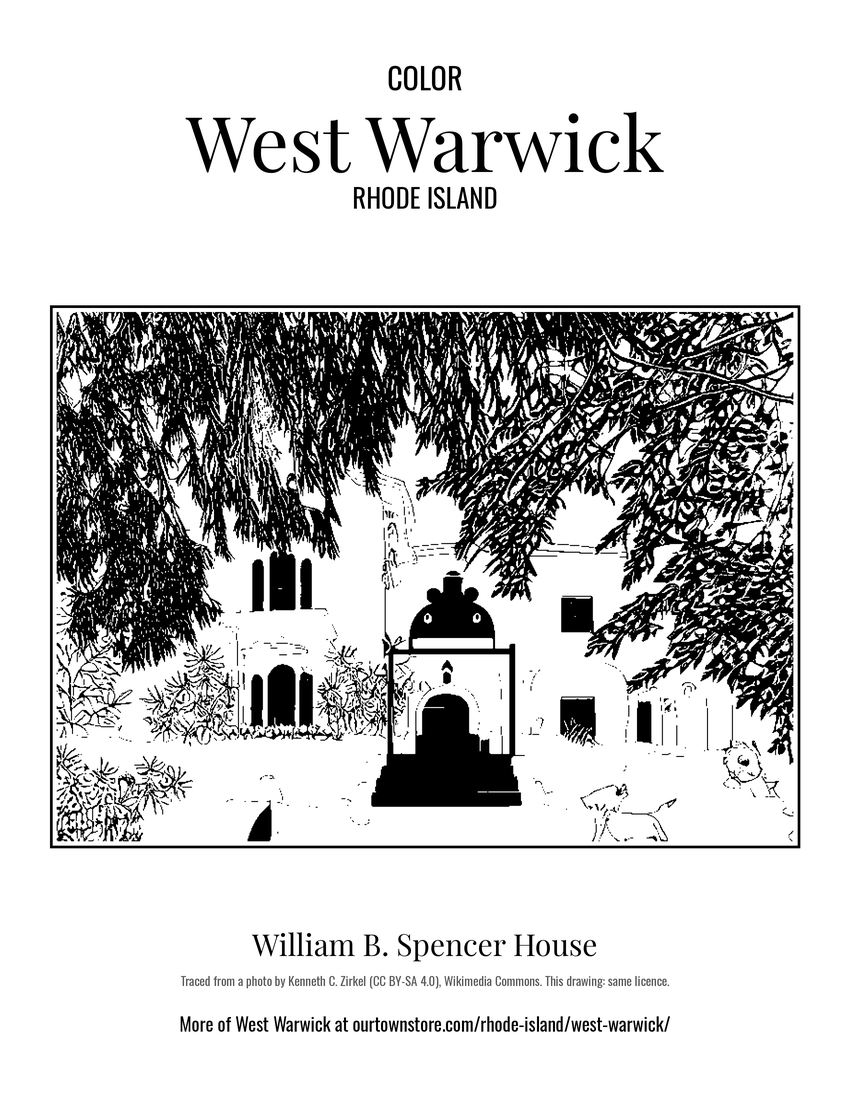 William B. Spencer House
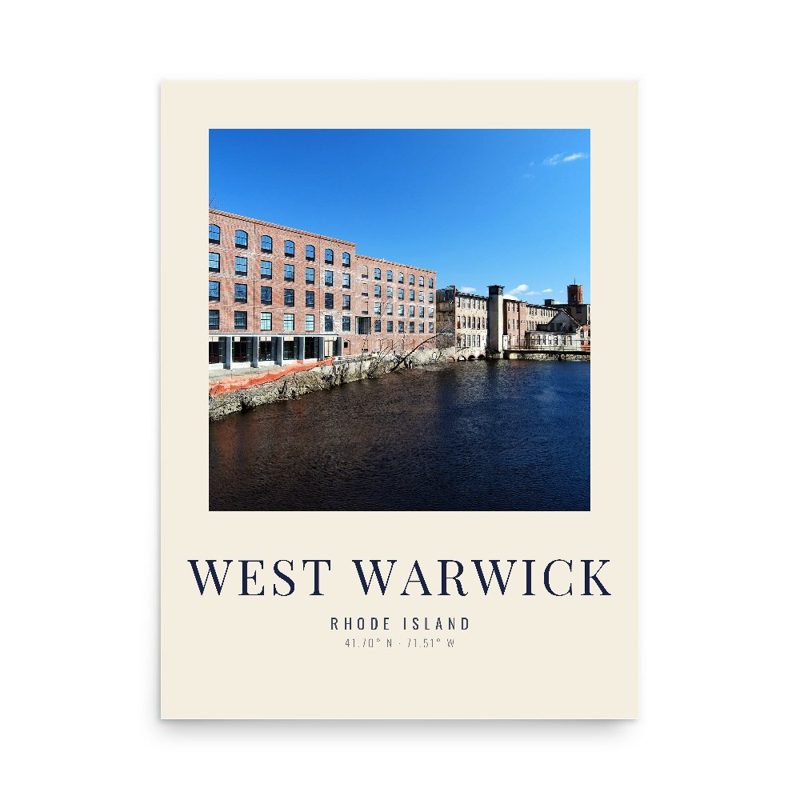
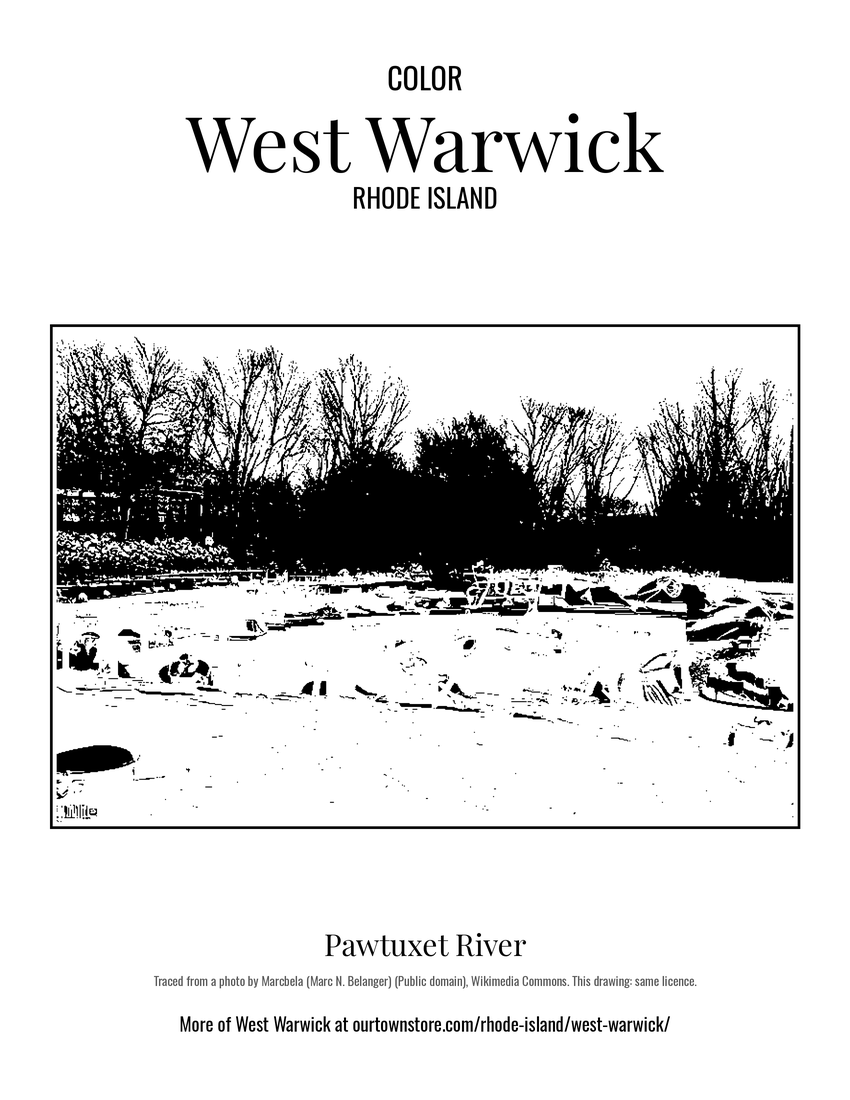 Pawtuxet River
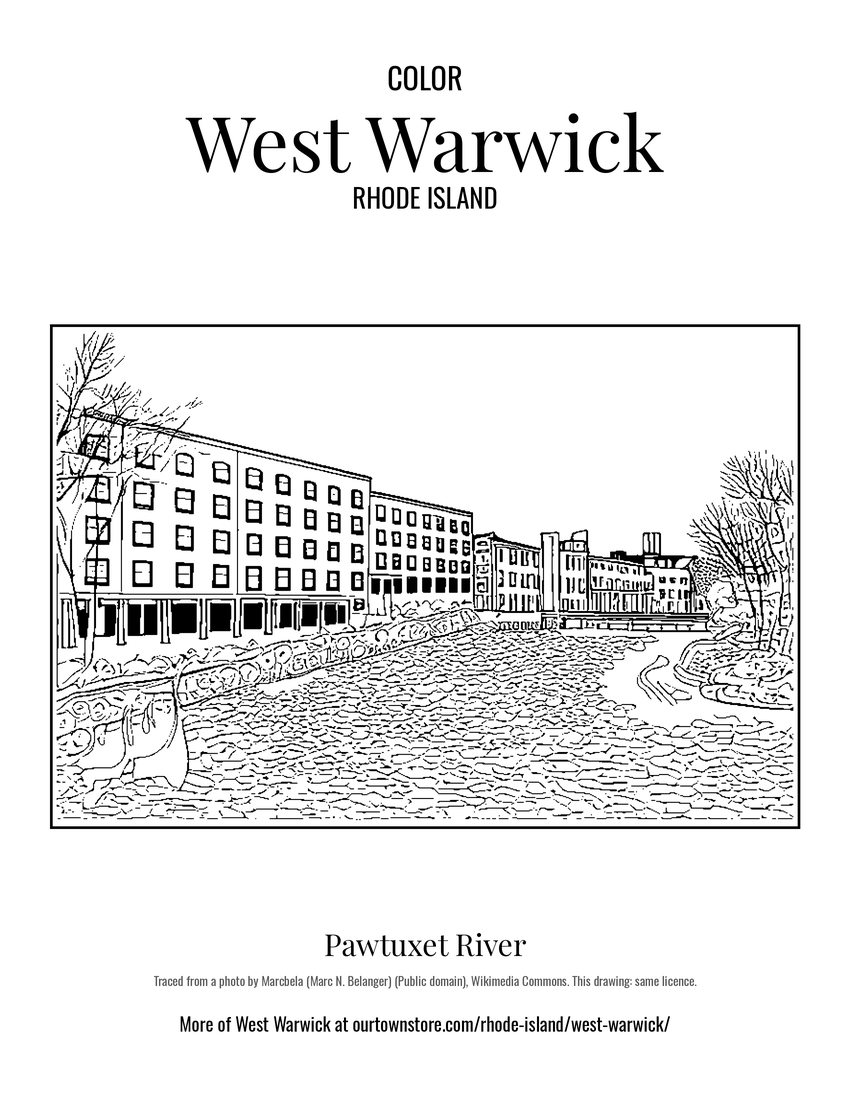 Pawtuxet River
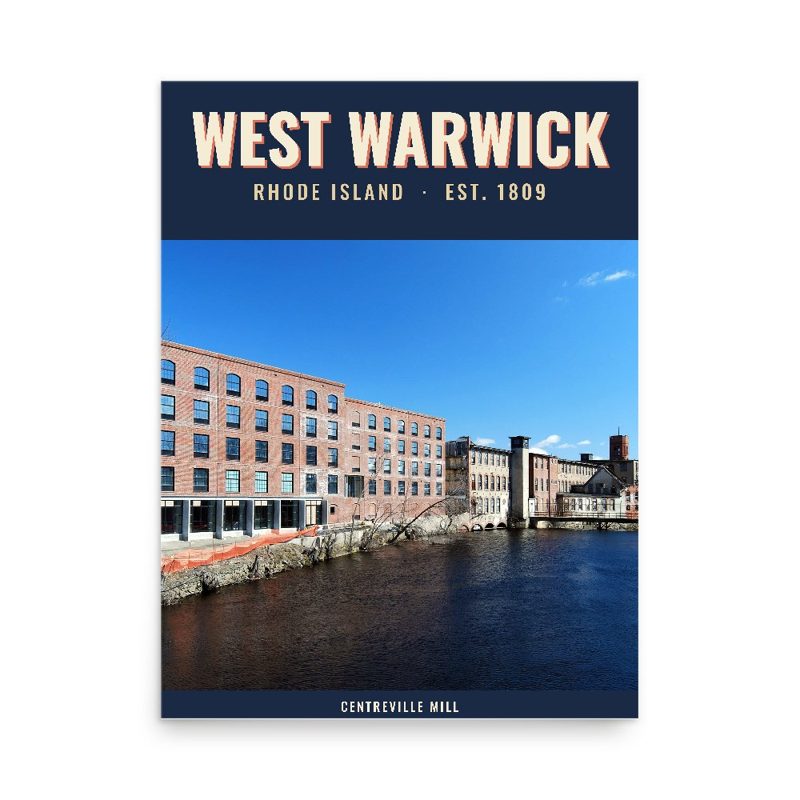
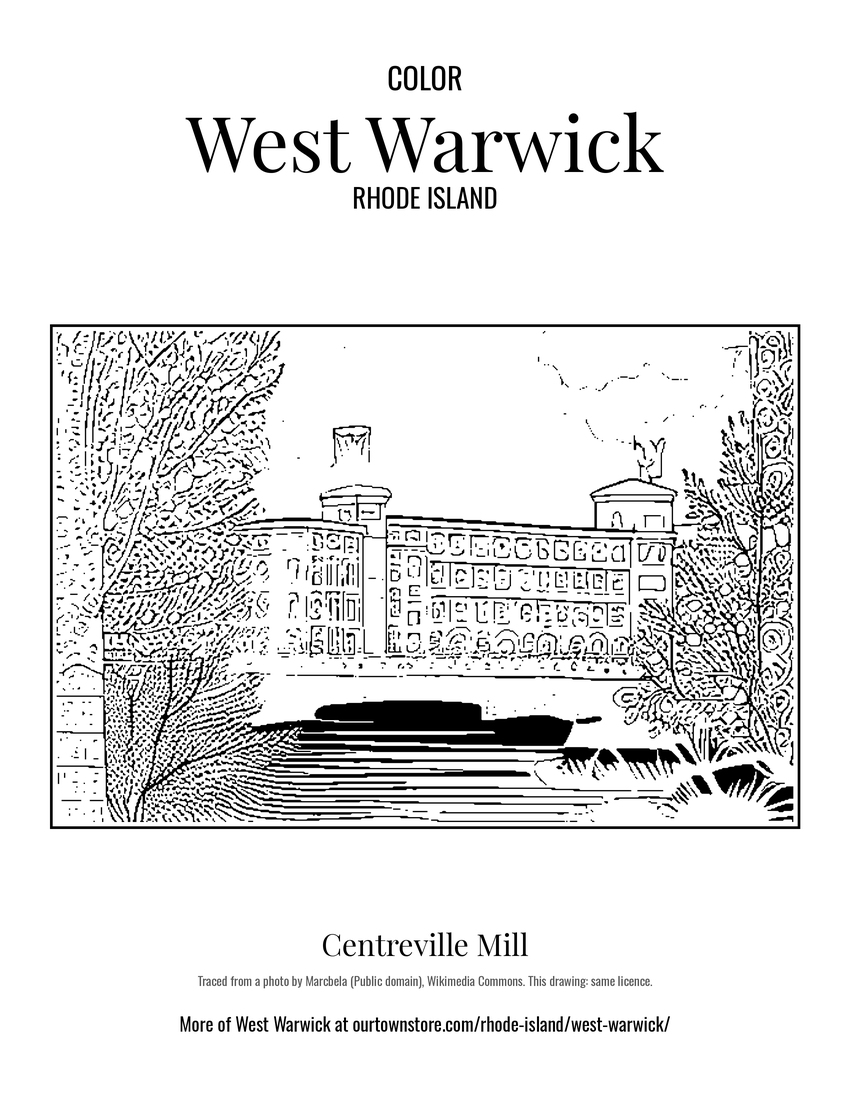 Centreville Mill